Rolling up sleeves for a hopeful future: Immunocompromised healthcare workers with IBD share their vaccine experiences

Since the start of the pandemic, healthcare workers have carried the heaviest burden. Especially those who are immunocompromised while working in harm’s way. This week on Lights, Camera, Crohn’s you’ll hear from three healthcare workers with IBD who are immunocompromised and have received their first vaccine. It’s my hope that by hearing from these warriors firsthand that you’ll gain a sense of comfort, understanding, and perspective while also understanding the importance of debunking medical misinformation. Our IBD community is delicate and requires more expertise than simply listening to a family member or friend who “read something on the internet” or someone who has a cousin with Crohn’s (or now COVID).

Wearing several hats—IBD Mom and Relief Charge RN in COVID Unit

When Shermel Edwards-Maddox of Houston was diagnosed with Crohn’s disease in 2007 at age 24, little did she know that she’d one day lead the charge in a medical unit in the thick of a pandemic, while having two kids and a husband at home, while being on a biologic.
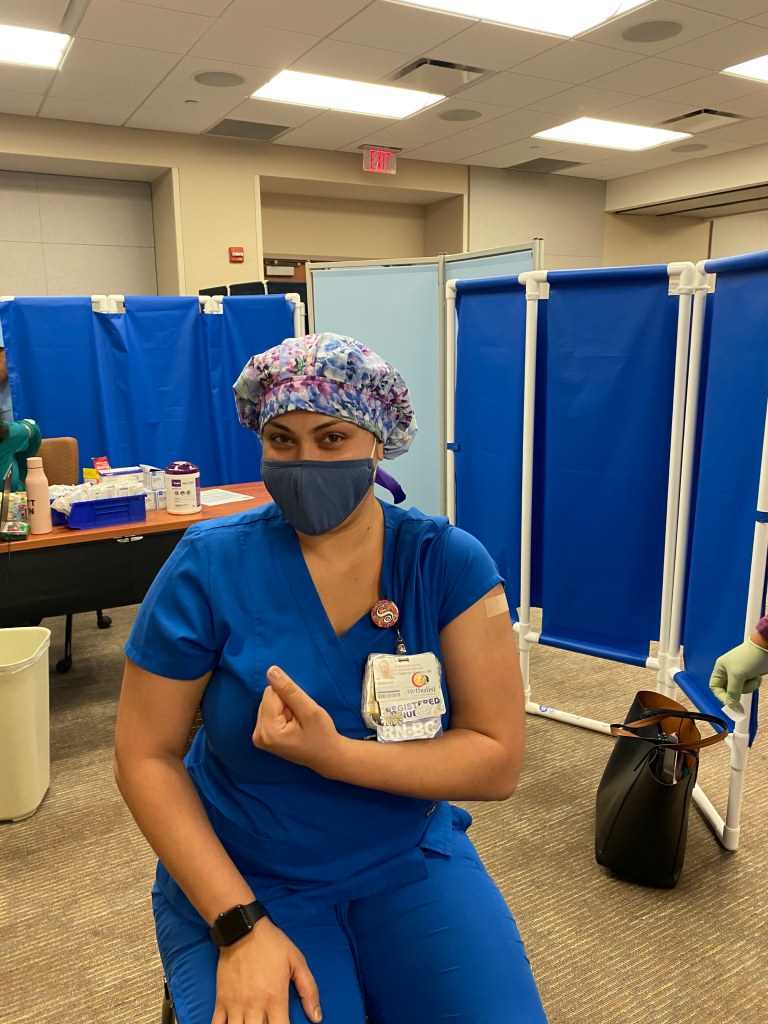
“It has been both physically, mentally, and emotionally draining. I imagine that every healthcare worker has been afraid however being immunocompromised has added an extra layer of fear. The emotional and mental exhaustion comes from the constant worry of “what if today is the day I catch COVID”? Every time I step onto the nursing unit, I’m aware that I could contract the virus. It’s very reminiscent of IBD and the worry of whether a flare is starting.”

Like many other healthcare workers (and the general population for that matter!), she says the roll out of the vaccine provided her with a sense of relief, but also an understanding about the importance of educating the public about the importance of getting vaccinated. As a nurse, she has a solid understanding of how clinical trials work and knows that more than 70,000 people received the vaccine between the Pfizer and Moderna trials. She was especially excited to receive the vaccine after it was found to be 95% effective. Shermel feels blessed to receive “0.3ml of hope” in a syringe and says many in her shoes feel like they just received their “second wind” after months of being beyond exhausted.

“It was quite emotional. I shed several tears in the days leading up to the vaccine. Those tears were in amazement of how grateful I am to be getting a vaccine that could spare me from this horrible virus that takes the lives of so many. When it came time for getting the vaccine, I felt pure excitement!”

Shermel’s only side effect she experienced was a sore arm, which is expected with any type of vaccine.

The COVID vaccine allows Shermel to not only protect herself but her husband, children, patients, and the community. It makes her feel hopeful to know her daughter will get to see her kindergarten teacher’s face without a mask and that her son will be able to attend his school graduation, free of social distancing. 

From an Ostomy Reversal in March to working as a clinical researcher

Caroline Perry also happens to live in Houston and after battling Crohn’s since the age of eight in 2000, she had an elective ostomy reversal surgery March 4th just as the pandemic was unfolding in the States. She takes Entyvio AND Stelara and says that even though she’s on two biologics, her physician had explained to her that both drugs have a relatively good safety profile. While she wasn’t overly nervous about contracting the virus more than the next person, she has been nervous about how her body would react to it.

As a clinical researcher, her boss, happens to be her gastroenterologist. Having her care team readily available and working alongside people she knows and trusts on both a personal and professional level has helped her cope through the pandemic immensely.

Prior to receiving the vaccine in December (2020), Caroline admits she had some initial concerns and brought them up to her doctor, which is what she recommends everyone does.

“Many people are getting all their information from the internet or by word of mouth and are neglecting to listen to our experts—some even mistrusting them. My doctor gave me lots of evidence on why she believes the vaccine is safe and debunked a lot of my fears, which I found out were fairly common questions or misconceptions regarding the vaccine. I got the information I needed to make an informed decision, and once I had all the information, I was no longer worried about getting the vaccine! I am much more concerned about getting COVID than any potential side effect of its vaccine.”

Caroline says she was so excited to receive the vaccine, not only for herself, but for all the healthcare workers that were in the room with her.

“Sitting in that chair, it hit me. I was really experiencing a significant piece of history and I will never forget the feeling of palpable relief in that room. As healthcare workers, we have heard nothing but bad news for so long, and the vaccine is a beacon and glimmer of hope, at the end of a very long tunnel.”

Due to the pandemic, Caroline and her fiancé canceled their wedding for the time being, but finally feel like they can breathe a sigh of relief. Her fiancé won’t be eligible to receive the vaccine until the last round is available, so until then, she says they will continue to practice COVID precautions and keep up to date with the latest data surrounding the vaccine.

After receiving the vaccine, Caroline still received her Entyvio that afternoon! Her only side effect, like Shermel, a sore arm. As of now, she’s working on COVID research in addition to her usual IBD research. Caroline says this past week was her first time working in the COVID ICU for a new clinical trial, and she felt a lot safer thanks to having the first vaccine.

Juggling Women’s Health while being a mom of 3

Janice Eisleben, a Women’s Health Nurse Practitioner in St. Louis, was diagnosed with Crohn’s in October 2017 while pregnant with her third child. She was initially on Humira, but started Stelara a year ago. Janice happens to work at the OB office I go to, so I know her personally and have experienced her amazing care through my own pregnancies. We connected immediately once we both discovered years ago that we were IBD moms on biologics.

She recalls how scary the onset of the pandemic was, between the limited information and the looming unknown. As a patient with IBD, on a biologic, she wasn’t sure what that ultimately meant for her well-being. When she found out the vaccine was going to start being available to healthcare workers, Janice says she was elated.

“I feel like the vaccine finally offers some level of comfort to healthcare workers who have literally been giving everything they have to take care of patients. And this is not limited to nurses and doctors! The hospital cannot run without the respiratory therapists, housekeepers, and maintenance staff—these people are truly the unsung heroes of this pandemic.”

Janice said she did not have concerns or worries about the vaccine because she had been following the clinical trials from the early stages. She says the energy she felt just standing in line to receive her vaccine was something she’ll always remember and that everyone there was beyond ready to take this next step.

“It was incredibly emotional. I honestly teared up when I received the email inviting me to schedule my appointment. I was so excited that the night before I had trouble sleeping—kind of like a kiddo who can’t sleep the night before Santa comes. This vaccine means so much for us. It means that maybe sooner than later I will feel more comfortable with my kids going back to school and participating in activities. It means that we have less worry about me bringing this virus home from work to our household, and less worry about me getting a severe case of this virus.”

She says she can completely understand why someone would be skeptical of the vaccine, but she encourages everyone to avoid the “Google trap” and to please contact your physicians/care providers to discuss it further. For anyone with IBD, Janice advises you to specifically contact your gastroenterologist. If there is anyone those of us with Crohn’s and ulcerative colitis should trust, it should be our GI!

Janice’s only side effect was also a sore arm, though she does anticipate more symptoms (low grade fever, aches, fatigue) after the second dose, because this was well documented in the trials.

Helpful Resources to Educate Yourself About IBD + COVID Vaccine

About IBD: Podcast Interview with Dr. David Rubin: A Key Opinion Leader in IBD Helps Patients Understand What to Expect with Vaccination

Crohn’s and Colitis Foundation: COVID-19 Vaccines: What IBD Patients & Caregivers Need to Know
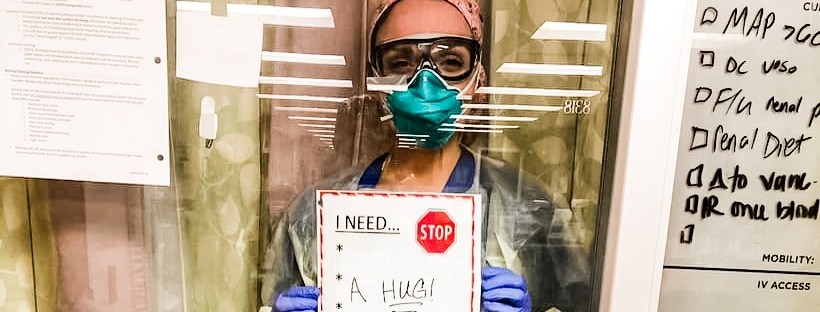
Fears from the frontlines: How an ICU nurse with Crohn’s takes on COVID

She’s an ICU nurse who’s been braving COVID since the start of the pandemic and she has quite the story to tell. Abigail Norville, of St. Louis, is not only on the frontlines as a healthcare worker, but she also has Crohn’s disease and is immunocompromised from her medication. In mid-November, Abigail tested positive for COVID. This week on Lights, Camera, Crohn’s, she shares her unique journey through the pandemic and what she wants others to know.

Abigail’s IBD diagnosis story

Diagnosed with Crohn’s at age 16 in 2013, she remembers falling asleep in class everyday and experiencing abdominal pain that would keep her up at night. Teachers started giving her detentions for sleeping in class. After a few detentions, she started excusing herself from class so she could go into the bathroom, set a 10-minute alarm on her phone, and lay her head against the stall wall so she could rest and not get in trouble. Along with that, she dropped 32 pounds in one month.

At the start of her patient journey, Abigail was treated with steroids such as prednisone and budesonide, without a maintenance therapy in place. Before starting biologics, she was also put on Apriso, Lialda, Asacol, and Pentasa. When these medications didn’t cut it, she started Remicade treatments.

“The infliximab infusions greatly improved the disease presence in my intestines, but I was unfortunately experiencing new chronic joint pain, extreme fatigue, and skin rashes. At the time I assumed these were side effects from treatments. I told myself to “pick my poison” and I could keep my intestines or experience these unpleasant symptoms, so I of course continued with the infliximab infusions,” said Abigail.

Unfortunately, after a few years, a rheumatologist diagnosed her with drug induced lupus (infliximab induced lupus), and she was immediately taken off Remicade.

She started Entyvio in early 2020 while working in a COVID ICU and had to hold off the infusions due to the nature of the loading doses. Fast forward to today (Dec. 2020), and she has now finished her loading doses, in conjunction with prednisone and sulfasalazine daily.

Since diagnosis, Abigail has endured three surgeries and countless scopes.

Working in the ICU during COVID while taking on Crohn’s

Abigail currently works in a medical/pulmonary ICU and treats patients with multiple life-threatening comorbidities. Unfortunately for her, this is her first job. She’s a brand-new ICU nurse. While she could have thrown all her years of education and desire to be a nurse out the window to avoid the pandemic, she feels being a nurse is more than a job, it’s an obligation. Her GI told her she was his first patient to request a note to “continue to work” rather than asking for a note to stay home.

“When the pandemic started, many of us thought this would last a few months and we could return to the previous way of life by the end of the year. I remember having a conference call on a Sunday night with my manager stating we were the official COVID unit. I didn’t realize the depth of this pandemic until every nurse and physician stood in a circle one day and agreed that there was no emergency in a pandemic, and we were to always protect ourselves with PPE. Everybody around me was scared but… what were we to do? This was our job. We have bills to pay,” said Abigail.

Abigail recalls how her anxiety regarding her own immunocompromised conditions worsened as she witnessed her patients struggle with COVID and learned of nurses moving into hotels and dorm rooms to protect their families.

“My physician advised me to find a new job, but this was my first nursing job, and I did not want to burn a bridge early in my career. When we intubated my first COVID patient for her to be placed on a ventilator, she made me agree to call her daughter and repeatedly told me she was scared. When this patient did not make it and we continued to see death from COVID, I was worrying myself sick over my own health. The nurses around me were also scared, were quarantining from their families, and I felt out of place saying I needed to work elsewhere when they were also risking their lives.”

Ultimately, Abigail’s GI said she could hold off on receiving her loading doses of Entyvio, but that she would need to start steroids, again. She worked in the COVID unit, taking high dose steroids. Despite this, she was losing weight from the physical labor of working the COVID floor and the worry she felt about how her Crohn’s would act up if she ate while at work.

“I was working and not eating to ensure I did not have to leave a COVID room abruptly to be sick in the bathroom, when most patients were extremely unstable. Time did not permit you to think of your own health when your patient was dying. There were times I found myself in a COVID room for hours and would come out of the room sweating through my scrubs, wanting to pass out, and reminding myself I really needed to eat some food. My Crohn’s symptoms were worsening and my inability to care for myself was impacting the severity of these symptoms. I told myself I had to find a new job that allowed me to start my Entyvio treatments, even if I did not want to. If I do not care for myself, I cannot care for my patients.”

Abigail ended up switching jobs in June and started working at a different St. Louis hospital. Unfortunately, dodging the bullet of treating COVID patients was short-lived in the ICU and she inevitably was back to square one. At this point, she made the decision to start her Entyvio loading doses. She personally felt that no matter what unit she was working on, she was at risk working as a nurse.

Testing positive for COVID

Abigail tested positive for COVID in November. She wasn’t too surprised. Her symptoms pointed right to it. She was scared her chronic conditions would impact how severe her case would be and says she was anxious throughout her quarantine. She landed in the ER once, but luckily was ok and made a full recovery.

“The pain and suffering are real, whether you experience it or not. Watching people die with no loved ones present is happening every day. It’s on us to realize our lives are not the center of the universe. Just because you are not experiencing the effects of the virus, doesn’t mean it is not serious. I don’t know how to explain for people they should care for other people.”

How IBD shaped her career path

Abigail says she’s unsure if she would have ever become a nurse if she did not have IBD.

“My time as a patient has allowed me to understand what it is like to be the patient in a hospital bed, giving me a deep sense of empathy. While I have never found myself in the condition most of my critically ill patients are in, I remind myself that it could be me or a loved one in this hospital bed every day.”

Abigail told herself after her Crohn’s diagnosis that she may have Crohn’s disease, but it does not have her.

“There have been moments where I felt the disease definitely owned me, but ultimately reminding myself that this disease does not define who I am creates a sense of motivation to become who I want despite my health obstacles.”

As of now, Abigail has not received the COVID vaccine as a frontline ICU nurse in St. Louis. She’s anxious to get her first dose as the pandemic battle rages on.

Building Body Composition and Maintaining Weight While Battling IBD

For many of us, when we’re initially diagnosed with IBD or when we flare, we experience weight fluctuations. The number on the scale may plummet during times when eating anything hurts or seems to make symptoms worse. The number on the scale may skyrocket when we’re on prednisone and not only retaining fluid, but also wanting to eat everything in sight.

Andrew Jagim, PhD, CSCS*D, CISSN was diagnosed with ulcerative colitis in 2014 after being infected with an intestinal parasite (Giardia). He managed to remain in remission for a few years until things went downhill quickly at the end of 2016. He dropped 50 pounds over the course of 3-4 months, was going to the bathroom 15-plus times a day, was running constant fevers, severely fatigued, anemic, and had little appetite. In the spring of 2017, after two weeks on TPN and several days in the hospital, he decided that a sub-total colectomy was his best option at the time. Since then, Andrew’s battle has been a rollercoaster of ups and downs, resulting in 12 colorectal surgeries.

Sports and fitness have always been a huge part of Andrew’s life—so much so, that he made a career out of it. He has a doctorate in exercise physiology, is a certified strength & conditioning specialist and a certified sports nutritionist, so he has an extensive background when it comes to understanding the important roles of exercise and nutrition for health and performance.

“Throughout my life, a large part of my identity has always been tied to my physical appearance. I’ve always been known as someone who is athletic, big, and strong with a high state of fitness. I struggled immensely during my flares and surgery recoveries when I couldn’t work out, when I looked sick or couldn’t stop losing weight. It was like I was losing a sense of who I was and who I identified with. When I looked it the mirror, it pained me to see my hard-earned muscle just “falling off” when I was too sick or weak to workout. However, I have always been determined to rebuild my body and regain what I lost.”

This week on Lights, Camera, Crohn’s—a look at the impact disease flares and surgeries can have on body composition, and how you can try and counteract the changes through diet and exercise.

A cornerstone of the disease itself is a high state of inflammation – most of which is centralized to the gut; however, this can also have systemic effects thereby resulting in widespread joint pain, fatigue and even a state of anabolic resistance within muscle tissue. Essentially, this makes it challenging to maintain or increase muscle mass during a period of high disease activity. This can be coupled with a reduction in appetite which can exacerbate body weight loss and muscle loss.

Surgeries can range from minimally invasive procedures to treat a fistula to much larger and complex operations such as removal of sections of the bowel and placement of a stoma for an ostomy. Depending on the magnitude of the surgery, patients often must modify diet and physical activity based on the recommendations of the surgeon.

These modifications will likely lead to decrements in body weight, muscle, strength, and endurance in the short-term; especially individuals who may have been highly active prior to the surgery. However, in patients who may be extremely ill at the time of surgery, the procedure may help them regain lost weight and strength as their body may finally be able to heal and recover from the inflammatory cascade brought on by IBD.

The Case Study Andrew Conducted

A year and a half after Andrew’s colectomy, he decided to schedule the second step for the J-pouch procedure. However, prior to, he decided to take advantage of this unique opportunity and conduct a case study on himself to document the changes in body composition and performance throughout the recovery process. He was curious how a surgery like that would impact someone with his fitness state as most of the literature focused on smaller or more sedentary individuals. Leading up to surgery, he had been able to resume his regular fitness routine and got his weight close to where it had been for most of his adult life.

“As seen in the figure below from my published case study, there were significant declines in body weight (-10.5%), lean body mass (-9.9%) and endurance (-40.3%) 4-weeks post-surgery. At 16 weeks postoperatively, most parameters were near their baseline levels (within 1–7%), with the exception of my peak endurance, which was still 20.4% below baseline. Thankfully, I was able to leverage my educational background and expertise in exercise physiology and nutrition to use targeted exercise and nutritional strategies to retrain my body and build my physique back up,” explained Andrew.

The balancing act of trial and error

As many IBD patients know, there are a lot of nuances, misconceptions, and unknowns regarding how diet impacts disease. For Andrew, it has been a lot trial and error to find foods that worked for him and helped him achieve his goals.

“Early in the recovery stage, just getting my appetite back and trying to eat more while not interfering with any post-operative dietary recommendations was always my goal. For me, this meant trying to eat about 2,500 – 2,750 calories and 150-170 grams of protein per day. In my opinion, these are the two most important dietary goals when it comes to regaining any weight (especially muscle mass) following surgery or during a flare. It will also help support the tissue and incision recovery following surgery”

Regarding exercise, strength training, is the most effective form of exercise to regain lean body mass following surgery. However, most colorectal surgeons (for good reasons) impose a lifting restriction of no more than ~10-15 lbs. for about 6 weeks following surgery to allow the incisions to heal and avoid the risk of hernia.

“For my larger surgeries, this was easy to abide by as I was in so much pain and was so fatigued that it was a struggle to just get dressed and ready for the day, so there was no temptation to get back in the weight room any time soon. But for the smaller surgeries, as I got closer to the 6-week mark, I was anxious to get back to my old routine. I took a very conservative approach and used a lot of alternative training techniques (i.e. blood flow restriction training, isometrics, resistance bands, etc.) to elicit an adequate training stimulus while not having to lift heavy weights and to avoid injury,” said Andrew.

Andrew’s main piece of advice about life with IBD? “Be prepared for a rollercoaster of changes to both your body composition and physical abilities throughout battles with IBD – especially during a flare or following surgery. Unfortunately this also will likely take a toll on your mental health as well, or at least it certainly did for me. However, just know that you can always get it back in time and more often than not, come back even stronger. Be patient and give your body rest when needed but otherwise keep grinding.”

Everyone has their own battles they are fighting

“I think my experience with IBD has taught me that everyone has their own battles they are fighting – even if they don’t show it. Additionally, it is also a reminder that not all disabilities are visible as a lot of people are probably unaware that I live with a permanent ostomy. I have chosen to keep a lot of my health struggles private and I think a lot of people will be surprised when they hear what I’ve endured over the past five years as I have still managed to have a successful career and not miss much work – despite all the surgeries and time spent feeling very ill.”

Andrew’s IBD journey also shifted his research focus a bit and challenged him to apply my knowledge of how to increase performance, strength and muscle mass in athletes towards a more clinical application.

“A lot of the strategies that work well with athletes can be modified and used in clinical settings as several of the benefits (i.e. increased muscle, strength, endurance, energy, etc.) may also help improve quality of life in patients will a chronic illness, those who are critically ill, or those recovering from surgery. It’s just a matter of making the appropriate modifications and fitting them to the current need,” said Andrew.

Here’s how you can connect with Andrew:

  • Facebook: Andrew Jagim
  • Twitter: @Ajagim
  • Instagram: Sports Science/Performance Nutrition Focused: @andrewjagim
  • Instagram: IBD/Ostomy Focused: @the_chronic_comeback

How Crohn’s Disease Inspired Ted Fleming to Create Partake Brewing

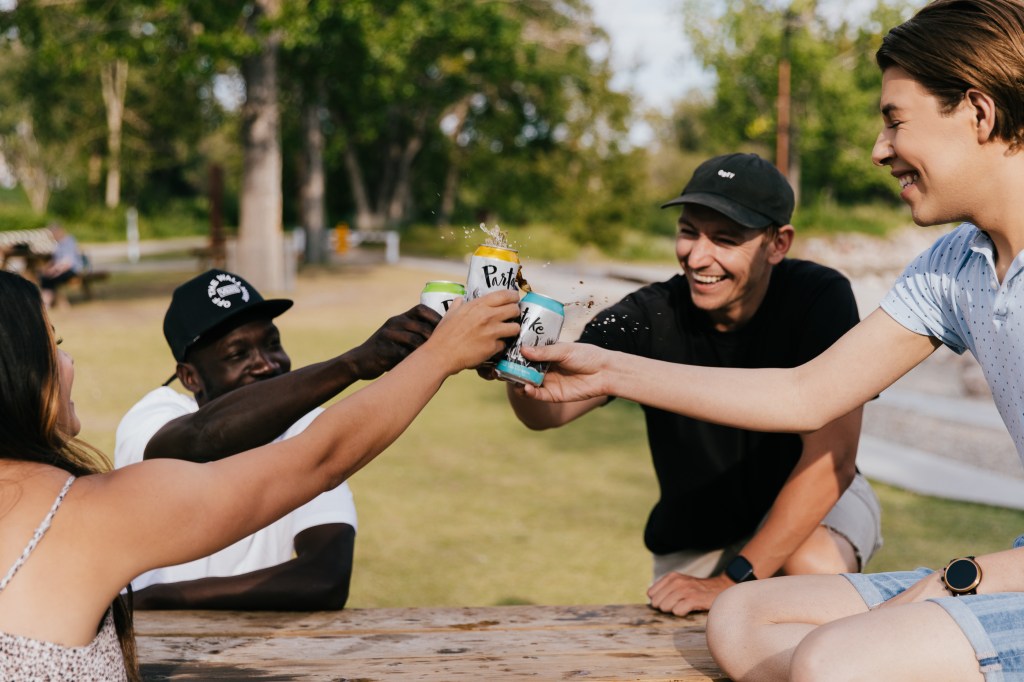
Ted Fleming of Calgary gave up alcohol more than a decade ago to keep his IBD symptoms and disease activity under control. He was diagnosed with Crohn’s disease in 2005, at age 25. Ted says he not only missed the taste of beer, but discovering new beers. Even more than that, he found he missed the social connection that comes with sharing a drink with a colleague after a hard day’s work, cracking a beer with the guys after hockey, and joining in to celebrate special occasions.

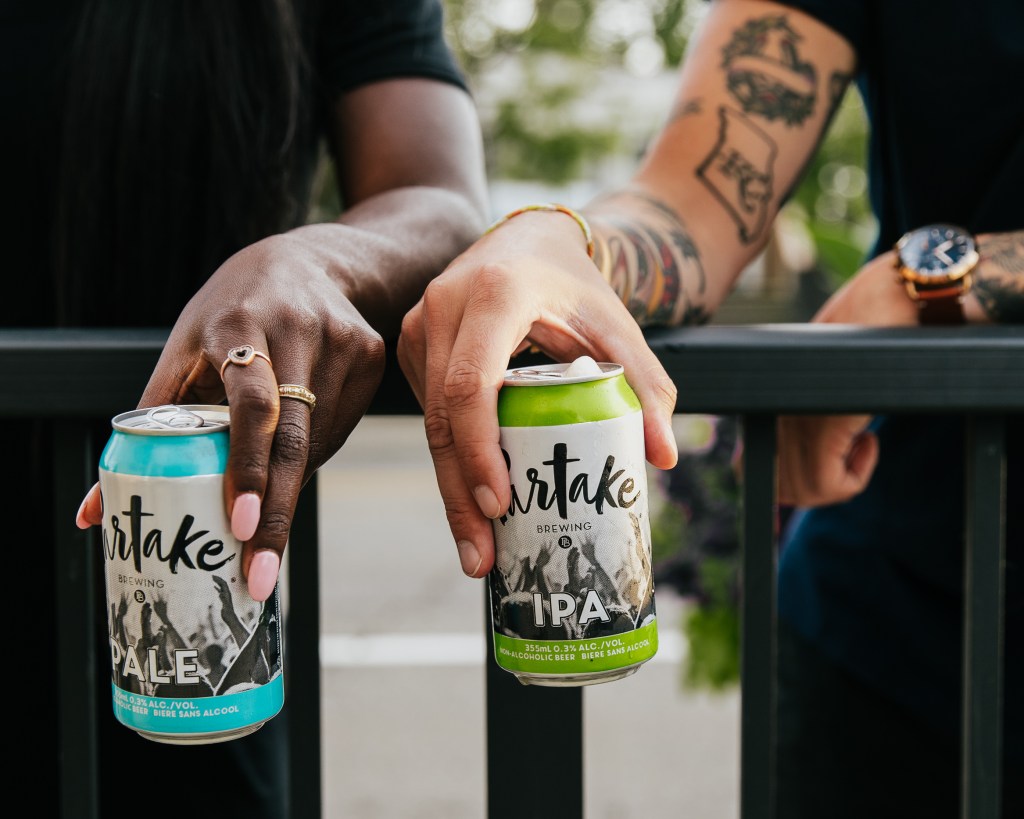
A friend suggested he try non-alcoholic beer. Ted says the problem is most tasted awful and there was almost nothing on the market in terms of variety. It was at that point Ted decided to launch Partake Brewing. His hope—to bring all things that make craft beer great to non-alcoholic beer drinkers including taste, variety, authenticity, creativity, and passion. Now 42, Ted, is a shining example of someone whose career path evolved because of and was inspired by his IBD.

I was intrigued by his patient journey and how he got to where he is today. Here’s his Lights, Camera, Crohn’s interview:

NH: How has your patient journey with Crohn’s disease the last 15-plus years helped you create a successful business?

TF: “The discipline around my own personal health has helped me as a business owner to set priorities and largely keep to those priorities. There are many distractions and potential paths to go down as an early stage business so planning and having the discipline to stick to the plan over the long-haul are critically important.”

NH: How do you manage your IBD (medication/lifestyle wise)?

TF: “Regular exercise, medication (Humira), dietary changes (limited red meat, no uncooked veggies, no alcohol), get enough sleep, and be social.”

NH: What advice do you have for those who are worried about finding a career path they’re passionate about while juggling their IBD?

TF: “I am fortunate to have had some long periods of remission, but early on I struggled and that impacted my journey to find a career that was rewarding in ways important to me. Being willing to try new things is a good way to test interests, but with IBD, we don’t always feel up to it… so knowing when to say no and being ok with that is a necessary skill that takes practice.”

NH: How do you navigate the stress associated with running a business and managing your Crohn’s?

TF: “Managing stress has been an important part of my journey and I find that when I do start to have trouble with my Crohn’s, stress is usually one of the triggers. We each manage stress differently so finding what works best for you is important and integrating regular stress relief and stress avoidance into your daily routine can pay huge dividends. Besides avoiding alcohol, I have adopted better sleeping habits, exercise regularly, plan to socialize directly with people, and largely refrain from using social media.”

NH: What type of feedback have you received from customers? Any IBD folks reach out and thank you for creating this?

TF: “We are so lucky to have some of the best fans in the world, our consumers are incredibly passionate about our beer and our mission. We get emails regularly from consumers from all walks of life who are grateful to have the opportunity to enjoy a great beer no matter what their reason for partaking. The IBD community has really rallied around us and I am incredibly grateful and humbled by their outpouring of support. It was this feedback, particularly in the early stages of the business, that helped us push through the inevitable challenges of running a startup and to this day gives us a powerful purpose.”

NH: What sets your non-alcoholic beer apart from the rest?

TF: “Partake Brewing’s beer is crafted with international award-winning recipes, is incredibly delicious, and is only 10-30 calories per can. Our beer is also brewed with four simple ingredients but is packed full of flavor. When I started Partake Brewing, I wanted to not only brew a great beer but I also wanted to bring a variety of great beers to the non-alcoholic market so anyone can Partake on their own terms.”

NH: How/where can people get their hands on Partake?

TF: “You can find Partake Brewing on shelves across Canada and the USA, but you can also have it delivered straight to your door from DrinkPartake.com. In Canada, you can find us at major retailers such as Safeway/Sobeys, Loblaws, Atlantic Superstore, Great Canadian Superstore, and the LCBO as well as many others. In the US, we are sold at Total Wine & More and select Whole Foods.”

Connect with Partake Brewing

Instagram: @partakebrewing

Facebook and Twitter: @DrinkPartake