When Your Body Doesn’t Follow the Rules: The Overlap Between Endometriosis and IBD No One Talks About

For many women, living with chronic illness means constantly decoding what our bodies are trying to say. When you have inflammatory bowel disease (IBD), whether Crohn’s disease or ulcerative colitis, you get used to tracking symptoms, identifying triggers, and advocating for yourself.

But what happens when something doesn’t quite fit the IBD pattern and the usual narrative?

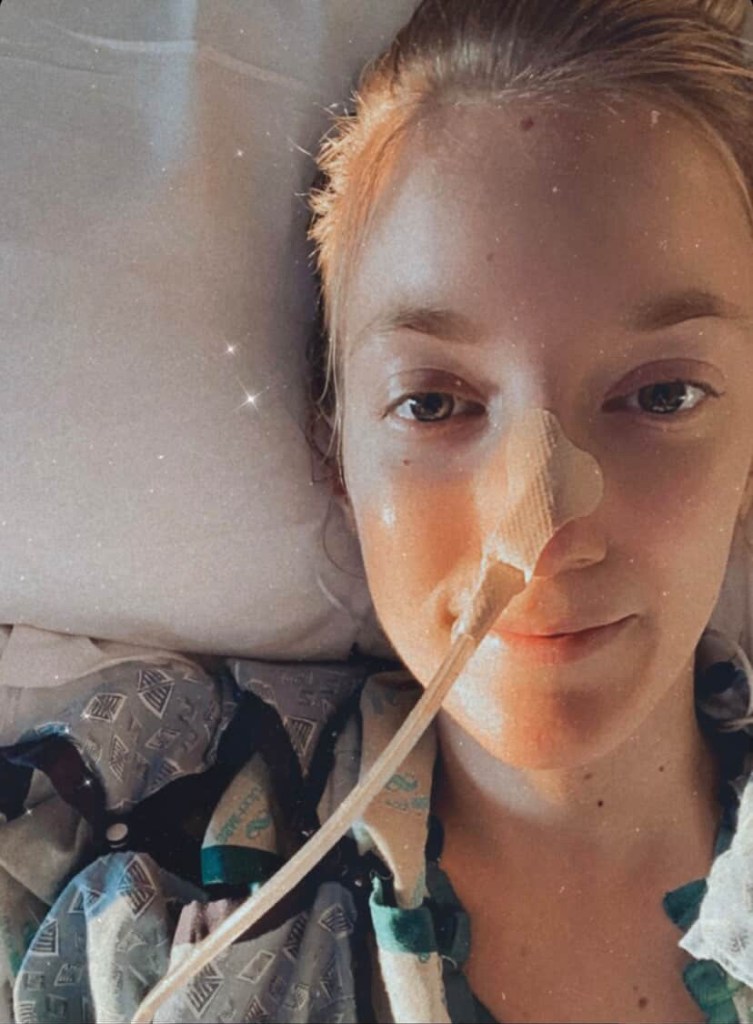
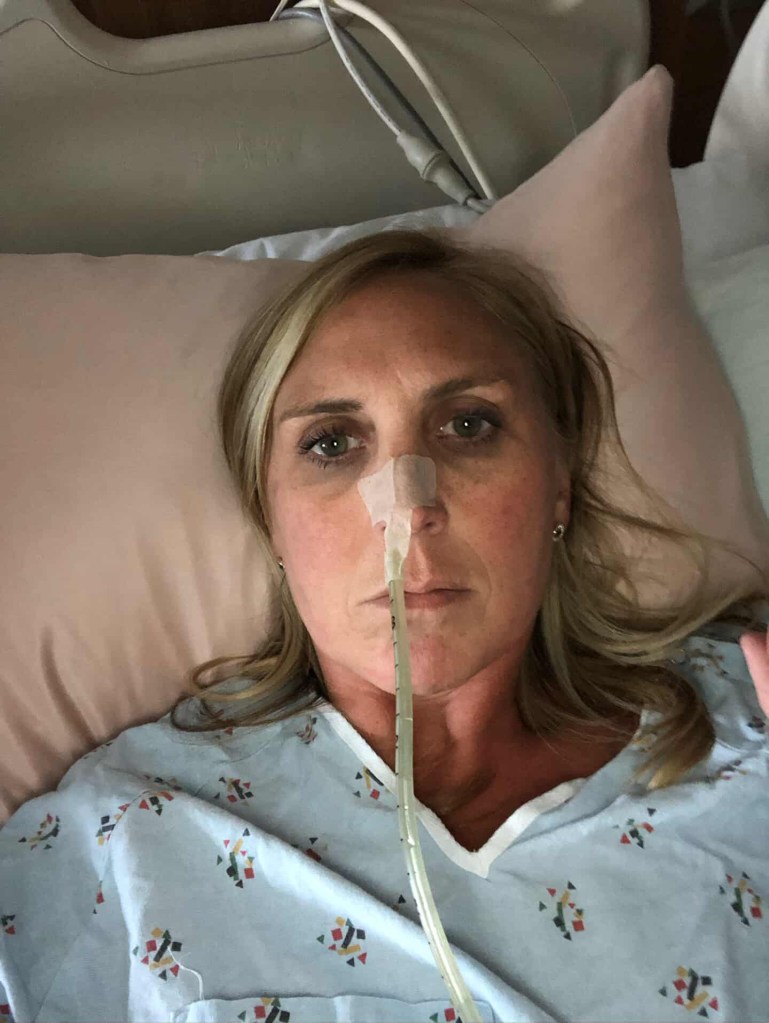
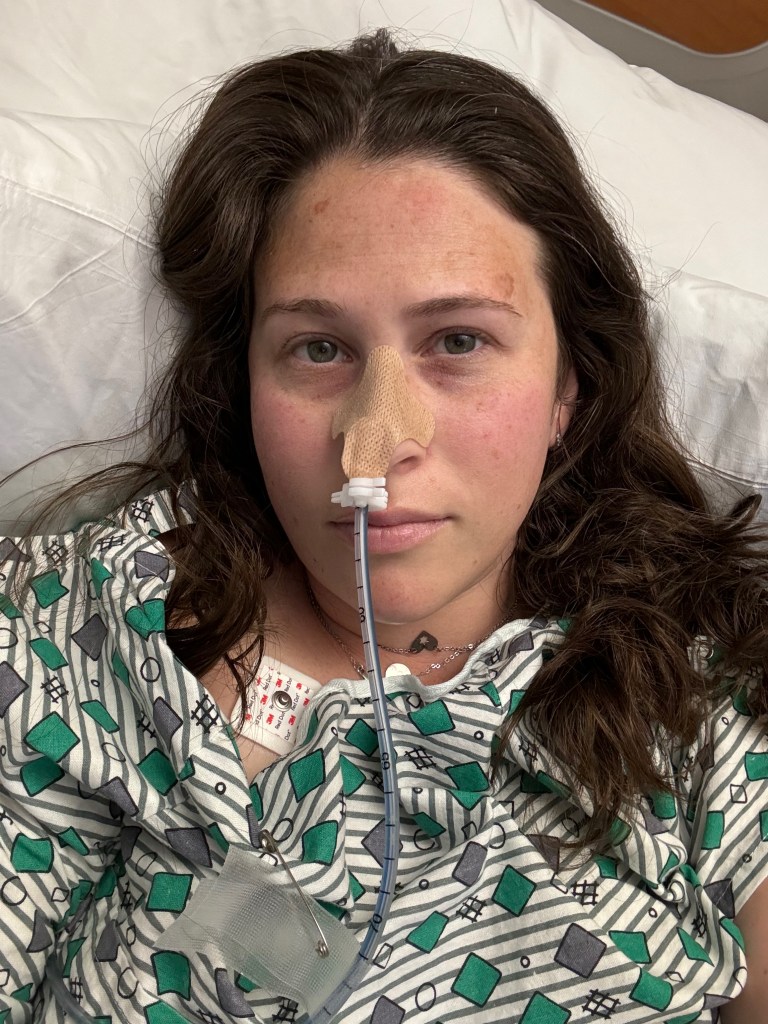
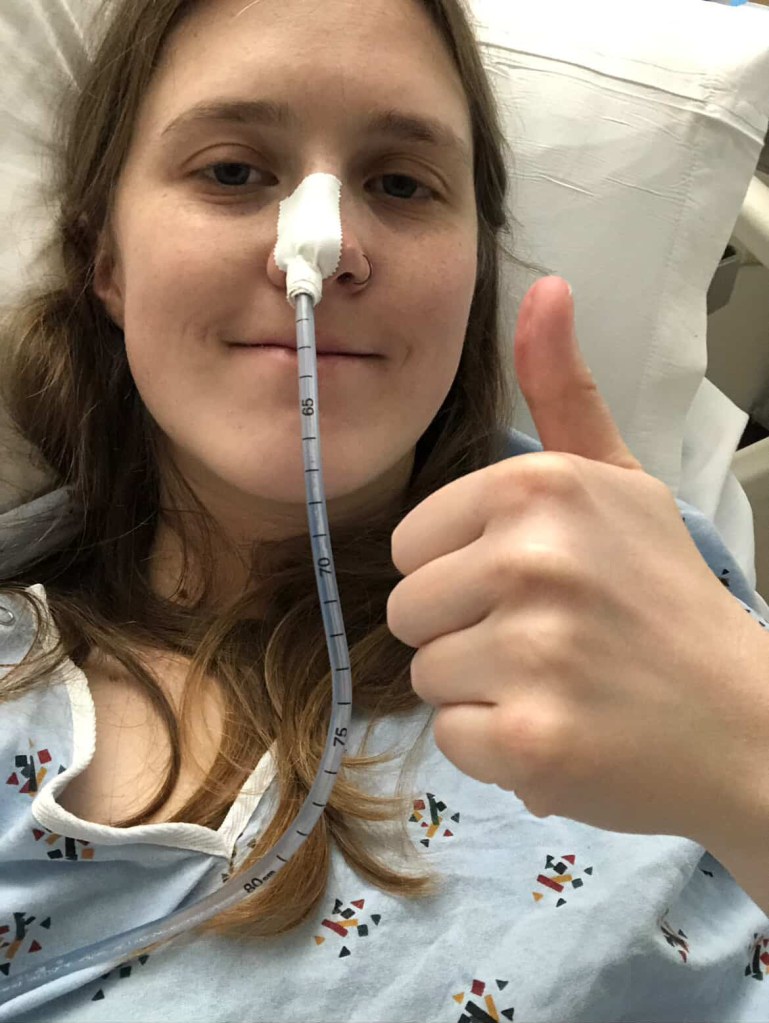
For a significant number of women, the answer may be endometriosis, a condition that often overlaps with IBD in ways that can delay diagnosis, complicate treatment, and intensify daily life. This week on Lights, Camera, Crohn’s we break down the possible connection, what to watch for, and how to advocate for the care you deserve. I don’t personally have endometriosis with my Crohn’s, so you’ll hear from 10 women who live this reality as they transparently share what it’s like for them and what they’ve learned along the way.

What Is Endometriosis?

Endometriosis occurs when tissue similar to the lining of the uterus grows outside the uterus. This can happen on the ovaries, fallopian tubes, bowel, bladder, and other pelvic structures. This tissue still responds to hormonal cycles, which can lead to:

  • Inflammation
  • Pain
  • Scar tissue (adhesions)
  • Organ involvement (including the intestines)

I ran a poll in my Instagram Stories asking about IBD and endometriosis. Of the 85 votes, 27% of women said they have both, 31% said they think they may have both, and 42% said they don’t have both. Those numbers speak volumes.

What the Stages of Endometriosis mean

Endometriosis isn’t staged the same way cancers are, it’s not about how dangerous it is, but about how much disease is seen during surgery. The most used system is from the American Society for Reproductive Medicine, which divides endo into four stages based on location, depth, size of implants, and scar tissue (adhesions).

Here’s what each stage means:

Stage I — Minimal

  • Small, superficial patches of endometrial-like tissue
  • Little to no scar tissue
  • Often found on the ovaries or pelvic lining

What it feels like:
Symptoms can be mild… or surprisingly intense. Some people with Stage I still have significant pain.

Stage II — Mild

  • More lesions than Stage I
  • Some may be deeper (not just surface-level)
  • Minimal adhesions may start forming

What it feels like:
Pelvic pain, painful periods, sometimes pain with ovulation. Still very variable.

Stage III — Moderate

  • Many lesions, including deep implants
  • Presence of adhesions (organs may start sticking together)
  • Small cysts on ovaries called endometriomas may appear

What it feels like:
More consistent pelvic pain, possible pain with sex, bowel symptoms depending on location.

Stage IV — Severe

  • Extensive deep lesions
  • Thick adhesions (organs can be significantly stuck together)
  • Larger ovarian endometriomas (“chocolate cysts”)
  • May involve bowel, bladder, or other organs

What it feels like:
Chronic, often severe pain; higher likelihood of fertility challenges; symptoms tied to whichever organs are affected.

The most important thing to understand

Stage does NOT equal pain level. Someone with Stage I can be debilitated, while someone with Stage IV might have fewer symptoms. That’s one of the most frustrating parts of endo, it doesn’t behave predictably. That being said, just because you may have Stage 1 should not diminish your experience as a patient or the suffering you are coping with.

Why Endometriosis and IBD Get Confused

The overlap between endometriosis and IBD is more than coincidental, it’s believed to be symptomatically and biologically intertwined.

Both conditions can cause:

  • Abdominal pain and cramping
  • Diarrhea or constipation
  • Bloating
  • Fatigue
  • Nausea
  • Pain with bowel movements

If you already have IBD, it’s easy to assume these symptoms are just part of a flare.

Hormonal Influence

Endometriosis is hormone-driven, meaning symptoms often worsen:

  • Before or during your period
  • Around ovulation

Some women with IBD also report symptom fluctuations tied to their menstrual cycle, which can blur the lines even further.

Inflammation Connection

Both conditions involve chronic inflammation, and emerging research suggests there may be shared immune pathways. Women with IBD may have a higher likelihood of developing endometriosis—and vice versa.

Red Flags That It Might Be More Than IBD

If you’re living with IBD, here are signs that something else, like endometriosis, could be at play:

  • Pain that follows your cycle (gets worse before/during your period)
  • Severe pelvic pain that feels different from your typical IBD pain
  • Pain during or after sex
  • Pain with bowel movements specifically during your period
  • Infertility or difficulty conceiving
  • IBD treatments aren’t improving certain symptoms

One of the biggest clues? When your gut symptoms don’t fully respond to your usual IBD medications.

The Diagnostic Challenge

Diagnosing endometriosis isn’t straightforward.

  • Imaging (like ultrasound or MRI) can help, but may miss smaller lesions
  • The gold standard is laparoscopic surgery, where a specialist can see and biopsy the tissue

For women with IBD, this can feel overwhelming, especially if you’ve already been through scopes, scans, surgeries, and procedures. But getting clarity matters.

How It’s Treated

Treatment depends on severity, symptoms, and your goals (like pain relief vs. fertility).

Hormonal Therapy

  • Birth control pills, patches, or IUDs
  • Medications that suppress estrogen

These aim to reduce or stop the growth of endometrial tissue.

Pain Management

  • NSAIDs (with caution in IBD, especially Crohn’s)
  • Other pain-modulating medications

Surgical Treatment

  • Laparoscopic excision of endometriosis lesions
  • Particularly helpful for more advanced disease

Coordinated Care

If you have both IBD and endometriosis, your care team may include:

  • A gastroenterologist
  • A gynecologist (ideally one who specializes in endometriosis)
  • A colorectal surgeon if bowel involvement exists

This team-based approach can make a huge difference.

Living With Both: Practical Advice

Track Your Symptoms Differently

Don’t just track food and bowel habits. Be mindful of:

  • Your menstrual cycle
  • Pain timing and location
  • Symptom patterns across the month

 Patterns can reveal what labs and scans can’t.

Don’t Dismiss “New” Pain

You know your IBD. If something feels different, it probably is. Trust that instinct.

Be Specific With Your Doctors

Instead of saying “I have more pain,” try:

  • “This pain is worse during my period.”
  • “It feels lower in my pelvis than my usual Crohn’s pain.”
  • “My GI symptoms spike even when my inflammation markers are normal.”

Details help providers connect the dots faster.

Be Careful With Medications

Some common treatments for one condition may complicate the other:

  • NSAIDs can aggravate IBD
  • Hormonal treatments may affect GI symptoms differently for each person

Always loop in both your GI and GYN teams.

Advocate for a Second Opinion

Endometriosis is often underdiagnosed and misunderstood. If you feel dismissed, it’s reasonable to seek a specialist, especially one experienced in excision surgery, not just symptom management.

The Emotional Side No One Talks About

Living with one chronic illness is hard enough. Adding another, especially one that affects fertility, hormones, and daily pain, can feel overwhelming.

There’s often:

  • Frustration from delayed diagnosis
  • Anxiety about symptoms overlapping
  • Exhaustion from managing multiple specialists

If this is your reality, you’re not alone and you’re not imagining it.

The Patient Experience: What women with IBD and endometriosis want you to know

Madison: “I could write a novel about endometriosis and IBD! I’ve had three surgeries for endometriosis, and it’s been found on my bowel in two of the surgeries. I eventually asked my GI if it could have been endo all along (it’s not), but it’s interconnected.

She was diagnosed with ulcerative colitis in 2016 but had symptoms for a few years prior. Madison was diagnosed with endometriosis in August 2020 after unexplained infertility but more importantly, debilitating pain once she stopped birth control in early 2019. Looking back, she says her symptoms probably started at puberty (12 years old) but she didn’t know what was normal. 

“I had surgery in August 2020 to confirm the endometriosis diagnosis and have had 2 additional surgeries since then. I wish I would have known during my first surgery that there’s a difference between an ablation of the endometriosis and an excision of the endometriosis,” she explains. “The best way I’ve had it explained to me is imagine burning weeds in your yard vs pulling them out by the root — if you burn the weeds, they will come back. You need to pull them out by the root. However, not every surgeon is trained in excision and the recovery is definitely longer! I looked into endometriosis advocacy groups like Nancy’s Nook (Facebook) to help learn more about the differences and find excellent surgeons.”

Madison ended up having a hysterectomy in 2023 after they suspected adenomyosis (where endometrial tissue grows within the muscle of the uterus) and the quality of life she has now is significantly improved! She still has endometriosis (there’s no cure and it often regrows) but it’s managed much better now.

“I will probably have a fourth surgery in the next couple years, but I’m hopeful that the medicine and science improves to possibly delay an additional surgery. My endometriosis and my ulcerative colitis symptoms are definitely linked. If I’m in a flare for one, I tend to have symptoms increase for the other. For example, my endometriosis causes really painful bloating and I often look distended. If the distension lasts for a few days, my gut tends to revolt and I start to see an increase in GI symptoms. The last 2 surgeries showed I had endometriosis growing on the bowels (both times it was removed) so my cycles would cause really painful GI symptoms that improved after the surgeries.”

She is more convinced now that the gut/brain/pain feedback loop is real. When Madison’s endo is calm, her ulcerative colitis tends to follow suit. She’s so grateful for Instagram which has connected her to other endometriosis patients that have been willing to share their experiences.

Katherine: “Just saw an endo excision specialist 2 months ago. She wants me to do the surgery, but I’m in my second flare right now in the last year and my IBD specialist won’t sign off on it until I’m in endoscopic remission. Now dealing with fighting CVS in an appeal to increase my Rinvoq back to 45 mg.”

Katherine went on to say that one of the most vital steps in her journey was realizing that her body doesn’t operate in silos, so her doctors shouldn’t either.

“Navigating the overlapping pain of ulcerative colitis and endometriosis requires more than just two separate plans; it requires a unified front. I found that getting my IBD specialist deeply involved in my pelvic health was the catalyst for better care, especially since I noticed my symptoms would constantly peak during my cycle, creating a ‘perfect storm’ for inflammation.”

She says her GI understands the specific complexities of her UC and was able to refer her to an endometriosis specialist who wasn’t just an expert in surgery, but someone who respected the delicacy of the bowel.

“When your GI and endo specialist collaborate, you move away from ‘band-aid solutions’ and toward a strategy that addresses how these conditions trigger one another. Don’t be afraid to ask your gastroenterologist for a referral; a specialist who is already vetted by your IBD team ensures that your care plan is safe, cohesive, and designed for your specific anatomy.”

Katherine is currently in her second UC flare in six months after being in remission for five years. The plan is to start progesterone only birth control once she’s back in remission. Then she plans to get endometriosis excision surgery, and an IUD, which will help with her iron deficiency anemia.

Sabrina: “My doctors have suspected I have endometriosis, but I haven’t done the diagnostic surgery yet because I need to wait until I have my surgery to reconnect my J Pouch.”

Kelly wasdiagnosed with endometriosis stage 4 but most likely had it for years. Then, she received her Crohn’s disease diagnosis in 2005.

“We did several rounds of IVF mainly because back then it wasn’t talked about or taken seriously. I never would have done IVF because my Crohn’s got so bad. We adopted in 2009. I had my colon out in 2010. Then in 2016, I was thinking of a hysterectomy because I was so done with the anemia and pain. I ended up with a small bowel blockage due to my endometriosis and end up (I had a J Pouch—I now have an ileostomy) having an emergency hysterectomy and a 10-hour surgery to unglue all my organs and get rid of the scar tissue on my bowels and the damage from the endo.”  

Kim: “I was diagnosed with Endometriosis first, then Crohn’s, then repeat scopes showed endometriosis on my colon as well. I’ve never been told there is a correlation, but it makes total sense (how women’s bodies store trauma and have far more autoimmune conditions as a result). I wish I would’ve known to advocate for myself and my symptoms as a teenager and young adult.”

Kim says too many times (especially for women) we are told it’s “normal” to have symptoms (cramps, excessive bleeding, fatigue, anemia, etc.) and as a young adult, you don’t know to challenge it.

“Even at 30 years old, my PCP was convinced my rectal bleeding was simply from hemorrhoids and only referred me to GI when I insisted. Then, that GI only performed a colonoscopy because of the referral from PCP as “IBD patients typically present much more ill” than me. We then discovered severe, chronic ulceration and full-blown Crohn’s.”

Kristin: “I was diagnosed with stage 4 endo during a hysterectomy in 2024 after years of terrible symptoms that kept me bedridden during my cycle. However, not all my symptoms were relieved from the surgery. About 15 months later (just last month), I was diagnosed with Crohn’s disease and started on biologics. For years, I was told I had a sensitive stomach, or I should take birth control. I wish I knew what endo was years ago. I also wish I knew how much more likely women with endo are for having an autoimmune disease.

Kristen wants women to know that how you describe your symptoms to doctors is just as important as what you tell them. This will directly impact testing and help in finding a diagnosis. It wasn’t until she told her GI that her symptoms were cyclical but seemed to have no rhythm or reason that the testing approach shifted. Kristen wants women to have the courage to speak up about all your symptoms, even if they seem gross or uncomfortable to talk about.

Allie: “I just wish when I was diagnosed with UC that someone would have told me the likelihood of potentially having endo and then the impact it could have on fertility. I would have gone to a fertility specialist early on and potentially frozen my eggs in early adulthood.

Kate: “I was diagnosed with Crohn’s first 25+ years ago. Then endometriosis 23+ years ago. I have stage 4 endo, meaning it was most recently found fusing my vagina and rectum together. I have had a total hysterectomy, multiple surgeries to remove endometrial tissue throughout my pelvis, and both of my ovaries are now gone. This was discovered after YEARS of constipation (weird for me) and NOTHING worked to resolve it.

Kate is on opioids for chronic pain and her doctors kept telling her the pain medication was the culprit for the constipation, but the reversal medications did nothing. She was hospitalized for nine days for pain and constipation, during which they tried everything. The only fix was to slowly drink colonoscopy prep while getting IV pain meds for the pain it caused.

“I kept asking if it could be a structural or a motility problem, and they kept saying it was the opioids. Colonoscopies have shown my Crohn’s is and has been in remission for years (thanks to Azathioprine!)  After the surgery, where they discovered the actual issue (that it was structural), I’ve had zero constipation issues and have been able to finally start coming out of the depression. We are now looking to find a GI doctor who has a better understanding of endometriosis and Crohn’s.”

Kate says the inflammatory process of both diseases mimic each other, and there is no reason to suffer in pain, nor should patients be told they cannot address their pain using the entire toolkit, including opioids, if they allow the patient to become more functional and lead a more fulfilling life.

“Doctors need better education on how systemic both diseases are, and that if Crohn’s symptoms aren’t responding to treatment, they should be worked up for endo. There also needs to be a better understanding that both diseases can be worse than having cancer, as there are no clear protocols, there is little understanding or support, there is little research, and the idea there could be something worse than cancer doesn’t register with most of the general public.”

Lenette: “I found out I had endometriosis when I had a partial hysterectomy to correct iron deficiency anemia. At first, the pain and symptoms all blurred together. It’s taken time for me to be able to distinguish between the two, but sometimes, I’m still unsure what is what. Tracking symptoms helped me distinguish better because I found some symptoms to be cyclical. However, IBD can worsen around your cycle as well and hormones can affect both conditions.”

Lynette recommends women be extremely specific with doctors about their pain. So many symptoms overlap, and she says it can feel two times as bad: bloating, fatigue, mood, etc. All of this can cause pelvic floor tension, and pelvic floor therapy can be life changing.

“It’s also helpful to find community that have both conditions where you can find someone to talk to or learn more about having both. I have found it to be so frustrating to have both because I seem to experience symptoms so much more dramatically than others do at times. Having two conditions that affect the same area and both cause pain and bloating has been so challenging. What helps one condition might not help the other so it can be very trial and error. It has given me a new sense of awareness of my pain and fatigue since I am constantly monitoring to understand which is occurring or if both are the culprit at that time. It’s so frustrating that my IBD is in remission, yet I still experience a lot of symptoms due to my endometriosis.”

She says it can feel like you rarely get a break from pain.

“I try to listen to my body when I’m experiencing a lot of symptoms. I do a lot of deep breathing, stretching, and walking. I also try to listen to my body regarding food. I try to eat nourishing things but also if I’m craving something, I usually eat what I’m craving. If it increases symptoms, I make a note of that. Sometimes my body is OK with certain foods and sometimes it isn’t. I also try to manage stress levels a lot when I’m experiencing symptoms.”

Jessie: “I was diagnosed with Endo and Crohn’s right around the same time at the age of 15. I think my Endo symptoms showed up at first, but they were all diagnosed at once. At the time, the doctors shared no information on any correlation and treated it like two separate issues. As I aged and both progressed, I still struggled to get any acknowledgement from doctors on the two being related; however, once I was diagnosed stage IV Endo and had my last excision + partial hysterectomy, that surgeon said he could see how my condition could be affecting my Crohn’s in the lower colon and perianal area. I had some endo down by the rectum that they removed and there was just a lot of inflammation.”

Jessie says her inflamed uterus (which was adenomyosis) also may have been contributing to overall inflammation in that area as well. She chose to have an excision and partial hysterectomy before her ostomy was reversed, and her perianal symptoms improved so much by not having a period anymore.

“Every time I would get a period, I would experience pain, inflammation, diarrhea, increased urgency, and pressure around that rectal area and my lower abdomen. While I still have my ovaries, not having a period itself every month almost eliminated all those Crohn’s symptoms that would rage around my cycle.”

The Bottom Line

The truth is, not all pain in women with IBD is “just IBD” and continuing to accept that narrative is where too many stories get stuck. Endometriosis is often hiding in plain sight, especially in bodies already labeled as “complicated.” But your body is not confusing, you’re just being asked to connect dots that the healthcare system doesn’t always put together for you.

So, if something feels off, if your symptoms don’t follow the rules, if your pain keeps showing up despite doing “everything right,” do not ignore it. Track it. Name it. Bring it to your care team repeatedly until someone listens.

Because you deserve care that looks at the whole picture. You deserve doctors who are curious, not dismissive. And most of all, you deserve answers, not assumptions. This isn’t about choosing between diagnoses. It’s about recognizing that sometimes, it’s both, and finally getting the care that reflects that reality.

Learn more here

Life With Crohn’s And Endometriosis: An Overlap Of Painful Symptom | EndoFound

Inflammatory Bowel Disease and Endometriosis: Diagnosis and Clinical Characteristics – PMC

Endometriosis Does Not Worsen IBD and May Be Linked to Milder CD Progression – Gastroenterology Advisor

Inflammatory Bowel Disease and Endometriosis: Diagnosis and Clinical Characteristics – PubMed\

Frontiers | Potential shared pathogenic mechanisms between endometriosis and inflammatory bowel disease indicate a strong initial effect of immune factors

ASSOCIATION OF ENDOMETRIOSIS AND INFLAMMATORY BOWEL DISEASE (IBD), FINDINGS FROM EPIDEMIOLOGICAL EVIDENCE TO GENETIC LINKS – Fertility and Sterility

Endometriosis vs IBD: Symptoms, Overlap, and Evidence

Out-of-Pocket Costs Nobody Warns You About With IBD

When most people hear about inflammatory bowel disease (IBD), they think about symptoms—abdominal pain, urgency, fatigue, flares. What they don’t think about? The financial toll.

Living with IBD, whether it’s Crohn’s disease or ulcerative colitis, comes with a lengthy list of out-of-pocket costs that rarely get discussed at diagnosis.

IBD patients experience 3 times higher healthcare-related work loss than non-IBD peers. And for many patients and families, those costs become a constant, underlying stressor that shapes daily decisions.

This week on Lights, Camera, Crohn’s a deep dive into the cost of living with IBD and why you’re not alone if financing your health is a constant concern.

Medications (Even When You’re Insured)

Biologics, immunosuppressants, steroids, you name it… IBD medications are often life-changing, but they’re also expensive. Before insurance comes into play it’s shocking when you hear how costly these medications are without coverage:

To break it down, without insurance, two auto-injector Humira pens cost an average of $10,782.36.

Without insurance, a Remicade infusion could cost you anywhere from $4,000-$7,000.

The list price of Skyrizi without insurance is approximately $32,566 per 150 mg injector pen, with variations depending on pharmacy and dosing method.

A 30-day supply of Rinvoq pills without insurance would cost between $7,000-$9,600, depending on dosage and pharmacy.

Without insurance, Stelara costs approximately $21,191 for a 45 mg syringe or $25,497 for a 90 mg syringe, with potential savings through discount programs and patient assistance.

… you get the idea.

And even with insurance, we deal with:

  • Monthly copays
  • Specialty pharmacy fees
  • Deductibles that reset every year
  • Prior authorization delays that interrupt treatment

And sometimes, the biggest cost isn’t financial, it’s physical and emotional when we’re forced to switch medications due to insurance, even when a medication is keeping our disease stable. There’s also the stress we face when switching employers and having to restart the process of getting coverage for our heavy-duty medications with a different insurance and specialty pharmacy.

 The Cost of Staying “Stable”

Routine monitoring is a non-negotiable part of IBD care. Annual lab tests, scans, and scopes add up.

This includes:

  • Bloodwork (often every 3-6 months and sometimes more depending on whether you’re flaring)
  • Stool tests
  • Colonoscopies and endoscopies
  • Imaging like MREs, CT scans, intestinal ultrasounds

These aren’t one-time expenses; they’re repeated regularly to track inflammation and prevent complications. And while they’re essential, they often come with recurring out-of-pocket costs that add up over time. Even after living with Crohn’s for nearly 21 years, it’s always a surprise how much my labs are going to cost. I try and get my colonoscopies in December before my deductible starts over at the start of the year.

Along with managing our disease with those costs, there are also the copays to see specialists to manage our care. A $40 copay to see a dermatologist, bone health doctor, ophthalmologist, primary care doctor, gynecologist…the list goes on, adds up quickly.

Travel, Parking, and Time Away

IBD care isn’t always close to home. My GI office is about 40 minutes away, compared to many people I know, that’s close by. Due to lack of access, many patients must travel to see specialists, infusion centers, or undergo procedures. That can mean:

  • Gas, tolls, and parking fees (I know some patients who take an airplane to appointments!)
  • Hotel stays for early morning procedures and out-of-state appointments
  • Time off work (for patients and caregivers)

These logistical costs are rarely acknowledged, but they’re part of the reality. There have been countless times through my patient journey when I’m stuck in traffic and resent the fact that I have to waste so much time just to manage my disease.

The Cost of “Safe” Food

Food is one of the most personal and frustrating parts of living with IBD.

There’s no one-size-fits-all diet, and many patients rely on trial and error to figure out what works. Often:

  • “Safe foods” can cost more
  • Specialty items aren’t always covered by assistance programs
  • What works one month may not work the next

The financial burden of constantly adapting your diet is real and ongoing. Working alongside a registered dietitian for nutritional guidance may or may not be covered by your insurance. Many insurers cover medical nutrition therapy for digestive diseases, so make sure to look into this.

The Everyday Essentials

Then there are the items no one puts on a medical bill, but every patient knows are necessary:

  • Extra toilet paper and wipes
  • Heating pads
  • Backup clothes and supplies for emergencies
  • Over-the-counter medications and supplements
  • The cost of colonoscopy prep (buying clear liquids, Miralax/Dulcolax, SUTAB pill prep is about $50 depending on insurance, etc.)

Individually, they may seem small. Together, they’re part of the cost of living with IBD every single day.

The Hidden Cost of Missed Work

IBD doesn’t follow a schedule. Flares, fatigue, appointments, and recovery time can all impact a person’s ability to work consistently. That might look like:

  • Missed work days
  • Reduced hours
  • Limited career flexibility
  • Lost income over time

For many, this is one of the most significant and least visible financial burdens. After my bowel resection surgery, I had to be on short-term disability for 2 months which was only 60% of my salary.

Mental Health Support

The emotional weight of IBD is just as real as the physical symptoms.

Therapy, stress management tools, and mental health support can be critical for coping, but they’re not always fully covered by insurance. Many patients pay out-of-pocket for care that helps them navigate:

  • Anxiety around flares
  • Medical trauma
  • The daily uncertainty of chronic illness

For many of us, this is not optional, it’s part of comprehensive care.

Even in Remission, the Costs Don’t Disappear

One of the biggest misconceptions about IBD is that remission means everything goes back to normal. But financially, that’s rarely the case.

Even in remission, patients are still:

  • Taking medications
  • Attending regular appointments
  • Monitoring for signs of inflammation
  • Planning for the unexpected

The disease may be quiet, but the costs are not. As chronic illness patients, we know how delicate our remission is and that on any given day we can be back in a hospital bed trying to navigate an obstacle that wasn’t on our radar a week prior.

Why We Need to Talk About This More

The financial burden of IBD is often invisible, but it affects real-life decisions every day:

  • Can I afford this medication?
  • Should I delay this test?
  • Is it worth taking time off work for this appointment?

These aren’t just healthcare questions, they’re quality-of-life questions. Often, we can feel like a burden to our partner and our family as the medical bills come in, with no end in sight.

And until we talk more openly about the economic impact of chronic illness, patients will continue to carry this weight quietly.

What Can We Do About It?

  • Ask about patient assistance programs
    Many drug manufacturers offer copay cards or financial aid.
  • Request itemized bills
    Errors happen more often than you think and can be corrected.
  • Talk to your care team about costs
    Doctors can sometimes adjust testing frequency or suggest alternatives.
  • Time big procedures strategically
    If possible, schedule costly tests after hitting your deductible.
  • Use HSA/FSA accounts if available
    These can help offset out-of-pocket expenses with pre-tax dollars.
  • Don’t skip mental health support—ask about coverage options
    Some therapists offer sliding scale fees.

Final Thoughts

IBD is more than a diagnosis. It’s more than symptoms. It’s a lifelong condition that comes with physical, emotional, and financial layers, many of which no one warns you about. But acknowledging those realities doesn’t make patients weak. It makes the conversation more honest. And that’s where change begins.

More Information:

4 Tips for When Insurance Doesn’t Cover Your Medication – GoodRx

How to save money on prescription medication: 13 tips

The Cost of Inflammatory Bowel Disease Care: How to Make it Sustainable – Clinical Gastroenterology and Hepatology

AGA-Economic-Burden-Infographic.pdf

The economic burden of inflammatory bowel disease – The Lancet Gastroenterology & Hepatology

Managing inflammatory bowel disease: what to do when the best is unaffordable? – The Lancet Gastroenterology & Hepatology

Global, regional, and national burden of inflammatory bowel disease from 1990 to 2021: findings from the Global Burden of Disease 2021 | Gastroenterology Report | Oxford Academic

Food, Flares, and Finding What Works: Real Talk on Eating with IBD

Knowing what to eat with IBD can feel stressful and overwhelming. While research updates in our community are often exciting, the “news” isn’t always actionable for patients and caregivers. Food, however, is where the rubber meets the road—it’s a daily, practical touchpoint for those of us living with IBD.

Kristin Cunningham, MHA, RD, CSDH, LD, a registered dietitian at WashU’s IBD Center in St. Louis, understands this reality both professionally and personally. Diagnosed with Crohn’s disease more than 30 years ago, Kristin recently shared a presentation with her local Crohn’s & Colitis Foundation chapter focused on choosing snacks that are affordable while still meeting the unique needs of someone with IBD.

This week on Lights, Camera, Crohn’s, Kristin offers insight into how we can approach nutrition and everyday food decisions—whether we’re in a flare or remission.

Food Insecurity and IBD

A growing concern in the IBD community is access to food itself. Research shows that 13.5% of Americans with IBD experience food insecurity, compared to 9% of the general population.

“We know food costs have risen in the past three years, and SNAP benefits have decreased for some, so we can reasonably predict that food insecurity rates are even higher now,” Kristin explains.

Certain groups are disproportionately affected, including individuals who are non-Hispanic Black, uninsured or on Medicaid, or relying on SNAP benefits. Kristin emphasizes that clinicians should routinely screen for food insecurity and take a multidisciplinary approach, bringing in dietitians and social workers to better support patients.

Pain Points from our Community

One of the biggest emotional burdens Kristin sees? Guilt.

Many people with IBD blame themselves, believing they should have been able to pinpoint the exact food that “caused” a flare.

“I try to offer reassurance that active disease is much more complex than just something eaten,” she says. “Diet may play a role, but there are many other factors outside of our control that drive inflammation.”

Beyond that, patients commonly struggle with:

  • Fatigue that makes meal planning feel impossible
  • Limited time or cooking skills
  • The rising cost of food

Dealing with Diet while flaring

Kristin is quick to validate just how difficult eating can be when symptoms are at their worst.

“I struggle to eat well when my disease is active, too,” she shares. “Even water moving through your GI tract can hurt.”

Her approach is not about eliminating discomfort completely—but about minimizing additional irritation and maintaining nutrition while the body heals.

That often means focusing on foods that are easier to digest and gentler on inflamed areas, such as:

  • Peanut butter
  • Greek Yogurt: Select a yogurt with 7 grams or less of added sugar. The least costly way to achieve this while avoiding artificial sweeteners is to buy plain yogurt & flavor on your own. For example, with vanilla extract, fruit, 1 tsp of honey/sugar/maple syrup, which would add 4-6 grams of added sugar.
  • Canned Black Beans/Hummus: You can mash up any canned beans for tolerance. Rinse salted canned beans with water to reduce sodium content.
  • Avocado
  • Hard boiled Eggs
  • Cottage Cheese with fruit: Select cottage cheese that is 2% fat or less (unless trying to gain weight) & free of carrageenan. Select diced fruit in 100% juice to avoid added sugar or artificial sweeteners.
  • Cereal: Select a cereal with 2+ grams of fiber & 4 grams or less of added sugar per serving.
  • Microwave Baked Potato with Olive Oil: Avoid skin if stricture/short bowel/ileostomy or other difficulty with insoluble fiber
  • Unsweetened Applesauce
  • Soft-cooked carrots
  • Slow cooker shredded chicken
  • Smoothies
  • Mashed potatoes

Preparation matters just as much as the food itself. Chewing thoroughly, cooking well, peeling, mashing, or pureeing can all make a meaningful difference.

For those open to more structured approaches, Kristin may suggest:

While these options have stronger evidence in Crohn’s disease, early research suggests potential benefits in ulcerative colitis as well. That said, Kristin is transparent, she knows from firsthand experience, that these approaches can be difficult to tolerate and may take weeks to show results.

“Most of my patients aren’t interested in that level of structure, and that’s completely understandable,” she says. “But people deserve to know these options exist.”

Snacking with IBD

Kristin’s top three snacks are guacamole and chips, Cheerios, and snack cookies.

Snack Cookie Recipe

Serves: 6

Ingredients:

• 2 Ripe Bananas

• 1 egg

• ½ cup nut or seed butter

• ½ TB olive oil

• 1 tsp vanilla extract

• 1 cup Flour of choice (almond, white wheat, whole wheat, etc.)

• ½ tsp baking powder

• ½ tsp baking soda

• ¼ tsp salt

• 2 cups of cereal (ex. Puffed rice cereal, puffed millet cereal, cornflakes)

Directions: Preheat oven to 350 F. Line baking sheet with parchment paper. Add bananas to a large bowl & mash. Add remaining ingredients (except cereal) and mix well. Add cereal and mix well. Drop by 1-1 ½ TB scoops onto baking sheet. Makes 12 cookies. Store any not eaten same day in an airtight container in the refrigerator.

Final Thoughts

Food will never be a perfect science with IBD, and it’s not supposed to be. What matters isn’t control, but connection: learning your body’s cues, honoring its limits, and responding with flexibility instead of fear. Some days that might look like a well-balanced meal; other days, it’s a few safe bites just to get through. Both count. Both matter. Because living with IBD isn’t about getting it “right,” it’s about continuing to nourish yourself, in whatever way you can, even when it’s hard.

Kristin’s list of helpful resources for IBD-friendly recipes:

Gut Friendly Recipes | Crohn’s & Colitis Foundation

IBD-Friendly Recipes & Nutrition | GI Nutrition Foundation

Freebies | Wellness By Food

Pureed Pzazz: Pureed Food Recipes

Chef-Crafted Recipes for Gut Health & IBD Wellness | Chef With IBD

Recipes Recipes – Eat Well Crohn’s Colitis

IBD AID Recipes – Center for Applied Nutrition at UMass Chan Medical School

Quick Easy Recipes – African, Latin American, Asian, Vegetarian & Vegan OLDWAYS – Cultural Food Traditions

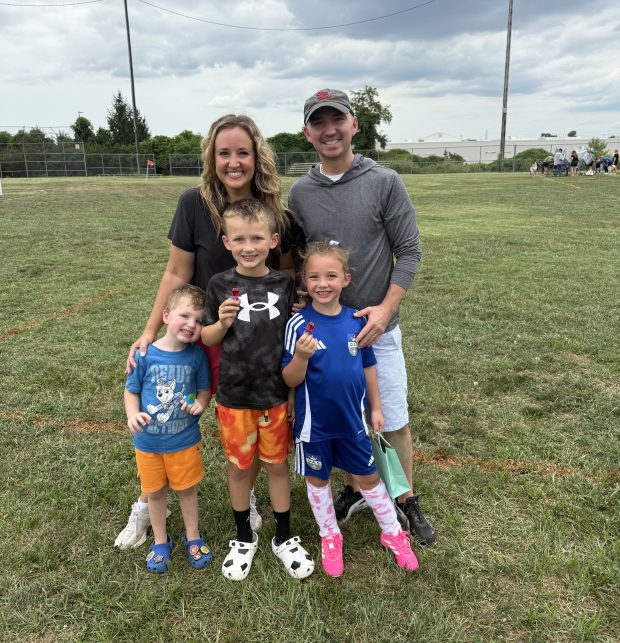
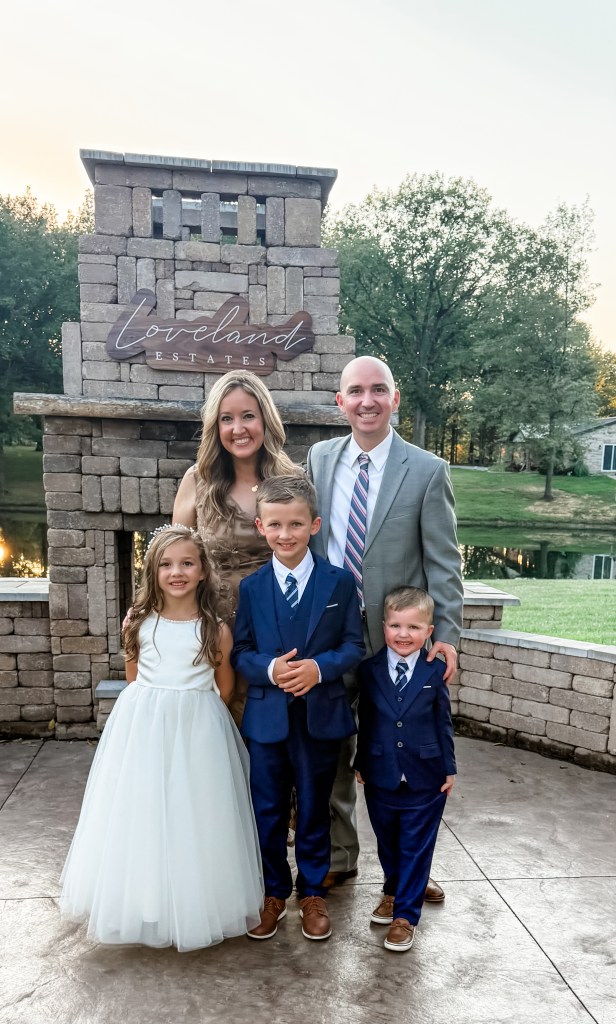
What I Wish Every Current and Future IBD Mom Knew

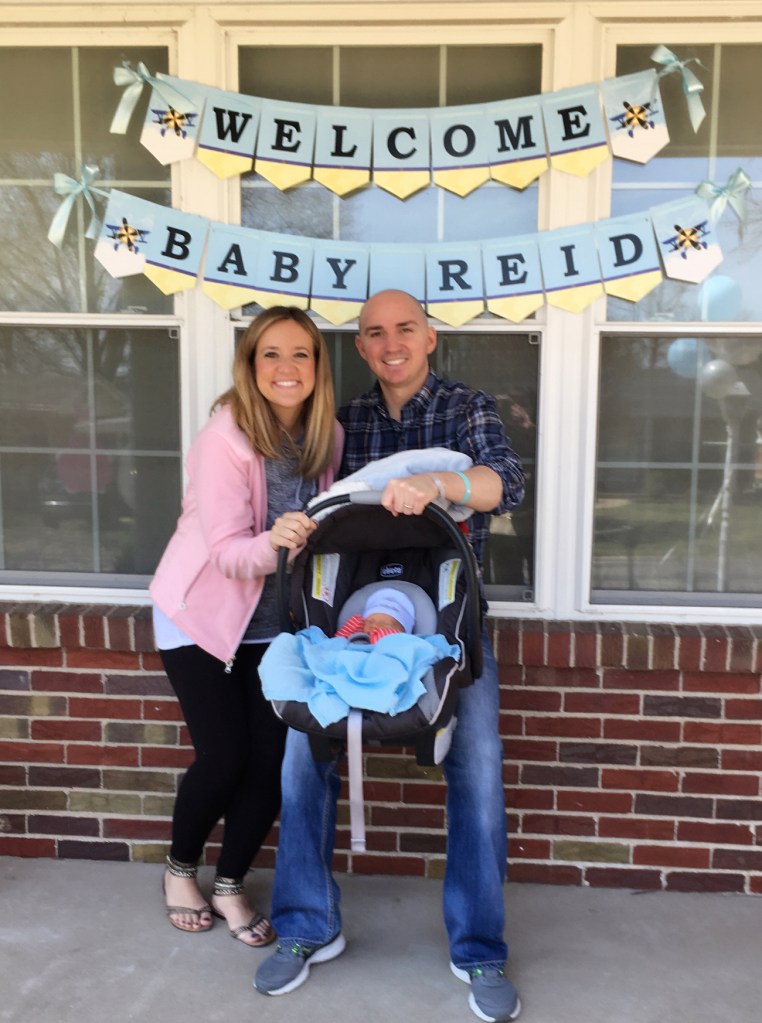
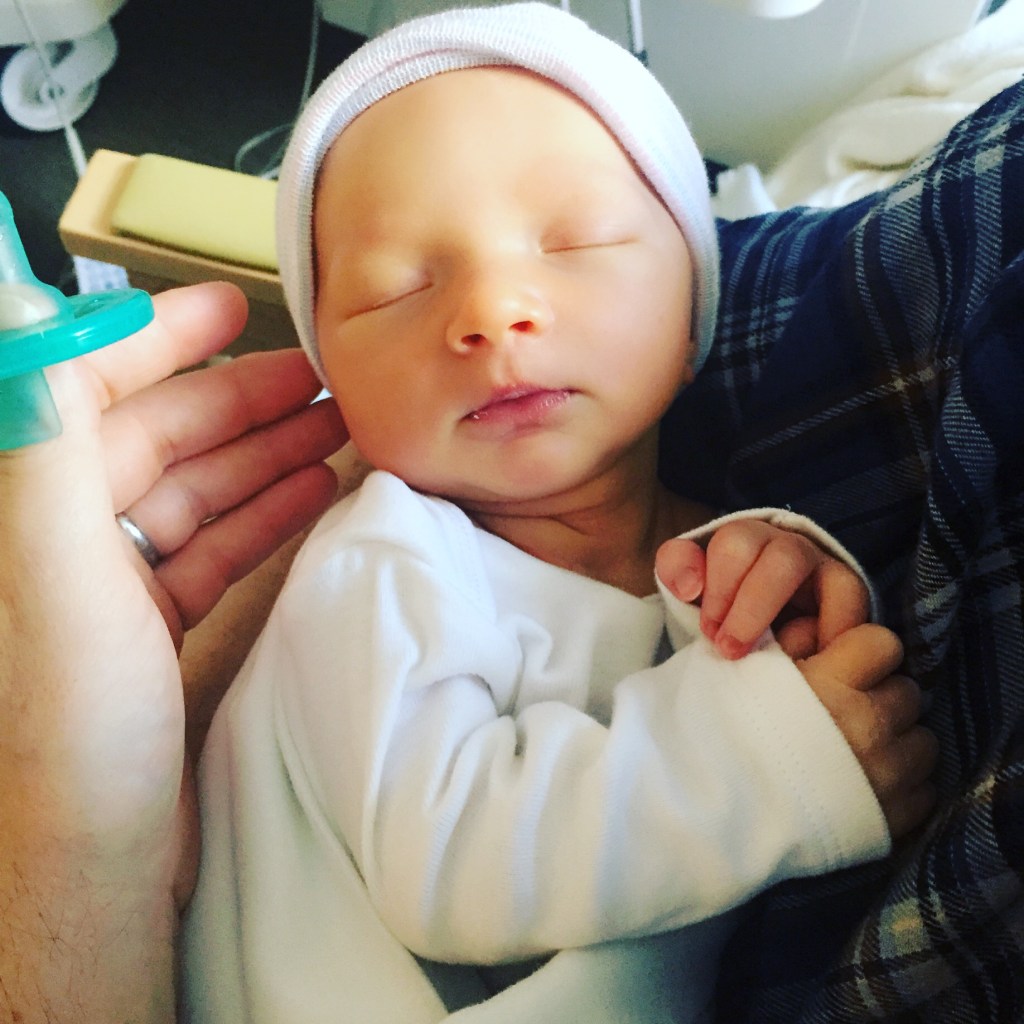
This month marks nine years since I became a mom.

Nine years since my life split into a clear before and after.
Before motherhood.
Before learning how much my heart could stretch.
Before realizing I could love someone so fiercely while still carrying a body that has never felt predictable or safe since my Crohn’s diagnosis in 2005.

I entered motherhood already shaped by chronic illness. Crohn’s disease had been part of my identity for years before I ever held a positive pregnancy test in my hands. I knew what it meant to live with uncertainty. I knew how to navigate flares, fatigue, medications, and fear. What I didn’t know was how those experiences would transform me into an entirely new version of myself—an IBD mom. When I got pregnant, I only knew of one woman, my cousin’s wife, who has Crohn’s, and stayed on her biologic throughout her four pregnancies.

This week on Lights, Camera, Crohn’s a reflection on my patient journey and what it felt like to go through family planning, pregnancy, and motherhood as a woman with IBD and what I want others to know.

When I Was “Just” the Patient

For a long time, my world revolved around survival. Appointments. Side effects. Lab work. Scopes. Injections. Recovery days. Canceled plans. Hospitalizations. Weaning off steroids. Learning how to read my body’s subtle warning signs. Learning when to push and when to rest.

Crohn’s taught me resilience long before I knew I would need it in motherhood. But it also taught me hyper-awareness. A constant scanning of my body for what might go wrong next. A relationship with fear that felt both protective and exhausting. As time passed, I learned to listen to how my body was speaking to me through symptoms.

When I imagined becoming a mom, that fear came with me. I had bowel resection surgery two months after getting engaged, I was planning a wedding, and for the first time after a decade of living with Crohn’s I had FINALLY heard the word “remission” for the first time. My fiancé (now husband) and I knew once we got married 10 months later, that we would need to capitalize on that remission and hopefully start our family while we knew I was well enough to do so. Despite being in remission, I still had many questions and thoughts racing through my mind:

Would I be healthy enough?
Would my medication be safe?
Would I flare during pregnancy or postpartum?
Would my disease rob me of moments I dreamed about?
Would I be hospitalized and away from my child?

…the list went on. If you’re an IBD mom or one day aspire to become one, you know the questions we all face.

I wanted to become a mom more than anything, but I carried quiet doubts about whether my body was capable of sustaining not just a pregnancy, but a lifetime of caregiving.

Becoming a Mom with Crohn’s

The day I became a mom everything shifted. Not because my Crohn’s disappeared. Not because my health suddenly became perfect. But because my why expanded.

Suddenly, my body was no longer just something I endured. It was the home my child lived in.
The vehicle through which I would show up, nurture, protect, and love. That realization changed the way I approached my overall health as a mom with IBD. My pregnancy with Reid gave me a renewed sense of love and appreciation for my body.

Taking my medication wasn’t just about me anymore.
Advocating at appointments wasn’t just self-preservation.
Resting wasn’t weakness.
Prioritizing sleep wasn’t indulgent.

It was parenting. I began to see caring for myself as an extension of caring for my child. That mental shift — from “patient” to “patient who is also a mother” — was subtle but seismic. Rather than waiting until I was too weak to even walk through the emergency doors by myself, I started to alert my care team within days of recognizing that my Crohn’s seemed a bit “off” so that we could nip any issue that arose in the bud.

Learning to Mother Through Difficult Days

Motherhood with Crohn’s is not picture-perfect. But regardless of your health status, there is no such thing as perfect when it comes to being a mom. You must remind yourself of this and give yourself grace.

There are days I have shown up with heating pads tucked under sweatshirts.
Days I’ve read stories from the bathroom floor.
Days I’ve powered through school drop-offs on pure adrenaline and grit.  Days I’ve shown up to PTO meetings and coached soccer on pain medication.
Days I’ve cried because I felt like I was failing at both having a chronic illness and being a mom.

I’ve been in “remission” since 2015, the entire time I’ve been a mom, which I’m eternally grateful for, but just because I’ve been in remission does not mean I don’t face countless struggles with this disease. That’s something I wish people would understand. IBD is a chronic illness, just because someone is in remission doesn’t mean they are free of pain, stress, and more.

I’ve had to learn that good motherhood doesn’t require constant physical perfection. Some seasons look like big adventures and energy. Others look like quiet cuddles, movie days, and choosing rest over outings.

Both count.

My children are being raised by someone who understands empathy, flexibility, and listening to their body. That matters. You’ll notice as a parent with chronic illness how quickly your little ones develop empathy. It’s next level. And so beautiful. You don’t even have to teach it, it’s innate in them because of their daily reality.

Raising a Child Who Understands Illness and Compassion

One of the unexpected gifts of being an IBD mom is watching compassion take root early.

My three children know that bodies work differently.
That medicine helps people live.
That rest is sometimes necessary.
That we don’t judge what we can’t see. They’ve learned that strength isn’t always loud.

Sometimes strength looks like getting up anyway.
Sometimes it looks like asking for help.
Sometimes it looks like choosing yourself.

Those lessons feel just as important as anything in a textbook.

How Motherhood Changed My Relationship with My Body

Before becoming a mom, there were times my body felt like the enemy.

The source of pain.
The reason plans fell apart.
The thing holding me back.

Motherhood complicated that narrative.

This body carried three children.
This body nourished three children.
This body continues to show up, even when it’s tired, inflamed, or aching.

It isn’t perfect.
But it is more than capable.

I still have hard days. But honestly, I have a lot more amazing days. I never take a feel-good day for granted.
Even after more than two decades of living with Crohn’s, there are still moments where I fantasize about what it would be like to just be a healthy person and not have the burden of my disease.

But I also hold more gratitude now. A grounded, honest one. My three children are my greatest motivation to push through and be my healthiest self.

From Surviving to Advocating

Becoming a mom didn’t quiet my voice.

It amplified it. Ironically, this blog, Lights, Camera, Crohn’s, launched July 23rd, 2016… I found out TWO days later I was pregnant with my oldest son, Reid. So, this blog truly captures every moment of pregnancy, family planning, and motherhood from the perspective of someone who learned as I went.

I advocate not only for myself now, but for a future where my children grow up in a world that understands chronic illness better than the one I grew up in.

I speak out because I want fewer people to feel dismissed.
I share stories because I want fewer people to feel alone.
I push for better care because I want better options for the current and the next generation.

I want couples to feel empowered by their decision to have a family, however that may look for them.

I hope women feel comforted by all the constant research going on to address what’s safe and effective as they bring life into this world. I participated in IBD pregnancy studies with all three of my kids, my youngest who turns five in July will be followed through the PIANO study until age 18!

Motherhood turned my survival into purpose.

Nine Years In: Who I Am Now

I am still a patient.
I am still navigating Crohn’s.
I still face uncertainty at times, but through a much different lens.

I am also a mom of nearly a decade.

A mom who has learned how to hold fear and hope at the same time.
A mom who knows that love is not measured in energy levels.
A mom who shows up imperfectly, consistently, and wholeheartedly.

I didn’t become a mother despite Crohn’s.

I became a mother with Crohn’s.

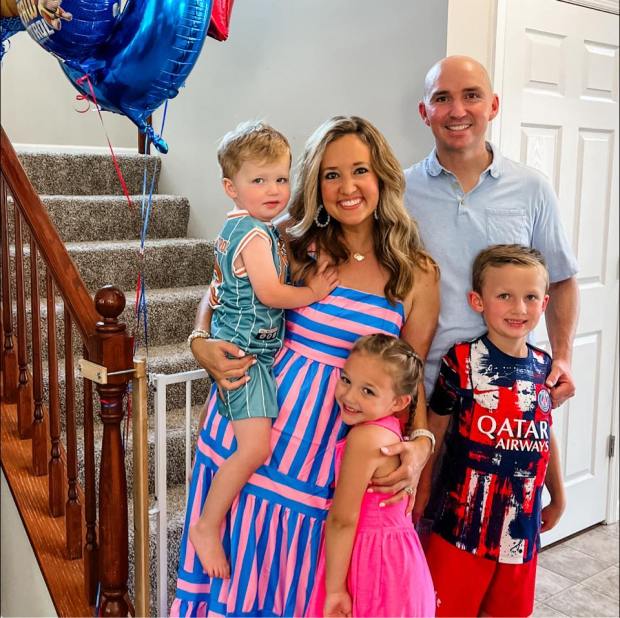
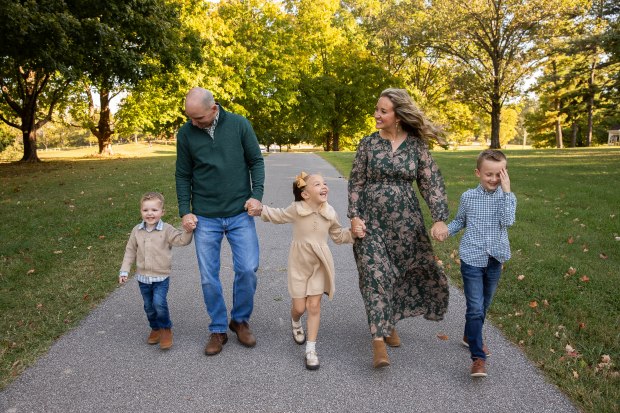
And over the past nine years, I’ve learned that those two identities can coexist, not in conflict, but in strength. I swear I blinked and somehow my sweet Reid, my baby, is nearly double digits. I don’t think there will ever be a time in my lifetime that I don’t stare at all of my children in awe of their existence, I’m sure if you’re a parent you feel the same way. It’s a miracle they are here, healthy, and thriving. So much of why I share my family so openly is to show how my children, who were all exposed in utero to Humira, are doing so beautifully in school, sports, and socially.

To the IBD Moms (and Future Moms) Reading This

You are not broken.
You are not behind.
You are not failing.

You are doing one of the hardest jobs in the world while managing one of the hardest diseases. That deserves recognition.

Later this month, my Reid is nine.

Nine years of learning.
Nine years of adapting.
Nine years of loving fiercely in a body that isn’t always kind.

And I wouldn’t trade this evolution for anything.

IBD Pregnancy Studies

Global Consensus on IBD and Pregnancy

PIANO (Pregnancy in IBD and Neonatal Outcomes) Study

WIsDoM Study: A Study Focused on Female Fertility and Pregnancy

MotherToBaby

A New Study Suggests Crohn’s Disease May Be Detectable Years Before Symptoms Begin

New research published in Clinical Gastroenterology and Hepatology offers a glimpse into what Crohn’s disease may look like before it officially begins and the findings could have major implications for how we understand, monitor, and potentially prevent the disease in the future. As an IBD mom of three kids ages 8, 7, and 4, research like this always feels a bit bittersweet. While I’m grateful for the strides in research, I’m apprehensive about the burden and grief I would feel if I was able to know if my children would one day receive the same diagnosis.

As someone diagnosed with Crohn’s at age 21, I’m grateful for my two decades of blissful, perfect health. Had I known a complicated chronic illness would one day riddle my body, I’m not sure how I would have coped and dealt with that news.

This week on Lights, Camera, Crohn’s a look at what the latest research discovered, the complicated emotions IBD parents may feel, and what the future may hold for us all as a community.

Why This Matters: Crohn’s May Start Long Before Diagnosis

The study found that certain immune responses in the blood, specifically elevated IgG antibodies targeting a conserved region of bacterial flagellin (a protein found on gut bacteria) were present years before people were diagnosed with Crohn’s disease. In other words, the immune system appeared to be reacting to gut bacteria long before symptoms like abdominal pain, diarrhea, or weight loss ever showed up.

This study followed 381 first-degree relatives of Crohn’s patients, 77 of whom went on to develop the disease. Among them, 28 (more than a third) had elevated antibody responses.

One of the most important takeaways from this research is the timing. Most Crohn’s biomarkers are identified after the disease is active. This study, however, suggests that immune dysregulation may begin well in advance of clinical disease. This supports the idea that Crohn’s develops gradually rather than suddenly.

That distinction matters. If Crohn’s truly has a long preclinical phase, it opens the door to earlier monitoring and potentially earlier intervention, especially for people who are already at higher risk, such as first-degree relatives of those living with Crohn’s disease. A first degree relative is a parent, child, or sibling.

According to the Crohn’s and Colitis Foundation, 36% of children born to two parents with IBD will develop the condition at some point during their life. The risk is substantially less when only one parent has IBD, with The National Human Genome Research Institute sharing there’s a 7-9% chance.

A Potential Blood Test for Risk, Not Diagnosis (Yet)

It’s important to be clear: this is not a diagnostic test and it’s not something patients can request from their doctor today. But it does raise the possibility that, one day, blood-based immune markers could help identify those who are more likely to develop Crohn’s before symptoms begin.

For families affected by IBD, this kind of risk stratification could be meaningful. Instead of waiting years for symptoms to escalate, or for damage to occur, high-risk individuals might one day be monitored more closely or offered early preventive strategies. As an IBD mom, I feel as though I would struggle with knowing whether this was something I wanted to dig deep for, while also not wanting to get in the way of stopping disease progression. It’s not a black and white situation by any means. If these types of blood tests are available when my kids are teenagers, and I were to get results that broke my heart, I’d feel obligated to be transparent and share—would I really want my kids, who have witnessed me living with Crohn’s their whole lives, to know this would one day be part of their own story? It stresses me out just trying to imagine it.

What This Could Mean for Prevention Research

Another compelling aspect of the study is that the immune response was directed at a conserved portion of bacterial flagellin. This means it’s shared across many gut bacteria. That finding has sparked discussion about whether future therapies or vaccines could target these immune pathways in people who are high risk for Crohn’s.

While prevention remains a long-term goal rather than a current reality, this research reflects a broader shift in IBD science: moving upstream to understand why Crohn’s starts, not just how to treat it once it’s already established, and as an IBD mom I am certainly grateful for that.

What This Doesn’t Mean (Yet)

As exciting as this research could be, it’s not a crystal ball. Not everyone with these immune markers will develop Crohn’s, and many people with Crohn’s were never tested years before diagnosis. Larger studies are still needed to validate these findings across diverse populations and to determine how predictive these markers truly are.

For now, this study adds another piece to the puzzle, one that reinforces what many patients already know intuitively: Crohn’s disease doesn’t start the day you’re diagnosed.

The Bigger Picture

Our community often experiences years of delayed diagnosis, misattributed symptoms, and unanswered questions, so research like this matters. It shifts the narrative from “why didn’t we catch this sooner?” to “how early can we understand and intervene?”

While we’re not there yet, this study represents an important step toward a future where Crohn’s disease is identified earlier, monitored more thoughtfully, and one day possibly prevented altogether.

For parents living with IBD, research like this can carry an added emotional burden. The idea that Crohn’s disease may be detectable years before symptoms begin can stir complicated feelings, especially for those who worry about whether they’ve passed on a genetic risk to their children. Some parents may want every possible tool to protect their child’s future health, while others may find the thought of early testing anxiety-provoking or guilt-inducing. There’s no right or wrong response. I get it and struggle with how I’d handle this, too. Living with IBD already requires navigating uncertainty, and this research underscores how deeply personal decisions about risk, knowledge, and monitoring can be for families. As science moves forward, it will be just as important to support parents emotionally as it is to advance early detection tools.

Additional Research

Crohn’s Disease May Be Detectable Years Before Symptoms

Familial and ethnic risk in inflammatory bowel disease – PMC

Targeting Disease Prediction and Prevention: The New Frontier in IBD

Deciphering the different phases of preclinical inflammatory bowel disease | Nature Reviews Gastroenterology & Hepatology

The GEM Project – The GEM Project – Crohn’s and Colitis Canada

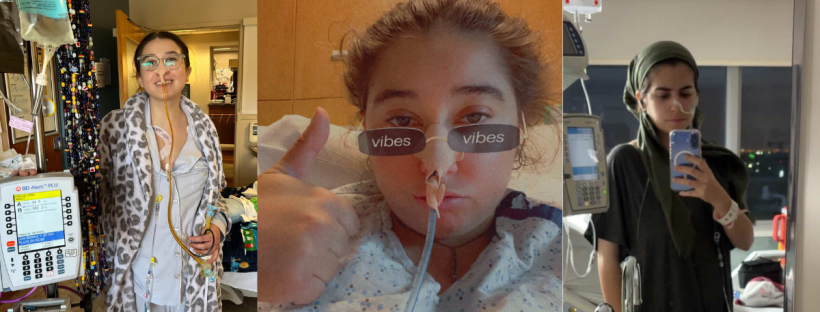
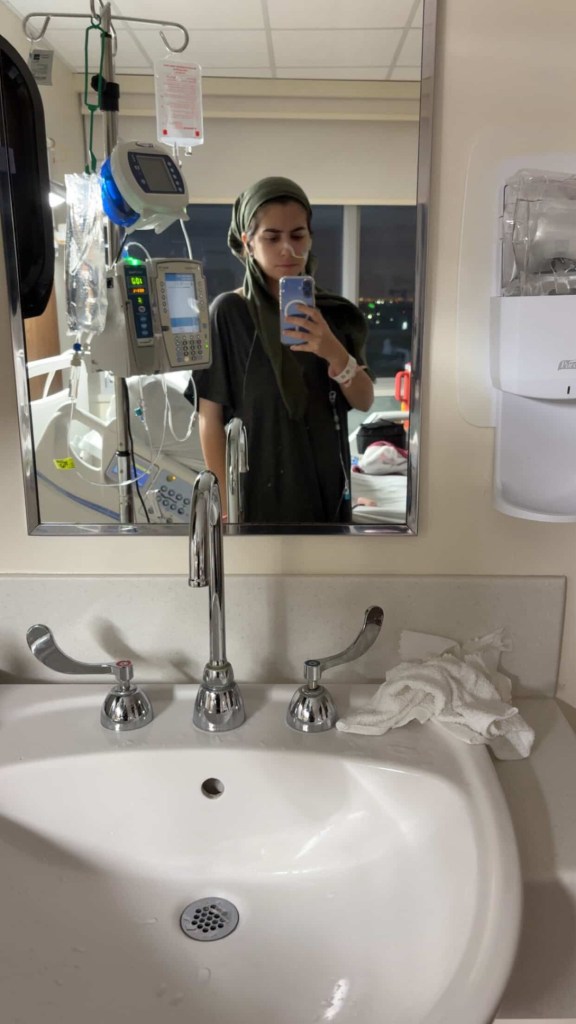
Navigating NG Tubes: Practical Tips and Emotional Support for Patients and Caregivers

When you live with Inflammatory Bowel disease, there’s no telling if or when you’re going to need an NG tube (nasogastric tube) to help stabilize your symptoms, deliver nutrition, and help your body heal. In my 20-plus years living with Crohn’s disease, and despite many hospitalizations for bowel obstructions, I have never needed one (yet). Recently, a fellow IBD mama on Instagram shared about getting one as she’s hospitalized right now (with a new/additional diagnosis-Gastroparesis), and her experience inspired this article.

This week on Lights, Camera, Crohn’s, a guide that breaks down what to expect, what helps, and how we can best cope from fellow patients and caregivers who have lived through it. Whether you are facing your first tube placement or supporting someone who is, the fear of the unknown can often feel bigger than the procedure itself.

Understanding the Process (and Why It’s So Intense)

NG tube placement can feel overwhelming because it involves an extremely sensitive area: your nose, throat, and gag reflex. It is quick, but not exactly pleasant. Knowing what is coming can dramatically reduce anxiety.

An NG tube is typically used for:

  • Bowel rest and decompression during IBD flares
  • Relieving bowel obstructions
  • Nutrition support
  • Medication delivery

And while the experience varies widely, preparation and honest communication with your care team make a huge difference.

Before Placement: Preparing Your Mind and Body

  • Ask for numbing options: Most hospitals can use lidocaine spray or gel in your nostril to make the initial insertion more tolerable. It is worth requesting.
  • Practice slow breathing: Focusing on deep, steady inhales through your nose helps decrease the gag reflex and keeps your body relaxed.
  • Sit upright with your chin slightly tucked: This position straightens the path the tube travels and can make the process smoother.
  • Have emotional support: Whether it is a partner, parent, friend, or even someone on speakerphone, having a familiar voice can ease anxiety.

During Placement: Strategies That Actually Help

  • Swallow as the tube advances: If the nurse allows, sipping water and swallowing as the tube moves downward helps guide it into the esophagus rather than the airway.
  • Anchor your eyes on one spot: A visual point of focus reduces the instinct to pull back or panic.
  • Choose a mantra: Something like “This is temporary” or “Every swallow gets me closer” can center your mind.
  • Ask your nurse to narrate the steps: Knowing what is happening and when it will be over prevents surprises and makes the process feel more controlled.

What Patients and Caregivers Have to Say

Hindy: “I would say to request the thinnest tube possible. It is really awful.”

Ashley: “It’s a horrible experience. I’m glad I didn’t know what to expect before getting one placed, because I don’t think I would’ve been able to handle it. I don’t think there’s anything that could have prepared me for it.”

Amy has IBD and her four-month-old daughter does not, but she has had an NG tube for two months, due to issues with strength, stamina, and desire to eat after being born prematurely.

“She was diagnosed with Failure to Thrive, and her NG tube has been lifesaving! I can guarantee she gets the nutrients she needs to grow and thrive. She tolerates the NG tube very well. She has pulled it out multiple times, but thankfully we live close to the GI clinic and a great Children’s hospital.”

Amy has found there are certain strategies to limit the number of times she pulls the NG tube out, such as taping it closer to her nose. She says it can be stressful at times, but luckily with her medical background she knows how to clean the tube 8 times a day. Even though her daughter has handled the NG tube like a champ, Amy and her husband have decided to transition to a G-tube, since their baby girl will need nutritional support for a little bit longer, which Amy thinks will aide in comfort and speech development.

Alexis: “Get a little white board so that you can write what you want to say as talking is so uncomfortable.”

Karen: “Taking anti-anxiety + pain medication to help with the uncomfortable pain and anxiety that NG’s cause. I refuse NG tubes now without serious meds, the trauma, pain, and discomfort they cause must be treated and I think providers really underestimate how traumatizing it is to have one, especially if it’s put in while you’re awake.

Amanda: “Ask for some nebulized lidocaine before insertion.”

Abbie: “Ask for throat numbing spray!!! I was given it my first time and then every other time I’ve had to ask, but I’m so appreciative the first nurse I had gave me some so I knew to ask for it in the future.”

Sarah: “I didn’t even know what an NG tube was until it was already inserted. I suppose the shock of how quickly the insertion went shielded me from the pain and discomfort. Numbing spray was the only way I could cope with the tube irritating my throat. Mine was in for three days while I had a bowel obstruction and the day it came out felt like FREEDOM.”

Becca: “They are the f***ing worst. You can quote me.”

Melissa: “I had one they put in while I was awake and after SIX tries, I was adamant on getting something to relax me. They put a little something in my IV and then it went down without an issue. I also had a smaller one, more child-sized than adult.”

Dana: “I wish I had something positive to say about NG tubes, frankly I didn’t cope at all until they gave me Ativan and eventually a muscle relaxer. Sometimes they can give you a numbing throat spray to help with irritation. After the first few days, it gets little more tolerable as your body gets used to it.”

Jennifer: “OMG. 26 years with Crohn’s and nothing traumatizes me more than the mention of an NG tube. I was about 95 pounds the first time I got one. I’m almost 5 feet tall, and after two tries of me not being able to breathe they realized I needed a child-size tube.”

Mayara: “When I had my NG tube, I used to suck on ice chips/cubes to help ease my sore throat.”

Claire says she’s been through the wringer with NG tubes. There was a point where she had 10 in one year!

She says, “Regardless of how awful NG tubes are and the damage (long or short term) they can do, they have saved my life repeatedly. I am no stranger to bowel obstructions. Developing strictures seemed to be a favorite past time for my small intestines. The NG tube is supposed to decompress the obstruction and stop or at least reduce the amount of vomiting (also helps to prevent aspiration). I will never forget how nervous I was before my first NG placement and even now as an NG vet, I still get very nervous. I always ask the doctor for IV Ativan or IV Valium beforehand.

Claire also says even if a doctor does not want to give a benzo after an opiate that they will usually give her a dose right before placement.

“Don’t be afraid to ask for what you need. I also won’t sugarcoat it; you will most likely gag and vomit during the placement. Ask for an emesis bag or basin. It sounds counterintuitive, but if the nurse doing the placement is experienced, they will be able to utilize you gagging/vomiting to get the tube in faster. Nosebleeds are also very common.”

After NG Placement: Getting Comfortable

  • Secure the tube well: Do not be shy about asking for gentler tape, extra adhesive, or adjustments. A well-secured tube is less irritating and less likely to tug.
  • Soothe nasal irritation: Saline spray, warm compresses, or a tiny amount of water-based lubricant around the nostril can reduce soreness in the first day.
  • Experiment with sleeping positions: Many find sleeping slightly elevated or on their back with a supportive neck pillow helps keep the tube comfortable.
  • Be comfortable: Wear loose tops, zip-up hoodies, or scarves if you want to conceal the tube and prevent snagging on straps or bags. Obviously, many people are choose to stay in their hospital gown.
  • Protect it in the shower: A bit of cling wrap or a small waterproof dressing keeps the tape from falling off.
  • Move with intention: Sharp head turns or bending forward quickly can tug the tube and cause discomfort. Slow and steady helps.

Support for Caregivers: What Helps Most

As a caregiver, it can be easy to feel helpless on the sidelines as you watch your child or a loved one or friend go through this. Here is how you can help ease that burden:

  • Watch for tension or kinks: If the tube starts pulling, the patient may feel nausea or pressure.
  • Track symptoms: Be mindful of any changes you may notice with coughing, reflux, or fullness. This can mean the tube has shifted.
  • Learn how to flush the tube: If this is a long-term situation, educate yourself so you can help prevent blockage and avoid urgent care visits.
  • Offer emotional space, not pressure: Let your loved one set the tone. Everyone is different. Some want distraction, others want quiet, some want humor. Follow their lead. You know them best, trust that instinct and know that even if they may seem frustrated or short, that anger is not geared towards you, but rather the difficult circumstance and situation they are enduring.

The Emotional Side: What We Don’t Talk About Enough

Having an NG tube can stir up fear, embarrassment, frustration, sadness, or anger. All these feelings are normal.

Many patients say:

  • They feel “less like themselves.”
  • They are worried about how they look.
  • They are afraid to sleep.
  • They are overwhelmed by the sensation of the tube at first.

These feelings tend to ease within 24–48 hours as the body adjusts. Give yourself grace. This is a medical tool, not a reflection of strength, identity, or dignity. It is ok to feel all the feelings.

Celebrate the small wins

Take this one like you do with all things IBD. Give yourself credit where credit is due! It is not easy and it is important to celebrate all the wins, no matter how “small” they may seem. You are making strides and growing through this journey, whether you realize it or not. What you are experiencing matters and your resiliency deserves celebrating!

  • The first time you swallow without noticing the tube
  • Sleeping through the night
  • Getting out of bed more comfortably
  • Tolerating feeds or feeling abdominal relief

When to Call Your Care Team

You may wonder what is “normal” and what deserves pushing the nurses light or alerting your care team. You should reach out immediately if any of the following happen:

  • You have trouble breathing or persistent coughing
  • The tube appears to be slipping out
  • There’s significant nasal bleeding
  • You feel intense nausea or vomiting
  • The tube becomes clogged and flushing does not help

You should never hesitate to call. NG tubes are temporary but important, your team expects questions. Classic example of better safe than sorry. You are not a burden to anyone.

Final Thoughts

An NG tube can feel intimidating, and while extremely unpleasant, they can help give you some relief while allowing your doctor to keep finding answers for you. With preparation, the right coping strategies, and the support of a caregiver or medical team, you can make the experience more manageable. Always remember you are never alone in your fears and setbacks and that your ability to cope and your voice matters.

Additional Resources:

Tricks of the Trade: Making NG Tube Placement Less Horrendous // ACEP

The Role of Enteral Nutrition in Patients with Inflammatory Bowel Disease: Current Aspects – PMC

NG Tubes for IBD: Video and Tips for Swallowing

Nutritional Support Therapy | Crohn’s & Colitis Foundation

Tube Feeding | My Experience with a Nasogastric Tube for Crohn’s Disease | Let’s Talk IBD

A Quasi-Experimental Study on the Impact of a Nasogastric Tube Placement Educational Program on Pediatric Nurses’ Knowledge and Practices – Shimmaa Mansour Moustafa Mohammed, Gihan Mohamed, Raghad Almushawah, 2025

Stronger from the Inside Out: The Role of Nutrition in Gut, Muscle, and Bone Health for Women with IBD

At the inaugural Cedars-Sinai IBD and Women’s Health Conference, experts came together to spotlight the unique challenges women face at the intersection of inflammatory bowel disease (IBD) and women’s health. Co-directed by Dr. Puja Khanna, Clinical Director of the IBD Women’s Health Program, and Dr. Maria Abreu, Executive Director of the IBD Institute, the event featured a two-part format: clinical updates for providers and education for patients and caregivers. Topics ranged from fertility and pregnancy to nutrition and mental health.

One of the featured speakers was Neha D. Shah, MPH, RD, CNSC, CHES, Senior Dietitian at the Colitis and Crohn’s Disease Center at UCSF and founder of Neha Shah Nutrition LLC, a private practice specializing in nutrition care for patients with IBD. Her session focused on nutrition updates and strategies to support gut, muscle, and bone health in women with IBD. This week on Lights, Camera, Crohn’s I spoke with Neha, and she zeroed in on something every woman with IBD should care about: how to use nutrition to protect our gut, muscle, and bone health.

Why Nutrition Matters Beyond the Gut

Whether you live with IBD or care for patients, you know that IBD affects much more than the gut. Fatigue, abdominal pain, and debilitating flares that blindside us can make it feel like our whole body is affected.  While we know this, it can be complicated to know how to address these specific challenges.

“Women with IBD face a unique set of challenges,” Neha explains. “Poor absorption can contribute to ongoing symptoms, muscle loss, and bone loss. Hormonal shifts, whether from PMS, pregnancy, or perimenopause add yet another layer, often making symptoms unpredictable.”

Her goal? To give women practical, evidence-based strategies they can use to better support their health, both now and as their bodies change through different life stages. As a woman who was diagnosed with Crohn’s disease at age 21, my questions and focus have shifted now that I’m 42 and my family is complete.

“Many women don’t just experience flare-ups; they live with changes in their body that evolve throughout life, impacting daily routines, work, and overall quality of life. In my presentation, I aimed to highlight both the latest updates and practical, whole-food strategies that women can use to better support their health.”

Key Takeaways from Neha’s Presentation

Gut Health

IBD symptoms often overlap with PMS and endometriosis: fatigue, abdominal pain, diarrhea, bloating, and constipation. If you’ve noticed an uptick in your IBD symptoms right around your period, you are not imagining it.

When combined, these conditions can intensify, highlighting the need for careful monitoring and proactive management.

  • Dietary Patterns: A Mediterranean-style diet rich in fruits, vegetables, whole grains, legumes, nuts, and olive oil may reduce the risk of IBD flares and ease painful bowel symptoms in women with endometriosis.
  • Fiber Matters: Soluble fiber (oats, fruit) can slow diarrhea, insoluble fiber (leafy greens, brown rice) can help constipation, and less fermentable fibers may reduce gas and bloating. Adjusting textures, like blending or mashing can improve tolerance, especially for those with strictures.

Neha notes that further studies are needed here and she’s hopeful we’ll have even more intel in the future.

Muscle Health

Sarcopenia (loss of muscle mass and strength) is more common in IBD due to chronic inflammation and nutrient malabsorption. Hormonal changes and aging further increase the risk.

  • Nutrition + Activity: Adequate protein intake (1.2–1.5 g/kg per day for many with IBD) and resistance training are key. Individual requirements sometimes are even higher.
  • Gut-Muscle Axis: Emerging research suggests fiber may support muscle health by fueling beneficial gut bacteria. The National Health and Nutrition Examination Survey (NHANES) 2011–2018 survey data from 6,000 healthy adults (without IBD) showed each 5 g increase in fiber intake was associated with higher lean mass and grip strength, possibly through increased short-chain fatty acid production. Fiber’s role in IBD and sarcopenia remains understudied.
  • Practical Tip: Aim for 15–20 grams of protein per meal, combining both animal (e.g., fish) and plant-based sources (e.g., lentils, tofu, nut butter). People with IBD generally have higher protein needs, which can vary depending on weight, activity level, and disease state.

“Evidence in women with IBD is limited. One small case-control study of 23 women with UC versus age- and BMI-matched controls found reduced quadriceps strength, slower sit-to-stand and gait speed, and lower physical activity, though handgrip strength was preserved, says Neha. “Early assessment of nutrition, activity, and lower limb function is crucial. No IBD-specific sarcopenia guidelines exist, but recommendations from the International Clinical Practice Guidelines for Sarcopenia by the annual International Conference on Frailty and Sarcopenia Research by centers at John Hopkins University include increasing protein/calorie intake and resistance training.”  

Bone Health

Women with IBD are at higher risk for osteoporosis and osteopenia, especially during perimenopause and menopause. The gut-bone axis reflecting the connection between gut microbes and bone health may play a role. Calcium and vitamin D requirements in individuals with IBD depend on factors such as disease activity, malabsorption risk, corticosteroid use, and deficiency status.

If you haven’t done so already, talk with your care team about getting a DXA scan (bone density scan) so you have a baseline. The earlier in your IBD journey, the better. Bone scans are non-invasive, and probably the easiest test we undergo. You wear your street clothes, lie down on a table, and it’s a quick and painless experience. I have a bone health doctor at Wash U (yes, that’s her title!), who focuses specifically on this after a bone scan in 2022 showed signs of osteopenia and osteoporosis in my 30s. Be mindful on the timing—do not get a bone scan while pregnant or breastfeeding as this can skew the results. If you’re nursing, it’s ideal to give your body at least 6 months after weaning before you get a bone scan, so your bone health is accurate.

  • Calcium & Vitamin D: People with IBD often under consume these nutrients, particularly when dairy is restricted. For most, calcium needs range from 1,000–1,500 mg/day, with vitamin D at 1,500–2,000 IU/day. In a cross-sectional study of 65 IBD outpatients, nearly two-thirds reported restricting dairy, leading to an average calcium intake of only 343 mg/day—well below the daily recommendation.
  • Practical Tip: For those who tolerate dairy, start small—a dollop of yogurt, a sprinkle of cheese, or lactose-free milk. Non-dairy sources and supplements can help fill the gaps. When you get labs, you can talk with your GI about looking at your vitamin D level to see if it is adequate or not. I was on 50,000 IU once a week for many years. Now, I take 2,000 IU a day. So, this figure does fluctuate and it can improve.

Nutrition Across Life Stages

Neha stresses the importance of tailoring nutrition guidance to a woman’s age and life stage:

  • Young women (around age 20): Focus on building peak bone mass, meeting calcium and vitamin D needs, and making realistic choices in dining halls or dorms. Portable, nutrient-dense snacks like yogurt, nut butter, or fortified bars can make a difference.
  • Premenopausal women: Greater emphasis on long-term bone and muscle health, distributing protein intake evenly throughout the day, and pairing nutrition with weight-bearing activity to maintain strength. Neha’s focus shifts more toward optimizing long-term bone health, since risk factors may be increasing.

“Across both age groups, I prioritize adequate protein and fiber in forms that are well tolerated to help manage symptoms and optimize muscle mass, while also monitoring common nutrient deficiencies such as iron, vitamin B12, and folate,” explains Neha.

The Role of an IBD-Specialized Dietitian

A dietitian specializing in IBD plays a vital role in helping patients understand how inflammation and treatments can affect digestion, absorption, and food tolerance.

“We stay up to date with the latest evidence and tailor nutrition strategies to each stage of the disease—whether someone is newly diagnosed, recovering from surgery, or in remission. For example, we help patients identify which types and textures of fiber are best tolerated, since not all foods impact the gut the same way,” says Neha. “We also emphasize balanced protein intake from both animal and plant sources to protect muscle mass, and ensure nutrients for bone health, like calcium and vitamin D are optimized from both dairy and non-dairy options. Just as importantly, we integrate these strategies into each patient’s lifestyle, culture, and social settings so that recommendations are practical, sustainable, and supportive of long-term quality of life.”

By seeking out a registered dietitian who specializes in IBD you are truly targeting your treatment and receiving personalized care that helps you cut through the confusion, especially if you are newly diagnosed. Their strategies are not just good on paper; they work at your kitchen table and in your daily routine to help you get your health and well-being back under control.

Accessing a dietitian may depend on the healthcare system. Patients can ask their gastroenterologist for a referral, or they may be able to connect with an IBD-specialized dietitian through private practice. Many registered IBD dietitians also do virtual video calls, so it’s not necessary for in-person, local appointments. The Crohn’s & Colitis Foundation provides resources to help connect patients with dietitians who have expertise in IBD.

Final Thoughts

Nutrition in IBD isn’t one-size-fits-all. It requires careful personalization and an understanding of the unique challenges women face throughout their lives. By focusing on gut, muscle, and bone health, women with IBD can better protect their bodies today while laying the foundation for stronger health in the future. It’s not just about flares and managing our IBD, it’s about how our bodies uniquely absorb nutrients, how inflammation affects our strength, and how hormonal changes shift the way we fell over time. Muscle weakness, bone loss, and unpredictable symptoms tied to our menstrual cycles can be a lot, but small, realistic changes in how we eat and move our bodies can make a lasting difference.

Click here to learn more about Neha Shah’s work.

Connect with Neha on Instagram: @nehagastrord

Managing ADHD Medications with Crohn’s and Colitis: What Patients Want You to Know

Living with Inflammatory Bowel Disease (IBD) often means juggling more than one health condition. For some, that includes managing Attention-Deficit/Hyperactivity Disorder (ADHD). Both conditions can significantly impact daily life, and when it comes to treatment, it’s important to understand how ADHD medications may interact with IBD and its therapies. This week on Lights, Camera, Crohn’s we hear from more than 25 people who are juggling both and share their impactful advice.

The Overlap Between ADHD and IBD

While ADHD and IBD are separate conditions, research shows that people with chronic illnesses, especially those that begin in childhood or young adulthood may experience higher rates of ADHD or ADHD-like symptoms. Brain fog, fatigue, and difficulty concentrating are also common in IBD, which can make it challenging to distinguish what’s driving certain symptoms.

For those diagnosed with both conditions, ADHD medications can be life-changing, improving focus, energy, and daily functioning. But because IBD involves a sensitive gastrointestinal (GI) system, it’s important to weigh the potential effects ADHD medications can have on digestion and disease activity.

Common ADHD Medications and GI Considerations

Stimulant Medications (Adderall, Ritalin, Vyvanse, Concerta)

  • Appetite suppression: Stimulants often decrease appetite, which may be concerning for IBD patients who already struggle to maintain weight or adequate nutrition.
  • GI side effects: Nausea, abdominal pain, and diarrhea can occur, sometimes making it difficult to know whether a flare or medication side effect is to blame.
  • Sleep disruption: Poor sleep can worsen IBD symptoms and overall inflammation. Timing doses earlier in the day can help.

Non-Stimulant Medications (Strattera, Qelbree, Intuniv, Kapvay)

  • Slower onset: These may be less likely to cause GI upset but can take weeks to become effective.
  • Potential side effects: Constipation, abdominal pain, and fatigue are possible, which can overlap with IBD symptoms.

Impact on Gut Motility

Both stimulant and non-stimulant ADHD medications can influence gut motility (how fast or slow food moves through the digestive tract). For those with Crohn’s or ulcerative colitis, this may complicate symptom management, particularly if diarrhea or constipation is already a challenge.

Key Considerations for Patients with IBD

  1. Collaborative Care is Essential
    Make sure your gastroenterologist and psychiatrist (or prescribing physician) are aware of all your medications. This helps prevent drug interactions, especially if you’re on biologics, immunosuppressants, or steroids.
  2. Monitor Nutritional Status
    If stimulants suppress appetite, work with a dietitian to find calorie-dense, IBD-friendly foods and snacks that can help you maintain strength and body weight.
  3. Track Symptoms Carefully
    Keep a journal noting when you take your ADHD medication, what you eat, and how your GI symptoms present. This can help differentiate between medication side effects and IBD flare activity.
  4. Adjusting Doses and Timing
    Sometimes, smaller, or extended-release doses can reduce side effects. Timing medication with meals or adjusting when you take it can also ease GI discomfort.
  5. Mental Health Matters
    ADHD itself can heighten stress and anxiety, which are known triggers for IBD flares. Finding a treatment balance that supports both brain and gut health is critical for overall well-being.

An IBD mom and therapist shares her advice

Sammi is an IBD mom who works as a therapist. In her experience, both personally and professionally, she has valuable input to share about taking ADHD medications when you have Crohn’s or UC. Sammi took a low dose of Adderall (5 mg, sometimes 10 mg) in graduate school for her anxiety and ADHD.

“My appetite was extremely impacted I’m sad to say. I did not feel hungry until my stomach was physically giving me intense hunger cues. I was only a couple of months into Humira at that point so I too, was struggling with maintaining my weight and didn’t want that to be impacted.”

Here are a few things Sammi did to make it manageable:

1. ALWAYS eat before you take ADHD medications. Eat a big breakfast, if possible, protein and carbs (if you can tolerate generally, of course). As a therapist, many of my clients struggle with taking meds early enough at times. And inferring a good meal ahead of time can feel like a barrier so I just want to hold space for that. However, it is so imperative to be really fueled and in a good place stomach wise / eating wise before taking for the day.

2. Plan your meals out as much as possible. Since hunger cues were lessened for me, I was in the mood for nothing. So  it would be hard to decide what I was going to eat, and then I would not have to decide when I was feeling fatigued and overwhelmed.

3. Snacks are clutch. I say snacks because sometimes that’s just the easiest thing to eat, especially when you don’t want to think about food or you’re not actively thinking about food because your appetite is suppressed. I have Crohn’s disease and one of my biggest triggers is my stomach getting too empty whether it’s because I’ve waited too long to eat or I haven’t eaten enough that day. It will give me such a bad stomachache so that was happening to me pretty frequently when I first started taking the Adderall.

4. Take your ADHD medicines early in the day. This is my BIGGEST piece of advice and clinical recommendation for anyone who is considering taking ADHD medication. Take it early in the day so your sleep isn’t impacted. As we know with IBD- sleep can already be difficult this is so important!

More from the patient community

“My advice is to take it early in the morning so that you can eat more in the afternoon and evening. I don’t have a problem with dropping weight; I had the problem of retaining! Transparently, now I’m on GLP-1 (GI approved) medication, and I’ve lost 38 pounds. Best I’ve ever felt! But, when I take my Adderall too late in the day, I don’t eat and that’s not good either. I take my ADHD meds twice a day, as prescribed. Once at 7 am and once around noon.”

“I have IBD, and I currently take Adderall for my ADHD. I have been on it for a few months, and in my experience, my biggest issue is that it suppresses your appetite for quite some time. I’ve been struggling to gain weight for awhile due to my IBD, so taking something that makes it hard for me to eat all day has been a big challenge. I am thinking about asking my doctor to switch me to a new treatment plan to hopefully find something that doesn’t suppress my appetite!”

“I feel like it never affected me very much with eating and I don’t think there was any interactions between anything with ADHD meds and my UC!”

“I’ve heard fellow moms with kids on these medications recommend eating a big breakfast before ADHD meds kick in, having a snacky lunch, and a late dinner after they wane.”

“There are non-stimulant ADHD meds. Stimulants are the ones that suppress appetite. You can ask your doctor about these and ask to start on the very lowest possible effective dose, if stimulants are required.”

“I don’t take ADHD medications now, but in college I did. I did not find it impacted anything with my Crohn’s. Depending on the ADHD med, it could impact appetite but didn’t interfere with how I manage my IBD.”

“I’m on mental health meds for anxiety and depression, along with ADHD meds, and I do think I’ve had a slight decrease in appetite. I also naturally have a lower appetite than most. A family friend of mine has been on Ritalin for longer than me, and I think he has struggled more in that aspect than I have though.”

“I have a j-pouch with a post-pouch diagnosis of Crohn’s, and I take Vyvanse for ADHD. I take 30 mg a day, I don’t feel like it impacts my appetite at all.”

“I take stimulants for my ADHD, and I don’t have any decrease in appetite. It just depends on the person.”

“The best advice is eating a big breakfast, having snacks for lunch, and then eating a big dinner. I have also reached out to my Crohn’s dietitian  to have more creative ideas for small meal ideas! The issue with choosing what medicines is that they all aren’t covered immediately—I’m starting on Adderall, which is one of the suppressants—my doctor doesn’t plan to keep me on that long term, but due to insurance, I have to start there. I have also have to find out what exactly is covered and is not covered (as IBD patients we’ve been there before, right!?)”

“I have Crohn’s and just started to take Vyvanse about two months ago. Even on a low dose, while also being on a high dose of prednisone, I’ve had little appetite. It has helped me to eat something small as soon as I’m able in the morning, before taking the medicine. It helps me have more of an appetite throughout the day, though I have smaller meals now.”

“I have Crohn’s and ADHD. I take an extended release 10 mg Adderall and find that my appetite is fine, a little less, but not dramatically so. I hadn’t really thought about it until my GI went through my meds. I have found that if I take 20 mg (we played around with the dose to find which works best), I do experience a loss of appetite. I think if you can find the therapeutic dose, it should be ok! I’m just a case study of one, but I would also add that ADHD meds have the benefit of supporting healthier time management skills, so I’m more inclined to stop and eat, which my scattered self sometimes didn’t do.”

“I don’t take my ADHD meds every day, but I take Vyvanse and when I do take it, I notice appetite suppression, but it’s nothing severe. I don’t have a j-pouch or struggle with being underweight. When I take them, I usually notice mid-day appetite suppression the most. I tend to eat breakfast before it’s fully kicked in and the effects have waned by dinner time.”
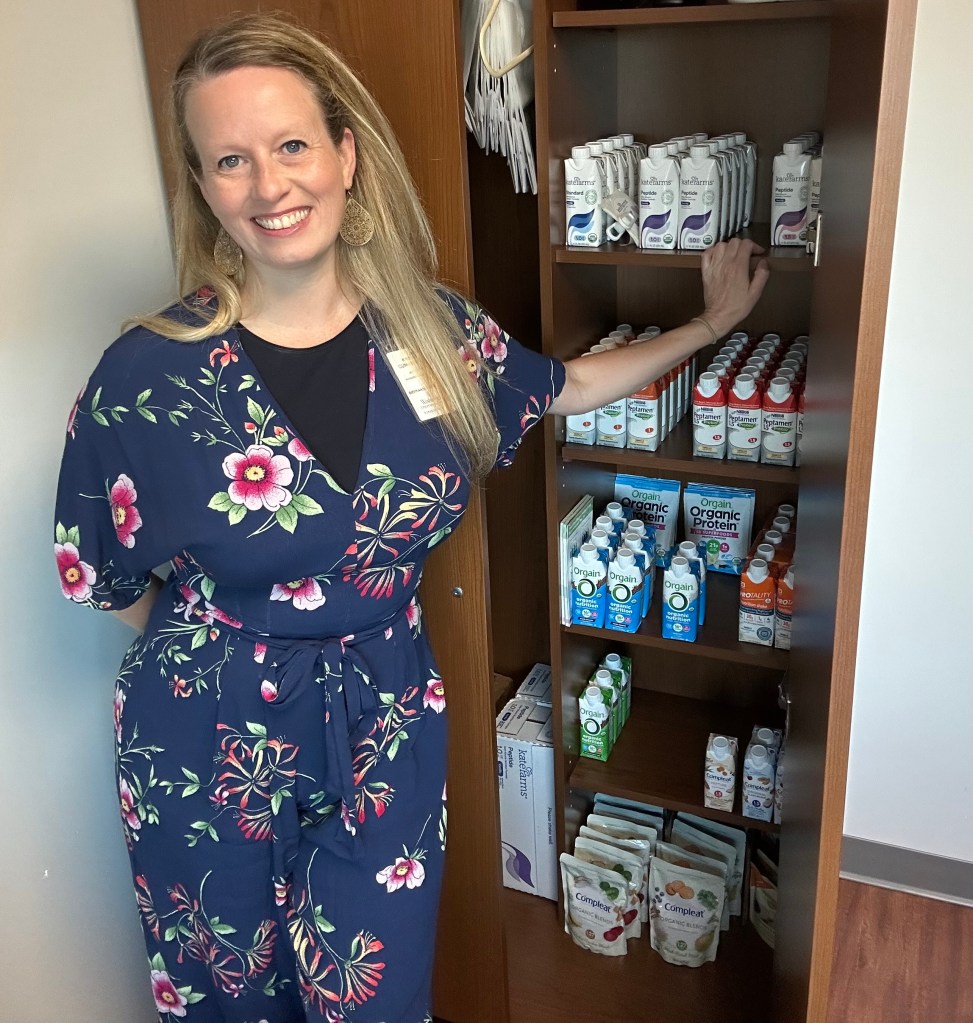
“I have been on Vyvanse, and it has been the best on my stomach and ADHD. I was diagnosed early this year. I tried Adderall, and it made me anxious and over stimulated. Concerta had me nauseated all day, everyday…Vyvanse is the way to go!”

“I have been on Ritalin for the last 2.5 years (finally) and even started an anxiety med that also helps with my chronic pain.”

“I’m on 10 mg of Focalin for ADHD and on Imuran (max dose), Entyvio infusions, and other meds for anxiety and depression. I never had a big appetite regularly, so I haven’t noticed a big difference. The benefit for me has been that I am calmer now and don’t get that ADHD stress. I’m 45 and was just diagnosed with ADHD last November. I’ve had Crohn’s since age 14 with many surgeries between then and 2022.”

“I have IBD and take ADHD meds. I never had the lack of appetite side effect, so I might be an outlier. I usually eat breakfast before taking my pills. Sometimes I need to set timers to eat though if I’m hyperfocusing.”

“I recommend keeping snacks in view. If you don’t feel like eating, drink a protein shake. My Crohn’s symptoms improved a bit with ADHD meds, too.”

“I can’t speak to the loss of appetite, but I was diagnosed with ADHD a few months ago. I tried Adderall for three days, but each day it upset my gut. I had way more bowel movements than normal, even though I was not flaring, and my gut was sore after each one. So, I stopped taking the Adderall and everything went back to normal. I’ve just been self-medicating with caffeine ever since.”

“It helps to eat when you take your ADHD meds and then eat smaller meals throughout the day. It’ll make you not thirsty, so make sure you’re mindful about hydrating. I recommend taking little breaks from it, during weekends and things.”

“I just started my ADHD medications again post-baby and have noticed a huge drop in appetite. I tried a few different meds before settling on extended-release Ritalin. I will say immediate release Adderall severely exacerbated my Crohn’s and gave me horrible stomach cramps. The stomach cramp thing is common with that one, even if you don’t have IBD.”

“I stopped my ADHD medication. It absolutely  destroyed my belly. They are a stimulant and make you go to the bathroom more an also affect blood flow to the colon. It’s been awful.”

“Personally, it’s never been enough to make me lose weight. But I do tend to front load—eat my biggest meal in the morning. Also, the come down from stimulants will have you ravenous by the end of the day.”

Finding the Right Balance

Every person’s IBD and ADHD journey looks different. What works well for one person may not for another. The key is to be proactive, keep your healthcare team in the loop, and advocate for adjustments when needed.

Managing IBD is already a full-time job. Adding ADHD into the mix can feel overwhelming, but with the right treatment plan, many people find that their ADHD medications not only improve focus but also help them feel more in control of their health overall.

Additional Resources

Risk of Anxiety, Depression, and Attention-Deficit/Hyperactivity Disorder in Pediatric Patients With Inflammatory Bowel Disease: A Population-Based Cohort Study – PubMed

Association between attention-deficit/hyperactivity disorders and intestinal disorders: A systematic review and Meta-analysis | Scientific Reports

Gut dysbiosis as a driver of neuroinflammation in attention-deficit/hyperactivity disorder: A review of current evidence – ScienceDirect

Is There a Link Between Adderall and Ulcerative Colitis or Crohn’s Flares? | MyCrohnsAndColitisTeam

ADHD and Bowel Issues: Finding ReliefWhen ADHD Meets IBD: A Complicated Relationship – Girls With Guts

Colonoscopy Prep Hacks You’ll Actually Want to Try: Tips from the IBD Community

Whether you’ve experienced one colonoscopy or 20, you know the process is far from enjoyable. This past week while scrolling through Instagram I came across a story an IBD caregiver posted as her young daughter prepped for her scope. During the video she explained how her husband rolls dice, and whatever number it lands on is how many sips their daughter has to take of prep. I was amazed at this brilliant trick to ease the struggle of getting the prep down, and it inspired me to dig a little deeper and ask the IBD community what their “tips and tricks” are.

This week on Lights, Camera, Crohn’s read firsthand advice from caregivers and patients of all ages. My hope is that you find comfort and maybe even a new idea or two to make your next prep a little less stressful.

Firsthand advice for pediatric IBD caregivers

Mara’s daughter has IBD and has already been through eight colonoscopies in just five years. She says the dice game was a huge success for their family the first time around:

“She was at the perfect age for a little competition as motivation with a reward at the end for the winner…of course she always won. It was honestly so easy to prep her I was shocked.”

However, being NPO (derived from the Latin saying ‘nil per os’ or nothing by mouth/no food or drink) after midnight was NOT easy.

“There were lots of tears and anger directed at us. We bought her a special blanket and stuffed animal, which helped diffuse some of that anger.”

As many caregivers know, every prep is different. Mara recalls their second scope being much more difficult, requiring hospitalization and an NG tube after her daughter couldn’t keep the prep down. Now, they focus on giving their daughter as much autonomy as possible, letting her choose flavors, snacks, and activities.

“On prep days or days, she must be NPO, dad and I also follow that diet. It gives her a sense of belonging and that we are struggling right alongside her. We’ve done it for all eight scopes, and we will continue to do it if she needs us to.”

Over time, Mara says they let their daughter lead as much as they can. They give her a “yes” day.

“Whatever she wants (within reason) to eat or drink. Gummy bears, sure. Popsicles, sure. Want to try to mix three different Gatorades? Why not? She wants to watch TV while she preps or play hockey, absolutely.”
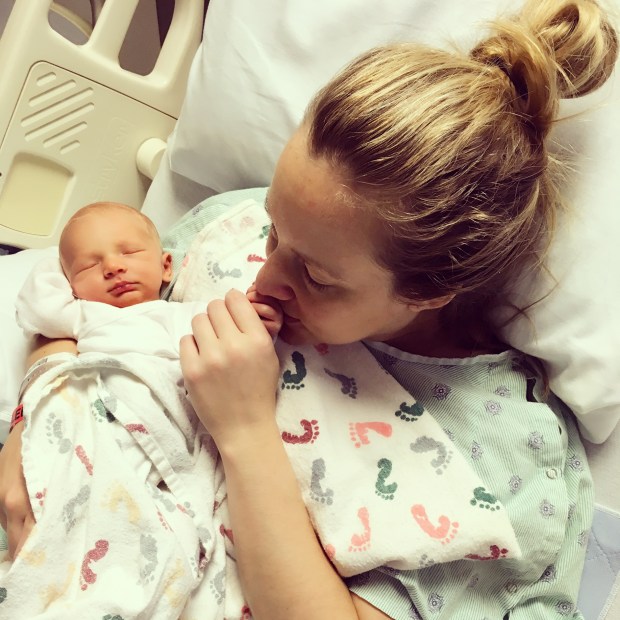

Emily’s Family
Emily has three daughters with IBD (now ages 9, 12, and 15) who’ve been doing preps for over a decade. Their youngest had to prep for a scope when she was only 21 months old. Their top tips include:

  • Only prepare 8oz of the drinking mixture at a time. With MiraLAX prep, we let them pick a new flavor to mix each 8oz.
  • Think outside the box with the liquids for MiraLAX! One preferred water once! (With other electrolyte drinks that day.) One daughter does her whole prep with tea and chicken broth. (Add MiraLAX after the liquid is warmed.)
  • Use distraction!! This is our biggest piece of advice. We surprise the girls with a new activity the day of prep. They know there will be something fun to do – just not what it is. We have gotten Lego sets, multi-step craft projects, etc. We pick something that we can partition up and give them one part at a time in celebration for ounces drunk!
  • Keep them active. We have found that the girls tolerate the large amounts of liquids better if they get up and get moving! In the warmer months, they go walk laps around the driveway between cups of the prep.
  • Pick the “fun” liquids together ahead of prep day. Since they normally cannot have juice or soda, they pick out a few drinks that they are excited to have. This helps them to drink more, once the MiraLAX prep is complete.
  •  I set timers for myself for the day of prep for every 10 mins or so. Just to check in on their drinking. It’s easy to lose track of time and accidentally go 30 mins (or more!) without drinking.
  • Pack a bag of supplies for the scope day. We always take extra clothes and baby wipes for any accidents. Games/books/crafts are great to keep the girls distracted during the wait before their procedure time. We take some water/light snacks for afterwards. (Check with your providers to see what/when your child can eat afterwards.) Chapstick is always requested by mine now too.
  • Remember that you can speak up and (nicely!) ask for what your child needs to make them comfortable. For example, at our hospital, the kids usually get their IV’s after they are sedated with some gases through their breathing mask. This is great to avoid needle anxiety for many kids. However, mine have taken a dislike to the masks and the smell of the gas. Since they get regular med infusions, they prefer to get their IV’s back in the holding area and then use the IV for their sedation to sleep. While not the normal procedure, the anesthesiologists and nurses have kindly worked with us to do it the way my kids prefer.

Cindy’s Perspective
Cindy, mom to a teenage daughter with Crohn’s disease, says scheduling scopes early in the day is key. Even if you have a teen who likes to sleep in, sleeping in is worth nothing if you already feel like crud due to the prep. She emphasizes advocating during IV placement and following your gut as a caregiver:

“A parent’s intuition of how much is too much comes into play, and you’ve got to listen to that voice. Tell the nurse you (parent and child) did your best to complete as much of the prep as possible. If you can’t finish it to a T, they can still make it work. They know they are working with a child. If they are having trouble placing an IV, advocate for your kid. Give them two tries and then request another person to try. We’re still traumatized from watching them work for 10 minutes to get an IV into my dehydrated and scared 9-year-old, and I think that trauma will live with us both forever.”

She also believes in being honest with your child without over-preparing. Start the conversations when it’s time, but don’t talk about it for days or even hours beforehand.

“This is not going to be fun, and it won’t feel good. But I know you can do it and we are going to do it together because I will be beside you every step of the way. Here are the steps we will take and outline them in age-appropriate detail. Let’s think about how amazing this is going to be once it’s done! This is our focus for the next 24 hours… that moment when it’s done… that will be the best! As soon as you are done at XYZ time tomorrow, we can celebrate and go back to normal life, and you can eat whatever you want.”

Additional feedback for pediatric patients

“For pediatric prep, popsicles are necessary. Blue popsicles allow kids to “poop blue,” which many like. The Gatorade with the MiraLAX is the easiest for them to get down. We tried magnesium citrate once and it was a disaster. Gatorade is where it’s at. Also, we make it a party. Popsicle party. Jokes and TV while pooping. Anything to keep the mood light.”

“Turn the ordeal into a scavenger hunt by completing parts of the prep with small stickers to earn up to something whether it be completing a picture or something to distract when prep is working.”

“My daughter’s first prep at home didn’t go well, but prep while in-patient thru NG tube really worked.”

“If the hospital or your GI team has a Child Life specialist, they can send prep books to families ahead of time so they can help prepare kids for what to expect the day of the procedure.”

“Bribes! Lots of bribes! New toys or games. Legos keep little ones busy. Family doesn’t eat in front of them. Lots of snuggles. Clear your schedule to spend time with them. For young kids, put all food out of reach or lock the pantry so a hungry little one doesn’t get into something they can’t have and make you have to cancel the procedure, which is always my fear!”

“I have a prep approved Starbucks order—Mango Dragonfruit refresher, Venti, no ice, no Dragonfruit fruit inclusions, peach juice blend, in my personal cup … I like to line up cups so I can visually see how much is left and removing one feels like an accomplishment. A seasonal suggestion is using an advent calendar and dividing prep by 24 and opening one door after each one…just make sure the prizes are not food!”

“Arts and craft activities and projects can be a good distraction. Recently gave a sensory art bin to a VEO-IBD patient through their first scope as a kid it helped me to have new things to do.”

“My mom fasted with me when I was doing the prep as a kid! My tips now as a mom myself are to make Jello without Red 40. Ramen seasoning dissolved in water tasted way better than broth to me as a kid…I know that’s not good for you. I would make it a fun and relaxing day, so your kiddo is distracted. I would recommend not watching TV or YouTube because there are so many advertisements for food everywhere and it didn’t help distract me much. I advise having a movie marathon instead!”

“We didn’t eat out much when I was a kid, so eating out with my parents only was a big treat for me to look forward to after starving the day before! Back in the day, GIs used to do a combination of drinkable prep and suppositories for pediatric patients, and I’m glad my mom did the suppositories for me because it was not something else you had to drink. Ask pediatric GIs about low consumption prep so your child doesn’t throw up.”

“When I was a pediatric patient, my mom took me to the store to pick out different drinks for the mix, Jello flavors, etc.… which would make it fun picking it out myself and this also gave me a sense of control in a very out my control situation. My mom always fasted with me, which I appreciated not feeling alone in it. I was also able to pick the restaurant to go to after for something to look forward to!”

“Have your child drink their prep in a fun container., a Disney theme with a silly straw. For adults, use a wine glass or fun mug. Cheers!”

“My 12-year-old just had their first colonoscopy. As a Crohn’s patient myself, I have done one every other year for 25 years and it was hard to watch him go through it. He was tougher than me. The hardest part was him not eating! He had to do a full two days of clears only—per our doctor’s recommendation. That’s my hack as an adult, too. I start taking a Dulcolax dose and not eating a day or two earlier than recommended. You only have to drink the drink until it’s clear in the toilet. The milder/longer prep is easier on me and saves me drinking half the magnesium citrate drink.”

“My daughter couldn’t get any of the prep down at age 16 and by this summer, at age 19, she felt ready. This time we tried over the counter prep of MiraLAX and Dulcolax. The doctor said if she did it this way, she would need to fast for 48 hours instead of 24. She was fine with that. She started taking a couple of Dulcolax tablets at 5 pm the night before. Then, we put half a bottle of MiraLAX into Sprite. She drank a cup every 10 minutes until it was gone. We did the same thing a few hours later. She was clear before going to bed at night. It was easy and stress-free for her.”

“My parents would set me up with my iPad for movies, a desk chair, and a blanket in the bathroom so I could go back and forth from the toilet easier.”

“Make MiraLAX with white grape juice instead of Gatorade! Drink with a fun straw so you can put it on the back of your tongue and taste less. Put on headphones with loud music to distract your sense from the taste so you can drink the prep faster.”

“I confirmed with my child’s GI that colorless cotton candy is a clear liquid! Obviously in moderation, but this could be super helpful for kids and adults who need a different texture than liquid or gelatin.”

Prep Hacks for Adult Patients

Our IBD family had plenty of creative hacks for adults, too:

“The MiraLAX + Dulcolax prep hands down!! I’ve tried them all, and it’s tasteless and easiest.”

“Lemonheads or lemon jolly ranchers RIGHT after you get done drinking a dose!”

“Gummy bears and lifesavers! I love having stuff to chew. I also had pickle juice shooters, which gave me some salty/sour taste to balance all the sweet stuff. I also keep my schedule open for the remainder of the day and allow myself to relax.”

“I put my Suprep in the fridge (even though it says not to) and it makes it SUBSTANTIALLY easier to drink (and doesn’t seem to make it less effective in any way). I also buy myself a new book to read or save a special TV show episode, so I have something to look forward to when I’m drinking prep at 2 in the morning. Colonoscopies are miserable and until they figure out how to make them a nicer experience, it’s great to team together to gather the best tips.”

“Clear Gummy Bears!! This keeps it fun for all ages! Here’s a recipe!

“Drinking chicken broth throughout the day. This gives energy and takes away the bad taste of the prep drink. As a kid, my sister used to make a colonoscopy prep kit. Every 8 oz. I drank; there would be a little gift or activity to do. For example, after the first 8 oz., I got a nice bottle to drink the rest from. The next thing was a Lego kit or a paint by number.”

“I begin my prep four hours ahead of their suggested time, so I can sleep through the entire night. Getting up in the middle of the night, especially for children to complete round two of the prep is just borderline inhumane. What a nightmare. The catch is waking up and hydrating with enough water before the anesthesia cut-off which requires not to drink anything 2 hours before the procedure.”

“Wet wipes and diaper cream are super helpful!”

“A lot more MiraLAX than the prescription prep. And gummy bears (except red ones) are a gamechanger. They let you feel like you’re eating, but they liquify in your gut.”

“Rotate flavors and get some protein through broths. Have broth, then 2 hours later do Jello or change the texture and taste, then 2 hours later do broth and rotate.”

“Strain chicken noodle soup to just have the clear broth, it has more sodium.”

“Avoid eating vegetables/fruits/seeds three days before. Taking preps that you can take with a glass of water and then drink two liters of tea or water.”

“My son, Andrew, has autism and Crohn’s disease. When he has to do colonoscopy prep, he likes to listen to Disney music and use a timer. Andrew is almost 30 years old and has been having to do colonoscopies since he was 17. This past year, for the first time, he did the pill prep and loved it. He used a timer to tell him when to take the next pill. Andrew told me he will never go back to liquid prep. Pill prep was so much easier for him, especially with his sensory issues.”

“Take notes on all preps you’ve been assigned and take notes and photos of what it felt like. I found one that was less painful for me, and I always request it. I also alternate sips out of a straw with apple juice. I drink the prep in my kitchen, near a bathroom, and watch TikTok’s while drinking to distract myself.”

“I only eat soft foods 2-3 days before, make sure to hydrate, and follow the instructions they give about not eating things like seeds or nuts a week before.”

“Have a bidet and diaper cream ready.”

“Desitin, Gatorade that is the Frost Glacier Cherry flavor (not red) frozen or really cold to help me stay hydrated.”

“Make freezer pops out of the Gatorade prep mix.”

“For me—finding fun drinks, whether a tea at Starbucks or stocking up at the grocery store, really makes it feel less horrible. I started this as a teenager. I make a list of movies or shows I want to binge. If you’re comfortable with it, have a friend there to distract you—at 15 years old, my boyfriend stayed with me all day for my surgery prep which was the same as a colonoscopy and we watched movies and he distracted me/made me laugh and at times I forgot what was going on!.”

“Savory liquids to balance out the sweet!”

“Mix the prep with Crystal Light Lemonade—instead of the lemon mix the pharmacy provides. Drink the prep through a straw and suck on hard candy (e.g., Werther’s Originals) in between doses to get rid of the taste and have something to look forward to.”

“Take SUTAB (pill prep) and Zofran and then fall asleep. Your bowels will wake you up and you’ll avoid the nausea but start the pooping process. I do the same for the morning dose! If you vomit, at this point it’s fine, just hopefully after the nap and pills are digested!”

“Gummy bears/worms!”

“Pill prep has been a gamechanger for me!”

“Extending the clear liquid diet an extra half day or full day helps a ton with prep.”

“You have to have a movie downloaded on a device that you can have in the bathroom and a pillow for the toilet seat for your back. I’m a fan of disposable diapers because after the first several poopy poops, you get to the drizzle stage and then it’s annoying to have to get up every two seconds towards the end. They also come in handy when you’re sleeping and when you’re traveling to the procedure.

“Before I have a colonoscopy I write down positive affirmations and thoughts and there is like a Table of Contents that’s like “When you’re sad” or “When you need a good laugh” and it really helps me though the ups and downs, although it may sound silly. I choose what to drink and I always have my good luck drink which is blue Gatorade.”

“Use nuun electrolyte drink instead of Gatorade!”

“My personal hacks are to follow what you know works for you. I followed the timings of when to take what from the last instructions and it wasn’t the cleanest prep. I should have listened to my gut and started doing that earlier. I resort to drinking Ensure Plus instead of just relying on broth and soft foods to keep me feeling full. It’s helped me SO much. I know not everyone can tolerate it or like it, but when I was on a liquid diet about a year ago for two months, I only had Ensure Plus. I got used to it. It’s now a lifesaver, especially if I’m traveling or on the road and not sure what food I will have access to. It helps to start the diet a bit earlier, so mash and fish instead of just toast and pasta.”

“I mix apple juice with my Suprep! I also always buy bone broth or stock because the protein per cup is higher. I like the Zoup brand because there’s 3 or 4 gram of protein per cup. I also get the College Inn brand bone broth which has up to 10 grams of protein per cup.”

“Gummy bears!! Just not the red or purple ones. Just being able to chew something helps! Progresso Chicken Soup. Use a metal strainer to strain out all the solids and then sip the broth. It’s thicker and has more flavor than regular stock and it’s just more satisfying.”

“Remind yourself “this is only temporary.” Having loved ones supporting also helps to distract a little, which makes it easier to get through. Focusing solely on drinking cup after cup can seem very overwhelming.”

“Start a low residue diet a few days early even before your doc says to. Mix prep with Sprite. Have hard candies or gum to chew on while doing prep. Use a measuring cup or something to lines to indicate how much to drink.”

“I really love the Trader Joes less sugar lemonade mix with water for my prep. I chugged and it was so delicious! Also, ice pops like the good pop brand were yummy.”

“Gummy bears! Making ice cubes out of juice and chewing on the ice.”

“Make sure it’s cold! Drink with a straw, chew Juicy Fruit gym in between drinks, this helps cut the saltiness. Do two-step prep if your practitioner allows it (half the night before and the other half in the morning). Ask if you can use one of the lower volume prep or the MiraLAX and Gatorade prep.”

“For the MiraLAX prep I use two different flavors so I can alternate when I get sick of one.”

“Mix the prep early and put it in the fridge. Have music and TV on to help distract yourself.”

“While most people say to drink it cold, I prefer my prep at room temperature so I can chug it faster.”

“Always lots of ice and drinking thru a straw. Big gulps. Have a station in the bathroom with a laptop streaming Netflix. I also got a Bidet before my last one!”

“Gummy bears! I buy the Haribo ones and don’t eat the red ones. My favorite prep hack thus far. It’s great getting to chew something when everything else is liquid.”

“Lots of mint tea when the cold chills kick in a few hours before you have to go in for the procedure.”

“Use a Pedialyte jug and ensure it is very cold and drink the prep with a straw. The slower you drink, the worse it is. I always chug it super-fast through a straw and it gives me 10-15 minutes between each cup. Have lots of other drinks that you don’t normally consume to make it fun and have lots of juice, Jello, soda, and popsicles on hand!”

“I’ve turned prep days into self-care days. I binge shows, nap, relax, and try to take care of myself.”

“I like to alternate between sweet/cold beverages and salty/warm soups when I am trying to stay hydrated before starting prep. Sprite/popsicles/lemon ice and then chicken broth.”

“I chase my prep by sucking on approved colored Lifesavers. They truly are a lifesaver for me. I could never do it without them.”

“I recommend the pill prep instead of liquid prep if you’re neurodivergent or have issues with taste and textures. Maybe keep a backup on MiraLAX and Gatorade or juice in case you can’t tolerate the liquid prep. If you know you get nauseated, take prescription anti-nausea medication like Zofran before you begin the prep. I like Squatty Potty and having wipes to dab and pat my skin. A Peri Bottle can be useful. If you’re prone to hemorrhoids or know you have vascular issues like pelvic congestion syndrome, apply hemorrhoid cream in advance. Keep Zinc Oxide handy if it starts to burn or feel raw. Get into comfortable clothes that’s easy to get in and out of in the bathroom. I personally use a heating pad and Bentyl for intestine cramping. I usually make sure I’m scheduled first thing in the morning, and I ask for extra IV fluids.”

The Takeaway

Colonoscopy prep is a universal challenge in the IBD community, whether you’re a child facing your first scope or an adult whose been through dozens. But as the stories above reveal, there are countless ways to make it less daunting through creativity, distraction, teamwork, and sometimes sheer humor.

I personally start a full liquid diet 4-5 days before my scope to ease the actual prep. I make sure I have Zofran on hand to manage my nausea (I always vomit, regardless), and I prefer the SUTAB pill prep. I’ve done multiple preps since being diagnosed with Crohn’s disease in 2005, and my last three preps, SUTAB pills have been the “most tolerable.” While MiraLAX/Dulcolax is popular, I never enjoyed having to drink such a large volume of liquid. Having gummy bears on hand is also a necessity for me! My husband always takes the day off work, and we go out to breakfast and spend the day together afterwards as a reward for all I went through.

If you’re gearing up for a prep, remember you’re not alone. Thousands of IBD patients and caregivers are walking this same path and learning tricks along the way. Find what works for you (or your child), advocate for needs, and give yourself grace. And once it’s done? Celebrate that victory meal and the relief of getting through another milestone in your IBD journey.

A Rare Case, A Powerful Message: One IBD Mom’s Battle with Vitamin K Deficiency During Pregnancy

When you live with Inflammatory Bowel Disease (IBD), you become an expert in knowing life can throw you curveballs at any given moment. Those curveballs are especially worrisome and scary during pregnancy and after you become a mom.

For one IBD mom who wishes to remain anonymous, that curveball came in the form of a rare and dangerous vitamin K deficiency that caused life-threatening complications for both her and her newborn son after delivery. Now, two years later, a published medical case study based on their experience is helping raise awareness of this rare issue, offering hope that future pregnancies in the IBD community might benefit from earlier detection and intervention.

Diagnosed Young, Navigating the Unknown

This mom was diagnosed with Crohn’s disease at age 13, and now at 34, she’s lived with IBD for more than 20 years. Her journey has included numerous medications, including a long stretch on Humira, which she remained on during her pregnancy, and four partial small bowel resections. She’s also undergone several exams under anesthesia due to complications like abscesses and fistulas.

Thankfully, during her pregnancy, her Crohn’s was well-controlled with no active disease, making the post-delivery complications much more shocking.

A Sudden Turn After Delivery

After giving birth to her son (we’ll call him “B”), what should have been a joyful moment quickly turned traumatic.

She spent 16 days in the hospital, including three in the ICU, while her newborn faced a 23-day NICU stay. The cause? A severe, undiagnosed vitamin K deficiency, which led to hemorrhaging in both mom and baby. The medical team was blindsided—none of them expected this.

Understanding Vitamin K Deficiency & IBD

Let’s get one important thing straight first. This situation is not about skipping the vitamin K shot that newborns typically receive. The mom explains:

“It’s imperative that newborns receive a vitamin K shot after they are born to prevent vitamin K deficiency bleeding. The American Academy of Pediatrics recommends that all newborns receive a single dose of vitamin K, because babies are naturally born with very little in their bodies. In our case, my son did get the shot—but because I was unknowingly severely deficient in vitamin K during pregnancy, his vitamin K levels in utero were dangerously low, leading to a brain hemorrhage before he was even born. The bleeding he experienced was similar to what some babies experience when they don’t receive the shot, but in our case, it happened earlier—and was not caused by withholding care. In fact, he needed far more vitamin K after birth to restore safe blood clotting levels.”

This vital distinction can prevent confusion and reinforce just how important that standard vitamin K shot is for all newborns.

What She Wants Other IBD Moms to Know

“Knowing what I know now,” she says, “I want fellow IBD women to understand a few key things about vitamin K deficiency during pregnancy:”

This is rare. Most pregnant people with IBD will never encounter this issue. “I hope that offers peace of mind. But as we all know, knowledge is power—especially when you live with IBD.”

If you’ve had bowel resections or are deficient in other fat-soluble vitamins (like A, D, or E), consider bringing this case study to your GI and OB/Maternal Fetal Medicine (MFM) doctors. Ask about checking vitamin K levels, as well as PT/INR and PTT, which monitor blood clotting.

You can develop a deficiency during pregnancy even if you’ve never had one before. “Outside of pregnancy, I had no clotting issues. But between my history of resections and my baby’s increasing demand for nutrients, my levels dropped—and no one knew.”

Looking Back: What She Wishes Had Been Done

“If we had been monitoring my vitamin K levels, PT/INR, and PTT throughout my pregnancy, we likely would have seen early warning signs,” she says. “These aren’t standard tests, but I hope someday they will be for IBD moms with similar risk factors.”

A Silver Lining in the Study

Despite the trauma, having their experience turned into a published medical case study brought a sense of closure.

“When they told us they wanted to publish it, I felt incredibly validated. This wasn’t just something we lived through—it’s now out in the world to potentially save lives. That’s the best-case scenario for us.”

The comprehensive care team—consisting of her OB, MFM, GI, hematologist, and PCP—remained closely connected throughout the experience. After both mother and baby were stabilized, Ohio State’s hematology team and Nationwide Children’s Hospital worked together to identify the deficiency as the root cause for both patients.

“They didn’t miss anything—they acted on the knowledge they had at the time, and when things went south, they sprang into action. I’ll always be grateful for that.”

“B” Today: A Story of Resilience

Despite a traumatic start, B is now a thriving, happy, and a miraculously healthy two-year-old.

“We were so worried about long-term impacts due to the hemorrhage in his brain, but he is now meeting and exceeding all his developmental milestones. He doesn’t need any additional support. It’s truly a miracle.”

His early care included close monitoring from neurology and the Early Development Clinic at Nationwide Children’s Hospital, along with early intervention specialists. Today, all those appointments are in the rearview mirror.

What About Future Pregnancies?

The reality is that this situation may recur if she decides to grow her family.

“My doctors believe I’d face similar risks, so we would monitor everything very closely: vitamin K levels, PT/INR, PTT and I’d likely receive IV vitamin K infusions throughout pregnancy to stay ahead of any deficiencies.”

Lifting the Tide for Others

After two decades of managing Crohn’s, she knows how isolating chronic illness can be.

“It’s hard. It’s lonely. It’s easy to feel invisible. But finding others who share their stories and who get it has been a game-changer for me. That’s why I’m sharing this now. Even if this specific challenge never affects you (and I truly hope it doesn’t), I hope you feel a sense of solidarity. A rising tide lifts all ships and if sharing our story lifts someone else’s experience just a little, it’s worth every word.”

If you’d like to contact this IBD Mom don’t hesitate to reach out to me, and I will connect you. It’s stories like this that help to pave the way for future families.