What the IBD Community Needs to Know about Getting an Additional Dose of the COVID-19 Vaccine

Over the weekend (Saturday, November 6) I received my third dose of the Pfizer vaccine. When I had my second vaccine on August 11, I never dreamed I would be getting another jab so soon. But here we are. In talking with several IBDologists and patients I felt the need to expound on this topic, as misinformation is driving quite a bit of confusion about what additional doses and boosters mean for the IBD community and how we can best sort through all the information being thrown our way.

What’s the difference between an additional dose (3-part vaccine series) vs. a booster?

Dr. Meenakshi Bewtra, MD, MPH, PhD, Penn Medicine, helped me better understand this by explaining, “a 3rd dose implies that you had a less-than ok response to two doses and need a “3-dose regimen” to get the same response that someone else would get with two doses.”

The 3-dose regimen caters to those who are severely immunocompromised—those on chemotherapy and organ transplant recipients.

“Most IBD patients do NOT have this problem. Some small studies have shown varying responses; the largest is PREVENT-COVID which was over 3,000 patients. The study found that those on monotherapy TNF had similar response to the COVID vaccines as the general population. It was only in the setting of combination therapy (anti-TNF plus azathioprine or methotrexate) that you had a blunted antibody response (again–this was a research study),” said Dr. Bewtra.

She went on to say she has not been recommending that all her patients get a 3rd dose—rather, reserving that for patients who are on combination therapies. At the same time, this is a very fluid discussion, and the decision needs to be made on a case-by-case basis between each patient and their physician.

A booster is if you had an adequate response to the first 2 doses and are now 6 months past your primary series and fall into the recommended categories (over 65 years old or age 50+ with high-risk medical conditions), if you are part of a younger age group with high-risk medical conditions, or for those who work in occupations that put them at high risk for COVID. Booster shots are most effective 6 months after your initial series for Pfizer and Moderna and 2+ months after J&J, although the data really supports waiting until at least 6 months for best response. Age is the biggest determinant of needing a booster, whether you have IBD or not.

Dr. Peter Higgins, MD, PhD, M.Sc., University of Michigan Health, explained this clearly on Twitter. He tweeted, “It is a catch-up dose for folks who for various reasons (anti-TNF’s, steroids, chemo) will not have a great response to two doses. To catch-up to everyone else. Then a booster dose later to keep pace.”

I’m *only* 38 years old. I’m *only* on Humira. Why am I getting a 3rd dose two months after my 2nd vaccine?

I saw my gastroenterologist for a check up last week and she ordered a SARS-Cov-Z Antibody (IgG) Spike Semi Quantitative test at Quest Labs. My results came back and from a range of 0-20, I was at 4.42. My GI was surprised my response had dwindled so quickly and recommended I receive a third dose to help mount a more robust response.

Dr. David Rubin, MD, Professor of Medicine, University of Chicago, and Chair of the National Scientific Advisory Committee of the Crohn’s & Colitis Foundation told me that multiple studies on antibody response in patients with IBD have shown that after two doses the titers are similar to that of the general population. So, my result, is an aberrancy compared to the data. He said getting a 3rd dose seems right for me, given my personal results.

“We have suggested the booster for everyone and think of the COVID vaccines as part of a 3-dose series. When it comes to true protection from the infection, memory B cells (cellular immunity) are more important than antibodies. There is not a commercial test for that yet, but we are studying it.”

In a recent talk Dr. Rubin gave about COVID, vaccines, and the updated recommendations for additional doses and boosters, he discussed how IBD is a condition of an abnormal immune response. Therapies to manage IBD are predominately immune-based and immune-modifying. The information shared by the CDC and FDA is not specific to IBD and is confusing (for everyone).

“CDC recommends individuals should get a third vaccine if:

  1. Previously received two doses of an mRNA vaccine
    1. Currently taking select therapies, including anti-TNF and anti-metabolites
    1. “Other biologic agents that are immunosuppressive or immunomodulatory”
    1. High dose steroids (prednisone ≥20 mg/d or equivalent for ≥2 weeks)

All other individuals are recommended to get a booster 6-8 months after second mRNA vaccination.”

But wait, what’s the recommendation on antibody tests? Are they valid?!

This is where I get confused too, folks. Prior to receiving my antibody test and following my doctor’s orders I was not aware that the FDA and CDC both strongly recommend NOT checking or acting on antibody levels, as the tests outside of research studies are unreliable and unvalidated. Antibody tests do not paint a full picture of our immune system.

“There are strong recommendations from the CDC, FDA and ACIP (Advisory Committee on Immunization Practices) that patients NOT check antibodies nor use them in decision making. The only time they should be used is in the setting of research studies,” said Dr. Bewtra.

The reason for this is multifold:

-Antibody tests are not validated.

-Since they are not validated, there is no comparison for values. For example, my 4.42 on one test may be completely different in a different test.

-We know that antibodies are testing only one aspect of the immune system—there is a LOT more to immunity than an antibody level.

Dr. Jami Kinnucan, MD, University of Michigan Health advises all her IBD patients to receive a third dose, or a booster vaccination based on their risk factors and immunosuppression medications.

Dr. Kinnucan says, “Overall the current recommendations are to get a dose #3 on certain immunosuppressive therapy, which is different than a true booster dose. In addition, it is hard right now to understand what the true threshold of immunity is with antibody testing so I would not put too much into antibody test results. I do not recommend that patient’s routinely have their antibody status checked (unless they are involved in current studies). I would recommend getting dose #3 or booster dose for IBD patients.”

Vaccinated diverse people presenting shoulder

During the holidays we should all continue to follow CDC recommendations when it comes to social gatherings, social distancing, wearing masks, and properly washing our hands. Everyone that you spend time with should be fully vaccinated so the only thing being spread is holiday cheer. If you plan to spend time with anyone who is not from your immediate bubble, it’s recommended they take a rapid test before coming over.

Key Reminders as We Head into the Holidays

Vaccines are not 100% protective and Dr. Bewtra says “no one is fully vaccinated.”

“No one should think that just because they’ve had two vaccines, or 3 or 4, that they are safe. Protection is a function of the community: when community levels are high, even if you just got​ your vaccine, you need to wear a mask and practice all the recommendations from the CDC.”

What are the studies saying about the IBD Community

The data from science is highly variable. Studies looking at Rheumatoid Arthritis are not translatable to IBD, even when patients are on the same drugs. We have the real-world data from IBD, and it shows that the vast majority of IBD patients respond to vaccines appropriately. So not everyone needs to rush out to get a 3rd dose.

“We are doing a lot of vaccinating “the worried well” in this country. That may be fine because we are in a rich enough place to do that over and over, but it should not infer a feeling of false protection​ and it may be unnecessary,” said Dr. Bewtra.

Closing Thoughts

On the fence about receiving a 3rd dose and/or a booster dose? Have a discussion with your physician who specializes in caring for your IBD and prescribes your medications. Much like how IBD and COVID manifest differently in each person, it’s not fair to make blanket decisions about the entire patient population.

Dr. Rubin wants to reassure those with IBD that they are not at increased risk of bad COVID outcomes (but not at decreased risk either). He says most patients with IBD on therapy beyond 5-ASA or budesonide are eligible to get a third dose now. For patients on combination therapy with anti-TNF and thiopurine, methotrexate or high dose steroids, it’s reasonable to get the third dose/booster early.

Stay tuned for the evolving research. As the months go by and more research studies are completed, we’ll have a clearer picture of how to tackle this as well as additional guidance.

Save the Date: Facebook Live Event on Global Perspectives on COVID + IBD

The South Asian IBD Alliance (SAIA) is hosting a Facebook Live event Saturday, November 20 at 10 am EST. Patients and physicians will share their perspectives on COVID from the United States, United Kingdom, and India. Doctors will explain study data on serocoversion (development of specific antibodies in blood serum as a result of infection or immunization) in IBD patients and what their thoughts are on boosters and a 3-dose regimen, along with their viewpoints on mixing and matching vaccines. Patients will share their experiences from each respective country and discuss the challenges the pandemic has caused in terms of care.

Additional Resources

Crohn’s and Colitis Foundation: COVID-19 Vaccine Additional Dose Position Statement 

COVID-19 Vaccines and IBD: What patients need to know (article by Dr. David Rubin)

Third doses of SARS-CoV-2 vaccines in immunocompromised patients with inflammatory bowel disease (The Lancet)

Podcast: IBD Drive Time: Does my Patient Need A COVID-19 Vaccine Booster?

Studies about how IBD patients are responding to COVID-19 vaccines:

If you don’t do so already, be sure to follow these experts on Twitter for up to the moment information:

Dr. Bewtra: @DrsMeena

Dr. Rubin: @IBDMD

Dr. Kinnucan: @ibdgijami

Dr. Higgins: @ibddoctor

7 Tips for Keeping IBD at Bay on Big Days

Whether it’s a holiday like Halloween or a wedding weekend (both of which I experienced the past few days), it’s important to stay ahead of IBD symptoms and be proactive in how you approach the big moments and the big days in your life so you can enjoy them. The unpredictability of Crohn’s disease and ulcerative colitis can feel suffocating when you are hoping and praying your body doesn’t betray you on the big days.

Here’s how I mentally and physically prepare so I can stay ahead of my Crohn’s and be in the moment with family and friends.

Be extra cautious with what you drink and your diet. Caffeine and alcohol are triggers for me…and for many people with IBD. The day of my brother’s wedding I refrained from drinking coffee and alcohol so I didn’t have to worry about needing to run to the bathroom in my bridesmaid dress or have to think about how bloated I could get from the abdominal pain a few drinks can cause. My Crohn’s felt non-existent the entire day, thank you Jesus!

When I am traveling and away from home, I am extra mindful of what I eat and keep it on the safe side, especially if I’m going on a road trip with my family or flying the friendly skies. You know your triggers, try to steer clear from them as much as you can. If I am celebrating a holiday at home or at my parent’s house, I tend to be a little “riskier” because of the comfort level I have using the bathroom there, resting, etc.

Be choosy about your shapewear. I don’t know about you, but ever since my Crohn’s diagnosis I’ve never liked Spanx, belts, or anything restrictive around my waist. I rarely ever wear jeans with a button. For my brother’s wedding I wore Spanx that were biker shorts that went up to the bottom of my bra and it was a game changer, especially being 3 months postpartum! I didn’t have any stomach or bloating issues. Highly recommend the Spanx High-Waisted Power Short.

Pack pain medication and maintenance meds. Just because you’re away from home celebrating a holiday or a wedding, doesn’t mean it’s time to be flippant about managing your disease. When I’m packing, I always take more than I need when it comes to pain medication, even if I haven’t needed it or used it for months. Bring extra strength Tylenol and any prescription pain medication you may need along with your “typical” medication (if you take it). Be mindful of how long you are traveling and if you could face delays, etc. If you are flying, always keep medication on you, so it’s right where you need it and so you don’t chance anyone taking it out of your luggage.

With my Humira I look ahead when I have a big event and plan accordingly. For my wedding for instance, my injection was due two days after I tied the knot. My GI had me move up my dose to the day of the rehearsal dinner so I could have some extra coverage.

Try and get as much rest as possible. With IBD we all know fatigue is one of our most difficult symptoms to handle. Throw in travel and being out of your normal surroundings and life can really feel like an uphill battle. Allow for downtime and breaks throughout the day if you’re able so you can give your body time to adjust to the hustle and bustle.

Practice deep breathing and mindfulness. If you feel symptoms creeping in try and take deep breaths and ground yourself. Lay down and gently put one hand on your chest and your other hand on your belly. Feel your stomach slowly rise and be present in the moment. Close your eyes—remind yourself that pain is fleeting and go to your happy place. Diaphragmatic Breathing, also known as deep breathing or belly breathing, helps to manage stress.

Don’t suffer in silence. This is the hardest part of all. I always struggle articulating when I’m not feeling well on the “big” days. I never want to damper the mood or make people worry so I internalize my pain and put on a smile. As a mom of three little ones, especially on holidays like Halloween and Christmas I never want to allow my disease to take away from the special, memorable moments. But this can make the struggle even worse. I find quietly telling my husband or my mom that my “Crohn’s is acting up” that it takes some of the weight off my shoulders so they at least know why I may need help, may not be as talkative, or may not seem to be acting myself.

Use these times as a “teachable” moment. Before I started sharing my story publicly, you’d never hear me tell someone I barely knew I had Crohn’s disease. But now, I find it extremely helpful to drop that line whenever I can. You’ll find making others aware can bring about much needed support, understanding, and even intrigue. Telling others I have Crohn’s disease feels like a normal, casual part of conversation now for me. At my brother’s wedding my IBD came up several times in conversation—with the hair and make up people, to my cousins coming up to me and saying, “I have co-workers with Crohn’s, and I tell them all about your blog.”

While IBD is not our identity, it’s a large part of who we are and impacts many of the decisions we make each day that can influence everything from what we eat or drink at a party or social gathering to how we participate in milestones and festivities. Taking the guesswork out for others takes a bit of the pressure off and can make you feel less overwhelmed and more comfortable and at ease.

The Patient Experience: Biosimilars & What Leading GI’s Want You to Know

Biosimilars. When you hear the word how does it make you feel? Maybe a little skeptical. Maybe a little uncertain. Maybe a little leery. If so, you’re not alone. I’ve been on my current biologic more than 13 years and when I think about having to possibly make a switch in the future it makes me nervous, too. That’s why I called on IBD specialists and gurus Dr. Miguel Regueiro, Professor and Chair of the Digestive Disease and Surgery Institute at the Cleveland Clinic and Dr. Christina Ha, MD, FACG, AGAF, Cedars-Sinai to help educate the patient community and put falsehoods and myths to rest. Biosimilars are here to stay so it’s imperative we get comfortable with the uncomfortable.

What is a biosimilar?

First things first, let’s get the definition out of the way so you know what we’re working with here. Biosimilars are not the generic version of the biologics many of us are accustomed to. A biosimilar is a product, usually a medication, that is formulated in a fashion that is similar to the “reference” product, also known as the “originator” medication. Think Infliximab (Remicade) and Adalimumab (Humira).

I love the way Dr. Ha explained this, “It’s like identical twins sharing the same DNA but having different fingerprints. With biosimilars, dosing, administration, optimization, monitoring, and plan of care is the same, nothing changes except the Infliximab is now Inflixilmab-dyyb, for example.”

How You’re Told You Need to Switch

You may be wondering how this conversation and discussion even starts and how it translates over to the patient experience.

“The physician and patient are contacted by the insurance company indicating that the patient must switch to a biosimilar. This allows for some discussion between the physician and the patient. Although this should be the fashion in which it occurs, I know that this is not always the case and sometimes the notification is last minute or done in a way that leaves little time for education and discussion between the administration of the next dose of biologic and notification by the insurance,” said Dr. Regueiro.

Cost Savings and Access to Patients

I want to preface this by saying the cost savings varies from patient to patient and is largely dependent on a patient’s insurance company or health plan that covers the payment of their medication.

Dr. Regueiro says, “To provide a simple overview, each insurance company/health plan will contract with a pharmaceutical company for a certain medication. Much of this is dependent on getting the best price for the insurance company. A biosimilar is typically cheaper than the original (originator/reference) medication and the insurance company will then list the biosimilar as its preferred biologic for that condition, e.g., Inflectra or Renflexis for Crohn’s disease or ulcerative colitis. This makes the approval of that biosimilar “easier” for the patient and therefore access better. The question of where the savings are realized is another matter. Even cheaper drugs do not translate to savings directly to the patient.”

If you’ve been on a biologic “originator” successfully and are told you suddenly must make the switch, it’s not uncommon. Dr. Regueiro says he has many patients who have found themselves in this position. His advice? Speak to your healthcare team, but also go to trusted resources for education, e.g., the Crohn’s and Colitis Foundation website has some useful information for patients about biosimilars.

Addressing patient hesitancy

It’s no surprise this can be an emotional discussion. I try and envision myself being told that I had to switch after more than 13 years, and I know I would be crying because of the comfort and confidence I have had with my current therapy.

“The idea of switching to a biosimilar is fraught with concern. I typically acknowledge their concern, but then explain the data. There have been many studies that have shown that switching from a biologic to a biosimilar is well tolerated, is equally efficacious, and does not incur any different safety risk. I tell the patient that we technically cannot say that the biosimilar is the “same” as the biologic, but in essence it is. I also explain that I have had hundreds of my own patients switch and I have not seen a problem. In fact, in some patients I may get a drug level of the biologic before switching and then the same drug level of the biosimilar after switching and see no difference,” explained Dr. Regueiro.

For example, there is a blood assay for Remicade (Infliximab) that measures the Infliximab level and antibodies to Infliximab. When Dr. Regueiro has had patients switch from Remicade to a biosimilar, e.g., Renflexis or Inflectra, and then measure the same exact drug assay, the results of the Infliximab level and antibodies to Infliximab are the same. The biosimilar works in an identical fashion to the original biologic, and the blood assays show the same results. The body “cannot tell” the original biologic from the biosimilar.

Let’s read that sentence again. The body “cannot tell” the original biologic from the biosimilar.

Dr. Hasays, “The key here is to understand that you are being switched to an equivalent not inferior agent. Biosimilars are rigorously studied for safety, effectiveness, antibody formation with a lengthier, more involved FDA approval process than generics.”

Why Biosimilars are NOT generics

A generic medication has the same active ingredient as the brand name medication. An example would be the generic medication mesalamine for the brand name medication Asacol. Asacol’s “active ingredient” is mesalamine and the generic is simply formulated as mesalamine. The “packaging” of Asacol makes it Asacol, but its active ingredient is mesalamine and is identical to the generic formulation of mesalamine.

Dr. Ha explains why biosimilars are not generics.

“Generics are chemical compounds where exact replicas of the active ingredient are possible. However, biosimilars are biologic agents, complex protein structures constructed from living cells. Exact replicas aren’t possible but nearly identical structures can be manufactured – remember, these are very sensitive compounds. That’s why these medications need to be refrigerated and handled differently than a generic.”

I asked Dr. Reguiero if there’s ever a situation where he advises against a patient being switched to a biosimilar. He said generally, no.

“The only main question will be if a patient has already been on a biosimilar after the originator biologic and then needs to switch to another biosimilar. This would be a “multiple switch” rather than a single switch from the original biologic to biosimilar. Based on the limited data to date, and similarity between all of the biosimilars and original biologic, I do not even see this as a problem, but we need more research to make a final conclusion onto multiple switches.”

“Delaying treatment to stay on a version of a medication that really is not meaningfully different than the biosimilar may lead to far worse consequences than staying on schedule by switching to a biosimilar. Remember, delaying anti-TNF schedules may increase risks of antibody formation, infusion/injection reactions, and flares. I am far more concerned about staying on schedule and not missing doses than I am the biosimilar vs reference,” said Dr. Ha.

What if a biosimilar fails?

If a biosimilar fails, Dr. Regueiro looks at it the exact same way as if an original biologic fails. For example, let’s take the case of biosimilar Inflectra for Remicade.

“If a patient is started on Inflectra as their first biologic ever and it stops working, I generally check blood levels to determine if the patient has developed antibodies to Inflectra and that this is the reason for failure. If they have developed antibodies, and the Inflectra has worked well for a long time, then I would switch to another anti-TNF, but not another biosimilar to Remicade. The reason for this is that if a patient develops antibodies to the biosimilar, they will form antibodies to the original biologic or another biosimilar of that same biologic. However, I would switch this patient from Inflectra to Adalimumab (Humira) or one of the other anti-TNFs if needed. I would do the exact same thing if the first biologic I used was Remicade and it failed due to antibody formation.”

I went on to ask Dr. Regueiro when he would switch a patient to a biologic medication from a “different class.”

“Let’s take the example of Inflectra or Remicade. If a patient is started on Infectra or Remicade and they have no response from the beginning, and their drug levels of Inflectra or Remicade are good (and they have not had antibodies again) this means it should be working and it is not – this is a primary failure of that medication. In that case, not only would I not switch to another biosimilar or back to the original biologic, but I would also completely switch away from the class of anti-TNF, e.g., Humira, Cimzia, Simponi, as the patient is likely a non-responder to all anti-TNFs. In this case, I’d move onto something like Entyvio, Stelara, Xeljanz, or Zeposia (depending on whether it’s ulcerative colitis or Crohn’s disease).”

What’s coming down the pipeline for patients?

With all the biosimilars on the market and many more on the way—Dr. Regueiro and Dr. Ha say it’s quite likely all patients can expect to be switched off their current biologic at some point as insurance companies are able to get the biosimilar as a cheaper cost.

As far as savings programs, many of us are accustomed to with our biologics (I pay $5 a month for two injections), this would be dependent on what the company that makes the biosimilars offers and may look quite different to the originator biologic’s savings programs.  However, I would anticipate the patient would not pay more for the biosimilar.  There would either be a cost savings program with the pharmaceutical company that makes the biosimilar, or, more likely, the insurance company would keep the out of pocket cost the same for the patient.

Biosimilars are administered in an identical fashion to the originator biologic. So, you won’t be forced to go from doing a self-injection to getting an infusion. I asked Dr. Reguiero about Humira’s biosimilar in the future, and he anticipates that it will be citrate-free, just as the originator is now in the States.

Pediatrics and Biosimilars

As biosimilars come to market, the indications should be the same for the originator biologic. That is, if there is an approved indication in pediatrics for the originator biologic, the same should be true for the biosimilar. However, the FDA will make final guidance on the indications for a biosimilar and they could vary slightly on which diseases are approved and which age of patient approved.

What Patients Have to Say

Christina received a letter from her insurance company in June letting her know that Remicade was no longer approved and that she would be switching over to Inflectra in July. The insurance company reached out to her directly and had not informed her GI. She was five months pregnant and was stressed and anxious about switching medications in the middle of pregnancy.

“I have been on Remicade since September 2013 and it’s working really well for me. My GI was super supportive with my desire to stay on Remicade through pregnancy and agreed that I should not switch medications. In part of the letter for my insurance company there was an appeal process, which my GI did on my behalf. A few weeks later I got a letter in the mail from my insurance company that my appeal was denied. I contacted my G.I.’s office and she had someone in her office do a follow up appeal. The insurance company finally agreed to approve me for Remicade through my due date, October 23rd.”

Christina’s baby was born October 11th, so she’ll be making the switch this week while she’s postpartum.

Vern lives in Canada and the government there forced him to make the switch.

“The cost is partially covered by the government. I was pissed to say the least. They kept telling me it was safe, but I wanted to see evidence it was safe to switch to a biosimilar after someone had been on a biologic long term. I never got an answer. Luckily, I’m doing fine, and I have not noticed a difference.”

Lizzy highlights the emotional struggle biosimilars burden patients with.

“Even though I don’t see an uptick in symptoms and my remissions has been maintained, emotionally the switch was really difficult. My insurance forced me to switch. I was extremely sick for a long time before starting Remicade while I was hospitalized. So, I was really afraid of the switch making me sick and of course it was horrible not to have a choice in my healthcare.”

Kelly attests to the emotional struggle and disappointment. She says she spoke extensively with her GI prior to making the switch and did her on own research.

“When I received the letter from my health insurance company telling me I would be forced to switch to a biosimilar I was disappointed. I had been on Remicade for more than two years and it had only recently put me into remission. But I knew the switch was coming, having heard from many people in the IBD community that they were being forced as well. I had already done research on the data from Europe and Canada showing that biosimilars of Infliximab had the same efficacy and safety profiles as Infliximab.

She’s now had two Inflectra infusions and hasn’t noticed any difference in the way her body handles the medication. Kelly is crossing her fingers for a continued great experience and hopefully no more frustrating insurance shenanigans.

Madelynn was on Remicade prior to being switched to Inflectra. Unfortunately, her care team and her insurance failed to communicate the change to her. She shockingly discovered the switch was made after proactively reading medicine notes on the patient portal.

“I was nervous about it, and a bit upset. Who wouldn’t be after being in remission with a medicine then having it randomly changed? I ended up researching quite a bit about it, which helped calm my nerves. I also asked more questions of my medical team. I was worried about the biosimilar not working and causing a flare and of possible side effects. Keep in mind, I have Remicade induced side effects already. Could Inflectra make them worse? When a medicine keeps you in remission, that is something you want to hold onto for as long as you can. If you are taking any medicine, never be afraid to ask questions, research, and advocate for yourself. If something does not work, speak up!”

Madelynn has only received one infusion of Inflectra, but so far, she feels well and notices no changes with her IBD.

A Word from the Crohn’s and Colitis Foundation

Laura Wingate, Executive Vice President of Education, Support, & Advocacy for the Crohn’s & Colitis Foundation encourages patients to learn as much as thy can about not just biosimilars but all treatment options available so we can be active and informed partners in making decisions with our healthcare teams.

 “If you are informed you need to switch from a biologic to a biosimilar, you might be worried and that’s normal. But remember that biosimilars are just as safe and effective as your original therapy. Don’t be afraid to ask questions of your healthcare providers about the switch and why it’s happening and share any concerns you have with them. You can also contact the Crohn’s & Colitis Foundation for additional information, education on biosimilars, and support.”

Helpful Resources on Biosimilars

If you have questions about biosimilars– talk to your health care team. The more education, resources, and support they can provide you with to bolster your confidence that the biosimilars are an important part of IBD treatment, the better. I know personally as someone who depends on a biologic to maintain my remission, that doing the research for this article has made me feel a lot more confident and comfortable about biosimilars and what they mean for the patient community.

There are a several great resources about biosimilars to check out:

Crohn’s and Colitis Foundation: Biosimilars What You Should Know

Crohn’s and Colitis Foundation Biosimilar Webinar from September 2021: MyIBD Learning: Understanding biosimilars: What IBD patients and caregivers need to know

American Gastroenterological Association

FDA

Inaugural Autoimmune Summit just what the patient ordered

This post is sponsored by the Autoimmune Association. All thoughts and opinions shared are my own.

An educated patient is an empowered patient. Over the weekend the Autoimmune Association presented its Inaugural Autoimmune Summit that aimed to do just that. The virtual two-day event featured 23 educational sessions and more than 50 autoimmune experts including physicians, nurses, policy experts, and of course, patient advocates.

The Summit covered a wide variety of important topics that impact patients and caregivers who live with autoimmune conditions. I had the opportunity to moderate a panel discussion about fertility, family planning, and pregnancy alongside Dr. Marla Dubinsky, Chief of Pediatric Gastroenterology at Mount Sinai and Co-Director of the Susan and Leonard Feinstein Inflammatory Bowel Disease Clinical Center and Mariah Leach, a mom of three who lives with Rheumatoid Arthritis and Founder of Mamas Facing Forward. As an IBD mom of three chidren myself, I’m extremely passionate about sharing guidance and support for fellow women on this subject.

During the discussion, Dr. Dubinsky touched on many aspects of the journey to motherhood and beyond with IBD, but one comment she made resonated with me. She said the greatest gift a woman can give their child, is to stay on their medication, and allow their baby to thrive in an uninflamed environment. As someone who needed and depended on my biologic with all three of my pregnancies that comforted me greatly and really struck a chord.

Other topics of discussion during the Summit included tips and tricks for managing multiple specialists to clinical trials, health equity, advocating on Capitol Hill, and complementary medicine.

A dream come true

Lilly Stairs, Vice Chair of the Board of the Autoimmune Association and Summit Lead, lives with Crohn’s disease and arthritis. As a patient advocate, she understands the vital importance of providing those who live with chronic health conditions to share their voice and articulate their needs and struggles.

“It has been a dream of mine and the Autoimmune Association’s to plan an event that unites community members from across autoimmune conditions. Our patient odysseys share deeply rooted similarities. By coming together, we can accelerate autoimmune education, awareness, advocacy, treatment, and someday, cures.”

Goals of the Summit

The goals for the Summit were three-fold. Organizers and presenters like myself hope you walked away feeling connected to people across the patient community, while learning tangible tips for managing your autoimmune conditions. Lastly, the hope is that attendees and Summit participants feel energized and excited about what the bright future holds for those living with autoimmune diseases.

Lilly went on to say, “Events like the Autoimmune Summit are essential engagements for patients and caregivers to participate in. These events provide tools to navigate life with chronic illness and empower patients with the knowledge they need to be “CEO, secretary, and treasurer of your care” as Hetlena Johnson, Lupus Patient Advocate so eloquently stated in the Managing Multiple Autoimmune Conditions panel.”

Events like this are a reminder that we are not alone in our journeys. Even though chronic illness can be extremely isolating, events like the Autoimmune Summit offer the opportunity for connection that often feels like much needed chicken soup for the soul. The camaraderie that is possible even though Zoom has a lasting impact on helping to lift the burden and self-doubt many patients face.

From the Speakers

Tina Aswani Omprakesh participated in a panel on complementary medicine and autoimmunity. As an ostomate who juggles Crohn’s disease, Gastroparesis, and IBS, she knows firsthand how imperative it is to take on illness with multiple approaches.

“This is an important subject that’s often not discussed in the autoimmune space. The reality is that many patients are thinking about exploring it but don’t know how to navigate it in a way that can help complement their existing therapies. These conversations are essential to proliferate both credible information and sources of complementary therapies so patients can truly live their best lives possible.”

Molly Schreiber lives with Type 1 Diabetes, Rheumatoid Arthritis, and POTS. During the Summit, she spoke about what it’s like to manage multiple autoimmune conditions.

“Anytime I can share my story, my hope is that attendees feel less alone in their battle with chronic illness. We may have different health conditions, but our fight is often the same—pain management, medical providers who listen, and affordable medications we can easily obtain.”

Alisha Bridges is a patient advocate who lives with Psoriasis. She participated in a breakout session geared towards dermatology. She says having the chance to speak at the Autoimmune Summit was an honor.

“I hope my story helped viewers to better understand the unique challenges of living with psoriasis as a woman of color especially in the clinical trials sphere. These conversations are imperative to elicit change for better care of patients of all backgrounds.”

Curtain Call

It’s our hope attendees discovered tips for managing autoimmune disease from patient advocates like myself who understand your reality, while also learning about the latest research and future treatments on the horizon.

Did you miss tuning into the first-ever Autoimmune Summit? No worries! All the presentations were recorded and will be shared in the weeks ahead. I’ll be sure to share the Fertility, Family Planning, and Pregnancy discussion I was a part of on my social media channels as soon as the video becomes available.

Thank you to all who tuned in, to all who participated, to the organizers, like Lilly, and the generous sponsors who made this happen. It’s amazing to see what’s possible when patients have a proverbial seat at the table alongside medical professionals and digital health companies. Our voices matter and time and time again we’re being heard loud and clear.

Follow the Autoimmune Association on social media

Instagram: @autoimmune_diseases

Twitter: @AutoimmuneAssoc

Facebook: Autoimmune Association

IBD Motherhood Unplugged: Scopes, Scans, and Breastfeeding

The date for my next scheduled colonoscopy is on my calendar. Even though my scope is one month away, I’ve already started the mental prep of what’s to come. When you’ve had too many colonoscopies to count you know what to expect…which is both a blessing and a curse. This time around I’m exclusively breastfeeding my 3-month-old son. So, like any IBD mom may wonder, how does that correlate when you’re taking prep that cleans out your system and are put out for the procedure?

I checked in with Dr. Aline Charabaty, Assistant Clinical Director of the Division of Gastroenterology at Johns Hopkins School of Medicine, and Clinical Director of the Inflammatory Bowel Disease Center at Johns Hopkins-Sibley Memorial Hospital, as well as my own gastroenterologist (GI) so I knew what to expect and so I could pass along the information to you.

Juggling Kids and Prep

I’m already anticipating the hustle and bustle that I’ll be dealing with as I guzzle down the disgusting concoctions with my 4-year-old and 2-year-old running around as I care for our newest addition. Luckily, my mom flies in for every single colonoscopy (even before I had kids!) to offer emotional and physical support. Now, she gives me a hand with my kids, and this allows my husband, Bobby, to take me to the procedure and celebrate with me after it’s over. Highly recommend you line up childcare when prepping for a colonoscopy so you can focus on yourself and not deal with the stress of mom life on top of it.

Snuggling with my son, Reid, while I did my prep in 2019.

Dr. Charabaty understands what a challenge this can be and has fantastic advice for IBD moms on prep and procedure days:

  • Tell yourself you are doing the right thing taking care of your health, to stay well for you and for your kids.
  • Explain to the kids why mommy is a bit tired today, why she is not sharing their food and why she is going to the bathroom a lot.
  • Enlist help!! Have someone you trust, and who the kids know well, to keep them company and look after them while you are prepping the day before and on the day of the procedure. You need a responsible adult who is fully awake and alert to be with the kids and keep them safe during these days.
  • If your child is old enough to understand, have them play an active and fun role in this prep, for example reminding you to drink fluid during the day from a special cup they chose for you.
  • Hug your children often in between trips to the bathroom, to keep you going.
  • Give yourself plenty of rest after the procedure so you can be fully present to your children the next day.
  • Skip co-sleeping the first night after the procedure, as you might not wake up as usual in the night.

In the days leading up to my scope, I put myself on a self-imposed liquid diet 3-4 days ahead of time to ease the prep. It’s hard enough when I’m not trying to nourish a little person, along with myself. Anyone who has breastfed a child knows how hungry it can make you. My GI told me that despite only having liquids I would not need to supplement with formula. At the same time, she suggested I drink Ensure Clear Protein, which will not affect the prep and will help it. To combat dehydration, she reminded me to drink plenty of water up until two hours before the procedure.

“Breastfeeding women lose an average of 25 ounces of fluid a day through their milk. During the colonoscopy prep, make sure you drink plenty of fluid to keep the prep going and the milk flowing! Consider breastfeeding or pumping just before leaving for the procedure and as soon as you are recover and are awake after the procedure, to minimize discomfort of full breasts and minimize disruption in the usual breastfeeding/pumping schedule and optimize the volume of milk recovered,” explained Dr. Charabaty.

If nursing gets to be too much while I’m in the thick of my prep, I plan to tap into my freezer supply of milk so that my mom or husband can feed the baby while I’m holed up in the bathroom. By being proactive and thinking of these moments ahead of time, it’s one less thing to worry about and stress over.

Is Pump and Dumping Necessary?

Since we all know what colonoscopy prep makes us do, my initial thought was that I would need to pump and dump so my son wasn’t pooping up a storm along with me. I envisioned myself on the toilet with my pump nearby…talk about a living hell! Luckily, my GI said there’s no need to pump and dump with the prep or with the procedure since my care team uses Propofol and Dr. Charabaty agrees.

“Preps like Miralax, Golytely, Moviprep, Fleet phosphosoda, and Dulcolax, are not absorbed from the gut and do not enter the breastmilk; so, no need to pump and dump with preps, save every drop of this precious liquid! There are older recommendations to pump and dump the milk 4 hours after receiving anesthesia; however, review of the data show that most drugs used for anesthesia (midazolam, fentanyl, propofol, ketamine) do not cross into the breastmilk or if they do, the concentration for the drug in the breast milk is too low to affect the baby.”

Click here to lead the latest recommendations from the Association of Anesthetists that supports this guidance.

What about prep for MRE’s and CT scans?

“Radiological contrast agents used in CT and MRI are safe during breastfeeding, but be cautious with Technetium containing contrast that is used for nuclear medicine procedures. Some recommend pumping and dumping for 12 hours; other recommend pumping for 72 hours. Store the milk and only give it to the baby after it has been stored for 72 hours.”

The bottom line

“You can continue to breastfeed baby as usual following the colonoscopy (or endoscopy), as soon as you have recovered from anesthesia, and you are awake enough to hold the baby! Talk to the anesthesiologist before and after the procedure for advice, in case different or unusual medications were needed during the procedure. If you feel tired or sleepy, let someone else handle the feeding. Kudos for taking care of both your GI health and baby’s health!”

As an IBD mom having this intel is extremely comforting and puts my mind and heart at ease as I prepare for another colonoscopy, this time with another little one in tow.

IBD Motherhood Unplugged: Fully Vaccinated and Pregnant with COVID

It’s safe to say IBD mom, Amanda Pennewell, is grateful she’s days away from welcoming baby number four into the world. Despite being fully vaccinated, she came down with COVID when she was 34 weeks pregnant. Amanda was diagnosed with Crohn’s disease 20 years ago when she was only 8 years old.

Amanda is no stranger to being on a biologic during pregnancy. She was on Humira with her twins and over the course of the last two years she was on Stelara with her second pregnancy and her current one. It’s one thing to be an immunocompromised pregnant woman, I can attest from personal experience, it’s extremely worrisome when living through a pandemic and worrying about your IBD and the possibility of COVID turning your life and that of your unborn child upside down.

Coming Down with COVID

One second Amanda’s oldest daughter, Brooklyn, was at a friend’s birthday party being her energetic, sweet, self and when they arrived home, she laid down on the couch and said she was freezing. Brooklyn had a low-grade fever. A few days prior her 17-month-old, Caroline, also had a fever.

“I didn’t think anything of it until a friend from school called to tell me her son tested positive for COVID after being seen for a low-grade fever that lasted six hours or so. My husband went to get some at home rapid tests from Walgreens. It was late, and I was supposed to have him help me with my Stelara injection that night. I figured I needed to wait until I could contact my GI doctor to inject if it was positive. It was.”

Amanda was in a state of shock. Her and her husband had both been fully vaccinated for months. At the same time, given the nature of mom life, once her daughter tested positive, she felt it was inevitable she would, too.

Navigating a biologic, pregnancy, and COVID

When Amanda’s GI heard she had COVID, she recommended she delay her Stelara injection for the time being to see how she did during the quarantine period. Amanda’s initial symptoms were a sore throat and a headache.

“I kept in touch daily with my GI doctor and her nurse via phone and email. They were very worried about me—especially because I was about 34 weeks pregnant. I ended up waiting two weeks after my daughter and I tested positive before I did my Stelara injection. I had been symptom-free for a week at that point, and they knew I would be okay to inject then.”
Along with herself and her daughter, Amanda’s husband and dad also tested positive. But Amanda says out of everyone in their inner circle, she felt the worst.

“My symptom list continued to grow each day. The first day the sore throat and headache were my only symptoms. I then developed a cough and muscle soreness and pain. I took about four-six baths/showers each day and took Tylenol to remain functional. I had extreme fatigue and ordered a pulse oximeter to monitor my oxygen level. I had a low-grade fever. I also lost my smell and started to lose my taste. My OB doctor had called me and said I was eligible for a monoclonal antibody infusion, and they would recommend it for me since I also have Crohn’s disease.”
Amanda took a few days to think it over and discussed the infusion with her GI, who recommended she receive it as well. After getting the 30-minute antibody infusion, Amanda felt worse. Her fever spiked and she was shaking. Luckily, by the evening she turned the corner and started feeling significantly better.

Advice for Fellow IBD Moms

COVID caused Amanda to miss one of her high-risk ultrasounds, but she was able to get a scan at 36 weeks. She’s grateful baby girl is looking great and measuring right on target despite all she’s been through during this pregnancy.

“My advice to fellow pregnant IBD moms would be to stay in close contact with all of your doctors, even if you think they can’t help you. I normally just try to keep my primary and my GI doctor informed when I’m sick with something, but since I had to cancel my OB appointment, they knew I was exposed and then knew, I was positive. They were the ones able to set up the infusion for me. Had I not called, I wouldn’t have known about the infusion and that it was available for me. I don’t want to think about what could’ve happened if I hadn’t had that option.”

Amanda is hopeful her daughter will come into the world with solid antibodies given that she was pregnant with her when she received her second Pfizer vaccine, plus the fact she had COVID and received the monoclonal antibody infusion.

Connect with Amanda on Instagram: @thepennegram

Paving the Way Through Pain: The Lin Health Approach

This post is sponsored by Lin Health. All thoughts and opinions shared are my own.

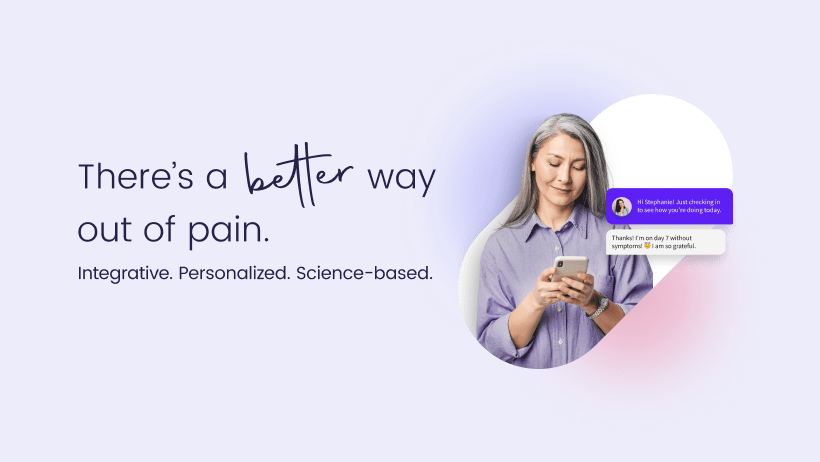
Chronic pain can be extremely lonely, overwhelming, and debilitating. It impacts 50 million Americans and is widely considered untreatable by the medical community. This is where Lin Health, a cutting-edge online, comprehensive pain treatment, and management program comes into play. Launched just three months ago for patients, this digital health solution is on a mission to help transform the lives of those who deal with pain daily. 

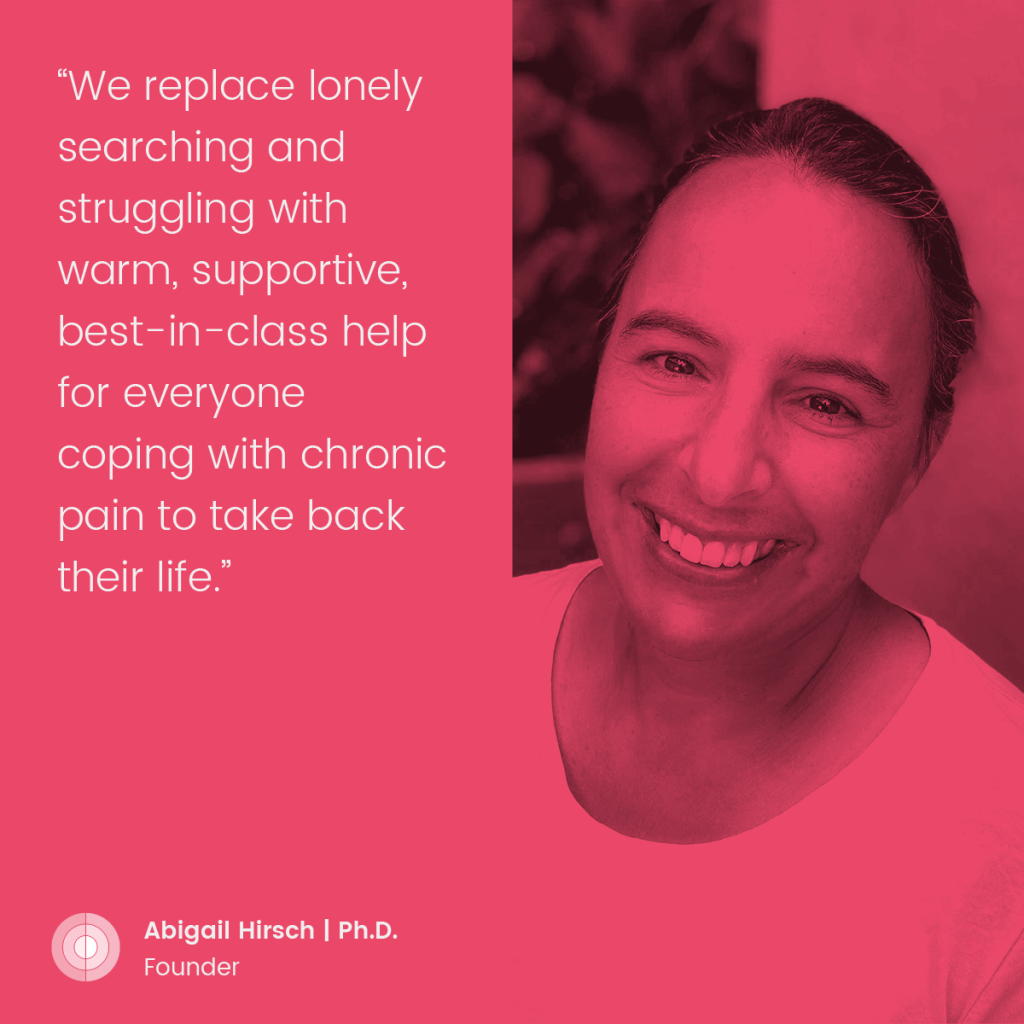
Founder Abigail Hirsch, who is a clinical psychologist, was inspired to create Lin Health because she found it incredibly troubling how common pain is and discovered the lack of support available to the patient community.

“I refused to believe that these people were subjected to a life of suffering without answers. When we were looking for funding, I was shocked how many MDs wondered why we would want to work with THOSE people, who seek drugs or disability claims. I had never heard patients talked about in such a horrible manner. And I am so excited to get to work every day with THOSE people. It turns out THOSE people are survivors, fighters, mothers, husbands… wonderful people for whom the medical community has not delivered. I can’t tell you how exciting it is to wake up every day and know we get to keep helping people, many of whom have struggled for so long, finally get on the path to better.”

And this is a path that Lin Health’s Director of Product, Alissa Link, is quite familiar with. Alissa was diagnosed with Crohn’s disease as a freshman in college after years of misguided diagnoses and countless rounds of tests, and experienced relief from the condition using Lin’s model of care. 

“This is truly my calling. My experience with pain and chronic illness has shaped my entire career! This deep experiential knowledge gives me a tremendous amount of empathy for those who are suffering from chronic conditions, and an intimate appreciation for the faults and friction points within the healthcare system. Where I see a broken system, I know there has to be a better way, and every day I feel grateful and invigorated building a new care model that can fill those gaps and offer the type of support that people truly need to heal.”

A photo of Alissa shortly after her Crohn’s disease diagnosis

In 2013, Alissa tried to taper off one of her medications and had one of the most intense periods of symptoms in her entire journey with Crohn’s. She developed a fistula and had surgery to remove 10 cm of her small intestine. After the surgery, instead of going on a biologic like her doctor advised to prevent disease recurrence, she chose to make lifestyle changes by switching her diet and using a range of stress-management techniques that have kept her in remission and medication-free ever since.

The Ins and Outs of The New Care Model

Since Lin Health opened their proverbial door to patient members in May, 2021, thousands of chronic illness patients have signed up to learn more about this integrative digital health solution for chronic pain.

Abigail explains that Lin Health empowers its members by looking at “a full person picture” and taking a step back to see “the whole elephant.” 

“Once we are all seeing the same complete picture, we also provide member-specific resources to both learn more about what kind of “elephant” they are coping with and what are the best tools for taming their pain beast. And then, piece-by-piece, slowly and steadily, our coaches go down the journey of building a new approach to pain together with our members.”

The team at Lin Health wants every physician, behavioral health specialist, physical therapist, and nutritionist to learn about modern pain science. 

“Too many people out there are hearing things from well-intentioned providers who are accidentally making their patients’ pain worse — when, a simple switch to sharing current understandings of pain, could empower patients to hop on the train to better! And of course, I want everyone who is suffering from pain that could be reduced or resolved to have access to good, science-based treatment and help,” said Abigail.

Lin Health is powered by real people who can really help. They are not a chat-bot trying to fit us into a box, or a patient education platform lacking human interactions. 

“We give you a customized treatment plan built specifically for you. And we pair you with a compassionate, caring, and helpful health coach who will be with you every step of your journey on your path towards better,” explained Abigail.

The Holistic Approach to Managing Pain

Chronic pain treatment usually relies primarily on prescription drugs that are designed to temporarily suppress symptoms with little regard for other factors that might be contributing to the pain. 

“An integrative, or “holistic,” approach that includes the right prescription drugs to manage symptoms, but also utilizes non-invasive treatments that are focused on helping people create real, sustainable improvements in their pain levels and functioning. These complementary treatments can include areas in your life that are important but neglected by the traditional pain model, such as sleep, behavioral health, mental health, smoking, weight, etc.,” said Abigail. 

Life with Crohn’s has provided Alissa with perspective that helps her empathize with Lin Health members and understand where they are coming from. Her advice? 

“Stay hopeful and grateful. Be kind to yourself. Thank your body and brain for the things you can do and avoid dwelling in what you can’t. Simple shifts in your perception and attitude can ripple into large impacts. Trust your gut (literally! and listen to what your body is telling you. For example, it was so obvious to me that stress caused my symptoms, yet no doctor ever talked about this or what to do about it. A quote that really helped flip my perspective on my stress and symptoms comes from Jon Kabbat-Zin: “You can’t stop the waves, but you can learn how to surf.” I’m grateful every day for the lessons Crohn’s has taught me and how my disease has guided my career path and enabled me to help others.”

Click here to learn more about Lin Health.

Connect with Lin Health:

Facebook

YouTube

IBD Motherhood Unplugged: My Personal PIANO Study Results

As an IBD mom of three who stayed on my Humira (adalimumab) injections until late into my third trimester with all my pregnancies, I recognized the importance of contributing to ongoing research about the safety and efficacy of biologics. When I was approached to participate in the PIANO (Pregnancy Inflammatory bowel disease And Neonatal Outcomes) study for my pregnancy this past year I jumped at the opportunity. While I knew staying on my medication until 37 weeks pregnant would pass Humira through to my baby and that it is considered to be safe, I didn’t know much beyond that.

My son Connor is 8 weeks today. The day of my C-section blood samples were taken from him, me, and my umbilical cord. The purpose of the samples was to measure the concentration of the Humira at the time of delivery. The process in the hospital was simple. Detailed instructions were mailed to me at home ahead of time. When I walked into the hospital for my scheduled C-section my husband and I handed over a small box that included three vials, an ice pack, and proper packaging for the transfer from St. Louis to California to the nurse who was prepping me for surgery. Once all the samples were ready to go my husband made a quick stop at FedEx to hand over the package and voila the science of it all was on its way.

The Results

The past few weeks we’ve anxiously awaited the results. This week, we received them. I have an almost 4.5-year-old son, a 2.5-year-old daughter, and a newborn. With each pregnancy—Crohn’s-wise, the experience was flawless. I felt like a “normal” person. Foods that typically trigger me, didn’t cause any issues. If I wanted a cup of coffee, I didn’t pay the price. It felt glorious to have zero abdominal pain for all those months and know that my babies were thriving in utero. I credit my own health and deep remission and my children’s health to the fact that I chose to follow my care team’s recommendations and stay on Humira until the final weeks of my pregnancies.

When the results popped up in my email inbox, I was nursing Connor. I felt a few emotions, more than I had anticipated. I hesitated to open it. Even though I could see Reid and Sophia watching TV and know how healthy they are, it still made me feel a rush of mom guilt to know that I needed a heavy-duty medication to bring all three of my children into this world and that even though studies like PIANO have shown the safety profile, that as IBD moms we still worry and wish we didn’t need to do injections or get infusions while a life is growing inside of us.

I texted my husband Bobby while he was at work and expressed how I was feeling. His response, “It’s all good babe, I’m sure it’s emotional but kids are all healthy and in good shape so just thankful for that. You did good.” Having a supportive partner through your patient journey and especially through parenthood makes all the difference.

Here are my PIANO study findings. I stopped medication at 37 weeks, and my last injection was 16 days prior to C-Section and this blood test.

My blood—7.3 mcg/mL

Connor’s blood—6.8 mcg/mL

Cord blood—5.9 mcg/mL

When I saw the numbers, my eyes filled with tears. Even though just looking at the numbers didn’t mean a whole lot, it just showed me that my baby had medication in his system, and it made me feel sad. I knew this would be the case—but I want to be transparent that it did upset me, even though I know it was for the best and have seen how my other children have thrived despite their exposure.

I waited to share this so the PIANO study’s lead organizer, Dr. Uma Mahadevan could weigh in and provide further explanation for not only myself, but for our community. She told me that in the PIANO study,  the concentration of Humira for baby on average is 9.4 mcg/ml (range 2.5-26) and for moms 25 mcg/ml (range 0-56.4). As stated above, I was at 7.3 mcg/ml and Connor was 6.8 mcg/ml.

“Cord blood is the blood from the baby that is left in the umbilical cord and placenta after birth. It comes from the baby, so those concentrations are similar. Beginning around week 14 of pregnancy the placenta has a receptor called FcRn. This grabs antibody by the “Fc” portion and pulls it actively from mom to baby. This is most efficient in the third trimester when 80% of antibody transfer occurs. Since Humira is an antibody, it gets pulled across the placenta as well.”

Dr. Mahadevan went on to say that baby often has more drug at birth than the mom, but that was not the case for me. The PIANO study has shown several positive outcomes for IBD moms:

  • There is not an association between the amount of drug present in a baby at birth with infections.
  • Even though there was no increased risk of infection seen based on exposure to anti-TNF or on drug level at birth, in theory these babies (like Connor) are considered immunocompromised until no drug is present. For Humira that’s about 3 months, for Remicade (infliximab) that’s about six months.

“My advice to moms is that all the risks to the baby seem to come from disease flare rather than from medication. In a large French study, the risk of infection in baby was in moms who flared in the third trimester, not based on anti-TNF exposure. Risk of pre-term birth is increased with disease activity, not with anti-TNF medication. Risk of miscarriage comes with disease activity, not anti-TNF use. There is a clear and significant risk from having a flare during pregnancy. Compared to babies of IBD moms not exposed to medications, there is no evidence of increased harm to the baby (at least out to 4 years of age) from TNF exposure,” explained Dr. Mahadevan.

Hearing this was music to my ears and was extremely comforting. Point being—there’s a much greater likelihood of pregnancy complications if your IBD is not managed and if you flare than if you stay on your medication and keep your IBD controlled.

“We have completed our breastfeeding study which showed very minimal transfer (a fraction of what transfers by placental blood) and no evidence of harm to baby for breastfeeding when a mother is on anti-TNF.”

Knowing this about breastfeeding gives me great peace of mind as I continue the journey with my son, while still managing my Crohn’s by taking my Humira.

I also want to add that Dr. Mahadevan and her research team have been a huge support to me throughout the entire study. When she read a draft of this article and saw how I felt when I received the email with the blood results, she asked for recommendations about how to better deliver the findings to women. This meant a lot—I suggested sharing the range in blood concentration similar to how lab results are delivered on a patient portal and following up with an email or phone call to explain what the numbers mean further. Those touchpoints of support can make a big difference. I also shared my results over the patient portal with my GI and she called me to discuss them as well, which was helpful.

Interested in participating in the PIANO study? There’s always a need for more women to enroll! So far, 1,700 women have done so. There’s especially a need for women on newer drugs like Stelara, Entyvio, and Xeljanz. Click here to get involved.

IBD Parenthood Project: Proactively Planning Your Roadmap to Motherhood

This post is sponsored by the American Gastroenterological Association (AGA). I am a paid program Brand Influencer; this post is sponsored and includes my own personal experiences.

Whether you’ve been daydreaming about being a mom since you were a little girl or found your lifelong partner and are exploring the possibility of a future that includes pregnancy and motherhood, creating a family when you have IBD takes a bit more planning than for the average person. My journey to motherhood unfolded differently than I had anticipated. For as long as I can remember, long before my Crohn’s disease diagnosis at age 21, I aspired to one day have children.

After I received my IBD diagnosis in 2005, and then when I was put on a biologic in 2008, my mind often raced when it came to reaching the milestone of motherhood. But being that I was only in my early 20s and single, I didn’t feel much pressure and figured I would cross that bridge when it was time for me to walk it.

Fast forward to June 2015, I had just gotten engaged to the love of my life, Bobby. Less than a month later I was hospitalized with my third bowel obstruction in 16 months. Surgery was the only option. On August 1, 2015, while planning my wedding, I had 18 inches of my small intestine removed, along with my appendix, Meckel’s diverticulum, and ileocecal valve. Up to that point, surgery had been my greatest fear, but my care team comforted me by saying the bowel resection would provide me with a “fresh start.” A fresh start that would help when it came time for family planning. A fresh start that put me into remission for the first time in my decade-long battle with the disease, paving the way for married, family life.

Leaning on the IBD Parenthood Project for Guidance

When you’re a woman with IBD who hopes to be a mom one day, it’s not unusual to feel lost and confused about how to navigate family planning, pregnancy, and beyond. Even though the thought of having a family can feel daunting—believe me I get it—with proper planning and care, women with IBD can have healthy pregnancies and healthy babies. But sadly, many women with IBD decide not to have children based on misperceptions about their disease and pregnancy. The number of women with IBD who are voluntarily childless is three times greater than that of the general population. It’s heartbreaking to think of all the women with IBD who could be moms but are not because they aren’t aware resources like the IBD Parenthood Project exist.

Openly communicating your future plans with your care team long before you want to start trying for a baby helps set the stage for what lies ahead and enables your gastroenterologist (GI) to tailor your treatment plan accordingly. When I had my post-operative appointment with my GI in November 2015, eight months before my wedding, my husband and I let her know we wanted to capitalize on my surgical remission and get pregnant as soon as we could after our wedding day. With that intel, my GI put me on a prescription prenatal vitamin, folic acid, and vitamin D, along with my biologic. Now as a mom of three healthy children, who had three healthy pregnancies while living with Crohn’s, I credit my GI for her proactive efforts that set me up for success and deep remission over the past six-plus years. Prior to trying to conceive, I also scheduled a colonoscopy to further confirm that my Crohn’s was under control. My GI would walk in after each procedure with a big grin on her face and would give us a thumbs up and say we had the green light to try for a baby. Having her stamp of approval made me feel much more at ease.

Time is of the Essence

I know I was extremely fortunate with the timing of my surgery and remission and the fact that I did not have any issues getting pregnant. It can be much more challenging and heartbreaking for others. If you’re flaring or symptomatic, the likelihood of those issues presenting in pregnancy is significant. When it comes to the “rule of thirds”— one third of women with symptoms improve, one third get worse, and one third experience the same symptoms as prior to pregnancy — you want to be mindful of how you’re feeling. I understand remission doesn’t happen for everyone. I get that it’s hard to be patient when all you want is to have a baby and your biological clock is ticking. But don’t rush into a pregnancy unless your health is in check.

As a trusted voice in the GI community, the American Gastroenterological Association is dedicated to improving the care of women of childbearing years living with IBD and is committed to redefining industry standards to further optimize health outcomes for mother, baby, and provider. That’s why it created the IBD Parenthood Project as a resource for women and HCPs through the pregnancy journey. 

While various providers can be consulted during pregnancy (OB, dietitian, lactation specialist, psychologist, NP, PA, midwife, and pediatrician once the baby is born), an OB and/or maternal fetal medicine specialist should lead pregnancy-related care and a GI with expertise in IBD should lead IBD care. Communication among these providers, as well as any other providers involved, is very important. During the family planning process and pregnancy, think of yourself as the point person, leading the charge and making sure each member of your care team is in the know.

Be Overly Transparent

If pregnancy and motherhood is something you are hoping to embark on as part of your life journey, be proactive and articulate your needs and wants, even if they are years down the road. The IBD Parenthood Project toolkit does most of the homework for you and lays the groundwork for your roadmap. It’s empowering to be prepared and to be well-versed on how to best manage pregnancy while taking on IBD.

Now that my family of five is complete, when I reflect on how we came to be, I’m grateful for the resources and support I had every step of the way and that my Crohn’s disease didn’t rob me of the future I had always hoped for.

“Chronic”—The book the IBD community didn’t know it needed

There’s power in surrendering to your IBD. It takes time to reach that mindset and it’s something author and patient advocate Christine Rich eloquently explains in her debut book, “Chronic”. Christine reached out to me when she was doing the initial writing research and we hit it off instantaneously. There’s something magical about connecting with strangers who understand your reality. You may be thousands of miles apart, with different back stories, but the common thread of life with chronic illness makes you feel seen, understood, and like lifelong friends.

Christine, now a 41-year-old married mom of two, was diagnosed with Crohn’s when she was in high school. It took time and struggle for her to truly process all she endured and reach the point where she is today.

“Many of us are taught to smile, be grateful, and make everyone else feel all comfy and cozy at the expense of our own comfort and well-being. The problem with these types of expectations is that they are lies that create loneliness and rage that eventually turn women against themselves and their potential.”

This quote really spoke to me. Having an invisible illness like Crohn’s disease, one of my biggest struggles in my 16-plus years since diagnosis has been feeling comfortable with making those around me know how uncomfortable I am in any given moment. It often feels a lot easier to just put a fake smile on and pretend you’re not in pain. But, in doing so, we are only hurting ourselves and deepening our personal struggles.

Advocate for and take care of your body

Christine’s powerful journey exemplifies all the work and personal development it takes to discover self-acceptance, grieve the loss of the former you, ask for help, and feel empowered. She speaks of the trajectory we all go on from the point of diagnosis to becoming a “veteran” patient years later. Take a moment to think of how you have personally transformed since you were told you had IBD. That transformation is one that takes a great deal of time and personal growth, but once you come out on the other side you won’t look back aside from reflecting on how far you’ve come.

“When I walked in for my outpatient procedure that warm July morning, I was arrogant, afraid, angry, and emotionally incompetent. When I walked out (well, wheeled out is more like it) I was humbled, vulnerable and awake in a way I had never been before in my adult life.”

This quote paints the picture of what life is like with flare ups that result in hospitalization and how we evolve through the setbacks. Often those in our lives think we’re “all healed” the moment we cross through the hospital doors, when in actuality the healing process is something, we’re constantly going and growing through.

Thinking of your body as an ally, not an enemy

One of my favorite chapters in “Chronic” is Chapter 14—The 4th F. Christine’s words and experiences really resonated with me.

“After working through the peak of my resistance, denial and rage I realized I had made an enemy out of my body for far too long. I had turned my back on her for being different. She wasn’t broken. I wasn’t broken. We were both sad and not fully aware of the other. I needed to learn how to stop fleeing and fighting my body…I needed to befriend it.”

She goes on to explain how altering her perception of the way she looks at her body and thinks about it, has shifted her entire life experience, and brought her to where she is today.

“I was faced with a choice: continue to carry this anger and self-hatred until it sunk my health, my marriage and my self completely, or decide to feel it all and acknowledge that my body is not and never was an apology, enemy or failure.”

Rather than our community thinking of Crohn’s and ulcerative colitis as a villain trying to destroy it, Christine asks what if we treated our chronic illness as a small child seeking love and attention?

“What if I could make friends with my body? Love her and care for her like I do my own children.”

In my own personal experience with Crohn’s, I’ve also learned to be in-tune to the subtle signs my body is trying to communicate through symptoms. Rather than constantly shutting that communication out and trying to push it to the back of my mind, like I did in my 20’s, now, I listen closely. That voice is part of a constant inner conversation that is part of every hour of every day of my life. Even in remission—each choice, each decision I make, has my Crohn’s in mind. Because as an IBD mom of three, my disease impacts a lot more than “just” me.

“Although I would never be able to control the circumstance of my diagnosis, I could control my perception and reaction to it. I could start telling the truth. I could stop punishing myself.”

This is so important. Even though we were all powerless over receiving our diagnoses, we’re not powerless in how we choose to live life after our diagnosis. The unpredictability of the disease may make us feel like we’re constantly on edge, spiraling out of control, but by being proactive rather than reactionary and by making efforts to manage our disease on every level (physical, emotional, and mental) we set ourselves up for a much-improved quality of life. IBD doesn’t have to be the headliner of our lives, it can be more of a footnote.

There’s no fixed end point with chronic illness

Christine says her therapist tells her to go to her 17-year-old newly diagnosed self as her current 41-year-old self and hold her hand. Tell her it’s not her fault. She goes on to explain how there’s no fixed end point with chronic illness and that the collective power of patients in the IBD community must discuss the mental anguish that’s often brushed under the rug.

“For the life of me I can’t figure out why mental health screenings aren’t standard practice of care. They test and screen us for everything else. They test our blood and our stool. They examine our rectums and colons. They poke and prod us top to bottom…they examine everything but our minds.”

She calls on all of us to be “chronic truth tellers”—which I love. The more doctors hear the same message over and over again directly from patients, the better chance we have to impact change. This takes effort and a heightened sense of vulnerability on our parts, but reaps endless benefits. We can’t take care of our whole self by simply focusing on the physical manifestations of our illness.

In “Chronic” one of my favorite lines is when Christine recalls how one of her yoga teachers once said, “what we resist—persists.” In IBD terms—every time we resist telling our care team, loved ones or friends about symptoms and struggles, things will only snowball and get worse.

“In order to advocate for ourselves we must also be chronically curious about ourselves. Being chronically curious about yourself starts with a clear understanding of what makes you feel good and whole.”

The overarching theme in this remarkable and must-read book are to keep showing up for yourself every day. Stop running away from the discomfort. Acknowledge it, explore it, and feel it—all of it—the good, the bad, the embarrassing. Christine Rich started out as a stranger on the phone with a dream of becoming an IBD patient advocate and published author. Not only did she accomplish all the above, but she did so in a way that even her personal experiences will feel like something you can relate to and grow from. As a fellow woman with IBD I stand up and give her a round of applause and a big hug for so bravely and candidly speaking the words so many before her felt too silenced and worried to share. Bravo, bravo, bravo.

Order “Chronic” on Amazon here.

Connect with Christine Rich:

Instagram: @christinerich_author