From Memory to Meaning: How Mirae Is Changing the Way We Manage IBD

This is a sponsored blog post; all thoughts and opinions are my own.

Living with Inflammatory Bowel Disease (IBD) means constantly reading the signals your body is sending you. What you eat, how you sleep, your stress level, your energy, and even the seemingly small changes in your routine can influence how you feel. After more than 21 years with Crohn’s disease, I’ve learned that this internal conversation never completely goes away, even during remission.

The challenge is that when symptoms become part of everyday life, gradual changes can be surprisingly difficult to recognize. Whether you’re newly diagnosed or have been living with IBD for decades, knowing your personal baseline can be one of the most valuable tools in managing your disease.

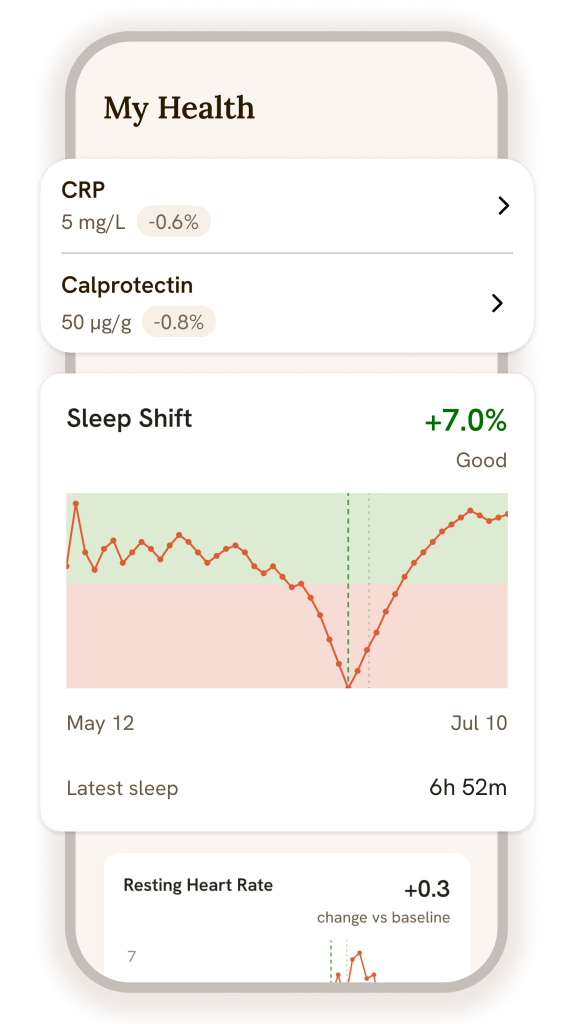
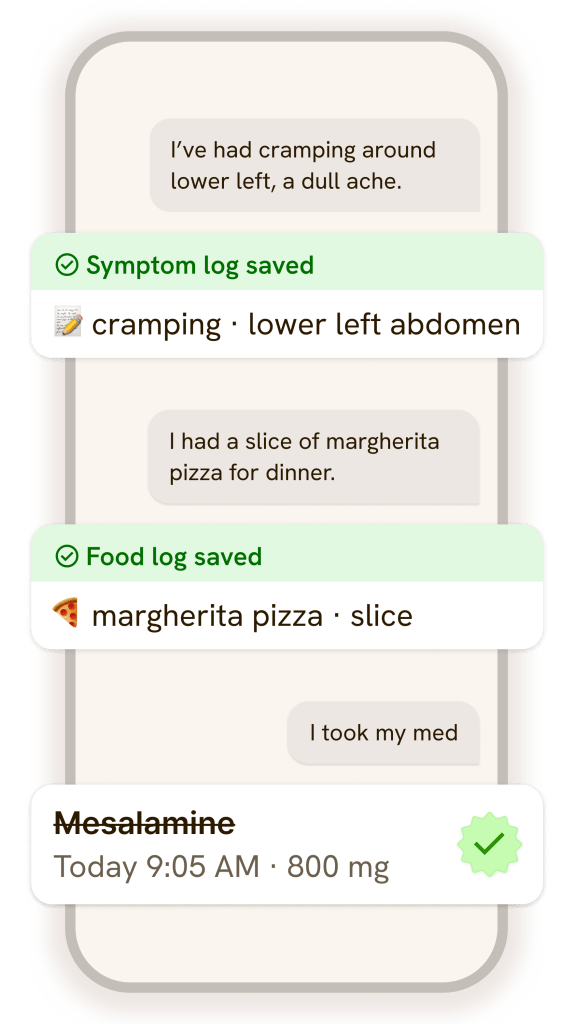
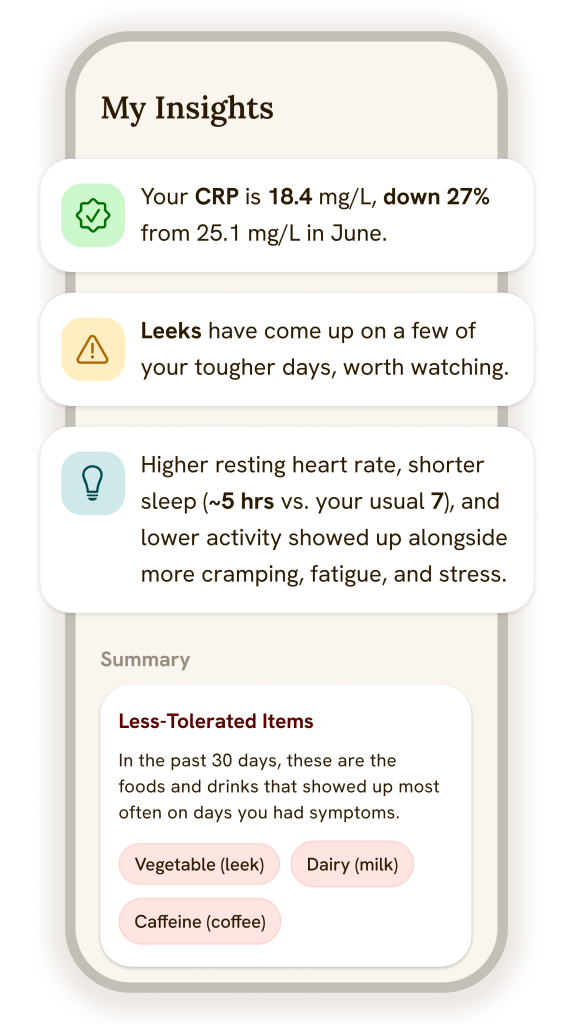
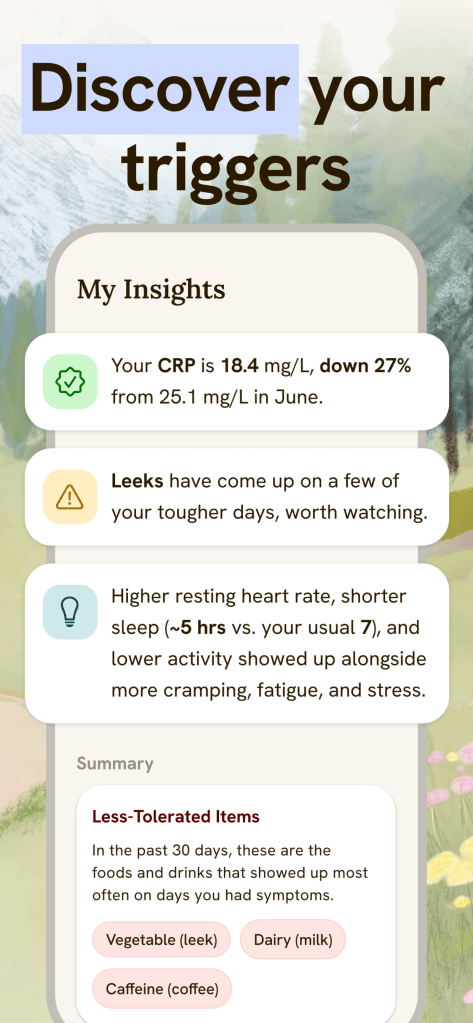
That’s where the Mirae Health app comes in. Rather than relying on memory or trying to piece together months of symptoms and lifestyle patterns before an appointment, Mirae helps patients see their own patterns and recognize when something starts to shift. This week on Lights, Camera, Crohn’s, we hear from Mirae’s founders about the inspiration behind the app and why understanding the connection between our daily lives and how we feel could change the way we approach IBD care.

Mirae’s founding designer, Sayoko Yoshida, chose to use a bear because they wanted something that felt:

  • Warm and inviting
  • Steady and dependable
  • Protective
  • Human and personal

The Mirae team specifically didn’t want the app to feel like a cold clinical dashboard or an overly cheerful “health app” mascot. They wanted the bear to represent a reassuring guide, something that helps people living with IBD understand what’s happening and feel supported as they navigate their care.

The inspiration behind Mirae

Mirae’s three founders, James Finucane, David Clifton, and Anuj Patel, have spent their careers using technology to improve access to healthcare. For Anuj, Mirae’s CEO, the mission is also personal. His father was a GI clinician in rural upstate New York, where he saw firsthand how critical and unequal access to specialty care can be, something Anuj recently wrote about on Mirae’s blog.

The team behind Mirae

“It was very clear how unique and how critical having high-quality specialty GI care in a rural market helped patients and how unequal access to care across the US is,” Anuj explains. “It was important that we use technology to help patients that are at the intersection of a chronic, acute and complex condition, of which Crohn’s and ulcerative colitis were the obvious fit.”

Mirae grew from a shared desire to use technology to solve two connected challenges: the burden patients carry to track and remember their disease, and the limited snapshot clinicians often have when making important care decisions.

The “Aha” Moment

The realization wasn’t about one patient story, but where the most valuable information lives. In IBD, important signals are often small and daily: a change in urgency, creeping fatigue, or escalated symptoms when eating certain foods.

I know when my symptoms increase, I can become hypervigilant, quickly jumping to the worst-case scenario. Much of that internal battle happens privately, between me and the bathroom walls or in conversations with my mom and husband.

Yet very little of it makes it into the medical record. Instead, months of experiences get distilled into a few sentences during a clinic visit, filtered through stress and imperfect memory.

“The gap in IBD care is not a lack of good doctors or good treatments. It is that the richest data about the disease is generated by patients outside of a lab, colonoscopy or doctor’s visit and then mostly lost,” says Anuj. “Building something to capture that gently and carry it into the clinic in a useful form felt like the most obvious unsolved problem in the field.”

Anuj Patel, co-founder and CEO of Mirae Health

The Missing Puzzle Piece in Patient Management

As Mirae’s creators examined the gaps in IBD care, they saw one major problem: there was no single place connecting the pieces.

“People track symptoms in a Notes app, photos of meals on their phone, questions on scraps of paper, and half of it in their head. Most existing tools were built like diaries. They demand daily discipline, which is exactly what you do not have during a flare, so people abandon them when things get hard, when the data matters most. Most importantly, nothing connected the tracking to actual care,” says Anuj.

You can track symptoms for a year, but if your gastroenterologist never sees that information, it’s pointless. And when living with a chronic illness already feels like a full-time job, adding more work to disease management is the last thing those with IBD need.

Mirae aims to change that.

“We wanted to make day-to-day management delightful and to use the AI models developed by our team to better understand disease progression and connect that information to clinicians that can make more informed decisions on a patient’s care.”

Answering the Call as Patients Feel Overwhelmed and Unheard

Feeling unheard usually isn’t about clinicians not caring. It’s about trying to fit months of lived experience into a 15-minute appointment, with the patient expected to remember and explain it all on the spot. That’s an unfair expectation of someone who is unwell.

“Mirae is designed to carry that burden instead. The app does the organizing, the remembering, and the summarizing, so the patient does not have to perform their own case in the room,” says Anuj. “We kept the language plain, the daily effort small, and made forgetting or skipping days completely fine. The goal is that when you walk into a doctor’s visit, your patient experience is clearly summarized for a clinician, allowing the visit to be more humane and genuine, while helping clinicians make more informed treatment decisions.”

At home, Mirae is designed to make living with IBD feel a little lighter. You can think of it as a quiet companion while navigating an often-isolating disease.

“In the clinic, we want people to feel prepared and taken seriously. There is a real difference between walking in trying to remember everything and walking in with a clear summary of the last three months in your hand. One feels like being tested. The other feels like being a partner in your own care,” says Anuj.

A Step Toward Personalized Medicine and Treatment Options

Personalized medicine in IBD starts with recognizing that Crohn’s disease and ulcerative colitis are not one-size-fits-all. Mirae’s technology looks for patterns that can help identify patient subgroups and better understand how individuals respond to treatment.

“Knowing how patients in each subgroup respond to treatment or how symptoms manifest can help a care team recognize earlier when someone may need attention, rather than waiting for the next scheduled visit,” explains Anuj. “It can also make treatment discussions more grounded, starting with months of real-world data and experience that our tools can translate into clinical insight, rather than a few minutes of recollection.”

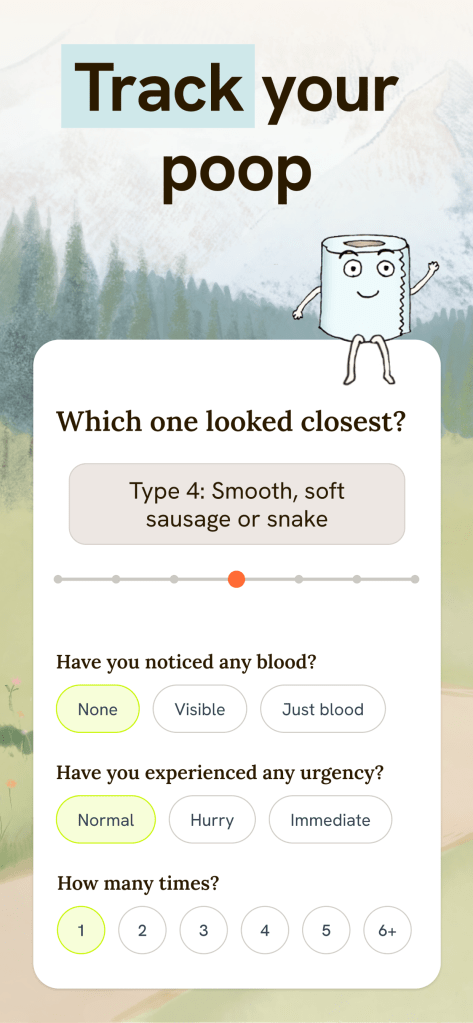
Mirae builds that picture from what patients choose to share over time: symptoms such as pain, urgency, bowel habits, fatigue, and energy; medications and how they’re tolerating them; lifestyle factors like sleep, food and activity; and free-form notes and questions captured in the moment.

The app looks for what has changed and what you’ve flagged. Mirae suggests; you decide. The goal is to make sure the things that matter most to you are at the center of the conversation. Mirae supports clinical judgment; it doesn’t replace it.

The App Is Free—How?

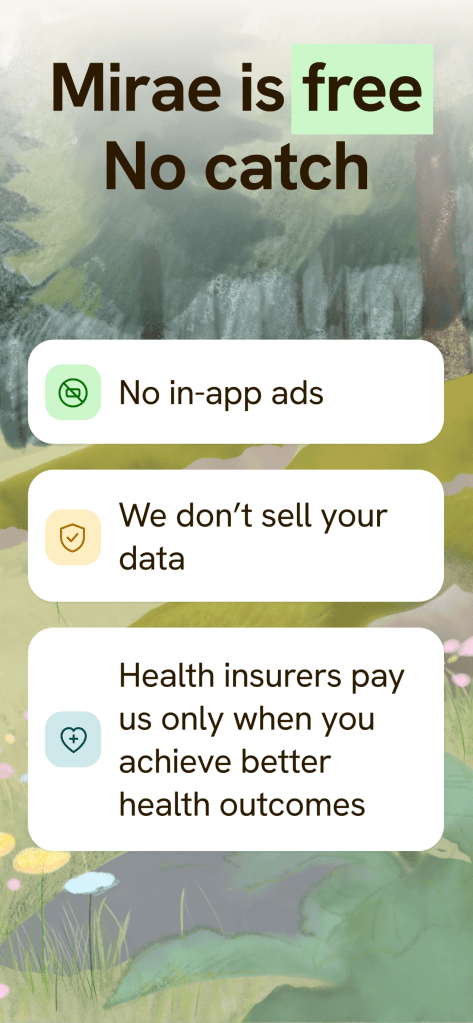
Living with IBD is expensive. Between medications, procedures, time off work, and everything in between, patients already carry a significant financial burden. Mirae’s creators didn’t want to add a subscription fee or rely on ads that could compromise the trust they’re building with patients.

“At a high level, our model works with the healthcare system for payment when patients enter remission sooner. Health systems and care programs benefit when patients arrive prepared, problems are caught earlier, and care between visits is more visible. All of this can help patients get on the right medication sooner while reducing future medical costs, such as surgery or ER visits,” says Anuj.

Making Patients Active Participants in Their Care

The biggest barrier to participating in our own care isn’t motivation, it’s preparation and organization. Too often, we leave appointments remembering the question we forgot to ask or downplaying what daily life with IBD feels like because suffering in silence has become our normal.

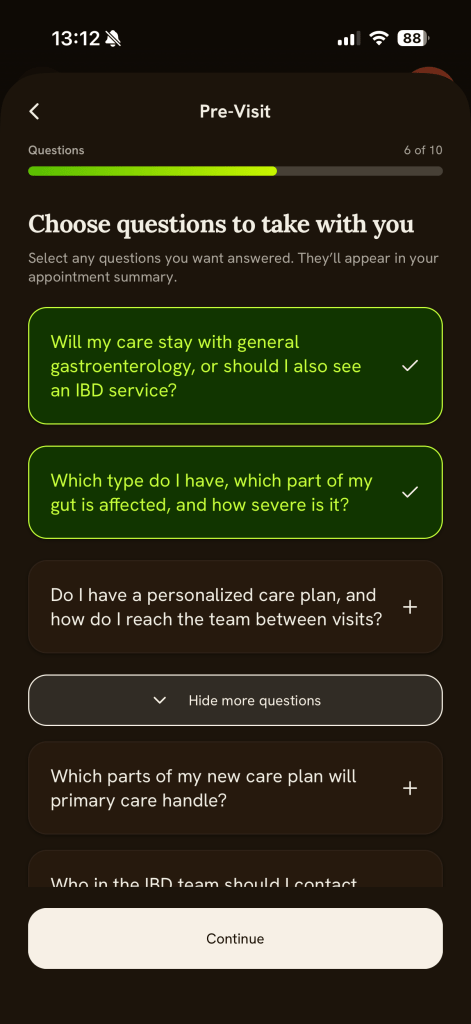
“Throughout the weeks between visits, the app makes it easy to capture questions and concerns as they come up, instead of hoping to remember them later. Before an appointment, it helps pull everything together into pre-visit notes: what has changed, what’s worrying you, what you want to ask, and what you want out of the visit,” explains Anuj.

When you arrive with that information in hand, the dynamic shifts. You’re no longer a passive recipient. You have an agenda backed by your own experience. That’s active participation in your care.

The Power of Pre-Visit Notes

One of my favorite Mirae features is the pre-visit process. You can capture observations about your health, answer targeted questions, and, most importantly, identify your biggest concerns going into the appointment.

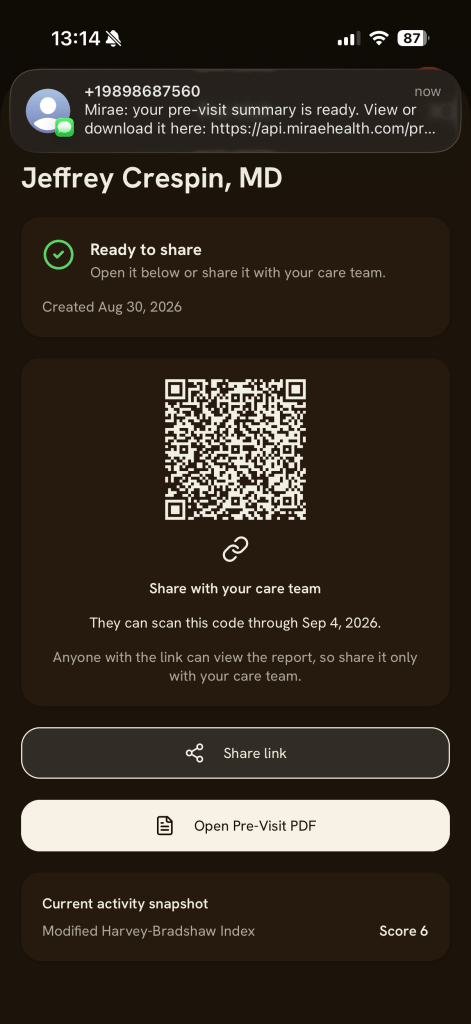
Mirae then turns that information into a plain-language summary: what has changed, what has stayed stable, what’s worrying you, and the questions you want to address.

“You can edit anything, remove what doesn’t matter to you, and rank what you most want to discuss. You stay in control of what is shared. When you’re done, you have a short, clear document you can bring into the room or share ahead of the visit,” says Anuj.

An educated patient is an empowered patient. Taking a few minutes to prepare can help both you and your provider make the most of limited appointment time, something especially valuable when we’re juggling multiple specialists.

“The core principle is to change from your own baseline. A symptom level that is normal for one person may be a red flag for another, so relevance is always personal,” says Anuj. “The app looks at what is new since the last visit, what has been trending in either direction, or what has been persistent. Mirae also gives weight to things you have marked as important, medication changes and how they have gone, and anything that has come up repeatedly in your notes. Repetition is a strong signal that something deserves airtime.”

Input from Medical Providers and IBD Patients

Mirae was shaped with input from IBD clinicians, including advisors at Oxford and across the United States.

A consistent theme was where the appointment begins. Too often, the first minutes are spent reconstructing months of symptoms from memory. With organized pre-visit notes, that work is done, allowing more time for meaningful discussion, decisions, and care planning.

“Clinicians have also been clear with us about what they do not want: another screen, more unfiltered data, or anything that adds time. That feedback pushed us to keep the clinician-facing side short and structured. As the pilot progresses, we will let the results speak rather than getting ahead of them,” explains Anuj.

Dr. Simon Travis, Professor of Clinical Gastroenterology at the University of Oxford, sees Mirae as ‘stepping stones across a river, sometimes widely apart.’

He says, “Mirae acts as a bridge. It provides depth, credible advice, links to the evidence, informed comment, and guidance. It complements specialist advice by addressing complex factors such as fatigue or diet in detail, way beyond what is possible to cover during a consultation.”

Dr. Alissa Walsh, a Gastroenterologist at the Oxford University Hospitals NHS Trust and Nuffield Health, The Manor Hospital, Oxford, agreed to support Mirae because she believes people living with IBD deserve to be active partners in their own care, not passive recipients to it.

“Too often patients feel they’re navigating this condition alone, without the information or confidence to ask the right questions,” she says. “Mirae’s work has the potential to change that — empowering patients at every stage of their journey and, ultimately, improving the quality of care they receive.”

As an IBD patient advocate, I’m one of many who have helped to provide feedback and guidance through the app development process. Having patient and provider input is paramount to making sure the app works for us in real time. Multiple members of the Mirae team also have IBD themselves.

“It is hard to advocate for yourself on subjective terms such as “I feel like things have been worse lately.” It is much easier when you can say things have been different for six weeks, here is the pattern, and here is what I would like us to consider,” says Anuj. “When patients see their experience taken seriously, written down, reflected back, and brought into the clinical conversation, it reinforces that their observations matter.”

What Sets Mirae Apart from Other IBD Apps?

Most health apps are islands: you track diligently, but the information rarely goes anywhere. Mirae aims to close that gap in three ways:

  • Connected to clinical care. Mirae is designed to work with a patient’s existing care team. The information gathered is intended to inform care rather than sit in a silo. Its first deployment is within a large academic medical center.
  • Built specifically for IBD. This isn’t a general wellness app with an IBD mode. Mirae was incubated at Oxford’s Computational Health Informatics Lab and shaped by IBD specialists and patients.
  • Designed for both patients and clinicians. Rather than making patients pay for premium features or clinicians pay costly software fees, Mirae is built to serve both sides of the care relationship.

The Goal Five Years from Now

Looking ahead, Mirae’s creators hope the platform will build something that doesn’t currently exist at scale: a rich repository of patient-reported symptoms connected to clinical data that could improve treatment recommendations and eventually inform drug discovery. Longer term, they envision expanding beyond IBD to other autoimmune conditions, where many of the same challenges exist.

“The goal for us is in five years, is that “Maya”, a newly diagnosed Crohn’s patient, is able to use our platform to have a trusted companion that helps her understand her condition and, alongside her gastroenterologist, precisely identify the specific type of Crohn’s she has, find the best therapy for that type, and get on her way to remission and stay there.”

For Mirae’s founders, success means making that experience the norm, so Crohn’s becomes one part of Maya’s identity, not something that consumes her life.

Final Thoughts

Mirae’s goal is to end the era of memory-based appointments where patients carry months of their lives in their heads, then try to summarize it all under pressure. For gastroenterologists, it’s a similar challenge: extracting that information while balancing an enormous amount of clinical knowledge.

Mirae is designed to fit into patients’ lives, especially during the hard weeks, helping turn real observations into a clearer picture of their health and a more personalized care plan.

“We hope Mirae shifts some weight off patients’ shoulders. Managing IBD will never be effortless, but the administrative and cognitive load, the tracking, remembering, and preparing is something technology can genuinely carry. If patients spend less energy managing their disease and more living their lives, we have done our job.”

Download Mirae for FREE! Learn more about Mirae here.

Apple Store

Android

Cyclospora and IBD: Should You Still Be Avoiding Fresh Produce?

Since mid-July, I haven’t had a salad with lettuce, fresh berries, grapes, you name it. It may seem extreme, but as someone living with Crohn’s disease, I’ve been fearful of contracting Cyclospora.

It’s been making headlines for weeks, but for those who may not know, Cyclospora is a foodborne parasite that causes an intestinal infection. Symptoms can include watery diarrhea, stomach cramps, bloating, fatigue, gas, nausea, and loss of appetite.

For someone with inflammatory bowel disease (IBD), the tricky part is that Cyclospora can mimic an IBD flare because the symptoms can be so similar. This week on Lights, Camera, Crohn’s, we’re taking a deep dive into the current Cyclospora concerns and hearing from three well-respected gastroenterologists about how our community should be navigating them.

What the Community Has to Say

I shared a poll on my Instagram (@natalieannhayden) asking my followers: “If you have IBD, are you still refraining from eating lettuce, berries, cilantro, jalapeños, etc. due to Cyclospora?”

Of the 421 people who responded, 47% said “yes,” 33% said “no,” and 20% said they “never stopped.”

Hearing this didn’t entirely surprise me. When I went out to dinner with my family over the weekend, I was shocked to see almost every table with people eating salad. It made me wonder: Am I being too extreme? Should I start eating my normal diet again?

I should note that I’ve continued cooking vegetables for my family, and we’ve still been eating apples, bananas, and melons. But I’ve personally been avoiding many of the foods that have made me nervous during this outbreak.

And judging from the responses I received, I’m certainly not alone.

Madison: “Ugh, I so badly want a Jimmy John’s sandwich after pregnancy, but I’m so worried to get Cyclospora and flare.”

Amanda: “I never stopped eating fresh produce because I get my food from the farmers market.”

Katie: “Never been so happy for my garden than this summer!”

Jaclyn: “I think I may start eating the Little Leaf brand lettuce again. They have publicly stated they are not affected and have shared their production process. It’s been months of not eating produce, so I’m reallllly missing it. Also, I need my fiber!!”

Phoebe: “I’m only buying from my local farmers market, and I took my family berry picking to be safe.”

Sarah: “Only pre-bagged shredded lettuce, but I’ll probably give up on refraining from eating it, as I’m not seeing as many patients with it now.”

Lyndsie: “They told me at chemo prep to avoid the diarrhea lettuce…but I did just have Chipotle last night (which uses cilantro and jalapeño) …so wish me luck!”

Rachel: “It’s killing me! I really want my fruit and lettuce back! However, I don’t want to risk anything like a flare or the potential to flare due to an illness. It is such a scare when you have been in remission for a while!”

Madison: “I have just started to eat lettuce and blueberries again since early June. It’s scary for sure! From what I’ve read, they identified the source of the lettuce issue, and I just had berries yesterday for the first time in almost two months. We’re washing them very well and hoping for the best.”

Laura: “Only eating fresh veggies from my garden and currently sticking to melon and bananas for fresh fruit mostly.”

From the Experts

I wanted to hear from gastroenterologists I know and trust. I asked them how they’re guiding their IBD patients through these uncertain waters and what advice they have for our community about whether we still need to be mindful of what we put on our plates.

“The outbreak of Cyclospora appears related to certain produce, for example, lettuce. While the distribution of these foods seems to be better understood, it’s still reasonable to take precautions in the preparation of certain foods,” says Dr. Miguel Regueiro, MD, Chief of the Digestive Disease Institute (DDI) at Cleveland Clinic. “General guidance for anyone with fresh produce is to wash vegetables and fruit thoroughly with water and practice hand washing with soap and water before and after handling. This is true for IBD patients and those without IBD.”

Dr. Matthew Ciorba, MD, Director of the Inflammatory Bowel Disease Center at Washington University School of Medicine, agrees, saying it isn’t necessary for most people—including most people with IBD—to give up entire categories of foods such as all lettuce, berries, jalapeños, avocados, cilantro, or parsley.

“What makes more sense is to pay attention to the specific products named in an active outbreak or recall, avoid those while the outbreak is ongoing, and relax once the implicated product is off the market. Cyclospora is also seasonal in the U.S. (roughly late spring through summer), so the highest-alert window is limited,” he explains.

One important nuance for our community: if you’re taking immune-suppressing medications, including biologics, immunomodulators, or steroids, it may be reasonable to take additional precautions during an active outbreak. That could mean leaning toward cooked or peeled produce rather than raw leafy greens and soft fruits. This is a personal decision and one worth discussing with your own GI doctor, since recommendations can depend on your medications and individual circumstances.

“Washing helps, but it is not a guarantee. Cyclospora oocysts are tiny and sticky, and they resist the chlorine-based rinses used commercially,” Dr. Ciorba says. “So, scrubbing your salad at home reduces the load but can’t be counted on to make contaminated produce ‘totally safe.’ Cooking is far more reliable than rinsing. So ‘wash thoroughly’ is good advice, just not a force field.”

How to Tell Cyclosporiasis Apart from an IBD Flare

Cyclosporiasis typically causes watery, sometimes explosive, frequent diarrhea, cramping, bloating, nausea, poor appetite, fatigue, weight loss, and sometimes low-grade fever, all symptoms that can be mistaken for an IBD flare.

“Two clues point toward Cyclospora rather than IBD: symptoms often start about a week after an exposure, and they tend to wax and wane, dragging on for weeks if untreated. The biggest red flag is diarrhea that doesn’t improve when you and your doctor step up your usual IBD treatment. That’s a signal to test for something else,” says Dr. Ciorba.

Cyclospora is not picked up by every routine stool test or GI panel. Your doctor may need to order a Cyclospora-specific test. Because the parasite can be shed intermittently, more than one stool sample collected a couple of days apart may improve the chances of detecting it.

“We are now doing this for our patients, and patients can ask their doctors if they plan to order the special stool study,” says Dr. Ciorba.

The practical takeaway: new or persistent diarrhea during outbreak season, especially if it isn’t responding to your usual flare plan, is a reason to talk with your doctor about Cyclospora testing rather than automatically assuming it’s your IBD.

Other Precautions and Warning Signs Worth Knowing

The good news is that when Cyclospora is identified, it is treatable. The standard treatment is an antibiotic called trimethoprim-sulfamethoxazole, with alternatives available for people with a sulfa allergy.

Dr. Uma Mahadevan, MD, Director of the Colitis and Crohn’s Disease Center at the University of California, San Francisco, says fortunately, California has not been hit as hard as some other states.

Dr. Mahadevan recommends:

  • Avoiding recalled products, such as implicated iceberg lettuce.
  • If you are significantly immunosuppressed, such as during a flare or while taking steroids plus a biologic, consider cooked vegetables over raw salads.
  • Being particularly careful with raw salads at restaurants.
  • Washing fruits and vegetables thoroughly under running water and scrubbing produce such as melons.

“For pregnant women, I would use the same cautions as listed above. I would not recommend overly restricting diet. It seems like there is a greater risk in the Great Lakes/Midwest area, so those patients should be more careful. It is a tough one as the tracking of the infections is not great,” Dr. Mahadevan says.

The Bottom Line

If you’re living with IBD, it’s completely understandable to feel uneasy when an intestinal infection like Cyclospora is making headlines. When you’ve worked hard to manage your disease or achieve remission, the last thing you want is an infection that could potentially trigger symptoms or leave you wondering whether you’re experiencing an infection or an IBD flare.

But the experts I spoke with agree on an important point: this doesn’t mean you need to eliminate fresh fruits and vegetables from your diet. Instead, stay informed about active outbreaks and recalls, practice careful food preparation and handwashing, and talk with your gastroenterologist if you develop persistent diarrhea, cramping, or other symptoms that could indicate either an infection or a flare.

For me, that may mean slowly becoming a little less fearful of the produce aisle. I’m not sure I’m ready to dive headfirst into a giant salad just yet, but knowing what the experts are recommending makes me feel much more comfortable making informed decisions rather than letting fear dictate what I eat.

As with so many things in life with IBD, knowledge is power and finding that balance between being cautious and still living your life matters, too.

Inside IBD Pregnancy with a GI Psychologist: What Patients Need to Know

Finding out you’re pregnant can be one of the most profound moments of one’s life; and, if you’re living with Crohn’s disease or ulcerative colitis, that moment is almost immediately followed by a flood of questions that others don’t have to think about. Will my IBD flare? Is my medication safe? What does this mean for my pregnancy? Can I even do this?

The answer to that last question is yes, absolutely, yes. But it takes a team, a plan, and attention to more than just your GI symptoms. As an IBD mom of three, I’ve been in your shoes and know how it feels to bring a life into this world with so many unknowns.

This week on Lights, Camera, Crohn’s we hear from Licensed Clinical Psychologist, Dr. Antonia Repollet, who specializes in gut-brain health at GI Psychology. Dr. Repollet is a fellow Crohnie and a mother. She works with people navigating exactly this intersection every day. She shares what she wants every person with Inflammatory Bowel Disease (IBD) to know about pregnancy: the medical side, the emotional side, and the parts that often get left out of the conversation entirely.

Your Gut Is Already Under Pressure

Pregnancy is a full-body experience. Hormonal shifts in progesterone, estrogen, and cortisol affect mood and energy, and they directly shape how the gut functions. Progesterone relaxes smooth muscle, slowing the movement of food through the digestive tract (Alqudah et al., 2022). Estrogen influences gut permeability and the composition of the gut microbiome (Chen et al., 2025). Cortisol, the body’s primary stress hormone, can heighten GI sensitivity and drive inflammation (Cherpak, 2019). Together, these hormonal changes can increase bloating, reflux, and constipation even in people without IBD. Add a growing uterus physically displacing digestive organs, and it’s no wonder the gut feels unsettled!

Whether you’re a first-time mom-to-be or someone who has had several children, we know how complicated it can feel to navigate these changes in your body on top of IBD. It’s not unusual to feel a bit overwhelmed.

“For someone with Crohn’s or ulcerative colitis, these changes land on an already-sensitive system, and the hormonal picture matters more than people often realize. Hormones are among the key messengers of the gut-brain axis, the two-way communication highway between the digestive tract and the nervous system,” explain Dr. Repollet. “During pregnancy, when hormone levels are shifting, this axis is working overtime, and stress often amplifies this further. For example, anxiety about your health, your pregnancy, your body, your medications: all of it feeds back into the gut through hormonal and neurological pathways, and the gut sends it right back to the brain. Thus, pregnancy can disrupt this loop.”

Why Remission Before Conception Matters

Here’s something important: research consistently shows that the best predictor of IBD staying stable during pregnancy is whether disease was well-controlled at the time of conception (Abhyankar, 2013). Studies have found that approximately 66% of IBD patients who conceive during active disease experience continuing or worsening symptoms throughout pregnancy (Hashash & Kane, 2015).

Dr. Repollet says, “Remission going in doesn’t guarantee smooth sailing, but it does dramatically improve the odds for both the pregnant person and the developing fetus.”

Looking back, I’m grateful for the timing of my bowel resection surgery when I was engaged, because it put me into surgical remission, and helped prep my body for pregnancy after I got married. Prior to surgery, I had never heard the word “remission” from my gastroenterologist. With IBD pregnancies, this is where the “rule of thirds” comes in. One third of women experience an improvement of IBD symptoms, one third stay the same, and one third see an uptick.

Active disease during pregnancy is associated with increased risks of miscarriage, preterm birth, low birth weight, and other complications (Boyd et al., 2015). This is why the conversation with your gastroenterologist needs to happen before you start trying to conceive, not after a positive pregnancy test.

The Medication Questions

Please don’t stop without talking to your doctors!

“One of the most common things I hear from IBD patients considering pregnancy is some version of: “I thought I should stop my medication just to be safe.” The instinct makes complete sense, because you want to protect your pregnancy. But stopping IBD medication without medical guidance can put you and your fetus at greater risk by triggering a flare,” Dr. Repollet advises.

Many IBD medications, including biologics like infliximab, adalimumab, and certolizumab, are considered safe during pregnancy and are recommended to maintain remission (Mahadevan et al., 2019; Peifer, 2024). Some, like methotrexate, do need to be stopped well before conception, and this applies regardless of which reproductive organs you have (Peifer, 2024). This is important for both partners, as medication safety around conception is a conversation for anyone planning to conceive, regardless of gender. Your GI and obstetrician (OB) should be making these decisions together, with your input.

Build Your Team Before You Need Them

A whole-person approach to pregnancy with IBD means your care team should include more than just your GI and OB. Depending on your history, you may also benefit from a maternal-fetal medicine specialist (an OB with advanced training in high-risk pregnancies), a dietitian who understands IBD and prenatal nutrition, a lactation consultant familiar with chronic illness, and a mental health provider who specializes in the gut-brain connection. According to findings from the Global Consensus on IBD and Pregnancy, all IBD pregnancies are deemed “high risk.”

Dr. Repollet tells me the last one matters more than people realize.

The Part That Doesn’t Get Talked About Enough: Your Mental Health

People with IBD are two to three times more likely to experience anxiety and depression than people without (Neuendorf et al., 2016). Rates of anxiety in IBD hover around 32%, and depression around 25% (Barberio et al., 2021). These numbers don’t go down during pregnancy. If anything, the uncertainty, the body changes, the fear of flares, and the weight of managing a chronic illness while growing a new life can make them go up.

“And here’s what’s easy to overlook: your emotional state is not separate from your physical symptoms. Stress releases hormones that increase inflammation. Anxiety heightens gut sensitivity. When you’re scared that every cramp might be a flare, that fear itself can worsen symptoms. The mind and the gut are in constant conversation,” says Dr. Repollet.

This is why mental health support isn’t a “nice to have” treatment during pregnancy with IBD and should be part of the medical plan.

Evidence-based approaches like Cognitive Behavioral Therapy (CBT) for GI conditions (CBT for GI) (Gracie et al., 2017) and gut-directed hypnotherapy (Keefer et al., 2013) have been shown to reduce GI symptoms, lower flare frequency, and improve quality of life in IBD patients. These approaches are safe during pregnancy, non-pharmacological, and can be genuinely life-changing for anyone who feels like they’re white-knuckling through their pregnancy.

A Story That Might Sound Familiar

“One of my patients (I’ll call her “Alex”) was 12 weeks pregnant and living with Crohn’s. Inflammation was well-controlled, but daily abdominal cramping and pain, diarrhea, and racing thoughts about whether symptoms were affecting the pregnancy had taken over. The response from providers (e.g., “It’s just pregnancy hormones.”) left Alex feeling dismissed and alone.”

With gut-brain therapy, Alex learned to track symptom patterns, practice diaphragmatic breathing, and use clinical hypnosis to interrupt the anticipatory anxiety that was amplifying physical symptoms.

Dr. Repollet says, “Over eight weeks, symptoms decreased, sleep improved, and (maybe most importantly) there was a renewed trust in the body’s signals. Feeling prepared going into delivery and postpartum was something Alex hadn’t expected to feel, but did. This is a reminder that emotional care is physical care. They are not separate things.”

What to Watch For and When to Reach Out

Consider seeking mental health support if you are:

  • Struggling to eat or sleep due to GI symptoms or anxiety
  • Experiencing GI symptoms that feel emotionally overwhelming, are hard to separate from anxiety, or seem to worsen with stress
  • Experiencing distress (whether related to your IBD, your pregnancy, or both) that is interfering with daily life
  • Having fears about flares, delivery, or being a high-risk patient that feel consuming
  • Dealing with resurfacing trauma from prior pregnancy loss, difficult medical experiences, or a complicated diagnosis journey
  • Simply wanting a space to process this enormous thing you are navigating

Please know that you don’t have to be in crisis to deserve support.

The Postpartum Chapter

Pregnancy often gets most of the attention, but postpartum is its own significant transition for people with IBD.

“Hormonal shifts after delivery, sleep disruption, feeding decisions in the context of your medication regimen, and the emotional adjustment to new parenthood can all influence disease activity. Having a plan for the postpartum period, including who on your care team you’ll check in with and how, should be part of a complete prenatal plan,” explains Dr. Repollet.

I remember during all my pregnancies how fearful I was about how I would feel after delivery. By staying on my medication (Humira), it helped keep symptoms at bay not only during my pregnancies, but also after my scheduled c-sections. I required a short burst of steroids after my second child was born, but luckily never experienced a full-blown flare.

It can be easy to place all your focus on your baby but be mindful of how your body is speaking to you through symptoms so you can communicate this directly to your care team, before you’re dealing with an acute flare. Trust that by sharing what you’re going through you’re doing what is not only best for yourself, but what’s best for your family.

You Deserve Coordinated, Whole-Person Care

Pregnancy with Crohn’s or ulcerative colitis is possible. Many people do it every year with the right support, effective communication between providers, and attention to both the physical and emotional layers of what they are carrying.

“At GI Psychology, we specialize in helping people with IBD and other GI conditions navigate exactly these kinds of life transitions. Our clinicians are trained in gut-brain therapies including CBT-GI and gut-directed hypnotherapy, and we work via telehealth across all 50 states + Washington D.C., so support is accessible wherever you are. We also offer an 8-week virtual IBD Psychotherapy Group for adults living with Crohn’s and ulcerative colitis, designed to provide evidence-based tools alongside community with people who truly get it,” says Dr. Repollet.

If you’re planning for pregnancy, currently pregnant, or navigating the postpartum period with IBD, you don’t have to figure it out alone.

Learn More About GI Psychology:

Participate in IBD Pregnancy Research

References

Abhyankar, A., Ham, M., & Moss, A. C. (2013). Meta-analysis: the impact of disease activity at conception on disease activity during pregnancy in patients with inflammatory bowel disease. Alimentary pharmacology & therapeutics, 38(5), 460–466.

Alqudah, M., Al-Shboul, O., Al Dwairi, A., Al-U´Datt, D. G., & Alqudah, A. (2022). Progesterone inhibitory role on gastrointestinal motility. Physiological research, 71(2), 193–198.

Barberio, B., Zamani, M., Black, C. J., Savarino, E. V., & Ford, A. C. (2021). Prevalence of symptoms of anxiety and depression in patients with inflammatory bowel disease: a systematic review and meta-analysis. The lancet. Gastroenterology & hepatology, 6(5), 359–370.

Boyd, H. A., Basit, S., Harpsøe, M. C., Wohlfahrt, J., & Jess, T. (2015). Inflammatory bowel disease and risk of adverse pregnancy outcomes. PloS One, 10(6), e0129567.

Chen, M., Wang, J., Yang, Y., He, Y., & Li, L. (2025). The interplay of estrogen, gut microbiome, and bone immunity in osteoporosis. Cell communication and signaling : CCS, 23(1), 516.

Cherpak C. E. (2019). Mindful Eating: A Review Of How The Stress-Digestion-Mindfulness Triad May Modulate And Improve Gastrointestinal And Digestive Function. Integrative medicine (Encinitas, Calif.), 18(4), 48–53.

Gracie, D. J., Irvine, A. J., Sood, R., Mikocka-Walus, A., Hamlin, P. J., & Ford, A. C. (2017). Effect of psychological therapy on disease activity, psychological comorbidity, and quality of life in inflammatory bowel disease: a systematic review and meta-analysis. The Lancet Gastroenterology & Hepatology, 2(3), 189–199.

Hashash, J. G., & Kane, S. (2015). Pregnancy and inflammatory bowel disease. Gastroenterology & Hepatology, 11(2), 96–102.

Keefer, L., Taft, T. H., Kiebles, J. L., Martinovich, Z., Barrett, T. A., & Palsson, O. S. (2013). Gut-directed hypnotherapy significantly augments clinical remission in quiescent ulcerative colitis. Alimentary Pharmacology & Therapeutics, 38(7), 761–771.

Mahadevan, U., Robinson, C., Bernasko, N., Boland, B., Chambers, C., Dubinsky, M., … & Kane, S. (2019). Inflammatory bowel disease in pregnancy clinical care pathway: A report from the American Gastroenterological Association IBD Parenthood Project Working Group. Gastroenterology, 156(5), 1508–1524.

Neuendorf, R., Harding, A., Stello, N., Hanes, D., & Wahbeh, H. (2016). Depression and anxiety in patients with Inflammatory Bowel Disease: A systematic review. Journal of Psychosomatic Research, 87, 70–80.

Peifer, R. (2024, January 26). IBD and pregnancy: What you need to know. Crohn’s & Colitis Foundation. https://www.crohnscolitisfoundation.org/blog/ibd-and-pregnancy-what-you-need-to-know

A New Study Suggests Crohn’s Disease May Be Detectable Years Before Symptoms Begin

New research published in Clinical Gastroenterology and Hepatology offers a glimpse into what Crohn’s disease may look like before it officially begins and the findings could have major implications for how we understand, monitor, and potentially prevent the disease in the future. As an IBD mom of three kids ages 8, 7, and 4, research like this always feels a bit bittersweet. While I’m grateful for the strides in research, I’m apprehensive about the burden and grief I would feel if I was able to know if my children would one day receive the same diagnosis.

As someone diagnosed with Crohn’s at age 21, I’m grateful for my two decades of blissful, perfect health. Had I known a complicated chronic illness would one day riddle my body, I’m not sure how I would have coped and dealt with that news.

This week on Lights, Camera, Crohn’s a look at what the latest research discovered, the complicated emotions IBD parents may feel, and what the future may hold for us all as a community.

Why This Matters: Crohn’s May Start Long Before Diagnosis

The study found that certain immune responses in the blood, specifically elevated IgG antibodies targeting a conserved region of bacterial flagellin (a protein found on gut bacteria) were present years before people were diagnosed with Crohn’s disease. In other words, the immune system appeared to be reacting to gut bacteria long before symptoms like abdominal pain, diarrhea, or weight loss ever showed up.

This study followed 381 first-degree relatives of Crohn’s patients, 77 of whom went on to develop the disease. Among them, 28 (more than a third) had elevated antibody responses.

One of the most important takeaways from this research is the timing. Most Crohn’s biomarkers are identified after the disease is active. This study, however, suggests that immune dysregulation may begin well in advance of clinical disease. This supports the idea that Crohn’s develops gradually rather than suddenly.

That distinction matters. If Crohn’s truly has a long preclinical phase, it opens the door to earlier monitoring and potentially earlier intervention, especially for people who are already at higher risk, such as first-degree relatives of those living with Crohn’s disease. A first degree relative is a parent, child, or sibling.

According to the Crohn’s and Colitis Foundation, 36% of children born to two parents with IBD will develop the condition at some point during their life. The risk is substantially less when only one parent has IBD, with The National Human Genome Research Institute sharing there’s a 7-9% chance.

A Potential Blood Test for Risk, Not Diagnosis (Yet)

It’s important to be clear: this is not a diagnostic test and it’s not something patients can request from their doctor today. But it does raise the possibility that, one day, blood-based immune markers could help identify those who are more likely to develop Crohn’s before symptoms begin.

For families affected by IBD, this kind of risk stratification could be meaningful. Instead of waiting years for symptoms to escalate, or for damage to occur, high-risk individuals might one day be monitored more closely or offered early preventive strategies. As an IBD mom, I feel as though I would struggle with knowing whether this was something I wanted to dig deep for, while also not wanting to get in the way of stopping disease progression. It’s not a black and white situation by any means. If these types of blood tests are available when my kids are teenagers, and I were to get results that broke my heart, I’d feel obligated to be transparent and share—would I really want my kids, who have witnessed me living with Crohn’s their whole lives, to know this would one day be part of their own story? It stresses me out just trying to imagine it.

What This Could Mean for Prevention Research

Another compelling aspect of the study is that the immune response was directed at a conserved portion of bacterial flagellin. This means it’s shared across many gut bacteria. That finding has sparked discussion about whether future therapies or vaccines could target these immune pathways in people who are high risk for Crohn’s.

While prevention remains a long-term goal rather than a current reality, this research reflects a broader shift in IBD science: moving upstream to understand why Crohn’s starts, not just how to treat it once it’s already established, and as an IBD mom I am certainly grateful for that.

What This Doesn’t Mean (Yet)

As exciting as this research could be, it’s not a crystal ball. Not everyone with these immune markers will develop Crohn’s, and many people with Crohn’s were never tested years before diagnosis. Larger studies are still needed to validate these findings across diverse populations and to determine how predictive these markers truly are.

For now, this study adds another piece to the puzzle, one that reinforces what many patients already know intuitively: Crohn’s disease doesn’t start the day you’re diagnosed.

The Bigger Picture

Our community often experiences years of delayed diagnosis, misattributed symptoms, and unanswered questions, so research like this matters. It shifts the narrative from “why didn’t we catch this sooner?” to “how early can we understand and intervene?”

While we’re not there yet, this study represents an important step toward a future where Crohn’s disease is identified earlier, monitored more thoughtfully, and one day possibly prevented altogether.

For parents living with IBD, research like this can carry an added emotional burden. The idea that Crohn’s disease may be detectable years before symptoms begin can stir complicated feelings, especially for those who worry about whether they’ve passed on a genetic risk to their children. Some parents may want every possible tool to protect their child’s future health, while others may find the thought of early testing anxiety-provoking or guilt-inducing. There’s no right or wrong response. I get it and struggle with how I’d handle this, too. Living with IBD already requires navigating uncertainty, and this research underscores how deeply personal decisions about risk, knowledge, and monitoring can be for families. As science moves forward, it will be just as important to support parents emotionally as it is to advance early detection tools.

Additional Research

Crohn’s Disease May Be Detectable Years Before Symptoms

Familial and ethnic risk in inflammatory bowel disease – PMC

Targeting Disease Prediction and Prevention: The New Frontier in IBD

Deciphering the different phases of preclinical inflammatory bowel disease | Nature Reviews Gastroenterology & Hepatology

The GEM Project – The GEM Project – Crohn’s and Colitis Canada

The Power of Community in IBD: What New Research Reveals About Connection, Stigma, and Support

Community and chronic illness can be thought of as a beautiful tapestry. Our lives and experiences, while unique, become intertwined, and once we recognize we don’t have to embark on the isolating journey alone, we are forever changed. We are so much stronger together. Johnson & Johnson’s published White Paper developed through IBD Social Circle entitled, “The Power of Community in Inflammatory Bowel Disease: Coming Together to Reduce physical and psychosocial impacts” highlights key touchpoints of the patient and caregiver experience and shows the ripple effect of Inflammatory Bowel Disease and how complexity and intricacies of Crohn’s and ulcerative colitis reach far beyond the gut. IBD impacts our careers, our relationships, our identities, our mental and emotional health, and it often dictates how our life stories unfold.

This week on Lights, Camera, Crohn’s, I’ll walk you through the valuable insights from the white paper and show what the research uncovered when it comes to stigma, mental health, online communities, and more. You’ll hear heartfelt reactions from IBD patients and caregivers about the findings and hear what two leading gastroenterologists have to say about the research.

Leaning on the lifeline of community

Jessie Magaro was diagnosed with IBD when she was 15 years old. Her reaction to the white paper speaks volumes.

“I was almost in tears reading this research. When I was first diagnosed as a child, there was no readily accessible community to lean on. It was isolating, depressing, and incredibly lonely. But when my disease returned in adulthood after years of remission, I realized the world had changed,” she recalls. “Suddenly, there was visibility. People sharing their stories openly online, entire communities forming on social media. For the first time, I could connect with others who were like-minded and like-bodied, people who understood my fears, my choices, and my fight.”

That connection wasn’t just comforting; it was lifesaving. It became essential to Jessie’s mental health and gave her the strength to make the hard, necessary decisions about her body and her health that helped her survive.

The white paper digs deep into how and why patients and caregivers crave additional information and resources within the IBD community. According to the survey, “Nearly all people with IBD (95%) are looking for IBD information and resources beyond what their physician provides or discusses with them.” The survey found:

  • 42% of people with IBD have participated in online IBD support groups
  • 37% have engaged with social media forums or group chats on platforms like Facebook and Reddit
  • 28% have followed influencers who share their IBD journey on social media platforms.

Dr. Jami A. Kinnucan, MD, is an IBD specialist at the Mayo Clinic Florida. She says, “This research is profoundly impactful for the IBD community, as it highlights many of the challenges that patients experience but often do not share with friends, family, or even their healthcare team. It opens the door for important conversations within the IBD community and reinforces the need for clinicians to explore the broader effects of disease beyond physical symptoms.”

The pediatric caregiver perspective

Cindy Hancock’s daughter was diagnosed with Crohn’s at age eight, she tells me if there can be a “best” part of being an IBD caregiver, it is “absolutely the online community she’s been so grateful to find and learn from.”

As a result of how heavily her and her daughter have leaned on and benefited from the support of others who “get” the reality of life with IBD, Cindy was not surprised by the findings of this white paper that highlight the power of community.

“The courage to seek out a second opinion, and bring info shared by the second-opinion gastroenterologist to our established gastroenterologist? CHECK. Information about how to interpret iron blood work that helped me advocate for transformational care for my daughter, CHECK. Learning what intestinal ultrasound is, and why it presents an amazing opportunity for IBD care and joining forces with other patients to informally advocate for its increased usage in the U.S., CHECK. Anecdotes about drug interactions via lived experiences of other people with IBD, CHECK. Recommendations about favorite heating pads, CHECK. Learning from another Crohnie that gummy bears who aren’t red or purple are part of a colonoscopy prep diet, CHECK!! I could go on and on all day!” says Cindy.

She feels fortunate that her daughter has a good team of physicians, and they always seek their opinions first of course. But Cindy feels the tidbits they’ve gleaned from the IBD community online are what have transformed her daughter’s quality of life with Crohn’s. “The impact is incalculable.”

Cindy credits patient advocates for helping guide healthcare decisions, saying “the IBD community is akin to a warm blanket. We very rarely interact with people in the “real” world who live with IBD, but every day we get to interact virtually with people just like us who understand this life… and that sense of community is priceless.”

Bridget Brown’s daughter was diagnosed with Crohn’s two years ago when she was eight. She says, “Humans are built for connection—but when you’re handed a diagnosis that isn’t widely understood, it can feel incredibly isolating. Most families reach an IBD diagnosis after some really dark, confusing months and years. The IBD community brings the light back in.”

She says as a parent, hearing other people’s stories and experiences is everything.

“I don’t know what it feels like to live inside my daughter’s body, but the insight gathered from the online IBD community helps me support her better. There’s real strength in shared stories, and there is nothing more valuable than being heard from someone who truly gets it.”

Dr. Hilary Michel, MD is a pediatric gastroenterologist at Nationwide Children’s Hospital in Ohio. She says in reading this white paper she could not help but think about how the concepts also apply to children and adolescents with IBD.

“In addition to physical symptoms, youth with IBD are also at increased risk for anxiety and depression and school absenteeism. In a period of life characterized by marked changes in development, independence, and relationships, the diagnosis of a chronic disease like IBD can be incredibly impactful,” says Dr. Michel. “Access to the IBD community for education and support is likely to be equally as important to young people with IBD and already exists in formats including in person and online groups, advocacy efforts, and camps, such as Camp Oasis. Just knowing they are not alone with IBD is so powerful. Additional attention should be paid to privacy and safety concerns when developing interventions for young people.”

Dr. Michel also feels support for parents and caregivers of youth with IBD is essential.

“Parents are at risk for missed work themselves and experience immense guilt and stress related to caring for their child. Connecting with other parents who have “been there,” sharing tips and tricks to navigate their journey, or simply having a listening ear can go so far in allowing parents to feel supported.”

The Power of the IBD Social Circle: A Veteran’s Perspective 

Suzy Burnett is an IBD mom of three and blogger at Crohnie Mommy was diagnosed with Crohn’s in 2008. She says when the white paper was published, she read, and re-read, the IBD Social Circle’s latest report.

“The first reading left me stunned by the raw reality encapsulated in the statistics. The second reading became a series of nods: “Yes, that’s me,” I found myself thinking with every single finding. I found the white paper to be fascinating, maddening, raw, and often heartbreaking. Mostly, because I have personally walked down, or known someone in the IBD community who has walked down, every single path described. Simply put, this report is SPOT ON.”

Suzy says her own patient experience deeply resonated with the segment that focused on the critical role our community plays in every aspect of life with IBD: from the shock of diagnosis and the struggle with relationships to the relentless search for answers and navigating new medications.

The Birth of a Community

“When I was first diagnosed, Crohn’s disease was relatively unknown. The internet was not the wealth of knowledge it is today,” explains Suzy. “I was handed a packet of paper, told there was no cure, and left to grapple with denial, depression, and severe flares for years.”

As Suzy grappled with her disease and the years ticked on by, she felt as though the IBD community was born.

“Or we all simply started emerging from the woodwork, bloggers, patient advocates, and a growing number of patients sharing their stories. It felt as if we made an invisible pact: to stick together, stay strong, and fight for each other. It felt like a window of hope opened: I found others. Others like me.””

Suzy says the research done in this report should be shared with every newly diagnosed patient and every “old veteran”.

“We are IBD warriors, and this white paper embodies that truth to the core. It is an invaluable resource for all who suffer from IBD, as well as for the caregivers and family members who stand by their side.”

Recognizing the importance of treating the whole self

Katie Connelly has lived with Crohn’s disease for more than 20 years. She says hearing that patients are afraid to share their emotional burdens with their HCPs is defeating and eye-opening.

“As someone who is lucky enough to have one of those GI specialists who sees me as a whole person, it is imperative that I let her know how I am feeling about my quality of life. It helps her gauge where I am both physically and emotionally with the treatments I am on,” she shares. “With the mind/gut connection being such a real thing, it needs to be instilled in every HCP’s practice to inquire on how their patients feel in life. The responsibility cannot always fall to the patient to disclose everything.” 

As a woman living with perianal fistulizing Crohn’s disease, Katie knows firsthand how isolating and complicated the patient journey can be. She credits the patient community for helping her cope and get educated about the questions she has had about intimacy and sexual dysfunction.

“I have had fistula for six years now and have both dated and ended up married while living with them. It has been far from easy, and there is a lack of understanding and communication around it. I hope to start bringing up my own sexual experiences and helpful tips through my own community, Badass with a Bad Ass in hopes to help lower those numbers. I just want us all to feel less isolated in this.”

Being wary of misinformation shared online and in person

Kelly Dwyer says she’s benefited from both in person and online IBD communities over the many, many years of living with her disease. While she’s grateful for community support, she believes misinformation is one of the greatest threats to IBD patients.

“When I attended my first support group after I was diagnosed, I found a community of people who were anti-biologic and unsupportive of many questions I had about treatments and medical care for IBDers. I was so dismayed to see that they were the only in-person support community in one of the US’s largest metropolitan areas, and promoting non-science backed theories of IBD care,” recalls Kelly. “Commitment to strict content moderation and upholding science-backed information is one of the reasons that support communities affiliated with national IBD organizations are an essential part of IBD care and connection.”

While she agrees the online community is beneficial, she also wants patients and caregivers to always have their guard up and be aware of the misinformation and opportunists who go after vulnerable IBDers by attempting to spread fake cures and push “snake-oil” treatment to a make a quick buck.

“As with many chronic illness communities, the newly diagnosed are uniquely susceptible to bad actors because of the desperation and grief that comes with being diagnosed with this incurable, devastating disease,” says Kelly.

While she believes many patient advocates seek to promote accurate and data-driven information, such as advocates like Tina Aswani-Omprakash and Brooke Abbott Abron who are cited in this study, Kelly wants to warn others that just as many others are publicly sharing their support for dangerous treatments, unregulated supplements, and potentially harmful lifestyle and diet choices.

“National organizations, physicians, patient advocates, and support communities like IBD Social Circle are doing their best to create easily accessible, data-driven, and science-backed resources for education for IBDers at all levels of managing their disease, and from diverse cultural and racial backgrounds. Making sure these resources speak loudly and spread far online will be a vital step to combatting the harms of misinformation. We all need to do as much as we can to educate and inoculate fellow IBDers against the dangers of anti-science rhetoric,” advises Kelly.

The financial trade-off and workplace woes with IBD

Ian Goldstein has lived with Crohn’s since 16 years old. The white paper’s discussion on disclosing diagnosis in the workplace and requesting accommodations hit home for him.

“I was fearful of mentioning my disease on job interviews and at work because I did not know if my co-workers would view me differently, if they would think I was less equipped for my role or more expendable. For a long time, I had to get weekly iron infusions, and I don’t know if my employer didn’t like that I worked remotely because of this, says Ian.

The white paper highlights a 2024 survey from the Crohn’s & Colitis Foundation that found more than 40% of people with IBD have made significant financial trade-offs to afford their healthcare, including giving up vacations or major household purchases, increasing credit card debt, and cutting back on essential items such as food, clothing, and basic household items.

“YES! 1000% YES. If I ever take a vacation, it is a weekend trip upstate because I need to make sure I have money set aside to afford my one thousand dollar a month health insurance premium in addition to the deductible and copay costs. If healthcare didn’t cost so much, my life would look quite different,” says Ian.

Everything from career impact to diet resonated with Ian. The focus in the research on foods and beverages that are staples for most but may be on the list of foods people with IBD should avoid (such as fried or greasy foods, spicy foods, sugar-sweetened drinks, and whole-fat dairy). Ian believes it’s important that people understand that it is not just the “unhealthy” or “junk” foods that can exacerbate symptoms.

“For 10 years I avoided vegetables and nuts completely because they put me at risk of having a bowel obstruction. The same foods that would make me healthy could also send me to hospital,” explains Ian.

Falling back on community for overall well-being and treatment decisions

The white paper highlights that, through IBD community engagement and support, patients have reported positive impacts on:

Physical well-being and treatment decisions

  • 39% reported that it has helped them identify ways to make improvements in their physical health and well-being
  • 39% learned how to improve their ability to communicate with their HCPs
  • 39% became more informed about IBD treatment options, including different treatment options they did not know about before
  • 32% learned how to better advocate for themselves with their HCPs

Ian couldn’t agree more, “Community has been a game changer for me. Because of two friends I met from social media, I learned about an amazing surgeon in New York who did an outstanding job with me in 2025, and I haven’t felt this good in years.”

He puts on comedy shows in New York centered around healthcare and because of one show called, “The Autoimmune Saloon,” Ian crossed paths with an audience member who mentioned Intestinal Ultrasound. “No doctor had ever mentioned it to me, but this random audience member did. Because of her, I’m able to get this test, which is much less invasive and informative when it comes to my Crohn’s. This is how community makes an impact: we teach others what we know, things that doctors may never think to tell us.”

Facing the music and fighting the stigma across all races and cultures

According to the white paper, up to 84% of adults with IBD feel that there is perceived disease-related stigma against them, which results in social stereotypes making them seem unreliable or antisocial.

IBD has historically affected White populations at a higher prevalence than other groups; however, the research shows the incidence of IBD is increasing in all races and ethnicities across the US, including in people who are Black, Hispanic, Latino, and East or Southeast Asian. Research also suggests that Black, Asian, and Hispanic individuals with IBD may have a higher incidence of more severe disease.

Kimberly Hooks says, as a Black woman living with IBD, she knows exactly what it feels like to be dismissed, overlooked, and told that her symptoms didn’t fit the picture.

“I was diagnosed late, and even after that, there were delays in getting the medication I truly needed for my severe Ulcerative Colitis. That delay cost me my colon. My story isn’t unique; it reflects what so many Black and Brown patients experience when our pain is minimized or our symptoms aren’t taken seriously,” Kimberly shares. “That’s why this research matters so much. It confirms what we’ve been living. IBD does not discriminate, and our communities are being affected at rapidly increasing rates. This is why I advocate, because visibility saves lives, and every person deserves to be heard, believed, and treated with quality care.”

Kimberly went on to say how incredibly grateful she is for the IBD Social Circle creating a safe space for patient voices and grounding this work in real lived experiences.

“Partnering with advocates to highlight our real stories and pairing those stories with research exploring the physical and psychosocial factors impacting patient care is powerful. It shows the benefits of community and how connection can support people with IBD in every part of their disease management. This kind of work gives me hope. When patients and community come together, we don’t just raise awareness, we help shape a better, more equitable future for everyone living with IBD,” she says.

Acknowledging the struggles IBD can present in motherhood and beyond

As a patient leader and an IBD mom of two small kids, Michelle Pickens appreciates the white paper for a multitude of reasons, especially the notion that we can appear “fine” even while we’re struggling. She also valued the discussion around the wide range of symptoms patients face and how this variability can delay diagnosis and access to support.

“That “in-between” period—when someone is sick but unsure where they fit or where to turn—is incredibly challenging. You experience symptoms consistent with IBD, yet you don’t quite feel part of that community without a formal diagnosis,” Michelle explains.

The section of the white paper on remission really resonated with Michelle. There is often an expectation that once you begin treatment, you will immediately feel better, but that is not always the case. She says it’s important to acknowledge the need for community support when clinical measures indicate remission, but physical symptoms persist.

“I was glad to see the impact on the family unit addressed, especially in areas such as domestic responsibilities and parenting. These are areas where I personally struggle at times. In the workplace, accommodations can be requested to help manage IBD symptoms, but parenting offers no such structure,” Michelle shares. “As a mother, it can be difficult to find someone who can step in and keep things running the way you would, so the responsibilities often fall back on you, even when you’re unwell. This contributes to significant “mom guilt,” and while mom communities exist, the parenting experiences of those without chronic illness differ greatly from my own.”

Addressing mental health struggles

The white paper reveals that more than half (52%) of people with IBD consider the impact of IBD on their mental well-being as negative. Other research studies have shown that individuals also experience depression and anxiety—with as many as 40% and 30%, respectively, experiencing these comorbidities, even while in remission.

The body image issues that stem from IBD such as weight loss, hair loss, steroid-related weight gain, ostomy bags, fistula, and other extraintestinal manifestations make life feel like a minefield. We are constantly up against the unpredictable nature of living with a disease that can rear its ugly head at any given moment. We are constantly forced to pivot and make decisions that often have a direct impact on our overall body image. I remember when I was in college (prior to my Crohn’s diagnosis) that I loved being on camera, working in TV news. Fast forward to five months post-graduation and three months post-diagnosis, and I was mortified anytime anyone tried to take a picture of me. Looking in a mirror was a stark reminder of what I was now and what I used to be.

These photos were taken 3 months apart. Pre-diagnosis and while on 22 pills a day.

Please know that if you struggle with this, you are not alone. As the white paper notes, “as many as 75% of women and 50% of men experience body image issues because of their IBD.”

Final thoughts

This white paper is a gift to the IBD community. As someone who was diagnosed with Crohn’s in 2005, I would have given anything to have a resource like this at my fingertips to validate my struggles and recognize my fears. We are at a pivotal point in patient advocacy and leadership where we can help shape the future of what it means to live with IBD and thrive despite the dark days.

Dr. Matthew Ciorba, MD, a gastroenterologist at Wash U in St. Louis says, “This work offers patient-identified, doctor-approved insight. It brings together perspectives that clinicians alone often cannot fully grasp. The document fills a unique niche in the IBD space. It bridges the lived experience of patients with the expertise of leading clinician advocates. There is truly nothing else quite like it.”

Our community, everyone from patients to caregivers, and medical providers, is so unique. For many of us, these connections and friendships (whether online or in person) have helped us to reclaim a sense of purpose within our disease journeys. My hope is that medical providers and GI psychologists use this research to empower and educate the community by providing this incredible research to patients and caregivers.

Check out the Executive Summary of the White Paper

For Patient/Caregivers

For HCPs

When Science Meets Story: The Patient Voice in the Global Consensus on IBD and Pregnancy

It is an exciting and transformative time for the IBD community when it comes to family planning and pregnancy. For years, patients and providers faced uncertainty and conflicting guidance about everything from fertility to medication safety. Now, with the publication of the Global Consensus on IBD and Pregnancy, we finally have a unified, evidence-based roadmap created by leading experts worldwide.

This groundbreaking research, jointly published across multiple top journals, is more than just a collection of data—it’s a lifeline for patients, caregivers, and clinicians seeking clarity and confidence. And for the first time, that guidance comes to life through a series of 12 videos now available online. As the sole U.S. Patient Ambassador and Group Lead for patient advocates worldwide, I was honored to contribute not only to this historic project, but also to share my own journey in the video series—bringing the patient perspective directly into the global conversation.

Grateful for Dr. Uma Mahadevan and the entire team for their incredible work on the Global Consensus.

Check out the video series

Following the release of the research from the 2025 Global Consensus Conference on IBD, a series of 12 videos were also published on the PIANO (Pregnancy in IBD and Neonatal Outcomes website), featuring experts speaking on best practices, emerging data, and consensus statements.

Among those 12, my Patient Perspective video is unique. It’s the only video in the lineup where you hear firsthand experience from an IBD mom. During my unscripted 18-minute video, I share openly about the tough decisions I faced personally, the hopes and worries I encountered while bringing babies into this world, and what I want fellow patients and doctors to know. As an IBD mom of three kids (now ages 8, 6, and 4) who were all exposed in utero to Humira, I have a unique perspective to share.

I know what it’s like when you’re 32 weeks pregnant and have to do a biologic injection while you see your baby’s foot kicking at your belly. I know how stressful it is when you don’t know if you’re going to flare while pregnant or shortly thereafter. I know how complicated and overwhelming it can feel when you’re juggling a chronic illness along with pregnancy and motherhood.

Having a patient video placed alongside expert commentaries is a statement: our lived experience is essential to understanding how guidelines work in the real world. I hope my words leave you feeling seen and empowered.

The 12 published videos cover the following topics:

  • Adverse Outcomes of Pregnancy in IBD
  • Fertility and IBD
  • Fetal and Neonatal Adverse Events in IBD
  • IBD Medications During Pregnancy
  • IBD Medications During Breastfeeding
  • Immunizations for Infants of Mothers with IBD
  • IBD Medication During Breastfeeding
  • Key Findings and Recommendations
  • Management of IBD During Pregnancy
  • Maternal Factors in IBD
  • Preconception Counseling and Contraception for Patients with IBD
  • The Patient Perspective

Why These Videos Matter

Each video is a piece of a bigger puzzle. Together they tell a story about where we are now, where we need to go, and how patients can be—and must be—central to that journey.

Bridging gaps between patient, clinician, and researcher. These videos are designed not just for patients, but for caregivers, physicians, policy makers, and anyone interested in improving IBD care. Seeing things through the patient lens can spark better communication, more empathic care, and guidelines that address what matters most.

Empowerment through shared experience. Whether it’s coping with symptoms, navigating treatment decisions, or facing uncertainty, this research will make you feel more confident in every decision you make along the way. Rather than feeling like there’s an overwhelming amount of gray area, you can see the roadmap of decision-making created from the Consensus that will help you each step of the way.

How to Watch & What To Do Next

  1. Watch the videos: Listen firsthand and educate yourself. An educated patient is an empowered patient. It’s one thing to read a published medical study, it’s especially helpful to see these videos and watch the research come to life.
  2. Join the conversation: Use these videos as conversation starters, take what you learned into clinic visits, have conversations with your partner/family/friends, or on social media. When you’re talking about family planning, make sure your GI and Maternal Fetal Medicine doctors are aware of the Global Consensus on IBD and Pregnancy to ensure they are up-to-date on the very latest research.
  3. Join the PIANO study. This is a great way to become a citizen scientist and use your journey to motherhood as a way to pave the way for others. I participated in PIANO with my youngest child, and he will continue to be “followed” until age 18. It does my heart good to know we’re helping bridge the gaps in understanding so women with IBD now and in the future can feel more comfortable about staying on medication in pregnancy and during breastfeeding.

Too often, patient voices are an afterthought or an add-on. Being featured as an integral voice, not a sidebar, is a powerful shift. The fact the Global Consensus Conference team made such a point to incorporate patients like myself who are IBD moms, from around the world, goes to show just how inclusive and comprehensive this research is.

Final Thoughts

Living with IBD means navigating uncertainty, physical challenges, and emotional strength, but it also means being part of a community that continues to push boundaries in care. These videos highlight not only the science and data, but the lived realities that bring those numbers to life. Patient voices don’t just complement medical expertise, they help shape the future of care. By placing my perspective alongside global experts, the Consensus reminds us that guidelines are most powerful when they reflect both evidence and experience.

As an IBD mom, I think about what this progress means for my three children and for the next generation of families impacted by this disease. I volunteer my time and energy for these projects because they are at the heart of my patient advocacy and genuinely matter so much to me. The inclusion of patient voices today paves the way for a future where no one feels alone in their decisions about pregnancy and IBD. Together—patients, clinicians, and researchers are building a roadmap that will make the journey clearer, safer, and more hopeful for those who come after us.

Can Dual Targeted Therapy Help Your IBD?

Crohn’s disease and ulcerative colitis often require medication to keep inflammation under control, but in some rare circumstances, just one medication isn’t enough. Research shows only 40 percent of people with IBD achieve remission within one year of taking a single drug. Dual Targeted Therapy (DTT) involves using two different types of treatments at the same time to achieve better disease control. This disease management plan comes to play when single-drug therapy does not adequately control symptoms or when a more aggressive treatment is needed.

This week on Lights, Camera, Crohn’s we hear from esteemed gastroenterologist Dr. Laura Targownik along with several IBD warriors who have utilized DTT to help manage their IBD.

IBD Dual-Targeted Therapy Options

There are several ways healthcare professionals can help manage IBD with dual therapy.

Biologics and Immunomodulators

More commonly, combining a biologic therapy such as infliximab (Remicade), adalimumab (Humira), or vedolizumab (Entyvio) along with an immunomodulator like azathioprine, 6-mercaptopurine, methotrexate. The purpose of this is to enhance the effectiveness and potentially lower the risk of developing antibodies against biologic drugs.

Biologics and Small Molecule Inhibitors

A newer approach involves combining a biologic with a small molecule inhibitor like tofacitinib (Xeljanz) or upadacitinib (Rinvoq). This can target different pathways of the immune response, potentially offering a more comprehensive approach to suppressing inflammation. This can be used in refractory cases and should only be prescribed by an expert IBD physician.

In patients who do not respond to single biologic therapy, there is growing interest in using two biologic agents targeting different inflammatory pathways. However, this approach is not yet widely supported as healthcare providers weigh side effects risks and this is considered experimental.

Dr. Laura Targownik, MD, MSHS, FRCPC, Mount Sinai Hospital (Toronto), Departmental Division Director (Gastroenterology and Hepatology), University of Toronto gives a case study for when she would consider using two biologics for example: in a person with fistulizing Crohn’s disease, whose fistulas have responded well to biologic therapy, she would consider adding another biologic if they’re still experiencing inflammation in the intestinal lining. Dr. Targownik says medications such as vedolizumab (Entyvio) or an IL-23 such as risankizumab (Skyrizi), mirikizumab (Omvoh), and guselkumab (Tremfya) could help to bring IBD under control.

“As a gastroenterologist, I don’t want to discontinue the anti-TNF because I fear their fistulas will worsen, so it makes more sense for me to add in a well-tolerated biologic like vedolizumab or an IL-23 to try to bring the luminal disease under control,” said Dr. Targownik.

She went on to say that patients support the idea of combining therapy with different mechanisms of action if the safety profile makes sense. Most patients who are in a position where dual therapy would be considered are open to do what it takes to get their disease under control.

Corticosteroids and Other Immunosuppressants

This is not strictly speaking dual therapy because corticosteroids are always used short-term. But prednisone in conjunction with other immunosuppressants can quickly reduce inflammation while waiting for the slower effects of immunomodulators or biologics to set in.

A Look at DTT and IBD Research 

Dr. Targownik says the VEGA and EXPLORER clinical trials shed light on the potential benefits of combining biologics.

The VEGA trials looked at the benefit of combining an anti-TNF (golimumab) and an IL=23 inhibitor (guselkumab) to induce remission in people with moderate-to-severe UC.

“The combination of golimumab and guselkumab outperformed monotherapy, with a 15 percent increase in the likelihood of clinical remission and a 20 percent gain in endoscopic response. Patients then received an additional six months of either golimumab or guselkumab monotherapy,” says Dr. Targownik and the group on the dual treatment had higher rates of improvement and remission.

This suggests that the deep remission obtained early through DTT might have a sustained effect, even if you step down to monotherapy.

“The EXPLORER-CD study was an open label trial looking at high-risk patients early in the course of disease,” says Dr. Targownik. They received a triple combination with adalimumab, vedolizumab, and methotrexate for six weeks. By the end of the study, 55 percent were in clinical remission, and 35 percent were in endoscopic remission. As there was no comparison arm, it is not clear whether these rates are higher than what would be expected.”

Consequently, the use of tumor necrosis factor (infliximab , adalimumab, etanercept, and golimumab) in combination with newer agents which target interleukin (IL)-12 and IL-23 (ustekinumab, UST), a4b7-integrin (vedolizumab, VDZ) or a4-integrin (natalizumab), has become an increasing area of interest in patients with disease that is not responding to treatment.  

According to a systematic review looking at the efficacy and safety of DTT, “There is an urgent need to optimize treatments for patients” so that they have a better chance of remission, which unfortunately remains unachievable for a large number of people living with aggressive IBD. More research is needed to evaluate what the optimal drug combinations are, as well as dose and frequency to limit the burden of side effects.

The DUET trials are looking at people with Crohn’s disease and ulcerative colitis, much like the VEGA study, to compare the effectiveness of golimumab + guselkumab versus either drug alone. Interestingly, in this study, golimumab and guselkumab are combined in a single medication, so even though there are two active ingredients, it is delivered like a single drug. 

“If we limit our discussion to combinations of modern advanced therapies, the combination of an anti-TNF and either vedolizumab or an IL-23 holds the most promise,” Dr. Targownik says. ”The other combination that we are seeing more is combining a JAK-inhibitor with an anti-TNF for people with acute severe UC, where the JAK-inhibitor is used in addition or in place of a corticosteroid trial.” 

Personal Experiences on DTT

I’ve lived with Crohn’s since 2005 and luckily have been on the same biologic since 2008. I ran an Instagram poll that asked, “Have you been on dual-targeted therapy for your IBD?” Of the 320 people who responded, 40 percent said “Yes”, and 60 percent said no. Here are some scenarios they share:

Candyce has managed her Crohn’s with infliximab (Inflectra) and azathioprine since 2020. A 10-day hospital stay led her to dual treatment therapy after she received the recommendation from both her rheumatologist and her gastroenterologist. “My GI wanted to try to wean me off the azathioprine in 2022 after a clear colonoscopy, and I flared to the point of her wanting to hospitalize me,” she says. “But I managed to gain remission with prednisone and getting back on azathioprine, along with increasing my Inflectra dose to every six weeks instead of every eight.”

Risankizumab wasn’t doing the trick on its own to control Brad’s IBD, so his GI added 28 days of Rinvoq as an alternative to prednisone. He says, “This really worked wonders. Being on both risankizumab and Rinvoq put me into biochemical remission in less than 60 days.”

Samantha’s daughter, Eloise, was on tofacitinib and vedolizumab prior to her colectomy.She shares that more families are talking about dual therapy options. “The major issue is getting these medications approved from insurance, especially for pediatric patients. Our doctor was able to get us samples of Xeljanz from a local adult gastroenterologist because insurance would not approve it.” 

Kate currently takes vedolizumab and upadacitinib to manage her IBD. Previously, many biologics failed her and vedolizumab was the only one that worked, but it did not address her perianal disease. “The Rinvoq is beginning to work,” she says. “However, I will say it caused awful acne (which I’m now on medication for). I’m not out of the woods yet, but I am functioning again, and I can tell that two medications are working on what needs to be healed.”

Courtney has been on Remicade and Azathioprine since 2020, prior to that she was on Humira and Azathioprine. She says, “I had no reservations because I was sick and willing to accept any option that might bring relief. My doctor explained to me that Azathioprine helps prevent antibodies to biologics. Regular blood tests monitor for more serious concerns.”

Along with her Remicade infusions, Lauren takes methotrexate orally each week.I don’t love it to be honest. I feel much more fatigued  and nauseous with methotrexate added into the regimen.”

Initially, Danielle was put on azathioprine when she was on Remicade to prevent antibody formation and to help keep trough levels high. She explains, “When Remicade wasn’t working and I switched to Stelara, we decided to keep the azathioprine on since it didn’t give me any noticeable side effects. I have had some liver abnormalities with the azathioprine. So, I’ve had to have blood work and even an MRI of my liver to make sure everything is ok (it is). Now that I’m in remission with Stelara, my doctor gave me the choice of coming off the azathioprine, but I wanted to keep it on because I haven’t been in remission so long.”

Cait receives infliximab infusions, and she takes azathioprine simultaneously. “So far, I’ve noticed a massive difference in the healing of my perianal Crohn’s.”

Katie manages her IBD with Skyrizi and methotrexate. She says the combination makes her fearful at times. “I feel like it is a lot for my body to handle, and I have never been able to tell if that is a true feeling or something that stems from the thought of it. I also want to get off methotrexate within the next year or two to prepare my body for pregnancy. But this combo has provided me with full remission and the best I have felt in years.”

Final Thoughts to Consider Before Trying DTT

It’s important to discuss whether DTT could be for you with your specialized IBD care team as DTT comes with its fair share of risks and considerations. Combining medications can increase the risk of adverse effects, including serious infections due to greater immune suppression. Also, getting dual therapies approved through insurance can be complicated, making the cost and accessibility an issue for patients. 

“It is challenging to get coverage for patients to use more than one advanced therapy at a time,” Dr. Targownik says, but not impossible. “Often if a patient has another autoimmune disease, I can get one medication approved for the IBD, and then the other for the other autoimmune disease like rheumatoid arthritis.” 

The Takeaway

The effectiveness of combination strategies in IBD has been demonstrated in various studies, but these decisions need to be made on a case-by-case basis, considering your personal disease severity, response to previous treatments, and overall health status. If you are struggling with getting your IBD under better control with one therapy alone, speak to your IBD physician about other options.

Revolutionizing IBD Care: Introducing the Nutrition Navigator™ – A Personalized Tool for Empowered Healing

There’s a BIG advancement that was just unveiled this week regarding nutrition and IBD. Nutritional Therapy for IBD, a non-profit dedicated to improving the lives and health outcomes of patients with Crohn’s disease and ulcerative colitis through evidence-based adjunctive nutritional therapy, launched their The IBD Nutrition Navigator to the public yesterday. 

It’s a project that’s been in the works for two years and it’s the first nutritional tool of its kind! This FREE resource allows patients, caregivers, and healthcare professionals to work together to find the best nutritional approach on a personal level. This week on Lights, Camera, Crohn’s we hear from Kim S. Beall, Pharm. D., co-founder of Nutritional Therapy for IBD and Dr. Ashwin N. Ananthakrishnan MD, MPH, FACG, AGAF. These two, in collaboration with dozens of healthcare providers, designers, patients and volunteers, made this resource a reality for the IBD community.

What is the Nutrition Navigator?

The design was led by Dr. Ananthakrishnan, Harvard graduate, Director of the Crohn’s and Colitis Center at Massachusetts General Hospital and one of the top GI clinicians. 

“The IBD Nutrition Navigatoris a groundbreaking algorithm-based tool designed to assist healthcare providers and patients in determining a personalized approach to using nutritional therapy alongside medication to optimize care,” he says.

“The tool is based on discussions that Dr. Ananthakrishnan has with his patients about nutrition and how it can be used in conjunction with medications and surgery to improve health outcomes. The IBD Nutrition Navigator is interactive and walks providers and patients step by step through six questions to assess not only the patient’s individual disease state and goals but also their interest in resources for nutritional therapy,” explains Kim.

The tool is designed for healthcare providers and patients to use together in shared decision making.  Once completed, the tool recommends the best fit for an evidence based nutritional therapy. These recommendations are geared 100% to the individual based on how they answer the questions. As we all know, there is not a one-size-fits-all answer when it comes to IBD nutrition, and the recommendation is never nutrition vs medication. It’s using nutrition as another tool alongside medication and other therapies. 

The inspiration behind the IBD Nutrition Navigator

Dr. Ananthakrishnan, an esteemed member of Nutritional Therapy for IBD’s medical advisor board, is the inspiration behind the IBD Nutrition Navigator

“He discusses nutrition with his patients and uses nutritional therapy alongside medication as part of his regular practice. “What should I eat?” is the most common question for patients after an IBD diagnosis. But because every patient is different, there is not a “one size fits all” answer to that question,” says Kim. “Weeding through the abundance of nutrition information available can be confusing and time-consuming. Dr. Ananthakrishnan felt that we should provide more guidance to healthcare professionals in a simple, evidence-based, clinical manner. And thus, the idea for the IBD Nutrition Navigator was born.”

A closer look at nutrition and IBD

Nutritional therapies used alongside medication and/or surgery can help manage symptoms, aid healing, and reduce inflammation in IBD patients. 

“For a long time, it was thought that diet didn’t even matter when it comes to managing IBD. We now have growing evidence that suggests that food does indeed matter as both a risk factor and a therapeutic option,” says Kim. “Patients struggle, however, with the abundance of nutritional information AND misinformation available. They may want to incorporate nutrition into their IBD management but don’t know where to start.”

Another very prevalent struggle is malnutrition. Patients are often afraid to eat new or certain foods for fear that those foods may cause pain or other symptoms. I know in my nearly 20 years living with Crohn’s disease I was considered malnourished during my initial diagnosis and hospitalization and was watched closely when I was losing weight unintentionally prior to acute flares in the past.

At a baseball game with my brother days before my Crohn’s disease diagnosis in 2005. Little did I know I was malnourished here.

Cool features of the IBD Nutrition Navigator to highlight

Years of planning went into the development of the IBD Nutrition Navigator’s clinical algorithm, so the information you will find on the tool is all evidence-based and thoroughly reviewed by medical advisors. 

“There are so many thoughtful features of this practical tool. First, while the development of the IBD Nutrition Navigator was quite complex, the result is a very straightforward, simple-to-use, interactive questionnaire. Because the tool is so concise, it can be easily used during a regular appointment with a healthcare provider. Two of the six questions gauge the patient’s interest and resources in using nutritional therapy. These questions evaluating the feasibility of and readiness for change are what makes the tool particularly unique and comprehensive. As patients and healthcare providers progress through the IBD Nutrition Navigator, the suggested nutritional approaches appear on the screen and will adjust in real time. You can see how your answers to the questions may modify the dietary options.” says Kim.

Finally, once the recommended nutritional approach is selected, there are links to extensive resources from Nutritional Therapy with IBD to help you learn about incorporating that approach and even a recipe database with diet-specific dishes.

Tips for taking the information learned and discussing it with a registered dietitian/GI

The IBD Nutrition Navigator is designed to facilitate nutrition conversations between patients and healthcare providers, including registered dietitians who play a significant role in this process. 

“Before using the tool, patients and healthcare providers must acknowledge that a full clinical assessment—including screening for malnutrition and eating disorders—is the necessary first step. The addition of or changes to nutritional therapy should always be made through shared decision-making between the patient and healthcare provider,” adds Kim. 

Patients or caregivers interested in nutritional therapy can print this flyer to take to their provider.  The QR code provides a link to Nutritional Therapy for IBD’s website where you will find the IBD Nutrition Navigator and many other evidence-based nutritional resources.

Final Thoughts

The IBD Nutrition Navigator aims to provide healthcare professionals and patients with a tool that helps us choose the right, individualized nutritional therapy to use alongside medication and/or surgery and optimize care. Once you discover the best nutritional fit, patients can gain confidence in their food choices and ultimately improve their overall health and healing. 

I wish when I was diagnosed with Crohn’s in 2005 that I had a tool like this at my fingertips. A dietitian (who was not well-versed on IBD) told me I would never eat raw fruit or vegetables again and it felt like doomsday. I was overwhelmed, and at age 21, days after being given a chronic illness diagnosis, that advice devastated me. Our community is incredibly fortunate to have a tool like this so we can feel more in control and more empowered to make appropriate dietary changes that are personalized to our care and tailored to fit our ever-changing treatment plan. In addition to the IBD Nutrition Navigator, this volunteer-led organization provides a wealth of information and resources about nutrition and IBD on its website. Click here to learn more. 

Key Takeaways from Advances in IBD 2024

By Natalie Hayden and Tina Aswani-Omprakash

**This article has also been published on Tina’s blog: Own Your Crohn’s**

As two bloggers and patient thought leaders in the IBD community, we were thrilled and honored to attend and speak at the Advances in IBD conference in December 2024 in Orlando, Florida. In the article below, we come together to summarize key learnings for our IBD patient and caregiver community.

Management of Crohn’s Disease

Crohn’s can be a very progressive disease, meaning it can worsen over time and cause complications, often leading to fistulae, strictures, and therefore surgery and bowel loss. In a debate between two of the co-chairs, Dr. Miguel Regueiro and Dr. Corey Siegel, as well as throughout AIBD, a key theme was to understand if all Crohn’s patients need advanced therapies (biologics or small molecules) to prevent complications. A good suggestion was to identify those few patients who could be closely monitored but not necessarily put on an advanced therapy. The doctors agreed that almost all patients do need an advanced therapy to prevent progression of the disease. Dr. Siegel brought up an interesting point about risk-stratifying patients via a new blood test called CD-PATH, which allows physicians to better understand if a patient might be low-, medium-, or high-risk for progression of Crohn’s disease.

The conclusion at the conference was that early intervention has made a big difference in terms of improving long-term outcomes for patients. It was shown that there is an optimal time for treatment and missing that window can lead to progression of disease and potentially complications.

From stem cells for perianal Crohn’s to more options for fibrostenotic Crohn’s, many patients are waiting for more therapeutics to gain better quality of life. Patients, however, are also clamoring for more therapies for mild Crohn’s disease. There is a real void in treatment options for mild Crohn’s outside of dietary therapies and occasional use of steroids (< 1-2x a year). As patients ourselves, we advocate for more options whether that’s looking at S1Ps or new therapeutics that can help patients feel safe & comfortable that their disease is being treated. 

Management of Ulcerative Colitis

In Dr. Millie Long’s talk on Defining Disease Severity in UC, she shared many pearls. Primary indicators of severity include appearance severity of disease on endoscopy and frequency of use of steroids (more often means another long-term therapy may be needed to quell inflammation). She said to also consider biomarkers (fecal calprotectin, C-reactive protein, etc.) and to keep in mind what prior therapies have been used. Dr. Long emphasized that UC can also progress like Crohn’s, and it is important to use treat to target strategies, including initiating therapy early, monitoring for disease activity using biomarkers and intestinal ultrasound, and aim for mucosal healing.

In Dr. Maia Kayal’s talk on what meds to consider if Mesalamine doesn’t cut it in UC, her key take-home message was, “Your first shot is your best shot.” She said it was important to plan wisely if you have mild to moderate UC and work carefully with your gastroenterologist to identify medication options. Dr. Kayal emphasized that certain biologics may be more effective as a first-line therapy rather than being used after one or two biologics haven’t worked, so to choose carefully. Even if mesalamine doesn’t work, there are multiple biologic options from anti-TNF agents to anti-IL-23 medications, and S1P receptors.

CurQD & IBD

Throughout the conference, CurQD received many notable mentions, which in randomized clinical trials showed efficacy in mild to moderate UC when mesalamine hasn’t cut it. CurQD is a naturally sourced formula. Cura is gut-directed form of curcumin that has been found to reduce inflammatory cytokines, restore barrier function, and positively alter the composition of the gut microbiome. QD (Qing Dai) is an extract of Indigo plants found in clinical trials to relieve bleeding, inhibit inflammation, and promote mucosal regeneration (Naganuma et al, Gastroenterology 2018, Ben-Horin et al, CCFA 2023). Dr. Kayal shared this placebo-controlled trial, that found CurQD was effective for inducing response and remission in active UC patients and has the ability to significantly decrease urgency.

Dr. David Rubin also touted CurQD as an adjunctive IBD therapy option, rather than a singular therapy, much like diet. He said while it may be beneficial, patients need to be cautious about sudden pain or obstructive-like symptoms and communicate how they’re feeling with their doctor.

Insurance barriers

Patients and providers have an uphill climb when dealing with insurance barriers, which makes managing IBD exceptionally challenging and at times frustrating for everyone involved. These proverbial hula hoops we’re all constantly forced to jump through often lead to delays in treatment and unnecessary stress. One key challenge discussed during this session was how to deal with insurance companies denying patients who have not tried 5-ASAs or steroids. Solutions shared included the GI office providing detailed documentation on the following:

  • listing previously tried and failed medications including steroids,
  • recent objective findings on endoscopy, imaging, blood tests,
  • sharing symptoms experienced by the patient,
  • referencing guideline recommendations, and
  • outlining the risks to the patient and the costs to the insurance company if treatment is not initiated soon.

Patients can also proactively reach out to their insurance company to determine their preferred advanced therapies and pass that intel along to their IBD team.

Another common roadblock discussed was finding out a medication is not covered or no longer covered by insurance—whether it be biologic vs. biosimilar of off-label dosing.

Patients can discuss appealing the decision with their IBD team during clinic appointments, over the Patient Portal, or over the phone. If your first appeal is denied, keep close tabs on your quality of life moving forward. If you are forced to switch, keep a detailed journal of all your symptoms to paint a clear picture of your reality.

Ask about having your GI submit a letter written by you about your patient experience, along with theirs, and make sure a doctor with knowledge of immune-mediated conditions is reviewing the appeal at the insurance company.

Providers can be supportive by showing empathy, following the latest research and including studies within insurance appeal letters. If a person is symptomatic, it would be important to rule out whether it’s active disease or an adverse reaction to medication.

Biosimilars now and in the future

The landscape for IBD therapies has changed immensely in recent years and will continue to do so in the years ahead. Stelara will join Remicade and Humira in 2025 with six biosimilar options for patients (and insurance companies). One of the main areas of improvement lies in patient education. Oftentimes we hear about the switch through a letter from our insurance company or we’re blindsided at an infusion appointment and told by our nurse that we’ll be receiving the biosimilar moving forward. As should be expected, this results in a great deal of uncertainty, skepticism, and pushback from the patient and caregiver population.

Biosimilars are biologic medical products that are highly similar to an already approved reference biologic, with no clinically meaningful differences in terms of safety, potency, or efficacy. Unlike generic drugs, which are chemically synthesized and identical to their branded counterparts, biosimilars are produced using living organisms and exhibit minor natural variability.

Dr. David Choi presented about how important proactive discussions with the patient community area to instill confidence and help educate about how safety and effective biosimilars are. Currently, four adalimumab and two Ustekinumab drugs have interchangeability, which is a designation from the FDA that allows for patients to be automatically switched (originator drug substituted) at the pharmacy level. Dr. Choi shared that providers can avoid this automatic substitution by selecting “dispense as written” on the original prescription. He went on to share that while improving access, there is also a major cost savings. Biosimilars across all disease spaces are expected to save $38-$124 billion from 2021 to 2025. The future of biosimilars is happening right now with exclusivity for golimumab and certolizumab over in 2024 and with more biosimilars in development.

Final thoughts from AIBD 2024

Overall, the main theme throughout all the educational sessions was that IBD needs to be more than just managed, it needs to be overcome with shared patient decision making. More work needs to be done to determine which patient is right for which therapy. There tends to be too much focus on the risk of therapies, rather than the risk of uncontrolled disease. The overarching goal is for providers to identify high-risk patients before we have severe disease and not be hesitant to use surgery as a treatment option when necessary. Emphasis on the importance of re-thinking the role of diet and nutrition and mental health care in conjunction with advanced therapy, looking at biomarkers 10+ years before diagnosis to see if we can prevent or diminish disease severity, utilizing intestinal ultrasound to measure drug response and disease activity in a non-invasive way, and continuing biologics in pregnancy (Healthy mom= healthy baby) were common themes throughout this fantastic conference.

As patients, we remain hopeful for the future of IBD and committed to improving patient outcomes. Lots of work still to be done, but it is impressive to see how far the science has come in the last 19-20 years since our diagnoses!

Cardiac Complications in the IBD Population

Inflammatory bowel disease is increasingly recognized as a condition associated with systemic complications beyond the gastrointestinal tract. Among these, cardiovascular (CV) complications stand out due to their potential impact on morbidity and mortality. One of the presentations I attended at the Advances in IBD conference that took place in Orlando this month explored the relationship between IBD and cardiovascular disease, focusing on the effects of disease activity and commonly used therapies. This week on Lights, Camera, Crohn’s a look at what we need to watch out for as a patient community and how we can be proactive with our providers.

Cardiovascular Risks in IBD

Meta-analyses indicate that IBD is associated with a 24% increased risk of ischemic heart disease. Moreover, there are higher rates of premature (under age 55) and extremely premature (under age 40) atherosclerotic cardiovascular diseases in our population. The underlying mechanisms are multifactorial, but persistent inflammation and disease activity are key drivers of arterial events.

Heart failure (HF) risk is also elevated among individuals with IBD. Notably:

  • The risk appears greater in patients with ulcerative colitis compared to Crohn’s disease.
  • Female patients with IBD demonstrate a higher predisposition to HF than their male counterparts.
  • Corticosteroid use further exacerbates the risk of HF in this population.

Cardiovascular Considerations for IBD Therapies

Anti-TNF Therapy

Anti-TNF agents (infliximab, adalimumab, certolizumab pegol, and golimumab) have been linked to worsening congestive heart failure (CHF). In patients with pre-existing heart conditions or known cardiomyopathy, baseline cardiac assessment is critical. Recommendations include performing a transthoracic echocardiogram (TTE) before initiating anti-TNF therapy and monitoring for new or worsening cardiac symptoms during treatment.

JAK Inhibitors

The use of Janus kinase (JAK) inhibitors ( Tofacitinib, filgotinib and Upadacitinib) raises concerns regarding cardiovascular risks, including:

  • Increases in low-density lipoprotein (LDL) and triglycerides.
  • Development or exacerbation of hypertension.
  • Major adverse cardiovascular events (MACE).

For patients starting on JAK inhibitors, clinicians should:

  • Discuss the patient’s cardiovascular history and risk factors.
  • Perform a baseline lipid profile, with a repeat evaluation at 8-12 weeks after initiating therapy.

S1P Receptor Modulators

Sphingosine-1-phosphate (S1P) receptor modulators, a newer class of therapies for IBD (ozanimod, etrasimod, fingolimod and laquinimod), can impact cardiac conduction. To mitigate risks:

  • Screen for symptoms suggestive of conduction abnormalities.
  • Review the patient’s drug history for concurrent use of anti-arrhythmic agents or drugs that prolong the QT interval.
  • Perform an electrocardiogram (ECG) prior to initiating therapy.

Clinical Implications

Cardiovascular complications are common in patients with IBD, often presenting at a younger age than in the general population. The association between active disease and increased CV risk highlights the importance of maintaining disease control. Non-steroidal options for long-term management should be prioritized, as corticosteroids exacerbate both IBD and CV risks.

Therapeutic decisions should also account for the cardiovascular safety profile of IBD medications. High clinical suspicion and proactive monitoring are essential for detecting underlying or developing cardiovascular disease in IBD patients. Understanding the risks associated with specific therapies, such as anti-TNF agents, JAK inhibitors, and S1P receptor modulators, can guide personalized treatment plans and improve long-term outcomes. When meeting with your gastroenterologist communicate any concerns you may have about chest pain or your blood pressure.

Closing Summary

Cardiovascular complications in IBD patients necessitate a high level of vigilance from healthcare providers. Early detection and management of cardiovascular risks are paramount, particularly in young IBD patients who may already be vulnerable to inflammation-driven atherosclerotic changes. A tailored approach—balancing effective disease control with an awareness of therapy-specific cardiovascular risks—is critical to optimizing care in this complex patient population.

Additional resources:

Cardiovascular implications of inflammatory bowel disease: An updated review – PMC

The risk of cardiovascular complications in inflammatory bowel disease – PMC

Inflammatory Bowel Disease and Cardiovascular Diseases – The American Journal of Medicine

Heart Disease and IBD: Understanding the Connection | MyCrohnsAndColitisTeam

RISK OF CARDIOVASCULAR DISEASE IN PATIENTS WITH INFLAMMATORY BOWEL DISEASE: A SYSTEMATIC REVIEW AND META-ANALYSIS | Journal of the American College of Cardiology