Nine years since my life split into a clear before and after. Before motherhood. Before learning how much my heart could stretch. Before realizing I could love someone so fiercely while still carrying a body that has never felt predictable or safe since my Crohn’s diagnosis in 2005.
I entered motherhood already shaped by chronic illness. Crohn’s disease had been part of my identity for years before I ever held a positive pregnancy test in my hands. I knew what it meant to live with uncertainty. I knew how to navigate flares, fatigue, medications, and fear. What I didn’t know was how those experiences would transform me into an entirely new version of myself—an IBD mom. When I got pregnant, I only knew of one woman, my cousin’s wife, who has Crohn’s, and stayed on her biologic throughout her four pregnancies.
This week on Lights, Camera, Crohn’s a reflection on my patient journey and what it felt like to go through family planning, pregnancy, and motherhood as a woman with IBD and what I want others to know.
When I Was “Just” the Patient
For a long time, my world revolved around survival. Appointments. Side effects. Lab work. Scopes. Injections. Recovery days. Canceled plans. Hospitalizations. Weaning off steroids. Learning how to read my body’s subtle warning signs. Learning when to push and when to rest.
Crohn’s taught me resilience long before I knew I would need it in motherhood. But it also taught me hyper-awareness. A constant scanning of my body for what might go wrong next. A relationship with fear that felt both protective and exhausting. As time passed, I learned to listen to how my body was speaking to me through symptoms.
When I imagined becoming a mom, that fear came with me. I had bowel resection surgery two months after getting engaged, I was planning a wedding, and for the first time after a decade of living with Crohn’s I had FINALLY heard the word “remission” for the first time. My fiancé (now husband) and I knew once we got married 10 months later, that we would need to capitalize on that remission and hopefully start our family while we knew I was well enough to do so. Despite being in remission, I still had many questions and thoughts racing through my mind:
Would I be healthy enough? Would my medication be safe? Would I flare during pregnancy or postpartum? Would my disease rob me of moments I dreamed about? Would I be hospitalized and away from my child?
…the list went on. If you’re an IBD mom or one day aspire to become one, you know the questions we all face.
I wanted to become a mom more than anything, but I carried quiet doubts about whether my body was capable of sustaining not just a pregnancy, but a lifetime of caregiving.
Becoming a Mom with Crohn’s
The day I became a mom everything shifted. Not because my Crohn’s disappeared. Not because my health suddenly became perfect. But because my why expanded.
Suddenly, my body was no longer just something I endured. It was the home my child lived in. The vehicle through which I would show up, nurture, protect, and love. That realization changed the way I approached my overall health as a mom with IBD. My pregnancy with Reid gave me a renewed sense of love and appreciation for my body.
Taking my medication wasn’t just about me anymore. Advocating at appointments wasn’t just self-preservation. Resting wasn’t weakness. Prioritizing sleep wasn’t indulgent.
It was parenting. I began to see caring for myself as an extension of caring for my child. That mental shift — from “patient” to “patient who is also a mother” — was subtle but seismic. Rather than waiting until I was too weak to even walk through the emergency doors by myself, I started to alert my care team within days of recognizing that my Crohn’s seemed a bit “off” so that we could nip any issue that arose in the bud.
Learning to Mother Through Difficult Days
Motherhood with Crohn’s is not picture-perfect. But regardless of your health status, there is no such thing as perfect when it comes to being a mom. You must remind yourself of this and give yourself grace.
There are days I have shown up with heating pads tucked under sweatshirts. Days I’ve read stories from the bathroom floor. Days I’ve powered through school drop-offs on pure adrenaline and grit. Days I’ve shown up to PTO meetings and coached soccer on pain medication. Days I’ve cried because I felt like I was failing at both having a chronic illness and being a mom.
I’ve been in “remission” since 2015, the entire time I’ve been a mom, which I’m eternally grateful for, but just because I’ve been in remission does not mean I don’t face countless struggles with this disease. That’s something I wish people would understand. IBD is a chronic illness, just because someone is in remission doesn’t mean they are free of pain, stress, and more.
I’ve had to learn that good motherhood doesn’t require constant physical perfection. Some seasons look like big adventures and energy. Others look like quiet cuddles, movie days, and choosing rest over outings.
Both count.
My children are being raised by someone who understands empathy, flexibility, and listening to their body. That matters. You’ll notice as a parent with chronic illness how quickly your little ones develop empathy. It’s next level. And so beautiful. You don’t even have to teach it, it’s innate in them because of their daily reality.
Raising a Child Who Understands Illness and Compassion
One of the unexpected gifts of being an IBD mom is watching compassion take root early.
My three children know that bodies work differently. That medicine helps people live. That rest is sometimes necessary. That we don’t judge what we can’t see. They’ve learned that strength isn’t always loud.
Sometimes strength looks like getting up anyway. Sometimes it looks like asking for help. Sometimes it looks like choosing yourself.
Those lessons feel just as important as anything in a textbook.
How Motherhood Changed My Relationship with My Body
Before becoming a mom, there were times my body felt like the enemy.
The source of pain. The reason plans fell apart. The thing holding me back.
Motherhood complicated that narrative.
This body carried three children. This body nourished three children. This body continues to show up, even when it’s tired, inflamed, or aching.
It isn’t perfect. But it is more than capable.
I still have hard days. But honestly, I have a lot more amazing days. I never take a feel-good day for granted. Even after more than two decades of living with Crohn’s, there are still moments where I fantasize about what it would be like to just be a healthy person and not have the burden of my disease.
But I also hold more gratitude now. A grounded, honest one. My three children are my greatest motivation to push through and be my healthiest self.
From Surviving to Advocating
Becoming a mom didn’t quiet my voice.
It amplified it. Ironically, this blog, Lights, Camera, Crohn’s, launched July 23rd, 2016… I found out TWO days later I was pregnant with my oldest son, Reid. So, this blog truly captures every moment of pregnancy, family planning, and motherhood from the perspective of someone who learned as I went.
I advocate not only for myself now, but for a future where my children grow up in a world that understands chronic illness better than the one I grew up in.
I speak out because I want fewer people to feel dismissed. I share stories because I want fewer people to feel alone. I push for better care because I want better options for the current and the next generation.
I want couples to feel empowered by their decision to have a family, however that may look for them.
I hope women feel comforted by all the constant research going on to address what’s safe and effective as they bring life into this world. I participated in IBD pregnancy studies with all three of my kids, my youngest who turns five in July will be followed through the PIANO study until age 18!
Motherhood turned my survival into purpose.
Nine Years In: Who I Am Now
I am still a patient. I am still navigating Crohn’s. I still face uncertainty at times, but through a much different lens.
I am also a mom of nearly a decade.
A mom who has learned how to hold fear and hope at the same time. A mom who knows that love is not measured in energy levels. A mom who shows up imperfectly, consistently, and wholeheartedly.
I didn’t become a mother despite Crohn’s.
I became a mother with Crohn’s.
And over the past nine years, I’ve learned that those two identities can coexist, not in conflict, but in strength. I swear I blinked and somehow my sweet Reid, my baby, is nearly double digits. I don’t think there will ever be a time in my lifetime that I don’t stare at all of my children in awe of their existence, I’m sure if you’re a parent you feel the same way. It’s a miracle they are here, healthy, and thriving. So much of why I share my family so openly is to show how my children, who were all exposed in utero to Humira, are doing so beautifully in school, sports, and socially.
To the IBD Moms (and Future Moms) Reading This
You are not broken. You are not behind. You are not failing.
You are doing one of the hardest jobs in the world while managing one of the hardest diseases. That deserves recognition.
Later this month, my Reid is nine.
Nine years of learning. Nine years of adapting. Nine years of loving fiercely in a body that isn’t always kind.
New research published in Clinical Gastroenterology and Hepatology offers a glimpse into what Crohn’s disease may look like before it officially begins and the findings could have major implications for how we understand, monitor, and potentially prevent the disease in the future. As an IBD mom of three kids ages 8, 7, and 4, research like this always feels a bit bittersweet. While I’m grateful for the strides in research, I’m apprehensive about the burden and grief I would feel if I was able to know if my children would one day receive the same diagnosis.
As someone diagnosed with Crohn’s at age 21, I’m grateful for my two decades of blissful, perfect health. Had I known a complicated chronic illness would one day riddle my body, I’m not sure how I would have coped and dealt with that news.
This week on Lights, Camera, Crohn’s a look at what the latest research discovered, the complicated emotions IBD parents may feel, and what the future may hold for us all as a community.
Why This Matters: Crohn’s May Start Long Before Diagnosis
The study found that certain immune responses in the blood, specifically elevated IgG antibodies targeting a conserved region of bacterial flagellin (a protein found on gut bacteria) were present years before people were diagnosed with Crohn’s disease. In other words, the immune system appeared to be reacting to gut bacteria long before symptoms like abdominal pain, diarrhea, or weight loss ever showed up.
This study followed 381 first-degree relatives of Crohn’s patients, 77 of whom went on to develop the disease. Among them, 28 (more than a third) had elevated antibody responses.
One of the most important takeaways from this research is the timing. Most Crohn’s biomarkers are identified after the disease is active. This study, however, suggests that immune dysregulation may begin well in advance of clinical disease. This supports the idea that Crohn’s develops gradually rather than suddenly.
That distinction matters. If Crohn’s truly has a long preclinical phase, it opens the door to earlier monitoring and potentially earlier intervention, especially for people who are already at higher risk, such as first-degree relatives of those living with Crohn’s disease. A first degree relative is a parent, child, or sibling.
According to the Crohn’s and Colitis Foundation, 36% of children born to two parents with IBD will develop the condition at some point during their life. The risk is substantially less when only one parent has IBD, with The National Human Genome Research Institute sharing there’s a 7-9% chance.
A Potential Blood Test for Risk, Not Diagnosis (Yet)
It’s important to be clear: this is not a diagnostic test and it’s not something patients can request from their doctor today. But it does raise the possibility that, one day, blood-based immune markers could help identify those who are more likely to develop Crohn’s before symptoms begin.
For families affected by IBD, this kind of risk stratification could be meaningful. Instead of waiting years for symptoms to escalate, or for damage to occur, high-risk individuals might one day be monitored more closely or offered early preventive strategies. As an IBD mom, I feel as though I would struggle with knowing whether this was something I wanted to dig deep for, while also not wanting to get in the way of stopping disease progression. It’s not a black and white situation by any means. If these types of blood tests are available when my kids are teenagers, and I were to get results that broke my heart, I’d feel obligated to be transparent and share—would I really want my kids, who have witnessed me living with Crohn’s their whole lives, to know this would one day be part of their own story? It stresses me out just trying to imagine it.
What This Could Mean for Prevention Research
Another compelling aspect of the study is that the immune response was directed at a conserved portion of bacterial flagellin. This means it’s shared across many gut bacteria. That finding has sparked discussion about whether future therapies or vaccines could target these immune pathways in people who are high risk for Crohn’s.
While prevention remains a long-term goal rather than a current reality, this research reflects a broader shift in IBD science: moving upstream to understand why Crohn’s starts, not just how to treat it once it’s already established, and as an IBD mom I am certainly grateful for that.
What This Doesn’t Mean (Yet)
As exciting as this research could be, it’s not a crystal ball. Not everyone with these immune markers will develop Crohn’s, and many people with Crohn’s were never tested years before diagnosis. Larger studies are still needed to validate these findings across diverse populations and to determine how predictive these markers truly are.
For now, this study adds another piece to the puzzle, one that reinforces what many patients already know intuitively: Crohn’s disease doesn’t start the day you’re diagnosed.
The Bigger Picture
Our community often experiences years of delayed diagnosis, misattributed symptoms, and unanswered questions, so research like this matters. It shifts the narrative from “why didn’t we catch this sooner?” to “how early can we understand and intervene?”
While we’re not there yet, this study represents an important step toward a future where Crohn’s disease is identified earlier, monitored more thoughtfully, and one day possibly prevented altogether.
For parents living with IBD, research like this can carry an added emotional burden. The idea that Crohn’s disease may be detectable years before symptoms begin can stir complicated feelings, especially for those who worry about whether they’ve passed on a genetic risk to their children. Some parents may want every possible tool to protect their child’s future health, while others may find the thought of early testing anxiety-provoking or guilt-inducing. There’s no right or wrong response. I get it and struggle with how I’d handle this, too. Living with IBD already requires navigating uncertainty, and this research underscores how deeply personal decisions about risk, knowledge, and monitoring can be for families. As science moves forward, it will be just as important to support parents emotionally as it is to advance early detection tools.
It is an exciting and transformative time for the IBD community when it comes to family planning and pregnancy. For years, patients and providers faced uncertainty and conflicting guidance about everything from fertility to medication safety. Now, with the publication of the Global Consensus on IBD and Pregnancy, we finally have a unified, evidence-based roadmap created by leading experts worldwide.
This groundbreaking research, jointly published across multiple top journals, is more than just a collection of data—it’s a lifeline for patients, caregivers, and clinicians seeking clarity and confidence. And for the first time, that guidance comes to life through a series of 12 videos now available online. As the sole U.S. Patient Ambassador and Group Lead for patient advocates worldwide, I was honored to contribute not only to this historic project, but also to share my own journey in the video series—bringing the patient perspective directly into the global conversation.
Grateful for Dr. Uma Mahadevan and the entire team for their incredible work on the Global Consensus.
Check out the video series
Following the release of the research from the 2025 Global Consensus Conference on IBD, a series of 12 videos were also published on the PIANO (Pregnancy in IBD and Neonatal Outcomes website), featuring experts speaking on best practices, emerging data, and consensus statements.
Among those 12, my Patient Perspective video is unique. It’s the only video in the lineup where you hear firsthand experience from an IBD mom. During my unscripted 18-minute video, I share openly about the tough decisions I faced personally, the hopes and worries I encountered while bringing babies into this world, and what I want fellow patients and doctors to know. As an IBD mom of three kids (now ages 8, 6, and 4) who were all exposed in utero to Humira, I have a unique perspective to share.
I know what it’s like when you’re 32 weeks pregnant and have to do a biologic injection while you see your baby’s foot kicking at your belly. I know how stressful it is when you don’t know if you’re going to flare while pregnant or shortly thereafter. I know how complicated and overwhelming it can feel when you’re juggling a chronic illness along with pregnancy and motherhood.
Having a patient video placed alongside expert commentaries is a statement: our lived experience is essential to understanding how guidelines work in the real world. I hope my words leave you feeling seen and empowered.
Preconception Counseling and Contraception for Patients with IBD
The Patient Perspective
Why These Videos Matter
Each video is a piece of a bigger puzzle. Together they tell a story about where we are now, where we need to go, and how patients can be—and must be—central to that journey.
Bridging gaps between patient, clinician, and researcher. These videos are designed not just for patients, but for caregivers, physicians, policy makers, and anyone interested in improving IBD care. Seeing things through the patient lens can spark better communication, more empathic care, and guidelines that address what matters most.
Empowerment through shared experience. Whether it’s coping with symptoms, navigating treatment decisions, or facing uncertainty, this research will make you feel more confident in every decision you make along the way. Rather than feeling like there’s an overwhelming amount of gray area, you can see the roadmap of decision-making created from the Consensus that will help you each step of the way.
How to Watch & What To Do Next
Watch the videos: Listen firsthand and educate yourself. An educated patient is an empowered patient. It’s one thing to read a published medical study, it’s especially helpful to see these videos and watch the research come to life.
Join the conversation: Use these videos as conversation starters, take what you learned into clinic visits, have conversations with your partner/family/friends, or on social media. When you’re talking about family planning, make sure your GI and Maternal Fetal Medicine doctors are aware of the Global Consensus on IBD and Pregnancy to ensure they are up-to-date on the very latest research.
Join the PIANO study. This is a great way to become a citizen scientist and use your journey to motherhood as a way to pave the way for others. I participated in PIANO with my youngest child, and he will continue to be “followed” until age 18. It does my heart good to know we’re helping bridge the gaps in understanding so women with IBD now and in the future can feel more comfortable about staying on medication in pregnancy and during breastfeeding.
Too often, patient voices are an afterthought or an add-on. Being featured as an integral voice, not a sidebar, is a powerful shift. The fact the Global Consensus Conference team made such a point to incorporate patients like myself who are IBD moms, from around the world, goes to show just how inclusive and comprehensive this research is.
Final Thoughts
Living with IBD means navigating uncertainty, physical challenges, and emotional strength, but it also means being part of a community that continues to push boundaries in care. These videos highlight not only the science and data, but the lived realities that bring those numbers to life. Patient voices don’t just complement medical expertise, they help shape the future of care. By placing my perspective alongside global experts, the Consensus reminds us that guidelines are most powerful when they reflect both evidence and experience.
As an IBD mom, I think about what this progress means for my three children and for the next generation of families impacted by this disease. I volunteer my time and energy for these projects because they are at the heart of my patient advocacy and genuinely matter so much to me. The inclusion of patient voices today paves the way for a future where no one feels alone in their decisions about pregnancy and IBD. Together—patients, clinicians, and researchers are building a roadmap that will make the journey clearer, safer, and more hopeful for those who come after us.
When you live with Inflammatory Bowel Disease (IBD), you become an expert in knowing life can throw you curveballs at any given moment. Those curveballs are especially worrisome and scary during pregnancy and after you become a mom.
For one IBD mom who wishes to remain anonymous, that curveball came in the form of a rare and dangerous vitamin K deficiency that caused life-threatening complications for both her and her newborn son after delivery. Now, two years later, a published medical case study based on their experience is helping raise awareness of this rare issue, offering hope that future pregnancies in the IBD community might benefit from earlier detection and intervention.
Diagnosed Young, Navigating the Unknown
This mom was diagnosed with Crohn’s disease at age 13, and now at 34, she’s lived with IBD for more than 20 years. Her journey has included numerous medications, including a long stretch on Humira, which she remained on during her pregnancy, and four partial small bowel resections. She’s also undergone several exams under anesthesia due to complications like abscesses and fistulas.
Thankfully, during her pregnancy, her Crohn’s was well-controlled with no active disease, making the post-delivery complications much more shocking.
A Sudden Turn After Delivery
After giving birth to her son (we’ll call him “B”), what should have been a joyful moment quickly turned traumatic.
She spent 16 days in the hospital, including three in the ICU, while her newborn faced a 23-day NICU stay. The cause? A severe, undiagnosed vitamin K deficiency, which led to hemorrhaging in both mom and baby. The medical team was blindsided—none of them expected this.
Understanding Vitamin K Deficiency & IBD
Let’s get one important thing straight first. This situation is not about skipping the vitamin K shot that newborns typically receive. The mom explains:
“It’s imperative that newborns receive a vitamin K shot after they are born to prevent vitamin K deficiency bleeding. The American Academy of Pediatrics recommends that all newborns receive a single dose of vitamin K, because babies are naturally born with very little in their bodies. In our case, my son did get the shot—but because I was unknowingly severely deficient in vitamin K during pregnancy, his vitamin K levels in utero were dangerously low, leading to a brain hemorrhage before he was even born. The bleeding he experienced was similar to what some babies experience when they don’t receive the shot, but in our case, it happened earlier—and was not caused by withholding care. In fact, he needed far more vitamin K after birth to restore safe blood clotting levels.”
This vital distinction can prevent confusion and reinforce just how important that standard vitamin K shot is for all newborns.
What She Wants Other IBD Moms to Know
“Knowing what I know now,” she says, “I want fellow IBD women to understand a few key things about vitamin K deficiency during pregnancy:”
This is rare. Most pregnant people with IBD will never encounter this issue. “I hope that offers peace of mind. But as we all know, knowledge is power—especially when you live with IBD.”
If you’ve had bowel resections or are deficient in other fat-soluble vitamins (like A, D, or E), consider bringing this case study to your GI and OB/Maternal Fetal Medicine (MFM) doctors. Ask about checking vitamin K levels, as well as PT/INR and PTT, which monitor blood clotting.
You can develop a deficiency during pregnancy even if you’ve never had one before. “Outside of pregnancy, I had no clotting issues. But between my history of resections and my baby’s increasing demand for nutrients, my levels dropped—and no one knew.”
Looking Back: What She Wishes Had Been Done
“If we had been monitoring my vitamin K levels, PT/INR, and PTT throughout my pregnancy, we likely would have seen early warning signs,” she says. “These aren’t standard tests, but I hope someday they will be for IBD moms with similar risk factors.”
A Silver Lining in the Study
Despite the trauma, having their experience turned into a published medical case study brought a sense of closure.
“When they told us they wanted to publish it, I felt incredibly validated. This wasn’t just something we lived through—it’s now out in the world to potentially save lives. That’s the best-case scenario for us.”
The comprehensive care team—consisting of her OB, MFM, GI, hematologist, and PCP—remained closely connected throughout the experience. After both mother and baby were stabilized, Ohio State’s hematology team and Nationwide Children’s Hospital worked together to identify the deficiency as the root cause for both patients.
“They didn’t miss anything—they acted on the knowledge they had at the time, and when things went south, they sprang into action. I’ll always be grateful for that.”
“B” Today: A Story of Resilience
Despite a traumatic start, B is now a thriving, happy, and a miraculously healthy two-year-old.
“We were so worried about long-term impacts due to the hemorrhage in his brain, but he is now meeting and exceeding all his developmental milestones. He doesn’t need any additional support. It’s truly a miracle.”
His early care included close monitoring from neurology and the Early Development Clinic at Nationwide Children’s Hospital, along with early intervention specialists. Today, all those appointments are in the rearview mirror.
What About Future Pregnancies?
The reality is that this situation may recur if she decides to grow her family.
“My doctors believe I’d face similar risks, so we would monitor everything very closely: vitamin K levels, PT/INR, PTT and I’d likely receive IV vitamin K infusions throughout pregnancy to stay ahead of any deficiencies.”
Lifting the Tide for Others
After two decades of managing Crohn’s, she knows how isolating chronic illness can be.
“It’s hard. It’s lonely. It’s easy to feel invisible. But finding others who share their stories and who get it has been a game-changer for me. That’s why I’m sharing this now. Even if this specific challenge never affects you (and I truly hope it doesn’t), I hope you feel a sense of solidarity. A rising tide lifts all ships and if sharing our story lifts someone else’s experience just a little, it’s worth every word.”
If you’d like to contact this IBD Mom don’t hesitate to reach out to me, and I will connect you. It’s stories like this that help to pave the way for future families.
When House Bill 544 passed the Montana Legislature and was signed into law May 1, 2025, it marked more than just a policy victory—it became a symbol of hope and action for families affected by Inflammatory Bowel Disease (IBD), especially those navigating the challenges of very early onset (VEO) IBD.
In the latest article on Lights, Camera, Crohn’s, we hear from the Founder and Executive Director of VEO Guardians, Rachel Markovich. She is not only a caregiver, but a passionate advocate behind the bill. Rachel shares the impact this is expected to have on families, the journey to getting the bill passed, and her hopes for this to set a precedent for the rest of the country.
What is House Bill 544, and why does it matter?
HB 544 is a transformative piece of legislation designed to eliminate two of the biggest hurdles families face when managing IBD: access to timely treatment and the threat of retroactive insurance denials.
The bill ensures that when a medical provider can present two efficacy studies showing a biologic treatment works in children of a comparable age, insurance companies must approve the request. This provision reduces dangerous delays in treatment— a common and deeply frustrating barrier for caregivers and physicians alike. Click here to see the news coverage.
The second part of the bill protects all Montanans by prohibiting insurers from denying coverage retroactively after a medication has already been approved. In the unpredictable world of chronic illness, this gives families something they often lack: peace of mind.
How did this caregiver become involved?
For Rachel as a mom of a son with VEO-IBD, this fight is personal.
“My son was diagnosed with VEO IBD at just 22 months old,” she shared. “Thankfully, his health has stabilized, and that gift gave me the time and perspective to help others.”
What began as outreach soon turned into a movement. With the support of VEO Guardians and a network of dedicated advocates, she testified in Helena and worked tirelessly to humanize the legislation. “It was an emotional and transformative journey—one built on compassion and resolve. It’s not just about celebrating a win—it’s about raising awareness for what this means for families across the state.”
The mission of VEO-Guardians was previously featured on Lights, Camera, Crohn’s, you can check out that article here.
Kim Longcake is an Advanced Nurse Practitioner in Montana. She says, “It is such an honor to be a part of this amazing organization. I am proud of the work we have done to protect access to care for Montana children and grateful to have a resource for families in their greatest time of need.”
Will this bill inspire similar legislation across the country?
Yes—and momentum is building.
“We’ve been in touch with national organizations like the EveryLife Foundation and the Crohn’s & Colitis Foundation. They’re excited about what we’ve accomplished here in Montana, and we’re developing a strategy to help other states follow suit.”
For those interested in bringing similar legislation to their own communities, the message from Rachel is clear: “We’re here, and we’re ready to help.”
How can people get involved, especially if they don’t live in Montana?
“Stay connected with us,” she urged. VEO Guardians regularly shares updates, advocacy tools, and family stories through their social media channels and newsletter.
Anyone can reach out directly for guidance, support, or to get involved in expanding the model elsewhere. “We want to help others navigate this path.”
What has VEO Guardians accomplished so far?
The organization recently helped a family avoid a $6,200 charge when a job loss disrupted their child’s insurance—ensuring timely infusion treatment. They’ve signed a reimbursement agreement with Community Medical and are working to secure similar partnerships with Montana’s two other major hospitals.
They’ve also welcomed a new board member with expertise in family counseling and plan to launch free counseling services and 504 plan support on their website soon. And for children newly diagnosed with IBD, a teddy bear delivery program is already in motion.
“Every step we take is rooted in our mission to support, uplift, and empower the IBD community.”
Final Thoughts
“In the darkest moments, we often find the strength to shine the brightest,” she said. “This bill is proof of what compassion and community can accomplish. To anyone facing this diagnosis—you’re not alone. There is a path forward, and we’re walking it together.”
Rachel tells me local gastroenterologists in Montana whom she’s spoken with are thrilled the bill has been signed because it removes the red tape and allows doctors to do what they do best—treat their patients. It’s a win for everyone.
“It fills me with pride, gratitude, and hope,” Rachel said. “What once felt like a long shot is now a new reality for countless families. I know it will ease the road for many who follow.”
To stay up to date or get involved, follow VEO Guardians on Facebook and Instagram, or visit their website to sign up for their newsletter.
Polycystic Ovary Syndrome (PCOS) and Inflammatory Bowel Disease (IBD) are two conditions that can significantly affect a woman’s health, but many may not realize that there is a potential connection between the two. While they are distinct in their nature, the relationship between PCOS and IBD may be more intricate than previously thought. Living with both makes for a complicated patient journey and is not talked about enough.
This week on Lights, Camera, Crohn’s we look at these conditions, how they influence one another, and hear from several women in the chronic illness community who experience both.
What is Polycystic Ovary Syndrome (PCOS)?
If you’re reading this, chances are you are aware of what IBD is, but PCOS may be more of a mystery to you. PCOS is a hormonal disorder that affects the ovaries, typically during the reproductive years. It’s characterized by irregular periods, excess androgen levels (leading to symptoms like acne, excessive hair growth on parts of the body where hair is normally minimal, scalp thinning), and the presence of multiple small cysts in the ovaries. PCOS is linked to insulin resistance, obesity, and an increased risk of developing type 2 diabetes, heart disease, and endometrial cancer and impacts 1 in 10 women who are childbearing age.
The precise cause of PCOS is still not fully understood, but genetic factors and lifestyle choices (such as diet and exercise) play a significant role.
The Shared Link: Inflammation
Both PCOS and IBD are associated with chronic inflammation. This is a key factor that may connect the two conditions.
Chronic Low-Grade Inflammation in PCOS
Research has shown that women with PCOS often have increased levels of inflammatory markers, such as C-reactive protein (CRP). This chronic low-grade inflammation can affect the entire body and is linked to metabolic dysfunctions like insulin resistance and obesity, both of which are common in PCOS. Inflammation in PCOS can also exacerbate other symptoms, such as ovarian dysfunction and difficulty managing weight.
Inflammation in IBD
On the other hand, IBD is fundamentally a disease of chronic inflammation. The immune system mistakenly attacks the lining of the digestive tract, leading to the symptoms of Crohn’s disease or ulcerative colitis. This ongoing inflammation can lead to gut permeability issues, nutritional deficiencies, and an altered gut microbiome. The inflammatory process in IBD is often more severe and widespread than in PCOS, but the principle of chronic, low-grade inflammation links the two conditions.
How Might Inflammation Link IBD and PCOS?
Though PCOS primarily affects the reproductive system and IBD affects the gastrointestinal system, both conditions share inflammation as a common underlying feature. Inflammation in one part of the body can exacerbate the other condition, making both difficult to manage at one time.
Here are a few ways in which inflammation might connect these two diseases:
Gut Microbiome Imbalance: Both IBD and PCOS have been shown to be influenced by imbalances in the gut microbiome. In IBD, the gut bacteria are disrupted, contributing to inflammation and disease progression. Emerging research suggests that women with PCOS also exhibit gut dysbiosis, which could worsen the inflammatory profile in the body. This imbalance may be a link that exacerbates both conditions, potentially influencing the development and progression of each.
Immune System Dysfunction: Both PCOS and IBD involve immune system dysfunction. In PCOS, the immune system may not properly regulate inflammation, contributing to insulin resistance and ovarian dysfunction. Similarly, in IBD, the immune system is dysregulated, resulting in chronic inflammation in the GI tract. A common immune pathway may contribute to the co-occurrence of these conditions in some individuals.
Hormonal Imbalances: Inflammation in PCOS can lead to hormonal imbalances that impact not only the reproductive system but also other systems in the body. Conversely, chronic inflammation in IBD may affect hormone levels, potentially exacerbating PCOS symptoms. For example, inflammatory cytokines may interfere with the normal balance of estrogen and progesterone, further complicating reproductive health.
Metabolic Dysfunction: Both PCOS and IBD are associated with metabolic issues, such as insulin resistance. Insulin resistance often goes hand-in-hand with chronic low-grade inflammation in both conditions, and this can make the management of both diseases more challenging. Insulin resistance can worsen inflammation, and inflammation can increase the likelihood of developing insulin resistance, creating a vicious cycle.
Medication Overlap: Some medications used to treat IBD, such as corticosteroids, can also exacerbate symptoms of PCOS, especially in terms of weight gain, insulin resistance, and hormonal imbalance. Conversely, treatments for PCOS, such as oral contraceptives and anti-androgen drugs, may have side effects that impact gut health, potentially influencing the course of IBD.
Managing the Dual Diagnosis
For those dealing with both PCOS and IBD, managing these two conditions simultaneously can be a delicate balancing act. Treatment plans need to address both the hormonal imbalances of PCOS and the inflammatory components of IBD.
Anti-inflammatory Diet: A diet rich in anti-inflammatory foods, such as fruits, vegetables, whole grains, and omega-3 fatty acids, may help reduce inflammation in both the gut and the reproductive system. A diet low in processed foods and sugar can also improve insulin sensitivity, which is crucial for managing PCOS.
Probiotics and Gut Health: Since both PCOS and IBD involve gut health disturbances, introducing probiotics or focusing on gut-healing strategies could help improve the balance of beneficial bacteria and reduce overall inflammation. However, the use of probiotics should be carefully monitored in IBD patients, as some may have adverse reactions during flare-ups. This is a conversation to have with your GI, as there are many differing opinions.
Medications and Monitoring: Medications for IBD (such as anti-inflammatory drugs or immunosuppressants) should be balanced with treatments for PCOS. A healthcare provider may consider the impact of one treatment on the other, as certain drugs could worsen either condition.
Physical Activity and Stress Management: Exercise can help with both insulin sensitivity and inflammation. Regular physical activity helps control weight and can reduce inflammatory markers in the body. Additionally, managing stress through mindfulness or relaxation techniques can also reduce inflammation and improve overall well-being.
The Patient Experience: Read Firsthand Accounts from Women with IBD and PCOS
When researching articles, one of my favorite parts of the writing process is to connect with patients who live the reality of the subject matter. Having the patient voice—people who are willing to share their firsthand experience to help others is priceless. Here is what women with both IBD and PCOS shared with me:
Kayla: “I am curious how many women with IBD also have PCOS because both my sister and I have it. I am getting put on Letrozole in a few weeks to helpfully get me to ovulate. I also have super high AMH which makes sense if I have PCOS, but it’s extremely high so I assume that also means a lot of eggs which also is the same for my sister. It’s crazy because my sister and I have led quite different lifestyles, but our health conditions have been nearly identical! I’m hoping to join the PIANO study soon after this round of medications.”
Sam: “Both PCOS and IBD affect my body and cause inflammation. It can be really tiring to deal with both. Also, there isn’t a cure for either one. Getting pregnant with both was interesting. I had to be in remission with my Crohn’s and then deal with trying to get pregnant which was difficult because of my PCOS. Family planning is extremely stressful with both conditions. I will say that an IUD and being on a GLP1 and infliximab infusions have helped keep my inflammation under control. I also feel like both are invisible diseases and people just dismiss them.”
Stephanie: “I was diagnosed with PCOS after coming off birth control for the first time in six years when I was 22. I was diagnosed with ulcerative colitis at age 26, nine months after having my first child. I never had any symptoms of uc prior to pregnancy and childbirth. My doctors say there is no correlation between both, but something that has been super interesting to me and my husband is the weight aspect…as you know with IBD there are many periods of time when you’re either using the bathroom 10+ times a day or even afraid to eat because of unknown outcomes, which causes many IBD patients to be underweight. But I’m the opposite. I gain weight during those periods and have a very hard time keeping the weight off with both diagnoses, which I chalk up to the PCOS causing insulin resistance (PCOS is often referred to as diabetes of the ovaries)…even though my labs don’t always show insulin resistance. It’s been extremely hard finding doctors who talk about other ways to help my PCOS without birth control.”
Stephanie also takes Metformin. She says both diagnoses come with their own challenges, but the PCOS diagnosis causes her more frustration since most of the suggestions are just to “lose weight” or take hormones to mask the symptoms of the disease. She is excited to see where the research on this topic and learn more about how the co-morbidities coincide between both diseases.
Jami: “I have IBD, diagnosed after four years of struggling through university (both my twin sister and I have Crohn’s disease). I had a major flare in 2015 and after a year of struggling I had surgery to remove my colon. I have an ileostomy and have had every surgery for Crohn’s since. Rectum removed. Stoma repairs, hernia repairs, fistulas, abscesses. I surprisingly got pregnant easily with my first daughter in 2019 after testing to ensure my surgeries did not disrupt my ability to conceive, but in 2021 I started to struggle to conceive and found out I had PCOS. I went to a fertility clinic to help to conceive my second child, and did not need IVF. Instead, I was given hormones and injections to help me ovulate properly and then I was on progesterone to help maintain the pregnancy for three months. If I’m being honest, I feel the C-vid vaccine screwed with my hormones. I don’t regret getting the vaccine as I’m immunocompromised from my biologic, but it was after the vaccines that my hormones were messed up and I started to have pain with my menstrual cycles (terrible cramping and awful breast pain before and during…which I never had before).”
Lindsey: “Crohn’s and PCOS here! I didn’t get diagnosed with PCOS until 2024 after trying to conceive for a couple of years. My only symptom is irregular cycles and multiple follicles on ultrasounds, so the diagnosis came as a shock to me.”
Gabby: “Living with Crohn’s is already a full-time job, but being diagnosed with PCOS added another complex layer. Both conditions affect my hormones, digestion, and inflammation—and often, managing one feels like it’s aggravating the other. PCOS makes it harder to control symptoms during Crohn’s flare-ups, and vice versa. I’ve learned to be incredible mindful of my diet, avoiding gluten and inflammatory foods to reduce triggers for both conditions. As a Latinx woman, one of the most frustrating things has been finding a way to manage my symptoms without feelings like I have to give up the foods that connect me to my culture. Traditional Cuban and Dominican dishes are rarely considered in medical diets or nutrition plans, and I’ve often felt overlooked in conversations about what’s “safe” to eat. But even with careful planning it’s not always enough.”
Gabby went on to say one of her biggest ongoing challenges is keeping her hormones balanced, especially during periods of high stress, something that often happens during a Crohn’s flare. She says stress tends to amplify both conditions, causing a domino effect of symptoms that can be physically and emotionally draining. Some days, she feels like she’s chasing balance that’s always out of reach.
Maddie: “My uc diagnosis came December 2012 when I was 14, wasn’t 8th grade such a fun year! I was put on mesalamine for the uc and birth control and spironolactone for my PCOS and didn’t have a second thought about either for 8.5 years, until I was 22 and my uc flared in June 2021. After the flare settled in July 2023, I stopped birth control a couple of months later to prepare to try to conceive after the six-month clearance. Stopping HBC didn’t impact my UC at all thankfully, which was a worry. We started TTC in April 2024 expecting it to take a while due to PCOS, but with a regular cycle, we conceived on the third cycle of trying in June 2024. We experienced a missed miscarriage where the baby stopped growing at 8 weeks, but we found out when I was supposed to be 10 weeks. After the miscarriage and D&C, I had a flare that lasted 4 months plus a 3-month waiting period before trying to conceive again.”
Maddie is thankful she was able to manage the flare with a course of budesonide. She did not need to switch maintenance medications.
“PCOS and uc are intertwined in this TTC journey, as PCOS unfortunately carries a higher miscarriage risk. Now that we know my body likely responds to loss and perhaps a full-term postpartum as well with a flare, it makes it much scarier of the risks of repeated losses and flares, and the worries of those make me worried about pregnancy-safe drug options, as well as the dangers of repeated/chronic inflammation on future health and cancer risks, and the worries of never being able to have a live birth or our ideal family size.”
Jenny: “Advocating for yourself is the first step towards healing, regardless of an individual’s situation. For years, I was told my Crohn’s disease and symptoms of PCOS were unrelated. It was a journey of perseverance towards confirming a diagnosis of PCOS and validation that the two are related. Trust your intuition, speak up, and never settle for answers that don’t feel right. Sometimes, the right doctors are the ones who truly listen—don’t be afraid to change your path until you find the care you deserve.
Jenny says it wasn’t until she had a female GI and a female gynecologist that she felt heard and understood. She says making that shift was pivotal in how she lived, improved her confidence, and her understanding of self-advocacy.
Final Thoughts
The relationship between IBD and PCOS is complex, but there are notable overlaps, especially in terms of chronic inflammation, immune system dysfunction, and metabolic disturbances. People with both conditions may face unique challenges, but understanding these shared pathways can help tailor treatments that address the root causes of inflammation and hormonal imbalances. Collaboration between healthcare providers across different specialties, such as gynecology, gastroenterology, and endocrinology, is essential to ensure comprehensive care for individuals managing both IBD and PCOS.
By recognizing these connections, we can better manage these conditions and improve the quality of life for those affected. While research appears to be limited regarding IBD and PCOS, there seemed to be a lot more discussion regarding Irritable Bowel Syndrome (IBS) and PCOS. I hope this article makes you feel seen, less alone, and empowered to discuss any health challenges that you may be experiencing but unsure of.
There’s breaking news in the IBD community—and I can’t wait to share it with you! I’m thrilled to announce the launch of a groundbreaking new website dedicated to empowering women with Inflammatory Bowel Disease (IBD) by providing them with the critical information they need about family planning, pregnancy, and postpartum. This resource is a direct follow-up from the recent Global Consensus Conference on IBD and Pregnancy, which brought together a world-renowned group of scholars, physicians, and patient advocates from around the globe to review all available science, share information, experiences, and insights in the hopes of offering helpful recommendations designed specifically for women with IBD.
This week on Lights, Camera, Crohn’s a look at the website which launched today (March 4, 2025) and what this means for the patient community, along with sentiments from the one and only Dr. Uma Mahadevan.
Empowering Women with Accurate, Consistent Information
Women with IBD often struggle with overwhelming misinformation and confusion when it comes to family planning and pregnancy. I can speak from firsthand experience as an IBD mom of three kids ages 7 and under. Up until recently, there have been a great deal of gray areas that make family planning extra stressful for those with Crohn’s disease or ulcerative colitis.
From varying recommendations by different healthcare providers to conflicting advice from different countries, the lack of a consistent message leaves many women uncertain and fearful about the health of both themselves and their pregnancies.
Dr. Uma Mahadevan, the Chair of the Global Consensus Conference and the primary investigator of the Pregnancy in IBD and Neonatal Outcomes (PIANO) study, highlights this issue, “Women with IBD suffer from so much misinformation and fear. Recommendations vary from provider to provider and country to country. That is why the Global Consensus brought together GI’s, teratologists, pharmacists, surgeons, etc., from around the world to come up with one guidance document for all patients to have a consistent message.”
The new website, which is translated in six different languages, aims to deliver just that—a unified, trusted source of guidance for women with IBD. With contributions from a multidisciplinary team of experts, the website consolidates the latest, evidence-based advice to help women navigate their pregnancy journey with confidence.
As the Patient Ambassador for the United States, I had a chance to see the work that went into this remarkable resource, and I must admit seeing the site brought tears to my eyes. I can’t tell you how fortunate we are to have this information and scientific research available. Our community has needed this for so many years—and now, the patient experience of navigating pregnancy with IBD will be transformed in the best way.
Visited the FDA with Dr. Mahadevan in July 2024 to share the latest guidance from the Global Consensus Conference.
Addressing the Fear of Stopping Medications
One of the most significant concerns among women with IBD during pregnancy is the fear of medication use. Dr. Mahadevan points out that the absence of consistent advice can lead to a dangerous default, “When there is no consistent message, often the fear default is to stop the meds, which can be harmful to the pregnancy – both mother and child.”
The website’s primary goal is to ensure that women understand the importance of continuing essential medications where necessary and how to work with their healthcare providers to safely manage their IBD during pregnancy. The risks of stopping treatment without proper guidance can negatively impact both the mother’s health and the health of the baby, so providing accurate, clear information is crucial.
As a woman on Humira since 2008, I remember how scared I felt about continuing my medication throughout my pregnancies, but I trusted my medical providers (gastroenterologist, maternal fetal medicine, and OB) and had flawless, symptom-free pregnancies because my disease was so well managed. Yes, it’s emotional when you’re 35 weeks pregnant and feel the baby kick as you’re about to inject medication into your body, but I always told myself that by keeping myself healthy, I was protecting my babies. I also found great comfort in participating in the PIANO study with my youngest and MotherToBaby pregnancy studies with my other two children.
Providing Confidence and Joy for Women
Dr. Mahadevan hopes this website and these materials will give women the confidence to move forward with their pregnancy with joy, not fear, and the strength to resist the misinformation.
The resources on the website are designed to reassure women that pregnancy with IBD is possible, and they can be proactive in ensuring their health and the health of their baby. With expert advice, personalized care options, and up-to-date research, the website offers a beacon of support for women navigating this journey.
What Inspires Dr. Mahadevan’s Work in IBD and Family Planning?
Dr. Mahadevan’s dedication to research in IBD and family planning is rooted in both her professional expertise and personal experience. As a leader in this field, she is driven by the desire to make a tangible difference in the lives of women facing IBD-related challenges. “The science around pregnancy is fascinating, and there are always so many new questions to study. However, the most important thing is that I personally know how hard it is to have a family, and I want to do what I can to help other women complete their families, as there is no greater joy!”
Her compassion and commitment to helping women with IBD fulfill their family dreams are at the heart of this new platform, which seeks to bring scientific clarity and emotional support to those who need it most.
A Call to Action for Women with IBD
The launch of this website marks a major step forward in supporting women with IBD who are considering family planning or navigating pregnancy. It is a space where women can find reliable information, connect with healthcare professionals, and feel empowered to make informed decisions that prioritize both their well-being and the well-being of their future children.
If you or someone you know is living with IBD and considering pregnancy, this website is a must-visit. Please help me in spreading the word so patients across the world are aware of the information available right at our fingertips. Together, we can break down the barriers of fear and misinformation, helping women move forward with confidence, joy, and support.
Visit pianostudy.org/GCC_video/ today to access the resources, expert advice, and community support you need to make informed decisions about your pregnancy with IBD.
Be a Part of PIANO
The PIANO Study is a powerful opportunity for women to get involved in this groundbreaking research that could help shape the future of healthcare for women living with IBD. By participating in this study, you can make a direct impact on understanding the unique experiences and challenges that women with IBD face.
Being part of this research gives you a voice in advancing medical science and contributing to discoveries that could improve the lives of countless women in the future. This is your chance to be a part of something bigger than yourself, to make a difference for others who share your experiences, and to support the next generation of women living with IBD. Together, we can pave the way for a healthier, more informed future. I’m so grateful that my youngest child is a part of PIANO and that we’re contributing to the amazing research that is going on.
Many women with Crohn’s disease or ulcerative colitis are diagnosed during peak childbearing years. Despite ongoing advances and strides in research, many questions remain about female fertility as it relates to IBD. This inspired Dr. Marla Dubinsky, MD and Dr. Zoë Gottlieb, MD at Mount Sinai Hospital in New York and Dr.Eugenia Shmidt, MD at the University of Minnesota to create The Women with Inflammatory Bowel Disease and Motherhood (WIsDoM) study. Since launching at Mount Sinai and the University of Minnesota in 2023 about 170 women with IBD have participated, and thanks to a generous grant from the Helmsley Charitable Trust, WIsDoM will continue to enroll participants until the end of August 2025. The goal—to enroll about 500 women across the United States and Canada by the end of next summer.
This week on Lights, Camera, Crohn’s we hear from these leading trailblazers in the IBD field to learn more about their aspirations for this monumental research study and how you can get involved.
The inspiration behind WIsDoM
Dr. Dubinsky and Dr. Gottlieb tell me they care for hundreds of women with IBD who are considering pregnancy, including those with a history of IBD-related surgeries.
“These women, along with their partners and families, often ask how their IBD or surgical history might affect fertility. Unfortunately, the available research on this topic is limited. Much of it comes from retrospective surveys or large database studies, which fail to give us a complete picture,” says Dr. Dubinsky. “Additionally, most of the existing data focuses on women who’ve had open J-pouch surgery for ulcerative colitis; given that many IBD surgeries, including J-pouches, are now done laparoscopically, this information is often not relevant to our current patients.”
They recognized the need for more comprehensive, up-to-date data to help answer these important questions to allow them to provide the best possible guidance for family planning to their IBD patients.
“Unlike previous research, WIsDoM gathers detailed, long-term data, allowing us to better understand the impact of IBD on reproductive health and identify potential risk factors impacting fertility in this population,” Dr. Dubinsky explains.
Main questions about female fertility and IBD that remain
We currently have limited information on how most IBD surgeries, other than open J-pouch surgery, may affect female fertility.
“Many of our patients with IBD have undergone other types of surgery, such as subtotal colectomy or small bowel resection, but we don’t yet know how these procedures might impact fertility. In addition, there is very little data on how other factors—such as the type of IBD, medications, the length of time someone has had the disease, other health conditions, family history, or sexual health—could influence fertility. Our goal is to give women a thorough understanding of how their IBD, along with their overall medical, social, and reproductive histories, might affect their ability to become pregnant,” Dr. Gottlieb says.
Who can participate in the WIsDoM study?
You must be:
A woman with IBD
Aged 18 to 45 years old
Planning to become pregnant in the next 15 months
Able to consent to participation
Live in the United States or Canada
Click here to hear from Dr. Dubinsky and Dr. Gottlieb firsthand.
What does participation involve?
When women join the study, they will be asked to complete an initial questionnaire that covers their IBD, surgical, medical, reproductive, sexual, and social histories. This will be the longest form you need to fill out and may take about 15 to 30 minutes, depending on your individual experiences. After completing the form, participants will receive a $50 gift card. You will also be asked to help obtain some of their medical records so additional information can be gathered about your health history.
“Once they are enrolled, participants will receive a survey each month. In this survey, they’ll be asked whether they’ve tried to conceive, whether they became pregnant, and if there have been any changes in their IBD, surgical, or reproductive health since the last survey,” says Dr. Gottlieb. “They’ll also be asked to describe their IBD symptoms, including whether they’re experiencing a flare-up or if their condition is well controlled. Participants will continue to receive these surveys monthly until they reach 12 weeks of pregnancy or until the study ends in July 2027, unless they choose to opt out.”
When the study ends (either at 12 weeks of pregnancy or the study’s conclusion), participants will receive an additional $50 gift card. If you become pregnant and experience a pregnancy loss, or if you become pregnant, have a baby, and wish to try for another pregnancy during the study period, you can re-enroll and continue participating.
Being proactive with family planning
When women and their families have a clear understanding of how their IBD, surgical, and medical histories may affect fertility—based on comprehensive, real-world data—they can make informed decisions about seeking fertility help sooner.
“This early guidance can help them get the support they need during the family planning process and avoid unnecessary delays in trying to conceive naturally if it seems unlikely to be successful. At the same time, it will also allow us to reassure some women that their fertility is likely to be similar to that of women in the general population, helping them avoid the financial burden of fertility treatments until they truly need them,” says Dr. Dubinsky.
Final thoughts
Through WIsDoM, we have a unique opportunity to make a meaningful difference in how women with IBD receive guidance about pregnancy and family planning. By gathering important data over time and using this to predict a patient’s risk of reduced- or infertility, medical providers can offer early support, including information on how surgery might affect fertility before a patient undergoes an operation.
“We hope that our findings will help change how healthcare providers support women with IBD when it comes to fertility, especially in terms of knowing when to refer patients to a fertility specialist. Currently, there are few clear guidelines on when to make these referrals, and we believe that, too often, we wait too long to offer women the support they need to conceive,” says Dr. Gottlieb. “This delay can impact their family planning and create unnecessary emotional and financial stress. Our goal is to use the data we gather to develop a risk calculator that will help us assess each patient’s individual risk for fertility issues, allowing us to refer them to the right resources earlier and give them the best chance to become pregnant successfully.”
Every patient deserves the most accurate and evidence-based information to make informed decisions about their family planning, and the hope is that WIsDoM will provide this valuable insight for women with IBD. As an IBD mom of three following bowel resection surgery, knowing that research like this is underway for current and future families does my heart good. By participating in IBD studies like WIsDoM, you help paint a clearer picture for how patients and families can be most supported during family planning and beyond.
Interested in learning more about WIsDoM and getting involved:
If you’re a young girl or woman diagnosed with a chronic illness, prior or during your “childbearing” years, chances are you or your parents may wonder what this means for your future family. When I was diagnosed with Crohn’s disease at age 21 in 2005, the thought of settling down and having kids was not on the radar but ever since I was a little girl I always aspired to be a mom. Fast forward to 2008, I was hospitalized for an abscess and taken off Mesalamine and put on a biologic injection (Humira). I can still picture the discussion with my GI. My mom sitting on the couch alongside the hospital window, looking at me wide-eyed, and us wondering if I’d ever be able to have children on my new medication. A medication I was told I’d be on for the rest of my life. I was 24. Back then there was nowhere near the research or guidance available like we have today.
August 2008-One month after starting Humira and on heavy duty steroids.
It was the first time I really began to question and worry about whether I’d physically be able to be a mom. As the flare ups, ER visits, hospitalizations, and tests persisted for years, I honestly didn’t have the energy to think about what my life would look like down the road, I only had the energy to focus on what was going on in that moment. I was not a patient advocate and looking back I was a bit naïve and uneducated about what it meant to have not reached remission.
When I met my husband in 2013, little did we know that for the next two years I would be at my sickest. What we did know—is that we both wanted kids one day. After my third bowel obstruction hospitalization in 15 months, I needed bowel resection surgery in August 2015, which FINALLY put me into surgical remission. Ironically, I was engaged to be married. Babies were on the brain. Since I lived a decade without remission, we knew we were going to have to try for a baby as soon as we got married, as remission can be fleeting. At 32 years old, I didn’t want to take any chances.
A lot has happened since we got married. We got pregnant a month after getting married. Lost our second baby around 7 weeks. And then had our rainbow baby in 2019 and our caboose of the family in 2021. If you’ve followed my advocacy and blog, you know I’m passionate about showing all that’s possible despite your IBD. I know each of our journeys is incredibly intricate and unique, each of us deals with our own set of challenges. But I also know that my younger self would have benefited immensely from seeing and hearing fellow women who’ve been there and done it and have families to show for it despite their chronic illness.
This week on Lights, Camera, Crohn’s we hear from several IBD moms—with kids ranging from newborn age to now adults—who offer amazing perspective that I hope will make you feel comfort in what the future could hold for you.
What IBD moms want you to know
Jennifer: “It’s 100000000 percent worth it! And be honest with your kids and spouse about how you are feeling and what you are going through. Of course, make it age appropriate, but they need to know the struggle.”
Liz: “Your kids will learn their limits and love on you when you need rest. It’s ok to go slow. Even if you flare after birth, you will come out of it.”
Amber: “I would tell a younger me that my body WAS capable of carrying and delivering healthy BIG (lol) babies. After struggling with fertility and then conceiving twins and carrying them full-term, I realized my body hadn’t failed me (how I think so many of us with IBD feel. Motherhood is possible for us and thank you Natalie for reminding us of that.”
“Find your people and be honest with them about how you are doing. Don’t ever feel bad asking for help. It truly takes a village to help.”
Brooke: “One day, you will be better. One day, you will coach little league and make the playoffs. One day, you will work on Capitol Hill. One day, you will live in another country. One day, you will be the best mom and you will thrive through IBD. You’re almost there!”
Jaime: “I would tell my younger self that fertility is not something you take for granted especially with a chronic inflammatory disease that can leave you prone to developing scar tissue. I’d also tell her that IBD may make life hard for awhile but with the right doctors, life will improve and the family you dreamed of having will happen.”
Jessica: “Motherhood is hard. It’s ever harder when you have an illness. It’s ok to rest when needed without feeling guilty.”
Kaitlyn: “Your kiddos are more resilient and adaptable than you think they are. I had a major flare about 7 months after my son was born. I put off being admitted to the hospital for weeks because I was so scared and felt guilty for leaving my baby and thinking he would feel abandoned without any way to explain to him that I was gone. He ended up having a blast with my husband for a week and I finally was able to achieve some sense of relief (slowly coming out of that flare, but there is a light at the end of the tunnel). Also, you’re not a bad mom for not being able to do the things you think you should be able to do (Spoiler Alert: Your baby doesn’t know other moms take their babies on long walks around the park and don’t have to drag you into every public bathroom you pass while running errands).”
Patti: “You only get one chance to raise your babies, so don’t sweat the small stuff. And frequently remind yourself (on the roughest days) that you really ARE doing the absolute best you can…and that is OKAY.”
Alyssa: “Sometimes you’ll be holding your baby on the toilet, but you’ll be okay, and your baby will be okay. The road will be tough, but so worth it. Some days the kids will watch more TV than you want, but you must take care of yourself too so you can be present for them. They’re resilient and will love you no matter what.”
Ally: “Rest when you can! Your body will most likely go into remission once pregnant so not need to get scared or nervous about it.”
Liv: “Make yourself and your health a priority. I went into a huge flare after having my first baby because I was SO focused on her and not eating properly or showering or taking care of me. Meal prep to make the mental load of eating easier! And ask for help!”
Patra: “Don’t be so hard on yourself when you feel the need to rest.”
Phoebe: “I would tell her to follow Natalie Hayden’s blog and IG account (haha)…seriously though, when I see you and other people share about their pregnancies and family life, it gave me hope to have my child. I would also tell my younger self it’s ok if you’re a mom with chronic illness! My younger self assumed I had to have a perfectly healthy body to have babies and raise babies.”
“Take care of yourself, even if it means asking your loved ones to look for signs of your anxiety and exhaustion that you may just be trying to push through or ignore.”
Jenni: “I would tell myself not to be so hard on myself. I would say don’t take on all the sick mom guilt. To let them watch movies and eat cereal without stressing about it when I wasn’t feeling well. I would also say…you don’t have to pretend to be brave all the time. It’s ok for them to see you cry or feel frustrated or be sick. They can handle it, and it is creating such strong, caring, empathetic humans!”
Courtney: “I would tell my younger self that I am enough for my kids and that they will be better people because of what they learn and see.”
Mallory: “Your children are strong, and they understand that it’s not your fault.”
Meg: “You did the right thing by staying on your meds through pregnancy and your baby is perfect.”
Kelly: “You are enough. Don’t feel like you’re not able to be as great of a mom as a healthy mom is.”
Ryann: “All you need is love. While I’m sure my son loves the active days when we’re doing lots of activities, he’ll be fine on the days that I’m laying down on the couch as long as I show him love.”
Rachel: “You’re stronger than you know, and everything will work out no matter what happens.”
Amanda: “Not to let fear of the “whatifs” cripple you.”
Brenda: “You will do great and be sure to find a selfless hands-on partner.”
Kristin: “Give yourself some grace. I didn’t get diagnosed or have any Crohn’s issues until my son was 15 months old. The symptoms came on like wildfire and it took a village to help until I figured it all out.”
Anna: “I want to jump in this convo as a 50 year old who wanted to be a mom, but due to the severity of my disease (diagnosed at 18), was told at 29 to have children by 35 due to being high risk and at 34, I was told not to carry due to complications and unfortunately adoption was not in my future as a single woman with severe illness no another option (freezing eggs, etc.) at that point in time. I feel like that is the MAIN thing Crohn’s stole from me! After many years of therapy, I cope with it very well now; however, I still from time to time mourn not being able to have children that aren’t four-legged…#dogmama!”
Courtney: “I would tell my younger self not to worry about having to use the bathroom urgently so much and that you’ll be carrying around diapers, wipes, and a little potty in your car for years. Your kids will also be able to relate to having accidents. I would all tell her that fertility declines a lot faster for people with chronic inflammation and to get your AMH levels checked early. Or think about freezing embryos if you want a big family in your mid to late thirties. Lastly, that breastfeeding won’t stop your kid from having IBD, so don’t worry about giving them formula.”
Ashley: “So, one time I posted on Reddit about how I have ulcerative colitis and didn’t know if I should have kids…I got a lot of responses. I got 56 that told me not to do it. How they were miserable. Or how their mom had it and they suffered as a kid. It was honestly traumatizing. And int that moment, I made the decision not to have kids.”
Tricia: “There will be some really tough days with your illness, and trying to take care of your kids, but you’ll get through this, and better days are ahead.”
Shannon: “Nap when the baby naps is legit. But also, when the baby is 12, you’re still going to need to take a nap. And that’s okay. It doesn’t make you less than because your body requires rest and reset. It is productive to take a nap if it’s necessary.”
Chanel: “That this chronic illness has a direct effect on pregnancy. Having this disease since 7 years old, no doctors ever thought it would be helpful to mention how important being in remission was before getting pregnant or trying for a baby until I was 26 years old and happened to nonchalantly mention to my doctor at the time that we were going to start trying.”
Jennifer: “Don’t worry! You will be blessed with two beautiful children and IBD will not define who you are and will not hold you back from anything!”
Stephanie: “Be easy on yourself and don’t put high expectations on yourself. It will all be worth it. Take it a day at a time and do what you need to do to feel better. Your kids will learn and be more empathetic and compassionate people for it.”
Bhavna: “It’s going to be hard. More emotionally than physically. You will even doubt whether you should have kids for fear of passing it on. I know eventually I did. My daughter now has an autoimmune condition. But despite all of this, you will make it through. Stronger. Resilient. Sometimes a tad sadder.”
Rosanne: “Kids are more resilient than you think. Motherhood is worth having to potentially miss a few things because of a flare or a difficult day. Your kids will understand and be stronger because of it.”
Pie: “Mum guilt will chew you up on the days that you can’t get out of bed. It’s okay, your little one will grow up to be empathetic and understanding of others.”
Amy: “I was completely well for the 8 years I was pregnant and breastfeeding my three boys. Almost a year after finishing feeding my youngest, I immediately went into a massive flare and have not managed to recover yet (10 months now). I felt betrayed all over again by my body, just at the time when I needed it to be strong. I would tell her that the most important thing is that you’re well, so that you can be the best version of yourself. Children are beautiful, they will take you exactly as you. Try to follow their lead. You are enough. They will forget at times you were absent due to resting, appointments, etc. But they will remember how hard you fought for your health. My middle school boy now seems to be suffering with gastro issues and it’s essential to me that I show him that I have the disease, it does not have me (enough though some days that doesn’t quite work out).”
Megan: “Some days are hard, but you can do it! You will be shocked at how much compassion it gives your children. They understand “mommy doesn’t feel well” at such an early age and really want to help take care of us. Vivi asks me daily, “Mommy, does your belly hurt today?” and says, “I’ll take care of you, Mommy.”
Kara: “Don’t forget to take care of you before it’s too late! You are doing your best and your children will only remember that later. My kids are 8 & 10 now, but when I was pregnant with my youngest, I went into a flare and refused to tell anyone or acknowledge it, thinking it would make me a bad/weak mom…so dumb right? By the time my youngest was 1, I was making an appointment for a temporary ileostomy bag. But my kids only remember the sweet stuff.”
Stephanie: “Simply, it’s possible! It was worried for so long that it wasn’t possible, especially once on a biologic and your Instagram page, Natalie, gave me so much hope! Now, less than 2 weeks from delivering my second baby (but my first pregnancy on a biologic).”
Marnie: “I would tell my kids your disease becomes part of your everyday routine, but it doesn’t define you.”
Crystal: “Make sure your baby learns to take a bottle in case you end up in the hospital with a flare.”
Leslie: “Don’t be scared to be on all the medication you need. You’ll get pregnant one day like you always dreamed.”
Keyla: “This journey will be hard but no matter what your little one becomes stronger through it with you.”
Christine: “Here I am celebrating my 47th birthday with my teenagers! One of the first questions I asked my doctor, according to my mom, was will I be able to have kids? That was when I was 23 years old. Here I am at 47, and they have seen me at my best, and unfortunately, my worst. They are truly the reason why I keep going and want to keep fighting at the worst of times.”
Amy: “Your journey might look different than others, but you can still have a family. Also, accept help when you need it.”
Robin: “My kiddos are 27 and 25 now and I was diagnosed when the 27-year-old was 2.5 and the 25-year-old was a baby. She turned one and took her first steps in the family visiting room at the hospital. So, I have the benefit of living with the fruits of my parenting labor. My IBD has taught me that life is precious. Each moment is precious. Because of this, I really tried to take advantage of life when I was feeling well. AND ALSO, I tended to push through when I wasn’t feeling well if something was important to my family, specifically my children. Your first instinct as a parent will be to protect your children from what you are going through – but it’s ok to be open about what you are experiencing in age-appropriate ways. There is no one perfect way to be a parent, much less be a parent with a chronic illness. Give yourself some GRACE.
If dads, or aunts, or family friends, or grandparents are jumping in to chauffeur your kiddos and/or take them to do fun things that you can’t do – IT STILL COUNTS! Your kids are still getting to do the thing. Your kiddos will benefit from having other adults they know and trust in their lives.
Parenting isn’t for the faint of heart. Connect with people that can share the burden. It’s ok to ask for help. I write this while remembering my mantra was “suck it up and figure it out” when they were little. Granted – I was a single parent for a lot of their young life, and I was fortunate to have a strong support system. Even with the support it was difficult to ask for help. SO, ASK FOR AND ACCEPT HELP.
I don’t know what kind of mom I would have been without IBD, but based on who my girls are now, I’m ok with the mom I was and am with IBD.”
Final Thoughts
Hearing this firsthand perspective from all these incredible IBD moms is so inspiring and comforting. It’s a reminder we are not alone in our struggles or our fears—and let’s face it, motherhood isn’t all sunshine and rainbows. But the beauty motherhood brings to our lives and the unbelievable love you feel for your children is the sunshine and the rainbows that makes it all worth it. When you’re an IBD mom, yes there’s a lot of internalized pain and worry. But there’s also so much motivation and joy found in looking into the eyes of your children and knowing that you are enough and will always be enough for them because you’re you.
There are times when their diapers and bathroom habits may set off alarm signals in your head. Don’t think I haven’t brought one of my kids to the ER because I was fearful, they had IBD…wasn’t that. There have been moments where I’ve been bent over making school lunches. There are times I’m on the couch with a heating pad during bedtime stories or in the bathroom mapping out my game plan of how life will go on if I’m hospitalized, and all the moving places I have to orchestrate if I’m out of commission. But SO much overshadows those moments.
As an IBD mom of three, my kids give me such purpose to celebrate each day and soak in each experience I’m blessed to share with them. They provide me with renewed faith in my body and all that I’m capable of. They remind me to laugh and not take life so seriously. When I’m in pain or going through prep for a scope or an uncomfortable procedure my thoughts float to their sweet faces and the incredible memories we’ve shared and it’s the best reprieve from my painful current reality.
When you’re a mom with chronic illness, sure the days can feel long and the years short…but you have a different level of gratitude for what may seem mundane to others. You will second guess yourself more than your children ever will. They are sponges, watching and soaking up their lived experience with you and without even doing anything you’re raising a children with innate empathy and compassion that you’ll see play out as they grow up—I’ve seen it for YEARS with my kids—and while I wish they weren’t the way they are because of my health, I also wouldn’t have it any other way. IBD is a family disease, it impacts way more than just the patient and know that if you choose to carry children, adopt children, or have babies through surrogacy, you are never a burden to your family. You are enough and always will be to your beautiful babies.
My family planning advice for you
My advice family planning
Have the discussion about your future 3-5 years out (if possible) so you can get a game plan in place. Something as simple as letting your provider know…”someday I hope to be a mom”…is sufficient. This sets the stage for what makes the most sense medication wise, targeting and tracking remission, planning scopes so you can get the ‘green light’ before conception, etc.
Do not try and conceive if you haven’t been in remission for at least 3-6 months. Sure, pregnancies are not always planned and can be a surprise but try not to get pregnant while you’re flaring or have active disease as that increases the likelihood of flaring during pregnancy and after delivery.
Once you find out you’re pregnant, alert your GI the same day as your OBGYN and get the ball rolling on finding a maternal fetal medicine (high risk OB) to be part of your care team.
Do not try and go rogue and go off all medications for pregnancy. Talk with your care team. Do the research so you can see firsthand about the safety and efficacy of most IBD meds in pregnancy and breastfeeding and be confident that by keeping yourself well and your disease controlled in pregnancy, you are helping you and your baby.
Check out the PIANO study and MotherToBaby research opportunities so you can help pave the way for future IBD moms and contribute to research. It’s so rewarding, and your voice and input makes a world of difference. My older two were part of MotherToBaby studies and my youngest is part of PIANO, he’s being “followed” until age 18!
Never hesitate to reach out to fellow women with IBD on social media who are moms and receive firsthand advice about their journey so you can feel a bit more at ease about yours.
More than 4 million babies are born in the United States each year, many to mothers who live with chronic illness. Historically, pregnant women are excluded from research, consequently there is limited to no safety data at the time of drug approval. Enormous gaps remain regarding the clinical impact of exposure to biologics and medications when so much is at stake for both mom and baby. July 11-12th the Food and Drug Administration (FDA) hosted a public workshop entitled, “Evaluating Immunosuppressive Effects of In Utero Exposure to Drug and Biologic Products.”
As a patient leader in the IBD community and mom of three children who were all exposed to anti-TNF medication in pregnancy, I was invited to provide the patient voice during this two-day discussion. I spoke on three different panels to share my perspective. This week on Lights, Camera, Crohn’s I’ll share what I learned and what I heard from top researchers and doctors at the workshop. The key overall message—healthy moms lead to healthy babies and a healthy society. Healthy meaning—having disease well-controlled in pregnancy so flares don’t lead to adverse outcomes for both mom and baby.
Pregnant women and lack of research
Often due to ethics, pregnant women have been omitted from research and clinical trials. The absence of human involvement in pharmacology studies can lead to uncertainty about what is deemed “low risk” and “safe” to the fetus, and the impact medications have on the placenta. Women who become pregnant must drop out of clinical studies, even if the drug class has known safety or is deemed low risk (anti-TNF, IL-23s).
It’s clear that reducing or stopping medications can put mothers at risk for flares, which in turn can lead to adverse effects in pregnancy. With my own children, I stayed on Humira until 39 weeks with my oldest (who is now 7), and 37 weeks with my other two children (who are now 5 and 3). All three of my children were a part of pregnancy studies (MotherToBaby and PIANO). My youngest will be followed until age 18! My oldest was followed through kindergarten. The current recommendation, globally (which has changed since I had my children) is to keep women on biologics throughout the entire pregnancy.
One of the key areas of discussion is whether animal data from research ever tells us the whole story about the safety and efficacy of medications—the answer is no. There is no substitute for a human placenta, but the challenge and dilemma are what can be done to get this human data. Approaching clinical trials in pregnant women is challenging and takes time to develop. Currently, animals are the best tool we have for educated guesses.
The benefit vs. risk discussion for Mom and Baby
Oftentimes decision making with chronic illness is a risk versus benefit thought process, whether you are pregnant or plan to carry a baby in the future or not. During the FDA workshop, there was an incredible presentation that really resonated with me about the multiple decisions women have to make for both themselves and their unborn children. The discussion highlighted the complexity and why it’s not a black and white decision. These series of decisions are nested in each other and revolve around the decision maker (Mom/Dad) and medical providers.
Key considerations we deal with as IBD moms:
Continue or discontinue medication?
Should we breastfeed on medication?
Should we give an attenuated live vaccine as scheduled or delay?
When making these decisions it’s imperative that patients feel heard and that communication take place between the parents and medical providers (gastroenterologist, maternal fetal medicine, and OBGYN). Knowledge is power and educating yourself going into these conversations and before and during pregnancy can make you feel more empowered in your decisions.
The power of the placenta
There were placentalogists at the workshop—yes, those exist!! And it was amazing to learn how dynamic the placenta is and how it changes throughout pregnancy. The placenta is not just a conduit, its function changes across gestation and with fetal sex and medical condition. It serves as the endocrine function, lungs, pituitary, drug processing center, neuro connections, and growth factors for the baby…to name a few.
For instance, according to this study, there are differing levels of placental chemokines and cytokines and even reduction of placental antibody transfer in male placentas.
Once the placenta is impacted it effects the fetus. There was also discussion about how Inflammatory Bowel Disease impacts placenta—and the possibility of looking at the placenta of an IBD women at delivery to compare them to women without the disease. Even when a woman has well-controlled disease or is in remission, it’s believed our placentas may appear differently at delivery due to the inflammatory nature of our disease. I joked during on one of the speaking panels that I would have gladly given all my placentas to research upon delivery! It’s win-win for researchers and patients alike to do so.
Medication safety in pregnancy
There was also discussion about the importance of developing medications that are safer in pregnancy, much like children’s medications are created with a different formulation.
Prednisone causes minimal fetal exposure. Solumedrol at infusions is fine, and it’s ok to breastfeed on steroids, but high dose daily oral steroid can cause cleft palate and cleft lip.
Azathioprine has also been found to have no impact on breastfeeding, babies born to moms on Azathioprine have normal development and they do not have increased susceptibility to infection.
A graph outlined a study that looked at 107 pregnant women with IBD on Infliximab/Adalimumab:
Detectable anti-TNF levels after birth:
3 months of age—94%
6 months of age—23%
9 months of age—7%
12 months of age—3%
This illustrates why babies exposed to anti-TNF after believed to be immunocompromised until 6 months of age.
Vaccine response and impact of immunosuppressive medications
It is believed that women on immunomodulating medication who get the TDAP vaccination in pregnancy have the same immune response as healthy controls and that the baby receives the same benefits.
The recommendation for Rotavirus (which is the only live vaccine given the first 6 months of a baby’s life), is now to give this vaccine to babies. This updated guidance also applies even when babies are exposed to anti-TNF or immunosuppressive medications in pregnancy.
There’s no difference in vaccine response for babies across different biologics.
Limiting the burden on mom and baby in pregnancy and postpartum studies
Once babies are born and they are part of research studies to measure how their exposure in utero impacts or does not impact their future health, there’s often a burden on the mother about following up. As an IBD mom myself, I wasn’t big on having my babies get blood draws for medical studies—but that data is paramount in helping further that research. And knowing what I know now, I wish I would have been more willing to do so.
So how can studies ease this burden and stress on families?
This can be done by having well-trained phlebotomists who have experience working with children and using techniques to optimize venipuncture success to limit discomfort and pain. By timing blood draws for research at the same time of doctor’s appointments, it reduces the number of needle sticks and blood draws.
Dr. Mahadevan’s Presentation at the workshop
One of my favorite presentations was given by Dr. Uma Mahadevan. She is the key investigator of the PIANO (Pregnancy Inflammatory bowel disease and Neonatal Outcomes), and a well-respected gastroenterologist at UCSF. PIANO started in 2007 and looks at the safety of IBD medications on the pregnancy and short-and-long term outcomes of children. My youngest son is part of PIANO. We participated throughout pregnancy, provided cord blood from delivery, as well as blood draws. I just submitted his 3-year forms online.
I recorded Dr. Mahadevan’s presentation and have transcribed everything she said below so you could hear her expertise firsthand:
“Women of childbearing age—women of reproductive potential are not given JAK inhibitors—even though it may be the most effective medication for them. This is a result of fear—that maybe they’ll get pregnant and maybe there will be some harm. Medications with well-established safety records like anti-TNFs are discontinued in pregnancy now—68% of women who go off their anti-TNF did so from the advice for their rheumatologist, so these are the doctors telling them to do this.
What’s the importance of treating immune mediated disease in pregnancy?
Disease activity is the biggest driver of adverse outcomes in pregnancy. Women with IBD compared to general population have an increased risk of spontaneous abortion, pre-term birth, small for gestational age, hypertensive disorders of pregnancy including preeclampsia , post-partum hemorrhage, and 44% rate of C-section, most of them elective out of fear of disease.
Stopping the biologic which again is out of fear—you’re on a biologic, it’s stopped in pregnancy, still is in many rheumatology and psoriasis cases, less so with IBD, but when you stop it…reducing or stopping leads to an increase of disease flare.
Many of my colleagues who are rheumatologists say “oh many with rheumatoid arthritis get better in pregnancy…there is not a single study that shows that. In fact, this study from The National Inpatient Samples shows women with rheumatoid arthritis were more likely to develop complications of pregnancy both during pregnancy, but also in post-partum and in their neonates.
The American College of Rheumatology conditionally recommended continuing anti-TNF during pregnancy despite the available safety data and the voting panel agreed that if the patient’s disease is under control these medicines can be discontinued. This is happening now.
In this article from a prospective registry from Sweden and Denmark that looked at 1700 patients with RA, there was increase in pre-term birth and small for gestational age in RA compared to the general population and that odds ratio increased to three-fold with active disease.
So, there is data that it increases harm in not just IBD but RA as well. We know there’s a strong role for inflammation in pregnancy and in pregnancy outcomes. So, the significant increase in pregnancy and neonatal complications is closely linked to disease activity and inflammation and stopping these low-risk meds and steroid sparing therapies lead to increased suffering for the mother, and post-partum flares and worst outcomes for the infant.
Healthy mother=Healthy Baby
So, what are some of the study designs and limitations-these have been brought up before. Pregnant women are not included in clinical trials. There’s unmeasured confounding in uncontrolled studies. Disease activity impacts the decision to continue or discontinue therapy. It’s not random. The choice of therapy is not random it is linked to their disease severity and what they have.
If you have a series of 100 patients or 1000 patients or 10,000 patients, you may not pick up the signal. The types of studies that are used for the most part are large data sets, so birds eye view and the highest quality study are large population studies from countries in Scandinavia usually where they have longitudinal assessment, parent-child linkage, and a good assessment of diagnosis in pregnancy outcomes. However, these are limited by a fair assessment of medication because they can only measure prescription and not whether the patient is actually taking the medicine. At a very poor assessment of disease activity and very granular data.
People are more likely to report a complication than a healthy pregnancy—incomplete info.
Let me tell you about PIANO—this is a prospective national registry of pregnant women with IBD started in 2007. PIANO divides people into four groups:
The unexposed—which could include people on steroids, 5 ASAS, antibiotics.
We define exposure as anytime within 3 months of conception through pregnancy. We compare the offspring of women exposed to a medication to offspring of women with IBD who have not been exposed. We looked at multiple different outcomes including pregnancy and neonatal outcomes , we administered questionnaires each trimester of pregnancy, three times in the first year of birth and then annually and we continue to follow these patients out to age 18.
So, here’s some of the data that has been published:
Corticosteroids –I often hear from providers, “oh I’ll just stop their medication and if they flare, we’ll give them steroids.” This actually leads to increase rates of pre-term birth, low birth weight, and NICU admission. Of course, the use of steroids is mostly tied to disease activity. It’s hard to separate the two. But the whole point is that you don’t want disease activity, you don’t want steroid use, you want them to be on a steroid sparring effective therapy.
The primary results of PIANO were published in 2021 in Gastro. We looked at 1,400 IBD pregnancies, 379 were not on drugs, 242 were on thiopurine, 642 were on biologics (Primarily anti-TNF), and 227 were on both biologic and thiopurines so about 1,000 biologic exposed pregnancies. We found no increase in birth defects, spontaneous abortion, preterm birth, low birth weight, or infections in the first year of life. We saw an increase in spontaneous abortion with disease activity and we used the Ages and Stages questionnaires to look at developmental milestones and saw no reduction.
We measured placental transfer and we measured maternal and cord blood for inflammation on day of birth. The highest transfer was with infliximab—the lowest was certolizumab, which doesn’t have the FC portion. Vedolizumab had a lower level in the infant than the mother. When this data first came out the first reaction was – “oh we should stop the biologic early”…so in Europe they have more of a glass is half empty look at medications in pregnancy…US tends to be glass is half full. So, they decided to stop at 22 weeks and that was in their official guidance. And it was not until 2 years ago that that was changed to match US recommendations because their own data showed an increase in disease activity and worse outcomes with doing that.
The concern was if you have this placental transfer, if you have therapeutic drug levels in the infant for several months after birth, do they have higher rates of infection? And we showed in PIANO there is no increase in infection at 4 months of age and at 1 year and we looked at if infection rates were relative to the level of drug in the infant at the time of birth, and there was no association to drug level at birth and recent infection.
So based on that now, we don’t stop the biologic at all during pregnancy, we continue it throughout. A systematic review and meta-analysis looking at 8,000 women with IBD who were exposed to biologics showed no increase in infant infections, antibiotic—- showing that biologics do not cause harm.
This data from Antoine Meyer who uses a French patient sample looked at women on anti-TNF and thiopurines and showed no increase in the risk of early life malignancy in children.
We ask about infection—we ask about immune suppression—we ask about malignancy and so far in these 3700 thiopurines and 3400 anti-TNFs from 3 years of age going out to 11 years of age, no increase. Very reassuring data.
PIANO looks at developmental milestones—out to 12 months and up to 4 years—shows no decline, we actually showed patients on TNF had statistically superior developmental milestones in every category compared to the national average and even within PIANO—not to say that TNF’s make your kid smarter…but the whole idea of controlling inflammation is what allows these kids to lay down their neural pathways.
What about the newer biologics?
Ustekinumab and Vedolizumab—again showing no increase in harm for both pregnancy and infant outcomes.
Antoine Meyer again from the French database looked at 398 vedolizumab pregnancies, 464 Ustekinumab pregnancies…again, no increase in harm for all these important outcomes.
It’s not just congenital malformations, what else can happen with these medications?
We’re working with Susan Fisher who is a placental scientist at UCSF, a question was raised about Vedolizumab inhibits alpha 4 beta 7, which can inhibit MAdCAM, which is involved in the process of plasmatation—so if you inhibit MAdCAM are you going to have issues in plasmatation. This was just a pilot study. The first one here the patient also had pulmonary hypertension—this is a normal placental at birth…you can see how this looks distinctly abnormal. The second patient was born 39 weeks, mother was completely healthy with her UC had no other issues during pregnancy. Compared to normal placenta…so are there other things we are missing here?
We are conducting a larger study now with multiple biologics the question is it’s not the Vedolizumab is my hypothesis, it’s more a result of inflammation, having IBD…but it will be interesting to see what these placentas look like when we finish. But maybe this is why these patients have higher rates of preeclampsia, higher rates of hypertensive disorders in pregnancy, and preterm birth. It may be related to the impact of inflammation on the placenta.
Small molecules—I feel very comfortable when a new biologic comes out to continue in pregnancy, I feel reassured by the minimal to lack of transfer in the first 14-16 weeks of gestation, with small molecules—they will transfer and Tofacitinib showed teratogenicity at super therapeutic doses, Upadacitinib showed teratogenicity at the doses we use in humans at 30 mg daily—so that does raise concern. There is now some data, again from clinical programs—no increase in birth defects, in pregnancy loss.
Same for –in press—looking at Upadacitinib …128 maternal exposed pregnancies, 80 of which were in clinical trials…similar rates of live births, spontaneous abortion, compared to what is expected.
What about breastmilk? In PIANO, we do collect samples and found the amount of transfer was really miniscule. But all biologics had transfer—we found no increase rates of infection or impact on developmental milestones with patients who were breastfed while the mother was on an immunomodulator.
We talked about vaccines—if these patients had detectable level of biologics—the first 6 months of life will they have normal response to vaccines? We looked at Tetanus — and found the rates of response were similar to infants of mothers who were not exposed to biologics…that was reassuring. We had 40 inadvertent Rotavirus exposures in our TNF babies, they did just fine. This has also been shown in European data as well. And I want to make sure you are all aware of the study from Lancet looking at Rotavirus vaccine—this was a prospective study looking at infants exposed to biologics, they gave 168 biologic exposed infants Rotavirus vaccine—can only be given the first 3-4 months of life, after 6 months it’s not given—so if you say no in the first 6 months, baby never gets it. They found no harm—at this point, we are letting patients on TNF get Rotavirus vaccine, you can argue the US and most areas because of herd immunity, Rotavirus may not be that important, but in other parts of the world it is—and it’s fine to give to patients exposed.
BCG vaccine is different—especially in an anti-TNF exposed baby, it does have a higher rate of TB, having to do with mechanism. There was one death in a European study given vaccine at 1 month of age. BCG can be given after 6 months of age. So Rotavirus is fine within 6 months, but BCG is still recommended after 6 months.
MMR in high-risk populations can be given at 6 months—why did the Europeans, Asians, and Americans have such different guidelines? This May (2024) we all got together for the Global Consensus Conference to create one standard for pregnant women globally and to help spread the word.
Our recommendations are to continue 5ASA, continue sulfasalazine, continue steroids when necessary, stop methotrexate, and continue thiopurine, continue anti-TNF therapy. The US and Europe agree we will not be stopping TNF early, we will continue it on schedule. We’ll continue vedolizumab and ustekinumabon on schedule, and it’s ok to start these medications in the middle of pregnancy.
Biosimilars have equal safety as originator. The Europeans didn’t understand why we wanted to include this, but this is a common question that comes up in the US. We consider biosimilars safety to be equal to the originator drug.
IL-23 therapies… even though not well studied, we feel based on mechanism they can be continued.
Small molecules should be discontinued—but particularly for the JAKS though, unless there is no effective alternative, they can stay on them. I have had patients where they have to stay on Tofacitinib and Upadacitinib because there was nothing else that worked for them.
Inactive vaccines should be given on schedule. we suggest live rotavirus can be given to children exposed to anti-TNF and recommend BCG be avoided in the first six months.
Final thoughts
A recording of this two-day FDA workshop will be available online in the next two weeks. I will share the link as soon as it becomes available. on my Instagram (natalieannhayden). There were fantastic discussions and as an IBD mom who has gone through pregnancies while on a biologic I am grateful for the consideration and the research that’s going on to help couples feel more confident and at ease about bringing life into this world while juggling complicated health conditions. The conversations and presentations at the workshop were extremely complex, I did my best to translate the information, so the patient community has a better grasp of where we stand about IBD pregnancy research.
If you have IBD and are planning to be a mom or if you are currently pregnant, please consider joining the PIANO study and being a part of this life-changing research for our community.

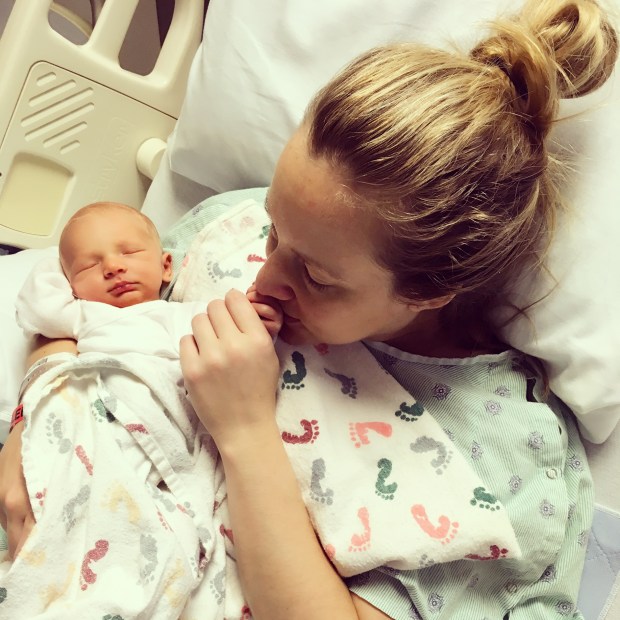

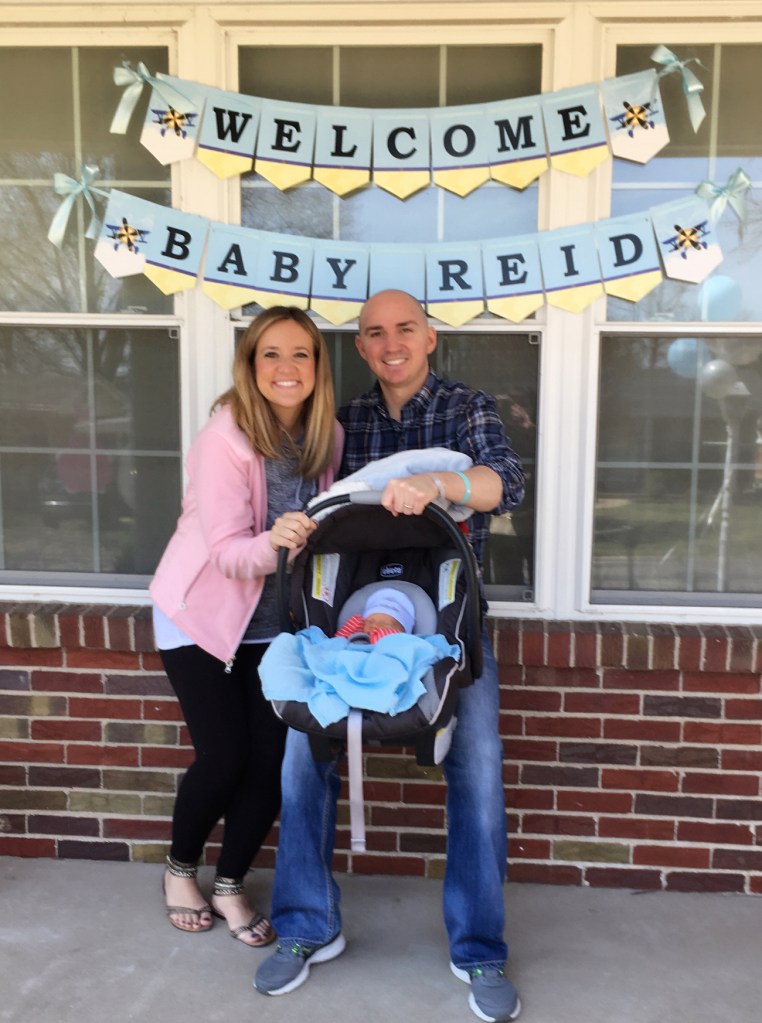
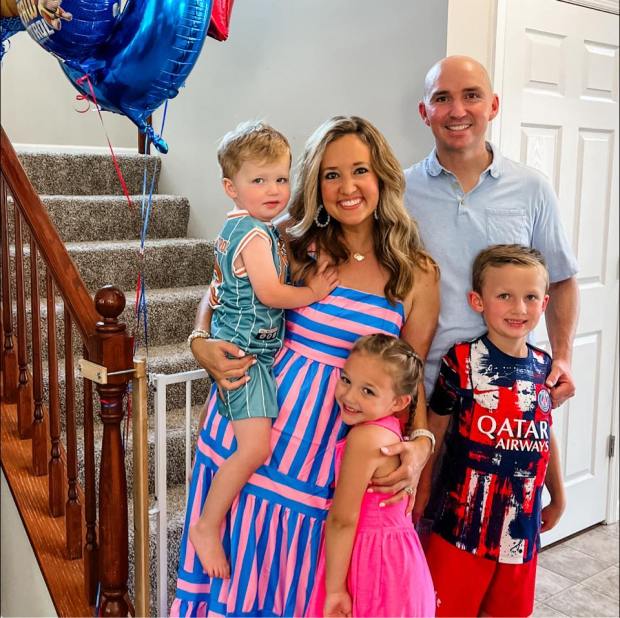
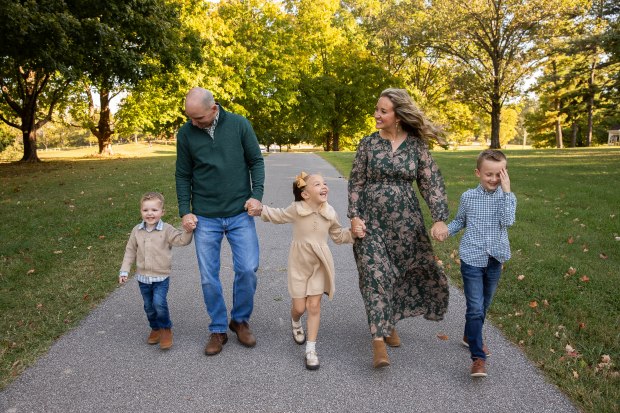

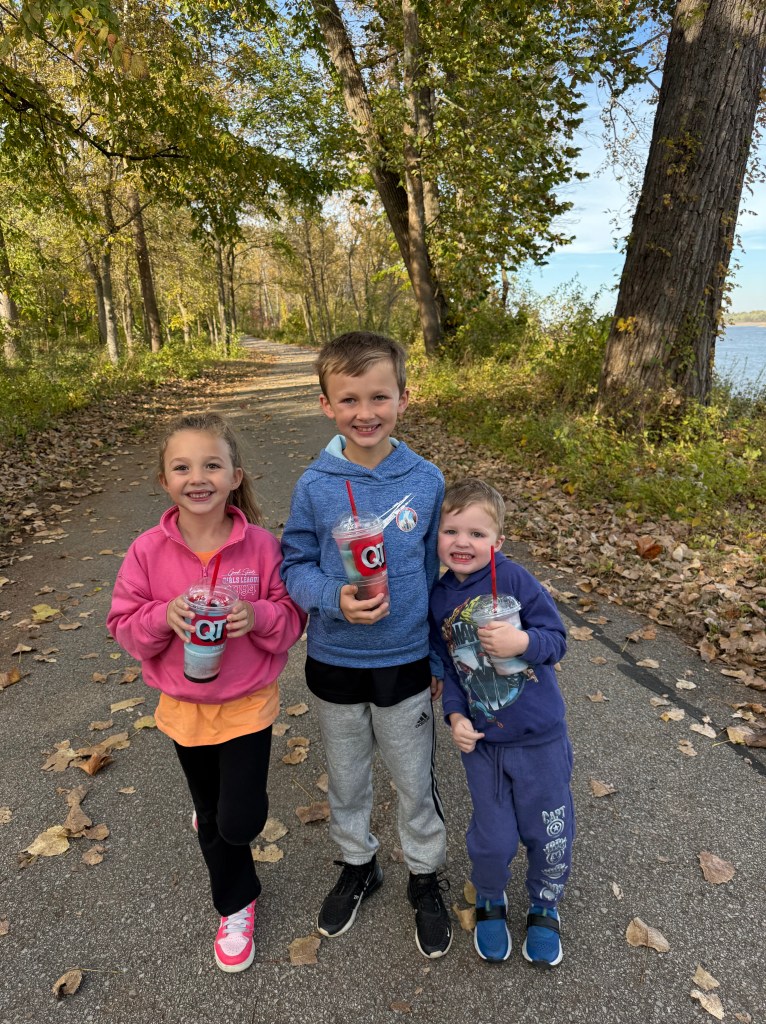
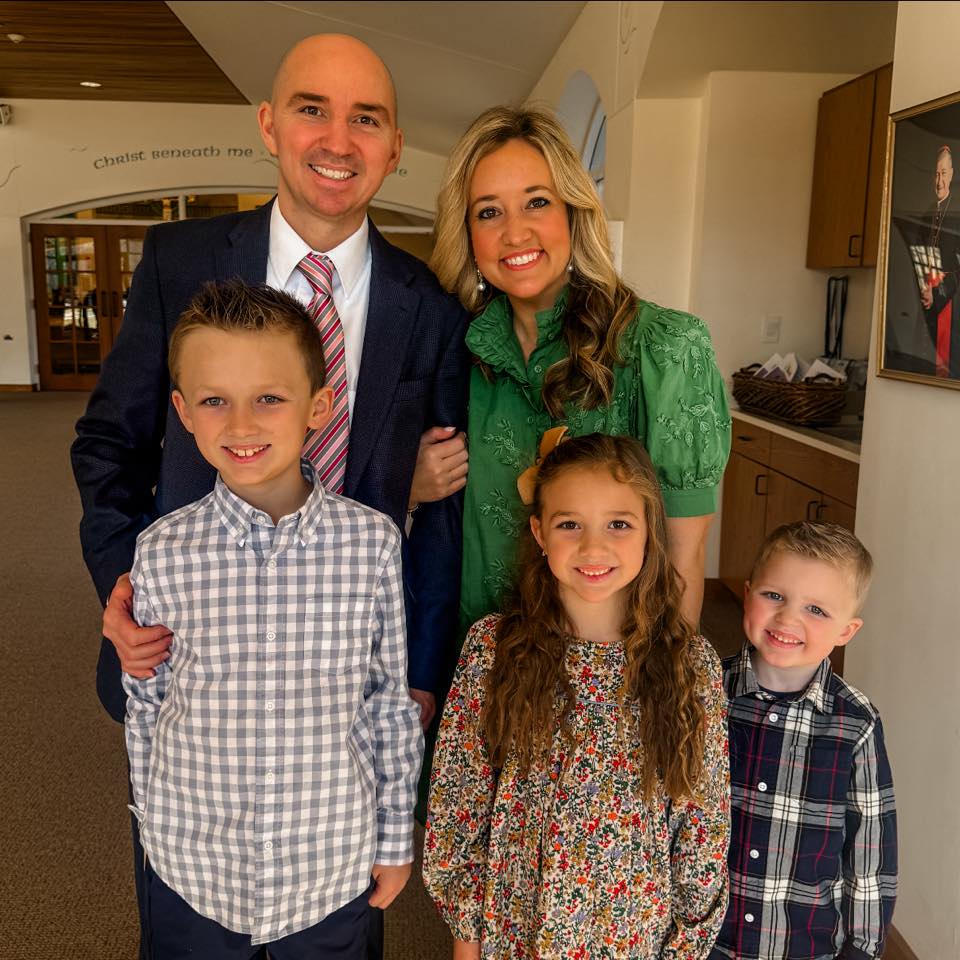
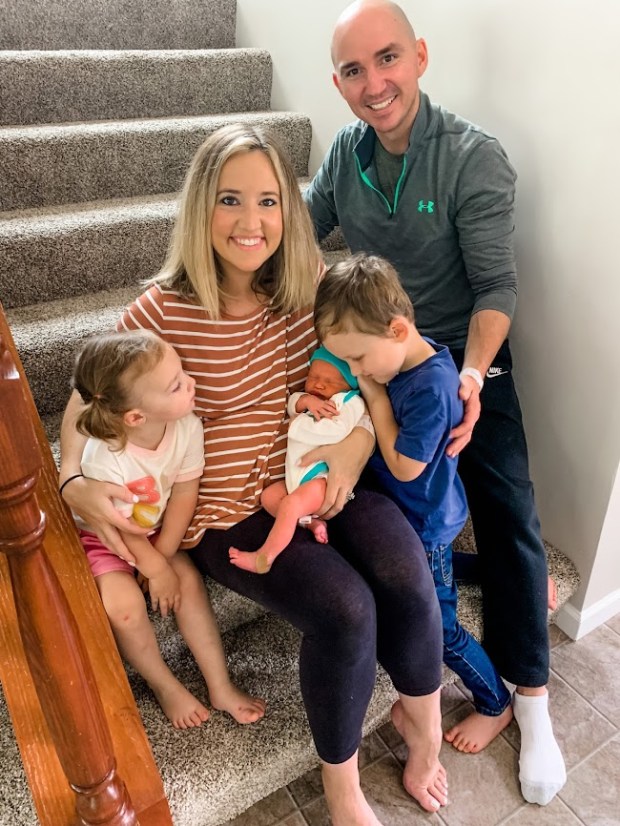

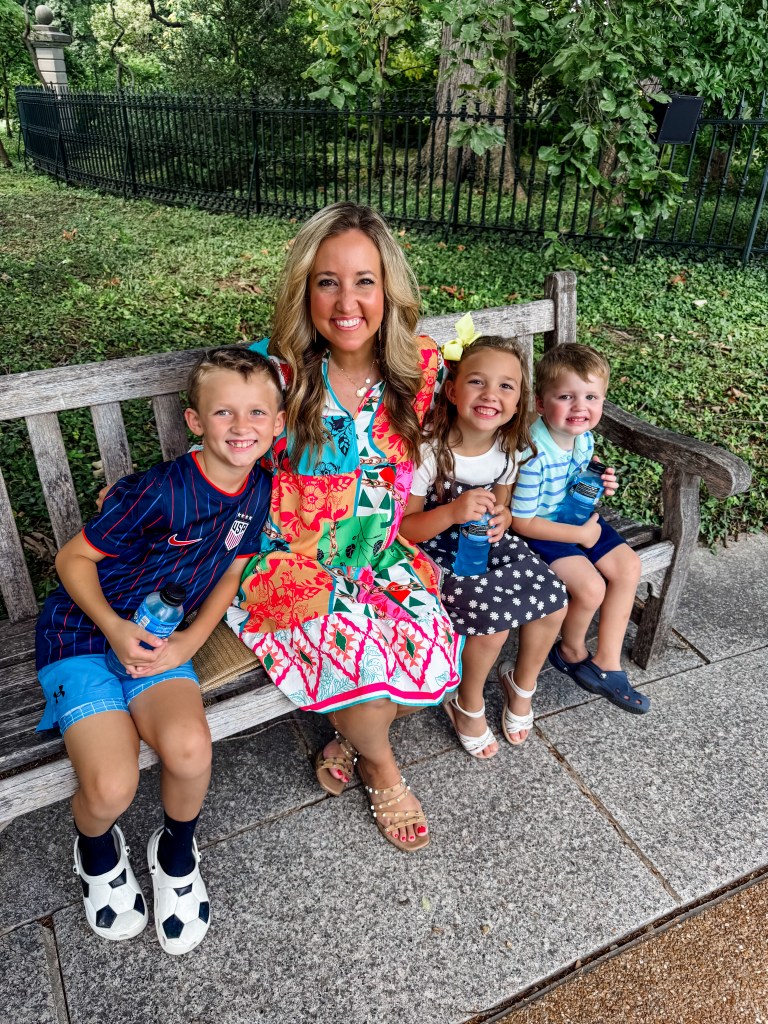
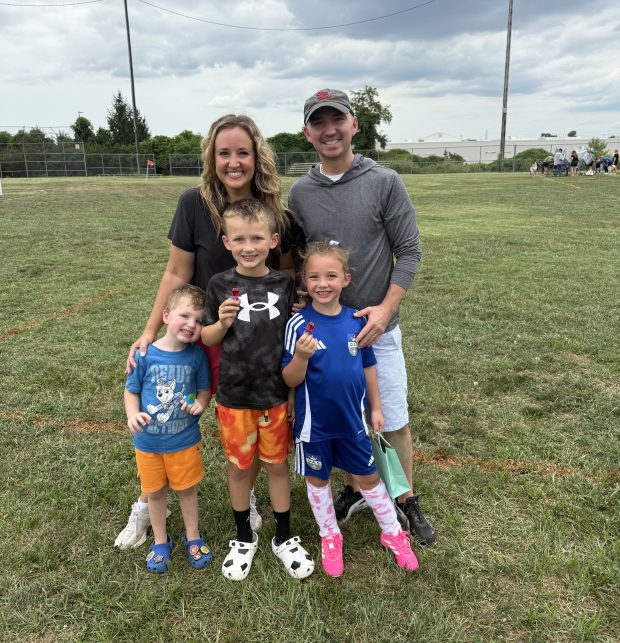

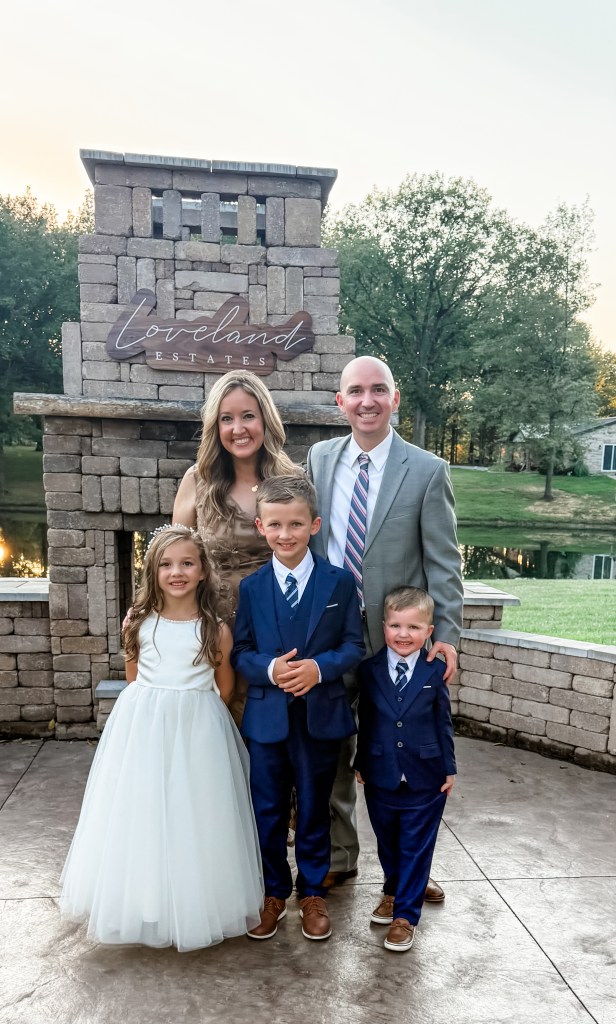

















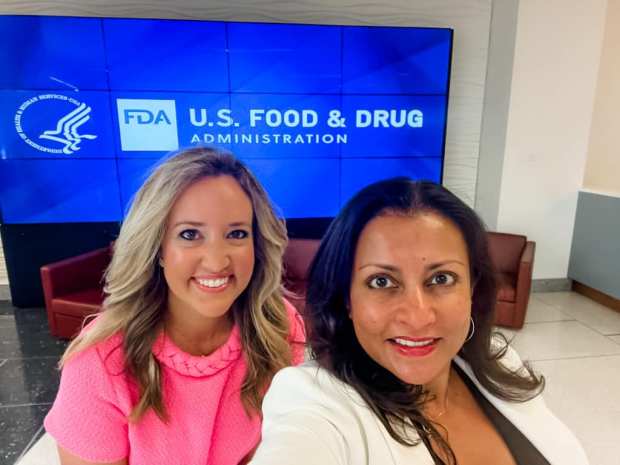










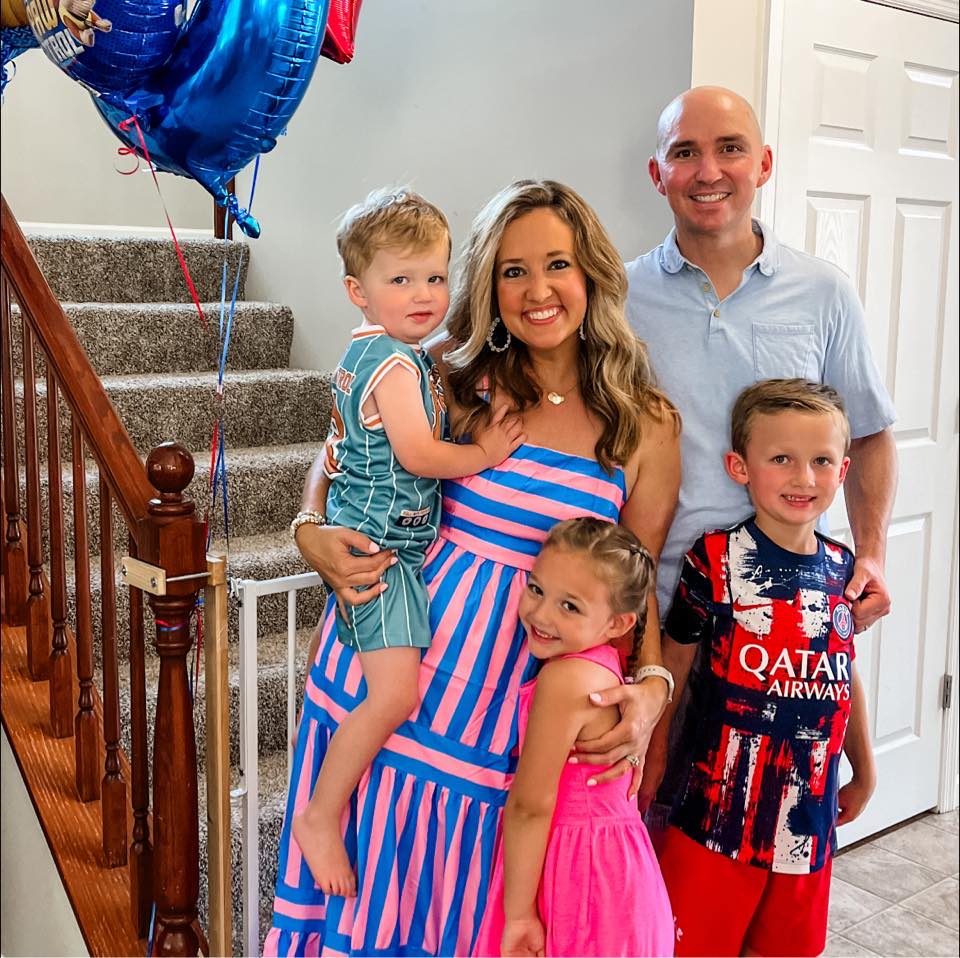
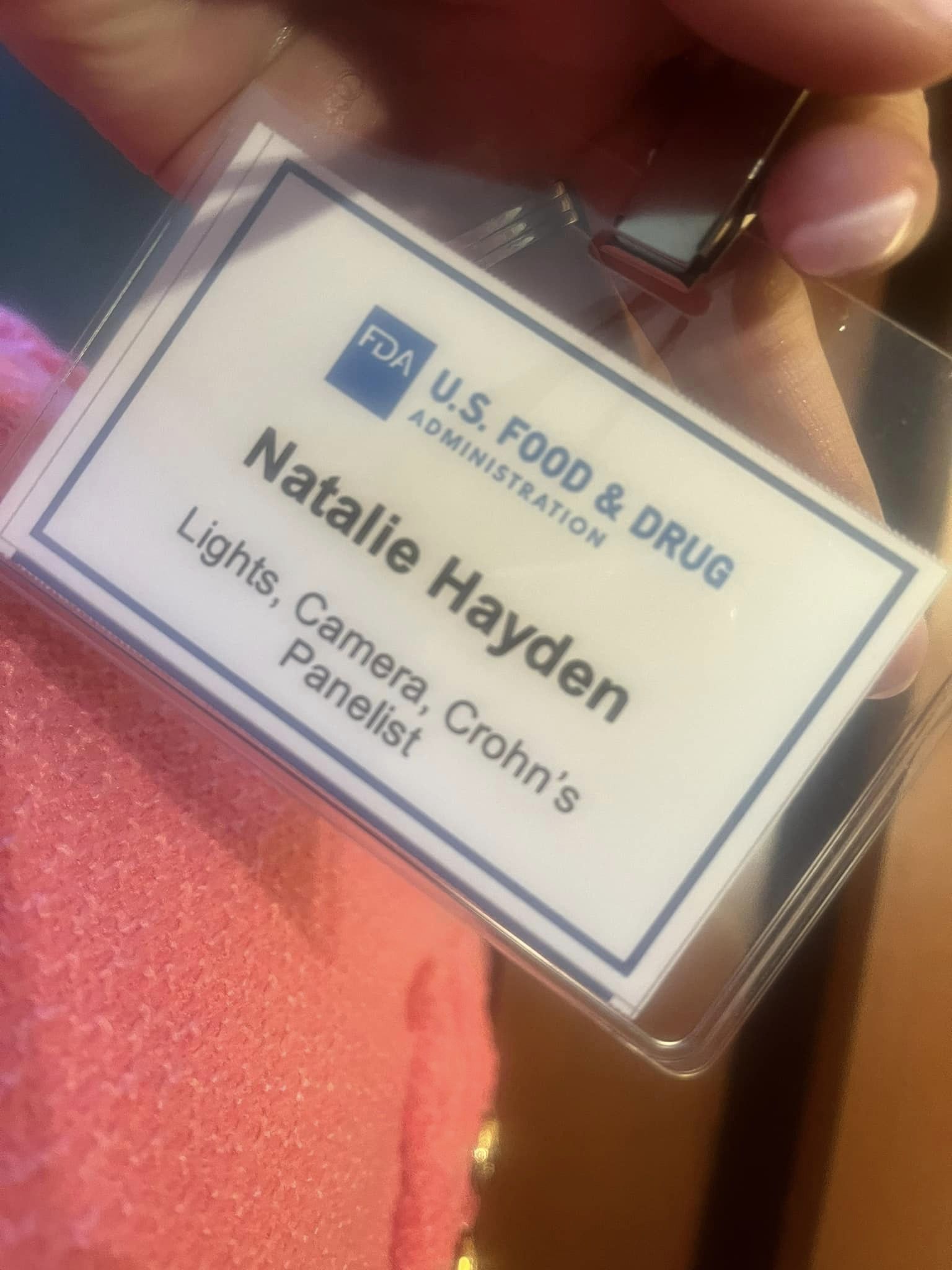
 lights camera crohn's