Planning for a Family with IBD: Essential Guidance and the Latest Recommendations

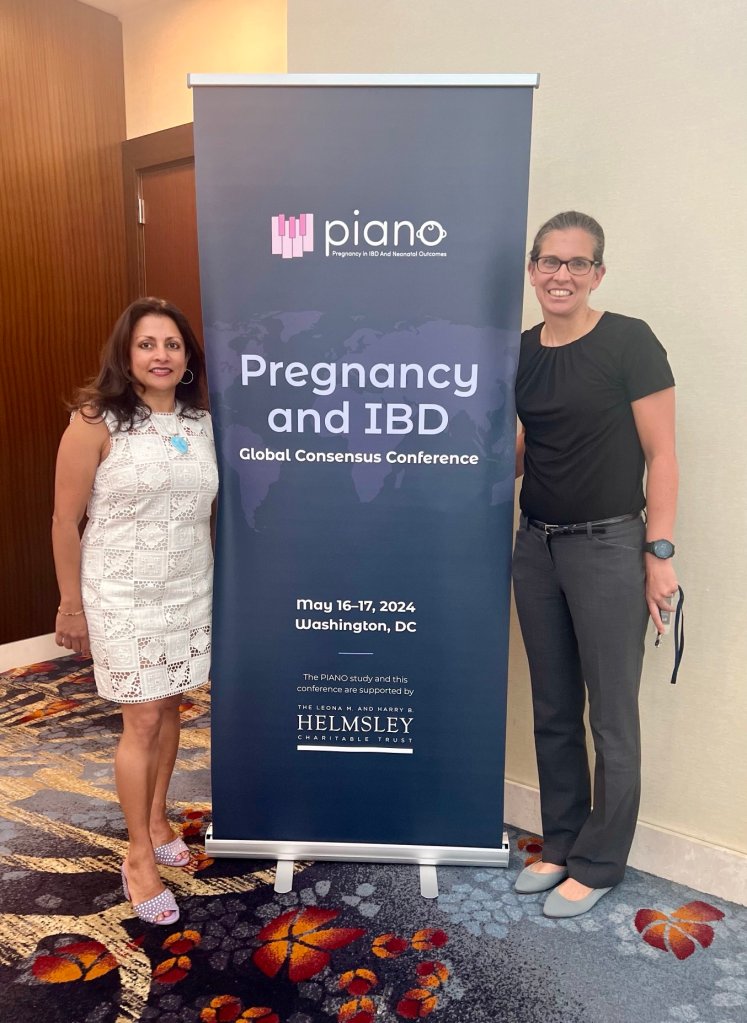
When you live with a disease like Crohn’s or ulcerative colitis, family planning takes thought and special consideration. The first-ever Global Consensus Conference on Pregnancy and IBD was held during Digestive Disease Week (May 2024) and part of the discussion focused on the latest recommendations for pre-conception counseling and family planning. This week on Lights, Camera, Crohn’s hear from Dr. Uma Mahadevan who co-chaired the conference, along with Dr. Christopher Robinson, a maternal fetal medicine specialist. As an IBD mom of three kids and the patient lead for the United States on this initiative, I’m excited to start sharing the latest guidance for our community.

The latest recommendations for IBD women

  • Couples should get pre-conception counseling.
  • Remission prior to conception for at least 3-6 months with objective evidence of remission.
  • All women with IBD should be followed as high-risk pregnancies (however that monitoring works in each country)
  • Pregnant women should take low dose aspirin daily by 12-16 weeks gestation to avoid preterm pre-eclampsia.

These recommendations were voted on and determined by more than 50 medical providers and IBD patient advocates from around the world. They are the gold standard, and the hope is that the recommendations help clear up the gray area and bring clarity to couples who are planning to grow their family and wanting to conceive.

“Our goal was to have a universal guideline that was the same worldwide. This would reduce confusion and avoid the default of just not giving women appropriate therapy. The Consensus really tried to advise what we, as pregnancy in IBD experts, do with our patients, so that women everywhere can have the same high level of care,” said Dr. Mahadevan.

Considerations for women prior to conception

Dr. Mahadevan says when a woman starts medication, she generally tells her whether it is a compatible with pregnancy or not.

I also tell them when they are ready to consider conception to meet with me first. So generally – the education and family planning discussions should start before you are even ready to consider pregnancy. For couples, they should give their GI a 6-month window ideally to make sure there is remission, a chance to optimize medication, and get any testing done that is needed.”

Personally, I had bowel resection surgery in August 2015 while I was engaged. We knew our wedding was in June 2016, and following the surgery I reached remission for the first time in a decade, so timing was of the essence. I told my GI at a post-op appointment in November 2015 that we were planning to start trying for a baby right after our wedding. Knowing that, she put me on a prescription prenatal and folic acid to start prepping my body for pregnancy, I also had a colonoscopy the month prior to my wedding to confirm I was in remission.

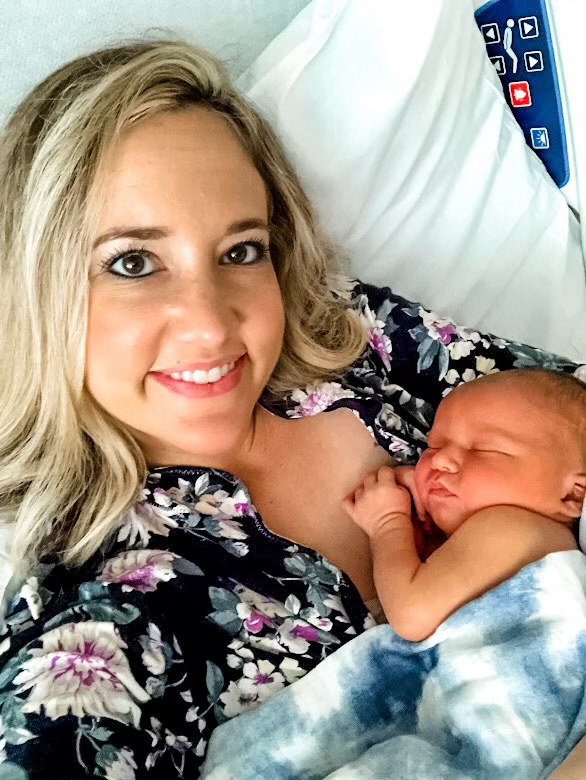
Recovering in the hospital after my bowel resection surgery, with hopes of one day being a mom.

Dr. Mahadevan recommends patients start 1 mg of folic acid daily when she learns they are considering conception.

“The prenatal with iron can be bothersome to some patients so I wait for the OB to start that. I check Vitamin D, B12, and iron labs to make sure those are all good.”

Dr. Christopher Robinson, MD, MSCR, Charleston Maternal Fetal Medicine says preconception care is an excellent way to plan out a pregnancy path.

He went on to say, “We recognize that the best outcomes are achieved when preconception care is employed prior to conception for optimization of disease management. This is especially true of IBD where there can be a number of misconceptions about safety of medications and goals for nutrition and surveillance of the pregnancy. Thus, I would recommend preconception counseling and establishing a care plan with Maternal Fetal Medicine early in pregnancy (first trimester).”

What does pre-conception counseling entail

Preconception counseling can be extensive. You should expect to go through an entire healthcare maintenance checklist of the following:

  • Checking labs—vitamin levels, sometimes drug levels
  • Updating vaccines
  • Cancer screenings—pap smear, colonoscopy if appropriate
  • Ensuring the patient is in remission which may require a colonoscopy, intestinal ultrasound or other imaging
  • Making sure medications are compatible with pregnancy
  • Reviewing prior pregnancy and if there were complications
  • Discussing mode of delivery, referring to a Maternal Fetal Medicine doctor prior to pregnancy if prior complications or if a woman is extremely high risk (for example, prior blood clots), has an ostomy, or if there is evidence of malnutrition or difficulty with weight gain.
  • Discuss starting aspirin at week 12 and set up a visit schedule with your GI, as you’ll generally see them once per trimester.

I had four pregnancies—three healthy, full-term babies and one miscarriage. As soon as I found out I was pregnant I alerted my GI. From there I set up an appointment with my “regular” OB for the initial ultrasound at 8-10 weeks, and then moving forward I had monthly ultrasounds with a maternal fetal medicine doctor, appointments with my GI each trimester, and the regularly scheduled in-office visits with my OB. Even though I had flawless pregnancies each time (aside from the baby I lost around 7 weeks), I was considered “high risk” because of my history of Crohn’s disease and prior surgery.

I had three scheduled c-sections, not because I had perianal Crohn’s, but because my care team allowed me to decide what I felt most comfortable given my health history. If I could do it all over again, I’d do it all the same. I appreciated the extra surveillance for my children and for me, healed beautifully after each abdominal surgery, and was grateful that by staying on Humira until 39 weeks with my first child and 37 weeks with my younger children, I maintained my remission throughout pregnancy and after.

Dr. Robinson said while each pregnancy has specific needs, in general he also follows pregnancy with serial growth checks every 4 weeks across pregnancy (following the targeted anatomic scan).

“It is possible, if a patient has longstanding, well controlled disease, and an optimum prior pregnancy outcome history, to check a 32- and 36-week ultrasound for growth. However, in the first pregnancy, I agree with serial growth scans.”

What remission before pregnancy really looks like

Remission is often a difficult word to define when it comes to living with IBD. As Dr. Mahadevan tells me, “Not everyone can achieve complete remission.” So, what are doctors looking for and what should your target be?

“We are looking to give moms-to-be the best chance at conceiving, keeping the pregnancy, and having a health pregnancy. I like to see normal labs, normal calprotectin, normal colonoscopy, and imaging without visible inflammation. Not everyone can achieve this, but that is the ideal three to six months prior to conception,” explained Dr. Mahadevan.

“IBD has both genetic and autoimmune underlying components that can interfere with development of the placenta and affect maternal nutrition across pregnancy. In these cases, optimization of disease management can improve care and reduce risk for both mother and fetus. The goal of interventions is to reduce the risk for mother and infant through coordinated care with GI, MFM and OB/Gyn in pregnancy,” said Dr. Robinson.

Stay tuned to Lights, Camera, Crohn’s next week when the latest recommendations for IBD medication in pregnancy and lactation is disclosed. A full manuscript with all the recommendations and guidance is in the works, with hopes of the information being publicly available by the end of this year. I’ll be working on the companion piece for the manuscript dedicated specifically to the patient community.

Tips for Talking to Kids about Your Crohn’s and Colitis

Kids are more intuitive than we tend to give them credit for. They are always watching us and even before they’re able to speak in sentences they have an innate sense of empathy and understanding. As an IBD mom of three, whose kids are almost 7, 5, and 2.5, I’ve started to think more lately about how to explain my Crohn’s disease to them in a way that will educate them, without scaring them. It can be a difficult balance.

I know my older two know mama gives herself shots, often needs to run to the bathroom, and gets “tummy aches” but I haven’t yet dropped the term “Crohn’s” or “disease” to them quite yet. It can be hard to explain and sometimes when I start trying to share more, I feel like it’s still going over their heads. Their concerned eyes when I’m in pain and how they watch me do my Humira injections is a reminder to me that they are aware something is going on. As we potty train my youngest, he commends himself for going on the potty by saying he’s “just like mama” …ah, what a great analogy!

This week on Lights, Camera, Crohn’s hear from several IBD parents about how they transparently communicate their experiences with Crohn’s disease and ulcerative colitis. It can be a fine line educating and being open, while also trying not to overwhelm and scare kids. I’ve found it extremely helpful tapping into the community and gaining input from others and I hope you do, too!

Helpful Guidelines for Navigating the conversation with your kids

  • Choose the right time. Pick a time when you won’t be interrupted and can focus on the conversation. Ensure it’s a moment when you and your children are feeling calm, at ease, and open to discussion. My recommendation as an IBD mom would be to have this conversation on a “feel good” day—rather than when you’re flaring or in the hospital.
  • Prepare yourself. Decide in advance how much detail you want to share based on your child’s age and maturity level. IBD is complicated, be ready for a range of emotions including sadness, fear, and even anger.
  • Use age-appropriate language. Explain your IBD in a way that is understandable to your child. Avoid using confusing or technical terms. For younger kids, it might be helpful to compare your illness to something they already understand.
  • Be honest but reassuring. You can be transparent and truthful, but also reassure them about all you do to manage and control your IBD. Empathize with the aspects of your daily life that won’t change, to provide them with a sense of stability and comfort.
  • Focus on practical impacts. Explain how your IBD might affect your daily routine or activities with them in a straightforward way. Use examples such as—“Mommy’s Crohn’s can be unpredictable, I may say we’re going to the park, but then I don’t feel well so we have a movie date and snuggle instead and plan to go to the park another day.”
  • Encourage questions. Allow your children to ask questions and express their feelings and know this will be an ongoing conversation throughout life. Go into the conversation without expectations. It’s ok to admit if you don’t have all the answers. You can explore some of the questions together.
  • Provide continuous support. Let your kids know that it’s okay to have and express their feelings about your IBD. Offer them ongoing support and reassurance. Let them know they can always come to you with questions or concerns at any time.
  • Seek support when needed. Consider enlisting the help of a therapist or a counselor, especially if you or your children are struggling to cope. Joining support groups and tapping into the online patient community and connecting with fellow IBD families in similar situations can be beneficial.
  • Keep the conversation going. Check in with your children regularly about your IBD and how you’re feeling. Be casual about it. Share when you see an opportunity to teach or calm fears that your kids may be internalizing.
  • Highlight the positives. While acknowledging the challenges, also focus on the positive aspects, such as the strength of your family unit or the support you have from friends and community. I always tell my kids when I’m doing my injection that mommy is strong, and we can all do hard things.

By approaching the conversation with honesty, sensitivity, and openness, you can help your children understand and cope with your chronic illness in a healthy way.

My 2-year-old trying to make me smile during a rough day in the bathroom.

IBD as a family disease

There’s a common saying in our community that IBD is a family disease, in that whether you have Crohn’s or ulcerative colitis or not, if someone in your nuclear family has it, the disease impacts your living experience in some way.

Emily and her husband have IBD and so do their three daughters, so discussions about IBD are frequent in their home since it’s a living reality for all five of them. She tells me the conversations tend to fall in one of the following categories:

1) Explanations of IBD details, procedures, surgeries, or diet needs for a member (or members) of the family.

2) Discussions to calm anxieties in one child about the presentation of IBD in themselves or in another family member.

She says the second category tends to be the more challenging conversations, by far.

“In the first category, we tend to stick to factual, age-appropriate explanations. For example, when our five-year-old needed to know about scopes and surgeries, we explained that a specific family member has “belly problems” and the doctor is helping by taking pictures of their belly and fixing the parts that were causing trouble,” explained Emily.

As the girls have gotten older, Emily says they add details about how the doctors do different procedures – always led by their child’s level of interest and desire for the knowledge.

“We are always honest about pain or discomfort related to medical procedures. Many things are NOT painful, and we want them to trust us that something does not hurt if we tell them. This has served us well. When surgery was needed for one daughter, we discussed how she would be sore afterwards, but we had ways to help the pain until it would subside. This was undoubtedly a challenging time for us, but our daughter did amazing,” Emily said.

As Emily’s girls have gotten older, as a preteen and teen, they understand more about their parents,’ and their own, IBD. They have lived through surgeries and many medical procedures in their family. Emily says now the more challenging conversations have started, related to knowing the possibilities around IBD.

“For example, I had a colon perforation following a routine monitoring scope for my IBD. It was a rare event that we are all warned about prior to a colonoscopy. It resulted in a more significant repair surgery and several days in the hospital. My daughters are old enough to realize that they also have scopes regularly and we had to have some discussions about the chance that the same thing could happen to them. It was challenging for our family for a few rounds of scopes!”

Emily says they addressed this topic mostly by focusing on the “helpers” as the iconic Mr. Rogers would! Yes, bad things can happen, but she reminded her daughters that they are so lucky to have doctors and medical professionals to “fix” these problems. She reminds them that they are lucky to have family and friends to help when they are not feeling well. She also talks about how they are lucky to have each other – who understand the ups and downs of this disease.

“This narrative has gotten our family through many challenges! I talk with my oldest daughter much more now about the details of her IBD. She is a teen and has had more than her fair share of IBD troubles. She has watched me deal with my challenges too. We are open with each other about the negative parts, and our frustrations having to deal with IBD. It is a double-edged sword to have her growing up! On the one hand – I hate that she is old enough to really understand the negatives. But she is also turning into an amazing young woman who is one of my closest confidants with this disease. We understand each other’s highs and lows like most cannot. We supported each other in challenging times and celebrate together for each win!”

Sari says she bought a couple of children’s books that feature a caregiver with chronic illness.

“One of them is titled ‘Some days’…it’s about a mom with multiple sclerosis, but it works for IBD, too. It goes over how some days are more exciting and others are simpler more restful days. If there are other kids’ books people have found, I’d love to hear about them!”

Kate also has a book by someone with Crohn’s, but says they’ve also always been very honest and open about it with her son.

“I always worried he would tell people too much, but I’ve found he’s incredibly respectful and it has made me feel less shame in my body because I talk to him so positively about it. Especially the perianal disease, which has been really hard to talk about with people. My son is six and understands my immune system attacks my digestive tract. We also have a puzzle of the body we have played with for years and he knows the colon, intestines, rectum, etc. because of that.”

Becca says one of her favorite memories as an IBD mom is when her daughter was learning body parts and said, “Mommy and I have vulvas, Daddy has a penis, Daddy and I have butts, and mommy has a bag!” She also often asks to see her “cut” on my belly (c-section scar), but I constantly remind her that she shares her “cut” with a lot of intestine.”

Becca also says for the longest time her daughter thought that EVERY mom gets an ostomy bag when they’ve had a baby.

“She didn’t realize I had mine for four years before she was born!”

As an IBD Dad, Brandon said he stumbled upon a video series when his son was around age five that provided a solid explanation. At the time his son had a broken arm.

“The video explained people have booboos you can’t see. I explained that I had what the girl in the video has. Nowadays, I show both my boys’ photos from my colonoscopies.”

You can watch the video Brandon showed his son here.

Here are additional books about chronic illness that others have recommended:

The Crohn’s Bucket by Keyaan Vegdani

My mom is sick and it’s ok by Angie McPherson

My tummy really hurts by Shawntel Bethea

Guts: A Graphic Novel by Raina Telgemeier

Like Me: A Story About Disability and Discovering God’s Image in Every Person by Laura Wifler

Some Days-A Tale of Love, Ice cream, and Mom’s Chronic Illness by Julie A. Stamm

Wonder Mommy by Jennifer Senne

Ursula and Her Ulcerative Colitis: Kids, You Can Call it UC by Michaela Morrisey

My Silly Illy by Campbell Dwyer

Skin cancer scare: My experience as an IBD mom

During my annual skin check at the dermatologist in September my doctor biopsied two small marks on my back. In the moment, my doctor expressed that she wasn’t concerned, and neither was I. Fast forward two weeks, and I was about to speak at a health conference for patient advocates in New Jersey when I received a phone call from an unknown number. I answered and was caught off guard when the voice on the other end was a nurse from my dermatologist’s office telling me both spots came back with pre-cancerous spots and that I needed to get excision surgery on both as soon as possible.

Hearing that news was unexpected. I felt unsure and scared. That anxiety built up until I finally was able to schedule the procedure for November 30th. Life as an IBD mom makes these types of health hiccups tricky. I had to keep pushing off the surgery because of different family activities and obligations during this extra busy time of year.

This week on Lights, Camera, Crohn’s I take you on a behind-the-scenes look at my patient experience and discuss skin cancer and IBD and what you need to be aware of.

How I felt going in

Going into the surgery I felt uneasy. I wasn’t sure what the recovery would entail. I’ve only had abdominal surgeries, a bowel resection and three c-sections. One of the spots was on my upper back and the other was right above my bra strap. I was worried about how it was going to feel to lay down, sit back, move my arms, pick up and hug my kids…the list goes on.

As always, I turned to our IBD community for input, intel, and perspective. The experiences and advice shared not only educated me but left me feeling comforted before I went under the knife. Here is some of the feedback I received:

You only live once and it’s on your back. In my opinion, the only way to wear a scar bad is to wear it with insecurity. Cover it up with confidence, or reveal it with confidence, but if you do either with insecurity, that makes it much more obvious.”

“After surgery when you’re up and about, focus on excellent posture almost to the point of bending backwards. You’ve had a resection and with any abdominal surgery, you hunch over a little bit to keep the incision from pulling. Do the same with the back ones, but you have to kind of have a bend to your back. Move slowly and if it pulls, you’ve pushed too far. With abdominal surgeries, I stay very on top of pain meds, with this, I would make sure you’re in a little bit of discomfort, just so you know when you’ve pushed too far. Not enough to be in actual pain, but enough to be uncomfortable and feel it when it pulls.”

“Be extra careful with what activities you do with it being on your back. I popped stitches on my back once because it’s such a high-tension area. The worst part is having a scar left behind.”

“My doctor gave me an option: stitches vs no stitches. Choose closure with stitches, otherwise healing is long.”

“The local anesthetic stings a little, but nothing worse than a biologic that you’re used to. They’ll tell you to keep the sutures moist with ointment (NOT Neosporin) and covered during the day. Wash gently with your regular soap and water. The sutures on the back are usually in for about two weeks. Make sure the pathology checks margins (so you know all atypical cells were excised). Compared to everything IBD moms endure, this is a piece of cake!”

“Surgery is an easy recovery. I had stitches for two weeks. Make sure you keep the area moist with Aquaphor or Bacitracin. Be careful not to lift anything with the stitches so you don’t pop a stitch or cause further scarring by stretching the open area. It might hurt the first couple of days, but Tylenol will do the trick.”

“My best friend had a pretty good size excision surgery on her back, and everything went smoothly, and it was painless for her. She healed up nicely and the scar is minimal.”

“Recovery was straightforward! Just keep up on any pain meds prescribed and try to take it easy. I had a wide excision on my toe that sucked because walking was hard for a few days. Little movement until your incisions are healed a bit is helpful.”

“Sitting back and laying down might hurt for a couple of days, but you should be fine after that. You don’t want to pop the stitches. You can’t take a bath or submerge the incisions for at least two weeks. Showering is fine after 24 hours, but just be gentle with them. I did derm nursing for many years.”

“I’ve had this (Crohn’s med complication), and it was far less bad than I thought. Briefly painful, but recovery is quick. I found vitamin E cream super useful while it was healing or (La  Roche- Posay Cicaplast) also once healed. Make sure you rub the scar, so it doesn’t ‘tether’.”

“Find out your surgeon’s preferred ointment. Mine okayed Aquaphor. Set pillows so you can sleep comfortably once you find a position that works. The pain is worst at night. Sending you big hugs and wishing you speedy healing with clean margins!”

What excision surgery entailed

Leading up to the excision surgery—especially the week of—my mind started to race a bit when I went to bed at night and started thinking of the procedure and recovery. It was my first time needing something more than a biopsy at the dermatologist, so I wasn’t sure what to expect. The excision surgery process involved so many lidocaine and epinephrine shots that I was in tears by the end. The areas of my back were so sensitive and by the time I had 10-15 shots I could feel, I hit a bit of a breaking point.

One of the nurses brought me an ice pack to grip onto and it really helped stop my anxiety and shaking on the table. The actual surgery on the two spots took an hour. It’s always an odd feeling while you lie awake and know your body is being cut into. I have dissolvable stitches underneath my skin and on top on the incisions.

Here’s a photo of the two incisions. They are larger than I had anticipated, and I’m not thrilled about them, but I know once they’re healed, they won’t look so angry.

Recovery is not linear

The first night of recovery I was able to keep the pain under control for the first 10 hours or so, but I woke up at 4 in the morning in excruciating pain. I felt like my back was on fire and I couldn’t move. It was a horrible feeling. My husband helped me out of bed, and we went downstairs. He propped me up on a ton of pillows and set an alarm for my next pain pill. The first two days were a rougher recovery than I had anticipated, but I’m so grateful my dermatologist caught this when she did.

By day 3 I was doing laundry, cleaning, organizing my son’s room, packing up toys to donate, and making dinner. As I write this, I’m 4 days post-op and I just have slight twinges of pain here and there and itching sensations. The hardest part for me has been not being able to lift or hold my 2-year-old or being able to help my 4-year-old daughter who’s had a club cast on her dominant hand and arm and has needed my help to do everything from getting on the toilet to climbing into her car seat. That being said, my kids have all been incredibly patient and empathetic and my husband has been a rockstar at making sure I don’t overdo and feel supported every step of the way.

My toddler walked up to me when I was in pain and said, “your tummy hurt, mama?” Not this time, buddy. It amazed me that his mind went there when he saw me hurting. With that, he snuggled me on the couch and gently grabbed both my hands and kissed them.

Is there a link to IBD meds and skin cancer?

There is some evidence to suggest a potential association between IBD and an increased risk of skin cancer, particularly non-melanoma skin cancers such as squamous cell carcinoma and basal cell carcinoma. When I asked my surgeon prior to my procedure if being on Humira put me at greater risk for this, she told me there’s not enough conclusive evidence and she did not relate my situation to my medication, but I’m still not convinced. I was told that the pre-cancerous cells would have turned to melanoma if this was not caught.

The relationship between IBD and skin cancer risk is complex and may involve various factors:

Immunosuppressive Medications: Prolonged use of medications, such as corticosteroids or certain biologics, can weaken the immune system, increasing susceptibility to infections and possibly contributing to a higher risk of skin cancer.

Chronic Inflammation: IBD itself is characterized by chronic inflammation in the gastrointestinal tract. Chronic inflammation has been linked to an increased risk of certain cancers, including skin cancer. The inflammatory process may contribute to the development of cancerous cells.

Sun Exposure: Some studies suggest that those with IBD may be at an increased risk of skin cancer due to excessive sun exposure. It’s important to note that certain medications used to treat IBD, like thiopurines (Imuran and Purinethol), make the skin more sensitive to sunlight.

Genetic Factors: There may be genetic factors that contribute to both IBD and an increased risk of skin cancer. Some people have a genetic predisposition that makes them more susceptible to both conditions.

Final thoughts—Get those annual skin checks!

When it comes to skin cancer, we can control our sun exposure and how we protect our skin when outdoors and that should not supersede the importance of taking medication to treat and manage IBD.

Talk with your care team about the frequency you should be screened. Once you have skin cancer or a biopsy, it’s not unusual for bi-annual visits or even every three months. If I can share anything—it’s to get your annual skin check. Skin cancer is nothing to mess around with. Ignorance is not bliss. Give yourself peace of mind and schedule a dermatologist appointment, whether you have IBD or not. My husband and I have both had scares now when it comes to our skin. Be proactive and in the new year I hope you take the appropriate steps to make sure you’re in the clear.

Additional resources on Skin Cancer and IBD

IBD and the Risk of Skin Cancer (verywellhealth.com)

Does IBD Put You at Greater Risk of Developing Skin Cancer (everydayhealth.com)

Inflammatory Bowel Disease and Skin Cancer: An Assessment of Patient Risk Factors, Knowledge, and Skin Practices – PMC (nih.gov)

Risk of Melanoma and Nonmelanoma Skin Cancer Among Patients With Inflammatory Bowel Disease – Gastroenterology (gastrojournal.org)

Inflammatory Bowel Disease Is Associated With an Increased Risk of Melanoma: A Systematic Review and Meta-analysis – Clinical Gastroenterology and Hepatology (cghjournal.org)

Concluding a 5-year Mother To Baby IBD Study: The Latest Results

I remember the first phone call when I was pregnant with my oldest as a soon-to-be IBD mom. A researcher from Mother to Baby called me when I was newly pregnant and leaving work—I sat in my car in a parking lot, as she asked me several questions about my health, well-being, medication, and pregnancy thus far. That was Fall of 2016. Fast forward to now—and my oldest, Reid, just graduated from kindergarten. When I was diagnosed with Crohn’s disease at age 21 in 2005, one of my biggest fears was whether my chronic illness was going to rob me of motherhood. Back then, I was nowhere near ready to settle down, but the worry was always in the back of my mind.

When my husband and I got married in June 2016 and I was 10 months into surgical remission, we knew we needed to capitalize on my IBD finally being under control. Luckily, we got pregnant one month after getting married. Shortly thereafter, I started researching pregnancy studies for IBD moms. Lights, Camera, Crohn’s launched two days before I received a positive pregnancy test. I was fresh into my advocacy and had never been pregnant before. I didn’t have a community of IBD moms to lean on for questions or support as I navigated the unknown.

I came across information about Mother to Baby online and ended up being a part of their pregnancy studies for my first two children. The studies were different, but I had such a positive experience with Reid, that I decided to participate again with my daughter, Sophia. Reid’s study was a 5-year look at how Humira impacts babies in utero through kindergarten. When I was initially pregnant with him, this felt light years away. And here we are. Over the course of his pregnancy and until November 2022, I completed surveys, did phone interviews, had an in-person meeting with a doctor who came to my home and looked him over in front of me for any health anomalies, and most recently did an in-person cognitive neurobehavioral assessment at a nearby hotel with researchers.

We just got the results. While it’s rewarding to participate in IBD studies and interesting to learn, there’s always a part of you that worries about the findings and if mom guilt will ensue. It’s been reassuring and comforting to see my healthy kids, who were exposed to Humira in utero through the 3rd trimester, thrive and excel with milestones and in school.

The findings of the study

In November 2022, Reid and I met up at a nearby hotel with two researchers who provided neurodevelopmental behavioral evaluations for both of us. Reid’s assessment used a series of questions, games, and puzzles to help researchers determine his development of language ability, memory skills, and problem-solving abilities. The tests were selected to provide an evaluation of general mental ability and to describe specific abilities in areas of verbal knowledge and reasoning and visual-perceptual reasoning and organization. The tests were intense, I was proud of him for how he handled himself during the process.

Reid and I waiting to do our assessment with research administrators

According to Mother To Baby, “this battery of tests is best suited to examine the similarities and differences among groups of children. While it was not adapted for Reid’s individual characteristics, it can highlight general strengths and weaknesses in a child’s cognitive profile and indicate potential concerns when present.”

Behavioral Observations: “Reid was personable and interacted with both administrators on his arrival. He had a very positive attitude toward testing and quickly became comfortable with administration. He was engaged and attentive to the materials, listened attentively to the examiner and provided effortful responses even as questions became more difficult. Reid demonstrated good cooperation and attitude by following instructions and requiring minimal to no redirection from the administrators of his mother. He was focused and friendly for the full duration of testing.”

Summary of Assessment Results: “Tests were administered in a single testing session with one short break. The Wechsler Preschool and Primary Scale of Intelligence (WPPSI-IV) was selected to provide an evaluation of Reid’s general mental ability and to describe specific abilities in areas of verbal knowledge and reasoning and visual-perceptual reasoning and organization. This battery of tests is best suited to examine the similarities and differences in ability among similarly aged groups of children. While it was not adapted for Reid’s individual characteristics, it can highlight general strengths and weaknesses as well as potential concerns when present.”

The intelligence test was comprised of 10 subtests which measured a variety of verbal and nonverbal skills. Reid achieved a composite score in the average range. In the working memory category and spatial working memory, Reid performed in the high average range, which required him to remember and identify pictures that had previously been shown to him. On tasks that measured visual-spatial abilities, Reid scored below average. These tasks required him to synthesize visual stimuli to recreate block design.

“Reid was highly focused while processing visual stimuli. Overall, Reid is a bright and enthusiastic child. He was a pleasure to work with.”

Along with Reid’s assessment, I was also interviewed and performed tasks with an examiner on the other side of the room. I was assessed in the adjustment and life context. Tests included the Center for Epidemiological Studies Depression Scale and Parent Stress Index. My scores were within normal limits and my general mental ability also scored in the average range. Not gonna lie, the testing was challenging!

Reflecting on my experience

As an IBD mom of a 6-year-old, 4-year-old, and 22-month-old, who participated in pregnancy research during each of my pregnancies, I can’t begin to tell you how incredibly rewarding it is to know that your personal experience is helping to drive the future of care for women in our community who have hopes of one day being a mother. Sure, it takes a little bit of time and effort, but the data and research to show the safety and efficacy of medications while pregnant and breastfeeding is so needed. It’s comforting to know Reid is right where he needs to be cognitively and healthy physically, despite my high-risk pregnancy and exposure to Humira until 39 weeks gestation. We need more women to willingly step up to the plate and share their journeys to help guide the future of IBD motherhood and show all that’s possible despite our disease.

Opportunities to participate in research

Many people need to take medication during pregnancy to manage and treat their IBD. Yet, according to the Mother To Baby website, fewer than 10% of medications have enough information to determine their safety for use in pregnancy.

Do you have Crohn’s disease? Are you currently pregnant? If you answered “yes” to both questions, you may be able to help Mother To Baby advance the knowledge of how managing IBD in pregnancy impacts a developing baby. Click here to learn about how you can impact the health of future families by joining the Crohn’s Disease and Pregnancy Study.

Why My Self-Injection Has Become a Family Affair

This post is sponsored by Smart Sharps Bin. All opinions expressed are my own and do not necessarily reflect the position of HealthBeacon plc or Hamilton Beach Brands, Inc.

I started doing my self-injection more than 14 years ago, long before I became an IBD mom. I went from being a single 20-something alone in my apartment mustering up the strength… to having a family around me while I receive my medication. The experience has changed greatly and so has my perspective.

There are many reasons why I have chosen not to hide my injections from my three children. Crohn’s disease impacts more than just the person who lives with it, it’s a family disease. Even though my children are ages five, three, and 16 months, there’s a deep level of understanding and empathy that starts from a very young age. My disease is part of me. I always try to be transparent about my health and well-being. I have never said “I have a disease” since my children wouldn’t understand that, but I try to explain that sometimes my “tummy” hurts and that “Mommy’s shot keeps me healthy, safe, and strong.” 

My process for self-injecting every other Monday

Once dinner is over, I pull my injection out of the fridge and let it warm up on the counter, out of the reach of my kids. I’ve always preferred to do my shot at night so I can rest afterwards and have a sweet treat like ice cream as a reward after. After about 30 minutes to an hour, I head over to the couch, and my children hover around me. They watch as I wipe the alcohol swab counterclockwise and oftentimes help me hold the ice pack on my thigh for five minutes. Then, once it’s time to pull the top and bottom off the injection and get down to business, I let them know they need to give me some space and not to move or make any jerking motions. I pause. Smile sweetly at them and start my countdown, slowly and calmly…one one thousand…two one thousand…all the way to 10. They smile back at me and bounce around when I have finished self-injecting. They immediately want to see if I’m bleeding and want to make sure I’m not in pain and don’t need a band aid. I bounce up off the couch and act like it’s just another part of our bedtime routine. 

Since we’ve been doing this “process” for as long as they can remember, it’s part of our family, and part of what it’s like for me as an IBD mom. My kids are my greatest cheerleaders and my reason “why” for everything I do in life. 

The sweetest distraction

I find it empowering to look into their innocent eyes and joyful faces while I self-inject, it’s the best distraction. I used to stare at a focal point on the wall, a photo of someone who inspires me, or a show on the television, but looking at my kids—my greatest motivation to push through the difficult moments—is the best medicine, literally and figuratively. I make a point to smile at them and never show signs of weakness, so they see that I’m ok and doing something positive for myself. This has become a lot easier since the formula for Humira changed and is no longer painful. I used to really struggle to smile when the medication burned the first year and a half of my oldest son’s life.

When my injection used to be painful, my son would see through my smiles. He would often hold a toy and pretend to give himself his own injection. After I was done doing my shot, he would come up and kiss my thigh and say he loved me. At this point he wasn’t even two years old—kids of IBD parents just “get it,” their empathy and understanding of health is incredibly unique and special. 

How that strength carries over into my children’s’ lives

Since my kids see me self-injecting every other Monday, they’ve become quite desensitized when it’s time for their own vaccinations at the pediatrician. When my older two children get their flu shots, they take them like champs. The nurses always laugh that they’re braver than some teenagers. When my kids smile and tell me they’re strong like me when I do my shot it’s bittersweet. While I wish they didn’t have to see me self-inject, it’s building their character and understanding of health in a beautiful way. 

PIANO 2.0: What women with IBD need to know about the latest pregnancy and postpartum research 

When the Pregnancy Inflammatory Bowel Disease and Neonatal Outcomes (PIANO) study first launched in 2007 the main goal was to understand the safety of anti-TNF biologics like Humira and Remicade, and thiopurines for women throughout pregnancy and postpartum. As an IBD mom of three, I was able to participate with my youngest who is nearly 16 months old. The experience was something I am extremely grateful for. This incredible research for our community that is going on daily, helps guide decision making for treatment, while easing our fears as we embark on motherhood while managing IBD.

PIANO 2.0 is now underway and this week on Lights, Camera, Crohn’s I share everything you need to know about the updates to the ongoing research project, how you can participate, what the findings have shown thus far, and the goals for the future. Esteemed gastroenterologist, Dr. Uma Mahadevan, continues to lead the charge and help pave the way by sharing discoveries and findings.

“With new funding from the Helmsley Charitable Trust, we are really able to transform PIANO and try to reach a broader group of patients and answer more challenging questions. These questions include the safety of small molecules (tofacitinib, upadacitinib, ozanimod) and the newer biologics (ustekinumab, vedolizumab, risankizumab) as well as expand into studying the placenta and the impact of IBD, the response to COVID vaccine in pregnant IBD patients, and following children out to 18 years of age to look at long term safety and outcomes. The more you know, the more questions that come up.”

What’s new with PIANO

All women with IBD who are pregnant in the United States are invited to enroll. Specific interest in enrolling women on newer biologics (Stelara, Skyrizi, Entyvio, biosimilars) and small molecules (Xeljanz, Rinvoq, Zeposia) even if it was within 3 months of your last menstrual period but not during pregnancy. PIANO 2.0 is also expanding to look at the safety of aspirin in pregnancy (to reduce the pre-eclampsia rate) and well as how IBD women heal after a c-section and vaginal delivery.

There are new and improved patient and site interaction updates as well. There’s now a patient portal that enables women to enter their data directly, a Twitter page (@PIANOIBD) for research findings and updates, and a website with outcome data right at your fingertips.

The medical sites participating have also expanded to include USC, University of Miami, and the University of Maryland. Dr. Mahadevan says they realized most patients in PIANO were Caucasian and of higher socioeconomic status.

“We know pregnancy outcomes differ by race and socioeconomic status and we need to understand if that also applied to IBD pregnancies – does it make those differences more extreme or is there no impact? By expanding to sites with a far more diverse population, we will be able to better answer those questions.”

As far as the Patient Portal, rather than filling out paperwork and participating in phone interviews, now women simply answer questionnaires on the portal when they enter the study, every trimester, after delivery, at months 4, 9, and 12 of baby’s life and then once a year thereafter. Thanks to the Patient Portal, women can enroll remotely across the United States and don’t have to be at an IBD Center to participate.

Pushing the research further

The overarching goal with PIANO 2.0 is to gather data points from newer biologics and biosimilars and look at the safety of small molecules. So far, 2,012 women with IBD have participated in PIANO. The hope is to have at least 150 newly pregnant women participate each year. 

So grateful I was able to participate in the PIANO study during this pregnancy, with my youngest child, who is nearly 16 months.

“With biologics we generally feel they are all low risk as they won’t cross the placenta in the first trimester when the baby’s organs are forming. Small molecules, however, are more concerning as they will cross during that key period of organogenesis. However, for some women that is the only therapy that works, and they must make difficult decisions,” explained Dr. Mahadevan.

Once the baby is born, the research will look at if the child develops any infection issues, malignancies, neurological issues, and immune diseases like IBD. There are some questions about basic diet as well. Having long-term data and a fuller picture of the future for IBD moms is priceless. By participating we’re truly paving the way for IBD moms now and in the future.

Dr. Rishika Chugh recently shared a presentation at the American College of Gastroenterology conference that Dr. Mahadevan co-authored that looked at data on 47 women on Stelara (ustekinumab) and 66 on Entyvio (vedolizumab). Those women were compared to moms not on biologics/thiopurines and those on anti-TNF therapies. 

 “There was no increase in harm from being on Stelara or Entyvio compared to those groups. Interestingly, those on Stelara had lower rates of preterm birth and C section. Numerically, there were also less infections on Stelara though that was not statistically significant.”

Participate in a Townhall Discussion with Dr. Mahadevan: Starting a Family with IBD: What Men and Women with IBD Should Know about Conception and Pregnancy

Save the date for a discussion taking place Thursday, December 15 at 6:30 pm Pacific Time. Click here to register for the free event.

Click here to enroll in PIANO 2.0

Follow the latest on PIANO 2.0 on Twitter.

Check out the new website

I’m excited to be serving as one of the IBD patient advisors on the project, alongside fellow IBD moms Jessica Caron, Brooke Abbott and Amber Tresca (from IBD moms). We’re looking forward to providing the patient perspective and helping to guide the conversation. Jess and I were on biologics in pregnancy and have previously participated in PIANO. I had the opportunity to participate in IBD research studies with all three of my kids and it’s extremely empowering to know you are helping to change the future of care for women in our community and providing women with the added support we need while navigating pregnancy and motherhood with a chronic illness.

Turning Over a New Leaf: The Lifestyle Changes This Single IBD Mom Made to Manage her Crohn’s

**Disclaimer: This article is in no way meant to offer medical advice or guidance. Medication to treat and manage IBD is NOT a failure. Please understand this is one person’s experience and journey. Prior to going off medication, consult with your gastroenterologist and care team.**

She was diagnosed with Crohn’s disease in 1991 at 19 years old. As a veteran patient and IBD mom of two teenagers, Kelli Young says the COVID-19 pandemic, along with turning 50, inspired her to dig deeper into her health journey and look beyond the “cookie cutter” approach to treating IBD. After multiple surgeries and decades of biologics and other medications, she was determined to try a different approach.

Much like many of us in the IBD community, we often choose to hide our disease from others. Kelli says 15 years of that strategy often left her feeling misunderstood. Once she started sharing and opening herself up to support, her world changed for the better. Anytime someone is sympathetic and says, “you poor thing,” Kelli reminds them that Crohn’s disease molded her in the person she is today and that everyone has problems, hers just happens to be IBD.

“Having lived more than half my life as an IBD patient, I knew I didn’t want to live the second half of my life the way I did the first half.”

Taking a closer look into food sensitivities

It’s no surprise the importance of diet has become a larger part of treating IBD in recent years, but there’s still a lot of gray area.

“Diet is often the one thing that the medical profession overlooks or provides the same generic diet to everyone, assuming everyone is the same. Diet is the #1 factor that affects your health in every way imaginable. Your energy, sleep, weight, sex drive, bowel movements, heart rate, and mood, just to name a few.”

Prior to changing her diet, Kelli connected with her longtime friend of more than 20 years, Dr. Sean Branham, a chiropractor who specializes in functional medicine. Dr. Branham ordered the Oxford Food Sensitivity Test. The test measures inflammation in the body on a cellular level. Food sensitivities are unique to each person, so it’s impossible to determine what your sensitivities are without getting tested. Reactions can also be delayed or be dose dependent.

Kelli says, “The Oxford Food Sensitivity Test looks at all types of white blood cells (Neutrophils, Lymphocytes, Monocytes and Eosinophils) and measures release of all pro-inflammatory chemicals like Cytokines, Histamines, Prostaglandins and Leukotrienes. Certain groups of foods are pro-inflammatory to humans because we may not contain all the enzymes to thoroughly break them down (like dairy). Other foods are pro-inflammatory because of their processing, like many different forms of sugar. Some are inflammatory due to genetic modification like gluten. Some healthy foods can create inflammation once digestive damage has been done and these partially digested foods leak across the digestive barrier and trigger an immune response.”

Customizing diet with Food Sensitivity results

Kelli’s tests results showed mushrooms, cashews, trout, mangos, green peas, coconut, among other foods, triggered an immune reaction. Once Kelli had her Food Sensitivity results in hand, her and Dr. Branham started to customize her diet.

“We first started by removing the bigger classes of pro-inflammatory foods like; dairy, sugar, gluten and soy and then assessed specific foods that were causing a problem for me individually.”

Along with removing these food groups from her diet, Kelli did a whole-body digestive cleanse that involved a specific diet with supplements, a shake, and a cream to rid the body the body of toxins, decrease inflammation, and cleanse the liver and digestive tract.

“Testing revealed that there were more than just digestive issues going on. I also had a blood sugar regulation problem, Estrogen dominance, nutrient deficiencies, a need for: digestive enzymes, immune support, and microbiome support. Once I completed the cleanse, we customized a supplement regimen specific to me based on my test results. We started with what Dr. Branham considered the most important things first and then as we corrected those issues, we moved on and tackled the next issue and so on.”

Celebrating a “new way of life”

As a single mom of a 19-year-old and a 16-year-old who have supported her through her IBD journey every step of the way, Kelli calls these lifestyle changes her “new way of life”.

When my son was between the ages of 8-12 years old, he was showing IBD symptoms, but he didn’t have IBD, he was experiencing empathic pains. He watched me, a single mother, battle with the daily struggles. I tried to hide it, but he saw right through me. Today he is 16, growing, thriving, and enjoying his healthy mother. My daughter, 19, the age at which I was diagnosed, is thriving as well. I am now able to truly be present in both of their lives.”

When Kelli and her husband divorced, her children were only 8 and 5 years old. As an IBD mom it made an already challenging time that much more complicated. She never dreamed she’d be at this place in her life health-wise.

“Back then I wondered how I was going to give myself my own shots, how I was going to care for two small children 50% of the time when I was always sick. Being a single mother with IBD forced me to take a good hard look at my life, not only for me, but for the sake of my children. My motto used to be “expect the unexpected” and “no expectations.” Today, I no longer worry about the future bad days or wonder if I’m going to be around to be a grandmother someday. Yes, it’s difficult at times to follow such a structured lifestyle, but it’s even more difficult living a life being chronically ill.”

Going off all meds

Kelli has been off all IBD medication since May 2021. She says her GI of 30 years is reluctantly supporting her decision to go this route on her patient journey. Kelli had a colonoscopy in June 2022, and after the scope in recovery he said, “Well Kelli, your new way of life is working. I’ve never seen your scope results look this good.”

While this lifestyle may seem “extreme” to some or difficult to follow, Kelli says she was sick and tired of being sick and tired.

“The definition of “remission” varies depending on who you ask. I am celebrating three years of a “disease free” diagnosis. The Crohn’s will ALWAYS be very much part of my life, but now, the only time I have a “bad day” is when I cheat on my new way of life, eating something I shouldn’t be eating, not getting enough sleep, not exercising, and not managing my stress.”   

A Special Report: Changes to Lights, Camera, Crohn’s

It’s been 6,207 days since my life changed forever. On July 23rd, 2005, I was diagnosed with Crohn’s disease at age 21. Since that time, I’ve evolved and changed in ways I may not have if it weren’t for my IBD. After living in silence with my condition while working in television news for a decade, I decided to use my love for storytelling and speaking to be the voice I needed to hear upon diagnosis as I navigated the many crossroads of young adulthood (finding love, a fulfilling career, and having a family).

July 23rd also marks the day I launched my blog, Lights, Camera, Crohn’s. Since 2016, I have shared fresh content, every single Monday (sometimes even twice a week!). 336 articles on my site alone. More than a quarter-million visitors and more than 387,000 views.

It’s been a labor of love and a mission project that continues to fill my cup and implore me to constantly want to learn more and shed light on topics that are often not talked about. Every day of every week since my blog began, I’m constantly thinking about story ideas, topics of interest, people to interview, ways to word content, images that are needed…the list goes on.

This photo was taken at a wedding July 23, 2016, right after I pressed “Publish” on the first Lights, Camera, Crohn’s article. I found out I was pregnant two days later.

The weekend I started my blog in 2016, I was one month into married life and found out days later I was pregnant with my first child. Since then, I am now a stay-at-home mom of three children (ages 5, 3, and 1). Life has gotten way more hectic and busier with each year that passes, but I’ve held tightly onto fulfilling my promise to the patient community, and to myself, to deliver new content each and every week. I’ve been organized through the years—often having an article written days before my Monday deadline, but this past year, with another baby added to the mix, it’s been more of a stress on me. I’ve spent many Sunday nights finishing my articles. At times it’s felt like a lot to juggle. I haven’t wanted to let anybody down, including myself. And I haven’t wanted my content to start lacking in any way.

Don’t worry, Lights, Camera, Crohn’s is not going anywhere

My blog has grown into more than I ever thought possible. It’s so rewarding to know my words have helped comfort and guide so many in the IBD community. I need to cut myself some slack and give you a heads up that moving forward there may not always be an article on Mondays. It pains me to say that, but at this point in my life, in this season of IBD motherhood, I need to start taking time to rest and relax. Since having my third baby last summer, I get my kids down for the night and START to work around 830 pm. It’s just constant. I truly rarely get a break. I’ve been in remission since August 2015, and I don’t want the stress to get the best of me.

You may not be aware—but my blog is only one aspect of my advocacy work. I also spend a great deal of time working with digital healthcare companies, patient-centered non-profit organizations, sitting on advisory boards and patient engagement teams, communicating with patients in need online and over the phone, and do freelancing work on the side, all without childcare.

I laugh as I write this because I already have three articles lined up for August…so there will be months where there IS an article every Monday. Just not always. My commitment and desire to serve as a patient leader is not waning in any way—I just want to be honest with you, my loyal readers, that this mama needs to lighten the load and take a little self-imposed stress off my shoulders.

I started contemplating this a few months ago, and almost changed my mind this week about sharing, but it’s time. We had an AMAZING 6-year streak of constant new content. I’m excited to see what this coming year brings in the way of patient stories, research, and perspectives. Having extra time to work on articles will really allow me to do more special reports and expand my “IBD Motherhood Unplugged” and “Patient Experience” series.
Thank you for giving me so much to talk and write about, always. There are endless topics that need to be brought to the forefront and I love providing a platform for others to share their journeys and experiences with the community. As always, please reach out if you have a story idea you want me to cover. Lights, Camera, Crohn’s has truly evolved from being a blog about my IBD experience to an award-winning and well-respected site that has highlighted hundreds of different patient stories and physician perspectives—and I love that. There’s no greater compliment then when I hear a gastroenterologist uses my blog to educate their patients.

Excited to see what 2022-2023 brings! Thanks for the love, support, and understanding and for making the first six years of Lights, Camera, Crohn’s what it was.

-Natalie

My partner has IBD and so do I

Love can be extra complicated to find, trust, and open yourself up to when you have IBD. This week on Lights, Camera, Crohn’s we hear from five different IBD couples (dating and married), but they aren’t your typical couples. In these cases, both partners have IBD.

Emily + Jason

Emily Geist and her husband, Jason, of Pennsylvania had an unusual diagnosis journey. Their children were surprisingly diagnosed before they were! Their oldest daughter was diagnosed with IBD in 2014 when she was four years old. Then a few months later, their middle daughter was diagnosed with IBD at just 21 months old. Through the process, Emily and her husband were asked if they had any family history of IBD and the answer was “no” at the time.

Their diagnoses made my husband and I rethink the “sensitive stomachs” that we thought we had. We had previously talked with our health care providers, and no one thought of IBD, given our mild symptoms. Since I was pregnant with our third daughter when our second daughter was diagnosed, it took some time for me to see a GI and be diagnosed in 2016 with ulcerative colitis. My husband’s symptoms were more significant, and he ended up getting diagnosed with ulcerative colitis the same year as me.”

Emily says they were in shock after all four of them were diagnosed with IBD within a two-year period, not to mention having a newborn thrown into the mix!

“I joked that my husband and I were perfect for each other – so perfect we both had the same chronic disease and didn’t know it for the first 8 years of our marriage.”

She is grateful in a way for their delayed diagnoses as a couple, since passing along IBD when both partners have Crohn’s disease or ulcerative greatly increases.

“It was a blessing, in a way, that we had our family of three beautiful girls before we even knew we both had IBD. If my husband and I, and the two older girls had been diagnosed before I became pregnant with our third daughter, I am not sure what we would have done. And this thought hurts my heart, knowing the uniquely amazing kid we have in our third. We have watched our youngest so carefully for signs of IBD. Last fall, based on some very minor issues that might have been ignored in any other family, she had scopes and we found out she also has IBD at the age of six.”

Emily says Jason and her approach medical issues differently. He is calm, she’s a bit anxiety ridden. It’s always like that, right?!

“This works in my favor often as he can help calm me down. I lean hard on him during tough times. While we both have IBD, I think much of Jason’s empathy and support come from other health challenges he has faced. Jason was hospitalized as a teen for a (benign) sinus tumor and associated surgery. He also had cancer and underwent surgery and chemo for it. (We were married during his first round of chemo – but that is a whole other story!) He remembers what helped him in both of those situations and uses it to help our daughters and myself.”

Emily and Jason are on two different 5-ASA medications. Jason and two of the girls are on sulfasalazine, one daughter is on Remicade, another on Humira.

“There are two things I tell my girls: (1) Everyone has something…everyone has a challenge they work to overcome…and ours is IBD. (2) It takes intense pressure to create a diamond, we can deal with our ‘pressure’ and use it to become something rare and amazing.”

Amanda + David

Amanda Vogel moved to Colorado Springs in late August 2021. Two weeks after moving there, she started talking to a guy named David through a dating app. It just so happens they lived across the street from one another, so they planned to meet at a restaurant the following day.

The day we were supposed to meet, he texted me and said he had to cancel our date due to “stomach issues.” I immediately thought to myself, “Hmm, I wonder if he has Crohn’s disease”? I brushed it off, we continued to text back and forth and made plans for that weekend. While we were texting, I made a joke about him canceling on me again and that’s when he told me he had Crohn’s disease. I was mind blown and told him how I have Crohn’s myself. I shared with him my blog post from March 2020 and felt an instant connection. We were both diagnosed with Crohn’s disease at age 13 and both have the same incision on our stomachs.”

Amanda couldn’t believe these incredible coincidences or the odds of their paths crossing.

“It’s mostly an understanding of each other’s dietary preferences, with some gentle encouragement to try things in moderation here and there. Also, a no-explanation-needed approach to random stomach stuff that can pop up anytime.”

While she says there is a “baseline” of empathy and understanding, which is amazing, it’s surprised her how differently IBD presents in each of them.

“The most surprising thing has been being so close to someone else with the same diagnosis but with very different day-to-day and long-term symptoms, medications, and little personal details of the whole patient experience. It’s helped me understand that one of the frustrations of IBD is how differently it can affect people, which can make it difficult for others to really understand. For me, that translates to empathy in the form of knowing Crohn’s can interject itself into our day whether we expect it or not and making sure to accept that without blame or guilt.”

These lovebirds joke about one day doing a “couples colonoscopy.” David is on Humira, and Amanda has an appointment in upcoming weeks with her new GI to discuss treatment plans moving forward.

“Anyone that would treat you like a burden due to a health problem that you’re doing your best to manage is not someone who deserves to be in a relationship with you. There are plenty of loving, understanding people out there, IBD-savvy or otherwise. Love yourself and the rest takes care of itself.”

Anika + Louis

Anika and her boyfriend, Louis, of Virginia, were friends for years before they officially started dating. They were out with friends one night and she mentioned she had ulcerative colitis. He replied that he did, too.

“When we started dating, I was less than a year into my diagnosis and I felt less alone when I found out he had it, too. Before I began my clinical journey to a diagnosis, I had never heard of UC let alone knew anyone under the age of 70 who had it. There are so many things that I assume I would have had to explain to a partner, that I didn’t have to explain to him because he had a similar experience.”

She says as long as they’ve been together neither of them has felt ill on the same day.

It’s usually clear if one person is sicker than the other, so the less-sick individual takes more of the heavy lifting. I recently had to undergo a colonoscopy and without me asking he took off work so he could drive me to and from my appointment. He religiously read the prep materials the doctor had given me to make sure I took the right medication at the right time and even did all my prep shopping (buying me Jellos and Gatorades so I had prep friendly snacks). I think in general he’s an extremely empathetic person, but the fact that he can also relate is unbelievably nice.”

Both of these lovebirds take four mesalamine pills a day. They tease each other that if they forget their medication they can just borrow from the other person since they’re on the same prescription. She wants everyone with IBD to remember they are not a burden and deserve to be loved like everyone else.

I don’t think you should ever think of yourself as a burden, and I know that’s a lot easier said than done. I believe that if someone loves you, like fully loves you, they will love you no matter what and be there to support you in anything you have to deal with. If someone shows early on that they are not compassionate or caring or can’t show up for you, then that’s a blessing that you found out early on and not when it’s too late. You deserve someone who loves you for all that you are.”

Brittany + Morgan

Brittany Wheaton and her boyfriend, Morgan, of British Columbia, both didn’t have IBD when their paths first crossed in 2018. Morgan was diagnosed with ulcerative colitis in 2013, but Brittany didn’t have answers for the symptoms she’d been experiencing since 2016. She says her boyfriend tends to be private about sharing about his ulcerative colitis, so he didn’t share his health situation with her until a few months after she had been diagnosed and he was sure they had a future.

Since I was diagnosed while we were together, Morgan walked through the process with me and figured out the connection when he learned my new GI was his long-term GI! He didn’t grasp the connection between Crohn’s and UC right away as his awareness of his disease comes from his GI and doctor only – I’m more literate and curious about it!”

When it comes to having kids one day, Morgan has zero concerns. He’s confident that the medical supports are increasing every day and is excited about the prospects of new drugs and treatments if they are in the position of becoming parents to a child with IBD.

“He also reminds me regularly that we would be the greatest advocates and supporters to that child. We live in Canada, so we have the reassurance of universal healthcare which is such a privilege. I am more apprehensive about kids, particularly as I spent the past two years in a severe flare that I was worried might end my life. I struggle with the guilt of knowing I could pass these difficult experiences on by no ill-intention of my own. I also worry what pregnancy would be like on my body and have concerns around not being able to sustain a pregnancy due to my difficulties with nutrition. I also acknowledge that choosing to not have a child due to the risk of IBD can fringe on eugenics and is quite ableist.”

Brittany and Morgan often talk about how despite their IBD they have been fortunate to live beautiful, fulfilled lives and have gotten unique lessons and learnings about themselves and each other through their personal limitations.

“We choose to live in an apartment because we’d rather spend our healthy time having fun and relaxing rather than maintaining a stand-alone home; we’ve planned and started saving for retirement and periods off work at 29 and 34 because we know it’s likely inevitable; we have stringent boundaries around stress and taking on too much because the busyness isn’t worth the cost of our health; we have decided to do everything we can do to maximize our rest and fun, and minimize the stress of a too-full life because we know how fragile life really is, and have seen what is really important to us as IBD has taken it away before for periods of time.”

Brittany and Morgan place importance on being independent as patients but are grateful to have each other to understand the language of IBD and take advantage of having a partner who intuitively gets it.

The day that we decided that we would be together for the long-haul, we committed to always putting our health first. Having a partner who understands that my physical and mental well-being and his physical and mental well-being need be our priority has provided such a rich and earnest connection without shame or guilt. It’s so beautiful to have a partner who encourages me to take care of myself rather than forcing his way in and trying to micromanage it for me. I feel empowered and trusted, and when I’m in a place where I need the external help, he’s always ready and waiting to step in.”

Brittany and Morgan are both on a 4-week cycle of Entyvio and the nurses at the clinic think it’s a hoot! Morgan is also on azathioprine. Since she was diagnosed while knowing Morgan, they both see the same GI.

“It was funny telling our doc because he (and pretty much everyone) suspects we must have met because of our conditions, but we just ignorantly both swiped right and found out the details later! Our general practitioners find it so interesting that we found each other and ask a lot of interpersonal questions about how we pull it off!!”

IBD is a part of who they are, and though Brittany is not thankful for the disease, she’s thankful for the lessons the IBD experience has brought them both. She says the emotional infrastructure of having IBD has made them better matches for each other!

Rebecca + Joey

When Rebecca Goodrich of California first met her husband, Joey, he opened up about having Crohn’s disease early on. At the time, she did not know she also had IBD. He candidly shared about his experiences with medication, flare ups, and traveling with Crohn’s. Rebecca was curious and eager to learn more about his patient journey, and at the time started to think she may be in denial about her own health.

I knew what IBD was and was honored that he felt comfortable sharing his experiences with me. I was also so impressed with how determined Joey was to care for his body through healthy habits (sleep, hydration, meditation, etc.). When I was diagnosed, he was incredibly supportive—always reminding me through the tough moments that ‘this too shall pass’.”

She went on to say Joey has a way of keeping her grounded when she gets worked up about procedures or an uptick in symptoms. He takes Humira, she takes Lialda and Mesalamine enemas. Her current GI is Joey’s previous doctor.

“My advice for finding love with IBD is to be with someone who loves you for you. There’s no such thing as perfect, we all struggle with something. I am incredibly grateful to be married to someone who truly “gets it,” for my loyal Labrador Sherman-Shell, and for my family who has been there since the beginning.”

Looking in the rearview mirror as an IBD mom

I can remember the moment vividly. Leaving a gastroenterologist appointment three months post-surgery and crying walking to get sushi with my husband on a chilly November day in the middle of the workday. When I walked into that clinic appointment, I was hopeful I would never need a biologic medicine again. We were planning to start trying for a family after our June wedding, but my doctor knocked me back to earth and told me my Crohn’s was too aggressive and I’d be setting myself up for disaster if I attempted going med-free. 

The tears flowed. I felt like a failure. I worried about bringing babies into this world while on a heavy-duty drug and if my surgery would provide me with the remission I had never achieved the first ten years of having IBD. I was so upset my husband-to-be and I both called into work and took the rest of the day off. Over sushi we talked about our future family and my health. Everything seemed at our fingertips but out of reach at the same time. That was November 2015. Sometimes we don’t realize how far we’ve come unless we look in the rearview mirror.

Now July 2022, we’re gearing up to celebrate our third child’s first birthday (July 14). We had his first birthday party over the weekend. It’s been a surreal and incredible ride since that November day. I often find myself looking at my three children and still feeling surprised my body was able to create them and bring them safely into this world.

Knowing this is our last baby and the last “first” of everything is bittersweet and amazing all at once. I feel an immense sense of relief and comfort being at this stage and knowing I don’t need to count on my body to sustain life through pregnancy or breastfeeding anymore. I’ve made it an entire year exclusively breastfeeding and if you would have asked me if that would ever be possible a year ago, I would have said no way. 

One of my fears is when my next flare will be and leaving my children for days on end while I’m in the hospital. While I know it’s a not a matter of if, but when, it puts me at ease that my children are almost out of the baby stage, and I can begin to explain my health struggles and why I may not always be like other moms. When my oldest was born I hoped to stay out of the hospital until he started walking. He starts kindergarten next month. I can only hope I stay flare-free until my other two are that old. 

Learning as I went as a woman with IBD

When I think back to that November day and the tough love my GI professed, I’m so grateful I followed her lead and trusted her approach in managing my Crohn’s. Back then, I wasn’t a patient advocate. The only IBD mom I knew was my cousin’s wife. I navigated the waters of family planning and my first pregnancy all alone without much guidance. Each pregnancy I became more well versed on how to juggle IBD and family planning and everything that comes along with it, but I think back to how isolating and overwhelming it can feel when you dream of having a family, but don’t know how to make it happen when chronic illness is in the mix. 

No one knows how their family will play out or if fertility or loss will be a part of their story. It’s sad how many women with IBD choose to be voluntary childless, not because they don’t want to be a mom, but because of the limitations of their IBD and overall well-being getting in the way. A day doesn’t go by that I don’t recognize how lucky I am that I “get” to be a mom. Not every day is wonderful, but even in the trenches as a stay-at-home IBD mom of three littles with almost no breaks, I do my best to remind myself of that day my husband and I got sushi and dreamed of living the life we are living today.