Navigating IBD and IVF During a Pandemic WITH A Toddler

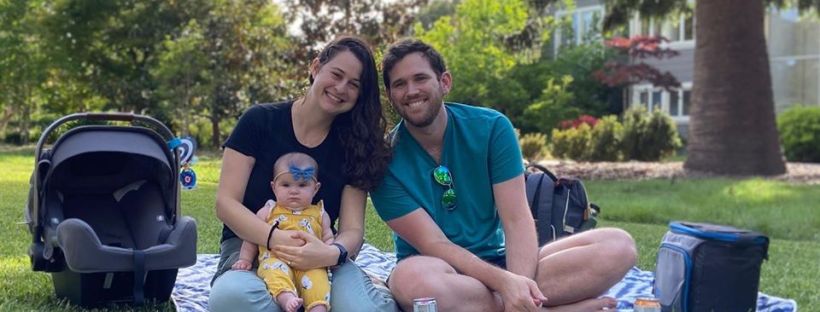
When I asked 34-year-old Amanda Osowski how she’s juggling Crohn’s disease, motherhood, and IVF during the pandemic, she said “with caution.” And rightfully so! These times are complicated and overwhelming for everyone. Add some chronic illnesses and trying to maintain your health, sanity, and emotions while doing all that and trying to get pregnant with a second child through IVF, and I’m amazed she found the time and energy to write this guest post! I’ll let her take it away.

Here we are, more than 7 months into a global pandemic, still wondering if and when life may “resume as normal”. To be honest, in my house, life has in some ways paused and in other ways accelerated since the March quarantines began. As an IBD patient on Remicade (an immunosuppressant medication to manage my Crohn’s disease), I have chosen from the beginning to adhere strictly to social distancing, mask wearing, unnecessary exposure and other risk reducing options. 

This also meant that my job, my income, and my ability to support others has transitioned from mainly in-person to entirely virtual. The silver lining of this is that I’m able to work with clients all over the world. Balancing that alongside parenthood, and IBD during a pandemic requires a good bit of patience, strategic thinking, and deliberate planning.  

Gearing up for Baby #2 Through IVF 

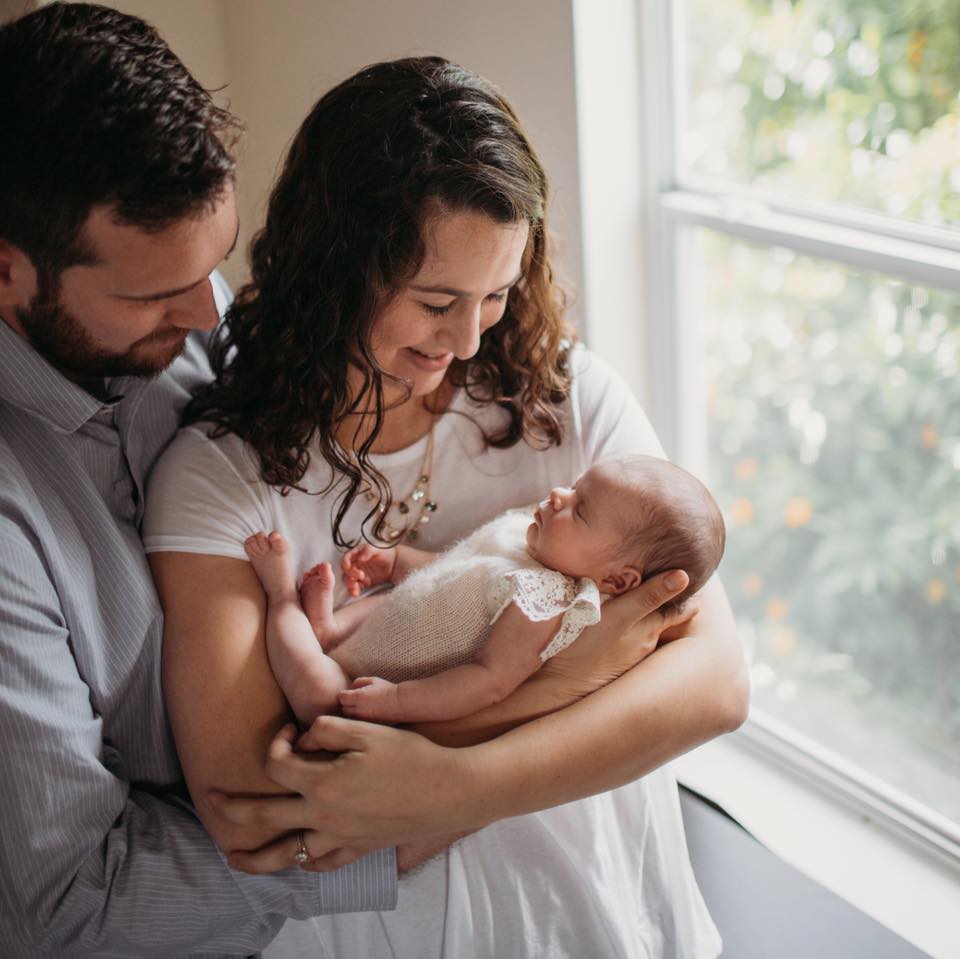
My husband and I were diagnosed with Unexplained Infertility in 2017 while trying to conceive our first child. After several failed treatments, we had one successful round of IVF in which I became pregnant with our daughter in the fall of 2018. As soon as she was born, we knew we wanted to have another baby close in age – both for our family planning goals and in hopes that I would be able to maintain my Crohn’s remission status long enough to complete another pregnancy. 
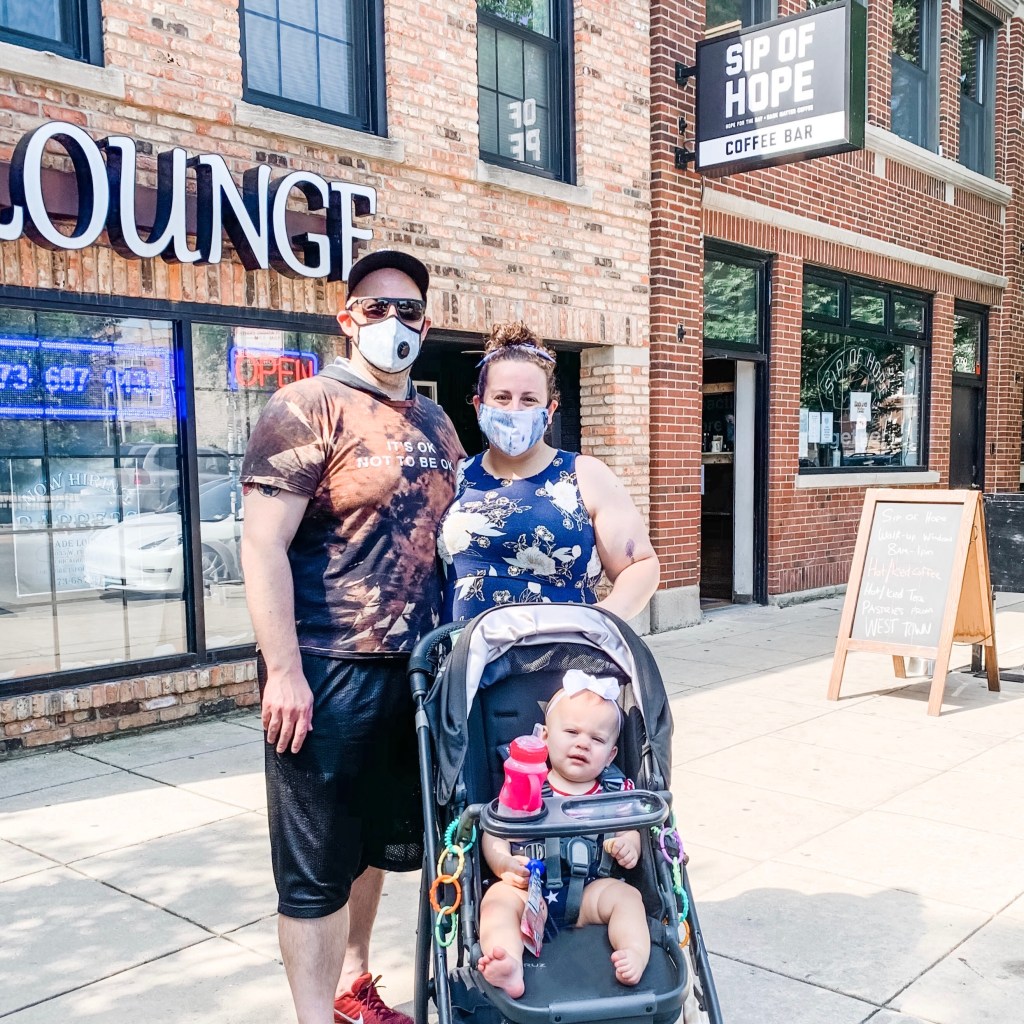
While we began trying naturally as soon as we were ready, we knew that the recommendation for fertility treatment was to wait until 12 months passed after delivering our daughter. I desperately hoped that we’d get lucky before then, and that we’d end up with natural conception, rather than going through the physical, emotional, and financial journey of another cycle of IVF. I also knew that I wanted another baby, and that would happen however it was meant to. 

How the pandemic has impacted fertility treatments

We were scheduled to begin fertility testing in March 2020, with treatment starting in April. As I’m sure you guessed, that was immediately halted with the closing of most fertility offices and the pausing of all new treatment cycles with the influx of COVID-19 cases and concerns. Having my treatment (and my timeline) be paused indefinitely with the continuing anxiety and stress of the pandemic caused my IBD symptoms to increase – something that then caused me more anxiety and stress about its impact on my IVF plan if and when I was able to reschedule treatment. 

After an exceptionally long few months, my doctor’s office re-connected with me about getting my appointments scheduled. My IBD while not flaring, was not perfectly calm either, and that’s such an important part to me about preparing for pregnancy, so we gave it a little more time. FINALLY, this month (September), I began the treatment protocol I should’ve started five months earlier. Our daughter Brooklyn just turned 16 months old.

Today you’ll find me managing IVF medication injections around business calls, my Remicade infusion schedule, chasing a toddler and being stuck inside my home around the clock. It’s HARD, and exhausting, but it’s the only way I know how to make my hopes come true. 

Tips for handling IBD + IVF

  1. Communication with your partner is critical. From parenting responsibilities to COVID-19 precautions to childcare to work stressors to fertility treatment planning and execution – there is an entire machine full of decisions and emotions that are part of every single day, and not being on the same page as your partner can have devastating effects. My recommendation: schedule time once a week on your calendar after bedtime to talk. Keep a list running during the week of things to add to the conversation. Ask all your questions to each other then, when you can focus and talk and connect. You’re a team, and it’s important in this season to work together. 
  1. Mental health is just as important as physical health. When managing IBD + ANYTHING, let alone motherhood, and a pandemic, and fertility treatment, taking time to check in with your mental health and care for yourself is imperative. Each of these things come with so many feelings, and burying them all will only make it harder to deal (& keep your IBD in check!) I personally recommend working with a counselor, taking time to journal or meditate or center yourself, and ensure you’re checking in with your own needs regularly. 
  1. Social Media Strategy – During the pandemic, I think we’ve all admitted to more screen time than usual. I know firsthand that the amount of pregnancy announcements, gender reveals, new baby births & seeing families with multiple kiddos can cause feelings of guilt, frustration, jealousy, anger, etc. Social media can make things feel extra difficult for those struggling to get pregnant, undergoing fertility treatments AND managing something like IBD. Here’s what I recommend. The beauty of social media is that we can choose what we do and don’t see while we scroll. This is a perfect time to click “hide” or “unfollow” on any hashtags or accounts that make you feel sad or icky. That’s not to say you don’t love your neighbor/friend/co-worker, but in my opinion you also don’t have to constantly watch their highlight reel. On the flipside, utilize social media to connect with your TRIBE. Whether that’s other IBD and IVF warriors, others struggling with infertility, etc – there’s so much more space for online communities now than there ever has been before. If you’re having difficulty finding and connecting with others, please DM me and I’m happy to make some suggestions! Also, please know that whatever you’re feeling during this experience and this season is so valid, and you’re not alone!  
  1. Give yourself grace. There will be days when you feel inadequate – as a parent, as a spouse, as a patient – these moments don’t define you. You’re juggling so much, it’s so important to know that you’re doing the best you can, even if that looks different than it used to or different than you’d like it to. 
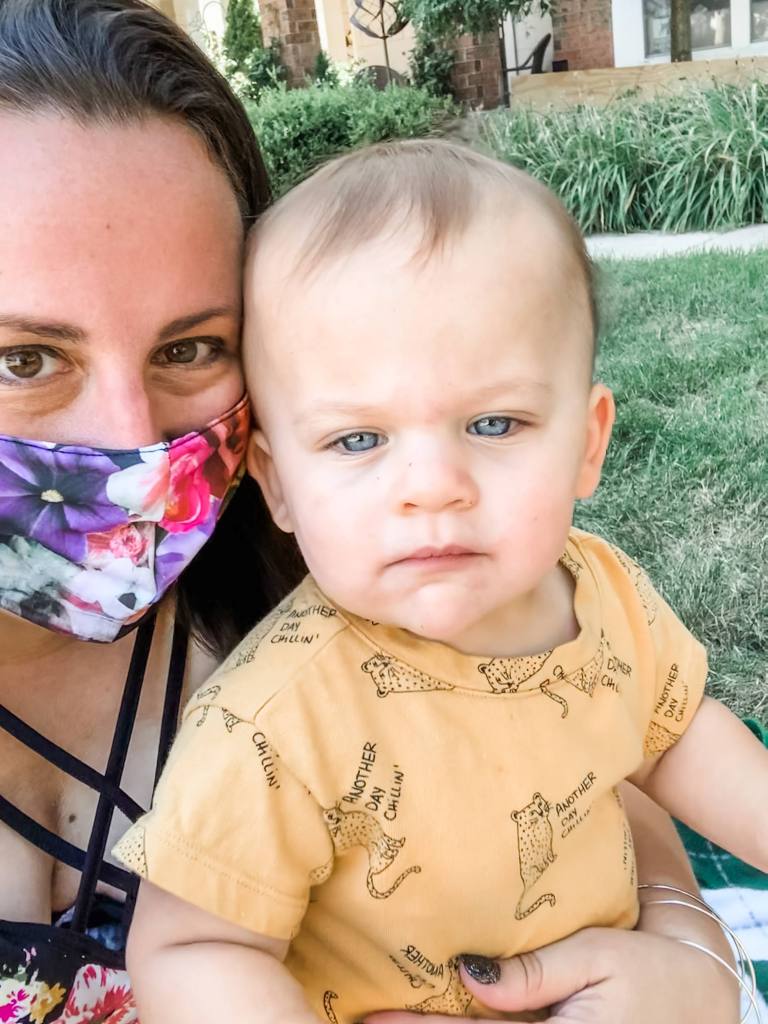
If my story resonated with you, or you’d like to connect, please reach out! You can find me on Instagram personally as @amanda.osowski and professionally as @heartfeltbeginnings.  
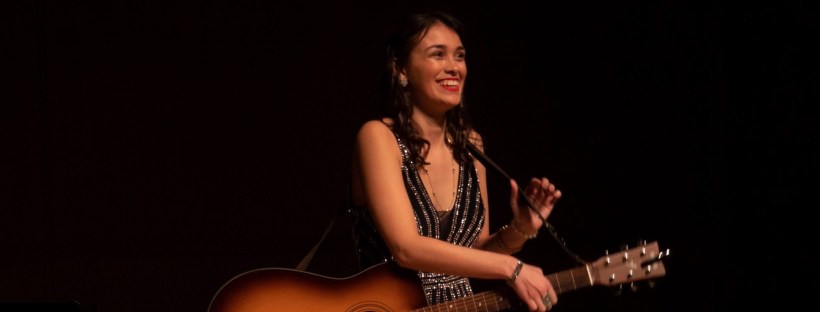
Finding your voice with Crohn’s: How music helps Anna Tope cope

Songwriting has been a coping outlet for 22-year-old Anna Tope, for as long as she can remember. When she was diagnosed with Crohn’s disease in June 2019, she worried if her aspirations of sharing music with the world would be silenced. COVID-19 hit during her final semester at York College of Pennsylvania. She looked forward to and worked hard for her senior recital all four years. The event was scheduled for March 13th, right when the world started to shut down. IMG_6972

Luckily, the music faculty were able to work things out and held the recital before campus had to be cleared out. Anna gave the best performance she ever had. The whole audience was on their feet, followed by a huge line of people waiting to greet her afterwards. The moment was a dream come true. Check out her recital performance here.

The song inspired by Crohn’s

“My favorite part was being able to end my recital with a song that I wrote about my Crohn’s Disease journey called “Renewed.” This is a song that has moved people to tears, and people have told me how much the song has impacted them, especially during the pandemic,” said Anna.

Anna wrote “Renewed” in January 2020, while sitting at a Barnes & Noble. Click here to listen to the song.

She says quarantine has enabled her to focus more on creating music and writing.

“My songwriting is essentially reflecting through some of the hardest times of my life, such as my illness/diagnosis, but also showing how my hardships have been so eye opening and influential,” says Anna.

Finding joy through the suffering

Anna’s main goal with her music is to bring joy and hope to those suffering from chronic illness. The unpredictability of Crohn’s often leaves Anna feeling worried about whether IBD is going to rob her of her musical dreams, but not only that—like many of us, she worries about her future. Two of her biggest fears are finding love and being able to have kids one day. Ann is incredibly grateful for her amazing support system and how her friends and family have rallied around her since diagnosis.image0 (1)

She wants to use her voice, energy, and the broken parts of her experience to bring comfort to those who feel alone.

“IBD has impacted me in so many ways. It’s turned my life upside down, but at the same time it’s given me even more of a passion to sing and to help others.”

Use quarantine to your advantage

Living with a chronic illness in the middle of the pandemic is complicated and challenging, but Anna hopes others use this time to explore their talents and see beyond their IBD. IMG_6121

“Go write some songs or poetry. If you want to learn an instrument, now is the time! Go write that book you’ve been wanting to start. Do whatever brings you a feeling of accomplishment, joy, and comfort.”

The success of Anna’s senior recital pushed her to continue writing. At a time when many of us feel tapped energy wise—mentally, physically, and emotionally, try and find what motivates you outside of your illness. And like Anna, you’ll see, while IBD may change the course of the path you’re on and re-direct you for a bit, just because you have Crohn’s, doesn’t mean you can’t follow your dreams.

Connect with Anna

Instagram: @myvoice.myjourney

Facebook: Anna Tope Music

Twitter: @annatope_

YouTube: Music and Covers


Living life unapologetically as a Black woman with Crohn’s disease

When Melodie Blackwell was initially diagnosed with Crohn’s disease in October 2018, she felt alone. Not because of how isolating IBD can be, but because she couldn’t find many people who were speaking about their journey from the perspective of what it’s like to be a Black or Brown woman in the IBD community. JPixStudio-8924 copy

When I looked for information from the IBD organizations, I felt like there was little to no one who looked like me. Sometimes, and history shows this, we can’t be unapologetic about being a person of color. We must tell our stories in a way that seems more digestible to White America. When I started sharing my journey, I wanted to reach those in the minority community from various walks of life who felt isolated or alone, to let them know they weren’t by themselves and there is a space where they belong. With my non-profit Color of Crohn’s and Chronic Illness (COCCI), I believe that’s what I have been able to do,” says Melodie. 

Dealing with feeling “uninvited”

As a wife, mom, entrepreneur, Black woman, and Crohn’s warrior; Melodie’s view of the IBD community has multiple perspectives. At this time, inclusion and diversity isn’t one that’s at the top of the list. “In order for any organization to be inclusive, they have to have to have a deeper understanding of a community. And when it comes to those who are in the Black community, most people don’t go where they don’t feel invited. Where does that thought process come from? Let’s talk about history and “whites only” venues, seating on the back of the bus, segregation ending less than 100 years ago, and the Tuskegee Experiment to name a few things. Many of us still have family members who can discuss all of the aforementioned like it happened yesterday.” IMG_4657

When it comes to Melodie’s thoughts on not feeling invited, “I am fine with that, because personally, I go where I am not invited. Not having an invitation doesn’t mean that I don’t belong. But as a culture, that’s not a resounding thought process. I know that that can seem odd, it’s a systemic issue. If you don’t know the culture, cultural differences, and historical oppression, you won’t understand that. There are some deeply rooted healthcare adversities – they live on today.”

Leading up to her diagnosis and even today, Melodie has dealt with ignorant physicians along the way. Her Crohn’s presented differently than most. It started with random body parts swelling. She had a doctor tell her she just needed to “squeeze those parts to help the blood flow”. She’s had doctors display their implicit bias and not listen…which resulted in abscesses bursting in her colon and emergency surgery.

Health equity isn’t given, it’s fought for

It’s the inequity that has inspired Melodie to go above and beyond and amplify her voice to show others they can do the same. She launched Color of Crohn’s and Chronic Illness (COCCI) to help lift people up and let them know they aren’t alone and they didn’t choose the challenges before them. She’s received countless messages from people embarrassed about their symptoms. Melodie is driven to show there’s no reason to feel ashamed about your IBD and she’s focused on creating a space that feels safe to get answers and receive help physically and mentally. IMG_1783

I want to empower people of color and beyond, to take control of their healthcare and not feel like they are a victim. I want them to have the resources that they need. I want COCCI to be readily available to help them find doctors, learn more about healthcare, provide a safe space to express their thoughts, help them advocate/lobby for their needs – I want health equity and to decrease the undeniable disparities in this community.”

Don’t be afraid to live

As an IBD mom and patient advocate, Melodie’s main advice is to live. IBD and chronic illness causes all of us to make changes and adjustments throughout the process, but we are still here, and we still can have full lives.

Some days will be tougher than others, but a mindset that says, “I choose Life” every single day, will change your life in the absolute best way,” says Melodie. “You set your limitations, and you determine your victories; don’t let IBD take that away from you.”

You can follow Melodie and COCCI on Instagram:

@melodienblackwell

@colorofcci

Check out her website


The Chronically Honest: The Inspiration Behind the Illustrations

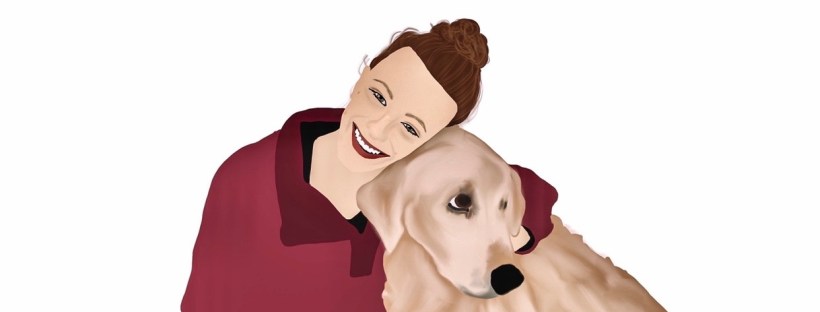
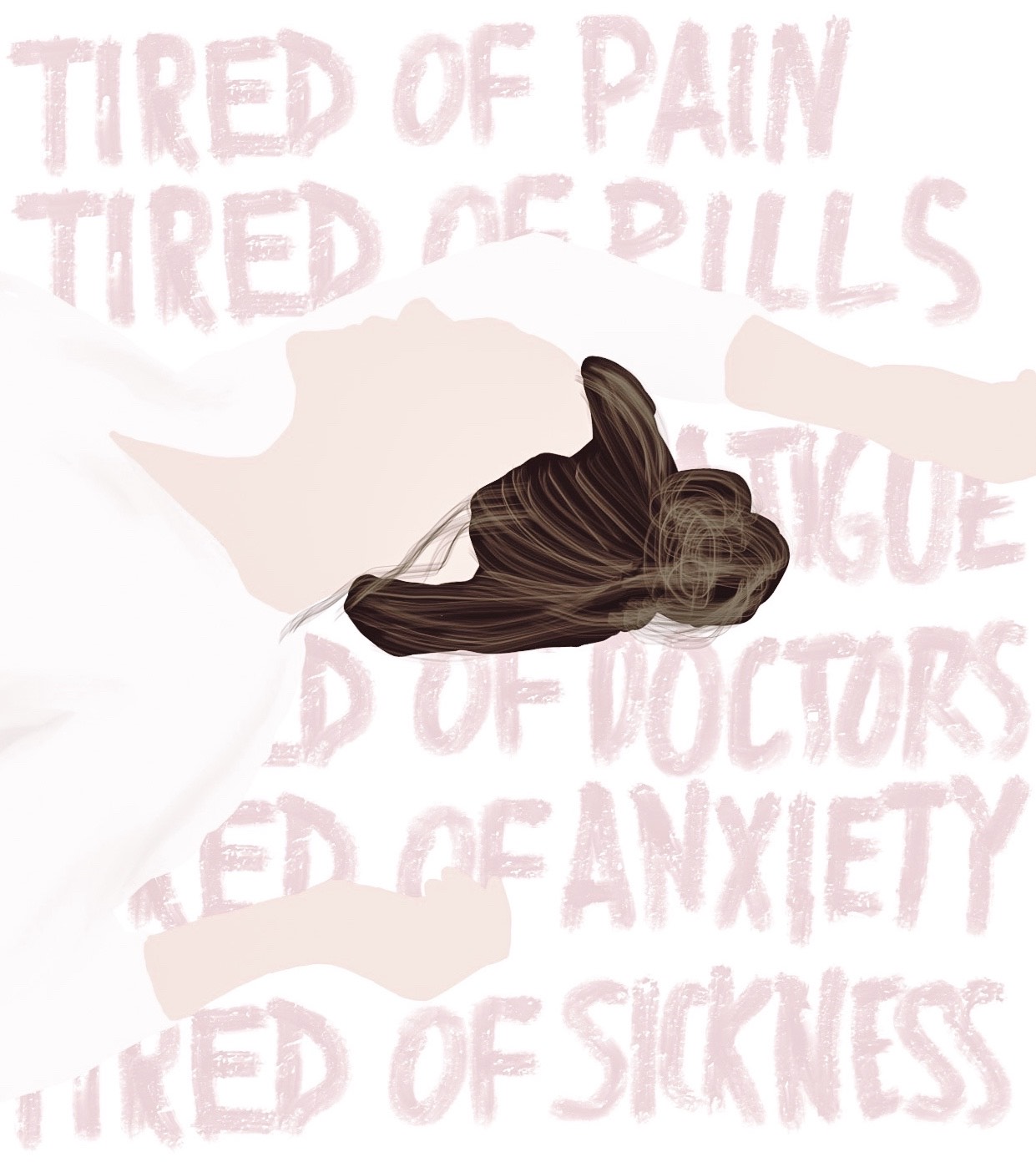
She’s the person behind the artwork that has helped connect thousands of chronic illness patients on Instagram. I’m talking about a 20-year-old woman named Julia who created “The Chronically Honest” in hopes of making others feel less alone. Diagnosed in November 2019 after struggling with symptoms for three years, Julia is coming to grips with her battle against IBD in the middle of a global pandemic.

The first in her family to take this disease on, her experiences thus far have felt a bit isolating. As a college student, she often feels out of place amongst her peers.

Image (2)

“When I was first diagnosed I really searched for something, whether it be art, or blogs that portrayed all the feelings I was experiencing and let me know that it was okay to feel them,” says Julia. “I was met with countless stories of positivity and turning a bad situation into a good new perspective on life. While I definitely appreciate that and know positivity is vital when dealing with IBD I was searching for something that showed struggle and depicted the crappy side of living with this disease (pun intended)!”

Striving to dig beneath the surface

With The Chronically Honest, Julia strives to show both the ups and the down of living with IBD. She hopes that by showing the struggles, she can make fellow patients feel better understood. Image

“My inspiration to create my illustrations often comes from struggles or triumphs I’m experiencing in the moment. If I am not doing well and have had a bad day, I will create an illustration that reflects that, and vice versa. However, I also get inspiration from others. If I am scrolling through my Instagram feed and see a quote that really resonates with me and my experience and I think it could help others, I will make an illustration based off that.”

Creating art to cope

“My art honestly helps me cope with my IBD more than I could ever imagine. It’s the best distraction and it’s a wonderful outlet for exploring and sharing my feelings. Often when I’m super sick or have to stay home because I’m symptomatic, I will channel my frustration and sadness into making art.”

Julia’s artwork can take her anywhere from five minutes to multiple hours. Some of her biggest fears lie in finding love, becoming a mom one day, and ultimately needing surgery. All aspects of living with IBD that many of us can relate to. Image (1)

The Chronically Honest is as beneficial to Julia as it is the rest of us. Her artwork exemplifies what so many of us feel throughout the rollercoaster ride that is life with IBD. As a 36-year-old, who has lived with Crohn’s for 15 years, I’m constantly amazed and inspired by the work Julia is doing to not only help herself, but others. Her art is raw and genuine—it will speak to you. You will feel seen. You will feel heard. If you don’t already, be sure to give The Chronically Honest a “follow” on Instagram.  She says if you want a custom illustration, you can send her a direct message!


Serving as the Glue to Keep My Care Together: Advice from an IBD mom

For as long as Danielle Fries can remember, Crohn’s disease has been part of her story. Even though she was officially diagnosed with IBD at age 13, she had stomach issues since infancy. Over the last 16 years, she has tried medications, diet adjustments, holistic treatment options, and therapy to reach a happy balance and remission. This week she shares her experience of flaring during pregnancy and how she managed to bring her baby girl into this world and take care of herself at the same time.

When I found out I was expecting, my GI health was stable. I was only taking Lialda and my most recent colonoscopy showed minimal signs of disease, which left me feeling confident. After my first OB appointment, I was referred to MFM (maternal and fetal medicine) for a consult solely because I had Crohn’s and the pregnancy is considered high risk when you have IBD. The MFM specialist took my history, let me ask more than enough questions, and ultimately decided I was on track for a healthy pregnancy. We parted ways feeling confident that my disease was under control and I should return in the third trimester for one more consult to confirm all was well.

My Crohn’s disease had different plans

I struggled early on with morning sickness but something about those stomach pains felt different. As a Crohn’s patient for more than a decade, it can be easy to tell when something is off. By 12 weeks, it was very evident that these symptoms – cramping, nausea, burning, bleeding, the works – were more than just morning sickness. I was on my way to a full-blown flare and my little one growing inside me was stuck for the ride.

My first feeling was fear. I was terrified enough about becoming a mom, but now that my Crohn’s complicated the pregnancy, my mind started racing. Would the baby be able to grow properly? Would the baby end up with complications? Would I make my baby sick? Will my baby end up with Crohn’s like me? The anxiety and unknown of the situation felt beyond overwhelming and I knew I needed to find the right support system to make me feel somewhat in control of all the chaos.

IMG-3947

29 weeks pregnant with baby Nora

Turning to my most trusted fellow IBD warrior, my mom

My mom was my first source of reason. She could understand and relate to what I was going through more than anyone since she too has Crohn’s. She got diagnosed while pregnant and flaring with me! While her Crohn’s has never been as severe as mine, it really helped to find someone who related to the fears and uncertainty I was experiencing and made it through with a positive outcome.

I was extremely fortunate to find a group of specialists to help bring some answers and clarity to my journey. The entire pregnancy I was in close contact with both my OB and the MFM. The MFM was honest in her lack of understanding of how Crohn’s disease can fully affect the pregnancy and referred me to a GI she trusted. My new GI doctor became my confidant, my champion, my source of calm in the pregnancy. She specialized in the intersection of women’s health and Crohn’s disease, with a specific interest in pregnant women. Finding a GI doctor who I trusted to lead me with a care plan for both my Crohn’s and my baby’s development was the greatest sense of relief I felt since the day I found out I was expecting.

Struggles in the Second Trimester

As I entered the second trimester, I struggled to gain weight and it became apparent that my baby was suffering from intrauterine growth restriction (IUGR). My doctor’s visits became more frequent, the tests (non-stress tests, growth ultrasounds, blood flow ultrasounds) increased and I found myself at the doctor 3-5 times a week. As the visits and tests increase, so did my constant questions, fears, and uncertainties. Never ever be afraid to ask questions – you are the one on the journey and deserve to understand what is going on!

IMG-3948

Final date night at 37.5 weeks

I quickly learned that while I was lucky enough to have three doctors in my court supporting myself and my baby, I still had to be my own advocate. Each doctor had their own niche of where they could help, and I had to serve as the glue to keep my care as one seamless plan. I trusted all the doctors, but wish they could have just had a conference call titled “What the heck to do with Danielle Fries and baby?” rather than leave me playing telephone in the middle. But I learned to be the squeaky wheel to advocate for my health and my baby’s health and not fall through the cracks.

An early induction

After many weeks of testing, deliberation, questions, and my baby’s decreasing growth, my doctors and I decided as a team that an early induction was the best course of action. The OB and MFM felt confident that my baby would grow better on the outside than on the inside and the GI doctor wanted to be able to get my health back in control. I trusted my doctors and asked way too many questions, but felt more confident with a plan of action.

My trust in my care team paid off. Baby Nora was born teeny at 38 weeks and measured in at the 3rd percentile. She spent a few days in the NICU while she gained her strength and learned to breathe on her own. Now that teeny nugget is 6 months old and weighing in at the 90th percentile! I complain daily about how heavy she has gotten and that carrying my baby is more work than going to the gym, but I feel so fortunate. Every single roll (and trust me, they are endless) is a reminder that this girl and I were cared for by the best team of doctors who were by our side every step of the way and gave us both our health. Just after giving birth, I started a new treatment regimen of Stelara shots every 4 weeks and I finally feel like I have my Crohn’s disease back under control.

image2

Three lessons from one IBD mom to another

  1. Find doctors/care team you trust. You will be talking to them a lot and you need to feel comfortable asking anything.
  2. It is okay to be scared. The unknown is scary and add in the hormones, and it’s a recipe for more! But as much as you may be afraid, you can and will do it and your baby will be okay too!
  3. Be willing to adapt. Whether it’s your timeline for getting pregnant, your birth plan, your own treatment regimen, testing, doctors visit frequency, something is bound to change. I really did not want to be induced (I had heard horror stories of 4 days in labor), but ultimately all my doctors agreed that was the best option for me the baby. And things worked out fine (better than I ever expected!) DANIELLE