IBD Motherhood Unplugged: My Personal PIANO Study Results

As an IBD mom of three who stayed on my Humira (adalimumab) injections until late into my third trimester with all my pregnancies, I recognized the importance of contributing to ongoing research about the safety and efficacy of biologics. When I was approached to participate in the PIANO (Pregnancy Inflammatory bowel disease And Neonatal Outcomes) study for my pregnancy this past year I jumped at the opportunity. While I knew staying on my medication until 37 weeks pregnant would pass Humira through to my baby and that it is considered to be safe, I didn’t know much beyond that.

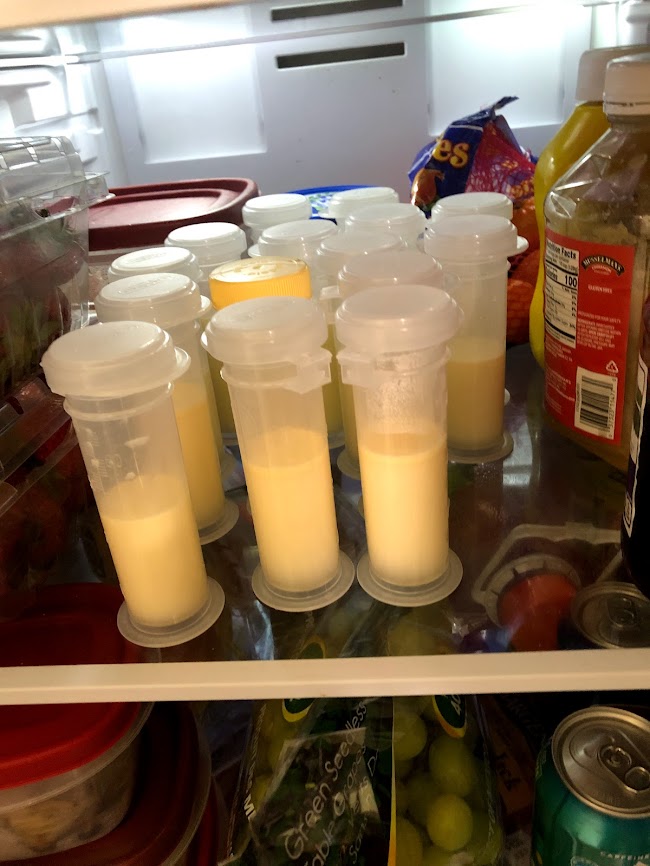
My son Connor is 8 weeks today. The day of my C-section blood samples were taken from him, me, and my umbilical cord. The purpose of the samples was to measure the concentration of the Humira at the time of delivery. The process in the hospital was simple. Detailed instructions were mailed to me at home ahead of time. When I walked into the hospital for my scheduled C-section my husband and I handed over a small box that included three vials, an ice pack, and proper packaging for the transfer from St. Louis to California to the nurse who was prepping me for surgery. Once all the samples were ready to go my husband made a quick stop at FedEx to hand over the package and voila the science of it all was on its way.

The Results

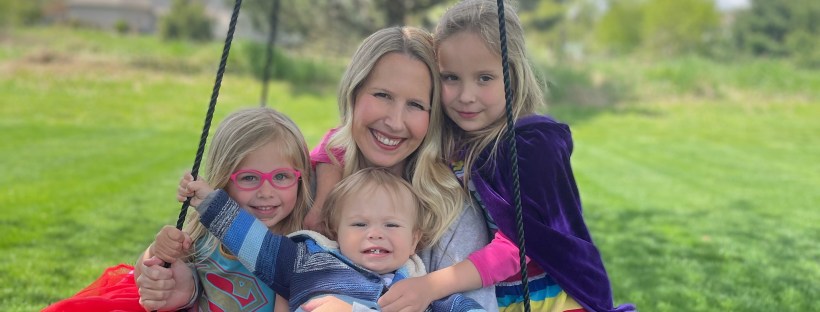
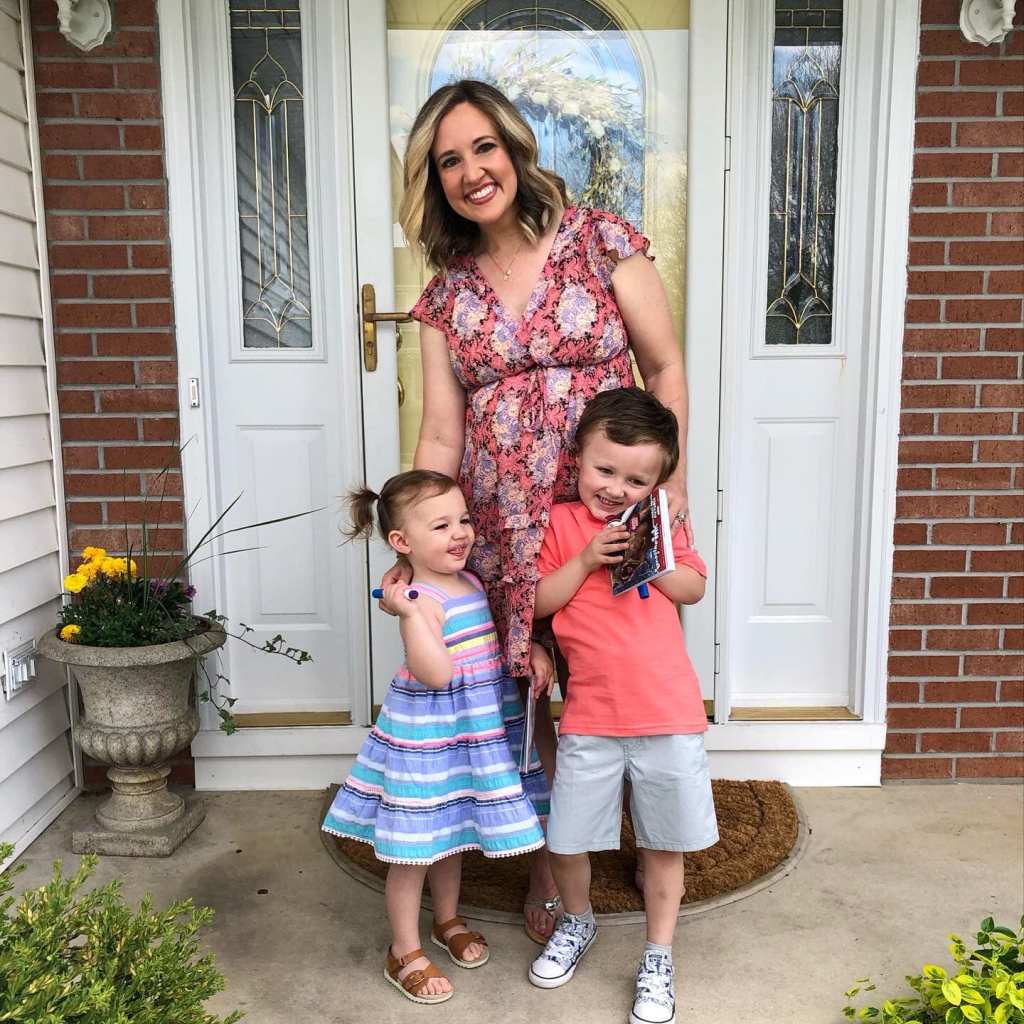
The past few weeks we’ve anxiously awaited the results. This week, we received them. I have an almost 4.5-year-old son, a 2.5-year-old daughter, and a newborn. With each pregnancy—Crohn’s-wise, the experience was flawless. I felt like a “normal” person. Foods that typically trigger me, didn’t cause any issues. If I wanted a cup of coffee, I didn’t pay the price. It felt glorious to have zero abdominal pain for all those months and know that my babies were thriving in utero. I credit my own health and deep remission and my children’s health to the fact that I chose to follow my care team’s recommendations and stay on Humira until the final weeks of my pregnancies.

When the results popped up in my email inbox, I was nursing Connor. I felt a few emotions, more than I had anticipated. I hesitated to open it. Even though I could see Reid and Sophia watching TV and know how healthy they are, it still made me feel a rush of mom guilt to know that I needed a heavy-duty medication to bring all three of my children into this world and that even though studies like PIANO have shown the safety profile, that as IBD moms we still worry and wish we didn’t need to do injections or get infusions while a life is growing inside of us.

I texted my husband Bobby while he was at work and expressed how I was feeling. His response, “It’s all good babe, I’m sure it’s emotional but kids are all healthy and in good shape so just thankful for that. You did good.” Having a supportive partner through your patient journey and especially through parenthood makes all the difference.

Here are my PIANO study findings. I stopped medication at 37 weeks, and my last injection was 16 days prior to C-Section and this blood test.

My blood—7.3 mcg/mL

Connor’s blood—6.8 mcg/mL

Cord blood—5.9 mcg/mL

When I saw the numbers, my eyes filled with tears. Even though just looking at the numbers didn’t mean a whole lot, it just showed me that my baby had medication in his system, and it made me feel sad. I knew this would be the case—but I want to be transparent that it did upset me, even though I know it was for the best and have seen how my other children have thrived despite their exposure.

I waited to share this so the PIANO study’s lead organizer, Dr. Uma Mahadevan could weigh in and provide further explanation for not only myself, but for our community. She told me that in the PIANO study,  the concentration of Humira for baby on average is 9.4 mcg/ml (range 2.5-26) and for moms 25 mcg/ml (range 0-56.4). As stated above, I was at 7.3 mcg/ml and Connor was 6.8 mcg/ml.

“Cord blood is the blood from the baby that is left in the umbilical cord and placenta after birth. It comes from the baby, so those concentrations are similar. Beginning around week 14 of pregnancy the placenta has a receptor called FcRn. This grabs antibody by the “Fc” portion and pulls it actively from mom to baby. This is most efficient in the third trimester when 80% of antibody transfer occurs. Since Humira is an antibody, it gets pulled across the placenta as well.”

Dr. Mahadevan went on to say that baby often has more drug at birth than the mom, but that was not the case for me. The PIANO study has shown several positive outcomes for IBD moms:

  • There is not an association between the amount of drug present in a baby at birth with infections.
  • Even though there was no increased risk of infection seen based on exposure to anti-TNF or on drug level at birth, in theory these babies (like Connor) are considered immunocompromised until no drug is present. For Humira that’s about 3 months, for Remicade (infliximab) that’s about six months.

“My advice to moms is that all the risks to the baby seem to come from disease flare rather than from medication. In a large French study, the risk of infection in baby was in moms who flared in the third trimester, not based on anti-TNF exposure. Risk of pre-term birth is increased with disease activity, not with anti-TNF medication. Risk of miscarriage comes with disease activity, not anti-TNF use. There is a clear and significant risk from having a flare during pregnancy. Compared to babies of IBD moms not exposed to medications, there is no evidence of increased harm to the baby (at least out to 4 years of age) from TNF exposure,” explained Dr. Mahadevan.

Hearing this was music to my ears and was extremely comforting. Point being—there’s a much greater likelihood of pregnancy complications if your IBD is not managed and if you flare than if you stay on your medication and keep your IBD controlled.

“We have completed our breastfeeding study which showed very minimal transfer (a fraction of what transfers by placental blood) and no evidence of harm to baby for breastfeeding when a mother is on anti-TNF.”

Knowing this about breastfeeding gives me great peace of mind as I continue the journey with my son, while still managing my Crohn’s by taking my Humira.

I also want to add that Dr. Mahadevan and her research team have been a huge support to me throughout the entire study. When she read a draft of this article and saw how I felt when I received the email with the blood results, she asked for recommendations about how to better deliver the findings to women. This meant a lot—I suggested sharing the range in blood concentration similar to how lab results are delivered on a patient portal and following up with an email or phone call to explain what the numbers mean further. Those touchpoints of support can make a big difference. I also shared my results over the patient portal with my GI and she called me to discuss them as well, which was helpful.

Interested in participating in the PIANO study? There’s always a need for more women to enroll! So far, 1,700 women have done so. There’s especially a need for women on newer drugs like Stelara, Entyvio, and Xeljanz. Click here to get involved.

The IBD Parenthood Project: The Love-Hate Relationship of Breastfeeding

This post is sponsored by the American Gastroenterological Association (AGA). I am a paid program Brand Influencer; this post is sponsored and includes my own personal experiences.

Breastfeeding is a labor of love. Like many women, it doesn’t come easy for me. As an IBD mom who already fears passing my disease down to my kids, there’s added pressure and stress. In the United States, an estimated 1.6 million people have Crohn’s disease or ulcerative colitis. Of those, roughly half are women, and most will carry the diagnosis during childbearing years, throughout all phases of family planning: trying to conceive, pregnancy and postpartum. As an IBD mom of three going through postpartum right now, one of my biggest stresses and focuses revolves around breastfeeding.

-What if I take this pain medicine for my Crohn’s? Will I need to supplement? 

-What if I have a postpartum flare, will my milk supply go away?

-What will happen if I’m hospitalized?

-Will I flare once I stop breastfeeding and my hormones regulate?

-If I stop too soon, will my child end up having an increased risk of IBD?

…the list goes on…

The journey to motherhood for women with IBD requires several complex decisions and coordination among specialty care teams from the stage of family planning until postpartum and beyond. The IBD Parenthood Project aims to address common misperceptions and fears women with IBD and their providers experience throughout all phases of family planning (conception, pregnancy and after delivery). By eliminating the gray area and serving as the gold-standard for navigating pregnancy and motherhood with IBD, our patient community can rely on this support that helps uncomplicate the journey.

This beneficial and much-needed initiative was created by gastroenterologists (GIs), maternal-fetal medicine (MFM) subspecialists, and patients and is led by the American Gastroenterological Association (AGA) with support from the Society for Maternal-Fetal Medicine, the Crohn’s & Colitis Foundation, and patient support network, Girls With Guts. The IBD Parenthood Project launched in January 2019, just as I delivered my second child. To this day, I feel so grateful to have this information and confidence in my choice to become a mom even though I’ve lived with Crohn’s disease for more than 16 years. It’s empowering to know despite the unpredictability of IBD, this initiative allowed me to feel like I’m in the driver’s seat when it came to creating my family and knowing the choices I’ve made were and are supported by science and medical facts.

To the random lady in the church elevator who asked me if I was breastfeeding my son Reid when he was a month old, and I was a first-time mom.

To the lactation consultant after I delivered my daughter Sophia, who told me since I have Crohn’s, it’s imperative her gut only be lined with breastmilk.

To the nurse coaching me nonchalantly about breastfeeding my son Connor and underestimating the challenges it can present…who I later found out “only” breastfed one of her children for 2 weeks…

To anyone who is struggling with the physical, emotional, and mental stress of something that sounds “easy” and “natural” — simply feeding your baby — I get how complex and taxing it is. I’m in the thick of it now with my son who was born July 14. So far, he’s only had breastmilk…both from nursing and by a bottle. But it’s not pretty for me. The engorgement, the round the clock pumping, the soaked t-shirts, the night sweats, the discomfort to even wear a bra or sleep on my side. It weighs on me. There’s the outside pressure and the pressure I put on myself to keep going, even though I don’t enjoy it. It’s super rewarding to see Connor thriving and making gains all because of me. But there’s also a lot of stress to be a child’s only source of food, especially as an IBD mom.

Different feeding approaches with all my babies

With my firstborn in 2017, I wasn’t well-versed on the benefits of breastfeeding and feared not only further exposure to my biologic, but also flaring, so I only breastfed my son for 3 days in the hospital so he could get colostrum. By 2019, I was well-versed on the positive impact and the safety profile associated with breastfeeding while on a biologic, so I breastfed my daughter until she was 6 months old. I had hopes of making it a full year, but unfortunately my milk supply disappeared once my menstrual cycle started back up. This time around, I felt the anxiety about having to breastfeed creep up when I was only a few months pregnant. Between research showing that breastfed babies have a lower risk of IBD, coupled with antibodies from the COVID-19 vaccine, I feel the need to do all I can to protect my son from the what if, even if it feels mentally, physically, and emotionally taxing each day.

The Fourth Trimester has several challenges for women that often go undiscussed. However you choose to feed your child is your business and should be based on what is best for you and your family. This is a judgement free zone. I’ve fed my three babies differently. But the pressure mounts when you yourself have an illness with no cure and feel as though breastfeeding can help improve your odds of not passing it on to your offspring. In my mind, down the road, I don’t want to ever think I coulda, shoulda, woulda done anything differently when it comes to protecting my offspring from IBD.

The IBD Parenthood Project tackles some of the common questions related to breastfeeding as an IBD mom. There’s a downloadable toolkit that features patient-friendly information and easy-to-digest lists of key questions to ask your doctor as you’re thinking of becoming pregnant and beyond.

What I Want Fellow IBD Moms to Know

Navigating motherhood while taking on IBD is overwhelming. With proper planning, care and coordination among treating healthcare providers, women with IBD can have healthy pregnancies and healthy babies—and breastfeed if they choose to do so. For me, breastfeeding provides a sense of normalcy and gives me a renewed sense of love for what my body is capable of, despite having Crohn’s disease. Give yourself credit for going through pregnancy with IBD, delivering a baby, and continuing to nourish your little one with your body when they are in the real world. The blood, sweat, and tears are inevitable.

Just this week I experienced awful abdominal pain. The kind of pain where you can barely breathe, your hands start to tingle, and you go back and forth about whether a trip to the emergency room is imminent. As I rocked myself on the toilet and heard my newborn crying in the bassinet my mind raced. My 4-year-old stood before me. I could see the fear in his eyes. My immediate thought was—what can I take to get this pain under control—will it affect my ability to breastfeed? In that moment, the pressure to think outside of myself and manage my disease felt suffocating.

There comes a point when the mental health and wellbeing of the mother must come first so she is able to be the best version of herself for her kids. If breastfeeding is taking away from the joy you could be experiencing or the connection you are longing for with your child, don’t feel guilty. Whether your child is exclusively breastfed, or formula fed, or receives a little of both, they will thrive. I’m personally all about flexible feeding. A little nursing, some pumping, and some formula has worked best for me. When the time comes, and I need a break or feel too consumed by being the sole provider of nourishment for Connor, I’ll feel confident in supplementing with formula. There’s no shame in my game and there shouldn’t be in yours, either. Take advantage of invaluable resources like the IBD Parenthood Project and be confident in each of your personal health decisions when it comes to whether or not you want a family and how you choose to feed your baby.

IBD Motherhood Unplugged: Completing My Family Through Surrogacy

When IBD mom Jessie Magaro was pregnant with her first child, she knew early on she wouldn’t be able to carry another baby herself. Between the hormones from IVF and her Crohn’s disease raging, there was no way her or her doctors felt comfortable embarking on another pregnancy.

Before she got pregnant, Jessie had been in remission for more than 12 years. With pregnancy and IBD, there’s the ‘rule of thirds.’ One third of women will see their symptoms improve, one third will stay the same, and one third get worse. Unfortunately, Jessie fell into the last category. Since having her daughter, Mary Ligon on New Year’s Eve 2018, Jessie’s gotten an ileostomy and has grappled with her Crohn’s being out of control. When her and her husband started thinking about baby number two, she knew surrogacy was her safest and smartest option.

“My daughter Millie (born in April 2021) needed me more to be there as her momma once she got here than she needed me to carry her. Not only was my baby safer, but I was in a much better position health-wise to care for both my daughters.”

The Surrogacy Process

Surprisingly, the FDA controls surrogacy and has specific requirements for the IVF part of the process. Jessie recommends making sure your fertility clinic is well-versed on how everything goes down. Surrogates and biological parents go through medical testing and psychological evaluations prior to the transfer of the embryo.

“This was probably the hardest part for me mentally and emotionally. I was so frustrated and hurt that I had to pay someone a pretty penny to tell the government that I was mentally ok to have my own baby. It was just pouring salt into an already large and festering wound. Can you imagine having to have a stranger tell you if it was ok or not for you to bring your own child into this world?”

It’s important to note that surrogacy laws vary state to state, but in Georgia (where Jessie lives), you must adopt your baby back from the surrogate, even if the child is 100% genetically yours.

“You hire an attorney (one for yourself and one for your surrogate) and they actually file a lawsuit claiming your parental rights to the unborn baby on your behalf. I had to go before a judge and field questions on why I was pursuing surrogacy and whether or not I felt my husband and I were able to take care of the child once it was born. Again, insult to injury.”

There are several ways to go about surrogacy:

  • You can hire an agency to find you a surrogate and manage the process
  • You can use a friend or family member (they will still have to be medically and psychologically cleared by the clinic)
  • You can try to find one via word of mouth in your community.
  • There are tons of Facebook groups where you can “match” with one (local, regional, national, interest groups i.e., christian, altruistic, low comp, natural minded, etc). 

“Normally, you would be able to attend all OB appointments with your surrogate, but Covid made things a little trickier for us. We were unable to attend the transfer, which was sad, but I was able to go to a fair amount of the appointments. My husband unfortunately wasn’t allowed to attend any. We both were allowed to be in the room for the birth though and that was the most important thing to us.”

The experience of having a surrogate

Jessie says had she not been able to carry her first child that she feels surrogacy would have been harder on her. She feels so fortunate that she was able to experience pregnancy once.

“I had already gotten to a place mentally and emotionally where I knew the only way to get my daughter here safely was by having someone else carry her. I wasn’t ever triggered per se by seeing a pregnant belly because I knew she was safer inside our surrogate. I had so much PTSD and trauma from my first pregnancy as well that looking at another pregnant person never made me think “oh man I wish that was me again” if that makes sense. I did/do still deal with mourning though over how pregnancy played out for me and that I was unable to carry safely again. I also find myself spiraling occasionally thinking about how much it cost us to get our children here versus someone who could just have them themselves naturally. It’s been a massive financial burden/sacrifice for my husband and I (but oh so very worth it).”

The Financial Cost of Surrogacy

When looking into surrogacy, Jessie tells me you can ballpark around everything costing $100,000. There are many factors involved that play into whether that number is more or less depending on if you’ve already gone through IVF and have embryos. Much like IVF, there are some grants available for surrogacy, though much less common.

“The ways to bring the cost down for surrogacy would be to do an “independent journey” like we did where you don’t use an agency. You can also use a surrogate (whether it’s a friend, family member or even a stranger) who does not want to be compensated or wants very little. Medical bills will bring the cost up or down significantly depending on insurance plans and same with your legal fees as those will vary based on the surrogacy laws in your state.”

Defending her Decision

While Jessie says it was empowering to make the decision to utilize a surrogate to do what was best for her health and for her family, it’s been frustrating to constantly feel like she still needs to defend her decision to other people and even some doctors.

Whether it was …

“Aren’t you worried about having another child when you’re so sick?”

“Why don’t you guys just adopt??”

“Aren’t you worried the surrogate will want to keep the baby?”

“Aren’t you worried she won’t know you/you won’t be bonded to her??”

“Just one kid is great you should just be ok with having just the one”

etc …

“I know most of the time these comments don’t come from a place of mal-intent, and I try to use them as an opportunity to educate if it feels productive, but everyone is different what they’re open to accepting in their heart and their mind. In my mind, the girls are going to know the stories of how they came to be eventually, and hopefully they’ll see how wanted and loved they were. How unbelievably hard they were fought for. And how many people played a part in bringing them into this world.”

Managing IBD and Motherhood

Prior to looking into surrogacy, Jessie and her husband had to discuss at length if they would be able to handle a second child with her IBD. They also had to loop in their families knowing they would need their help when they couldn’t manage everything on our own.

“My husband and I say all the time, in all seriousness, that my illness has become a third child in a sense. There’s not a day, hardly an hour, that I don’t have to think about my Crohn’s or manage something with it in some way. It’s a difficult balancing act every day when I wake up trying to prioritize who needs the most at what moment (my kids, myself, or even my husband). I deal with a lot of guilt and grief with that. That I’m not the mom or wife I want to be … that I’m not able to give everyone what they need and deserve.”

Jessie often thinks of the oxygen mask analogy and says as an IBD mom it’s imperative to make sure her proverbial mask is on and secured first before she can help anyone else, which is very hard to do as a mother. 

Meeting Millie the Day She Was Born

It makes Jessie emotional to think about what it was like to walk into the hospital with her husband and know they were about to meet their daughter. They were able to be in the delivery room when Millie came into the world.

“I had an overwhelming sense of gratitude looking at our surrogate knowing what SHE went through and had sacrificed to get her here. All the anxiety I had been suppressing for months and months from having someone else carry her, to giving up all control, to doing it in the middle of the pandemic, to being so scared something would go wrong like it so often had for us in the past. It just all came pouring out of me uncontrollably as she was pushing. The moment she was placed in my arms it just felt like a lightning bolt connecting us. I felt bonded to her instantaneously. She was mine and I was hers and there was nothing on this earth I wouldn’t do to protect her.”

Jessie knew from the start of this journey that her surrogate would be a lifelong friend. Their families grew close through the process, and they live nearby one another. She says she’ll always hold a deep place in her heart for her and is incredibly grateful to be a family of four.

IBD Motherhood Unplugged: Why My Son Will Flip the Script on July

July has been my least favorite month for the last 16 years of my life. It’s the month I was diagnosed with Crohn’s disease. The month I had an abscess the size of a tennis ball in my small intestine. The month I was put on a biologic medication. The month I had a bowel obstruction that led to bowel resection surgery. You get the picture. But now, it’s about to be the month I give birth to my third child. Baby boy is about to flip the script on a month that previously brought dread. Instead, I can focus on celebrating his new life and all his birthdays and milestones for years to come.

Photo credit: Heather Roth Photography

As a woman with IBD, motherhood has continually provided me with reminders of all my body is capable of despite my chronic illness. It’s shown me what once may have seemed unattainable, is possible. Motherhood is a constant reminder that my body hasn’t always been at odds with me. That despite the challenges and the pain all these years, it still afforded me the opportunity to carry healthy babies to term. Rather than feeling like my body is the enemy, motherhood has made me think of my body as my ally. We’ll have our ups and downs forever, but for 27-plus months it’s been a safe haven for my children. I’ve enjoyed flawless pregnancies and deep remission. It’s given me a chance to feel like a “typical healthy” woman, if only for a moment. Pregnancy has felt like a security blanket wrapped around me, and is soon to be no more. With that, comes an immense amount of gratitude, as well as anxiety, as from this point forward it’s just me and my Crohn’s…no buffer.

It feels weird going into this month of July not worrying about what could be, but rather being excited about what’s to come. When I was younger and prior to getting married, I avoided making plans in the month of July—especially life changing ones! My wedding, vacations, etc. were all coordinated around this month because I didn’t trust the way my body could blindside me.

Preparing for the shift in health

While I am ready for my son to be here and over the discomforts of pregnancy, a part of me is sad that I’ll never feel this well again. Within days of delivering Reid and Sophia, the gnawing abdominal pain associated with IBD crept back into my life before I even had a chance to bring my babies home. I expect the same will happen this time. While it was discouraging then and will make me feel the same now, I’m hopeful the shift in hormones won’t throw me into a postpartum flare and that I’ll find comfort in knowing from this point forward, every medication, every procedure, and every hospitalization will be done without a life growing inside of me.

Over these last nine months I’ve enjoyed eating popcorn with my kids for the first time, drinking a cup of coffee without a need to use the bathroom right after, and nearly 40 weeks of baby flutters and kicks instead of pain. It’s been a great run. I hope my experiences through family planning, conception, pregnancy, and motherhood provide you with an understanding that IBD doesn’t mean you can’t have a family. While many sadly struggle with infertility, complications, or not physically being well enough to carry a baby, it’s very possible that you can. Whether it’s stories like mine or the opposite, remember each of our journeys is unique. Don’t base your experience and capabilities on someone else, but when something or someone inspires or empowers you to go after what you dream of, hold on to that.

Baby boy will not only complete our family but serve as a constant reminder of all that is possible. While my Crohn’s has brought a great deal of heartache it’s also allowed me to gain a unique perspective and to never take life’s miracles and triumphs for granted.

IBD Motherhood Unplugged: The peaks and valleys of raising three littles in a pandemic

For IBD mom, Suzy Burnett, reflecting on the past year and half of living through the COVID-19 pandemic causes her to feel flooded with emotions. She knew having three children under the age of five at age 41, while dealing with the ebbs and flows of Crohn’s disease, would be challenging. She delivered her son, Guy, just as COVID cases were starting to soar. Now, she’s able to look back on how her family adapted and thrived, despite the difficult circumstances of living through a global pandemic with a chronic illness. I’ll let her take it away…

Like many families, we’ve worn masks, stayed at home, literally have seen no one except our wonderful neighbors, and made sacrifices to ensure the safety of ourselves and others.  We made the difficult decision not to send our 5-year-old to kindergarten, rather, enroll her in virtual 4k from the confines of our home. Our 3-year-old also didn’t attend preschool a few mornings a week like we had originally planned. We have noticed the lack of socialization has impacted her the most. Our 15-month-old is just now meeting family and friends for the first time.  He takes stranger danger to a whole new level, but we know he’ll warm up in due time. 

My husband, like so many others, started working from home. What was once thought to be a temporary safety precaution, has become a permanent situation. He continues to work in a room without doors while the wee ones race around playing superheroes. Noise canceling headphones have become a lifesaver.  All of us together at home, day after day, month after month. Our bond has grown deeper, and our Burnett Party of 5 has survived. I can honestly say we live fuller, laugh harder, hold each other longer, and love deeper.   

Dealing with the lifting of the mask mandate

Just as we were beginning to get used to our personal version of Groundhog’s Day, the mask mandate was lifted.  This is a huge milestone, but with that brings excitement along with anxiety. My husband and I are both vaccinated, but our 3 young children will have to continue to wait their turn. To say we’re trepidatious about starting to acclimate back into society is an understatement. We’ve been in our little bubble on Welcome Drive for more than a year.  I don’t think things will ever get back to “normal,” per say, but we’re looking forward to what our “new normal” will be. It’s a new beginning, a fresh start to be more present, and we have the opportunity to give precedence to things that matter most in life. Things will be a little different than before, and we will always remember and carry the weight that was and will forever be COVID. 

We will continue to have our groceries delivered as well as basic necessities, because it’s unclear who is vaccinated, and I’m not going to rely on the honor system of strangers to keep my kiddos safe. However, I am beyond the moon ecstatic that our girlies will both be doing outdoor soccer and playdates with other vaccinated families. My husband will continue to work from home, but this is a change we welcome and greatly appreciate. It has given us time as a family we never knew we were missing. Our oldest daughter, Lucy, will finally be attending kindergarten…….wait for it….IN PERSON. I am so proud of her. She’s sacrificed so much these past several months. She’s handled herself with grace and class far beyond her years.  We’re planning our first family trip in over two years, and I am completely overwhelmed at the mere thought of the happiness this will bring.

Coming out stronger than before

It has been months of peaks and valleys, but our mountain remains strong.  On top of enduring the pandemic, we lost our family cat, Miles. He was a furry friend to our littles when they couldn’t see their own friends. My dear Grandma Connors was called amongst the angels, and now she protects us from above. I also recently almost lost my sister due to a post birth hemorrhage, but now she rests safely at home with her baby boy. And I am recovering from a nasty bout of C.difficile. Yes, the one time I left the house I picked up a bacteria from the hospital.  Through it all though, we’re stronger than ever before because of our strong family foundation. 

My point in saying all of this is that we all go through our own struggles. Life is so unexpected, and often we can’t choose what we’re dealt. We can, however, choose how we handle the storm. We’re so grateful for our health, happiness, and each day we’re given. Take NOTHING for granted because every day is a gift.  Everyone has been impacted one way or another these past few years, and now it’s up to you to see where your ship will go as you navigate life with IBD and in general.  As the tides of the ocean swiftly change, so will the moments in life. Savor the moments.

Connect with Suzy on Instagram: @crohniemommy

Check out her blog: Crohnie Mommy

“My Silly Illy”: Ostomate, turned published author, helps children and families cope

When Campbell Dwyer was three years old, her health took a turn for the worse. She was diagnosed with Hirschsprung disease, a rare congenital disease that affects the colon and intestinal motility. She underwent three surgeries by the time she was four.

Her life began with two colostomies before she transitioned to a permanent ileostomy in her thirties. After her 10th surgery, she joined several online support groups geared for those with ostomies. To her surprise, she discovered there were many children who had ostomies.

After doing research, Campbell was shocked about the lack of literary support for children coping and coming to terms with ostomy life. She decided to change that by creating a book series called “My Silly Illy”.

“I want children to understand having an ostomy does not define them. It is simply a piece of them that contributes to their individuality. My hope is that this book will help teach inclusion and acceptance.”

Her thought-provoking, heartwarming, and humorous story aims to help children understand what is happening with their bodies and how to thrive with their new appendage.

The only constant in life is change

Throughout her lifetime of coping with Hirschsprung disease, overcoming numerous surgeries, and transitioning from a state of merely existing to living. Campbell says she welcomed each high and low as part of her transformation.

“Making the decision to write this book series has been my greatest personal success yet. I have confidence that my personal battles with an invisible disease and life with an ostomy will encourage and motivate those younger than me and promote strength to their families. I can finally see that nearly forty years ago, my future was being purposefully designed to make a difference in the world.”

Bringing My Silly Illy to life

Talented illustrator, Ana-Maria Cosma, took Campbell’s vision, thoughts, and scribbles, and brought them to life with the hope of creating a life-changing and eye-opening literary experience for many.

“My vision for this book is that the ostomy will be portrayed to each child as their personal superhero. The last page of the book has a faceless child, this is by design. The child can draw their face, or the loved one can cut out a picture and place it on the spot. There are also fun hairstyles that can be cut out. I want children to see themselves in each page of this book; to see themselves enjoying their favorite foods, traveling, and playing.”

Gearing up for a hospital tours

In the months ahead, Campbell plans to visit children’s hospitals around the United States, as well as bookstores. She’ll be hosting book readings, signings, and round table discussions with families and children coming to terms with ostomy life. Her goal is to champion pediatric ostomy patients and help their loved ones and parents understand what the child may not be able to communicate.

You can order “My Silly Illy” in the following places:

The Barnes & Noble website

Amazon

Target

Walmart

…and several independent book shops (you can do a Google search to get your hands on a copy at a specific location).

Campbell is extremely grateful to her publisher, Gen Z. Publishing for believing in the story concept, supporting her dreams, and making them a reality.

You can connect with Campbell Dwyer on Instagram: @mysillyilly

Facebook: My Silly Illy

Email: sillyillybycampbell@gmail.com

Phone: 704-369-6126

IBD Motherhood Unplugged: “I have IBD and so does my Mom”

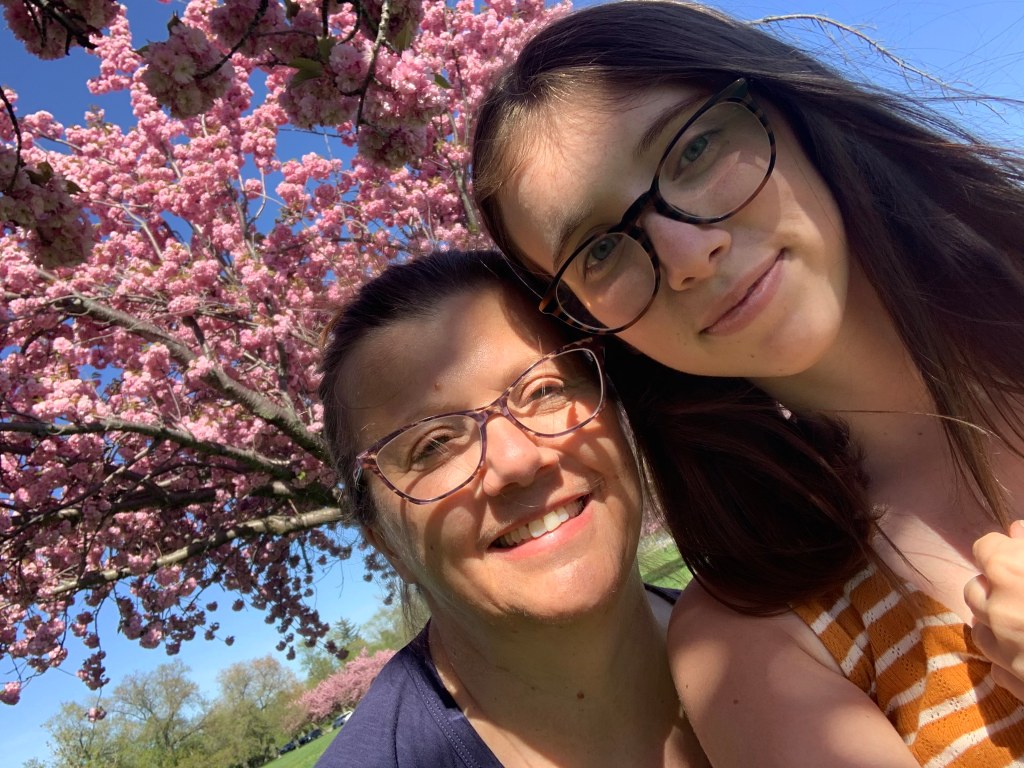
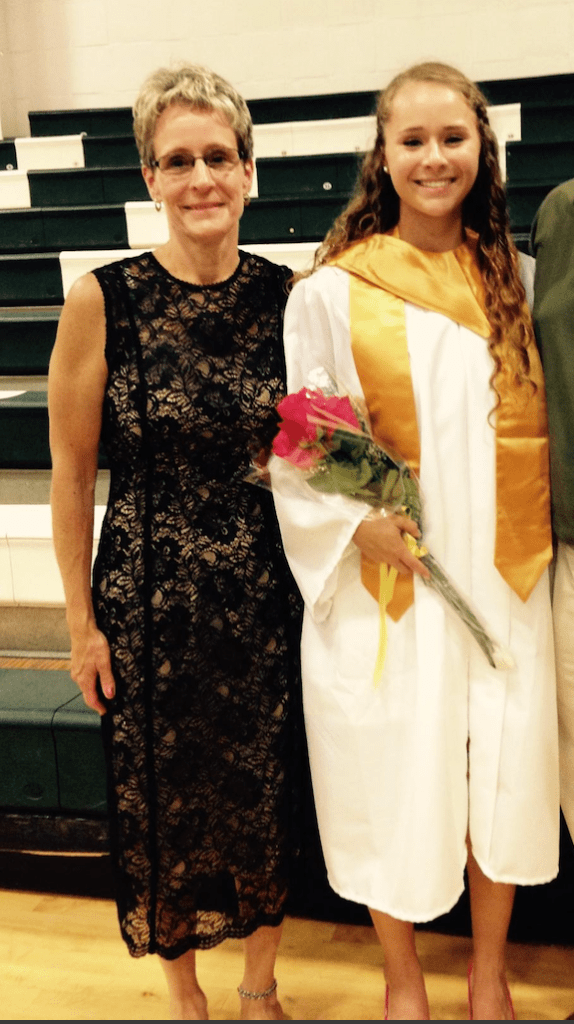
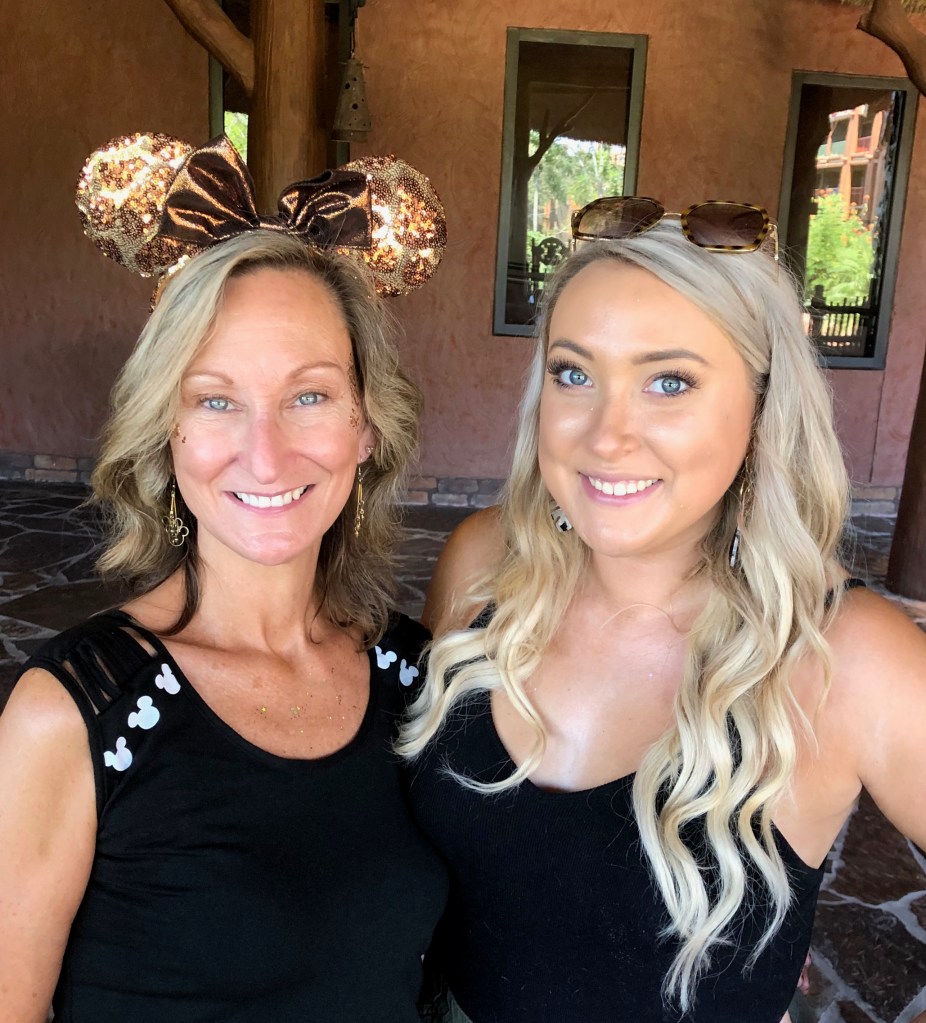
In the spirit of Mother’s Day—today’s article celebrates mother and daughter duos with IBD. Rather than focusing on the hereditary factor of Crohn’s and ulcerative colitis, this story celebrates the camaraderie, bond, and connection created when a parent and child both share the same disease. While the chance of passing on IBD when one parent has Crohn’s and ulcerative is relatively low according to the Crohn’s and Colitis Foundation (between 5% and 20% of people with IBD have a first-degree relative, such as a parent, child, or sibling who has one of the disease), it happens. My hope is that if you dream of being a mom or a dad, you don’t rob yourself of going after that dream because of the fear of passing on your disease to offspring.

As a mom of two (soon to be three!), I am the only one with IBD in my entire extended family. But, I often worry and wonder if my Crohn’s will be passed on to my children. I know this is a common fear many in the community grapple with. Check out these thought-provoking and comforting firsthand accounts from 8 mother-daughter duos that show how families unite in their diagnosis and lift one another up.

Corri Gardner and her mom both have ulcerative colitis. Her mother’s father also had UC. Corri’s mom was diagnosed with IBD while she was pregnant with her. All she knows since being diagnosed herself is having her mom and grandpa to confide in through the ups and downs of the disease.

“My mom has always been there to validate my fears and feelings on such a deep level since she knows exactly what I’m going through. When I was diagnosed, she expressed how guilty she felt over and over again. I always assure her that I would much rather be on this earth, living with UC, than to not be here at all. If someone is hesitant about having children due to their IBD, I would urge them to not make life decisions based on fear.”

Camryn Asham and her mom both have Crohn’s. She says having a parent with IBD helped her feel less lonely and more understood when she was diagnosed. Like anyone with a chronic illness she’s gone through a range of emotions on her patient journey—everything from anger to grief.

“I’ve had the “why me” feeling, but deep down I know it’s not my mom’s fault and there is no one to blame. I know my mom has felt guilty watching me go through traumatic moments and all the ups and downs. I’ve been able to witness my mom get through the highs and lows of IBD, and that reassures me I can get through any flare up or procedure, too. I know I can always count on my mom for help and support when I don’t feel heard or understood.”

Rachel Martin and her mom both have Crohn’s disease. Her mom was diagnosed at age 14, she found out she had the same disease when she was 22. While the diagnosis was devastating for both, Rachel says she finds comfort in knowing that she has someone close to her who can relate.

“I do feel as though my mom feels guilty for passing Crohn’s. I have a twin sister who does not have Crohn’s and it has been hard seeing her live her life without going through everything that I have gone through. Never in my life would I wish this upon anyone, especially my sister, however I wish that I never had to go through this. I never exactly blamed my mom, but I have spent a lot of time wishing I “lucked out” like my sister did. I know that my mom feels bad that I have had a really hard time coping and accepting that I also have a chronic disease.”

Diagnosed prior to a parent

Mary Catherine Kirchgraber was diagnosed with Crohn’s when she was 10 in 2000. Her mom was diagnosed during a routine colonoscopy when she was 50-year-old in 2013. Since her mom served as her caregiver and advocate since she was a pediatric patient, it’s made for a unique journey and perspective. They both seek medical care through the same GI practice and have been on the same medications. Mary says it’s nice to have someone to commiserate with about frustrations with insurance, feeling poorly, side effects, and more.

“My mom is the toughest person I know and never complains, so she inspires me in a million different ways. I wish she didn’t have to struggle the way I have, but it’s nice to have someone to lean on and ask questions to. My mom has always been my advocate and greatest support. She fought for accommodations at school, taken me to Mayo Clinic, dealt with insurance, and taken me to every doctor appointment and specialist I’ve ever needed. She created binders of medical records for me and often reminds me of my own health history when I don’t remember things from when I was a kid. I am so lucky to have her on my team.”

Sharan Kaur was diagnosed with Crohn’s in 2002, her mom found out she had ulcerative colitis in 2017. She says prior to her mom’s diagnosis she felt alone dealing with the day to day struggles of IBD. Sharan says because of her knowledge and experience living with IBD, when her mom began to experience symptoms, she was able to push for their general practitioner to take action immediately and reach a diagnosis. She is grateful to have another family member who can grasp the severity of the disease and who understands how easy it is to go from feeling perfectly fine one day, to barely managing to get out of bed the next.

“I think we find strength in one another. For years, my mom supported me through my worst days and although she didn’t completely understand how things were before her diagnosis, the support was always there. Finding out she had UC broke my heart because she’s always been so active, truly a supermom. I realized then that this would have to change for her as she would probably go onto face the same daily struggles that I do with fatigue. As an adult I’m sure this change in lifestyle is much harder to accept than it was for me.”

Mary McCarthy was also diagnosed with Crohn’s at age 12 in 1995, her mom didn’t discover she had Crohn’s until 2015 when she was 62 (and her dad has UC!). IBD was foreign to the McCarthy family when Mary was diagnosed though. She says her mom had a difficult time coping with having a child with a chronic illness. Even though her mom was well-versed on IBD by the time of her own diagnosis, hearing the news was still difficult for her.

“We deal with it mostly through empathy and humor. Being able to talk openly about the emotional and physical aspects of the disease helps. My parents and I joke about how we are colonoscopy experts and have seen every gastroenterologist in the city of Chicago. My mom knows exactly what I need before colonoscopies, which is often to get some alone time and get in the zone. We laugh about it now. “Mom, I love you, but I gotta get in zone. You can wait in the waiting room now.” My mom has been there for ALL important moments in my IBD journey. We sometimes reminisce about the complete chaos we went through when I was 12. We may have IBD, but we know life must go on.”

Michelle Schienle and her mom were both diagnosed with Crohn’s in 2015, she was 23 her mom was 52. Michelle’s diagnosis was the catalyst for her mom to seek additional treatment from a new gastroenterologist. As we all know it can be challenging to articulate IBD symptoms to those who haven’t experienced them. Michelle knows she can always count on her mom no matter what she’s going through. Even though she doesn’t blame her mom for passing on IBD to her, she did get frustrated that she didn’t recognize the suffering earlier as a child because that was her mom’s “normal”, too.

“Since she was living her life that way, she thought my problems were “normal”, so I had to wait until I was old enough to advocate for myself to get the answers I needed. I wish she wouldn’t feel guilty for passing it on to me, because it’s not her fault. Seeing my mom push through gives me strength. I’ve seen firsthand how she’s successfully raised a family, had a great career, and traveled the world (all things I aspire to do!) and done it with IBD. It’s a relief not to have to explain the pain and worry in detail because we just know what the other is going through. As unfortunate as it is that we both are going through this, having my mom understand what I am feeling both physically and emotionally helps to validate it. If my children are to ever get IBD, I am now confident that I am in the best position to take care of them because I know what to watch out for and how to be proactive about treatment.”

History repeating itself

Both Ellen Jenkins and her mom were diagnosed with Crohn’s when they were 18 and freshman in college at the same school! Ellen says her mom still feels responsible for her being sick, even though she has never blamed her for IBD.

“Growing up and watching my mom live a normal life despite her IBD comforted me when I was diagnosed. I am so thankful to have someone who understands firsthand what I go through. Although no parent would choose to pass Crohn’s on to their child, IBD has made us closer. I have never been upset that I got it from my mom. Instead, I’m thankful to always have her as an advocate in my corner who truly understands the struggles.”

A heartfelt thank you

As an IBD mom, hearing these experiences and perspectives really puts my mind and heart at ease. As you can see, there’s a common thread throughout. Rather than blame their parent for passing on IBD, these young adults look to their parents as a pillar of strength, a source of understanding, and as partners in taking on their illness. Through the pain and suffering there is also gratitude, clarity, and unbelievable resilience. Just how you have grown and evolved as a person after your diagnosis and throughout your patient journey, your child will do the same.

Special thanks to everyone who made this story possible. Your words, your raw emotions, and your candidness are sure to help many and shed light on the incredible dynamic that is created when a parent and a child both battle IBD…no matter what age their diagnosis comes about.

45 years with Ulcerative Colitis: What a former pediatric patient wants you to know

Being diagnosed with IBD as a pediatric patient looked different in the 1970’s. For 54-year-old Brett L., the start of his patient journey began when he was only nine. The year was 1976. He started experiencing fevers, bloody diarrhea, vomiting, and abdominal pain. As he puts it—the symptoms started a year-long quest to find an answer. A quest that involved frustratingly long waits at doctor offices, endless tests, and medical trials. He was ultimately diagnosed with acute ulcerative colitis at the age of 10. Now, in 2021, Brett has unique insight and perspective to share with our community.

Patient “Number 1”

As you can imagine, Brett spent many years on high dose steroid and sulfur pills. The side effects of the steroids (moon face, weight gain, bloating, mood swings, and ravenous hunger, etc.) added insult to injury. From 7th through 9th grade, Brett missed nearly 60 days of school each year due to severe flare ups and hospitalizations. By the time he was 13, Brett’s parents were desperate for a cure as his condition worsened. With no relief from traditional medicine, they sought out additional care from holistic doctors, nutritionists, even an angel healer at one point! Nothing helped to manage Brett’s IBD.

“In 1981, I was 14. I’d been battling debilitating and severe flare ups that made me so weak I had to crawl to the bathroom or walk doubled over in pain. Each hospitalization was taking its toll. Over the years, though I was growing, I had lost 30 pounds. It was at this point that my doctor proposed something that had never been performed on a pediatric IBD patient—a total colectomy and “pull through” operation that would leave me fully reconnected and waiting for the ileostomy closure…allowing me to eventually go the bathroom normally again after a recovery period of a year or so.  It was risky surgery back then. But not having it was a risk too.  I agreed, and we went ahead with the surgery.” said Brett.

Brett was deemed “patient number 1” for this pediatric procedure and his case study was published in medical journals. To this day he remembers waking up from surgery in the pediatric ICU at Westchester County Medical Center in Valhalla, NY. He recalls counting 18 tubes and lines connected to his body and thinking that he couldn’t believe he chose to do this to himself. The surgery lasted 14.5 hours and the incision ran from his pubic bone to his sternum—the entire length of his abdomen.

Living with an ileostomy as a teen

“I learned to manage the ileostomy with some upsetting and messy mishaps at the very beginning. And in class sometimes the stoma would make embarrassing sounds. I learned to feel it coming and cover it with my hand to quiet it. But without a colon, I was now a healthy 14-year-old. The doctors said that upon examining what was left of my colon, they estimated I had about two weeks left before a fatal perforation,” said Brett.

A year later his ileostomy was reversed, and he was able to go to the bathroom “normally”, again. While he’s grateful for this—it hasn’t been all sunshine and rainbows. Brett says he initially had an abscess at the closure of the stoma. Ever since, he has gone to the bathroom more than normal people. In recent years Brett developed a challenging case of chronic pouchitis that at its worst caused pain and had him going 20-30 times a night.

The good news is that “after about 4 years of this, I finally seem to have treated and solved it myself, with psyllium husk powder at breakfast and lunch times, and 3 Lomotil pills with dinner. I’ve also reduced fluid intake during meals and become more careful about not overeating. I learned some of this in my online research about immediate post-op colectomy patients. The doctors had a hard time helping me with this, but I seem to have resolved it myself.” 

From past to present

Today, Brett is a healthy 54-year-old man and his pouchitis has never been more under control. Through all the ups and downs with IBD, he’s lived a fulfilling life as a professional singer, and as an executive of multiple companies. 

“In my career I’ve been an investigator, a head of marketing and sales, I’ve grown startup companies, and have traveled the world for business and pleasure. I’ve earned an advanced degree from an ivy league school, and I have an amazing 16-year-old daughter who is a gifted, performing singer-songwriter in her own right.”

Brett believes his ulcerative colitis has made him more appreciative of life and the little things.

“I have always been that person who lingers over sunsets, gazes at the moon, and stops and notices the teeny flowers poking through the cracks in the sidewalk, or street art, and the coincidental things one comes across as noteworthy or remarkable. I notice and really drink in the happy, good moments because I know what it’s like to not be able to be out and experience these things. I know I am fortunate to be here to tell my story.” 

Here are some helpful nuggets of knowledge Brett would like both those with IBD and their caregivers to know:

  • Don’t let fear of IBD stop you from living your life and having fun, or asking that person out, or going out with friends, when you are feeling well. As soon as I was feeling well enough to get back out there after a flare up, I lived life to the fullest and played like every other kid. You deserve to be there just as much as every other kid, teen, or adult does. When you are feeling well, try to make the most of that wellness, and not let the fear of what might happen stop you from living.
  • You are not “less than”, because you have an illness. In fact, you may even have an added level of maturity because of your illness that others do not, because of your need to contend with it, and interact more with adults and medical professionals and present your situation to them in a coherent and meaningful way. Look for the silver linings in everything. Notice the small pleasures, they help you get through the down times.
  • To parents—your child is a survivor. It takes a lot to keep them down. They will have ups and downs with their IBD. But 2021 is the best time ever to have to live with this diagnosis. Current treatments and even surgeries have changed the game and the patient experience, for the better and the future is even more promising. IBD can be traumatic. Children and adults can benefit from seeing a therapist to help cope with the lifelong nature and complications of the disease.

Nori Health helps IBD patients re-gain control: How you can get free early access

This article is sponsored by Nori Health. All thoughts and opinions shared are my own.

When Roeland Pater was diagnosed with Crohn’s disease nearly 20 years ago at age 19 there was a lot he didn’t realize and a lot he tried to ignore. He felt like he was on cruise control the first few years after surgery led him to remission. A few years later, his IBD took a turn and so did his perspective on his health.

“I started to realize that everything I did in life was impacting my disease. Suddenly, I couldn’t do whatever I wanted when I wanted. I became cautious of my actions and decisions. I tried to get a better grasp of how my IBD was impacting my life by receiving personalized care, but I was struggling trying to find a way to do that,” explained Roeland, Founder of Nori Health.

He noticed that during his medical treatment, he experienced a lack of support and education between hospital appointments, with little to no focus on quality of life or emphasis on how he was living day-to-day. Like many with IBD, this left Roeland feeling frustrated, misunderstood, and like there was no hope in controlling his condition.

The inspiration behind Nori Health

As a professional in the tech industry, this caused a proverbial light bulb to go off in Roeland’s head. He identified this massive gap in IBD care and decided to dedicate his life to solving the problem, with the goal of helping others. He recognized the need for a digital solution to help people like himself better manage and control their disease through daily behaviors. This is how the concept and mission for Nori Health was created. The company received an investment two years ago, which drove the concept into a real product and an app.

“Research shows that people living with a chronic inflammatory disease typically experience a 30% lower quality of life when compared to healthy individuals. Closing this gap is our mission. We believe this can be done by improving the understanding of the disease and its triggers through education and disease management. We aim to give patients in our program a sense of control over their disease management,” said Roeland.

How the Nori Health app works

The Nori Health app offers an 8-week program for IBD patients, guided by Nori, a digital coach. Through regular conversations (text-based—like WhatsApp) with Nori you receive personalized insights on factors that are proven to impact quality of life, and symptoms like pain and fatigue. These tips can be saved to your personal dashboard, and you can implement them into your daily routine, helping to keep your IBD under control.

“Most apps on the market are focused on a tracking model. This puts a lot of responsibility in the hands of the patient to monitor their daily activities and to discover patterns that might trigger symptoms. We changed this model around to best support the patients. Nori guides the patients through their health journey, with personalized, evidence-based factors. Nori provides the user with actionable tips that can be saved in the app, which can then be easily implemented into daily routines and lead to significant change,” said Roeland.

You can think of Nori as an artificial intelligence chat coach. You will work together to discover the lifestyle factors that impact how you feel and learn about simple changes you can make to gain more control of your disease. The end goal? To have less pain, more energy, and less strain on your mental health. Changes include everything from forming a new hydration routine, to talking to others about your condition, to reaching a point of acceptance of living with a chronic disease.

Main areas of focus include:

  • Stress
  • Hydration
  • Exercise
  • Diet
  • Mental Health
  • Pain
  • Low Energy
  • Sleep

“We would like to emphasize the importance of finishing the 8-week program. Just like taking a full course of antibiotics, the true benefit from the app comes from completing the entire course of the program,” said Roeland.

The app is not currently open to the public, but I’m excited to offer 100 of my Lights, Camera, Crohn’s readers direct early access!

Getting started:

  • Download the Nori Health app for iPhone here and Android access here.
  • During registration use access code TEST212 for free access to the full program. 
  • As you are given free access to the app, you will be asked to provide feedback on your progress (this is in-app, and anonymous). The Nori Health team will reach out to you by email to collect feedback about your experience as well.

Hopes for the future 

Nori Health is deeply rooted in recognizing the power of community. The program was not only developed by an IBD patient but created thanks to the input of more than 600 patients in England, Netherlands, Belgium, France, and beyond. By participating in this initial launch, you can continue to provide valued feedback and guidance so that the team at Nori Health can make the appropriate tweaks and further understand unmet needs. So far, the feedback has been overwhelmingly positive and has shown that patients can be supported throughout their patient journey—whether they are newly diagnosed or a veteran patient.

“We’ve seen an average of 34% improvement in daily management (diet, stress, and exercising on a daily basis) with people who completed the 8-week program,” said Roeland. “Half of the participants whose social lives were compromised due to symptoms, started to reconnect with friends and loved ones. These are the types of improvements and shifts we had aspired to see happen when we created the app.”

By working with patients like himself, Roeland says these valuable insights have changed Nori Health’s focus and influenced them to go much deeper into the factors that improve quality of life.

Working from home is more than a job perk for those with IBD

The COVID-19 pandemic has normalized talking about chronic illness in the workplace and shed light on not only what it means to be immunocompromised and how it impacts one’s quality of life, but also the benefits and possibilities that working from home provides for everyone involved.

Prior to the pandemic, asking to work from home or setting up accommodations with your boss looked different. It could feel a bit taboo. Maybe you worried how the rest of your team would perceive you as possibly getting special treatment. Maybe you didn’t want to appear as if you couldn’t keep up or do what was expected of everyone else. But one of the positives to come out of this crazy time is that the way we work and how we work has shifted.

I’ve been a freelancer/blogger and stay at home mom since I became a mom in March 2017. That being said I worked full-time in the TV news industry, at a PR agency, and in corporate America at a natural gas utility the first 12 years I had Crohn’s disease. I am well-versed in how to navigate those difficult conversations with your boss, how to balance your health and well-being with your career, and what it means to thrive professionally while making sure your health doesn’t take a hit.

An opportunity for change

If the past 13-plus months have shown us anything, it’s how adaptable and flexible work can be. Businesses and organizations have real-life intel now that can help guide what the future of working looks like, and how employees can best be supported, engaged, and accommodated.

The chronic illness community can use this time as a springboard into the future and communicate their needs and hopes moving forward. According to the CDC, nearly 60% of adults in the U.S. live with at least one chronic illness. Even though that’s a huge percentage, many leaders still don’t know how to properly support employees who fall into this category and those of us who live with a disease such as IBD often question our own abilities and what we’re able to bring to the table compared to our healthy co-workers and counterparts. Working from home through the pandemic has evened out that playing field.

Having the flexibility to work from your couch or run to your bathroom in the comfort of your home versus in the middle of a big work meeting with your peers makes a huge difference. Knowing that you can schedule meetings and availability around blood draws, appointments with specialists, scopes, infusions, etc. offers great flexibility in managing your illness and getting the job done without feeling guilty for taking care of yourself.

How to better understand and support employees

From a chronic illness perspective, we push ourselves in all aspects of life, even when we’re running on empty because we constantly fear being viewed as less than. There are many ways business leaders can better support employees who are taking on a disease like Crohn’s or ulcerative colitis.

As people with IBD we worry about how we’re perceived by others because of the stigma that surrounds chronic illness. There’s guilt. There’s fear of being considered lazy. There’s the worry about coworkers judging you and thinking you’re a complainer or weak, when in fact they may not be aware of your whole back story.

So how can we improve the support of our managers?

Initiate communication: Ask your boss about setting up a 15-minute monthly one-on-one touch base to discuss how you are feeling and if you need additional support. Talk about what the next month looks like as far as doctor’s appointments, labs, tests, etc. I personally always felt better supported and understood by sharing my health struggles with my coworkers—whether it was my co-anchor and meteorologist or the communications team at the company I worked at. When I was hospitalized (which happened on multiple occasions) or needed surgery, I would email the entire team and give them a heads up about what was going on, so they heard it from the “horse’s mouth” and not through office hearsay or gossip. By articulating your patient experience you give others a chance to be empathetic.

Make the invisible—visible: It can be easy for us to downplay our pain or put on a smile when we’re flaring to protect ourselves, even on Zoom calls! The unpredictability of IBD makes work-life a challenge because you can start the workday feeling energized and ready to take on the world and after lunch feel like you can’t even stand up straight and need to lie down. The constant uncertainty of when symptoms are going to strike can be debilitating in and of itself. By being open and transparent in these moments of struggle you help paint a clearer picture of what you’re experiencing for those who don’t live our reality. In corporate America, I used to sit in the boardroom and start a meeting by casually saying “I just want to let you know my Crohn’s is acting up. I’m in a lot of pain. It’s hard for me to sit up straight so I’m going to slouch a bit and I even had to undo my pants!” I approached those moments with humor, but moreso to take off my “mask of wellness” and be transparent that there was much more going on in my mind and body than just the presentation I was giving or listening to. I feel being honest like this made my co-workers helped us build a stronger relationship and rapport.

-Come up with a hybrid schedule: As the world starts to open and companies discuss what the future will look like as far as working from home or in the office, consider what it may look like to work a couple days a week doing each and finding balance. Working from home hasn’t been a detriment to productivity, if anything this time has proved how flexible we can all be in the face of adversity. By creating a space of support and understanding, everyone can be successful. Talk about the options available, your comfort level with returning to work in the office (especially if you’re immunocompromised or haven’t had a chance to be vaccinated), and what the expectations are moving forward.

Improve inclusiveness: When a business or organization makes employees feel embraced, regardless of their health struggles, it speaks volumes. Even those who are completely healthy should see this as a valued characteristic of their working environment—whether in person or virtual. Nobody knows when their life could take a turn for the worse or when an unforeseen health issue could pop up. For many in the chronic illness community, we went from being healthy to waking up with a disease that will be a part of us, always. It’s on leadership and Human Resources to ensure those with chronic illness are provided with the support they need.

Stop celebrating overwork: Touting the employee who works around the clock and answers emails at 2 a.m. sends the wrong message. Instead, find ways to commend employees for different reasons. There isn’t one set of parameters that makes someone a great employee. Having work-life balance and recognizing the importance of having time to decompress, put health first, and spend quality time with family, matters and says a great deal about leadership style. The number of hours worked doesn’t equate to the quality of work or one’s competence. The onus is often on the boss or leader to speak up and set these expectations. Being able to manage your team’s energy will keep morale in check and make employees feel appreciated and more invested in doing their best, because they have the energy to do so and aren’t ready to tap out at any given moment.

Remote work is more than a job perk

COVID has forced the conversation and illuminated the challenges those of us with chronic illness are up against when trying to balance our health, providing for ourselves and our families, and being an invaluable employee. Thanks to the pandemic, employers are now looking to re-evaluate what sick leave and disability policies look like, especially as they relate to working from home. Those of us with a chronic illness may finally feel like we’re on an equal playing field when it comes to job opportunities and not having to worry as much about our bodies cooperating so that we’re able to do it all.