In 2016, Nick Zecchino was living the dream. After years of relentless dedication, he signed a Division I football scholarship to the University of Connecticut. For a young athlete who had poured his heart, body, and soul into the sport he loved, it was validation that every sacrifice had been worth it.
“I was on top of the world,” Nick recalls. “It was the proudest day of my life to that point. Then, one month later my health started to decline out of nowhere. It was scary, there were a lot of questions and uncertainties with what my future was going to hold.”
This week on Lights, Camera, Crohn’s a look at Nick’s remarkable journey and his comeback story both on and off the football field that left me in awe.
When a Dream Collides with a Diagnosis
Like many of us, Nick’s health issues blindsided him out of nowhere. He lost his appetite. Crushing fatigue set in. Blood appeared consistently in his stool, and his bowel movements increased dramatically. In March 2016, a colonoscopy confirmed what he had never even heard of before: ulcerative colitis.
At first, Nick assumed it would be manageable. Get it under control. Heal up. Be ready for UConn by June.
“I didn’t know the long road ahead,” he says.
Weeks turned into months, and instead of improving, his symptoms worsened. During his senior year of high school, Nick missed most of his baseball season due to a constant flare. Maintaining weight and building muscle, which are essential for a college football player, became nearly impossible. By April, the fear crept in: What if this costs me football?
Playing Through the Unthinkable at UConn
Nick arrived on campus determined to push through. But ulcerative colitis never truly loosened its grip.
From the first game of his freshman season to the last, his health declined sharply. Between September and November alone, during his first college football season, Nick lost more than 50 pounds! By the final game, he weighed just 145 pounds and looked visibly ill. He used the bathroom 20 to 25 times a day, often passing only blood and mucus.
“There really wasn’t any managing it at that point,” Nick says. “I just had to deal with it and the consequences.”
He tried to hide his illness from coaches and teammates, unwilling to show vulnerability or weakness. He timed bathroom breaks to the last possible minute before kickoff, rushed off at halftime, and avoided eating on game days altogether. Even then, the urgency never stopped.
Years of Medications and No Relief
Nick’s treatment history reads like a roadmap of severe disease. After initially trying mesalamine and Lialda, his doctors escalated to stronger therapies as his condition worsened. Over time, he was on Remicade, Humira, Entyvio, 6-MP, prednisone, and antibiotics like Cipro. He even tried multiple biologics still in clinical trials for ulcerative colitis.
Nothing worked to wrangle his IBD under control.
At one point, doctors administered the maximum dose of Remicade possible, at the shortest interval allowed. It still wasn’t enough.
A Turning Point
Eventually, Nick’s dad made the hardest call of his life.
“My dad picked me up from UConn because I couldn’t go on like that anymore.”
A few days later, they were sitting in a doctor office at Mount Sinai in New York with Dr. Arthur Kornbluth, an IBD specialist who would change the course of Nick’s life.
“Going to Mount Sinai saved my life,” Nick says simply.
Dr. Kornbluth tried everything. Every possible medical “trick in the book” to try and get Nick into clinical remission. But despite his efforts, Nick couldn’t achieve lasting remission. Finally, they faced the reality neither wanted to confront: surgery.
“It was terrifying,” Nick admits. “But it was the only way I could get my life back and maybe still have a chance to play football again after my future was put on hold for over two years. Making the decision to go to Mount Sinai and get surgery completely changed the trajectory of my life. It will always be one of the best decisions I’ve ever made.”
Three Surgeries. One Unbreakable Goal.
Nick had a total colectomy (which removed his entire colon and gave him a temporary colostomy bag, followed by Takedown surgery and a J-pouch). After the three surgeries in six months, Nick finally began to feel like himself again. In January 2019, he returned to the gym for the first time.
He was weak. Deconditioned. A shell of the athlete he once was. But his motivation never wavered.
“Football was my one and only motivation,” he says. “I spent nights in the hospital bed thinking about how I could get back on the field.”
By June 2019, Nick arrived at Purdue University. At this point, he was not just healthier, but also confident that his dream was no longer out of reach.
A Second Chance at Everything
Walking onto Purdue’s campus felt surreal. Nick felt like a freshman again, even though he wasn’t. In many ways, it was a new life.
“I was just so grateful,” he says. “I had a completely different outlook than anyone else my age.”
When game day arrived, the nerves hit harder than they ever had before. But the moment he took his first snap, they vanished.
“I felt like myself again,” Nick says. “It was one of the best feelings in the world.”
From that point forward, confidence replaced fear. He had already survived more than most people ever would.
Life After UC—and Living Medication-Free
During his four years at Purdue, Nick dealt with recurring pouchitis every couple of months. Antibiotics like Cipro helped, but he grew tired of relying on medication.
Determined to find another way, Nick dove into research on gut health, inflammation, and natural support. Supplements like L-glutamine made a noticeable difference. Eventually, the pouchitis stopped coming back.
One day, his dad noticed the growing lineup of supplements on the kitchen counter.
“If this works so well for you,” his dad asked, “why not create something that could help other people too?”
That conversation sparked the creation of Carna Nutrition and its flagship product, GUT R3BU1LD—a gut health formula inspired by Nick’s own journey.
The name Carna comes from Roman mythology: the goddess of health, vitality, and protection of the internal organs, while helping with digestion.
“I created the full spectrum formula of our product with the help of a health & wellness professional that has been in the industry for 25+ years,” explains Nick. “We also used the access to the manufacturers’ scientists that they have in-house to help us understand the way that the pharmaceutical grade and clinically studied dosages of the ingredients that we have in the product all work together synergistically in a beneficial way for every major gut healing pathway during digestive stress.”
“He Was on His Death Bed. It’s Incredible What He Did.”
Nick’s comeback left a lasting impression on everyone who witnessed it, including his football coaches.
Former UConn head coach and Purdue defensive coordinator and linebackers coach, Bob Diaco, recalls:
“I remember watching him and trying to figure out how to stop it. My wife hadn’t seen him for a few months, and she was distraught. He was on his death bed for real. It was bad. It’s incredible what he did.”
“He’s the kind of kid that makes you better,” Diaco continued. “He’s been the underdog at every turn. He always comes out on top. He’s always making an impact on the people around him in a positive way.”
A Message to His Younger Self and to Young Athletes Today
If Nick could speak to his 2016 self, he knows exactly what he’d say:
“Your journey isn’t going to look anything like you imagine, but it’s going to be the most rewarding path for you. Trust it.”
And for young athletes with IBD who are scared their diagnosis might end their dreams?
“Your diagnosis is not the end of your story,” Nick says. “You’re allowed to struggle. You’re allowed to take time to heal. But don’t lose hope. Most of the battle is mental. Stay strong, stay supported, and keep chasing your dreams.”
Nick’s story is a reminder that even when IBD takes everything, it doesn’t get the final word. Sometimes, it forges something stronger than before. Whether you’re a young person living with IBD or a caregiver worried about what the future will hold for your child, I hope Nick’s incredible story of resilience serves as inspiration to show all that’s possible despite the difficult diagnosis of IBD. I found it interesting that Nick wouldn’t trade all he’s endured to be where he is today, as I always say the same. As time passes and hindsight is 20/20 so many of us experience a transformation that shapes who we are today, all because of the struggles that took us to get here.
Imagine a medication that not only helps shed unwanted pounds but also holds the promise of alleviating the painful and debilitating symptoms of inflammatory bowel disease (IBD). For millions battling the dual challenges of IBD and weight management, this could be a game-changer. Some reported data suggest approximately 15 to 40% of IBD patients experience obesity. As obesity has been linked to more severe disease activity, anti-obesity medications, such as GLP-1 (glucagon-like peptide-1) receptor agonists (RA), could be a novel treatment strategy for IBD.
Recent research into GLP-1RA medications, primarily known for their role in weight loss and diabetes management, suggests they might have unexpected benefits for those with Crohn’s disease and ulcerative colitis. Could these medications pave the way for a new era in IBD treatment? This week on Lights, Camera, Crohn’s let’s dive into the intriguing possibilities that lie at the intersection of weight loss and inflammatory bowel disease management. You’ll hear from gastroenterologist and researcher Dr. Aakash Desai, along with 25 people who have IBD and have tried or are currently taking GLP-1RA medications.
What is a GLP-1RA medication?
GLP-1 (glucagon-like peptide-1) medications are primarily known for their role in managing type 2 diabetes and obesity. GLP-1 agonists, such as liraglutide (Victoza), semaglutide (Ozempic), and dulaglutide (Trulicity), mimic the action of the endogenous hormone GLP-1. These drugs enhance insulin secretion, inhibit glucagon release, slow gastric emptying, and promote satiety, thereby aiding in blood glucose control and weight loss.
The majority of these drugs are subcutaneous injections, with only one currently available orally. The frequency of taking the medication varies with each GLP-1RA and can be weekly, daily, or twice daily. But, the typical dose is a weekly self-injection, which can be done in your stomach, upper arm, buttocks, or thigh.
The Mechanistic Link to IBD
Anti-inflammatory Properties: GLP-1 receptors are present in the gastrointestinal tract and on immune cells. Activation of these receptors has shown anti-inflammatory effects in preclinical studies. This suggests that GLP-1 medications could theoretically modulate immune responses and reduce inflammation in the gut.
Mucosal Healing: Animal models have demonstrated that GLP-1 agonists can promote mucosal healing in the intestines, a critical aspect of managing IBD. This potential for enhancing intestinal barrier function and reducing inflammation holds promise for IBD therapy. Scroll to the bottom of the article to check out the latest research.
Considerations between providers and patients
Dr. Aakash Desai, MD, Allegheny Health Network in Pittsburgh, Pennsylvania says that before discussing if GLP-1RA is appropriate for his patients, he tries to understand their weight loss journey on a case-by-case basis.
“This is unique for every patient, so it’s important for the physician to understand where they’re at and the efforts that have been made. I like to ask what type of dietary and lifestyle modifications they have attempted, exercise (finding out actual numbers, number of days/minutes per week of exercise, moderate/strenuous intensity), prior consultations with nutrition and/or weight loss specialist, and prior exposure to weight loss medications. It’s also important to consider comorbidities, especially history of pancreatitis, gallbladder disease, type 2 diabetes mellitus, and psychiatric diseases including eating disorders.”
He tells me a “good” candidate is a patient who is obese or overweight with weight-related complications who is willing to undergo lifestyle interventions in close collaboration with nutrition and a weight loss specialist. From an IBD standpoint, before starting on this type of medication, Dr. Desai likes to see his patients in remission.
“GLP-1RA medications have several GI side effects, so it can be challenging to differentiate if a patient’s symptoms are related to GLP-1RA, active IBD or both. Patients should have their IBD in remission, clinical and endoscopic, and radiographic, if applicable,” explained Dr. Desai.
There is preclinical data suggesting that GLP-1RA can modulate inflammatory responses.
Dr. Desai explained, “Mechanisms include its impact on oxidative stress, immune cell recruitment, cytokine production, and gut microbiota modulation. There is also some clinical data from retrospective studies showing improved IBD outcomes, however we need data from prospective studies to see if these medications can be used as adjuncts with existing IBD therapies.”
He would not recommend starting GLP-1RA for obesity management during a flare/active disease given the risk of drug related GI side effects. This could worsen symptoms which could inadvertently lead to increased dose of steroids, prolonged steroid use or a change in IBD therapy. Additionally, providers prescribing GLP-1RA have a low threshold to discontinue the medication if patients with IBD develop even mild GI symptoms out of potential concern for worsening IBD.
Ongoing research underway
Dr. Desai is working on a study that involves 150 people with IBD who are obese and taking semaglutide.
“We found similar weight loss compared to patients without IBD. We also found higher weight loss with semaglutide compared to other anti-obesity medications except tirzepatide. We did not observe worsened IBD specific outcomes in patients on semaglutide. In another study from a large database, we found that GLP-1RA use for type 2 diabetes in patients with IBD was associated with a lower risk of surgery for ulcerative colitis and Crohn’s disease, but we did not observe a lower risk of steroid use.”
He tells me it’s important to note that this is retrospective observational data. However, Dr. Desai hopes this sets the stage for prospective studies and future randomized controlled trials.
From a safety standpoint, there is limited data, however it appears to be reassuring for serious side effects. Dr. Desai believes until we have more robust data, the key will be disease remission at the time of initiation of GLP1-RA. Keep this in mind if you are dealing with active disease and hope to start this type of medication.
There is no data to suggest that patients on biologics or small molecules cannot be on a GLP-1RA if their disease is in remission. The approach needs to be individualized factoring in clinical characteristics and disease profile.
Scope and Scans and GLP-1s
There seems to be confusion in the patient community about how these weight loss mediations can impact how we prep and undergo scopes and scans. Dr. Desai says there is currently no data supporting stopping GLP-1RA before elective endoscopy – which is a multi-society statement.
“I follow the clinical practice update published by American Gastroenterological Association (AGA) which suggests an individualized approach to each patient. If patients are on GLP-1RA only for weight loss, I think there is little harm in holding the medicine a week before elective endoscopy. An alternative would be to continue the GLP-1RA and place patients on a liquid diet the day before the procedure.”
Dr. Desai says he likes to discuss extended bowel prep (2 days) with his IBD patients.
“Alternatively, I recommend a low fiber low residue diet for 5 days plus 2 days of a clear liquid diet with 1 day of prep. I would encourage patients to discuss management of GLP-1RA and bowel prep with their IBD providers prior to elective endoscopy as institutional protocols especially for anesthesia may vary.”
Hear what an IBD mom has to say about her experience
Emily says she’s been overweight most of her life. She tried everything to lose weight, and nothing seemed to work—or she’d lose weight and gain it right back. She talked with her primary doctor about the weight loss medications and her provider is a big fan of them for the right person and thought they’d be a great fit for her. As an IBD mom of two boys, Emily was worried about what her gastroenterologist would have to say.
“At first, I was nervous about it because I didn’t want him to tell me I couldn’t do it. But he was okay with it. He said if I didn’t have any IBD complications, that I would be fine to be on it. He didn’t have any hesitation since I have been in remission and my colonoscopy and upper endoscopy looked good. I explained that I was followed closely with my primary and that I would let him know if I had any issues that came up. Thankfully, my Crohn’s has stayed in remission!”
Emily started semaglutide in November 2022 and was on that for 7 months and then switched to tirzepatide. She’s now been on that for one year.
“I am starting the process of going into maintenance and will decrease my dose until I find what works for me and plan to stay on this long term.”
Emily’s remarkable transformation from 2022 to now.
She’s currently taking Stelara to manage her Crohn’s. Emily is down 93 pounds, and she feels amazing. She says she has dealt with minimal side effects—some nausea and constipation, but nothing that lasts long. As most of us are, she’s very conscious of her bathroom habits and says if she starts to feel constipated, she takes stool softeners.
Firsthand experience from an ostomate
Elizabeth has perianal Crohn’s and has participated in two clinical trials (stem cells). She has had two gracilis flap surgeries, among others. She says while many IBD patients struggle with keeping weight on, this has not been the case for her.
“I have always been in a larger body (even before my Crohn’s diagnosis 20+ years ago). I workout daily and eat a balanced diet but have, like many, found a natural weight plateau. Since my bloodwork always looks great, I really hadn’t thought about it as it would be seemingly for vanity’s sake.”
With more than a dozen IBD surgeries so far and at least one or two more in the future, she was discussing with her GI wanting to optimize future success post-operatively, when her doctor brought it up.
“Since I carry more weight in my mid-section and currently have a loop ileostomy, which also is poorly placed and with a hernia that causes further projection, addressing those issues was certainly on my mind. I was open to learning more and she was bullish, referring me to a fellow GI doctor who specialized in the area.”
As an ostomate, Elizabeth was concerned about blockages, in addition to insurance not covering the cost.
“My consulting doctor felt confident I was a good candidate, and we both thought it may actually improve my fast GI tract and high-output ostomy (which had been causing daily leaks recently). While insurance denied two different options based on plan carve outs, even after appeals, I decided to try paying out of pocket.”
She started on Zepbound four months ago, in conjunction with her biologic and small molecule medication to manage her IBD. Elizabeth says she was less concerned about adding a medicine but, like many of us, would like to be on fewer longer term.
So far, she has lost 30 pounds or about 12% of her starting weight!
“I wasn’t at my highest all-time weight, but I had gained. The effect was almost immediate for me — with the biggest short-term (and continued) win being the delayed gastric emptying, meaning less liquid output, less rapid output, and less visits to the bathroom to empty. I also stopped having leak issues almost completely and, in conjunction with my IBD meds, my symptoms and inflammation are the best they’ve been in years.”
In terms of the non-IBD effects, the impact on what they call “food noise” was huge and, because food stayed in her stomach for more than an hour or two, her hunger changed dramatically.
“I can’t explain how odd it feels to have to remind yourself to eat and to simply feel full. Fortunately, I have had few side effects as, thanks to my ileostomy, I was already focused on staying hydrated.”
Elizabeth encourages those with IBD to research and consult with a doctor who specializes in obesity medicine (and versed in IBD and/or willing to work with your IBD team). Unlike many of the medications we use to control our disease, antibodies aren’t a concern, and it could be worth a try. Also, she says not to be discouraged if it doesn’t work for you as, just like IBD meds, what works for one person may not work for someone else.
“While the weight loss is great, the impact on my IBD-related quality of life has been just as important. I hope there is more research in this area and potential a path for these medications to be considered as part of a covered treatment plan for patients with IBD and other chronic conditions.”
What other IBD patients have to say
Thank you to those who submitted input for this article—there’s nothing like hearing firsthand perspectives from those living our reality. I have purposefully left all the quotes anonymous.
“I have been on Wegovy for over a year, and I have ulcerative colitis. I’ve had a positive experience and from what my GI told me, there are clinical trials going on for its effect on IBD patients specifically.”
“I started Ozempic last week. My GI approved it. There is lots of research about reducing inflammation, along with other benefits. I am way overweight, and I needed help.”
“I’m on semaglutide, which is the generic compound of Wegovy. My GI approved it and it’s been great. It’s the only way I’ve been able to lose weight in years! It has helped me with cravings, with blood sugar stability, and with my emotional connection to food. The first six weeks, I lost my interest in food and had a weird metal taste in my mouth. But slowly that went away and now I am back to myself but feeling more in control and with a healthier view of food. I have not lost weight as fast as some, more like 1-2 pounds a week with a plateau where we found the dosage needed to be increased. Slow and steady has been fine for me.”
“I have ulcerative colitis and got a jpouch back in 2010. I was on Ozempic last year but got off to get pregnant. Once I’m six months postpartum I was told I could go back on it.”
“My CRP is back to normal, even though my SED rate is still elevated, my IBD is non-existent. My constipation did get worse though. But it’s nothing that daily Miralax can’t help. I had to come off it because it made my anxiety worse. Being on that medicine made me as close to feeling like a normal human being as ever.”
“I have been on Ozempic for the past month. No lie, best I’ve felt in years! It’s taken my 20 bowel movements a day down to 3-4. I have nausea, but it’s tolerable. I don’t have diabetes, so I’m paying out of pocket for it. Those with diabetes get a greater benefit from it. You have to be serious about eating protein and about eating better. Since the food you eat sits in your stomach longer, you’ll feel sicker if you’re just eating junk.”
“I would love to hear more about this as IBD is one of the contra indications for this medication and is not usually prescribed in the UK for people with Crohn’s/ulcerative colitis, as it can cause GI upset. So, I would love to hear more about people’s experiences with this as this is something I have looked into for my weight, and I have Crohn’s.”
“My PCP said in her experience they have helped GI outcomes, but I haven’t talked with my GI to see his response. I will say, as an OR nurse, we have been seeing a lot of exploratory laparoscopic surgeries with patients on these medications.”
“I have UC and they put me on Ozempic last year! One shot and I couldn’t stop vomiting. I lost 35 pounds, but I had to take Zofran daily and used a Scopalamine patch so I would not vomit. I started in April, and I didn’t get better until July or August. I went into the ER and urgent care several times for dehydration. It was mild pancreatis, but my labs were not bad enough for them to admit me.”
“I was on Victoza! My GI symptoms were exacerbated by the medicine, but my A1C went down significantly. Unfortunately, I was throwing up for the first month I was on it and because of that my appetite was not suppressed.”
“I was on Ozempic. It made me nauseous and sick. I had terrible stomach pains and TMI, but super gross mucus-y stools. As soon as I stopped, everything went back to normal. I lost 20 pounds and then gained it all back immediately.”
“I have Crohn’s and I’ve been on Saxenda for 8 months and I’m down 20 pounds. Other than a little nausea in the beginning, it’s been great for me!”
“Started semiglutide injections 2 weeks ago and I’ve been able to stop taking my Loperamide completely (I have ulcerative colitis and a jpouch). Semiglutide wasn’t covered by insurance even with appeals for weight loss and motility, but I got it pretty affordable online through Henry Meds. I’m still on the loading doses but haven’t had side effects so far. It takes about 2-3 months of weekly injections to build up to a full dose.”
“I experience nausea day two after taking the shot. Other than that, I haven’t dealt with anything negative. I lost weight that wasn’t coming off due to hormones being completely screwed from pregnancy and 60 mg of prednisone for almost 9 months. GLP-1s also constipate you, due to your gut not emptying as quickly as it normally would. This is one of the reasons it’s being explored as an IBD option. Taking magnesium, bulking up on fiber or taking fiber helps with this.”
“I am on semeglutide week 6 tomorrow—this is my second time—I did it last summer for about 3 weeks. I went up on my dose last week, I haven’t noticed a difference with anything yet, but I haven’t changed my diet much and that’s on me. There’s no difference in my ulcerative colitis symptoms, I’ve had mild active uc for awhile now. I’m trying to get it under control, but also need to lose a bit of weight.”
“Back in 2022, I was on Mounjaro for about 8 months. I was finally able to lose weight. I am a Crohnie who gains weight because my body has a hard time digesting nutrients. Because of this, my body is in starvation mode a lot. When I was on Mounjaro, I lost about 80 pounds, and my inflammation was well managed. It was the first time I was able to feel energetic and wasn’t tired all the time. It helped with my diarrhea because it made me constipated for the first time in 5 years. It then became regulated. I still had stomach pains and indigestion issues, but overall, the medication improved my quality of life quite a bit. I am pre-diabetic and now my insurance will not cover it. My doctor tried appealing it many times, explaining that Mounjaro was helping to manage my inflammation caused by Crohn’s disease, and they still denied it. I have gained 30 pounds back and have a hard time with energy and my diarrhea has returned on and off.”
“I’m on Mounjaro and taking it specifically to help with my high output ostomy. I have Type 2 diabetes, so I’m able to get it through insurance luckily, since we’re using it “off label”. A friend of mine who has a jpouch was on Saxenda, then Ozempic, for the same reasons. She recently had to go off it because of new insurance and she developed pouchitis within weeks of having to stop it. I have two other friends with ostomies taking it, both with a history of Crohn’s. One is a CEO of a biotech company and has been chatting with the different GLP-1 manufacturers trying to convince them to do trials in patients with short gut or high output ostomies.”
“The first thing I asked my GI doctor is HOW can someone have IBD and be overweight or obese? And he said it’s quite common! When I started to flare, he wanted to blame the diarrhea on GLP-1 (Wegovy). But I asked him for a colonoscopy which showed active ulcerative colitis, unrelated to the medication. I am now on Zepbound. For some reason, these medications don’t help me lose weight. I can’t help but wonder if the inflammation from IBD is preventing successful weight loss. I can have many bowel movements a day and not lose a single pound!”
“I have had a good experience with it. I have a really tough time eating vegetables and some fruits, nuts, etc. because of my Crohn’s. The fact that the medication decreases that hunger helps me maintain a healthy weight. I tell people that all the “food noises” I used to experience are gone.”
“I am researching this for Crohn’s myself. I am interested to see your article and opinion. I’m in the UK and recently heard about the benefits of microdosing and I wanted to see if IBD people had experienced positives.”
“I was originally on Ozempic, and it wrecked my stomach. I had to take a break from it, but I lost weight. I switched to Mounjaro due to insurance and have had way better luck with no GI issues. Altogether, I have lost almost 50 pounds. I should mention that I am pre-diabetic. I have a really hard time losing weight. When I was pregnant, I lost 35 pounds after I gave birth and didn’t gain a pound during. I felt amazing, not sure why I wasn’t hungry when I was pregnant. Mounjaro has allowed me to not think about food 24/7. It’s been a game changer.”
“I’ve Googled it before (because who that’s overweight hasn’t been at least curious) and I remember reading that because it slows digestion it can help IBD patients. I’m still worried about the unknown long-term effects to try to it.”
Final thoughts
It’s important to understand that these are chronic medications for obesity management. GLP-1RAs are not a substitute but should be used in conjunction with lifestyle interventions including diet and exercise. This is necessary for sustained long-term weight loss. This requires a multi-disciplinary team-based approach with nutrition, weight loss specialist, primary care and your IBD provider.
As you heard from the patient community, access and cost for these medications remains a key issue for many. The high cost and complex insurance landscape pose significant barriers for many patients seeking these treatments. The monthly cost of these drugs in the United States can range from several hundred dollars to over one thousand dollars, presenting a substantial financial burden for patients. Many insurance companies require prior authorization for GLP-1RA medications, necessitating extensive documentation and justification from healthcare providers. This process can be time-consuming, and as we’re all too familiar with, may delay treatment.
I’ll leave you with an impactful quote from Emily, “I think for the right person these meds are life changing. I know for me they have been. There is a lot of chatter on both sides, and I have learned to block it out. I work closely with my primary doctor and know that she would never steer me wrong. I also know that my GI is on board and that has helped, too. Don’t let the opinions of others deter you. If this is something you want to do and you have the support from your doctors that is all that matters!”
Ever look in the toilet and much to your surprise you see a full pill in your stool? I’ve been there—and so many of us in the IBD community can unfortunately relate. Our unique digestive systems put us at much greater risk for malabsorption problems. For those of us with Crohn’s disease or ulcerative colitis, it can be a challenge to retain nutrients in the small intestine—such as proteins, fats, sugars, vitamins, and minerals and this can also pose issues when it comes to receiving the benefits of medications.
This week on Lights, Camera, Crohn’s we explore the various issues those of us in the IBD community may encounter when trying to absorb medications and the strategies employed to overcome these challenges. I ran an Instagram poll and asked our community: “If you have IBD, have you dealt with issues absorbing nutrients and certain medications?” Of the 175 people who responded, 47% said “yes” they have a problem with malabsorption and 50% had “no idea” if they do.
The reason why
You may be wondering why or if you are at risk of having issues absorbing new or current medications. Let’s look at the reasons why many of us deal with this issue:
Altered Gastrointestinal Transit Time: In IBD, chronic inflammation can lead to changes in the motility of the gastrointestinal tract. Fluctuations in transit time through the digestive system can impact the absorption of medications, as they may not spend sufficient time in the intestines for proper uptake.
Intestinal Mucosal Damage: The inflammation associated with IBD often results in damage to the mucosal lining of the intestines. This compromised barrier can affect the absorption of medications, making it difficult for drugs to pass through the intestinal wall and enter the bloodstream effectively.
Drug Formulation and Coating Issues: Some medications are formulated to release their active ingredients at specific points along the digestive tract. In individuals with IBD, variations in pH levels, inflammation, and mucosal damage may interfere with the intended drug release, reducing the medication’s efficacy.
Nutrient Interference: Medications are sometimes absorbed through the same pathways as essential nutrients. Malabsorption issues in IBD can lead to competition between medications and nutrients for absorption sites, potentially reducing the effectiveness of both.
Impact of Surgical Interventions: For those of us who have undergone surgical procedures, such as bowel resection, ostomy, or Jpouch, the anatomy of our digestive tract is altered. Surgical changes can significantly impact the absorption of medications, requiring adjustments in dosage or alternative administration routes. The small bowel, with its large surface area and high blood flow, is the most important site of drug absorption. Personally, I’ve had 18 inches of my small intestine removed along with my terminal ileum and ileocecal valve. The larger amount of small bowel removed, the greater likelihood you will deal with drug absorption issues.
What IBD patients have to say about malabsorption and medications
One of the many struggles patients face is knowing whether the medications they are on for everything from mental health to fertility are being absorbed into their bodies. Here’s what the patient community had to share about their experiences. All quotes are anonymous to protect patient privacy.
“I found that my Wellbutrin was landing in my bag whole, so my doctor broke the dose up into 4 smaller amounts instead of once daily—I’m not seeing the pill in my bag anymore and I am getting the intended benefits. I also was prescribed an opium tincture to take ahead of those pills to help give them their best chance at dissolving.”
“I had to start taking anti-depressants that were dissolvable. Unfortunately, there’s not a ton of options. When I switched to dissolvable from tablet/capsule oral, it made a huge difference.”
“In the past I was on Wellbutrin which came in an Extended-Release pill, and I would often see the pill come out whole. I mentioned this to my doctor, and she was able to get an Immediate Release version prescribed. If someone is on an Extended-Release med this may be an option for easier absorption. A compound pharmacy may be able to make it if it’s not already available in immediate release form.”
“The only difference was I had to take the immediate release version 3x a day vs. once a day for extended release.”
“I’ve really been struggling, and my psychiatrist suggested an absorption problem and recommended a patch, but my insurance denied it.”
“I’m a med student in the UK with Crohn’s. If you look up your selected antidepressant (amitriptyline, sertraline, etc.) on the British National Formulary, there’s usually a bunch of different formulations of the drug, either in pill form, patch, depot injection, liquid suspension, etc. If the desired delivery method is not available for that specific drug (like not for fluoxetine, but you still want an SSRI), you can scroll down to other drugs in class, check for interactions with current meds, guidance also for hepatic or renal impairment, pregnancy, the works. It’s entirely free and very user friendly.”
“I had trouble with absorption this summer when I was waiting to get my hiatal hernia fixed and acid was eroding my esophagus and medication before it could make it into my digestive tract, but I have surgery in July and continue to fail antidepressants and have other health issues that are unexplainable (exhausted and starving all the time for example) so hearing this input is so helpful to me.”
“I switched from Effexor capsules to tablets and I wasn’t digesting them at all. I frequently saw them in the toilet bowl and had to switch back to capsules and just take two.”
“I’m on an antidepressant and it just rips me up. I have absorption issues with everything.”
“I’ve always been on liquid anti-depressants just to make sure I am absorbing all of it with my ostomy.”
“I haven’t had any issues with my Zoloft!”
“I am currently on Celexa and occasional Xanax, no issues.”
“I’ve always had a slight suspicion about whether my Crohn’s is the reason my antidepressants don’t work.”
“I take an antidepressant that is dissolved on the tongue. Lamictal. It’s a mood stabilizer also used to treat anxiety and depression. Just started it, so far so good. Everything else went right through me. It’s been a struggle finding the right fit. SSRIs are awful and with an ostomy (at least in my experience).”
“On occasion during more severe flares I’ve noticed undissolved pills that I’ve mentioned to my GI. The advice was to keep an eye on it and if I continued seeing them, we’d need to reassess but thankfully those episodes were intermittent. I am, however, going to bring this up to my shrink because my response to meds is usually very suboptimal. Don’t think there are other forms available other than pills, but something to keep in mind.”
“Sublinguals are another good option for IBD patients for better absorption. I take a few of my supplements sublingually and my levels have been maintained well!”
“Not sure about anti-depressants. But I take the liquid form of many nutritional supplements for better absorption like Vitamin D and Vit B-12. I find I absorb it better that way. Of course, injecting is even better in terms of absorption, and I have occasionally had B-12 injections.”
“A good time for a reminder to always look at your poo. If you see what you think is a pill, make a note and if you see it more than once, contact your doctor. Some pills I may split for more surface area or open capsule (maracas) into spoon of applesauce, if it doesn’t compromise the med.”
“When I was in the hospital, docs would give everything they could IV because of the concern about absorption. It’s never come up outpatient for me though.”
Added concerns and considerations for Ostomates, JPouches, and Short Gut
According to The Ostomy Files: The Issue of Oral Medication and a Fecal Ostomy, “Because portions of the intestinal tract have been removed or bypassed, people with an ileostomy or colostomy may experience difficulty in absorbing and, therefore, gaining maximum benefit from oral medications. The shorter the length of the remaining bowel, the greater the problem of absorption, particularly in the ileum.”
Generally, people with descending or sigmoid colostomies absorb medications as well as people who do not have an ostomy. However, “enteric-coated tablets, time-release products, or large tablets” are designed for gradual absorption along the entire intestine (the ileum AND the colon).
The article goes on to share a helpful trick to do at home, “Place the tablet in a glass of water and record the amount of time it takes for the tablet to begin to dissolve. If the tablet begins to dissolve in 30 minutes, most likely it can be adequately absorbed in the body. Patients should be instructed not to crush tablets without first checking with the pharmacist because the practice may expose the medication to gastric fluids, which could cause gastric upset or inactivate the drug.”
Amalia Karlin, MS, RDN, Owner of the Ostomy Dietitian, says, “When a portion of the bowel is removed, psychiatric medications have less time in the gastrointestinal tract to be fully absorbed. This may lead to medications coming out in the ostomy bag still intact. Fast transit time amongst the ostomy population in combination with having an ileostomy, specifically, are additional risks for pill remnants ending up in the bag. Troubleshooting this issue may require changing the timing of the medication and the foods with which the medication is taken to slow down and thicken ostomy output and give the medication the best chance of being fully absorbed. Ostomates should share these concerns with the physician managing their psychiatric medication.”
Amalia urges patients to ask the following questions:
What is the release action of the medication?
Is the pill a tablet, capsule, etc.?
Are you seeing pill remnants in your bag?
What foods are you eating them with (we want to slow output when taking these drugs)
Ostomates I spoke with say liquid iron helps them more than capsules for boosting hemoglobin levels.
“I have trouble with absorption due to my ileostomy. My anti-depressants had to be changed because I could not absorb Long Acting or Extended-Release meds. They are too hard and did not break down. I also need to get B12 injections every three weeks because of deficiencies.”
Medications that don’t dissolve quickly may be absorbed inadequately, making some medications ineffective. According to an article entitled, “Medication Considerations for People with an Ostomy,” Medications that may not be absorbed adequately include certain antimicrobial agents, digoxin, mesalamine, levothyroxine, and oral contraceptives.Enteric-coated or extended-release medications should be avoided by those with an ileostomy because the medication is absorbed or partially absorbed in the colon.”
It’s advised that prior to ostomy or extensive bowel resection surgery, patients and caregivers discuss how surgery will impact the way medication is absorbed moving forward. Ostomates and those with short gut syndrome should monitor output and look for undissolved pills or capsules. If you see your medication intact after it’s been ingested, make sure to alert your care team. Having care providers (especially those outside of the GI space), who are knowledgeable and understand how those with IBD often have unique bowel integrity, makes all the difference.
To assure proper absorption medications can be prescribed in the following ways:
Liquid
Soluble tablet
Transdermal patch (an adhesive patch that delivers medication into the blood stream)
Sublingual (under the tongue)
Buccal (placing medication between gum and cheek)
Parenteral (means “beyond the intestine”—an injection)
If you are receiving medications in one of these formats and still not reaching the therapeutic range, it’s not unusual to be prescribed above the recommended dose. It’s important as patients we understand that our prior surgeries can effect not only prescriptions, but over-the-counter medications, too.
According to this study, “the effectiveness of oral contraceptives might potentially be reduced in women with Crohn’s disease who have small-bowel involvement and malabsorption. Due to the nature of how family planning goes with IBD, it’s imperative women with IBD communicate openly with their OB and GI to avoid unintended pregnancy, as timing and trying to get pregnant while in a remission state is optimal for both mom and baby.
Strategies to Overcome Medication Absorption Challenges
Individualized Treatment Plans: Tailoring medication regimens to the specific needs of each patient is crucial. Healthcare providers must consider the severity and location of inflammation, as well as any surgical history, to optimize drug absorption.
Alternative Administration Routes: For individuals with severe absorption challenges, alternative routes of administration, such as intravenous or subcutaneous injections, may be considered. These routes bypass the gastrointestinal tract, ensuring direct delivery of medications into the bloodstream.
Monitoring and Adjusting Dosages: Regular monitoring of medication levels in the blood allows healthcare providers to adjust dosages as needed. This personalized approach ensures that therapeutic levels are maintained despite potential absorption difficulties.
Final Thoughts
Medication absorption issues for those of us with IBD poses a significant hurdle. By recognizing the unique challenges, we face, healthcare providers can develop personalized treatment plans that address absorption issues and optimize therapeutic outcomes. Ongoing research and advancements in drug delivery technology continue to contribute to the development of innovative solutions, offering hope for improved medication management for the IBD community.
Healthcare for those with IBD in the LGBTQIA+ community looks a bit different. IBD often affects young adults, many of whom are just beginning to become comfortable in their sexuality and gender identity. This can be especially hard for LGBTQIA+ folks, who have already had to work through stigma and discrimination, and then have the additional burden of a new diagnosis of IBD. The LGBTQIA+ community is a big, diverse group of people and each person is unique.
This Pride Month on Lights, Camera, Crohn’s a close look at the most common concerns and patient experiences, helpful guidance to support the LGBTQIA+ community, tips for finding and communicating with your care team about your sexual orientation, and exciting news about how the University of California-San Francisco Medical Center is working to provide a safe space for patients.
You may not be aware that IBD symptoms can affect sexual function, colectomy and J-pouch surgeries can impact receptive anal sex, transgender people with active pelvic inflammation may have issues undergoing bottom surgery as part of gender affirming, and much more. The mere act of communicating with your care team can be an overwhelming and daunting experience.
Coming soon: An IBD Clinic specifically serving the LGBTQIA+community
Dr. Justin Field, MD, University of California, San Francisco, is passionate about supporting IBD patients who are part of the LGBTQIA+ community, as a gay man himself, he’s on the forefront of making the UCSF Medical Center one of the first in the country to have an IBD clinic geared towards treating IBD in the LGBTQIA+ community.
Currently there are two other clinics in the U.S. that specialize in treating LGBTQIA+ IBD patients, the Mayo Clinic in Rochester, Minnesota, run by Dr. Victor Chedid and Capital Digestive Care in Washington D.C. Dr. Jessica Korman, MD, specializes in LGBTQIA+ patients with all GI issues, including IBD. She also does anal cancer screenings.
“The clinic at UCSF is set to open this Fall and will offer comprehensive IBD care to anyone who is interested and will be a safe and inclusive environment where everyone involved in patient care will have special training in the unique needs and concerns of LGBTQIA+ patients. The clinic will offer screening for anal cancer, which is increased in patients with IBD, in men who have sex with men (MSM), patients living with HIV, those who have receptive anal sex, patients with prior cervical or vaginal cancers, and in those on long term immunosuppression,” said Dr. Field.
The clinic will also offer coordination between Gastroenterology and other specialties such as Colorectal Surgery and Transgender Care. For people who are interested, UCSF will offer the ability to participate in research that adds to the knowledge base about the unique needs of LGBTQIA+ people who have IBD.
“This clinic came from the realization that LGBTQIA+ folks often have unique needs that aren’t always addressed in other traditional settings. Also, patients often feel hesitant to fully discuss their sexual orientation and gender identity with healthcare providers due to fear of stigmatization or being treated differently. I wanted to create a safe space where patients can feel comfortable and empowered to be open with their healthcare team, and where they can receive the relevant expertise to meet their needs,” says Dr. Field.
Because LGBTQIA+ people have so often been left out of research (by not including sexual and gender diverse identities in research studies), having a dedicated LGBTQIA+ IBD clinic helps improve medical knowledge about how IBD affects LGBTQIA+ individuals, by allowing more patients to choose to participate in research.
“I have received incredible support from the University of California – San Francisco to start the clinic. The clinic continues to be a work in progress, and I’m continuing to seek out a wide variety of patient and provider input to ensure the clinic effectively serves the community,” explained Dr. Field.
Living with the stigma of IBD and being LGBTQIA+
CC Springhetti was diagnosed with ulcerative colitis when she was 12. She’s has an ileostomy and says sometimes she jokes that the universe keeps punishing her with stigmatized labels.
“I’m a woman, gay, AND I have a disability now?! In all seriousness, I try to view all my labels as gifts. They each make me who I am, and though it’s taken me some time to get to this point, I’ve learned to be proud of who I am and what I have. I know that sharing my life helps normalize and de-stigmatize IBD and queerness. Representation is so important, and being able to show up exactly as I am to show that you can be queer with IBD and still live a full life is a precious gift I have been given.”
CC and her wife share their life online and have been the target of extreme hate and prejudice. They’re received hundreds of threats.
“It can be draining to keep up with the amount of comment/message removal needed to keep our internet pages safe for young viewers and it’s incredibly disheartening on a regular basis. I sometimes give myself several days away from social media just to clear my mind – the hate and threats cause so much stress, and it can be difficult to separate internet life from real life. Those of us with IBD know how stress can affect our bodies, so this is a constant issue I am still working through every day.”
CC says when she’s admitted to the hospital, she’s dealt with the stress of her partner not being taken seriously of being allowed to make big decisions during emergency situations.
“We live in the south in the United States – it sometimes can be difficult for us to know who is able to separate their work life from their personal beliefs. When you’re in a hospital setting there really is no knowing, and this is something we always try to stay vigilant about and are very communicative with our care teams about what our needs and wishes are.”
The impact of IBD on sexual function
Brad Levy started to experience IBD symptoms in January 2022. He was diagnosed with Crohn’s the following month. His dad has ulcerative colitis, which sped up the diagnosis process significantly. Along with having Crohn’s Brad is a married gay man and a dad. Shortly after his diagnosis, Brad started to worry about how his disease would impact not only his life in general, but his intimacy with his husband.
Dr. Field explains why IBD can have such a big impact on the sex lives of LGBTQIA+ people.
“Receptive anal sex is an important part of sexuality for both LGBTQIA+ and non-LGBTQIA+ people but is especially important in this community. IBD often involves inflammation around the anus or in the rectum and this can make sex difficult or painful. For transgender folks, active inflammation in the pelvic area can affect their ability to undergo gender affirming surgery, so it’s especially important to address any pelvic inflammation.”
Brad says, “There is some shared stigma around IBD and being a gay receptive partner. Specifically, within the gay community there can often be some unrealistic expectations about how “cleaned” out you should be before engaging in receptive sex. The reality is though that shit happens, quite literally. The shame and judgment around a critical and natural bodily function such as elimination needs to end.”
Overcoming the fear of judgement and finding a care team you can openly communicate with
Talking about sex, sexual orientation, and gender identity can be scary as a patient, because often those in the LGBTQIA+ community have prior experiences telling people about their sexual orientation or gender identity which may have been met with rejection or judgement.
“Historically, the medical community has treated the LGBTQIA+ community poorly and considered LGBTQIA+ identities as pathologic. This historical context is important because there are very logical reasons patients aren’t comfortable talking about this with their doctors. In some areas, it truly isn’t safe for LGBTQIA+ individuals, especially the trans and non-binary community,” said Dr. Field.
Now more than ever, there are lots of affirming healthcare providers. Individual providers and practices can take measures to ensure a LGBTQIA+-friendly healthcare setting (For example, by following these recommendations put forward by the American Medical Association.
Demonstrating to patients that they are in a safe space to talk about their sexuality or gender identity can go a long way in facilitating sensitive conversations. Providers can seek additional education on sexual health in gender and sexual minority patients, so that they feel more capable of addressing the needs of the IBD community.
Dr. Fields says, “Providers should know it’s ok to make mistakes when it comes to addressing diverse sexual orientations and gender identities. What’s most important is that we acknowledge the mistake, apologize, and move on.”
CC is a firm believer that your doctor should be someone you never lie to. Honesty will help you navigate problems and solutions in a sensitive manner.
“I remember I was nervous to share with my gastroenterologist that I was gay. Whenever I referred to my partner and he responded back to me with questions or comments, he would always say “boyfriend” or refer to my partner as “he”. It felt scary to correct him (especially after all of these years) so I just didn’t. I was nervous it would embarrass him or make him feel silly, and I always want to protect people from that when I don’t feel they deserve it,” she said.
Then one day, CC was at a different doctor and she made sure to share to share that she was married to a woman and had been in a same-sex relationship exclusively for a number of years.
“I had this doctor add this information to the top of my medical chart. Now when I go to any doctor and they pull up my chart, they can see that I’m gay and can provide sensitivity to me in that way when speaking to me.”
Seeking out LGBTQIA+ affirming healthcare providers
Patients can feel empowered to seek out LGBTQIA+ affirming healthcare providers like Dr. Field.
Find providers with a special interest in LGBTQIA+ health. Patients can also look at lists such as the LGBTQIA+ Healthcare Directory.
Patients should feel empowered to be their own advocate. It’s a patient’s right to have their sexual health needs met and to receive care that is affirming of all genders.
Patients can bring a list of items that they want to discuss to a visit, and it’s best to mention those at the beginning of a visit to help set the agenda. It’s also always ok to seek a second opinion if you feel like your provider hasn’t gotten a satisfactory answer to your questions or if you feel another provider perspective would be helpful.
“Having a GI doctor you trust and feel comfortable enough to discuss your sexuality with is so important. When having receptive anal sex, things happen sometimes, such as tears, and you want to be able to talk with your GI doc openly so you can triage whether something is related to your IBD or not,” said Brad.
Additional IBD screenings for the LGBTQIA+ community
According to Dr. Field, men who have sex with men that are living with HIV should be screened for anal cancer.
“Other at-risk groups for anal cancer are men who have sex with men over age 40, people with prior cervical or vulvovaginal squamous cell cancer, patients that have receptive anal intercourse, and those with multiple sexual partners,” he said.
The risk of anal cancer is increased in patients with IBD, and doctors are continuing to learn more about this risk through ongoing research studies. Screening for anal cancer is with a rectal exam and a swab of the anal canal, called an anal pap smear. If these are abnormal, they must be followed by a procedure called a High Resolution Anoscopy, which is the best test for detecting anal cancer and its precursor.
“Anal cancer is caused by HPV, and there is a vaccine against HPV. Anybody who has not received the HPV vaccine, regardless of age or gender, can talk to their doctor about HPV vaccination. Currently, the CDC recommends HPV vaccination regardless of gender up to age 26 to prevent HPV related cancers, and the vaccine can be given up to age 45 on a case-by-case basis, if it’s felt it would benefit,” said Dr. Field.
Brad lives in the Chicago suburbs. As a result, he says the attitudes towards the LGBTQIA+ community are generally that of acceptance and love.
“I have always had a gay primary care physician because I want to make sure I am comfortable discussing any health issues with them. My GI is also aware of my sexuality, and we’ve had candid conversations about what intimacy looks like during a flare and what vaccines I should consider. For example, my GI recommended I receive the Gardasil HPV vaccine based on my sexuality and increased risk.”
Other cancer screenings to keep in mind are Colon cancer screening for all patients, Cervical cancer screening for patients who have a cervix, and skin cancer screening for all patients who have received immunomodulators, small molecules, and biologics.
“Much of the existing research on things like sexual health and surgery in IBD didn’t ask participants about their gender identity, sexual orientation, or typical sexual practices. This can leave both patients and providers at a loss for answers to sexual concerns,” said Dr. Field.
More and more, sexuality and gender identity are being included in research studies, and this will paint a clearer picture about how many LGBTQIA+ people are impacted by IBD, and how the course or experience of IBD is similar or different between LGBTQIA+ and non-LGBTQIA+ individuals.
Juggling a love life and fatherhood with IBD
Brad and his husband have been together for 13 years, so luckily communicating about his IBD has come easy.
“But I can recognize for others, in shorter relationships or dating, this isn’t always the case. All I can recommend is transparency and having a partner you feel you can be honest with. There will be times (such as a flare) where intimacy will look different. You want your partner to know that it’s because of your IBD activity and not because of them or some issue with your relationship,” said Brad.
As the years go by, Brad says the more authentically he lives, the happier he is. For him, that means living as an out gay man who has an amazing family. It also means living with Crohn’s disease, Anxiety, and Depression. Brad is open about his health struggles with family, friends, and close colleagues/bosses. He says transparency has served him and his relationships well.
As an IBD Dad to a five-year-old girl who is on the spectrum, Brad says focusing on self-care to help manage stress makes all the difference.
“Focusing on self-care enables me to show up as an active and healthy dad. My self-care includes hopping on my Peloton (#ThatDadBrad for the Peloton readers), bi-weekly therapy, monthly massages, and getting my nails professionally done. While not all these activities are for everyone, I strongly encourage folks to pour into their own cup or put on their own mask first. You can’t fully show up for you me kids and your family if you’re not grounded and the healthiest version of yourself, whatever that looks like for you.”
Brad wants to reiterate that his experience as a cis gay white man is “only one voice (and a privileged one at that) out of the vast and vibrant LGBTQIA+ community.” You can connect with Brad on Instagram at: @bssl.
CC says there are a number of ways our IBD community can show support. You can follow CC on Instagram at: @ccspringhetti.
“We’re all human, and I would encourage the IBD community just like I would encourage any community to show your support during Pride month and all year long through any means appropriate for your situation. Support LGBTQIA+ owned businesses, hang a Pride/Progress flag, post your support on social media, or even attend your local Pride events! If you’re ever looking to support a good LGBTQIA+ charity, I always suggest The Trevor Project.”
Certain roadblocks and issues that are a concern to one person, may not bother another. Just like every IBD patient, regardless of sexuality, the experience is unique. We all need to feel seen, understood, and respected, as one united IBD family.
Dr. Field’s views are his own and do not represent the University of California San Francisco.
Parenthood when you live with a chronic illness like IBD can make you feel anxious, worried, and uneasy. As an IBD mom of three, I often connect with and share the stories of fellow women with Crohn’s disease or ulcerative colitis who have brought life into this world, despite their disease.
This week on Lights, Camera, Crohn’s we hear from a soon-to-be IBD Dad, Brad Watson-Davelaar. He was diagnosed with Crohn’s in 2001 at age 17. His name and face may look familiar, as I featured him in an article entitled: IBD Dads: What these patient heroes have to say about fatherhood. In that article, Brad was recently married and discussed his hopes for the future. Those hopes came to fruition, as he and his wife are awaiting the arrival of a baby girl in late June!
Leading up to the pregnancy, Brad was a bit scared of what fatherhood would look like while living with an unpredictable disease. Like many of us, Brad fears when his IBD will rear its ugly head again and cause him not to be as present as he wants to be, hindering his ability to be a “proper teammate” for his wife.
“Prior to my wife being pregnant, I think I was scared. I’ve wanted to be a dad for some time, but with the way my health has been over the last several years, the prospect of having kids while I was in that physical state freaked me out. Not because I didn’t want kids, but because I was worried I wasn’t going to be enough for them.”
Finding out he was going to be a dad
When Brad found out his wife was expecting he was elated. They had been trying for a few months and he was only a couple months post-op from his ileostomy and barbie butt surgery. While Brad knows life as an IBD Dad will have its ups and downs, he knows the highs will far outweigh any of the difficult days.
“I’m so thankful for Shawn, my stoma, for coming in and giving me a new lease on life. I feel ready to tackle this new chapter of our life and all that comes with it. The good, the bad, the ugly, and the beautiful.”
Since he’s lived with IBD for nearly 22 years and has been an ostomate for 6 months, Brad feels his patient journey has conditioned him to deal with the unexpected. He hopes to connect with fellow IBD dads who have paved the way before him and shown all that’s possible.
Discussing IBD with his daughter in the future
As his daughter grows up, Brad plans to be an open book about his battle with Crohn’s.
“I want to help her understand what IBD and ostomies are. Especially ostomies. It will take time, but I believe in being open and not hiding things. I want her to see that my IBD does not define me and show her how important it is to advocate for yourself.”
As Brad and his wife gear up to become a family of three, they are overjoyed and excited about the new chapter in their lives that is about to begin.
“I’ll be there to look after this wee little one, which will fill my heart with warmth. Being able to focus on her achievements will be a brilliant way to get through the rough days. In the past, it was the little things that got me through. Now, I’ll have all the little moments to continually push me.”
His wife, Sydney, feels so lucky to have Brad by her side as they experience this adventure.
“He had struggled so much over the last couple decades, especially these last couple of years and his perseverance and strength through it all makes me know that nothing is too big for him to overcome. I know he is going to be an amazing dad with so much love, nerdiness and laughter. His Crohn’s is a part of him, but his IBD does not define him. I know no matter what we can get through it together. Brad’s last surgery has definitely given him a new lease on life. With a baby on the way, his ostomy will help him be more present, active, playful, adventurous and helpful. I cannot wait to see him hold our little girl for the first time,” she said.
It’s considered the most common surgical procedure for ulcerative colitis patients when medication fails to keep IBD under control. The ileal pouch anal-anastomosis (IPAA) or j-pouch, is created after a surgeon removes your colon and rectum and uses the end of your small intestine to form an internal pouch, which looks like the shape of J.
This week on Lights, Camera, Crohn’s we hear from a colorectal surgeon and IBD patient himself, along with several women with j-pouches about their experience, what they’ve learned along the way, and what they hope others know who are living similar realities.
What does the j-pouch procedure entail?
Before we dig deeper, a short “lesson” on what the j-pouch procedure involves. It’s typically a one, two, or three stage process.
According to the Crohn’s and Colitis Foundation:
The first surgery removes your colon and rectum and preserves your anus and anal sphincter muscles. The ileum is made into a j-shaped pouch and connected to the top of your anal canal.
A temporary ileostomy is typically created to give your newly formed pouch a chance to heal. A loop of your small intestine will be pulled through an opening in your abdomen, called a stoma, to allow waste to exit your body into an ostomy bag.
During this time, you will need to always wear an ostomy bag, and it will need to be emptied several times a day.
You will have your second surgery eight to 12 weeks later, once the pouch has healed.
The second surgery will reverse the temporary ileostomy and reconnect your small intestine. Your internal pouch will then collect waste and allow stool to pass through your anus in a bowel movement.
Some surgeons choose to perform this surgery in just one stage, in which the pouch is created and joined to the anus without a temporary ileostomy. This is done less often than the two-stage procedure because of an increased risk of infection.
This topic resonates with Dr. Stefan D. Holubar, MD, MS, FASCRS, FACS, IBD Surgery Section Chief & Director of Research for the Department of Colorectal Surgery at Cleveland Clinic, for many reasons. He was diagnosed with Crohn’s colitis when he was 7 years old and was on and off steroids (the only treatment at the time) for many years.
“I had learned to live with chronic embarrassing urgent incontinence, as well as being small and skinny, and with a swollen face from the steroids. I was offered an end ileostomy as a teenager (not a J-pouch as it was Crohn’s) and was lucky to get a second opinion with the famous Dr. Daniel Present (RIP) at Mount Sinai. I went on NPO and TPN for one year which helped get me into remission and grow about a foot in one year. Somehow, I made it through college and got into medical school, but it turned out I hadn’t had a colonoscopy in about a decade.”
Over Christmas 1999, Dr. Holubar had a colonoscopy and received a call a few days later while he was skiing that he had colon cancer.
“That same day, the tumor swelled from the biopsies, and I developed a large bowel obstruction. I had emergency subtotal colectomy w ileosigmoid anastomosis without an ileostomy. After chemotherapy and completing medical school, I needed the rectum removed (due to risk of rectal cancer) and underwent a modified 2-stage J-pouch without ileostomy one month before surgical residency. I’ve been great ever since, not perfect as I have had some complications over the years, but great, with three kids, the best job and wife in the world.”
During the second half of medical school, Dr. Holubar was considering going into GI or Medical Oncology and learned that colorectal surgery was a specialty.
“Once I learned Colorectal was a specialty and they are the IBD experts, my future path was set in stone. It’s rare to know that you want to be a colorectal surgeon that early in training. I’m blessed to share my successful story and give patients with complicated IBD like me hope every single day of my life. My experiences have also influenced me to do clinical research to try to change care more broadly and ideally, globally. My IBD history is a source of endless inspiration for our innovative work.”
I asked Dr. Holubar what advice he has for patients who are on the fence about getting a J-pouch. His most important advice—is to seek expertise.
“I would recommend looking for surgeons who specialize in IBD. J-pouch surgery is a niche these days (hence “IBD Surgeons”), and your care team should be expert in taking care of the complications that may develop. A majority (>90%) of patients with a pouch would do it again and/or recommend it to a friend or family member.” (Fazio et al., Annals of Surgery, 2013, PMID: 23299522).
Dr. Holubar wants to highlight a couple important points in terms of this article:
Only about 10% of people who are deemed candidates for a pouch choose not to have it, for personal reasons such as work, or lifestyle-related reasons such as lack of access to a toilet for many hours at a time, or those who prefer a one-and-done approach (Holubar, Inflamm Bowel Dis, 2009, PMID: 19266572). We have a new article on this, but it has only been published as an abstract so far (Total Proctocolectomy with End-Ileostomy Versus Ileoanal Pouch for Ulcerative Colitis: Who Doesn’t Pouch, And How Do They Do? Dis Colon Rectum 64;5; Meeting AbstractPOD169)
On the other hand, the overall long-term pouch survival is about 90-95% which is very high (in other words, it works out most of the time, but not always) (Fazio et al., Annals of Surgery, 2013, PMID: 23299522).
In the current digital era, we are blessed to have support groups on social media and active discussions on #SoMe4IBD. That said, it’s important to know that not everyone who has a pouch – whether the experience is great, or they have complications – is vocal on social media. It’s important to check with your care team to discuss the best treatment options for you.
When it comes to the risk and benefits of having a J-pouch, Dr. Holubar says each patient needs to chart out the pros and cons of end ileostomy (or rarely a continence ileostomy aka Kock pouch) vs. IPAA as the risk-benefit profiles are quite different.
“The main benefit is that a patient can maintain transanal defecation and avoid a permanent ileostomy and care of the ileostomy. An added “benefit” of having a pouch is that you can almost always go back to an ileostomy if it doesn’t work, or you are not satisfied with the function. Going back into the belly is of course with some risk of further surgical complications,” he explained.
The j-pouch patient perspective
Jackie was diagnosed with ulcerative colitis in March 2009. She was 24 years old and had been given a multiple sclerosis diagnosis before that. At the time, her care team was concerned a biologic could set off her MS.
“Less than a year after my diagnosis, I was told that I’d run out of medication options and I’d need to have my colon removed and opted to schedule surgery at that time to work towards a j-pouch,” said Jackie.
Getting acclimated to having an ostomy didn’t come easily. She says her biggest obstacle was getting over her own biases.
“I didn’t know anything about ostomies except from what I read online from other patients at the time and the consensus in the online forums was not good. I was nervous, but I learned almost immediately that I felt better, was healthier, and could do more. After my first surgery, I traveled across the country and hiked through some parks in Oregon. None of that would have been possible before my ostomy. It only took a few experiences like that to realize how much the ostomy had really given me.”
Of course, there’s a learning curve. There’s new terminology to learn, you must find what works on your body, and that can be frustrating.
“I was curious from day one. I knew that I was sent home in the appliance the hospital had set me up with, but I wasn’t convinced that was the best one for me, so I took it upon myself to test lots of brands and products to get the one that worked best for me.”
Jasmine was diagnosed with ulcerative colitis in 2017 when she was 19. She was a freshman in college. Two years later she dealt with a flare she started Entyvio, but the drug failed her shortly thereafter. She switched to Remicade in January 2020 and had the same problem, even after receiving the highest possible dosage every 4 weeks. Her health continued to rapidly decline, and she was hospitalized in March 2020.
“This was the first-time surgical intervention, an ostomy, and a j-pouch were mentioned to me in a real way, however, the doctors continued to say they felt cautiously optimistic Remicade would pull me out of my flare. Throughout these months, I tried a variety of diets including SCD and AIP, visited multiple dieticians and nutritionists, met with natural health doctors, sought out second opinions, and followed a robust supplement regime that was continuously updated by my functional health doctor.”
Despite every effort, by April of 2020, her health was the worst it had been her my entire life. Weighing 105 pounds, she lived in constant, excruciating pain, unable to sleep or eat, too weak to stand in the shower for longer than five short minutes.
“IBD completely ruled my life. When I spoke with my doctors in early May, they told me I had two options: I could try Stelara, the last drug available to me, which my team was 99% sure would not work and would result in emergency surgery since the drug takes months to kick in and provide relief. Otherwise, I could have surgery immediately. My options hardly felt like options when both resulted in the same outcome, just at different times. I opted to have surgery sooner rather than later. If it was inevitable, I wanted to begin the process and start feeling better as soon as possible, rather than continuing to needlessly suffer.”
A few days later, Jasmine met with a surgeon, and less than a week after that appointment (and the morning after her college graduation), she was rolled into the operating room to have my colon removed.
“No life experience prepares you to look down and see an internal organ on the outside of your body. A stoma is far outside the lines of normal human experience, and despite all the preparation in the world, your brain can’t fully process what it will be like until it’s happened. I found the transition to be difficult; while the nurses in the hospital were helpful, the nurses sent to my home barely seemed to know what to do. I had to teach myself how to empty the bag, and at first, it often took me an hour to change the ostomy. However, with time and as my body healed from surgery, I became more confident and able to quickly take care of the ostomy in under five minutes,” said Jasmine.
Even though the physical acclimation was challenging, Jasmine says the mental acclimation was even harder.
“At the time, I was 22 years old and had never in a million years imagined my life to involve a bag of waste attached to my stomach. I felt like I was constantly grieving the life I’d imagined and the life I’d never get to live. The ostomy felt like a reminder of all that had been taken from me that I couldn’t ignore, concrete proof of how different I was from all other 22-year-olds and how far my life had diverged from the normal college experience. I spent many days looking in the mirror and crying at what I saw, struggling to accept the ostomy as the life saver it was. Over time, as I began to regain more freedom and control over my life, eating the food I wanted, sleeping through the night, exercising, and traveling, I slowly began to make peace with the ostomy through the lens of all it enabled me to do.”
Aimee was diagnosed with ulcerative colitis in 2011 when she was 22 years old. She struggled responding to medical intervention and dealt with severe abdominal cramping and high levels of blood in her stool which destroyed her quality of life.
“I had to give up my job, my life, my apartment, my social life and moved back to my hometown to be taken care of by my parents. In one hospital admission 9 months after first symptoms, the surgical team advised I do the ostomy to avoid a tear or rupture to the colon which could lead to emergency surgery or worse, sepsis.”
The ostomy relieved Aimee’s constant cramping and she felt instant relief from her chronic pain. Going into surgery the plan from the start was to do a three-step surgical journey over 12 months that resulted in a j-pouch May 2012.
“There is so much help in the hospital that it was only the day I was leaving that it hit me that this was going to be something that would be hard to get used to. I was 22 and I was embarrassed to tell everyone and conscious of my looks, so there was a vanity piece that was hard to overcome. When I was home, I felt alone. I wanted to manage the bag all by myself, I didn’t allow anyone to see the stoma or my bags or anything. Looking back at my young self, I wish I had let my family and friends in more to help me, I didn’t need to hide it.”
Elissa was initially diagnosed with ulcerative colitis when she was 14 years old, back in 1994 and years later, Crohn’s, in her small intestine. Her diagnosis journey was a difficult one. She was told she was lactose intolerant, had food allergies, IBS, anxiety, and a nervous stomach.
When Elissa was 20, she underwent emergency surgery to remove her colon. She was one of the first patients to participate in a clinical trial for Remicade back in the day. Unfortunately, the medications kept failing her, she became dependent on high doses of steroids, and she had precancerous cells in her colon.
“I was in college at the time and didn’t feel comfortable telling most people. There were a few occurrences of my bag leaking (one especially memorable experience in the middle of a fraternity party), and I was mortified. However, my recovery also highlighted the thoughtfulness and generosity of my best friends and family members who would drive me to the pharmacy to pick up medical supplies, drive me to doctor appointments, even just sit with me and rest. People really come out of the woodwork – sometimes asking for help is the hardest part.”
At times Elissa felt very alone. She wishes she had known the Crohn’s and Colitis Foundation was available, along with support groups. She says, now, there are so many amazing resources available for people in recovery, including the forum j-pouch.org.
Dani was diagnosed with ulcerative colitis in 2005, when she was just 8 years old. She was initially managed on oral medication then switched to biologics and went through Remicade, Humira, Xeljanz, Stelara, and Entyvio.
“I always knew that surgery was on the table, and I felt like I was always buying time until a new medication came out. In January of 2021 I became extremely sick and was admitted to the hospital for IV cyclosporin to try to lessen my immune response. I was ok enough to leave the hospital and was feeling ok for about four days out of the hospital and then I started to become sick again. My surgeon came around a few times to check on me and introduce himself. He said, “I just want you to know that I’m not the scary man with a knife.” At that time, I didn’t know he would be my surgeon. When I started to get sick again after leaving the hospital, I knew that surgery was going to be the next step.”
From then on, Dani met with her GI doctor and Colorectal surgeon (who work together), and they scheduled her for a subtotal colectomy a few weeks later. She began the 3-step surgical process in March 2021.
“It was a huge adjustment. I constantly felt my bag and it felt so foreign to me. At the same time, it gave me an independence that I had never had before. My plan was to go through all 3 j-pouch surgeries to have an ostomy for nine months and then have a j-pouch. I felt confident that I could adjust to an ostomy again if necessary and that I wanted to give a j-pouch a try.”
Dani got her take down surgery J-pouch in December 2021.
The hope of reversing from the start
Jackie: “The plan was to reverse, but I did have a major panic moment a few months before I was supposed to have another surgery. A friend of mine who had started his journey to a -j-pouch around the same time I did, was one step ahead of me in his surgical sequence, and he was having some major problems. I figured the ostomy was the devil I know, better stick with what you know, because I was afraid of what the other side looked like. But I knew myself, and I knew I had to at least try for a reversal, otherwise I’d spend the rest of forever wondering how it would have gone.”
Jasmine: “From the start, the colectomy was presented to me as a step toward the larger goal of getting a j-pouch. I went into the first surgery planning to try the j-pouch.”
Elissa: “I knew the ostomy would be temporary, but I really had no idea what to expect as far as recovery was concerned. My doctors and surgeons did not explain any potential complications. I wish I had known more questions to ask.”
For Elissa, a pouch was created at the time of surgery that removed her colon. Three months later, she had reversal surgery during college spring break – unfortunately, the reversal failed, she caught an infection and ended up in the ICU. The ostomy was placed again for her body to recover from an additional open abdominal surgery. She then went on to have a successful reversal in July of 2000.
Making the decision to go for a j-pouch
Jackie: “I knew that I could have chosen to keep my ostomy, but there was a real sense of “why wouldn’t you get a j-pouch” from the medical team. There was an undertone in what they said and did that insinuated the j-pouch was the more ideal situation and that I should clearly want to go that route. At the time, I was still regularly following most professional medical advice and didn’t really question it. But the option to keep the ostomy was never really discussed and it was always assumed I would reverse it.”
Jasmine: “Because I was young, otherwise healthy, and it had been confirmed many times through testing that I had ulcerative colitis, rather than Crohn’s disease, my doctors said I was a great candidate for j-pouch surgery. In general, my surgeon told me that close to 90% of j-pouch surgeries are successful, and I felt confident trying based on my background and the conversations with my medical team. By the time I’d had surgery, I’d only had ulcerative colitis for three years and had been in remission for two of them. The j-pouch felt like the best avenue for a life as close to normal as possible given the circumstances, and at 22, with (hopefully) a lot of life ahead of me, that sense of normality was important to me.”
How it felt leading up to reversal
Jackie: “I kept reading about all the things that could go wrong and it really freaked me out. I knew people personally who had some complications and it made it seem less like a potential statistic and more like a reality. The reality is that more people do well but are not often talking about it online. At that time there weren’t enough stories about people thriving after j-pouch surgery. I knew what life with the ostomy was like and I knew I could do that. Welcoming another major surgery and another major change just seemed really overwhelming.”
Jackie started the process in March 2010. She unfortunately had a few complications along the way which resulted in more surgeries and a longer sequence to the j-pouch, so her takedown occurred in mid-2012.
Jasmine: “I often worried something would go wrong that would prevent me from getting a j-pouch. Everything that could go wrong had gone wrong for me to even end up 22 and colon-less, and it was hard for me to imagine something could go “right.” I felt very distrustful after the variety of promises made to me by my medical team over the past year that never came to fruition and struggled with cynicism about what might happen. Coupled with all the negativity online about life with a j-pouch, I became very apprehensive about something either going wrong with my surgeries or my j-pouch failing.”
Jasmine’s j-pouch was created in December 2020 with a diverting loop ileostomy and was fully connected in February 2021.
Dani:“I had read about ‘butt burn’ and that when you first get a j-pouch you are going to the bathroom frequently, so I was concerned about that. I had just gotten used to being able to go where I wanted and not worry about the bathroom, and I was concerned that I was going to be putting myself back into a position where I was more limited.”
What j-pouch recovery was like
Jackie: “The takedown was one of the easier surgeries to recover from for me because that was the only thing they were doing in that surgery. Sometimes surgeons combine steps that can make certain parts more difficult to recover from, but for me it was just hooking up the plumbing, which had already been healing internally for months. Despite the complications I had that resulted in more surgery, it gave my body more time to heal, which I think is part of why my j-pouch has been so successful. The hardest part was understanding that the j-pouch can take a year or so to settle, which means you may still have some accidents here or there in the beginning. It wasn’t an immediate magical fix, but over time I learned to understand my j-pouch and to predict its behaviors.”
Jasmine: “J-pouch recovery is an exercise in endurance and mental fortitude, but I didn’t find it as terrifying as it seemed from reading online. From the beginning, I felt like I had far more control than I did with ulcerative colitis. There was almost no urgency, and I could take a minute or two to finish what I was doing before going to the bathroom, rather than having to drop everything and run. Although you do go to the bathroom quite often at the start, having that control makes a huge difference. One of the harder parts of recovery is the acidic stool – waste in the small intestine has more stomach acid in it, which usually gets broken down by the colon, however, without a colon, that acid creates burning on the skin. My skin was constantly raw and sore the first few weeks no matter how much butt cream or fluffy toilet paper I used. Sometimes the burning pain was so bad it would wake me up at night, but now, almost two years out, I rarely have butt burn.”
Aimee: “This was the hardest surgery because it was so long and so much handling of my intestines, my bowel lost function, so I vomited for eight days after my surgery. My doctors considered TPN, but luckily peristalsis started again, and I could eat!
Elissa: “Honestly, recovering from surgeries itself wasn’t too bad, especially after years of IBD flares. Getting rid of my colon provided almost immediate relief. I just had to be patient and let my body heal.”
Dani: “The recovery was the easiest in terms of there weren’t new incision spots. I had to get used to seeing my stoma hole as it closed in naturally and I was still very sore. I also was going to the bathroom frequently and wasn’t sleeping through the night for the first few weeks, which was hard. I was frustrated that I felt like I always needed to be near a bathroom, but that feeling was temporary. “
Pros and Cons of life with a j-pouch
Jackie: “Honestly…it has been so good. I have a total rockstar j-pouch. I eat anything I want (popcorn? yes! all the nuts? yes! spicy food? Yes, please!), I can hold my bowels for hours upon hours. I rarely have any urgency and in general have peace of mind that I can live my life, go where I want, and UC no longer can control that. The cons exist, but for me, they’re small. I’ve had pouchitis a few times, which feels like UC again, but it’s treated with antibiotics and then you’re back on your feet! I have accidents at night maybe once a year. I still use the bathroom more often than a person without IBD, but it’s mostly because I choose to for peace of mind. My digestive tract in no way resembles a normal one, it’s different how everything works now, but it’s not a detriment in my life.”
Jasmine: “My j-pouch has given me a level of freedom I never thought I’d experience with IBD. I don’t currently take any medications, and I don’t worry about flaring or failing a medication the way I would with my colon. Although I know there’s always the possibility of needing medication in the future, I’ve been given more freedom and autonomy over my life than I ever thought possible. I eat what I want when I want. I sleep through the night. I sit through meetings and classes without thinking about the bathroom. I go out with friends, travel, and exercise. For me, the j-pouch has brought me closer to my pre-IBD or deep remission self than anything else, and although there are permanent tradeoffs to having such major surgeries, I don’t regret my decision in the slightest. There is an adjustment phase and a new normal, but that new normal has enabled me to integrate IBD my life, rather than having my life completely consumed by my illness.”
Aimee: “I have had fistulae since at the anastomosis, so they have been tricky to manage, but Humira has been wonderful to me, keeping them at bay and giving me energy to live a full life. I also need to have the scar tissue at the anastomosis stretched surgically every 6 months.”
Elissa: “J-pouch life has been amazing! I was in the bathroom 20+ times a day before my surgeries and felt like a shell of a human being. I’m now 42 and have had my j-pouch for 22 years. I can do pretty much anything a “normal” healthy person can do, just need to take occasional extra precautions like electrolyte replenishment or dealing with occasional pouchitis or Crohn’s flares. (My Crohn’s diagnosis came after my j-pouch surgery).”
Dani: “The first few weeks/months with a j-pouch were tough. Your body needs to figure out how to function with a new man-made organ. I was only comfortable laying down for the first few weeks after the surgery. I really hit a turning point when I was able to start taking Imodium and Metamucil. They were helpful for me in the first few months and now I don’t need them. Three months after my final surgery, I had moved out of my house and was starting a new full-time job. So, the initial discomfort and increase in bowel frequency were very temporary!!”
What j-pouchers wish they knew prior to their reversal
Jackie: “I always say its trading a large set of problems for a smaller, more manageable set of problems. UC was awful for me and ended up being life threatening. It was no way to live. My j-pouch has given me my life back, but it’s not a cure. It’s not perfect. I still have some small problems here and there, but it’s all manageable and in no way resembles life before surgery.”
Jasmine: “It’s hard to find information on j-pouches, and I think many of us turn to the internet to learn about what life with one might be like. I personally found the internet to contain a lot of negative information, making me more fearful going into the surgeries than I would have been had I just listened to my surgeon. I would recommend limiting time spent online and trying to connect with individuals who have j-pouches/ostomies through your doctor or the Crohn’s and Colitis Foundation. These resources provide a more accurate peek into life with a j-pouch and can allow you to ask questions and connect with someone who’s been through the same thing. Most people who are healthy aren’t online complaining about their j-pouch, which skews the sample of information accessible to the rest of us. Whenever I started to feel overwhelmed by everything online, I reminded myself of something a nurse once said to me: the internet is a showcase of the best and the worse situations, more often than not, you’ll end up somewhere in-between.”
Aimee: “I was told this would be the end of treatment and medicine which wasn’t the case. As I had Crohn’s, not UC, I had many more hurdles ahead. Also, a new pouch is new so it’s behavior post op, is not your life. Your body adjusts to the pouch and output goes slower as the post-op weeks go by. The j-pouch is an alternative to an ostomy bag, but has to be adjusted to also. It’s different from having your colon. After a few months though, you will have longer periods between toilet runs and sleep through the night. I go 11pm to 6am with no pooping, which is so much better than those few months post-op when I thought oh dear, this is hard!”
Elissa: “When I had my surgeries, I was 20. No doctors discussed potential fertility issues. My daughter was born via IVF 9 years ago, though all additional efforts have failed. This is something I wish I had known about – I always wanted kids and would have frozen my eggs. Obviously, every person is different. Also, I still go to the bathroom 6-7 times a day. This is apparently normal (though again, everyone has different experiences).”
Dani: “I can eat salad for dinner with no problem!”
Advice for ostomates on the fence about going for a j-pouch
Jackie: “If you feel healthy and strong both physically and mentally, I would say, try it. I know it’s more complicated than giving a new restaurant a try, but I knew that I’d always have wondered. I knew on the bad days I would have idolized a life with a j-pouch, and I needed to know that it either would or wouldn’t work. I felt like the worst-case scenario was that my j-pouch would fail, and I’d return to an ostomy, which I already knew I could do, and I liked those odds.”
Jasmine: “I think it’s a personal decision dependent on the history and circumstances of each person’s illness. Going through the j-pouch surgeries means additional time spent in the hospital and recovering, which is worth it for some, but not others. Although I can share my experiences, everyone’s body is different, and you can’t always predict how someone else will respond. I think the best thing to do is find a colorectal surgeon skilled in these procedures and discuss whether they think you’re a viable candidate. Finding a skilled surgeon is the best way to hedge against future problems and increase chances of success. Beyond that, I would advise talking to as many people as possible with a j-pouch and permanent ostomy, to get questions answered and hear the pros and cons of each route. Having this information should help you feel more confident in your decision, and if you’re still undecided, you can always put off the decision until you’re ready.”
Aimee: “Tell them to get support, don’t expect instant results, give yourself time to adjust to yet another way of going to the toilet…reach out to the online community.”
Dani: “I think this is a very personal decision and there is validity to both sides. An important thing for me was to remember that people are more likely to write online if they have a bad outcome rather than a good outcome. Everyone’s instinct is to research things online and at some point, I felt like reading everything (both good and bad) was too overwhelming.”
Post-op expectations with a j-pouch
Like any surgery, recovery takes time and patience. The Crohn’s and Colitis Foundation shares the following on their website:
Some patients may experience an increased number of bowel movements, sometimes up to 12 times per day. This will typically decrease over time.
Some male patients may experience sexual dysfunction as a result of nerve damage.
Some female patients may develop scar tissue that surrounds their ovaries and fallopian tubes, which may lead to infertility.
Both men and women should discuss sexual function with their surgeon and ask when it is safe to resume sexual activity.
Ask your healthcare providers what supplies you may need at home, especially if you have a temporary ileostomy.
Your healthcare team will advise you on how to manage your temporary ostomy and how to keep it clean.
Final Thoughts
Jackie: “This is a weird one, but I had to use brain power the first time I had to poop after my takedown. It had been almost 2 years since I had used my butt, and I had to really think about how to use those muscles again. It was a little funny at the time.”
Jasmine: “In terms of recovery, the most important thing to remember is j-pouch surgery completely alters one of the body’s major systems and adjusting takes significant time. Recovery doesn’t happen overnight, and it can feel frustrating. I tried to give my body some grace and the time it needed to heal, while reminding myself that life with a j-pouch during the first few week’s post-op isn’t indicative of what living with a j-pouch will be like long-term.”
Aimee: “It’s a journey. I have a few good months, a few bad months. Part of me knows that quality of life could be better with an ostomy, but I’m not ready to say goodbye to my pouch yet. I have been unlucky with the scar tissue, but those small procedures are like going to the dentist for me, I’m so used to them.”
Elissa: “Do it! Healing takes time, but you will feel like a new person. Life is too short to be in pain all the time. So many improvements have happened over the past 10-15 years and awareness is absolutely the key. “
Dr. Holubar wants to remind patients, “The J-pouch cannot save your life – it is a lifestyle operation like cosmetic surgery in some way. Overall quality of life is excellent with both a pouch and with a permanent end ileostomy. Finally, we should think of surgery as an excellent “medical” therapy in patients suffering from colitis despite modern medicines. One of my expressions is that a good ileostomy (or pouch) is better than a bad colon, rectum, or anus (and a good ileostomy is better than a bad pouch). The great news is you cannot make a wrong choice.”
Life with IBD impacts our careers in many ways. Our disease can often dictate what path our future takes. As students, teachers, and families gear up for another school year, I thought it would be interesting to hear from educators who have IBD about what it’s like to lead a classroom while living with an unpredictable chronic illness. This week on Lights, Camera, Crohn’s hear the inspiring stories and perspectives of four unsung heroes who don’t allow their IBD to rob them of their career aspirations.
Sarah Rife has been a teacher for seven years, she’s also an IBD mom and an ostomate. She’s currently teaching eighth grade math in the Chicagoland area, but previously taught high school Geometry and Algebra.
“I have taught through many highs and lows Crohn’s wise. For the first 5 years, there wasn’t a single year that I didn’t use every single sick day I had (and then some unpaid days). I believe four out of five of those first years, I had at least one hospitalization where I missed consecutive days, as well. In this time, I was on four different medications and tried a clinical trial.”
While this was going on Sarah says she rarely ate at school and if she did, she stuck to 3-4 “safe foods” to help get through the day.
“I constantly taught with an escape plan in the back of my mind. You can’t just leave a room full of 28-32 kids sitting unsupervised, so I constantly had to think about things like ‘Who will I have cover my class?’ ‘What if I am gone more than 5-10 minutes?’ ‘What can they work on that they will know how to do if I have to step out in the middle of teaching them something new?”
Sarah is open about her IBD with students and their families and says having IBD has made her a more compassionate educator since she understands when students need to miss school.
“When I was younger, I was the student missing multiple days of school. I remember the things that some of my favorite teachers did that helped me to not stress when I felt like I had mountains of missing work. Whenever I have a student gone for health reasons, physical or mental, my standard answer when they come back is “Worry about everything else first, and then I’ll talk to you about what we can do to bring you up to speed in math class. Don’t stress, I will work with you on it.”
One year while being evaluated by her principal during a drop-in visit. He walked into her room, sat down, and started typing. He was aware of her Crohn’s, but Sarah panicked when she knew she needed to make a mad dash to the bathroom while he was in her classroom observing her.
“I ended up going over to him and asking “I really need to step out and use the bathroom. Do you want me to grab someone like I usually do, or do you just want to watch them since you are here” He agreed to watch them, and I ran out to go to the bathroom. Whenever I had to step out, I was also conscious of what time it was. This time, there were about 30 minutes of class left. In my head, I needed to get back ASAP because THE PRINCIPAL was in there and he was supposed to be observing me. When I heard the bell ring and I was still on the toilet, I panicked – I’m talking instant tears. I was able to finish and tried to hurry back to my room. My path crossed his on the way back and I started to say, “I’m sorry, I didn’t know I would be that long.”
Sarah says her mind was racing with crazy thoughts about her abilities as a teacher and what she was capable of. The principal could see she had been crying and more tears were starting to fall, and he interrupted her and said, “Sarah, I am not worried about it. This is your third year here and we know this happens. I am worried about what I see when you are able to be in the classroom and what I saw meets and exceeds our expectations. Please don’t worry about it.” – This reassured her so much more than even he will ever know, but the story replays in her head every time an administrator pops in her room for an unannounced observation – even 4 years later.
When Sarah taught high school, she was nowhere near remission, forcing her to be extremely transparent with her students.
“I told them that I had a disease called Crohn’s and that in a nutshell, my immune system was attacking itself, specifically my intestines. They knew that me having to step out of class and disappear to the bathroom was a possibility and witnessed it multiple times a week, sometimes in the same class period. They were also aware that often these bathroom breaks would result in pain, nausea, and exhaustion.”
Whenever Sarah would have an episode, she says the students went above and beyond to be empathetic and understanding.
“I had students volunteer to work out examples on the board so I could sit down, and they were extremely good at switching gears and changing the plan if I needed to do something with less walking around, standing, or talking – for example work on a worksheet instead of doing notes or bringing questions to me at my desk over me walking around offering help. I really do think high school students are more resilient and compassionate than people give them credit for.”
Since her ostomy surgery, Sarah’s life in the classroom has changed for the better.
“I feel like a completely different teacher. My energy isn’t nearly as much of an issue, I can teach without constantly having an escape plan or worrying how long I’ll be stuck in the bathroom, I can eat lunch at school like a normal person, without worry or only packing the same 3 things, and for the first time in my teaching career, I had paid sick days left at the end of the year. I had a chance to worry about the content I was teaching first and my health second, which I had never been able to do in the past.”
Sadly, this past week, Sara’s ostomy leaked while she was in the middle of teaching 30 thirteen-year-old students. Luckily, she works less than one mile from home so she yanked her shirt down as far as it could go and told the admin she’d be back in 15 minutes.
Sara Margolin of New York has been a professor of psychology for 15 years, with a focus on neuropsychology, cognition, and aging. She says her experience with ulcerative colitis and two other autoimmune conditions has made her more understanding toward her students. Sara says, “Robin Roberts said it best, “everybody has something.” And she’s right. I’m not the only person with a chronic illness. Many of my students struggle or someone they love struggles. Understanding that they deserve the compassion that I wish to have has only made me a better professor.”
Sara has had to leave the classroom on multiple occasions to urgently use the bathroom.
“I will either quickly show a film if I have one at hand or pretend to get a call from my children’s school and “need to leave to take it.” But in my smaller classes, where the discussion leads us there — in the discussion of medical trials, medications for chronic illness, or psychological issues stemming from chronic illness, I’ve discussed my condition. And there have been a handful of students over the years who have been diagnosed while in my class, and I share with them that I understand what they are going through. We bond over that.”
Now that classes are back to in person this fall, she has some concerns knowing she is not fully in remission and not able to teach remotely anymore.
“When I was teaching at home, I had a time or two where I turned my camera off and taught from the bathroom…. EEK! … and knowing that I may be in the position to need to do that but not be able to is nerve wracking. But I know that my colleagues will fill in for me if I do need them to.”
Madison Laspisa of New York has taught fourth grade for four years. She was diagnosed with Crohn’s disease in June 2020, during her first year of having her own classroom. Not only were schools shutting down when her severe symptoms began, but she was dealing with school closures and remote teaching, on top of being diagnosed with a chronic illness.
“My life was flipped completely upside-down to say the least. I was truly devastated at everything that was happening around me and to me. My first year in my own classroom should have been the most memorable part of my career (in a good way), but I sadly cannot say that. My life changed before I had a minute to truly process what was happening. However, since we were forced to stay home because of the Covid-19 pandemic I had the availability to see doctors and get procedures done as needed. Had it been a normal school year I would have had to take a leave of absence during my very first year of teaching.”
Since then, Madison says her IBD has impacted her experience as an educator in more ways than she’d like to admit.
“Aside from needing to take days off to receive my infusion, there have been days where I needed to take a last-minute half day because I desperately needed to see my doctor. At times, this can leave the main office scrambling to find a substitute for my class with an already existing shortage. Not to mention the schedule change my students have to now adjust to with their teacher leaving mid-day.”
Madison says the toughest challenge for her is the amount of time she needs to take off to receive her medication and meet with her care team. She does her best to schedule doctor appointments after school hours, but sometimes it’s not realistic. Right now, she receives her biologic every four weeks, which was changed from every eight weeks.
“This required change in my treatment plan will now require me to miss time in my classroom with my students twice as often. It’s not as simple as “taking a day off” as it is very time consuming to create thorough substitute plans on the days, I am absent. It makes me feel like I’m a “bad teacher” because I have to take time away from my students and classroom. I feel guilty when I’m making substitute plans because I know I am going to be absent the next day and my students have no idea.”
Madison says the weight of the unpredictability of her Crohn’s makes her anxious. She worries about waking up one morning and not being physically able to go into work and do her job.
“I love what I do with a passion and anything that can hinder my ability to do my job to the fullest breaks me. Having the summer months off allows me to slow down and take a break from my rigorous work schedule. In a sense, it provides me with some relief because I know being home, I don’t have to worry about missing work because of my IBD.”
Madison hopes that if someone reading this article aspires to work in education, that they don’t allow their IBD to deter them from taking the leap.
“Teaching and being with my students is my escape from my reality with IBD sometimes. IBD has robbed me of so much and I refuse to let it rob me of my dream job. Do not let IBD dictate what you can and cannot do. Being a teacher and having IBD are both full-time jobs and can be extremely overwhelming at times but loving what you do makes all the difference.”
Krista Deveau has been a teacher in Canada for seven years, she recently became a mom and is an ostomate. She currently teaches kindergarten but has also taught third grade and worked as an intervention specialist helping students with literacy and numeracy. She started her teaching career three months after having a bowel resection surgery. She ended up landing back in the hospital three months later, weighing under 100 pounds, in one of the worst flares of her life.
“My GI team told me that I had to work part time if I was able to or else my chances of being back in a hospital bed were quite high. Working part time has really given me a work- life balance where I can take care of my health and myself and also focus on my career.”
Prior to receiving her ostomy, Krista tells me it was difficult to teach, as she was having accidents almost daily and was vomiting in a garbage can outside of her classroom. During her first year of teaching, she had a meeting with an administrator after school and happened to have an accident. Krista had forgotten to bring a change of clothes.
“I was so embarrassed that I stayed behind my desk all afternoon so students couldn’t smell me. I cleaned up at recess as best as I could. After school I went to meet with admin and told them I had to leave because I had had an accident and didn’t have a change of clothes. I had already told them about my situation and how I was experiencing incontinence, so it wasn’t a big deal, but I was humiliated.”
Krista says teaching is a stressful and demanding job—and that it’s important to be honest with your admin team so there are no surprises along the way.
“Make sure to take care of yourself. Don’t stay late every day. Work smarter, not harder. Collaborate and share plans with other teachers so you aren’t reinventing the wheel. Lean on your coworkers. Find one good coworker friend that will have your back. Don’t work on weekends. Don’t take on too much of the extras, it’s okay to say no. Try to have a healthy work life balance. And find a school/school board that’s a good fit for you and where you feel supported.”
Helpful Tips for Educators with IBD
Be flexible and rework plans, not just in terms of being absent, but also what you can do instead if your energy level is too low to actively teachon your feet or if you need to talk for an hour straight multiple times a day.
For example: Create PowerPoint slides where every single step of a math problem animates itself with the click of a button so you can be sitting instead of standing up, exerting energy.
Teaching is a pleasant distraction. Teaching enables you to get your mind off your IBD and do what you love. Regardless of what you do professionally, your IBD is going to be a part of you, why let it take more from you than it already has? Enjoy the thing you can enjoy.
Make the appropriate accommodations for yourself. Once you are hired or work in a school district, provide school administrators with medical documentation as to why you are unable to work on a certain date. At the start of the school year, it can be helpful to turn in a letter stating your treatment plan along with a request to use the bathroom when needed stating your medical condition. Typically, teachers use the bathroom on their scheduled breaks, but this accommodation allows that in the event you need emergency use of a bathroom, someone will need to cover your class at any given time. This type of documentation for my district must be renewed every school year.
For example, if a typical teacher instructs five classes with an hour to plan and a 25-minute lunch, split with a 25-minute study hall, inquire about keeping your schedule consistent year after year and teaching two classes, then having a plan period, teaching two more classes, and then a ‘duty-free lunch’—meaning you get the entire 56 minutes for lunch, instead of having a study hall to give you a buffer for a bathroom trip along with minimal interruption to other classes.
Request a classroom close to a bathroom and department office so that there are people nearby in case you need someone to cover your class on a moment’s notice.
Try not to fear the worst. Being hospitalized is beyond your control and whether you have a chronic illness like IBD or not, life happens, and co-workers will need help from time to time. Rather than stress about who gave up what time to help you, focus on how to pay it forward and help other teachers when you feel well and when someone else is in need.
Teaching takes a village. Everyone is more than willing to help you out if you let them. Besides, it all becomes so much easier when you don’t feel like you must hide such a huge part of who you are. The sooner you realize people are willing to help you and you don’t have to try and keep it hidden, the easier teaching with IBD becomes.
Fatherhood looks differently when you have a chronic illness. Finding a partner, family planning, decision making, and parenting are all impacted when you have IBD. This week on Lights, Camera, Crohn’s we hear from several men around the world. Whether they are preparing to start a family or have adult children, you’ll hear firsthand accounts about how their Crohn’s disease and ulcerative colitis has shaped who they are as men and as dads.
London Harrah, a 31-year-old dad in California, was diagnosed with ulcerative colitis in April 2016. He says IBD has impacted fatherhood in different ways and presented unique challenges. He’s grateful for the endless support his family has given him, making him feel comfortable to openly share about the struggles.
“Prior to my surgery and ostomy, my ulcerative colitis heavily impacted my parenting role. I had to shape my entire day around my ability to have close access to a restroom. Now after surgery, I have had a lot more freedom and a heightened quality of life. I am now able to partake in a lot more activities without my condition hindering me. I also feel like being an IBD dad makes me stronger because I look at parenting as an opportunity to set an example for my son on how to deal with adversity,” said London.
He says IBD has instilled a profound sense of empathy in his 13-year-old son because he has not only witnessed his dad go through the ups and downs of chronic illness, but London has also shared other peoples’ stories from the patient community with him as well.
“Some people ask me for advice on how I navigate different topics in life, and I share many of those stories with my son so he can understand different things that are actually happening in the real world and paint a picture of what some people have to deal with, that may not be visible on the surface.”
London says his son has been through this journey with him since day one. He can still remember when he first started experiencing symptoms and he knew something was wrong and trying to explain that to his child.
“He watched me spend hours in the restroom and was there for me as much as he could. I have always felt open and able to talk to him about this topic, more than anyone else.”
London sees his ostomy as a great learning opportunity for his son.
“As a dad, having an ostomy is kind of a great experience to have because of all the life lessons and teaching opportunities that it creates when raising children. You learn a lot about yourself during this journey and it allows for a lot of realization about the important things in life, which are all transferable when raising our children.”
Brandon Gorge of Michigan has five-year-old and two-year-old sons. Diagnosed with ulcerative colitis freshman year of college in 2003, he’s grateful his IBD was under control for 11 years while on Remicade/Inflectra infusions and now Stelara for the last year and a half.
“My sons wake up early and I love to wake up with them, have breakfast and play before getting the day started. With their ages, my biggest challenge is having to run to the bathroom while my wife is still sleeping. I used to have to wake her up to cover for me, but now they’ll play while I’m in the bathroom or come in with me. I tend to schedule doctor appointments and lab work early in the morning. Making sure my wife knows my morning plan is important so she can schedule accordingly, and we can make sure the boys are set for the morning/day.”
Brandon credits his wife for being a great listener and support.
“She comes with me to colonoscopies and to Crohn’s and Colitis Foundation events. My parents are still a huge support as they helped me find the right doctor when I was diagnosed with UC a week before moving out of state for freshman year of college and continue to be a sounding board for my UC. They’re also involved with the CCF because of me.”
His older son broke his arm when he was four and has been extremely interested in how the human body works and heals. Brandon and his wife found a YouTube video series called “Operation Ouch” by two British doctors. One video they stumbled on is about a girl with IBD.
“He said it wasn’t interesting because he couldn’t see her booboo. I explained to him that some people have booboos that you can’t see, and I have the same one as the girl in the video. He knows I go to the “tush” doctor regularly; they take pictures inside my body – and I’ve showed him the pictures, I give myself shots, and getting a shot is no big deal. Talking about the bathroom is very normal in our family!”
Brian Greenberg of New York was diagnosed with IBD when he was 11 years old, he’s now 39. He says juggling and finding a balance for all things in life is difficult. Between being a husband, a father, and then having a career, and managing chronic illness on top of general health, it’s a lot.
“My family is amazing. My wife knows there are nights where I have to tap out, and she understands when this happens. My family and her family have also been supportive that it took me a little longer to settle into being a dad and learning how to add everything it comes with to my 24/7 job of being a Spoonie. But their patience has paid off and I feel like after a few months of being a father, I found my stride.”
As an ostomate with a 17-month-old daughter, Brian says while she still has no idea what she’s seeing, him and his wife have started the education process with the books “Awesome Ollie” and “Ollie the Bear.”
“It’s teaching her that after some challenges and the fact I’m a little different now, I’m still capable of so much, which I hope to show her one day.”
Trying for a family as a man with IBD
Brad Watson-Davelaar of Canada got married earlier this year and now him and his wife are hopeful to start their family. Brad was diagnosed with Crohn’s disease in 2001 at age 17. Since then, he’s never been in remission.
“I used to be worried about having kids since my IBD has never been stable. Since meeting my wife five years ago, I’ve learned that she and I together are a wonderful team. I’m very much all in for kids. Being an uncle really solidified my desire to be a dad. We’ve been trying for two months and we’re hoping my wife is pregnant by the end of the year, which is a big ask as I’m preparing to go in for a laparoscopic right hemicolectomy with abdominal-perianal resection transanal total mesorectal excision with permanent colotomy later this year. I don’t know how my mental and physical state will be afterward.”
Brad and his wife have talked about the possibility of their children having IBD, but both agreed that if that is the case, they will 150% be there as a support and advocate for our children, something he lacked in his own health journey.
“We’ve also talked about how I will be a stay-at-home dad, as I’ve been on disability for a large majority of my adult life. I know there will be rough points where I will feel like utter garbage and just not feel like being there. But I know even if I let myself get to that point, my wife will be there to help. We’re making sure to move ourselves to where we will have a good support system if anything happens. Having a strong partner makes it easier to be ready and excited for what the future holds.”
With everything going on in the world, Brad says it’s a bit daunting to become a dad.
“I’ve been doing my research. I really want to make sure to do the right things. I treat the prospect of fatherhood much like I manage my IBD. Lots of research and staying open to change. I am so excited to be a father though. I feel like it’s what I need in my life.”
Reflecting on how IBD changes through each parenting season
Alistar Kennedy of the UK was diagnosed with ulcerative colitis in 2000. Now as a 49-year-old married father of two he’s able to reflect on how his IBD journey has impacted fatherhood and family.
“When you have a chronic illness your energy and time are limited. Having children can be exhausting and all-consuming even without health issues. The biggest challenge I found when my children were very young was coping with their boundless energy, their desire to be active, and trying to enjoy outdoor play. Active IBD can be a big issue in those circumstances, fatigue was a real struggle, but also the need to keep near to facilities in case you need them. This meant solo parenting was hard, but good planning and an understanding partner made the normal things achievable. Also, as the kids grew, they became more aware of what was needed from them. Empathy and adjustment to surroundings.”
Speaking of empathy, Alistar says his kids are both very aware of his IBD and how it’s impacted their family.
“My kids have grown up knowing I might have a day when I’m unable to do things due to fatigue or have to make a dash to facilities. Being open and honest with them from an early age has given them a broader understanding of the struggles a lot of families have. They are both very caring individuals. As a family, we are flexible and everyone understands that, sometimes plans must change. We make the most of the good days.”
Since being diagnosed, Alistar sees great promise for the future of IBD treatment and care in the years ahead.
“Medication, treatment plans, the role of diet, and the importance of mental wellbeing has advanced dramatically in the last 20-plus years. I see far more hope from the future about what this disease will mean for all of us and how it will or won’t dictate our lives. If you want to start a family and enjoy everything that can bring, you can. It won’t change the fact teenagers can’t load a dishwasher properly! I’m very proud of the fact that I did the school pick up and drop off for 10 years solid without either child getting a single late mark!”
Dan Bradley of the UK recalls how differently IBD impacted his role as a dad when his children were younger.
“My youngest child is 17, so I don’t feel like my IBD affects my children in a big way. When I was diagnosed 8 years ago it created a huge challenge with being a dad and dealing with the lethargy and fatigue. It was a struggle to be able to do my day-to-day activities and be there for the wants and needs of my children since they were too young to understand my illness and what I was going through as a parent during that time.”
He feels his disease helped shape who his children grew up to be as they enter adulthood.
“I like to think my children were brought up to offer empathy to others, but my IBD has certainly given them a deeper understanding about stomas and the complications that can arise with chronic illness. There’s nothing like telling your 16-year-old daughter she needs to get out of the bathroom quickly when she is trying to get ready for a night out!
Thomas Fowler of New York was first diagnosed with ulcerative colitis in 2004 when he was 30 years old, then three years later he found out he had Crohn’s. Since he was first diagnosed, he’s undergone more than 25 surgeries and currently deals with anal fistulas. He says life as an IBD dad is about finding your “new normal” and that it helped him to have a decade of life with IBD prior to taking the plunge into parenting.
“We talk about Crohn’s all the time, so my kids accept me as I am because they don’t know Daddy without Crohn’s. I sense that they know when I’m having a bad day or flare. I tend to shutdown socially and don’t talk as much. Fatigue is my number one battle in life. I don’t mind the bathroom trips as much or the daily pain, it’s the fatigue. It’s the one symptom that I can’t fight.”
Recently, Thomas says his latest challenge with IBD and fatherhood is juggling his Crohn’s with his son’s baseball season.
“I am not able to eat dinner before baseball practice/games. My son 100% understands why. And sometimes my son will ask to go and get ice cream after a game, and I say I can’t because Daddy has to get home and eat real food first. Sometimes that means eating at almost 9 pm. Which presents another issue in and of itself, because if I eat that late, I automatically know I’m going to be up several times during that night to use the bathroom.”
Why men with IBD tend to stay silent
As an IBD mom of three myself, I’m aware in my extensive advocacy work how our patient community is predominately made of female voices and experiences. For many years, the male experience has been lacking and is often difficult to find.
“Men are conditioned not to share their detailed emotions. Often told to ’suck it up’ and just get on with it. Sharing can make you feel vulnerable and fragile to our peers, so we avoid it. It shouldn’t because it’s incredibly empowering and rewarding. I was diagnosed pre-social media and at the time, advice, and information available online was vague, confusing, and often misleading. It felt very lonely to have IBD back then. Being part of an online community has been game changing. Men struggle to engage and verbalize in this space though, but they are there. Personally, I’m very facts and evidence driven, so the advocacy space must reflect that,” said Alistar.
“We’re taught at an early age that we’re supposed to be tough. That we shouldn’t be sick or show any weakness. That stereotype is slowly being broken as men are learning that even our health can change in a moment, and it’s okay to be vulnerable,” Brian explained.
“I co-chair the Crohn’s & Colitis Foundation’s Detroit Young Professional Group. One of my co-chairs is also a dad. Our group is evenly split between men and women. Before I became involved with the group, I never participated in any type of group for support or advocacy. I think a lot of men (and people with IBD) need to learn how to advocate for themselves with insurance and their medical team before they advocate and help others,” said Brandon.
Dan said, “I think it’s a typical man thing. IBD is not talked about. Some of the symptoms that come with IBD, in particular going to the bathroom, can be seen as a taboo subject. I do feel this is changing and more awareness is getting out there. In the UK, we have recently had a couple of “famous” people raise awareness which has been fantastic.”
“I think in the society we live in today makes it harder for men to be vulnerable with their feelings. In my situation, even I still struggle sometimes talking about certain topics with new people. I do however acknowledge the difficulty and try to work through it,” said London.
Advice for future IBD dads-to-be
Whether you’re in the throes of trying for a baby or if you’re a parent and your child has IBD, and you worry about his future and what it will hold in regards to fatherhood—here’s some amazing advice to guide you and show you all that’s possible.
“There are always more good days than bad. Having children is a wonderful, if very tiring, gift. They change you for the better and help you to grow as a person. Getting my IBD under control has been incredibly challenging, but we’ve done all the things normal families do. Be open and honest with your partner about your fears, priorities self-care and mental wellbeing. Talk and share your feelings to your family and friends. Don’t be hard on yourself. Take naps! The best advice as an active parent is always that good up-front planning and working as a team is essential,” said Alistar.
“Talk to your gastroenterologist to ease any fears about the effects of medicines or worsening IBD, develop a treatment plan, and revisit that plan before a flare gets out of control and affects you being able to be there for your kids,” said Brandon.
“I would tell fellow men not to let IBD stop them from becoming a dad! They are very well capable of having a healthy child, but it starts with them taking initiative and becoming healthy (mentally/physically) themselves before-hand,” said London.
Brian said, “Becoming a father with a chronic illness like IBD is scary. I wasn’t sure how it was going to work, how I’d be able to adjust to everything I was about to add onto life, or where would I find the energy. But you find answers to all those things because the love your heart is filled with carries you through so much, and it’s more important than anything else in life to find a way.”
“Don’t hesitate to start a family. There will never be a “perfect” time to have a kid with this disease. Don’t set goals like, I’ll start a family when I’m 2 years symptom free, or when I don’t have a surgery for 3 consecutive years. You will always have issues for the rest of your life. The only hard part I had was when my kids were newborn through toddler age and I had them by myself away from the house. You get very creative with bathroomn visits. I would use the diaper changing tables and strap my kids in and let them use my phone for distractions so I could use the bathroom. You become a logistical genius when leaving your house. Being a dad is the BEST thing that has ever happened to me. And a hug from your kid is better than any medicine money can buy when you are having Crohn’s related issues,” said Thomas.
“There is no reason on earth to allow your IBD to stop you from becoming a dad if that’s what you want to be. Go for it. Be open so everyone knows where you stand. With the right medication and treatment plan in place, there really isn’t anything you will be stopped from doing. I enjoy long bike rides, long walks with the dog, and a pub lunch after reffing my kids football games. I have flown with an ostomy without issue. If you think you may have IBD, don’t ignore your symptoms. See a doctor and get yourself on the path to treatment so you can live life as fully as possible,” said Dan
Saturday my husband and I celebrated our sixth wedding anniversary. Special milestones like this tend to make us all reminisce about the past, present, and the future. When you live with IBD many of those memories and the current reality are from flare ups, hospitalizations, procedures, recoveries, and simply navigating the day to day. While Bobby has been a part of my life for nine years (next month!), I spent the first eight years living with Crohn’s disease, without him—in my 20s.
During those eight years I experienced many heartbreaks and disappointments when it came to trying to find my person. To give you the cliff notes version—my boyfriend who I was dating when I was diagnosed never visited me during a week-long hospital stay and broke up with me while I was in a wheelchair over the phone after getting discharged and going into my parent’s car. Then, I dated a guy who refused to drive 3 hours when I was hospitalized for an abscess the size of a tennis ball in my small intestine, because “gas prices were too expensive” (can you imagine how he’s handling the prices now, HA!) and he wanted to go fishing. Another moment that makes me shake my head to this day is when I had to cancel a first date because I was doubled over in pain on the bathroom floor and was heading to the ER and he texted me that it was a poor excuse and laughed at me.
While I could have seen my Crohn’s disease as a scarlet letter and settled with a person who clearly didn’t have a genuine heart, I used my IBD to guide my decision making and it brought me to the relationship and the person I was meant to be with.
So, while I was out to dinner over the weekend looking across the table at my husband and the man I have three kids with—a man who has taken my disease journey and everything that’s come along with it in stride, I not only felt an immense sense of gratitude but also want you to know that your disease can give you superhuman clarity when it comes to helping you weed through the people who aren’t your person. This week on Lights, Camera, Crohn’s a close look at love and relationships and the tremendous support our romantic partners are, while also speaking to those who are single and struggling to see themselves as anything but a burden. I hope this article shows you the incredible relationships so many of us in the IBD community have been able to have, despite our disease—and remind you that you are worthy of all that love has to offer. Your disease does not make you less than. You deserve the same respect, consideration, compassion, and unconditional love as everyone else.
How does your partner go above and beyond?
I tapped into our community on Instagram and asked: “How does your partner support you?” By reading the countless messages it just goes to show, it is possible to find a partner who sees you for more than your IBD. Someone who loves you for all of you:
“Taking care of the house, speaking up for me at appointments, fighting insurance when I can’t anymore, and listening to me.”
“Knows what I can and cannot eat and makes sure there’s food available that I can tolerate.”
“I’ve got a winner, there’s too many things to type in this small box! Will make a late-night food run because of my limited options with a flare or let me pick a meal. Shows support by driving me to colonoscopies, even if it means missing work.”
“They listen when I “complain” and offer solutions when I don’t feel well.”
“Attends most of my doctor appointments with me.”
“When I’m ill he takes over with our son and cleaning, orders takeout, and rubs my back.”
“Encouraging me to rest, especially to flare and then taking care of the house and baby.”
“Dealing with insurance and appointment scheduling so I can focus on other stuff.”
“I could go on forever but knowing my needs even when I don’t want to ask for help.”
“Helps me believe good days are coming. Asked, “where are we going on our next adventure?” while walking me around the hospital unit. Listens. Is present. Helps without being asked. Considerate. Kind. Empathetic.”
“He takes on more responsibility around the house when I’m not feeling well and comforts me!”
“By listening, learning, laughing, and trusting me.”
“Ricky is my rock. He is steadfast and always levelheaded.”
“He takes care of the kids and keeps the household running when I’m out of commission.”
“Understands the importance of rest, diet, low stress, and medications.”
“He got a Crohn’s and Colitis shirt and wears it on my bad days or procedure days to show support.”
“My husband doesn’t “do sick” well. He has never been sick since I met him 10 years ago. So, it was very hard for me during my first flare up as his wife. He did not tolerate me being sick at all. He kept telling me not to “identify” with the illness and manifest good health. At the time it was torture. I felt so alone and didn’t feel any compassion from him. He is a “mind over matter” person and has been helping me manifest a strong, healthy body. He supports us by living a very healthy lifestyle. He gets me up every morning to work out with him, no holistic treatment is too expensive. He is giving. Sacrifices everything for his family. Even though he is different from me, I’m forever grateful for his approach because I have never been healthier!”
“When I’m in a flare he takes care of the kids and cleaning so I can rest and not stress while I’m sick. Helps me feel comfortable and confident managing my Crohn’s.”
“In ever way. He never asks more of me than I can give at that moment.”
“Being by my side before I even have to ask.”
“He’s my cheerleader on injection days!”
“He understands if I need to stop driving often.”
“Does more than his share of chores. Eats safe food dinners with me. Hugs me when I cry and so much more!!!”
“My husband is truly a miracle. Diagnosed as newlyweds, never in remission. His thoughtful intentionality and his presence make me so proud and lucky. I couldn’t do this without him.”
Fears about finding your person
Now on the contrary, those who are single and struggling to find their match may hesitate to put themselves out there for many reasons. Chronic illness and love can be overwhelming. I asked the following question on Instagram: What worries you about love and IBD?”:
“They will not accept my permanent ostomy and think it’s gross.”
“Thinking I’m less fun because I don’t want to go out as much and need to rest more.”
“Feeling less than. Who wants to deal with going IBD/fibromyalgia? ☹”
“Honestly, everything…like how and will they truly be there at my worst.”
“Being considered too much baggage!”
“Why would someone choose to love someone who’s sick all the time?”
“That my husband would get tired of my lifestyle and not feeling well all the time and leave.”
“That they won’t accept my ostomy—how long do I wait to tell them? It’s hard.”
“How to tell someone when you first start dating. Men not wanting to deal with it.”
“Fearful I won’t have the energy to keep up with activities, dates, etc.”
“My wedding day—how I will feel! I’m far from that stage of life, but I worry about this often.”
“It’s hard enough to find a man, let alone one that can handle IBD life.”
“That I won’t be accepted. I’ve had to get dentures because of Crohn’s.”
“They won’t accept me for my disease, and I will be a burden to them because I’m sick.”
“That someone will get tired of dealing with my health issues. That I will burden them too much.”
“I worry about rejection and being a burden to a potential partner.”
“I’m not single, but my biggest fear is one day my spouse will wake up and realize this isn’t the life he wants and that taking care of me is too big of a sacrifice. That he’s run out of energy to give and needs to take care of himself (do what makes him happy). I don’t know what I’d do without him.”
…
Woah. How heartbreaking and relatable are those comments?! First, I want you to read an article I wrote awhile back that addresses the term “burden” as it relates to love and IBD. While it can be incredibly intimidating to share the fact you have IBD and everything that comes along with your personal case (scars, ostomy, flaring, need for hardcore medications, etc.), it’s all a part of you and if someone you are dating is going to pass judgement or be “turned off” by that, I’m telling you now RUN FOR THE FREAKIN’ HILLS. As you date, don’t settle for anyone who makes you feel guilty for something that’s completely out of your control. Let your IBD shine a bright light on someone’s true colors. Same goes for friendships. In the moment it can be shocking to see who is there and who is not, many people will surprise you—and not in a good way, but take that intel and keep your inner circle made up of people who you can trust implicitly and be yourself completely with.
When it comes to disclosing—you’ll know when the moment is right. For me, I told my husband on our third date while we were out to lunch. You don’t have to get into the nitty gritty, just put it out there—a high level explanation—and let them ask questions. In that moment you will be able to gauge their interest. Bobby didn’t bat an eye. To this day he reminds me I’m a healthy person, aside from my intestines. Don’t wait too long to share about your IBD so you don’t invest time and energy if they aren’t going to be worth it. If you’re lying in a hospital bed and feeling neglected or alone as you face serious health complications, it’s time to take a serious look at what you want and what you need in a relationship. I promise you will not regret breaking up with someone who makes your life and emotions complicated.
I can still remember crying in my parent’s bedroom after being diagnosed with Crohn’s and dealing with a breakup during the same week. I was 21. It felt like my world was crashing and burning. I wish I could hug that girl and tell her not to worry and that she’d be a happily married mom of three kids who rose above and didn’t settle. Love and IBD doesn’t have to be scary, it’s something really special.
As the weeks of war go by in Ukraine, our IBD patient advocate extraordinaire, Elena Skotskova, continues to do all she can to ensure those with Crohn’s disease and ulcerative colitis are feeling supported in the face of the unknown. Elena and I have become pen pals of sorts over email. A world away. Our worlds so different. But our understanding of what it’s like to live with IBD very much the same. Here’s Elena’s latest update sent April 13th, 2022. She remains about 30 minutes outside of Kyiv at her mother in law’s home.
Dear Natalie! Now we are engaged in the distribution of humanitarian aid, which came to us from Dr. Falk (a German pharmaceutical company). I want to share with you the information about helping Ukrainian patients with IBD. Ever since we received the medicine from Dr. Falk we did a great job: 1. We sent medicines to 12 hospitals in different cities of Ukraine, where patients with IBD are treated; 2. We have collected more than 400 applications from patients who currently do not have the opportunity to go to their doctor. 3. We have sent more than 200 packages of medicines to patients throughout Ukraine who do not have access to a doctor 4. There are still about 200 parcels left to send, and I think we can do it before the end of the week.
We have received a large number of letters of thanks from patients who have received medications. We tried to ensure that all patients had enough treatment for at least two months. Earlier we received two parcels from our Greek friends, which were sent via Poland. Everything that was in those parcels (medical food, colostomy bags, medicines, etc.) we distributed to patients and hospitals.
On Monday, April 11, we got a big package from Estonia with colostomy bags and stoma care products. We also send colostomy bags to patients who need it.
I have a lot of work now, and I am constantly in touch with patients. We have a lot of requests from patients from different parts of Ukraine. Particular pain is the regions that are occupied by Russia. It is impossible to deliver medicines there, it is impossible to help patients. I hope that someday they will be able to get out through humanitarian corridors, and then they will receive medical assistance.
This is Galina, our volunteer, a doctor who herself sent more than 300 packages of medicines to patients. She lives in Lviv, where humanitarian aid comes from Europe. This charming lady herself takes heavy boxes, sorts them, forms packages, and sends them out to patients. She does this at night 🙂 And during the day she treats people. I am very grateful to her, she is an irreplaceable person in our team.
I also wanted to share information with you we set up on our “Full Life” site that gives people around the world the ability to make donations using credit cards. You can do it from the link https://www.gofulllife.com.ua/donate/ Scroll down and click the: “Help the project” (Допомогти проекту) button. Once there, you will be directed to choose a currency. (USD or EUR, depending on which currency the credit card supports) and write the sum.
A pre-war photo of Elena and her friend and fellow volunteer, Alexandra.
The money raised will be used to buy medical nutrition for children with IBD and to buy medicine for IBD patients who have lost their jobs and incomes.
My husband and I are going to go to Kyiv on Saturday (April 16). We need to meet the humanitarian cargo from Lviv. And also, I need to deal with colostomy bags that came from Estonia and send them to patients.
Many people are already returning to Kyiv, I hope that my hairdresser will also come back and cut my hair 🙂 During the war, it is a great happiness for us just to get a haircut or get medicine. We have such small military joys.


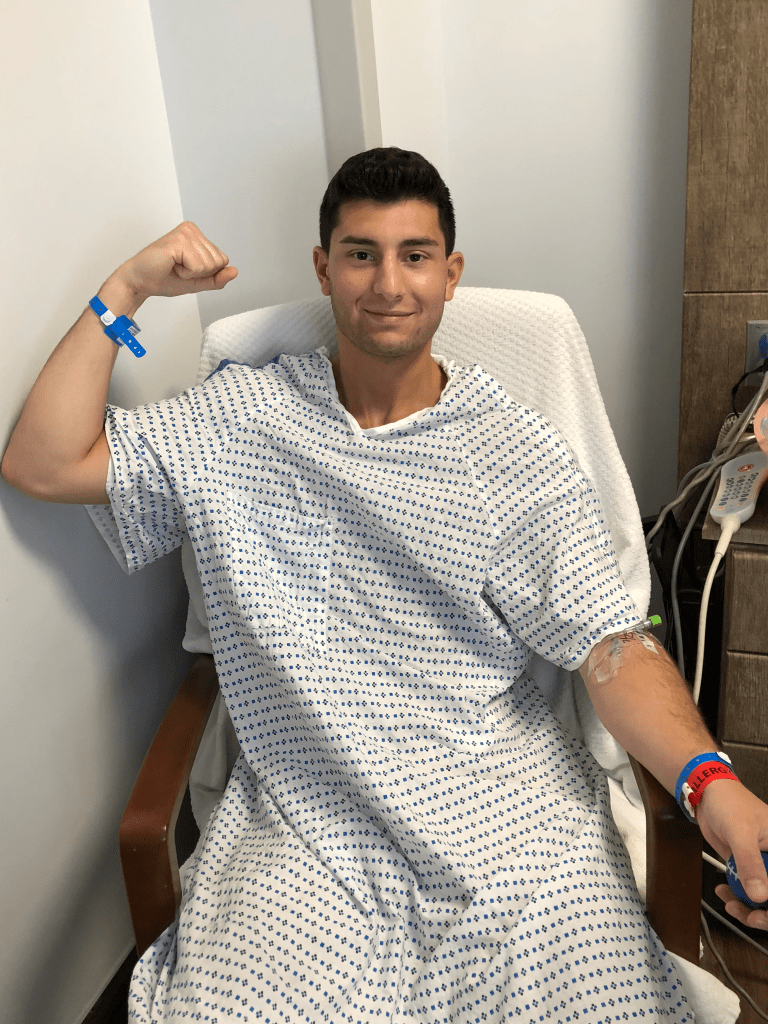

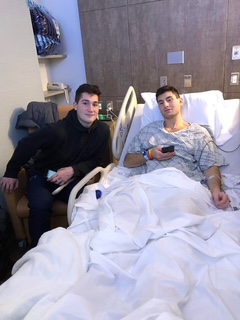
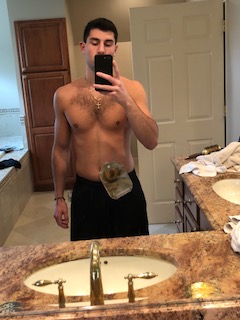
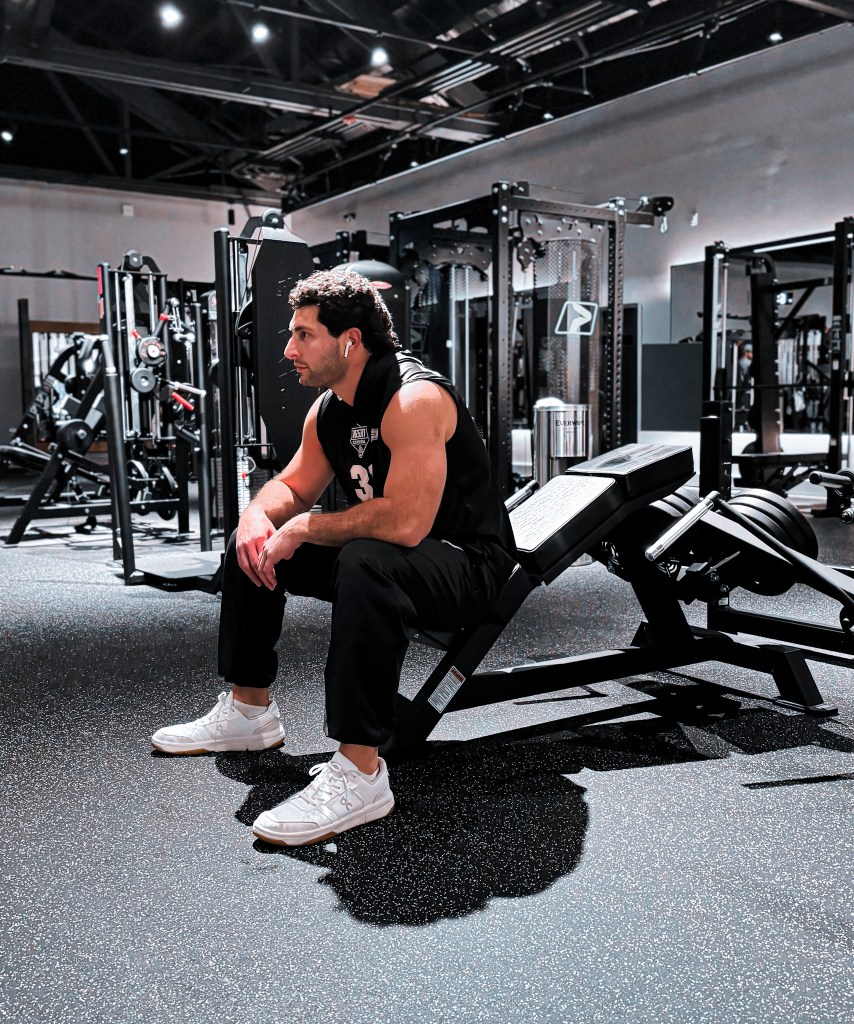
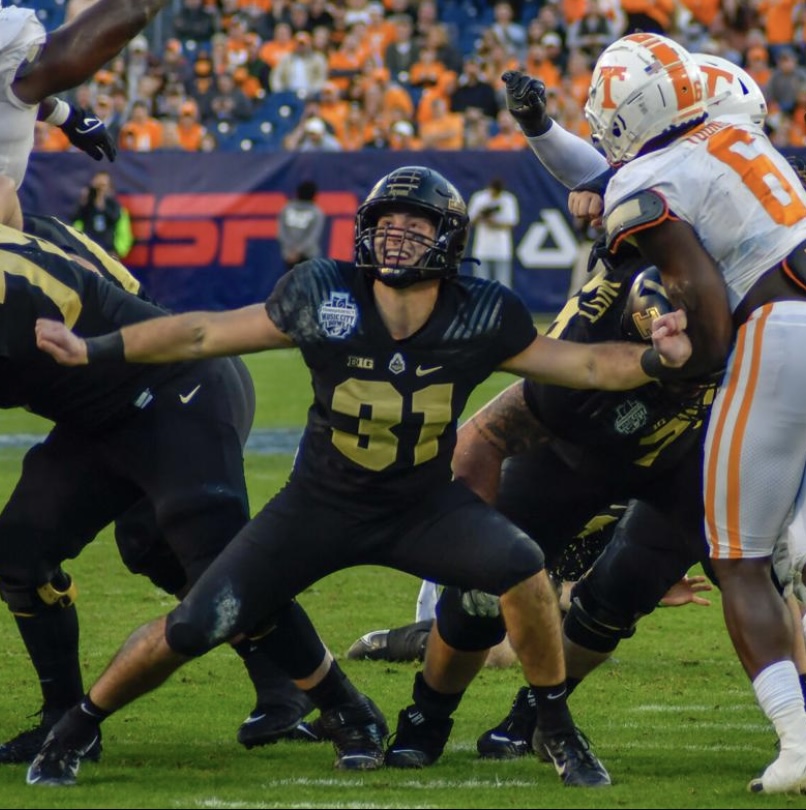
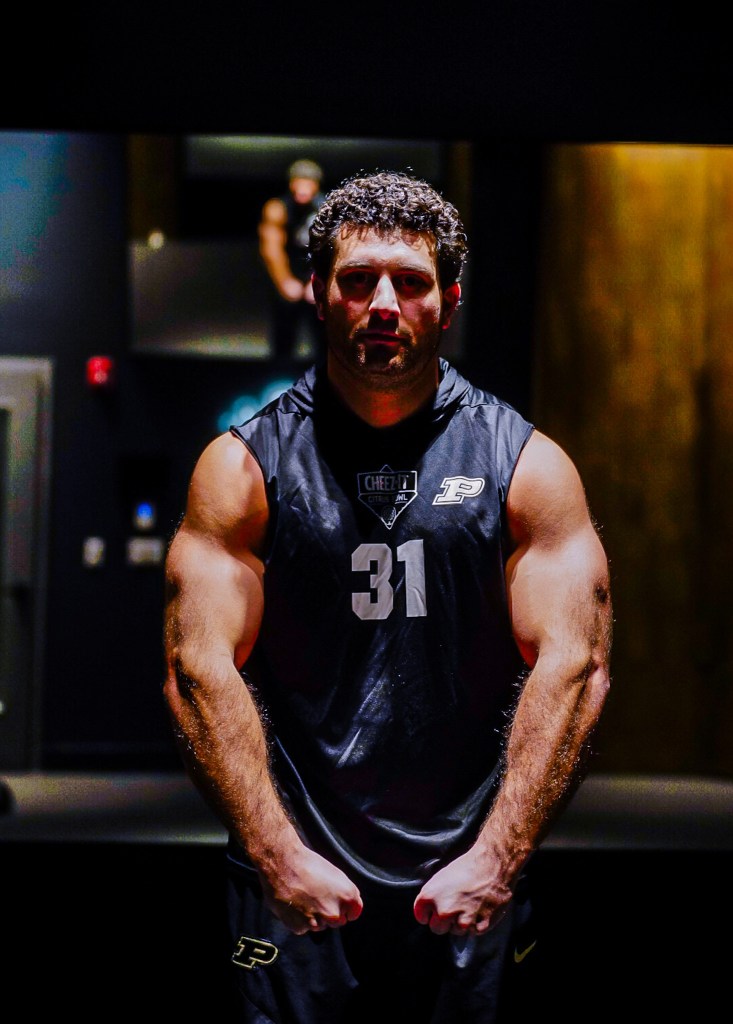
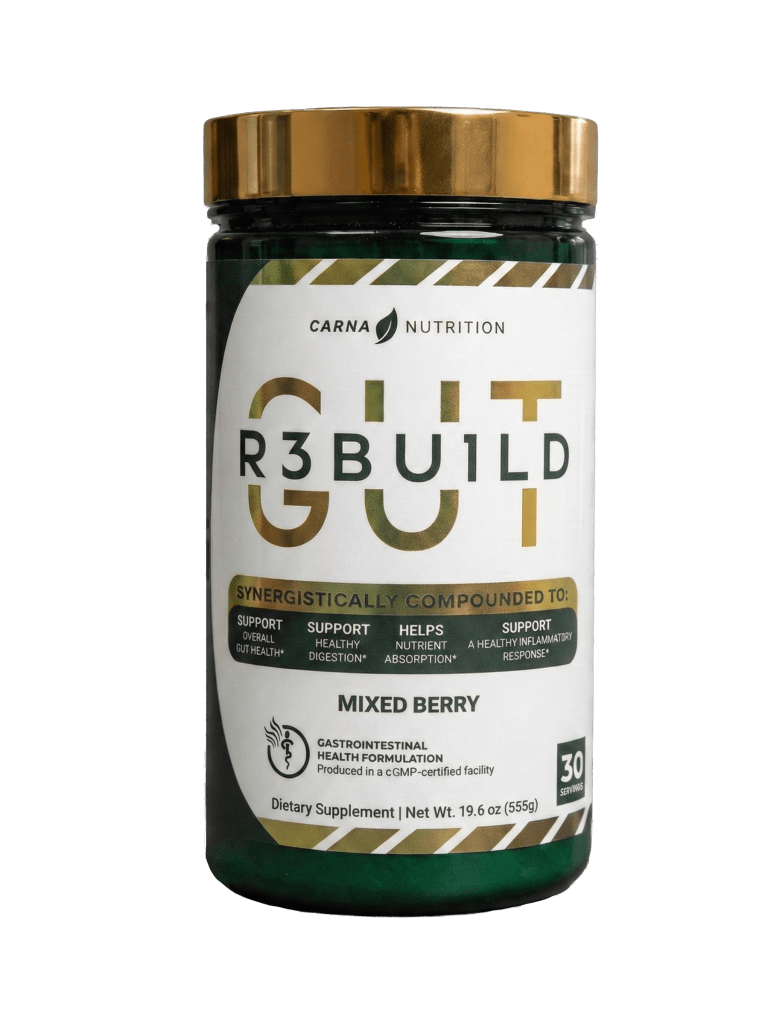












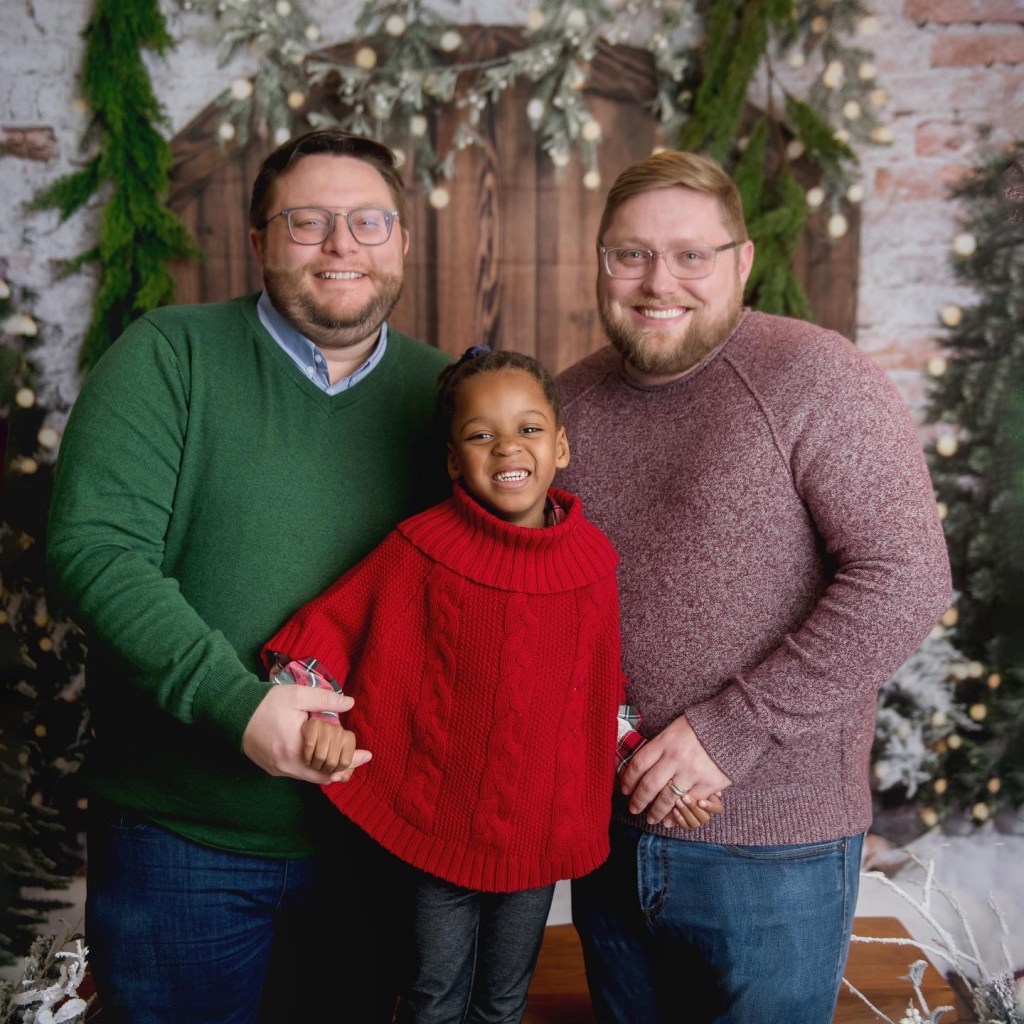






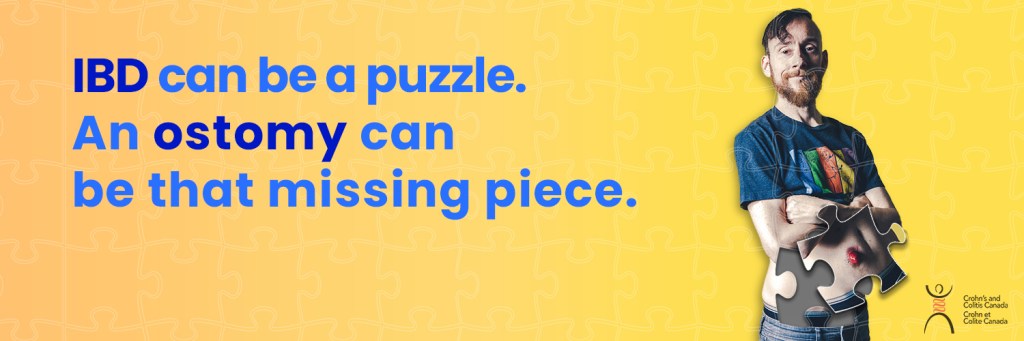







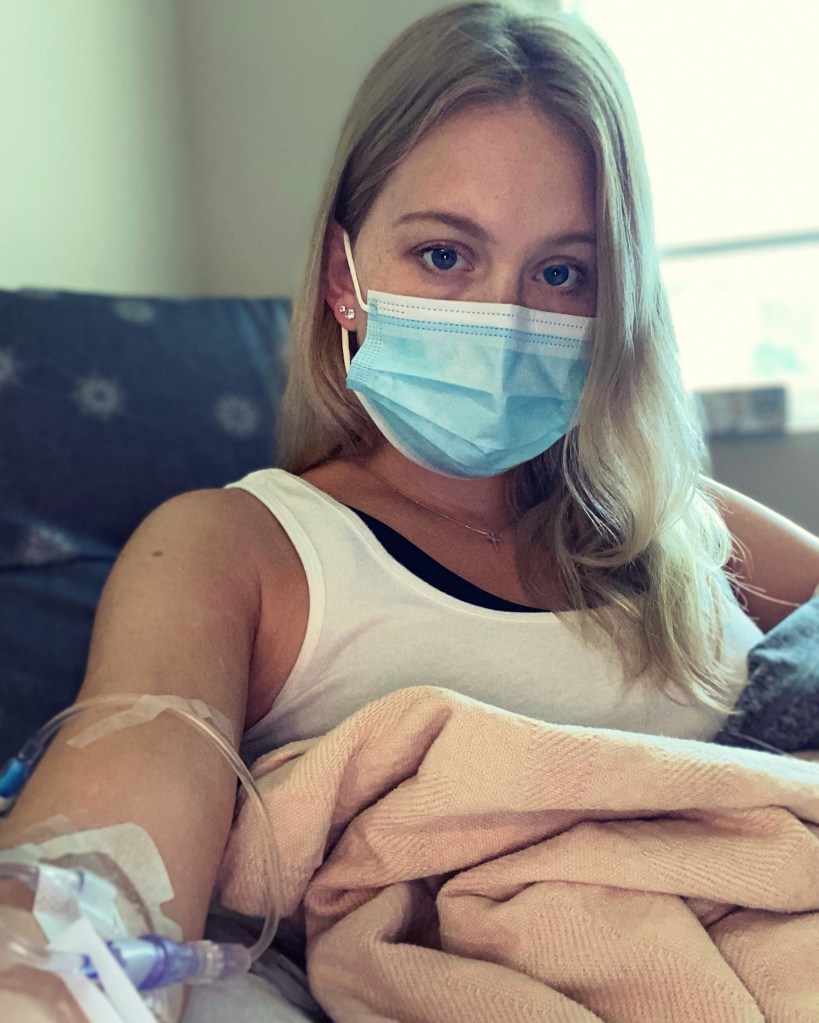









 lights camera crohn's