Now and Then: Advocating for Ukranian IBD patients through the war

Click here to read Part 1: The Humanitarian Disaster in Ukraine and What this Means for Those with IBD

Elena Sotskova is a financier who has lived with ulcerative colitis for 21 years, her friend, Artem, works in IT and has Crohn’s disease. Elena and Artem teamed up with several other IBD patients in 2018 to launch Full Life, an organization created to show those living with Crohn’s and ulcerative colitis are not alone in their struggles. They launched a website that features helpful articles for patients, they conduct “patient schools,” and connect with doctors in different regions of the country to offer additional guidance and support for patients.
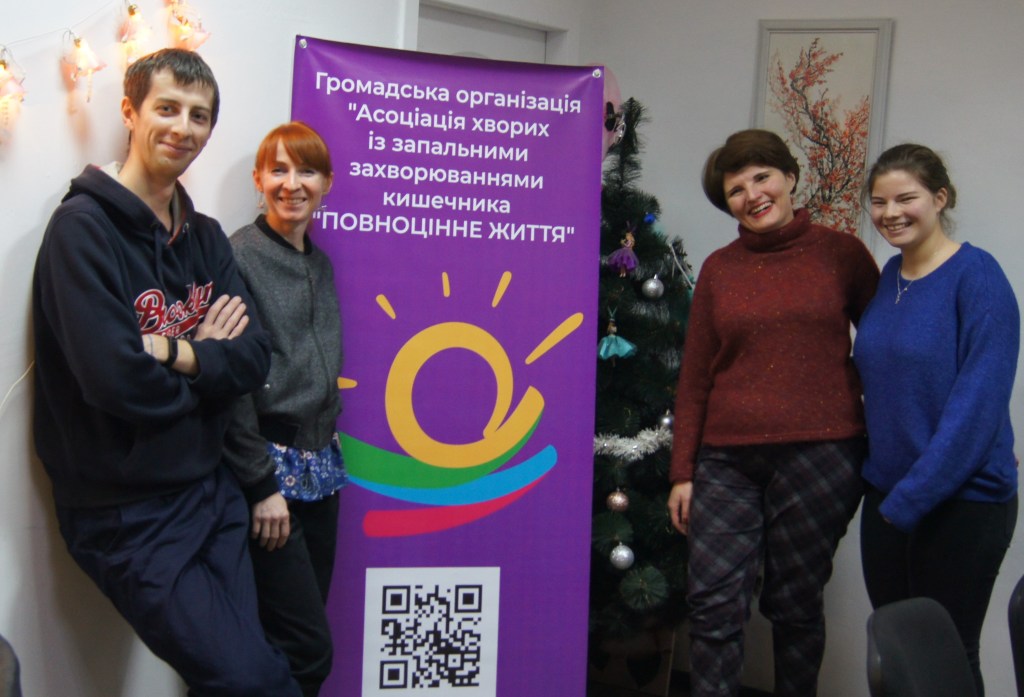
“The biggest problem in Ukraine, is that we do not have treatment programs for patients with IBD. We do not have insurance to cover medicine, and all patients buy medicines at their own expense. As people across the world living with IBD know, these medications come with a hefty price tag, making it impossible for people to afford proper treatment. This forces many Ukrainian patients to refuse treatment and eventually become incapacitated. This was an issue before the war and even more so now,” explain Elena.

Therefore, one of the main tasks of Full Life is to collaborate with public authorities, such as Ministry of Health, and advocate for rights of patients while working diligently on programs for affordable and accessible treatment.

“We had made such progress for the IBD patient community prior to the war. But I’m afraid now the war has set us back and we have to start all over again.”

The inspiration behind Full Life

Elena tells me she was inspired to create Full Life because after living with ulcerative colitis for more than two decades she’s learned coping skills and how to manage her disease. She thinks about her younger self and the pediatric patients who feel isolated, panicked, and depressed in their journeys.

“My task as a mentor is to lead by example and show that you can live a full, enriched life with this disease. I love communicating with young patients and helping them see all that’s still possible for them to enjoy and achieve.”

Full Life also provides psychological and mentoring assistance to IBD patients in Ukraine.

During this pre-war protest, Artem’s sign read “No drugs = No future”

“Prior to the war and now—the main issue is continuation of treatment. We only have one way to get treatment covered and that is through participating in clinical trials. We have about 11,000 patients with IBD in Ukraine and one third of those patients participate in clinical trials so they can treat their disease. Because of the war, many clinical trials and centers for these programs came to a halt.”

Of all the biologic drugs to manage IBD utilized across the world, the only one available in Ukraine outside of a clinical trial is Entyvio.

How the war impacted Takeda (maker of Entyvio in Ukraine)

“Unfortunately, because of the war, Takeda pharmaceutical’s company was forced to close its warehouse in Kyiv, and patients who took Entyvio are left without treatment. I am in touch with Takeda representatives, and they promised to resolve the issue of access to treatment soon.”

I also reached out to Takeda here in the United States and was told by their media relations department that they are continuing to evaluate the situation closely and are making every effort to protect their colleagues in Ukraine along with continuing to supply patients in Ukraine and elsewhere in the region with their much-needed treatments. I went on to ask how that is possible with so many people fleeing their homes and becoming refugees.

“We know that many patients are displaced, and this is an extremely difficult time for patients, their loved ones, health care providers, and countless others. Access to medications can be an issue. We are working hard as a company to offer medications to those in need through the appropriate providers of care. We also want to make sure that patients have access to direct support. Since the conflict started, we have worked with stakeholders in the country to ensure the supply chain resumes. Those under the Patient Assistant Program for IBD treatment have received their medication in Ukraine. We have also set up a web page for displaced patients with relevant contact information per therapeutic area. We encourage patients and providers in Ukraine to reach us at https://takeda-help.com.ua/#/,” said Megan Ostower, Global External Communications, Takeda.

The challenge of logistics when it comes to drug access and delivery

Most patients from Ukraine rely on mesalamine (Salofalk, Pentasa, and Asacol). Elena has been on mesalamine since she was diagnosed.

Elena with her daughter early on in her patient journey

“It’s not cheap for me, but it’s the only way I can lead a normal life and keep my illness under control. Before the war, patients had access to mesalamine at local pharmacies or they could order it abroad. Now, most pharmacies in Ukraine are shut down and there’s a huge problem with logistics. It is impossible to deliver drugs from Europe. So now, it’s nearly impossible for us to even get mesalamine.”

One of the first places Elena and her team turned to for assistance was the European Federation of Crohn’s and Ulcerative Colitis Associations (EFCCA). She says they have promised humanitarian aid from Europe.

“We are constantly in touch with Poland, Estonia, Italy, and Spain. Every country wants to help support Ukrainian patients. But Full Life does not have an account in foreign currency, only in UAH (Ukrainian currency). We never anticipated our country and people would be attacked and that there would be a war.”

I reached out to Bella Haaf is Deputy Director of the EFCCA.

She said, “Please be aware that the situation is very difficult out there. We are trying to support the patients associations as much as possible, but we are unfortunately faced with a lot of red tape. As a patient association, it is not legal for us to purchase IBD medication and ship it to our colleagues, which would be a simple solution. So, in the meantime, we are talking to the ministry levels, NGOs (non governmental associations), physicians, and pharmaceutical representatives. Unfortunately, we have experienced little progress. We had hoped to do a private collection of IBD medicines, but again this is legally not possible.”

Elena’s advice for IBD patients in Ukraine and refugees

Elena hopes all Ukrainian IBD patients fleeing the country bring their medical documents (even just a photo on your phone to prove diagnosis).

“To do this, patients need to state their diagnosis when they cross the border and advise medical professionals they need continuous treatment. If you couldn’t bring your medical documents, try and remember what doctors in Ukraine diagnosed you and prescribe your medicine. If there are problems with getting treatment in EU countries, contact Full Life and we will work to solve your issue through local patient agencies.”

For now, each day of destruction and heartbreak leaves the people of Ukraine feeling helpless, especially those with a chronic illness that requires daily management and care.

“I think now neither I nor other Ukrainian patients will be able to write a happy story. We all have the worst period of our lives right now, as our country is in war. We are now very upset and depressed. But we are glad that our American friends remember us and are worried.”

The pharmacy crisis

“What will happen next, I do not know. There are no pharmacies in the village where we live and work. The logistics from Kyiv are very difficult. No delivery companies work.” Today (March 31) Elena’s husband is headed to Kyiv to try and get her medication, which of course comes with many dangers and risks. I will share an update once one is available.

Elena tells me only about 30 percent of pharmacies remain open in Kyiv right now and that there is a “catastrophic shortage of pharmacists left” since so many fled the country.

“Now in those pharmacies that work, there are huge queues, and almost no drugs, because they cannot deliver for various reasons. If I stop taking my drug, I’m afraid it will soon be exacerbated disease. You know how stress affects our disease. This war has caused terrible stress and so many patients have it worse. There are areas in Ukraine where there is no medicine, no food, no water. For example, in Mariupol, we don’t even know if people are alive there. So many have died each day from shelling hunger, and disease. Who could have imagined this in our time?”

Using plastic bags as ostomy bags

Sadly, Elena says many of the patients she’s connected with through Full Life are no longer in touch.

“I don’t know if they are alive. For ostomy patients, they are left without their necessary means for hygiene. Some of my peers have been gluing small plastic bags around their stomas. I am currently talking with patients and taking note of all their needs. There is a doctor in Lviv who treats patients with IBD and that is where we are having all IBD humanitarian aid sent. The Patients’ Association in Poland is actively helping coordinate the delivery of medicines and hygiene products from Europe to Ukraine as well.”

Elena says she is constantly in contact with European Associations, and they all promise to help.

“I try to be in touch with our patients, I try to support them somehow, but it is difficult. The prospects are unclear, it is unclear when this war will end.”

Regardless, Elena works tirelessly to be a pillar of support for others, even as she worries about her own wellbeing. I feel fortunate to have connected with Elena in recent weeks. Her updates and perspective are a reminder of how far IBD treatment still needs to be come in other parts of the world and of the extreme challenges so many people with chronic health conditions are facing in this war.

“As for our progress in receiving humanitarian aid, we are currently waiting on a small package from Greece. The first of two. The second parcel should arrive later. Dr Falk (a pharma company) also donated Budenofalk and Salofalk to us. And on Friday (4/1), a German non-governmental organization plans to send more of these medicines to Ukraine.Our Ministry of Health sent a letter to the Polish Ministry of Health with a list of drugs that Ukrainian patients with IBD need. We are waiting for a
reaction from the Polish side.”

The Full Life organization is a member of the Charitable Society “Patients of Ukraine” and they collect help for all patients and can be of support. Click here to see Facebook posts.

Follow Full Life on Facebook

Full Life’s Patient Group

Stay tuned to Lights, Camera, Crohn’s for continued updates and keep Ukraine and its incredible people close in thought and prayer. Thank you to Elena for her openness and willingness to email me back and forth as she lives through these extreme challenges. We’ve built a friendship from afar and I’m grateful she’s sharing the IBD patient experience through war so the rest of us can have this unique understanding and perspective.

IBD Motherhood Unplugged: Being an Ostomate through pregnancy and beyond

Pregnancy and motherhood look differently for women who have an ostomy. And not just physically. But also, emotionally, and mentally. The path to motherhood is unique for those of us in the IBD community and we’re living at a time when more research about pregnancy and breastfeeding is right at our fingertips, all of which sets IBD moms and moms-to-be up for success.

Whether you’re on the brink of needing an ostomy and fearful of what this means for your future. Whether you’re a mom of a young girl and worry about whether your daughter will ever be able to be a mom. Whether you’re newly diagnosed and can’t imagine your damaged body bringing a life into this world. Whether you just took a pregnancy test after a bag change and can’t believe it’s positive and don’t know what to do next. These transparent and real-life patient stories will bring you hope and help empower you in coping, preparing yourself, and working with your care team, if carrying a baby is something you hope to do one day.

This week we hear from several ostomates—some who are moms, others who are pregnant right now, and two women who got pregnant after having a proctocolectomy (removal of rectum and colon).

Krista Deveau was diagnosed with ulcerative colitis as a child. After having two bowel resection surgeries and her ostomy surgery over the course of 10 years, she was worried about whether being a mom would ever be an option.

The reason for getting a temporary ileostomy and avoiding even more scar tissue, was because of I wanted to start a family with my husband in the years to come. To my surprise and my GI’s surprise, we got pregnant much easier than expected, truly a blessing because this isn’t always the outcome for everyone.” 

She’s now 24 weeks pregnant and expecting her first baby in June! Krista says this is the best she’s ever felt. Her symptoms have been silent aside from having phantom rectum/poop and passing mucus more frequently lately.

Krista is on a dual biologic treatment plan (Stelara and Entyvio) every 4 weeks. She plans to stop her Entyvio treatment at 32 weeks and resume her infusion in the hospital after she delivers. She’s still in the process for determining her game plan with Stelara. She also takes prenatal vitamins, vitamin D, and b12 shots. She expects she’ll need iron infusions before baby arrives.

As of now, she plans to do a vaginal birth. Due to not having perianal disease and already having significant scar tissue and adhesions from previous surgeries, her care team determined this plan with her. Like any IBD mom-to-be, she worries about the ever-present threat of a postpartum flare, having to be hospitalized and be away from her baby, and possibly passing her disease onto offspring.

Katie Cuozzo was diagnosed with Crohn’s disease when she was 5 years old. She’s had concerns about not being able to get pregnant for as long as she can remember. Now, she’s 34-years-old and a mom of three girls. Her oldest daughter was 18 months old when she received her ostomy, so she’s been pregnant with and without a bag.

“The only difference that I noticed between pregnancy with an ostomy versus without was how to dress. As my stomach was getting bigger, it was a little harder to disguise my bag. I would mostly wear baggy clothing. With my first pregnancy, I was able to deliver vaginally, I had c-sections with my younger two.”

Katie’s perianal disease got significantly worse after delivering her firstborn. Originally, she was planning to have a temporary colostomy, but her symptoms didn’t improve so she decided to get a total colectomy. Despite her IBD causing her so many issues, Katie was able to conceive on her own without any problems.

She remained on her medications during all three pregnancies. She took Cimzia during her first pregnancy and Stelara during her other two pregnancies. Katie also continued to take her prenatal vitamin, vitamin D, vitamin b12, and calcium supplements. She also breastfed all her children.

“As I was planning for ostomy surgery, my surgeon told me that if he did a total proctectomy- removal of my rectum, my chance of fertility would decrease significantly. I made the choice to keep my rectum in place until I was done trying for more kids. I am now at a place in my life where I am beyond blessed with my three daughters and am ready to have my final surgery to remove my rectum, knowing that I will likely never be able to have more kids.”

Katie says she was amazed at how great she felt while pregnant. It was the first time in a while she was having regular, normal bowel movements and was able to eat anything and everything without having abdominal pains and needing to run to the bathroom.

Katie Nichol was diagnosed with ulcerative colitis in 2018 when she was 30 years old. She went through an emergency subtotal colectomy surgery in October 2019 to remove her diseased large bowel/colon and an ileostomy was created.

I was told that I would keep my rectal stump to further my chances of being able to have children in the future, but my doctors told me to seriously think about having my family before my next operation, either a total proctectomy or j pouch surgery. Personally, I never thought I would ever be able to get pregnant after surgery as it was such a big life change and a lot of trauma had happened in my abdomen with surgery.”

Katie and her husband had been trying to conceive since before her IBD diagnosis. She didn’t know anyone in real life with a stoma. It made her anxious as she was unsure how her body would respond if she got pregnant and how it would affect her stoma, intestines, and overall health.

“After receiving my ileostomy, I felt so much healthier, happier, and started to think that my body would be able to conceive and start our family. My IBD team and surgeon kept saying at appointments post op that if I wanted a family I would need to start trying in the next couple of years before my next operation.”

Katie says her surgeon wanted to ‘preserve her pipes’ and advised her that a vaginal birth may cause some damage from pushing. Her care team warned her about the possibility of her rectal stump or stoma having the chance to prolapse, so she went ahead and scheduled a c-section.

 “One surprise I used to get was when the baby was lying to my stoma side (right hand side) it would sometimes look like I had a hernia around my stoma sight, but the baby was underneath my stoma, this freaked me out a good few times, but it was amazing to see the baby move and my stoma still standing strong on my stomach.” 

Katie took prenatal vitamins, iron, and was on a rectal foam for her rectal stump while she was pregnant. Since her stoma surgery, she is no longer on medication. Now she takes suppositories for her rectal stump before bed.

Receiving a Total Colectomy as a mom of two

Kimberly Hooks was diagnosed with ulcerative colitis in 2011. She was 28 years old. Her oldest daughter, Briana, was five years old when Kimberly received her IBD diagnosis. After nine years she was able to reach remission and became pregnant with her second child. Kimberly had a three-stage J-pouch procedure between the fall and spring of 2020. She was an IBD mom of two while all of this was going down.

“I honestly did not want to accept that I had to have three surgeries. I was utterly devastated when I found out that I had to have a total colectomy. My surgeries were scheduled during the height of the pandemic in 2020. Mentally, I could not wrap my head around the fact that I would not be there for my family, especially during this critical time in our lives. I felt hopeless; I felt defeated as a mother and wife.”

Kimberly’s colectomy was unexpected. She did not have time to process anything.

“We often put ourselves last; however, I was not given a choice in this case. The reality was I had two more surgeries to undergo, and I understood that I have a family that loves and supports me. I realized this was my time to ensure that I did what I had to do to heal, recover, and finally be the best mom and wife I could be.”

The experience impacted Kimberly and her family in the most positive way. Her husband and daughters rose to the occasion day after day to offer love and support and saw Kimberly as their hero. She was discharged from the hospital after getting her ostomy on Mother’s Day and her daughters made her signs and gave her flowers.

“All the while, it was me who had to accept that living with an ostomy is something to be proud of. At first, mentally, it was a hard pill to swallow, but after awhile I realized that my ostomy bag saved my life; I will be forever thankful!”

Pregnancy after a Proctocolectomy

Kayla Lewis was diagnosed with Crohn’s disease at age 10. When she was 24, Katie had surgery and received her ileostomy. She says that’s the first-time fertility and her future as a mother crossed her mind. Then, in 2017 she became incredibly sick. She tried what she thought was a temporary ostomy for six months. Then in a follow up scope her GI perforated her bowel.

“When I woke up, I was informed that my entire colon was scar tissue so much that the camera could barely go into the bowel before perforating it. At that point, I was told my options were to leave the colon and rectum or schedule to have both removed, but either way, the ostomy was suddenly permanent. I did not want to resort to that initial surgery till I knew I had exercised all other options available to me including meds, treatments, and diet. Being that surgery was my only hope at gaining life back, I never fully questioned how it would affect my fertility. I did briefly ask the surgeon if I can still have kids one day. He responded with a simple ‘yes’ and I left it at that.”

Even though Kayla says she still would have continued with her proctocolectomy regardless, she wishes she would have thought to ask more questions. Thanks to her ostomy, Kayla has been in remission for 5 years. She felt like family planning could be on her own terms.

“Being 12 weeks pregnant with an ostomy has been much smoother than I had envisioned for myself. I work as a nurse in an operating room, so feeling nauseous and vomiting was my biggest concern early on. I have a small body frame, so maybe once the bump starts to show, I will experience stoma changes. Hopefully, nothing more than just cutting the wafer a bit smaller or larger.”

Currently, Kayla takes Imuran and Allopurinol daily and injects Stelara every 8 weeks. She also takes a prenatal vitamin.

“I was always told that when the time comes for me to become a mom, it would have to be via c-section and not vaginally. I knew this well before my ostomy, because I was warned how difficult it could be for me to heal from tearing as well as could trigger a flare. After my proctocolectomy, I knew without a doubt, I would need to schedule a c-section to play it safe.”

Lori Plung was diagnosed with Crohn’s Colitis in 1980. She was 16 years old. Two years after her diagnosis her disease became severe. As she reflects, she remembers being very worried about ever being healthy enough to be a mom.

“My mom was told by my GI at the time that he didn’t have a good feeling about me being able to have children. This was not shared with me at the time, and this was well before surgery was mentioned to us.”

In 1988, Lori had a proctocolectomy. She remembers lying in the hospital bed before her surgery and a local IBD mom and her toddler coming to visit and show her all that’s possible with an ostomy.

“I believe what was missing, was a conversation with my doctors about how my anatomy would change after surgery and the possibility of scar tissue building up near my ovaries, fallopian tubes, and uterus. Therefore, making it harder to conceive. When it was time for us to try for a family, we couldn’t conceive on our own. In the back of my mind, I knew my insides were shifted around and I had a strong suspicion that mechanically things were not working correctly. We tried for about 6 months and started investigating fertility options. We didn’t wait the full year as often recommended because I was feeling well —and as we know with IBD, when the disease is under control, It’s the optimal time to be pregnant.”

Lori went through many fertility treatments and said no one blamed her proctocolectomy as the culprit. She ended up having scar tissue on one of her fallopian tubes. She got pregnant with her first child through IUI (Intrauterine insemination) and her second through IVF.

She remembers telling her husband she didn’t want their kids to have memories of growing up with a “sick mom.” She had three more IBD-related surgeries, numerous hospital stays, and says her energy was drained, but she prided herself on her inner strength and determination to always push through no matter what.

Lori says if she could talk to her former self, she would tell herself not to feel guilty about needing to stay home and do quiet activities because she was having a hard Crohn’s day.

“Not to be hard on myself when we sat and watched Barney (my daughter Dani’s favorite) or Teletubbies (my son Jesse’s favorite) because I was too exhausted to move. Not to feel guilty when everything fell on my husband, especially through each surgery and recovery. It’s ok to ask for help and not feel guilty.”

Lori’s kids are now 23 and 26. She still can’t believe she’s been able to be a mom and be there every step of the way as her kids thrived through each stage and season of life.

Advice for fellow ostomates about pregnancy

  • If you have an ostomy, you can have a baby. Don’t let your ostomy hold you back. Work with your care team to know when the right time is and if there would be any issues with getting pregnant.
  • The body has a way of coping no matter what. Your past trauma prepares you to handle the unknown and celebrate every win—big or small, along the way.
  • Keep the faith. You may run into roadblocks but exhaust all options before you throw in the towel. Miracles happen every day, stay hopeful.
  • Find a care team well-versed on IBD. A medical team who understands your complexities and who is supportive will make your experience with pregnancy and an ostomy a positive one. Have all hands-on deck and connect with your IBD team, surgeon, ostomy nurse, and Maternal Fetal Medicine (MFM) group. It will give you a sense of security as you embark on this wonderful and exciting adventure. Your ostomy nurse will be a huge resource—as your belly grows, so will your stoma.
  • Be mindful of ultrasound gel. Be prepared at OB-GYN and MFM appointments by bringing extra bags and wafers. Try and make sure your ostomy is empty prior to ultrasounds and then fold it up or hold it up to keep it out of the way. Ultrasound gel can make the adhesive come off. Many of the IBD moms I spoke to said they change their bag after every ultrasound to make sure all the gel is off their stomachs, so the new bag can stick on properly.
  • Stoma size and output. Don’t be alarmed if the size of your stoma changes as your baby bump grows. Stomas go back to their pre-pregnancy size after babies are born. For some, output can get thicker, and you can have more gas, but that’s likely due to being able to tolerate more fruits and veggies. As your belly grows, your bag may dangle rather than being tucked away and become a bit uncomfortable.
  • Remember everyone’s journey is unique. While each of these amazing women are sharing positive pregnancy experiences, don’t forget all the roadblocks, flares, and health issues they had to overcome to get to this point.
  • Ostomies gave you life and enable you to bring life into this world. For many IBD moms it’s surreal to experience your body go from attacking itself to nurturing and creating a life. Pregnancy provides a renewed love and appreciation for all that our bodies are capable of, despite our IBD.
  • Connect with other ostomates over social media and through support groups. Don’t hesitate to reach out to women who are living your same reality on social media. We’re all a family. Peer to peer support is amazing, reach out to fellow IBD moms. Here are the Instagram handles for the women featured in this article. Give them a follow!
    • Krista Deveau–@my.gut.instinct
    • Katie Cuozzo–@kati_cuoz
    • Katie Nichol–@bagtolife_
    • Kimberly Hooks–@kimberlymhooks
    • Kayla Lewis–@kaylallewis_
    • Lori Plung–@loriplung

Mom, Model, and Ostomate: Seeing Life Through the Lens of IBD

When she’s not on the runway during Fashion Week or gracing magazines, Keyla is doing all she can to be an advocate for IBD. She was diagnosed with ulcerative colitis eight years ago, but this year, she found out she has Crohn’s disease.

“As a child, I always had intense stomach aches, and difficulty going to the restroom. Sometimes I’d even pass out. Doctors always told me it was constipation. It wasn’t until I was at work one day and passed out that my boss convinced me that I needed additional medical attention.”

At that point, Keyla was having 8-10 bloody bowel movements a day. Prior to ulcerative colitis, she was diagnosed with celiac disease and went on a strict gluten free diet. But unfortunately, the symptoms persisted. She got a second opinion and that’s when she was diagnosed with IBD. Keyla recalls that in the beginning moments of her patient journey she struggled to grasp that chronic illness meant her disease was a “lifelong partner” and that IBD would change her life in unimaginable ways.

The journey to an ileostomy

Fast forward two years after her IBD diagnosis and Keyla rushed to the hospital after noticing unexplained bleeding. Turns out she was hemorrhaging from her uterus and was told she had uterine cancer.

“After having a partial hysterectomy and no longer being able to have children, I’m not sure if it was the stress from everything happening but my UC was never able to be controlled after that. From failed medications like Methotrexate and Remicade to looking like Quasimodo from eye swelling caused by Entyvio and having less hair than a toddler from being on Humira. My body and I had enough. My clinical team and I decided it was time to evict my colon.”

In September 2018, Keyla began her 2-phase j-pouch procedure. Unfortunately, the surgeon discovered her colon was much more diseased than he had thought. Keyla’s colon had become fused to her stomach, resulting in part of her stomach to be removed as well.

“For 2 months I felt amazing with my ostomy and was excited for my reversal in December 2018. But shortly after, I began developing chronic pouchitis, could not gain weight, required IV fluids regularly, with a failed midline and then needed a central line. We decided to disconnect my j-pouch and create my end ileostomy in September 2020.”

All was well until January 2021 when Keyla started bleeding from her ileostomy. It was at this point she was diagnosed with Crohn’s disease and started Stelara. After a few hospital stays and some improvement with her symptoms, she began to experience an increase in rectal pain, urgency, and discomfort, so Keyla needed yet another surgery.

October 27th (less than one month ago!) she had her j-pouch removed with a proctectomy and officially made her stoma permanent. She’s recovering from this surgery as we speak.

How Modeling Came into Play

After reading that challenging medical history, you may wonder how Keyla finds the time to focus on a profession. Modeling is something Keyla always wanted to do when she was younger, but she was too embarrassed to tell anyone. She sort of stumbled into it. Keyla had done a fun photoshoot with a friend and those photos were shown to another friend who works in the fashion industry. Before she knew it, Keyla was a published model!

“Sometimes I still can’t believe I’m living my dream despite having health issues. I had the honor to walk at London Fashion Week this year and have been published in magazines out of the US, UK, and Canada.”

SURREAL Lifestyle Magazine and 4 Seasons Magazine have been her favorite features thus far because the publications have allowed her to speak about her IBD advocacy work. Modeling serves as the perfect platform for spreading awareness to others about ostomies and life with Crohn’s. 

“I always try to take the time for myself and make sure I am doing the things my mental health needs to stay focused and feel well. I also try to own those feelings. If I’m symptomatic, I try to accept it and openly communicate my struggles with others.”

Keyla says having an ileostomy can make modeling a bit more complicated, especially if she has to wear form fitting or tight clothing. If that’s the case, she ends up having to empty her bag more times than she really needs to. She’s grateful her modeling gigs have followed strict COVID guidelines, which helps her feel more at ease during these uncertain times.

When a project allows, she especially enjoys getting to show her ostomy in photos or on the runway. She chalks that up as her biggest career win of all!

A model mother

Keyla’s main focus whether she’s modeling or fighting a flare in the hospital is her family. She has an 11-year-old son who inspires and motivates her to push through the difficult days.

“IBD has made motherhood challenging. Without chronic illness motherhood can be difficult as it is, adding health issues on top of it makes it more complicated. I constantly question whether I’m making the right choices. But I also tell myself all I can do is try and hope that I’m being a good role model for him.”

It pains her to see how her son gets anxious about her IBD and healthcare. He’s been by her side every step of the way since she was diagnosed after he was born. Despite the highs and lows, Keyla feels her son is stronger because of her illness and has an innate sense of empathy and understanding for others.

If her IBD has taught her anything it’s that good days give us happiness and bad days give us experience. Modeling has enabled Keyla to be comfortable in her own skin and live the life she imagined long before Crohn’s was ever a part of who she was.

Connect with Keyla:

Instagram: Keyla.ic

Twitter: @keyla.ic

Inaugural Autoimmune Summit just what the patient ordered

This post is sponsored by the Autoimmune Association. All thoughts and opinions shared are my own.

An educated patient is an empowered patient. Over the weekend the Autoimmune Association presented its Inaugural Autoimmune Summit that aimed to do just that. The virtual two-day event featured 23 educational sessions and more than 50 autoimmune experts including physicians, nurses, policy experts, and of course, patient advocates.

The Summit covered a wide variety of important topics that impact patients and caregivers who live with autoimmune conditions. I had the opportunity to moderate a panel discussion about fertility, family planning, and pregnancy alongside Dr. Marla Dubinsky, Chief of Pediatric Gastroenterology at Mount Sinai and Co-Director of the Susan and Leonard Feinstein Inflammatory Bowel Disease Clinical Center and Mariah Leach, a mom of three who lives with Rheumatoid Arthritis and Founder of Mamas Facing Forward. As an IBD mom of three chidren myself, I’m extremely passionate about sharing guidance and support for fellow women on this subject.

During the discussion, Dr. Dubinsky touched on many aspects of the journey to motherhood and beyond with IBD, but one comment she made resonated with me. She said the greatest gift a woman can give their child, is to stay on their medication, and allow their baby to thrive in an uninflamed environment. As someone who needed and depended on my biologic with all three of my pregnancies that comforted me greatly and really struck a chord.

Other topics of discussion during the Summit included tips and tricks for managing multiple specialists to clinical trials, health equity, advocating on Capitol Hill, and complementary medicine.

A dream come true

Lilly Stairs, Vice Chair of the Board of the Autoimmune Association and Summit Lead, lives with Crohn’s disease and arthritis. As a patient advocate, she understands the vital importance of providing those who live with chronic health conditions to share their voice and articulate their needs and struggles.

“It has been a dream of mine and the Autoimmune Association’s to plan an event that unites community members from across autoimmune conditions. Our patient odysseys share deeply rooted similarities. By coming together, we can accelerate autoimmune education, awareness, advocacy, treatment, and someday, cures.”

Goals of the Summit

The goals for the Summit were three-fold. Organizers and presenters like myself hope you walked away feeling connected to people across the patient community, while learning tangible tips for managing your autoimmune conditions. Lastly, the hope is that attendees and Summit participants feel energized and excited about what the bright future holds for those living with autoimmune diseases.

Lilly went on to say, “Events like the Autoimmune Summit are essential engagements for patients and caregivers to participate in. These events provide tools to navigate life with chronic illness and empower patients with the knowledge they need to be “CEO, secretary, and treasurer of your care” as Hetlena Johnson, Lupus Patient Advocate so eloquently stated in the Managing Multiple Autoimmune Conditions panel.”

Events like this are a reminder that we are not alone in our journeys. Even though chronic illness can be extremely isolating, events like the Autoimmune Summit offer the opportunity for connection that often feels like much needed chicken soup for the soul. The camaraderie that is possible even though Zoom has a lasting impact on helping to lift the burden and self-doubt many patients face.

From the Speakers

Tina Aswani Omprakesh participated in a panel on complementary medicine and autoimmunity. As an ostomate who juggles Crohn’s disease, Gastroparesis, and IBS, she knows firsthand how imperative it is to take on illness with multiple approaches.

“This is an important subject that’s often not discussed in the autoimmune space. The reality is that many patients are thinking about exploring it but don’t know how to navigate it in a way that can help complement their existing therapies. These conversations are essential to proliferate both credible information and sources of complementary therapies so patients can truly live their best lives possible.”

Molly Schreiber lives with Type 1 Diabetes, Rheumatoid Arthritis, and POTS. During the Summit, she spoke about what it’s like to manage multiple autoimmune conditions.

“Anytime I can share my story, my hope is that attendees feel less alone in their battle with chronic illness. We may have different health conditions, but our fight is often the same—pain management, medical providers who listen, and affordable medications we can easily obtain.”

Alisha Bridges is a patient advocate who lives with Psoriasis. She participated in a breakout session geared towards dermatology. She says having the chance to speak at the Autoimmune Summit was an honor.

“I hope my story helped viewers to better understand the unique challenges of living with psoriasis as a woman of color especially in the clinical trials sphere. These conversations are imperative to elicit change for better care of patients of all backgrounds.”

Curtain Call

It’s our hope attendees discovered tips for managing autoimmune disease from patient advocates like myself who understand your reality, while also learning about the latest research and future treatments on the horizon.

Did you miss tuning into the first-ever Autoimmune Summit? No worries! All the presentations were recorded and will be shared in the weeks ahead. I’ll be sure to share the Fertility, Family Planning, and Pregnancy discussion I was a part of on my social media channels as soon as the video becomes available.

Thank you to all who tuned in, to all who participated, to the organizers, like Lilly, and the generous sponsors who made this happen. It’s amazing to see what’s possible when patients have a proverbial seat at the table alongside medical professionals and digital health companies. Our voices matter and time and time again we’re being heard loud and clear.

Follow the Autoimmune Association on social media

Instagram: @autoimmune_diseases

Twitter: @AutoimmuneAssoc

Facebook: Autoimmune Association

Baseball Player Brennan Metzger Fields Questions About Life With Crohn’s Disease

There’s more than meets the eye when you’re watching a Chicago Dogs baseball game. Outfielder Brennan Metzger was diagnosed with ulcerative colitis when he was 19 and later re-diagnosed with Crohn’s disease at age 24.

He’s now 31-years-old and didn’t allow IBD to steal his dreams of playing in the big leagues. Unfortunately, his most challenging flare-up happened the first summer he was a professional baseball player. Brennan was drafted by the San Francisco Giants in 2012 after graduating from Long Beach State University. He ended up playing for the Giants until 2015, but his health was not cooperating during that time.

“The flare ups are very difficult, and unfortunately for me it cost me a year and half of my career, but more importantly it almost cost me my life. I needed a total of six surgeries and had a total removal of my large intestines. I’m currently on Remicade and thankfully it is keeping me in remission,” explained Brennan.

His advice for young athletes with IBD—to stay positive and continue to treat your body right despite the uphill battle. Brennan says the struggles with Crohn’s motivate him.

“When I am symptomatic and need to play, I get as much rest as possible, and compete to the best of my abilities. Now, my Crohn’s is just a piece of adversity that I do my best to accept and play through.”

Coping With Life as a Former Ostomate and Current J-Poucher

Brennan had an ileostomy for nine months. Once his body healed from the j pouch construction, his surgeon was able to perform an ileostomy take down and re loop his small intestine back inside his body.

“That was a tough time for me. I went through the struggle in the beginning of not being able to look at it, let alone change my ostomy bag. Once the unfamiliarity of the situation passed dealing with life with an ileostomy got better.”

At that point, Brennan learned to adjust. He reached a sense of acceptance knowing that it was necessary for him to endure this so he could get better. The fact that his ostomy was temporary helped him cope.

“To anybody that is adjusting to life with an ileostomy, don’t let the fact that you are different and have an ostomy bag hold you back from being you. If anything, it makes you unique and tougher than most. You’re a fighter, so keep fighting.”

Brennan is passionate about connecting with as many people in the IBD community as he can. He knows firsthand how lonely and isolating Crohn’s and ulcerative colitis can be, so anytime he can be a source of comfort or a role model for others, he jumps at the opportunity.

Choosing to Play Through the Pandemic

Deciding to play baseball as an immunocompromised player was nerve-wracking to say the least. Brennan says he realized he had two options—live in fear or live his life to the fullest. As a vaccinated ball player, he felt getting the jab allowed him to have some control and not let uncontrollable circumstances affect him.

“I chose not to live in fear and to compete because baseball in the summer presents a sense of normalcy and I think the world needed something to look forward to amongst all the negativity. I am still cautious and try to live healthy and do all the things to keep myself from getting sick. I look at the situation as being cautious, but not fearful.”

When traveling due to baseball, he makes sure to have a roll of Charmin ultra-soft toilet paper handy, because you just never know when you may need to go to the bathroom.

“I always search for the healthier options when it comes to diet. Sometimes it’s difficult and I just have to roll with the punches and accept that I may be taking a few more trips to the bathroom.”

How the Chicago Dogs Step Up to the Plate

The Chicago Dogs baseball team is part of the American Association of Independent Professional Baseball. Brennan is grateful for the organization and his teammates for never making him feel like a burden or less than because of his illness.

“The Chicago Dogs have been incredibly accommodating to my circumstances in having to deal with Crohn’s. They have been able to provide me with comfortable living arrangements and are understanding that there are times where I need to go about my typical workday a little differently than others.”

Brennan’s attitude on and off the field go hand in hand. He tries his best to focus on being positive, having fun, and being present in the moments provided by feel-good days. He loves connecting with others in the IBD community over social media, don’t hesitate to connect with him. Here’s how you can do so:

Facebook: Brennan Metzger

Twitter: @BrennanMetzger

Instagram: @Bmetz1234

IBD Motherhood Unplugged: Completing My Family Through Surrogacy

When IBD mom Jessie Magaro was pregnant with her first child, she knew early on she wouldn’t be able to carry another baby herself. Between the hormones from IVF and her Crohn’s disease raging, there was no way her or her doctors felt comfortable embarking on another pregnancy.

Before she got pregnant, Jessie had been in remission for more than 12 years. With pregnancy and IBD, there’s the ‘rule of thirds.’ One third of women will see their symptoms improve, one third will stay the same, and one third get worse. Unfortunately, Jessie fell into the last category. Since having her daughter, Mary Ligon on New Year’s Eve 2018, Jessie’s gotten an ileostomy and has grappled with her Crohn’s being out of control. When her and her husband started thinking about baby number two, she knew surrogacy was her safest and smartest option.

“My daughter Millie (born in April 2021) needed me more to be there as her momma once she got here than she needed me to carry her. Not only was my baby safer, but I was in a much better position health-wise to care for both my daughters.”

The Surrogacy Process

Surprisingly, the FDA controls surrogacy and has specific requirements for the IVF part of the process. Jessie recommends making sure your fertility clinic is well-versed on how everything goes down. Surrogates and biological parents go through medical testing and psychological evaluations prior to the transfer of the embryo.

“This was probably the hardest part for me mentally and emotionally. I was so frustrated and hurt that I had to pay someone a pretty penny to tell the government that I was mentally ok to have my own baby. It was just pouring salt into an already large and festering wound. Can you imagine having to have a stranger tell you if it was ok or not for you to bring your own child into this world?”

It’s important to note that surrogacy laws vary state to state, but in Georgia (where Jessie lives), you must adopt your baby back from the surrogate, even if the child is 100% genetically yours.

“You hire an attorney (one for yourself and one for your surrogate) and they actually file a lawsuit claiming your parental rights to the unborn baby on your behalf. I had to go before a judge and field questions on why I was pursuing surrogacy and whether or not I felt my husband and I were able to take care of the child once it was born. Again, insult to injury.”

There are several ways to go about surrogacy:

  • You can hire an agency to find you a surrogate and manage the process
  • You can use a friend or family member (they will still have to be medically and psychologically cleared by the clinic)
  • You can try to find one via word of mouth in your community.
  • There are tons of Facebook groups where you can “match” with one (local, regional, national, interest groups i.e., christian, altruistic, low comp, natural minded, etc). 

“Normally, you would be able to attend all OB appointments with your surrogate, but Covid made things a little trickier for us. We were unable to attend the transfer, which was sad, but I was able to go to a fair amount of the appointments. My husband unfortunately wasn’t allowed to attend any. We both were allowed to be in the room for the birth though and that was the most important thing to us.”

The experience of having a surrogate

Jessie says had she not been able to carry her first child that she feels surrogacy would have been harder on her. She feels so fortunate that she was able to experience pregnancy once.

“I had already gotten to a place mentally and emotionally where I knew the only way to get my daughter here safely was by having someone else carry her. I wasn’t ever triggered per se by seeing a pregnant belly because I knew she was safer inside our surrogate. I had so much PTSD and trauma from my first pregnancy as well that looking at another pregnant person never made me think “oh man I wish that was me again” if that makes sense. I did/do still deal with mourning though over how pregnancy played out for me and that I was unable to carry safely again. I also find myself spiraling occasionally thinking about how much it cost us to get our children here versus someone who could just have them themselves naturally. It’s been a massive financial burden/sacrifice for my husband and I (but oh so very worth it).”

The Financial Cost of Surrogacy

When looking into surrogacy, Jessie tells me you can ballpark around everything costing $100,000. There are many factors involved that play into whether that number is more or less depending on if you’ve already gone through IVF and have embryos. Much like IVF, there are some grants available for surrogacy, though much less common.

“The ways to bring the cost down for surrogacy would be to do an “independent journey” like we did where you don’t use an agency. You can also use a surrogate (whether it’s a friend, family member or even a stranger) who does not want to be compensated or wants very little. Medical bills will bring the cost up or down significantly depending on insurance plans and same with your legal fees as those will vary based on the surrogacy laws in your state.”

Defending her Decision

While Jessie says it was empowering to make the decision to utilize a surrogate to do what was best for her health and for her family, it’s been frustrating to constantly feel like she still needs to defend her decision to other people and even some doctors.

Whether it was …

“Aren’t you worried about having another child when you’re so sick?”

“Why don’t you guys just adopt??”

“Aren’t you worried the surrogate will want to keep the baby?”

“Aren’t you worried she won’t know you/you won’t be bonded to her??”

“Just one kid is great you should just be ok with having just the one”

etc …

“I know most of the time these comments don’t come from a place of mal-intent, and I try to use them as an opportunity to educate if it feels productive, but everyone is different what they’re open to accepting in their heart and their mind. In my mind, the girls are going to know the stories of how they came to be eventually, and hopefully they’ll see how wanted and loved they were. How unbelievably hard they were fought for. And how many people played a part in bringing them into this world.”

Managing IBD and Motherhood

Prior to looking into surrogacy, Jessie and her husband had to discuss at length if they would be able to handle a second child with her IBD. They also had to loop in their families knowing they would need their help when they couldn’t manage everything on our own.

“My husband and I say all the time, in all seriousness, that my illness has become a third child in a sense. There’s not a day, hardly an hour, that I don’t have to think about my Crohn’s or manage something with it in some way. It’s a difficult balancing act every day when I wake up trying to prioritize who needs the most at what moment (my kids, myself, or even my husband). I deal with a lot of guilt and grief with that. That I’m not the mom or wife I want to be … that I’m not able to give everyone what they need and deserve.”

Jessie often thinks of the oxygen mask analogy and says as an IBD mom it’s imperative to make sure her proverbial mask is on and secured first before she can help anyone else, which is very hard to do as a mother. 

Meeting Millie the Day She Was Born

It makes Jessie emotional to think about what it was like to walk into the hospital with her husband and know they were about to meet their daughter. They were able to be in the delivery room when Millie came into the world.

“I had an overwhelming sense of gratitude looking at our surrogate knowing what SHE went through and had sacrificed to get her here. All the anxiety I had been suppressing for months and months from having someone else carry her, to giving up all control, to doing it in the middle of the pandemic, to being so scared something would go wrong like it so often had for us in the past. It just all came pouring out of me uncontrollably as she was pushing. The moment she was placed in my arms it just felt like a lightning bolt connecting us. I felt bonded to her instantaneously. She was mine and I was hers and there was nothing on this earth I wouldn’t do to protect her.”

Jessie knew from the start of this journey that her surrogate would be a lifelong friend. Their families grew close through the process, and they live nearby one another. She says she’ll always hold a deep place in her heart for her and is incredibly grateful to be a family of four.

“My Silly Illy”: Ostomate, turned published author, helps children and families cope

When Campbell Dwyer was three years old, her health took a turn for the worse. She was diagnosed with Hirschsprung disease, a rare congenital disease that affects the colon and intestinal motility. She underwent three surgeries by the time she was four.

Her life began with two colostomies before she transitioned to a permanent ileostomy in her thirties. After her 10th surgery, she joined several online support groups geared for those with ostomies. To her surprise, she discovered there were many children who had ostomies.

After doing research, Campbell was shocked about the lack of literary support for children coping and coming to terms with ostomy life. She decided to change that by creating a book series called “My Silly Illy”.

“I want children to understand having an ostomy does not define them. It is simply a piece of them that contributes to their individuality. My hope is that this book will help teach inclusion and acceptance.”

Her thought-provoking, heartwarming, and humorous story aims to help children understand what is happening with their bodies and how to thrive with their new appendage.

The only constant in life is change

Throughout her lifetime of coping with Hirschsprung disease, overcoming numerous surgeries, and transitioning from a state of merely existing to living. Campbell says she welcomed each high and low as part of her transformation.

“Making the decision to write this book series has been my greatest personal success yet. I have confidence that my personal battles with an invisible disease and life with an ostomy will encourage and motivate those younger than me and promote strength to their families. I can finally see that nearly forty years ago, my future was being purposefully designed to make a difference in the world.”

Bringing My Silly Illy to life

Talented illustrator, Ana-Maria Cosma, took Campbell’s vision, thoughts, and scribbles, and brought them to life with the hope of creating a life-changing and eye-opening literary experience for many.

“My vision for this book is that the ostomy will be portrayed to each child as their personal superhero. The last page of the book has a faceless child, this is by design. The child can draw their face, or the loved one can cut out a picture and place it on the spot. There are also fun hairstyles that can be cut out. I want children to see themselves in each page of this book; to see themselves enjoying their favorite foods, traveling, and playing.”

Gearing up for a hospital tours

In the months ahead, Campbell plans to visit children’s hospitals around the United States, as well as bookstores. She’ll be hosting book readings, signings, and round table discussions with families and children coming to terms with ostomy life. Her goal is to champion pediatric ostomy patients and help their loved ones and parents understand what the child may not be able to communicate.

You can order “My Silly Illy” in the following places:

The Barnes & Noble website

Amazon

Target

Walmart

…and several independent book shops (you can do a Google search to get your hands on a copy at a specific location).

Campbell is extremely grateful to her publisher, Gen Z. Publishing for believing in the story concept, supporting her dreams, and making them a reality.

You can connect with Campbell Dwyer on Instagram: @mysillyilly

Facebook: My Silly Illy

Email: sillyillybycampbell@gmail.com

Phone: 704-369-6126

45 years with Ulcerative Colitis: What a former pediatric patient wants you to know

Being diagnosed with IBD as a pediatric patient looked different in the 1970’s. For 54-year-old Brett L., the start of his patient journey began when he was only nine. The year was 1976. He started experiencing fevers, bloody diarrhea, vomiting, and abdominal pain. As he puts it—the symptoms started a year-long quest to find an answer. A quest that involved frustratingly long waits at doctor offices, endless tests, and medical trials. He was ultimately diagnosed with acute ulcerative colitis at the age of 10. Now, in 2021, Brett has unique insight and perspective to share with our community.

Patient “Number 1”

As you can imagine, Brett spent many years on high dose steroid and sulfur pills. The side effects of the steroids (moon face, weight gain, bloating, mood swings, and ravenous hunger, etc.) added insult to injury. From 7th through 9th grade, Brett missed nearly 60 days of school each year due to severe flare ups and hospitalizations. By the time he was 13, Brett’s parents were desperate for a cure as his condition worsened. With no relief from traditional medicine, they sought out additional care from holistic doctors, nutritionists, even an angel healer at one point! Nothing helped to manage Brett’s IBD.

“In 1981, I was 14. I’d been battling debilitating and severe flare ups that made me so weak I had to crawl to the bathroom or walk doubled over in pain. Each hospitalization was taking its toll. Over the years, though I was growing, I had lost 30 pounds. It was at this point that my doctor proposed something that had never been performed on a pediatric IBD patient—a total colectomy and “pull through” operation that would leave me fully reconnected and waiting for the ileostomy closure…allowing me to eventually go the bathroom normally again after a recovery period of a year or so.  It was risky surgery back then. But not having it was a risk too.  I agreed, and we went ahead with the surgery.” said Brett.

Brett was deemed “patient number 1” for this pediatric procedure and his case study was published in medical journals. To this day he remembers waking up from surgery in the pediatric ICU at Westchester County Medical Center in Valhalla, NY. He recalls counting 18 tubes and lines connected to his body and thinking that he couldn’t believe he chose to do this to himself. The surgery lasted 14.5 hours and the incision ran from his pubic bone to his sternum—the entire length of his abdomen.

Living with an ileostomy as a teen

“I learned to manage the ileostomy with some upsetting and messy mishaps at the very beginning. And in class sometimes the stoma would make embarrassing sounds. I learned to feel it coming and cover it with my hand to quiet it. But without a colon, I was now a healthy 14-year-old. The doctors said that upon examining what was left of my colon, they estimated I had about two weeks left before a fatal perforation,” said Brett.

A year later his ileostomy was reversed, and he was able to go to the bathroom “normally”, again. While he’s grateful for this—it hasn’t been all sunshine and rainbows. Brett says he initially had an abscess at the closure of the stoma. Ever since, he has gone to the bathroom more than normal people. In recent years Brett developed a challenging case of chronic pouchitis that at its worst caused pain and had him going 20-30 times a night.

The good news is that “after about 4 years of this, I finally seem to have treated and solved it myself, with psyllium husk powder at breakfast and lunch times, and 3 Lomotil pills with dinner. I’ve also reduced fluid intake during meals and become more careful about not overeating. I learned some of this in my online research about immediate post-op colectomy patients. The doctors had a hard time helping me with this, but I seem to have resolved it myself.” 

From past to present

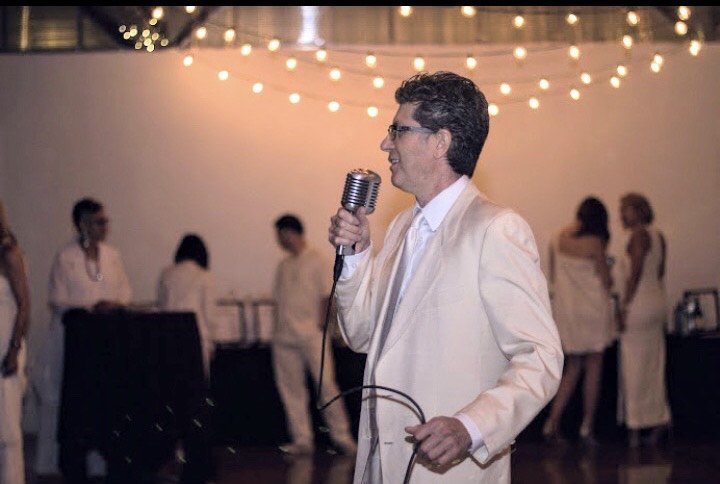
Today, Brett is a healthy 54-year-old man and his pouchitis has never been more under control. Through all the ups and downs with IBD, he’s lived a fulfilling life as a professional singer, and as an executive of multiple companies. 

“In my career I’ve been an investigator, a head of marketing and sales, I’ve grown startup companies, and have traveled the world for business and pleasure. I’ve earned an advanced degree from an ivy league school, and I have an amazing 16-year-old daughter who is a gifted, performing singer-songwriter in her own right.”

Brett believes his ulcerative colitis has made him more appreciative of life and the little things.

“I have always been that person who lingers over sunsets, gazes at the moon, and stops and notices the teeny flowers poking through the cracks in the sidewalk, or street art, and the coincidental things one comes across as noteworthy or remarkable. I notice and really drink in the happy, good moments because I know what it’s like to not be able to be out and experience these things. I know I am fortunate to be here to tell my story.” 

Here are some helpful nuggets of knowledge Brett would like both those with IBD and their caregivers to know:

  • Don’t let fear of IBD stop you from living your life and having fun, or asking that person out, or going out with friends, when you are feeling well. As soon as I was feeling well enough to get back out there after a flare up, I lived life to the fullest and played like every other kid. You deserve to be there just as much as every other kid, teen, or adult does. When you are feeling well, try to make the most of that wellness, and not let the fear of what might happen stop you from living.
  • You are not “less than”, because you have an illness. In fact, you may even have an added level of maturity because of your illness that others do not, because of your need to contend with it, and interact more with adults and medical professionals and present your situation to them in a coherent and meaningful way. Look for the silver linings in everything. Notice the small pleasures, they help you get through the down times.
  • To parents—your child is a survivor. It takes a lot to keep them down. They will have ups and downs with their IBD. But 2021 is the best time ever to have to live with this diagnosis. Current treatments and even surgeries have changed the game and the patient experience, for the better and the future is even more promising. IBD can be traumatic. Children and adults can benefit from seeing a therapist to help cope with the lifelong nature and complications of the disease.

IBD Motherhood Unplugged: Womanhood Questioned by Crohn’s Disease

Motherhood is so much more than a word—it’s an expectation and an identity. It’s a right of passage many girls dream of when they think about their future and what their family will look like. But family planning, pregnancy, and motherhood are far from a given, especially for those with chronic illness. As an IBD mom of two with one on the way, I’ve recognized that while my story and my experience may comfort and guide others—it’s only that, one story. I fully understand I am extremely lucky not to have the struggle of infertility or physical limitations to hold me back from having children, despite my Crohn’s.

This week kicks off IBD Motherhood Unplugged, an ongoing series that will be shared periodically in the months and years ahead on Lights, Camera, Crohn’s. The series will feature guest posts from women with Crohn’s and ulcerative colitis who may not physically be able to carry a child, who battle infertility, who grow their family through adoption and surrogacy, who have children following loss—the list goes on and on. Ultimately, I want everyone to feel seen, heard, and understood. There’s not one cookie cutter approach to becoming a mom or having a family.

The first article is by my dear friend and fellow patient advocate and thought leader Tina Aswani Omprakash. Tina is a 37-year-old woman in New York, living with perianal, fistulizing Crohn’s Disease. She’s endured more than 20 surgeries and lives with a permanent ileostomy. Since she was a child, she thought she could put off motherhood and did so through many years of virulent disease. At one point, as a young adult, she needed to go on a disability and be taken care of by her mom. When she got married to the love of her life, Anand, nearly 11 years ago, the questions started.

“Being of South Asian descent, the nosy, busybody aunties at weddings and cultural events would always find ways to jeer and sneer at the fact that I hadn’t had a child yet. And after I started Stelara 5.5 years ago and tasted remission for the very first time in a decade, I too began to wonder: is it time for me to consider my own child?”

I’ll let Tina take it away and explain her struggles with family planning and finding out pregnancy wasn’t in the cards. Her heartfelt words and openness about feeling excluded from being an IBD mom, shed light on an important topic and aspect of our illness that is often not discussed or talked about. We hope in sharing this—if you are going through the same situation, struggles, or worries, that you know you are not alone.

Genetic counseling, surrogacy, and reproductive endocrinologists, oh my

In April 2016, I went to see a reproductive endocrinologist, who did a transvaginal ultrasound. Based on his medical expertise, he thought he could retrieve maybe three of my eggs, which was incredible news given everything I had been through surgically. He had proposed 2-3 rounds of IVF for hormone stimulation and egg retrieval but there was no guarantee that the eggs retrieved would be viable to be combined with my husband’s sperm. He didn’t think carrying the baby was a good option for me given all the scarring from surgery and fistulae. Moreover, fertility is often affected by j-pouch surgery and later excision.  As such, he offered me the option of surrogacy and asked me to seek genetic counseling due to the hereditary nature of my Crohn’s Disease.

Anand and I went through months of genetic counseling, an expensive process that didn’t lend to any substantial findings. Crohn’s, as many doctors have explained to me, is spread out over several genes and one gene cannot be targeted necessarily as a form of gene therapy. That left us both stumped as his family has a history of an autoimmune condition called ankylosing spondylitis and I have various skin and bowel autoimmune conditions on my side of the family.

During this time, we also looked into the surrogacy process. Since the reproductive endocrinologist recommended that I not consider a pregnancy myself given all the surgeries, fistulae, and pelvic cysts I’ve had, we obliged. But considering all the legal and surrogacy fees, we were looking at $100,000 for one surrogate pregnancy (at least), which was an extraordinary sum of money for us. So, we decided to table having a child for the time being and think over adoption, another expensive proposition.

Tick, tock, tick, tock…

Two years passed and we came to realize that there is no easy solution. During that time, the IBD Parenthood Project shared excellent knowledge for women with IBD to conceive and carry a pregnancy to term safely. And I thought, let me ask my GI doctor now about his thoughts. Unfortunately, he reiterated the same thoughts as the reproductive endocrinologist shared: for someone with my surgical and fistula history and aggressive family history of Crohn’s disease, it may be best not to try. He also said the risk of me using hormones for egg retrieval would risk a blood clot in a patient with my history.

Part of me was still in denial that motherhood may never be a possibility. Within weeks of my conversation with my GI doctor, I was diagnosed with mild endometriosis by a premier OB/GYN surgeon in NYC. I asked him, “What do my options for pregnancy and fertility look like now?” And he said very openly and honestly, “Bleak at best. Let’s say you do carry the pregnancy and don’t lose the baby, Tina, will I have to cut through bowel and scar tissue to get to your baby?” After a brief pause, he said, “I would recommend adoption if having a child is something you really want to consider.”

While, on one hand, I genuinely appreciated his honesty, on the other hand, the statement, “cut through bowel and scar tissue to get to your baby” seared through my mind for months after and has left its mark even today. I needed to hear it; I needed my bubble to pop. But the statement no doubt cuts and ravages every minutiae of my being as a woman. Not having the privilege to choose to have a baby was suddenly taken from me in that one fell swoop and it left my head spinning.

Losing Motherhood to Crohn’s Disease

My God-given right as a woman was taken from me in that instant. As if having six fistulae and Crohn’s wreaking havoc on my pelvis and reproductive system wasn’t enough, let’s take Tina down another notch. Let’s take away her right to choose to have a child.

Even though voluntary childlessness is always a choice, now I didn’t even have that choice. Childlessness was thrust upon me like a stab wound in the back. All I was left with were unaffordable options of surrogacy or adoption.

So why not adoption? It’s simply too expensive and I do wonder about whether I’ll be able to even take care of the child given my constant roller coaster of health issues and medical appointments. Hiring full-time help seems out of reach, too.

Include Women Who Aren’t Mothers

That day with the endometriosis surgeon was nearly three years ago. And I’ve done a lot of work in therapy to process much of it. But I can’t say I don’t feel left out every time I see a mom scolding her child or complaining about her child(ren)’s mischievousness because I, like many other women with chronic illnesses, will never be able to experience the joys and sorrows of motherhood.

As happy as I am for my friends with children, there is a deep void I’m reminded of every time someone else gets pregnant, hosts a baby shower, or sends along amazingly cute photos of their child(ren). I will never be able to have that, no, but I wish I could still be included in the mommy paradigm as a cool aunt or as a godmother. But I’m often not, and that makes me feel sad and excluded.

Dealing with the Cultural Aspects

In American culture, it’s hard enough as it is to be a woman of my age without a child, but in Indian culture, you’re really considered a pariah of sorts. I’m often asked the question of when I will bear a child now that Anand and I have been married for so many years. I usually find ways to dodge those questions by changing the subject or by simply saying, “whenever the time is right.” It’s not a conversation I want to be having with acquaintances nor do I want to be fodder for gossip.

But when it comes to my close friends saying, “Tina, gosh, you would have made an amazing mother, you have so much good to impart on to the world,” it feels good and bad all at once. I’m flattered that someone would think I could do a fine job as a mother but saddened by the fact that I will never know that for myself.

Becoming a Mother Hen

Alas, today in 2021, I continue to focus on my advocacy work and my graduate program, in attempts to focus my attention elsewhere. And in the words of my therapist, “if I cannot be a mother to a child, I can at least be a mother hen to my IBD community, helping to educate and guide patients of underserved populations who would otherwise feel bewildered.” I take a lot of solace in that and recognize that I wasn’t supposed to be here today with all the near-death experiences I’ve had with my brand of Crohn’s disease. All I can express is my gratitude for being alive today, for being able to do this work, and for being able to be a mother hen in my own way to my community.

To my fellow IBD women & chronic illness warriors: please know you are not alone. Please know it’s okay to be sad, angry, and terrified. Many of us are struggling deeply with the idea of motherhood as our clocks keep ticking. Do your research, learn what your options are and make the best decision with your specialist(s) regarding conception and pregnancy. And if having a child is not in the cards, that’s okay too. Never forget (and I need this reminder too) – not having a child doesn’t make you less of a woman.

Connect with Tina

Blog: Own Your Crohn’s

Instagram: @ownyourcrohns

Facebook: @ownyourcrohns, Own Your Crohn’s Community (Private group created for the Global South Asian community living with inflammatory bowel diseases)

Twitter: @ownyourcrohns

Building Body Composition and Maintaining Weight While Battling IBD

For many of us, when we’re initially diagnosed with IBD or when we flare, we experience weight fluctuations. The number on the scale may plummet during times when eating anything hurts or seems to make symptoms worse. The number on the scale may skyrocket when we’re on prednisone and not only retaining fluid, but also wanting to eat everything in sight.

Andrew Jagim, PhD, CSCS*D, CISSN was diagnosed with ulcerative colitis in 2014 after being infected with an intestinal parasite (Giardia). He managed to remain in remission for a few years until things went downhill quickly at the end of 2016. He dropped 50 pounds over the course of 3-4 months, was going to the bathroom 15-plus times a day, was running constant fevers, severely fatigued, anemic, and had little appetite. In the spring of 2017, after two weeks on TPN and several days in the hospital, he decided that a sub-total colectomy was his best option at the time. Since then, Andrew’s battle has been a rollercoaster of ups and downs, resulting in 12 colorectal surgeries.

Sports and fitness have always been a huge part of Andrew’s life—so much so, that he made a career out of it. He has a doctorate in exercise physiology, is a certified strength & conditioning specialist and a certified sports nutritionist, so he has an extensive background when it comes to understanding the important roles of exercise and nutrition for health and performance.

“Throughout my life, a large part of my identity has always been tied to my physical appearance. I’ve always been known as someone who is athletic, big, and strong with a high state of fitness. I struggled immensely during my flares and surgery recoveries when I couldn’t work out, when I looked sick or couldn’t stop losing weight. It was like I was losing a sense of who I was and who I identified with. When I looked it the mirror, it pained me to see my hard-earned muscle just “falling off” when I was too sick or weak to workout. However, I have always been determined to rebuild my body and regain what I lost.”

This week on Lights, Camera, Crohn’s—a look at the impact disease flares and surgeries can have on body composition, and how you can try and counteract the changes through diet and exercise.

A cornerstone of the disease itself is a high state of inflammation – most of which is centralized to the gut; however, this can also have systemic effects thereby resulting in widespread joint pain, fatigue and even a state of anabolic resistance within muscle tissue. Essentially, this makes it challenging to maintain or increase muscle mass during a period of high disease activity. This can be coupled with a reduction in appetite which can exacerbate body weight loss and muscle loss.

Surgeries can range from minimally invasive procedures to treat a fistula to much larger and complex operations such as removal of sections of the bowel and placement of a stoma for an ostomy. Depending on the magnitude of the surgery, patients often must modify diet and physical activity based on the recommendations of the surgeon.

These modifications will likely lead to decrements in body weight, muscle, strength, and endurance in the short-term; especially individuals who may have been highly active prior to the surgery. However, in patients who may be extremely ill at the time of surgery, the procedure may help them regain lost weight and strength as their body may finally be able to heal and recover from the inflammatory cascade brought on by IBD.

The Case Study Andrew Conducted

A year and a half after Andrew’s colectomy, he decided to schedule the second step for the J-pouch procedure. However, prior to, he decided to take advantage of this unique opportunity and conduct a case study on himself to document the changes in body composition and performance throughout the recovery process. He was curious how a surgery like that would impact someone with his fitness state as most of the literature focused on smaller or more sedentary individuals. Leading up to surgery, he had been able to resume his regular fitness routine and got his weight close to where it had been for most of his adult life.

“As seen in the figure below from my published case study, there were significant declines in body weight (-10.5%), lean body mass (-9.9%) and endurance (-40.3%) 4-weeks post-surgery. At 16 weeks postoperatively, most parameters were near their baseline levels (within 1–7%), with the exception of my peak endurance, which was still 20.4% below baseline. Thankfully, I was able to leverage my educational background and expertise in exercise physiology and nutrition to use targeted exercise and nutritional strategies to retrain my body and build my physique back up,” explained Andrew.

The balancing act of trial and error

As many IBD patients know, there are a lot of nuances, misconceptions, and unknowns regarding how diet impacts disease. For Andrew, it has been a lot trial and error to find foods that worked for him and helped him achieve his goals.

“Early in the recovery stage, just getting my appetite back and trying to eat more while not interfering with any post-operative dietary recommendations was always my goal. For me, this meant trying to eat about 2,500 – 2,750 calories and 150-170 grams of protein per day. In my opinion, these are the two most important dietary goals when it comes to regaining any weight (especially muscle mass) following surgery or during a flare. It will also help support the tissue and incision recovery following surgery”

Regarding exercise, strength training, is the most effective form of exercise to regain lean body mass following surgery. However, most colorectal surgeons (for good reasons) impose a lifting restriction of no more than ~10-15 lbs. for about 6 weeks following surgery to allow the incisions to heal and avoid the risk of hernia.

“For my larger surgeries, this was easy to abide by as I was in so much pain and was so fatigued that it was a struggle to just get dressed and ready for the day, so there was no temptation to get back in the weight room any time soon. But for the smaller surgeries, as I got closer to the 6-week mark, I was anxious to get back to my old routine. I took a very conservative approach and used a lot of alternative training techniques (i.e. blood flow restriction training, isometrics, resistance bands, etc.) to elicit an adequate training stimulus while not having to lift heavy weights and to avoid injury,” said Andrew.

Andrew’s main piece of advice about life with IBD? “Be prepared for a rollercoaster of changes to both your body composition and physical abilities throughout battles with IBD – especially during a flare or following surgery. Unfortunately this also will likely take a toll on your mental health as well, or at least it certainly did for me. However, just know that you can always get it back in time and more often than not, come back even stronger. Be patient and give your body rest when needed but otherwise keep grinding.”

Everyone has their own battles they are fighting

“I think my experience with IBD has taught me that everyone has their own battles they are fighting – even if they don’t show it. Additionally, it is also a reminder that not all disabilities are visible as a lot of people are probably unaware that I live with a permanent ostomy. I have chosen to keep a lot of my health struggles private and I think a lot of people will be surprised when they hear what I’ve endured over the past five years as I have still managed to have a successful career and not miss much work – despite all the surgeries and time spent feeling very ill.”

Andrew’s IBD journey also shifted his research focus a bit and challenged him to apply my knowledge of how to increase performance, strength and muscle mass in athletes towards a more clinical application.

“A lot of the strategies that work well with athletes can be modified and used in clinical settings as several of the benefits (i.e. increased muscle, strength, endurance, energy, etc.) may also help improve quality of life in patients will a chronic illness, those who are critically ill, or those recovering from surgery. It’s just a matter of making the appropriate modifications and fitting them to the current need,” said Andrew.

Here’s how you can connect with Andrew:

  • Facebook: Andrew Jagim
  • Twitter: @Ajagim
  • Instagram: Sports Science/Performance Nutrition Focused: @andrewjagim
  • Instagram: IBD/Ostomy Focused: @the_chronic_comeback