The prevalence of mental health struggles in the IBD community

Mental health often takes a major hit when you’re diagnosed and live with a chronic illness like IBD. I ran a poll on Instagram and Twitter this past week and the results were extremely eye-opening. Not only for the patient community, but for any caregivers, friends, or family who know people with Crohn’s disease or ulcerative colitis.

On Instagram—out of 350 people polled over 24 hours, a resounding 93% responded “yes” to IBD impacting their mental health and causing depression and anxiety. On Twitter, I ran the same poll for 48 hours, of the more than 205 votes, 86% of people responded “yes”.

Dr. Yezaz Ghouri, MD, Director of Inflammatory Bowel Disease Services, University of Missouri School of Medicine at Columbia, offered helpful insight on the topic. I had the pleasure of meeting “Dr. ZaZ” (as he commonly goes by) in person at the Crohn’s and Colitis Foundation’s Mid-America Chapter Gala in November. Dr. ZaZ was awarded the 2022 Catalyst for Mission Advancement award and I was so inspired and intrigued by his work as I was emceeing the event, that I knew we would have to collaborate on Lights, Camera, Crohn’s! We made it happen.

Here’s my interview with Dr. ZaZ about how our IBD can impact our mental health.

NH: “During the first day of the Crohn’s and Colitis Congress 2023 conference it was shared that rates of anxiety and depression are about twice as high in the IBD community compared to the general population–why is that?”

Dr. ZaZ: “The exact cause of IBD is not known. There are some common theories that have been suggested, these include genetic factors, changes in gut microbiome, alteration in immune function of the body, and effect of certain environmental factors. Interestingly, some of these factors have also shown to be associated with mental disorders like anxiety and depression. The gut-brain axis is a nervous system-based pathway that connects the nerve cells from the brain to the gut. This gut-brain axis has been found to play a role in the release of nerve cell chemicals (or neurotransmitters) in the intestines. One such neurotransmitter is Serotonin, which has a well-established role in several psychiatric disorders like anxiety, depression, bipolar disorder, etc. Studies have pointed out an alteration in serotonin activity in the intestines of patients with IBD 1.

The gut microbiome comprises of trillions of species of organisms mainly consisting of bacteria. The healthy gut-microbiome is altered in individuals with several conditions like anxiety, depression, Alzheimer’s, Autism, etc. This alteration is also seen in IBD and has been a subject of active research to better understand the various changes in the bacteria of the gut. Some of these bacteria produce chemicals that can serve as neurotransmitters in the gut. It is unclear if these chemicals could influence the gut-brain axis and contribute towards the occurrence of mental disorders. Last year we published a study that showed this association of increased prevalence of anxiety and depression among IBD patients 2. The added burden and distress was not just limited to IBD patients, the study also showed an overall increased healthcare cost and burden to hospital systems. It is in the best socio-economic interest of the government and the public to address mental health issues in society, especially among those with chronic illnesses like IBD.”

NH:How can patients best articulate their concerns and communicate with their doctor about their mental health?”

Dr. ZaZ: “IBD patient sometimes suffer from anxiety, depression, sleep disturbances, and other mental conditions like eating disorders. Your GI doctor hopefully has established a healthy physician-patient relationship where you are comfortable to bring up any issues that you would like to discuss with your GI specialist. During my clinic visits apart from addressing the medical aspects of IBD, I frequently have a friendly conversation about my patient’s life in general with a focus on their overall well-being, including talking about their mental health. In addition, several individuals have a primary care provider (PCP) with whom they generally have a good relationship and feel comfortable bringing up any health-related concerns.     

Psychiatric conditions can manifest with sleep disturbances, fatigue, loss of appetite, lack of interest in activities that you previously enjoyed, depressed mood, suicidal thoughts, etc. Sometimes IBD flares can contribute to some of these symptoms, especially sleep disturbances due to night-time diarrhea or constant abdominal pain. Use of biological medications can be frequently associated with fatigue that may last a day or two after taking the biologic. In a large-scale UK based study, presence of a diagnosis of IBD was associated with a higher likelihood to cause deliberate self-harm, anxiety, depression, and insomnia. Interestingly, the risk was higher among those with Crohn’s disease than with ulcerative colitis 3.

Remember, mental stress can also contribute to an IBD flare. Frequently I see some of my IBD patients go through an uncontrolled spell of psychological stress, maybe related to personal relationships or their place of employment. This when unchecked can precipitate an IBD flare, and in some cases develop psychiatric illnesses like anxiety or depression. Hence, it is important to have a stress-free life or mitigate stress to minimize its effect on your mind and body.”

NH: “I know you see a lot of college students; how do you navigate these concerns as their care provider? Do you tend to see this more with your younger patients—or is it across the board?”

Dr. ZaZ: “College life of a freshman can be quite stressful. The move away from the comforts of their homes to a new city or town and being surrounded by strangers can be overwhelming. This can cause psychological stress which may precipitate an IBD flare. Moving to college can also disrupt the continuity of care received from their established pediatric or adult GI specialist. Students may skip their medications due to storage issues, changes in insurance, feeling of shame of having IBD or fear of not being able to ‘fit-in’. All these factors can contribute to inadequate management of their underlying IBD. We at the University of Missouri try our best to accommodate college students in our clinics so they are cared for and IBD flares are prevented from occurring. The student health clinics are efficient in recognizing students with chronic illnesses and referring them to GI clinics. I frequently encourage students that they continue to see their primary GI specialist but also establish care in our clinic/hospital system, so in case there is a medical emergency or if they experience a flare, we will be well-informed beforehand about their medical history and have a plan in place to adequately treat them.  

In a large study comprising of more than one million IBD patients, it was shown that being a female, having diagnosed with IBD as a child or a young adult and having a diagnosis of Crohn’s disease have been associated with higher likelihood of suicide attempts and suicide death 4.

Mental disorders in IBD are seen across all age groups but are somewhat more pronounced in those individuals whose disease is not well controlled or have not achieved remission since their initial diagnosis. Majority of IBD cases are generally diagnosed at a young age, several times in college students. Unfortunately, we also see frequent occurrence of mental disorders in younger age groups. Students have additional mental stressors when they have a chronic bowel condition like IBD. Many feel that they the lack of freedom in choosing to eat anything they like when they go out with friends or their need for frequent bathroom breaks, which can sometimes hinder them from participating in activities they choose or in making new friends. Many feel embarrassed to disclose their medical conditions to new friends or acquaintances, this perhaps cannot be stressed enough among those with an ostomy bag.

This leads to a state of inadequate social/family support which may push at risk students into developing mental conditions like depression, anxiety or eating disorders.”

NH: “Any advice for caregivers of young patients–who may have concerns about their child/teen/young adult and are unsure how to make sure their child is not dealing with anxiety/depression, but don’t want to overstep or upset their loved one?”

Dr. ZaZ: “It is very important for not just the physicians but also the caregivers involved in managing IBD in young patients to recognize signs of depression or other mental disorders. Do not always assume that if an individual is constantly tired, has disturbed sleep or looks depressed, that it is due to their IBD. Several times these are early signs of depression, and these young individuals need the support and help that they deserve to address these issues. Perhaps adult patients who have depression may recognize it and seek help, but kids or teens generally do not perceive these signs as an abnormal expression of behavior and may not even disclose them to their loved ones. Caregivers who attend clinic visits with pediatric specialists should bring up any unusual behavior they notice about their child and discuss it with the provider.”

NH: “How can mental health issues exacerbate IBD symptoms? 

Dr. ZaZ: “Studies have shown that individuals with mental disorders who have IBD have a higher chance of developing IBD flares, they require escalation of their therapy and have increased incidence of death 5. (See Reference 5) This is quite alarming and should be brough to the attention of providers who take care of IBD patients. “Providers are not just prescribers”, simply writing prescriptions for medications, some of which are very expensive, is not enough to heal the patient. IBD is a chronic disease which lasts a lifetime, and medications alone cannot be the solution. Providers need to step up and participate in the mental well-being of their patients. If they are not able to address the mental health related issues themselves then referring to experts in the field is perhaps the best alternative approach. Depression may cause patients to skip their infusion visits or physician visits, uncontrolled anxiety or paranoid states may make them apprehensive about any therapy that they have been appropriately prescribed and may even stop the treatment. IBD patients with eating disorders may starve themselves or eat uncontrollably causing worsening of their bowel condition. These eating disorders are commonly present among young and female IBD patients who have body image disturbance 6.”

NH:How is anxiety and depression typically managed in patients with IBD? (Medication, talking to a psychologist, etc.?)”

Dr. ZaZ: “The first step to treating anxiety and depression is to approach a provider with whom you are comfortable to freely express your medical complaints, problems, or any issues that you would like to discuss. Psychotherapy or behavioral therapy is probably the preferred approach in mild cases but in individuals with more profound symptoms, medications may be preferred in addition to psychotherapy. Finding a good therapist and setting up sessions at frequent intervals is important. In severe cases with suicidal ideations or attempts perhaps hospitalization may be required.

Multiple medications are commonly used for treating anxiety and depression. A PCP or psychiatrist may be able to find the right one for you, and please make sure you follow up with these providers since these medications may need to be monitored for their side effects and to adjust the dosage. Sometimes GI physicians may feel comfortable to prescribe these medications, but that may generally not be true for majority of gastroenterologists.”

NH: “As a GI, how do you try and facilitate positive relationships with your patients to help ensure they feel at ease with taking on their disease, managing it, overcoming flares/surgery, etc.?”

Dr. ZaZ: “My first step towards approaching IBD is to make sure that the symptoms that my patients are complaining of are truly from IBD and not from IBS or any other illness. Once IBD is diagnosed, I have a detailed visit with my patient with their new diagnosis. I usually encourage them to read up as much as they can and write down questions about their illness prior to this clinic visit. During the visit I start by giving a broad overview of what IBD is and the mechanism of disease process.I do this little exercise of talking about mechanisms by which IBD develops because I have noticed in my experience that several patients feel guilty about having their illness, and believe that in some way it was ‘their fault’ that they developed IBD. We then focus our attention on what are the available treatments why I think the recommended treatment would be a good fit, so the patients can make an informed decisions about their choice of therapy. I highlight the signs or symptoms they need to look out for that could suggest a complication or flare up of IBD. We provide them access to communicate with our clinic team if they have any questions; if they are concerned about a flare or if they suspect side effects from their therapy. Next, I answer questions they may have come up with during my discussion or from their personal research prior to the visit. Once the questions are answered I provide them with written material about their illness. I frequently encourage our patients to join patient support groups and direct them to online sources for information about IBD like the website for the Crohn’s and Colitis Foundation.”

NH: “Why is it so important to focus on whole person care–and recognize that IBD impacts more than the GI tract?”

Dr. ZaZ: “If we understand the mechanism by which IBD develops in the body, we can say that a dysfunctional immune system perhaps has the central role in the disease process. This immune system is connected to the entire body, it’s in our blood, guts, and other organs. Abnormal functioning of this immune system is likely to affect the entire body, although in IBD this abnormality primarily targets the bowels. But we frequently encounter what are called the “extra-intestinal manifestations of IBD”. These are referred to conditions that cause joint pains, skin rashes, eye redness, oral ulcers, liver disorders and other symptoms or signs that can be encountered in patients with IBD. Beyond these, patients with IBD are shown to be associated with higher incidence of mental disorders, pregnancy-related complications, chronic fatigue, and vitamin/mineral deficiencies. The effect on the bowels by this disease has a major impact on what one can eat, thereby limiting their nutritional intake. It is only fitting to treat these individuals as a whole, and not just their bowels. In terms of methods of treatment, apart from allopathic medical therapies, several other modalities of treatment are now being explored and accepted. Addressing diet and exercise is an important aspect to maintain healthy lifestyle in general, and especially so in patients with IBD. Running or other forms of cardio-based exercises have been shown to have a positive impact on the disease. Consuming healthy dietary supplements, like probiotics have been shown to be beneficial. Relaxation techniques and meditation also help keep oneself stress free, and perhaps prevent development of mental disorders as well.

One last thing we must also remember is that in today’s world social media can contribute to a lot of mental stress and anxiety, especially where disinformation campaigns can lead to confusion and poor choices in life. Hence it is important to have reliable resources to gain knowledge about IBD and its therapies. Sources like the Crohn’s and Colitis Foundation and its members like Natalie have been leading in educating several individuals through various platforms. In summary, eat healthy, exercise regularly, educate yourself about IBD, try to relieve stress and follow up with your doctor for medical care.”

I hope this article sparks a conversation and allows you to feel less alone in your mental health struggles. The findings show it’s anything but “just in your head.” Your feelings, fears, and struggles are valid. You are loved. You are not a burden. You are worth it. You matter. We need you here. Remember that.

If you’re thinking about suicide, are worried about a friend or loved one, or if you would like emotional support, call 988 any day of the week, any time. The 988 Suicide and Crisis Lifeline (formerly known as the National Suicide Prevention Lifeline) provides free and confidential emotional support to people in suicidal crisis or emotional distress 24 hours a day, 7 days a week, across the United States.

Reference Guide List

1: Coates, M. D., Mahoney, C. R., Linden, D. R., Sampson, J. E., Chen, J., Blaszyk, H., Crowell, M. D., Sharkey, K. A., Gershon, M. D., Mawe, G. M., & Moses, P. L. (2004). Molecular defects in mucosal serotonin content and decreased serotonin reuptake transporter in ulcerative colitis and irritable bowel syndrome. Gastroenterology, 126(7), 1657–1664. https://doi.org/10.1053/j.gastro.2004.03.013

2: Tarar, Z. I., Zafar, M. U., Farooq, U., Ghous, G., Aslam, A., Inayat, F., & Ghouri, Y. A. (2022). Burden of depression and anxiety among patients with inflammatory bowel disease: results of a nationwide analysis. International journal of colorectal disease, 37(2), 313–321. https://doi.org/10.1007/s00384-021-04056-9

3: Umar, N., King, D., Chandan, J. S., Bhala, N., Nirantharakumar, K., Adderley, N., Zemedikun, D. T., Harvey, P., & Trudgill, N. (2022). The association between inflammatory bowel disease and mental ill health: a retrospective cohort study using data from UK primary care. Alimentary pharmacology & therapeutics, 56(5), 814–822. https://doi.org/10.1111/apt.17110

4: Xiong, Q., Tang, F., Li, Y., Xie, F., Yuan, L., Yao, C., Wu, R., Wang, J., Wang, Q., & Feng, P. (2022). Association of inflammatory bowel disease with suicidal ideation, suicide attempts, and suicide: A systematic review and meta-analysis. Journal of psychosomatic research, 160, 110983. https://doi.org/10.1016/j.jpsychores.2022.110983

5: Fairbrass, K. M., Gracie, D. J., & Ford, A. C. (2022). Relative Contribution of Disease Activity and Psychological Health to Prognosis of Inflammatory Bowel Disease During 6.5 Years of Longitudinal Follow-Up. Gastroenterology, 163(1), 190–203.e5. https://doi.org/10.1053/j.gastro.2022.03.014

6: Stoleru, G., Leopold, A., Auerbach, A., Nehman, S., & Wong, U. (2022). Female gender, dissatisfaction with weight, and number of IBD related surgeries as independent risk factors for eating disorders among patients with inflammatory bowel diseases. BMC gastroenterology, 22(1), 438. https://doi.org/10.1186/s12876-022-02526-0

Colonoscopy Tips: My advice for you as a veteran Crohnie

It’s safe to say every prep for a colonoscopy is a shit show. The show just looks a bit different each time. I completed another annual colonoscopy this past Friday, and the process still keeps me on my toes, even after more than 17 years of living with Crohn’s disease. As those of us with IBD know, it’s so much more than the prep. It’s the anxiety of wondering if our disease is active. It’s the worry about whether our IBD is going to act up and be triggered by the ungodly amount of laxative we are ingesting in one sitting. It’s the fear of going through more trauma getting an IV and dealing with nurses and a care team we’re unfamiliar with. It’s resenting the fact that you’re a young person needing a colonoscopy…and the list goes on.

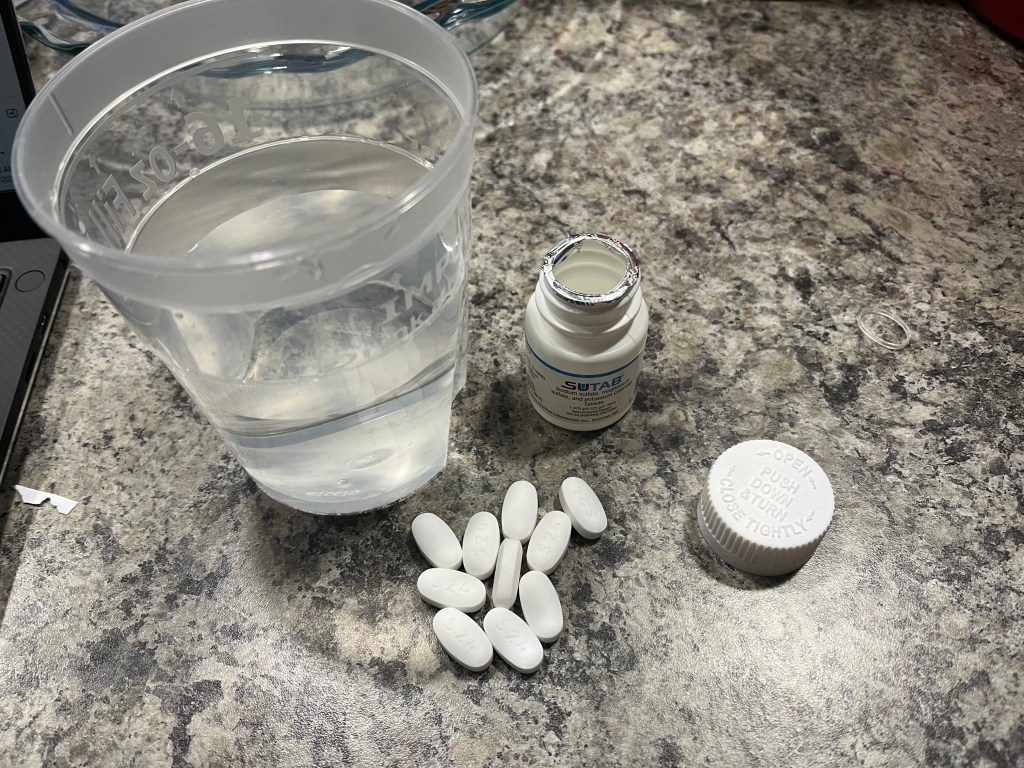
I did my second-ever pill prep (SUTAB) this time. I find swallowing 24 pills to be easier than guzzling anything that tastes unpleasant. There was a bit of a monkey wrench in my game plan this time around, when my gastroenterologist’s nurse informed me over the Patient Portal that magnesium citrate saline is recalled. Because of that, my doctor created an additional prep to make up for that. For some reason, the 24 pills deemed worthy for the rest of society to take to get cleaned out isn’t good enough. I received instructions two weeks prior to my scope that quite frankly scared the bejesus out of me.

Along with the 24 SUTAB pills and 96-plus ounces of water, patients are expected to:

  • Take 1,500 to 1,600 mg of magnesium citrate pills, twice (This adds 12 pills to the prep, and they are horse pills)
  • 30 ml of Milk of Magnesia
  • Two enemas…yes, you read this correctly.

…the moment I received this news, my chest tightened, and I started to freak out. Regardless of the prep you choose (you’re “allowed to choose any one you like:”) …this is also “required”. Knowing this ahead of time made my mind race and I kept going back and forth about whether I was going to put myself through it or be my own advocate and go a bit rogue. It’s a bit daunting when the instructions are in CAPS and there’s the threat of needing to do everything over again.

Here’s what I did for my prep

It’s easy to talk a big game and say “there’s no way I’m doing this” …but at the same time, there’s a worry that looms that if you don’t, you may need to do another scope because you aren’t cleaned out enough. I’ve always been a bit of a rule follower, so it tends to take a lot for me to go against the grain.

I always do a self-imposed liquid diet to give me some buffer in case I encounter issues with the prep. My last meal is generally the Sunday night before a Friday scope. I allowed myself some crackers on Monday night, but other than that, I was strictly liquids all week. It’s brutal, but it always pays off in the end.

I bought magnesium citrate pills, the SUTAB pills, and the fleet enemas. I didn’t bother getting the Milk of Magnesia.

I took the first 1,500 mg (6 pills) of magnesium citrate, starting at noon the day before my 11:30 am colonoscopy. To me, it was a lot easier doing the pills than having to drink an entire bottle of magnesium citrate, which immediately causes me to vomit. I then timed out the 12 SUTAB pills, by setting a timer on my phone. I took one every 2-3 minutes. All you do is take the pills with 16 ounces of water and then follow that with drinking 16 ounces of water two more times over a couple of hours. I was “done” with my prep by 4 pm the day before my scope and wasn’t running to the bathroom too much.

I went to bed and set my alarm for 5 a.m. with the intention of doing the other 12 SUTAB pills + the additional 6 magnesium citrate. At this point, I was still on the fence about whether I would try an enema.

I walked downstairs in my dark house as my family slept and turned on a few lights so I could lay all the pills out on the kitchen counter. It was just me—all these enormous pills—and my thoughts. I got the 12 SUTAB down and after about 30 minutes I started feeling ill. I ran to the bathroom and vomited quite a bit…at the end I puked up bright red blood. It was petrifying. I screamed for my husband while I was on my hands and knees on the bathroom floor at 6 am. He ran down the stairs and could see how much anguish I was in. I immediately called my mom who is a nurse and she told me not to take anymore pills and that my prep was done.

My mom, who lives out of town, has been with me for every single prep since diagnosis, but this time around, she wasn’t since it’s so close to the holidays. Not having her by my side added a bit to the stress. I asked her if I should do the enema and had some choice words. She told me not to do it. I agreed. Hospitals are running low on enemas right now, so the instructions said to “bring an enema to the hospital in case you need it.”

Speaking up prior to the procedure

My scope wasn’t until 11:30 a.m., unfortunately it was very busy at the hospital, so I didn’t get mine until 1:15 p.m. When you haven’t eaten in nearly a week and your head is pounding from dehydration, every minute feels like an eternity. When the nurse finally got me from the waiting room, we got to the endoscopy suite and while I was still in my street clothes, she asked me if I had my enema with me. I froze in my tracks. I told her I forgot it on my counter (I purposefully forgot it on my counter) …and I proceeded to go into an explanation about how ridiculous it is to expect this of patients, how unnecessary and over the top it is and that I refuse to do it. She asked me if I did the enema earlier in the morning, I said no. To my surprise, she completely empathized with me and said she couldn’t agree more that it’s making all their procedures run late, that no other GI’s require it, and that she knows after 17 years with Crohn’s I know what I’m doing. She was whispering in cahoots with me, and it felt SO good to feel validated and heard.

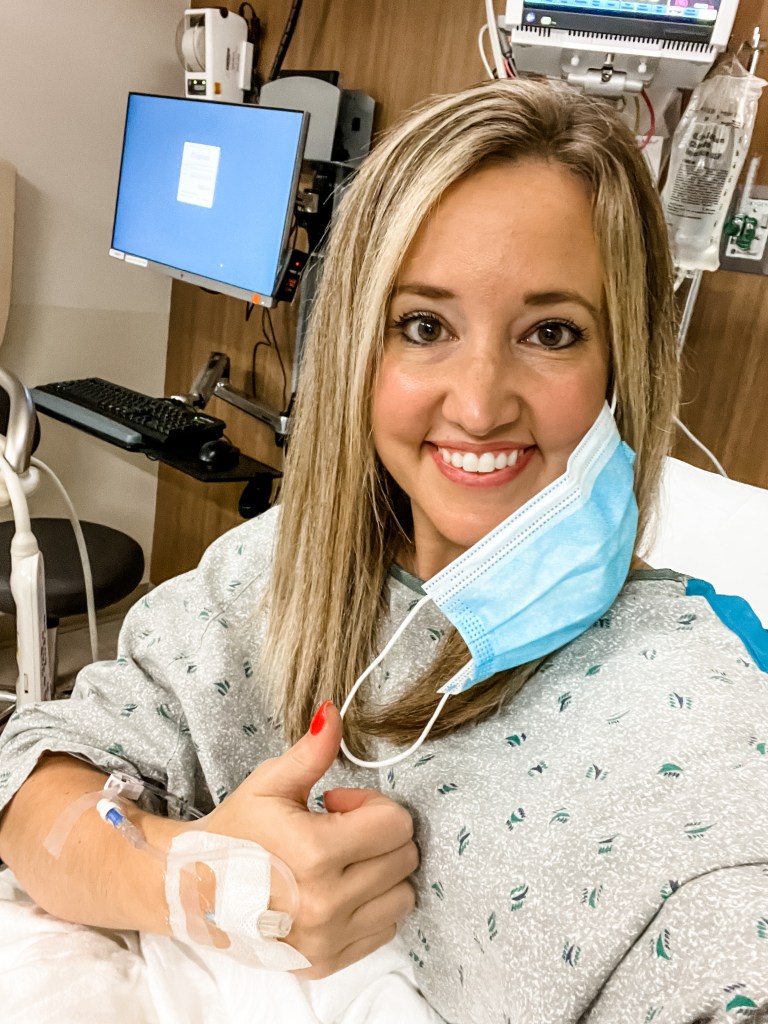
When I told her I had difficult veins, rather than rolling her eyes or downplaying my fears, she listened and was so kind. She took a close look at all the options and ended up choosing a vein in my right hand. She got me with the first stick and immediately all my anxiety around the IV went away.

I informed my GI and anesthesiologist that I had vomited blood while doing the prep. They let me know that was from throwing up and it caused the capillaries in my esophagus and stomach to break and bleed. Because of that I was told prior to my procedure that in the event there was blood down below, an endoscopy would also need to be performed. Luckily that was not the case! I was given an antacid in my IV to help resolve any possible issues. I made the mistake this time of not taking my prescribed Zofran to prevent nausea. If you have a history of vomiting with prep, I highly recommend getting a script and taking this 30 minutes prior to starting your prep. In the moment, I was already taking so many pills I didn’t feel like adding one to the mix, but I wish I had.

The colonoscopy results

When I woke up from that amazing propofol nap I was thrilled when my GI gleefully walked into the recovery room with a huge smile on her face and told me that my small bowel and colon were “pristine”, that everything looked gorgeous, and that I was still in remission. The discharge notes state there is “normal mucosa in the entire examined colon” and that my “end-to-side ileo-colonic anastomosis” (where my small intestine was reattached to my large intestine from my bowel resection surgery in 2015) is characterized by “healthy appearing mucosa”. No biopsies were taken and the “quality of the bowel preparation was excellent”.

Remission is a complicated term and one I don’t take lightly. I reached surgical remission in 2015, after a decade of ups and downs. While I’m so grateful to continue the 7-year-streak of remission, I’m aware that tomorrow things can change. All any of us can do is focus on the right now and try not to dwell on what could be or what can happen. Remission is just a word—I didn’t do anything to deserve it, no one does. So much emphasis can be placed on being in remission, and I get that it can feel like a big deal—but IBD, whether you’re in “remission” or not is unpredictable, so there’s no sense in thinking you’re in the clear or invincible just because you’re told you’ve reached it. Remission does not mean you are completely free of symptoms.

My tips for going through a colonoscopy

  • Schedule your scope during an early time slot. Not only does this allow you to eat a lot sooner, but you’re also more likely to be taken right on schedule and not face any delays. For my 11:30 a.m. scope, I wasn’t at a restaurant until 3 p.m. I will say as an IBD mom, the 11:30 a.m. time was ideal in the fact I was able to get my two older kids ready for school and drop offs had already taken place before my husband and I left for the hospital.
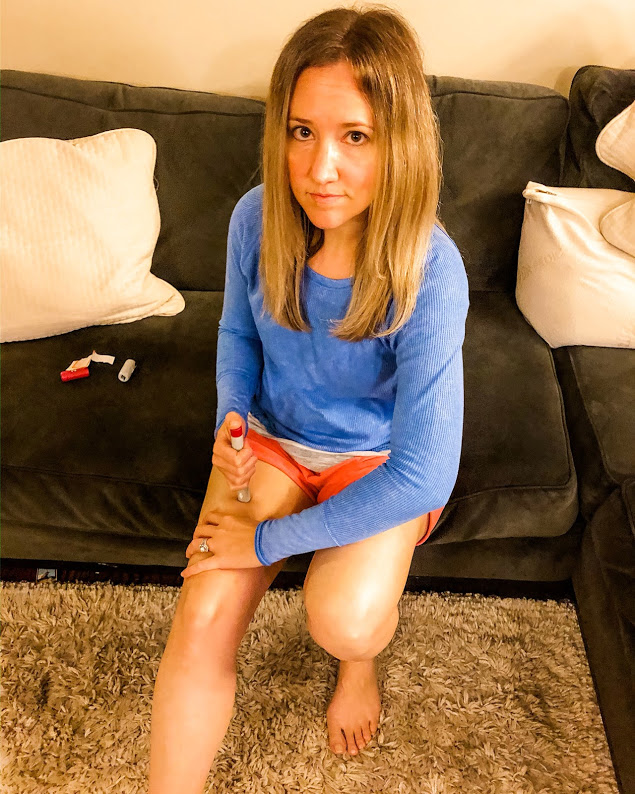
  • Arrange childcare as you’re scheduling your scope. It’s challenging as an IBD mom or dad to have to worry about who is going to take care of your kids during procedures. Get the available dates for your colonoscopy and figure out childcare as you’re scheduling so there’s one less moving piece to deal with. My mother-in-law watched our kids from 9:30 a.m.-4:30 p.m. and it was comforting to know I had nothing to worry about while my husband and I were away.
  • Add in some buffer with a liquid diet for a few days. I’m not saying you need to go crazy with the liquid diet, but even doing one extra day of liquids will really ease your prep when it comes to what you need to pass. It also gives you a bit of leverage if things don’t go as planned when you’re trying to get it all down.
  • Listen to your body and do what you’re comfortable with. While there are guidelines and recommendations if you are vomiting, feeling sick, struggling to make it through the prep, just do what you can. Don’t push yourself to the brink of putting your health at risk. The SUTAB pills specifically say “Do not take other laxatives” … so how is a patient supposed to feel when their GI tells them to do a laundry list of additional laxatives?! The general population does the prep, without any add-ons. We should be able to do the same. I had to chuckle when I was told my prep was excellent, when I went off the grid and did what I felt was best. Before my procedure I smiled at my doctor and told her I did my best…and that’s all they can ask for.
  • Get labs ahead of time. The past few years my care team has tried to save me a trip to the lab and tried to get lab work through my IV. Each time, it’s been a nightmare. Last year the nurse in recovery stuck me 8 times and I was so dehydrated she never got any blood. She was unkind and rough and left me in tears. That was it for me. This year, I did labs the Monday before my scope. Having that checked off my ever-growing patient to-do list eased my anxiety and the nurse who did my IV said because she didn’t need to get labs through my IV, the needle could be a lot smaller—score!
  • Count the pills. I noticed this time I was given one extra SUTAB pill in my prescription bottle. I triple counted to make sure. There should be 24, total. Make sure not to take any extra.
  • Be cognizant of the time of year you get your scope. Get tests and procedures done prior to the end of the year when you’ve most likely reached your deductible, so you save money. I have a bone scan scheduled this week as well, crossing everything off the list when it’s covered.
  • Always remember gummy bears are a liquid. I share this year after year but so many people still seem unaware that this is the case. The day prior to a scope you need to steer clear of red and purple gummy bears, but you can eat gummy bears throughout a liquid diet and the day before your scope. The ability to chew something and have something sweet is a gamechanger. It’s a great way to chase prep that doesn’t taste good, too. This time around my sweet daughter took it upon herself to take all the red gummy bears from the bag so I wouldn’t accidently eat one…she made a pile of red gummy bears and proceeded to eat all of them.
  • Check about patient savings options. SUTAB is a bit pricier than other preps, you can save by going to http://www.sutab.com and printing off a coupon that brings the cost down to $40 with most insurances. Look into this regardless of what prep you do to make sure you’re not overpaying.
  • Feel empowered in what you’ve endured. Going through colonoscopies with IBD is not for the faint of heart. Chances are you have your own routine and know what works for you. Stick to it and speak up if something doesn’t sit right with you. Plan that post- scope meal ahead of time and reward yourself afterwards. You’ve been through a lot and deserve to recover and rest.

Til next year…

How to be your own best advocate during infusions

You’re told by your gastroenterologist you need a biologic to treat your IBD and that medication is received through infusion. Thoughts race through your mind–what’s it going to be like hooked up to an IV receiving your medicine? It’s completely normal to feel anxious, nervous, and uncertain. I’ve done self-injections since 2008, and never have needed to receive my medication through infusion, but I know that’s not the case for many.

This week on Lights, Camera, Crohn’s we hear from patient advocate Jenna Ziegler. Jenna was diagnosed with ulcerative colitis in 2014 and has recently added enteropathic arthritis and a rare autoimmune non-alcohol-related liver disease called primary sclerosing cholangitis (PSC) to the list.

Over the years, Jenna has learned how to prepare for infusions so that she can walk into the outpatient center with confidence. Check out her empowering tips for doing so—whether your infusions are at a medical center or at home!

Do Your Prep Work

  • Know if you’ll be given Benadryl. Some biologics require pre-medications that help prevent adverse reactions. These meds may include Tylenol, prednisone, or Benadryl. Find out ahead of time if you’ll be given Benadryl. Knowing you’ll be sleepy at and after your infusion can help you decide if you’ll need a driver and if you need to make arrangements for the rest of your day.
  • Plan out the rest of your day. You may be tired after your infusion—especially if you’re given Benadryl! Weeks before your infusion, make proper post-infusion arrangements .Maybe you’ll want to take the day off work or arrange for childcare so you can take a long nap or reschedule that evening’s outing to another day. Jenna encourages you to schedule time in your calendar to recuperate after the infusion.
  • Know your dosing and required blood work. By knowing your dose and what labs that will be drawn, you’ll feel more in control of your day. Ask your doctor for your dose and what (if any) labs the nurse will draw at your infusion. Then, when you arrive, you can double check that these things are correct.

The Day Before Your Infusion

The day before your infusion is critical: make sure you’re drinking enough water! 

“Infusions require IVs, so it may ease your nerves to do everything in your power to make your veins as plump and visible as possible. I drink one gallon of water the day before my infusion. I chug 32 ounces every three hours and set reminders to keep me accountable. When I do this, my infusion nurse almost always gets my IV in with one poke! Also, a nurse told me that sodium retains water, so eating salty snacks the day before will also help keep water in your veins. Of course, run this by your doctor first!”

The Day Of your Infusion

Today’s the day! Here are three tips to help remove some of those infusion-day nerves.

1. Eat a proper meal. The day of your infusion, you want to fuel your body with healthy foods. This means a balanced meal with both protein and carbs. This is especially important if you’ll receive Benadryl or get blood drawn! 

2. Dress in layers. One of the best things you can do for yourself is make sure you’re comfortable for your infusion. 

“I find infusion centers very cold, so I suggest you dress in layers—just make sure you choose something where your veins are easily accessible. I tend to wear warm shoes, comfy pants, a long-sleeved shirt over a tank top, and a sweatshirt. Cozy and practical!”

3. Bring entertainment. Different biologic infusions vary in length, so if you’ll be there for a while, bring something to keep you entertained! Some of Jenna’s personal favorites are: books, journal, laptop, headphones, and snacks. If you receive home infusions, be sure to gather your supplies by your couch or the location in your house where you plan to receive the medication.

At Your Infusion

When you arrive at your infusion center, you’ll check in, probably sign some forms, and your nurse will show you to your chair. It’s okay if you’re feeling nervous. But remember, as the patient, you are empowered. Here are Jenna’s top tips to ease your nerves.

  • Ask for a warm blanket and pillow. Not only will this help you get comfortable, but placing a warm blanket over your arm will help prepare your vein for the IV.
  • Tell the nurse which arm/vein you prefer. Don’t be afraid to tell your nurse which vein you want them to poke. They’ll probably ask, but if they don’t, don’t be afraid to voice your preference.
  • Take your Benadryl slowly. If Benadryl is one of your pre-meds, they’ll probably either give you a pill or push it through your IV. If it’s via IV, ask the nurse to go slowly. Pushing the syringe too fast may make you feel lightheaded or nauseous. Again, don’t be afraid to speak up.
  • Confirm the info on your medication bag is correct. When the nurse is hooking your medication bag to your IV, it may make you feel better to see the label for yourself. Ask the nurse to show it to you, and you can personally ensure it has the correct patient name, medication, and dose. 

After Your Infusion

You did it! Your infusion is over. Best of all, you’ve already planned out the rest of your day, so now you don’t have to stress about your to-do list. 

“I encourage you to listen to your body—you might want to take a nap, take a hot bath, or have a relaxing night in with your family and pizza delivery. You’ve had a long day and you deserve to destress and relax.”

Remember, You Are Empowered

Over time, getting your infusions will become easier. Normal. Routine. And, one day, maybe even relaxing.

“I would have never thought that I’d find peace in my infusion days—these days that once made me nervous and stressed. But I now see my infusion days as relaxing, self-care days. This will come with time, and it starts with one thing: remembering that you are strong, empowered, and your own best advocate.”

Connect with Jenna:

Website

Instagram

Facebook

Twitter

The Disability Showdown: How those with IBD in the US can get the benefits they need

This article is sponsored by Atticus. All thoughts and opinions are my own.

Navigating federal disability like Social Security Disability Insurance or Supplemental Security Income with inflammatory bowel disease (IBD) can be complicated and overwhelming. Those with chronic illness in the United States face roadblocks when it comes to being on the receiving end of benefits. Did you know 80% of people are denied the first time they apply for federal disability benefits and an astounding 90% are denied during the next stage of appeal?!

This week on Lights, Camera, Crohn’s we hear from Sarah Ashmore, an attorney at Atticus who has Crohn’s disease. The firm’s core mission is to “tear down barriers between people in crisis and the aid they need.” The social safety nets that exist are quite difficult to access. Atticus strives to help people in the IBD community and beyond get the assistance they deserve.

Juggling a flare and disability benefits 

Since being diagnosed with Crohn’s disease in 2005, luckily, I’ve only needed to utilize short term disability through my former employer after my small bowel resection. In the moment, surgery recovery and dealing with Human Resources unexpectedly from my hospital bed was stressful. I went from speaking at an all-employee event to blacking out from abdominal pain in the bathroom and going to the hospital. When I left my work office in July 2015, little did I know I would not be healthy enough to return for more than two months. 

At the time, I was completely naïve to short term and long-term disability benefits and how to get the support I needed to fully recover from surgery and maintain my position at work, while receiving a portion of my salary. I was like a fish out of water, learning as I went. I received my benefits and didn’t have issues, but that’s often not the case. Luckily, I’ve never needed to explore this further, so I did not need to utilize Atticus’ services.

Sarah’s experience

Sarah was diagnosed with Crohn’s disease in 2019 after dealing with symptoms for a year that left her feeling weak and powerless.

At the end of that year, my symptoms were so severe that I had to take short-term leave from my job and move in with my family to help take care of me: I was so sick that I couldn’t wash my dishes,” she said.

Sarah applied for short-term disability while awaiting her official diagnosis. Thankfully, once she received her IBD diagnosis and was put on medication, she was able to return to her old lifestyle and work.

“I think one of the biggest roadblocks is that applying for benefits requires organization, persistence, and patience and trying to access them on your own while dealing with the types of symptoms from an illness or injury that make it difficult for you to work can be extremely hard. I needed that support from my family and friends while I was applying for short-term disability and, for many people, applying for Social Security Disability Insurance (SSDI) is a harder and longer process.”

What makes someone eligible for disability? 

There are multiple options and they get confusing fast! You may wonder Which Benefits Do I Qualify For? Both short-term and long-term disability are often private insurance policies, while SSDI and SSI are provided by the government. 

Short-term disability, like what Sarah and I accessed, is generally private disability insurance that you purchased or was provided by your employer before you became disabled. It normally lasts 3-6 months and pays a percentage of your salary. There are also five states that offer short-term disability separately from private short-term disability. Long-term disability is very similar to private short-term disability, but it often pays a smaller percentage of your salary and, of course, lasts longer than private short-term disability. 

Social Security Disability Insurance and Social Security Income are both federal programs and, really, where Atticus can help. 

“Both Social Security Disability Insurance (SSDI) and Social Security Income (SSI) are federal programs designed for people with a diagnosed medical condition that will prevent them from working for at least 12 months. The technical eligibility (such as how much money you make or your age) is different for each program, as is what a beneficiary gets. The medical eligibility for both programs is the same: you must have a diagnosed medical condition that will keep you from working (although you can do some limited work) for at least a year,” explained Sarah.

The rules around eligibility are quite intricate and there are exceptions, if you are struggling to work due to your chronic condition or disability, make sure to talk to a lawyer about your specific situation to see if you’re eligible for coverage.

For SSDI a person should generally be making less than $1,350.00/month at a job, be younger than 66, and have worked about five of the last ten years. If you are awarded benefits, you get Medicare and up to $3,300.00/month depending on your work history. 

For SSI, a person should generally be receiving less than $841.00/month from any source of income and have less than $2,000.00 in assets (not counting things like your home) if you are single. The income and asset limits are a bit higher for married couples. If a person is granted SSI, they get Medicaid and up to $841.00/month depending on your sources of income. 

You can apply for both programs at the same time, and, in some cases, a beneficiary can be on both programs at the same time. 

“While there are general rules for eligibility, the evaluation is involved and there are exceptions to the rules, so please reach out to us at Atticus to determine your eligibility because we can offer individualized advice based on the specifics of your situation,” Sarah said.

Dealing with the disability denial and when to seek counsel

Getting an initial denial does not mean that you won’t get benefits or that you have a bad disability case. Don’t let this stop you from going through the process. If you get a denial, Sarah tells me you should request reconsideration within 60 days. This is when it’s optimal to get legal counsel involved. The lawyers at Atticus can walk you through the next steps in detail and get you connected with someone who can help you.

 “Ideally, legal counsel would not be necessary for getting disability benefits but, unfortunately, many people do need it. Although having a lawyer can be helpful at any stage of the process, if you are at the hearing stage, you are three times more likely to get benefits if you have an attorney or legal representative with you. Good lawyers will have the experience to understand what the Social Security Administration is looking for when determining whether to grant benefits: they should understand what documents you will need and what questions you will need to answer to help your application,” she said. 

Why Atticus is completely free to clients

All SSDI and SSI attorneys and legal representatives get paid on contingency, so they only get paid if they win their client’s case. If they don’t win, the attorneys (and Atticus) get nothing. The federal government actually sets how much an SSDI/SSI attorney can get paid so it is the same across the board: 25% of only the first check that someone gets from the Social Security Administration should they win their case, capped at $7,200.
 
“Atticus gets paid by the attorneys that we refer a case to the same way the attorneys get paid by the Social Security Administration. If the attorney or legal representative wins, we get 25% of whatever the attorney got from SSA. That is never passed on to the client (so the amount of money taken out of the client’s first check is always the same). Getting paid this way allows us to provide free advice and resources to folks we speak with whether or not they are eligible, want an attorney, or end up using our services,” Sarah explained.

Click here to connect directly with an attorney at Atticus.

Coming to grips with the emotional struggle of realizing you need help

The stress of life and career can make this entire ordeal feel endless. As we all know it can be humbling to have to express how sick you are to those who often don’t understand the severity and complexity of IBD. There’s no need to suffer. There’s no need to be a martyr. Recognize when you need to wave the white flag and realize needing disability, whether SSDI, SSI, or short term does not make you less than your co-workers or peers.

Much like myself, Sarah and I don’t consider our Crohn’s a “disability” per se, but we did know that we could not work or live the way we were when we needed support. 

“It’s a common theme we hear a lot from our clients. Especially if they don’t identify with the term ‘disability;’ or if someone feels like they are taking a government hand out after spending years working hard to make it on their own. SSDI is forced insurance designed for people who can’t work due to an injury or illness. Most workers have been paying into it every time they get FICA taxes taken out of their paycheck. It is designed to be there when you need it. If you would feel comfortable using private insurance, you should feel comfortable using SSDI. Asking for help can be hard but doing it can be so good for you in the long run,” she said.

Demystify the process of applying for disability benefits

Atticus’ goal is to get as many eligible people connected with federal disability benefits (SSDI and SSI) as they can. 

“We function as the equivalent of a patient navigator for anyone in the disability application process. We are like a primary care physician, but for legal issues: someone will often come to us and say something like “I have this medical condition or had this injury; I can’t work anymore, and I am not sure what to do next,” Sarah said. 

When someone calls Atticus for assistance, they will speak with an intake specialist who can help determine what benefits they are eligible for and recommend next steps.

If you want to continue the application process on your own, Atticus can provide resources and input on next steps for applying (for example, letting folks know they should get specialist care and then call back or apply).

“We give out our Guide to Applying for SSI to folks doing their initial SSI application. If they are not eligible, we can often point them in the right direction for other resources they may be looking for (for example, help with housing or signing up with Medicaid).”

If you are eligible and want legal help for the process, Atticus connects you with a legal representative or attorney who they think would be a good fit based on the specifics of their case, such as: location, case stage, medical condition, etc. 

“We only work with attorneys that we have hand-picked and vetted. Those attorneys and legal representatives don’t pay to join our network or sign up for a membership with us; we thoroughly vet every lawyer and representative we work with and form relationships with only those we trust and respect,” Sarah explained.

Testimonials from IBD warriors

Jeremiah: “I have been dealing with IBD for 13 months. Atticus was able to help me with my legal issues while I was too sick to fight for my own rights. I was able to receive the best representation while becoming healthy again. They fought for me and today I am receiving SSI and disability for my condition. These programs are dedicated to people like us, who are suffering. Now I do not have to fear the future or what I will do when I flare again. I’m able to focus on my health and live my life. I urge anyone to ask for help, it’s out there. Atticus is one phone call or e-mail away.”

Joni: “I was diagnosed with Crohn’s almost 2 years ago, but lived with IBD for years not knowing what it was. Treatment is not 100% as I still tend to get flare ups that usually put me in a hospital, missing work. With that and other health issues, I decided to apply for SSD, being denied twice, I reached out to Atticus to get legal help/representation. I emailed them and within an hour they reached out. By the end of the day, I had an attorney representing me. They’ve been a great and fast help! Very professional!”

Helpful resources

Why My Self-Injection Has Become a Family Affair

This post is sponsored by Smart Sharps Bin. All opinions expressed are my own and do not necessarily reflect the position of HealthBeacon plc or Hamilton Beach Brands, Inc.

I started doing my self-injection more than 14 years ago, long before I became an IBD mom. I went from being a single 20-something alone in my apartment mustering up the strength… to having a family around me while I receive my medication. The experience has changed greatly and so has my perspective.

There are many reasons why I have chosen not to hide my injections from my three children. Crohn’s disease impacts more than just the person who lives with it, it’s a family disease. Even though my children are ages five, three, and 16 months, there’s a deep level of understanding and empathy that starts from a very young age. My disease is part of me. I always try to be transparent about my health and well-being. I have never said “I have a disease” since my children wouldn’t understand that, but I try to explain that sometimes my “tummy” hurts and that “Mommy’s shot keeps me healthy, safe, and strong.” 

My process for self-injecting every other Monday

Once dinner is over, I pull my injection out of the fridge and let it warm up on the counter, out of the reach of my kids. I’ve always preferred to do my shot at night so I can rest afterwards and have a sweet treat like ice cream as a reward after. After about 30 minutes to an hour, I head over to the couch, and my children hover around me. They watch as I wipe the alcohol swab counterclockwise and oftentimes help me hold the ice pack on my thigh for five minutes. Then, once it’s time to pull the top and bottom off the injection and get down to business, I let them know they need to give me some space and not to move or make any jerking motions. I pause. Smile sweetly at them and start my countdown, slowly and calmly…one one thousand…two one thousand…all the way to 10. They smile back at me and bounce around when I have finished self-injecting. They immediately want to see if I’m bleeding and want to make sure I’m not in pain and don’t need a band aid. I bounce up off the couch and act like it’s just another part of our bedtime routine. 

Since we’ve been doing this “process” for as long as they can remember, it’s part of our family, and part of what it’s like for me as an IBD mom. My kids are my greatest cheerleaders and my reason “why” for everything I do in life. 

The sweetest distraction

I find it empowering to look into their innocent eyes and joyful faces while I self-inject, it’s the best distraction. I used to stare at a focal point on the wall, a photo of someone who inspires me, or a show on the television, but looking at my kids—my greatest motivation to push through the difficult moments—is the best medicine, literally and figuratively. I make a point to smile at them and never show signs of weakness, so they see that I’m ok and doing something positive for myself. This has become a lot easier since the formula for Humira changed and is no longer painful. I used to really struggle to smile when the medication burned the first year and a half of my oldest son’s life.

When my injection used to be painful, my son would see through my smiles. He would often hold a toy and pretend to give himself his own injection. After I was done doing my shot, he would come up and kiss my thigh and say he loved me. At this point he wasn’t even two years old—kids of IBD parents just “get it,” their empathy and understanding of health is incredibly unique and special. 

How that strength carries over into my children’s’ lives

Since my kids see me self-injecting every other Monday, they’ve become quite desensitized when it’s time for their own vaccinations at the pediatrician. When my older two children get their flu shots, they take them like champs. The nurses always laugh that they’re braver than some teenagers. When my kids smile and tell me they’re strong like me when I do my shot it’s bittersweet. While I wish they didn’t have to see me self-inject, it’s building their character and understanding of health in a beautiful way. 

PIANO 2.0: What women with IBD need to know about the latest pregnancy and postpartum research 

When the Pregnancy Inflammatory Bowel Disease and Neonatal Outcomes (PIANO) study first launched in 2007 the main goal was to understand the safety of anti-TNF biologics like Humira and Remicade, and thiopurines for women throughout pregnancy and postpartum. As an IBD mom of three, I was able to participate with my youngest who is nearly 16 months old. The experience was something I am extremely grateful for. This incredible research for our community that is going on daily, helps guide decision making for treatment, while easing our fears as we embark on motherhood while managing IBD.

PIANO 2.0 is now underway and this week on Lights, Camera, Crohn’s I share everything you need to know about the updates to the ongoing research project, how you can participate, what the findings have shown thus far, and the goals for the future. Esteemed gastroenterologist, Dr. Uma Mahadevan, continues to lead the charge and help pave the way by sharing discoveries and findings.

“With new funding from the Helmsley Charitable Trust, we are really able to transform PIANO and try to reach a broader group of patients and answer more challenging questions. These questions include the safety of small molecules (tofacitinib, upadacitinib, ozanimod) and the newer biologics (ustekinumab, vedolizumab, risankizumab) as well as expand into studying the placenta and the impact of IBD, the response to COVID vaccine in pregnant IBD patients, and following children out to 18 years of age to look at long term safety and outcomes. The more you know, the more questions that come up.”

What’s new with PIANO

All women with IBD who are pregnant in the United States are invited to enroll. Specific interest in enrolling women on newer biologics (Stelara, Skyrizi, Entyvio, biosimilars) and small molecules (Xeljanz, Rinvoq, Zeposia) even if it was within 3 months of your last menstrual period but not during pregnancy. PIANO 2.0 is also expanding to look at the safety of aspirin in pregnancy (to reduce the pre-eclampsia rate) and well as how IBD women heal after a c-section and vaginal delivery.

There are new and improved patient and site interaction updates as well. There’s now a patient portal that enables women to enter their data directly, a Twitter page (@PIANOIBD) for research findings and updates, and a website with outcome data right at your fingertips.

The medical sites participating have also expanded to include USC, University of Miami, and the University of Maryland. Dr. Mahadevan says they realized most patients in PIANO were Caucasian and of higher socioeconomic status.

“We know pregnancy outcomes differ by race and socioeconomic status and we need to understand if that also applied to IBD pregnancies – does it make those differences more extreme or is there no impact? By expanding to sites with a far more diverse population, we will be able to better answer those questions.”

As far as the Patient Portal, rather than filling out paperwork and participating in phone interviews, now women simply answer questionnaires on the portal when they enter the study, every trimester, after delivery, at months 4, 9, and 12 of baby’s life and then once a year thereafter. Thanks to the Patient Portal, women can enroll remotely across the United States and don’t have to be at an IBD Center to participate.

Pushing the research further

The overarching goal with PIANO 2.0 is to gather data points from newer biologics and biosimilars and look at the safety of small molecules. So far, 2,012 women with IBD have participated in PIANO. The hope is to have at least 150 newly pregnant women participate each year. 

So grateful I was able to participate in the PIANO study during this pregnancy, with my youngest child, who is nearly 16 months.

“With biologics we generally feel they are all low risk as they won’t cross the placenta in the first trimester when the baby’s organs are forming. Small molecules, however, are more concerning as they will cross during that key period of organogenesis. However, for some women that is the only therapy that works, and they must make difficult decisions,” explained Dr. Mahadevan.

Once the baby is born, the research will look at if the child develops any infection issues, malignancies, neurological issues, and immune diseases like IBD. There are some questions about basic diet as well. Having long-term data and a fuller picture of the future for IBD moms is priceless. By participating we’re truly paving the way for IBD moms now and in the future.

Dr. Rishika Chugh recently shared a presentation at the American College of Gastroenterology conference that Dr. Mahadevan co-authored that looked at data on 47 women on Stelara (ustekinumab) and 66 on Entyvio (vedolizumab). Those women were compared to moms not on biologics/thiopurines and those on anti-TNF therapies. 

 “There was no increase in harm from being on Stelara or Entyvio compared to those groups. Interestingly, those on Stelara had lower rates of preterm birth and C section. Numerically, there were also less infections on Stelara though that was not statistically significant.”

Participate in a Townhall Discussion with Dr. Mahadevan: Starting a Family with IBD: What Men and Women with IBD Should Know about Conception and Pregnancy

Save the date for a discussion taking place Thursday, December 15 at 6:30 pm Pacific Time. Click here to register for the free event.

Click here to enroll in PIANO 2.0

Follow the latest on PIANO 2.0 on Twitter.

Check out the new website

I’m excited to be serving as one of the IBD patient advisors on the project, alongside fellow IBD moms Jessica Caron, Brooke Abbott and Amber Tresca (from IBD moms). We’re looking forward to providing the patient perspective and helping to guide the conversation. Jess and I were on biologics in pregnancy and have previously participated in PIANO. I had the opportunity to participate in IBD research studies with all three of my kids and it’s extremely empowering to know you are helping to change the future of care for women in our community and providing women with the added support we need while navigating pregnancy and motherhood with a chronic illness.

Overcoming the self-injection scaries

This article is sponsored by Health Beacon. All thoughts and opinions shared are my own.

When I think back about the scariest moments I’ve experienced since my Crohn’s disease diagnosis more than 17 years ago, doing self-injections and the loading dose process tops the list. To go from being someone who didn’t rely on a biologic medication to function and treat my chronic illness, to mustering up the strength to inflict pain on myself, it took getting used to, to say the least.

I’ll never forget what it was like when I was first told I would need to choose between a self-injection and an infusion while lying in a hospital bed with a hardcore flare. It felt like trying to pick the lesser of two evils at the time. I chose self-injection for privacy reasons because at the time I was a television news anchor and hadn’t shared that I had inflammatory bowel disease (IBD) publicly. I also have terrible veins and the thought of having to get IVs and be hooked up for hours to a medication seemed less convenient and like more of a reminder that I was unwell. During that hospital visit it took 8 tries to start my IV, so the trauma of that helped guide my choice to do injections instead.

Going the self-injection route

When I started my biologic in 2008, there were only two medications on the market to manage and treat Crohn’s disease – Humira and Remicade. The injection (I was prescribed) at the time had a reputation for being painful and the loading dose involved four injections, back-to-back in one sitting. When my mom and I walked into my gastroenterologist’s office so the nurse could instruct me on how to give myself shots, I was shaking like a leaf. In the moment I wasn’t sure how I was going to muster up the strength not knowing how it would feel. My palms felt sweaty holding the foreign injector pen in my hand. I wasn’t sure how badly it was going to hurt. I was fearful of the side effects and what the heavy-duty medication was going to make me feel like. I wanted the nurse to do the first injection for me, and she wouldn’t. In the moment that made me upset, but now I am so grateful she put the onus and trust on me. I’ve never had anyone do my injections but myself.

I pressed the button and instantly felt the liquid fire pain shoot into my leg. I couldn’t believe I was expected to do that three more times. But I did. When the appointment was over, my mom and I hugged in the hallway. I felt like I had been through battle. It was terrible. Knowing that I had to do another two injections in two weeks loomed over me. Unfortunately, my initial loading dose made me very sick. As my body got acclimated to the medication, I felt weak and could barely walk up 13 stairs to my apartment. I had to miss work and social functions as my body got used to medicine.

Going through another round of loading doses

Fast forward to 2015. I had bowel resection surgery that involved the removal of 18 inches of my small intestine, appendix, and Meckel’s diverticulum. My care team had me go off my medication for three months—prior to surgery and after. Because of that, I had to do another loading dose and re-start the process. Even though I was already more than 8 years into doing the same injection, when my GI told me I would need to do another loading dose, my mind immediately raced back to 2008 and what I went through. I was so emotional I had to call into work sick that day. Luckily, this time around was a lot less scary, and I had more confidence in the process and knew exactly what to expect. I didn’t have any side effects after this loading dose, and I was back on track to my normal injection routine.

The shift to “pain-free” injections

The first couple years I did my injection, I would count down the days until the next one was due with dread and worry. I spent more than a decade on the painful version of the medication. In 2018, the formula for the medication was changed for patients in the United States, taking out the sting and making the gauge of the needle smaller. The loading dose now “only” involves two injections versus the four.

The “pain-free” version of the medication has completely changed my patient experience for the better. I no longer dread my shot. The process feels simple and nearly effortless. Even though I’ve been lucky to be afforded the opportunity and access to this version of the medication, I can still remember how it used to feel. The anxiety and emotions the injection would cause, and what I dealt with for 10 years of my life every other Monday.

Self-injection through pregnancy and motherhood

I am an IBD mom with three young children. Ages 5, 3, and 15 months. When I was first pregnant in 2016, it took a lot of guts and felt like an emotional rollercoaster injecting a biologic knowing there was a life growing inside of me. As the weeks turned to months and my belly got bigger and bigger it became more emotional feeling kicks and movement in my stomach while I was pressing the button to give myself the shot. Until my son was 1.5 years old, he witnessed how upset the injection would make me at times and would hug me and watch with empathetic eyes from a very young age.

When I tried the pain-free injection in 2018, I shot a video the first time I experienced it. This time around, I was pregnant with my second child. You can watch the emotional video here. As I express in the video, it was lifechanging to know that throughout future pregnancies and through motherhood, my children wouldn’t ever see their mom crying or scared while doing injections anymore. Now, when I do my shots, I have a big smile on my face and my children see their mom through a much different lens.

Keeping your eye on the prize

Whether you are gearing up for your loading dose or a veteran self-injector, it’s an experience that can be hard to put into words unless it’s your reality. It’s normal to grieve and be upset about your situation. Try to breathe. Go to your happy place. Get a focal point to focus on and know that you are doing all you can to help keep your disease under control and live the fullest life possible. Short term pain, long term gain in every sense of the word. Being scared no matter where you are in your patient journey is understandable, but like all pain and fearful experiences, they too shall pass.

Click here to learn more tips about self-injecting.

You Bring the Spoons, They Bring the Science: How ImYoo is Working to Change the Narrative of IBD 

This article was sponsored by ImYoo. All thoughts and opinions shared are my own.

Precision medicine is a common term we hear when it comes to treating IBD now and into the future. But have you heard about citizen science as it relates to IBD? Citizen science gives everyone a chance to play an active role in research. Whether that’s coming up with research ideas or taking part in the experiments themselves, citizen science makes it possible for you to have a direct impact. A company spun out of Caltech is taking citizen science to a whole new level. ImYoo is debugging the human immune system by using at-home blood collection kits and single RNA sequencing to discover insights about autoimmune diseases.

Tatyana Dobreva and her co-founder, David Brown, worked at NASA prior to switching gears from space to focus on biotech.

“The COVID-19 pandemic accelerated the process and highlighted for us what was missing. Since the pandemic, people are paying more attention to their immune systems. Immunology is still as much a mystery as outer space, so that was the next frontier we wanted to get involved in. We feel that the best way to take on that challenge is by building a database across time, for every individual – that is what can make personalized medicine possible and that is why we’re so focused on making this research accessible.”

Since IBD presents uniquely in each person and changes over time, it’s a rollercoaster journey of highs to lows, flares to remission. With all the twists, turns, and complexities that ulcerative colitis and Crohn’s create for each of us in the patient community, following a roadmap can seem impossible.

“Precision medicine tries to apply scientific tools to take out some of this guesswork. A lot of those tools look at the genetic material you inherited from your parents. We’re adding another tool to that kit by looking at the expression of those genes. For IBD, we want to figure out which genes and cells are acting up during a flare,” said Tatyana.

By answering these key questions, clinicians have told Tatyana that it will help gastroenterologists make more informed decisions when it comes to treating and managing IBD and patients can feel more empowered every step of the way. While making the decision to start a biologic can be overwhelming for patients, precision medicine is a way to have powerful data to support the choice to move forward with that treatment plan.

Tracking the immune system over time 

ImYoo’s focus is tracking a person’s immune system over time. Researchers do this by looking at RNA expression. Tatyana shared a fantastic analogy with me. She said that DNA is like the menu you get at a restaurant, RNA is your order, and proteins are your final meal.

“There are a lot of companies that look at your blueprint, or in this case your menu – all the possibilities. Our team at ImYoo looks at your cells’ orders over time. That way we can capture how the different immune cells in your blood are changing,” said Tatyana. 

IBD flareups are of specific interest to both clinicians and patients. Even after living with Crohn’s disease for more than 17 years, the unpredictability of the disease is still one of my main struggles. The looming thoughts of a flare are always with you.

“There is not much literature on what happens in the immune system during a flare, and we think there are a lot of powerful biomarkers that could be discovered if IBD patients could track themselves during flares and when they feel “normal.” Our IBD study will ask IBD warriors to sample themselves both during and outside of flares,” said Tatyana.

ImYoo built a solid foundation for studying autoimmunity because researchers were able to build a database of “normal” immune systems.

“Being the first to do this for single-cell data means we can provide a helpful reference to enable more single-cell studies for the future. By having a large database of “healthy” immune systems, we can provide more context as to what having a flare means with respect to dysfunctional immune systems.”

How IBD Patients Can Participate

ImYoo’s IBD study was inspired by conversations researchers had across Reddit and in a Facebook group. Patients in the community offered invaluable insights about what to research.

Emily Harari works as a liaison between the scientific team at ImYoo and the patient community. She says if a person demonstrates interest in participating in the study, a screening process will take place to determine eligibility. 

If you qualify, you are enrolled under an ethics-approved study protocol and sent a kit that includes a virtually painless capillary blood self-collection device called TAP II. The device allows you to participate in immune studies in the comfort of your home and send capillary blood samples directly to the ImYoo lab. The TAP II is placed on the upper arm and sticks with the help of a gentle adhesive, it barely penetrates the inner layer of your skin and feels like a suction cup.

“For the IBD study, we ask you to collect a few samples when you’re feeling well and a few samples when you’re flaring. The TAP II device is virtually painless and takes just a couple minutes to use. You’ll mail us the tube of your sample with the packaging we provide. After several weeks we’ll report updates from the lab and several weeks after that we’ll release our study’s findings to the community. Since the community is crowdsourcing the study for us, the least we can do is share what we discover. For example, we may find a new gene or an immune cell marker that helps your doctor better treat your flares,” said Emily.

The Power of Crowdsourcing 

The best part about a crowdsourced study is that anyone can make a difference. By visiting the ImYoo crowdsourcing page and selecting “Participate in this Study!” you are making a powerful impact. The more people with IBD who join, the more attention we can attract for crowdfunding. 

“If you’re eligible for the IBD study, we’ll reach out after we’ve hit our crowdfunding goal. To help us reach our goal, you can express an interest to participate or pitch in a donation to one of our Champions’ campaigns. There’s a network effect we’re going for, one person tapping into their community can open so many doors.”

If you’ve ever been told your labs or scopes look normal or there’s nothing more to do when you’re suffering through IBD, it’s simply not true. Everyone is on their own health journey and deserves a chance to take control of it. 

“That’s why ImYoo is excited to put innovative science in peoples’ hands. This research isn’t possible without the IBD community, which is why we invite IBD Warriors to pitch in however they can – skip a coffee and donate $5, express interest to participate, or simply share to your network,” said Emily.

“Our goal is to empower the IBD community with more powerful tools. One of the biggest questions we hear from IBD folks is, “Am I in remission yet?” You might be feeling fine and think you’re good, meanwhile your immune system could be attacking your colon,” explained Tatyana. “We hope to help people track their immune systems when they are most vulnerable.”

By enabling the IBD community to crowdsource our own studies, the power is in our hands. ImYoo wants to explain their research findings every step of the way and keep people engaged, because it really is a partnership. From this IBD study, the ImYoo team wants to prove that the IBD community can make their own research happen. By studying flares, the hope is that sequencing the state of individual immune cells will uncover predictors and targets for more accessible precision medicine.

Connect with ImYoo, Follow and Participate in the Research

Website

Kernl’s Study/Donation Page

Instagram

Twitter

Facebook

The Patient Experience: What the IBD Community says about Humira

When it comes to the biologic, Humira (adalimumab), I am somewhat of an OG. I’ve taken Humira to manage and treat my Crohn’s disease since July 2008. We go wayyy back. Since my first loading dose 14 years ago, I’ve had hospitalizations, had bowel resection surgery, gotten engaged and married, traveled, worked full time, had three children, breastfed, been a stay-at-home mom…the list goes on. I’ll never forget how overwhelming it felt when I was lying in a hospital bed with an abscess the size of a tennis ball in my small intestine and when my GI at the time told me “It was time to break out the big guns.” The big guns being biologics.

My mom and I were upset. We were frantic. We were Googling. We were fearful of what this would mean for my childbearing years. I couldn’t fathom the thought of giving myself injections or getting infusions. My world came to a standstill. In that moment, I would have given anything to have a resource like this. An article that outlines patient experiences across the board. The good, the bad, the ugly. I write these articles, so you feel empowered and educated when you take the plunge or when you are forced to switch medications because another biologic fails you. I write these articles, so you feel confident in making informed choices and realize that the “big guns” are oftentimes necessary and not as scary as they sound.

As you read this article and others like it, please remember these are individual experiences. Just because one person had a terrible response or reaction doesn’t mean you will. Just because I haven’t had any side effects and have been able to stay on Humira for more than 14 years, doesn’t mean the same will be the case for you. Use these experiences to level your expectations and have a better grasp of what it’s like to be someone with IBD on a biologic drug and make an informed choice with your gastroenterologist.

If you haven’t done so already, be sure to check out previous Patient Experience articles I’ve shared on Lights, Camera, Crohn’s about:

The Shift to Citrate-free Humira

For those who are “new” to Humira, those who are preparing to do their loading dose, or those who aren’t familiar with the drug—in the United States a new and MUCH improved Citrate-free formula came to market for pediatrics and adults in late summer/early fall 2018. I did my first Citrate-free or as many of us call them, “pain free” injection in September 2018 while pregnant with my second child. If you’ve been on Humira for a long time like me or tried it prior to that time, you know how painful the injections used to be and how much easier they are now. It’s a gamechanger. The loading dose used to be four injections—all in the same sitting that felt like liquid fire were going through your leg or abdomen. Fast forward to 2018, not only is the needle gauge smaller, but the formula no longer stings. Click here to watch the video of me experiencing Citrate-free Humira for the first time while pregnant.

I went from dreading my injections (even a decade in) to doing injections on my couch and smiling ear to ear while my kids watch me because I feel next to nothing. This is important context for this article. Some of the experiences you will hear will be from people who never had a chance to experience Citrate-free Humira, and others who say the shot is “easy” to do most likely started or were switched over to the pain-free version. This change in the formula has been an incredible win for anyone on Humira in the United States. The loading dose not only won’t hurt but is only two injections now versus the original four. The challenge is getting used to the mechanics of doing a self-injection and getting into the right headspace each time you’re due for a dose. Regardless of whether it hurts or not, you are still injecting a heavy-duty medication, which suppresses your immune system, into your body. I’m often asked if I get “sicker” being immunocompromised and being a mom of little ones—my answer to that is no. I am mindful of washing my hands and not eating or drinking off anyone. My GI has me do “safety labs” every three months to monitor my bloodwork, along with an annual colonoscopy.

Debbie: “I was on Humira for four years. I responded well at first and liked the ease of doing injections myself. The Citrate-free version was much better and less painful than the original version. I unfortunately ended up developing antibodies and have been switched to Stelara. I didn’t have any side effects with Humira other than some itchiness at the injection site. Ice helped a lot with that.”

Melanie: “After a reaction to Remicade, I was so anxious to try another biologic. This was in 2009 and Humira hurt so much. I had a massive panic attack trying to do the loading dose of the original version. I was 19 at the time. I couldn’t continue with it. Now, I’m on Cimzia, but had to take a mental health break from biologics for a few years.”

Brad: “I started Humira back in March of this year. It’s been a complete gamechanger for me. Humira has me in clinical remission as of my last colonoscopy. I don’t have much reaction to it. Sometimes, the injection can hurt a little bit, but usually not at all. I’m shocked at how easy it’s been. I was originally very nervous about starting an injectable.”

Jenn: “Humira was traumatizing. It took well over a year for me to self-inject without stressing and crying beforehand as the injection hurt so much. While it did provide relief from symptoms for a while, the reaction I ended up getting was significant, and impacted my ability to live normally. So not only had my Crohn’s symptoms returned, but they were also joined by additional symptoms caused from a reaction I was having to the medication. I will never not be a proponent of taking meds as they do help, but I will also never forget the experiences I lived due to them.”

Natasha: “I was in the pediatric trials for Humira. I don’t remember it doing much, but almost 15 years later, I’m still traumatized by the trigger mechanism and feel the phantom pains in my legs from doing them for so long. Anytime a new medication it brought up and it’s a shot, I ask if there are self-administered options vs the auto injector. The PTSD is bad.”

**It should be noted Humira can be administered with an auto-injector pen (where you press down on a button and there’s a clicking sound) or with a syringe where you draw up the medication. I have only used the auto-injector and prefer the ease of it, but it’s all personal preference and what you are comfortable with.**

A mixed bag of experiences

Sofia is now on Stelara after having surgery to remove some of her bowel. When she thinks back to her time on Humira, it’s not a pleasant memory.

“I experienced all the normal flare up symptoms while taking Humira and gained a lot of weight. I just remember my self-esteem plummeted as well as my hopes for remission.”

Kathy: “I was on Remicade, but I’ve been on Humira now for five years and have had great results with minimal side effects.”

Kaitlyn: “I have been on Humira for a few months to treat my Crohn’s disease and Hidradenitis Supprativa and it has been life-changing. My Crohn’s is in microbial remission, and I no longer have to get weekly, painful steroid injections for my HS.”

Jessica: “I’ve been on Humira for four years and my last colonoscopy showed there was mucosal healing and no active Crohn’s. I inject every 14 days and it has gotten easier, especially when I inject and tell myself that it is healing my body. Then, I don’t feel the shot. I’m very thankful for it!”

Myisha was on Humira for a year and then had a major allergic reaction.

“The last injection I gave myself, my face, lips, and mouth swelled up and I got lightheaded. My husband immediately called my GI and I had to be given an EPI pen along with 4 Benadryl intravenously after being rushed to the emergency room. I experienced hypersensitivity anaphylaxis and angioneurotic edema.”

Keyla: “When I was on Humira, it made me lose my hair. I felt terrible on it, and I never noticed much improvement with my IBD.”

Danielle has struggled to find a biologic that manages her disease. Both Humira and Entyvio failed her. She’s now on Stelara.

“I was on Humira for three months in 2021. It worked amazing right off the bat, then suddenly I had no response whatsoever. The injections were quite traumatic for me as I had one injection needle fall apart as I was giving the injection.”

Sarah: “Humira has improved my life and helped manage my Crohn’s symptoms and allowed me to eat a wider variety of foods then when on previous medications. However, there have been some compromises on my part. I’ve dealt with some bad injection site reactions that have caused me to have to take allergy medication prior to administering it to help manage the reaction. I’ve also experienced severe sinus congestion and uveitis that I did not have prior to taking Humira. I’ve lost some sense of smell due to how bad my congestion can get, and I can’t touch or rub my eyes without risking a flare up of uveitis. Overall, I would say that it has been worth taking Humira. I’ve learned to manage my side effects and have gotten over my fear or self-injection.”

Catie: “My experience with Humira was good at the beginning. The medicine helped me achieve remission. The injections were always so painful no matter what tricks I tried. I ended up getting drug-induced lupus from Humira, so I went off the drug. The drug-induced lupus took more than a year to recover from—it was awful.”

Hayley: “I was on Humira for a year and was doing great on it, practically in remission. Unfortunately, I developed psoriasis (which I’ve been told is a rare allergic reaction to the drug itself). My sister who has Crohn’s was also on Humira and had the same reaction. I wish I could’ve stayed on it longer because it was easy and helped me so much, but unfortunately, I had to come off it. It was my first biologic and gave me a lot of hope!”

Krista: “I was on Humira for about 6 months. It was working great—other than extremely painful injector pen that I dreaded using every month. I started to develop scaly patches on my legs, back, stomach, and scalp. My hair started falling out where the scaly patches came up on my scalp. My dermatologist thought I had biologic-induced psoriasis, so I stopped taking it. My biopsies came back negative for psoriasis, but I still ended up switching medications.”

Melissa: “I was on Humira in the past. It didn’t work for me and caused me so many issues. My body itched so badly while on it. I would scratch sores on my body from it. My joints ached all the time. And on top of it, my ulcerative colitis got worse while on it.”

Adriana: “I was on Humira for a year. I did weekly injections, but they wanted to increase my dosage to two injections. For me, it didn’t work (as with a lot of drugs I was on), but out of all of them, it worked best at making me feel better. I don’t remember having too many side effects from Humira besides slight bruising around the injection site, but definitely worth a try!”

Ellie: “I started Humira in 2019 after a four-month bout with steroids. I went into remission a month later after only two injections. I have remained in remission ever since.”

Dana: “I was on Humira for around 2 years. It put me into remission, and I was doing very well, but then I started to have Crohn’s symptoms. My doctor thought about increasing the frequency of my dosage, but my blood levels were adequate, and she didn’t want them to become too elevated with an increase in dosage. I also developed severe psoriasis on my scalp as a side effect. I ended up flaring and having to stop Humira to try something else.”

Jessica: “Humira has been great for me! Really no side effects. I did have to increase my dose to weekly because I metabolize medication too quickly.”

Phil: “I had a small bowel resection in 2004 and after a 10-year remission, my Crohn’s became active again. I was put on Humira, and it was amazing for about 7 years with a few side effects, biggest one being hypersensitivity to the sun. I miss being on Humira because it also helped my joint pain and psoriasis.”

Stacey: “Humira was my final effort to save my large intestine and felt pretty good on it! Aside from horrid cystic bacne, which isn’t listed as a documented side effect (but I swear there was an association there!), I had no side effects, and I felt great on Humira! It gave me a quality of life! I was on Humira when I made the hard choice to have a total colectomy, and the disease had spread since my scope four months prior. Goes to show that symptoms don’t always correlate with inflammation. But I’m grateful for my experience and the opportunity to safely take Humira.”

Pregnancy and motherhood with Humira

As an IBD mom of three, I stayed on Humira until 39 weeks pregnant with my oldest, and 37 weeks with my second and third child. I had scheduled c-sections with all three, so I was able to coordinate my injection schedule with my GI ahead of time. I breastfed my second child for about 6 months and supplemented and just finished exclusively breastfeeding my 14-month-old—all while on Humira. I have three, perfectly healthy children and had flawless, Crohn’s-free pregnancies. I also did not experience post-partum flares and I credit that to the fact I stayed on my medication and picked it right back up the day we brought the babies home from the hospital.

Check out these helpful resources for pregnancy and biologics and have long-term research that shows the safety and efficacy of staying on Humira through the entire family planning process, pregnancy, and beyond:

Dani: “My experience with Humira has been wonderful. I’ve been taking Humira for two years. The nurse ambassadors are so nice and helpful. I was nervous about the injections, but they really are so easy and don’t hurt. Humira has helped me to feel the best I’ve felt since my Crohn’s diagnosis 4.5 years ago. I stayed on Humira through my pregnancy, and I had no Crohn’s related issues during or after. It’s been a life-changer. Most days, I almost forget I have a chronic illness. I’m praying things stay like this, at least until we have another child.”

Stephanie: “I have been on Humira since 2016. I was diagnosed with ulcerative colitis postpartum after my first baby in 2015 and was incredibly sick. I had multiple blood transfusions, tons of steroids, etc. I had some reactions to Humira when I started taking it (skin rashes and almost withdrawal-like symptoms) before the two weeks was over, which almost presented itself like lupus, so I was put on weekly injections and have been doing that ever since. After I was put on Humira, it was a lifesaver. I felt the best I had in forever. Since having my second child in 2019, it’s been more up and down. At my next colonoscopy, we will look to see if I have inflammation still and if I do, I will go off Humira (which is so scary to me) and try something new.”

Katie: “I have been on Humira for 7 months. I was completely terrified to be on Humira, but I was so sick, and knew I needed to do something for not only myself, but my husband and my kids. Humira has gotten me back to the point of feeling back to my normal self. The only side effect I noticed for the first few injections is I would feel absolutely exhausted that next night. It’s super quick and I get on with life as usual!”

Sarah: “I have been on Humira for a little over a year now. I was on it while pregnant with my son. It was an easy process. But now that I’m 4 months postpartum, I am experiencing some weird side effects. My liver levels are elevated, and I am getting symptoms back. My GI and rheumatologist are thinking of moving me to once a week or adding another medication. I am fearful they will switch me off or add things and I won’t be able to breastfeed any longer. Humira has been wonderful, and I am just nervous my body has begun to build antibodies against it.”

Cece: “I have struggled with my ulcerative colitis symptoms on and off since I was 19. At 36 years old, after trying 3 years to get pregnant, I had a colonoscopy that revealed active inflammation. That was what finally pushed me to get on Humira. My symptoms settled down and luckily, I’ve been in remission and feeling great ulcerative colitis-wise through IVF, pregnancy, and breastfeeding.”

The Pediatric patient point of view

Emily is a 13-year-old who has been on Humira for three years. She says Humira has done a lot to help her get Crohn’s under control.

“Doing injections myself has helped. It feels better to “be in control” of giving yourself the shot. I’ve been having less stomach pains and less joint pains from Humira. My joint pain and stomach aches used to be really bad. I used to cry myself asleep at night because how bad the pain was for both my joints and stomach. Now that rarely happens. Yes, I still get joint pains, but not to the point where I start crying. I get a little tired after the shot, but it helps me a lot. So many positives.”

Celia is 15-years-old and started Humira in October 2021. About two months after her initial loading dose, she started to notice less bowel movements, but still had urgency and abdominal cramping. Her GI decided to increase her dose to 80 mg since her inflammation markers were elevated and she was flaring. (Typically, we are put on 40 mg injections, twice a month).

“I feel better! I still have my bad days and have had minor issues. I’m hopeful that this will be the medicine to get me into remission! On the mental side of things, I have struggled with injection anxiety. I have never been afraid of needles, and I’m still not, but I overthink every injection. That has been my greatest struggle on Humira, but I’m hopeful over time I’ll overcome it!”

Cindy’s 8-year-old daughter is on Humira. She says the various worries and challenges all give way in the end to gratitude.

“Humira is saving my daughter’s life and giving her a tremendous quality of life. Thirty years ago, an 8-year-old would have had such a different trajectory my she is experiencing and hopefully will continue to have. I love science.”

Struggles with access to Humira

Regardless of the biologic you are on, dealing with insurance, prior authorizations, and specialty pharmacies can make access to drugs like Humira a challenge. AbbVie (the maker of Humira) offers several programs to help streamline the process and take some of the burden off patients.

Once you enroll in Humira Complete, you are connected with a Nurse Ambassador who will speak with you directly (and even do in-person visits) to help you gain confidence and understanding about everything from administering your medication to any side effects you may be dealing with. Humira Complete offers a Patient Savings Card and Prescription rebates, and offers injection training through videos, an App to help you stay on track, and 24/7 availability should you need to reach someone. The phone number for Humira Complete is 1-800-4HUMIRA (1-800-448-6472).

Even though Humira Complete exists and has helped me many times, there are still many patients dealing with access issues or completely unaware of the fact that the programs and savings are available:

Emily: “I have been on Humira since October of last year and it has been both great and horrible for me. Remicade stopped working for me after 5 years and Humira was able to help calm down the flare I had been experiencing. I learned with time that at home injections weren’t something to fear. Humira is very convenient. Humira came with large bills and a battle with insurance and Accredo pharmacy. Every month, unnecessary stress had been added to my already full college schedule. In between classes I found myself calling multiple people to make sure my medication was going to arrive on time and that it didn’t cost me $4,000 each time. I’ve had issues almost every single time I refill my medicine. It almost makes me want to switch medicine just so I don’t have to deal with it, which is unfortunate because the medicine itself helps me.”

Sydney: “I just came off Humira. It worked great until it didn’t anymore. The formula changed a few years ago, which made it a lot more tolerable, but for a very tiny human, the auto injector caused some atrocious bruises. I ended up having to use syringes because of the bruising. It was a fight with insurance almost every time I needed a re-fill. The medication was good, but the stress trying to get it was almost not worth it. I only reached remission for about a year on it and then my body figured it out.”

Sam: “I have been on Humira for five years. I would say the issues aren’t the drug itself. Insurance companies make it so hard to get access. Ordering my medication from a specialty pharmacy is the worst.”

Christie: “I have been on Humira for three years after being diagnosed with ulcerative colitis in early 2019. The decision to begin taking Humira was a tough one, but I wanted to try anything to reach remission. While I have had a few insurance hiccups here and there, my experience with Humira has been great. I am enrolled in the Humira Complete Program, where I can track my injections and a nurse ambassador calls me once a month to check in. The resources AbbVie offers are incredibly helpful. Overall, I credit Humira for getting me into symptomatic and endoscopic remission.”

Final thoughts

All in all, you must always weigh the risks versus the benefits when determining a treatment plan with your physician, regardless of the medication. I personally have not dealt with side effects and have relied on Humira to help me maintain my remission and feel my best so I can be present for my family. What started out as a shocking change in my life, is now just part of my routine. Be patient with yourself and whether the injection hurts or not, reward yourself after. I usually enjoy some ice cream while watching reality TV. Giving yourself an injection isn’t easy, treat yourself to something for being a compliant patient who is doing all you can to help treat an unpredictable and complicated disease. And most importantly, remember you are not alone in your fears, your struggles, and your worries.

Hey Daily Mail—The Chronic Illness Community Deserves Better

In case you missed it—there’s a ridiculous article by the Daily Mail floating around entitled “Addicted to being sad: Teenage girls with invisible illnesses – known as “Spoonies” – post TikToks of themselves crying or in a hospital bed to generate thousands of likes – as experts raise concerns over internet-induced wave of mass anxiety”. The article was shared September 7th, 2022, and written by a “senior journalist” named Emma James.

The article discusses how teenage girls and young women post upsetting footage and commentary on social media about their “invisible illnesses” to gain attention and “likes” and bashes “Spoonies” for giving people a behind-the-scenes look at the reality of their chronic condition. Hold UP. As someone who has lived with Crohn’s disease for more than 17 years, who is patient advocate, and works tirelessly to empower and educate others about life with inflammatory bowel disease, by candidly sharing on social media and through my blog, I find it incredibly disheartening and worrisome that a story of this nature is in circulation.

The ableist mentally shines bright

How disappointing that a “news outlet” takes the time to belittle people who are battling debilitating and unpredictable illnesses and sharing their struggles not for attention, but for support and camaraderie. Unless you have a chronic illness, you don’t have the slightest clue about what it’s like to wake up each day and not know what the next hour is going to bring. Unless you have a chronic illness, you can’t begin to imagine the stress, worry, and anxiety that comes along with diseases that limit us and often set us up for failure when it comes to trying to keep up with the rest of society. Unless you have a chronic illness, you have no idea how isolating and overwhelming it can be to be young and unhealthy, different than your peers, while fearing what your future is going to hold. Unless you have a chronic illness, you can’t fathom what it’s like to juggle multiple specialists, appointments, medications, insurance, specialty pharmacies, and screening tests… just to survive. It’s imperative those with invisible chronic illnesses share their stories and show others that what they are going through.

Articles like this are extremely damaging and triggering to those who suffer in silence, the newly diagnosed, and furthers the fear of what could happen if you decide to come out of the “proverbial closet” publicly and share about your health struggles.

Patient communities NEED you to share

When I was diagnosed with Crohn’s disease at age 21 in July 2005, Facebook hadn’t even been out for a year. No one was going on social media and sharing they had a disease. I felt like I was on a desert island, all alone with a diagnosis that flipped my world as I knew it upside down. As an aspiring TV journalist, two months out of college graduation, I had no idea how I was going to function and follow my dreams. Nobody wants a chronic illness diagnosis. Nobody asks for this. Nobody wants to suffer so they can have “likes” and attention on social media, trust me. Never in my life have I seen people encouraging others to lie to their doctors about getting the diagnosis that they want.

With diseases like inflammatory bowel disease, this is not something you can fake. A diagnosis is received after scopes, scans, and labs, reflect that this is in fact the case. You don’t just walk into a doctor’s office and say you aren’t feeling well and exaggerate abdominal pain. It’s not a competition of who is “sickest,” people are sharing what they are going through for a variety of reasons. When someone is in a hospital bed, they may share for support, advice, and prayers. When someone is gearing up for a colonoscopy, they may share so they can get tips for easing the prep or coping with the worry of the unknown. When someone is pregnant and flaring, they may share to hear from other IBD moms who have been there before. The examples are endless. Patients are not haphazardly concocting up social media content and lies about their medical struggles to see who is going to get more attention. This is not “attention” people want.

By claiming we share for attention it goes against everything we stand for and belittles the lifechanging work patient advocates are doing to support and comfort their peers. As a patient advocate myself, I do so much behind the scenes “work” to guide those in the IBD community and help them every step of the way. It’s about helping others from the bottom of your heart and being the voice you needed to hear upon diagnosis and through milestones in life. It’s genuinely finding connections with those who are not just strangers on the internet, but quickly become your closest confidantes and resources. Since coming out and sharing I had Crohn’s disease in 2015, I went from having family and friends who didn’t have Crohn’s offering me support, to an army of thousands of members in the IBD family I can rely on who “get it” and are available right at my fingertips. THIS IS PRICELESS.

Sorry not sorry for the “upsetting content”

The article states “thousands of teens are banding together on social media as part of the movement” to support the Spoon theory. Imagine what it’s like to be living this reality versus just having to view a post on social media. Can you pause and put yourself in the hospital bed or on the operating table or on the couch about to do a painful injection and think about the pain and suffering those with chronic illness are forced to endure just to survive like the rest of society? It’s privileged to lash out against those who are doing all they can to show others what their lives consist of rather than bottling everything up—THAT is damaging, THAT is not healthy. Must be nice to have the privilege to keep scrolling and living your healthy life and only see a few seconds on your screen.

Should chronic illness patients be smiling as they’re suffering in hospital beds? Is it not normal to be crying when you’re worried and scared and can’t help but get emotional with all that’s on your shoulders? No one is complaining. It’s the stark reality. It’s heavy. It’s no surprise that more than 30% of people with IBD also deal with mental health issues and anxiety because life with the disease is so heavy.

It’s not about the money

Can we all pause and laugh about the fact the article claims those with chronic illness post on social media for the money. Hilarious. Get a grip. Even as a well-established and trusted “health influencer” within the IBD community, when companies reach out to me, it’s often to try products, not get a paycheck. When I am paid for my advocacy work it’s working diligently like your job as a journalist to write articles, create social media copy, and educate others about what my life is like with Crohn’s. I get compensated like any other human for using my skills and expertise, along with my precious time and energy, to sit on advisory boards and offer input and perspective for marketing and awareness campaigns. My job is not to be a patient, my “job” is to take what I’ve learned and use it to make a difference and help others.

This is not for show. Digging up past medical trauma and flare ups is not enjoyable. If businesses and pharmaceutical companies want to collaborate with chronic illness patients, they should be paying us for our invaluable intel and understanding. The article states patients have adopted “victim mentalities” …wow…and “communities of grievances” … when medical professionals are out of line or treat patients without respect, you better believe your ass they should be called out. How is change going to happen and life for chronic illness patients going to improve if we sit quietly. Be loud, my friends. Don’t allow articles like this to stop you from sharing. We NEED your valid experiences. You deserve to be heard. You matter. Even though the rest of society may be rolling their eyes or trying to stop us, they won’t, and they can’t.

I don’t want to go back to 2005 when I was all alone in my struggles with Crohn’s disease. I want to stay in 2022 when I can post whatever I want, whenever I want about my trials and triumphs as a woman, mother, and wife with Crohn’s disease and not fear judgement. Sometimes I’m thriving, sometimes I’m struggling. It’s vital that those with chronic illness continue to honestly share their stories on social media to provide clarity, education, and connection to those who relate wholeheartedly.

So, dear Emma, from one journalist to another, please start sharing stories that matter—don’t go after stories for attention or follow the adage, “it bleeds, it leads.” Seems like you are the one going after the likes. You should know better.

Sign the Petition

There has been outrage in the chronic illness community about this article—many feeling triggered and upset by the accusations and the claims made about Spoonies. An online petition has been created to have this Daily Mail article taken down—you can sign the petition by clicking here.