Building Body Composition and Maintaining Weight While Battling IBD

For many of us, when we’re initially diagnosed with IBD or when we flare, we experience weight fluctuations. The number on the scale may plummet during times when eating anything hurts or seems to make symptoms worse. The number on the scale may skyrocket when we’re on prednisone and not only retaining fluid, but also wanting to eat everything in sight.

Andrew Jagim, PhD, CSCS*D, CISSN was diagnosed with ulcerative colitis in 2014 after being infected with an intestinal parasite (Giardia). He managed to remain in remission for a few years until things went downhill quickly at the end of 2016. He dropped 50 pounds over the course of 3-4 months, was going to the bathroom 15-plus times a day, was running constant fevers, severely fatigued, anemic, and had little appetite. In the spring of 2017, after two weeks on TPN and several days in the hospital, he decided that a sub-total colectomy was his best option at the time. Since then, Andrew’s battle has been a rollercoaster of ups and downs, resulting in 12 colorectal surgeries.

Sports and fitness have always been a huge part of Andrew’s life—so much so, that he made a career out of it. He has a doctorate in exercise physiology, is a certified strength & conditioning specialist and a certified sports nutritionist, so he has an extensive background when it comes to understanding the important roles of exercise and nutrition for health and performance.

“Throughout my life, a large part of my identity has always been tied to my physical appearance. I’ve always been known as someone who is athletic, big, and strong with a high state of fitness. I struggled immensely during my flares and surgery recoveries when I couldn’t work out, when I looked sick or couldn’t stop losing weight. It was like I was losing a sense of who I was and who I identified with. When I looked it the mirror, it pained me to see my hard-earned muscle just “falling off” when I was too sick or weak to workout. However, I have always been determined to rebuild my body and regain what I lost.”

This week on Lights, Camera, Crohn’s—a look at the impact disease flares and surgeries can have on body composition, and how you can try and counteract the changes through diet and exercise.

A cornerstone of the disease itself is a high state of inflammation – most of which is centralized to the gut; however, this can also have systemic effects thereby resulting in widespread joint pain, fatigue and even a state of anabolic resistance within muscle tissue. Essentially, this makes it challenging to maintain or increase muscle mass during a period of high disease activity. This can be coupled with a reduction in appetite which can exacerbate body weight loss and muscle loss.

Surgeries can range from minimally invasive procedures to treat a fistula to much larger and complex operations such as removal of sections of the bowel and placement of a stoma for an ostomy. Depending on the magnitude of the surgery, patients often must modify diet and physical activity based on the recommendations of the surgeon.

These modifications will likely lead to decrements in body weight, muscle, strength, and endurance in the short-term; especially individuals who may have been highly active prior to the surgery. However, in patients who may be extremely ill at the time of surgery, the procedure may help them regain lost weight and strength as their body may finally be able to heal and recover from the inflammatory cascade brought on by IBD.

The Case Study Andrew Conducted

A year and a half after Andrew’s colectomy, he decided to schedule the second step for the J-pouch procedure. However, prior to, he decided to take advantage of this unique opportunity and conduct a case study on himself to document the changes in body composition and performance throughout the recovery process. He was curious how a surgery like that would impact someone with his fitness state as most of the literature focused on smaller or more sedentary individuals. Leading up to surgery, he had been able to resume his regular fitness routine and got his weight close to where it had been for most of his adult life.

“As seen in the figure below from my published case study, there were significant declines in body weight (-10.5%), lean body mass (-9.9%) and endurance (-40.3%) 4-weeks post-surgery. At 16 weeks postoperatively, most parameters were near their baseline levels (within 1–7%), with the exception of my peak endurance, which was still 20.4% below baseline. Thankfully, I was able to leverage my educational background and expertise in exercise physiology and nutrition to use targeted exercise and nutritional strategies to retrain my body and build my physique back up,” explained Andrew.

The balancing act of trial and error

As many IBD patients know, there are a lot of nuances, misconceptions, and unknowns regarding how diet impacts disease. For Andrew, it has been a lot trial and error to find foods that worked for him and helped him achieve his goals.

“Early in the recovery stage, just getting my appetite back and trying to eat more while not interfering with any post-operative dietary recommendations was always my goal. For me, this meant trying to eat about 2,500 – 2,750 calories and 150-170 grams of protein per day. In my opinion, these are the two most important dietary goals when it comes to regaining any weight (especially muscle mass) following surgery or during a flare. It will also help support the tissue and incision recovery following surgery”

Regarding exercise, strength training, is the most effective form of exercise to regain lean body mass following surgery. However, most colorectal surgeons (for good reasons) impose a lifting restriction of no more than ~10-15 lbs. for about 6 weeks following surgery to allow the incisions to heal and avoid the risk of hernia.

“For my larger surgeries, this was easy to abide by as I was in so much pain and was so fatigued that it was a struggle to just get dressed and ready for the day, so there was no temptation to get back in the weight room any time soon. But for the smaller surgeries, as I got closer to the 6-week mark, I was anxious to get back to my old routine. I took a very conservative approach and used a lot of alternative training techniques (i.e. blood flow restriction training, isometrics, resistance bands, etc.) to elicit an adequate training stimulus while not having to lift heavy weights and to avoid injury,” said Andrew.

Andrew’s main piece of advice about life with IBD? “Be prepared for a rollercoaster of changes to both your body composition and physical abilities throughout battles with IBD – especially during a flare or following surgery. Unfortunately this also will likely take a toll on your mental health as well, or at least it certainly did for me. However, just know that you can always get it back in time and more often than not, come back even stronger. Be patient and give your body rest when needed but otherwise keep grinding.”

Everyone has their own battles they are fighting

“I think my experience with IBD has taught me that everyone has their own battles they are fighting – even if they don’t show it. Additionally, it is also a reminder that not all disabilities are visible as a lot of people are probably unaware that I live with a permanent ostomy. I have chosen to keep a lot of my health struggles private and I think a lot of people will be surprised when they hear what I’ve endured over the past five years as I have still managed to have a successful career and not miss much work – despite all the surgeries and time spent feeling very ill.”

Andrew’s IBD journey also shifted his research focus a bit and challenged him to apply my knowledge of how to increase performance, strength and muscle mass in athletes towards a more clinical application.

“A lot of the strategies that work well with athletes can be modified and used in clinical settings as several of the benefits (i.e. increased muscle, strength, endurance, energy, etc.) may also help improve quality of life in patients will a chronic illness, those who are critically ill, or those recovering from surgery. It’s just a matter of making the appropriate modifications and fitting them to the current need,” said Andrew.

Here’s how you can connect with Andrew:

  • Facebook: Andrew Jagim
  • Twitter: @Ajagim
  • Instagram: Sports Science/Performance Nutrition Focused: @andrewjagim
  • Instagram: IBD/Ostomy Focused: @the_chronic_comeback

Why Busy Boxes are one of my favorite IBD mom hacks

When you’re a parent keeping your kid(s) entertained and engaged throughout the day is a constant challenge, especially as most of us continue to hunker down at home. When you’re an IBD parent, throw extended bathroom breaks, overwhelming fatigue, and debilitating pain into the mix. Keeping up with your kids, while making sure they’re safe and not getting too much screen time can sometimes feel like an insurmountable task. Just as it’s imperative we are proactive at managing our IBD, it’s also extremely beneficial to be proactive as parents. This is where busy boxes come in.

I first heard of this concept when I was pregnant with my daughter Sophia. My son wasn’t even two when she was born. I had intentions of breastfeeding (and I did), but between nursing and pumping, that’s hard to do when you have a busy toddler running around the house, while managing the day-to-day of life with a chronic illness.

What’s so great about busy boxes is that you can be creative, tailor them to your child’s age and interests, and do so without breaking the bank. As a mom of a 3.5-year-old and a 22-month-old, with winter approaching in the Midwest in the middle of a pandemic, I’m starting to update my busy boxes for the long months ahead. I started this past weekend. I went to the Dollar Store and got this haul for a mere $14.

All this for only $14!

Whether you’re at Target, Hobby Lobby, or on Amazon, you can pick up little activities as you go to continue to keep the content within the busy boxes fresh.

Creating your busy boxes

Sensory busy box: Hide farm animals, dinosaurs, or cars in rice, pasta, or kinetic sand.

Themed activities. My daughter loves Frozen, so I included stickers, puzzles, books, and trinkets. My son loves dinosaurs and sea creatures so I will keep that focus in mind as I update his busy boxes.

Letters/Words and Numbers/Counting: Include items that help your child learn the alphabet, recognize numbers, spell, learn opposites, matching and rhyming.

Shapes: Puzzles, felt designs of food and people, and paint-by-sticker books, you get the picture.

Storing your busy boxes

It’s best to keep busy boxes out of reach from your children so it’s something that’s not always accessible. That way, it feels like a fresh new activity. We keep our busy boxes stowed away in the kid’s bedroom closets (where they can’t reach them). As an IBD mom, I recommend keeping a box nearby the bathroom so if needed, your child can sit at your feet and be entertained with little to no effort on your part. Busy boxes also come in handy when you’re trying to cook dinner or having to be on a Zoom call for work. I knew it was time for me to update Reid’s busy boxes this week when I looked over during a Zoom call and he was jumping up and down on a bag of opened pretzels. Fun times! 🙂

Helpful busy box resources

Still looking for some inspiration? Pinterest is a great resource to check out ideas and to come up with activities for your little ones.

Here are some Instagram handles that provide helpful activities and guidance about educating and entertaining your child at home (no affiliations, just giving them a shout out) in hopes of helping you:

@busytoddler

@countingwithkids

@schoolathomeandbeyond

@simplybessy

@playdough2plato

@bestideasforkids

@happytoddlerplaytime

@dayswithgrey

@modernpreschool

@growingupyang

As we gear up for the winter months and this pandemic drags on, I hope you find this useful as an additional tool in your chronic illness parenting arsenal. I know it does my heart good to know I have something fun and engaging to share with my kids, especially on the days when my Crohn’s interferes with my plans or expectations for the day.

Halloween Happenings and IBD: Advice from GI’s and parents of pediatrics

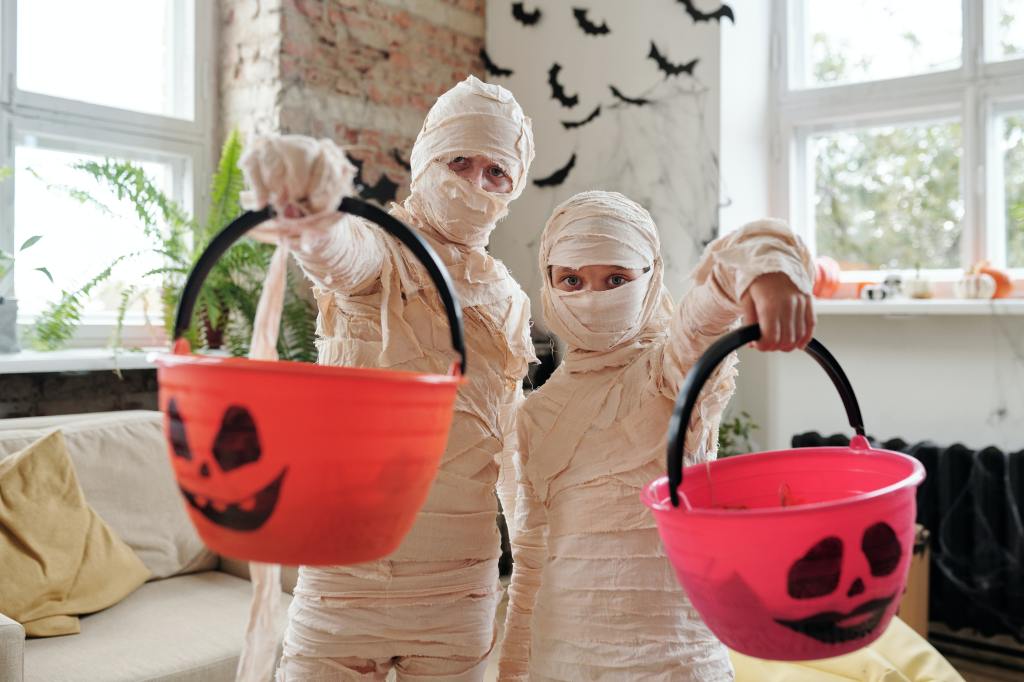
Halloween is extra scary this year for all the wrong reasons. It’s especially challenging for children with IBD who are immunocompromised. This week on Lights, Camera, Crohn’s I share input and advice from several gastroenterologists about everything from trick-or-treating to flu season, along with the game plan four IBD families have in place for the holiday. Much like anything with this pandemic, we’re trying to do the best we can to live, while also staying safe.

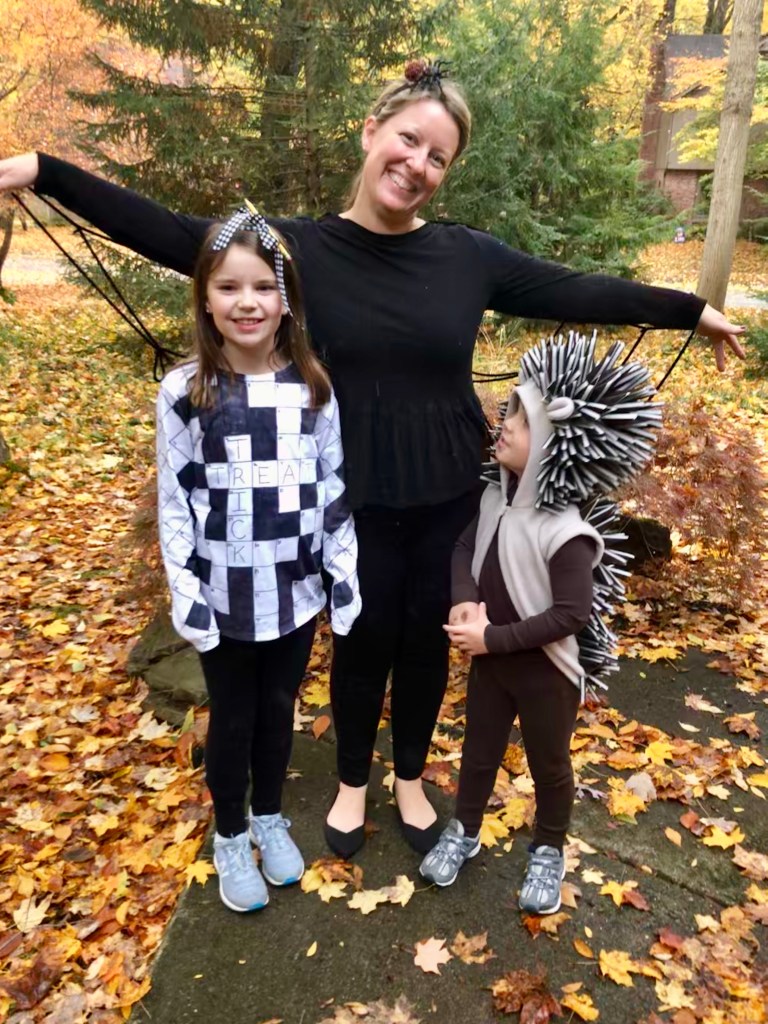
As an IBD mom myself, I’m still conflicted about how best to celebrate Halloween with my kids this year. We have their costumes, and the house is decorated festively, but I’m extremely hesitant to allow my 3.5-year-old son to get candy from strangers in the middle of a pandemic. Our game plan is to hang out with my sister-in-law’s family as we do every year. I’ve been inspired by how fellow IBD families are creatively adapting and making adjustments to celebrate. I think you will be, too.

Nicole’s daughter Addy is 15 and has Crohn’s disease. She’s on Humira. Nicole said her family already had a little “pow wow” to discuss Halloween and how it was going to be this year. They’ve decided to celebrate over the span of two days by doing the following:

  • Making Halloween Gingerbread houses
  • Decorating Halloween Cookies
  • Having a glow in the dark scavenger hunt (The lights in the house will be out, the kids will have glow sticks/flashlights and they will have to use clues to find their bags of Halloween décor. With the bags of décor, each child will create a mini haunted house in their bedroom and go “trick or treating” to the different bedrooms and experience their siblings’ haunted house.
  • On Halloween night Nicole is going to make a Halloween-themed dinner
  • The family will watch Blair Witch Project

Nicole says being immunocompromised through COVID has been incredibly challenging for her daughter. She says they are trying to balance everything so that Addy doesn’t fully resent her disease.

“She sees that her friends are hanging out together, not social distancing, and not getting sick. We have had many moments filled with tears and frustration and we are doing the best we can to try and offer social interactions in the safest ways. But, she is a teen…and the efforts are hardly enough. Halloween this year is something my kids are all excited about, but it’s the day-to-day stuff that is most challenging through the pandemic.”

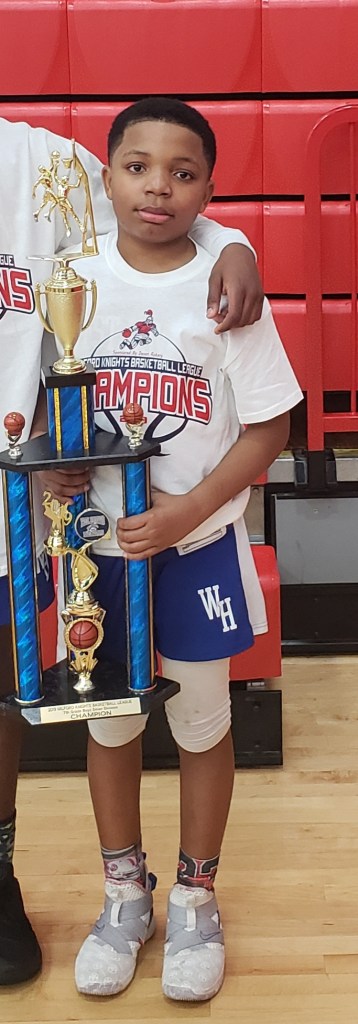
Ebony’s 14-year-old son, Jamar, is on Remicade infusions to manage his Crohn’s disease. Jamar was diagnosed with IBD when he was nine. He’s now a freshman in high school and attending school daily in-person for half a day with the hopes of making the basketball team.

“Even though Jamar is attending school, we decided as a family that we are not going to do anything for Halloween this year. We also plan to celebrate the holidays at home, to keep on the safe side. Since he was diagnosed with IBD and expressed sadness that he didn’t understand why he had to have this illness, I’ve explained to him that we’ll get through this together and that I’ll always support him—and that hasn’t changed through this pandemic,” said Ebony.

Paulina’s nine-year-old son, Grayson, also has Crohn’s. He’s on Pentasa, Entocort, and Omeprazole to manage it. She says her family plans to dress up in costumes as usual. Grayson is going to be Bowser from Super Mario Brothers. They have tickets for a drive through Halloween event at the community center by their home in California. Paulina says even though they have to stay in the car this year, Grayson and his sister are still excited to see all the decorations and participate in the scavenger hunt.

“We also plan on faux trick or treating, where we still go out and walk around our neighborhood and enjoy spotting cool decorations, BUT I will bring a bag of goodies and little prizes. For every few houses we walk by, they’ll get a surprise goodie put into their bag. Grayson will be able to go through his “loot” once we’re back home. I’m sure we’ll watch Nightmare Before Christmas (it’s a family favorite). Halloween falls on a Saturday and on a full moon…how could we possibly miss the nightly walk?”

Paulina says Grayson often feels frustrated when the topic of “being immunocompromised” comes up, but that he understands they are being overly cautious for his own health and that of others.

Cindy’s 10-year-old daughter, Jean, has Crohn’s disease and is on weekly Humira injections. She says Jean is in that interesting phase of childhood where she still kind of wants to go trick-or-treating, but also feels like she’s outgrowing it or too cool for that. This year, Jean is going to attend a small outdoor get-together on Halloween night with four classmates. It’s important to note—Jean has been attending 5th grade—in-person, five days a week since August.

“The kids will make s’mores and pizza and watch a spooky kid movie on an outdoor screen. Because she and her friends are in the same classroom “pod” and she spends more waking hours with these classmates than she does in our own home, we are accepting of her celebrating with them.”

Cindy says Jean’s friends and their families have been extremely accommodating to her immunocompromised status throughout the pandemic.

“When she has visited their homes or on limited occasions shared a carpool, these families have been careful to pursue a combination of exclusive outdoor time, mask-wearing, windows down on car rides, pre-packaged or restaurant carry-out snacks and meals, and having freshly cleaned bathrooms dedicated for guests’ use. Other parents proactively talk through risk mitigation and I couldn’t appreciate them more for their thoughtfulness. Immunocompromised or not, we all share similar concerns during COVID.”

Cindy went on to say she thinks Jean will trick-or-treat with her five-year-old brother at a few of their next door neighbors’ houses. They live in Indianapolis and trick-or-treating is “not recommended” by the county health department there, but she expects many of her neighbors will still be handing out candy.

“I also intend to hand out candy from our driveway, so long as trick or treaters or their parents are wearing face masks. This follows our family’s general approach on life during COVID: we are more concerned about “shared air” than we are about surfaces. We believe (and science indicates) surface infection can be largely addressed through handwashing. Because trick or treating can occur in outdoor spaces, we feel somewhat comfortable with that – balanced with the fact that while we are extremely concerned about COVID and have taken all precautions since March – we strive for an ounce of normalcy. There are enough parts of Jean’s life that are not typical due to living with Crohn’s Disease – whenever we can control any part of her life feeling “normal” we make every effort to do so. This was the case before COVID and will remain so afterward.”

Cindy says she reminds her daughter they are doing everything they can to protect her health, while also doing their best to ensure Jean can pursue all the parts of her life that bring her joy. It’s not an easy tightrope to walk, and as an adult with IBD, my hat truly goes off to parents trying to navigate these unforeseen times for their children.

What Gastroenterologists are recommending for Halloween and beyond

Dr Miguel Regueiro, M.D., Chair, Department of Gastroenterology, Hepatology, and Nutrition, at the Cleveland Clinic says he thinks it’s important for people to “live” and be with family and friends. He has a few tips and tricks (or treats!). (His joke, I can’t take credit!)

“For outside events or walking the neighborhood, this is probably the safest as we are learning that open air events are the least likely for transmission of COVID. At the same time, I would still practice wearing masks, social distancing, and practicing good handwashing. Avoid personal contact, shaking hands, hugging, etc.”

For those distributing candy, Dr. Regueiro says it would be prudent to wear gloves (nitrile gloves or similar) to avoid directly touching the candy. Out of abundance of caution, he said it would be reasonable to also wear gloves to unwrap the candy.

“Regarding trick or treating in malls or confined spaces, this would be less optimal than open air. Masks, social distancing, and hand hygiene is a must. Parties or gatherings in houses should follow the guidance of local health advice. Some parts of the country may have a much lower rate of COVID. Overall, though, I would avoid close gatherings in enclosed spaces, which means avoiding these parties, especially if immunocompromised.”

Dr. Regueiro wants to mention that the IBD Secure Registry is finding that IBD patients on immunosuppressive agents/biologics are NOT at increased risk of contracting COVID. He says while this news can be comforting, it may also be that those with IBD on these types of medications have been extra cautious.

“Everyone should get the flu shot. Getting influenza may mimic symptoms of COVID, and influenza is also a very serious virus. We think getting influenza and COVID could be even more dangerous. Getting plenty of sleep, staying well hydrated, eating healthy, and exercising are also important for the immune system and health. Don’t let yourself get run down.”

Dr. Anil Balani, M.D., Director, Inflammatory Bowel Disease Program for Capital Health Center for Digestive Health in New Jersey does not recommend indoor Halloween parties either, even if kids and parents are wearing masks (whether it’s part of the costume or a regular mask).

“With indoor settings it is hard to control the ventilation settings which could potentially increase the risk of airborne transmission, and furthermore many kids may find it difficult to breath indoors with a mask on.”

Dr. Balani says trick or treating, if it’s limited to outside, is probably ok. Although kids should wear masks when doing so.

“Children can trick or treat with their parents or siblings instead of a group of large friends, unless they are with a small group of friends that are in their “pods,” or groups of friends whose parents have been very careful with all COVID related precautions the entire time. Parents of immune compromised kids can also pick up the treats for the kids.”

Along with maintaining proper handwashing and social distancing precautions, Dr. Balani advises everyone to get the flu shot, unless there are medical contradictions. He recommends taking a healthy dose of vitamins including Vitamin C and zinc and continue to stay on top of all your IBD medical care to keep your disease managed and under control the best you can.

“The SECURE-IBD registry has shown us that people who are in the midst of an IBD flare are at high risk for complications from COVID should they contract the virus. On the other hand, if one is in remission, they are likely to have a better outcome from the virus, regardless of which IBD medical therapy they are on.”

When it comes to celebrating Halloween with his own family Dr. Balani and his wife have a few tricks up their sleeves. Instead of typical door to door trick or treating, they plan to set up an outdoor movie night with Halloween-themed movies, have an outdoor candy/treat hung similar to an Easter egg hunt with family and/or a close knit group of friends, host an outdoor pumpkin carving party, and have a backyard costume/glow dance party.

And don’t feel like you need to throw out your kids’ Halloween candy! Studies suggest that the SARS-COV2 virus may not be infectious on surfaces for too long. If there are doubts or concerns, Dr. Balani recommends leaving the candy out for a few days to allow any virus particles to die. Parents can also open the wrappers for their kids.

Dr. Maria Oliva-Hemker, M.D., Director, Division of Pediatric Gastroenterology, Hepatology, and Nutrition at Johns Hopkins suggests for families to look for other creative ways of celebrating Halloween this year, regardless of whether a child has IBD or not.

She recommends:

  • Virtual costume parties
  • Halloween movie or craft night
  • Making special Halloween-themed treats at home
  • Outdoor costume parades where physical distancing is possible
  • Checking to see if the local zoo or other outdoor venues in the area are sponsoring a safe, community event, following social distance guidelines.

“Those who hand out treats on Halloween will hopefully wear face coverings and model safe behaviors. If you are trick or treating, consider going to a smaller number of homes compared to past years,” said Dr. Oliva-Hemker.

Prior to making Halloween plans, Dr. Oliva-Hemker says families should be aware of the levels of COVID cases in their communities, as well as where their family members are coming from.

“For example, if they are coming in, or coming from a hot zone, they may want to consider holding a virtual event or be absolutely sure that they follow known guidelines for safety (masks, handwashing, physical distancing).”

She also says she can’t stress enough that this virus can be controlled in our society—other countries have been able to get a handle on things by people following public health guidelines.

“The virus does not know your political, religious or other affiliation—as a physician my hope is that our country pays more attention to what reputable scientists and public health experts are telling us. Taking care of this virus will also get the country back on track economically.”

Handling Halloween When You’re an Immunocompromised Parent

Mom (and dad!) guilt throughout this pandemic has reared its ugly head a few times especially if you live with a chronic illness and are immunocompromised. The last thing I want is for my kids to miss out on fun and experiences because of my health condition.

Dr. Harry Thomas, M.D., Austin Gastroenterology, says, “For parents with IBD, taking children trick-or-treating outdoors – while maintaining social distance, wearing face coverings, using hand sanitizer, and avoiding large gatherings – is, in my opinion, a reasonable option, provided they are not on steroids. However, I would recommend avoiding indoor gatherings, especially without masks, given the rising case numbers in many areas now.”

Along with receiving the flu shot, Dr. Thomas recommends IBD parents to talk with their IBD provider about the two pneumococcal (pneumonia) vaccines, Pneumovax and Prevnar 13.

Navigating the upcoming holiday season in November and December

Halloween is just the tip of the iceberg when it comes to the holiday season. There’s no doubt this will be an extremely hard time for us all.

“This is normally a time to celebrate with friends and family. But with the COVID pandemic, unfortunately things cannot be the same. This will be especially difficult for those of us living in the cooler climates where the tendency is to go indoors. For any potential indoor gatherings, it would be ideal to limit the number of people to allow safe social distancing. I would encourage families that are planning on staying together multiple days to consider getting tested for COVID before getting together,” said Dr. Balani. 

Navigating IBD and IVF During a Pandemic WITH A Toddler

When I asked 34-year-old Amanda Osowski how she’s juggling Crohn’s disease, motherhood, and IVF during the pandemic, she said “with caution.” And rightfully so! These times are complicated and overwhelming for everyone. Add some chronic illnesses and trying to maintain your health, sanity, and emotions while doing all that and trying to get pregnant with a second child through IVF, and I’m amazed she found the time and energy to write this guest post! I’ll let her take it away.

Here we are, more than 7 months into a global pandemic, still wondering if and when life may “resume as normal”. To be honest, in my house, life has in some ways paused and in other ways accelerated since the March quarantines began. As an IBD patient on Remicade (an immunosuppressant medication to manage my Crohn’s disease), I have chosen from the beginning to adhere strictly to social distancing, mask wearing, unnecessary exposure and other risk reducing options. 

This also meant that my job, my income, and my ability to support others has transitioned from mainly in-person to entirely virtual. The silver lining of this is that I’m able to work with clients all over the world. Balancing that alongside parenthood, and IBD during a pandemic requires a good bit of patience, strategic thinking, and deliberate planning.  

Gearing up for Baby #2 Through IVF 

My husband and I were diagnosed with Unexplained Infertility in 2017 while trying to conceive our first child. After several failed treatments, we had one successful round of IVF in which I became pregnant with our daughter in the fall of 2018. As soon as she was born, we knew we wanted to have another baby close in age – both for our family planning goals and in hopes that I would be able to maintain my Crohn’s remission status long enough to complete another pregnancy. 

While we began trying naturally as soon as we were ready, we knew that the recommendation for fertility treatment was to wait until 12 months passed after delivering our daughter. I desperately hoped that we’d get lucky before then, and that we’d end up with natural conception, rather than going through the physical, emotional, and financial journey of another cycle of IVF. I also knew that I wanted another baby, and that would happen however it was meant to. 

How the pandemic has impacted fertility treatments

We were scheduled to begin fertility testing in March 2020, with treatment starting in April. As I’m sure you guessed, that was immediately halted with the closing of most fertility offices and the pausing of all new treatment cycles with the influx of COVID-19 cases and concerns. Having my treatment (and my timeline) be paused indefinitely with the continuing anxiety and stress of the pandemic caused my IBD symptoms to increase – something that then caused me more anxiety and stress about its impact on my IVF plan if and when I was able to reschedule treatment. 

After an exceptionally long few months, my doctor’s office re-connected with me about getting my appointments scheduled. My IBD while not flaring, was not perfectly calm either, and that’s such an important part to me about preparing for pregnancy, so we gave it a little more time. FINALLY, this month (September), I began the treatment protocol I should’ve started five months earlier. Our daughter Brooklyn just turned 16 months old.

Today you’ll find me managing IVF medication injections around business calls, my Remicade infusion schedule, chasing a toddler and being stuck inside my home around the clock. It’s HARD, and exhausting, but it’s the only way I know how to make my hopes come true. 

Tips for handling IBD + IVF

  1. Communication with your partner is critical. From parenting responsibilities to COVID-19 precautions to childcare to work stressors to fertility treatment planning and execution – there is an entire machine full of decisions and emotions that are part of every single day, and not being on the same page as your partner can have devastating effects. My recommendation: schedule time once a week on your calendar after bedtime to talk. Keep a list running during the week of things to add to the conversation. Ask all your questions to each other then, when you can focus and talk and connect. You’re a team, and it’s important in this season to work together. 
  1. Mental health is just as important as physical health. When managing IBD + ANYTHING, let alone motherhood, and a pandemic, and fertility treatment, taking time to check in with your mental health and care for yourself is imperative. Each of these things come with so many feelings, and burying them all will only make it harder to deal (& keep your IBD in check!) I personally recommend working with a counselor, taking time to journal or meditate or center yourself, and ensure you’re checking in with your own needs regularly. 
  1. Social Media Strategy – During the pandemic, I think we’ve all admitted to more screen time than usual. I know firsthand that the amount of pregnancy announcements, gender reveals, new baby births & seeing families with multiple kiddos can cause feelings of guilt, frustration, jealousy, anger, etc. Social media can make things feel extra difficult for those struggling to get pregnant, undergoing fertility treatments AND managing something like IBD. Here’s what I recommend. The beauty of social media is that we can choose what we do and don’t see while we scroll. This is a perfect time to click “hide” or “unfollow” on any hashtags or accounts that make you feel sad or icky. That’s not to say you don’t love your neighbor/friend/co-worker, but in my opinion you also don’t have to constantly watch their highlight reel. On the flipside, utilize social media to connect with your TRIBE. Whether that’s other IBD and IVF warriors, others struggling with infertility, etc – there’s so much more space for online communities now than there ever has been before. If you’re having difficulty finding and connecting with others, please DM me and I’m happy to make some suggestions! Also, please know that whatever you’re feeling during this experience and this season is so valid, and you’re not alone!  
  1. Give yourself grace. There will be days when you feel inadequate – as a parent, as a spouse, as a patient – these moments don’t define you. You’re juggling so much, it’s so important to know that you’re doing the best you can, even if that looks different than it used to or different than you’d like it to. 

If my story resonated with you, or you’d like to connect, please reach out! You can find me on Instagram personally as @amanda.osowski and professionally as @heartfeltbeginnings.  

Ignorance is not bliss: Get health screenings outside of your IBD

It’s often said managing IBD is like having a full-time job. Along with the regular visits to the gastroenterologist, all the blood draws, scopes and scans, we also have to juggle taking and ordering medication (dealing with insurance!), listening to the symptoms our body is speaking to us throughout the day, knowing when we need to slow down…and the list goes on.

One aspect of taking care of our overall health that is often not discussed is the importance of staying on top of all the other preventative health checks—seeing the dentist two times a year, getting a vision screening, having a well-woman visit, and getting a full body skin check by a dermatologist, to name a few. pexels-karolina-grabowska-4386466

As we all continue to navigate the choppy waters of this pandemic, being proactive with medical care has been a bit more challenging. Appointments may have been canceled or delayed. The stress of going somewhere for an in-person appointment may seem risky to you, but it’s imperative we all stay on top of our most important job of all—staying as healthy as possible. Because even if your Crohn’s is in remission, your disease, and the medication you take to treat it, can put you at greater risk for other health issues.

Did you know?

According to the American College of Obstetricians and Gynecologists, women with IBD, especially those on immunosuppressants may be at increased risk for cervical dysplasia and abnormal pap smears. Meaning, we’re at a greater risk for abnormal growth of cells on the surface of our cervix that could potentially lead to cervical cancer. Get those pap smears! I visited my OB-GYN and had my well-woman visit a few days ago.

The same goes for seeing a dermatologist. Those of us on immunomodulators or immunosuppressive therapies may have an increased probability of developing malignancy, including non-melanoma skin cancer. I went to the dermatologist this past week for a full body screening. I had a small atypical mole removed from my back that I wasn’t even aware of. Even though atypical moles are not always skin cancer, having these types of moles can be a risk factor for one day developing melanoma. I’ll admit, I haven’t been the best about staying on top of this aspect of disease management. The last time I had been to a dermatologist was 2005, because I was dealing with acne from the prednisone I was taking.

Although medications that manage Crohn’s and ulcerative colitis are the most significant contributor when it comes to our risk of skin cancer, it’s believed having IBD alone can also lead to an increased risk of melanoma.

It’s recommended by the National Cancer Institute, that people with chronic illness be extra vigilant about sun protection. My dermatologist recommends wearing an SPF of at least 30 and having a yearly surveillance of my skin done.

Some researchers believe our faulty immune systems fail to detect cancerous tumors in our bodies and that the increased inflammation can make us more susceptible to certain cancers.

Dental, vision, and IBD

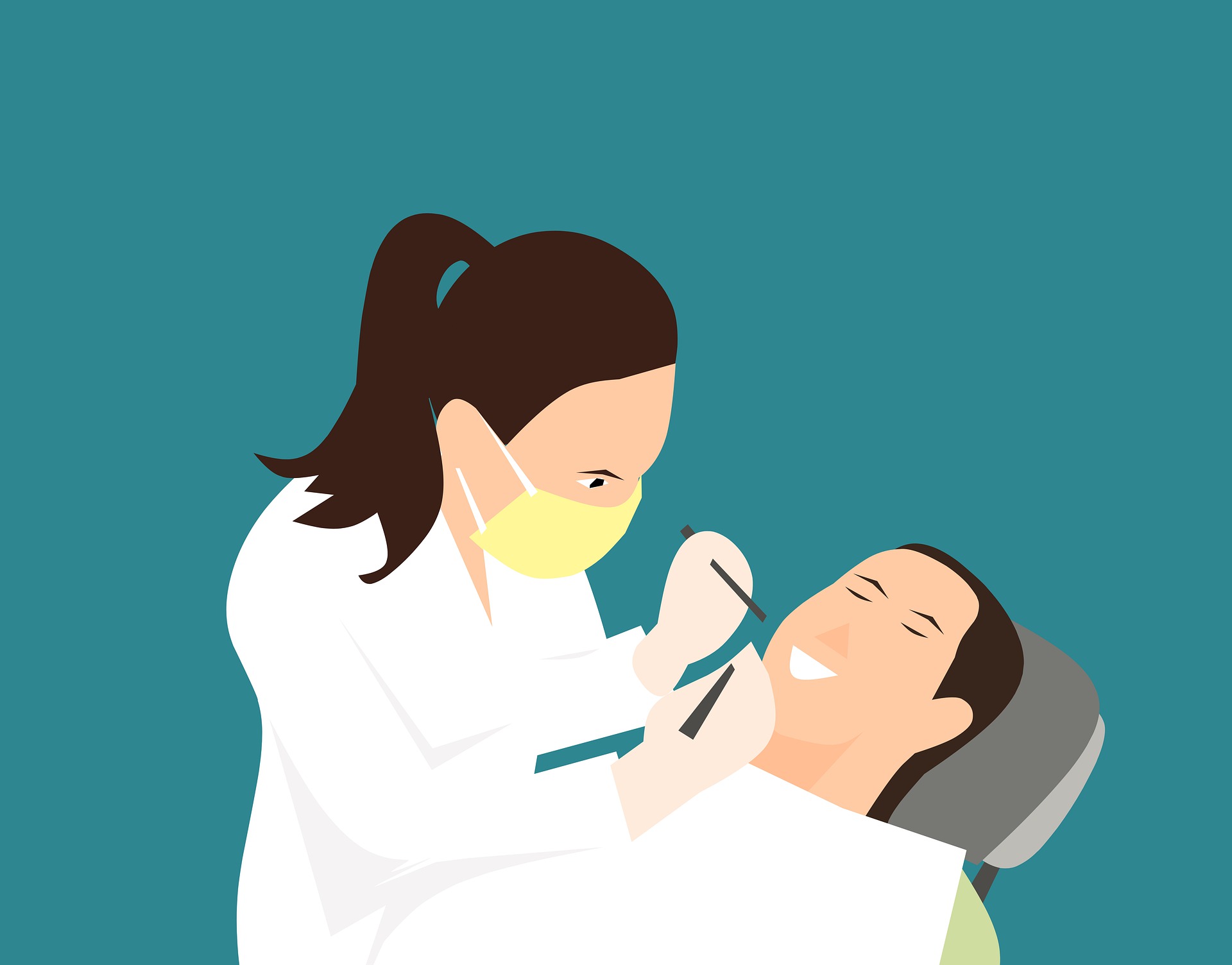
IBD can also make your dental health bite. Studies show people with IBD are at an increased risk of getting cavities and oral infections. While it’s not completely clear why this is, it’s believed our immune systems along with steroid-based drugs and even the acidity of our mouths, can cause our teeth to be weakened. dentist-4275389_1920

As someone who was forced (haha, by my mom!) to get braces, twice, I have always taken great care of my teeth. But, when I was pregnant with my son Reid, I did develop an abscess on my gum over my molars that luckily went away after he was born. It was unclear at the time if this was more pregnancy or IBD related. I know the thought of going to the dentist seems daunting since it’s such an invasive appointment where you can’t wear a mask while you’re in the chair, but when I went in for my cleaning last month, I felt completely at ease by all the safety protocols in place.

Whether you’re blind as a bat like me, and always get an annual vision screening to update your prescription and order contacts or if you have perfect vision, it’s important to get your eyes checked. Between 4-10% of people with IBD experience issues with their eyes because of their disease activity. Problems with your eyes can be a sign of a flare. During my visit with my ophthalmologist last month I was impressed by all the measures taken to ensure patient safety.

Take time to take care of you

Trust me, I get that life is busy and these times are scary. But, you’re doing yourself a huge disservice if you don’t take advantage of the preventative medical care that is available so you can be proactive should an issue outside of your IBD arise. While telehealth is great to take advantage of when you can, for many of these appointments, you do need to be in person. If you’re worried about this, you can ease your fears by calling the office prior to your appointment to learn about what measures the office takes to protect patients. Whenever I start an appointment I always let the person taking care of me know that I have Crohn’s disease and I’m immunocompromised because of the medication I take.IMG-7443

I don’t particularly enjoy any of these appointments, but I always leave with peace of mind that I’m doing everything I can to be vigilant and healthy not only for myself, but for my family. I often find I get more anxious for these “other” appointments than I do seeing my GI, because I feel much more confident about how I manage my Crohn’s and the way my disease process manifests. Don’t do all the work to keep your IBD in check and forget about the rest of you.

I’m typing this article with a band-aid on my back and a slight burning sensation in my shoulder from the biopsy, with the hope that my experience implores you to make an appointment and get all your ducks in a row when it comes to all your “other” appointments. Yes, I know it’s a lot, but ignorance is not bliss when it comes to your overall well-being.

Finding your voice with Crohn’s: How music helps Anna Tope cope

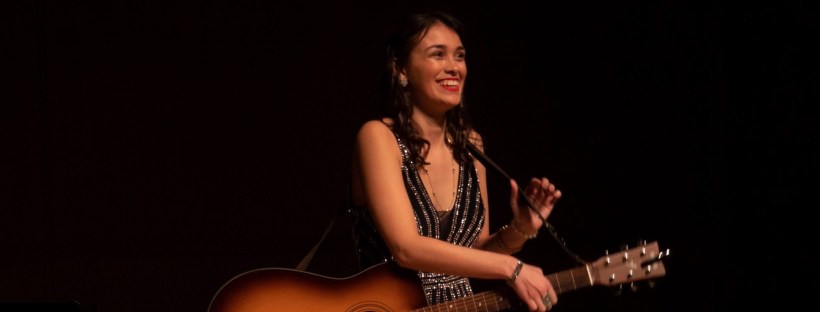
Songwriting has been a coping outlet for 22-year-old Anna Tope, for as long as she can remember. When she was diagnosed with Crohn’s disease in June 2019, she worried if her aspirations of sharing music with the world would be silenced. COVID-19 hit during her final semester at York College of Pennsylvania. She looked forward to and worked hard for her senior recital all four years. The event was scheduled for March 13th, right when the world started to shut down. IMG_6972

Luckily, the music faculty were able to work things out and held the recital before campus had to be cleared out. Anna gave the best performance she ever had. The whole audience was on their feet, followed by a huge line of people waiting to greet her afterwards. The moment was a dream come true. Check out her recital performance here.

The song inspired by Crohn’s

“My favorite part was being able to end my recital with a song that I wrote about my Crohn’s Disease journey called “Renewed.” This is a song that has moved people to tears, and people have told me how much the song has impacted them, especially during the pandemic,” said Anna.

Anna wrote “Renewed” in January 2020, while sitting at a Barnes & Noble. Click here to listen to the song.

She says quarantine has enabled her to focus more on creating music and writing.

“My songwriting is essentially reflecting through some of the hardest times of my life, such as my illness/diagnosis, but also showing how my hardships have been so eye opening and influential,” says Anna.

Finding joy through the suffering

Anna’s main goal with her music is to bring joy and hope to those suffering from chronic illness. The unpredictability of Crohn’s often leaves Anna feeling worried about whether IBD is going to rob her of her musical dreams, but not only that—like many of us, she worries about her future. Two of her biggest fears are finding love and being able to have kids one day. Ann is incredibly grateful for her amazing support system and how her friends and family have rallied around her since diagnosis.image0 (1)

She wants to use her voice, energy, and the broken parts of her experience to bring comfort to those who feel alone.

“IBD has impacted me in so many ways. It’s turned my life upside down, but at the same time it’s given me even more of a passion to sing and to help others.”

Use quarantine to your advantage

Living with a chronic illness in the middle of the pandemic is complicated and challenging, but Anna hopes others use this time to explore their talents and see beyond their IBD. IMG_6121

“Go write some songs or poetry. If you want to learn an instrument, now is the time! Go write that book you’ve been wanting to start. Do whatever brings you a feeling of accomplishment, joy, and comfort.”

The success of Anna’s senior recital pushed her to continue writing. At a time when many of us feel tapped energy wise—mentally, physically, and emotionally, try and find what motivates you outside of your illness. And like Anna, you’ll see, while IBD may change the course of the path you’re on and re-direct you for a bit, just because you have Crohn’s, doesn’t mean you can’t follow your dreams.

Connect with Anna

Instagram: @myvoice.myjourney

Facebook: Anna Tope Music

Twitter: @annatope_

YouTube: Music and Covers


Cooking in Quarantine: Recipes we’ve found and loved

Cooking during quarantine has taken mealtime and meal prep to a whole new level. Like many people, I constantly feel like I’m thinking about what I’m going to feed myself and my family and it feels like I spend the other time doing dishes. As an immunocompromised IBD mom of two little ones, I’ve used these past few months to be a bit more resourceful in the kitchen.

Prior to the pandemic, I wasn’t the most adventurous. I had my 10-15 “go-to” recipes and never really branched out. While these past few months have been physically, mentally, and emotionally taxing, I’ve found spending some time in the kitchen, while listening to music, is a sweet distraction amongst the unknown chaos going on outside our home.

Since March 12th (102 days!), we have had take-out four times. So, as you can imagine, I’ve had to get creative with my cooking!

NOTE: These recipes do not follow one specific IBD or autoimmune “diet”. I am always hesitant to talk food, as each and every person has unique dietary needs and is able to tolerate food groups differently. If there was one way of eating that was a magic bullet for IBD, we’d all be following it. The best advice I can give when it comes to diet, is to keep a food journal and see what your individual triggers are.

Here are my favorite recipes I’ve found online since quarantine, that have been a hit in the Hayden household:

  1. Slow Cooker Chili. I’ve tried four different recipes these last few months and this one was our favorite. Since my kids are 3-years-old and 17 months, I did not add the hot sauce.
  2. Crispy Chicken. This is SO delicious, but heavy on the calorie count. (Worth it in my opinion!) Made for great leftovers, too. The pasta is to die for.
  3. Slow Cooker Greek Chicken Gyros with Homemade Tzatziki. You guys. As a Greek girl, I more than approved. The tzatziki sauce was fantastic.
  4. Slow Cooker Chicken and Rice. Super simple recipe. I make this with crescent rolls and green beans. Bonus: Makes the house smell great.
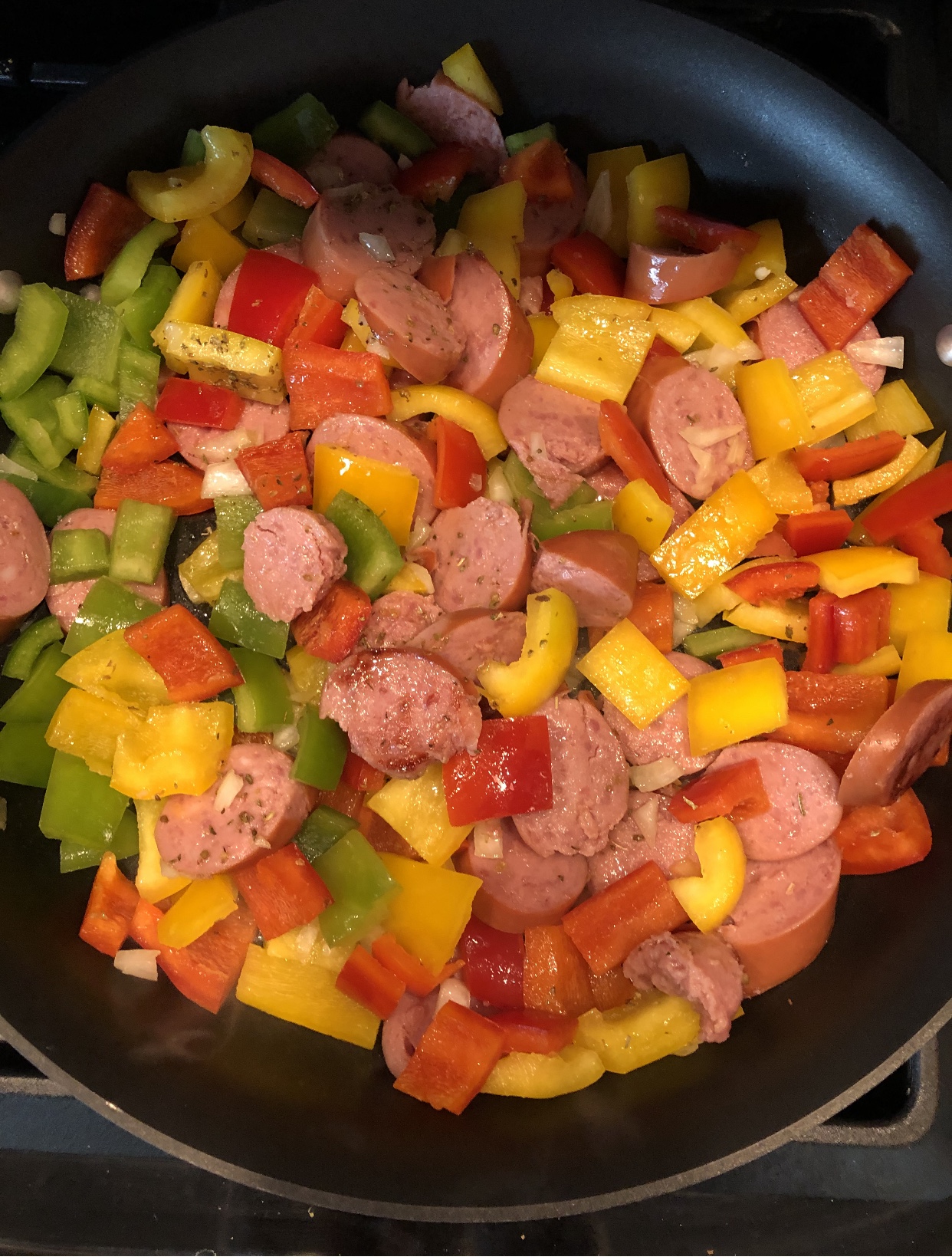
  5. One-pot Sausage and Peppers Pasta. Yummy meal, hits all the food groups, with minimal dishes. That’s a win! IMG-3692
  6. Crockpot Pulled Pork. So simple and so tasty. We pair up the meat with Hawaiian rolls and Bread and Butter pickles.
  1. Salsa Fresca Chicken Bake Recipe. I’ve always been a fan of making casserole-type dishes where you put everything together, put the dish in the oven, and that’s it!
  1. Slow Cooker Shredded Chicken Tacos + Mexican Rice Casserole. We’re big fans of Mexican food. These paired up great together along with all the toppings (tomatoes, cheese, sour cream, avocado, lettuce).
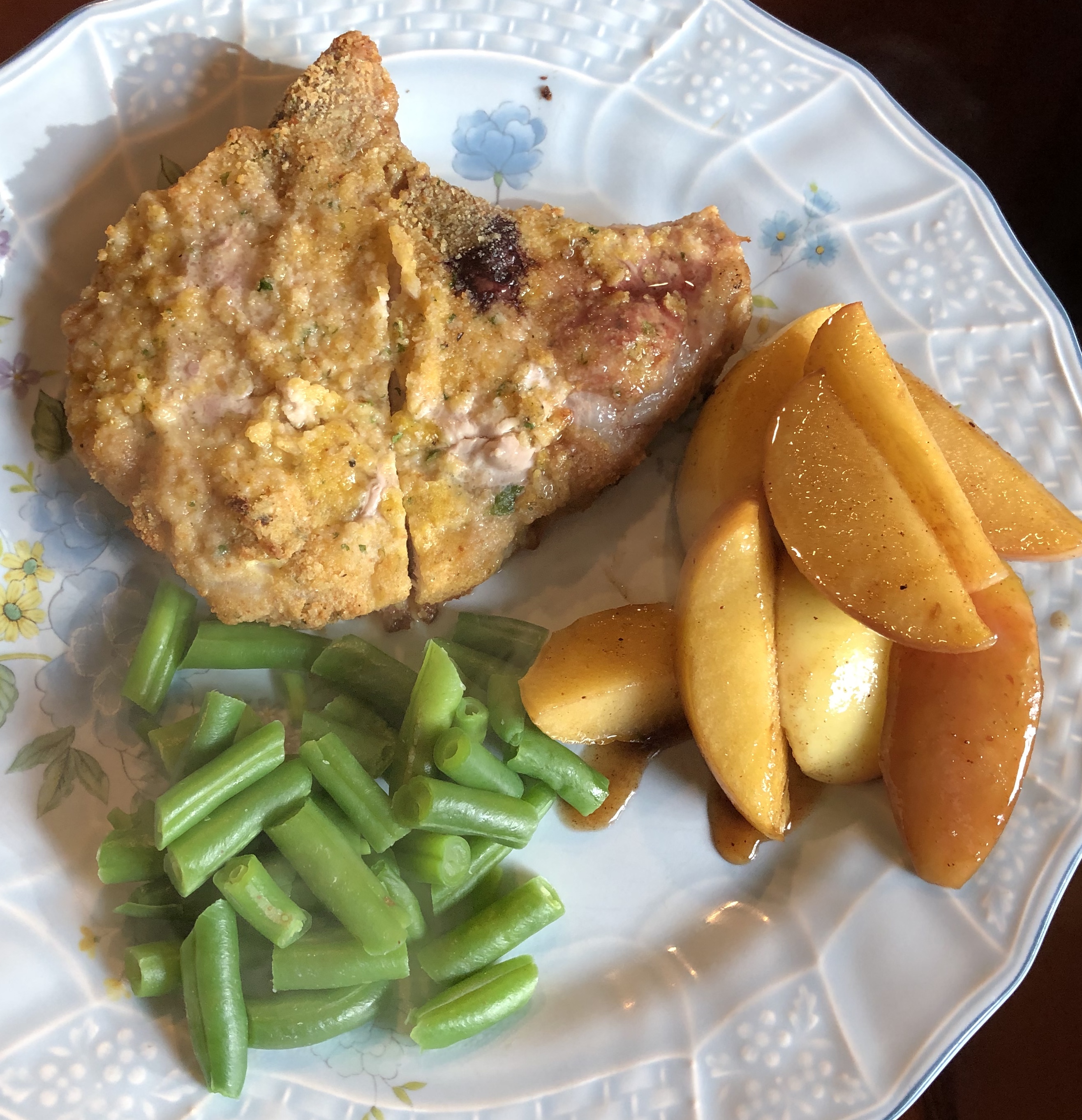
  1. Crispy Breaded Pork Chops. + Warm Cinnamon Apples. I’m usually not a huge fan of pork chops, but this meal is good. I usually make green beans for the side. IMG-2680
  1. Ground Beef Taco Casserole. Like I said above, we’re all about Mexican food. My husband loved this one.
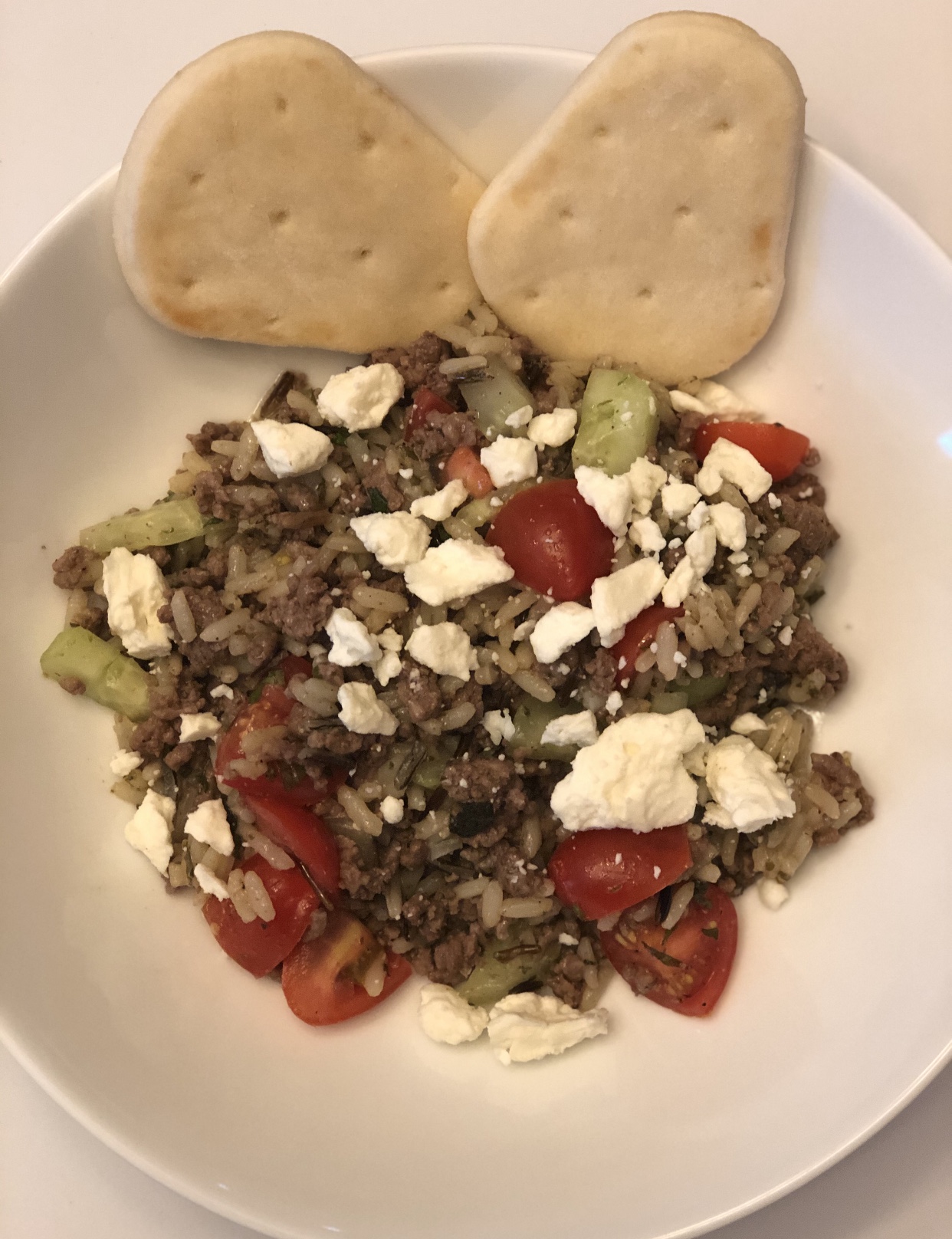
  1. Mediterranean Rice Bowls. I found this recipe last year in a Women’s Day magazine and it has been one of our absolute favorites as of late. You can make this with lamb or beef, we’ve only done beef so far. I also buy mini pita breads to go with this. If you don’t have cucumber or don’t like it, I’ve made this with green bell peppers as well. I couldn’t find the recipe online—so I’ll share it here.

Ingredients:

1 lemon

2 tbsp. olive oil (divided)

2 cloves of garlic (I only use one clove)

4 cups of cooked long-grain rice

1 tsp ground cumin

½ tsp ground coriander

1 pint of cherry tomatoes halved

½ a seedless cucumber, cut into ¼ in. pieces

¼ cup of fresh mint

Crumbled feta, for serving

(I tweaked the directions a bit, so I’ll share how I make this)

  1. Make rice according to the box (will take 25 min. so start this first)
  2. Chop the tomatoes, cucumbers, garlic, and mint and put to the side.
  3. Finely grate zest of lemon, then cut lemon in half. Heat 1 tbsp. of olive oil in a large nonstick skillet on medium-high. Add beef and cook, breaking up with a spoon, until browned. (Once browned, discard fat). Add garlic and ¼ tsp of salt and pepper and cook, stirring 1 minute, toss with lemon zest. Transfer beef to a bowl and squeeze juice of 1 lemon half on top.
  4. Once rice is done cooking add it to the bowl with the beef and season with cumin, coriander, and ¼ tsp of salt and pepper.
  5. Squeeze juice from the remaining lemon half into a medium bowl. Toss with chopped tomatoes, cucumbers, and ¼ tsp of salt and pepper. Fold in the mint.
  6. Add the mixture to the beef and rice and top with crumbled feta. ENJOY! IMG-3693

Bonus recipe: While we were visiting the Lake of the Ozarks recently, I created a salad that is simple and delicious:

Butter lettuce

Chopped apples (I use Honeycrisp)

Chopped strawberries

Chopped grapes

Feta Cheese

Pecans (or whatever nut you’d like to add)

Honey Mustard dressing

Four IBD Physicians Talk COVID: What You Need to Know

Since the words “quarantine”, “self-distancing”, and “COVID-19” became a regular part of our vocabulary three months ago, there have been many fears, and a lot of gray areas for everyone, especially chronic illness patients on immunosuppressive therapies. I had a chance to connect with well-respected and prominent physician voices in the IBD community to get to the bottom of what we need to be doing right now, and how to best handle the days and months ahead.

One of the most common questions—who is at most risk in the IBD population for getting COVID-19? You may be surprised at the findings and discourse.

“We have been reassured that with the exception of steroids, patients with IBD are not at increased risk for bad outcomes with COVID. The risks are similar to the rest of the population,” explained Dr. David Rubin, MD, Professor and Chief of GI, The University of Chicago Medicine. “Older age, co-morbid conditions like obesity, diabetes or other medical problems, and smoking cigarettes put patients at increased risk.” COVIDarticle

Every study and case series has demonstrated NO increased risk for infection, COVID, or bad outcomes with biological therapies. This includes the work of the international registry (COVIDIBD.org and now published in Gastroenterology), the mixed immune patients of all kinds reported from NYU in the New England Journal of Medicine, and other series from Italy and China.

“We have good data now that IBD patients, even those on immunosuppressive therapies are not at increased risk of COVID. However, getting sick with COVID might mean holding off IBD meds, which could potentially trigger a flare,” said Dr. Aline Charabaty, MD, Associate Professor of Medicine, Clinical Director of the GI Division, Director of the Center for IBD, John Hopkins School of Medicine at Sibley Memorial Hospital in Washington D.C.

Don’t let your guard down

Dr. Charabaty advises everyone to continue to exercise common sense and be cautious for the upcoming months, otherwise we are at a risk of a second wave of COVID-19.

“Follow responsible physical distancing: avoid unnecessary travel, work from home if possible, and minimize outings in crowded places. Continue to wear a mask, wash hands/use disinfectant, in other words continue to follow COVID-19 precautions when out, or if you have to go to work.  The risk of exposure depends on the incidence of COVID-19 in an area, but also feeling overconfident in an area of low incidence can lead to unnecessary exposure,” she added. coronavirus-4937226_1280

Dr. Peter Higgins, MD, PhD, M.Sc., Director of IBD program, University of Michigan, recommends patients on steroids continue to stay home and avoid outside contact, but for patients not on steroids, the outdoors with a mask, away from crowds, can be therapeutic.

“The hard part is knowing when there will be crowds of people, and avoiding dense gatherings,” Dr. Higgins said. “Having open space and good airflow seems to be protective. Being in close quarters, especially with folks who are breathing hard (exercise, singing) seems to increase risk.”

Small Gatherings with friends and family (less than 10 people)

Dr Charabaty recommends the following:

  • Before gathering with family, make sure no one has had recent symptoms or exposure to someone who has tested positive.
  • When indoors with family staying 6 feet apart isn’t always feasible, wash your hands frequently and wear a mask if sitting close.
  • The idea is to share fun family moments, but remain cautious and protect yourself and loved ones.

“I would limit the number for gathering based on how much space you are entertaining in. Certainly, the more people there are, the more limited the physical space per individual there is to share,” said Dr. Neilanjan Nandi, MD, FACP, Associate Professor of Clinical Medicine, Penn Presbyterian Medical Center. “With that in mind, I would ask people to not invite more people than they can physically safely distance themselves from. If we’re too close, we spread the virus. If we have distance, then we decrease the odds.”

Luckily, the summer months are perfect for outdoor festivities and gatherings with friends and family. Being indoors in close quarters is taking a calculated risk. It’s hard to know if everyone at a gathering is uninfected without a lot more testing or strict quarantine from every visitor beforehand.

Outdoor patio seating, should you, or shouldn’t you?

The waters get a bit murky here. The consensus is to get takeout and find a picnic spot far from others or to eat at home.

Dr. Charabaty says she tells patients and her family to avoid or limit outdoor dining. She explains, “It’s difficult for people handling and serving food to follow hand washing and social distancing when service is busy. I see many restaurant workers wearing gloves, and touching many different services, which gives a false sense of security. It’s not the cooked food that is an issue, it’s more the handling of the plates, glasses, and silverware.” Outdoor dining

Be mindful of how far tables are spaced out and call ahead to see what measures the restaurant is taking before you go.

Health pundits have pointed out that bathrooms are a point of contact for any infection to be transmitted. This is something to keep in mind, especially for those of us with IBD, who may need to frequent the bathroom more than most. “Hand dryers may aerosolize, and toilet flushes can create microscopic fecal plumes,” says Dr. Nandi. “Notably, coronavirus is present in stool at magnitudes lower than respiratory droplets, so their impact on developing clinically relevant disease is unknown. It is restaurant goers who are coughing and sneezing and then using the bathroom that may cause more concern. If you need to use the bathroom while out, use paper towels and close the toilet lid when flushing.”

Navigating everything from medical appointments to hair cuts

“I understand people wanting to go to hair salon; if you need to , and no one in your house can cut or color your hair, call ahead to make an appointment to minimize wait and exposure, and pick a day and time that are not busy,” said Dr. Charabaty. “If your visit to the physician is routine, you can discuss with your physician how soon you need to be seen. If it’s a sick appointment or a follow-up that you already needed to delay, then again, wear your mask, remove it only when needed; and wash your hands often.”

Before You Go: Ask medical offices and salons what precautions they are taking:

  • Does the office call patients ahead of time to check if they have symptoms suspicious of COVID?
  • What measures are being taken in waiting rooms?
  • Is everyone required to wear a mask?
  • Ideally you want to see lots of free, no-questions-asked testing in your local community/county to monitor COVID rates
  • A low level of new cases (less than 3 per week) in your local county
  • Lots of serious precautions taken, including possibly outdoor haircuts (common during 1918 flu pandemic), fans to increase airflow, and glove, gown, mask, and face shields on stylist/dentist/eye doctor to protect them as well as you. Recent exposures in Missouri reinforce this.

The future of telehealth

“I expect telehealth will continue- our estimate is that about 30-40% of routine visits may be virtual which is great, but this needs some careful reflection,” explained Dr. Rubin. “We need some thoughts and plans for better home monitoring and some additional guardrails to know when in person visits are needed and when providers or patients should request them. We don’t want to make mistakes and let patients slip through the cracks of virtual visits without physical examinations and adequate disease and therapy monitoring.”

The return to work

Ways to minimize exposure in the workplace and the questions to ask:

  • What measures is your employer taking to ensure responsible physical distancing?
  • Are employees required to wear a mask?
  • If working outside the home, leave clothes and shoes in the garage or the basement. Strip down and scrub down right when you get home.
  • If spouse has symptoms or if they’ve traveled to a high-risk area, they should quarantine.
  • Ask your boss if you can continue to work from home or increase the frequency of doing so to limit your exposure. Provide a note from your GI to Human Resources that explains why you are immunocompromised.
  • Monitor yourself or your spouse closely for fever, symptoms (including both respiratory and GI symptoms) and if possible, pulse oximetry to measure blood oxygen levels (a decrease is worrisome).

Dr. Higgins explains there are “high and low” risks work environments. High risk involves a crowded open space office full of cubicles, working in an ER/ICU/healthcare, assembly line/meatpacking plant, air travel, frequent contact with large numbers of people (bus driver). Lower risk jobs involve outdoor work, low density office spaces with closed doors/good airflow, and solo car travel. photo-1531493731235-b5c309dca387

“When it comes to spouse related travel, I would have them again speak with their employer about the necessity and yield of the trip. Much of what we can do currently can be done via teleconferencing,” said Dr. Nandi. “While the personal touch is always preferred, today’s times do necessitate that we be conservative and protect ourselves and our families. If travel is necessary, the spouse testing upon return is a good idea. If not possible, then conservatively a self-quarantine would be recommended. Of course, this presents marked strain on the functionality of any family. this emphasizes the need for greater and better testing capability.”

Remain cautious, don’t get too comfortable

Even with states re-opening, it’s on us to remain cautious and minimize unnecessary exposure while being able to provide for our families. We all have cabin fever going on, but we are all responsible to prevent a second wave of COVID by avoiding being complaisant.

“While it is reassuring to know that in general our patients with IBD do as well as the general population (or possibly better), it is prudent to continue our caution until we get to an R0 of <1.0 (meaning one infected person infects less than one additional person) by ongoing efforts to flatten the curve and/or a vaccine,” says Dr. Rubin. coronavirus-line-art-5019475_1280

This too shall pass

“It is sad and frustrating that this pandemic has occurred in our society, but I view it as a unique opportunity to get better connected: first with one’s self ; second with our immediate family and friends and third, with our natural environment,” said Dr. Nandi. “In my opinion, our Western society’s luxuries can often prevent us from enjoying the simplest pleasures in life. Thus, I take this time as an opportunity to spend quality time with my family, read more books, try new recipes, and workout more regularly. Because, I know in time, this too shall pass – and the opportunity that it presents will disappear as well.”


Crohn’s and COVID: Hear one IBD mom’s experience battling both

Imagine having a fever for 31 days along with debilitating fatigue, a scratchy throat, cough, and trouble breathing. That was the case for Jessica I., age 34, of St. Louis. She is a COVID survivor, a Crohn’s warrior on immunosuppressant medications, a wife, a mom to two little ones, and an attorney.

Hindsight is 20-20 and of course we know a bit more about COVID-19 now than we did when quarantine and chaos ensued in mid-March, but let me take you back to how this all went down for Jessica and her family. DSC00747

Her daughters, age 4 and 19 months go to the same preschool and daycare. Their last day was March 11th. Jessica received an email from the director of the school saying a record number of teachers and students were out with the flu and strep. Except later it was determined the sickness going around the school was COVID-19. Two teachers landed in the ICU and multiple kids and parents tested positive in her older daughter’s class.

How the symptoms presented

“The first change was extreme fatigue and a scratchy throat, almost like cotton balls were stuck in my throat. Two days later I started with a low-grade fever. I felt pretty lousy for three days—fever, chills, and aches,” says Jessica. “I had one day where I felt better (March 26), but the following day I felt worse than before with a much higher fever and I had a dry cough. I felt constriction in my chest with every breath I took.”

Jessica’s husband was proactive and had ordered the family a pulse ox back in February, so she was able to monitor her oxygenation throughout her illness. She never dipped below 92, but the chills, painful aches, headaches, and fever from 99-101 stayed with her for over a month.

Still not 100%

“Though I no longer have a fever, I still have good days and bad days. I still have chills, aches, and extreme fatigue. It’s way more manageable, but I’m definitely not 100%,” says Jessica. “Luckily, I did not have the smell and taste issues, but because I felt so awful, I’ve lost 25 pounds.” 20190921_161434

Jessica is grateful her Crohn’s disease has not caused her problems in recent weeks. Diagnosed at age 12, IBD has been a part of her life for as long as she can remember.

She had two bad flares during her second pregnancy and most recently an eight-month flare last year. When her Remicade infusion was due this month, her GI was adamant she stay on schedule since she no longer had a fever. Jessica was terrified about getting a biologic on the heels of having COVID-19, so she chose to extend her medication schedule by one week. Her worries were justified.

“In 2006, I got my Remicade when I had mono (hadn’t known at the time) and got encephalitis and had to be in a UK hospital in the ICU for a month. I lost my ability to talk. I almost died. My GI doctor knows of this history, but insisted that I needed my Remicade because of my history of getting flares the last few years.”

Despite her apprehension, Jessica trusted her long-time physician’s recommendations and stayed on her Remicade and Imuran.

Balancing motherhood while fighting COVID-19

The first 12 days, Jessica isolated herself from her family in her master bedroom. Her husband worked a full-time job from home, while taking care of both girls on his own. Once Jessica’s fever persisted after two weeks, they decided as a family to have her come out of isolation because the burden was nearly impossible for her husband to continue to take on. Igielnik-8

“We knew almost for sure that my children were asymptomatic and gave me COVID-19. The next two weeks anytime I was out of my room I wore a mask and gloves. I didn’t make any food. This was so hard because I was still extremely sick and was just supervising play and TV watching for my girls. To this day, my husband and I are still sleeping in different rooms and not hugging and I’m not going anywhere near his food.”

Jessica’s husband is an avid news consumer and was following everything that was happening in China. He started to stockpile food and wipes back in January. Friends thought he was overreacting. His grandparents are Holocaust survivors. Jessica credits his “alertness” to that.

What Jessica wants people to know

Even though Jessica was able to fight the illness without being hospitalized, she says if we weren’t in the middle of a pandemic, she would have gone to the hospital in “normal” times.

“Mild COVID isn’t mild COVID. What I had was considered mild and I was so sick for so long…and I’m still not feeling completely better. I think people would change their mind about the severity of this if they knew someone who had COVID-19 or they themselves experienced it.”

To this day, Jessica still has chest pain and backaches. Her care team believe she has inflammation in her lungs because she was sick for so long.


5 Ways to Make Money At Home In The COVID-19 Era

The way we work looks a lot differently these days than months prior. Chances are the COVID-19 pandemic has forced you to work from home, put your job on hold, or be out on the frontlines. Whatever the case may be, there are ways to adapt to these challenging times to help make ends meet. This week—a guest post from Annelise Bretthauer, a certified Financial Planner who also has Crohn’s disease. IMG_0834She offers up some invaluable advice about freelancing and educating yourself about opportunities that are right at your fingertips.

The gig economy has opened up opportunities to make money in a variety of new ways but many of these jobs are not conducive to our IBD community nor COVID-19. Although, driving for Uber or making grocery runs for Instacart offers great flexibility with work hours, it doesn’t meet our IBD needs and puts our immunocompromised community at risk. Thinking about what was available yesterday can blind us from what is available today and what might be available tomorrow. With every struggle and every hurdle comes a silver lining. We just need to know where to look.

The world will never truly be the same after COVID-19 and with that will come new opportunities. New opportunities for even more flexible work that is better suited to our IBD community. Opportunities our IBD community is uniquely prepared for.

We already know how to work from home productively. We already know how to manage hard times and keep going. We already know how to overcome daily challenges and find ways to keep our mental state healthy. We’ve been strengthening our creativity and time management muscles for years. We are strong and have developed a comfort with being vulnerable that allows us to show up in non-traditional ways that our peers cannot. To quote Brené Brown, we are masters at “being in the arena.” IMG_2273

We are wildly adaptable and we’ve already learned to find a community online and make deep connections without ever sitting face to face.

All of these things put our IBD community at the top of the talent pool when it comes to the new jobs that will be created (or established jobs that will evolve) through this crisis. Keep your eye out and your ears open. This list of 5 creative and flexible IBD friendly ways to make money at home is just the beginning!

#1: For The Typing Expert:

Write Transcripts for Audio Files

This job is ideal for those who already spends much of their day on the computer and can type quickly without error. You can make $0.25 – $2.50 per audio/video minute, which translates to ~$15-$25 per hour.

Here are a couple places to go to get started:

#2: For The Person Who Is Happy To Invest In More Education To Make A Bit More Money:

Become A Remote Tax Preparer

This job is ideal for someone who is detail oriented and thinks they could get behind making tax preparation fun and engaging. Once you complete the education (there are some costs associated with doing this) and become certified for tax preparation, you could make up to $100 per hour.

Here are a couple places to go to get started:

#3: For The Computer Wiz:

Get paid to test others websites for usability and content.

This job is ideal for those who can’t stand when a website is hard to navigate and has lots of ideas for how they could make it better. There is quite a range in pay per test (~$5-$90) but it iron’s out to an average pay of around ~$20 per hour.

Here are a couple places to go to get started:

#4: For The Person Who Loves Crossing All The T’s & Dotting All The I’s:

Become an Online Remote Notary (available in in 23 states)

This job is ideal for someone who is detail oriented and enjoys the process of making sure everything is done correctly. Although each state differs in what you are legally allowed to charge for notary services, in most states the maximum is $25 per notarization.

Here is where to go to get started:

#5: For The Early Riser or Night Owl Who Prefers Working Odd Hours:

Teach English Online

This job is ideal for someone who likes to be up early or stays up late. That is because many of the jobs are teaching English to foreigners in different time zones. Please note, many sites require a bachelor’s degree and a TEFL teaching certificate. The pay does vary significantly but most sites pay between $10-$26 per hour.

Here are a couple places to go to get started:

  • Magic Ears (need TEFL teaching certification + bachelor’s degree)
  • VIPKid (Platform offers TEFL certification but you will need a bachelor’s degree)
  • ET Teach Online (need TEFL teaching certification + bachelor’s degree)
  • Cambly (no experience needed)

If none of the options above speak to you or you aren’t sure where to start, check out Chronically Capable. Chronically Capable is a job site designed only for those with chronic illness. You can browse for jobs that have already been pre-screened by their team – pretty awesome huh!? IMG_7756

From one IBD warrior to another, don’t ever lose sight of your worth. Your skills and your adaptability will rise to the top of the talent pool. We can’t pour from an empty cup, so remind yourself that self-care is other’s care.

If you’ve ever been curious about how others make, save and spend their money, feel free to check out Annelise’s podcast, This American Wallet. She interviews different people from different walks of life about money. Available for a listen on Apple podcasts, Spotify, Stitcher or Google Podcasts.  

Disclaimer: This article is for informational purposes only and is not to be taken as advice of any kind. All pay estimates were made in best efforts given the informational available via each company website.