IBD Motherhood Unplugged: Taking on the trials of Crohn’s, infertility, and adoption

When Megan Cape of Georgia was diagnosed with Crohn’s disease in January 2004 at the age of 14, she didn’t know what the future would hold in terms of pregnancy and motherhood. After years of doctors dismissing her excruciating pain as a stomach bug or a reaction to stress, she finally received an answer. During her initial hospitalization, she had an abscess the size of a softball in her abdomen that was pushing on her spine. She was also going septic. She was rushed to surgery where surgeons removed the abscess and part of her intestine, ultimately saving her life.

Fast forward to her college years and Megan met the love of her life and future husband, Colton. She studied to be a Child Life Specialist, a career near and dear to her heart since she spent so much time in and out of the hospital growing up. One of her worst flares happened on graduation day. She was able to muster up the strength to walk across the stage and grab her diploma, but then had to be carried to the car. That week—CT scans shows she had five strictures (narrowing in the intestine which doesn’t allow food to pass through). At this point, her wedding was less than a month away. Her care team delayed surgery so that she would be able to walk down the aisle. 

“On the day of my wedding, I couldn’t even take a bite of food because the pain was so intense. After our wedding and honeymoon, my health declined quickly and got to the point where I couldn’t keep water down. I was throwing up all day and night and my family was taking turns staying up with me. I had at least one ER visit a week, but, somehow, the doctors kept missing how bad things were and would send me home,” said Megan.

She ultimately landed in the hospital for five weeks, as a 23-year-old newlywed. At the time, she wasn’t thinking about children. Megan was focused on getting better and placed faith in God’s hands that when the time would be right, she would be a mom. That was until she went into her GI doctor following the hospitalization and her second surgery. There, she was told she would never have children. Megan was devastated, as you can imagine. This week’s IBD Motherhood Unplugged sheds light on navigating this heartbreaking realization and how adoption changed Megan and her husband’s lives in the most beautiful way.

The unforeseen miracles in the making

Much to Megan’s surprise, three years into their marriage, she got pregnant the first month her and her husband started trying. Unfortunately, they lost that baby. Heartbroken as they were, they were hopeful they’d get their rainbow baby. Each time, getting pregnant happened easily, but time after time, they miscarried.

“Interestingly, God laid adoption on my heart at such a young age. I always knew I wanted to be a wife and a mom, and I always saw myself adopting. But I still felt so many emotions, wondering if and when it would ever be my turn to carry a baby.”

After four miscarriages, they decided to seek guidance from fertility specialists. It was determined that because of Megan’s Crohn’s and past surgeries, the embryos weren’t attaching correctly to her uterus and blood clots were forming, causing her to miscarry. Her physicians believed IVF was her only option, and she was ready to jump in with both feet. Megan and Colton went through all the testing and blood work, but everything came to halt when her doctor conveyed his worries about complications with egg retrieval and such in Crohn’s patients. Megan said the unknown of how her body would respond to IVF in addition to the daunting cost of it all, caused them to re-think their approach to family planning.

Preparing their hearts for something bigger

While in waiting, Megan feels God kept bringing amazing adoption stories in front of her. Stories that reminded her of when she was a little girl and told herself that would be part of her family one day.

“After years of TTC (trying to conceive) and miscarriages, I approached my husband and brought up adoption. I was truly shocked by his response because, without any hesitation, he said, “Let’s do it!” We both had an amazing peace about it and quickly began the adoption process. We had no idea what all goes into adoption and, woah, it’s a lot!”

Megan says adoption was the best and hardest thing they’ve ever done. She credits much of their “success story” to their amazing support system of family and friends who rallied around them to help raise money, to encourage them through the journey, to let them cry on hard days, and celebrate the exciting milestones.

“Nine months into the adoption process, and a month after being an ‘active’ waiting family, we got the call. A birth mom had picked us! She fell in love with us, our story, and our family after looking at our profile book. We were going to have a daughter in 3 short months!” Megan did not include that she had Crohn’s in their adoption profile book, but shared she was unable to have children. 

The blessing of Vivian Rose

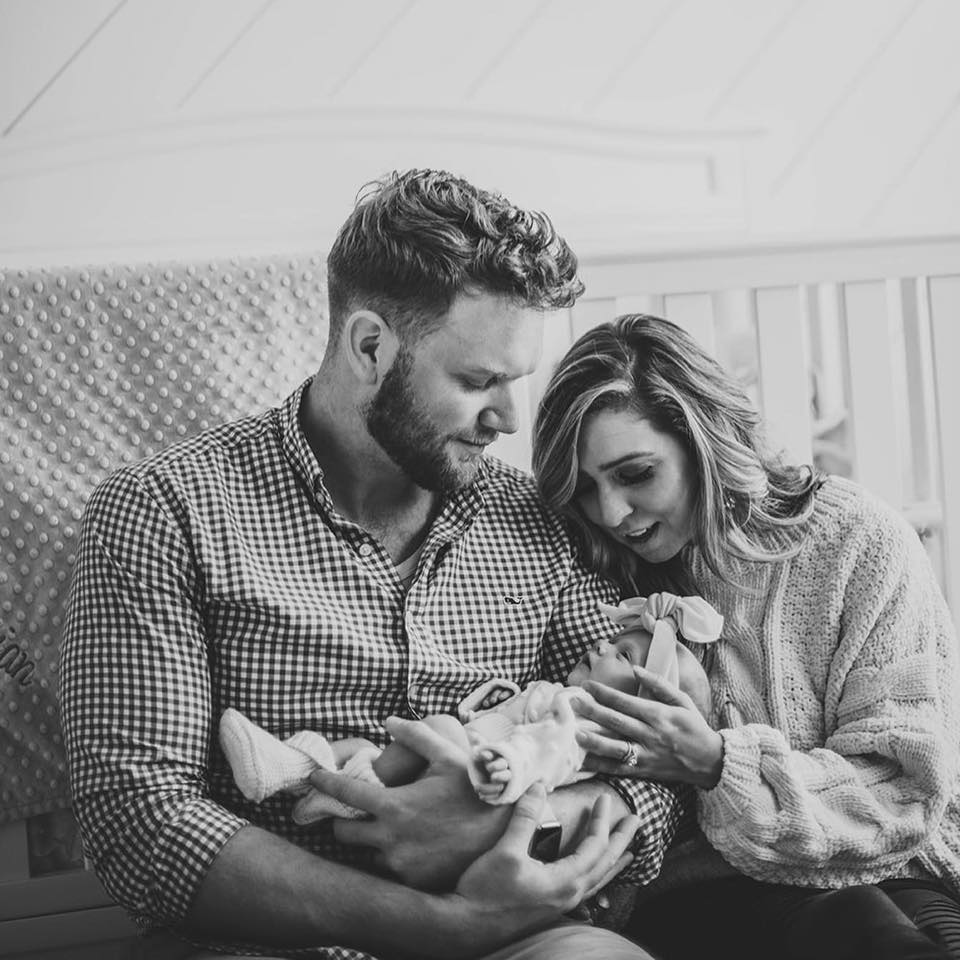
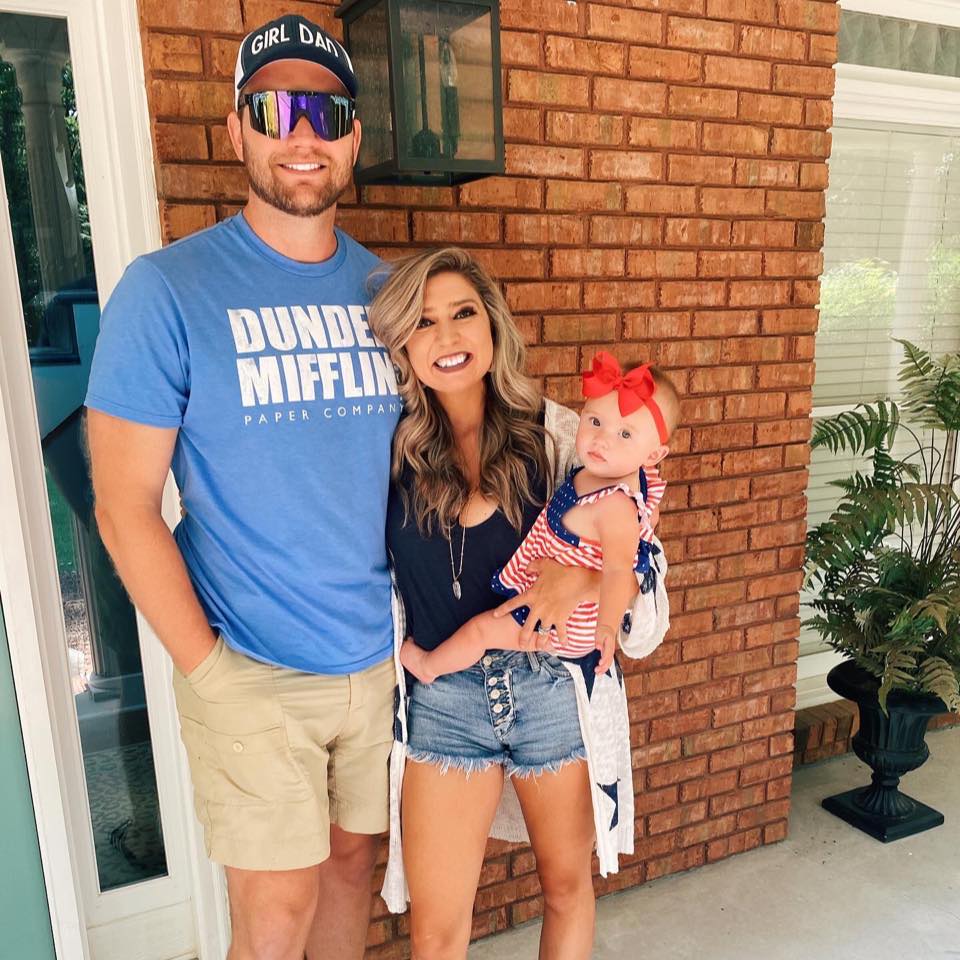
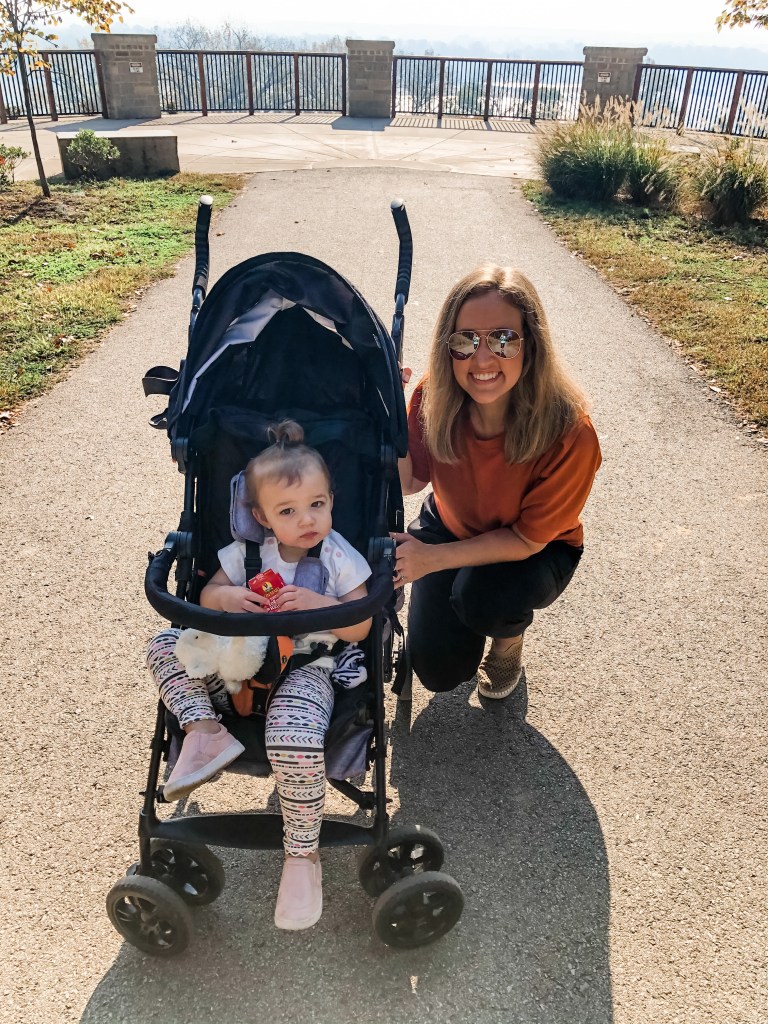
Megan and her Colton’s daughter, Vivian Rose, was born October 14th, 2019. She is the answer to years and years of prayer, their miracle baby, and the light of their lives.

“Managing a chronic illness when you’re a mom is definitely hard at times! Thankfully, my Crohn’s has been under control since Viv was born and I’ve just had a few bad days here and there. Because of COVID-19, my husband has been working from home for the last year. So, on my hard days, he will take Vivian for a few hours to run errands and such so I can rest,” says Megan. “I definitely think it takes a village to raise kids in general, but, even more so, when you have IBD.”

Since becoming a mom, Megan has taken her health more seriously.

“I don’t ever want Viv to say, “Ugh. My mom is sick again.” And I don’t ever want to miss out on her day-to-day life because I’m not feeling well – as unrealistic as that may be! I have been much more intentional about eating foods that make me feel well and give me energy. I also make sure to listen to my body more and I try not to push myself as much as I always have!”

The main IBD-related symptom Megan has struggled with recently is fatigue—the kind of fatigue where you feel like you could sleep for two weeks straight and still wake up tired. 

“I get frustrated with myself, sometimes, because I don’t have the amount of energy other mamas do, but I do my best and I know that’s all I can do.”

The role of faith through IBD and infertility

Megan says she never questioned God’s plans for her life when she was diagnosed with Crohn’s during her teenage years, but infertility made her do so.
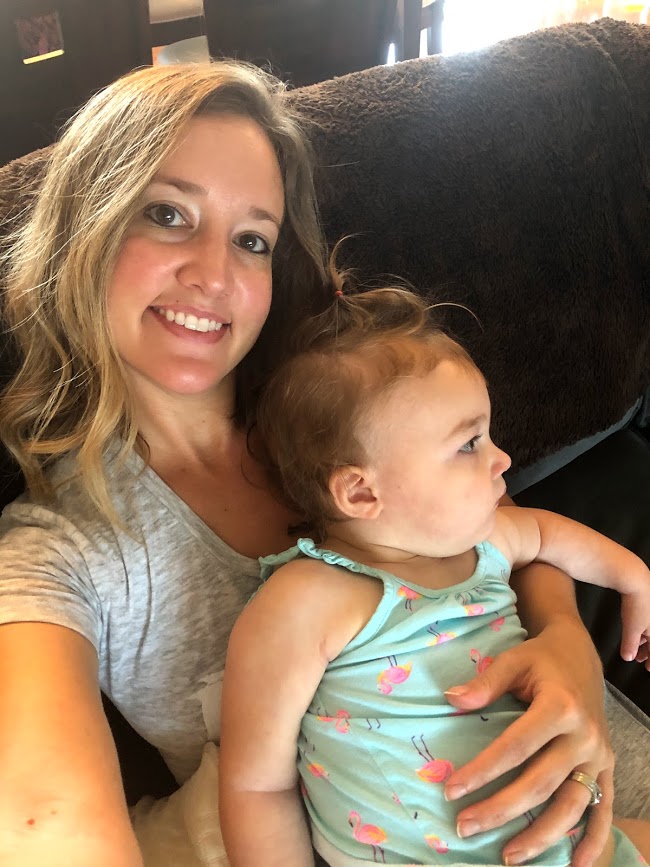
“It was, truly, the loneliest and darkest point of my entire life. I had a constant ache in my heart and the sadness I felt was unreal. As one friend after another told me they were pregnant, I felt like I couldn’t breathe. I was so happy for everyone around me, but it did make it that much harder. I felt so left out and so alone. I remember, so clearly, God speaking two things to me during this time: The age 29 and the thought that I wasn’t going to be left out.”

Megan wishes she could go back in time and tell her 26-year-old self what she knows now. 

“I wish I could tell her that everything is going to be okay. I wish I could tell her that 29 is the age she will become a mama to the most perfect baby girl. I wish I could tell her that God has big plans for her family, and he has not forgotten about her, but that His timing is perfect.”

Megan’s advice for IBD mamas in waiting

Megan’s best advice—do not give up. Lean into your spouse because they are not only serving as a caregiver for your IBD, but they are also hurting about the struggle to have a family. If you become an adoptive family, you’ll see that your child is handpicked for you and that the make-up of your family will be knit exactly how it was meant to be.

“We would love to give Viv a sibling, but, at this point, we are just enjoying our girl and soaking up every minute with her! Adoption doesn’t cure infertility – meaning that it is still hard sometimes that we can’t just decide to give Viv a sibling and do so easily! And I will never have a big belly or carry a baby to term. But that’s okay! If God calls us to adopt again, we will do so. We may even go the surrogacy route or Vivi may be an only child. I know, if God wants us to grow our family, it will be made obvious and we will trust Him and follow His lead.”

Megan says she refuses to allow her Crohn’s disease to define her, even though it’s dictated and shaped much of her life journey. Her IBD is the reason she can’t have kids. The reason adoption was laid on her heart at a young age. The reason she’s mom to Vivian Rose. The reason she’s disciplined. The reason she chose her college major. The reason her faith and her marriage are so strong. And the reason she has the perspective and maturity to understand that despite the setbacks and trials placed before her, she still lives a blessed life that she is grateful for.

Connect with Megan on Instagram: @mrsmeggcape

Participating in PIANO: Why I choose to be a part of research while pregnant and beyond

As an IBD mom I see it as a responsibility and an opportunity to participate in research studies while I am pregnant and as my children grow. I’m currently 20 weeks pregnant (tomorrow!) with my third baby and this time around I’m enrolled in the Pregnancy in Inflammatory Bowel Disease and Neonatal Outcomes (PIANO) study. The project was conceived, lead, and executed by Dr. Uma Mahadevan, Professor of Medicine at the University of California San Francisco in 2007.

Since the project launched, more than 1,800 women have participated in the registry. Of that number, over 900 stayed on biologics throughout their pregnancies. I’m thrilled to be a part of this initiative. If my pregnancies and children can provide clarity for a future generation of IBD moms, the extra effort on my part is more than worth it. Thanks to women before me who have been on a biologic and been a part of research while pregnant, I have peace of mind knowing that staying on my Humira is best for me and for baby.

Without studies that indicate how babies in utero respond to medication exposures we would be in the dark about what is best for mom and baby not only during pregnancy, but with breastfeeding.

“There is so much misinformation about pregnancy and IBD including being told not to conceive at all or to stop medication. This is incorrect and dangerous. PIANO was started to provide reliable data for women with IBD considering pregnancy so they and their providers can make an informed choice for themselves and their babies,” said Dr. Mahadevan. “Every pregnant woman with IBD has benefited from the generosity of PIANO moms who contributed their outcomes, good or bad, to the pool of knowledge we have. Every PIANO mom who contributes benefits not herself, but future mothers with IBD. It is an invaluable and precious gift.”

What PIANO measures

There are four main areas the PIANO study looks at:

  1. Whether the level of biologic drug transferred across the placenta to the infant by the time of birth predicts the risk of infection or other adverse outcomes
  2. Whether the achievement of developmental milestones is affected by medication exposure
  3. Whether the rates of birth defects, adverse pregnancy outcomes and complications of labor and delivery are affected by IBD medications
  4. Whether second trimester drug levels can be used to adjust drug and minimize transfer across the placenta to the baby

Since I am just now reaching the halfway point of my pregnancy, I have only had to fill out questionnaires. You are required to do so during each trimester, at the end of your pregnancy, and then at 4, 9, and 12 months post-delivery. Along with that, you can provide follow up until your child is 18, once a year. During this trimester I will also provide blood work and a fecal calprotectin. On delivery day, bloodwork will be taken from me, my baby, and my umbilical cord. Depending on my son’s blood work at delivery, I may be asked for more when he’s 3 and 6 months. If at any time I am not comfortable with him getting his blood drawn, I can always opt out. The cord blood is similar to the baby blood at birth so that is adequate. I can also choose to stop the annual questionnaire at any time.

If a woman receives the COVID-19 vaccine during pregnancy, the PIANO study is also measuring the antibody levels found in the cord blood (on the day of birth) to confirm that the benefit transfers to the baby. Breastmilk will also be measured for the transfer of protective antibody against COVID.

The Findings Thus Far

In a presentation this past fall, Dr. Mahadevan shared findings from PIANO.

“We looked at pregnancy, birth and developmental outcomes in the infants at one year, based on exposure to drug, and found no increase in negative outcomes and no reduction in developmental milestones. Biologic‑exposed infants did have some statistically increased improvement in developmental milestones compared to the unexposed group. Overall, what this study suggests is that women with inflammatory bowel disease should continue their biologics and thiopurines throughout pregnancy to maintain remission, given no evidence of harm, and evidence that  disease activity can increase miscarriage.”

The study also found that disease activity can increase preterm labor and birth, all the more reason for women to stay on their medication and not try and go med-free while pregnant.

Looking to the Future

Currently, there is no end date for the study. As long as there is funding, the project will continue. Dr. Mahadevan says with all the new medications coming down the pipeline there is a need for safety data. She says, “The infrastructure of PIANO allows us to study new medications as they come to market, even before they are approved for IBD.”

To participate in the study women must have IBD and live in the United States. Interested in learning more or getting enrolled? Email PIANO@ucsf.edu or call 415-885-3734.

IBD Motherhood Unplugged: Womanhood Questioned by Crohn’s Disease

Motherhood is so much more than a word—it’s an expectation and an identity. It’s a right of passage many girls dream of when they think about their future and what their family will look like. But family planning, pregnancy, and motherhood are far from a given, especially for those with chronic illness. As an IBD mom of two with one on the way, I’ve recognized that while my story and my experience may comfort and guide others—it’s only that, one story. I fully understand I am extremely lucky not to have the struggle of infertility or physical limitations to hold me back from having children, despite my Crohn’s.

This week kicks off IBD Motherhood Unplugged, an ongoing series that will be shared periodically in the months and years ahead on Lights, Camera, Crohn’s. The series will feature guest posts from women with Crohn’s and ulcerative colitis who may not physically be able to carry a child, who battle infertility, who grow their family through adoption and surrogacy, who have children following loss—the list goes on and on. Ultimately, I want everyone to feel seen, heard, and understood. There’s not one cookie cutter approach to becoming a mom or having a family.

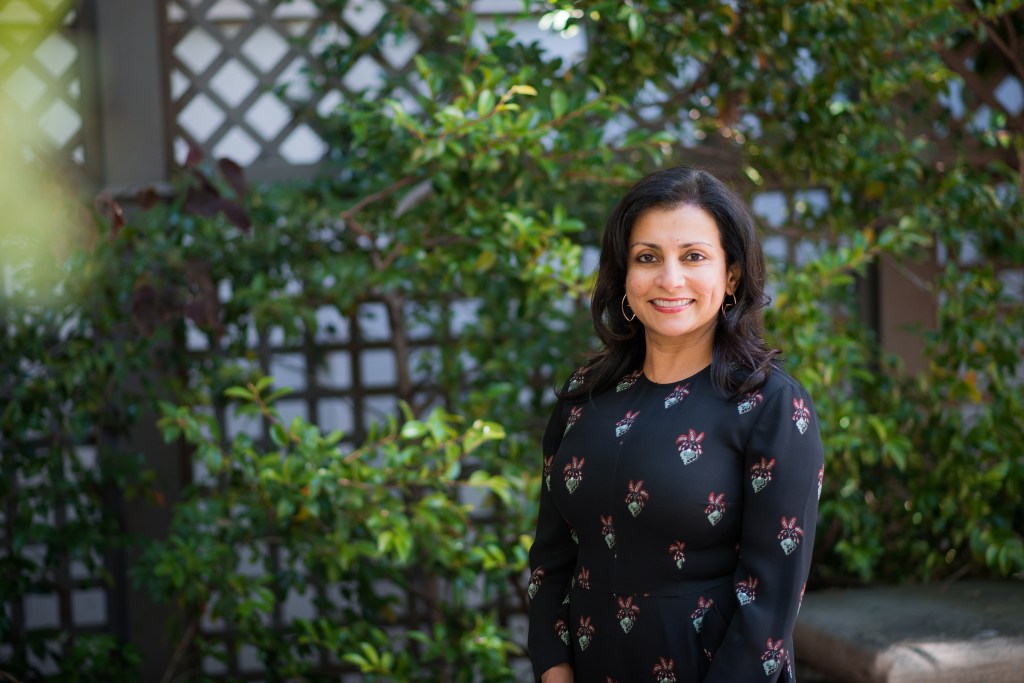
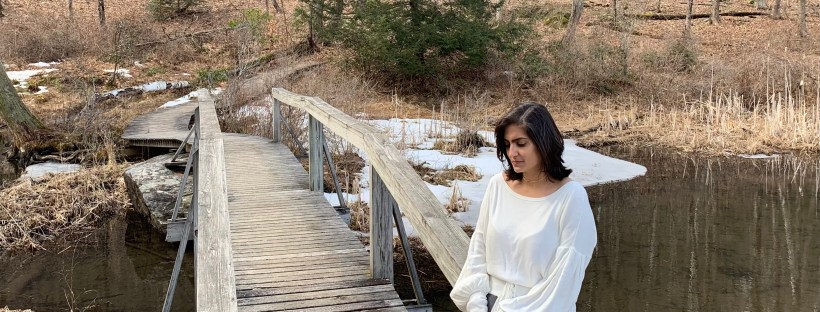
The first article is by my dear friend and fellow patient advocate and thought leader Tina Aswani Omprakash. Tina is a 37-year-old woman in New York, living with perianal, fistulizing Crohn’s Disease. She’s endured more than 20 surgeries and lives with a permanent ileostomy. Since she was a child, she thought she could put off motherhood and did so through many years of virulent disease. At one point, as a young adult, she needed to go on a disability and be taken care of by her mom. When she got married to the love of her life, Anand, nearly 11 years ago, the questions started.

“Being of South Asian descent, the nosy, busybody aunties at weddings and cultural events would always find ways to jeer and sneer at the fact that I hadn’t had a child yet. And after I started Stelara 5.5 years ago and tasted remission for the very first time in a decade, I too began to wonder: is it time for me to consider my own child?”

I’ll let Tina take it away and explain her struggles with family planning and finding out pregnancy wasn’t in the cards. Her heartfelt words and openness about feeling excluded from being an IBD mom, shed light on an important topic and aspect of our illness that is often not discussed or talked about. We hope in sharing this—if you are going through the same situation, struggles, or worries, that you know you are not alone.

Genetic counseling, surrogacy, and reproductive endocrinologists, oh my

In April 2016, I went to see a reproductive endocrinologist, who did a transvaginal ultrasound. Based on his medical expertise, he thought he could retrieve maybe three of my eggs, which was incredible news given everything I had been through surgically. He had proposed 2-3 rounds of IVF for hormone stimulation and egg retrieval but there was no guarantee that the eggs retrieved would be viable to be combined with my husband’s sperm. He didn’t think carrying the baby was a good option for me given all the scarring from surgery and fistulae. Moreover, fertility is often affected by j-pouch surgery and later excision.  As such, he offered me the option of surrogacy and asked me to seek genetic counseling due to the hereditary nature of my Crohn’s Disease.

Anand and I went through months of genetic counseling, an expensive process that didn’t lend to any substantial findings. Crohn’s, as many doctors have explained to me, is spread out over several genes and one gene cannot be targeted necessarily as a form of gene therapy. That left us both stumped as his family has a history of an autoimmune condition called ankylosing spondylitis and I have various skin and bowel autoimmune conditions on my side of the family.

During this time, we also looked into the surrogacy process. Since the reproductive endocrinologist recommended that I not consider a pregnancy myself given all the surgeries, fistulae, and pelvic cysts I’ve had, we obliged. But considering all the legal and surrogacy fees, we were looking at $100,000 for one surrogate pregnancy (at least), which was an extraordinary sum of money for us. So, we decided to table having a child for the time being and think over adoption, another expensive proposition.

Tick, tock, tick, tock…

Two years passed and we came to realize that there is no easy solution. During that time, the IBD Parenthood Project shared excellent knowledge for women with IBD to conceive and carry a pregnancy to term safely. And I thought, let me ask my GI doctor now about his thoughts. Unfortunately, he reiterated the same thoughts as the reproductive endocrinologist shared: for someone with my surgical and fistula history and aggressive family history of Crohn’s disease, it may be best not to try. He also said the risk of me using hormones for egg retrieval would risk a blood clot in a patient with my history.

Part of me was still in denial that motherhood may never be a possibility. Within weeks of my conversation with my GI doctor, I was diagnosed with mild endometriosis by a premier OB/GYN surgeon in NYC. I asked him, “What do my options for pregnancy and fertility look like now?” And he said very openly and honestly, “Bleak at best. Let’s say you do carry the pregnancy and don’t lose the baby, Tina, will I have to cut through bowel and scar tissue to get to your baby?” After a brief pause, he said, “I would recommend adoption if having a child is something you really want to consider.”

While, on one hand, I genuinely appreciated his honesty, on the other hand, the statement, “cut through bowel and scar tissue to get to your baby” seared through my mind for months after and has left its mark even today. I needed to hear it; I needed my bubble to pop. But the statement no doubt cuts and ravages every minutiae of my being as a woman. Not having the privilege to choose to have a baby was suddenly taken from me in that one fell swoop and it left my head spinning.

Losing Motherhood to Crohn’s Disease

My God-given right as a woman was taken from me in that instant. As if having six fistulae and Crohn’s wreaking havoc on my pelvis and reproductive system wasn’t enough, let’s take Tina down another notch. Let’s take away her right to choose to have a child.

Even though voluntary childlessness is always a choice, now I didn’t even have that choice. Childlessness was thrust upon me like a stab wound in the back. All I was left with were unaffordable options of surrogacy or adoption.

So why not adoption? It’s simply too expensive and I do wonder about whether I’ll be able to even take care of the child given my constant roller coaster of health issues and medical appointments. Hiring full-time help seems out of reach, too.

Include Women Who Aren’t Mothers

That day with the endometriosis surgeon was nearly three years ago. And I’ve done a lot of work in therapy to process much of it. But I can’t say I don’t feel left out every time I see a mom scolding her child or complaining about her child(ren)’s mischievousness because I, like many other women with chronic illnesses, will never be able to experience the joys and sorrows of motherhood.

As happy as I am for my friends with children, there is a deep void I’m reminded of every time someone else gets pregnant, hosts a baby shower, or sends along amazingly cute photos of their child(ren). I will never be able to have that, no, but I wish I could still be included in the mommy paradigm as a cool aunt or as a godmother. But I’m often not, and that makes me feel sad and excluded.

Dealing with the Cultural Aspects

In American culture, it’s hard enough as it is to be a woman of my age without a child, but in Indian culture, you’re really considered a pariah of sorts. I’m often asked the question of when I will bear a child now that Anand and I have been married for so many years. I usually find ways to dodge those questions by changing the subject or by simply saying, “whenever the time is right.” It’s not a conversation I want to be having with acquaintances nor do I want to be fodder for gossip.

But when it comes to my close friends saying, “Tina, gosh, you would have made an amazing mother, you have so much good to impart on to the world,” it feels good and bad all at once. I’m flattered that someone would think I could do a fine job as a mother but saddened by the fact that I will never know that for myself.

Becoming a Mother Hen

Alas, today in 2021, I continue to focus on my advocacy work and my graduate program, in attempts to focus my attention elsewhere. And in the words of my therapist, “if I cannot be a mother to a child, I can at least be a mother hen to my IBD community, helping to educate and guide patients of underserved populations who would otherwise feel bewildered.” I take a lot of solace in that and recognize that I wasn’t supposed to be here today with all the near-death experiences I’ve had with my brand of Crohn’s disease. All I can express is my gratitude for being alive today, for being able to do this work, and for being able to be a mother hen in my own way to my community.

To my fellow IBD women & chronic illness warriors: please know you are not alone. Please know it’s okay to be sad, angry, and terrified. Many of us are struggling deeply with the idea of motherhood as our clocks keep ticking. Do your research, learn what your options are and make the best decision with your specialist(s) regarding conception and pregnancy. And if having a child is not in the cards, that’s okay too. Never forget (and I need this reminder too) – not having a child doesn’t make you less of a woman.

Connect with Tina

Blog: Own Your Crohn’s

Instagram: @ownyourcrohns

Facebook: @ownyourcrohns, Own Your Crohn’s Community (Private group created for the Global South Asian community living with inflammatory bowel diseases)

Twitter: @ownyourcrohns

Register NOW: IBD Insider Patient Education Program (January 30)

Calling all IBD patients and caretakers, the IBD Insider Patient Education Program is this Saturday (January 30) at 11 am CT. The virtual symposium will include IBD clinicians along with patient moderators. I’m excited to share I am one of three patients who will be speaking and sharing my experience during the live event.

The discussion will include updates from the Crohn’s and Colitis Congress, and we’ll talk about the following topics:

  • Getting the most out of your healthcare visit
  • Future therapies in IBD
  • Holistic Approach to IBD Care
  • Management of IBD Care during the COVID-19 pandemic

I’ll be teaming up with Dr. Brigid Boland, MD, Assistant Professor of Medicine, University of California, San Diego to talk about the future treatment of IBD. As someone who was diagnosed with Crohn’s nearly 16 years ago, it’s been extremely comforting to see how many therapies have become available since 2005 and all that is on the horizon. Below is a chart that was shared during the Crohn’s and Colitis Congress that shows all the therapies currently in research and clinical trials. When I started my biologic in 2008, I had two options. With each year that passes, we get closer to a cure and get more and more options to manage our disease if our current therapies fail us.

“I love the idea of designing a program with patient advocates where we are communicating to patients and their families about the latest breakthroughs in research and patient care. There’s never enough time in visits to talk about all the research going on that will impact their care now and in the future.  Ultimately, all the research and future therapies that are being studied are ways to improve patients quality of life and provide a lot of hope for everyone affected by IBD (patients, caregivers and providers),” said Dr. Boland.

As people living with a disease for which there is no cure, it’s in our best interest to stay up to date on all the latest happenings and developments. IBD can feel like a beast of a disease to be up against day after day. When you participate in learning opportunities like this that are right at the touch of your fingertips you empower yourself as you make decisions and grow through your patient journey. It’s like the education saying, “The More You Know.” As you make decisions about how you manage your Crohn’s and ulcerative colitis, as you take on flares from a hospital bed, as you navigate life milestones like career and family planning, having resources like this in your arsenal of knowledge will only help you advocate for yourself and collaborate with your care team.

It’s not too late to register! Click here to sign up and can’t wait to “see” you Saturday!

Pregnant with #3 and excited to share more news with you!

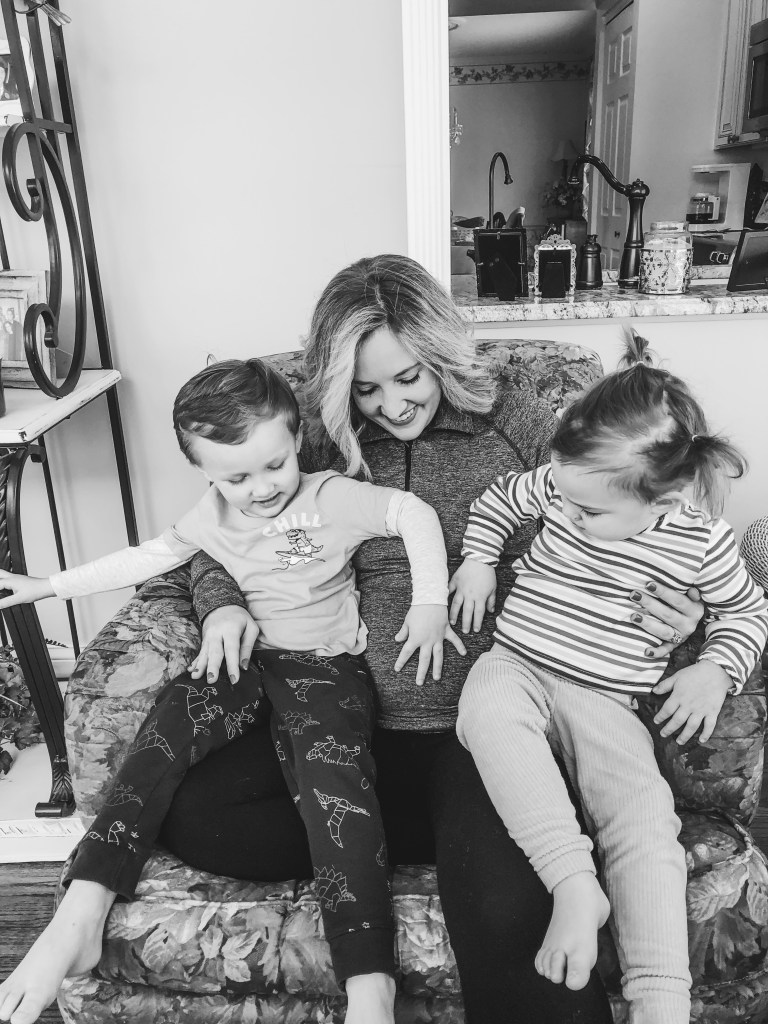
Well, the cat’s out of the bag. I’m 14 weeks pregnant (tomorrow) with a baby BOY! We will be family of five in mid-July. Since as long as I’ve remembered, I’ve envisioned my life with three children, I just never thought it would happen in the middle of a pandemic! Bobby and I feel extremely fortunate with all the outpouring of love, support, and congratulations during this exciting time for our family. As an IBD mom, I feel constant gratitude that my remission has held strong these 5-plus years and enabled me to have healthy, uneventful pregnancies. So far, out of all four of my pregnancies (miscarried between Reid and Sophia), this one has been my “easiest”. Aside from too many migraines to count, the nausea and fatigue in the first trimester were minimal and I feel great most days.

While I plan to be transparent and share content over the next six months about my experience being a high-risk pregnancy during these crazy pandemic times, I also want you to know I’m cognizant of the fact that pregnancy announcements, and pictures of baby bumps can be a trigger for our community. I am empathetic to the fact that family planning can look differently for those of us with Crohn’s and ulcerative colitis. Because of this—I’m excited to announce I’ll be launching a special series on Lights, Camera, Crohn’s entitled “IBD Motherhood Unplugged”.

IBD Motherhood Unplugged topics will include (but are not limited to):

  • The decision not to have children due to IBD
  • Being told you can’t carry a child and coping with that loss
  • Adoption
  • Surrogacy
  • Infertility
  • IBD pregnancy after loss
  • Single parenting with IBD
  • Biologics and pregnancy/breastfeeding
  • The list goes on…

If you want to share your experience of navigating family planning or motherhood with IBD, please reach out. I already have several women lined up, ready and willing to share their personal journeys. I’m anxious to share their brave and resilient words with you.

My advocacy focus has always been to be the voice I so desperately needed to hear upon diagnosis and through all of life’s milestones. I want you to feel seen. I want you to feel heard. I also want you to remain hopeful that pregnancy and motherhood is possible for most women with IBD, we all just get there in different ways.

IBD and Adoption: Insight from a Crohn’s mom about the journey

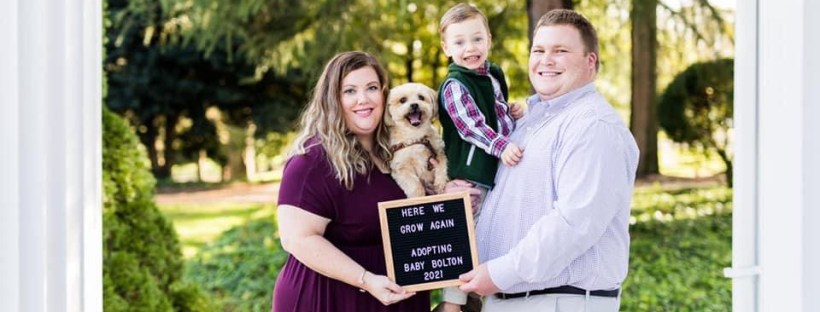
When you have IBD, the path to motherhood can look different for many. There is added stress about whether your body can create and sustain a new life successfully. There’s worries about flare ups and medications and how to stay well-managed while keeping the health of your unborn child in mind…just to name a few. For 30-year-old, Audrey Bolton, of North Carolina, adoption had been a calling in her life since high school when she stood at the airport and watched a family friend bring home their daughter from Guatemala.

She knew from that day forward, she would adopt one day. What she didn’t know is that she would be diagnosed with Crohn’s disease 10 months after getting married and struggle to conceive. This week on Lights, Camera, Crohn’s, Audrey shares her journey of becoming an IBD mom through adoption and what she wants others to know about the process.

NH: Many women with IBD fear their bodies are incapable of carrying a child/or are told they aren’t well enough. What would you like to say to them?

AB: “I would tell them that every journey to parenthood looks different, but at the end of the day, we are all moms. I think it depends on everyone’s situation and it’s a conversation they need to have with their doctor(s) and their spouse. For me, I was sick at the time my husband Crawford and I wanted to have a baby. I was not sick enough to where I wouldn’t be able to parent, but I do not think my body at that time could have been healthy enough to carry a child without problems. With that said, I’m nearing remission so I do still hope that one day we can have a biological child. If a person wants to be a mom, I fully believe that there are many different avenues a person can take to be a mother.”

NH: What are some of the struggles/challenges about adoptions that you wish other families knew?

AB: “Adoption comes from a place of brokenness, so while it is so beautiful that our son Camden made me a mother, it is not lost on me that his birth mother made a huge sacrifice that left a piece of her heart missing. It can be beautiful and heartbreaking at the same time.”

NH: Was the fact you had IBD ever an issue with adoption agencies?

AB: “Not at all! I love this question because I wasn’t sure what to expect when we started the process back in 2017. For all adoptions, you must complete a home study which includes health questionnaires, a physical, and several meetings with a social worker. In those meetings, we talked about my Crohn’s disease and how I was working with my doctor to treat it. If a person is well enough to parent and take care of a child, there are not any issues with having IBD and being eligible for adoption.”

NH: What are your tips for navigating the adoption journey with a partner/spouse?

AB: I could write a book on this one, but the truth is, Crawford has been my rock. He had no idea when he married me that I would be facing a chronic disease that would land me in the hospital multiple times a year for days on end. He has truly stuck by his vows “in sickness and in health.” I think the best tip I have for navigating Crohn’s with a partner/spouse is to communicate. Crawford knows when I’m not feeling well, the best thing for me is to rest and he makes it happen. He also is my voice of reason and tells me if I’m doing too much or if I need to say no to some obligations so that I can properly rest. Communication is key!

NH: What was it like when you first met your son Camden?

AB: “I always envisioned the moment we laid eyes on our son to be beautiful and the best moment of my life. When we arrived at the hospital, we had not slept in 24 hours and had driven straight through the night. We thought we would be meeting our son, but we were told he was being transferred to a Children’s hospital for further testing on his heart. He was hooked up to all kinds of wires and it was one of the scariest moments of my life. We only got to see him for about an hour before the ambulance came and took him to the Children’s hospital. It was whirlwind of a day, but God saw us through it and the next day, he passed all of his tests with flying colors and I was able to bond with my baby for the first time and have my “beautiful moment.”

NH: What’s been the most magical aspect of being an adoptive parent?

AB: “Most days, I forget that Camden is adopted. He looks just like Crawford and he’s been with us from his second day of life, so he belongs with us. Every now and then, I will have a moment and remember that he has another mom somewhere out in the world. I always say that she is my hero because she chose life for her baby boy and I would say that has been the most magical part for me. Knowing that I owe everything to a woman that I have never met. I pray that she has peace in knowing how loved he is on a daily basis.”

NH: If someone is on the fence about adoption–what would you tell them?

AB: “Pray, pray, and pray some more. If it is God’s will, he will give you that peace. I receive messages every day asking how the process works and people are scared about the cost. If it’s meant to be, don’t let the cost stop you! There are so many ways that it CAN be done.”

NH: You recently announced you’ll be adopting baby number two in 2021, you must be so excited! Did that process differ at all from Camden’s?

AB: “We are extremely excited. So far, it is the exact same because we are going through the same agency. I’m sure there will be some bumps along the way, but we are so excited to bring home baby #2.”

NH: How has already being an adoptive parent helped you through the experience this time around?

AB: “I know what to expect this time, so I am better prepared for the timeline and the traveling that is involved. With that said, our adoption with Camden was extremely quick. I was at work one minute, waiting for the phone call to meet a birth mom and the next I’m told that there is a baby waiting for us to come get him. There was no time to think or for anything to really go wrong. That makes me a little more nervous this time, as I know that it doesn’t normally happen that fast. I’m just praying that everything happens the way it should in the Lord’s timing.”

NH: How has faith played a role in how you navigate your IBD and motherhood?

AB: “I would be lying if I said I never questioned why God would allow a 25-year-old newlywed to be diagnosed with a chronic disease with no cure. It has been a tough journey, but I think God has shown me a glimpse of how strong I can be in tough situations and it ultimately prepared me to be a mother. Not long after we brought Camden home, I had a full circle moment one night while rocking him to sleep. I realized that Camden would not be in my life if it had not been for all the trials I faced with my health and months and years of seeing only one line on a pregnancy stick. While the journey was really difficult in the moment, it is the privilege of a lifetime to know God handpicked me to be Camden’s mother and that He was with me through all of the really low times.”

Connect with Audrey on Instagram: @audreyabolton

Click here to check out her blog.

Why Busy Boxes are one of my favorite IBD mom hacks

When you’re a parent keeping your kid(s) entertained and engaged throughout the day is a constant challenge, especially as most of us continue to hunker down at home. When you’re an IBD parent, throw extended bathroom breaks, overwhelming fatigue, and debilitating pain into the mix. Keeping up with your kids, while making sure they’re safe and not getting too much screen time can sometimes feel like an insurmountable task. Just as it’s imperative we are proactive at managing our IBD, it’s also extremely beneficial to be proactive as parents. This is where busy boxes come in.

I first heard of this concept when I was pregnant with my daughter Sophia. My son wasn’t even two when she was born. I had intentions of breastfeeding (and I did), but between nursing and pumping, that’s hard to do when you have a busy toddler running around the house, while managing the day-to-day of life with a chronic illness.

What’s so great about busy boxes is that you can be creative, tailor them to your child’s age and interests, and do so without breaking the bank. As a mom of a 3.5-year-old and a 22-month-old, with winter approaching in the Midwest in the middle of a pandemic, I’m starting to update my busy boxes for the long months ahead. I started this past weekend. I went to the Dollar Store and got this haul for a mere $14.

All this for only $14!

Whether you’re at Target, Hobby Lobby, or on Amazon, you can pick up little activities as you go to continue to keep the content within the busy boxes fresh.

Creating your busy boxes

Sensory busy box: Hide farm animals, dinosaurs, or cars in rice, pasta, or kinetic sand.

Themed activities. My daughter loves Frozen, so I included stickers, puzzles, books, and trinkets. My son loves dinosaurs and sea creatures so I will keep that focus in mind as I update his busy boxes.

Letters/Words and Numbers/Counting: Include items that help your child learn the alphabet, recognize numbers, spell, learn opposites, matching and rhyming.

Shapes: Puzzles, felt designs of food and people, and paint-by-sticker books, you get the picture.

Storing your busy boxes

It’s best to keep busy boxes out of reach from your children so it’s something that’s not always accessible. That way, it feels like a fresh new activity. We keep our busy boxes stowed away in the kid’s bedroom closets (where they can’t reach them). As an IBD mom, I recommend keeping a box nearby the bathroom so if needed, your child can sit at your feet and be entertained with little to no effort on your part. Busy boxes also come in handy when you’re trying to cook dinner or having to be on a Zoom call for work. I knew it was time for me to update Reid’s busy boxes this week when I looked over during a Zoom call and he was jumping up and down on a bag of opened pretzels. Fun times! 🙂

Helpful busy box resources

Still looking for some inspiration? Pinterest is a great resource to check out ideas and to come up with activities for your little ones.

Here are some Instagram handles that provide helpful activities and guidance about educating and entertaining your child at home (no affiliations, just giving them a shout out) in hopes of helping you:

@busytoddler

@countingwithkids

@schoolathomeandbeyond

@simplybessy

@playdough2plato

@bestideasforkids

@happytoddlerplaytime

@dayswithgrey

@modernpreschool

@growingupyang

As we gear up for the winter months and this pandemic drags on, I hope you find this useful as an additional tool in your chronic illness parenting arsenal. I know it does my heart good to know I have something fun and engaging to share with my kids, especially on the days when my Crohn’s interferes with my plans or expectations for the day.

Putting the debate to rest: IBD fatigue isn’t your “normal” type of tired

I was putting away the dishes after dinner when I paused, exhaled, and said to my husband, “Whew. I just got a major wave of fatigue.” He said, “Yeah, I feel tired right now, too.” This isn’t the first time a healthy, able-bodied person has responded this way—and I know everyone with a chronic illness can relate. I kind of laughed and tried to explain why chronic illness fatigue wasn’t the same as feeling tired, but I was coming up short for words and having difficulty explaining the difference. My husband, Bobby, genuinely wanted to know why I thought my fatigue was different than his and how I knew it was. I said I used to be healthy. I used to not have a chronic illness. I know what tired felt like then and what fatigue feels like now.

Articulating pain with IBD and fatigue can be so challenging—even though it’s something that is so much a part of our day-to-day experience. Unless you live it and it’s your reality, it’s difficult to put the experience into words.

I called upon the IBD family on Twitter and Instagram to see how they describe their own personal fatigue. Here are some of the responses:

“Imagine your car being on empty and you put $5 worth of gas in the tank until you’re running on fumes. Then you put $5 worth of gas again, and you continue this process for months at a time…while sometimes running out of gas completely multiple times along the way.”

“Having to run a consistent marathon without stopping while carrying a toddler in the front and a backpack with a week’s worth of supplies on your back…in flats.”

“Mentally feeling like you have the energy to do simple tasks, but your body physically won’t let you. Knowing I need to walk 100 feet to get in my work building and having to give myself a pep talk to do it because I’m not sure I’ll make it without having to sit down.”

“You’re tired from being tired. You are just over everything and the day drags on and on. A nap doesn’t help because you “waste” your day, but the truth is you can’t even take a shower because the thought is way too much energy.”

“Like you’re walking with ankle and wrist weights on 24/7. There are days I feel like I’m walking through a fog so dense in my head I can touch it.”

“When I think of chronic fatigue for me it means faking being well. When getting out of bed or getting a shower is an accomplishment or needing to rest after taking a shower. No matter how much sleep you get you still wake up tired. Chronic illness fatigue is physical, mental, and emotional exhaustion.”

“Trying to motivate yourself when you’re fatigued and having brain fog is how I imagine swimming in syrup or molasses would be.”

“It’s the feeling of exhaustion, hopelessness, and loss. You’re beaten down from managing your condition and the various negative side effects that come with it on top of trying to function in whatever role you’re trying to play on a daily basis (for me: wife, mother, employee, and friend). It’s trying to make the most out of life but knowing you’re limited. It’s mourning the person you once were and want to be at that time. It’s physically, mentally, and emotionally draining.”

“I explained the fatigue to my students that just thinking about lifting my legs to walk or the mechanics of moving my limbs is exhausting…let alone the act of doing it. Everything feels heavy.”

 “Down to the bone, exhaustion in my core, something that is impossible to push through.”

“I like it’s like first trimester fatigue! But, with no end in sight and nothing hopeful to show for the symptoms like a baby!”

“Like your body is made of bricks. Your mind knows you need to get up and do something—change over the laundry, send an email, but your mind cannot make your body move.”

“Living in a constant state of exhaustion. No amount of sleep or rest seems to shake it.”

“For me…I would describe chronic illness fatigue as KNOWING your car has no more fuel and having to get out and push it home yourself.”

“Heaviness in my body. Just surviving, not thriving. Frustrating because I want to do more things but can’t always.”

“Being tired as soon as you wake up, until you go to bed. Never fully feeling rested. Planning naps throughout a day. Heavy eyes. Mood swing when beyond exhausted.”

“Like constantly living under 10x gravity.”

“Like someone pulled the plug out.”

“Like moving through the mud. It can also creep up on you when you least expect it, sort of like this year’s global pandemic—all encompassing and has no sympathy.”

“Like I’m wearing 100 pounds worth of sandbags that don’t go away even when I get lots of sleep.”

“Waking up and still being tired. No amount of coffee can fix this tired.”

Stop the comparison game

After reading these descriptions, my hope is that the next time you try and compare your fatigue or tiredness to someone with a chronic illness you pause and be selective of your words. Of course, everyone is entitled to be and feel tired, but it’s not an even playing field energy-wise when you’re a healthy, able-bodied person. Coffee, naps, and sleeping in help most of the population feel energized and re-charged, but fatigue with chronic illness is often untouchable. A full night’s rest can still leave you feeling exhausted. A coffee may have no impact. A nap may cause the fatigue to be even more pronounced. As an IBD mom, it can be frustrating to hear someone without a chronic illness try and diminish my personal struggles by equating them to theirs when there is truly no comparison.

Navigating IBD and IVF During a Pandemic WITH A Toddler

When I asked 34-year-old Amanda Osowski how she’s juggling Crohn’s disease, motherhood, and IVF during the pandemic, she said “with caution.” And rightfully so! These times are complicated and overwhelming for everyone. Add some chronic illnesses and trying to maintain your health, sanity, and emotions while doing all that and trying to get pregnant with a second child through IVF, and I’m amazed she found the time and energy to write this guest post! I’ll let her take it away.

Here we are, more than 7 months into a global pandemic, still wondering if and when life may “resume as normal”. To be honest, in my house, life has in some ways paused and in other ways accelerated since the March quarantines began. As an IBD patient on Remicade (an immunosuppressant medication to manage my Crohn’s disease), I have chosen from the beginning to adhere strictly to social distancing, mask wearing, unnecessary exposure and other risk reducing options. 

This also meant that my job, my income, and my ability to support others has transitioned from mainly in-person to entirely virtual. The silver lining of this is that I’m able to work with clients all over the world. Balancing that alongside parenthood, and IBD during a pandemic requires a good bit of patience, strategic thinking, and deliberate planning.  

Gearing up for Baby #2 Through IVF 

My husband and I were diagnosed with Unexplained Infertility in 2017 while trying to conceive our first child. After several failed treatments, we had one successful round of IVF in which I became pregnant with our daughter in the fall of 2018. As soon as she was born, we knew we wanted to have another baby close in age – both for our family planning goals and in hopes that I would be able to maintain my Crohn’s remission status long enough to complete another pregnancy. 

While we began trying naturally as soon as we were ready, we knew that the recommendation for fertility treatment was to wait until 12 months passed after delivering our daughter. I desperately hoped that we’d get lucky before then, and that we’d end up with natural conception, rather than going through the physical, emotional, and financial journey of another cycle of IVF. I also knew that I wanted another baby, and that would happen however it was meant to. 

How the pandemic has impacted fertility treatments

We were scheduled to begin fertility testing in March 2020, with treatment starting in April. As I’m sure you guessed, that was immediately halted with the closing of most fertility offices and the pausing of all new treatment cycles with the influx of COVID-19 cases and concerns. Having my treatment (and my timeline) be paused indefinitely with the continuing anxiety and stress of the pandemic caused my IBD symptoms to increase – something that then caused me more anxiety and stress about its impact on my IVF plan if and when I was able to reschedule treatment. 

After an exceptionally long few months, my doctor’s office re-connected with me about getting my appointments scheduled. My IBD while not flaring, was not perfectly calm either, and that’s such an important part to me about preparing for pregnancy, so we gave it a little more time. FINALLY, this month (September), I began the treatment protocol I should’ve started five months earlier. Our daughter Brooklyn just turned 16 months old.

Today you’ll find me managing IVF medication injections around business calls, my Remicade infusion schedule, chasing a toddler and being stuck inside my home around the clock. It’s HARD, and exhausting, but it’s the only way I know how to make my hopes come true. 

Tips for handling IBD + IVF

  1. Communication with your partner is critical. From parenting responsibilities to COVID-19 precautions to childcare to work stressors to fertility treatment planning and execution – there is an entire machine full of decisions and emotions that are part of every single day, and not being on the same page as your partner can have devastating effects. My recommendation: schedule time once a week on your calendar after bedtime to talk. Keep a list running during the week of things to add to the conversation. Ask all your questions to each other then, when you can focus and talk and connect. You’re a team, and it’s important in this season to work together. 
  1. Mental health is just as important as physical health. When managing IBD + ANYTHING, let alone motherhood, and a pandemic, and fertility treatment, taking time to check in with your mental health and care for yourself is imperative. Each of these things come with so many feelings, and burying them all will only make it harder to deal (& keep your IBD in check!) I personally recommend working with a counselor, taking time to journal or meditate or center yourself, and ensure you’re checking in with your own needs regularly. 
  1. Social Media Strategy – During the pandemic, I think we’ve all admitted to more screen time than usual. I know firsthand that the amount of pregnancy announcements, gender reveals, new baby births & seeing families with multiple kiddos can cause feelings of guilt, frustration, jealousy, anger, etc. Social media can make things feel extra difficult for those struggling to get pregnant, undergoing fertility treatments AND managing something like IBD. Here’s what I recommend. The beauty of social media is that we can choose what we do and don’t see while we scroll. This is a perfect time to click “hide” or “unfollow” on any hashtags or accounts that make you feel sad or icky. That’s not to say you don’t love your neighbor/friend/co-worker, but in my opinion you also don’t have to constantly watch their highlight reel. On the flipside, utilize social media to connect with your TRIBE. Whether that’s other IBD and IVF warriors, others struggling with infertility, etc – there’s so much more space for online communities now than there ever has been before. If you’re having difficulty finding and connecting with others, please DM me and I’m happy to make some suggestions! Also, please know that whatever you’re feeling during this experience and this season is so valid, and you’re not alone!  
  1. Give yourself grace. There will be days when you feel inadequate – as a parent, as a spouse, as a patient – these moments don’t define you. You’re juggling so much, it’s so important to know that you’re doing the best you can, even if that looks different than it used to or different than you’d like it to. 

If my story resonated with you, or you’d like to connect, please reach out! You can find me on Instagram personally as @amanda.osowski and professionally as @heartfeltbeginnings.  

Self-care isn’t selfish: Using my birthday as a re-set button

One of my friends recently said I need to start doing more for me, that once I fill my own cup that energy and that fulfillment will spill onto others, without making me feel depleted and like I’m constantly in survival mode. As an IBD mom of two, who has lived with Crohn’s for more than 15 years, these challenging times we’re living in have forced us all to pause and refocus on what’s important and what we need to do to get by.

IMG-7105

Today is my 37th birthday. Sounds a lot older than I feel, but chronic illness has a way of forcing you to grow up and mature well beyond your years. Between the pandemic, mom life, and my advocacy work, there hasn’t been much time for a breather. I feel as though I’ve been coasting for awhile. Coasting through the day to day. Coasting through remission. Coasting just to make it through.

I don’t want to coast anymore

If you’re feeling the same, please follow my lead and that of others, who have recognized they’re ready to do more to improve their quality of life.

I want to stop being such a “yes” person.

I want to stop making excuses.

I want to stop waking up when my kids call out for me and instead start my day with a cup of coffee outside on the patio or a workout, followed by a shower, while the house is calm and quiet.

I want to stop not asking for help.

I want to stop staying up so late binge watching TV or scrolling through my phone.

I want to stop going months on end without a night out with my husband (we’re going on a date tonight for the first time in over six months!) IMG-7109

I want to stop working seven days a week and being at everyone’s beckon call and instead set aside days where I’m offline and able to live in the moment.

I want to start prioritizing my health, my well-being, my marriage, my friendships, who I am outside of being a mom and a person with chronic illness, because while that’s a lot of me—it’s not all of me.

Finding the ‘Joie de vivre’

Let’s face it, this coronavirus nightmare isn’t ending anytime soon. Much like a chronic illness diagnosis—there is no end in sight. We all rise to that challenge day after day, and don’t think twice. I fear if I don’t start spending more time for myself, I may put my remission in jeopardy and that scares me, big time, because when you’re a mom and a wife, your flares impact a lot more than just you. IMG-5066 (1)

I look at this 37th year with a lot of hope and a lot of possibility. I’m eternally grateful for the life I have and the family and friends I have around me, near and far. Recognizing there’s a need for change is similar to the importance of being proactive in managing your illness and doing all the things you can to set yourself up for success—whether it’s seeing countless specialists for medical care and preventative screenings, taking medication, getting blood draws and scopes, etc.…I look at this form of self-care as just as important in managing my Crohn’s and giving myself the best shot of staying out of the hospital and flare-free. IMG-6382

Cheers to the next 365 days and beyond! Thank you for following my journey and for your support through the years. This blog is like one of my babies and being able to speak to you through it is one of the most cathartic aspects of my patient journey. If you’re feeling like you’re in a bit of a rut or a funk, remember self-care is not selfish. Now I just need to practice what I preach.