
It was love at first sight. From the moment he entered the room, I knew there was something special about him. He was shy, yet grabbed the attention of everyone around him. Timid, but gentle. So handsome and regal. His name was Hamilton. He had been sold on the street for $10 by his original owner to little girls in the neighborhood. Their mom brought him into the animal shelter, and he landed a spot on the weekly Humane Society segment on my morning show, desperately looking for a new home. 
We went from being strangers to family in a matter of minutes. During that segment, I announced to thousands of viewers tuning in that I was going to adopt this dog. Here I was, 26-years-old, had never owned a dog in my life, but in that split second, he stole my heart and changed my world.
Fast forward nearly 10 years later, and Hamilton James (as I call him), has been my sidekick through the good, the bad, and the ugly. We’ve lived in Wausau, WI, Chicago, Springfield, IL and now St. Louis. Whether it was waking up at 2 a.m. with me when I worked morning shows or cuddling me on the couch during break ups, flare ups and post-surgeries, he’s been such a source of unconditional comfort and happiness in my life.
It’s difficult for me to imagine navigating life with Crohn’s and my day-to-day with my family, without him. Obviously, I knew the time would come—but not this soon. Hamilton has recently started having seizures and breathes laboriously at times. After he took a terrible tumble down 13 stairs last weekend,  I took him into the vet and a chest x-ray showed he has congestive heart failure. The vet gave him a day to a year to live. When I saw the size of his enlarged heart in his tiny body, my heart sank. My world stopped. The tears flowed. And immediately, I felt my Crohn’s symptoms return.
Since starting his seizure medication and being put on Lasix (oh joy, a chronic illness dog—just what I need!), he seems very much like his old self—but the thought of what’s to come and knowing his health is not what it used to be, cuts me deeply. He’s my first baby. I can’t fathom what it’s going to be like to wake up and not see him. This week I’ve been struggling with anxious thoughts about what his final moments will be like. Those anxious expectations translate into gnawing pains in my abdomen that last for hours.
 As a mom of two and a wife, I know I need to reel it in and start coping so I don’t land myself in the hospital. But, the sadness, stress, and worry only feed my illness. What’s a girl to do? Whether you have a chronic illness or not—losing a four-legged family member is devastating and heart-wrenching.
Here’s helpful advice I’ve received from family members and friends about dealing with the pain of having a sick pet and knowing their days are numbered:
“One day at a time. Don’t think about losing him, only think about how much you love him and how you have both enhanced each other’s lives. Key point—live in the moment, otherwise, you will make yourself sick and drive yourself crazy.”
“He’s been by your side and comforted you when you were sick, and now it’s your turn to be by his side, comfort him, and make sure he’s not suffering.”


“Exercise and focus on your stomach when you breathe, not your chest. Limit caffeine, alcohol and chocolate.”
“Some local shelters have pet loss support groups if that’s something that might help you.”
“Find a healthy outlet in which you can express your emotions, if you do any kind of mindfulness practice, do it. Stay on top of your symptoms and check in with your doctors often.”
When I think of managing my IBD, Hamilton has been and continues to be a big part of my patient journey.

Post bowel resection snuggles
Calming my anxiety and coping with the pain that is ahead is not going to be easy and something I know I will continue to struggle with—but in a way it helps to know the reason behind my symptoms and why they may be present.
Much like life with Crohn’s, there’s no sense in waiting for a flare up or a hospitalization to happen. Rather, it’s all about celebrating the good times, taking everything a day at a time, and making the most of the calm before the storm. Instead of dwelling on the inevitable and being miserable, I want to soak up the beauty of the right now. Instead of letting the sadness seep into the remaining days we have together, I want to continue to discover the joy he brings to my life. 
I plan to use that perspective and that strength to be a rock for Hamilton and bestow upon him the same love and support he’s given me since we crossed paths that unforgettable January morning on Wake Up Wisconsin.

 It feels like a fiery pain inside my rib cage that travels all the way down my stomach. The gnawing makes me feel raw internally and externally. I put my glasses on and as I’m standing up and rocking my daughter in her nursery, I try to think of her warm little body as a heating pad.
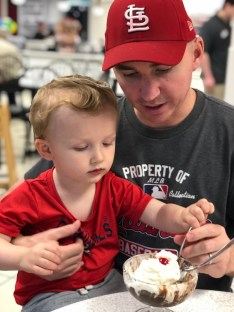 The fact that so many people without IBD are under the assumption that our pain and symptoms are self- imposed upsets me. We already beat ourselves up mentally as it is. My husband and I took our son for ice cream last night, so immediately I wonder if all of my pain is a result of the choice to have ice cream with my 2-year-old.
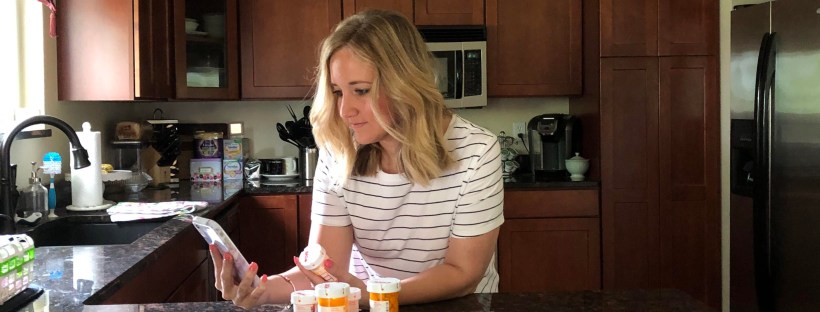


 If you’re struggling, tell them. The more you keep your mask on and your wall up, the more your partner will think you have everything under control and that your IBD isn’t much of a “big deal” in your life.


 It’s not always the big goals, it’s getting through the day-to-day. Your IBD Health Coach will help you stick to weekly goals through calls, texts, and emails, based on how you like to communicate. Support will be right at your fingertips.
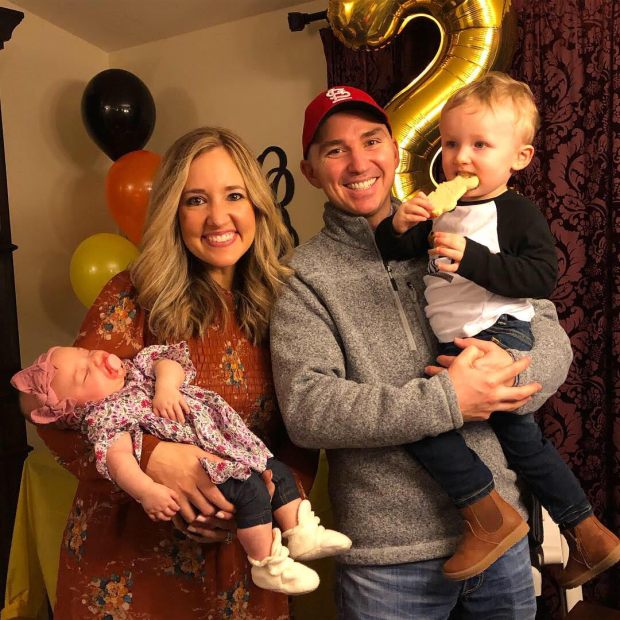 As a chronic illness patient, myself, even though I try and manage my Crohn’s the same each day, sometimes life and being a mom gets in the way. I tend to put my needs and my care at the bottom of the totem pole. As a parent, I know I’m not alone in that. Having a Health Coach standing by ready to listen, educate and inspire me, is a reminder that I’m not in this alone.


 While attending IBD Social Circle at Digestive Disease Week in San Diego, I listened to a panel with Dr. Neilanjan Nandi, MD, FACP and Dr. Aline Charabaty, MD about the patient and health care practitioner dynamic.
 Switching physicians and entrusting someone new with your well-being is not easy. Trust your gut (for once!) and advocate for care that makes you feel like you have a voice. Think about how you feel leading up to an appointment, while you’re face to face with the physician and the emotions you may experience on that drive home. If anything makes you feel less than or not heard, connect with fellow patients in your area to see who makes up their care team. Do research about IBD specialists within drivable distance and take the steps you need to feel like you have your best ally against this disease.
 Over the next month, I’ll be partnering with IBD Healthline. I am so excited to share my journey using the app and explain how you too can benefit from all its invaluable features.
 I don’t know about you, but the more people I know with IBD, the stronger it makes me feel as I take on the disease.
 and podcasts shared each week on everything from diagnosis to nutrition and self-care tips. The more educated we are about our illness, the better advocates we can be for our care.

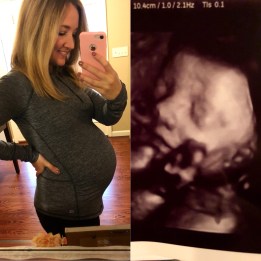
 To the person nervous to open up in a relationship and disclose they have this disease…
 To the person worried about passing this dreadful disease onto their children…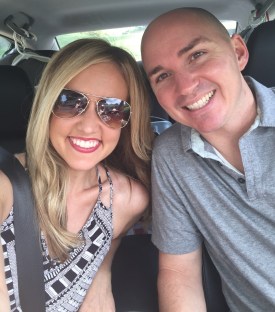


 Now, nearly 14 years later—her and I have come a LONG way. She’s on Remicade. I’m on Humira. We are both mothers. We are both wives. Alisa didn’t allow her disease to stop her from following her personal or professional dreams. In 2013, she left corporate America and founded
 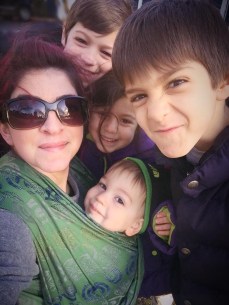 I multi-task everything, stay on top of my biologic infusions, rest when possible and, plan my diet loosely around a mix of SCD and low gluten eating. Getting help is difficult, but I feel lucky to have a supportive husband and local family network. My travel schedule wears me down– but thankfully most of my disease symptoms are well controlled.
 Babywearing helps me effectively multi-task and meet my all children’s needs at the same time. It also helps address postpartum depression, by syncing mother and baby, and raising oxytocin levels. I believe babywearing is a necessity that should be taught to every single expecting parent and caregiver!
 As a bonus, a variety of baby carriers can be adjusted to accommodate an ostomy or j-pouch.
 lights camera crohn's