More Than Just a Switch: Unpacking the Emotional and Clinical Impact of Biosimilars and IBD

It feels like a punch to the gut. Even though you’re anticipating it, the experience is not easy for anyone. For patients with inflammatory bowel disease (IBD), stability is everything. Whether living with Crohn’s disease or ulcerative colitis, finding a medication that keeps symptoms under control is often the result of years of trial and error. So, when insurance companies or healthcare systems mandate a switch from a familiar biologic like Humira to a biosimilar such as Hyrimoz or Amjevita, the decision can feel sudden, confusing, and unsettling. As of right now (May 2025) there are 22 FDA-approved biosimilars on the market for infliximab (Remicade), adalimumab (Humira), and Ustekinumab (Stelara) with many more coming down the pipeline.

It’s easy for providers to rely solely on the science that says it should be a “seamless,” effortless transition for patients and caregivers—but that’s not always the case, nor is it ever a guarantee. This week on Lights, Camera, Crohn’s we hear from more than 30 patients who have lived this reality. While many people seem to do well clinically, it’s imperative that we also discuss the mental and emotional toll this forced non-medical switch takes on people with chronic, debilitating illnesses and their caregivers. This blog aims to demystify biosimilars, highlight the emotional and clinical complexity of switching therapies, and provide guidance for healthcare providers and patients navigating this challenging transition.
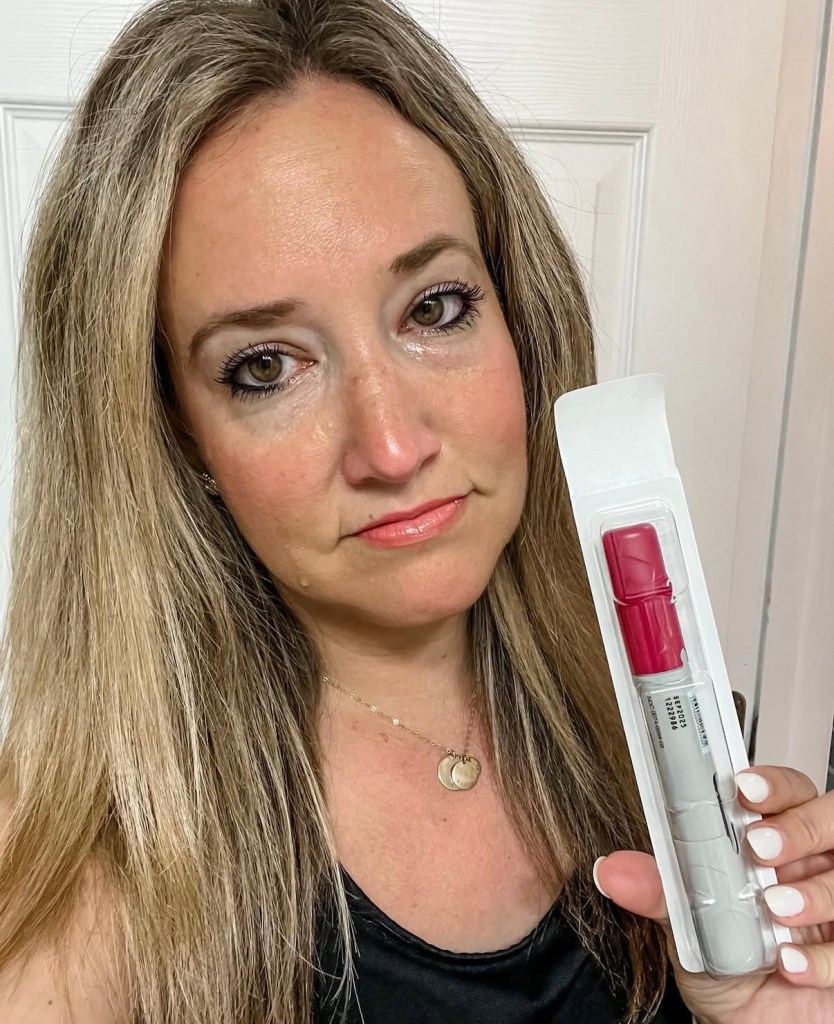
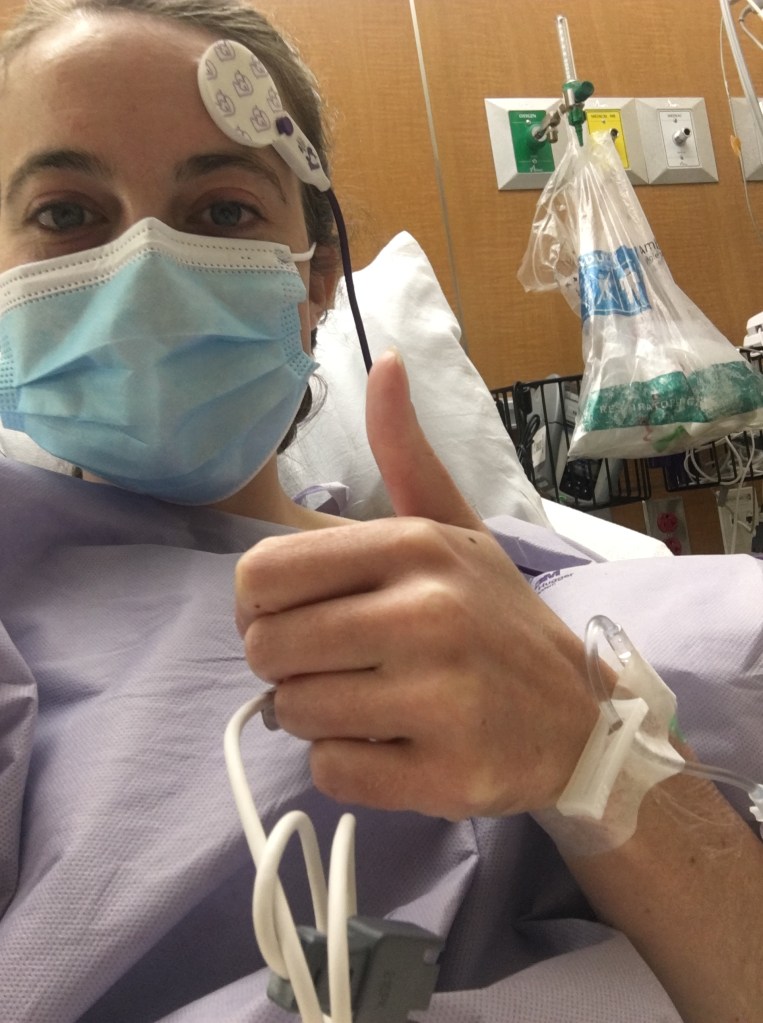
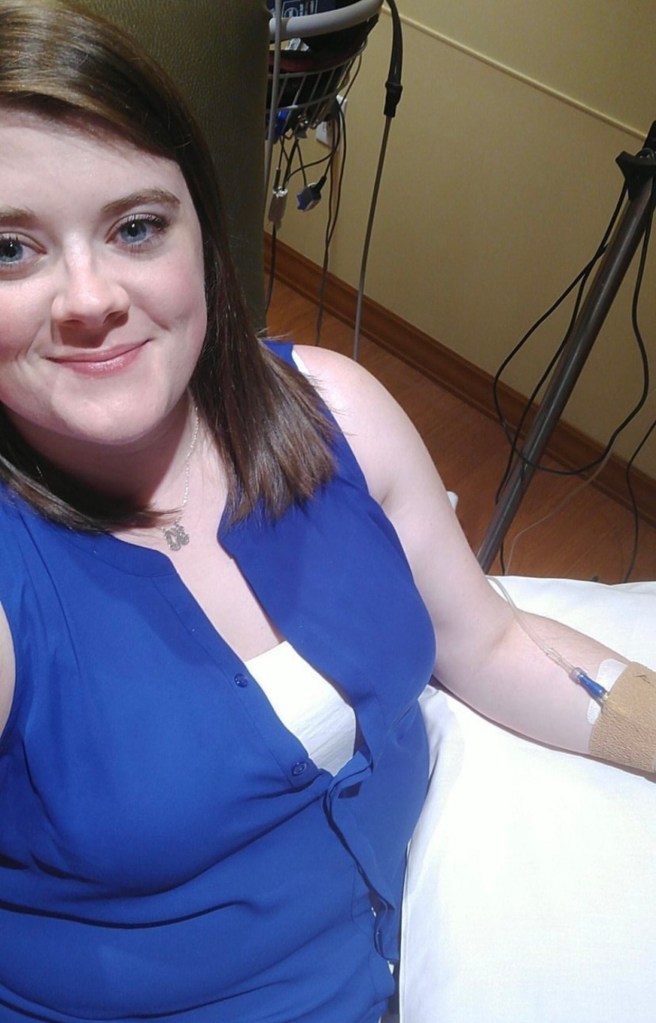
As someone who was forced off my Humira after being on it for 16 years and put on Hyrimoz, I empathize with how complicated this is for patients. Not only was I petrified to switch—but I had a God-awful experience that resulted in going from deep remission to dealing with an adverse response for two months of my life, while trying to be a mom to three young kids.

I don’t take this subject lightly and frankly; I don’t care who I piss off by sharing this patient experience transparently. I angered some donors from a Pharmacy Benefit Manager (PBM) when I spoke on stage in front of a large crowd last fall genuinely thanking my IBD nurse who went to bat for me countless times to help me win my appeal to get back on Humira—this isn’t about profit, it’s about patients. We don’t owe anyone an apology for being uncertain about being told we need to switch our heavy-duty drug therapy not by a doctor, but by someone working in corporate America.

Biosimilars are not generics

First things first, I must clear the air on this. Almost every direct message I receive from patients refers to biosimilars as “generics” …and that’s a common misconception that needs to be done away with.

Unlike generic drugs, which have identical active components, biosimilars are comparable but not identical to their originator drugs. According to the US-FDA, a biosimilar is a biological product that is potent, pure, and safe and that is “highly similar to and has no clinically meaningful differences from an existing US-FDA-approved reference product”. In other words, biosimilars are equivalent to the reference biologics regarding safety and efficacy.

When you hear the terms “originator” or “reference” biologics—that means Infliximab (Remicade), adalimumab (Humira), and Ustekinumab (Stelara). There are many other biologics of course, but so far, these three biologics have biosimilars approved by the FDA. You can familiarize with their names that I’ve listed below so if you see one listed in a letter it’s not foreign to you.

Infliximab Biosimilars:

  1. Inflectra (infliximab-dyyb)
  2. Renflexis (infliximab-abda)
  3. Avsola (infliximab-axxq)
  4. Ixifi (infliximab-qbtx)
  5. Zymfentra (infliximab-dyyb)

Adalimumab Biosimilars:

  1. Amjevita (adalimumab-atto)
  2. Cyltezo (adalimumab-adbm)
  3. Abrilada (adalimumab-afzb)
  4. Hadlima (adalimumab-bwwd)
  5. Hulio (adalimumab-fkjp)
  6. Hyrimoz (adalimumab-adaz)
  7. Idacio (adalimumab-aacf)
  8. Yuflyma (adalimumab-aaty)
  9. Yusimry (adalimumab-aqvh)
  10. Simlandi (adalimumab-ryvk)

Ustekinumab Biosimilars:

  1. Wezlana (ustekinumab-auub)
  2. Selarsdi (ustekinumab-aekn)
  3. Otulfi (ustekinumab-aauz)
  4. Imuldosa (ustekinumab-srlf)
  5. Yesintek (ustekinumab-kfce)
  6. Pyzchiva (ustekinumab-ttwe)
  7. Steqeyma (ustekinumab-stba)

Important note: While these biosimilars have received FDA approval, the availability of some may be subject to patent litigation settlements or market launch agreements, potentially delaying their commercial availability.

Let’s look at the real-life numbers

While working on this article, I ran several polls on Instagram asking the IBD community about their personal experiences. Some of the findings surprised me:

Have you received a letter saying you have to switch? Of the 265 respondents, 64% of patients said “yes”, and 36% said “no”.

Did you appeal before switching to a biosimilar? Out of 200 responses, 33% responded “yes” and 67% responded “no”.

For those who switched was the transition seamless—or did you notice an uptick in symptoms? Of the 140 responses, 51% had a seamless transition and 49% noticed an uptick in symptoms. This right here speaks volumes.

If you responded poorly to your biosimilar and your GI appealed insurance, what was the outcome of the appeal? Out of 75 responses—38% of patients were denied, 32% were put back on the originator drug (biologic), and for 30% after multiple appeals they finally won and returned on their biologic.

Let’s hear directly from patients

Bre: “I was taken off Humira after the New Year and placed on Simlandi for my ulcerative colitis. I was nervous as I had just come out of a two-year flare and had finally found a drug that worked and even though I was reassured that this was as good as Humira, I still had my doubts. Thankfully, I have had a positive experience and have remained in remission since starting Simlandi in January. I hope this story helps others feel less afraid of the potential outcomes when they get the dreaded non-coverage letters.”

Kyrsten: “Back in April I was forced off Stelara to the biosimilar, Yesintek. I went into it with an open mind because my Crohn’s has been in remission for about a year and a half. Unfortunately, I am now experiencing more symptoms that I’m documenting and oral manifestations of Crohn’s and need to see an oral medicine doctor now.”

Stefanie: “I’ve had to switch biosimilars twice at this point, this second time, while I was pregnant. I’m doing just fine!”

Alexandra: “I was first afraid of Humira, then I grew into being afraid of not having it; so, when my insurance mandated the switch to Hyrimoz late last summer, I was so worried (as all are/were)! In September, I was starting to feel some symptoms pop in, so we did all the tests, which indicated that I was still in clinical remission. Thankfully, I am doing ok now with no issues.”

Christina: “It was first recommended to me by my GI a couple of months after diagnosis in 2021 to start on biologics, since the oral medications had stopped working for me. We collectively decided the best option for me would be Remicade, however when it was brought to my insurance company, they immediately denied it. Insurance said it wasn’t their “preferred method” and wanted me to try and fail Humira first. When my GI tried to get the Humira approved, my insurance company ended up denying that, too, and this time, their excuse was it “wasn’t medically necessary.” It took my GI a couple of months to get a biologic approved and I almost ended up back in the hospital as a result.”

After receiving her first injection, Christina ended up developing an allergic reaction and had to be switched to something else. After another month of fighting insurance, Christina’s GI was able to get Remicade approved.

Christina goes on to say, “I did very well on that for about a year, until my body developed antibodies, and I had to switch once again. I then started Entyvio infusions which I have been on ever since, and so far, I’ve been doing well on it.”

Audrey: “I was forced to switch from Remicade to Inflectra a few years ago due to insurance coverage. My job at the time was horribly stressful and very time-consuming and getting the news then about my medication no longer being covered and that my next infusion was delayed because of this change over the phone from my infusion clinic was terrible. I remember sitting in the workplace cafeteria when my phone rang, and I burst into tears and was pleading with the pharmacist that gave me the news prior to receiving the letter.”

At this point, Audrey was receiving Remicade every seven weeks. With the delay and having to wait for Inflectra to be shipped, she was pushed out an extra week.

“The thing that made me so angry, was that I had already received my Remicade shipment, the nurses just weren’t allowed to mix and dispense it because of the insurance change. I refused to toss that Remicade dose until the vials expired, since I knew how costly it was. I called so many charity pharmacies for low-income folks to see if they could take the vials and since its temperature controlled, they couldn’t. Such a waste,” said Audrey.

Thankfully, Audrey tells me she hasn’t had any issues with the switch, and she’s stayed in remission—even during and after her first pregnancy. But she says the stress and frustration that occurred impacted her mental health at the time.

Kelly: “I just got the letter. Been on Stelara since 2017. I also take it every four weeks, even though the recommended dose is every eight weeks. I get my insurance through my husband and our insurance turns over on 6/31/25. The new policy begins July 1st. I’m really concerned and honestly don’t want to deal with this.”

Sandi: “I was forced to change from Remicade that had me in remission for several years to Inflectra and the outcome was not good. I had multiple Crohn’s flares a month, which was not happening when I was in remission. My GI appealed and after a year, insurance started to cover my Remicade again. Since getting back on Remicade, I’m in deep remission, again.”

Britt: “I was diagnosed with Crohn’s in 2011 at the same time I was diagnosed with Primary Sclerosing Cholangitis (PSC), a rare liver disease. I was on Remicade and was switched to Avsola. For a while, I was quite skeptical, but we stayed the course. I had some ups and downs with my health, but I was just told I am in histological remission by my GI! After five years of struggles to find the right medication, my health finally seems to have aligned. I also take 6mp to reduce antibody development to the Avsola.

Danielle: “I went into my pregnancy in remission and my first and second trimesters were lovely. About halfway through my pregnancy, insurance decided it was the right time to swap my medications. Two weeks following that change, I was already struggling. I ended up finishing my pregnancy on two different rounds of methotrexate and iron infusions. I had a scheduled C-section at 39 weeks, and I think my care team hoped that my body was just struggling balancing pregnancy and Crohn’s…that was not the case at all.”

Danielle says she tried two more Inflectra infusions after her daughter was born and saw no improvement. She required a round of prednisone and that didn’t help either. She was then switched to Humira injections every two weeks and they seemed to work wonderfully and she started to feel better.

“Then my insurance threatened to switch me to a Humira biosimilar, but Humira failed me right when that was supposed to happen, so I was transitioned to Entyvio. For six months I saw no improvement on Entyvio…more prednisone and still NO improvement. Finally when my daughter was 14 months old (so over a year and a half of feeling like absolute garbage and having no energy) I got bowel resection surgery and switched to Stelara.”

Danielle went on to say she’s been in remission since December 2021, and she still wonders if switching to the Remicade biosimilar caused all this to happen.

“I truly feel like that change took part of the joy of pregnancy away from me and also took a lot of special time away from my daughter the first 14 months of her life. I spent her second Christmas in the hospital unable to see her for two weeks. I was on so many pain medications for so long before the surgery that I don’t remember her first birthday. I lost a lot simply because someone was trying to cut costs and making decisions they are not educated about.”

Brooke: “I was on Remicade for 15 years, then I was forced to switch to Inflectra. I was incredibly stressed and tried to appeal but lost that battle. I’ve now been on Inflectra for 3 years and I am doing well! I still hate that we are forced to change when something is going well. The amount of stress, anxiety, and time I spent fighting the insurance company took a toll on me.”

Brooke went on to say that she got pregnant and had a daughter while on Inflectra. Her GI and OB had no concerns with the biosimilar during pregnancy.

Maya: “At the beginning of March, I was told by my insurance that Stelara will no longer be covered and that I would be put on Yesintek. I’ve only gotten one dose of it so far, but I very much empathize with all the emotions that come with getting the letter. So far, I haven’t noticed any additional symptoms or changes in how I feel. I’m hoping Yesintek works for me and that I continue to feel ok!”

Maria: “I live in Sweden where Humira is covered by the State since no private insurance is needed, the last year though I was recommended from doctors to switch to a biosimilar. So, in autumn of last year, I decided to try Hyrimoz. I noticed no difference in the first three months, but after that, I saw an increase in symptoms, especially for my rheumatoid arthritis. My doctor recommended that I take the injection weekly instead of biweekly, but that didn’t help at all. Since I haven’t developed any antibodies, my doctor switched me back to Humira and I felt the difference right away.”

Sadly, Maria recently got the news that Humira will no longer be covered in Sweden starting in August, so she will either have to pay out of pocket or find another medication.

“You can imagine how that feels. Humira has been my trusted friend since 2008, managing my Crohn’s and RA so well. Hard to think of life without it,” Maria said with a tearful emoji.

Kenzie: “I’ve been on two different biosimilars of Remicade. Inflectra was seamless—no issues. Then, a few years later, I got new insurance, and they made me switch to Avsola, which I had an allergic reaction to. No allergic reactions to Remicade or Inflectra, after being on them for more than six years. Now I’m on Cimzia injections (not a biosimilar) because it’s safe for nursing and that just seemed like the better option for me right now. I’ve only been on Cimzia for 10 weeks, but so far, my Crohn’s and RA seem slightly better.”

Audrey: “I switched to a biosimilar (Inflectra) in January 2022. I got pregnant in June 2024 and delivered a healthy baby boy this March. No disease issues thus far.”

Tara: “I was on a biosimilar when I conceived and throughout my entire pregnancy. I’m on Hulio and everything went well. I stayed in remission throughout the pregnancy and postpartum.”

Amanda: “I was able to conceive and am currently pregnant on a biosimilar. Everything is going great, thankfully I was on Humira for about six years and then got the dreaded letter to switch. I went on Hyrimoz at the end of last summer and was on it for five months prior to getting pregnant.”

Lauren: “I conceived and was pregnant with my now 3-week-old all while on Inflectra. I stayed in remission the whole time.”

Katie: “I was able to conceive while on Avsola, a biosimilar to Remicade. I haven’t experienced any issues related to pregnancy. I did develop some antibodies though and had to escalate my dose while pregnant. I also take premeds of Solumedrol and Benadryl before every infusion now. I got hives during the Avsola infusion while I was pregnant.”

Erica: “My doctor wouldn’t appeal it. I was put on Amjevita. Thank goodness and knock on alllll the wood…it’s been going well. I haven’t noticed any difference in symptoms. It’s been a little over a month, so I pray it stays that way.”

Jessica: “Conceived and pregnant on Inflectra infusions. I just had a healthy baby girl one month ago, and I’m now breastfeeding. No problems at all.”

Marla: “I switched to Hyrimoz while pregnant and I did not notice a change. However, I will say I’ve been in remission since getting pregnant with my first child and I don’t always take my medicine on time, so I don’t know if the transition was seamless because the medicine is truly fine or if it’s because my body just does well while I’m pregnant and breastfeeding (which I basically have been the past four years having three babies). I will say it’s an ABSOLUTE nightmare trying to get my medication each month. Constant bills I’m having to fight and constant new prescriptions and prior auths from my doctor for the SAME medication. It’s literally unreal. I blame that on CVS Specialty pharmacy.”

Amanda: “While I was pregnant, my OB appealed because insurance would no longer cover my Delzicol for ulcerative colitis. I won but was only allowed to stay on it until I delivered, then I had to switch to a generic mesalamine.”

Christine: “Pregnancy is what got me a temporary appeal. Once the baby was born, I had to switch, but it was peace of mind not having to make the transition during pregnancy. I was anxious that it was just a regular infusion, there wasn’t a loading dose or a slow rate or anything. They just infused the Inflectra the same way they infused the Infliximab. About two years after making the switch, I had to go from every 7 weeks to every 6, but I will never know if it was due to the biosimilar or if after 10 years on a biologic/biosimilar, my body just needed the drug at more regular intervals.”

Danielle: “I was pregnant (in remission), and my GI decided that was the correct time to switch me to Inflectra from Remicade…it did NOT go well.”

Jordyn: “I found out I was pregnant around the same time I had my first biosimilar infusion. I went through my whole pregnancy on the biosimilar and only noticed an uptick in symptoms around 10ish weeks, which a course of steroid foam resolved. Postpartum is when I noticed the return of symptoms the most. After 2 or 3 infusions (I get them every 4 weeks) with no improvement, I asked for an appeal, and it was granted for me to go back on Remicade.”

Natalie: “I got pregnant the month after switching to Avsola. I made the switch November 2022 to the biosimilar and found out I was pregnant December 29th. Pregnancy went fine, delivered in August 2023, all my problems started in February 2024. I went back on Remicade at that point because my GI suspected I had serum sickness for months on end, and to this day, they still aren’t sure if the serum sickness initiated my problem of Crohn’s attacking my joints.”

Angie: “We were told we would have to switch, but the doctor office contacted them, and they will be covering me at least until September for Humira…then we will renew the prescription and hope that it will be covered, again.”

Jasmine: “I’m on Avsola (biosimilar for Remicade) and I wasn’t trying to get pregnant, but did, and had a perfectly healthy pregnancy.”

Allie: “My specialists appealed saying I was going through fertility treatments and then insurance approved my Remicade for another year.”

Malea: “I got my insurance letter recently and have been meaning to reach out as I remember your Humira nightmare. I have not appealed yet, partly because my GI office is incredibly dysfunctional and hard to get ahold of. I am on Stelara, which is the first thing to have kept my Crohn’s in remission and they want me to switch to Selarsdi, which I can not find any patient experiences/anecdotal evidence about.”

Georgia: “I was on Humira last summer when Accredo tried to switch me to a biosimilar without notification. I had a letter saying that my Humira was still covered. I worked with my GI who told me they are seeing this a lot and if the person doesn’t push back, they just switch them to a biosimilar. But, if the person pushes back, the GI calls Accredo with a code (DW1 Brand Medically Necessary) to block it. That’s what I did, and they therefore had to send me my Humira since my insurance was still covering it. I want to let others know in case they have a prior authorization from their insurance saying they will cover Humira, despite the pharmacy trying to switch them!”

Jessica: “I so appreciate you talking about this. For my daughter, I went to refill her Humira, and insurance said the doctor allowed the switch. I asked the doctor, and they said no…it’s insurance. I had to use one of my daughter’s biosimilar pens while mine was being shipped, and I noticed more pain and burning. I advocated for my daughter to be on brand name only and they approved the request. When it came to my biologic, my letter had the same wording and once again it was insurance, not my doctor.”

Jessica’s GI said despite her being in remission for so long, she would need to try the biosimilar, then if any symptoms occurred then they could fight for return to the originator drug.

The Emotional Toll of a Forced Switch

For many patients, switching medications, especially after long-term remission, can trigger anxiety, mistrust, and a profound sense of vulnerability. Here are a few of the emotional and psychological responses patients may face:

  • Fear of Flare-ups: Patients often fear that a new medication might not work as well, risking disease recurrence and potentially hospitalization. So many of us have been relying on our biologic as a crutch for several years if not decades, it’s worrisome when you find a medication that works and have to change simply because insurance decides it’s necessary.
  • Loss of Control: Being told to switch due to non-medical reasons (like insurance mandates) can feel disempowering.
  • Medical Trauma: Those who’ve experienced years of instability before finding an effective treatment may associate medication changes with setbacks and suffering.
  • Distrust in the System: Patients may feel like financial decisions are being prioritized over their health and well-being.

How to Comfort and Support Patients Through the Transition

Healthcare providers and care teams play a critical role in guiding patients through these difficult changes. Here are some key strategies to help:

  • Educate With Compassion: Clearly explain what biosimilars are, how they’re tested, and what the current evidence says about their safety and effectiveness in IBD. Emphasize that switching is based on clinical research and real-world data, not just cost. Have discussions about biosimilars with patients in clinic even if they haven’t received a letter in the mail yet so they are prepared.
  • Validate Their Concerns: Avoid minimizing fears. Instead, acknowledge them openly. Saying, “I understand why you’re anxious about this” creates space for honest discussion and trust-building.
  • Monitor Closely After the Switch: Set up a proactive monitoring plan to track disease activity, symptoms, and lab markers. This can reassure patients that you’re watching for any changes closely—and are ready to act quickly if needed. As a patient leader who unfortunately had to appeal my biosimilar, the fact I kept a detailed journal for two months and then wrote my own appeal letter in conjunction with my GI really helped us win the appeal.
  • Advocate When Necessary: If a patient is stable and deeply concerned about switching, advocate on their behalf. Some payers allow exemptions if a provider makes a strong clinical case for staying on the original biologic. It may take extra paperwork, but the effort can mean everything to the patient, especially for pediatric patients and women who have family planning considerations.
  • Encourage Peer Support: Connecting patients with others who have made similar transitions can provide reassurance and reduce feelings of isolation. Patient communities, both online and in-person, can be powerful.

Navigating the Complexity of Informed Consent

True informed consent means patients understand not just the science, but the context of their decision. It’s more than ticking a box—it’s about creating space for dialogue, questions, and partnership. When I received the letter saying Humira would no longer be covered, I alerted my GI team not to sign the new script, as that gives the pharmacy/insurance the ability to switch you. A biosimilar is not able to be prescribed until your doctor signs off on it, remember that.

A thoughtful approach might involve:

  • Discuss what will happen if symptoms worsen after switching. My GI called me multiple times to comfort me and even prescribed a couple of Xanax pills to ease my anxiety leading up to the switch.
  • Review the process for switching back (if possible). Have a game plan in place so you’re not scrambling if you notice a change in your health.
  • Ensure patients know they won’t be left to manage complications alone. Support every step of the way makes all the difference.

Research articles to help you feel informed about biosimilars

An informed patient is an empowered patient. I did some research to help do the homework for you. By reading the articles below you should feel better educated on biosimilars so you feel more comfortable with the switch (if it’s a necessity) and about discussing this further with your care team:

Biosimilars versus biological therapy in inflammatory bowel disease: challenges and targeting strategies using drug delivery systems – PMC

Biosimilars in IBD Treatment: Expert Panel Discussion | IBD Pro

Biosimilars in Pediatric IBD: Updated Considerations for Disease Management – PMC

Use of Biosimilars to Infliximab During Pregnancy in Women With Inflammatory Bowel Disease: Results From the Pregnancy in Inflammatory Bowel Disease and Neonatal Outcomes Study – PMC

Biobetters and biosimilars in inflammatory bowel disease – ScienceDirect

Biosimilars in IBD: What Every Clinician Needs to Know – PubMed

When to Switch Biosimilars for Patients with Inflammatory Bowel Disease

Biosimilars Gastroenterology Roundup: March 2025

Biosimilars in Pediatric Inflammatory Bowel Diseases: A Systematic Review and Real Life-Based Evidence – PMC

Final thoughts

Switching from a biologic to a biosimilar can feel like stepping into the unknown—but it doesn’t have to be done in fear or isolation. With transparency, empathy, and collaboration, patients can be empowered to make informed decisions, feel supported during the process, and maintain confidence in their care.

While some people feel more confident switching from a biologic to a different drug class (for example, Humira to Skyrizi or Stelara to Entyvio) to dodge the biosimilar, others are fearful of building up antibodies to a drug class that is otherwise working. You must weigh the pros and cons and do what you feel most comfortable doing. It’s important to remember it’s only a matter of time until all biologics for IBD have biosimilars, so by switching drug classes you are most likely just delaying the inevitable.

If you are planning to become pregnant or you are currently pregnant and on a biologic or a biosimilar please check out the PIANO registry so you can help pave the way for future IBD families and contribute to research so we have more information about the safety of these medications in pregnancy.

The science behind biosimilars is promising. But the human side of medicine—the fear, uncertainty, and trust involved in change, must be just as carefully managed. I hope after reading this article you feel less alone and supported in your personal health decisions.

Can Dual Targeted Therapy Help Your IBD?

Crohn’s disease and ulcerative colitis often require medication to keep inflammation under control, but in some rare circumstances, just one medication isn’t enough. Research shows only 40 percent of people with IBD achieve remission within one year of taking a single drug. Dual Targeted Therapy (DTT) involves using two different types of treatments at the same time to achieve better disease control. This disease management plan comes to play when single-drug therapy does not adequately control symptoms or when a more aggressive treatment is needed.

This week on Lights, Camera, Crohn’s we hear from esteemed gastroenterologist Dr. Laura Targownik along with several IBD warriors who have utilized DTT to help manage their IBD.

IBD Dual-Targeted Therapy Options

There are several ways healthcare professionals can help manage IBD with dual therapy.

Biologics and Immunomodulators

More commonly, combining a biologic therapy such as infliximab (Remicade), adalimumab (Humira), or vedolizumab (Entyvio) along with an immunomodulator like azathioprine, 6-mercaptopurine, methotrexate. The purpose of this is to enhance the effectiveness and potentially lower the risk of developing antibodies against biologic drugs.

Biologics and Small Molecule Inhibitors

A newer approach involves combining a biologic with a small molecule inhibitor like tofacitinib (Xeljanz) or upadacitinib (Rinvoq). This can target different pathways of the immune response, potentially offering a more comprehensive approach to suppressing inflammation. This can be used in refractory cases and should only be prescribed by an expert IBD physician.

In patients who do not respond to single biologic therapy, there is growing interest in using two biologic agents targeting different inflammatory pathways. However, this approach is not yet widely supported as healthcare providers weigh side effects risks and this is considered experimental.

Dr. Laura Targownik, MD, MSHS, FRCPC, Mount Sinai Hospital (Toronto), Departmental Division Director (Gastroenterology and Hepatology), University of Toronto gives a case study for when she would consider using two biologics for example: in a person with fistulizing Crohn’s disease, whose fistulas have responded well to biologic therapy, she would consider adding another biologic if they’re still experiencing inflammation in the intestinal lining. Dr. Targownik says medications such as vedolizumab (Entyvio) or an IL-23 such as risankizumab (Skyrizi), mirikizumab (Omvoh), and guselkumab (Tremfya) could help to bring IBD under control.

“As a gastroenterologist, I don’t want to discontinue the anti-TNF because I fear their fistulas will worsen, so it makes more sense for me to add in a well-tolerated biologic like vedolizumab or an IL-23 to try to bring the luminal disease under control,” said Dr. Targownik.

She went on to say that patients support the idea of combining therapy with different mechanisms of action if the safety profile makes sense. Most patients who are in a position where dual therapy would be considered are open to do what it takes to get their disease under control.

Corticosteroids and Other Immunosuppressants

This is not strictly speaking dual therapy because corticosteroids are always used short-term. But prednisone in conjunction with other immunosuppressants can quickly reduce inflammation while waiting for the slower effects of immunomodulators or biologics to set in.

A Look at DTT and IBD Research 

Dr. Targownik says the VEGA and EXPLORER clinical trials shed light on the potential benefits of combining biologics.

The VEGA trials looked at the benefit of combining an anti-TNF (golimumab) and an IL=23 inhibitor (guselkumab) to induce remission in people with moderate-to-severe UC.

“The combination of golimumab and guselkumab outperformed monotherapy, with a 15 percent increase in the likelihood of clinical remission and a 20 percent gain in endoscopic response. Patients then received an additional six months of either golimumab or guselkumab monotherapy,” says Dr. Targownik and the group on the dual treatment had higher rates of improvement and remission.

This suggests that the deep remission obtained early through DTT might have a sustained effect, even if you step down to monotherapy.

“The EXPLORER-CD study was an open label trial looking at high-risk patients early in the course of disease,” says Dr. Targownik. They received a triple combination with adalimumab, vedolizumab, and methotrexate for six weeks. By the end of the study, 55 percent were in clinical remission, and 35 percent were in endoscopic remission. As there was no comparison arm, it is not clear whether these rates are higher than what would be expected.”

Consequently, the use of tumor necrosis factor (infliximab , adalimumab, etanercept, and golimumab) in combination with newer agents which target interleukin (IL)-12 and IL-23 (ustekinumab, UST), a4b7-integrin (vedolizumab, VDZ) or a4-integrin (natalizumab), has become an increasing area of interest in patients with disease that is not responding to treatment.  

According to a systematic review looking at the efficacy and safety of DTT, “There is an urgent need to optimize treatments for patients” so that they have a better chance of remission, which unfortunately remains unachievable for a large number of people living with aggressive IBD. More research is needed to evaluate what the optimal drug combinations are, as well as dose and frequency to limit the burden of side effects.

The DUET trials are looking at people with Crohn’s disease and ulcerative colitis, much like the VEGA study, to compare the effectiveness of golimumab + guselkumab versus either drug alone. Interestingly, in this study, golimumab and guselkumab are combined in a single medication, so even though there are two active ingredients, it is delivered like a single drug. 

“If we limit our discussion to combinations of modern advanced therapies, the combination of an anti-TNF and either vedolizumab or an IL-23 holds the most promise,” Dr. Targownik says. ”The other combination that we are seeing more is combining a JAK-inhibitor with an anti-TNF for people with acute severe UC, where the JAK-inhibitor is used in addition or in place of a corticosteroid trial.” 

Personal Experiences on DTT

I’ve lived with Crohn’s since 2005 and luckily have been on the same biologic since 2008. I ran an Instagram poll that asked, “Have you been on dual-targeted therapy for your IBD?” Of the 320 people who responded, 40 percent said “Yes”, and 60 percent said no. Here are some scenarios they share:

Candyce has managed her Crohn’s with infliximab (Inflectra) and azathioprine since 2020. A 10-day hospital stay led her to dual treatment therapy after she received the recommendation from both her rheumatologist and her gastroenterologist. “My GI wanted to try to wean me off the azathioprine in 2022 after a clear colonoscopy, and I flared to the point of her wanting to hospitalize me,” she says. “But I managed to gain remission with prednisone and getting back on azathioprine, along with increasing my Inflectra dose to every six weeks instead of every eight.”

Risankizumab wasn’t doing the trick on its own to control Brad’s IBD, so his GI added 28 days of Rinvoq as an alternative to prednisone. He says, “This really worked wonders. Being on both risankizumab and Rinvoq put me into biochemical remission in less than 60 days.”

Samantha’s daughter, Eloise, was on tofacitinib and vedolizumab prior to her colectomy.She shares that more families are talking about dual therapy options. “The major issue is getting these medications approved from insurance, especially for pediatric patients. Our doctor was able to get us samples of Xeljanz from a local adult gastroenterologist because insurance would not approve it.” 

Kate currently takes vedolizumab and upadacitinib to manage her IBD. Previously, many biologics failed her and vedolizumab was the only one that worked, but it did not address her perianal disease. “The Rinvoq is beginning to work,” she says. “However, I will say it caused awful acne (which I’m now on medication for). I’m not out of the woods yet, but I am functioning again, and I can tell that two medications are working on what needs to be healed.”

Courtney has been on Remicade and Azathioprine since 2020, prior to that she was on Humira and Azathioprine. She says, “I had no reservations because I was sick and willing to accept any option that might bring relief. My doctor explained to me that Azathioprine helps prevent antibodies to biologics. Regular blood tests monitor for more serious concerns.”

Along with her Remicade infusions, Lauren takes methotrexate orally each week.I don’t love it to be honest. I feel much more fatigued  and nauseous with methotrexate added into the regimen.”

Initially, Danielle was put on azathioprine when she was on Remicade to prevent antibody formation and to help keep trough levels high. She explains, “When Remicade wasn’t working and I switched to Stelara, we decided to keep the azathioprine on since it didn’t give me any noticeable side effects. I have had some liver abnormalities with the azathioprine. So, I’ve had to have blood work and even an MRI of my liver to make sure everything is ok (it is). Now that I’m in remission with Stelara, my doctor gave me the choice of coming off the azathioprine, but I wanted to keep it on because I haven’t been in remission so long.”

Cait receives infliximab infusions, and she takes azathioprine simultaneously. “So far, I’ve noticed a massive difference in the healing of my perianal Crohn’s.”

Katie manages her IBD with Skyrizi and methotrexate. She says the combination makes her fearful at times. “I feel like it is a lot for my body to handle, and I have never been able to tell if that is a true feeling or something that stems from the thought of it. I also want to get off methotrexate within the next year or two to prepare my body for pregnancy. But this combo has provided me with full remission and the best I have felt in years.”

Final Thoughts to Consider Before Trying DTT

It’s important to discuss whether DTT could be for you with your specialized IBD care team as DTT comes with its fair share of risks and considerations. Combining medications can increase the risk of adverse effects, including serious infections due to greater immune suppression. Also, getting dual therapies approved through insurance can be complicated, making the cost and accessibility an issue for patients. 

“It is challenging to get coverage for patients to use more than one advanced therapy at a time,” Dr. Targownik says, but not impossible. “Often if a patient has another autoimmune disease, I can get one medication approved for the IBD, and then the other for the other autoimmune disease like rheumatoid arthritis.” 

The Takeaway

The effectiveness of combination strategies in IBD has been demonstrated in various studies, but these decisions need to be made on a case-by-case basis, considering your personal disease severity, response to previous treatments, and overall health status. If you are struggling with getting your IBD under better control with one therapy alone, speak to your IBD physician about other options.

A Registered Dietitians’s Take: Diet vs Medicine for IBD

Managing and treating inflammatory bowel disease (IBD) with medication is often necessary for those who live with Crohn’s disease or ulcerative colitis. But for many, it’s a difficult decision that often comes with pushback and worry. This week on Lights, Camera, Crohn’s we hear from well-respected registered IBD dietitian and ulcerative colitis patient extraordinaire, Stacey Collins, about how she breeches this subject with patients and caregivers and how she utilizes her own patient journey to help empathize with those who are struggling to take the plunge.

Holding space and helping patients accept their reality

When it comes to needing medication, oftentimes conversations are harder on parents or caregivers, than the patients themselves. Stacey tries to encourage caregivers to find the support they need to accept the reality of their loved one needing medication to have a quality of life.

She says, “If someone wants to work with me on their nutrition “instead of medication,” I try to understand where the person is coming from. Usually, it’s from a place of fear, or uncertainty, and I really affirm that experience and hold space with them. Medications, side effects, accessibility, and adherence…it can all be so…heavy. There’s plenty of room to hold those two truths: meds are hard. And they’re often necessary.”

Stacey says when having these conversations she always begins with listening and holding space and then she puts her clinical hat on to ensure that it’s understood that these diseases are progressive and inflammatory, and that science shows that it’s best to get ahead of the inflammation, often with a medical provider, rather than chasing down the symptoms and the inflammation while quality of life suffers.

“I see my role as a registered dietitian as supportive of both treatment goals: helping patients have a quality of life, while assisting with the inflammation. But, I can’t provide medical nutrition therapy without the medicine component, and since diet isn’t ultimately the cause of these diseases, it works best as a complementary therapy with the support of a GI team; not as a cure.”

If patients aren’t trusting of their GI provider, Stacey tries to encourage them to seek out an IBD-specific GI doctor, if possible, while ensuring there’s also frequent follow-up with their local GI team, if they’re living somewhere rural. She says a lot of these conversations are born out of not feeling supported by GI providers, so she tries to help patients find GI’s who specialize in IBD, who are that are a better match.

“I’m upfront about not feeling comfortable about using nutrition in lieu of medication. That puts a lot of non-evidence-based pressure on my job as a dietitian, removes a lot of joy from the experience of eating, and further perpetuates the stigma associated with medicine. IBD is not a preventative metabolic disease, and patients should never feel blamed for eating their way into an autoimmune disease diagnosis. It’s simply not true, and it’s harmful messaging.”

How Stacey’s IBD journey inspired her to become a registered dietitian
 

At the time of her IBD diagnosis, Stacey was desperate for anything to stay alive. So, when it was either steroids, a biologic infusion, or having her colon removed, she was thankful the outcome wasn’t terminal.

“I happily agreed to the meds without even thinking about it. Within a month, I felt like a “normal” college student again, and honestly the changes that I experienced within my body due to the disease itself (losing my long, thick hair in clumps from malnutrition; seeing my body change rapidly to look emaciated), were far more difficult than any side effects from the medication. I felt like it was very much a night-to-day scenario, and I was so grateful for the medications as a result.”

But once she started feeling a little bit better and opened up to some family members about her disease, she heard a lot of negative chatter about the aggressive nature of the IV meds that she had “chosen” and thought, “Hmm. Maybe I’ll try juicing and holistic wellness,” never mind the fact that she was 21 years old with no professional support in making that decision.

“I quickly ended up hospitalized and needing an emergency Remicade infusion (the good ole days when hospitals kept it stocked in their pharmacy). The attending GI doc gave me some tough love, and really took the time to explain to me how “this is lifelong” and “you can’t be late on an infusion, because your immune system will lose response to the medication” and that really clicked for me. It was a hard moment and a tough pill to swallow, but it was a lesson of “maybe my well-meaning family members don’t know what’s best for me, and I’m going to have to trust my body, this med, and this doctor.”

In the years after, she went on to lose response to medications, start new ones, and it was always a night-to-day scenario all over again.

“I think this black/white sort of dichotomy of my experience on and off medication helped me accept that this was my reality pretty easily compared to others’ experience perhaps where maybe they’re less sick and the meds (not to mention the insurance gymnastics required to obtain them regularly) might seem daunting and leave people thinking, “Do I really need this?”. I was able to truly see that meds (and a whole GI team advocating on my behalf repeatedly for access to them) absolutely are the reason I’m still here.”

The challenge of receiving infusions

Infusions were psychologically a little “icky” for Stacey at first. She went from being a young, fun college student on campus with peers one minute… to driving 5 miles away to an infusion center where she was the youngest by a longshot, usually next to someone twice her age receiving chemotherapy or dialysis, and then she would go back to campus and pretend like nothing had happened.

“My boyfriend at the time (now husband) and I had a favorite haunt: Homeslice Pizza in Austin, Texas. Before my diagnosis, we were there on a date, and I spent the whole time in the bathroom. This was one of those places where there’s only one toilet…so I’d immediately finish and get back into line for the bathroom.He was really kind and said, “It’s okay! We’ll take it to-go, and when you’re feeling better, we’ll come back and have a pizza day and celebrate!”

Stacey says they were both so grateful for the night-to-day improvement with medicine that they named infusion days “Pizza Days” and this gave her a reason to look forward to infusion days, instead of dreading them. Over the years, we started inviting our friends to “Stacey’s Pizza Day” everywhere we moved: from Austin to Houston to Oklahoma City, and her friends had so much fun celebrating her infusion schedule every 2, 4, 6, or 8 weeks.

Utilizing research to help back the need for medication

As a dietitian, medications are out of Stacey’s scope of practice. As a patient, she knows them to be helpful. She tries to connect patients to resources so they can make informed decisions for themselves with a GI team that they trust. Resources like the IBD Medication Guide on the Crohn’s and Colitis Foundation’s website are really useful, as well as IBD And Me if patients and caregivers are having some cognitive dissonance about finding a biologic that feels right for them.

“Then I’ll ask them about what their takeaways were. Sometimes, talking out these conversations really helps patients find useful, effective ways to communicate to their GI doctor, so while I understand that it’s not my role as a dietitian to provide guidance on medication selection, I’m happy to help patients sift through what sort of questions or concerns they need to express to their GI doctor. So often as patients we brush off our concerns or our fears because we don’t want to be a bother, and I really encourage patients to have these hard conversations with their GI provider; A good doctor will want to know.”

Why taking medication is not the “easy way out”

It’s fine to struggle with medications; medications can be hard. It’s not fine to feel shamed out of using them under the dogma of gut-health and over-supplementing, and unfortunately there’s a lot of misinformation in the IBD space of people professing left and right how they’ve “healed their gut” naturally.

“I feel like I’m uniquely in the middle of loving the science of nutrition and needing modern medicine to still be here. For me, it’s been damaging and debilitating to also make society comfortable with my need for medicine for so many years until I learned to let that go. Now I speak up when I can if it’s worth my energy. There’s nothing easy about needing medicine for life to stay alive, and the people who say otherwise just haven’t seen that in their life, and that’s okay. It’s not okay for them to think their experience can be applied to all people with gut health issues though. Would also love to have clarification on “gut health.” IBS? SIBO? Constipation? Nervous stomach? Gas? IBD? These are different things that can’t have the same, convenient solution.”

How we can rely on nutrition as a valuable tool in managing our IBD

Stacey sees nutrition as the shiniest, easiest available tool in a toolbox full of other tools: mental health, sleep, pain management/PT/movement, medicine, and surgery.

“Sometimes when I work with IBD patients, nutrition is not even the most important tool- it just depends on what’s going on in each person’s life. Maybe surgery is the most important tool, or it’s mental health. Different life moments with IBD will require different tools, and while my obvious favorite tool is nutrition, the other tools mean a lot, too.”

Nutrition is a tool that is compatible with all the other tools, and nutrition interventions might take some fine-tuning, mindset shifts, and some tailoring to each person’s lifestyle. But the beauty is that it can be picked up as needed, and that’s nutrition’s superpower: it’s a tool, and it’s also a bridge for connection, safety, comfort, and a quality of life within the context of IBD.

“I teach my patients individualized nutrition for IBD as the remissive/relapsing beast that it is, not just for what it looks like during the time that I work with them.”

Stacey’s advice for patients

  • Expect non-linear. Try not to compare. Feel the feelings, let the energy and the emotion move through you whatever way it needs to, brace for impact, and know you’re still here. Make room in your day to celebrate a good one!
  • Recognizing there can be two dualities that are true. You can hate needing medicine and be grateful that they kept you alive. You can feel deep sorrow for losing your health before you were old enough to acknowledge its presence and embrace this new, unprecedented, post-op reality, even though it’s different than what you expected.
  • Embrace your emotions. You can cryabout the reality of having needed an ostomy and be thrilled to eat a chocolate croissant in a moving car without pain BECAUSE the ostomy granted you a pain-free eating experience. You can be fearful about choosing a j-pouch and celebrate that it’s possible and wild to live with one.
  • Resenting the diagnosis is normal. You can resent your IBD diagnosis and be grateful for who you are with it (and thankful for all the people you’ve met because of your diagnosis!).
  • Lean on support groups and the IBD family. The support groups through the Crohn’s and Colitis Foundation have been helpful for a lot of Stacey’s friends, and for her personally. She’s a huge fan of Spin4 and Team Challenge. Finding a safe, welcoming community who gets your reality (wherever that may be!) can be powerful and uniquely helpful.

Putting Specialty Pharmacies on Blast (cough, Accredo)

Ah, specialty pharmacies. Just hearing those two words probably makes you feel a certain way. I’ve been coordinating my Humira through mail-order shipments since July 2008. Nearly 14 years now. Since that time, I’ve dealt with several different pharmacies. Each job change or insurance shift has resulted in a specialty pharmacy update. Lucky for me, each transition has been seamless. Except for now. My husband’s company switched specialty pharmacy providers at the start of 2022. I went from using Alliance RX Walgreens to Accredo Express Scripts.

The first shipment went well, but my second month was a mess. I’ve ordered Humira monthly—163 times to be exact. This was the FIRST TIME I didn’t have my medication on time and had to do my injection late. This week on Lights, Camera, Crohn’s a look at the literal and proverbial headache countless chronic illness patients are forced to deal with month after month and my advice as a veteran Crohn’s patient for all specialty pharmacies moving forward.

Here’s how it all played out (This ordeal gave me a pounding headache)

I ordered my Humira over the phone like I always do, and I was told it would ship to me on Thursday, February 3 and arrive on my doorstep February 4. That day came and went. Radio silence. Crickets. No communication about a delay due to winter weather. Mind you, the roads were cleared, and the snow had stopped the day prior.

I called Express Scripts on Saturday, February 5th and spoke with 2 call representatives, or as they call themselves “patient care advocate representatives” …insert laugh. Both representatives were incredibly dismissive and told me conflicting information. The first told me the shipment went out FedEx on the 3rd…but that she didn’t have a tracking number. She insisted on giving me the number for FedEx so I could track down the shipment or go to a facility to pick it up. Um, no. I refused and told her she should be able to track it down for me and that this was not my responsibility. She told me I could talk with a pharmacist about my concerns about my temperature-controlled medication being out in the elements during the Midwest winter for five days.

She puts me on hold for 10-minute stretches, and finally after 3 times, I ask to speak to a manager. She tells me she has a manager on the line and that she’ll connect me through, but I end up on hold, again. Finally, she returns and tells me the supervisor can’t receive her call, so I tell her to just call me back directly.

While this is going on, I have another call going through on my husband’s phone in hopes of getting through to someone. That representative was even MORE dismissive. Did not apologize. Acted like I had an attitude and told me there was nothing she could do.

When the “Resolution Team Leader” called me back directly she informed me that shipments go through UPS, not FedEx. Wow. Good to know. Glad I didn’t waste more of my time trying to get through to a FedEx facility on a Saturday. She told me that unfortunately the soonest medication was able to be shipped to St. Louis through their Memphis UPS facility (I learned that’s where my Humira comes from) would be Monday, but most likely Tuesday (Feb. 8).

Here’s why this is so problematic

IBD patients and chronic illness “customers” of specialty pharmacies are on scheduled medications, in my case, a biologic. This isn’t something that you can just delay because ‘oh well, it’s sunny and 45 degrees, it will come in a few days’. Lucky for me, I’m in remission with my Crohn’s disease. What if I was flaring? What if this was a loading dose of the medication that I needed to receive? What if I was traveling and had planned to pack my injection with me? What if I had been off my medication to deliver a baby and needed to start it back up? What if I were pregnant and couldn’t chance missing a dose? There are so many complicated scenarios. This isn’t a pair of leggings I ordered off Amazon that can wait a few days. This is medication that controls a debilitating and unpredictable disease.

Here’s how Express Scripts and pharmacies can do better

Basic business etiquette with customers (aka your patients). Don’t belittle, diminish, or act like you could give two shits about the other person on the line. We are chronically ill people who are juggling a million balls in the air at once to function like the rest of society while managing our health. The last thing we want to do is waste our precious energy going back and forth on the phone and having to stress about getting the medication we depend on to function.

  • If there is inclement weather or a reason for medicine to be delayed, you should be sending text and email alerts. I was told by the Resolution Team Lead that I was only partially opted in for these—mind you, this was my second re-fill of medication with Express Scripts. The first time a patient sets up an order this should be discussed with a patient over the phone.
  • I’ve been receiving specialty pharmacy medication in the mail since 2008. This isn’t my first rodeo, but this is the first time I’ve ever had medication delayed. Mind you, I’ve lived in Minnesota, Wisconsin, Illinois, and Missouri this entire time and encountered snowstorms and blizzards each winter without delivery issues. The snow stopped here on a Thursday…but my medicine can’t come until a Tuesday through UPS? Mind-blowing.
  • Since I was not notified on this delay, I spent all day checking my front porch, anxiously awaiting the delivery so it wouldn’t sit out and freeze on my doorstep. If I wouldn’t have proactively followed up the day after my medication was to arrive, I would have had no way of knowing when my shipment was going to arrive or what happened.
  • The onus of this should not be on the patient. We’re paying THOUSANDS of dollars for medications. The burden of this should be on the specialty pharmacy who has the job of coordinating prescriptions and making sure they are shipped.
  • Talk with patient advocates from all disease areas to help you learn how to best communicate and coordinate care. This blog is free advice. If you want invaluable insight like this moving forward, be prepared to compensate patients to share their viewpoints that you wouldn’t otherwise have. Give us a seat at the table to inform you of the shortfalls and the wins so you know where the improvements can be made and where you are successful.
  • Be kind and understanding when doing these phone calls. Think about the patient who is person on the receiving end who is calling about medication with a laundry list of side effects. It adds salt into the wound when your experience coordinating medication shipments is so negative and unempathetic. We are not just numbers.
  • As patients our hands are tied. We must go through the specialty pharmacy allocated to us through our insurance. You have that going for you. Now you literally have one job… to do yours.
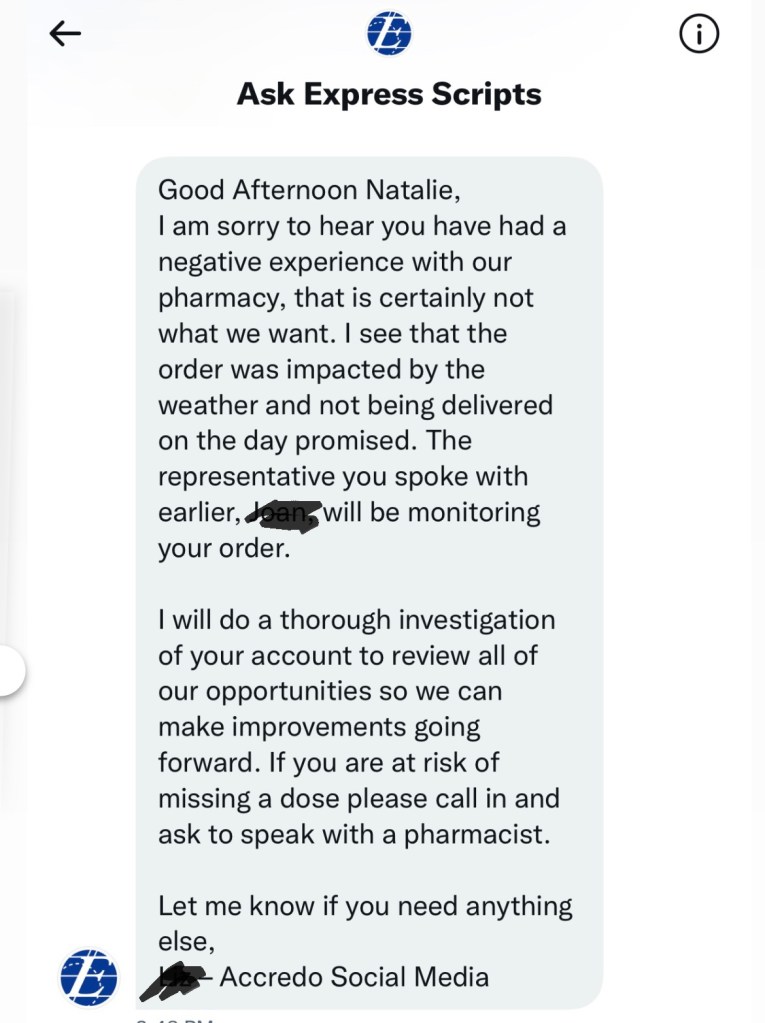
“Sincerely” want to help, yet never reached out as they claimed they would over tweets and direct message. That “empathy” is clearly all for show.

I tapped into the IBD community on Instagram and was blown away by the number of direct messages and comments from those who have struggled to get their critical medication through specialty pharmacies. This is unacceptable and eye-opening. Here are *some* of the stories.

“I will never use Express Scripts for my Humira, again. When I started it, I couldn’t walk or stand or do anything really because of my ankylosing spondylitis. They had the audacity to tell me I can expect my first shipment of medication in 1-2 months because there’s a lot of “processing involved.” They were acting like they were making the drug themselves. It had nothing to do with pre-certification. Everything was already processed and approved through insurance. Luckily, I was able to get my injections from a local specialty pharmacy the same day I called.”

“The number of issues I’ve had over the years with specialty pharmacies is ridiculous. My GI has an unlimited expiration/refills for my prescriptions, yet every year we must “renew” and it’s never at the start of the year. It’s always some random time when my shipment doesn’t go out as scheduled and the only reason, I find out is because I call and question the delay. They’re NEVER proactive. One of my most frustrating situations was a delayed delivery. It was supposed to arrive via UPS per tracking. The driver never showed. I called repeatedly and no one could tell me where the driver was. Eventually the next day I learned the driver left it in the truck and brought it back to the warehouse where I was told by the pharmacy to go and pick it up myself. Mind you it had already exceeded refrigeration time so there was no way it was safe for me to use. I then spent the next two days trying to get a new shipment processed.”

“From personal experience with Express Scripts and their specialty pharmacy Accredo, my Stelara is delayed every time. It’s gotten to the point that if they are going to make me late on it, I make them do same day delivery. They can make this happen if it’s not a holiday. Insist the medication gets delivered and don’t back down, demand for a private courier service.”

“I have to use CVS Specialty Pharmacy for Humira, they are absolute trash. I confirmed twice that my Humira would ship, and then it never arrived. I called and they took my insurance information, again, and told me it would take three days to process before I could re-order my medication. I waited and called again and then they told me my insurance had been denied. I was on the phone for six hours trying to figure out what was wrong. They finally re-shipped the medication only for it to be delayed by UPS and 8 injectable pens got too warm and had to be discarded…so I had to start again with another shipment! By the time I got the package, my dose was a week late.”

“I recently switched from my hospital’s special pharmacy to CVS Specialty Pharmacy due to my insurance changing and I didn’t get my Humira until 10 days after I was due for my injection. It was such a frustrating process and anxiety provoking.”

Express Scripts issue with Humira. I spent 30 minutes trying to work out a $1,000 billing error on their part. After a half hour, they told me that they couldn’t fix billing issue the same day and that I would need to call back the following day and have the same conversation all over again.”

Optium RX makes me cry at least once a year. Every year I try and beat the pre-authorization loopholes to get my medication on time and there’s always something new. Having to push my medication schedule is so defeating.”

“It’s a mess trying to work with a specialty pharmacy. I have never had a pleasant, easy experience with them. I’ve had four medications (IV and self-administered) sent to Accredo within Express Scripts over the last nine years. To this day, I have to spend at least an hour on the phone so they can run the co-pay assistance information…so for a bit, my co-pay was $2,000!”

“I have been on biologics for about a decade, and I think I could write a book about specialty pharmacy debacles. The latest being that as I was checking out on the phone, the rep commented on my insurance because it had my husband’s company (a popular brand). Thing is, he left the company 18 months ago and at that time I contact the pharmacy with my new insurance, went through the run around of changing insurance getting pre-authorizations, etc. They had been charging the old insurance the entire time. They attempted billing me $18,000 which I am still fighting. I’ve spent over 50 hours on the phone dealing with this and had many sleepless nights.”

“I went without my biologic for nine months because my insurance company through John Hopkins Hospital said I required prior authorization, when in fact I had prior authorization for the 277 refills that my prescription had. I had to advocate for myself to both my GI and primary care physician and they sent 378 pages of my medical records along with a 3-page email about my medication for it to be approved. To this day, I still have issues processing my orders.”

“At the end of the year, I received an email from Express Scripts that said Remicade would no longer be covered, and I would need to switch to the biosimilar, Inflectra. I called to confirm this, and no one could help me. I spent 8 hours over the next two weeks trying to determine if this was really the case. I had to call Blue Cross Blue Shield who then said I should speak to Express Scripts…who then transferred me to the Specialty Pharmacy, Accredo. I was then told by Accredo that I should talk to Blue Cross. It was the most frustrating thing. All I wanted to do was confirm if Remicade was not going to be covered and if it wasn’t what the cost of the biosimilar was going to be for me. Finally, a pharmacist assistant at the infusion center was able to help me.”

“My specialty pharmacy was late with my FIRST maintenance dose of Humira by 3 weeks. The pharmacy said they could only find the prior authorization for the loading doses and not the doses after. Then, my doctor sent me the copy of what they sent the first time, and my maintenance doses were clearly part of the prior auth. The pharmacy argued with me that my doctor didn’t fill it out correctly. They finally sent it, but accidentally sent it FedEx ground in July…and had to re-send it.”

“When I first switched to Humira, Express Scripts, said it wasn’t on their preferred list unless there was a good reason. I told the call rep I had gone into anaphylaxis. She said that I was going to need an actual reason or something serious. I told her I was going to need to speak with her manager because last I checked…not being able to breathe was serious.”

“My workplace changed insurance carriers and promised me that coverage would remain the same through Cigna and Caremark, with the specialty pharmacy being Accredo. Suddenly, I got a call that the Entyvio I take every 4 weeks is not covered at that frequency and also not covered at the Family Health Center where I’ve always received it. Naturally, I raised hell. Had to submit a new pre-certification which took almost 28 days to get approved, switched to a new private infusion center and abandoned my tried-and-true site, and spent more than 8 hours on the phone to do one simple thing: be able to receive the medicine I’ve taken for years. It’s unreal how insurance and specialty pharmacies just make decisions without considering the inconvenience and stress it puts on patients.”

“Specialty pharmacies are just an additional hurdle between a patient and their medicine. It’s like you’re playing a game of telephone and more players are added to the circle and increasing the odds of a miscommunication. When a problem arises you now have to make sure you smooth it out with health insurance, your doctor’s office, and your pharmacy. Oftentimes you don’t know where the problem arises in the first place because of all the finger pointing. I haven’t had a Remicade infusion since December 16th…even though I’m due every 4 weeks.”

“I had a specialty pharmacy send me my Stelara injections without ANY cold packs. Just in a cardboard box. I had not refilled it in 4 months because I was on Entyvio at the time so luckily, I wasn’t going to use it, but it was a mess. The company was so accusatory when I asked to return it until I told them there were no cold packs…shut them up real quick.”

“I called Accredo weeks ago to make sure my medication was going to arrive because my GI sent in a renewed script. I followed up daily the week I wanted to place the order, but they kept saying it was in processing and delayed. My prior authorization goes to 2024, my doctor did everything he could, yet Accredo still couldn’t tell me what the hold up was. I’m 33 weeks pregnant and I really don’t want to mess up the timing of my doses. Person after person says they have it handled, but it’s never the case. I feel like they just give the runaround to get you off the phone. It’s unbelievable how much time gets spent dealing with this. It feels like phone call roulette. It gives me serious anxiety every month.”

“When the new year started my specialty pharmacy would not accept my new Humira Savings Card. It took 10 phone calls and all parties, and it ended with an hour and a half call trying to get $5,000 reimbursed. The provider laughed when I asked then I had him call AbbVie and within 10 minutes the guy did a complete 180 and I was reimbursed. It’s scary to think what would happen if a patient didn’t fight back or speak up.”

“Your post about Express Scripts is triggering. My daughter, age 25, was diagnosed with UC at age 17. She is on our insurance a few more months. Express Scripts became our new online pharmacy a year ago. They’ve been horrific to deal with. She’s only on basic medications—mesalamine, Canasa suppositories and enemas. I dread the thought of what it might be like with them for more complex medications.”

…and there were SO many more messages that I received. Are you seeing a pattern here? This is ridiculous. It’s heartbreaking, frustrating, and sad. The incompetence and lack of care is comical. DO BETTER. I spoke with five different call reps/managers at Accredo and each time it was like I was calling for the first time. Take notes when you’re talking to patients/customers, so you don’t sound clueless on the other line and waste everyone’s time. You can at least pretend to care.

Advice for handling specialty pharmacy issues

Document, document, document! If you are having trouble with your specialty pharmacy, you should document each call and issue. Take note of the date, time, and describe what went down. Then, send a log of all the issues you’ve had to your employer and whoever oversees insurance so that they are aware. If HR gets enough complaints, they’ll look into a new pharmacy for employees.

Advocate for yourself and don’t back down. Be a thorn in their side. Tell them like it is and always ask to escalate the issue and speak to a manager. Get your GI involved and have them go to bat for you, too.

Check with your GI if you’re in a pinch. Oftentimes GI offices carry a couple of injections. You may be able to go and pick one up at the office if you need one. Always worth an ask if you’re in a tough position and don’t know when your medicine is going to arrive.

Contact the pharmaceutical company who makes your drug. One of my IBD friends manages a large practice in Boston. She advised me to contact the AbbVie Ambassador, which is a program available to patients for situations like this. They can overnight you a Humira pen to bridge the gap while companies like Express Scripts figure out their mess.

“The AbbVie ambassador program is a lifesaver for many of our patients when the specialty pharmacies fail! It is soooo frustrating. We see it all the time in our patients, and I’ve experienced it personally, too.”

Utilize social media. Having an issue with your specialty pharmacy? Head to social media (Twitter is best for this) and tag them publicly with your complaint.

The Patient Experience: What the IBD Community says about Entyvio

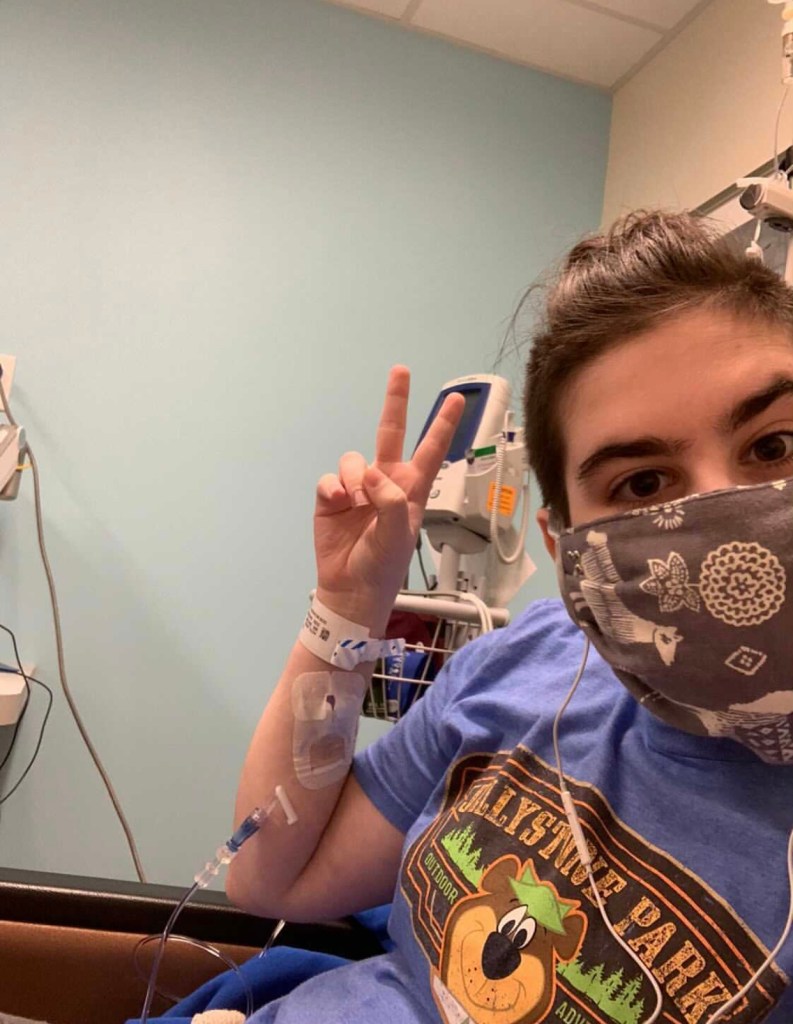
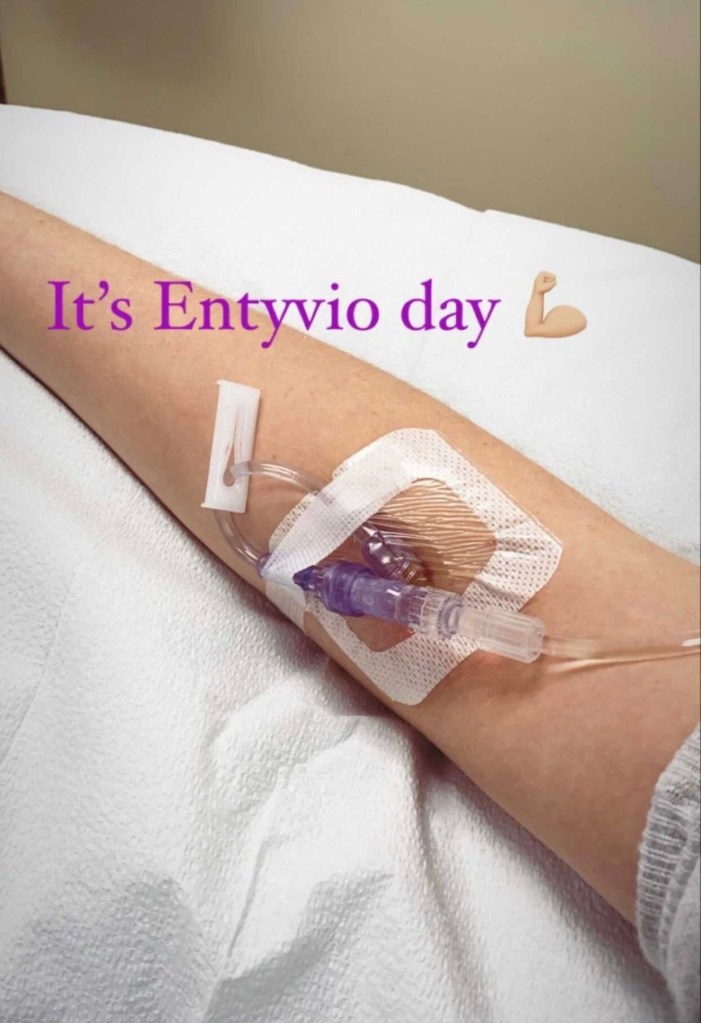
Starting a biologic or switching to a new one after a drug fails you is a stark reality for many with IBD.  I personally have been on the same biologic since July 2008. Lucky for me, my body hasn’t built up antibodies and it’s served me well in managing and treating my Crohn’s disease. Recently, a woman with Crohn’s disease private messaged me on Instagram. She’s been on Humira (adalimumab) since 2006, but she’s no longer responding to it. Her gastroenterologist has advised she start Entyvio (vedolizumab).

Like anyone who deals with a drug failing them, she’s reached a level of comfort giving herself injections and knowing the ins and outs of the medication she receives. Now, 15 years later, she feels a bit like a fish out of water trying to navigate a new biologic and all the unknowns that come along with that transition, especially because she hopes to start a family in the next year.

After hearing from her and wanting to help, I went out on a limb and shared the following on my Instastory—to try and comfort her as she embarks on this new chapter in her treatment. “Hey IBD fam! Let me know if you’re on Entyvio and what your experience on it has been thus far. Looking to get info for someone who has been on Humira since 2006 and is making the switch after losing response to it. Appreciate your help and insight.”

The overwhelming response from the community

Several people wrote me directly about their experience with Entyvio—everything from tips and tricks to minimize side effects to how Entyvio has improved their quality of life or been detrimental to it. The response truly blew me away. We all know, IBD presents uniquely in each of us. So, one person’s experience with a biologic (or anything for that matter in treating Crohn’s or ulcerative colitis) must be taken with a grain of salt. At the same time, there’s a sense of camaraderie in connecting with those who use or have experienced your same therapy.

Since I’ve never been on Entyvio, I learned a lot in the process…and wanted to share my findings from these direct message discussions with you. Entyvio is known for its low side effect profile, as it specifically targets the gut. My hope is that this will help alleviate people’s concerns and help educate the community, should Entyvio be offered up as a possible treatment plan presently or in the future for you. (NOTE: I am writing this on my own accord—with NO affiliation or guidance to pharma). This is strictly created from IBD patient experience.

Infusion: Dosing schedule + timing

Generally, the recommended dosage is a 30-minute intravenous infusion, every 8 weeks. Depending on a patient’s response, this can shift to every 6 weeks or even every 4.

“Been on Entyvio since it was approved by the FDA. It has been very helpful since it targets the gut. I am on supplemental IBD meds, but I like that it’s a fast infusion and has given me my life back. It’s the longest I’ve ever been on a biologic, too.”

“It’s about an hour total to get the IV, wait for the med to be mixed, and have the infusion. I am noticeably tired the day of the infusion, but then bounce back quickly by day two. No other side effects at all. Entyvio has been a lifesaver for me!”

While some people saw improvement after the loading doses, Entyvio is known to react slower than other biologics. While most of us are used to biologics taking 2-3 months to work their magic, several people stated their GI warned them ahead of time that Entyvio could take 8 months to a year to be fully effective.

Side effects: The consensus among those who responded

Headaches/Dehydration/Fatigue

“I take Tylenol and Benadryl at every infusion because I found when I didn’t, I ended up with really bad headaches. I seem to feel better if I exercise for a little bit after my infusion, like walk 20 minutes or do 20 minutes on a bike. Real slow and easy. I often feel tired that day and maybe the next day, but after that I’m pretty much golden.”

“A lot of people get headaches after the infusion—they think from dehydration, so it’s helpful to ask for an extra bag of saline fluids during the infusion.”

“My friend and I both get tired after our Entyvio infusions. We both need a good nap after and then we feel fine. Hydrating the day before, during, and right after the infusion helps a ton.”

Hair Loss/Growth

“I lost a LOT of my hair while on this and had to take a large amount of prednisone for almost a year to get back on track because this medication. Please do research on this one! I did not do much and read a lot of people lost almost all their hair. Thankfully, mine grew back while I was pregnant. It was a big bummer! I’m on Stelara now and it works just as well as Humira did for me before my response to it also declined.”

“Been on Entyvio about 2.5 years and it’s the only drug to get me into remission! Was on infliximab (Remicade) before and became allergic and lost response. Minimal side effects with the Entyvio as well! If anything, I just noticed my hair doesn’t really grow the same.”

Navigating infusions and life

While the shorter infusion time is a plus, nothing beats the convenience of an at-home injection. At the same time, several patients shared the benefit of setting up an at-home infusion, so that’s something to look into versus going into a medical facility to receive your medication.

“I have ulcerative colitis and I’ve been on Entyvio for almost a year now. It’s the first biologic I’ve been on and it has helped a little, but it hasn’t been able to heal my rectum at all. I’m in a teen support group and one of the group leaders has had the same experience. After the starter doses, I was on every 8 weeks, but my drug levels were too low, so we switched to every 6 weeks and that didn’t do anything either. Since my symptoms were increasing, I was moved to every 4 weeks as of November. I honestly wish I were on Humira or another at home injectable only because I’m 18 and want to have a normal life that isn’t tied to needing to be home or to go the hospital every month, but it is what it is. The infusions don’t take long, but I do come home and sleep for the rest of the day. I started a pediatric clinical trial about a month ago since the Entyvio isn’t doing enough, but I still have to stay on the Entyvio.”

Pregnancy and Breastfeeding

For guidance on pregnancy and breastfeeding in regards to Entyvio, you can find helpful information at the IBD Parenthood Project and through the PIANO registry study. You can also connect with IBD Moms and Mamas Facing Forward, social media communities comprised of women living your reality.

Prior to planning to conceive, it’s always a good idea to communicate your family planning goals and dreams with your care team. Let your GI and OB know that you’re hoping to get pregnant 6-plus months ahead of time, so they are clear on what your expectations are. That way, you can put your best care plan in place, especially as it comes to staying on top of managing your IBD while you bring a life into the world.

“It was the first biologic that actually showed healing on my colonoscopy. I was on Entyvio my whole pregnancy, and now I’m breastfeeding on it.”

“I have been on all biologics and have had the best response to Entyvio. It put me into a 3.5-year remission (my only remission ever) and allowed me to have my son. Unfortunately, it does not target perianal Crohn’s, so I have had issues over the last few years. After trying Stelara, I had to go back to Entyvio because it’s the only drug that treats my luminal Crohn’s. It really is an amazing drug. No side effects for me, and my immune system is stronger than it has ever been—on the other drugs, I caught a million colds and would get bronchitis and pneumonia several times a year. Since being on Entyvio, I think I’ve gotten a cold a year (maybe?!), it’s a dream!”

“I have been on Entyvio for about two years now and it has been lifechanging. In terms of my ulcerative colitis, it has been day and night, and it has even gotten me into remission! I do feel really tired after my infusion and a little bit into the next day, but since I only get them every 8 weeks, that is a side effect I am more than willing to take on! I was on Entyvio for my entire second pregnancy and that was a breeze compared to my first.”

Be a proactive patient

Like many biologics and prescription drugs, there is a patient savings program available that you’ll want to check out. Learn more about Entyvio Connect here.

Helpful Entyvio-Focused Facebook Communities

Several of the people who responded shared they’ve had positive experiences and found support in Facebook groups geared for those specifically on Entyvio. Check them out:

Entyvio Mommas

Entyvio Warriors

Thanks to everyone who went out of their way to share their experience and help a fellow IBD warrior in need. Having this type of intel is good as gold and extremely beneficial in empowering patients as they make drug and treatment choices.

The future of biologics and the changes coming down the pipe

This article was sponsored by SmartTab. All opinions and thoughts are my own.

The future of IBD care and treatment is constantly evolving and there’s a lot of hope on the horizon for the patient community. Think back to the moment your physician discussed starting a biologic for the first time and how daunting it was to imagine giving yourself an injection or getting an infusion for the rest of your life. It’s a heavy burden to bear for many reasons.

This is where SmartTab comes in. SmartTab is a digital medicine company focused on drug delivery and improving patient care, comfort, and compliance. Their main application, the InjectTab, would give people the option of using the current syringe or autoinjector used to give biologic medication or instead have a person swallow a capsule that would deliver the active ingredients to either the stomach or the small intestine. This initiative is making waves in a big way in both the patient, pharmaceutical, and technology industries. SmartTab was recently named a Tech Crunch Disrupt 2020 Top Pick.

This image has an empty alt attribute; its file name is picture1.png

As someone who has been giving myself injections for over 12 years, this is music to my ears. My next question was what this means for those on infusions.

Robert Niichel, Founder and CEO of SmartTab, says, “We will start with the biologics deployed through a syringe and needle and then move to biologic infusions. Imagine if you take that infusion dose and instead take a smaller dose of the same medication as an ingestible capsule once a day. You now have reduced the amount of drug to a daily amount, side effects would go down because you’re not having to process this entire bolus and keep in mind that some of these drugs, no matter what it is, when you have an infusion, whether it’s to treat Crohn’s or receive chemotherapy, your body has to process that out through the liver or the kidneys. It’s stressful on the metabolism and the organs. Our goal, is that one day, regardless of whether it’s an infusion or an injectable, that you’ll take those drugs via an InjectTab capsule.”
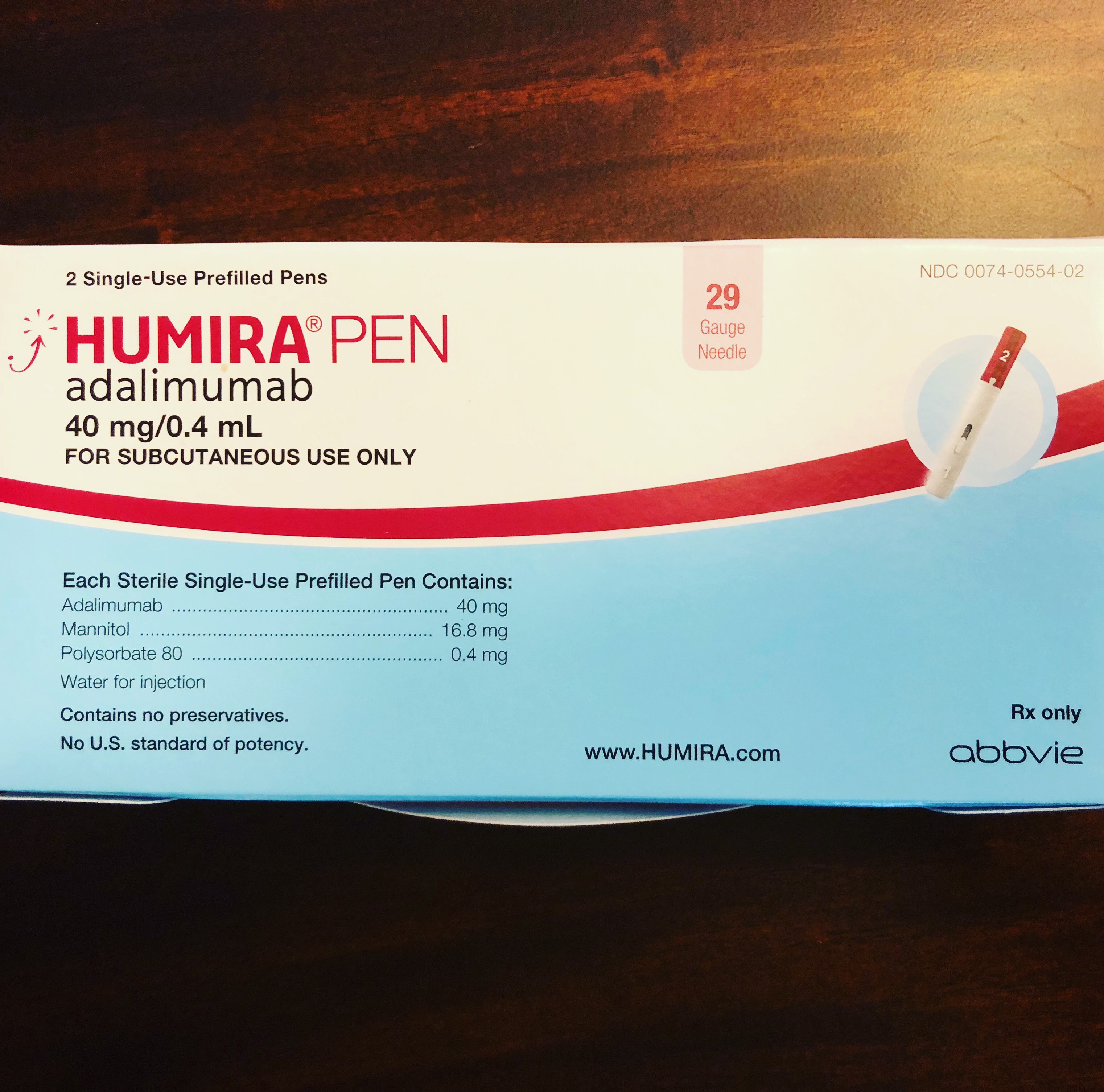
This image has an empty alt attribute; its file name is profile1.jpg

Keeping patients in mind every step of the way

SmartTab is determined to limit the anxiety associated with managing diseases like Crohn’s and ulcerative colitis. The diagnosis and living with a chronic illness can be challenging to cope with, no matter how many years you’ve had it. It’s exciting to think what the future will hold for the IBD family.

“If physicians could go to people and say, we are going to start you on a biologic, you will take one capsule, every week, that’s a lot less of a burden than finding out you need to give yourself injections or spend hours with an IV getting an infusion. Your compliance goes up, patient outcomes, go up. At the end of the day, we’re trying to figure things out so people can lead better and more comfortable lives,” said Robert.

Getting InjectTab FDA-approved

SmartTab has the technology of the capsule finalized and they are starting a pre-clinical animal study next month. The InjectTab will inject an active ingredient into the side of the stomach.

“We will then do blood draws to collect the different levels of the active ingredients. Once that is complete, we will move on to human clinical trials and then onto FDA clearance, meaning approval of a device. Once we have that clearance, then we can combine our InjectTab with other active ingredients. Then we would seek out strategic partners to combine a prescription drug with our InjectTab. We would then do human studies.”

A lot of the heavy lifting for the actual technology has been completed, now it’s all about the clinical studies. Robert says the good news is that they’re not working on getting a new drug approved, since existing biologics will be used with the InjectTab technology.

“We believe that five years from now, if you take a biologic, you will no longer need to be doing a self-injection, there will be more options than syringes or needles to get your medication. You could just take a capsule. Whether it’s once a day or once a week, it will be as easy as taking your vitamins and moving on with your day.”

The cost benefits of a capsule vs. an injector

Right now, autoinjectors are typically hundreds of dollars. The InjectTab will range from $10-$50 a capsule, so right away there’s a significant cost reduction per use.

Robert says SmartTab is really counting on the insurance companies to look at this and say they’ll reimburse for the technology to deploy the drug because now patients are compliant and have reduced office visits and disease progression that can lead to hospital stays and surgeries.

SmartTab is currently in talks with several pharmaceutical companies, because that is the path to commercialization and making InjectTab a game changing reality for patients. Initially, the capsule technology will be available in the United States and then Europe. InjectTab will be geared towards the adult population first.

Life with IBD can be a tough pill to swallow, but the future possibilities surrounding InjectTab may prove otherwise. As someone who has given myself injections for more than a dozen years, this type of technology blows my mind in the best way. When my GI walked into my hospital room in July 2008 while I was battling an abscess the size of a tennis ball in my small intestine and he told me I had two options—Humira or Remicade, I was devastated. I didn’t want to give myself injections and I didn’t want to sit with an IV in my arm and feel sickly. It was a lot to process then and is still not always easy now. Hats off to companies like SmartTab innovating and changing the landscape for the future of IBD and beyond. As a patient, it means the world to me to see the tireless work going on behind the scenes that will change the future for those living with Crohn’s disease, ulcerative colitis, and other conditions.

This image has an empty alt attribute; its file name is humira-loading-dose-day.jpg

Interested in learning more about IBD innovations? Check out the virtual IBD Innovate: Product Development for Crohn’s and Colitis conference November 17-18. Register here.

Click here to learn more about Tech Crunch’s Top Picks for 2020.

Check out my podcast interview about living life powerfully with Crohn’s disease and the future of IBD treatment.

12 years on a biologic: What I’ve learned along the way

It’s been 12 years since I apprehensively went to my GI’s office with my mom, trembling in fear about the what ifs and worrying about the pain of the injection and how my body would respond. One dozen years ago I threw caution to the wind and knew I needed to take the leap. I trusted my physician. There was no other choice. I knew I needed more to control my Crohn’s. I realized my quality of life depended on it. My present life and my future deserved more. IMG-4785

I wish I could tell that frightened 24-year-old girl that a biologic would enable her to fulfill her dream of working full-time in television, that she would go years between hospitalizations, that she would meet the love of her life, travel out of the country, and have two healthy children…all while on a biologic.

This week—I share my 12 tips for navigating life on a biologic and what I wish I knew 12 years ago today.

  1. Needing medication is not a failure. Not everyone has the luxury of being able to “heal their gut” solely with food and that is ok. You are not less than because you need to be on a biologic. You are not giving up or taking the easy way out.
  2. Side effects are unique to each person. Just because one person responded beautifully to a biologic, doesn’t mean that you will. The same goes with horrible side effects. One person’s experience has nothing to do with yours. IBD is unique in each one of us. While some people get a “Humira hangover” and are in pain leading up to their injection, others like me, deal with no side effects whatsoever. Don’t base your experience off anyone but your own and remember to consider the benefit vs. the risk.
  3. Google is not your friend. Prior to starting a biologic or when you are on one, it does you no good to Google and read all the doomsday laundry lists of “what ifs” and horror stories. If you want to educate yourself and truly learn more, communicate with your physicians and connect with fellow IBD patients who understand your reality.
  4. The drug fails you; you don’t fail the drug. Time and time again, I see patients say… “I failed Remicade. I failed Stelara. I failed Entyvio. I failed Humira.” You did not fail anything. This is not a blame game and how your body responds to biologics is completely out of your hands. If a drug doesn’t help limit inflammation and control disease progression, it fails you and you move on to the next.
  5. Have a routine and be compliant. Life gets hectic and being on a biologic must become a part of your routine. It’s helpful to keep track on a calendar or to set up an alert on your phone. I’m old school and write R or L in my day planner…meaning “Right Leg” or “Left Leg”…you’d be surprised, you won’t remember which leg you last injected two weeks ago. I’ve done my Humira injections on Mondays since 2008. I’ve always liked that day of the week because it doesn’t interfere with the weekend and I get it out of the way. No one likes Mondays anyways. Biologics aren’t just something you skip or can forget like a daily multivitamin. For the drug to work you must be compliant and stay on schedule.
  6. You can get pregnant and breastfeed while on a biologic. The most common question I receive from women with IBD is “can I get pregnant on my biologic?” and “can I breastfeed?” …the answer to both of those is a resounding YES. To safely bring a baby into this world, the mama’s health must come first. You need to be a safe haven for your baby and keep your IBD well-managed. By going off your medication, you put yourself at much greater risk for flaring while pregnant and after you deliver. I was on Humira until 39 weeks with my son and 37 weeks with my daughter. To learn more about biologics and family planning check out the IBD Parenthood Project and IBD Moms. IMG_6037
  7. Communicate openly with your GI. Check trough levels every now and then, especially when you’re feeling symptomatic to see if your drug level is therapeutic, if your dose needs to be increased, or if you’ve built up antibodies and need to possibly start a different biologic.
  8. Think about your lifestyle if you’re having trouble deciding which biologic to try. Back when I started Humira in 2008, there were only two biologics for IBD on the market: Remicade and Humira. At the time, I was a morning news anchor and did not share my Crohn’s disease with the public—so choosing to do an injection in the comfort of my home vs. being in public getting an infusion was a no-brainer. Now as a mom of two, I’m grateful for that choice. You can’t beat the convenience of being able to do a 10 second injection on your couch. I have so many friends who spend hours upon hours getting an infusion—having the stress of lining up childcare and allocating that much time and resources to get my medication would be a struggle for me. Let alone needing to get an IV…I know I’m not alone when it comes to having bad veins! I understand you need to go with what your body responds best to and what your physician recommends for treatment…but if the decision rests on your shoulders, I would absolutely choose injection over infusion.

    IMG-4722

    Injections at home make chronic illness mom life a bit easier.

  9. Consider yourself “lucky” if you’re starting Humira now. The first 10+ years I was on Humira the injection was very painful. I know of people who had to take anti-anxiety meds just to feel comfortable receiving the injection. In 2018, the Citrate-free (pain free) version was released in the United States. Click here to watch my emotional experience doing an injection with the pain-free formula for the first time, while pregnant. This has been a game-changer for everyone on Humira, young and old. Self-injecting takes some getting used to, but it’s a hell of a lot easier now that you don’t have to deal with any pain. Chalk this up as a big win for the patient community—and if you haven’t made the switch to Citrate-free yet, make sure you do now!
  10. Drown out the Debbie Downers and the naysayers. You are going to come across friends and family who most likely have good intentions…but will question your decision to be on a biologic and offer useless, worrisome advice or stories of their friend’s friend who died from lymphoma or their boyfriend’s dad who had a bad reaction. I remember people questioning me about being on Humira when we were starting our family. We’re already worried enough, having to deal with the background noise can be the biggest pain of all.
  11. Be inspired by the possibilities. We’re all quick to expect the worse or struggle to imagine a life that doesn’t involve daily setbacks. Think of all the good that can come of this and the quality of life the medication can afford you with. Be patient with your body. Be patient with the drug. Be patient with yourself on this journey.
  12. Get preventative screenings. Stay on top of your appointments outside of your gastroenterologist. See your Ob-Gyn and get annual pap smears. See your dentist every six months. See a dermatologist and get an annual full body screening. Talk with your GI about getting “safety labs” every three months to keep a close eye on your results and make sure nothing is out of whack. See an eye doctor annually, even if you think you have perfect vision. Steroids can cause cataracts and IBD can cause inflammation around the eye. If your child has IBD, make sure to stay on top of pediatrician appointments. Being well-informed about all aspects of your health helps protect you from falling victim to any serious side effects.

BONUS: Reward yourself. Let’s face it. Giving yourself an injection or getting an infusion is not the most enjoyable experience. Think about how you can treat yourself when it’s over. Get some ice cream. Get a manicure. Order that cute pajama set online. Lord knows, you’ve earned it. If you struggle self-injecting, stare at a photo of a family member or friend that exudes strength and resilience, they will inspire you to be strong.

I’m not sure what the next 12 years will bring. Will Humira continue to be my go-to? Will there be a different treatment option? Only time will tell, but for now, I’m incredibly grateful that I’ve been able to stay on the same course of treatment for this long and I don’t plan on doing anything to rock the boat. My wish for you is that you’ll find a treatment that works its magic and shows you all that you’re capable of, despite your IBD.

Celebrating a major patient victory: Citrate-free Humira

I still remember the first time I felt the pain. Sitting in my GI’s office with the nurse and my mom. Fresh out of the hospital after having an abscess the size of a tennis ball in my small intestine. Knowing I had to inject myself with a painful biologic drug, four times in a row, for the loading dose. The feeling when the medication entered my body was like nothing I had ever felt before. It was an unthinkable amount of pain. It was overwhelming knowing that for the rest of my life, I would endure this same pain, multiple times a month…with no end in sight.

Fast forward more than ten years later. A total of 122 months, hundreds of injections. My reality as a Crohn’s patient just changed. IMG_2966It changed in a way that I never knew was possible. I have so many flashbacks of my journey with Humira. The tears as I felt sickly in my 20s sitting alone in my apartment and wondering why me. The dread, anxiety and anticipation every other Monday and the strength I had to muster up within myself to once again receive my medication. Holding the injection in my hand, getting in the zone and focusing my thoughts on brave family members and friends as I held down the plum colored button and felt the burn. The sad look on my son’s face as he looked in my eyes and witnessed his mama hurting.

Now, all this is a distant memory. Thanks to the Citrate-free formula developed by AbbVie and approved for adults and pediatric patients in the United States, this reality is over. A matter of days ago, I experienced my first pain free Humira injection. I had heard all the hype and excitement around it, but it was so difficult to fathom such a change in my patient experience. Here’s a video of me experiencing my first Citrate-free injection:

I’m here to tell you it’s completely painless. Less pain than a blood draw. Less than a flu shot. You feel nothing. The process, effectiveness and outcome are the same, but you don’t feel anything. It’s emotional and overwhelming in the best way. I cried for a good half hour after my first one, happy tears. Tears of joy from a woman who now knows her children will never see their mom struggle in pain. Tears of joy from someone whose eternally grateful for a medication that keeps a painful and debilitating chronic illness at bay. Tears of joy knowing that I will never have to feel that awful pain again. A pain that’s too much to put into words, that was part of my life for so long.

The sun is shining a bit brighter today. I feel a load has been lifted off my shoulders that I didn’t even realize had been there for more than 10 years. When I heard about the Citrate-free formula being approved and available in the States, I was excited—but, didn’t realize the true extent of what a difference it would make in my life. joy-2483926_1920

If you’re on Humira and living in the States, make sure you talk with your GI and specialty pharmacy to ensure your script is changed to “Citrate-free”. The extra leg work will be so worth it. It brings me so much happiness to know that young children on Humira will never have to feel the pain. It gives me peace of mind as a chronic illness patient to know that developments like this in treatment are possible and happening right now.

My call of action to doctors, specialists, healthcare teams and specialty pharmacies—please communicate this with patients. I’ve heard from countless people around the United States who heard about this for the first time from me. That’s not the way it should be. My GI gave me a heads up three months ago.

Fellow patient advocates, please feel empowered to share what this means to you and reach out to your individual communities and support networks, so people can get the ball rolling and experience this for themselves. Our voices are strong, and word of mouth is powerful.

Humira was approved for Crohn’s in 2006. I started taking the injections in 2008. Now, it’s 2018 and patients in the United States have access to the Citrate-free (pain free) formula. What’s next? Now, we can truly continue to dream.

Navigating IBD from age 12 to 22: How Emily landed her dream job at Disney

Navigating inflammatory bowel disease as a pediatric patient brings on additional stresses, concerns and worries. For 22-year-old Emily Gavol, this was the case. At 12 years old, she was diagnosed with Crohn’s disease. EMILY2This week, a look into her life and how she took on the disease as a preteen, went to college out of state and landed her dream job in California with Walt Disney, after growing up in Wisconsin. My hope is that Emily’s story of perseverance, brings comfort to parents and fellow children and teens experiencing IBD as their life story unfolds.

What was it like to be diagnosed with Crohn’s disease when you were in seventh grade?

Initially it was a relief to know that there was finally an answer as to why I had been so sick for months. But it was also difficult to hear that I was diagnosed with a chronic illness that I had never heard of before. Being so young I didn’t really full grasp the severity of being diagnosed with a chronic illness.

How do you think the disease impacted your childhood and your perspective on life?

Getting diagnosed so young forced me to grow up very quickly. I had to learn to manage my symptoms while still attending school, doing homework and other normal activities. My perspective on life also changed, it became clear to me that health is something to never take for granted and appreciate it while you have it. Along with realizing quickly that the little things in life are not important. While most of my friends were worried about what to wear to school, I was just hoping I would feel well enough to make it to school. Additionally, this disease has taught me that there are many things that are out of our control and you just have roll with it sometimes.

How did your family and friends handle your diagnosis and how have they been there for you throughout your patient journey?

My family and friends were always there for me to lean on during my diagnosis and have been ever since. EMILY3While I know that my parents were scared, confused and upset that I was going through this, they never let that show to me. They were and always have been the ones that lift me up when I am down, and never fail to stay by my side through all I have endured.

How did it feel to “fail” so many biologics?

Over my nearly 10 years with Crohn’s disease, I have struggled to find a medication that works for a continued period of time. When I first failed Remicade, it was frustrating because I had been getting better, then backtracked to experiencing more symptoms again. That frustration has continued and morphed into annoyance, as I have continued to fail more biologics. It is frustrating to feel like all these medications are being thrown at me to knock down this disease and nothing seems to work.

What inspired you to leave home and attend college in Minnesota, despite your illness?

Since I was nine years old, I knew that I wanted to become an Imagineer with the Walt Disney Company and work as an Interior Designer. As I got older, I knew I needed to attend a good school that would set me up for success. I researched the best programs in my area, and the University of Minnesota was the best fit for me.  Their program and campus seemed to be everything I was looking for, so I wasn’t going to let my Crohn’s disease stop me from trying to achieve my dream.

What’s it like to attend college away from home, while battling a chronic disease? What roadblocks/hard times did you face?

Attending a school so far from home without a doubt was a big challenge. EMILY4And there were times when I wished I would have decided to go to school closer to home, because that would have been easier. The biggest roadblock was the physical distance, because it meant a lot of back and forth travel. Especially, during flare ups. I found myself needing to make the 4-hour drive home more often than I wanted to, which resulted in the need to miss more classes.  Additionally, learning to manage my symptoms completely on my own and having to adequately communicate with my medical team from so far away, was challenging at first.
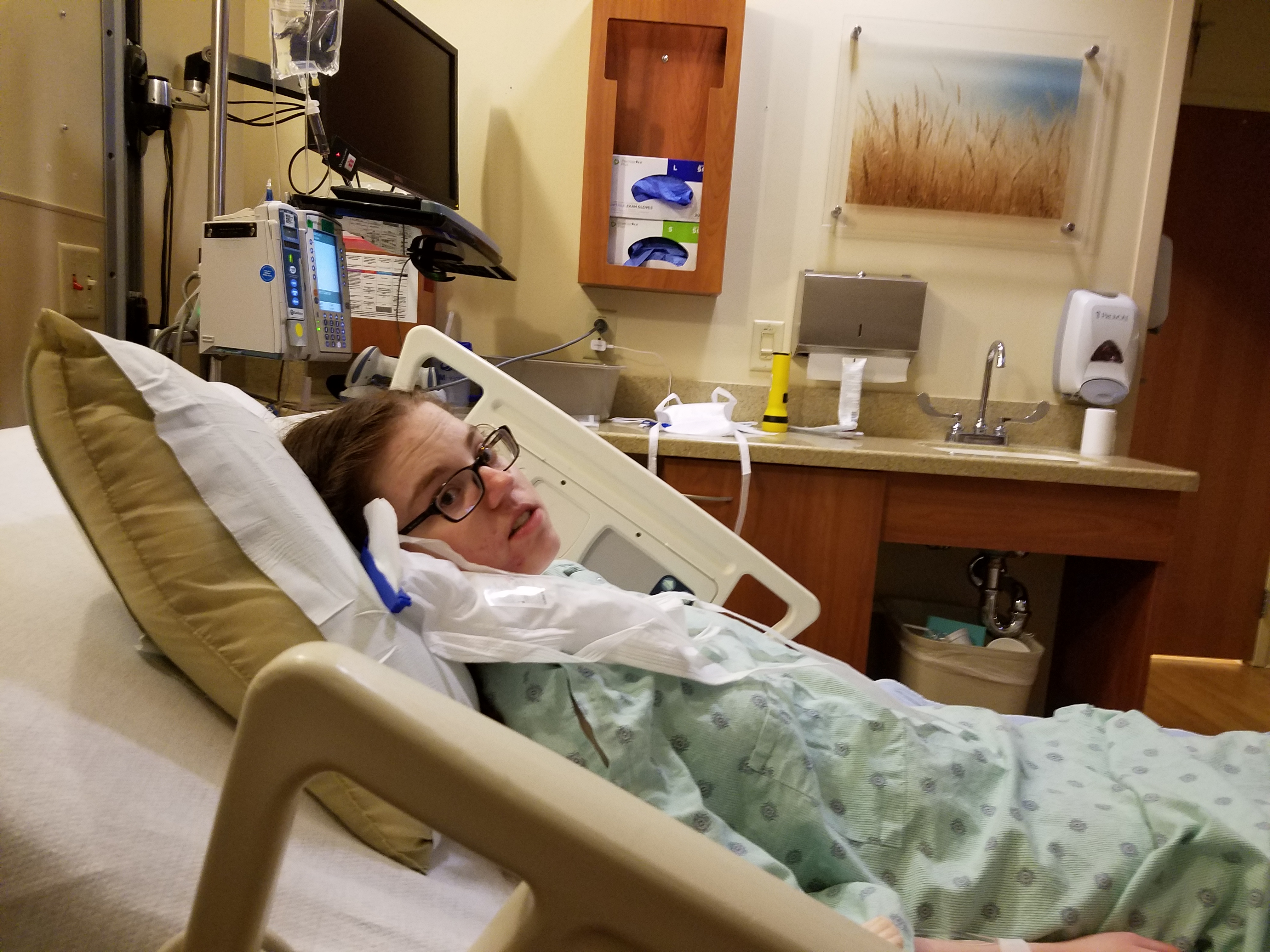
How do you overcome the setbacks that come your way and not allow them to de-rail your goals and plans?

I have always been a very determined and strong headed individual. I will always do my best to achieve my goals and not let anything stand in my way. Despite, all the setbacks my disease has thrown my way, I have just rolled with the punches and kept pushing forward. I do my best and my best is all I can do.

Talk about what it was like going through the ileostomy and knowing you are getting a permanent ileostomy? How do you feel about it–why kind of emotions does it bring?

Going through my transition of getting an ileostomy was the most difficult thing I have gone through as a result of my Crohn’s disease. 20171123_182143002_1534121126326My health took a drastic turn and it became clear that I would need an ostomy sooner rather than later. I initially was very scared and upset that this was happening. I didn’t know what an ostomy was or anyone that had one, so I had little idea of what to expect going into it. By the time I was a couple weeks away from surgery, I was honestly ready to have it done.  I had been experiencing more symptoms and was ready to have the surgery behind me and be feeling better. I was doing my best to go into things with a positive outlook and think about it as a fresh start, but this was no easy task for me. It was an overwhelming and emotional couple of weeks following the surgery getting used to having and caring for an ostomy. I am not afraid to admit that I was scared to look at it and care for it myself after my surgery. But then I realized, this isn’t going to go away anytime soon, so I had to start doing things myself. The more familiar I became with everything, the more comfortable I was and began to realize that I was actually feeling better than before the surgery. This was hard for me to admit to myself, because I didn’t want to be put in the situation of having an ostomy or needing one for the rest of my life.  While I am now on the road to needing a permanent ostomy, it still has not sunk in that it will actually happen yet. And I don’t think it is going to fully sink in until that surgery happens.

You landed your dream job post college. Speak to what it’s like to live across the country, away from family and friends–while living out your dream job…with Crohn’s.

I am literally living out my biggest dream. EMILY5This is something that I never thought I would get to experience, and I think having Crohn’s has made me appreciate this opportunity more than I could ever imagine. The last year has been a wild roller coaster ride. I am just thankful to be here, because there were many times where I didn’t think I would even be able to graduate last year. My family and friends have been very supportive because they know how much this opportunity means for me personally and professionally. It is hard to be this far away from my main support system, but they are always just a text or phone call away. Additionally, my providers were very encouraging to me, pushing me to continue to live my life to the fullest and not let my disease slow me down. Hearing them say that to me, was really the last push that I needed to make this a reality. Knowing that my medical team wanted what was best for me, and was willing to work with me to get me where I am today, helped give me the confidence that I could do this.

Do your coworkers/did your college roommates know about your Crohn’s? How are people towards you when they hear?

In college I deliberately chose to live on my own with no roommates in order to give myself the best environment to thrive in.  Over the past few years of having different jobs, I have told my coworkers about my Crohn’s disease. I don’t usually share it right away, because I want people to get to know me for me and not just my disease.  When the time feels right, I do tell people about my Crohn’s disease. After I tell people about my Crohn’s, I always feel like a weight is lifted off me. Once people know my story, they have been as sympathetic as they can be.  There always seems to be the range of people who know a friend that has it, to the people that have never heard of it before. For those who have never heard of it before, it is a good opportunity to teach them about it.

What are your hopes for the future?

My biggest hope for the future is an easy one, a cure for this disease.  Aside from that, I hope I can continue to live my life and do my best to not let my disease stand in the way.

Advice for newly diagnosed patients?

My advice for newly diagnosed patients would be to find a good provider that you trust.  20130923_135906001_1534122952628It is important to trust their advice and recommendations, as scary as they can be sometimes. Additionally, try your best to not dwell on the negative things that are currently happening and think about what your future can hold. Always do your best to roll with the punches and keep moving forward, your best is all you can do.

What would you tell yourself at 12 years old…looking back at what you know now?

I would go back and tell myself that this is only the beginning.  Life will be a never-ending roller coaster of ups and downs. Some of the downs will really take it out of you and knock you so far down you won’t think you will be able to find a way back up.  And the some of the ups will be achievements you never thought were obtainable. But things will get better and there is always something better to look forward to right around the corner.