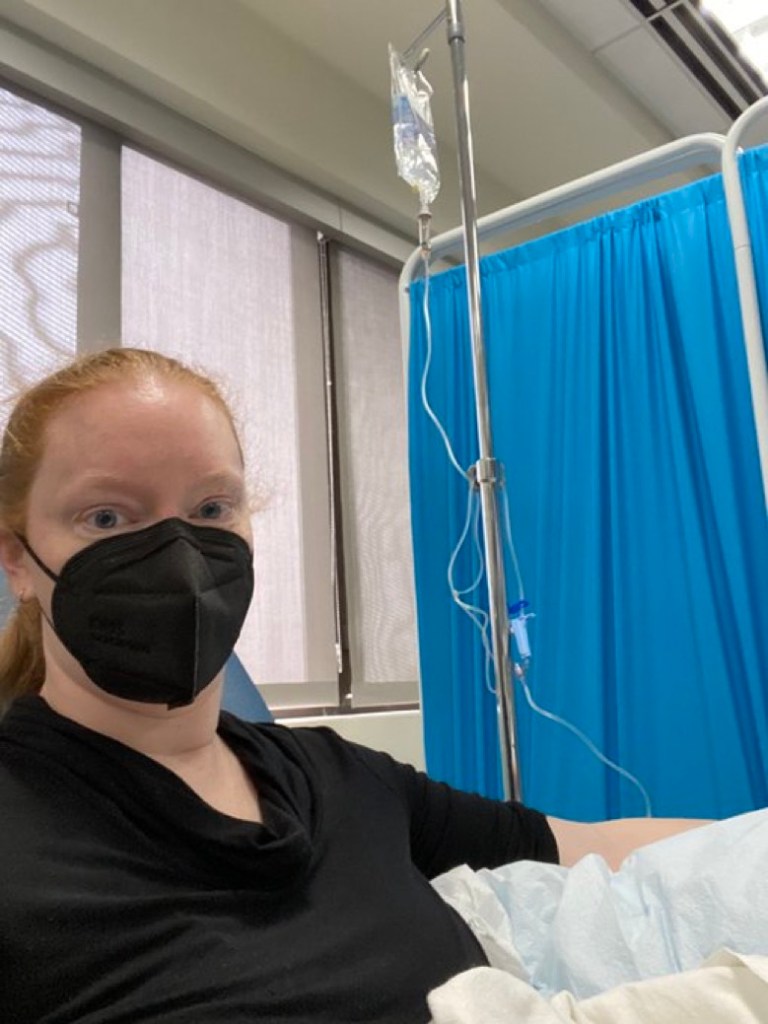
More Than Just a Switch: Unpacking the Emotional and Clinical Impact of Biosimilars and IBD

It feels like a punch to the gut. Even though you’re anticipating it, the experience is not easy for anyone. For patients with inflammatory bowel disease (IBD), stability is everything. Whether living with Crohn’s disease or ulcerative colitis, finding a medication that keeps symptoms under control is often the result of years of trial and error. So, when insurance companies or healthcare systems mandate a switch from a familiar biologic like Humira to a biosimilar such as Hyrimoz or Amjevita, the decision can feel sudden, confusing, and unsettling. As of right now (May 2025) there are 22 FDA-approved biosimilars on the market for infliximab (Remicade), adalimumab (Humira), and Ustekinumab (Stelara) with many more coming down the pipeline.

It’s easy for providers to rely solely on the science that says it should be a “seamless,” effortless transition for patients and caregivers—but that’s not always the case, nor is it ever a guarantee. This week on Lights, Camera, Crohn’s we hear from more than 30 patients who have lived this reality. While many people seem to do well clinically, it’s imperative that we also discuss the mental and emotional toll this forced non-medical switch takes on people with chronic, debilitating illnesses and their caregivers. This blog aims to demystify biosimilars, highlight the emotional and clinical complexity of switching therapies, and provide guidance for healthcare providers and patients navigating this challenging transition.
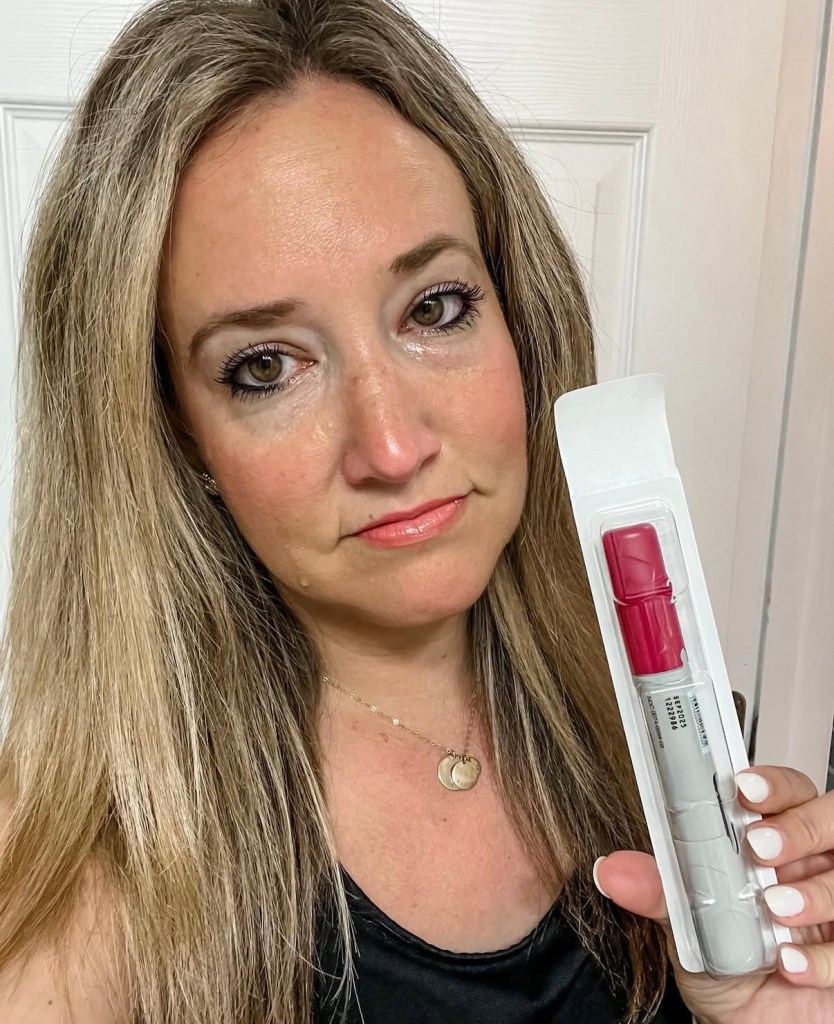
As someone who was forced off my Humira after being on it for 16 years and put on Hyrimoz, I empathize with how complicated this is for patients. Not only was I petrified to switch—but I had a God-awful experience that resulted in going from deep remission to dealing with an adverse response for two months of my life, while trying to be a mom to three young kids.

I don’t take this subject lightly and frankly; I don’t care who I piss off by sharing this patient experience transparently. I angered some donors from a Pharmacy Benefit Manager (PBM) when I spoke on stage in front of a large crowd last fall genuinely thanking my IBD nurse who went to bat for me countless times to help me win my appeal to get back on Humira—this isn’t about profit, it’s about patients. We don’t owe anyone an apology for being uncertain about being told we need to switch our heavy-duty drug therapy not by a doctor, but by someone working in corporate America.

Biosimilars are not generics

First things first, I must clear the air on this. Almost every direct message I receive from patients refers to biosimilars as “generics” …and that’s a common misconception that needs to be done away with.

Unlike generic drugs, which have identical active components, biosimilars are comparable but not identical to their originator drugs. According to the US-FDA, a biosimilar is a biological product that is potent, pure, and safe and that is “highly similar to and has no clinically meaningful differences from an existing US-FDA-approved reference product”. In other words, biosimilars are equivalent to the reference biologics regarding safety and efficacy.

When you hear the terms “originator” or “reference” biologics—that means Infliximab (Remicade), adalimumab (Humira), and Ustekinumab (Stelara). There are many other biologics of course, but so far, these three biologics have biosimilars approved by the FDA. You can familiarize with their names that I’ve listed below so if you see one listed in a letter it’s not foreign to you.

Infliximab Biosimilars:

  1. Inflectra (infliximab-dyyb)
  2. Renflexis (infliximab-abda)
  3. Avsola (infliximab-axxq)
  4. Ixifi (infliximab-qbtx)
  5. Zymfentra (infliximab-dyyb)

Adalimumab Biosimilars:

  1. Amjevita (adalimumab-atto)
  2. Cyltezo (adalimumab-adbm)
  3. Abrilada (adalimumab-afzb)
  4. Hadlima (adalimumab-bwwd)
  5. Hulio (adalimumab-fkjp)
  6. Hyrimoz (adalimumab-adaz)
  7. Idacio (adalimumab-aacf)
  8. Yuflyma (adalimumab-aaty)
  9. Yusimry (adalimumab-aqvh)
  10. Simlandi (adalimumab-ryvk)

Ustekinumab Biosimilars:

  1. Wezlana (ustekinumab-auub)
  2. Selarsdi (ustekinumab-aekn)
  3. Otulfi (ustekinumab-aauz)
  4. Imuldosa (ustekinumab-srlf)
  5. Yesintek (ustekinumab-kfce)
  6. Pyzchiva (ustekinumab-ttwe)
  7. Steqeyma (ustekinumab-stba)

Important note: While these biosimilars have received FDA approval, the availability of some may be subject to patent litigation settlements or market launch agreements, potentially delaying their commercial availability.

Let’s look at the real-life numbers

While working on this article, I ran several polls on Instagram asking the IBD community about their personal experiences. Some of the findings surprised me:

Have you received a letter saying you have to switch? Of the 265 respondents, 64% of patients said “yes”, and 36% said “no”.

Did you appeal before switching to a biosimilar? Out of 200 responses, 33% responded “yes” and 67% responded “no”.

For those who switched was the transition seamless—or did you notice an uptick in symptoms? Of the 140 responses, 51% had a seamless transition and 49% noticed an uptick in symptoms. This right here speaks volumes.

If you responded poorly to your biosimilar and your GI appealed insurance, what was the outcome of the appeal? Out of 75 responses—38% of patients were denied, 32% were put back on the originator drug (biologic), and for 30% after multiple appeals they finally won and returned on their biologic.

Let’s hear directly from patients

Bre: “I was taken off Humira after the New Year and placed on Simlandi for my ulcerative colitis. I was nervous as I had just come out of a two-year flare and had finally found a drug that worked and even though I was reassured that this was as good as Humira, I still had my doubts. Thankfully, I have had a positive experience and have remained in remission since starting Simlandi in January. I hope this story helps others feel less afraid of the potential outcomes when they get the dreaded non-coverage letters.”

Kyrsten: “Back in April I was forced off Stelara to the biosimilar, Yesintek. I went into it with an open mind because my Crohn’s has been in remission for about a year and a half. Unfortunately, I am now experiencing more symptoms that I’m documenting and oral manifestations of Crohn’s and need to see an oral medicine doctor now.”

Stefanie: “I’ve had to switch biosimilars twice at this point, this second time, while I was pregnant. I’m doing just fine!”

Alexandra: “I was first afraid of Humira, then I grew into being afraid of not having it; so, when my insurance mandated the switch to Hyrimoz late last summer, I was so worried (as all are/were)! In September, I was starting to feel some symptoms pop in, so we did all the tests, which indicated that I was still in clinical remission. Thankfully, I am doing ok now with no issues.”

Christina: “It was first recommended to me by my GI a couple of months after diagnosis in 2021 to start on biologics, since the oral medications had stopped working for me. We collectively decided the best option for me would be Remicade, however when it was brought to my insurance company, they immediately denied it. Insurance said it wasn’t their “preferred method” and wanted me to try and fail Humira first. When my GI tried to get the Humira approved, my insurance company ended up denying that, too, and this time, their excuse was it “wasn’t medically necessary.” It took my GI a couple of months to get a biologic approved and I almost ended up back in the hospital as a result.”

After receiving her first injection, Christina ended up developing an allergic reaction and had to be switched to something else. After another month of fighting insurance, Christina’s GI was able to get Remicade approved.

Christina goes on to say, “I did very well on that for about a year, until my body developed antibodies, and I had to switch once again. I then started Entyvio infusions which I have been on ever since, and so far, I’ve been doing well on it.”

Audrey: “I was forced to switch from Remicade to Inflectra a few years ago due to insurance coverage. My job at the time was horribly stressful and very time-consuming and getting the news then about my medication no longer being covered and that my next infusion was delayed because of this change over the phone from my infusion clinic was terrible. I remember sitting in the workplace cafeteria when my phone rang, and I burst into tears and was pleading with the pharmacist that gave me the news prior to receiving the letter.”

At this point, Audrey was receiving Remicade every seven weeks. With the delay and having to wait for Inflectra to be shipped, she was pushed out an extra week.

“The thing that made me so angry, was that I had already received my Remicade shipment, the nurses just weren’t allowed to mix and dispense it because of the insurance change. I refused to toss that Remicade dose until the vials expired, since I knew how costly it was. I called so many charity pharmacies for low-income folks to see if they could take the vials and since its temperature controlled, they couldn’t. Such a waste,” said Audrey.

Thankfully, Audrey tells me she hasn’t had any issues with the switch, and she’s stayed in remission—even during and after her first pregnancy. But she says the stress and frustration that occurred impacted her mental health at the time.

Kelly: “I just got the letter. Been on Stelara since 2017. I also take it every four weeks, even though the recommended dose is every eight weeks. I get my insurance through my husband and our insurance turns over on 6/31/25. The new policy begins July 1st. I’m really concerned and honestly don’t want to deal with this.”

Sandi: “I was forced to change from Remicade that had me in remission for several years to Inflectra and the outcome was not good. I had multiple Crohn’s flares a month, which was not happening when I was in remission. My GI appealed and after a year, insurance started to cover my Remicade again. Since getting back on Remicade, I’m in deep remission, again.”

Britt: “I was diagnosed with Crohn’s in 2011 at the same time I was diagnosed with Primary Sclerosing Cholangitis (PSC), a rare liver disease. I was on Remicade and was switched to Avsola. For a while, I was quite skeptical, but we stayed the course. I had some ups and downs with my health, but I was just told I am in histological remission by my GI! After five years of struggles to find the right medication, my health finally seems to have aligned. I also take 6mp to reduce antibody development to the Avsola.

Danielle: “I went into my pregnancy in remission and my first and second trimesters were lovely. About halfway through my pregnancy, insurance decided it was the right time to swap my medications. Two weeks following that change, I was already struggling. I ended up finishing my pregnancy on two different rounds of methotrexate and iron infusions. I had a scheduled C-section at 39 weeks, and I think my care team hoped that my body was just struggling balancing pregnancy and Crohn’s…that was not the case at all.”

Danielle says she tried two more Inflectra infusions after her daughter was born and saw no improvement. She required a round of prednisone and that didn’t help either. She was then switched to Humira injections every two weeks and they seemed to work wonderfully and she started to feel better.

“Then my insurance threatened to switch me to a Humira biosimilar, but Humira failed me right when that was supposed to happen, so I was transitioned to Entyvio. For six months I saw no improvement on Entyvio…more prednisone and still NO improvement. Finally when my daughter was 14 months old (so over a year and a half of feeling like absolute garbage and having no energy) I got bowel resection surgery and switched to Stelara.”

Danielle went on to say she’s been in remission since December 2021, and she still wonders if switching to the Remicade biosimilar caused all this to happen.

“I truly feel like that change took part of the joy of pregnancy away from me and also took a lot of special time away from my daughter the first 14 months of her life. I spent her second Christmas in the hospital unable to see her for two weeks. I was on so many pain medications for so long before the surgery that I don’t remember her first birthday. I lost a lot simply because someone was trying to cut costs and making decisions they are not educated about.”

Brooke: “I was on Remicade for 15 years, then I was forced to switch to Inflectra. I was incredibly stressed and tried to appeal but lost that battle. I’ve now been on Inflectra for 3 years and I am doing well! I still hate that we are forced to change when something is going well. The amount of stress, anxiety, and time I spent fighting the insurance company took a toll on me.”

Brooke went on to say that she got pregnant and had a daughter while on Inflectra. Her GI and OB had no concerns with the biosimilar during pregnancy.

Maya: “At the beginning of March, I was told by my insurance that Stelara will no longer be covered and that I would be put on Yesintek. I’ve only gotten one dose of it so far, but I very much empathize with all the emotions that come with getting the letter. So far, I haven’t noticed any additional symptoms or changes in how I feel. I’m hoping Yesintek works for me and that I continue to feel ok!”

Maria: “I live in Sweden where Humira is covered by the State since no private insurance is needed, the last year though I was recommended from doctors to switch to a biosimilar. So, in autumn of last year, I decided to try Hyrimoz. I noticed no difference in the first three months, but after that, I saw an increase in symptoms, especially for my rheumatoid arthritis. My doctor recommended that I take the injection weekly instead of biweekly, but that didn’t help at all. Since I haven’t developed any antibodies, my doctor switched me back to Humira and I felt the difference right away.”

Sadly, Maria recently got the news that Humira will no longer be covered in Sweden starting in August, so she will either have to pay out of pocket or find another medication.

“You can imagine how that feels. Humira has been my trusted friend since 2008, managing my Crohn’s and RA so well. Hard to think of life without it,” Maria said with a tearful emoji.

Kenzie: “I’ve been on two different biosimilars of Remicade. Inflectra was seamless—no issues. Then, a few years later, I got new insurance, and they made me switch to Avsola, which I had an allergic reaction to. No allergic reactions to Remicade or Inflectra, after being on them for more than six years. Now I’m on Cimzia injections (not a biosimilar) because it’s safe for nursing and that just seemed like the better option for me right now. I’ve only been on Cimzia for 10 weeks, but so far, my Crohn’s and RA seem slightly better.”

Audrey: “I switched to a biosimilar (Inflectra) in January 2022. I got pregnant in June 2024 and delivered a healthy baby boy this March. No disease issues thus far.”

Tara: “I was on a biosimilar when I conceived and throughout my entire pregnancy. I’m on Hulio and everything went well. I stayed in remission throughout the pregnancy and postpartum.”

Amanda: “I was able to conceive and am currently pregnant on a biosimilar. Everything is going great, thankfully I was on Humira for about six years and then got the dreaded letter to switch. I went on Hyrimoz at the end of last summer and was on it for five months prior to getting pregnant.”

Lauren: “I conceived and was pregnant with my now 3-week-old all while on Inflectra. I stayed in remission the whole time.”

Katie: “I was able to conceive while on Avsola, a biosimilar to Remicade. I haven’t experienced any issues related to pregnancy. I did develop some antibodies though and had to escalate my dose while pregnant. I also take premeds of Solumedrol and Benadryl before every infusion now. I got hives during the Avsola infusion while I was pregnant.”

Erica: “My doctor wouldn’t appeal it. I was put on Amjevita. Thank goodness and knock on alllll the wood…it’s been going well. I haven’t noticed any difference in symptoms. It’s been a little over a month, so I pray it stays that way.”

Jessica: “Conceived and pregnant on Inflectra infusions. I just had a healthy baby girl one month ago, and I’m now breastfeeding. No problems at all.”

Marla: “I switched to Hyrimoz while pregnant and I did not notice a change. However, I will say I’ve been in remission since getting pregnant with my first child and I don’t always take my medicine on time, so I don’t know if the transition was seamless because the medicine is truly fine or if it’s because my body just does well while I’m pregnant and breastfeeding (which I basically have been the past four years having three babies). I will say it’s an ABSOLUTE nightmare trying to get my medication each month. Constant bills I’m having to fight and constant new prescriptions and prior auths from my doctor for the SAME medication. It’s literally unreal. I blame that on CVS Specialty pharmacy.”

Amanda: “While I was pregnant, my OB appealed because insurance would no longer cover my Delzicol for ulcerative colitis. I won but was only allowed to stay on it until I delivered, then I had to switch to a generic mesalamine.”

Christine: “Pregnancy is what got me a temporary appeal. Once the baby was born, I had to switch, but it was peace of mind not having to make the transition during pregnancy. I was anxious that it was just a regular infusion, there wasn’t a loading dose or a slow rate or anything. They just infused the Inflectra the same way they infused the Infliximab. About two years after making the switch, I had to go from every 7 weeks to every 6, but I will never know if it was due to the biosimilar or if after 10 years on a biologic/biosimilar, my body just needed the drug at more regular intervals.”

Danielle: “I was pregnant (in remission), and my GI decided that was the correct time to switch me to Inflectra from Remicade…it did NOT go well.”

Jordyn: “I found out I was pregnant around the same time I had my first biosimilar infusion. I went through my whole pregnancy on the biosimilar and only noticed an uptick in symptoms around 10ish weeks, which a course of steroid foam resolved. Postpartum is when I noticed the return of symptoms the most. After 2 or 3 infusions (I get them every 4 weeks) with no improvement, I asked for an appeal, and it was granted for me to go back on Remicade.”

Natalie: “I got pregnant the month after switching to Avsola. I made the switch November 2022 to the biosimilar and found out I was pregnant December 29th. Pregnancy went fine, delivered in August 2023, all my problems started in February 2024. I went back on Remicade at that point because my GI suspected I had serum sickness for months on end, and to this day, they still aren’t sure if the serum sickness initiated my problem of Crohn’s attacking my joints.”

Angie: “We were told we would have to switch, but the doctor office contacted them, and they will be covering me at least until September for Humira…then we will renew the prescription and hope that it will be covered, again.”

Jasmine: “I’m on Avsola (biosimilar for Remicade) and I wasn’t trying to get pregnant, but did, and had a perfectly healthy pregnancy.”

Allie: “My specialists appealed saying I was going through fertility treatments and then insurance approved my Remicade for another year.”

Malea: “I got my insurance letter recently and have been meaning to reach out as I remember your Humira nightmare. I have not appealed yet, partly because my GI office is incredibly dysfunctional and hard to get ahold of. I am on Stelara, which is the first thing to have kept my Crohn’s in remission and they want me to switch to Selarsdi, which I can not find any patient experiences/anecdotal evidence about.”

Georgia: “I was on Humira last summer when Accredo tried to switch me to a biosimilar without notification. I had a letter saying that my Humira was still covered. I worked with my GI who told me they are seeing this a lot and if the person doesn’t push back, they just switch them to a biosimilar. But, if the person pushes back, the GI calls Accredo with a code (DW1 Brand Medically Necessary) to block it. That’s what I did, and they therefore had to send me my Humira since my insurance was still covering it. I want to let others know in case they have a prior authorization from their insurance saying they will cover Humira, despite the pharmacy trying to switch them!”

Jessica: “I so appreciate you talking about this. For my daughter, I went to refill her Humira, and insurance said the doctor allowed the switch. I asked the doctor, and they said no…it’s insurance. I had to use one of my daughter’s biosimilar pens while mine was being shipped, and I noticed more pain and burning. I advocated for my daughter to be on brand name only and they approved the request. When it came to my biologic, my letter had the same wording and once again it was insurance, not my doctor.”

Jessica’s GI said despite her being in remission for so long, she would need to try the biosimilar, then if any symptoms occurred then they could fight for return to the originator drug.

The Emotional Toll of a Forced Switch

For many patients, switching medications, especially after long-term remission, can trigger anxiety, mistrust, and a profound sense of vulnerability. Here are a few of the emotional and psychological responses patients may face:

  • Fear of Flare-ups: Patients often fear that a new medication might not work as well, risking disease recurrence and potentially hospitalization. So many of us have been relying on our biologic as a crutch for several years if not decades, it’s worrisome when you find a medication that works and have to change simply because insurance decides it’s necessary.
  • Loss of Control: Being told to switch due to non-medical reasons (like insurance mandates) can feel disempowering.
  • Medical Trauma: Those who’ve experienced years of instability before finding an effective treatment may associate medication changes with setbacks and suffering.
  • Distrust in the System: Patients may feel like financial decisions are being prioritized over their health and well-being.

How to Comfort and Support Patients Through the Transition

Healthcare providers and care teams play a critical role in guiding patients through these difficult changes. Here are some key strategies to help:

  • Educate With Compassion: Clearly explain what biosimilars are, how they’re tested, and what the current evidence says about their safety and effectiveness in IBD. Emphasize that switching is based on clinical research and real-world data, not just cost. Have discussions about biosimilars with patients in clinic even if they haven’t received a letter in the mail yet so they are prepared.
  • Validate Their Concerns: Avoid minimizing fears. Instead, acknowledge them openly. Saying, “I understand why you’re anxious about this” creates space for honest discussion and trust-building.
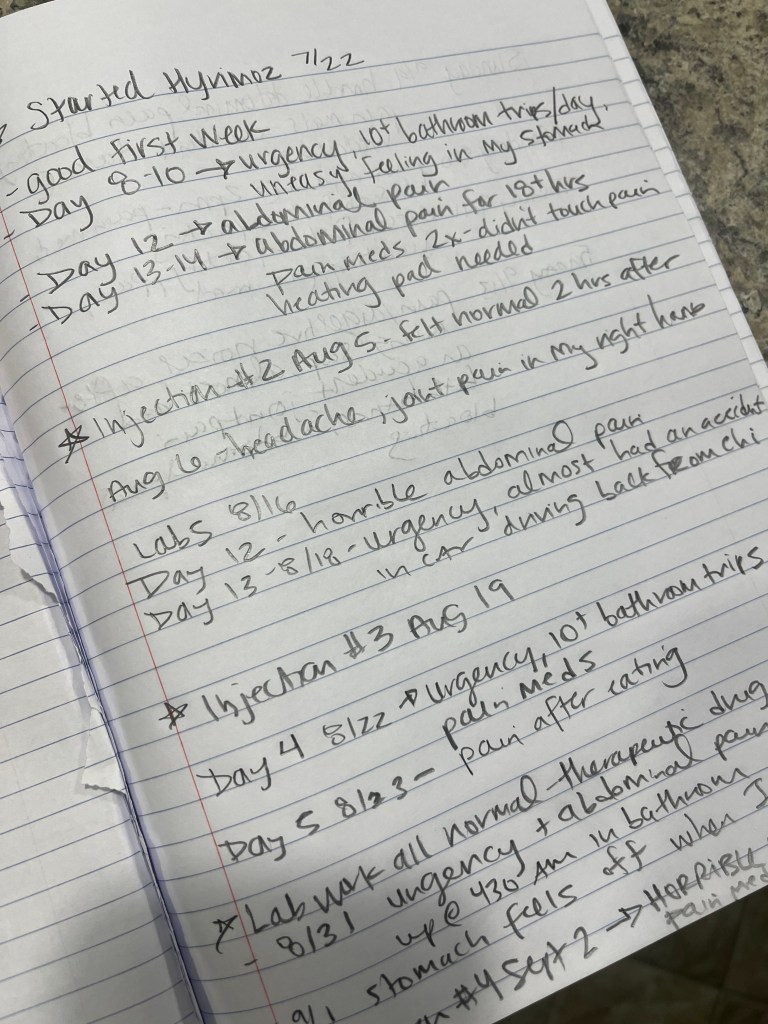
  • Monitor Closely After the Switch: Set up a proactive monitoring plan to track disease activity, symptoms, and lab markers. This can reassure patients that you’re watching for any changes closely—and are ready to act quickly if needed. As a patient leader who unfortunately had to appeal my biosimilar, the fact I kept a detailed journal for two months and then wrote my own appeal letter in conjunction with my GI really helped us win the appeal.
  • Advocate When Necessary: If a patient is stable and deeply concerned about switching, advocate on their behalf. Some payers allow exemptions if a provider makes a strong clinical case for staying on the original biologic. It may take extra paperwork, but the effort can mean everything to the patient, especially for pediatric patients and women who have family planning considerations.
  • Encourage Peer Support: Connecting patients with others who have made similar transitions can provide reassurance and reduce feelings of isolation. Patient communities, both online and in-person, can be powerful.

Navigating the Complexity of Informed Consent

True informed consent means patients understand not just the science, but the context of their decision. It’s more than ticking a box—it’s about creating space for dialogue, questions, and partnership. When I received the letter saying Humira would no longer be covered, I alerted my GI team not to sign the new script, as that gives the pharmacy/insurance the ability to switch you. A biosimilar is not able to be prescribed until your doctor signs off on it, remember that.

A thoughtful approach might involve:

  • Discuss what will happen if symptoms worsen after switching. My GI called me multiple times to comfort me and even prescribed a couple of Xanax pills to ease my anxiety leading up to the switch.
  • Review the process for switching back (if possible). Have a game plan in place so you’re not scrambling if you notice a change in your health.
  • Ensure patients know they won’t be left to manage complications alone. Support every step of the way makes all the difference.

Research articles to help you feel informed about biosimilars

An informed patient is an empowered patient. I did some research to help do the homework for you. By reading the articles below you should feel better educated on biosimilars so you feel more comfortable with the switch (if it’s a necessity) and about discussing this further with your care team:

Biosimilars versus biological therapy in inflammatory bowel disease: challenges and targeting strategies using drug delivery systems – PMC

Biosimilars in IBD Treatment: Expert Panel Discussion | IBD Pro

Biosimilars in Pediatric IBD: Updated Considerations for Disease Management – PMC

Use of Biosimilars to Infliximab During Pregnancy in Women With Inflammatory Bowel Disease: Results From the Pregnancy in Inflammatory Bowel Disease and Neonatal Outcomes Study – PMC

Biobetters and biosimilars in inflammatory bowel disease – ScienceDirect

Biosimilars in IBD: What Every Clinician Needs to Know – PubMed

When to Switch Biosimilars for Patients with Inflammatory Bowel Disease

Biosimilars Gastroenterology Roundup: March 2025

Biosimilars in Pediatric Inflammatory Bowel Diseases: A Systematic Review and Real Life-Based Evidence – PMC

Final thoughts

Switching from a biologic to a biosimilar can feel like stepping into the unknown—but it doesn’t have to be done in fear or isolation. With transparency, empathy, and collaboration, patients can be empowered to make informed decisions, feel supported during the process, and maintain confidence in their care.

While some people feel more confident switching from a biologic to a different drug class (for example, Humira to Skyrizi or Stelara to Entyvio) to dodge the biosimilar, others are fearful of building up antibodies to a drug class that is otherwise working. You must weigh the pros and cons and do what you feel most comfortable doing. It’s important to remember it’s only a matter of time until all biologics for IBD have biosimilars, so by switching drug classes you are most likely just delaying the inevitable.

If you are planning to become pregnant or you are currently pregnant and on a biologic or a biosimilar please check out the PIANO registry so you can help pave the way for future IBD families and contribute to research so we have more information about the safety of these medications in pregnancy.

The science behind biosimilars is promising. But the human side of medicine—the fear, uncertainty, and trust involved in change, must be just as carefully managed. I hope after reading this article you feel less alone and supported in your personal health decisions.

How to Appeal Insurance Decisions and Fight for the Care You Deserve

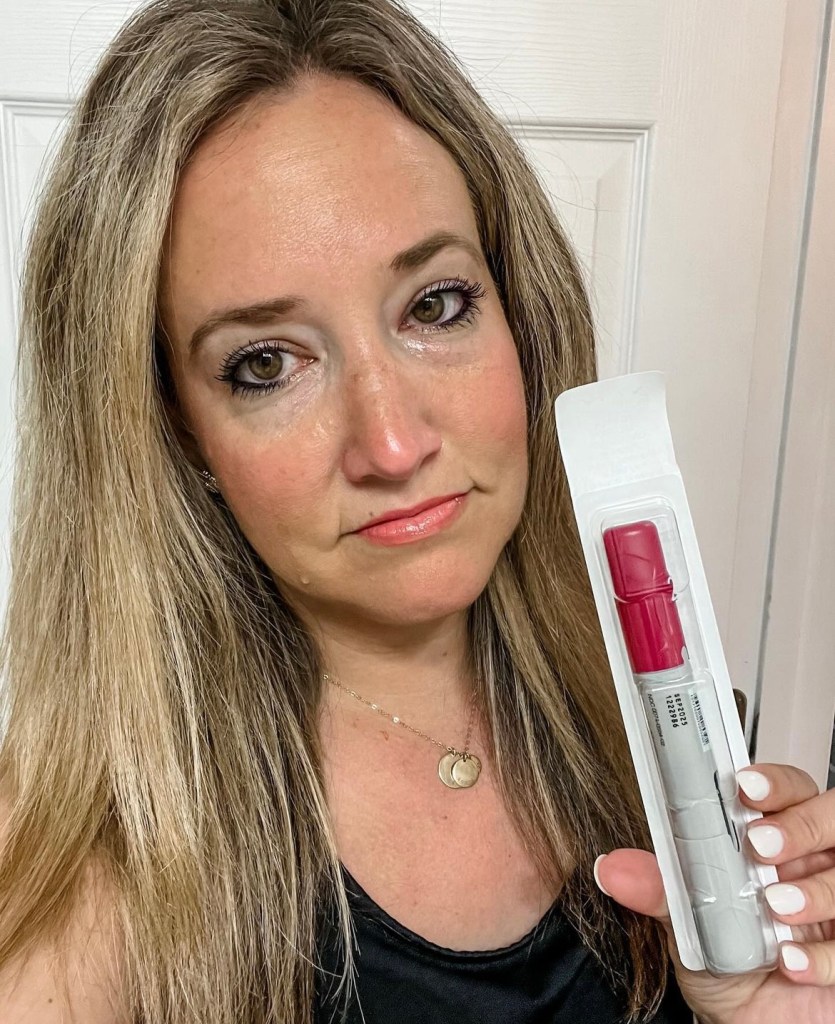
If it’s happened to you, you know the feeling all too well. When I received a letter in the mail informing me that the biologic injection, I had been on for 16 years was no longer going to be covered, my stomach flipped, and my heart sank. When you live with a complicated disease like Crohn’s or ulcerative colitis and find a therapy that keeps your health in check and your IBD well-controlled, it’s extremely stressful and daunting to face the worry of being forced to switch your medication to a biosimilar or a different biologic all together.

Like many patients, I asked my gastroenterologist to appeal the forced medication switch. Even though I was almost positive we would be denied, I did not want to go down without a fight. As expected, within days of my GI’s appeal, we were told by insurance that Humira would no longer be covered and that I would need to choose a biosimilar or a different drug class all together moving forward.

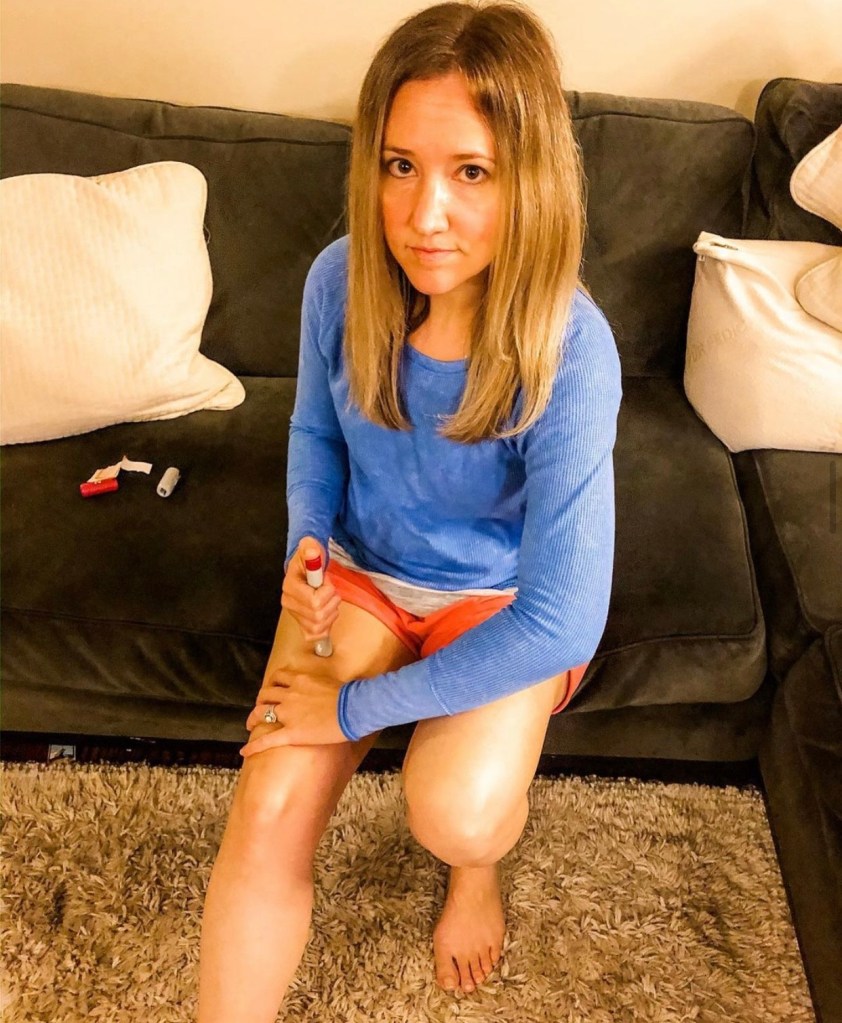
I chose to go on the biosimilar Hyrimoz for many reasons—the first being that anti-TNF drugs have worked well for me for YEARS, by choosing to go off it and switch to a different drug class, I ran the risk of building up antibodies and possibly not responding as well to treatment. I also have a comfort level with self-injections and know how I have typically responded to anti-TNF medication in the past.

The emotions and heartache of having to say goodbye to a medication that carried me through for 16 years, allowed me to bring three healthy babies into this world, and stay out of the emergency room and hospital since becoming a mom 7.5 years ago tore me apart. I sobbed. I stressed. I was anxious.

Switching to a biosimilar—the emotional and physical toll

Much to my dismay, I started Hyrimoz in July 2024. The first eight days I felt the same and then my health began to crumble. I lasted four injections—and during that time I went from being in deep remission for years to needing pain medication to make it through elementary school PTO meetings and while coaching my kindergarten soccer team. I went from feeling well most of the time to running to the bathroom 15+ times a day and almost having accidents in public. I went from being able to eat whatever I wanted to worrying about how consuming anything was going to make me feel. I spent nights curled up in pain and days feeling bloated and on edge about whether every decision I made was going to make me unwell.

I knew something had to change. I refused to have my quality of life ripped from me without speaking up. I kept a detailed journal every single day since I started the biosimilar. I articulated my concerns to my care team repeatedly over the Patient Portal. We ran extra labs, I did a telehealth appointment, I spoke with GIs around the United States I have come to know and trust through my patient advocacy work. My care team told me that meeting in person for a clinic appointment or over telehealth would help build our case, as that carries more weight than just communicating over the Portal. Keep that in mind.

This week on Lights, Camera, Crohn’s I offer tips for building your case, writing your appeal letter, and making sure your voice is heard. Patients are constantly made to feel less than. It’s all about the profits and not about the patients. This needs to stop. Insurance companies and specialty pharmacies need to stop making our lives so damn difficult and start to recognize the havoc they cause by delaying treatment, blocking treatment options, and forcing us to change a medication that finally controls our disease. Living and managing chronic illness is a full-time job in this country. The hours and days wasted and spent on the phone dealing with all the red tape is an absolute nightmare, and unless you’ve experienced it, you have no clue the headaches it causes, the time suck it is, and how it puts the quality of our lives in jeopardy.

Keeping track of it all

When living with IBD, the bad days come and go and oftentimes we forget just how often or how horribly we feel because our “normal” is not normal. By journaling or writing in the Notes app on your phone anytime anything with your health is awry, this helps paint a clear picture for not only you, but your providers. If you can say, “On Tuesday, September 24th I went to the bathroom 10 times, I couldn’t eat, I had joint pain in my hands, and abdominal pain that required a heating pad”—this illustrates the complexity of your symptoms. Imagine having that type of intel for two months. These details help your appeal in a big way. My IBD Nurse told me that she believes my typed-out symptom journal made all the difference in winning our second appeal.

So, take notes and be as descriptive as possible. If you have a random headache and you’re not sure why, write it down. If you get new pain, you haven’t experienced before keep track of it. If you eat and must run right to the bathroom or start feeling pain jot it down.

Many of my symptoms I’ve dealt with since switching to the biosimilar feel exactly like a Crohn’s flare. After weeks of this, I started to freak out that I was losing my remission all because of a forced medication switch. A world-renowned GI took the time to call me as I was making dinner for my family one night to hear more about my situation. He did this out of the goodness of his heart to provide additional guidance and support. After hearing more about my situation, he believed it was my body having adverse side effects to the biosimilar rather than a Crohn’s flare, since my labs were checking out fine. Everything started to make sense. While he wasn’t sure our appeal would be granted, he listened and empathized with what I was going through.

Writing your own appeal letter

My IBD team recommended I also write a patient letter that they would include with their second appeal. I was happy to take the time to offer my voice and share what the experience of being on a biosimilar was like for me. At the same time, I had never written an appeal letter. Before I started I did my research on how to approach and craft the wording.

I made sure not to come off angry or accusatory. I kept the letter as professional as possible, while also explaining very clearly how horribly I was responding to the medication. I backed up my letter with science and attributed research that’s been done regarding biosimilars. I learned from research published in the Journal of Crohn’s and Colitis (2020) that while around 80% of patients have a seamless transition, 10-20% have a negative response. It’s important to note that just because you are switched to a biosimilar, does not mean your health will deteriorate. Many people thrive and don’t notice a difference, but the issue is—you don’t know how you are going to respond. I went into the transition with an open mind and as positive as possible, but the unknown looms over and it’s emotionally draining to constantly wonder if you are going to feel unwell because of the forced switch.

Tips for expressing yourself in the appeal letter

I will use Humira as an example since that was my experience, but this goes for any biologic/medication.

  • Start with basic information—your name, date of birth, insurance ID number, and the policy number.
  • Provide the name of the medication you’ve been switched from (in my case Humira) and the one you’ve been switched to (Hyrimoz).
  • Mention the date when the change was made.
  • Clearly state the purpose of the letter. For example, “”I am writing to formally appeal the decision to switch my Crohn’s treatment from Humira to Hyrimoz.”
  • Briefly provide an overview of your health history with IBD, diagnosis date, and the treatments you’ve tried, hospitalizations/surgeries. If you’ve been on the same treatment for years and it’s helped you, highlight how effective the therapy has been. Mention the stability you’ve achieved with Humira—humanize your story. For instance, “While on Humira I was able to work full-time, have three healthy pregnancies and babies, and be a mom without my health holding me back.”
  • Reference any previous experiences with other medications that may have failed you or caused side effects.
  • Emphasize the risk of switching medications after long-term success. For IBD patients, changing medications can result in loss of response, worsening of symptoms or disease progression, potential adverse reactions.
  • Have your gastroenterologist provide their own letter that emphasizes the risks of switching, the stability you’ve achieved, and their professional recommendation. They will reference any studies that are available and be able to provide medical records showing your history on the medication.
  • If applicable, reference and cite insurance company policies that include provisions for medical necessity, or any pre-authorization that was previously approved.
  • Emphasize the impact on your health and finances and highlight the potential cost to both your health and your insurance provider if switching leads to disease flare ups, complications, hospitalizations, or the need for additional screenings, scopes, or treatments.

Close with a strong, respectful request. End the letter with a clear statement, such as:

“For the reasons stated above, I respectfully request that you reconsider your decision and allow me to remain on Humira as prescribed by my doctor.”

I signed my letter:

My family deserves more and so do I.

Sincerely,

Natalie Hayden

Ironically, when I wrote my appeal letter I was dealing with horrible abdominal pain, lying in bed with a heating pad.

Finding out we won the appeal

Once my appeal letter and journal of symptoms were finalized, I sent them to my GI and IBD nurse over the Patient Portal. I was on pins and needles wondering what was going to come next. I sent over the materials on a Friday morning and the following Monday, I received word from my nurse over the Portal that the insurance denied the 2nd appeal because back in June when my GI submitted the first appeal, he deemed it “urgent”—in doing so, the insurance company considers those appeals “2nd level appeals”—if those are denied, they consider the case closed. Imagine that— “closing a case” before a patient has even started a different medication. Makes sense…right?! Can’t make this stuff up. When I heard this, I felt incredibly defeated.

My care team was unaware of that and asked for a clinician to review our materials—the insurance company agreed and said there would be a decision in 72 hours. That same night, while I was making dinner for my family, I received an email from CVS Specialty pharmacy saying my prior authorization for Humira had been approved. I couldn’t believe my eyes. I’ll never forget how it felt to see those words and read that email.

My kids happened to be standing around me and I couldn’t help but scream and jump and dance with tears running down my cheeks—I yelled, “MAMA’s GOING BACK ON HER MEDICINE!!!!!” I grew up in Chicago…and for any Chicago Bulls fans from the Michael Jordan days, my celebratory jump was reminiscent of what Jordan did when we beat the Cleveland Cavaliers in 1989 and he pumped his arm over Craig Ehlo.

My kids all smiled and laughed and danced with me, no idea what was really going on. But the celebratory moment was so incredibly jubilant they were smiling ear to ear. These last two months they’ve witnessed me unwell way too many times. It’s a side of my Crohn’s I’m not sure they even knew existed prior to now.

This past Friday night the same abdominal pain I’ve been dealing with began as the kids got off the bus. I had to take a pain pill before an advocacy call that was ironically about How to Deal with Insurance—for an upcoming panel discussion at a medical conference I’m speaking at in December. After my call and rushing through a makeshift meal, I took all three of my kids to my son’s soccer practice and told my friends on the sidelines how sick I felt. I came home and had to take another pain pill, had difficulty with the bedtime routine, and laid on the couch with a heating pad. But it helped to know these shitty days will hopefully be ending.

Looking to the future

This blog article is coming out the same day as I go back on Humira after winning my insurance appeal. While it’s a big win for me, it’s a small win for our community because at the end of the day an incomprehensible number of people are forced off their medications or denied off-label dosing, all so insurance companies see a better bottom line. As patients we can’t stand for this. Medical providers should and need to have the FINAL say in what medications their patients are on and they should always be willing to go to bat for their patients and appeal even if they “know they’ll get denied.” I hear all too often from fellow patients that their GI won’t even appeal in the first place and does not empathize with the fear of being forced on a biosimilar.

For those providers, I ask…can you guarantee, 100%, no doubts whatsoever that your patient will thrive and do just as well on a biosimilar as they did their originator biologic? Does the benefit really outweigh the risk? Should IBD patients who already live with an unpredictable and complicated chronic illness have to endure the stress, medical trauma, and anxiety that result from forced medication switches or denials related to off-label dosing?

As patients, caregivers, and medical providers we are a team. We know what’s right. Doctors and nurses should not have to waste so much energy on fighting for off-label dosing, necessary treatments, and keeping their patients on medications that are working. A HUGE thank you to all the providers and nurses who go above and beyond and out of their way to fight for us and do everything in their power to make sure we receive the medical treatments we need to keep our IBD in check. Your efforts, whether successful or not, are not going unnoticed.

At the end of the day, the big argument is all about “accessibility” and “cost savings” in the United States, but are patients really reaping this benefit here? I paid at most 0-$5 for Humira injections, I paid $0 for Hyrimoz. Do you know how I paid? I paid with living more than two months with health issues that would bring the average person to their knees. I went from being in deep remission to re-living the trauma of how unpredictable life with IBD can be. I paid by being on a biosimilar for 71 days and spending more than half of them with debilitating pain and symptoms.

Big pharma can step up to the plate and lower their absurd pricing on biologics (originator drugs) so that biosimilars are of no monetary benefit to pharmacy benefit managers. Let’s make it an equal playing field and see what happens. Would Big Pharma rather lose all their patients because their biologic is being removed from the insurance formulary or keep patients, lower their costs of the drugs, and keep insurance companies from choosing biosimilars because it saves them money?

As a vocal IBD patient advocate and leader, I understand and feel for those who haven’t been able to go back on therapies or receive different dosage recommendations they depend on for their well-being. While I’m thrilled to be back on my biologic, now I have the worry about whether my body will respond the same as it did previously.

The medication I’ve depended on for 16 years to bring me comfort is finally back in my fridge and going to be back in my body today. The prior authorization lasts one year, so I’m not sure what the future will bring, but I’m focused on getting my health back on track right now and worrying about that later. I’m grateful my energy in dealing with my own appeal is over and now I can pour my efforts into trying to drive change for our community. We all deserve so much more. Let’s go after what is right and make forced medication switching and off-label dosing delays and denials by insurance companies illegal in the United States.

The Patient Experience: Biosimilars & What Leading GI’s Want You to Know

Biosimilars. When you hear the word how does it make you feel? Maybe a little skeptical. Maybe a little uncertain. Maybe a little leery. If so, you’re not alone. I’ve been on my current biologic more than 13 years and when I think about having to possibly make a switch in the future it makes me nervous, too. That’s why I called on IBD specialists and gurus Dr. Miguel Regueiro, Professor and Chair of the Digestive Disease and Surgery Institute at the Cleveland Clinic and Dr. Christina Ha, MD, FACG, AGAF, Cedars-Sinai to help educate the patient community and put falsehoods and myths to rest. Biosimilars are here to stay so it’s imperative we get comfortable with the uncomfortable.

What is a biosimilar?

First things first, let’s get the definition out of the way so you know what we’re working with here. Biosimilars are not the generic version of the biologics many of us are accustomed to. A biosimilar is a product, usually a medication, that is formulated in a fashion that is similar to the “reference” product, also known as the “originator” medication. Think Infliximab (Remicade) and Adalimumab (Humira).

I love the way Dr. Ha explained this, “It’s like identical twins sharing the same DNA but having different fingerprints. With biosimilars, dosing, administration, optimization, monitoring, and plan of care is the same, nothing changes except the Infliximab is now Inflixilmab-dyyb, for example.”

How You’re Told You Need to Switch

You may be wondering how this conversation and discussion even starts and how it translates over to the patient experience.

“The physician and patient are contacted by the insurance company indicating that the patient must switch to a biosimilar. This allows for some discussion between the physician and the patient. Although this should be the fashion in which it occurs, I know that this is not always the case and sometimes the notification is last minute or done in a way that leaves little time for education and discussion between the administration of the next dose of biologic and notification by the insurance,” said Dr. Regueiro.

Cost Savings and Access to Patients

I want to preface this by saying the cost savings varies from patient to patient and is largely dependent on a patient’s insurance company or health plan that covers the payment of their medication.

Dr. Regueiro says, “To provide a simple overview, each insurance company/health plan will contract with a pharmaceutical company for a certain medication. Much of this is dependent on getting the best price for the insurance company. A biosimilar is typically cheaper than the original (originator/reference) medication and the insurance company will then list the biosimilar as its preferred biologic for that condition, e.g., Inflectra or Renflexis for Crohn’s disease or ulcerative colitis. This makes the approval of that biosimilar “easier” for the patient and therefore access better. The question of where the savings are realized is another matter. Even cheaper drugs do not translate to savings directly to the patient.”

If you’ve been on a biologic “originator” successfully and are told you suddenly must make the switch, it’s not uncommon. Dr. Regueiro says he has many patients who have found themselves in this position. His advice? Speak to your healthcare team, but also go to trusted resources for education, e.g., the Crohn’s and Colitis Foundation website has some useful information for patients about biosimilars.

Addressing patient hesitancy

It’s no surprise this can be an emotional discussion. I try and envision myself being told that I had to switch after more than 13 years, and I know I would be crying because of the comfort and confidence I have had with my current therapy.

“The idea of switching to a biosimilar is fraught with concern. I typically acknowledge their concern, but then explain the data. There have been many studies that have shown that switching from a biologic to a biosimilar is well tolerated, is equally efficacious, and does not incur any different safety risk. I tell the patient that we technically cannot say that the biosimilar is the “same” as the biologic, but in essence it is. I also explain that I have had hundreds of my own patients switch and I have not seen a problem. In fact, in some patients I may get a drug level of the biologic before switching and then the same drug level of the biosimilar after switching and see no difference,” explained Dr. Regueiro.

For example, there is a blood assay for Remicade (Infliximab) that measures the Infliximab level and antibodies to Infliximab. When Dr. Regueiro has had patients switch from Remicade to a biosimilar, e.g., Renflexis or Inflectra, and then measure the same exact drug assay, the results of the Infliximab level and antibodies to Infliximab are the same. The biosimilar works in an identical fashion to the original biologic, and the blood assays show the same results. The body “cannot tell” the original biologic from the biosimilar.

Let’s read that sentence again. The body “cannot tell” the original biologic from the biosimilar.

Dr. Hasays, “The key here is to understand that you are being switched to an equivalent not inferior agent. Biosimilars are rigorously studied for safety, effectiveness, antibody formation with a lengthier, more involved FDA approval process than generics.”

Why Biosimilars are NOT generics

A generic medication has the same active ingredient as the brand name medication. An example would be the generic medication mesalamine for the brand name medication Asacol. Asacol’s “active ingredient” is mesalamine and the generic is simply formulated as mesalamine. The “packaging” of Asacol makes it Asacol, but its active ingredient is mesalamine and is identical to the generic formulation of mesalamine.

Dr. Ha explains why biosimilars are not generics.

“Generics are chemical compounds where exact replicas of the active ingredient are possible. However, biosimilars are biologic agents, complex protein structures constructed from living cells. Exact replicas aren’t possible but nearly identical structures can be manufactured – remember, these are very sensitive compounds. That’s why these medications need to be refrigerated and handled differently than a generic.”

I asked Dr. Reguiero if there’s ever a situation where he advises against a patient being switched to a biosimilar. He said generally, no.

“The only main question will be if a patient has already been on a biosimilar after the originator biologic and then needs to switch to another biosimilar. This would be a “multiple switch” rather than a single switch from the original biologic to biosimilar. Based on the limited data to date, and similarity between all of the biosimilars and original biologic, I do not even see this as a problem, but we need more research to make a final conclusion onto multiple switches.”

“Delaying treatment to stay on a version of a medication that really is not meaningfully different than the biosimilar may lead to far worse consequences than staying on schedule by switching to a biosimilar. Remember, delaying anti-TNF schedules may increase risks of antibody formation, infusion/injection reactions, and flares. I am far more concerned about staying on schedule and not missing doses than I am the biosimilar vs reference,” said Dr. Ha.

What if a biosimilar fails?

If a biosimilar fails, Dr. Regueiro looks at it the exact same way as if an original biologic fails. For example, let’s take the case of biosimilar Inflectra for Remicade.

“If a patient is started on Inflectra as their first biologic ever and it stops working, I generally check blood levels to determine if the patient has developed antibodies to Inflectra and that this is the reason for failure. If they have developed antibodies, and the Inflectra has worked well for a long time, then I would switch to another anti-TNF, but not another biosimilar to Remicade. The reason for this is that if a patient develops antibodies to the biosimilar, they will form antibodies to the original biologic or another biosimilar of that same biologic. However, I would switch this patient from Inflectra to Adalimumab (Humira) or one of the other anti-TNFs if needed. I would do the exact same thing if the first biologic I used was Remicade and it failed due to antibody formation.”

I went on to ask Dr. Regueiro when he would switch a patient to a biologic medication from a “different class.”

“Let’s take the example of Inflectra or Remicade. If a patient is started on Infectra or Remicade and they have no response from the beginning, and their drug levels of Inflectra or Remicade are good (and they have not had antibodies again) this means it should be working and it is not – this is a primary failure of that medication. In that case, not only would I not switch to another biosimilar or back to the original biologic, but I would also completely switch away from the class of anti-TNF, e.g., Humira, Cimzia, Simponi, as the patient is likely a non-responder to all anti-TNFs. In this case, I’d move onto something like Entyvio, Stelara, Xeljanz, or Zeposia (depending on whether it’s ulcerative colitis or Crohn’s disease).”

What’s coming down the pipeline for patients?

With all the biosimilars on the market and many more on the way—Dr. Regueiro and Dr. Ha say it’s quite likely all patients can expect to be switched off their current biologic at some point as insurance companies are able to get the biosimilar as a cheaper cost.

As far as savings programs, many of us are accustomed to with our biologics (I pay $5 a month for two injections), this would be dependent on what the company that makes the biosimilars offers and may look quite different to the originator biologic’s savings programs.  However, I would anticipate the patient would not pay more for the biosimilar.  There would either be a cost savings program with the pharmaceutical company that makes the biosimilar, or, more likely, the insurance company would keep the out of pocket cost the same for the patient.

Biosimilars are administered in an identical fashion to the originator biologic. So, you won’t be forced to go from doing a self-injection to getting an infusion. I asked Dr. Reguiero about Humira’s biosimilar in the future, and he anticipates that it will be citrate-free, just as the originator is now in the States.

Pediatrics and Biosimilars

As biosimilars come to market, the indications should be the same for the originator biologic. That is, if there is an approved indication in pediatrics for the originator biologic, the same should be true for the biosimilar. However, the FDA will make final guidance on the indications for a biosimilar and they could vary slightly on which diseases are approved and which age of patient approved.

What Patients Have to Say

Christina received a letter from her insurance company in June letting her know that Remicade was no longer approved and that she would be switching over to Inflectra in July. The insurance company reached out to her directly and had not informed her GI. She was five months pregnant and was stressed and anxious about switching medications in the middle of pregnancy.

“I have been on Remicade since September 2013 and it’s working really well for me. My GI was super supportive with my desire to stay on Remicade through pregnancy and agreed that I should not switch medications. In part of the letter for my insurance company there was an appeal process, which my GI did on my behalf. A few weeks later I got a letter in the mail from my insurance company that my appeal was denied. I contacted my G.I.’s office and she had someone in her office do a follow up appeal. The insurance company finally agreed to approve me for Remicade through my due date, October 23rd.”

Christina’s baby was born October 11th, so she’ll be making the switch this week while she’s postpartum.

Vern lives in Canada and the government there forced him to make the switch.

“The cost is partially covered by the government. I was pissed to say the least. They kept telling me it was safe, but I wanted to see evidence it was safe to switch to a biosimilar after someone had been on a biologic long term. I never got an answer. Luckily, I’m doing fine, and I have not noticed a difference.”

Lizzy highlights the emotional struggle biosimilars burden patients with.

“Even though I don’t see an uptick in symptoms and my remissions has been maintained, emotionally the switch was really difficult. My insurance forced me to switch. I was extremely sick for a long time before starting Remicade while I was hospitalized. So, I was really afraid of the switch making me sick and of course it was horrible not to have a choice in my healthcare.”

Kelly attests to the emotional struggle and disappointment. She says she spoke extensively with her GI prior to making the switch and did her on own research.

“When I received the letter from my health insurance company telling me I would be forced to switch to a biosimilar I was disappointed. I had been on Remicade for more than two years and it had only recently put me into remission. But I knew the switch was coming, having heard from many people in the IBD community that they were being forced as well. I had already done research on the data from Europe and Canada showing that biosimilars of Infliximab had the same efficacy and safety profiles as Infliximab.

She’s now had two Inflectra infusions and hasn’t noticed any difference in the way her body handles the medication. Kelly is crossing her fingers for a continued great experience and hopefully no more frustrating insurance shenanigans.

Madelynn was on Remicade prior to being switched to Inflectra. Unfortunately, her care team and her insurance failed to communicate the change to her. She shockingly discovered the switch was made after proactively reading medicine notes on the patient portal.

“I was nervous about it, and a bit upset. Who wouldn’t be after being in remission with a medicine then having it randomly changed? I ended up researching quite a bit about it, which helped calm my nerves. I also asked more questions of my medical team. I was worried about the biosimilar not working and causing a flare and of possible side effects. Keep in mind, I have Remicade induced side effects already. Could Inflectra make them worse? When a medicine keeps you in remission, that is something you want to hold onto for as long as you can. If you are taking any medicine, never be afraid to ask questions, research, and advocate for yourself. If something does not work, speak up!”

Madelynn has only received one infusion of Inflectra, but so far, she feels well and notices no changes with her IBD.

A Word from the Crohn’s and Colitis Foundation

Laura Wingate, Executive Vice President of Education, Support, & Advocacy for the Crohn’s & Colitis Foundation encourages patients to learn as much as thy can about not just biosimilars but all treatment options available so we can be active and informed partners in making decisions with our healthcare teams.

 “If you are informed you need to switch from a biologic to a biosimilar, you might be worried and that’s normal. But remember that biosimilars are just as safe and effective as your original therapy. Don’t be afraid to ask questions of your healthcare providers about the switch and why it’s happening and share any concerns you have with them. You can also contact the Crohn’s & Colitis Foundation for additional information, education on biosimilars, and support.”

Helpful Resources on Biosimilars

If you have questions about biosimilars– talk to your health care team. The more education, resources, and support they can provide you with to bolster your confidence that the biosimilars are an important part of IBD treatment, the better. I know personally as someone who depends on a biologic to maintain my remission, that doing the research for this article has made me feel a lot more confident and comfortable about biosimilars and what they mean for the patient community.

There are a several great resources about biosimilars to check out:

Crohn’s and Colitis Foundation: Biosimilars What You Should Know

Crohn’s and Colitis Foundation Biosimilar Webinar from September 2021: MyIBD Learning: Understanding biosimilars: What IBD patients and caregivers need to know

American Gastroenterological Association

FDA