Talking to Your Boss and Coworkers About Inflammatory Bowel Disease

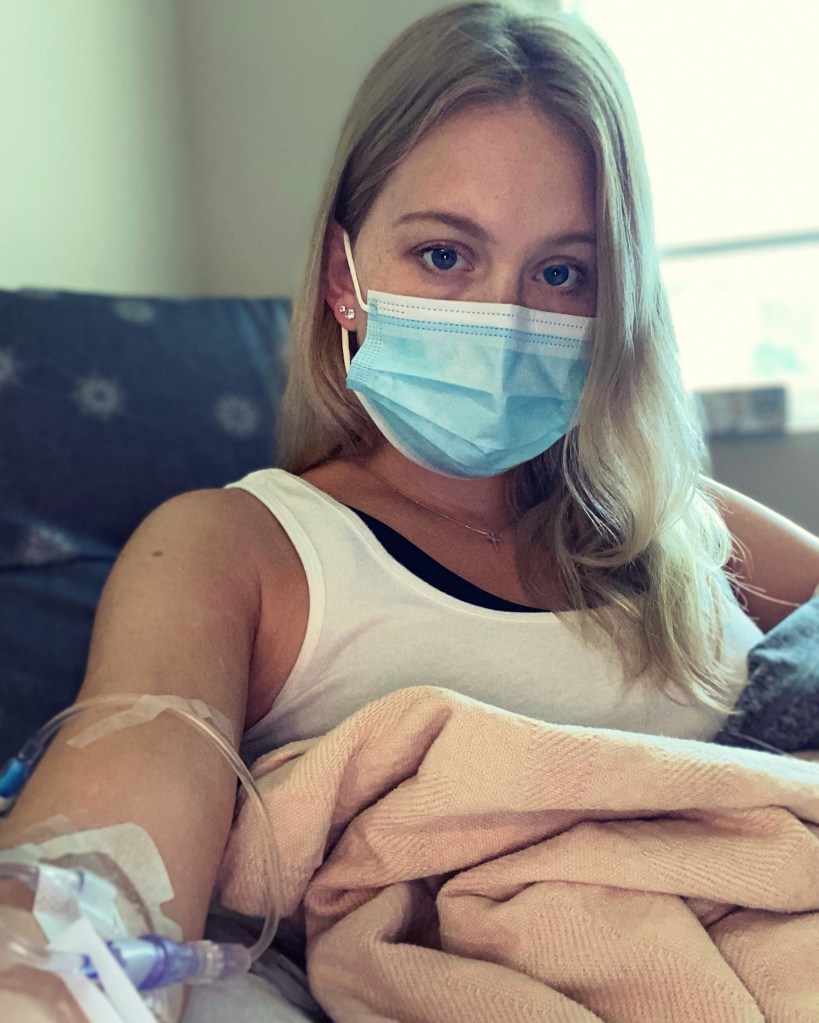
Living with IBD can be especially challenging in a professional setting. Prior to becoming a stay-at-home mom and freelance/blogger, I worked full-time for 12 years. For 10 of those years, my Crohn’s was not in remission. This week on Lights, Camera, Crohn’s, guidance on how to approach conversations with your boss and co-workers effectively so you can feel supported.

The more they know

Before I became self-employed, I worked at three television stations, a public affairs PR agency, and in Corporate America as a communications specialist for a natural gas utility. With each interview and onboarding process, I waited until I was hired to disclose that I had Crohn’s disease to my boss. The first week of work, in a one-on-one meeting I openly shared about my disease and tried my best to educate my boss and my team about my health. Since I did not start blogging or any patient advocacy work until 2016, there was nothing online about my journey with Crohn’s. If I were trying to get a job nowadays, I wouldn’t have that luxury since my story is publicly shared. Every single boss, all my co-workers, and each employer were extremely understanding and empathetic about my struggles. I was incredibly lucky in that regard.

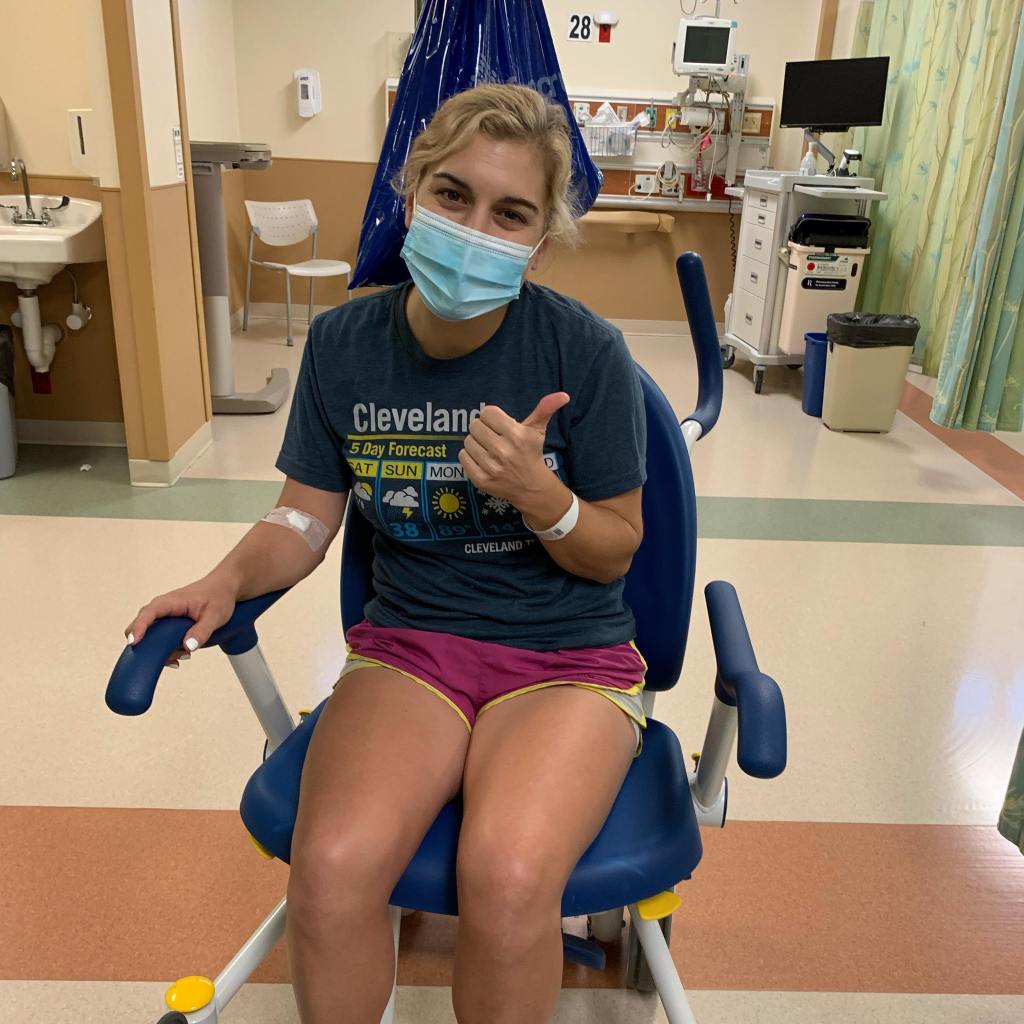
While working full-time I had several hospitalizations and bowel resection surgery that kept me out of work for 2.5 months. I was grateful for bosses who were generous with sick time and that my corporate job had a solid short-term disability plan I was able to utilize.

Everyone has a different opinion about when and how to best disclose your health or disability status. While some people consider their IBD a “disability,” others do not. I’m often asked how to navigate answering that question on a job application. I personally do not consider my IBD to be a disability, but it’s understandable if you do. Answer as you see best fit and most comfortable.

Why It’s Important to Share

  • Accommodation Needs: Explaining your condition can help you receive necessary accommodations, such as flexible work hours or the ability to work from home during flare-ups. One of the major benefits of the pandemic is how it altered how we work. Back when I was in the workforce, working from home wasn’t utilized as much as an option. I had high symptom days where I worked from home once or twice every few months, but it wasn’t a weekly occurrence. Hybrid working environments or remote jobs are ideal for those with chronic illness.

The flexibility work from home jobs provide is huge—whether it’s being able to work from your couch if you’re dealing with abdominal pain and it hurts to sit at a desk, being able to work in comfortable clothes or pajamas if the fatigue makes showering a challenge, or worrying about the commute and being able to travel without a bathroom mishap or having to go multiple times in a public employee bathroom…the list can go on and on.

  • Understanding: Colleagues aware of your condition are more likely to be supportive and understanding during challenging times. One of the most important aspects of IBD to share with others who do not have our disease is the unpredictability of our health. Since we’re able to look perfectly normal on the outside, it can be difficult for an average person to fully grasp or believe the pain we’re dealing with. I remember countless days in Corporate America having to unbutton my work pants and having to tell my co-workers I was on the struggle bus. I can still envision myself on the news desk when the camera shifted to a weather segment and slumping over in pain. Everyone I worked with was aware of when I was having an “off” day. I’ve had co-workers drive me to the emergency room during the workday. I always felt supported and was never made to feel like I was less than because of my Crohn’s and for that I am still grateful.
  • Reduced Stigma: Talking openly about Crohn’s and ulcerative colitis can help reduce the stigma associated with chronic illnesses and foster a more inclusive workplace. People may question or wonder why you may have unique work accommodations, while it’s none of their business, being transparent, and really stepping up to the plate and going above and beyond when you’re able will show others that you never use your disease as an ”excuse”. If you have an infusion or a doctor’s appointment that makes you arrive late, it’s helpful to inform your boss and co-workers so they know why you may be strolling in during the middle of the day.

Preparing for the Conversation

  • Know Your Rights: Familiarize yourself with your workplace’s policies on medical conditions and accommodations. Understanding your rights under laws such as the Americans with Disabilities Act (ADA) can provide a framework for your discussion. Check out these tips from the Crohn’s and Colitis Foundation.
  • Plan Ahead and Explain Your Needs: Choose an appropriate time and setting for the conversation. Ensure privacy and sufficient time to discuss your needs without interruptions. I always had a face-to-face conversation with my bosses, and they were appreciative of knowing. Clearly state what accommodations you need to manage your condition effectively. This could include flexible hours, a work-from-home arrangement, or having a desk closer to the restroom. Emphasize your dedication to your job and how these accommodations will help you remain productive. For example, “Having the ability to adjust my work schedule during flare-ups will help me stay on top of my responsibilities.” If I was prepping for a colonoscopy or having a scan, I let my team know.
  • Gather Information: Be ready to explain what IBD is, how it affects you, and what accommodations or support you might need. A high-level explanation is often sufficient.Your boss doesn’t need to know your entire patient journey. For example, “I have a chronic condition called Crohn’s disease/ulcerative colitis that affects my digestive system. This can sometimes cause severe abdominal pain and fatigue.”
  • Offer Solutions: Suggest practical ways to implement accommodations. For example, “During flare-ups, I could work from home and communicate via video calls and emails to stay connected with the team.” Your boss may have questions or concerns. Be prepared to address them calmly and provide any necessary documentation from your healthcare provider.

Communicating with Coworkers

You don’t need to share all the details. A brief explanation like, “I have a medical condition called Crohn’s disease/ulcerative colitis, which sometimes causes me to feel unwell,” can suffice. Explain how your condition might impact your work or interactions. For example, “There may be times when I need to step away from my desk more frequently.”

Reassure coworkers that while you have a chronic condition, you are still capable of performing your job. For example, “Most days, it doesn’t affect my work, but there might be times when I need a bit of flexibility.”

Encourage an open dialogue. Let them know they can ask questions if they want to understand better, but also respect your privacy. While I was hospitalized, I would often send an email to my team at work to provide them with a high-level update, so they heard the information from me versus someone else. For example, “Hi team! I appreciate all your well wishes. It’s been a difficult few days, but I’m hanging in there. I hope to be discharged from the hospital by the weekend and look forward to seeing you soon.”

Final Thoughts

Talking about IBD with your boss and coworkers can seem daunting, but it is a crucial step toward ensuring you have the support you need in the workplace. By being honest, clear, and proactive, you can foster a more understanding and accommodating work environment. Remember, your health and well-being are paramount, and having open discussions can help you maintain your health, while staying on top of your professional responsibilities. When interviewing for jobs, pay close attention to how an employer manages insurance benefits, short-term/long-term disability, and whether you feel like your boss and co-workers would be people you feel comfortable sharing your health struggles with. You aren’t married to your job, if you ever feel unsupported, seek employment elsewhere. Along with your boss, it’s helpful to talk with Human Resources, so you’re aware of all the medical benefits and support that is available for employees.

While IBD complicates life, I hope you continue to go after your dreams. Sure, there are going to be setbacks and roadblocks along the way, but you are worthy of whatever job or career you want to set out and do. Less than 3 months after my diagnosis, while on 22 pills a day, I landed a job 8 hours away from all friends and family and went after my dream of working in TV news. I’m proud of that and it’s a reminder that this disease doesn’t need to rob you of all you hope to be and all you hope to do. You are not a burden on employers and the sky is the limit for you.

Helpful Resources:

Employee and Employer Resources | Crohn’s & Colitis Foundation (crohnscolitisfoundation.org)

Inflammatory Bowel Disease Coverage Under the ADA (verywellhealth.com)

Navigating the workplace – My IBD Life (gastro.org)

How To Cope With Ulcerative Colitis at Work (clevelandclinic.org)

10 patient-backed tips for dealing with IBD at work – Oshi HealthCrohn’s and Work: Your Rights, The ADA, Statistics & More (healthline.com)

Everything you need to know about Chronic Boss Collective

Chances are you’ve heard the song, “Who Runs the World (GIRLS)” by Beyonce. Think of that song and then imagine all the incredible women in the world juggling chronic illness, their careers, and their personal lives. It’s no small feat.

Until recently, there wasn’t a group to celebrate and support us. But now that’s changed thanks to the Chronic Boss Collective. It’s the first and only professional membership designed for ambitious businesswomen living with chronic health conditions to help women dream big in their careers while prioritizing their health without tradeoffs. The international networking membership includes monthly in-person and virtual programming rooted in three pillars: professional development, connection, and wellness. 

This incredible group is the brainchild of Lilly Stairs, a well-respected patient advocate and entrepreneur. At the age of 19, Lilly was diagnosed with psoriatic arthritis and Crohn’s disease.

Making the concept become reality

The concept for Chronic Boss Collective had been on Lilly’s heart long before everything came into fruition. As an ambitious businesswoman who prioritizes her health and self-care, she had yet to find a space that holds these two statements to be simultaneously true. So, she created it.

“Throughout my career, I’ve met remarkable women whose lives have been turned upside down by a chronic condition, but they choose to keep going. They choose to give back. They choose ambition in the face of adversity. Every time I encountered a new woman who fit this profile, I couldn’t help but wonder how powerful it would be to get them in a network together,” said Lilly.

Because of her unique lens as a driven businesswoman living with chronic conditions and working in healthcare, she identified a gap that most people didn’t realize existed.

“For the past decade, I’ve had the privilege of watching extraordinary women transform their struggle into their strength. There’s an undeniable magic to these women living with chronic conditions who choose ambition. By harnessing that collective power, the Chronic Boss Collective is taking off like a rocketship.”

Currently there are 100 Founding Members. There’s an open enrollment period going on right now and new members are being accepted. Lilly tells me she expects to triple the membership over the course of this year. You can learn more and apply on the CBC website.”

Let’s talk Member Benefits

The Collective Membership is jam packed with benefits designed to help you level up in your health and wealth. Rooted in professional development, connection, and wellness, the Chronic Boss Collective offers the following benefits:

✔ Chronic Boss Mastermind

✔ Boss Boosts: Professional Development 

✔ Boss Breaks: Wellness Events

✔ Monthly in Person Meetings (Boston Only)

✔ Private Online Community 

✔ Member Directory

✔ Member Feature 

✔ Affiliate Program

✔ Exclusive CBC Curated Resources

Detailed Benefits

Private Community

A custom online platform is complete with a private member directory, resource library, and buzzing chat rooms for you to network away with fellow ambitious members. 

Chronic Boss Mastermind

Virtual mastermind with the entire membership! This jam-packed event includes:

  • Kickoff: Led by our Founder designed to amp you up and set intentions to get after your health and career goals this month.
  • Networking: Expand your reach and visibility and deepen your connections with the Chronic Boss Collective membership
  • Mastermind: Opportunity to submit a challenge you’re facing ahead of the meeting and then break into small groups to harness the power of the collective and mastermind it.
  • “Boss Round”: Lightning round of your top “ask” to get support where you need it most!

Boss Boosts: Professional Development 

Monthly Boss Boost webinars lead by members and industry leaders presenting in their “Zone of Genius” designed to help you level up in your career. Think building your brand, negotiating your salary, starting a business while living with a chronic condition…and so much more.

Connection

Monthly in-person meet-up for chapter-based members – a mix of networking and fun! 

Boss Breaks: Wellness 

Quarterly wellness event centered on taking care of you. From mindful movement to gluten-free bake-alongs!

Member Spotlight

Get featured on the CBC social media and have the exclusive opportunity to contribute to media stories.

Resources

Proven methods, tools, and guides to help you level up in your career while maintaining your health.

Affiliate Program

Earn 10% commission when you refer new members to join!”

The priceless power of community

The Collective launched this past January (2023), and it is remarkable the impact it is already making on the lives of members.

“Every day, members are buzzing about the magic happening in Chronic Boss Collective. Women are connecting online and IRL to give each other valuable health support and share their best career and business advice. Our conversations skip the small talk and get straight to a point of vulnerability. The coolest part is that now our members are collaborating on projects that will make a real difference in people’s lives, like mental health resources and patient platforms.”

While CBC is seeking women who are ambitious, high achievers, and making an impact, fitting that description does not mean you have to be working as a full-time professional or running a large-scale business.

“For example, stay at home moms and chronic illness advocates who have monetized their advocacy work or built a side hustle (think Etsy shop, Amazon storefront, social media influencer, etc.) could be fabulous members,” said Lilly.

Requirements and cost to participate

The Collective is an exclusive membership for high achieving career women and all members go through an application and screening process before being accepted.

“Our virtual international membership is $397/year. Our chapter-based membership, which includes a once per month in person meeting, is $497/year. This is currently only available in the Boston area, but we have ambitious plans to scale to new cities in the coming years.”

Hopes and dreams for the future

Lilly says plans are in the works to massively scale the Chronic Boss Collective.

Not only do we plan to scale the membership, but we plan to scale our offerings. In addition to the membership, we’ve already launched the Chronic Boss Scholarship which has awarded $31,000 to 31 students living with chronic conditions who have persevered and succeeded. We have big plans to usher in impactful programming that will serve the millions of women who choose ambition in the face of living with a chronic condition. Stay tuned…we’re just getting started!”

Feedback from CBC members

“The Chronic Boss Collective has changed my life in many ways. Since becoming a founding member and acknowledging my worth, my life has changed in ways I never could have imagined. The connections, opportunities, and immediate camaraderie amongst intelligent, inspirational, and courageous women has been my biggest blessing in 2024! The degree to which we draw strength from each other is something I have never witnessed in my life and I’m profoundly grateful to share my Chronic Boss journey with so many astonishing women.” – Lisa Z.

“This group is amazing. Thank you for launching this. I feel like this is the sisterhood that I didn’t know I needed whether for my health, business, or career and I’m just so thankful for it especially at this time in my life.” – Erika P.

“I can tell in just a month that I made the right decision to join. The connections I’ve made and leads already generated through the community will help me grow my design business and allow me to work with my people — authentic and adaptable chronically ill women who are changing healthcare.” – Sarah S.

Connect with Chronic Boss Collective

Instagram

Facebook

Website

What four educators have learned about life in the classroom with IBD

Life with IBD impacts our careers in many ways. Our disease can often dictate what path our future takes. As students, teachers, and families gear up for another school year, I thought it would be interesting to hear from educators who have IBD about what it’s like to lead a classroom while living with an unpredictable chronic illness. This week on Lights, Camera, Crohn’s hear the inspiring stories and perspectives of four unsung heroes who don’t allow their IBD to rob them of their career aspirations.

Sarah Rife has been a teacher for seven years, she’s also an IBD mom and an ostomate. She’s currently teaching eighth grade math in the Chicagoland area, but previously taught high school Geometry and Algebra.

“I have taught through many highs and lows Crohn’s wise. For the first 5 years, there wasn’t a single year that I didn’t use every single sick day I had (and then some unpaid days). I believe four out of five of those first years, I had at least one hospitalization where I missed consecutive days, as well. In this time, I was on four different medications and tried a clinical trial.”

While this was going on Sarah says she rarely ate at school and if she did, she stuck to 3-4 “safe foods” to help get through the day.

“I constantly taught with an escape plan in the back of my mind. You can’t just leave a room full of 28-32 kids sitting unsupervised, so I constantly had to think about things like ‘Who will I have cover my class?’ ‘What if I am gone more than 5-10 minutes?’ ‘What can they work on that they will know how to do if I have to step out in the middle of teaching them something new?”

Sarah is open about her IBD with students and their families and says having IBD has made her a more compassionate educator since she understands when students need to miss school.

“When I was younger, I was the student missing multiple days of school. I remember the things that some of my favorite teachers did that helped me to not stress when I felt like I had mountains of missing work. Whenever I have a student gone for health reasons, physical or mental, my standard answer when they come back is “Worry about everything else first, and then I’ll talk to you about what we can do to bring you up to speed in math class. Don’t stress, I will work with you on it.”

One year while being evaluated by her principal during a drop-in visit. He walked into her room, sat down, and started typing. He was aware of her Crohn’s, but Sarah panicked when she knew she needed to make a mad dash to the bathroom while he was in her classroom observing her.

“I ended up going over to him and asking “I really need to step out and use the bathroom. Do you want me to grab someone like I usually do, or do you just want to watch them since you are here” He agreed to watch them, and I ran out to go to the bathroom. Whenever I had to step out, I was also conscious of what time it was. This time, there were about 30 minutes of class left. In my head, I needed to get back ASAP because THE PRINCIPAL was in there and he was supposed to be observing me. When I heard the bell ring and I was still on the toilet, I panicked – I’m talking instant tears. I was able to finish and tried to hurry back to my room. My path crossed his on the way back and I started to say, “I’m sorry, I didn’t know I would be that long.”

Sarah says her mind was racing with crazy thoughts about her abilities as a teacher and what she was capable of. The principal could see she had been crying and more tears were starting to fall, and he interrupted her and said, “Sarah, I am not worried about it. This is your third year here and we know this happens. I am worried about what I see when you are able to be in the classroom and what I saw meets and exceeds our expectations. Please don’t worry about it.” – This reassured her so much more than even he will ever know, but the story replays in her head every time an administrator pops in her room for an unannounced observation – even 4 years later.

When Sarah taught high school, she was nowhere near remission, forcing her to be extremely transparent with her students.

“I told them that I had a disease called Crohn’s and that in a nutshell, my immune system was attacking itself, specifically my intestines. They knew that me having to step out of class and disappear to the bathroom was a possibility and witnessed it multiple times a week, sometimes in the same class period. They were also aware that often these bathroom breaks would result in pain, nausea, and exhaustion.”

Whenever Sarah would have an episode, she says the students went above and beyond to be empathetic and understanding.

“I had students volunteer to work out examples on the board so I could sit down, and they were extremely good at switching gears and changing the plan if I needed to do something with less walking around, standing, or talking – for example work on a worksheet instead of doing notes or bringing questions to me at my desk over me walking around offering help. I really do think high school students are more resilient and compassionate than people give them credit for.”

Since her ostomy surgery, Sarah’s life in the classroom has changed for the better.

“I feel like a completely different teacher. My energy isn’t nearly as much of an issue, I can teach without constantly having an escape plan or worrying how long I’ll be stuck in the bathroom, I can eat lunch at school like a normal person, without worry or only packing the same 3 things, and for the first time in my teaching career, I had paid sick days left at the end of the year. I had a chance to worry about the content I was teaching first and my health second, which I had never been able to do in the past.”

Sadly, this past week, Sara’s ostomy leaked while she was in the middle of teaching 30 thirteen-year-old students. Luckily, she works less than one mile from home so she yanked her shirt down as far as it could go and told the admin she’d be back in 15 minutes.

Sara Margolin of New York has been a professor of psychology for 15 years, with a focus on neuropsychology, cognition, and aging. She says her experience with ulcerative colitis and two other autoimmune conditions has made her more understanding toward her students.
Sara says, “Robin Roberts said it best, “everybody has something.” And she’s right. I’m not the only person with a chronic illness. Many of my students struggle or someone they love struggles. Understanding that they deserve the compassion that I wish to have has only made me a better professor.”

Sara has had to leave the classroom on multiple occasions to urgently use the bathroom.

“I will either quickly show a film if I have one at hand or pretend to get a call from my children’s school and “need to leave to take it.” But in my smaller classes, where the discussion leads us there — in the discussion of medical trials, medications for chronic illness, or psychological issues stemming from chronic illness, I’ve discussed my condition. And there have been a handful of students over the years who have been diagnosed while in my class, and I share with them that I understand what they are going through. We bond over that.”

Now that classes are back to in person this fall, she has some concerns knowing she is not fully in remission and not able to teach remotely anymore.

“When I was teaching at home, I had a time or two where I turned my camera off and taught from the bathroom…. EEK! … and knowing that I may be in the position to need to do that but not be able to is nerve wracking. But I know that my colleagues will fill in for me if I do need them to.”

Madison Laspisa of New York has taught fourth grade for four years. She was diagnosed with Crohn’s disease in June 2020, during her first year of having her own classroom. Not only were schools shutting down when her severe symptoms began, but she was dealing with school closures and remote teaching, on top of being diagnosed with a chronic illness.

“My life was flipped completely upside-down to say the least. I was truly devastated at everything that was happening around me and to me. My first year in my own classroom should have been the most memorable part of my career (in a good way), but I sadly cannot say that. My life changed before I had a minute to truly process what was happening. However, since we were forced to stay home because of the Covid-19 pandemic I had the availability to see doctors and get procedures done as needed. Had it been a normal school year I would have had to take a leave of absence during my very first year of teaching.”

Since then, Madison says her IBD has impacted her experience as an educator in more ways than she’d like to admit.

“Aside from needing to take days off to receive my infusion, there have been days where I needed to take a last-minute half day because I desperately needed to see my doctor. At times, this can leave the main office scrambling to find a substitute for my class with an already existing shortage. Not to mention the schedule change my students have to now adjust to with their teacher leaving mid-day.”

Madison says the toughest challenge for her is the amount of time she needs to take off to receive her medication and meet with her care team. She does her best to schedule doctor appointments after school hours, but sometimes it’s not realistic. Right now, she receives her biologic every four weeks, which was changed from every eight weeks.

This required change in my treatment plan will now require me to miss time in my classroom with my students twice as often. It’s not as simple as “taking a day off” as it is very time consuming to create thorough substitute plans on the days, I am absent. It makes me feel like I’m a “bad teacher” because I have to take time away from my students and classroom. I feel guilty when I’m making substitute plans because I know I am going to be absent the next day and my students have no idea.”

Madison says the weight of the unpredictability of her Crohn’s makes her anxious. She worries about waking up one morning and not being physically able to go into work and do her job.

 “I love what I do with a passion and anything that can hinder my ability to do my job to the fullest breaks me. Having the summer months off allows me to slow down and take a break from my rigorous work schedule. In a sense, it provides me with some relief because I know being home, I don’t have to worry about missing work because of my IBD.”

Madison hopes that if someone reading this article aspires to work in education, that they don’t allow their IBD to deter them from taking the leap.

Teaching and being with my students is my escape from my reality with IBD sometimes. IBD has robbed me of so much and I refuse to let it rob me of my dream job. Do not let IBD dictate what you can and cannot do. Being a teacher and having IBD are both full-time jobs and can be extremely overwhelming at times but loving what you do makes all the difference.”

Krista Deveau has been a teacher in Canada for seven years, she recently became a mom and is an ostomate. She currently teaches kindergarten but has also taught third grade and worked as an intervention specialist helping students with literacy and numeracy. She started her teaching career three months after having a bowel resection surgery. She ended up landing back in the hospital three months later, weighing under 100 pounds, in one of the worst flares of her life.

My GI team told me that I had to work part time if I was able to or else my chances of being back in a hospital bed were quite high. Working part time has really given me a work- life balance where I can take care of my health and myself and also focus on my career.”

Prior to receiving her ostomy, Krista tells me it was difficult to teach, as she was having accidents almost daily and was vomiting in a garbage can outside of her classroom. During her first year of teaching, she had a meeting with an administrator after school and happened to have an accident. Krista had forgotten to bring a change of clothes.

“I was so embarrassed that I stayed behind my desk all afternoon so students couldn’t smell me. I cleaned up at recess as best as I could. After school I went to meet with admin and told them I had to leave because I had had an accident and didn’t have a change of clothes. I had already told them about my situation and how I was experiencing incontinence, so it wasn’t a big deal, but I was humiliated.”

Krista says teaching is a stressful and demanding job—and that it’s important to be honest with your admin team so there are no surprises along the way.

“Make sure to take care of yourself. Don’t stay late every day. Work smarter, not harder. Collaborate and share plans with other teachers so you aren’t reinventing the wheel. Lean on your coworkers. Find one good coworker friend that will have your back. Don’t work on weekends. Don’t take on too much of the extras, it’s okay to say no. Try to have a healthy work life balance. And find a school/school board that’s a good fit for you and where you feel supported.”

Helpful Tips for Educators with IBD

  • Be flexible and rework plans, not just in terms of being absent, but also what you can do instead if your energy level is too low to actively teach on your feet or if you need to talk for an hour straight multiple times a day.
    • For example: Create PowerPoint slides where every single step of a math problem animates itself with the click of a button so you can be sitting instead of standing up, exerting energy.
  • Teaching is a pleasant distraction. Teaching enables you to get your mind off your IBD and do what you love. Regardless of what you do professionally, your IBD is going to be a part of you, why let it take more from you than it already has? Enjoy the thing you can enjoy.
  • Make the appropriate accommodations for yourself. Once you are hired or work in a school district, provide school administrators with medical documentation as to why you are unable to work on a certain date. At the start of the school year, it can be helpful to turn in a letter stating your treatment plan along with a request to use the bathroom when needed stating your medical condition. Typically, teachers use the bathroom on their scheduled breaks, but this accommodation allows that in the event you need emergency use of a bathroom, someone will need to cover your class at any given time. This type of documentation for my district must be renewed every school year.
    • For example, if a typical teacher instructs five classes with an hour to plan and a 25-minute lunch, split with a 25-minute study hall, inquire about keeping your schedule consistent year after year and teaching two classes, then having a plan period, teaching two more classes, and then a ‘duty-free lunch’—meaning you get the entire 56 minutes for lunch, instead of having a study hall to give you a buffer for a bathroom trip along with minimal interruption to other classes.
    • Request a classroom close to a bathroom and department office so that there are people nearby in case you need someone to cover your class on a moment’s notice.
  • Try not to fear the worst. Being hospitalized is beyond your control and whether you have a chronic illness like IBD or not, life happens, and co-workers will need help from time to time. Rather than stress about who gave up what time to help you, focus on how to pay it forward and help other teachers when you feel well and when someone else is in need.
  • Teaching takes a village. Everyone is more than willing to help you out if you let them. Besides, it all becomes so much easier when you don’t feel like you must hide such a huge part of who you are. The sooner you realize people are willing to help you and you don’t have to try and keep it hidden, the easier teaching with IBD becomes.

Forecasting the weather and life with IBD: What this meteorologist has to say

On the last day of 8th grade most kids are anxiously awaiting summer and moving onto high school, but for Candace Monacelli, that wasn’t the case. Instead, June 7th, 2007, she was diagnosed with Crohn’s disease at age 14.

As you can imagine, a lot has transpired since that monumental day. Candace now works as a morning meteorologist and reporter in Grand Rapids at WXMI-TV. She’s been at her current station for five years and has worked in the TV business for seven. This week she shares how Crohn’s has impacted her life but didn’t rob her of her hopes and dreams of working in TV news.

When it comes to going after your dreams and following your career aspirations, I see a lot of Candace in myself. We recently connected on Instagram and realized the parallels of our experience. Despite my Crohn’s diagnosis, I went on to work in TV news 3 months after finding out I had Crohn’s. I worked on morning shows for 7 years, she’s a morning meteorologist. We both do/did what we could to be the bubbly/happy on-air morning gals, while facing major battles and pain internally. We both encountered serious hospitalizations and bounced back to be on camera shortly thereafter. Being on steroids is hard enough…going on camera while on steroids and being judged by keyboard warriors and unkind strangers is a whole different story.

A walk down memory lane

My family and I had never heard of Crohn’s disease before and knew nothing about it or what my life would look like moving forward. I was sick for months prior to my diagnosis. My parents and I learned along the way, but my mom was my right-hand lady at every doctor’s appointment trying to figure out my illness. My parents were just so happy to have a name and a cause to me being so sick, they just described it as my stomach not being normal and we would figure this all out together. Then, I was put on steroids which resulted in weight gain and being bullied.”

Aside from hurtful words from her peers and juggling life as a teen with doctor appointments and colonoscopies, Candace says her disease at the time was well-managed with 6mp. When she moved onto college, she dealt with the challenge of wanting to live life like a typical student. By the time she was ready to enter the real world she not only graduated from college but also onto biologics (Humira).

Life in the TV spotlight

While in high school Candace discovered she loved public speaking and visited a local television station—she was hooked. Since she was already a decade into her patient journey, she didn’t second guess going after her dream of working in TV news as a meteorologist and reporter.

“Everyone thinks of Crohn’s as a pooping disease and while it is so much more than that, it is still a factor of the disease. The hardest part of my job is the limited time or access to a bathroom. Either I am covering something in the field with no restroom nearby or I have two minutes during a commercial break to hurry to the bathroom and be ready to go on air again. There’s been some interesting behind the scenes moments, but luckily, I am open with my crew and choose to be lighthearted about the bathroom aspect.”

Over the years, Candace has learned how to read her body and know when she can’t push through or make it on air.

“When the light goes on, it’s showtime. No matter how I am feeling… there’s been many days where I feel terrible but must put on a smile because I look perfectly healthy and it’s my job to come off that way. Being in the public eye with IBD can be pretty taxing some days.”

Juggling surgeries, abscesses, and fistulas

Up until this story—Candace has not spoken openly about her struggles with abscesses and fistulas. As a public facing person, discussing this private and often taboo topic is something that takes a lot of guts to be open about.

“Abscesses and fistulas make you feel so broken and constantly worried that if someone finds out the truth, they will instantly think you are the dirtiest person on this Earth. My palms are sweating, and I feel like I could puke, knowing strangers will now know this about me. But I am sharing in hopes to help that one person that is feeling just as alone as I do somedays.”

Even after five surgeries, Candace still has problems with abscesses and fistulas and somedays are better than others with numerous new challenges in her life.

“Sitting for a long time is now my own personal Olympic sport because it’s painful some days. I used to consider myself a runner, but that is now off the table for me, and my bathroom breaks are different. It’s been a scary learning curve trying to figure out how to handle something so foreign, that is now very much a part of every aspect of my daily life.”

Candace joined specific Facebook groups for her condition, as she desperately searched for others going through the same reality. More than anything else her family and friends are really what get her through.

“Every single person close to me has helped me know I am not alone and helps me get through difficult days, whether it’s a simple ‘how are you feeling?’… or crying with me on the bathroom floor.”

Going back on air after surgery

The first surgery to treat her abscesses and fistulas was an emergency and was unexpected. Candace was back on air four days after being discharged from the hospital.

“It sounds just as crazy as it was, but I am a stubborn Italian and never let Crohn’s win, so I somehow went back to work. My parents and boyfriend (now husband) weren’t happy with me, but I insisted on returning to the job I love. I remember having to practice getting in the car and making sure I could handle driving around my neighborhood the day before, since I leave for work at 2 in the morning.”

Candace remembers waking up that day, knowing what she just went through, and what it felt like to go back on camera in front of thousands of people who had no clue what she was enduring.

“I remember talking to myself on the ride to work thinking “what are you doing Candace you are a mess.” That first day back was mentally very hard to smile and pretend I felt like a million dollars when I did not. No one wants to watch the “sick” meteorologist on air so I couldn’t be that girl. Behind the scenes was an interesting hot mess as I had to put a blanket down to lay on the floor to work or just take a break since I couldn’t sit – I had to lay down at work for a month or more after each surgery.”

Candace learned her lesson and she didn’t rush her recovery after more recent surgeries.

“I found that allowing myself to heal and rest is not letting Crohn’s win but doing what is best and needed for myself in that moment. The stubborn Italian in me still struggles with giving myself time and grace, so it’s a work in progress.”

Being an open book with viewers and the community

Candace’s viewers know she has Crohn’s disease. She decided to openly share her experience with IBD to spread awareness and help make a difference.

“If I can share my story and experiences to reach one person and make them not feel so alone, then it’s one thousand percent worth it to me. I’ve also covered and shared numerous stories of IBD warriors within my community and get media coverage for all the Crohn’s and Colitis foundation events every year. The more awareness the better and I am blessed with a perfect platform to help make that possible.”

Advice for fellow IBD warriors

Candace has this advice for anyone worried about their futures—whether it’s a parent with a child who has IBD, or someone diagnosed at an early age.

“Where there is a will, there’s a way. Everyone has a cross to carry in life and our cross just happens to be IBD. In a weird, twisted way, this disease makes you strong enough to conquer whatever you put your mind to. We see people with IBD be professional sports players and movie stars, to everyone in between, including little old me… every IBD warrior can do whatever they dream to be one day. We are warriors fighting a battle every day, whether it’s big or small. Even when you yourself or someone you care for is sick or having a tough day, we need to know better days will happen again – just like the weather it can’t always rain forever…. You will feel better one day.”

I asked Candace what she would tell her younger self if she could go back to when she was diagnosed in eighth grade. Here’s what she said:

IBD will challenge you more than you can ever imagine but will also make you into the strong person you love. The life God gave you is tough, but it’s nothing he knew you couldn’t handle. It’s a battle you won’t ever lose. One day you will get everything you prayed for, even through everything Crohn’s throws your way.”

Candace is in remission in terms of her colon, but her rectum is still problematic and causing active disease. She gets Remicade infusions and avoids eating too much dairy, spicy foods, and salads. Candace drinks one cup of mushroom coffee most days and eats a mostly plant-based/Mediterranean diet.

Finding love with IBD

Candace met her husband on Match while working in her current TV market. She says they fell in love fast, and the rest is history!

“We moved in together, he proposed, and we had to postpone our wedding because of COVID. Now, we’re finally married and have a new house and a puppy. Life is good! My husband is the most loving and caring man helping me through all things Crohn’s. He is a saint straight from the heavens being right there by my side through everything. He has even spent one of his birthdays with me in the hospital for a surgery. He pushes me when I’m in a hole and feeling sorry for myself to help me realize my worth and remember that Crohn’s doesn’t completely define me.”

Connect with Candace

Instagram: @CandaceM_wx

Facebook

Twitter

Working with IBD: Tips for a Successful Career

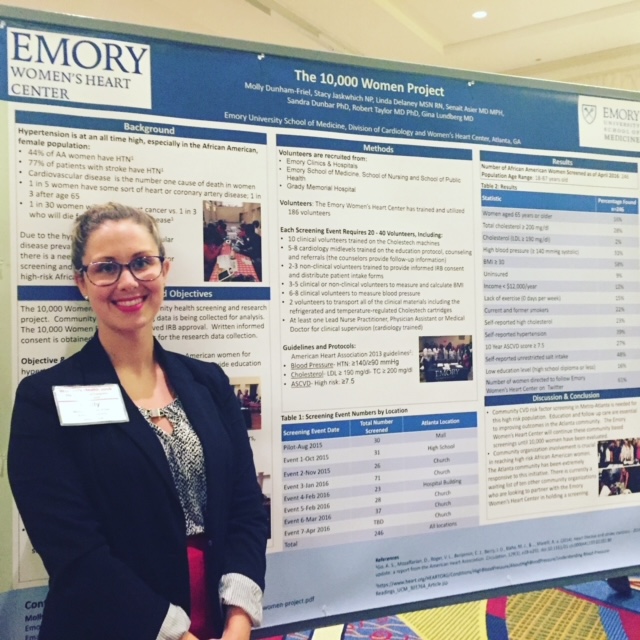
Work life balance takes on a whole new meaning when you have chronic illness. Molly Dunham-Friel can attest to that. Diagnosed in 2012 with ulcerative colitis, one year after receiving her undergraduate degree, Molly was forced to begin her professional career with unexpected titles she was just getting accustomed to—IBD and IBS. Molly remains just as ambitious and aspirational as she was prior to her diagnosis, but undoubtedly has experienced common roadblocks that come along with living with chronic health conditions.  While the career detours were not always welcome, the experiences Molly has had over the last nine years blossomed into finding what she is truly passionate about.

This week on Light’s Camera Crohn’s we take a close look at having IBD in the workplace, whether you work in an office or at home.

Quite the Go-Getter

While IBD is unpredictable, one constant in Molly’s life has always been her go-getter attitude. She tells me she’s been known to work multiple jobs since the age of 15.

“I am not very good at slowing down and I get frustrated when anything gets in my way, including being chronically ill. The one professional aspiration that I have always held is my drive to help people in need, the marginalized, the forgotten, the invisible, the ones who truly need my help.”

Since her ulcerative colitis and IBS diagnoses, Molly has worked full-time, while often holding additional part-time jobs. At one point she was working five jobs, simply to pay for her healthcare costs! Molly says life got more complicated and extremely overwhelming once she turned 26 and could no longer be on her parents’ medical insurance

“It was stressful and defeating because now I had added pressure to hold a job that provided me with affordable medical insurance to get the care I need as a chronic illness patient. IBD is extremely expensive to manage due to the medication, procedures, doctors’ visits, labs, you name it, it costs a lot. This felt heavy as a 26-year-old still learning how the world works and how I wanted to make the world a better place.”

Molly has had to leave jobs she enjoyed to go to companies with better benefits, which also came with less satisfaction.

“I have been stuck in jobs solely because I needed the cost controlling benefits the organization offered. I have had to say no or not apply to amazing jobs and organizations because the benefits would not cover my chronic illness needs enough where I could afford it. I feel like my health insurance needs as a chronic illness warrior trump my career aspirations, which feels suffocating and leaves me frustrated. I want to do what brings me joy and not just what brings me healthcare coverage.”

New purpose, new goals

After starting her blog, Better Bellies by Molly, beginning to volunteer with the Crohn’s & Colitis Foundation, and connecting with amazing warriors via social media. Molly realized her passion for helping to support the IBD community.

“My goal is to support, educate and empower chronic illness patients, particularly those living with IBD and IBS, so they don’t feel alone, like I did upon my diagnosis. I am also passionate about helping patients feel empowered to advocate for their health. I haven’t figured out how I will turn this into my career, but blogging and social media is a great start!”

Advice for those with chronic illness nervous about working

There is no sugar coating how hard and demanding it is to work full-time on top of the full-time job of managing chronic illness life. Here is Molly’s advice:

  • No job is worth your health. Put your health first whenever you can.
  • Know your rights. IBD and IBS are both conditions listed in the American Disability Act. If you are discriminated against due to your IBD or IBS, speak to someone you trust to fight for your rights. Depending on the organization, employees with disabilities can submit formal paperwork to receive reasonable accommodation, which is any modification or adjustment to a job. Like most things with chronic illness, there is a lot of paperwork involved, but reasonable accommodation is one mechanism to look into in addition to going to HR and asking what other accommodations your employer offers.
  • Who you work for matters. Having an empathetic and compassionate boss and supervisor makes working full-time while chronically ill more enjoyable.
  • Disclose what you wish to disclose when you wish to disclose it. I currently find disclosing my disability status/medical conditions helpful so that my leadership can support me, but it took me six years to get to this level of confidence speaking about my chronic illness life. Give yourself time and grace. I have not always been met with compassion and understanding so follow your intuition and share when you feel ready. I have only held two jobs in the last 10 years where my diagnosis was discussed prior to being hired and onboarded and one of those times it was because my diagnosis related directly to the work and the other was because my advocate work made its way onto my professional resume and after sharing my story online and growing comfortable talking about it.
  • The more flexibility the better! Ask about work life balance ahead of time. It is especially hard to work an 8:30-5 job which a chronic illness because work hours directly conflict with when doctors’ offices are open and operating. Most medical facilities outside of hospitals are not open for routine or diagnostic care on nights and weekends so the more flexibility your work will allow, the better.
  • Follow your passion, even if you must detour. I have had so many career detours due to my health insurance needs and flare-ups, but I have never stopped pursing my passion for helping others, even if that meant starting something of my own outside of my full-time work.
  • Working full time is hard, working fulltime while chronically ill is harder. Juggling work alongside appointments, sick leave, flexible scheduling, and economical health benefits can be overwhelming. These can be hard to find, but as chronic illness patients we are no stranger to doing hard things.

The new perception of working from home

The pandemic has helped companies, organizations, agencies, managers, supervisors, and senior leaders recognize that so much can be accomplished and in many instances that more can be accomplished, by working from home, teleworking more often, and commuting less. It’s not surprising that companies that have pivoted into a more flexible scheduling system will be more likely to retain top talent, including us chronic illness warriors!

“I wish it didn’t take a global pandemic to teach the world that we can work from anywhere, that we can be trusted as employees and that yes more flexibility might actually make us better employees. I think the perception of working from home has drastically shifted and is no longer viewed as an “easy way out” or something that will lead to employee’s “slacking off.” However, I have realized that while many companies and leaders have made this shift, not everyone has and that there is still much room for improvement.”

Working from home benefits patients with IBD and IBS by:

  • Being able to use our own bathrooms, with our preferred toilet paper and easy access. No longer fearing if the bathroom is occupied when the moment hits.
  • Not commuting lowers stress and gives us back the time it takes to travel back and forth each day.
  • Being able to work while feeling ill is easier when in the comfort of your own home, with your blankets, heating pad and supplies to help keep your body as comfortable as possible, while also getting work done. Many times, this would not be possible in an office setting.
  • Leaving the house can be anxiety producing for those with IBD and IBS due to the often very sudden need to use the restroom. Being able to work from home can diminish that fear.
  • Having access and privacy for administering medications throughout the workday is easier done at home.
  • Allowing flexibility to work around doctor appointments, infusions, lab work, procedures, you name it.

Breaching the subject with a boss or superior

Much like the stress surrounding when to tell a love interest about your health conditions, knowing when to the tell a boss you have IBD can be worrisome as well.

Here are Molly’s tips for approaching the subject:

  • Unless an emergency is forcing you to disclose your condition, I recommend sharing when you feel comfortable to do so.
  • Begin by asking if they know what your condition is “Have you ever heard of IBD? Do you know what IBD is?”
  • Based on their answer, follow-up with education and explaining how your condition impacts your life.
  • A good supervisor will ask you how they can support you. Be prepared to ask them for what you need which might be a flexible schedule or understanding that your illness is invisible, and you are in fact a motivated and loyal employee.
  • Sharing is not for everyone, but you might be surprised who else at work is dealing with a chronic illness, bosses included.

IBD Wins in the Working World

*Having bosses who support you personally and professionally lowers stress which supports optimizing mental and physical health.

*Finding ways to unwind—whether it’s exercising, taking Epsom salt baths, or going to therapy.

*Use each professional experience to help shed light on where your passions lie. You’re constantly learning what you like, what you don’t like, and each experience helps to inform the direction your career will take.

*Celebrate all the wins—large and small.

*Be mindful of how your employer handles a hospitalization, flare up, or surgery. It’s telling to see how your work family supports you or doesn’t in times of need. Your health should always be the top priority.

*While chronic illness may hijack where you thought you would be in your career, it may help dictate what you enjoy doing.

“As chronically ill workers we need to voice our needs and push for systems to change so that we can break down barriers, make working more accessible to the chronic illness community, and to obtain and retain talented chronic illness employees.”

Key Takeaways

  • It won’t be easy, but you can do it!
  • Feel empowered to stand up for yourself.
  • You deserve to be accommodated in the workplace and it is not a weakness to have a disability or need special needs.
  • Chronically ill people belong in the workforce.
  • You can still achieve your dreams after diagnosis, they might just look different.
  • Your career path might not go according to plan, and that is ok.
  • Follow your passion and heart whenever possible.
  • Working full time isn’t the answer for everyone.
  • Give yourself grace.
  • No job is worth your health.
  • If a job is making you sicker due to stress, toxic environment, or lack of flexibility, work towards changing that situation.
  • Your aspirations, dreams, goals, and plans will shift over time. Honor where you are and how far you have come!

Connect with Molly

Instagram: @betterbelliesbymolly

Facebook: Better Bellies by Molly

YouTube: Better Bellies by Molly

Working from home is more than a job perk for those with IBD

The COVID-19 pandemic has normalized talking about chronic illness in the workplace and shed light on not only what it means to be immunocompromised and how it impacts one’s quality of life, but also the benefits and possibilities that working from home provides for everyone involved.

Prior to the pandemic, asking to work from home or setting up accommodations with your boss looked different. It could feel a bit taboo. Maybe you worried how the rest of your team would perceive you as possibly getting special treatment. Maybe you didn’t want to appear as if you couldn’t keep up or do what was expected of everyone else. But one of the positives to come out of this crazy time is that the way we work and how we work has shifted.

I’ve been a freelancer/blogger and stay at home mom since I became a mom in March 2017. That being said I worked full-time in the TV news industry, at a PR agency, and in corporate America at a natural gas utility the first 12 years I had Crohn’s disease. I am well-versed in how to navigate those difficult conversations with your boss, how to balance your health and well-being with your career, and what it means to thrive professionally while making sure your health doesn’t take a hit.

An opportunity for change

If the past 13-plus months have shown us anything, it’s how adaptable and flexible work can be. Businesses and organizations have real-life intel now that can help guide what the future of working looks like, and how employees can best be supported, engaged, and accommodated.

The chronic illness community can use this time as a springboard into the future and communicate their needs and hopes moving forward. According to the CDC, nearly 60% of adults in the U.S. live with at least one chronic illness. Even though that’s a huge percentage, many leaders still don’t know how to properly support employees who fall into this category and those of us who live with a disease such as IBD often question our own abilities and what we’re able to bring to the table compared to our healthy co-workers and counterparts. Working from home through the pandemic has evened out that playing field.

Having the flexibility to work from your couch or run to your bathroom in the comfort of your home versus in the middle of a big work meeting with your peers makes a huge difference. Knowing that you can schedule meetings and availability around blood draws, appointments with specialists, scopes, infusions, etc. offers great flexibility in managing your illness and getting the job done without feeling guilty for taking care of yourself.

How to better understand and support employees

From a chronic illness perspective, we push ourselves in all aspects of life, even when we’re running on empty because we constantly fear being viewed as less than. There are many ways business leaders can better support employees who are taking on a disease like Crohn’s or ulcerative colitis.

As people with IBD we worry about how we’re perceived by others because of the stigma that surrounds chronic illness. There’s guilt. There’s fear of being considered lazy. There’s the worry about coworkers judging you and thinking you’re a complainer or weak, when in fact they may not be aware of your whole back story.

So how can we improve the support of our managers?

Initiate communication: Ask your boss about setting up a 15-minute monthly one-on-one touch base to discuss how you are feeling and if you need additional support. Talk about what the next month looks like as far as doctor’s appointments, labs, tests, etc. I personally always felt better supported and understood by sharing my health struggles with my coworkers—whether it was my co-anchor and meteorologist or the communications team at the company I worked at. When I was hospitalized (which happened on multiple occasions) or needed surgery, I would email the entire team and give them a heads up about what was going on, so they heard it from the “horse’s mouth” and not through office hearsay or gossip. By articulating your patient experience you give others a chance to be empathetic.

Make the invisible—visible: It can be easy for us to downplay our pain or put on a smile when we’re flaring to protect ourselves, even on Zoom calls! The unpredictability of IBD makes work-life a challenge because you can start the workday feeling energized and ready to take on the world and after lunch feel like you can’t even stand up straight and need to lie down. The constant uncertainty of when symptoms are going to strike can be debilitating in and of itself. By being open and transparent in these moments of struggle you help paint a clearer picture of what you’re experiencing for those who don’t live our reality. In corporate America, I used to sit in the boardroom and start a meeting by casually saying “I just want to let you know my Crohn’s is acting up. I’m in a lot of pain. It’s hard for me to sit up straight so I’m going to slouch a bit and I even had to undo my pants!” I approached those moments with humor, but moreso to take off my “mask of wellness” and be transparent that there was much more going on in my mind and body than just the presentation I was giving or listening to. I feel being honest like this made my co-workers helped us build a stronger relationship and rapport.

-Come up with a hybrid schedule: As the world starts to open and companies discuss what the future will look like as far as working from home or in the office, consider what it may look like to work a couple days a week doing each and finding balance. Working from home hasn’t been a detriment to productivity, if anything this time has proved how flexible we can all be in the face of adversity. By creating a space of support and understanding, everyone can be successful. Talk about the options available, your comfort level with returning to work in the office (especially if you’re immunocompromised or haven’t had a chance to be vaccinated), and what the expectations are moving forward.

Improve inclusiveness: When a business or organization makes employees feel embraced, regardless of their health struggles, it speaks volumes. Even those who are completely healthy should see this as a valued characteristic of their working environment—whether in person or virtual. Nobody knows when their life could take a turn for the worse or when an unforeseen health issue could pop up. For many in the chronic illness community, we went from being healthy to waking up with a disease that will be a part of us, always. It’s on leadership and Human Resources to ensure those with chronic illness are provided with the support they need.

Stop celebrating overwork: Touting the employee who works around the clock and answers emails at 2 a.m. sends the wrong message. Instead, find ways to commend employees for different reasons. There isn’t one set of parameters that makes someone a great employee. Having work-life balance and recognizing the importance of having time to decompress, put health first, and spend quality time with family, matters and says a great deal about leadership style. The number of hours worked doesn’t equate to the quality of work or one’s competence. The onus is often on the boss or leader to speak up and set these expectations. Being able to manage your team’s energy will keep morale in check and make employees feel appreciated and more invested in doing their best, because they have the energy to do so and aren’t ready to tap out at any given moment.

Remote work is more than a job perk

COVID has forced the conversation and illuminated the challenges those of us with chronic illness are up against when trying to balance our health, providing for ourselves and our families, and being an invaluable employee. Thanks to the pandemic, employers are now looking to re-evaluate what sick leave and disability policies look like, especially as they relate to working from home. Those of us with a chronic illness may finally feel like we’re on an equal playing field when it comes to job opportunities and not having to worry as much about our bodies cooperating so that we’re able to do it all.

Why Every Person with Chronic Illness Needs to Read “What Doesn’t Kill You”

Prior to receiving a chronic illness diagnosis, it’s incredibly challenging and nearly impossible to fathom ‘forever sickness’. In Tessa Miller’s book, “What Doesn’t Kill You: A Life with Chronic Illness–Lessons from a Body in Revolt”, she masterfully articulates the highs and lows of life with Inflammatory Bowel Disease (IBD). From navigating the diagnosis, flare ups, the healthcare system, relationships, and the mental health component, she’s created an invaluable resource that I wish every single person with chronic illness could be handed the moment they find out their life story has taken an unforeseen turn.

As someone who was diagnosed with Crohn’s in 2005, two months after college graduation, I wish my former self had these powerful words at my fingertips. The overwhelming nature of IBD can be nearly suffocating at times. As I read this page-turner of a book, I felt seen and understood. I found myself nodding my head, because I could relate to so much of her story and so much of her sage advice. I felt like a college student highlighting what felt like the whole page, because it was ALL so important.

Tessa and I are both journalists. We both have Crohn’s. We both randomly grew up in Illinois. I connected with her over social media after reading her New York Times article, “Five Things I Wish I had Known Before My Chronic Illness.” The article had an impact on me, so when I heard she landed a deal with a publisher, I anxiously awaited for this book to drop.

In the beginning of “What Doesn’t Kill You,” Tessa writes, “I became a professional patient, and a good one. I learned that bodies can be inexplicably resilient and curiously fragile. I would never get better, and that would change everything: the way I think about my body, my health, my relationships, my work, and my life. When things get rough, people like to say, “this too shall pass.” But what happens when “this” never goes away?”

Finding the Right Care Team

When you live with a disease like Crohn’s, it’s imperative you trust your gastroenterologist and care team and are confident in how they help you manage your illness. I always tell fellow patients to take a moment and think about who they will feel comfortable with at their bedside in a hospital room when they’re flaring or facing surgery. If it’s not your current doctor, it’s time to look elsewhere. Tessa breaks down the “qualifications” for getting a care team in place. From finding a doctor who explains why they’re doing what they’re doing and why to a doctor who looks at you as a human, not an opportunity.

“Good doctors see their loved ones in their patients; they make choices for their patients that they would make for their own family. Asking a doctor, “Why did you choose this line of medicine?” will reveal a lot about what drives them and how they view their patients.”

The Grieving Process of Chronic Illness

Receiving a chronic illness diagnosis forces us each to go through the grieving process. For many of us, we were naïve and felt invincible before our health wasn’t a given. We’re so used to feeling as though we’re in control of our destiny, that when we lose that control, we spiral, understandably. Tessa interviewed Paul Chafetz, PhD, a clinical psychologist based in Dallas. Dr. Chafetz is quoted in the book saying, “We go through life with an illusion of safety, guaranteed health, even immortality. Acquiring a chronic illness pierces that illusion, and this is a loss. Grieving this loss is an integral part of adjusting to the illness.”

Take a moment to stop and think how you coped those first few weeks and months after finding out you had a chronic illness. While acceptance takes time and comes in different stages, Tessa explains how flexibility and willingness to adapt to your new “normal” is even more important.

“Rather than searching for big, sweeping acceptance, then feeling like a failure when it doesn’t come, chronically ill folks can enact small, empowering steps, such as taking required medications, learning everything we can about how our diseases work, seeing doctors regularly and being prepared for appointments with a list of questions, advocating for our needs and wants, figuring out which foods makes us feel good, and going to therapy and/or connecting with a support group.”

In my own patient advocacy and experience living with Crohn’s I can attest to the fact that we all spend a lot of time wishing for our past and worry about what our futures will hold, rather than focusing on the right now. The majority of IBD patients are diagnosed prior to age 35. This leads most of us to experience the big milestones of adulthood (career, finding love, living on our own, family planning, etc.) with a disease in tow and wondering how that disease is going to complicate life or hold us back from accomplishing all we aspire to.

Bringing on the Biologics

Tessa calls herself an “infliximab veteran,” she spends a great deal of time talking with new patients and caretakers, mostly moms of young IBDers, about their fears. Most questions I receive through my blog and social media also revolve around biologics and the worries people have about side effects and whether the drug will fail them or be a success. I feel confident deeming myself an “adalimumab veteran”, as I’ve been giving myself Humira injections since 2008.

As patients we are faced with difficult decisions all the time and must look at the risk versus the benefit. Having health literacy and understanding your actual risk from a biologic is something that should be communicated with you from your physician. Tessa’s doctor explained to her that six in 10,000 people who take anti-TNF agents (Humira and Remicade) get lymphoma. But as patients, all we see on the internet and in the side effect notes are “lymphoma.” Force yourself to dig digger and remind yourself of your alternative—to not feel better.

The Truth Serum of Chronic Illness

One of the superpowers of chronic illness is that we get to see which family members and friends come to the forefront and which fade to the background. Not everyone is cut out to be a caregiver, but you’ll quickly see who has empathy and who genuinely cares. In my own personal experience, it’s helped me get out of relationships with guys who were no where to be seen while I lied in a hospital bed and allowed me to distance myself from friends who couldn’t find the time in their day to check in when they knew I was flaring.

Tessa says that chronic illness forced her to peel back the layers and the isolation wall she put up, too. Chronic illness has shown her that people do more than just hurt each other— “they nurture, they listen, they enrich one another’s lives.” Her IBD also empowered her to be brave enough to put an end to unhealthy relationships that weren’t benefiting her well-being, both with friends and love interests. Her Crohn’s has showed her that not every friendship is meant to support you in the same way.

This is a great piece of advice. As you live with a chronic illness, you’ll come to know which friends you can share your deep dark secrets and worries with, and which you give the high-level cliff notes version of your experience to. Your chronic illness will help you set those boundaries in a graceful way.

Her love story with her husband embodies what those of us with chronic illness deserve, a partner who sees us as more than our disease, but understands the severity and complexity at the same time.

Juggling a Career and Crohn’s

One of the biggest challenges of life with IBD is knowing how and when to disclose your health situation with your employer. You may wonder how the news will be received, if it will jeopardize your chance for promotion, if your coworkers will resent you…the list goes on and on. As someone who worked in the TV industry as a producer, news anchor and reporter for nearly a decade, and as a PR professional and corporate communications specialist, I’ve been lucky that all my bosses have been incredibly understanding of my struggles with Crohn’s, but never used them against me in any way. I’ve always waited until after I have received the job offer and then told my boss in a meeting the first week of work. This alleviated some of the stress on my shoulders and ensured my coworkers wouldn’t be blindsided when I had a flare that landed me in the hospital. By communicating openly, it also to set an expectation that I may not always feel up to par and that I may need more bathroom breaks or to work from home or come in late after doctor appointments.

Tessa so eloquently writes, “You want your boss to understand that while your disease affects your life, you’re still capable of doing your job. Deliver the necessary facts about your illness without bombarding your boss with information—keep it direct and simple. Be clear about how you manage the illness and that although you do your best to keep it under control, it can flare up. Tell your boss what you’ll do if and when that happens.”

Realizing the Power of Pain

One of my favorite analogies that Tessa shares in the book is that each of us carries an invisible bucket, some are heavier than others, and the weight of that said bucket is constantly in fluctuation. She says that as she started connecting with those in our community, she came to realize that her personal pain was no better or worse than anyone else’s. So often we weigh our struggles against those of others, and that’s not helpful to beneficial for anyone.

“Think about it: If a friend came to you in pain, would you tell them that other people have it worse and that their pain isn’t valid? If you did, you’d be a lousy friend—so why do you speak to yourself in such a way?”

Rather than thinking that ‘someone always has it worse’ ask for support when you need it. Don’t downplay your struggles out of guilt thinking you aren’t deserving of help. Give support when you can but don’t forget about the person you see looking back in the mirror, be loving, kind, and patient to them, too.

Leaving the Rest to Imagination

Some of my other favorite excerpts from the book are Tessa’s “Seven Secrets”. The secrets (both big and small) she keeps from loved ones and friends about her experience with IBD. The secrets are relatable. We don’t want to come off as a burden. We don’t want to scare those who mean something to us. We want to hold on tightly to the notion that our illness doesn’t define us, so we often don’t disclose the true reality of what encompasses our illness.

Another section I know you’ll love is “Thirty-Eight Experiences of Joy” where Tessa shares quotes from 38 different people with chronic illness and how they’ve discovered joy despite their illness. I’m honored to be featured in that section of the book.

She understands the power of community and how finding your tribe within your disease space and outside of it is an important aspect of disease management and life fulfillment.

“Connecting with other chronically ill people teaches you how to carry each other’s weight—when to lift when you have strength, and when to share the burden when you have no energy left,” writes Tessa. “I’ve found the chronic illness and disability community to be one of endless empathy and generosity.”

The Gratitude That Comes with Chronic Illness

I’ll leave you with one of my favorite quotes from the book and a perspective that I wholeheartedly share:

“At the beginning of my illness, I was so inwardly focused on what I’d lost that I couldn’t see the gifts illness had given me. Mom, a determined optimist, taught me to always look for the silver lining. Mine is this: Yeah, my body won’t allow for any bullshit—no jobs I hate, no relationships I’m not fulfilled by, no hours crying over wrinkles. Illness made me braver, kinder, and more empathetic, and that gives me way more radical power than the faux control I was clutching to for so long. In the most unexpected way, illness freed me. It compelled me to begin therapy, which kick-started the process of tending my wounds old and new. It made me focus on the present more than the anxiety of the future. And it made me be in my body in a way I never experienced before. Suddenly, I had to mindfully care for my body and brain as best I could and understand that beyond that, it’s out of my hands.”

Connect with Tessa:

Twitter: @TessaJeanMiller

Instagram: @tessajeanmiller

Her website

Purchase “What Doesn’t Kill You: A Life with Chronic Illness–Lessons from a Body in Revolt”

Amazon

Barnes & Noble

IndieBound

Stay tuned to my Instagram (@natalieannhayden) for a special book giveaway kicking off today (February 8)! Five lucky followers in the United States will receive a FREE hardcover copy of Tessa’s book.