
Twenty years ago, Katy Love, was diagnosed with Crohn’s Disease. She was a sophomore in college. She could barely make it out of bed some days, due to the enormous amount of pain and overwhelming fatigue. After her diagnosis and subsequent surgeries, she wondered if she’d ever be able to have a “real job” – like many of us in the chronic illness community, she worried about how she would be able to work and manage her illness. Katy didn’t allow her diagnosis to prevent her from following her personal or professional dreams. Now as an IBD mom, running her own PR business from home, in the middle of a pandemic, she has some advice to share about being successful in the face of adversity. 
After graduating from college, I took a job at an interactive advertising agency. My dream job. Then, reality set in. I needed to ask for accommodations for my Crohn’s disease– I had to ask for a flexible schedule – one where I could work from home when needed.
I was elated when the agency agreed. Since then, I’ve been blessed to work with several teams (for other companies) that understood my illness and trusted me to work remotely when needed. As someone who has worked from home quite often during my career, due to a chronic illness, I’ve learned a few helpful best practices that have helped save me time… and my sanity.
Create a realistic routine and office hours. If you know you can’t start working until 9 a.m., due to family obligations, don’t start your work time until 9 a.m. Then, plan accordingly for your end time each day. Be sure to share your office hours with your family and colleagues. It’s important for everyone to know when you’re working. Also be patient with your new schedule. As with all new things, it will take some time to become a true routine. This is all new territory – working from home is a normal occurrence for me, however, having all my children and my spouse at home, while trying to work from home, is a new challenge.
Get Dressed. Every single day. I know this may sound silly, as you haven’t left the house in weeks. But I find this extremely important. It sets the tone for the day. When you look the part, you’re much more likely to feel the part. Plus, with all the Zoom calls, you want to look like you aren’t wearing yesterday’s PJs for the weekly team meeting.
Establish a defined workspace. You need an area where you know – this is my desk, my work zone. Your family members know that when you are there, you are working. Working from bed sounds delightful…I love my bed. However, it’s easy to be distracted if you’re not in a specific workspace.  Also, surround your workspace with all that you may need during the day. Computer, chargers, phone, etc. I like to also put candles or fresh flowers near my workspace – they smell great and elevate my mood. With spring finally here, go outside and pick a few flowers and put them in a mason jar. Anything that makes you smile and motivates you.
Communication is KEY. I learned this early on in my career. Just because you’re not in physical sight of your team, and your employer, you want them to know you’re ON and working. The worst thing you can do is go dark. If they don’t see you, hear from you, it’s easy to assume you aren’t taking working from home seriously. So, over-communicate with your team during this time.
Take breaks throughout the day. When you’re setting up your new routine/office hours, schedule breaks into the day. Personally, I like to work out in the mornings. So, finding 30 minutes to hop on my bike sets my day up for success. In the afternoon, take a walk outside, or bake with your kids.  It’s extremely important to incorporate self-care into your routine right now. There’s so much uncertainty and doom/gloom in the news. Make sure you are taking time to appreciate yourself, your team, and your family, while keeping your health as a top a priority.

 Right before COVID-19 started wreaking havoc in the States. Before Guy was born, Suzy’s biggest fear was a postpartum flare. After the birth of her second oldest daughter, Alice, she had the worst Crohn’s flare of her life and was hospitalized.
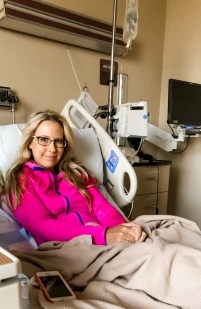 Unfortunately, when I was put on prednisone last summer, I developed extremely high eye pressures. I was diagnosed as “Glaucoma suspect” at 40 years old, meaning I have some risk of the disease, but no proven damage (yet), so my eyes are monitored often.
 As a woman and a mom of three who has battled Crohn’s since 2008, I believe if it’s your dream to have children, or a family, you should most definitely pursue that. Consult with your GI and OB doctors prior to getting pregnant, and make sure you’re in remission. Pregnancy can be challenging, but if you’re also flaring, it’s that much harder.




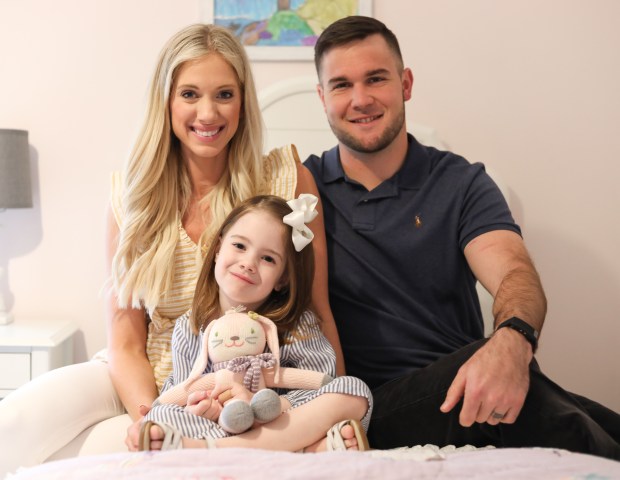 Jadyn woke up with a fever and a slight cough. Given the craziness of the times we live in right now, they immediately called the COVID-19 hotline. Once the person on the other line heard about Jadyn’s health history and the fact she is immunocompromised, they agreed, Jadyn needed to be seen. In urgent care, Jadyn was tested for the flu, strep throat, and COVID-19. The Richt’s were told they would have a test result in five days, it’s been more than a week now, and still no result.
 I’ll allow Anna to take you back to the beginning, so you can have a better grasp of their ongoing journey and how it’s brought them to where they are today.
 The first couple years were nothing short of a dog fight. I remember sitting in my sister’s living room after an appointment when all of the sudden the doctor’s number popped up on my phone. She was calling to say that Jadyn’s lab results didn’t look good and we needed to head to the hospital right away.










 Additionally, users can enable the sharing of “Progress Reports” which include adherence information and all other modalities to optimize your health. Sometimes a caregiver may not be aware of what you need to take and when, this too can be shared via the “Share Care Plans” functionality.


 When you fall in love with IBD, there’s an extra layer of complexity, trust, dependency, and appreciation. There’s no telling what the next hour will bring. You need to be flexible. You need to be understanding that plans may not go as expected. You need to trust that when the next flare up strikes that you won’t be on your own and that your partner will be there every step of the way.
 You need to believe that when the going gets tough you won’t be deserted; you won’t be made to feel as a burden. You need to trust that your partner sees you as much more than your disease.
 lights camera crohn's