Traveling with IBD: Real Talk, Hard Truths, and the Courage to Keep Exploring

Traveling with inflammatory bowel disease (IBD) is rarely as simple as packing a suitcase and showing up. It’s logistics, emotions, planning, and flexibility. It takes a bit of hypervigilance. This layered on top of a disease that doesn’t take vacation days. But it is possible. And for many of us, it becomes one of the most empowering reminders that life with IBD can still be adventurous, and rich with new experiences.

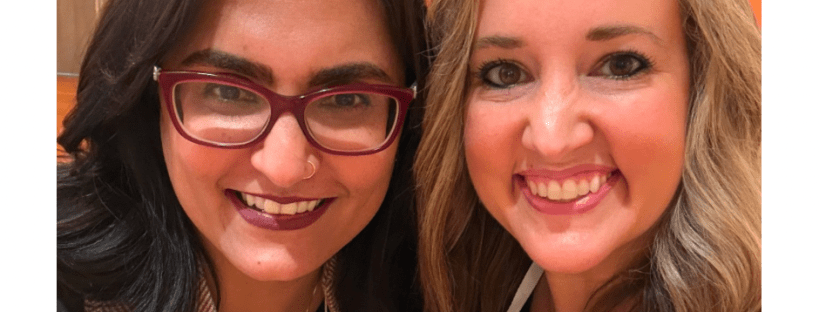
This week on Lights, Camera, Crohn’s you’ll hear from two incredible IBD advocates, Kelly Dwyer and Rachel Verbanac. They both open up about their diagnoses, their anxieties, their coping strategies, and their go-to travel essentials. Their honesty and wisdom offer a roadmap for anyone who wants to explore the world without letting IBD call all the shots.

Meet Kelly: 21 Years of Symptoms, 7 Years Diagnosed

Kelly may have been diagnosed with Crohn’s disease in 2018, but she’d been living with severe perianal fistulizing ileal Crohn’s since the early 2000s.

“Before diagnosis, I avoided significant travel whenever possible because I was so ill. And when I did travel, I tried so hard to plan for every single scenario that it became stressful for me and everyone around me.”

Now in deep remission thanks to medication, Kelly still plans intentionally, but the difference is that the planning empowers her instead of holding her back.

She structures trips around:

  • Her injection schedule
  • The time of day she flies or drives
  • What foods she eats before travel
  • How to pace her energy
  • And what she needs to stay healthy while surrounded by crowds

“I wear a mask, use sanitizer constantly, wash my hands as much as I can… it all helps me feel like I’m doing what I can to set myself up for success.”

Kelly on Travel Anxiety: The Trauma Stays with You

Despite years of remission, Kelly still carries fear rooted in lived experience.

“I constantly worry about not making it to a bathroom. Even though it has not happened in years, that trauma stays with you.”

Kelly also experiences nausea, anxiety and a whole lot of gas and burbling guts when she travels.

“Finding the right medication cocktail that keeps things calm and in order in my guts (and brain!) took a lot of trial and error, but was worth it for me to find a combination to give me confidence that I’ll feel like I’ve done everything I can to get the trip off on the right foot. I would recommend you ask your doctor or GI about Zofran, anti-anxiety medications in small doses, Gas-x, antacids, and other OTC medications that might help you to make sure they’re safe for you to take.”

She’s built a system that helps her feel confident when she’s traveling:

  • A “Can’t Wait” restroom access card
  • Depends or heavy-duty panty liners on days she’s unsure
  • Change of clothes and wipes in her purse, not her carry-on
  • Imodium and emergency meds ready to go
  • Small meals before and during travel days
  • Medication for nausea, anxiety, gas, and gut discomfort

“I had to learn to relax into the chaos of travel and not panic when plans change. Travel is unpredictable—but so is Crohn’s.”

The Power of Protection: Insurance (Both Emotional and Literal)

Kelly is adamant that travel insurance is non-negotiable.

“I have used travel insurance many times for flare-related cancellations. It can be heartbreaking to miss something important, but it’s not your fault. This is your reality, and you’re doing your best.”

She also communicates openly with travel companions, so expectations are clear and compassionate from the start.

“Find as much peace as possible. Asking for everyone’s understanding and compassion, is so important. I remind myself that it’s not my fault that I am unwell. It’s not anything I did to cause the flare. This is simply my reality, and I am trying my very best, even if it doesn’t always work out the way I’d hoped.”

Kelly’s Must-Have Travel Kit

Here’s what she never leaves home without:

Kelly’s biggest piece of advice?

“Treat yourself with compassion, always. Build in extra time everywhere. Your comfort is worth it. Having a few extra hours at the airport to sit and read a magazine is much preferable to rushing through security lines and not being able to use the bathroom before getting on the plane because you’re late.”

Meet Rachel: A Travel-Lover Who Refused to Stop Exploring

Rachel was diagnosed with Crohn’s disease in 2021, right as she was going back to nursing school. Before that, she spent months living a nomadic lifestyle in New Zealand and expected to spend her twenties exploring the world. Her diagnosis meant rethinking what travel could look like. Requiring infusions changed everything.
“Hiking the Appalachian Trail used to be a dream, but with the need for insurance, pharmacy authorizations, infusion clinics, and access to university health systems… that lifestyle just wasn’t realistic anymore.”

But Rachel didn’t stop traveling. She adapted.

How Rachel Travels Now

Rachel describes herself as someone who “packs her anxieties,” but in a productive way.

Her prep includes:

  • Bringing a med kit stocked with small doses of essential meds
  • Monitoring hydration closely on travel days
  • Planning meals and bowel habits ahead of time
  • Understanding bathroom access in each country
  • Carrying small local currency bills for paid restrooms
  • Bringing a letter from her provider outlining her diagnosis and meds

“After many international trips, I’ve proven to myself that how I feel at home reflects how I feel on the road.”

Rachel also buys comprehensive travel insurance that covers pre-existing conditions, often from TinLeg, and encourages others to read the fine print carefully, especially regarding upfront payment rules.

“I feel much more secure knowing all medical bills will be paid for should I need anything abroad. Beyond health insurance, I have used the insurance for trip interruption and costs of delays. I also have my provider write me a letter stating my disease, common side effects, and my current medications. This letter can be useful when seeking care at a new clinic or if TSA should ever give you a difficult time (I have never experienced this). I like having the physical letter in the med kit.”

Bathroom Access: A Cultural Learning Curve

When traveling with others, Rachel gives them a heads up that access to bathrooms is a priority for her. Especially when traveling in Europe.

“Europe often requires a purchase to use a restroom. You cannot just run into a McDonald’s.”

Her strategy?

And she always tried to keep everything in perspective, even when the unexpected happens.

“Accidents are embarrassing, but you will most likely never see these people again. It is okay. You are okay.”

Travel Anxiety: You’re Not Alone

Rachel acknowledges the fears that come with IBD, but her message is clear:

Do not let IBD keep you from seeing the world.
Start small and your confidence will grow.

She now travels to Mexico annually and cannot imagine winters without it.

Nurse-Approved Safety Tips from Rachel

Some of her favorite reminders:

  • Even healthy travelers get GI bugs—be cautious with food and water. Taking general precautions like only drinking bottled water in areas where the water might not be safe to drink, sanitizing your hands often, and avoiding touching your eyes and mouth are still the best ways to prevent infections.
  • Avoid buffet sushi
  • Choose made-to-order stations
  • Read resort and food reviews. She checks out Google reviews, TripAdvisor, and Hotels.com to see what people have to say before she books a trip.
  • Wear an N95 on flights to avoid illness and see if your travel companions will do the same to help keep germs at bay.
  • Advocate for yourself with travel companions
  • Read Google reviews quickly if you’re unsure of a restaurant, locals and travelers will share if they got sick eating there. Look for highly frequented places.

As a nurse, Rachel has these words of wisdom for our community, “Don’t let IBD keep you from seeing places and experiencing new cultures. Often as patients we have anxiety and unknown destinations can seem overwhelming and scary. Start small and your confidence will grow, promise.”

Rachel’s Travel Med Kit

She carries:

  • Doctor’s letter
  • Hand sanitizer
  • Tylenol
  • Imodium
  • Pepto
  • Tums
  • Fiber
  • Gas-X
  • Benadryl
  • Dramamine (also helpful for intense nausea)
  • Zofran
  • Liquid I.V.
  • Band-Aids that are a few sizes
  • Contact solution or small vial of artificial tears (I wear contact lenses) 
  • A few doses of Dayquil and Zyrtec—when changing the container medication comes in, be sure to write the dose (mg or ml or the number of pills) and how often you take it.
  • A tube of triple antibiotic ointment and hydrocortisone ointment (for scrapes and bug bites)

Final Thoughts: You Deserve to Experience the World

Traveling with IBD takes more planning, more flexibility, and more courage than most people will ever understand. But as Kelly and Rachel show, it’s possible and it can even become empowering.

As someone who was diagnosed with Crohn’s more than 20 years ago traveling can still make me feel a bit uneasy. I always keep pain medication, Zofran, and Dramamine in my carry on. If you have to pack your biologic medication, keep that on you as well. It’s important to check how long your injection can be out of the fridge. Nowadays, Humira for example, can be unrefrigerated for up to 14 days. If you have to do your injection while away from home, make sure to have alcohol swabs and an ice pack (if you are used to using one).

I never drink caffeine prior to flights or long road trips, and I eat very light until I am at my destination. I try to dress as comfortably as possible, and do not restrict my belly in any way. The moment I get to my hotel room I take off my travel clothes and shower. If you are traveling and feeling symptomatic, it can be helpful to alert your care team at home and also do research beforehand about local hospitals so you have a game plan in place should you be facing an acute flare that may require a trip to the emergency room.

Whether you are taking a weekend road trip or boarding a long-haul flight, remember:

You’re allowed to take up space.
You’re allowed to prioritize your needs.
You’re allowed to choose comfort over speed.
You’re allowed to protect your energy.

And most importantly:

You deserve to make memories that reach far beyond the walls of your disease.

Additional resources

Traveling with IBD | Crohn’s & Colitis Foundation

Crohn’s Disease: Plan Ahead to Make Travel Easier

Travel Tips When You Have Ulcerative Colitis

Tips for Long Travel Days When You Have Crohn’s Disease
Snacks for Crohn’s Disease: 10 Easy Grab-and-Go Ideas

I’m a Frequent Traveler With Crohn’s Disease—Here Are My Packing List Non-Negotiables | Condé Nast Traveler

21 Tips for Traveling with IBD – Romanwell

Navigating NG Tubes: Practical Tips and Emotional Support for Patients and Caregivers

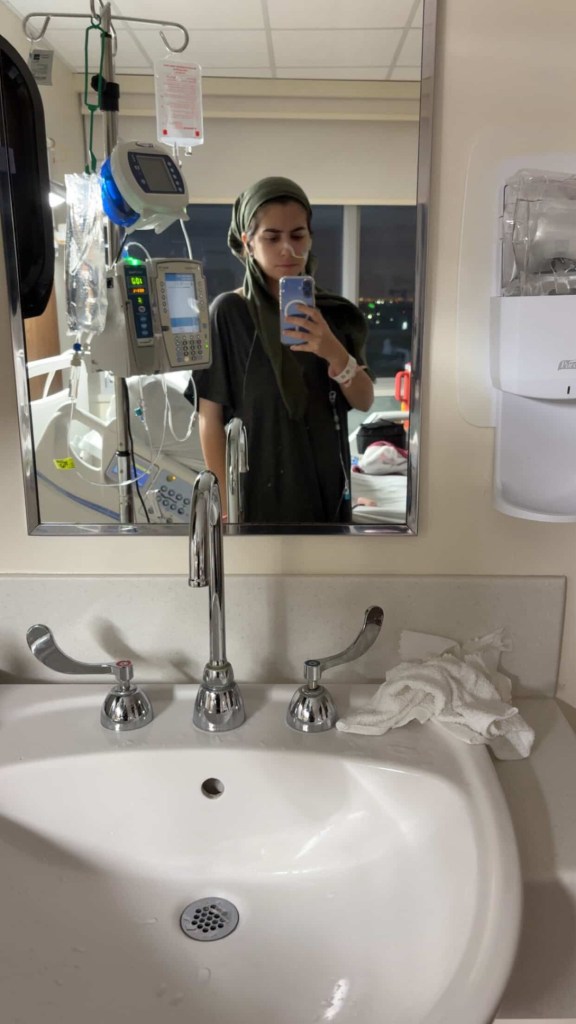
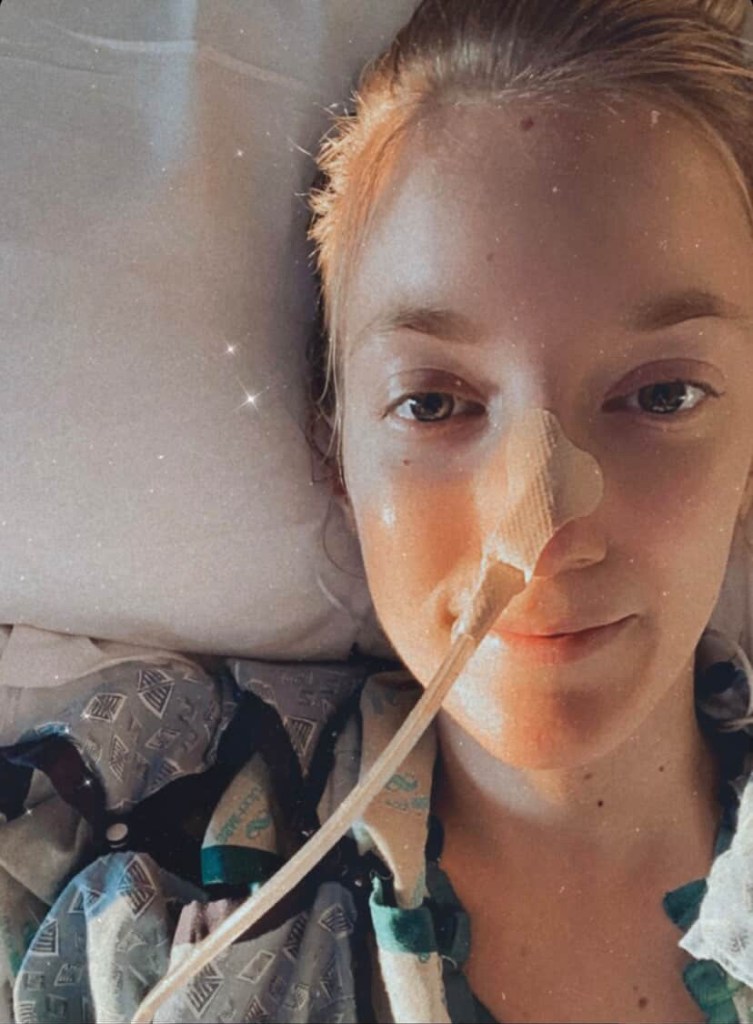
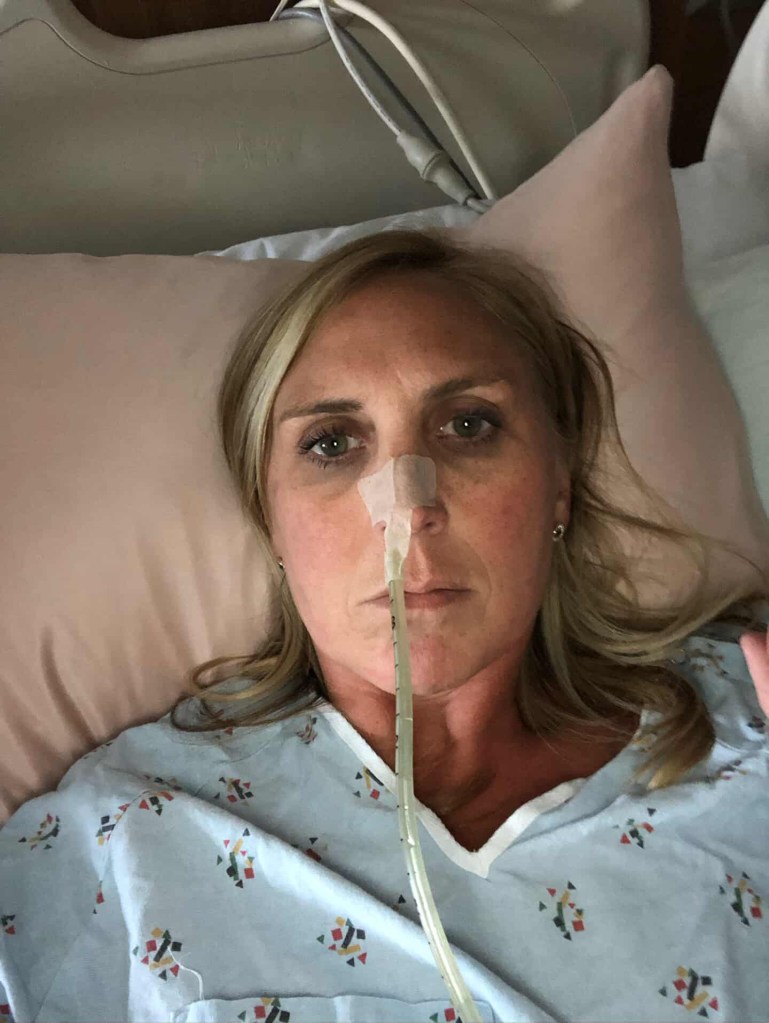
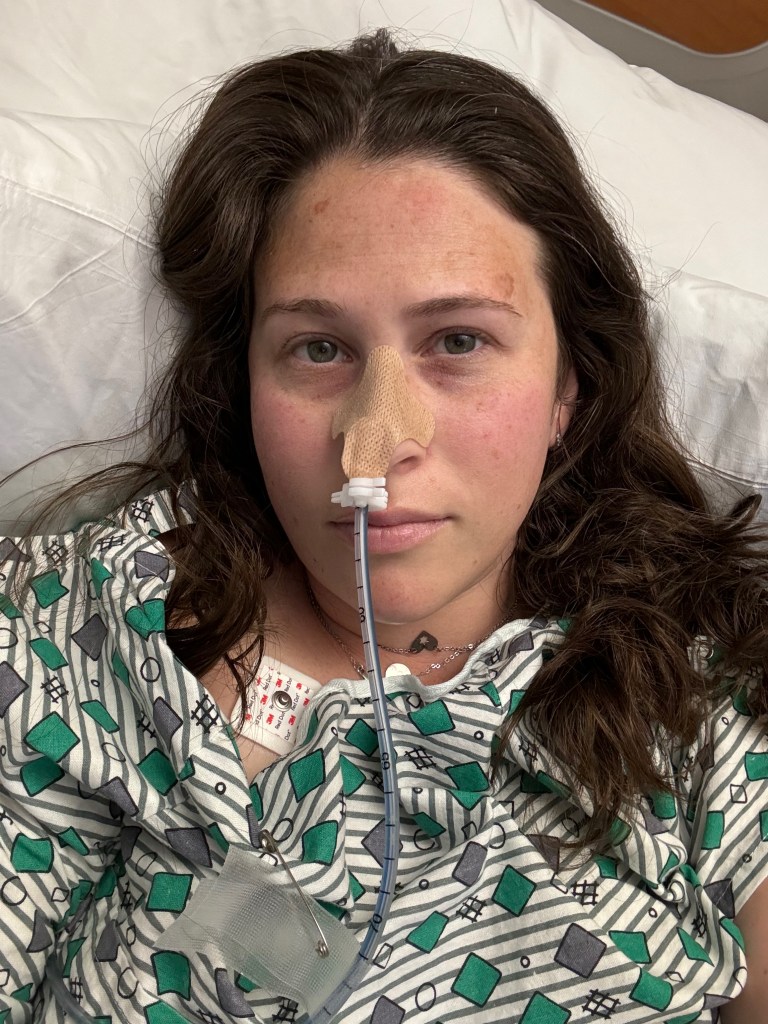
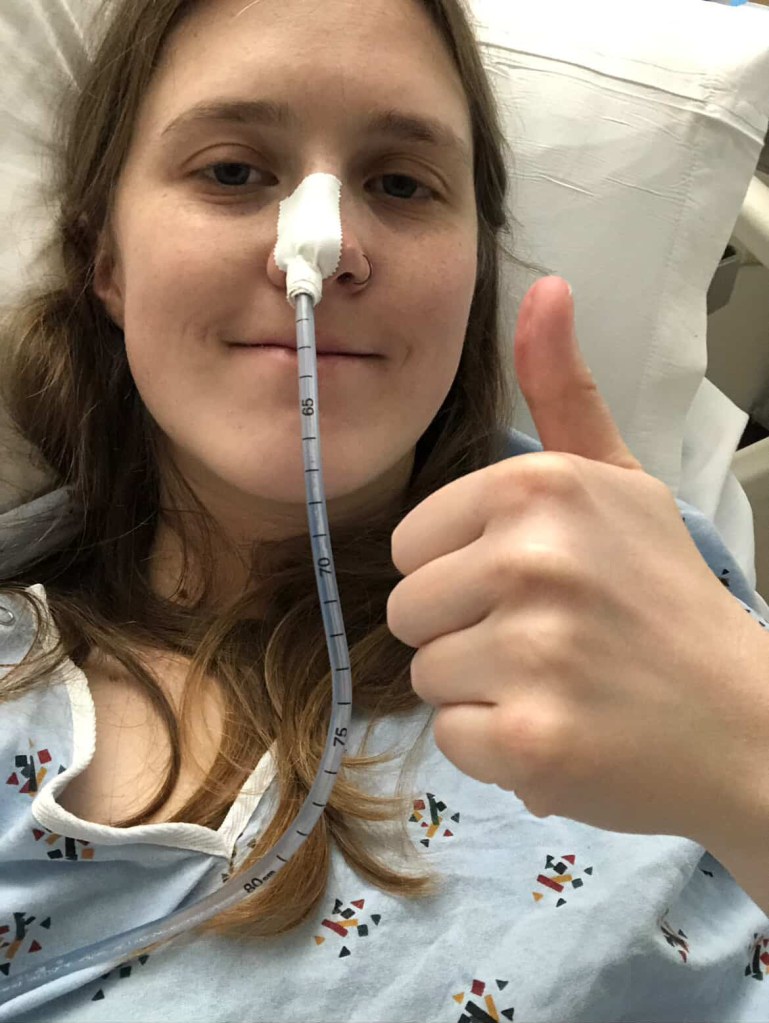
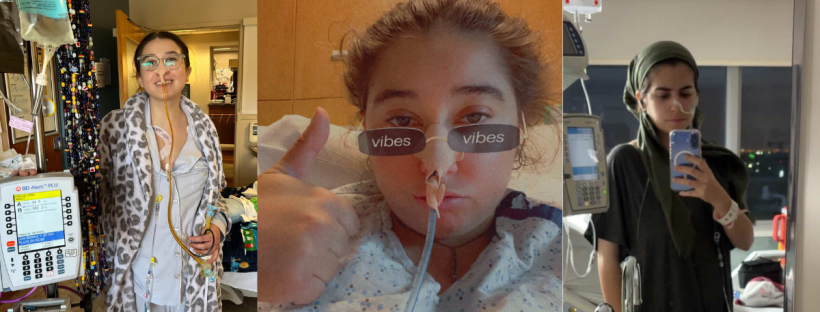
When you live with Inflammatory Bowel disease, there’s no telling if or when you’re going to need an NG tube (nasogastric tube) to help stabilize your symptoms, deliver nutrition, and help your body heal. In my 20-plus years living with Crohn’s disease, and despite many hospitalizations for bowel obstructions, I have never needed one (yet). Recently, a fellow IBD mama on Instagram shared about getting one as she’s hospitalized right now (with a new/additional diagnosis-Gastroparesis), and her experience inspired this article.

This week on Lights, Camera, Crohn’s, a guide that breaks down what to expect, what helps, and how we can best cope from fellow patients and caregivers who have lived through it. Whether you are facing your first tube placement or supporting someone who is, the fear of the unknown can often feel bigger than the procedure itself.

Understanding the Process (and Why It’s So Intense)

NG tube placement can feel overwhelming because it involves an extremely sensitive area: your nose, throat, and gag reflex. It is quick, but not exactly pleasant. Knowing what is coming can dramatically reduce anxiety.

An NG tube is typically used for:

  • Bowel rest and decompression during IBD flares
  • Relieving bowel obstructions
  • Nutrition support
  • Medication delivery

And while the experience varies widely, preparation and honest communication with your care team make a huge difference.

Before Placement: Preparing Your Mind and Body

  • Ask for numbing options: Most hospitals can use lidocaine spray or gel in your nostril to make the initial insertion more tolerable. It is worth requesting.
  • Practice slow breathing: Focusing on deep, steady inhales through your nose helps decrease the gag reflex and keeps your body relaxed.
  • Sit upright with your chin slightly tucked: This position straightens the path the tube travels and can make the process smoother.
  • Have emotional support: Whether it is a partner, parent, friend, or even someone on speakerphone, having a familiar voice can ease anxiety.

During Placement: Strategies That Actually Help

  • Swallow as the tube advances: If the nurse allows, sipping water and swallowing as the tube moves downward helps guide it into the esophagus rather than the airway.
  • Anchor your eyes on one spot: A visual point of focus reduces the instinct to pull back or panic.
  • Choose a mantra: Something like “This is temporary” or “Every swallow gets me closer” can center your mind.
  • Ask your nurse to narrate the steps: Knowing what is happening and when it will be over prevents surprises and makes the process feel more controlled.

What Patients and Caregivers Have to Say

Hindy: “I would say to request the thinnest tube possible. It is really awful.”

Ashley: “It’s a horrible experience. I’m glad I didn’t know what to expect before getting one placed, because I don’t think I would’ve been able to handle it. I don’t think there’s anything that could have prepared me for it.”

Amy has IBD and her four-month-old daughter does not, but she has had an NG tube for two months, due to issues with strength, stamina, and desire to eat after being born prematurely.

“She was diagnosed with Failure to Thrive, and her NG tube has been lifesaving! I can guarantee she gets the nutrients she needs to grow and thrive. She tolerates the NG tube very well. She has pulled it out multiple times, but thankfully we live close to the GI clinic and a great Children’s hospital.”

Amy has found there are certain strategies to limit the number of times she pulls the NG tube out, such as taping it closer to her nose. She says it can be stressful at times, but luckily with her medical background she knows how to clean the tube 8 times a day. Even though her daughter has handled the NG tube like a champ, Amy and her husband have decided to transition to a G-tube, since their baby girl will need nutritional support for a little bit longer, which Amy thinks will aide in comfort and speech development.

Alexis: “Get a little white board so that you can write what you want to say as talking is so uncomfortable.”

Karen: “Taking anti-anxiety + pain medication to help with the uncomfortable pain and anxiety that NG’s cause. I refuse NG tubes now without serious meds, the trauma, pain, and discomfort they cause must be treated and I think providers really underestimate how traumatizing it is to have one, especially if it’s put in while you’re awake.

Amanda: “Ask for some nebulized lidocaine before insertion.”

Abbie: “Ask for throat numbing spray!!! I was given it my first time and then every other time I’ve had to ask, but I’m so appreciative the first nurse I had gave me some so I knew to ask for it in the future.”

Sarah: “I didn’t even know what an NG tube was until it was already inserted. I suppose the shock of how quickly the insertion went shielded me from the pain and discomfort. Numbing spray was the only way I could cope with the tube irritating my throat. Mine was in for three days while I had a bowel obstruction and the day it came out felt like FREEDOM.”

Becca: “They are the f***ing worst. You can quote me.”

Melissa: “I had one they put in while I was awake and after SIX tries, I was adamant on getting something to relax me. They put a little something in my IV and then it went down without an issue. I also had a smaller one, more child-sized than adult.”

Dana: “I wish I had something positive to say about NG tubes, frankly I didn’t cope at all until they gave me Ativan and eventually a muscle relaxer. Sometimes they can give you a numbing throat spray to help with irritation. After the first few days, it gets little more tolerable as your body gets used to it.”

Jennifer: “OMG. 26 years with Crohn’s and nothing traumatizes me more than the mention of an NG tube. I was about 95 pounds the first time I got one. I’m almost 5 feet tall, and after two tries of me not being able to breathe they realized I needed a child-size tube.”

Mayara: “When I had my NG tube, I used to suck on ice chips/cubes to help ease my sore throat.”

Claire says she’s been through the wringer with NG tubes. There was a point where she had 10 in one year!

She says, “Regardless of how awful NG tubes are and the damage (long or short term) they can do, they have saved my life repeatedly. I am no stranger to bowel obstructions. Developing strictures seemed to be a favorite past time for my small intestines. The NG tube is supposed to decompress the obstruction and stop or at least reduce the amount of vomiting (also helps to prevent aspiration). I will never forget how nervous I was before my first NG placement and even now as an NG vet, I still get very nervous. I always ask the doctor for IV Ativan or IV Valium beforehand.

Claire also says even if a doctor does not want to give a benzo after an opiate that they will usually give her a dose right before placement.

“Don’t be afraid to ask for what you need. I also won’t sugarcoat it; you will most likely gag and vomit during the placement. Ask for an emesis bag or basin. It sounds counterintuitive, but if the nurse doing the placement is experienced, they will be able to utilize you gagging/vomiting to get the tube in faster. Nosebleeds are also very common.”

After NG Placement: Getting Comfortable

  • Secure the tube well: Do not be shy about asking for gentler tape, extra adhesive, or adjustments. A well-secured tube is less irritating and less likely to tug.
  • Soothe nasal irritation: Saline spray, warm compresses, or a tiny amount of water-based lubricant around the nostril can reduce soreness in the first day.
  • Experiment with sleeping positions: Many find sleeping slightly elevated or on their back with a supportive neck pillow helps keep the tube comfortable.
  • Be comfortable: Wear loose tops, zip-up hoodies, or scarves if you want to conceal the tube and prevent snagging on straps or bags. Obviously, many people are choose to stay in their hospital gown.
  • Protect it in the shower: A bit of cling wrap or a small waterproof dressing keeps the tape from falling off.
  • Move with intention: Sharp head turns or bending forward quickly can tug the tube and cause discomfort. Slow and steady helps.

Support for Caregivers: What Helps Most

As a caregiver, it can be easy to feel helpless on the sidelines as you watch your child or a loved one or friend go through this. Here is how you can help ease that burden:

  • Watch for tension or kinks: If the tube starts pulling, the patient may feel nausea or pressure.
  • Track symptoms: Be mindful of any changes you may notice with coughing, reflux, or fullness. This can mean the tube has shifted.
  • Learn how to flush the tube: If this is a long-term situation, educate yourself so you can help prevent blockage and avoid urgent care visits.
  • Offer emotional space, not pressure: Let your loved one set the tone. Everyone is different. Some want distraction, others want quiet, some want humor. Follow their lead. You know them best, trust that instinct and know that even if they may seem frustrated or short, that anger is not geared towards you, but rather the difficult circumstance and situation they are enduring.

The Emotional Side: What We Don’t Talk About Enough

Having an NG tube can stir up fear, embarrassment, frustration, sadness, or anger. All these feelings are normal.

Many patients say:

  • They feel “less like themselves.”
  • They are worried about how they look.
  • They are afraid to sleep.
  • They are overwhelmed by the sensation of the tube at first.

These feelings tend to ease within 24–48 hours as the body adjusts. Give yourself grace. This is a medical tool, not a reflection of strength, identity, or dignity. It is ok to feel all the feelings.

Celebrate the small wins

Take this one like you do with all things IBD. Give yourself credit where credit is due! It is not easy and it is important to celebrate all the wins, no matter how “small” they may seem. You are making strides and growing through this journey, whether you realize it or not. What you are experiencing matters and your resiliency deserves celebrating!

  • The first time you swallow without noticing the tube
  • Sleeping through the night
  • Getting out of bed more comfortably
  • Tolerating feeds or feeling abdominal relief

When to Call Your Care Team

You may wonder what is “normal” and what deserves pushing the nurses light or alerting your care team. You should reach out immediately if any of the following happen:

  • You have trouble breathing or persistent coughing
  • The tube appears to be slipping out
  • There’s significant nasal bleeding
  • You feel intense nausea or vomiting
  • The tube becomes clogged and flushing does not help

You should never hesitate to call. NG tubes are temporary but important, your team expects questions. Classic example of better safe than sorry. You are not a burden to anyone.

Final Thoughts

An NG tube can feel intimidating, and while extremely unpleasant, they can help give you some relief while allowing your doctor to keep finding answers for you. With preparation, the right coping strategies, and the support of a caregiver or medical team, you can make the experience more manageable. Always remember you are never alone in your fears and setbacks and that your ability to cope and your voice matters.

Additional Resources:

Tricks of the Trade: Making NG Tube Placement Less Horrendous // ACEP

The Role of Enteral Nutrition in Patients with Inflammatory Bowel Disease: Current Aspects – PMC

NG Tubes for IBD: Video and Tips for Swallowing

Nutritional Support Therapy | Crohn’s & Colitis Foundation

Tube Feeding | My Experience with a Nasogastric Tube for Crohn’s Disease | Let’s Talk IBD

A Quasi-Experimental Study on the Impact of a Nasogastric Tube Placement Educational Program on Pediatric Nurses’ Knowledge and Practices – Shimmaa Mansour Moustafa Mohammed, Gihan Mohamed, Raghad Almushawah, 2025

When Science Meets Story: The Patient Voice in the Global Consensus on IBD and Pregnancy

It is an exciting and transformative time for the IBD community when it comes to family planning and pregnancy. For years, patients and providers faced uncertainty and conflicting guidance about everything from fertility to medication safety. Now, with the publication of the Global Consensus on IBD and Pregnancy, we finally have a unified, evidence-based roadmap created by leading experts worldwide.

This groundbreaking research, jointly published across multiple top journals, is more than just a collection of data—it’s a lifeline for patients, caregivers, and clinicians seeking clarity and confidence. And for the first time, that guidance comes to life through a series of 12 videos now available online. As the sole U.S. Patient Ambassador and Group Lead for patient advocates worldwide, I was honored to contribute not only to this historic project, but also to share my own journey in the video series—bringing the patient perspective directly into the global conversation.

Grateful for Dr. Uma Mahadevan and the entire team for their incredible work on the Global Consensus.

Check out the video series

Following the release of the research from the 2025 Global Consensus Conference on IBD, a series of 12 videos were also published on the PIANO (Pregnancy in IBD and Neonatal Outcomes website), featuring experts speaking on best practices, emerging data, and consensus statements.

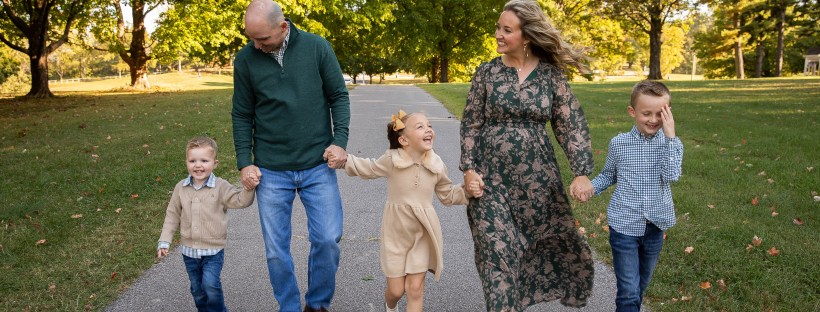
Among those 12, my Patient Perspective video is unique. It’s the only video in the lineup where you hear firsthand experience from an IBD mom. During my unscripted 18-minute video, I share openly about the tough decisions I faced personally, the hopes and worries I encountered while bringing babies into this world, and what I want fellow patients and doctors to know. As an IBD mom of three kids (now ages 8, 6, and 4) who were all exposed in utero to Humira, I have a unique perspective to share.

I know what it’s like when you’re 32 weeks pregnant and have to do a biologic injection while you see your baby’s foot kicking at your belly. I know how stressful it is when you don’t know if you’re going to flare while pregnant or shortly thereafter. I know how complicated and overwhelming it can feel when you’re juggling a chronic illness along with pregnancy and motherhood.

Having a patient video placed alongside expert commentaries is a statement: our lived experience is essential to understanding how guidelines work in the real world. I hope my words leave you feeling seen and empowered.

The 12 published videos cover the following topics:

  • Adverse Outcomes of Pregnancy in IBD
  • Fertility and IBD
  • Fetal and Neonatal Adverse Events in IBD
  • IBD Medications During Pregnancy
  • IBD Medications During Breastfeeding
  • Immunizations for Infants of Mothers with IBD
  • IBD Medication During Breastfeeding
  • Key Findings and Recommendations
  • Management of IBD During Pregnancy
  • Maternal Factors in IBD
  • Preconception Counseling and Contraception for Patients with IBD
  • The Patient Perspective

Why These Videos Matter

Each video is a piece of a bigger puzzle. Together they tell a story about where we are now, where we need to go, and how patients can be—and must be—central to that journey.

Bridging gaps between patient, clinician, and researcher. These videos are designed not just for patients, but for caregivers, physicians, policy makers, and anyone interested in improving IBD care. Seeing things through the patient lens can spark better communication, more empathic care, and guidelines that address what matters most.

Empowerment through shared experience. Whether it’s coping with symptoms, navigating treatment decisions, or facing uncertainty, this research will make you feel more confident in every decision you make along the way. Rather than feeling like there’s an overwhelming amount of gray area, you can see the roadmap of decision-making created from the Consensus that will help you each step of the way.

How to Watch & What To Do Next

  1. Watch the videos: Listen firsthand and educate yourself. An educated patient is an empowered patient. It’s one thing to read a published medical study, it’s especially helpful to see these videos and watch the research come to life.
  2. Join the conversation: Use these videos as conversation starters, take what you learned into clinic visits, have conversations with your partner/family/friends, or on social media. When you’re talking about family planning, make sure your GI and Maternal Fetal Medicine doctors are aware of the Global Consensus on IBD and Pregnancy to ensure they are up-to-date on the very latest research.
  3. Join the PIANO study. This is a great way to become a citizen scientist and use your journey to motherhood as a way to pave the way for others. I participated in PIANO with my youngest child, and he will continue to be “followed” until age 18. It does my heart good to know we’re helping bridge the gaps in understanding so women with IBD now and in the future can feel more comfortable about staying on medication in pregnancy and during breastfeeding.

Too often, patient voices are an afterthought or an add-on. Being featured as an integral voice, not a sidebar, is a powerful shift. The fact the Global Consensus Conference team made such a point to incorporate patients like myself who are IBD moms, from around the world, goes to show just how inclusive and comprehensive this research is.

Final Thoughts

Living with IBD means navigating uncertainty, physical challenges, and emotional strength, but it also means being part of a community that continues to push boundaries in care. These videos highlight not only the science and data, but the lived realities that bring those numbers to life. Patient voices don’t just complement medical expertise, they help shape the future of care. By placing my perspective alongside global experts, the Consensus reminds us that guidelines are most powerful when they reflect both evidence and experience.

As an IBD mom, I think about what this progress means for my three children and for the next generation of families impacted by this disease. I volunteer my time and energy for these projects because they are at the heart of my patient advocacy and genuinely matter so much to me. The inclusion of patient voices today paves the way for a future where no one feels alone in their decisions about pregnancy and IBD. Together—patients, clinicians, and researchers are building a roadmap that will make the journey clearer, safer, and more hopeful for those who come after us.

Managing ADHD Medications with Crohn’s and Colitis: What Patients Want You to Know

Living with Inflammatory Bowel Disease (IBD) often means juggling more than one health condition. For some, that includes managing Attention-Deficit/Hyperactivity Disorder (ADHD). Both conditions can significantly impact daily life, and when it comes to treatment, it’s important to understand how ADHD medications may interact with IBD and its therapies. This week on Lights, Camera, Crohn’s we hear from more than 25 people who are juggling both and share their impactful advice.

The Overlap Between ADHD and IBD

While ADHD and IBD are separate conditions, research shows that people with chronic illnesses, especially those that begin in childhood or young adulthood may experience higher rates of ADHD or ADHD-like symptoms. Brain fog, fatigue, and difficulty concentrating are also common in IBD, which can make it challenging to distinguish what’s driving certain symptoms.

For those diagnosed with both conditions, ADHD medications can be life-changing, improving focus, energy, and daily functioning. But because IBD involves a sensitive gastrointestinal (GI) system, it’s important to weigh the potential effects ADHD medications can have on digestion and disease activity.

Common ADHD Medications and GI Considerations

Stimulant Medications (Adderall, Ritalin, Vyvanse, Concerta)

  • Appetite suppression: Stimulants often decrease appetite, which may be concerning for IBD patients who already struggle to maintain weight or adequate nutrition.
  • GI side effects: Nausea, abdominal pain, and diarrhea can occur, sometimes making it difficult to know whether a flare or medication side effect is to blame.
  • Sleep disruption: Poor sleep can worsen IBD symptoms and overall inflammation. Timing doses earlier in the day can help.

Non-Stimulant Medications (Strattera, Qelbree, Intuniv, Kapvay)

  • Slower onset: These may be less likely to cause GI upset but can take weeks to become effective.
  • Potential side effects: Constipation, abdominal pain, and fatigue are possible, which can overlap with IBD symptoms.

Impact on Gut Motility

Both stimulant and non-stimulant ADHD medications can influence gut motility (how fast or slow food moves through the digestive tract). For those with Crohn’s or ulcerative colitis, this may complicate symptom management, particularly if diarrhea or constipation is already a challenge.

Key Considerations for Patients with IBD

  1. Collaborative Care is Essential
    Make sure your gastroenterologist and psychiatrist (or prescribing physician) are aware of all your medications. This helps prevent drug interactions, especially if you’re on biologics, immunosuppressants, or steroids.
  2. Monitor Nutritional Status
    If stimulants suppress appetite, work with a dietitian to find calorie-dense, IBD-friendly foods and snacks that can help you maintain strength and body weight.
  3. Track Symptoms Carefully
    Keep a journal noting when you take your ADHD medication, what you eat, and how your GI symptoms present. This can help differentiate between medication side effects and IBD flare activity.
  4. Adjusting Doses and Timing
    Sometimes, smaller, or extended-release doses can reduce side effects. Timing medication with meals or adjusting when you take it can also ease GI discomfort.
  5. Mental Health Matters
    ADHD itself can heighten stress and anxiety, which are known triggers for IBD flares. Finding a treatment balance that supports both brain and gut health is critical for overall well-being.

An IBD mom and therapist shares her advice

Sammi is an IBD mom who works as a therapist. In her experience, both personally and professionally, she has valuable input to share about taking ADHD medications when you have Crohn’s or UC. Sammi took a low dose of Adderall (5 mg, sometimes 10 mg) in graduate school for her anxiety and ADHD.

“My appetite was extremely impacted I’m sad to say. I did not feel hungry until my stomach was physically giving me intense hunger cues. I was only a couple of months into Humira at that point so I too, was struggling with maintaining my weight and didn’t want that to be impacted.”

Here are a few things Sammi did to make it manageable:

1. ALWAYS eat before you take ADHD medications. Eat a big breakfast, if possible, protein and carbs (if you can tolerate generally, of course). As a therapist, many of my clients struggle with taking meds early enough at times. And inferring a good meal ahead of time can feel like a barrier so I just want to hold space for that. However, it is so imperative to be really fueled and in a good place stomach wise / eating wise before taking for the day.

2. Plan your meals out as much as possible. Since hunger cues were lessened for me, I was in the mood for nothing. So  it would be hard to decide what I was going to eat, and then I would not have to decide when I was feeling fatigued and overwhelmed.

3. Snacks are clutch. I say snacks because sometimes that’s just the easiest thing to eat, especially when you don’t want to think about food or you’re not actively thinking about food because your appetite is suppressed. I have Crohn’s disease and one of my biggest triggers is my stomach getting too empty whether it’s because I’ve waited too long to eat or I haven’t eaten enough that day. It will give me such a bad stomachache so that was happening to me pretty frequently when I first started taking the Adderall.

4. Take your ADHD medicines early in the day. This is my BIGGEST piece of advice and clinical recommendation for anyone who is considering taking ADHD medication. Take it early in the day so your sleep isn’t impacted. As we know with IBD- sleep can already be difficult this is so important!

More from the patient community

“My advice is to take it early in the morning so that you can eat more in the afternoon and evening. I don’t have a problem with dropping weight; I had the problem of retaining! Transparently, now I’m on GLP-1 (GI approved) medication, and I’ve lost 38 pounds. Best I’ve ever felt! But, when I take my Adderall too late in the day, I don’t eat and that’s not good either. I take my ADHD meds twice a day, as prescribed. Once at 7 am and once around noon.”

“I have IBD, and I currently take Adderall for my ADHD. I have been on it for a few months, and in my experience, my biggest issue is that it suppresses your appetite for quite some time. I’ve been struggling to gain weight for awhile due to my IBD, so taking something that makes it hard for me to eat all day has been a big challenge. I am thinking about asking my doctor to switch me to a new treatment plan to hopefully find something that doesn’t suppress my appetite!”

“I feel like it never affected me very much with eating and I don’t think there was any interactions between anything with ADHD meds and my UC!”

“I’ve heard fellow moms with kids on these medications recommend eating a big breakfast before ADHD meds kick in, having a snacky lunch, and a late dinner after they wane.”

“There are non-stimulant ADHD meds. Stimulants are the ones that suppress appetite. You can ask your doctor about these and ask to start on the very lowest possible effective dose, if stimulants are required.”

“I don’t take ADHD medications now, but in college I did. I did not find it impacted anything with my Crohn’s. Depending on the ADHD med, it could impact appetite but didn’t interfere with how I manage my IBD.”

“I’m on mental health meds for anxiety and depression, along with ADHD meds, and I do think I’ve had a slight decrease in appetite. I also naturally have a lower appetite than most. A family friend of mine has been on Ritalin for longer than me, and I think he has struggled more in that aspect than I have though.”

“I have a j-pouch with a post-pouch diagnosis of Crohn’s, and I take Vyvanse for ADHD. I take 30 mg a day, I don’t feel like it impacts my appetite at all.”

“I take stimulants for my ADHD, and I don’t have any decrease in appetite. It just depends on the person.”

“The best advice is eating a big breakfast, having snacks for lunch, and then eating a big dinner. I have also reached out to my Crohn’s dietitian  to have more creative ideas for small meal ideas! The issue with choosing what medicines is that they all aren’t covered immediately—I’m starting on Adderall, which is one of the suppressants—my doctor doesn’t plan to keep me on that long term, but due to insurance, I have to start there. I have also have to find out what exactly is covered and is not covered (as IBD patients we’ve been there before, right!?)”

“I have Crohn’s and just started to take Vyvanse about two months ago. Even on a low dose, while also being on a high dose of prednisone, I’ve had little appetite. It has helped me to eat something small as soon as I’m able in the morning, before taking the medicine. It helps me have more of an appetite throughout the day, though I have smaller meals now.”

“I have Crohn’s and ADHD. I take an extended release 10 mg Adderall and find that my appetite is fine, a little less, but not dramatically so. I hadn’t really thought about it until my GI went through my meds. I have found that if I take 20 mg (we played around with the dose to find which works best), I do experience a loss of appetite. I think if you can find the therapeutic dose, it should be ok! I’m just a case study of one, but I would also add that ADHD meds have the benefit of supporting healthier time management skills, so I’m more inclined to stop and eat, which my scattered self sometimes didn’t do.”

“I don’t take my ADHD meds every day, but I take Vyvanse and when I do take it, I notice appetite suppression, but it’s nothing severe. I don’t have a j-pouch or struggle with being underweight. When I take them, I usually notice mid-day appetite suppression the most. I tend to eat breakfast before it’s fully kicked in and the effects have waned by dinner time.”

“I have been on Vyvanse, and it has been the best on my stomach and ADHD. I was diagnosed early this year. I tried Adderall, and it made me anxious and over stimulated. Concerta had me nauseated all day, everyday…Vyvanse is the way to go!”

“I have been on Ritalin for the last 2.5 years (finally) and even started an anxiety med that also helps with my chronic pain.”

“I’m on 10 mg of Focalin for ADHD and on Imuran (max dose), Entyvio infusions, and other meds for anxiety and depression. I never had a big appetite regularly, so I haven’t noticed a big difference. The benefit for me has been that I am calmer now and don’t get that ADHD stress. I’m 45 and was just diagnosed with ADHD last November. I’ve had Crohn’s since age 14 with many surgeries between then and 2022.”

“I have IBD and take ADHD meds. I never had the lack of appetite side effect, so I might be an outlier. I usually eat breakfast before taking my pills. Sometimes I need to set timers to eat though if I’m hyperfocusing.”

“I recommend keeping snacks in view. If you don’t feel like eating, drink a protein shake. My Crohn’s symptoms improved a bit with ADHD meds, too.”

“I can’t speak to the loss of appetite, but I was diagnosed with ADHD a few months ago. I tried Adderall for three days, but each day it upset my gut. I had way more bowel movements than normal, even though I was not flaring, and my gut was sore after each one. So, I stopped taking the Adderall and everything went back to normal. I’ve just been self-medicating with caffeine ever since.”

“It helps to eat when you take your ADHD meds and then eat smaller meals throughout the day. It’ll make you not thirsty, so make sure you’re mindful about hydrating. I recommend taking little breaks from it, during weekends and things.”

“I just started my ADHD medications again post-baby and have noticed a huge drop in appetite. I tried a few different meds before settling on extended-release Ritalin. I will say immediate release Adderall severely exacerbated my Crohn’s and gave me horrible stomach cramps. The stomach cramp thing is common with that one, even if you don’t have IBD.”

“I stopped my ADHD medication. It absolutely  destroyed my belly. They are a stimulant and make you go to the bathroom more an also affect blood flow to the colon. It’s been awful.”

“Personally, it’s never been enough to make me lose weight. But I do tend to front load—eat my biggest meal in the morning. Also, the come down from stimulants will have you ravenous by the end of the day.”

Finding the Right Balance

Every person’s IBD and ADHD journey looks different. What works well for one person may not for another. The key is to be proactive, keep your healthcare team in the loop, and advocate for adjustments when needed.

Managing IBD is already a full-time job. Adding ADHD into the mix can feel overwhelming, but with the right treatment plan, many people find that their ADHD medications not only improve focus but also help them feel more in control of their health overall.

Additional Resources

Risk of Anxiety, Depression, and Attention-Deficit/Hyperactivity Disorder in Pediatric Patients With Inflammatory Bowel Disease: A Population-Based Cohort Study – PubMed

Association between attention-deficit/hyperactivity disorders and intestinal disorders: A systematic review and Meta-analysis | Scientific Reports

Gut dysbiosis as a driver of neuroinflammation in attention-deficit/hyperactivity disorder: A review of current evidence – ScienceDirect

Is There a Link Between Adderall and Ulcerative Colitis or Crohn’s Flares? | MyCrohnsAndColitisTeam

ADHD and Bowel Issues: Finding ReliefWhen ADHD Meets IBD: A Complicated Relationship – Girls With Guts

The Patient Experience: IBD and PCOS—Is there a connection?

Polycystic Ovary Syndrome (PCOS) and Inflammatory Bowel Disease (IBD) are two conditions that can significantly affect a woman’s health, but many may not realize that there is a potential connection between the two. While they are distinct in their nature, the relationship between PCOS and IBD may be more intricate than previously thought. Living with both makes for a complicated patient journey and is not talked about enough.

This week on Lights, Camera, Crohn’s we look at these conditions, how they influence one another, and hear from several women in the chronic illness community who experience both.

What is Polycystic Ovary Syndrome (PCOS)?

If you’re reading this, chances are you are aware of what IBD is, but PCOS may be more of a mystery to you. PCOS is a hormonal disorder that affects the ovaries, typically during the reproductive years. It’s characterized by irregular periods, excess androgen levels (leading to symptoms like acne, excessive hair growth on parts of the body where hair is normally minimal, scalp thinning), and the presence of multiple small cysts in the ovaries. PCOS is linked to insulin resistance, obesity, and an increased risk of developing type 2 diabetes, heart disease, and endometrial cancer and impacts 1 in 10 women who are childbearing age.

The precise cause of PCOS is still not fully understood, but genetic factors and lifestyle choices (such as diet and exercise) play a significant role.

The Shared Link: Inflammation

Both PCOS and IBD are associated with chronic inflammation. This is a key factor that may connect the two conditions.

Chronic Low-Grade Inflammation in PCOS

Research has shown that women with PCOS often have increased levels of inflammatory markers, such as C-reactive protein (CRP). This chronic low-grade inflammation can affect the entire body and is linked to metabolic dysfunctions like insulin resistance and obesity, both of which are common in PCOS. Inflammation in PCOS can also exacerbate other symptoms, such as ovarian dysfunction and difficulty managing weight.

Inflammation in IBD

On the other hand, IBD is fundamentally a disease of chronic inflammation. The immune system mistakenly attacks the lining of the digestive tract, leading to the symptoms of Crohn’s disease or ulcerative colitis. This ongoing inflammation can lead to gut permeability issues, nutritional deficiencies, and an altered gut microbiome. The inflammatory process in IBD is often more severe and widespread than in PCOS, but the principle of chronic, low-grade inflammation links the two conditions.

How Might Inflammation Link IBD and PCOS?

Though PCOS primarily affects the reproductive system and IBD affects the gastrointestinal system, both conditions share inflammation as a common underlying feature. Inflammation in one part of the body can exacerbate the other condition, making both difficult to manage at one time.

Here are a few ways in which inflammation might connect these two diseases:

Gut Microbiome Imbalance: Both IBD and PCOS have been shown to be influenced by imbalances in the gut microbiome. In IBD, the gut bacteria are disrupted, contributing to inflammation and disease progression. Emerging research suggests that women with PCOS also exhibit gut dysbiosis, which could worsen the inflammatory profile in the body. This imbalance may be a link that exacerbates both conditions, potentially influencing the development and progression of each.

Immune System Dysfunction: Both PCOS and IBD involve immune system dysfunction. In PCOS, the immune system may not properly regulate inflammation, contributing to insulin resistance and ovarian dysfunction. Similarly, in IBD, the immune system is dysregulated, resulting in chronic inflammation in the GI tract. A common immune pathway may contribute to the co-occurrence of these conditions in some individuals.

Hormonal Imbalances: Inflammation in PCOS can lead to hormonal imbalances that impact not only the reproductive system but also other systems in the body. Conversely, chronic inflammation in IBD may affect hormone levels, potentially exacerbating PCOS symptoms. For example, inflammatory cytokines may interfere with the normal balance of estrogen and progesterone, further complicating reproductive health.

Metabolic Dysfunction: Both PCOS and IBD are associated with metabolic issues, such as insulin resistance. Insulin resistance often goes hand-in-hand with chronic low-grade inflammation in both conditions, and this can make the management of both diseases more challenging. Insulin resistance can worsen inflammation, and inflammation can increase the likelihood of developing insulin resistance, creating a vicious cycle.

Medication Overlap: Some medications used to treat IBD, such as corticosteroids, can also exacerbate symptoms of PCOS, especially in terms of weight gain, insulin resistance, and hormonal imbalance. Conversely, treatments for PCOS, such as oral contraceptives and anti-androgen drugs, may have side effects that impact gut health, potentially influencing the course of IBD.

Managing the Dual Diagnosis

For those dealing with both PCOS and IBD, managing these two conditions simultaneously can be a delicate balancing act. Treatment plans need to address both the hormonal imbalances of PCOS and the inflammatory components of IBD.

Anti-inflammatory Diet: A diet rich in anti-inflammatory foods, such as fruits, vegetables, whole grains, and omega-3 fatty acids, may help reduce inflammation in both the gut and the reproductive system. A diet low in processed foods and sugar can also improve insulin sensitivity, which is crucial for managing PCOS.

Probiotics and Gut Health: Since both PCOS and IBD involve gut health disturbances, introducing probiotics or focusing on gut-healing strategies could help improve the balance of beneficial bacteria and reduce overall inflammation. However, the use of probiotics should be carefully monitored in IBD patients, as some may have adverse reactions during flare-ups. This is a conversation to have with your GI, as there are many differing opinions.

Medications and Monitoring: Medications for IBD (such as anti-inflammatory drugs or immunosuppressants) should be balanced with treatments for PCOS. A healthcare provider may consider the impact of one treatment on the other, as certain drugs could worsen either condition.

Physical Activity and Stress Management: Exercise can help with both insulin sensitivity and inflammation. Regular physical activity helps control weight and can reduce inflammatory markers in the body. Additionally, managing stress through mindfulness or relaxation techniques can also reduce inflammation and improve overall well-being.

The Patient Experience: Read Firsthand Accounts from Women with IBD and PCOS

When researching articles, one of my favorite parts of the writing process is to connect with patients who live the reality of the subject matter. Having the patient voice—people who are willing to share their firsthand experience to help others is priceless. Here is what women with both IBD and PCOS shared with me:

Kayla: “I am curious how many women with IBD also have PCOS because both my sister and I have it. I am getting put on Letrozole in a few weeks to helpfully get me to ovulate. I also have super high AMH which makes sense if I have PCOS, but it’s extremely high so I assume that also means a lot of eggs which also is the same for my sister. It’s crazy because my sister and I have led quite different lifestyles, but our health conditions have been nearly identical! I’m hoping to join the PIANO study soon after this round of medications.”

Sam: “Both PCOS and IBD affect my body and cause inflammation. It can be really tiring to deal with both. Also, there isn’t a cure for either one. Getting pregnant with both was interesting. I had to be in remission with my Crohn’s and then deal with trying to get pregnant which was difficult because of my PCOS. Family planning is extremely stressful with both conditions. I will say that an IUD and being on a GLP1 and infliximab infusions have helped keep my inflammation under control. I also feel like both are invisible diseases and people just dismiss them.”

Stephanie: “I was diagnosed with PCOS after coming off birth control for the first time in six years when I was 22. I was diagnosed with ulcerative colitis at age 26, nine months after having my first child. I never had any symptoms of uc prior to pregnancy and childbirth. My doctors say there is no correlation between both, but something that has been super interesting to me and my husband is the weight aspect…as you know with IBD there are many periods of time when you’re either using the bathroom 10+ times a day or even afraid to eat because of unknown outcomes, which causes many IBD patients to be underweight. But I’m the opposite. I gain weight during those periods and have a very hard time keeping the weight off with both diagnoses, which I chalk up to the PCOS causing insulin resistance (PCOS is often referred to as diabetes of the ovaries)…even though my labs don’t always show insulin resistance. It’s been extremely hard finding doctors who talk about other ways to help my PCOS without birth control.”

Stephanie also takes Metformin. She says both diagnoses come with their own challenges, but the PCOS diagnosis causes her more frustration since most of the suggestions are just to “lose weight” or take hormones to mask the symptoms of the disease. She is excited to see where the research on this topic and learn more about how the co-morbidities coincide between both diseases.

Jami: “I have IBD, diagnosed after four years of struggling through university (both my twin sister and I have Crohn’s disease). I had a major flare in 2015 and after a year of struggling I had surgery to remove my colon. I have an ileostomy and have had every surgery for Crohn’s since. Rectum removed. Stoma repairs, hernia repairs, fistulas, abscesses. I surprisingly got pregnant easily with my first daughter in 2019 after testing to ensure my surgeries did not disrupt my ability to conceive, but in 2021 I started to struggle to conceive and found out I had PCOS. I went to a fertility clinic to help to conceive my second child, and did not need IVF. Instead, I was given hormones and injections to help me ovulate properly and then I was on progesterone to help maintain the pregnancy for three months. If I’m being honest, I feel the C-vid vaccine screwed with my hormones. I don’t regret getting the vaccine as I’m immunocompromised from my biologic, but it was after the vaccines that my hormones were messed up and I started to have pain with my menstrual cycles (terrible cramping and awful breast pain before and during…which I never had before).”

Lindsey: “Crohn’s and PCOS here! I didn’t get diagnosed with PCOS until 2024 after trying to conceive for a couple of years. My only symptom is irregular cycles and multiple follicles on ultrasounds, so the diagnosis came as a shock to me.”

Gabby: “Living with Crohn’s is already a full-time job, but being diagnosed with PCOS added another complex layer. Both conditions affect my hormones, digestion, and inflammation—and often, managing one feels like it’s aggravating the other. PCOS makes it harder to control symptoms during Crohn’s flare-ups, and vice versa. I’ve learned to be incredible mindful of my diet, avoiding gluten and inflammatory foods to reduce triggers for both conditions. As a Latinx woman, one of the most frustrating things has been finding a way to manage my symptoms without feelings like I have to give up the foods that connect me to my culture. Traditional Cuban and Dominican dishes are rarely considered in medical diets or nutrition plans, and I’ve often felt overlooked in conversations about what’s “safe” to eat. But even with careful planning it’s not always enough.”

Gabby went on to say one of her biggest ongoing challenges is keeping her hormones balanced, especially during periods of high stress, something that often happens during a Crohn’s flare. She says stress tends to amplify both conditions, causing a domino effect of symptoms that can be physically and emotionally draining. Some days, she feels like she’s chasing balance that’s always out of reach.

Maddie: “My uc diagnosis came December 2012 when I was 14, wasn’t 8th grade such a fun year! I was put on mesalamine for the uc and birth control and spironolactone for my PCOS and didn’t have a second thought about either for 8.5 years, until I was 22 and my uc flared in June 2021. After the flare settled in July 2023, I stopped birth control a couple of months later to prepare to try to conceive after the six-month clearance. Stopping HBC didn’t impact my UC at all thankfully, which was a worry. We started TTC in April 2024 expecting it to take a while due to PCOS, but with a regular cycle, we conceived on the third cycle of trying in June 2024. We experienced a missed miscarriage where the baby stopped growing at 8 weeks, but we found out when I was supposed to be 10 weeks. After the miscarriage and D&C, I had a flare that lasted 4 months plus a 3-month waiting period before trying to conceive again.”

Maddie is thankful she was able to manage the flare with a course of budesonide. She did not need to switch maintenance medications.

“PCOS and uc are intertwined in this TTC journey, as PCOS unfortunately carries a higher miscarriage risk. Now that we know my body likely responds to loss and perhaps a full-term postpartum as well with a flare, it makes it much scarier of the risks of repeated losses and flares, and the worries of those make me worried about pregnancy-safe drug options, as well as the dangers of repeated/chronic inflammation on future health and cancer risks, and the worries of never being able to have a live birth or our ideal family size.”

Jenny: “Advocating for yourself is the first step towards healing, regardless of an individual’s situation. For years, I was told my Crohn’s disease and symptoms of PCOS were unrelated. It was a journey of perseverance towards confirming a diagnosis of PCOS and validation that the two are related. Trust your intuition, speak up, and never settle for answers that don’t feel right. Sometimes, the right doctors are the ones who truly listen—don’t be afraid to change your path until you find the care you deserve.

Jenny says it wasn’t until she had a female GI and a female gynecologist that she felt heard and understood. She says making that shift was pivotal in how she lived, improved her confidence, and her understanding of self-advocacy.

Final Thoughts

The relationship between IBD and PCOS is complex, but there are notable overlaps, especially in terms of chronic inflammation, immune system dysfunction, and metabolic disturbances. People with both conditions may face unique challenges, but understanding these shared pathways can help tailor treatments that address the root causes of inflammation and hormonal imbalances. Collaboration between healthcare providers across different specialties, such as gynecology, gastroenterology, and endocrinology, is essential to ensure comprehensive care for individuals managing both IBD and PCOS.

By recognizing these connections, we can better manage these conditions and improve the quality of life for those affected. While research appears to be limited regarding IBD and PCOS, there seemed to be a lot more discussion regarding Irritable Bowel Syndrome (IBS) and PCOS. I hope this article makes you feel seen, less alone, and empowered to discuss any health challenges that you may be experiencing but unsure of.

Navigating IBD: A Journey of Resilience, Advocacy, and Hope

An Inflammatory Bowel Disease (IBD) diagnosis often comes with a heavy toll, not only on the body but also on the mind and spirit. For patient leader and three-time author Stephanie A. Wynn, her journey through IBD (like many of us) has been one of pain, perseverance, and advocacy. 

This week on Lights, Camera, Crohn’s a look at what inspired Stephanie to write, “Navigating Inflammatory Bowel Disease – A Six-Week Blueprint for Better Gut Health” and what she hopes our community takes away from her latest book.

The Inspiration Behind the Book

Reflecting on her personal story, Stephanie recalls a heartbreaking experience that would unknowingly be tied to her IBD diagnosis years later. “Fifteen years ago, I lost my daughter, Jameson. At the time, I had no idea that Crohn’s Disease had anything to do with it. I wasn’t even diagnosed yet,” she shares. For years, her symptoms were not properly understood by doctors, which only added to the emotional and physical turmoil. It wasn’t until her sixth diagnosis that medical professionals finally connected the dots.

Through this painful experience, Stephanie realized the vital need for advocacy and support for those suffering in silence. This realization sparked her passion for helping others who may be overlooked or misdiagnosed. “I advocate for the women who are told their pain is normal. I advocate for the patients dismissed by doctors because their symptoms don’t fit the textbook definition,” Stephanie explains.

This journey led to the creation of Navigating Inflammatory Bowel Disease (IBD): A Six-Week Blueprint for Better Gut Health. This book is more than just a personal account; it’s a powerful resource for those living with IBD and their caregivers. Stephanie wrote the book she wished she had when she was first diagnosed — a roadmap that offers not only practical advice but also emotional support.

A Glimpse Inside the Writing Process

As a three-time author, Stephanie approaches writing as a deeply empathetic process. She listens carefully to the stories and concerns of the IBD community. “Before I write, I ask: What are people struggling with the most? What’s missing from the resources currently available? How can I make complex medical and lifestyle topics easier to digest?” she says.

Each chapter of Navigating Inflammatory Bowel Disease (IBD) is designed to address the real-life struggles of patients and caregivers. The book offers practical advice on managing symptoms, self-advocating in medical spaces, and embracing resilience, making it a comprehensive guide to living well with IBD.

What Stephanie Hopes Readers Take Away

The central focus of this book is to give patients confidence. Confidence in managing their health, advocating for themselves in medical spaces, and maintaining hope for a fulfilling life despite the challenges of IBD. The six-week blueprint includes:

  • Actionable steps to manage life with Crohn’s Disease or Ulcerative Colitis
  • Reflection prompts to help patients process their journey
  • Guidance on managing symptoms, diet, and mental health
  • Tools for improving communication with doctors and loved ones

Stephanie emphasizes that no one should have to face IBD alone. “This book is about helping people find their voice, take control of their health, and live their lives with confidence.”

Amplifying Underrepresented Voices

Another key aspect of Stephanie’s work is ensuring that underrepresented communities are included in the conversation about IBD. She is especially passionate about advocating for Black, Brown, and marginalized patients who often face additional barriers to diagnosis, treatment, and support.

“Minorities and underrepresented communities have been overlooked in conversations about IBD,” she says. “The lack of awareness, delayed diagnoses, and disparities in treatment access are real barriers. Through my work as an IBD Patient Navigator® and Certified Patient Leader, I ensure that these communities feel seen, heard, and supported.” Stephanie is determined to elevate voices that are often ignored and make sure that health equity becomes a priority for all.

Why This Book Means So Much

For Stephanie, Navigating Inflammatory Bowel Disease is not just a book — it’s a mission. It is the culmination of her own struggles, triumphs, and desire to make a difference. “This book isn’t just a project, it’s my story, my advocacy, my purpose,” she shares. It’s the blueprint she desperately needed when she first began her journey with IBD, and now it’s available for others to guide them through the maze of treatments, lifestyle adjustments, and emotional challenges that come with this chronic illness.

She hopes her story serves as a beacon of hope for anyone who feels lost or overwhelmed by their diagnosis. “No one should have to figure out Crohn’s Disease or Ulcerative Colitis alone,” Stephanie says.

Final Thoughts

Stephanie’s message is clear: IBD may shape our lives, but it doesn’t have to define us—which I love! Navigating Inflammatory Bowel Disease (IBD): A Six-Week Blueprint for Better Gut Health is not just a guide for managing symptoms, it’s a testament to the power of resilience, hope, and community. With this book, Stephanie aims to spark a movement towards better gut health, stronger patient advocacy, and a future where no one navigates IBD alone.

Whether you are newly diagnosed, a caregiver, or someone who has lived with IBD for years, this book is for you. As a fellow patient advocate and leader, I’m so proud of Stephanie for going after her dreams and making this latest resource a reality for our community. Together, we can turn pain into purpose and ensure that no one fights this battle in silence.

Click here to order your copy of Navigating Inflammatory Bowel Disease.

Let’s keep the conversation going.

Connect with Stephanie on Instagram and LinkedIn and share your IBD story.

Learn more about the Stephanie A. Wynn Foundation, Inc., which is dedicated to eliminating healthcare and financial disparities in underserved African American and marginalized communities.

Empowering Teens: A Guide to Scholarships for College-Bound Students with Inflammatory Bowel Disease

Millions of people worldwide live with IBD. For teenagers with Crohn’s disease or ulcerative colitis, the challenges are multi-faceted—not only must they manage their health, but they also face the pressures of academic life, dealing with physical and emotional challenges their peers can’t relate to, and the daunting costs of higher education. Thankfully, several scholarship programs exist to support students dealing with IBD, offering financial assistance, and fostering a sense of community and empowerment.

This week on Lights, Camera, Crohn’s a look at what scholarships are available and tips for applying. This story idea was inspired by a caregiver who sent me a direct message on Instagram asking if her teenage daughter could be awarded a scholarship for going above and beyond scholastically despite having IBD. I wasn’t aware of what is available—and in working on this article I did my research as though I was a teen/caregiver looking up scholarships geared towards those with IBD.

Why IBD Scholarships Matter

Teens with IBD often navigate difficult symptoms, frequent medical appointments, and hospitalizations. Despite these challenges, many young people with IBD excel academically, participate in extracurricular activities, and remain determined to pursue higher education. Scholarships tailored to their needs can ease the financial burden of college tuition and provide a sense of validation for their hard work and resilience.

In addition to financial relief, these scholarships can help build a sense of camaraderie among students with similar experiences. IBD scholarships are a powerful way for these teens to connect, share their stories, and feel supported and empowered in their journey toward college and beyond.

Notable Scholarships for Teens with IBD

Abbvie Immunology Scholarship: The AbbVie Immunology Scholarship aims to reduce the financial burden for students impacted by inflammatory diseases. It is awarded to 45 students. Recipients pursuing an associate degree will receive a $5,000 scholarship. Those pursuing a bachelor’s or master’s degree/PhD will receive a $15,000 scholarship.

The Salix Gastrointestinal Health Scholarship Award: Ten scholarships to 10 outstanding students living with gastrointestinal (GI) diseases and disorders who are pursuing their higher education goals. The 2025-2026 application period opened February 10, 2025, and the end date to apply is May 5, 2025.

Patient Advocate Foundation – Scholarship” In 2000, PAF established the Scholarship for Survivors program to honor these individuals by offering educational scholarships to students who have suffered (or are suffering) from cancer or a chronic illness. The deadline for submissions is March 7, 2025.

180 Medical Scholarship Program: The 180 Medical Scholarship Program is open to full-time college students living with specific medical conditions, including spinal cord injuries, spina bifida, transverse myelitis, neurogenic bladder, or an ostomy (ileostomy, colostomy, and/or urostomy). They offer seven $1,000 college scholarships annually to seven recipients. Accepting applications through June 1, 2025. Recipients are announced in August.

AAHD Frederick J. Krause Scholarship on Health and Disability: Awarded annually to deserving students with a disability who are pursuing undergraduate/graduate studies in an accredited university and who are pursuing studies related to health and disability. Scholarships are generally $1,000.

Buckfire & Buckfire, P.C. Disability Scholarship Program: The Disability Scholarship was established in 2014 as part of the law firm’s commitment to helping students with disabilities or injuries who need financial assistance for educational purposes. The scholarship awards $1,000 to one student. The deadline to apply is October 1, 2025.

Defining the Disability Scholarship: The attorneys at the Berkowitz Hanna Malpractice and Injury Lawyers offer a $1,000 scholarship to help a student overcome a disability. Students define what disability means to them and explain how disability has been part of their life. Applications are not being accepted right now but stay tuned for 2025.

Lawrence Madeiros Scholarship: The Larence Madeiros Scholarship Fund was formed to provide awareness of chronic disorders to the public and to stimulate, foster, and encourage interest, awareness, and activism at the state and national level with reference to the fight against chronic disorders. The scholarship is awarded to high school seniors living with a chronic disorder and continuing their education at a college or university. The deadline for applying is May 1, 2025.

Overcoming Disability Scholarship: The Law Offices of Coats & Todd Overcoming Disability Scholarship awards $2,500 scholarships twice a year to college students who are managing a disability while attending school. To qualify, students must have a physical or psychological disability that affects their ability to work. The deadline for applying is March 26, 2025. Their team can be reached at: scholarships@coatsandtoddlaw.com

IBD Connects Scholarship Program: To support the educational aspirations of students impacted by IBD, IBD Connect awards two annual scholarships, each valued at $1,000, to eligible applicants enrolled in a U.S. college, university, or trade/vocational school for the upcoming academic year. The application program opens March 1, 2025, and ends May 31, 2025. For any questions regarding the Scholarship Program, email Lisa Fournier: lisafournier@ibdconnectinc.org.

It’s important to note there may be other IBD-related scholarships available, this list reflects what I discovered upon researching this article.

Additional Scholarship Resources

Beyond disease-specific scholarships, many general scholarships and grants are available to students with disabilities or health conditions. Websites like Scholarships.com, Niche, and Unigo allow users to search for scholarships based on specific needs, including chronic illness or disabilities.

To search for more scholarships that you may qualify for, visit the U.S. Department of Education’s Federal Student Aid website and the U.S. Department of Labor’s free scholarship search database. You can search for scholarships based on the state you live in, your degree program, and your future goals.

Additionally, some universities even offer their own scholarships for students with disabilities, including those affected by IBD. It’s always a good idea to contact the admissions or financial aid office of the school you’re interested in to inquire about any opportunities.

Tips for Applying for IBD Scholarships

  • Start Early: Many scholarships have early deadlines, so it’s important to start the application process well in advance of the due dates.
  • Tell Your Story: Your personal experience with IBD is what sets you apart. Be honest and heartfelt in your essays, sharing how IBD has shaped you as a person and student.
  • Gather Documents: Be prepared to provide documentation of your diagnosis, along with transcripts and letters of recommendation.
  • Stay Organized: Keep track of all deadlines, required documents, and any special instructions for each scholarship.

Final thoughts

For teens living with IBD, pursuing a college education can be a difficult but achievable goal. Scholarships specifically designed for students with IBD can alleviate financial stress, validate personal resilience, and provide a network of support. I was “lucky” in the respect that I was not diagnosed with Crohn’s disease until two months after college graduation, so I did not have to navigate these challenges while furthering my education and moving away from home. Along with scholarships, it’s important for caregivers and students with IBD to communicate the need for accommodations on the college campus—this can range from having a bathroom in or near your dorm room to having extra time to complete assignments. Click here to read another Lights, Camera, Crohn’s article that digs deeper into this topic.

As more awareness is raised about the challenges of IBD, opportunities for scholarships and grants continue to grow, ensuring that students with IBD can thrive academically without being held back by their condition.

Additional Resources

Taking IBD to School | Crohn’s & Colitis Foundation

Disability Support Services | Crohn’s & Colitis Foundation

10 Tips for Dealing with IBD in College – Managing IBD at School | Michigan Medicine

Starting College with Ulcerative Colitis

College Students with Inflammatory Bowel Disease: A Qualitative Study of Challenges Associated with College Transition and Self-Care – PMC

A Guide for How to Thrive in College With Crohn’s Disease

Navigating College with IBD – IBD Connect

How to Handle College if You have Crohn’s or UC

College and IBD Handbook – ImproveCareNow

Back to school tips

Preparing for College Life with Crohn’s Disease
WIsDoM Study: Empowering Women with IBD to Navigate Fertility and Family Planning

Many women with Crohn’s disease or ulcerative colitis are diagnosed during peak childbearing years. Despite ongoing advances and strides in research, many questions remain about female fertility as it relates to IBD. This inspired Dr. Marla Dubinsky, MD and Dr. Zoë Gottlieb, MD at Mount Sinai Hospital in New York and Dr. Eugenia Shmidt, MD at the University of Minnesota to create The Women with Inflammatory Bowel Disease and Motherhood (WIsDoM) study. Since launching at Mount Sinai and the University of Minnesota in 2023 about 170 women with IBD have participated, and thanks to a generous grant from the Helmsley Charitable Trust, WIsDoM will continue to enroll participants until the end of August 2025. The goal—to enroll about 500 women across the United States and Canada by the end of next summer.

This week on Lights, Camera, Crohn’s we hear from these leading trailblazers in the IBD field to learn more about their aspirations for this monumental research study and how you can get involved.

The inspiration behind WIsDoM

Dr. Dubinsky and Dr. Gottlieb tell me they care for hundreds of women with IBD who are considering pregnancy, including those with a history of IBD-related surgeries.

“These women, along with their partners and families, often ask how their IBD or surgical history might affect fertility. Unfortunately, the available research on this topic is limited. Much of it comes from retrospective surveys or large database studies, which fail to give us a complete picture,” says Dr. Dubinsky. “Additionally, most of the existing data focuses on women who’ve had open J-pouch surgery for ulcerative colitis; given that many IBD surgeries, including J-pouches, are now done laparoscopically, this information is often not relevant to our current patients.”

They recognized the need for more comprehensive, up-to-date data to help answer these important questions to allow them to provide the best possible guidance for family planning to their IBD patients.

“Unlike previous research, WIsDoM gathers detailed, long-term data, allowing us to better understand the impact of IBD on reproductive health and identify potential risk factors impacting fertility in this population,” Dr. Dubinsky explains.

Main questions about female fertility and IBD that remain

We currently have limited information on how most IBD surgeries, other than open J-pouch surgery, may affect female fertility.

“Many of our patients with IBD have undergone other types of surgery, such as subtotal colectomy or small bowel resection, but we don’t yet know how these procedures might impact fertility. In addition, there is very little data on how other factors—such as the type of IBD, medications, the length of time someone has had the disease, other health conditions, family history, or sexual health—could influence fertility. Our goal is to give women a thorough understanding of how their IBD, along with their overall medical, social, and reproductive histories, might affect their ability to become pregnant,” Dr. Gottlieb says.

Who can participate in the WIsDoM study?

You must be:

  • A woman with IBD
  • Aged 18 to 45 years old
  • Planning to become pregnant in the next 15 months
  • Able to consent to participation
  • Live in the United States or Canada

Click here to hear from Dr. Dubinsky and Dr. Gottlieb firsthand.

What does participation involve?

When women join the study, they will be asked to complete an initial questionnaire that covers their IBD, surgical, medical, reproductive, sexual, and social histories. This will be the longest form you need to fill out and may take about 15 to 30 minutes, depending on your individual experiences. After completing the form, participants will receive a $50 gift card. You will also be asked to help obtain some of their medical records so additional information can be gathered about your health history.

“Once they are enrolled, participants will receive a survey each month. In this survey, they’ll be asked whether they’ve tried to conceive, whether they became pregnant, and if there have been any changes in their IBD, surgical, or reproductive health since the last survey,” says Dr. Gottlieb. “They’ll also be asked to describe their IBD symptoms, including whether they’re experiencing a flare-up or if their condition is well controlled. Participants will continue to receive these surveys monthly until they reach 12 weeks of pregnancy or until the study ends in July 2027, unless they choose to opt out.”

When the study ends (either at 12 weeks of pregnancy or the study’s conclusion), participants will receive an additional $50 gift card. If you become pregnant and experience a pregnancy loss, or if you become pregnant, have a baby, and wish to try for another pregnancy during the study period, you can re-enroll and continue participating.

Being proactive with family planning

When women and their families have a clear understanding of how their IBD, surgical, and medical histories may affect fertility—based on comprehensive, real-world data—they can make informed decisions about seeking fertility help sooner.

“This early guidance can help them get the support they need during the family planning process and avoid unnecessary delays in trying to conceive naturally if it seems unlikely to be successful. At the same time, it will also allow us to reassure some women that their fertility is likely to be similar to that of women in the general population, helping them avoid the financial burden of fertility treatments until they truly need them,” says Dr. Dubinsky.

Final thoughts

Through WIsDoM, we have a unique opportunity to make a meaningful difference in how women with IBD receive guidance about pregnancy and family planning. By gathering important data over time and using this to predict a patient’s risk of reduced- or infertility, medical providers can offer early support, including information on how surgery might affect fertility before a patient undergoes an operation.

“We hope that our findings will help change how healthcare providers support women with IBD when it comes to fertility, especially in terms of knowing when to refer patients to a fertility specialist. Currently, there are few clear guidelines on when to make these referrals, and we believe that, too often, we wait too long to offer women the support they need to conceive,” says Dr. Gottlieb. “This delay can impact their family planning and create unnecessary emotional and financial stress. Our goal is to use the data we gather to develop a risk calculator that will help us assess each patient’s individual risk for fertility issues, allowing us to refer them to the right resources earlier and give them the best chance to become pregnant successfully.”

Every patient deserves the most accurate and evidence-based information to make informed decisions about their family planning, and the hope is that WIsDoM will provide this valuable insight for women with IBD. As an IBD mom of three following bowel resection surgery, knowing that research like this is underway for current and future families does my heart good. By participating in IBD studies like WIsDoM, you help paint a clearer picture for how patients and families can be most supported during family planning and beyond.

Interested in learning more about WIsDoM and getting involved:

Call: 212-824-7786

Email: wisdom@mssm.edu

Key Takeaways from Advances in IBD 2024

By Natalie Hayden and Tina Aswani-Omprakash

**This article has also been published on Tina’s blog: Own Your Crohn’s**

As two bloggers and patient thought leaders in the IBD community, we were thrilled and honored to attend and speak at the Advances in IBD conference in December 2024 in Orlando, Florida. In the article below, we come together to summarize key learnings for our IBD patient and caregiver community.

Management of Crohn’s Disease

Crohn’s can be a very progressive disease, meaning it can worsen over time and cause complications, often leading to fistulae, strictures, and therefore surgery and bowel loss. In a debate between two of the co-chairs, Dr. Miguel Regueiro and Dr. Corey Siegel, as well as throughout AIBD, a key theme was to understand if all Crohn’s patients need advanced therapies (biologics or small molecules) to prevent complications. A good suggestion was to identify those few patients who could be closely monitored but not necessarily put on an advanced therapy. The doctors agreed that almost all patients do need an advanced therapy to prevent progression of the disease. Dr. Siegel brought up an interesting point about risk-stratifying patients via a new blood test called CD-PATH, which allows physicians to better understand if a patient might be low-, medium-, or high-risk for progression of Crohn’s disease.

The conclusion at the conference was that early intervention has made a big difference in terms of improving long-term outcomes for patients. It was shown that there is an optimal time for treatment and missing that window can lead to progression of disease and potentially complications.

From stem cells for perianal Crohn’s to more options for fibrostenotic Crohn’s, many patients are waiting for more therapeutics to gain better quality of life. Patients, however, are also clamoring for more therapies for mild Crohn’s disease. There is a real void in treatment options for mild Crohn’s outside of dietary therapies and occasional use of steroids (< 1-2x a year). As patients ourselves, we advocate for more options whether that’s looking at S1Ps or new therapeutics that can help patients feel safe & comfortable that their disease is being treated. 

Management of Ulcerative Colitis

In Dr. Millie Long’s talk on Defining Disease Severity in UC, she shared many pearls. Primary indicators of severity include appearance severity of disease on endoscopy and frequency of use of steroids (more often means another long-term therapy may be needed to quell inflammation). She said to also consider biomarkers (fecal calprotectin, C-reactive protein, etc.) and to keep in mind what prior therapies have been used. Dr. Long emphasized that UC can also progress like Crohn’s, and it is important to use treat to target strategies, including initiating therapy early, monitoring for disease activity using biomarkers and intestinal ultrasound, and aim for mucosal healing.
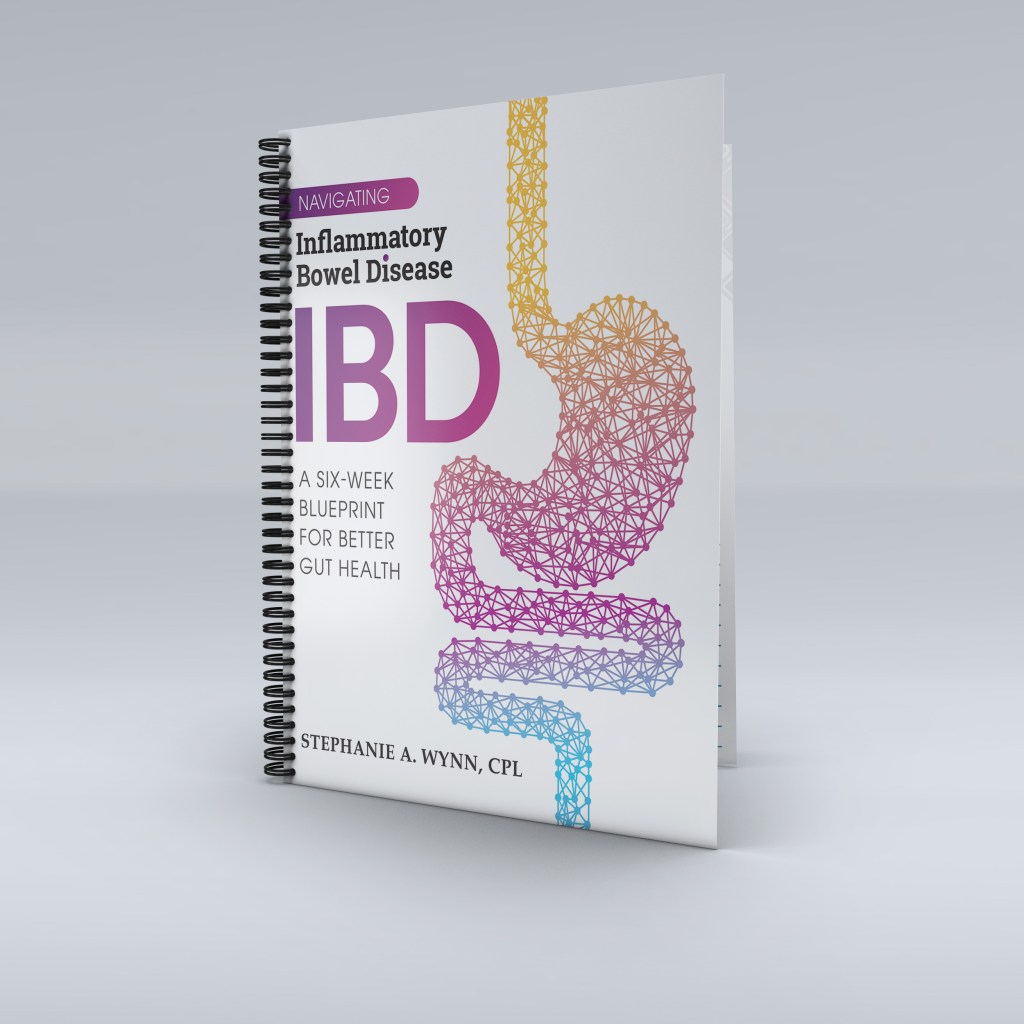
In Dr. Maia Kayal’s talk on what meds to consider if Mesalamine doesn’t cut it in UC, her key take-home message was, “Your first shot is your best shot.” She said it was important to plan wisely if you have mild to moderate UC and work carefully with your gastroenterologist to identify medication options. Dr. Kayal emphasized that certain biologics may be more effective as a first-line therapy rather than being used after one or two biologics haven’t worked, so to choose carefully. Even if mesalamine doesn’t work, there are multiple biologic options from anti-TNF agents to anti-IL-23 medications, and S1P receptors.

CurQD & IBD

Throughout the conference, CurQD received many notable mentions, which in randomized clinical trials showed efficacy in mild to moderate UC when mesalamine hasn’t cut it. CurQD is a naturally sourced formula. Cura is gut-directed form of curcumin that has been found to reduce inflammatory cytokines, restore barrier function, and positively alter the composition of the gut microbiome. QD (Qing Dai) is an extract of Indigo plants found in clinical trials to relieve bleeding, inhibit inflammation, and promote mucosal regeneration (Naganuma et al, Gastroenterology 2018, Ben-Horin et al, CCFA 2023). Dr. Kayal shared this placebo-controlled trial, that found CurQD was effective for inducing response and remission in active UC patients and has the ability to significantly decrease urgency.

Dr. David Rubin also touted CurQD as an adjunctive IBD therapy option, rather than a singular therapy, much like diet. He said while it may be beneficial, patients need to be cautious about sudden pain or obstructive-like symptoms and communicate how they’re feeling with their doctor.

Insurance barriers

Patients and providers have an uphill climb when dealing with insurance barriers, which makes managing IBD exceptionally challenging and at times frustrating for everyone involved. These proverbial hula hoops we’re all constantly forced to jump through often lead to delays in treatment and unnecessary stress. One key challenge discussed during this session was how to deal with insurance companies denying patients who have not tried 5-ASAs or steroids. Solutions shared included the GI office providing detailed documentation on the following:

  • listing previously tried and failed medications including steroids,
  • recent objective findings on endoscopy, imaging, blood tests,
  • sharing symptoms experienced by the patient,
  • referencing guideline recommendations, and
  • outlining the risks to the patient and the costs to the insurance company if treatment is not initiated soon.

Patients can also proactively reach out to their insurance company to determine their preferred advanced therapies and pass that intel along to their IBD team.

Another common roadblock discussed was finding out a medication is not covered or no longer covered by insurance—whether it be biologic vs. biosimilar of off-label dosing.

Patients can discuss appealing the decision with their IBD team during clinic appointments, over the Patient Portal, or over the phone. If your first appeal is denied, keep close tabs on your quality of life moving forward. If you are forced to switch, keep a detailed journal of all your symptoms to paint a clear picture of your reality.

Ask about having your GI submit a letter written by you about your patient experience, along with theirs, and make sure a doctor with knowledge of immune-mediated conditions is reviewing the appeal at the insurance company.

Providers can be supportive by showing empathy, following the latest research and including studies within insurance appeal letters. If a person is symptomatic, it would be important to rule out whether it’s active disease or an adverse reaction to medication.

Biosimilars now and in the future

The landscape for IBD therapies has changed immensely in recent years and will continue to do so in the years ahead. Stelara will join Remicade and Humira in 2025 with six biosimilar options for patients (and insurance companies). One of the main areas of improvement lies in patient education. Oftentimes we hear about the switch through a letter from our insurance company or we’re blindsided at an infusion appointment and told by our nurse that we’ll be receiving the biosimilar moving forward. As should be expected, this results in a great deal of uncertainty, skepticism, and pushback from the patient and caregiver population.

Biosimilars are biologic medical products that are highly similar to an already approved reference biologic, with no clinically meaningful differences in terms of safety, potency, or efficacy. Unlike generic drugs, which are chemically synthesized and identical to their branded counterparts, biosimilars are produced using living organisms and exhibit minor natural variability.

Dr. David Choi presented about how important proactive discussions with the patient community area to instill confidence and help educate about how safety and effective biosimilars are. Currently, four adalimumab and two Ustekinumab drugs have interchangeability, which is a designation from the FDA that allows for patients to be automatically switched (originator drug substituted) at the pharmacy level. Dr. Choi shared that providers can avoid this automatic substitution by selecting “dispense as written” on the original prescription. He went on to share that while improving access, there is also a major cost savings. Biosimilars across all disease spaces are expected to save $38-$124 billion from 2021 to 2025. The future of biosimilars is happening right now with exclusivity for golimumab and certolizumab over in 2024 and with more biosimilars in development.

Final thoughts from AIBD 2024

Overall, the main theme throughout all the educational sessions was that IBD needs to be more than just managed, it needs to be overcome with shared patient decision making. More work needs to be done to determine which patient is right for which therapy. There tends to be too much focus on the risk of therapies, rather than the risk of uncontrolled disease. The overarching goal is for providers to identify high-risk patients before we have severe disease and not be hesitant to use surgery as a treatment option when necessary. Emphasis on the importance of re-thinking the role of diet and nutrition and mental health care in conjunction with advanced therapy, looking at biomarkers 10+ years before diagnosis to see if we can prevent or diminish disease severity, utilizing intestinal ultrasound to measure drug response and disease activity in a non-invasive way, and continuing biologics in pregnancy (Healthy mom= healthy baby) were common themes throughout this fantastic conference.

As patients, we remain hopeful for the future of IBD and committed to improving patient outcomes. Lots of work still to be done, but it is impressive to see how far the science has come in the last 19-20 years since our diagnoses!

How to get involved with the IBD Kids Club: A Safe Haven for Families Battling IBD

Nothing prepares you to hear that your child has Inflammatory Bowel Disease. For many, it’s the first time ever learning about what the weight of those words even means. Not only is a chronic illness at a young age an incredibly heavy burden to bear, it can feel isolating to not only the patient but the caregiver. This inspired The University of Chicago to launch the IBD Kids Club in February 2024. This week on Lights, Camera, Crohn’s learn more about how you can connect with others living your reality and find community, regardless of where you live.

Recognizing the need

Dr. Amelia Kellar, MD, MSc, FRCPC, Assistant Professor of Pediatrics, Director, Pediatric Intestinal Ultrasound University of Chicago Medicine/Comer Children’s Hospital says one of the most common concerns she hears from patients and their families is that they don’t know anyone else with IBD or where to go for support.

“I always refer my patients to Crohn’s and Colitis Foundation, but this also inspired me to create a community for these kiddos more locally…a place where they could authentically meet one another both virtually and in person, and know they are not alone.”

Dr. Kellar wants her patients to see kids who are older than them doing all the things they aspire to do and have examples of adults who are living and thriving with IBD. So far, the feedback has been extremely positive—families are grateful to meet one another where there’s no need to explain and there’s comfort in shared experiences.

Get connected to the IBD Kids Club

The group meets virtually every 2nd Tuesday of the month on Zoom at 6 pm CT. Dr. Kellar says it is tough to find a time that works for everyone, but she’s found the dinner hour allows for kids and parents to join together and chat. The next meeting is Tuesday, December 10th.

 “I feel very fortunate as I have a great team of GI docs, nurses, dieticians and psychologists that join for different sessions and I co-lead with one of our adult IBD nurses who is also a counselor at Camp Oasis and openly talks to the group about her diagnosis of UC and journey through J-pouch surgery,” says Dr. Kellar.

When she started the group, Dr. Kellar polled participants for what they would like the group to be, whether they wanted to simply chat with one another and offer support, whether they wanted some guest speakers on topics or in person events… and they indicated they wanted a mix, so they have had some support/chat sessions, some guest speakers, and a live cooking class with their IBD dietician. There has not been an in-person event yet. I let Dr. Kellar know in the months ahead I would love to join one of the calls, meet the families, and share experiences.

Everyone is welcome

Dr. Kellar is looking to get the word out—and wants all pediatric IBD warriors and their caregivers to know they are welcome to join.

“I want this group to be open to everyone—regardless of where you live or where you receive care. I want the IBD community to know they are not alone. We talk a lot about how every single person in the world has something that is challenging and that they may or may not choose to share with others and you would never know when you see someone at school, work, on the street, what challenges they might be facing. At the same time, finding people who have faced or are facing similar challenges can offer a unique support system. Our hope is that this group unites children and families with IBD and fosters connections, friendships, and support so no one ever feels alone with their challenges,” says Dr. Kellar.

Interested in learning more? Contact ibdkidsclub@bsd.uchicago.edu.