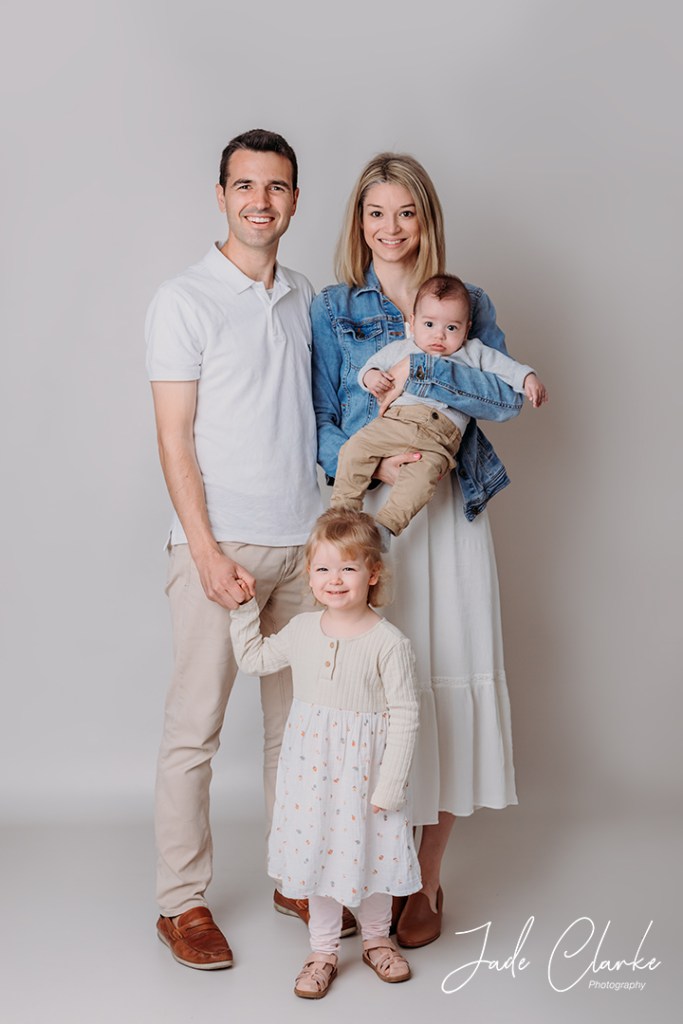
What four educators have learned about life in the classroom with IBD

Life with IBD impacts our careers in many ways. Our disease can often dictate what path our future takes. As students, teachers, and families gear up for another school year, I thought it would be interesting to hear from educators who have IBD about what it’s like to lead a classroom while living with an unpredictable chronic illness. This week on Lights, Camera, Crohn’s hear the inspiring stories and perspectives of four unsung heroes who don’t allow their IBD to rob them of their career aspirations.

Sarah Rife has been a teacher for seven years, she’s also an IBD mom and an ostomate. She’s currently teaching eighth grade math in the Chicagoland area, but previously taught high school Geometry and Algebra.

“I have taught through many highs and lows Crohn’s wise. For the first 5 years, there wasn’t a single year that I didn’t use every single sick day I had (and then some unpaid days). I believe four out of five of those first years, I had at least one hospitalization where I missed consecutive days, as well. In this time, I was on four different medications and tried a clinical trial.”

While this was going on Sarah says she rarely ate at school and if she did, she stuck to 3-4 “safe foods” to help get through the day.

“I constantly taught with an escape plan in the back of my mind. You can’t just leave a room full of 28-32 kids sitting unsupervised, so I constantly had to think about things like ‘Who will I have cover my class?’ ‘What if I am gone more than 5-10 minutes?’ ‘What can they work on that they will know how to do if I have to step out in the middle of teaching them something new?”

Sarah is open about her IBD with students and their families and says having IBD has made her a more compassionate educator since she understands when students need to miss school.

“When I was younger, I was the student missing multiple days of school. I remember the things that some of my favorite teachers did that helped me to not stress when I felt like I had mountains of missing work. Whenever I have a student gone for health reasons, physical or mental, my standard answer when they come back is “Worry about everything else first, and then I’ll talk to you about what we can do to bring you up to speed in math class. Don’t stress, I will work with you on it.”

One year while being evaluated by her principal during a drop-in visit. He walked into her room, sat down, and started typing. He was aware of her Crohn’s, but Sarah panicked when she knew she needed to make a mad dash to the bathroom while he was in her classroom observing her.

“I ended up going over to him and asking “I really need to step out and use the bathroom. Do you want me to grab someone like I usually do, or do you just want to watch them since you are here” He agreed to watch them, and I ran out to go to the bathroom. Whenever I had to step out, I was also conscious of what time it was. This time, there were about 30 minutes of class left. In my head, I needed to get back ASAP because THE PRINCIPAL was in there and he was supposed to be observing me. When I heard the bell ring and I was still on the toilet, I panicked – I’m talking instant tears. I was able to finish and tried to hurry back to my room. My path crossed his on the way back and I started to say, “I’m sorry, I didn’t know I would be that long.”

Sarah says her mind was racing with crazy thoughts about her abilities as a teacher and what she was capable of. The principal could see she had been crying and more tears were starting to fall, and he interrupted her and said, “Sarah, I am not worried about it. This is your third year here and we know this happens. I am worried about what I see when you are able to be in the classroom and what I saw meets and exceeds our expectations. Please don’t worry about it.” – This reassured her so much more than even he will ever know, but the story replays in her head every time an administrator pops in her room for an unannounced observation – even 4 years later.

When Sarah taught high school, she was nowhere near remission, forcing her to be extremely transparent with her students.

“I told them that I had a disease called Crohn’s and that in a nutshell, my immune system was attacking itself, specifically my intestines. They knew that me having to step out of class and disappear to the bathroom was a possibility and witnessed it multiple times a week, sometimes in the same class period. They were also aware that often these bathroom breaks would result in pain, nausea, and exhaustion.”

Whenever Sarah would have an episode, she says the students went above and beyond to be empathetic and understanding.

“I had students volunteer to work out examples on the board so I could sit down, and they were extremely good at switching gears and changing the plan if I needed to do something with less walking around, standing, or talking – for example work on a worksheet instead of doing notes or bringing questions to me at my desk over me walking around offering help. I really do think high school students are more resilient and compassionate than people give them credit for.”

Since her ostomy surgery, Sarah’s life in the classroom has changed for the better.

“I feel like a completely different teacher. My energy isn’t nearly as much of an issue, I can teach without constantly having an escape plan or worrying how long I’ll be stuck in the bathroom, I can eat lunch at school like a normal person, without worry or only packing the same 3 things, and for the first time in my teaching career, I had paid sick days left at the end of the year. I had a chance to worry about the content I was teaching first and my health second, which I had never been able to do in the past.”

Sadly, this past week, Sara’s ostomy leaked while she was in the middle of teaching 30 thirteen-year-old students. Luckily, she works less than one mile from home so she yanked her shirt down as far as it could go and told the admin she’d be back in 15 minutes.

Sara Margolin of New York has been a professor of psychology for 15 years, with a focus on neuropsychology, cognition, and aging. She says her experience with ulcerative colitis and two other autoimmune conditions has made her more understanding toward her students.
Sara says, “Robin Roberts said it best, “everybody has something.” And she’s right. I’m not the only person with a chronic illness. Many of my students struggle or someone they love struggles. Understanding that they deserve the compassion that I wish to have has only made me a better professor.”

Sara has had to leave the classroom on multiple occasions to urgently use the bathroom.

“I will either quickly show a film if I have one at hand or pretend to get a call from my children’s school and “need to leave to take it.” But in my smaller classes, where the discussion leads us there — in the discussion of medical trials, medications for chronic illness, or psychological issues stemming from chronic illness, I’ve discussed my condition. And there have been a handful of students over the years who have been diagnosed while in my class, and I share with them that I understand what they are going through. We bond over that.”

Now that classes are back to in person this fall, she has some concerns knowing she is not fully in remission and not able to teach remotely anymore.

“When I was teaching at home, I had a time or two where I turned my camera off and taught from the bathroom…. EEK! … and knowing that I may be in the position to need to do that but not be able to is nerve wracking. But I know that my colleagues will fill in for me if I do need them to.”

Madison Laspisa of New York has taught fourth grade for four years. She was diagnosed with Crohn’s disease in June 2020, during her first year of having her own classroom. Not only were schools shutting down when her severe symptoms began, but she was dealing with school closures and remote teaching, on top of being diagnosed with a chronic illness.

“My life was flipped completely upside-down to say the least. I was truly devastated at everything that was happening around me and to me. My first year in my own classroom should have been the most memorable part of my career (in a good way), but I sadly cannot say that. My life changed before I had a minute to truly process what was happening. However, since we were forced to stay home because of the Covid-19 pandemic I had the availability to see doctors and get procedures done as needed. Had it been a normal school year I would have had to take a leave of absence during my very first year of teaching.”
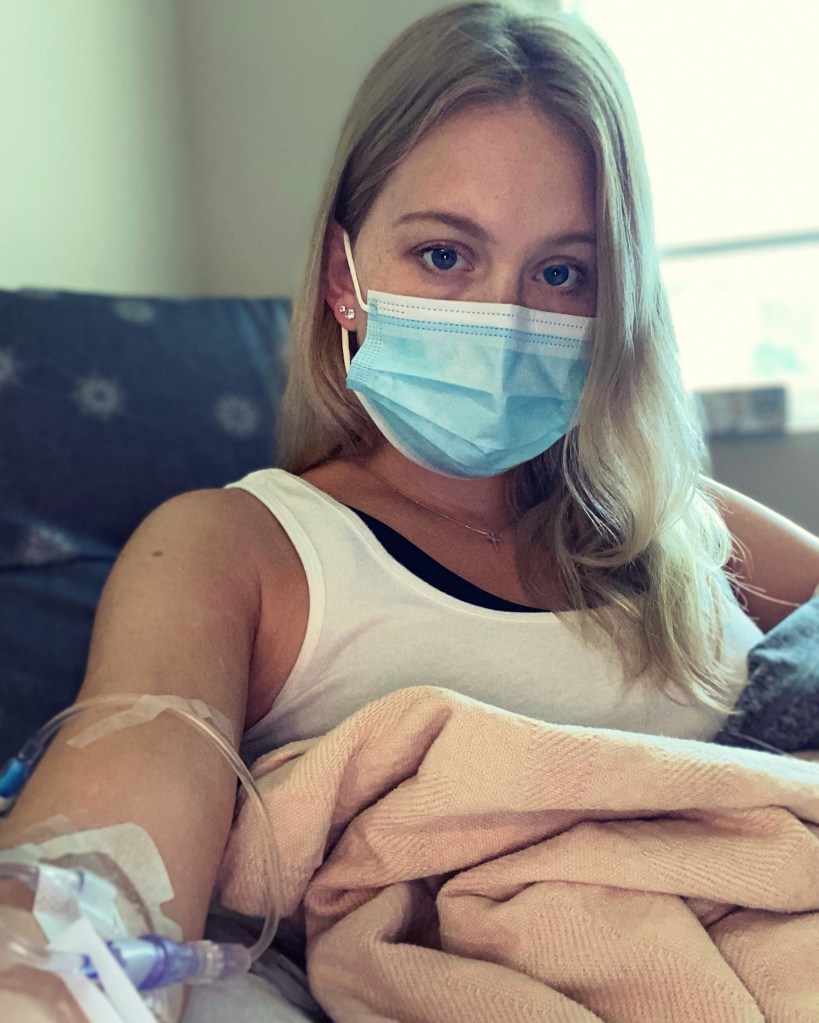
Since then, Madison says her IBD has impacted her experience as an educator in more ways than she’d like to admit.

“Aside from needing to take days off to receive my infusion, there have been days where I needed to take a last-minute half day because I desperately needed to see my doctor. At times, this can leave the main office scrambling to find a substitute for my class with an already existing shortage. Not to mention the schedule change my students have to now adjust to with their teacher leaving mid-day.”

Madison says the toughest challenge for her is the amount of time she needs to take off to receive her medication and meet with her care team. She does her best to schedule doctor appointments after school hours, but sometimes it’s not realistic. Right now, she receives her biologic every four weeks, which was changed from every eight weeks.

This required change in my treatment plan will now require me to miss time in my classroom with my students twice as often. It’s not as simple as “taking a day off” as it is very time consuming to create thorough substitute plans on the days, I am absent. It makes me feel like I’m a “bad teacher” because I have to take time away from my students and classroom. I feel guilty when I’m making substitute plans because I know I am going to be absent the next day and my students have no idea.”

Madison says the weight of the unpredictability of her Crohn’s makes her anxious. She worries about waking up one morning and not being physically able to go into work and do her job.
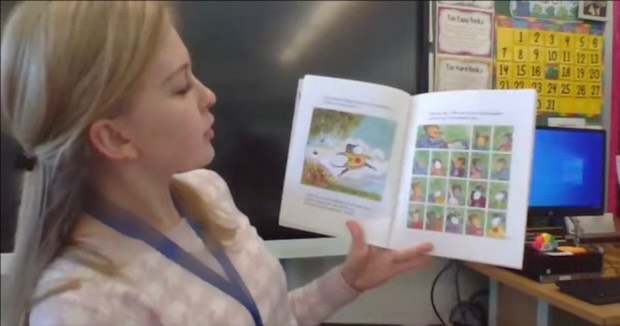
 “I love what I do with a passion and anything that can hinder my ability to do my job to the fullest breaks me. Having the summer months off allows me to slow down and take a break from my rigorous work schedule. In a sense, it provides me with some relief because I know being home, I don’t have to worry about missing work because of my IBD.”

Madison hopes that if someone reading this article aspires to work in education, that they don’t allow their IBD to deter them from taking the leap.

Teaching and being with my students is my escape from my reality with IBD sometimes. IBD has robbed me of so much and I refuse to let it rob me of my dream job. Do not let IBD dictate what you can and cannot do. Being a teacher and having IBD are both full-time jobs and can be extremely overwhelming at times but loving what you do makes all the difference.”

Krista Deveau has been a teacher in Canada for seven years, she recently became a mom and is an ostomate. She currently teaches kindergarten but has also taught third grade and worked as an intervention specialist helping students with literacy and numeracy. She started her teaching career three months after having a bowel resection surgery. She ended up landing back in the hospital three months later, weighing under 100 pounds, in one of the worst flares of her life.

My GI team told me that I had to work part time if I was able to or else my chances of being back in a hospital bed were quite high. Working part time has really given me a work- life balance where I can take care of my health and myself and also focus on my career.”

Prior to receiving her ostomy, Krista tells me it was difficult to teach, as she was having accidents almost daily and was vomiting in a garbage can outside of her classroom. During her first year of teaching, she had a meeting with an administrator after school and happened to have an accident. Krista had forgotten to bring a change of clothes.

“I was so embarrassed that I stayed behind my desk all afternoon so students couldn’t smell me. I cleaned up at recess as best as I could. After school I went to meet with admin and told them I had to leave because I had had an accident and didn’t have a change of clothes. I had already told them about my situation and how I was experiencing incontinence, so it wasn’t a big deal, but I was humiliated.”

Krista says teaching is a stressful and demanding job—and that it’s important to be honest with your admin team so there are no surprises along the way.

“Make sure to take care of yourself. Don’t stay late every day. Work smarter, not harder. Collaborate and share plans with other teachers so you aren’t reinventing the wheel. Lean on your coworkers. Find one good coworker friend that will have your back. Don’t work on weekends. Don’t take on too much of the extras, it’s okay to say no. Try to have a healthy work life balance. And find a school/school board that’s a good fit for you and where you feel supported.”

Helpful Tips for Educators with IBD

  • Be flexible and rework plans, not just in terms of being absent, but also what you can do instead if your energy level is too low to actively teach on your feet or if you need to talk for an hour straight multiple times a day.
    • For example: Create PowerPoint slides where every single step of a math problem animates itself with the click of a button so you can be sitting instead of standing up, exerting energy.
  • Teaching is a pleasant distraction. Teaching enables you to get your mind off your IBD and do what you love. Regardless of what you do professionally, your IBD is going to be a part of you, why let it take more from you than it already has? Enjoy the thing you can enjoy.
  • Make the appropriate accommodations for yourself. Once you are hired or work in a school district, provide school administrators with medical documentation as to why you are unable to work on a certain date. At the start of the school year, it can be helpful to turn in a letter stating your treatment plan along with a request to use the bathroom when needed stating your medical condition. Typically, teachers use the bathroom on their scheduled breaks, but this accommodation allows that in the event you need emergency use of a bathroom, someone will need to cover your class at any given time. This type of documentation for my district must be renewed every school year.
    • For example, if a typical teacher instructs five classes with an hour to plan and a 25-minute lunch, split with a 25-minute study hall, inquire about keeping your schedule consistent year after year and teaching two classes, then having a plan period, teaching two more classes, and then a ‘duty-free lunch’—meaning you get the entire 56 minutes for lunch, instead of having a study hall to give you a buffer for a bathroom trip along with minimal interruption to other classes.
    • Request a classroom close to a bathroom and department office so that there are people nearby in case you need someone to cover your class on a moment’s notice.
  • Try not to fear the worst. Being hospitalized is beyond your control and whether you have a chronic illness like IBD or not, life happens, and co-workers will need help from time to time. Rather than stress about who gave up what time to help you, focus on how to pay it forward and help other teachers when you feel well and when someone else is in need.
  • Teaching takes a village. Everyone is more than willing to help you out if you let them. Besides, it all becomes so much easier when you don’t feel like you must hide such a huge part of who you are. The sooner you realize people are willing to help you and you don’t have to try and keep it hidden, the easier teaching with IBD becomes.


Turning Over a New Leaf: The Lifestyle Changes This Single IBD Mom Made to Manage her Crohn’s

**Disclaimer: This article is in no way meant to offer medical advice or guidance. Medication to treat and manage IBD is NOT a failure. Please understand this is one person’s experience and journey. Prior to going off medication, consult with your gastroenterologist and care team.**

She was diagnosed with Crohn’s disease in 1991 at 19 years old. As a veteran patient and IBD mom of two teenagers, Kelli Young says the COVID-19 pandemic, along with turning 50, inspired her to dig deeper into her health journey and look beyond the “cookie cutter” approach to treating IBD. After multiple surgeries and decades of biologics and other medications, she was determined to try a different approach.

Much like many of us in the IBD community, we often choose to hide our disease from others. Kelli says 15 years of that strategy often left her feeling misunderstood. Once she started sharing and opening herself up to support, her world changed for the better. Anytime someone is sympathetic and says, “you poor thing,” Kelli reminds them that Crohn’s disease molded her in the person she is today and that everyone has problems, hers just happens to be IBD.

“Having lived more than half my life as an IBD patient, I knew I didn’t want to live the second half of my life the way I did the first half.”

Taking a closer look into food sensitivities

It’s no surprise the importance of diet has become a larger part of treating IBD in recent years, but there’s still a lot of gray area.

“Diet is often the one thing that the medical profession overlooks or provides the same generic diet to everyone, assuming everyone is the same. Diet is the #1 factor that affects your health in every way imaginable. Your energy, sleep, weight, sex drive, bowel movements, heart rate, and mood, just to name a few.”

Prior to changing her diet, Kelli connected with her longtime friend of more than 20 years, Dr. Sean Branham, a chiropractor who specializes in functional medicine. Dr. Branham ordered the Oxford Food Sensitivity Test. The test measures inflammation in the body on a cellular level. Food sensitivities are unique to each person, so it’s impossible to determine what your sensitivities are without getting tested. Reactions can also be delayed or be dose dependent.

Kelli says, “The Oxford Food Sensitivity Test looks at all types of white blood cells (Neutrophils, Lymphocytes, Monocytes and Eosinophils) and measures release of all pro-inflammatory chemicals like Cytokines, Histamines, Prostaglandins and Leukotrienes. Certain groups of foods are pro-inflammatory to humans because we may not contain all the enzymes to thoroughly break them down (like dairy). Other foods are pro-inflammatory because of their processing, like many different forms of sugar. Some are inflammatory due to genetic modification like gluten. Some healthy foods can create inflammation once digestive damage has been done and these partially digested foods leak across the digestive barrier and trigger an immune response.”

Customizing diet with Food Sensitivity results

Kelli’s tests results showed mushrooms, cashews, trout, mangos, green peas, coconut, among other foods, triggered an immune reaction. Once Kelli had her Food Sensitivity results in hand, her and Dr. Branham started to customize her diet.

“We first started by removing the bigger classes of pro-inflammatory foods like; dairy, sugar, gluten and soy and then assessed specific foods that were causing a problem for me individually.”

Along with removing these food groups from her diet, Kelli did a whole-body digestive cleanse that involved a specific diet with supplements, a shake, and a cream to rid the body the body of toxins, decrease inflammation, and cleanse the liver and digestive tract.

“Testing revealed that there were more than just digestive issues going on. I also had a blood sugar regulation problem, Estrogen dominance, nutrient deficiencies, a need for: digestive enzymes, immune support, and microbiome support. Once I completed the cleanse, we customized a supplement regimen specific to me based on my test results. We started with what Dr. Branham considered the most important things first and then as we corrected those issues, we moved on and tackled the next issue and so on.”

Celebrating a “new way of life”

As a single mom of a 19-year-old and a 16-year-old who have supported her through her IBD journey every step of the way, Kelli calls these lifestyle changes her “new way of life”.

When my son was between the ages of 8-12 years old, he was showing IBD symptoms, but he didn’t have IBD, he was experiencing empathic pains. He watched me, a single mother, battle with the daily struggles. I tried to hide it, but he saw right through me. Today he is 16, growing, thriving, and enjoying his healthy mother. My daughter, 19, the age at which I was diagnosed, is thriving as well. I am now able to truly be present in both of their lives.”

When Kelli and her husband divorced, her children were only 8 and 5 years old. As an IBD mom it made an already challenging time that much more complicated. She never dreamed she’d be at this place in her life health-wise.

“Back then I wondered how I was going to give myself my own shots, how I was going to care for two small children 50% of the time when I was always sick. Being a single mother with IBD forced me to take a good hard look at my life, not only for me, but for the sake of my children. My motto used to be “expect the unexpected” and “no expectations.” Today, I no longer worry about the future bad days or wonder if I’m going to be around to be a grandmother someday. Yes, it’s difficult at times to follow such a structured lifestyle, but it’s even more difficult living a life being chronically ill.”

Going off all meds

Kelli has been off all IBD medication since May 2021. She says her GI of 30 years is reluctantly supporting her decision to go this route on her patient journey. Kelli had a colonoscopy in June 2022, and after the scope in recovery he said, “Well Kelli, your new way of life is working. I’ve never seen your scope results look this good.”

While this lifestyle may seem “extreme” to some or difficult to follow, Kelli says she was sick and tired of being sick and tired.

“The definition of “remission” varies depending on who you ask. I am celebrating three years of a “disease free” diagnosis. The Crohn’s will ALWAYS be very much part of my life, but now, the only time I have a “bad day” is when I cheat on my new way of life, eating something I shouldn’t be eating, not getting enough sleep, not exercising, and not managing my stress.”   

A Special Report: Changes to Lights, Camera, Crohn’s

It’s been 6,207 days since my life changed forever. On July 23rd, 2005, I was diagnosed with Crohn’s disease at age 21. Since that time, I’ve evolved and changed in ways I may not have if it weren’t for my IBD. After living in silence with my condition while working in television news for a decade, I decided to use my love for storytelling and speaking to be the voice I needed to hear upon diagnosis as I navigated the many crossroads of young adulthood (finding love, a fulfilling career, and having a family).

July 23rd also marks the day I launched my blog, Lights, Camera, Crohn’s. Since 2016, I have shared fresh content, every single Monday (sometimes even twice a week!). 336 articles on my site alone. More than a quarter-million visitors and more than 387,000 views.

It’s been a labor of love and a mission project that continues to fill my cup and implore me to constantly want to learn more and shed light on topics that are often not talked about. Every day of every week since my blog began, I’m constantly thinking about story ideas, topics of interest, people to interview, ways to word content, images that are needed…the list goes on.

This photo was taken at a wedding July 23, 2016, right after I pressed “Publish” on the first Lights, Camera, Crohn’s article. I found out I was pregnant two days later.

The weekend I started my blog in 2016, I was one month into married life and found out days later I was pregnant with my first child. Since then, I am now a stay-at-home mom of three children (ages 5, 3, and 1). Life has gotten way more hectic and busier with each year that passes, but I’ve held tightly onto fulfilling my promise to the patient community, and to myself, to deliver new content each and every week. I’ve been organized through the years—often having an article written days before my Monday deadline, but this past year, with another baby added to the mix, it’s been more of a stress on me. I’ve spent many Sunday nights finishing my articles. At times it’s felt like a lot to juggle. I haven’t wanted to let anybody down, including myself. And I haven’t wanted my content to start lacking in any way.

Don’t worry, Lights, Camera, Crohn’s is not going anywhere

My blog has grown into more than I ever thought possible. It’s so rewarding to know my words have helped comfort and guide so many in the IBD community. I need to cut myself some slack and give you a heads up that moving forward there may not always be an article on Mondays. It pains me to say that, but at this point in my life, in this season of IBD motherhood, I need to start taking time to rest and relax. Since having my third baby last summer, I get my kids down for the night and START to work around 830 pm. It’s just constant. I truly rarely get a break. I’ve been in remission since August 2015, and I don’t want the stress to get the best of me.

You may not be aware—but my blog is only one aspect of my advocacy work. I also spend a great deal of time working with digital healthcare companies, patient-centered non-profit organizations, sitting on advisory boards and patient engagement teams, communicating with patients in need online and over the phone, and do freelancing work on the side, all without childcare.

I laugh as I write this because I already have three articles lined up for August…so there will be months where there IS an article every Monday. Just not always. My commitment and desire to serve as a patient leader is not waning in any way—I just want to be honest with you, my loyal readers, that this mama needs to lighten the load and take a little self-imposed stress off my shoulders.

I started contemplating this a few months ago, and almost changed my mind this week about sharing, but it’s time. We had an AMAZING 6-year streak of constant new content. I’m excited to see what this coming year brings in the way of patient stories, research, and perspectives. Having extra time to work on articles will really allow me to do more special reports and expand my “IBD Motherhood Unplugged” and “Patient Experience” series.

Thank you for giving me so much to talk and write about, always. There are endless topics that need to be brought to the forefront and I love providing a platform for others to share their journeys and experiences with the community. As always, please reach out if you have a story idea you want me to cover. Lights, Camera, Crohn’s has truly evolved from being a blog about my IBD experience to an award-winning and well-respected site that has highlighted hundreds of different patient stories and physician perspectives—and I love that. There’s no greater compliment then when I hear a gastroenterologist uses my blog to educate their patients.

Excited to see what 2022-2023 brings! Thanks for the love, support, and understanding and for making the first six years of Lights, Camera, Crohn’s what it was.

-Natalie

Recognizing the touchpoints of independence along your IBD patient journey

Take yourself back to the very first time you needed medical attention for your IBD (but didn’t know it yet). Close your eyes for a moment. Who was that person? Do you know them anymore? How have you changed and transformed since that life changing day?

I was diagnosed with Crohn’s disease July 23, 2005, at age 21. I was blindsided by a chronic illness after growing up as a literal picture of health. A three-sport, in shape athlete, who had never even had an ear infection or been to an emergency room. As a recent college graduate, my world flipped upside down as I struggled to find my way in the real world.

Now, 17 years later, I can tell you firsthand what I, you, and so many others have endured on our patient journeys and how each experience (even the mundane) serves as monumental touchpoints for gaining independence and confidence in making you a more empowered and direct patient. 

Let me paint the picture clearly for you

The first time you bravely laid in an emergency room bed and every time there after—not knowing the tests, pokes and probs, and physical scrutiny you were about to go through. 

How it feels to be wheeled by a stranger through stark hallways to CT scans, MREs, and scopes, wondering what the results will be on the other side and the repercussions for more medications, a longer hospital stay, or surgery.

The difference a couple months makes–pre-diagnosis in May 2005 and 2 months after 60 mg of prednisone a day and 22 pills a day.

What it’s like when you say goodbye to loved ones and they roll you into the OR and you’re shaking like a leaf, all alone and feeling frail and broken, alone with your thoughts and prayers.

The number of moments you’ve watched nurses and even rapid response nurses fumble with IV’s try after IV try and when it’s been more than five, you find your voice from that point forward and start only giving medical professionals two tries before it’s on to the next.

How it feels at the butt crack of dawn when the world is sleeping and the hospital is bustling, waking you abruptly to get more vitals and more labs and you lay alone, haggard, frustrated, and delirious. 

The moment when your GI has a heart to heart with you about starting a biologic and having to determine for yourself what route is your preference—infusion or self-injection. Would you rather sit for hours hooked up to an IV drip or sit on your couch with your kids looking on as you inflict pain on yourself. 

The times you’ve sat up in the middle of the night wide awake thanks to the prednisone kicking in while the rest of your world is asleep wondering if you’ll ever regain some semblance of control of life.

What it’s like trying to eat meals inconspicuously with your family while they not so subtly watch each bite and every trip to the bathroom with sadness and worry in their eyes.

How it felt driving to a first date or a job interview and feeling like your IBD is a dark secret looming over the conversation and not knowing when to take down your walls and share. 

Listening to your friends make comments about health and energy without considering what your experience with a chronic, debilitating illness may be like since you look well on the outside. 

What it feels like to look at your reflection in the hospital bathroom. Battered arms, sunken in eyes, a shell of who you used to be. But as soon as you walk out of the door, putting a soft smile on to protect your visitors from worry. 

What it’s like to sit on an airplane or be on a road trip with others and silently worrying about whether you’ll be able to make it and what your game plan will be. 

When you’re up in the middle of the night doing the second half of colonoscopy prep and wondering ‘why me’ in your 20s and 30s, feeling isolated in the physical, mental, and emotional anguish the process puts you through year after year. 

What you’ve internalized each time someone dumbs down your IBD, offers up ridiculous remedies or goes into a discourse about their aunt’s brother’s cousin who “healed” their Crohn’s this way. 

When you’ve waved the white flag and alerted family and friends that you needed help or to be seen in the hospital after doing as much fighting as you could against your own body.

The first time you bravely looked down at your incision and saw your body forever changed and came to see your scars as battle wounds. 

Waking up each day not knowing what the next 10 minutes will feel like for you and getting after it anyway. 

Not knowing if you’ll find your person, but meeting people and having the courage to share about your health issues, even if there are heartbreaks and disappointments along the way.

Deciding to have a baby and discussing family planning, despite all the what ifs and becoming a parent because that’s what you hoped for prior to your IBD. 

Landing that dream job with your IBD in your back pocket, not letting the detours stop you from finding the path you were meant to go on. 

Celebrate the independence you’ve discovered

The list goes on and on! No matter how old you are when diagnosed with IBD, in that moment we are robbed of our naivety and thoughts of invincibility, and we’re forced to go on a lifelong war and conquest. Our bodies no longer feel like ours. Our dreams feel in disarray. Our people may change and not be who you thought they were. Our hearts may break, but like a phoenix this disease can build you up just as much as it breaks you down. 

The reprieve of remission, while not perfect or without symptoms has enabled me to breathe and regain my grounding. In 2015, after three back-to-back bowel obstructions and 18 inches of my small intestine, Meckel’s diverticulum, and appendix removed, there was only one way to go and that was up. 

Give yourself grace. Celebrate the independence you’ve discovered that you may not be able to have realized until you’re years out like it took me. And when you’re in the hospital, in for a routine clinic visit or for labs, taking your meds and balancing every daily decision against how it will make your IBD feel, you’ll come to realize what you take on and all you accomplish every day just to survive and thrive, makes you something special. While you may feel dependent on others—and the support of caretakers and a support system can’t be understated, neither can the endless strength that lies within you.

How to be an investigative journalist specializing in chronic illness

Chronic illness forces you to wear many hats and approach life in ways you never thought possible. One of those hats is being an investigative journalist or sleuth. Each time something starts going awry with our health we immediately start the mental gymnastics about what could be going on and if the symptoms are linked to our IBD.

I find that even though my Crohn’s has been in remission since August 2015, that the next flare always looms in a cloud of worry when I’m not feeling my best. 

This past week I experienced this firsthand when my eyes both started twitching nonstop, along with headaches. I started thinking about what I could have done to trigger this bodily response. Was it Crohn’s related? Hormonal from breastfeeding weening? A mineral deficiency? A problem with my eyes or vision? Sleep deprivation or stress? The laundry list of possibilities and worries weighed heavily on me. After consulting with my GI, OB, and having an appointment with my eye doctor, I learned the eye twitching was a result of allergies. I now do eye drops once a day to help. It was such a relief to get an answer and physically be able to do something to make myself feel better.

When you notice an uptick in IBD symptoms or health issues in general how do you get to the bottom of what’s going on?

Here are my top tips for getting answers:

Be proactive. Don’t let things fester and let your anxiety get the best of you.

•Take physical notes, not just mental ones. As the hours turn to days it can be difficult to remember when symptoms began and if they progressed. Keep a simple log of what is happening, how often, the severity, etc. 

•Reach out to care providers early and often. Send a quick message on the patient portal informing your GI about what is going on. With IBD, I find it helpful to always loop my gastroenterologist in since so many issues are often related to Crohn’s. 

•Be seen. If symptoms don’t resolve in 3-5 days, it’s a good idea to be seen in person or at least a telehealth appointment. You can always get on the books and cancel an appointment if you start to feel better. 

Try not to Google too much. While this is always tempting and can feel like a quick way of gaining understanding, it also can lead to going down a dangerous rabbit hole of what ifs that possibly aren’t even relevant. 

Listen to your gut. You know when something feels off. Don’t drown out how your body is speaking to you through symptoms. 

Practice mindfulness and calming exercises. It’s not unusual to feel up against a wall or like you’re taking two steps forward and one step back with chronic illness. Remember to breathe. Take a walk outside to clear your head. Do all you can to rest your mind from stresses that can trigger your IBD.

I get how exhausting it is to constantly feel at odds with your body and worry about what could be going on. Suffering in silence and not communicating health challenges only sets you back from feeling your best. Be mindful of how you feel each day and feel empowered by collaborating with your care team and giving them all the necessary intel to have the full picture when figuring out your health story past and present. 

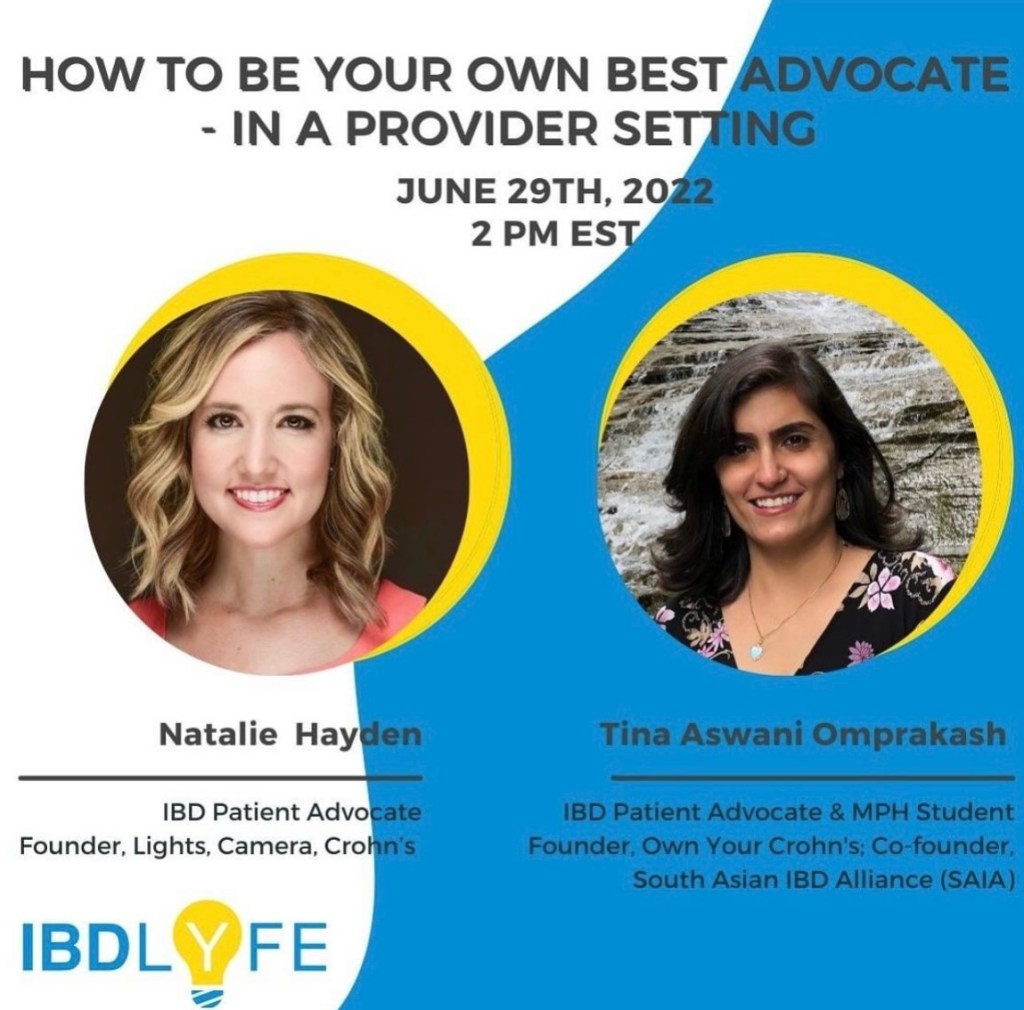
Stay tuned for a special discussion on IBDLyfe, Wednesday June 29, 2022, at 1 pm CT about “How to Be Your Own Best Advocate in a Provider Setting.” I’ll be speaking alongside fellow patient advocate, Tina Aswani Omprakash. Register here.

The Patient Experience: Making the Leap from Pediatric-to-Adult IBD care

Moving away for school. A future career. Relationships. Discovering your identity. Switching from a pediatric IBD care team to adult providers. All while living with a chronic illness. This is the stark reality for young adults living with Crohn’s disease and ulcerative colitis. Juggling all these major life milestones and having to get acclimated to new physicians while taking the lead on disease management is often met with anxiety and worry from young patients, their parents, and caregivers. IBD is a family disease. Even if only one person in the household personally lives with the issue, the disease impacts each person.

This week on Lights, Camera, Crohn’s we hear from patients and caregivers who have lived through the experience and from pediatric GI’s about how best families can be supported through the changes to make them as seamless as possible for everyone involved.

Input from those who have made the switch

Aging out of pediatric doctors can be a stressful time for everyone involved. Let’s start with input from those with IBD who have made the switch along with what some parents and caregivers had to say.

  • Start researching doctors early. Do your homework and see what insurance providers accept and what hospitals they are affiliated with.
  • Ask your current pediatric doctors for recommendations/referrals.
  • Before the first visit make sure the adult GI has received copies of medical records.
  • Have healthcare proxy and power of attorney papers on file.
    • “I just turned 20, but I’m still in pediatrics and plan on staying until I graduate from college, as that is the norm at my hospital. However, as an adult in peds, I found it important to have healthcare proxy and power of attorney papers on file so my mom can still help me and if something were to happen like while I’m away at school she is able to get information. I broke my arm this past fall and my body went into such shock that I couldn’t give the hospital any information. My friends were with me and contacted my mom, but because I was 19, the hospital couldn’t even confirm to her that I was in the building. This was a wake-up call. We started thinking about, “what if this was my IBD?” and decided it was necessary to have the papers on file just in case. I still ask my mom to be involved in my care, but we both have the understanding that I have the final say.”- Anna

Navigating the switch through college

Heidi was diagnosed with Crohn’s when she was 9. She’s now 41. When she reflects on the transition from a pediatric doctor to one who treats adults, she recalls the process being fairly simple and a change she welcomed with open arms.

“The best thing was being talked to directly and my opinions mattered more in my later teenage years with the new doctor. Of course, my parents had my best interests at heart, but appointments were so frustrating as a young girl. Another reason for the seamless transition was that my new doctors were amazing. I switched at 18 and then again at 22 when I graduated college and moved away from home. My care team listened to me and saved my life. I know I’m lucky to have found such a wonderful team of doctors.”

Katie wishes there had been a support group (even online) for teenagers back when she was phased into an adult GI. She says when she was diagnosed with IBD at age 15, she often felt uncomfortable discussing her symptoms and didn’t feel her pediatric GI was that great with kids.

“I felt detached from my GI until I was in my 20s and had the confidence to advocate for myself. I was so lost and refused to tell classmates what was wrong with me for fear of being made fun of. I ended up missing so much school I decided to drop out, get my GED, and go straight to college. It was a terrible time to be honest.”

The difference in pediatric vs. adult care

“The transition happened quite fast as I was being referred to an adult surgeon for my complications that the pediatric team were not experienced or educated enough to treat for Crohn’s. I was thrown in the water with no guidance when I started seeing physicians who treated adults with Crohn’s. The pediatric GI team would dumb some things down for me and make my problems not seem “as bad.” As soon as complications started arising, they threw the towel in and basically told me they couldn’t help me anymore and would be better off seeing a care team with more experience with my symptoms and complications.”-Chrissy

Natasha experienced the transition about 13 years ago. Her pediatric team helped her choose an adult GI. And the guidance didn’t stop there.

“My pediatric GI told me who she wanted for me and then went with me to interview the doctors in the adult team. Once I chose, my pediatric GI attended every appointment with me until we all agreed I was ready to move into the next step of my care, which luckily was quickly. And the two doctors stayed in communication. My advice—be open with your doctor.”

Natasha recommends asking yourself the following questions to help streamline the process and make it less nerve-wracking.

  • What are you looking for in your next step of care?
  • What are you looking for during the transition process?
  • What is important to you in a physician?

Do your own research

“I had an AMAZING pediatric GI when I switched, and I just went with who she recommended. Looking back, I wish I did my research because he is not who I would have chosen for myself. I would recommend doing your own research and make sure whoever you find is willing to work with you and thoroughly go through your medical history and all your results. Too many doctors seem to just think they know everything, but we know our bodies best and need to have a medical team who lets us advocate for ourselves.”-Danielle

Jennie has lived with IBD for nearly 20 years. She has a PhD, works in IBD care, and recognizes she has the privilege of a strong support network and insurance. As an IBD psychologist she recognizes how difficult the system and transition can be for everyone involved.

“I was diagnosed with IBD at 12 and transitioned to adult care around age 18. I was extremely sick at the time and ended up having a proctocolectomy within months of transitioning. I think the biggest things for me were the notable shift in culture between the peds and adult world, and the insurance pieces. It’s so much for kids and families. Lastly. I’ve noticed the transition is nuanced for my parents who were so good at being my advocates, they will still offer to call the doctor if I tell them I am not feeling well, and they have a tough time not having the same significant role they did when I was younger.”

Allie was diagnosed with Crohn’s disease when she was 12. Her mom attended all her appointments until she turned 18, and only stopped going then because she was out of state for college and seeing a pediatric GI there until she turned 22. Allie’s mom kept a medical binder of all her procedures, lab results, and details about her patient journey. She says when she phased out of pediatrics and started taking matters into her own hands, she found the binder her mom made to be beneficial—Allie found herself referring to it when she couldn’t remember everything.

“What helped the transition the most was going to appointments on my own when I turned 18. I felt more prepared to speak for myself when I switched to an adult GI.”

Allie’s mom also inspired her to ask the tough questions. After witnessing how her mom spoke up to doctors it empowered her to speak up and stop minimizing her struggles. By watching how her mom handled appointments, it inspired Allie to write down all her questions and concerns before doctor appointments, so she doesn’t forget anything.

“My mom asked me what fights I wanted her to fight for me and what I wanted to do myself. She guided me on what I might need to ask about when I had no clue—even as an adult she still offers to help call insurance companies to fight authorization battles. She gave me space to live my life when I turned 18. She worried, but she never hounded me for updates (are you taking your medication?, how are you feeling? Are you eating ok?”…but she always conveyed support (both my parents did) when I needed it most she showed up.”

Sari recommends young adults with IBD to ease into taking control of their care as early as possible.

“Things like refilling your own meds, scheduling your own appointments, and driving yourself to appointments goes a long way when it comes to learning how to stay organized and advocate for yourself. You don’t want to be doing all those things for the first time when you go to college or a start a new job—too many scary or unknown things at once!”

Check out what pediatric GI’s have to say about bridging the gap and ensure continuation of care.

Dr. Sandra Kim, MD, Associate Professor of Pediatrics, Director, Inflammatory Bowel Disease Center, UPMC Children’s Hospital of Pittsburgh, says, “Transition is the preparation process while the young adult/teens are still under the care of the pediatric team. Transfer of care is the actual “handoff” when the young adult moves from the pediatric GI team to the adult GI providers. Teens want independence but struggle with disease knowledge and self-management skills. Therefore, the pediatric GI team needs to help the teen (and the family, too!) by being active listeners, communicators, and educators. The healthcare team also should utilize things like transition tools.”

Dr. Kim went on to say that GI doctors need to assess how teens are doing on the road to greater independence and that shared decision-making helps build partnerships between adult and pediatric GI providers.

For the adult GI team:

  • Collaborate with the peds team in the initial stages of care transfer.
  • Anticipate existing gaps of knowledge and self – management skills
  • Prepare for more time during appointments for questions, additional education, and working with the family. Parents need help during this time of care transfer, too!
Woman patient signing medical documents discussing medication treatment with african american practitioner in hospital office during clinical consultation. Doctor physician explaining disease symptoms

Dr. Jonathan D. Moses, Assistant Professor of Pediatrics, Director, Pediatric Inflammatory Bowel Disease Program, UH Rainbow Babies and Children’s Hospital, explained how his hospital has a multidisciplinary pediatric IBD team that engages patients in a Health Maintenance Education Clinic as early as 11 years old.

“This allows them to build up the self-management skills needed for a successful transition to adult GI, when they are ready. In lieu of this resource, parents can engage their health care providers about ways to get their child more involved in their care and provide them with the autonomy, and support, to take over aspects of their care over a period of time.”

Dr. Hilary Michel, MD, Assistant Professor of Clinical Pediatrics, Nationwide Children’s Hospital, says a successful transition from pediatric to adult care requires that young folks have developed the knowledge and skills needed to understand and manage their disease independently.

“This knowledge and skill is not gained overnight, and ideally should be obtained gradually. Transfer to adult care should be planned in advance, when a patient is feeling well and has a good grasp on their disease management, so there are no gaps between peds and adult care. Parents and families can help the process by allowing teens to speak with their healthcare providers alone, gradually share care responsibilities, encourage them to learn about their disease, and highlight their successes.”

How this works in real time:

  • Patients can listen and participate in their visits.
  • Set goals with your healthcare team and work toward them, ask questions and share your opinions.
  • Healthcare teams can help by providing a non-judgmental space, listening attentively, encouraging young people’s success, engaging patients in decisions, checking for understanding, getting to know patients as people (talk about school, friends, activities), and connecting patients with resources

Dr. Whitney Marie Sunseri, MD, Pediatric Gastroenterologist, Assistant Professor of Pediatrics, UPMC Children’s Hospital of Pittsburgh, says “I always encourage a step-wise approach to transitioning to the adult world. I encourage patients to know their diagnosis, what medications they take and when, to recall their last scopes, and to be able to report all of their symptoms without the assistance of their parents. Then as they get older, and closer to the time of transition, I encourage them to look into different adult doctors. I give recommendations as well.”

Dr. Sunseri advises caregivers and patients to be proactive and look at reviews of doctors and who is in their insurance network. She says the most important visit is the one where patients follow up with her after their first adult visit to make sure it was a good fit and that they are in good hands.

“It’s bittersweet watching these children grow in so many ways and head off into the hands of another provider. Your heart swells with pride and breaks at the same time.”

Resources and Communities of Support

Sneha was diagnosed with Crohn’s at age six. She’s now 23 and still figuring out what her future will look like with IBD. As she grew up, she couldn’t find a community of young adults. This inspired her to create Generation Patient and the Crohn’s and Colitis Young Adults Network.

“Peer support during this transition is critical, so we host seven virtual community meetings. We have hosted over 250 of these peer support meetings over the last two years. I think peer support should be seen as essential during this transition period and it has been the best thing to come out of living with IBD.”

Generation Patient: Instagram–@generationpatient

CCYN: Instagram–@ccyanetwork

Join the American College of Gastroenterology Thursday, May 4, 2022 at Noon and 8 pm ET for a discussion about “Empowering Patients Through the Transition of Care in IBD”. Click here to register.

ImproveCareNow (Instagram: @ImproveCareNow)

The Circle of Care Guidebook for Caregivers of Children and Adolescents Managing Crohn’s Disease

Crohn’s and Colitis Foundation Youth + Parent Resources

National Council of College Leaders

Transitioning GI Patients from Pediatric to Adult Care

Transitioning from Pediatric to Adult IBD (This includes a helpful breakdown of ages and a checklists for independence, health, and daily activities)

IBD Support Foundation

Transitioning a Patient With IBD from Pediatric to Adult Care

Releasing Guilt with IBD: You don’t have to choose between medication and diet

There’s no black and white approach when it comes to managing and treating inflammatory bowel disease. Newsflash—you don’t need to choose between medication and diet (nutrition). You can do both! This week on Lights, Camera, Crohn’s, we hear from registered dietitian and ulcerative colitis warrior, Ashley Hurst, about how her personal patient journey inspired her to look into targeted strategies for improving quality of life with IBD.

Ashley was diagnosed with ulcerative colitis at age 24, but she remembers symptoms starting when she was 7 years old. She lacked support for a long time, so her symptoms became her “normal” reality. When she was in college, she sought help for two years before she finally was able to get a diagnosis.

I went to several doctors who dismissed my concerns thinking the bleeding was just fissures or hemorrhoids. It wasn’t until I was in a nutrition class in college, that I realized it might be something more. I remember reading about Crohn’s and ulcerative colitis and feeling like I was reading about all my symptoms.”

Finally, the fourth doctor she went to diagnosed her with IBD. She experienced a gamut of emotions ranging from relief to disbelief. More than anything, her diagnosis was a huge financial burden. At the time, she was working 2-3 jobs without health insurance. She couldn’t afford medication or even a colonoscopy bill.

“Since I couldn’t afford medications, I relied on nutrition and my own protocol. Once I was more financially stable, and had health insurance, I was able to start mesalamine rectal enemas and oral tablets, while sticking to my nutrition plan.

A preference for finding the balance between diet and medication

“Nutrition and medication have been lifesaving for me at times and I’ve found I prefer doing a bit of both (and so does my gut!). When choosing what route to go for IBD, often we feel a sense of guilt around taking medications. However, it’s important to remember that with whatever treatment route we go, we must weigh the risks versus the benefits.”

An uncontrolled flare is a risk and can impact our quality of life significantly. If you aren’t comfortable with medications your doctor has recommended, you can always ask what other options are available. It’s important to feel good about whatever treatment route you are taking and remember it’s your body, and your choice—just be prepared to face the consequences of active disease and hospitalization if you attempt to go against medical advice and take matters into your own hands. There is a fine balance distinguishing what triggers you and how best your disease is controlled.

The story behind The Crohn’s and Colitis Dietitians

When Ashley initially worked as a registered dietitian, she didn’t specialize in IBD. But as the years went by, she realized Crohn’s and Colitis patients were her favorite people to work with.

“I felt drawn to supporting IBD patients like myself and saw what a need there was for IBD specialized dietitians. Four years ago, I lost my cousin and close friend who had Crohn’s, and he left a lasting impact on me that further increased my desire to make a greater impact in the Crohn’s & Colitis community. He inspired me to be open about my diagnosis and get more connected with others who have IBD.”

Once Ashley decided to specialize in IBD, she quickly discovered how fulfilling it was to do work that has a lasting impact. Ashley says many people seek their support for IBD nutrition, but often feel like they need to choose one or the other.

“Most IBD research studies on both dietary strategies and targeted supplementation for IBD look at participants that are also on medications. Research continues to show that a combined approach using both medications and nutrition is the best path and can help increase chances of remission. It can be tempting to try and experiment by doing one thing at a time to see what works. However, there is currently no one cure for IBD, so treatments typically do involve a multi-faceted approach.”

As business started booming, rather than create a wait list, she brought on three other dietitians. Ashley and her team specialize in providing medical nutrition therapy for Crohn’s and Colitis patients, but also tackle SIBO, acid reflux, allergies, EOE, and much more. All four of the dietitians on the team have IBD, so they understand the patient perspective and the urgency to reach relief.

“As a team, we’ve had the privilege of working with hundreds of patients with digestive challenges, and we have witnessed the remarkable transformations that are possible. We are passionate about helping people not only find relief but make peace with food again.”

Like a fish out of water concerning diet

Many of the people with IBD who Ashley speaks with express that they were dismissed when asking their provider for a dietitian referral.

“The most common thing I hear is- “I Googled what to eat for IBD and Google left me with what NOT to eat for IBD and I feel even more confused with all the conflicting information!” It’s true, the internet is filled with conflicting information on this topic. This leaves people feeling afraid of food and often only eating just a few “safe foods”. Oftentimes these self-imposed food restrictions are unnecessary and lead to malnutrition, loss, low microbiome diversity, poor gut health, and ironically more symptoms!”

This is where Ashley and her team come in. They help those with IBD sort through all the nonsense and get to what really matters most and what works on an individualized basis.

“We are interested in supporting IBD patients, not just while they work with us, but for the long haul! We equip our patients with tools to learn so that they feel confident navigating nutrition even after they leave. We also offer a variety of free and low-cost educational resources on our website and Instagram for those people who just need a next step.”

How to know if you’re truly “healing” your IBD with food

The first question Ashley asks fellow patients she consults with is—is your nutritional approach working? The only way to know is to confirm through colonoscopy and inflammatory lab or stool markers.

“Symptoms alone are not always a great indicator of how our IBD is doing. It is important to monitor your IBD even if you are feeling better to make sure your disease is not progressing.”

Medication is not the “easy way out” and is not a sign of failure

Ashley and her team work with many IBD patients who are on biologics and utilize nutrition as a complementary approach to allow their medications to work better.

“Medications often lower certain nutrients, so one way you can support yourself long term is to check for deficiencies regularly. Some nutrients like zinc and vitamin D we need to regulate inflammation and help support our digestive tract lining. Ensuring they are at appropriate levels can help prevent flares. Vitamin D especially tends to get low with inflammation and is correlated with flare frequency and severity.”

Many patients avoid fiber because they fear it will trigger symptoms. Personally, I remember the first decade of living with Crohn’s, I was told I couldn’t have more than 5 mg of fiber per serving, which I now know is not the case.

“Understanding nutrition can help with expanding your diet. Research shows the importance of fiber for IBD for inflammation reduction, preventing flares and also complications. However, fiber is the most common thing IBD patients avoid. There are many ways you can approach expanding your diet without triggering symptoms and working with an IBD dietitian can help you navigate this better.”

The Roadmap of Nutrition

On average, Crohn’s and Colitis Dietitians helps clients reduce their IBD symptoms by 50-75%. Most report that their other big takeaways are improved energy and feeling more at peace with their food choices.

“We help you achieve this through working with people in a group setting and one-on-one. With one-on-one work we see people for a total of 6 months. It starts off with an intake session where we get to know your goals and your whole story with IBD and outside of IBD. After this session we put together a customized treatment plan that is your roadmap forward.”

The process includes dietary guidance (what to prioritize in the diet) and often targeted supplementation recommendations too. After this session, Ashley and her team see people each month in sessions to monitor progress and troubleshoot anything that comes up.

“We also offer access to us through chat throughout the whole 6 months for any questions that come up. We offer customized meal planning and video modules designed to help you.”

IBD is not your fault. It’s important to remember you didn’t sign up for this and you shouldn’t have to carry the weight of it alone.

“It can be incredibly helpful to have a team around you to support you through flares and the ups and downs of IBD. An IBD focused dietitian can help you navigate what to eat, treat nutrient deficiencies, sort through best options for targeted supplementation and help you reduce IBD symptoms.”

Outsource your stress. It’s overwhelming to juggle all the proverbial IBD balls in the air.

“Having a support team alleviates stress. It’s calming to know you don’t have to think through every decision and worry by yourself. It helps to have someone to lean on and takes the weight off your shoulders.

Don’t base your journey off what works for others. Just because you see someone proclaim their success by treating their IBD with food, doesn’t mean you’ll have the same experience. Before making any rash moves with your treatment plan, it’s imperative you communicate with your care team and get medically guided advice vs. following what you see someone post on Instagram. Same goes for medications—just because one person has had a great response on a biologic, does not mean you’ll have the same response.

Here are what some patients have to say about their experience:

“I’m so glad I started this program. I had to stop biologics due to developing antibodies and have been off biologics for over six months and since starting with the Crohn’s and Colitis Dietitians, I feel better than when I was on them. I only wish I found this program earlier.” -A.T.

“During the 6 months I was with Crohn’s and Colitis Dietitians- my symptoms of diarrhea and urgency reduced significantly, I have more energy and my inflammation decreased from over 100 to 38 (fecal calprotectin). Even my doctor was surprised and curious about what I had been doing with my nutrition!” -S

Connect with Crohn’s and Colitis Dietitians

Email: support@crohnsandcolitisdietitians.com

Instagram: @crohns_and_colitis_dietitian

Facebook 

Twitter

LinkedIn

Check out these FREE resources created by Crohn’s and Colitis Dietitians:

E-book + Recipes: What to Eat for IBD 

E-book + Meal Plan: One Week Meal Plan + E-book (on website home page)

IBD Humanitarian Aid Reaches Ukraine: How you can help right now

As the weeks of war go by in Ukraine, our IBD patient advocate extraordinaire, Elena Skotskova, continues to do all she can to ensure those with Crohn’s disease and ulcerative colitis are feeling supported in the face of the unknown. Elena and I have become pen pals of sorts over email. A world away. Our worlds so different. But our understanding of what it’s like to live with IBD very much the same. Here’s Elena’s latest update sent April 13th, 2022. She remains about 30 minutes outside of Kyiv at her mother in law’s home.

Dear Natalie!
Now we are engaged in the distribution of humanitarian aid, which came to us from Dr. Falk (a German pharmaceutical company). I want to share with you the information about helping Ukrainian patients with IBD. Ever since we received the medicine from Dr. Falk we did a great job:
1. We sent medicines to 12 hospitals in different cities of Ukraine, where patients with IBD are treated;
2. We have collected more than 400 applications from patients who currently do not have the opportunity to go to their doctor.
3. We have sent more than 200 packages of medicines to patients throughout Ukraine who do not have access to a doctor
4. There are still about 200 parcels left to send, and I think we can do it before the end of the week.

We have received a large number of letters of thanks from patients who have received medications. We tried to ensure that all patients had enough treatment for at least two months. Earlier we received two parcels from our Greek friends, which were sent via Poland. Everything that was in those parcels (medical food, colostomy bags, medicines, etc.) we distributed to patients and hospitals.

On Monday, April 11, we got a big package from Estonia with colostomy bags and stoma care products. We also send colostomy bags to patients who need it.

I have a lot of work now, and I am constantly in touch with patients. We have a lot of requests from patients from different parts of Ukraine. Particular pain is the regions that are occupied by Russia. It is impossible to deliver medicines there, it is impossible to help patients. I hope that someday they will be able to get out through humanitarian corridors, and then they will receive medical assistance.

This is Galina, our volunteer, a doctor who herself sent more than 300 packages of medicines to patients. She lives in Lviv, where humanitarian aid comes from Europe. This charming lady herself takes heavy boxes, sorts them, forms packages, and sends them out to patients. She does this at night 🙂 And during the day she treats people. I am very grateful to her, she is an irreplaceable person in our team.


I also wanted to share information with you we set up on our “Full Life” site that gives people around the world the ability to make donations using credit cards. You can do it from the link https://www.gofulllife.com.ua/donate/
Scroll down and click the: “Help the project” (Допомогти проекту) button. Once there, you will be directed to choose a currency. (USD or EUR, depending on which currency the credit card supports) and write the sum.

A pre-war photo of Elena and her friend and fellow volunteer, Alexandra.

The money raised will be used to buy medical nutrition for children with IBD and to buy medicine for IBD patients who have lost their jobs and incomes.

My husband and I are going to go to Kyiv on Saturday (April 16). We need to meet the humanitarian cargo from Lviv. And also, I need to deal with colostomy bags that came from Estonia and send them to patients.

Many people are already returning to Kyiv, I hope that my hairdresser will also come back and cut my hair 🙂 During the war, it is a great happiness for us just to get a haircut or get medicine. We have such small military joys.

Stay in touch. Hugging you
Elena

A letter to my 5-year-old son, from your mom with Crohn’s disease

The week before my oldest son, Reid, was born I penned him a letter entitled, “A letter to my unborn son, from your mom with Crohn’s disease.” When I wrote that article, I was 38 weeks pregnant. As a first-time mom, living with Crohn’s disease, I had a mix of excitement, anxiety, and fear about taking the plunge into parenting. Tomorrow (March 29th) Reid turns five. Now as I reflect on my experience of living as an IBD mom for half a decade, I want to share what I’ve learned along the way with you and write him another letter to mark this milestone.

Dear Reid,

Where do I begin? Five years ago, you changed my life in the most beautiful, exciting, challenging, and everchanging way possible. You made me a mom. After more than 11 years of fighting Crohn’s disease and constantly feeling at war with my body, I was able to nurture you, help you grow full-term with a flawless pregnancy, and bring you safely into this world. I feel like I blinked, but I also feel like I’ve known you my whole life.

We’ve been through a lot together, little buddy. As a stay-at-home mom I’ve been by your side through everything. I’ve witnessed every moment of you growing up and I feel eternally grateful for that opportunity. Before you were born, I used to pray that I wouldn’t be hospitalized with a flare up until you could walk. I imagined you as a toddler walking into my hospital room. I feared what it would be like to spend countless days away from you, Facetiming with a smile through the tears or trying to recover from surgery with a little one depending on me at home.

But those fears never became realized. We’ve made it five years, flare up free, baby boy. That’s not to say I haven’t had painful days, procedures, and worries along the way. But you’ve been my greatest motivation since you came into this world. You’ve patiently sat day after day on the bathroom floor when mommy’s tummy wasn’t feeling well. You’ve comforted me on the couch when I don’t have the energy to go outside. You’ve cheered me on as I drank colonoscopy prep each year. You’ve handed me candy and told me it was medicine to make me feel better. You’ve attended countless doctor appointments and lab draws. You’ve snuggled me when you know I’m unwell. You’ve sat next to me with a toy pretending to do an injection alongside me on Monday nights, staring at my face to see if I was hurting. You’ve taken your own shots at the pediatrician like a champ because you’re so desensitized.

You constantly see me through a lens I’ve never been seen through before. I catch you watching my facial expressions. I know when you’re worried about me. I melt when you randomly ask me how my tummy is feeling and if I’m feeling happy, but also feel a sense of sadness that you even need to have that thought cross your mind. You are an empath with a heart of gold. While I wish you didn’t need to witness and experience these difficult moments and I try my best to shield you from my struggles, I know in my heart, and I’ve witnessed firsthand how my disease has shaped and continues to shape our family in positive ways.

As you gear up for kindergarten this fall, I will miss our days…even the long ones! You’ve been a constant in my life since the moment I held you for the first time. Your personality as a baby seemed quiet and shy, boy did you have me and everyone else fooled! You’re so silly, so smart, so thoughtful, so outgoing. You’ve given me a run for my money more times than I can count, but I love that you are so steadfast in knowing what you want and sharing that openly with me.

As an IBD mom I find myself looking at you, and at your sister and brother, on the daily wondering and worrying deep down if one day you’ll get my disease. Every night we say our same prayer, the same prayer I’ve said to you all your life, hugging and rocking back and forth.

“Dear God, keep my baby healthy, safe, and strong. Guide him and protect him. Let him continue to be a light for everyone he meets. I love you forever and ever and ever, I love you forever and ever. I love you forever and ever and ever, I love you forever and ever.”

When I pray for *healthy*, I mean no IBD…but you don’t know that yet. You are a picture of health in every sense of the word. Someday when you’re older you’ll know what I’ve been up against my entire adult life, but my hope is that it will inspire and empower you to be strong through the unpredictable peaks and valleys life will throw your way.

I still haven’t explained fully to you that I have Crohn’s disease. I’m not sure it’s necessary to even say “disease” to you. As you grow up, I’ll tell you more. But for now, I don’t want you to worry or wonder. I hope we get another five years hospital visit-free.

Thank you for showing me all that’s possible and for making me a mom. Five years of loving you, guiding you, and watching you thrive has been magical. When I was pregnant with you there was a Florida Georgia Line song called “H.O.L.Y.” that always made me cry thinking of you—because of the line, “you’re the healing hands where it used to hurt.” The other day I was driving home from the grocery store and that song came on the radio. I hadn’t heard it in years. Instant tears. Instant gratitude.

I love you, Reid Robert. I wish I could bottle up your laughter and littleness. I find myself really staring at you lately in awe that we’re at this point already. You are everything I ever dreamed of and more than I ever hoped for. Thank you for being the sweetest motivation and distraction and for being wise beyond your years. I am so so proud of you. I appreciate you reminding me without knowing it that I am so much more than my disease.

“Mama”

IBD Motherhood Unplugged: I was diagnosed with ulcerative colitis while pregnant

When you think about IBD and motherhood, you may instantly imagine a woman who has dealt with her disease for years before getting pregnant. But that’s not always the case. This week on Light’s, Camera, Crohn’s we hear from IBD mom, Angela Knott. She was diagnosed with ulcerative colitis when she was 17 weeks pregnant with her second child in December 2020. While a circumstance like this is rare, it is possible and complicated.

Between navigating the pandemic and a chronic illness, this diagnosis rocked her world. Angela was living in Australia (away from all family and friends) because her husband is a U.S. Navy pilot. They were on orders for a pilot exchange program in Adelaide, South Australia. Angela and her family now live in Texas.

She reflects on her journey as a woman and mother with ulcerative colitis and how it felt to receive a chronic illness diagnosis while trying to bring a baby safely into this world. Prior to being diagnosed with IBD, Angela was in perfect health. She never had a cavity or even broke a bone. She grew up being extremely active and is in excellent shape. Her first pregnancy in 2018 was flawless and uneventful. She carried her daughter to term and had no issues. But everything started to change when she was 15 weeks pregnant with her son.

During this time, I experienced severe fatigue, anemia, stomach pain, stomach cramps, and weight loss (I lost 15 pounds over two weeks). After a few days of symptoms, I went to my doctor, and I told him all about my symptoms and how I was concerned something might be off with my pregnancy. He told me I was lactose intolerant and that I needed to limit my dairy intake. I did this for three days and then I went back to the doctor because my symptoms were getting worse.”

Angela was then tested for salmonella poisoning and two days later, the test result was negative. By this time, she had already lost 10 pounds and she was becoming scared that something was wrong with her baby. She got a second opinion and was told she likely had irritable bowel syndrome (IBS). That doctor wrote a referral for a gastroenterologist.

“That same evening, I ended up in the hospital due to my symptoms worsening and I was scared my baby’s health was declining since I was so ill. I was told to immediately go to the Women and Children’s Hospital to have the baby monitored (in Australia, this is a hospital for pregnant women, children, teens, and babies). I was more concerned about my baby’s health rather than my own which, is why I went to a hospital that assisted pregnant women.”

While at the hospital, Angela’s baby was monitored and doing well. She was given IV fluids to help with dehydration and she started to feel better. She went home and rested, again being told she likely had IBS.

“Shortly after getting home, I started vomiting and this continued for the next two hours. After speaking with my husband, we decided I needed to go to the ER because something was seriously wrong, and I needed treatment.”

Seeking emergency care during Covid

Due to Covid restrictions in December 2020, Angela’s husband had to drop her off at the emergency room and could not go in, only adding to an already stressful and worrisome situation.

“After reviewing my blood work and hearing about my symptoms, a gastroenterologist at the hospital stated I may have colon cancer, ulcerative colitis, or Crohn’s disease. I knew what IBS was, but I had never heard of UC or Crohn’s before. On top of being told I may have an autoimmune disease or cancer, he told me I needed to have an endoscopy to check for potential inflammation in my colon and that this procedure could result in me miscarrying since I was going to be put under. I had never been so scared in my life.”

Angela underwent the endoscopy in the morning and sure enough, she was diagnosed with ulcerative colitis. She was close to having a toxic mega colon.

“It was a blessing that I went to the ER when I did because if I had waited a day longer, my colon would have become toxic, and my organs would have potentially shut down thus impacting my baby’s life. Later that afternoon, I met with another gastroenterologist, and he gave a thorough explanation of UC and my treatment options. He explained to me I would need Remicade infusions every 6 weeks throughout my pregnancy until I was 36 weeks pregnant. Within the next hour, I received the Remicade infusion.”

She stayed in the hospital for one week and was released on December 23, 2020. Angela received another infusion on Christmas Eve and stayed on a special diet for the next week. Within two weeks, her symptoms had drastically decreased, and miraculously remission seemed to be on the horizon.

“When I started the biologic, I was extremely nervous about how it would affect my baby’s health as well as mine. I was told it was safe for pregnancy, but it was scary knowing that my baby would be exposed to an immunosuppressant drug. I was very cautious during my first pregnancy as well as the first few months of Henry’s pregnancy, so it went against everything I had prepared for and wanted. On the flip side, I also was concerned about how malnourished I was from being so sick. I didn’t want to cause any more issues to my body or cause something to go wrong with my pregnancy.”

Initiating Remicade while pregnant

When Angela was 28 weeks pregnant remission became a distant thought, as her body was rejecting the infusion and she started flaring, again. She had a flexible sigmoidoscopy which showed she had severe amounts of inflammation in my colon.

“At 30 weeks pregnant, my bloodwork showed that my colon was nearing toxic levels and that I needed to have my baby early to ensure my organs didn’t shut down. A few days later, I was admitted to the hospital and my baby, and I were monitored for a week. I was given fluids and steroids to assist with the inflammation (a steroid shot was also given to me for my baby’s lungs). At this point, I had to switch OBs and delivery hospitals since I was admitted to a hospital that dealt with high-risk patients. This was the best decision possible since I was given an amazing team of doctors and specialists.”

Angela and her son were monitored closely. Four medical teams were on board to do all they could to ensure a healthy delivery—NICU, colorectal team, OB, and gastroenterology.

Her miracle baby, Henry, arrived 8 weeks early via an elective c-section April 1, 2021. Angela had a classical c-section (vertical incision on her abdomen) because after she delivered the colorectal team had to check her colon for inflammation.

Luckily, the inflammation was “only” considered mild to moderate. Angela’s bloodwork the day before had showed her colon was near toxic levels. She had been prepped for a possible ostomy. Fortunately, she still has her colon.

How Henry was after birth

Angela’s son was born extremely healthy and came out breathing on his own. He spent the first six weeks in the NICU to assist with growing and feeding and remained in the hospital for an additional week.

“I received another Remicade infusion a few hours after delivering as well as an additional infusion a few days later. Within 24 hours of delivering Henry, I felt like my old self again (pre-UC diagnosis) and I was almost immediately in remission. It was determined my UC was most likely dormant for years and my pregnancy triggered it. Additionally, my initial pregnancy flare started shortly after my second trimester and the Remicade failed when I started my third trimester. My medical team thinks my pregnancy hormones caused a lot of my issues.”

Postpartum as a newly diagnosed IBD mom

In the months following Henry’s birth, Angela was relieved to be feeling more like herself. The fear of a looming flare worried her as a stay-at-home mom. She ended up losing 30 pounds during her pregnancy and was recovering from a very painful c-section.

“Fortunately, I did receive counselling services throughout my pregnancy (after I was diagnosed) and postpartum which helped.”

Due to being on so many different medications and having a stressful birth, Angela had a low milk supply and therefore breastfed, pumped, and supplemented with formula the first few months.”

“I was grateful my baby and I are alive; every day I rejoice thinking of how far we have come, and I am extremely grateful he is healthy and happy. I now have a deep understanding of how short life is and I no longer stress about life’s minor hiccups. I constantly count my blessings and greatly appreciate my health which I took advantage of before my chronic condition. I am a mentally strong person now and I have amazing coping skills because of my diagnosis.”

Angela still receives Remicade infusions every 6 weeks and is extra mindful of her health. She works out a few times a week, eats healthy, watches her stress levels, and makes sleep and rest a priority.

“I am doing everything I can to stay in remission and have been flare-free for almost a year. Every three months, I see my gastroenterologist and have bloodwork taken to ensure my health is on track. Prior to staying home with my kids, I was a teacher and I plan to return to the classroom soon. I am blessed to know I have biologic options to help me stay in remission so I can be successful in the classroom.”

Despite only being diagnosed with ulcerative for 15 months, some days Angela feels like it has been years.

Here’s Angela’s advice for other women dealing with an IBD diagnosis prior to getting pregnant, while pregnant, or after delivering:

  • Seek out mental health assistance during challenging times and find a support group either locally or through social media to connect with others who live with IBD and understand your reality. Angela’s favorite Facebook group is: Ulcerative Colitis Support Group, which has 36,000 members.
  • Ask all the questions. Don’t hesitate to reach out to your care team whenever you’re unsure about something or want clarity. Do all you can do educate yourself on your condition.
  • Get a second opinion. Don’t feel bad about seeking care from multiple specialists to ensure you are making the best decisions for yourself.
  • If you’re a faithful person, lean heavily on prayer and trust that God will watch over you through the highs and the lows of your illness.
  • Communicate as best you can with family and friends. Angela is grateful for the love and support of her husband.

Connect with Angela on Instagram: @angiemknott