When Marquis Ellison met and began dating his wife, Tasheia, in 1999, they were juniors in high school. The couple tied the knot 13 years ago. One year into marriage, Marquis started to experience weight loss, fatigue, anemia, abdominal pain, stomach cramps, and loss of appetite. He dropped to 100 pounds! They were on an anniversary trip to Los Angeles when his symptoms started to become unbearable. After the trip, Marquis was diagnosed with Crohn’s disease. He was 26 years old.
“Upon being diagnosed, I felt a sigh of relief in knowing what the condition was and starting on the right medications. I owned it and decided to beat it by how I live, educate and inspire others.”
Tasheia has been by Marquis’ side every step of the way. Every colonoscopy. Every flare. Every doctor appointment. He thanks God every day for a wife who truly exemplifies what it means to be a partner in sickness and in health.
Focusing on faith and family
Marquis keeps busy as a husband, father, and personal trainer. He gives all the credit to God.
“Faith is the cornerstone of who I am and why I have the outlook I have with Crohn’s. If God wants to completely heal me, I know He can. But if not, I know He’ll give me the strength to endure and I’m at ease with that. There’s always a greater good for what we go through and if my journey living with Crohn’s disease can inspire and encourage others, all praise to the Most High!”
Since becoming a father three years ago, Marquis says his faith and his son are his “why” …why he’s so enthusiastic about doing all he can to take care of his body and controlling what he can.
“Being a dad is the greatest gift and blessing. Knowing this little person is your responsibility. I want my son to see that while I have IBD, I don’t let it stop me and set the example he can follow when faced with life’s unpredictability. My son witnessed me running the marathon cheering me on at mile 22 and the finish line. When we got back home, he wanted to wear my medal. I asked him if he wanted to run a marathon in which he replied, ‘yes’. That was a great feeling knowing I’ve inspired my son despite my condition.”
Shout out to IBD men
When you hear about people’s IBD journeys, it’s more common to hear from women, even though Crohn’s disease and ulcerative colitis impact genders equally. Marquis wants men to recognize they are not alone and to speak up and tell their stories.
“Your story matters. Your voice matters. Speaking about your health and opening up doesn’t make you any less of a man, it only enhances it.”
As a Black man, the lack of representation, and health disparities, span far and wide. Marquis wants you to know you are not alone in your struggles.
“Our voices matter. The more we advocate, the more we’ll show that Black and Brown communities are affected with IBD and should be represented more often. I’m proud to be an ambassador with Color of Crohn’s and Chronic Illness (COCCI), where we’re working to bridge the gap and lack of representation.”
Running for a reason
Marquis recently completed the New York City Marathon in November. He says it was the toughest and most victorious accomplishment he’s ever experienced. His race shirt read, “Mr. Crohn’s Fighter” to represent all IBD warriors and show that you can still do remarkable things, despite your disease. Life with IBD is a marathon, not a sprint. That mentality prepared Marquis for the race.
“Living with IBD is unpredictable. The unpredictability of a flare up or foods not agreeing with you always feels like something is looming. When running, you never know how the course or weather will be. You can train hills or in the rain, but you may still face adversity you didn’t prepare for. With running and with Crohn’s disease, it’s all about mindset and the ability to adapt and repeatedly overcome. Focus on your current reality and not on what hasn’t happened or what could happen.”
He’s currently training to run the New York City Half March 20th, 2022.
Focusing on what you can control
Marquis manages his IBD through fitness, nutrition, mindset, and by taking Cimzia, a monthly self-injection. He’s all about controlling what you can and not succumbing to your circumstances.
“Life is 20% of what happens to you and 80% of how you respond to it. I choose to focus on the 80% by controlling what I can. I always say, I have Crohn’s disease, it doesn’t have me. IBD may try and take me down, but it will never knock me out.”
Living with an unpredictable and often debilitating chronic illness like IBD can be overwhelming. Being confident in the care team who leads the charge in managing your disease is incredibly important. Life with IBD is a marathon, not a sprint. The variables and challenges change with each year. You need a team of doctors who listen, advocate for you, see you as more than just a number, and guide you with personalized care.
This week on Lights, Camera, Crohn’s, we look at the steps you can take to ensure you’re in good hands and feel comfortable with the specialists in your arsenal. Much like a support system, having a care team of medical professionals who genuinely care for the IBD community makes all the difference in how you’re able to cope and make the best decisions for your health through all the peaks, valleys, and lows.
When you meet your GI by chance
Since I was diagnosed with Crohn’s disease in July 2005, I’ve had two chance encounters in the hospital with gastroenterologists (GIs) who ended up being my doctors for years after our initial meetings. The first time—when I was diagnosed in my hometown (Chicago suburbs), I hit it off immediately with the GI who was given my case. He ended up being my doctor for a decade.
Prior to moving to St. Louis in 2014, I was hospitalized with a bowel obstruction. My GI was 5 hours away, so I had to rely on a stranger to guide my care locally. The GI who looked after me in the hospital had a wonderful bedside manner and as much as I didn’t want to switch medical providers, I knew I would need to find a GI in Missouri. That GI looked after me for about three years, until I had my third bowel obstruction in 15 months, even after switching to weekly Humira injections.
At that point, one of his partners called my hospital room and spoke to the fact that I kept having hospitalizations for the same issue, but no changes were being made. He ordered an MRE (Magnetic resonance enterography) to find the underlying cause of the issue and see if bowel resection surgery was on the table. When the results came through, this doctor CALLED my hospital room, and casually told me I needed at least 10 inches of my small intestine removed. My actual GI never followed up. Never reached out. Never followed up with me after my surgery that ended up involving the removal of 18 inches of my small intestine, my appendix, and my Meckel’s diverticulum.
I knew after that surgery it was time for me to advocate for my care and get a different GI. I desperately needed to make a change. While it’s not easy to break-up with a doctor and it can be hard to navigate the medical provider landscape in a new city, I knew it was necessary. You must stop worrying about hurting someone else’s feelings and put your health—both physical and mental, first.
How I switched to a different GI
Whether you’ve recently moved to a new state or know in your heart it’s time to make a change. It’s important you feel empowered as you switch your specialists. When I had my post-op appointment with the colorectal surgeon, I asked him which GIs he would recommend. He gave me two names. I then reached out to my local Crohn’s and Colitis Chapter and while they couldn’t give me names of specific providers, they connected me with fellow patients who could offer up advice. I went to lunch with a few ladies with IBD and I was given the same name. That GI has been my doctor ever since (November 2015).
Since that time, I’ve been in deep remission. My GI is extremely proactive and aggressive with her approach. She leaves no stones unturned. She calls me directly if I write her and the nurses a question on the Patient Portal. I’ve had three healthy pregnancies and three healthy babies. She’s helped me navigate so much of the unknown and listens to my questions. She knows I’m a patient advocate who follows the research and stays on top of my health and rather than talk down to me, she takes what I have to say into consideration, always.
Discovering what matters most to you
Everyone has a different preference when it comes to the personality and approach of their doctors. Some prefer a gentle bedside manner. Others want no fluff and a direct, business-like approach. Some like a little mix of both. Think about what matters most to you. I’m a bit of a softie and bedside manner matters a lot to me.
Try and think of it this way—at your worst, when you’re hospitalized, what kind of doctor do you want leading the charge, walking into your hospital room, and guiding your care? If your GI is intimidating, lacks empathy, and is cold, it could add insult to injury and make your already dreadful experience that much worse. On the flipside, having a straight shooter who tells you like it is and doesn’t sugarcoat what’s going on can also be beneficial. Envision who you want by your bedside as you fight a flare and go from there.
There are GIs who do not specialize in IBD, so when you are seeking a new one, try and make sure their focus and expertise is Crohn’s disease/ulcerative colitis.
Navigating Medical PTSD with new care providers
Medical PTSD is real. Oftentimes due to the nature of IBD we are put into vulnerable positions because of where our disease presents. You may be asked at a research hospital if medical students can watch. You may feel uncomfortable or uneasy starting fresh with someone new. This is all normal and justified. Each time you have to re-tell your medical history you are forced to re-live your trauma. A friend of mine in the IBD community recently told me that her therapist advises her to write out your medical history.
This way you simply hand over a document to your care team that lays out your full story without any key details missing and without having to talk about memories and experiences that can be harmful to your mental health and well-being. Along with bringing a printout version, it can be helpful to upload the document to the Patient Portal. This takes the pressure off you to give a high-level explanation of your IBD journey and allows you to focus on the right now. The right now being the questions you have presently and what issues you want to tackle. Say goodbye to the elevator speech that tends not to include the nitty gritty.
Do your homework prior to the appointment by writing down your questions ahead of time. You can either have pen and paper handy to write down notes, ask the doctor if you can voice record the appointment so you have the details, or type the notes right into your phone.
Building your dream team
With IBD we all know a care team is made up of more than gastroenterologist. It can be helpful to ask your GI who they recommend within their hospital system so that all the records are readily available. By following up with a recommendation from your GI, you know the other specialist is someone they respect and someone who they would have effective means of communication with.
Trust word of mouth—but also trust your gut. If a medical provider feels dismissive, rushed, or like they aren’t listening to you, move on to the next. You are in the driver’s seat to build your team. Depending on where you live—I know it can be tricky and complicated to find accessible care and leading IBDologists. It may mean you have to drive a couple of hours every few months to receive the type of care your IBD demands. Ideally, your GI will be local so that when a flare up requires hospitalization you can go to the hospital and know who will lead your care. But not everyone is afforded that luxury. While I was finding my GI in St. Louis, I would contact my GI in the Chicago suburbs and keep him aware of what was happening. He provided me advice every step of the way and I’ll always remember how he called me from his cell phone the night before my bowel resection and assured me the surgery would be a “fresh start”. He was right.
While IBD is often out of our control, building your care team and finding specialists who do all they can to help improve your quality of life, understand your individual disease process, and constantly look to do more than status-quo, will give you the confidence you need when symptoms start to go awry or when you need to make major medical decisions about medication, surgery, and beyond.
Imagine having a laundry list of medical conditions, along with your IBD. For many, it’s a stark reality. In a poll I recently conducted on Instagram, 64% of our patient community responded that they live with multiple chronic illnesses. This week—we hear from several women about what it’s like to juggle IBD and more.
As someone with Crohn’s disease I learned a lot by interviewing others and hearing about their personal struggles and triumphs as they face the unknown. Whether it’s trying to pinpoint which symptoms pertain to which illness a person is living with to coordinating a care team and living through a nearly 2-year pandemic that has shed light on how the world perceives our community—it’s heavy. It can be discouraging and it’s a lot. At the same time, finally getting answers gives some people hope and a feeling of relief.
As Brooke Abbott so eloquently puts it—it can be a domino effect. She started experiencing IBD symptoms when she was 18, she was diagnosed with ulcerative colitis in 2008 at age 24. Brooke also has IBS-D, Psoriasis, Ankylosing Spondylitis, trigeminal neuralgia, erythema nodosum, and asthma. Being a mom of color with multiple conditions in a world where patients are also “othered” has not been an easy journey. Finding a care team was a challenge for Brooke. She experienced unconscious bias, sexism, and racism when she was newly diagnosed. Not to mention irregular healthcare coverage.
“It reminds me of babysitting multiple children. The one screaming and crying got my initial attention. Once they were settled, I’d move on to the next child that needed my immediate attention. It’s a balancing act and I try to be as flexible with myself and give myself as much grace as possible. A breakthrough flare of one can ignite the flare of the another. Being diagnosed wasn’t the gut punch. It’s the days when my life is paused to cater to another illness after I just finished catering to another.”
Natasha Weinstein was diagnosed with Crohn’s disease in 2004 when she was only 11. Since then, she’s been diagnosed with IBS, Fibromyalgia, Arthritis, Migraines, Asthma, Carpal Tunnel syndrome, Tarsal Tunnel syndrome, Dermatagraphism, Vertigo, Ehlers Danlos Syndrome, Endometriosis, Pelvic Floor Dysfunction, Depression, Anxiety, OCD, and multiple vitamin deficiencies. She says juggling all these health conditions feels like a full-time job that she can never escape.
“It feels like my body is constantly falling apart. I feel like I live at the doctor, but I am grateful to be where I am today. I have an incredible job, a supportive family and understanding friends. My medically complex health has taught me resilience and strength, despite the frustrating and emotionally breaking days. Being chronically ill gives you a unique perspective on life. Add in MULTIPLE conditions and it’s a whole new ball game.”
Rocio Castrillon has been living with Crohn’s disease for 18 years. She also has Anemia, Asthma, Cataracts, Fibromyalgia, Glaucoma, Hypothyroidism, Uterine Fibroids, and Uveitis.
“Having multiple conditions is complicated particularly if one affects the other. I have learned to manage my conditions as best as possible, but my greatest fear is the flare of one of them at any given time, so I feel like I’m always waiting for something to happen. It’s extremely challenging to manage multiple providers, conditions, and medications. And they are all invisible illnesses. So, no one can “see” what I’m going through even though I may be suffering tremendously. That’s one of the hardest things for me…living a life full of chronic disease(s) in silence.”
Sarah Holleman was diagnosed with Crohn’s disease and Antiphospholipid Antibody Syndrome (APS) in 2018. It is also called Lupus Anticoagulant, but you don’t have to have Lupus to get it (although many people with Lupus get APS). Sarah went from being a healthy 28-year-old to having two chronic illnesses and seeing four specialists on a regular basis.
“It is utterly exhausting. Dealing with insurance, waiting rooms and doctors’ appointments is all-consuming. I had a healthy baby boy in May 2021, but going through a pregnancy with two chronic illnesses was challenging. My GI monitored my IBD symptoms, which fortunately stayed in remission. For APS, I had to switch from my oral medications to twice daily self-injections until the last few weeks when it went to three times a day.”
Trying to find balance
Laura Steiner was diagnosed with ulcerative colitis in 2012, she also has IBS, Asthma, hidradenitis suppurativa, IBS, and a few other inflammatory skin conditions.
“It can be confusing and frustrating balancing all of the different symptoms and having all doctors on board with everything. It also sometimes limits the available treatment options because for example, Inflectra that I am on for my UC is also used to treat HS, but since I’m already on it there is not much more the dermatologist can offer me for relief. UC is the only condition that tends to really interfere with work, so that is my #1 priority to manage, the rest I can deal with and manage.”
Meredith Ditty was diagnosed with Crohn’s disease at age 20 in 2011, she later found out she also has Primary Schlerosing Cholangitis (PSC), a liver disease that people with IBD develop. She also has Anemia, Gilbert’s Syndrome, Psoriasis, and Ovarian Cysts.
“I was so young, other people were living a normal life and I was stuck dealing with all of this. Thankfully, I had a great support system and had emotional, physical, and financial help, to get me where I am today.”
Emily Adams has Crohn’s disease and Lupus. She became symptomatic with both in 2020 at 26 years old. Her IBD has been flaring since July 2020. As you can imagine, being diagnosed during the pandemic made the process extra stressful and worrisome. Emily has been hospitalized five times in the last two years without visitors.
“Before I was diagnosed with Crohn’s and Lupus, I was very healthy. I was training to run my third half marathon and I was in my third year of teaching 5th grade science. Since getting sick I have had to stop working and I’m now on disability and I had to move in with my sister, as living alone was too difficult for me. My life went from complete independence to needing my family every day for help. Honestly, getting sick has made me more patient, empathetic, and kind. I’ve had a lot of time to think and reflect because my life is a lot slower these days. I appreciate the small things because now the small things are the big things.”
Alyssa Pinkham was diagnosed with Crohn’s disease in 2020 and was recently diagnosed with Gastroparesis and GERD. She’s dealt with anxiety issues and learning disabilities for more than a decade. She often struggles with knowing which condition is causing her abdominal pain. Alyssa credits coming to the realization that she was experiencing additional health issues to the friends she’s made through the online chronic illness community.
“It is difficult to navigate multiple chronic illnesses of the digestive system. They oftentimes have overlapping symptoms and if one condition is doing poorly, usually the others are doing poorly as well. It is also difficult having multiple gastroenterologists for the different conditions. In my case, they are on opposite sides of the state. It’s a challenge for the gastroenterologists to communicate their specific treatment plans with one another and with me so that they can provide an effective treatment plan that will put my Crohn’s and gastroparesis in remission. The lack of communication is frustrating and exacerbates my anxiety. When my anxiety isn’t being controlled it sets off my Crohn’s and gastroparesis conditions, which leads to more anxiety. It’s a vicious cycle.”
Katie S. was diagnosed with Crohn’s disease in 2011, she was 21. Then, in 2015, she was diagnosed with nodular scleritis, an inflammatory condition that impacts the white outer coating of the eye. If left untreated, it can cause vision loss.
“It’s hard having two chronic health conditions and continues to be a challenge. I started therapy about a year ago. I wish I started sooner. Talking with someone has helped me. I struggle with feeling like my body is broken. I feel like I’m letting myself (and others) down because I’m sick more times than not. The book, “This Too Shall Last: Finding Grace When Suffering Lingers” by K. J. Ramsey was helpful to me. She writes about how our culture treats suffering like a problem to fix and the shame that comes with that all through a Christian point of view. It brought me comfort, understanding, and even some more acceptance for what I’m living right now. I would highly recommend checking it out.”
Feeling unsupported through the pandemic
Ableism existed long before the pandemic, but it seems that unfortunate mentality and attitude has been exacerbated since the start of these unsettling times.
Rocio explained, “While there have been many accommodations that have been made during the pandemic for the general public (i.e., curbside pickup, free delivery, etc.) I wish this had been the option for us long ago. Working from home is yet another dynamic that has allowed everyone to have the flexibility that many of us with chronic diseases need on a daily basis. It has become acceptable and more of a norm now, yet any previous requests for similar accommodations for us have always been denied or frowned upon. I’ve truly seen who supports and cares about others and who is selfish and out for themselves.”
Mo Lynn was diagnosed with Crohn’s disease in October 2019, when she was 23 years old. She also has Polycystic ovarian syndrome (PCOS), endometriosis, and non-alcoholic fatty liver disease (NAFLD).
“The world, the workplace, and the US health care system are not built for people like me. Throughout the pandemic, it’s been made clear to me that a lot of people find the deaths of people like me with chronic illnesses or disabilities as inevitable and meaningless. Never mind the value I bring to my family, my friends, and society. There will always be people who think that the lives of the chronically ill /disabled are meaningless.”
Katie says, “I choose to believe that most people are good and kind, doing the best they know how to do at the time. But it’s hard, really hard–especially for the chronically ill right now. I don’t want covid. I don’t want mild covid. I don’t want severe covid. I don’t want to give covid to someone else. I don’t want long covid. I know what it’s like to be sick for days, months, and years. When I personally know people who are choosing not to get vaccinated, it hurts. It makes me feel like they don’t care about me. When I see people not wearing a mask, or their nose hanging out, it makes me feel like they don’t care about me or the health of their community. So, my perspective on the world around me: we need to do better. We need to be better.”
Brooke says looking through social media at peoples’ selfishness and carelessness has made her sad and frustrated with the evolution of humanity.
“We talk a lot about community and inclusivity on our platforms, but when it’s time to perform action to ensure that all are safe and healthy, we fail to do so if it feels inconvenient for us. Watching people fail their neighbors by simply wearing a mask, stopping the spread of this highly contagious virus is just heartbreaking. It’s also frustrating to watch people waste their health by risking it for a party, or a concert or a bar night.”
Rapid Fire Chronic Illness Tips
Having chronic illness equates to a lot of trial and error. From finding your care team to what works best to manage your health—be patient as you find what helps you get your disease(s) under control and recognize that what works for one person won’t necessarily work for you.
Seek therapy and don’t look back. When you are constantly at battle with your body and worrying about the what if, it can be overwhelming and all-consuming. Give yourself permission to take time to put your mental well-being first.
Keep your GI as the team lead or quarterback of your care. Let them guide the decision-making and set the stage for your care plan. Build your care team around your GI.
Rather than focusing on remission, focus on the thing that is ailing you the most and heal that. Once that is settled, move on to the next thing.
Try to let go of the guilt and shift your mindset about how your caregivers are sacrificing for you. Instead, think about their genuine care and concern for you despite your illness. They show up day after day because of their unconditional love for you.
See all your doctors in the same network so they’re able to share reports and test results easily. Making information accessible to your care team takes the burden off your shoulders to play telephone and relay information back and forth.
If you’re being dismissed or feeling unheard by your care team, remember you aren’t married to them. Find a new team. The time and effort are worth it. Ask for referrals.
If friendships and relationships feel toxic to you, let them go. Use your medical misfortunes to your advantage. You have an innate superpower to see peoples’ true colors—if they genuinely care, if it’s a relationship of convenience or actual care, and you see who shows up and who disappears to the background.
If you’re tired of being sick and tired, please know you are not alone in feeling this way. There will be days when managing multiple health conditions are extra tough. Anger, frustration, and sadness are all normal and justified. When you live with multiple health conditions—or even *just* IBD it’s like a daily game of Jenga. One wrong move, one decision, can inadvertently cause the tower to come crashing down. It’s a fragile balancing act that comes with its fair share of setbacks and challenges but also provides a unique perspective and appreciation for life and taking on each day without taking anything for granted.
Tis the season for reflecting on the year past and all we’ve experienced and endured—both the beautiful moments, the hardships, and even the mundane. As an IBD mom, 2021 was a big year for my family. We moved to our forever home in June when I was 35 weeks pregnant with our third child and welcomed Connor to our family in July. While there aren’t many milestones more amazing in life, they also come with their fair share of stress. I don’t know about you, but stress often triggers my Crohn’s. It goes without saying the holiday season alone can be complicated to navigate with chronic illness, especially in the middle of an ongoing pandemic.
My best advice—listen to your body. If you feel like you’re being stretched thin and your symptoms are trying to speak to you, take time to listen. While chronic illness is always inconvenient when it’s flaring, ignoring an issue that is presenting only delays the inevitable and could set you up for an even bigger setback. I hope this week between Christmas and the New Year that you take time for YOU. Breathe. Relax. Reset. It’s something I struggle with and hope to improve on in 2022, so I’m right there with you!
COVID Every Where You Turn
I don’t know about you, but the pandemic has been creeping closer to my doorstep with each day that passes. Close friends had Christmas plans canceled. IBD friends near and far are sick with COVID right now. My family on both sides have dealt with being exposed, also re-shaping how our holidays ended up this year. I hosted Christmas for the first time in my life! Only 10 people (including my fam of 5), but hey, you gotta start somewhere! And moving forward, I think I’m going to host the holiday from now on!
On a serious note, these are troubling times. Almost two years in and it feels like we’re in a dark, never-ending tunnel, with no light. But, just like life with IBD, try not to allow the looming darkness to dull the beauty that still resides around you. I found myself crying happy tears many times on Christmas day. Despite the ongoing burden and hardship of the pandemic, I felt incredible amounts of gratitude for my family and getting to be a mom to three children. Seeing Christmas through their eyes was beyond magical and feeling well the entire day was the cherry on top.
As much as we’re all “over” the pandemic, it’s not a time to throw caution to the wind as we gear up for 2022. Stay vigilant. Use your voice. Speak up if you’re not comfortable, rather than being a people-pleaser. Set boundaries and don’t feel like you need to explain yourself to anyone. Think about the risk vs. the benefits, just as you do when making decisions about your body with IBD. Have ongoing dialogue with your care team and the doctors who treat you rather than from acquaintances on social media who have no medical background whatsoever.
Spread Holiday Cheer, Not COVID
I’ll leave you with my family’s Christmas card and a thank you for following our journey, offering support, love, and prayers along the way. The IBD family is so special to me. I honestly don’t know how I went the first 10 years of my disease without connecting with our community. Since I started sharing my story and opening myself up for support, taking on Crohn’s feels a lot less overwhelming. You inspire me to write, to share, to collaborate, and to do all I can to make a difference. Once you’re a journalist, you’re always a journalist…and I find it so rewarding to be a trusted resource in our community for insight about diagnosis to career, to finding love, having babies, being a mom, you name it. Thank you for listening and for reading. Excited to see what 2022 has in store!
Work life balance takes on a whole new meaning when you have chronic illness. Molly Dunham-Friel can attest to that. Diagnosed in 2012 with ulcerative colitis, one year after receiving her undergraduate degree, Molly was forced to begin her professional career with unexpected titles she was just getting accustomed to—IBD and IBS. Molly remains just as ambitious and aspirational as she was prior to her diagnosis, but undoubtedly has experienced common roadblocks that come along with living with chronic health conditions. While the career detours were not always welcome, the experiences Molly has had over the last nine years blossomed into finding what she is truly passionate about.
This week on Light’s Camera Crohn’s we take a close look at having IBD in the workplace, whether you work in an office or at home.
Quite the Go-Getter
While IBD is unpredictable, one constant in Molly’s life has always been her go-getter attitude. She tells me she’s been known to work multiple jobs since the age of 15.
“I am not very good at slowing down and I get frustrated when anything gets in my way, including being chronically ill. The one professional aspiration that I have always held is my drive to help people in need, the marginalized, the forgotten, the invisible, the ones who truly need my help.”
Since her ulcerative colitis and IBS diagnoses, Molly has worked full-time, while often holding additional part-time jobs. At one point she was working five jobs, simply to pay for her healthcare costs! Molly says life got more complicated and extremely overwhelming once she turned 26 and could no longer be on her parents’ medical insurance
“It was stressful and defeating because now I had added pressure to hold a job that provided me with affordable medical insurance to get the care I need as a chronic illness patient. IBD is extremely expensive to manage due to the medication, procedures, doctors’ visits, labs, you name it, it costs a lot. This felt heavy as a 26-year-old still learning how the world works and how I wanted to make the world a better place.”
Molly has had to leave jobs she enjoyed to go to companies with better benefits, which also came with less satisfaction.
“I have been stuck in jobs solely because I needed the cost controlling benefits the organization offered. I have had to say no or not apply to amazing jobs and organizations because the benefits would not cover my chronic illness needs enough where I could afford it. I feel like my health insurance needs as a chronic illness warrior trump my career aspirations, which feels suffocating and leaves me frustrated. I want to do what brings me joy and not just what brings me healthcare coverage.”
New purpose, new goals
After starting her blog, Better Bellies by Molly, beginning to volunteer with the Crohn’s & Colitis Foundation, and connecting with amazing warriors via social media. Molly realized her passion for helping to support the IBD community.
“My goal is to support, educate and empower chronic illness patients, particularly those living with IBD and IBS, so they don’t feel alone, like I did upon my diagnosis. I am also passionate about helping patients feel empowered to advocate for their health. I haven’t figured out how I will turn this into my career, but blogging and social media is a great start!”
Advice for those with chronic illness nervous about working
There is no sugar coating how hard and demanding it is to work full-time on top of the full-time job of managing chronic illness life. Here is Molly’s advice:
No job is worth your health. Put your health first whenever you can.
Know your rights. IBD and IBS are both conditions listed in the American Disability Act. If you are discriminated against due to your IBD or IBS, speak to someone you trust to fight for your rights. Depending on the organization, employees with disabilities can submit formal paperwork to receive reasonable accommodation, which is any modification or adjustment to a job. Like most things with chronic illness, there is a lot of paperwork involved, but reasonable accommodation is one mechanism to look into in addition to going to HR and asking what other accommodations your employer offers.
Who you work for matters. Having an empathetic and compassionate boss and supervisor makes working full-time while chronically ill more enjoyable.
Disclose what you wish to disclose when you wish to disclose it. I currently find disclosing my disability status/medical conditions helpful so that my leadership can support me, but it took me six years to get to this level of confidence speaking about my chronic illness life. Give yourself time and grace. I have not always been met with compassion and understanding so follow your intuition and share when you feel ready. I have only held two jobs in the last 10 years where my diagnosis was discussed prior to being hired and onboarded and one of those times it was because my diagnosis related directly to the work and the other was because my advocate work made its way onto my professional resume and after sharing my story online and growing comfortable talking about it.
The more flexibility the better! Ask about work life balance ahead of time. It is especially hard to work an 8:30-5 job which a chronic illness because work hours directly conflict with when doctors’ offices are open and operating. Most medical facilities outside of hospitals are not open for routine or diagnostic care on nights and weekends so the more flexibility your work will allow, the better.
Follow your passion, even if you must detour. I have had so many career detours due to my health insurance needs and flare-ups, but I have never stopped pursing my passion for helping others, even if that meant starting something of my own outside of my full-time work.
Working full time is hard, working fulltime while chronically ill is harder. Juggling work alongside appointments, sick leave, flexible scheduling, and economical health benefits can be overwhelming. These can be hard to find, but as chronic illness patients we are no stranger to doing hard things.
The new perception of working from home
The pandemic has helped companies, organizations, agencies, managers, supervisors, and senior leaders recognize that so much can be accomplished and in many instances that more can be accomplished, by working from home, teleworking more often, and commuting less. It’s not surprising that companies that have pivoted into a more flexible scheduling system will be more likely to retain top talent, including us chronic illness warriors!
“I wish it didn’t take a global pandemic to teach the world that we can work from anywhere, that we can be trusted as employees and that yes more flexibility might actually make us better employees. I think the perception of working from home has drastically shifted and is no longer viewed as an “easy way out” or something that will lead to employee’s “slacking off.” However, I have realized that while many companies and leaders have made this shift, not everyone has and that there is still much room for improvement.”
Working from home benefits patients with IBD and IBS by:
Being able to use our own bathrooms, with our preferred toilet paper and easy access. No longer fearing if the bathroom is occupied when the moment hits.
Not commuting lowers stress and gives us back the time it takes to travel back and forth each day.
Being able to work while feeling ill is easier when in the comfort of your own home, with your blankets, heating pad and supplies to help keep your body as comfortable as possible, while also getting work done. Many times, this would not be possible in an office setting.
Leaving the house can be anxiety producing for those with IBD and IBS due to the often very sudden need to use the restroom. Being able to work from home can diminish that fear.
Having access and privacy for administering medications throughout the workday is easier done at home.
Allowing flexibility to work around doctor appointments, infusions, lab work, procedures, you name it.
Breaching the subject with a boss or superior
Much like the stress surrounding when to tell a love interest about your health conditions, knowing when to the tell a boss you have IBD can be worrisome as well.
Here are Molly’s tips for approaching the subject:
Unless an emergency is forcing you to disclose your condition, I recommend sharing when you feel comfortable to do so.
Begin by asking if they know what your condition is “Have you ever heard of IBD? Do you know what IBD is?”
Based on their answer, follow-up with education and explaining how your condition impacts your life.
A good supervisor will ask you how they can support you. Be prepared to ask them for what you need which might be a flexible schedule or understanding that your illness is invisible, and you are in fact a motivated and loyal employee.
Sharing is not for everyone, but you might be surprised who else at work is dealing with a chronic illness, bosses included.
IBD Wins in the Working World
*Having bosses who support you personally and professionally lowers stress which supports optimizing mental and physical health.
*Finding ways to unwind—whether it’s exercising, taking Epsom salt baths, or going to therapy.
*Use each professional experience to help shed light on where your passions lie. You’re constantly learning what you like, what you don’t like, and each experience helps to inform the direction your career will take.
*Celebrate all the wins—large and small.
*Be mindful of how your employer handles a hospitalization, flare up, or surgery. It’s telling to see how your work family supports you or doesn’t in times of need. Your health should always be the top priority.
*While chronic illness may hijack where you thought you would be in your career, it may help dictate what you enjoy doing.
“As chronically ill workers we need to voice our needs and push for systems to change so that we can break down barriers, make working more accessible to the chronic illness community, and to obtain and retain talented chronic illness employees.”
Key Takeaways
It won’t be easy, but you can do it!
Feel empowered to stand up for yourself.
You deserve to be accommodated in the workplace and it is not a weakness to have a disability or need special needs.
Chronically ill people belong in the workforce.
You can still achieve your dreams after diagnosis, they might just look different.
Your career path might not go according to plan, and that is ok.
Follow your passion and heart whenever possible.
Working full time isn’t the answer for everyone.
Give yourself grace.
No job is worth your health.
If a job is making you sicker due to stress, toxic environment, or lack of flexibility, work towards changing that situation.
Your aspirations, dreams, goals, and plans will shift over time. Honor where you are and how far you have come!
Over the weekend (Saturday, November 6) I received my third dose of the Pfizer vaccine. When I had my second vaccine on August 11, I never dreamed I would be getting another jab so soon. But here we are. In talking with several IBDologists and patients I felt the need to expound on this topic, as misinformation is driving quite a bit of confusion about what additional doses and boosters mean for the IBD community and how we can best sort through all the information being thrown our way.
What’s the difference between an additional dose (3-part vaccine series) vs. a booster?
Dr. Meenakshi Bewtra, MD, MPH, PhD, Penn Medicine,helped me better understand this by explaining, “a 3rd dose implies that you had a less-than ok response to two doses and need a “3-dose regimen” to get the same response that someone else would get with two doses.”
The 3-dose regimen caters to those who are severely immunocompromised—those on chemotherapy and organ transplant recipients.
“Most IBD patients do NOT have this problem. Some small studies have shown varying responses; the largest is PREVENT-COVID which was over 3,000 patients. The study found that those on monotherapy TNF had similar response to the COVID vaccines as the general population. It was only in the setting of combination therapy (anti-TNF plus azathioprine or methotrexate) that you had a blunted antibody response (again–this was a research study),” said Dr. Bewtra.
She went on to say she has not been recommending that all her patients get a 3rd dose—rather, reserving that for patients who are on combination therapies. At the same time, this is a very fluid discussion, and the decision needs to be made on a case-by-case basis between each patient and their physician.
A booster is if you had an adequate response to the first 2 doses and are now 6 months past your primary series and fall into the recommended categories (over 65 years old or age 50+ with high-risk medical conditions), if you are part of a younger age group with high-risk medical conditions, or for those who work in occupations that put them at high risk for COVID. Booster shots are most effective 6 months after your initial series for Pfizer and Moderna and 2+ months after J&J, although the data really supports waiting until at least 6 months for best response. Age is the biggest determinant of needing a booster, whether you have IBD or not.
Dr. Peter Higgins, MD, PhD, M.Sc., University of Michigan Health, explained this clearly on Twitter. He tweeted, “It is a catch-up dose for folks who for various reasons (anti-TNF’s, steroids, chemo) will not have a great response to two doses. To catch-up to everyone else. Then a booster dose later to keep pace.”
I’m *only* 38 years old. I’m *only* on Humira. Why am I getting a 3rd dose two months after my 2nd vaccine?
I saw my gastroenterologist for a check up last week and she ordered a SARS-Cov-Z Antibody (IgG) Spike Semi Quantitative test at Quest Labs. My results came back and from a range of 0-20, I was at 4.42. My GI was surprised my response had dwindled so quickly and recommended I receive a third dose to help mount a more robust response.
Dr. David Rubin, MD, Professor of Medicine, University of Chicago, and Chairof the National Scientific Advisory Committee of the Crohn’s & Colitis Foundation told me that multiple studies on antibody response in patients with IBD have shown that after two doses the titers are similar to that of the general population. So, my result, is an aberrancy compared to the data. He said getting a 3rd dose seems right for me, given my personal results.
“We have suggested the booster for everyone and think of the COVID vaccines as part of a 3-dose series. When it comes to true protection from the infection, memory B cells (cellular immunity) are more important than antibodies. There is not a commercial test for that yet, but we are studying it.”
In a recent talk Dr. Rubin gave about COVID, vaccines, and the updated recommendations for additional doses and boosters, he discussed how IBD is a condition of an abnormal immune response. Therapies to manage IBD are predominately immune-based and immune-modifying. The information shared by the CDC and FDA is not specific to IBD and is confusing (for everyone).
“CDC recommends individuals should get a third vaccine if:
Previously received two doses of an mRNA vaccine
Currently taking select therapies, including anti-TNF and anti-metabolites
“Other biologic agents that are immunosuppressive or immunomodulatory”
High dose steroids (prednisone ≥20 mg/d or equivalent for ≥2 weeks)
All other individuals are recommended to get a booster 6-8 months after second mRNA vaccination.”
But wait, what’s the recommendation on antibody tests? Are they valid?!
This is where I get confused too, folks. Prior to receiving my antibody test and following my doctor’s orders I was not aware that the FDA and CDC both strongly recommend NOT checking or acting on antibody levels, as the tests outside of research studies are unreliable and unvalidated. Antibody tests do not paint a full picture of our immune system.
“There are strong recommendations from the CDC, FDA and ACIP (Advisory Committee on Immunization Practices) that patients NOT check antibodies nor use them in decision making. The only time they should be used is in the setting of research studies,” said Dr. Bewtra.
The reason for this is multifold:
-Antibody tests are not validated.
-Since they are not validated, there is no comparison for values. For example, my 4.42 on one test may be completely different in a different test.
-We know that antibodies are testing only one aspect of the immune system—there is a LOT more to immunity than an antibody level.
Dr. Jami Kinnucan, MD, University of Michigan Health advises all her IBD patients to receive a third dose, or a booster vaccination based on their risk factors and immunosuppression medications.
Dr. Kinnucan says, “Overall the current recommendations are to get a dose #3 on certain immunosuppressive therapy, which is different than a true booster dose. In addition, it is hard right now to understand what the true threshold of immunity is with antibody testing so I would not put too much into antibody test results. I do not recommend that patient’s routinely have their antibody status checked (unless they are involved in current studies). I would recommend getting dose #3 or booster dose for IBD patients.”
Vaccinated diverse people presenting shoulder
During the holidays we should all continue to follow CDC recommendations when it comes to social gatherings, social distancing, wearing masks, and properly washing our hands. Everyone that you spend time with should be fully vaccinated so the only thing being spread is holiday cheer. If you plan to spend time with anyone who is not from your immediate bubble, it’s recommended they take a rapid test before coming over.
Key Reminders as We Head into the Holidays
Vaccines are not 100% protective and Dr. Bewtra says “no one is fully vaccinated.”
“No one should think that just because they’ve had two vaccines, or 3 or 4, that they are safe. Protection is a function of the community: when community levels are high, even if you just got your vaccine, you need to wear a mask and practice all the recommendations from the CDC.”
What are the studies saying about the IBD Community
The data from science is highly variable. Studies looking at Rheumatoid Arthritis are not translatable to IBD, even when patients are on the same drugs. We have the real-world data from IBD, and it shows that the vast majority of IBD patients respond to vaccines appropriately. So not everyone needs to rush out to get a 3rd dose.
“We are doing a lot of vaccinating “the worried well” in this country. That may be fine because we are in a rich enough place to do that over and over, but it should not infer a feeling of false protection and it may be unnecessary,” said Dr. Bewtra.
Closing Thoughts
On the fence about receiving a 3rd dose and/or a booster dose? Have a discussion with your physician who specializes in caring for your IBD and prescribes your medications. Much like how IBD and COVID manifest differently in each person, it’s not fair to make blanket decisions about the entire patient population.
Dr. Rubin wants to reassure those with IBD that they are not at increased risk of bad COVID outcomes (but not at decreased risk either). He says most patients with IBD on therapy beyond 5-ASA or budesonide are eligible to get a third dose now. For patients on combination therapy with anti-TNF and thiopurine, methotrexate or high dose steroids, it’s reasonable to get the third dose/booster early.
Stay tuned for the evolving research. As the months go by and more research studies are completed, we’ll have a clearer picture of how to tackle this as well as additional guidance.
Save the Date: Facebook Live Event on Global Perspectives on COVID + IBD
The South Asian IBD Alliance (SAIA) is hosting a Facebook Live event Saturday, November 20 at 10 am EST. Patients and physicians will share their perspectives on COVID from the United States, United Kingdom, and India. Doctors will explain study data on serocoversion (development of specific antibodies in blood serum as a result of infection or immunization) in IBD patients and what their thoughts are on boosters and a 3-dose regimen, along with their viewpoints on mixing and matching vaccines. Patients will share their experiences from each respective country and discuss the challenges the pandemic has caused in terms of care.
Whether it’s a holiday like Halloween or a wedding weekend (both of which I experienced the past few days), it’s important to stay ahead of IBD symptoms and be proactive in how you approach the big moments and the big days in your life so you can enjoy them. The unpredictability of Crohn’s disease and ulcerative colitis can feel suffocating when you are hoping and praying your body doesn’t betray you on the big days.
Here’s how I mentally and physically prepare so I can stay ahead of my Crohn’s and be in the moment with family and friends.
Be extra cautious with what you drink and your diet. Caffeine and alcohol are triggers for me…and for many people with IBD. The day of my brother’s wedding I refrained from drinking coffee and alcohol so I didn’t have to worry about needing to run to the bathroom in my bridesmaid dress or have to think about how bloated I could get from the abdominal pain a few drinks can cause. My Crohn’s felt non-existent the entire day, thank you Jesus!
When I am traveling and away from home, I am extra mindful of what I eat and keep it on the safe side, especially if I’m going on a road trip with my family or flying the friendly skies. You know your triggers, try to steer clear from them as much as you can. If I am celebrating a holiday at home or at my parent’s house, I tend to be a little “riskier” because of the comfort level I have using the bathroom there, resting, etc.
Be choosy about your shapewear. I don’t know about you, but ever since my Crohn’s diagnosis I’ve never liked Spanx, belts, or anything restrictive around my waist. I rarely ever wear jeans with a button. For my brother’s wedding I wore Spanx that were biker shorts that went up to the bottom of my bra and it was a game changer, especially being 3 months postpartum! I didn’t have any stomach or bloating issues. Highly recommend the Spanx High-Waisted Power Short.
Pack pain medication and maintenance meds. Just because you’re away from home celebrating a holiday or a wedding, doesn’t mean it’s time to be flippant about managing your disease. When I’m packing, I always take more than I need when it comes to pain medication, even if I haven’t needed it or used it for months. Bring extra strength Tylenol and any prescription pain medication you may need along with your “typical” medication (if you take it). Be mindful of how long you are traveling and if you could face delays, etc. If you are flying, always keep medication on you, so it’s right where you need it and so you don’t chance anyone taking it out of your luggage.
With my Humira I look ahead when I have a big event and plan accordingly. For my wedding for instance, my injection was due two days after I tied the knot. My GI had me move up my dose to the day of the rehearsal dinner so I could have some extra coverage.
Try and get as much rest as possible. With IBD we all know fatigue is one of our most difficult symptoms to handle. Throw in travel and being out of your normal surroundings and life can really feel like an uphill battle. Allow for downtime and breaks throughout the day if you’re able so you can give your body time to adjust to the hustle and bustle.
Practice deep breathing and mindfulness. If you feel symptoms creeping in try and take deep breaths and ground yourself. Lay down and gently put one hand on your chest and your other hand on your belly. Feel your stomach slowly rise and be present in the moment. Close your eyes—remind yourself that pain is fleeting and go to your happy place. Diaphragmatic Breathing, also known as deep breathing or belly breathing, helps to manage stress.
Don’t suffer in silence. This is the hardest part of all. I always struggle articulating when I’m not feeling well on the “big” days. I never want to damper the mood or make people worry so I internalize my pain and put on a smile. As a mom of three little ones, especially on holidays like Halloween and Christmas I never want to allow my disease to take away from the special, memorable moments. But this can make the struggle even worse. I find quietly telling my husband or my mom that my “Crohn’s is acting up” that it takes some of the weight off my shoulders so they at least know why I may need help, may not be as talkative, or may not seem to be acting myself.
Use these times as a “teachable” moment. Before I started sharing my story publicly, you’d never hear me tell someone I barely knew I had Crohn’s disease. But now, I find it extremely helpful to drop that line whenever I can. You’ll find making others aware can bring about much needed support, understanding, and even intrigue. Telling others I have Crohn’s disease feels like a normal, casual part of conversation now for me. At my brother’s wedding my IBD came up several times in conversation—with the hair and make up people, to my cousins coming up to me and saying, “I have co-workers with Crohn’s, and I tell them all about your blog.”
While IBD is not our identity, it’s a large part of who we are and impacts many of the decisions we make each day that can influence everything from what we eat or drink at a party or social gathering to how we participate in milestones and festivities. Taking the guesswork out for others takes a bit of the pressure off and can make you feel less overwhelmed and more comfortable and at ease.
Biosimilars. When you hear the word how does it make you feel? Maybe a little skeptical. Maybe a little uncertain. Maybe a little leery. If so, you’re not alone. I’ve been on my current biologic more than 13 years and when I think about having to possibly make a switch in the future it makes me nervous, too. That’s why I called on IBD specialists and gurus Dr. Miguel Regueiro, Professor and Chair of the Digestive Disease and Surgery Institute at the Cleveland Clinic and Dr. Christina Ha, MD, FACG, AGAF, Cedars-Sinai to help educate the patient community and put falsehoods and myths to rest. Biosimilars are here to stay so it’s imperative we get comfortable with the uncomfortable.
What is a biosimilar?
First things first, let’s get the definition out of the way so you know what we’re working with here. Biosimilars are not the generic version of the biologics many of us are accustomed to. A biosimilar is a product, usually a medication, that is formulated in a fashion that is similar to the “reference” product, also known as the “originator” medication. Think Infliximab (Remicade) and Adalimumab (Humira).
I love the way Dr. Ha explained this, “It’s like identical twins sharing the same DNA but having different fingerprints. With biosimilars, dosing, administration, optimization, monitoring, and plan of care is the same, nothing changes except the Infliximab is now Inflixilmab-dyyb, for example.”
How You’re Told You Need to Switch
You may be wondering how this conversation and discussion even starts and how it translates over to the patient experience.
“The physician and patient are contacted by the insurance company indicating that the patient must switch to a biosimilar. This allows for some discussion between the physician and the patient. Although this should be the fashion in which it occurs, I know that this is not always the case and sometimes the notification is last minute or done in a way that leaves little time for education and discussion between the administration of the next dose of biologic and notification by the insurance,” said Dr. Regueiro.
Cost Savings and Access to Patients
I want to preface this by saying the cost savings varies from patient to patient and is largely dependent on a patient’s insurance company or health plan that covers the payment of their medication.
Dr. Regueiro says, “To provide a simple overview, each insurance company/health plan will contract with a pharmaceutical company for a certain medication. Much of this is dependent on getting the best price for the insurance company. A biosimilar is typically cheaper than the original (originator/reference) medication and the insurance company will then list the biosimilar as its preferred biologic for that condition, e.g., Inflectra or Renflexis for Crohn’s disease or ulcerative colitis. This makes the approval of that biosimilar “easier” for the patient and therefore access better. The question of where the savings are realized is another matter. Even cheaper drugs do not translate to savings directly to the patient.”
If you’ve been on a biologic “originator” successfully and are told you suddenly must make the switch, it’s not uncommon. Dr. Regueiro says he has many patients who have found themselves in this position. His advice? Speak to your healthcare team, but also go to trusted resources for education, e.g., the Crohn’s and Colitis Foundation website has some useful information for patients about biosimilars.
Addressing patient hesitancy
It’s no surprise this can be an emotional discussion. I try and envision myself being told that I had to switch after more than 13 years, and I know I would be crying because of the comfort and confidence I have had with my current therapy.
“The idea of switching to a biosimilar is fraught with concern. I typically acknowledge their concern, but then explain the data. There have been many studies that have shown that switching from a biologic to a biosimilar is well tolerated, is equally efficacious, and does not incur any different safety risk. I tell the patient that we technically cannot say that the biosimilar is the “same” as the biologic, but in essence it is. I also explain that I have had hundreds of my own patients switch and I have not seen a problem. In fact, in some patients I may get a drug level of the biologic before switching and then the same drug level of the biosimilar after switching and see no difference,” explained Dr. Regueiro.
For example, there is a blood assay for Remicade (Infliximab) that measures the Infliximab level and antibodies to Infliximab. When Dr. Regueiro has had patients switch from Remicade to a biosimilar, e.g., Renflexis or Inflectra, and then measure the same exact drug assay, the results of the Infliximab level and antibodies to Infliximab are the same. The biosimilar works in an identical fashion to the original biologic, and the blood assays show the same results. The body “cannot tell” the original biologic from the biosimilar.
Let’s read that sentence again. The body “cannot tell” the original biologic from the biosimilar.
Dr. Hasays, “The key here is to understand that you are being switched to an equivalent not inferior agent. Biosimilars are rigorously studied for safety, effectiveness, antibody formation with a lengthier, more involved FDA approval process than generics.”
Why Biosimilars are NOT generics
A generic medication has the same active ingredient as the brand name medication. An example would be the generic medication mesalamine for the brand name medication Asacol. Asacol’s “active ingredient” is mesalamine and the generic is simply formulated as mesalamine. The “packaging” of Asacol makes it Asacol, but its active ingredient is mesalamine and is identical to the generic formulation of mesalamine.
Dr. Ha explains why biosimilars are not generics.
“Generics are chemical compounds where exact replicas of the active ingredient are possible. However, biosimilars are biologic agents, complex protein structures constructed from living cells. Exact replicas aren’t possible but nearly identical structures can be manufactured – remember, these are very sensitive compounds. That’s why these medications need to be refrigerated and handled differently than a generic.”
I asked Dr. Reguiero if there’s ever a situation where he advises against a patient being switched to a biosimilar. He said generally, no.
“The only main question will be if a patient has already been on a biosimilar after the originator biologic and then needs to switch to another biosimilar. This would be a “multiple switch” rather than a single switch from the original biologic to biosimilar. Based on the limited data to date, and similarity between all of the biosimilars and original biologic, I do not even see this as a problem, but we need more research to make a final conclusion onto multiple switches.”
“Delaying treatment to stay on a version of a medication that really is not meaningfully different than the biosimilar may lead to far worse consequences than staying on schedule by switching to a biosimilar. Remember, delaying anti-TNF schedules may increase risks of antibody formation, infusion/injection reactions, and flares. I am far more concerned about staying on schedule and not missing doses than I am the biosimilar vs reference,” said Dr. Ha.
What if a biosimilar fails?
If a biosimilar fails, Dr. Regueiro looks at it the exact same way as if an original biologic fails. For example, let’s take the case of biosimilar Inflectra for Remicade.
“If a patient is started on Inflectra as their first biologic ever and it stops working, I generally check blood levels to determine if the patient has developed antibodies to Inflectra and that this is the reason for failure. If they have developed antibodies, and the Inflectra has worked well for a long time, then I would switch to another anti-TNF, but not another biosimilar to Remicade. The reason for this is that if a patient develops antibodies to the biosimilar, they will form antibodies to the original biologic or another biosimilar of that same biologic. However, I would switch this patient from Inflectra to Adalimumab (Humira) or one of the other anti-TNFs if needed. I would do the exact same thing if the first biologic I used was Remicade and it failed due to antibody formation.”
I went on to ask Dr. Regueiro when he would switch a patient to a biologic medication from a “different class.”
“Let’s take the example of Inflectra or Remicade. If a patient is started on Infectra or Remicade and they have no response from the beginning, and their drug levels of Inflectra or Remicade are good (and they have not had antibodies again) this means it should be working and it is not – this is a primary failure of that medication. In that case, not only would I not switch to another biosimilar or back to the original biologic, but I would also completely switch away from the class of anti-TNF, e.g., Humira, Cimzia, Simponi, as the patient is likely a non-responder to all anti-TNFs. In this case, I’d move onto something like Entyvio, Stelara, Xeljanz, or Zeposia (depending on whether it’s ulcerative colitis or Crohn’s disease).”
What’s coming down the pipeline for patients?
With all the biosimilars on the market and many more on the way—Dr. Regueiro and Dr. Ha say it’s quite likely all patients can expect to be switched off their current biologic at some point as insurance companies are able to get the biosimilar as a cheaper cost.
As far as savings programs, many of us are accustomed to with our biologics (I pay $5 a month for two injections), this would be dependent on what the company that makes the biosimilars offers and may look quite different to the originator biologic’s savings programs. However, I would anticipate the patient would not pay more for the biosimilar. There would either be a cost savings program with the pharmaceutical company that makes the biosimilar, or, more likely, the insurance company would keep the out of pocket cost the same for the patient.
Biosimilars are administered in an identical fashion to the originator biologic. So, you won’t be forced to go from doing a self-injection to getting an infusion. I asked Dr. Reguiero about Humira’s biosimilar in the future, and he anticipates that it will be citrate-free, just as the originator is now in the States.
Pediatrics and Biosimilars
As biosimilars come to market, the indications should be the same for the originator biologic. That is, if there is an approved indication in pediatrics for the originator biologic, the same should be true for the biosimilar. However, the FDA will make final guidance on the indications for a biosimilar and they could vary slightly on which diseases are approved and which age of patient approved.
What Patients Have to Say
Christina received a letter from her insurance company in June letting her know that Remicade was no longer approved and that she would be switching over to Inflectra in July. The insurance company reached out to her directly and had not informed her GI. She was five months pregnant and was stressed and anxious about switching medications in the middle of pregnancy.
“I have been on Remicade since September 2013 and it’s working really well for me. My GI was super supportive with my desire to stay on Remicade through pregnancy and agreed that I should not switch medications. In part of the letter for my insurance company there was an appeal process, which my GI did on my behalf. A few weeks later I got a letter in the mail from my insurance company that my appeal was denied. I contacted my G.I.’s office and she had someone in her office do a follow up appeal. The insurance company finally agreed to approve me for Remicade through my due date, October 23rd.”
Christina’s baby was born October 11th, so she’ll be making the switch this week while she’s postpartum.
Vern lives in Canada and the government there forced him to make the switch.
“The cost is partially covered by the government. I was pissed to say the least. They kept telling me it was safe, but I wanted to see evidence it was safe to switch to a biosimilar after someone had been on a biologic long term. I never got an answer. Luckily, I’m doing fine, and I have not noticed a difference.”
Lizzy highlights the emotional struggle biosimilars burden patients with.
“Even though I don’t see an uptick in symptoms and my remissions has been maintained, emotionally the switch was really difficult. My insurance forced me to switch. I was extremely sick for a long time before starting Remicade while I was hospitalized. So, I was really afraid of the switch making me sick and of course it was horrible not to have a choice in my healthcare.”
Kelly attests to the emotional struggle and disappointment. She says she spoke extensively with her GI prior to making the switch and did her on own research.
“When I received the letter from my health insurance company telling me I would be forced to switch to a biosimilar I was disappointed. I had been on Remicade for more than two years and it had only recently put me into remission. But I knew the switch was coming, having heard from many people in the IBD community that they were being forced as well. I had already done research on the data from Europe and Canada showing that biosimilars of Infliximab had the same efficacy and safety profiles as Infliximab.
She’s now had two Inflectra infusions and hasn’t noticed any difference in the way her body handles the medication. Kelly is crossing her fingers for a continued great experience and hopefully no more frustrating insurance shenanigans.
Madelynn was on Remicade prior to being switched to Inflectra. Unfortunately, her care team and her insurance failed to communicate the change to her. She shockingly discovered the switch was made after proactively reading medicine notes on the patient portal.
“I was nervous about it, and a bit upset. Who wouldn’t be after being in remission with a medicine then having it randomly changed? I ended up researching quite a bit about it, which helped calm my nerves. I also asked more questions of my medical team. I was worried about the biosimilar not working and causing a flare and of possible side effects. Keep in mind, I have Remicade induced side effects already. Could Inflectra make them worse? When a medicine keeps you in remission, that is something you want to hold onto for as long as you can. If you are taking any medicine, never be afraid to ask questions, research, and advocate for yourself. If something does not work, speak up!”
Madelynn has only received one infusion of Inflectra, but so far, she feels well and notices no changes with her IBD.
A Word from the Crohn’s and Colitis Foundation
Laura Wingate, Executive Vice President of Education, Support, & Advocacy for the Crohn’s & Colitis Foundation encourages patients to learn as much as thy can about not just biosimilars but all treatment options available so we can be active and informed partners in making decisions with our healthcare teams.
“If you are informed you need to switch from a biologic to a biosimilar, you might be worried and that’s normal. But remember that biosimilars are just as safe and effective as your original therapy. Don’t be afraid to ask questions of your healthcare providers about the switch and why it’s happening and share any concerns you have with them. You can also contact the Crohn’s & Colitis Foundation for additional information, education on biosimilars, and support.”
Helpful Resources on Biosimilars
If you have questions about biosimilars– talk to your health care team. The more education, resources, and support they can provide you with to bolster your confidence that the biosimilars are an important part of IBD treatment, the better. I know personally as someone who depends on a biologic to maintain my remission, that doing the research for this article has made me feel a lot more confident and comfortable about biosimilars and what they mean for the patient community.
There are a several great resources about biosimilars to check out:
It’s safe to say IBD mom, Amanda Pennewell, is grateful she’s days away from welcoming baby number four into the world. Despite being fully vaccinated, she came down with COVID when she was 34 weeks pregnant. Amanda was diagnosed with Crohn’s disease 20 years ago when she was only 8 years old.
Amanda is no stranger to being on a biologic during pregnancy. She was on Humira with her twins and over the course of the last two years she was on Stelara with her second pregnancy and her current one. It’s one thing to be an immunocompromised pregnant woman, I can attest from personal experience, it’s extremely worrisome when living through a pandemic and worrying about your IBD and the possibility of COVID turning your life and that of your unborn child upside down.
Coming Down with COVID
One second Amanda’s oldest daughter, Brooklyn, was at a friend’s birthday party being her energetic, sweet, self and when they arrived home, she laid down on the couch and said she was freezing. Brooklyn had a low-grade fever. A few days prior her 17-month-old, Caroline, also had a fever.
“I didn’t think anything of it until a friend from school called to tell me her son tested positive for COVID after being seen for a low-grade fever that lasted six hours or so. My husband went to get some at home rapid tests from Walgreens. It was late, and I was supposed to have him help me with my Stelara injection that night. I figured I needed to wait until I could contact my GI doctor to inject if it was positive. It was.”
Amanda was in a state of shock. Her and her husband had both been fully vaccinated for months. At the same time, given the nature of mom life, once her daughter tested positive, she felt it was inevitable she would, too.
Navigating a biologic, pregnancy, and COVID
When Amanda’s GI heard she had COVID, she recommended she delay her Stelara injection for the time being to see how she did during the quarantine period. Amanda’s initial symptoms were a sore throat and a headache.
“I kept in touch daily with my GI doctor and her nurse via phone and email. They were very worried about me—especially because I was about 34 weeks pregnant. I ended up waiting two weeks after my daughter and I tested positive before I did my Stelara injection. I had been symptom-free for a week at that point, and they knew I would be okay to inject then.”
Along with herself and her daughter, Amanda’s husband and dad also tested positive. But Amanda says out of everyone in their inner circle, she felt the worst.
“My symptom list continued to grow each day. The first day the sore throat and headache were my only symptoms. I then developed a cough and muscle soreness and pain. I took about four-six baths/showers each day and took Tylenol to remain functional. I had extreme fatigue and ordered a pulse oximeter to monitor my oxygen level. I had a low-grade fever. I also lost my smell and started to lose my taste. My OB doctor had called me and said I was eligible for a monoclonal antibody infusion, and they would recommend it for me since I also have Crohn’s disease.”
Amanda took a few days to think it over and discussed the infusion with her GI, who recommended she receive it as well. After getting the 30-minute antibody infusion, Amanda felt worse. Her fever spiked and she was shaking. Luckily, by the evening she turned the corner and started feeling significantly better.
Advice for Fellow IBD Moms
COVID caused Amanda to miss one of her high-risk ultrasounds, but she was able to get a scan at 36 weeks. She’s grateful baby girl is looking great and measuring right on target despite all she’s been through during this pregnancy.
“My advice to fellow pregnant IBD moms would be to stay in close contact with all of your doctors, even if you think they can’t help you. I normally just try to keep my primary and my GI doctor informed when I’m sick with something, but since I had to cancel my OB appointment, they knew I was exposed and then knew, I was positive. They were the ones able to set up the infusion for me. Had I not called, I wouldn’t have known about the infusion and that it was available for me. I don’t want to think about what could’ve happened if I hadn’t had that option.”
Amanda is hopeful her daughter will come into the world with solid antibodies given that she was pregnant with her when she received her second Pfizer vaccine, plus the fact she had COVID and received the monoclonal antibody infusion.
This post is sponsored by Lin Health. All thoughts and opinions shared are my own.
Chronic pain can be extremely lonely, overwhelming, and debilitating. It impacts 50 million Americans and is widely considered untreatable by the medical community. This is where Lin Health, a cutting-edge online, comprehensive pain treatment, and management program comes into play. Launched just three months ago for patients, this digital health solution is on a mission to help transform the lives of those who deal with pain daily.
Founder Abigail Hirsch, who is a clinical psychologist,was inspired to create Lin Health because she found it incredibly troubling how common pain is and discovered the lack of support available to the patient community.
“I refused to believe that these people were subjected to a life of suffering without answers. When we were looking for funding, I was shocked how many MDs wondered why we would want to work with THOSE people, who seek drugs or disability claims. I had never heard patients talked about in such a horrible manner. And I am so excited to get to work every day with THOSE people. It turns out THOSE people are survivors, fighters, mothers, husbands… wonderful people for whom the medical community has not delivered. I can’t tell you how exciting it is to wake up every day and know we get to keep helping people, many of whom have struggled for so long, finally get on the path to better.”
And this is a path that Lin Health’s Director of Product, Alissa Link, is quite familiar with. Alissa was diagnosed with Crohn’s disease as a freshman in college after years of misguided diagnoses and countless rounds of tests, and experienced relief from the condition using Lin’s model of care.
“This is truly my calling. My experience with pain and chronic illness has shaped my entire career! This deep experiential knowledge gives me a tremendous amount of empathy for those who are suffering from chronic conditions, and an intimate appreciation for the faults and friction points within the healthcare system. Where I see a broken system, I know there has to be a better way, and every day I feel grateful and invigorated building a new care model that can fill those gaps and offer the type of support that people truly need to heal.”
A photo of Alissa shortly after her Crohn’s disease diagnosis
In 2013, Alissa tried to taper off one of her medications and had one of the most intense periods of symptoms in her entire journey with Crohn’s. She developed a fistula and had surgery to remove 10 cm of her small intestine. After the surgery, instead of going on a biologic like her doctor advised to prevent disease recurrence, she chose to make lifestyle changes by switching her diet and using a range of stress-management techniques that have kept her in remission and medication-free ever since.
The Ins and Outs of The New Care Model
Since Lin Health opened their proverbial door to patient members in May, 2021, thousands of chronic illness patients have signed up to learn more about this integrative digital health solution for chronic pain.
Abigail explains that Lin Health empowers its members by looking at “a full person picture” and taking a step back to see “the whole elephant.”
“Once we are all seeing the same complete picture, we also provide member-specific resources to both learn more about what kind of “elephant” they are coping with and what are the best tools for taming their pain beast. And then, piece-by-piece, slowly and steadily, our coaches go down the journey of building a new approach to pain together with our members.”
The team at Lin Health wants every physician, behavioral health specialist, physical therapist, and nutritionist to learn about modern pain science.
“Too many people out there are hearing things from well-intentioned providers who are accidentally making their patients’ pain worse — when, a simple switch to sharing current understandings of pain, could empower patients to hop on the train to better! And of course, I want everyone who is suffering from pain that could be reduced or resolved to have access to good, science-based treatment and help,” said Abigail.
Lin Health is powered by real people who can really help. They are not a chat-bot trying to fit us into a box, or a patient education platform lacking human interactions.
“We give you a customized treatment plan built specifically for you. And we pair you with a compassionate, caring, and helpful health coach who will be with you every step of your journey on your path towards better,” explained Abigail.
The Holistic Approach to Managing Pain
Chronic pain treatment usually relies primarily on prescription drugs that are designed to temporarily suppress symptoms with little regard for other factors that might be contributing to the pain.
“An integrative, or “holistic,” approach that includes the right prescription drugs to manage symptoms, but also utilizes non-invasive treatments that are focused on helping people create real, sustainable improvements in their pain levels and functioning. These complementary treatments can include areas in your life that are important but neglected by the traditional pain model, such as sleep, behavioral health, mental health, smoking, weight, etc.,” said Abigail.
Life with Crohn’s has provided Alissa with perspective that helps her empathize with Lin Health members and understand where they are coming from. Her advice?
“Stay hopeful and grateful. Be kind to yourself. Thank your body and brain for the things you can do and avoid dwelling in what you can’t. Simple shifts in your perception and attitude can ripple into large impacts. Trust your gut (literally! and listen to what your body is telling you. For example, it was so obvious to me that stress caused my symptoms, yet no doctor ever talked about this or what to do about it. A quote that really helped flip my perspective on my stress and symptoms comes from Jon Kabbat-Zin: “You can’t stop the waves, but you can learn how to surf.” I’m grateful every day for the lessons Crohn’s has taught me and how my disease has guided my career path and enabled me to help others.”




















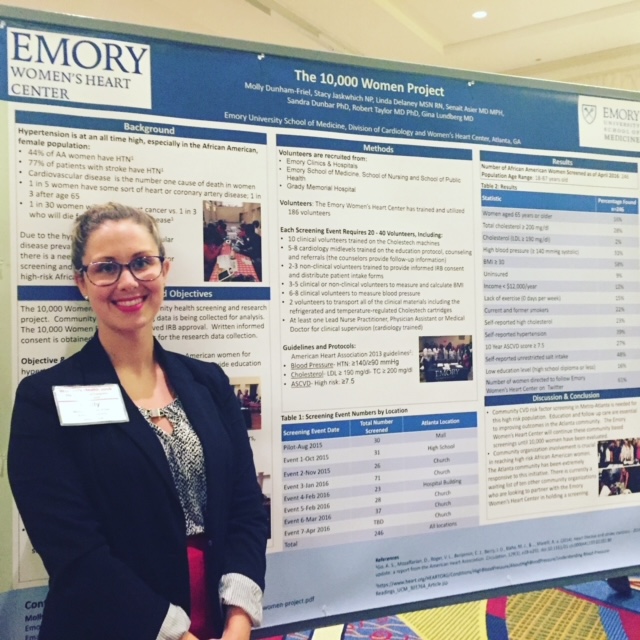





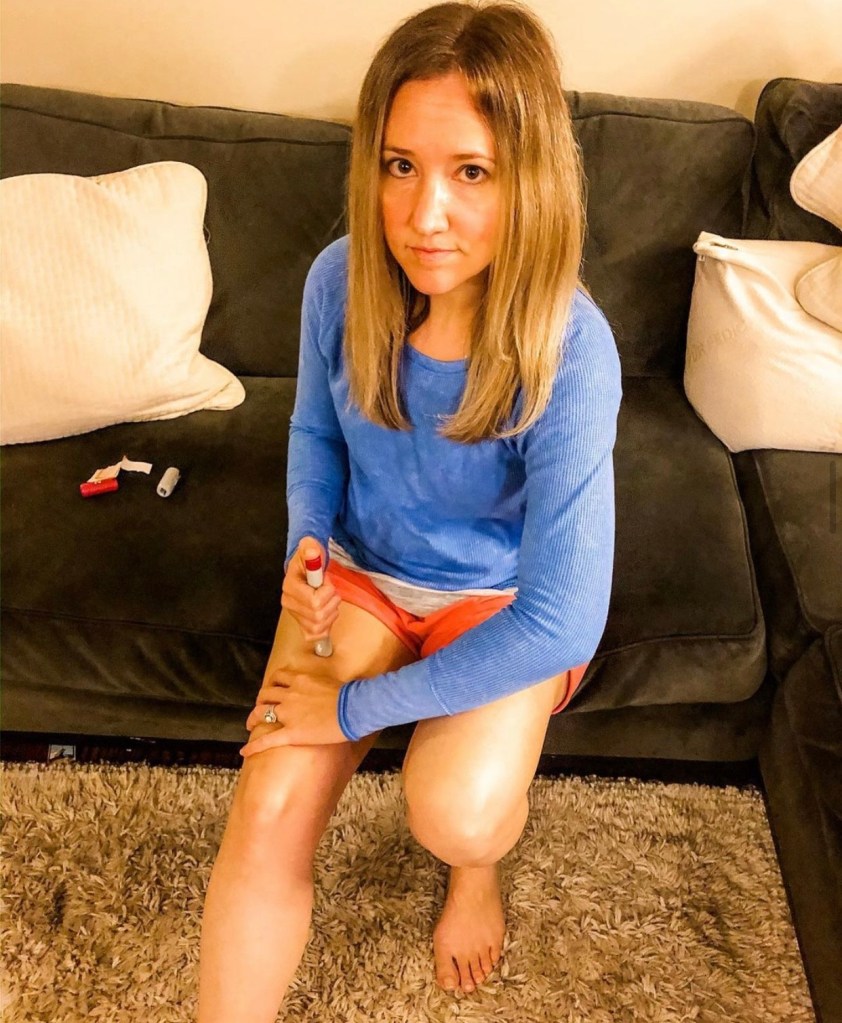




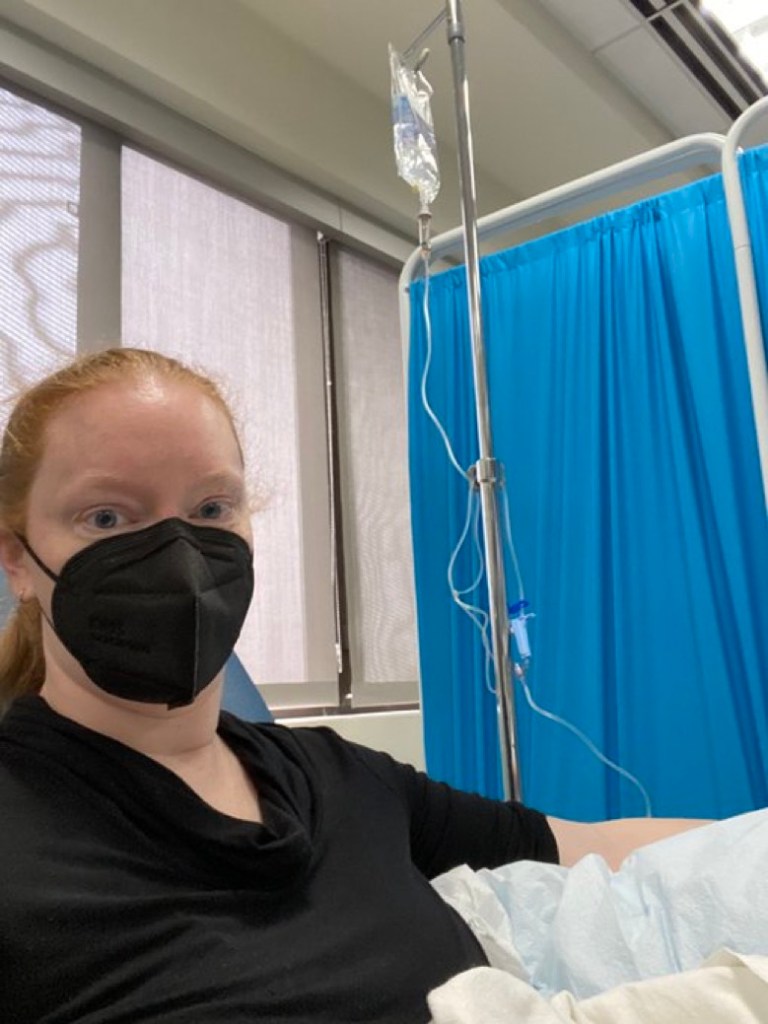

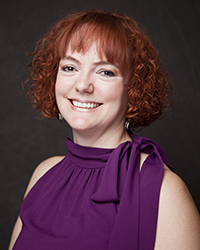

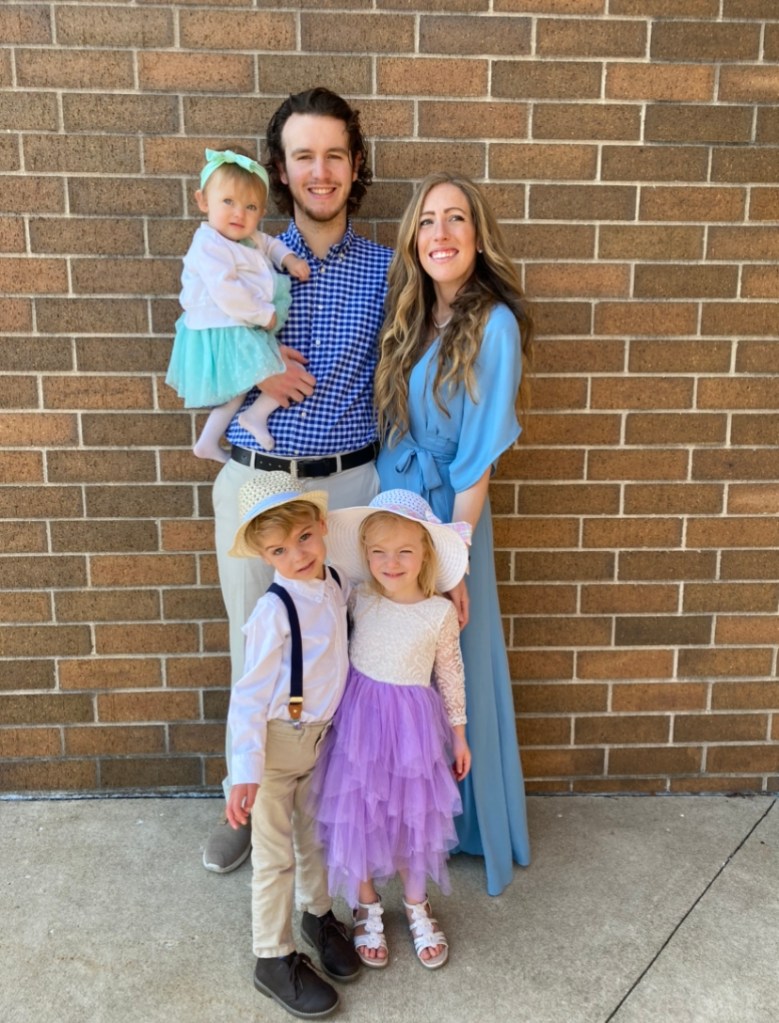




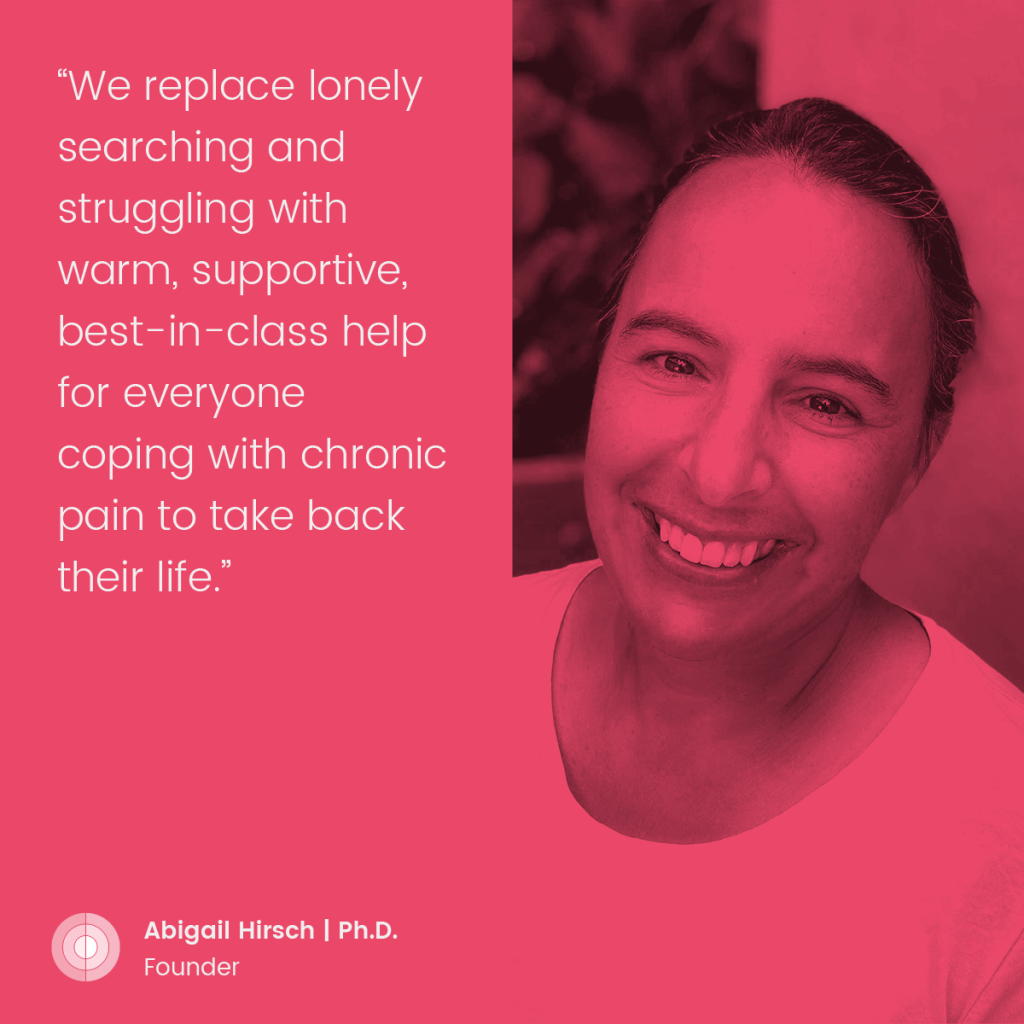


 lights camera crohn's