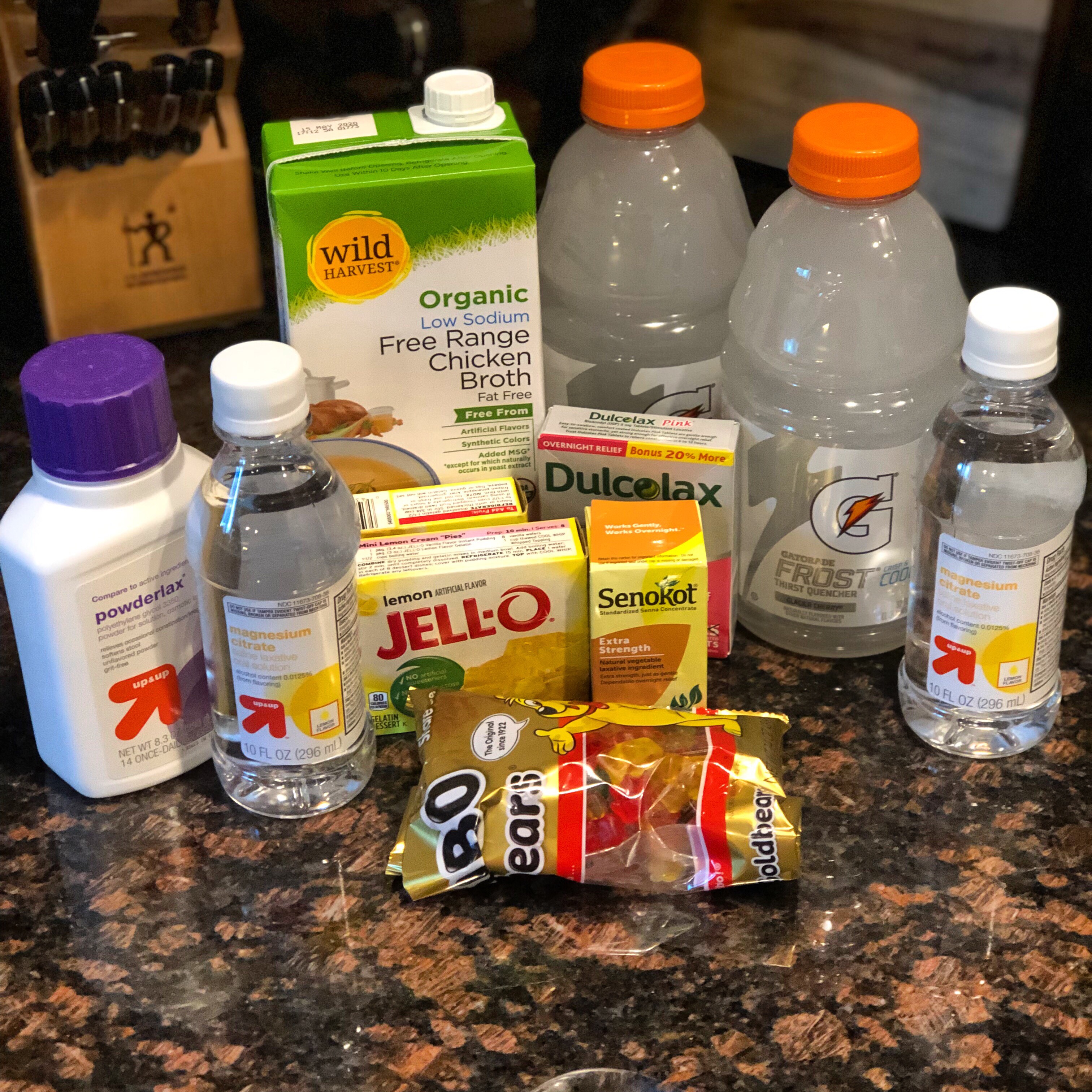
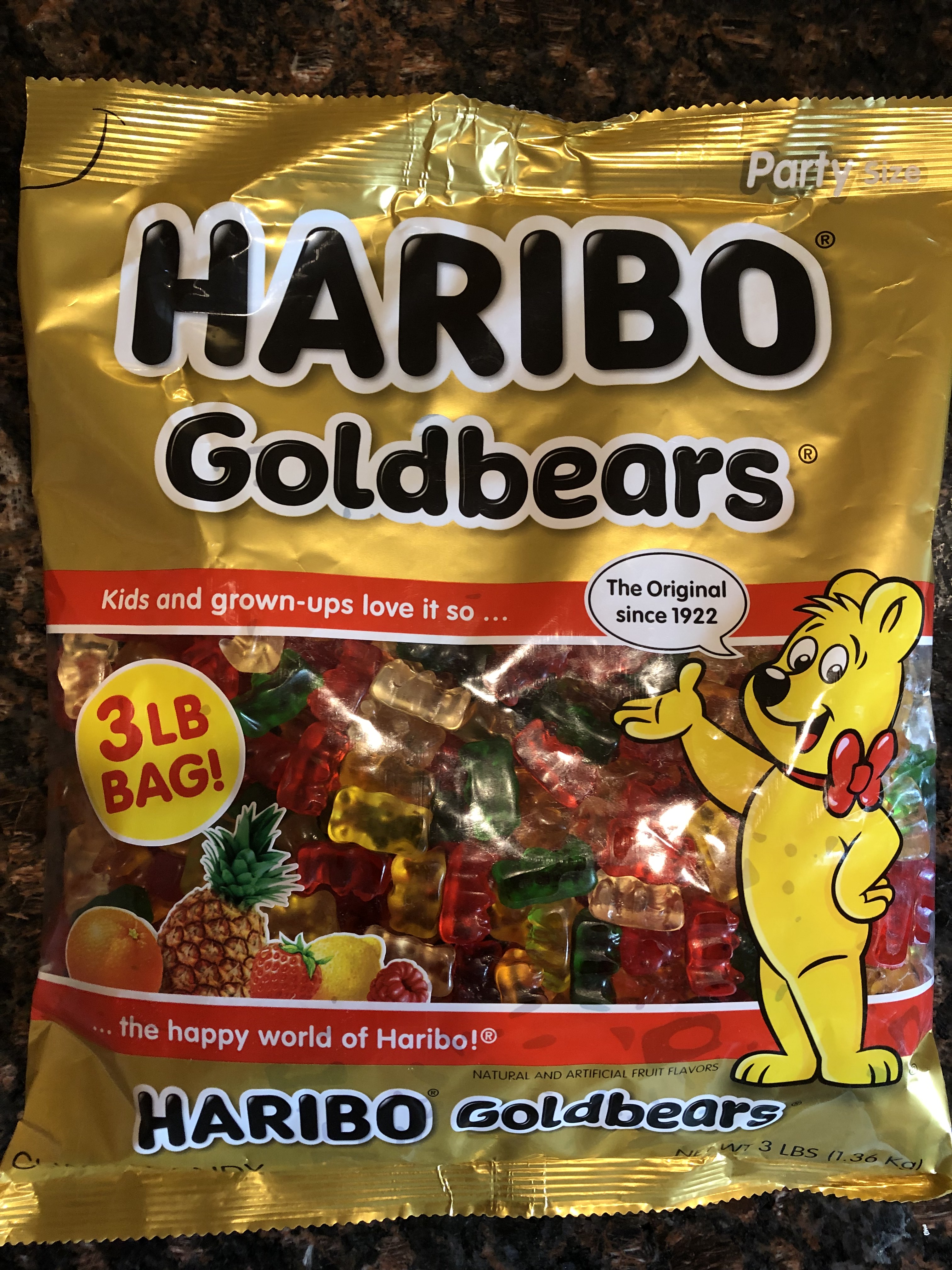
They Not Like Us—Why Colonoscopies Are Especially Challenging for People with IBD: Understanding the Struggles and Offering Support

Getting a colonoscopy when you have Inflammatory Bowel Disease (IBD) carries a distinct set of challenges and trauma compared to the average person receiving a colon cancer screening scope. I underwent my 10th colonoscopy this past week as part of my Crohn’s disease surveillance and heard the word “trauma” on multiple occasions.

I received the following public comment on an Instagram post following my colonoscopy, “You seem to have trauma around colonoscopy prep. I get it, but I don’t. Childbirth is traumatic but colonoscopy prep is not. It sucks, but really not traumatic. The flu sucks, strep throat sucks, why is this so hard for people?”

…to which I responded, “Do you have IBD?”…radio silence.

*Side note—none of my 3 child births were even close to traumatic, they were all joyous, uneventful, and happy occasions. But I digress.*

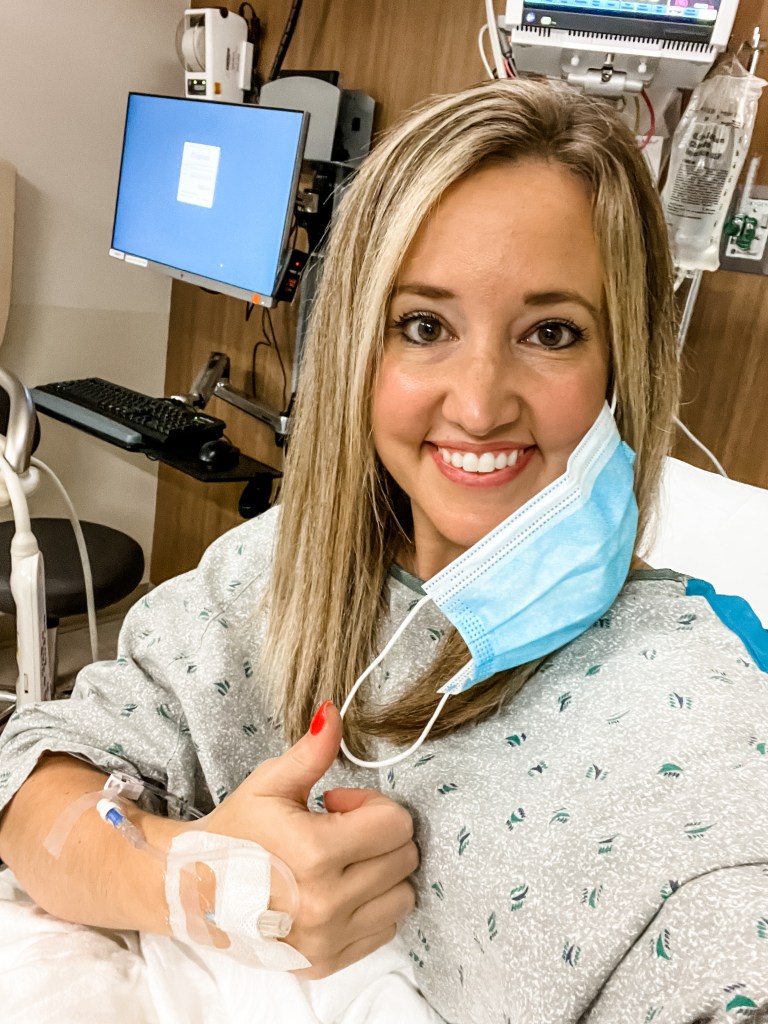
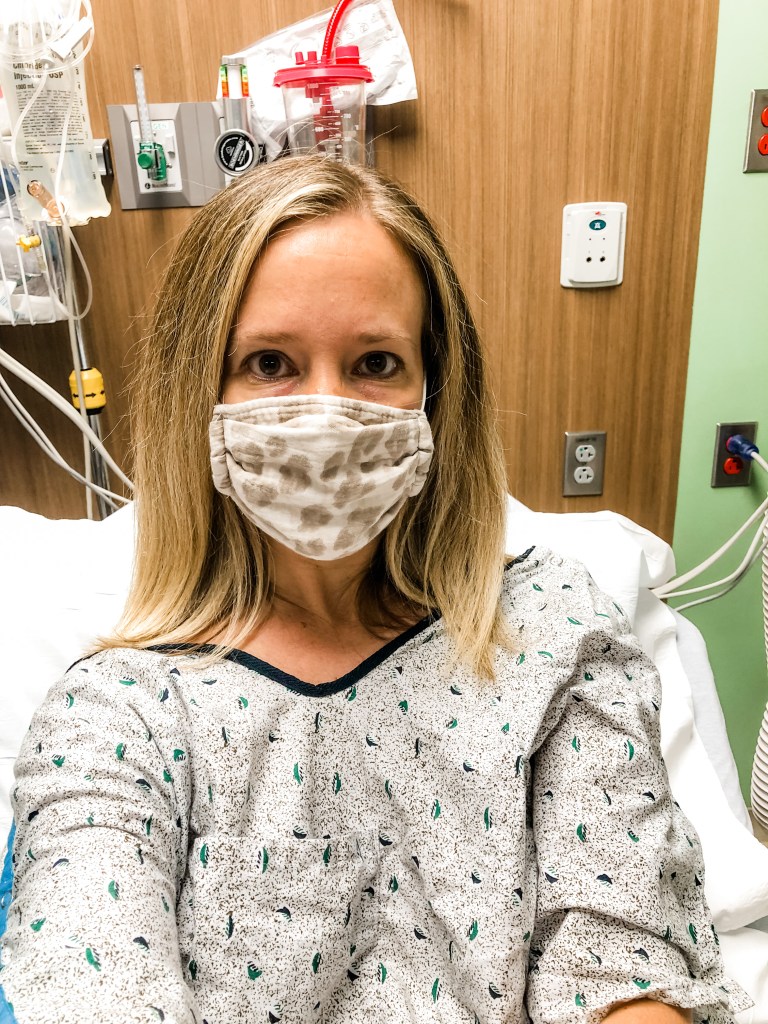
I had a wonderful nurse get me ready for my scope and give my IV, I let her know I have terrible veins and that I’m a tough stick. Once the IV was started she said that it appeared I have trauma around IVs…which I said was correct. While I appreciated her recognizing this it also felt a little bit judgy. During a prior hospitalization it took EIGHT tries to get an IV started. These difficult medical experiences cause trauma. It should not come as a surprise to anyone dealing with an IBD patient that what may seem run of the mill to an average person is not the same for us. I have to tell myself not to roll my eyes when a 70-year-old tells me how “easy” and uncomplicated their colonoscopy was. Happy for them…but their experience is much different than mine.

My most recent colonoscopy experience inspired me to dig a bit deeper and help to articulate why it’s hurtful and not helpful when you try and compare a “healthy” person’s experience getting a scope compared to someone diagnosed with IBD.

Oftentimes we receive confirmation of our IBD diagnosis after a colonoscopy. The results of a colonoscopy can significantly impact treatment plans, which may heighten stress. The fear of bad news—such as disease progression or the discovery of dysplasia—can weigh heavily. We not only have to rule out colon cancer (due to our elevated risk), we also have the weighted worry about hearing we could have active disease and inflammation going on. If that’s the case we may need to stop our current treatment, start a new treatment, need surgery, etc.

Unlike the average person who may not need a scope until age 45 and then not for another 7-10 years after, we know we may need to go through the ordeal multiple times a year, annually, or every other year starting whenever we’re diagnosed (as a child/in our 20s). The frequency of needing to go through prep and the procedure is astronomical compared to the typical person and when you’re way younger than 45 and have to go through a scope it builds resentment against your body, something our healthy peers and caregivers can’t truly grasp unless they’ve lived it. The cumulative stress of repeated procedures can lead to heightened anxiety and emotional exhaustion.

Our digestion is different from yours. Prep can induce abdominal pain, nausea, vomiting, and bloating that mirrors flare symptoms to us and this in and of itself can feel traumatic. People with IBD frequently experience inflamed, ulcerated, or narrowed sections of the gastrointestinal tract. During a colonoscopy, these areas may be more sensitive, leading to increased pain and discomfort compared to individuals without the condition. The bowel preparation process—which involves consuming large amounts of laxatives to clear the colon—can be especially grueling for those with IBD. It may exacerbate symptoms like diarrhea, cramping, and dehydration, making the days leading up to the procedure particularly difficult.

Many of us take the prep a step further and start a liquid diet days before the actual prep to try and “ease” the process. I personally put myself on a full liquid diet 4-5 days prior to my scopes and then a clear liquid the day before. This takes a great deal of willpower, especially as an IBD mom making school lunches and meals for my kids, while not being able to eat any of it. Caring for a family while running on fumes is not for the faint of heart. It’s a challenge to have the energy to function while feeling hangry. Understand that we might feel irritable, fatigued, or anxious during the preparation and recovery process. Provide a judgment-free space for us to express our feelings. I’m not one of those people who feels comfortable eating a light breakfast the day before a scope, because I fear not being cleaned out enough and having to go through the experience again sooner than I need or want to.

How to Be Supportive

  1. Acknowledge Their Experience: Validate their feelings and recognize that colonoscopies are more than a simple procedure for someone with IBD. Avoid dismissive comments like “It’s just routine.”
  2. Offer Practical Help:
    • Assist with transportation to and from the procedure. Offer to babysit if the person has kids or needs help at home with childcare.
    • Help prepare supplies for the bowel prep process, such as clear liquids, electrolyte solutions, and soft toilet paper.
    • Offer to stay with them during recovery if needed.
    • My husband always makes a point to take our kids out to dinner or try and not eat in front of me while I’m prepping, this makes a world of difference. We also always go out for a big breakfast or lunch date immediately following the procedure.
  3. Provide Distractions. During the prep period, suggest activities to keep their mind off the discomfort, such as watching movies, playing games, or listening to calming music.
  4. Encourage Communication with Healthcare Providers. If they’re particularly anxious or in pain, encourage them to discuss these concerns with their doctor. Sedation options or anti-anxiety medications might help make the procedure more tolerable. I always make sure I have Zofran on hand to take prior to my prep to help with nausea. I still always vomit at least once, but it does help.
  5. Respect Their Privacy: Everyone copes differently. Some people may want to talk about their experience and post about it on social media, while others may prefer to keep it private. Follow their lead and respect their boundaries.

Final thoughts

Colonoscopies are a critical tool in managing IBD and being proactive about colon cancer screening, but they can be uniquely challenging for those living with Crohn’s or ulcerative colitis. By understanding the physical and emotional toll of these procedures, friends and family can provide better support and help ease the burden.

My ask for friends, family members, and medical professionals with patients or loved ones who have IBD and are undergoing or gone through a colonoscopy is to refrain from comparing your own experience with us. Show compassion. Be kind. Remember that colonoscopies carry a sense of trauma for many of us, and for good reason. We are not weak. We are not complainers. If you lived our reality and been through what we have, I guarantee it wouldn’t feel like a walk in the park. Not many 41-year-olds I know have had 10 colonoscopies. With patience, empathy, and practical assistance, you can make a difficult experience a little more manageable for someone with IBD.

Colonoscopy Tips: My advice for you as a veteran Crohnie

It’s safe to say every prep for a colonoscopy is a shit show. The show just looks a bit different each time. I completed another annual colonoscopy this past Friday, and the process still keeps me on my toes, even after more than 17 years of living with Crohn’s disease. As those of us with IBD know, it’s so much more than the prep. It’s the anxiety of wondering if our disease is active. It’s the worry about whether our IBD is going to act up and be triggered by the ungodly amount of laxative we are ingesting in one sitting. It’s the fear of going through more trauma getting an IV and dealing with nurses and a care team we’re unfamiliar with. It’s resenting the fact that you’re a young person needing a colonoscopy…and the list goes on.

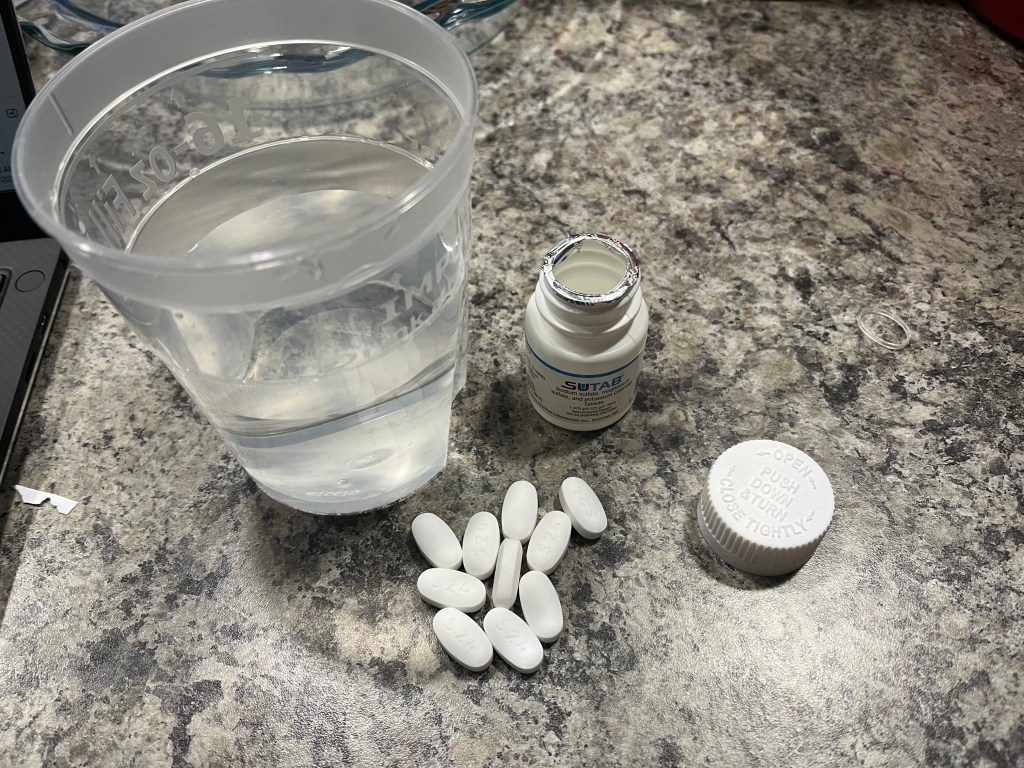
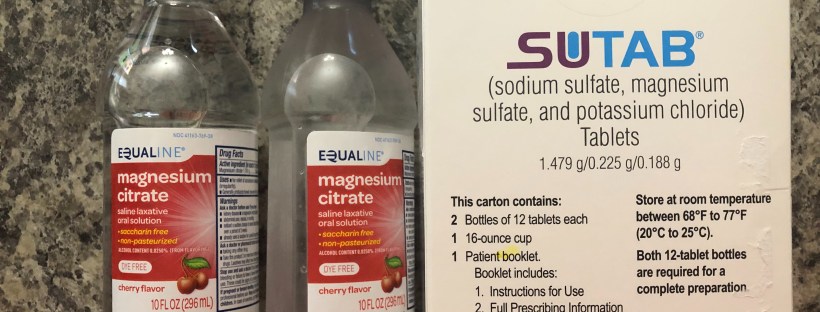
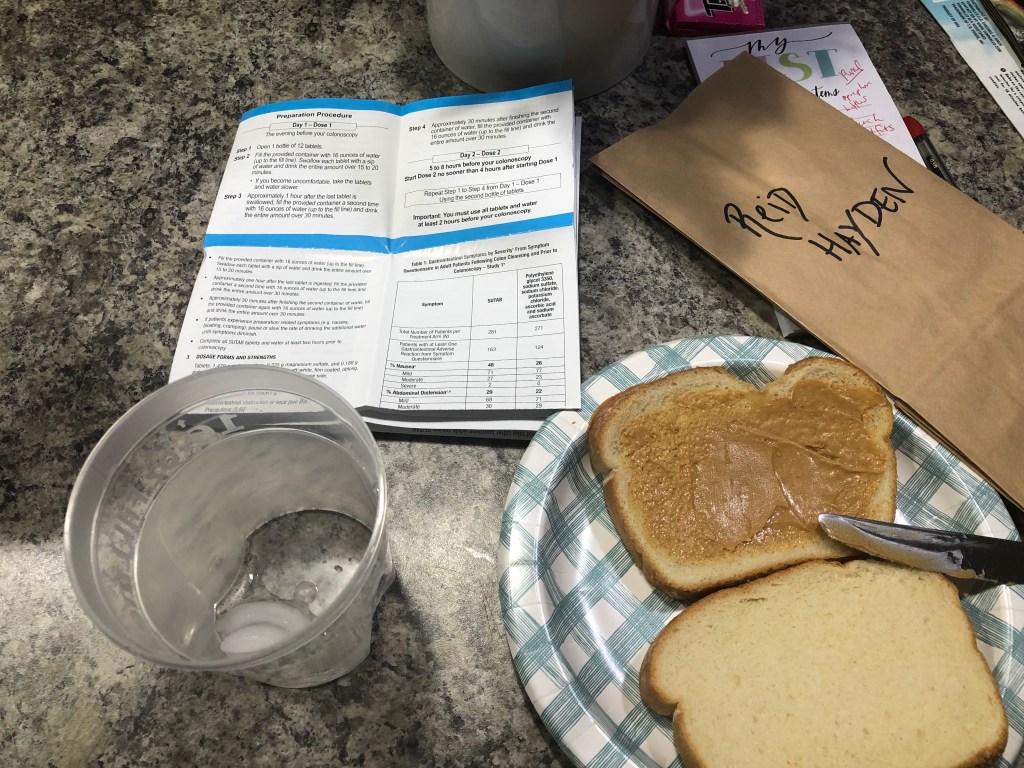
I did my second-ever pill prep (SUTAB) this time. I find swallowing 24 pills to be easier than guzzling anything that tastes unpleasant. There was a bit of a monkey wrench in my game plan this time around, when my gastroenterologist’s nurse informed me over the Patient Portal that magnesium citrate saline is recalled. Because of that, my doctor created an additional prep to make up for that. For some reason, the 24 pills deemed worthy for the rest of society to take to get cleaned out isn’t good enough. I received instructions two weeks prior to my scope that quite frankly scared the bejesus out of me.

Along with the 24 SUTAB pills and 96-plus ounces of water, patients are expected to:

  • Take 1,500 to 1,600 mg of magnesium citrate pills, twice (This adds 12 pills to the prep, and they are horse pills)
  • 30 ml of Milk of Magnesia
  • Two enemas…yes, you read this correctly.

…the moment I received this news, my chest tightened, and I started to freak out. Regardless of the prep you choose (you’re “allowed to choose any one you like:”) …this is also “required”. Knowing this ahead of time made my mind race and I kept going back and forth about whether I was going to put myself through it or be my own advocate and go a bit rogue. It’s a bit daunting when the instructions are in CAPS and there’s the threat of needing to do everything over again.

Here’s what I did for my prep

It’s easy to talk a big game and say “there’s no way I’m doing this” …but at the same time, there’s a worry that looms that if you don’t, you may need to do another scope because you aren’t cleaned out enough. I’ve always been a bit of a rule follower, so it tends to take a lot for me to go against the grain.

I always do a self-imposed liquid diet to give me some buffer in case I encounter issues with the prep. My last meal is generally the Sunday night before a Friday scope. I allowed myself some crackers on Monday night, but other than that, I was strictly liquids all week. It’s brutal, but it always pays off in the end.

I bought magnesium citrate pills, the SUTAB pills, and the fleet enemas. I didn’t bother getting the Milk of Magnesia.

I took the first 1,500 mg (6 pills) of magnesium citrate, starting at noon the day before my 11:30 am colonoscopy. To me, it was a lot easier doing the pills than having to drink an entire bottle of magnesium citrate, which immediately causes me to vomit. I then timed out the 12 SUTAB pills, by setting a timer on my phone. I took one every 2-3 minutes. All you do is take the pills with 16 ounces of water and then follow that with drinking 16 ounces of water two more times over a couple of hours. I was “done” with my prep by 4 pm the day before my scope and wasn’t running to the bathroom too much.

I went to bed and set my alarm for 5 a.m. with the intention of doing the other 12 SUTAB pills + the additional 6 magnesium citrate. At this point, I was still on the fence about whether I would try an enema.

I walked downstairs in my dark house as my family slept and turned on a few lights so I could lay all the pills out on the kitchen counter. It was just me—all these enormous pills—and my thoughts. I got the 12 SUTAB down and after about 30 minutes I started feeling ill. I ran to the bathroom and vomited quite a bit…at the end I puked up bright red blood. It was petrifying. I screamed for my husband while I was on my hands and knees on the bathroom floor at 6 am. He ran down the stairs and could see how much anguish I was in. I immediately called my mom who is a nurse and she told me not to take anymore pills and that my prep was done.

My mom, who lives out of town, has been with me for every single prep since diagnosis, but this time around, she wasn’t since it’s so close to the holidays. Not having her by my side added a bit to the stress. I asked her if I should do the enema and had some choice words. She told me not to do it. I agreed. Hospitals are running low on enemas right now, so the instructions said to “bring an enema to the hospital in case you need it.”

Speaking up prior to the procedure

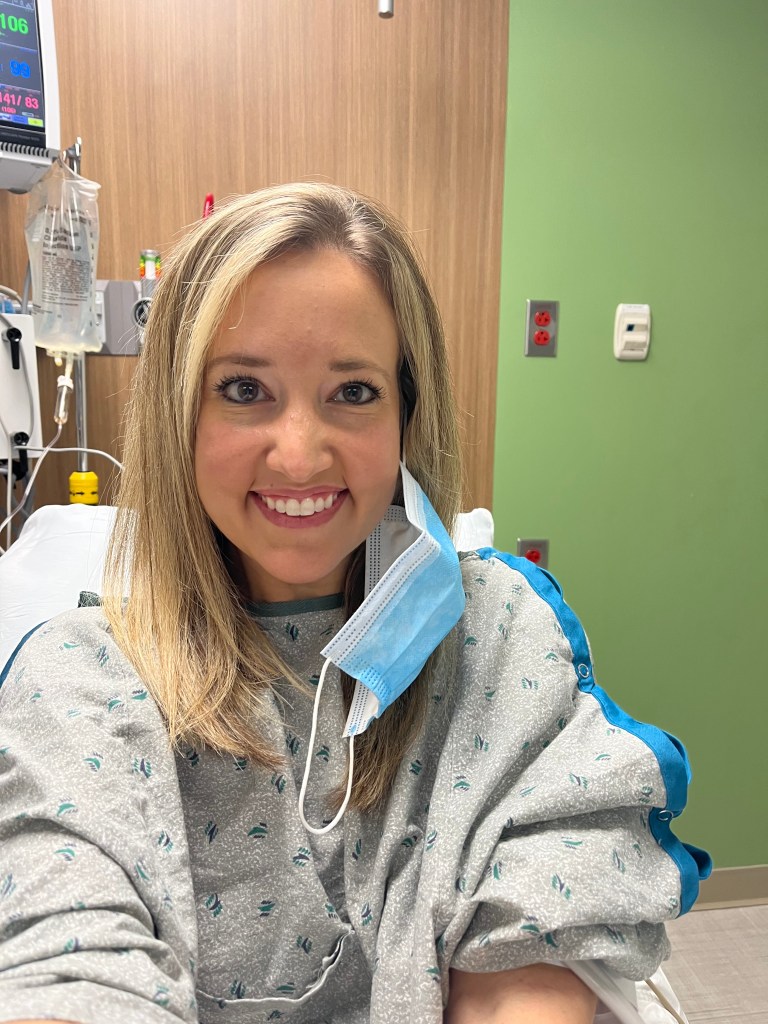
My scope wasn’t until 11:30 a.m., unfortunately it was very busy at the hospital, so I didn’t get mine until 1:15 p.m. When you haven’t eaten in nearly a week and your head is pounding from dehydration, every minute feels like an eternity. When the nurse finally got me from the waiting room, we got to the endoscopy suite and while I was still in my street clothes, she asked me if I had my enema with me. I froze in my tracks. I told her I forgot it on my counter (I purposefully forgot it on my counter) …and I proceeded to go into an explanation about how ridiculous it is to expect this of patients, how unnecessary and over the top it is and that I refuse to do it. She asked me if I did the enema earlier in the morning, I said no. To my surprise, she completely empathized with me and said she couldn’t agree more that it’s making all their procedures run late, that no other GI’s require it, and that she knows after 17 years with Crohn’s I know what I’m doing. She was whispering in cahoots with me, and it felt SO good to feel validated and heard.

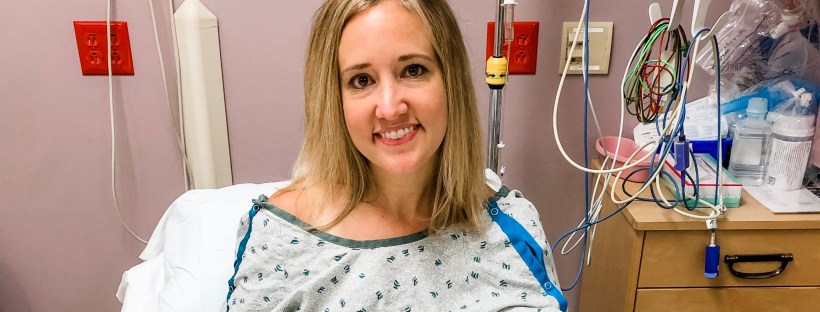
When I told her I had difficult veins, rather than rolling her eyes or downplaying my fears, she listened and was so kind. She took a close look at all the options and ended up choosing a vein in my right hand. She got me with the first stick and immediately all my anxiety around the IV went away.

I informed my GI and anesthesiologist that I had vomited blood while doing the prep. They let me know that was from throwing up and it caused the capillaries in my esophagus and stomach to break and bleed. Because of that I was told prior to my procedure that in the event there was blood down below, an endoscopy would also need to be performed. Luckily that was not the case! I was given an antacid in my IV to help resolve any possible issues. I made the mistake this time of not taking my prescribed Zofran to prevent nausea. If you have a history of vomiting with prep, I highly recommend getting a script and taking this 30 minutes prior to starting your prep. In the moment, I was already taking so many pills I didn’t feel like adding one to the mix, but I wish I had.

The colonoscopy results

When I woke up from that amazing propofol nap I was thrilled when my GI gleefully walked into the recovery room with a huge smile on her face and told me that my small bowel and colon were “pristine”, that everything looked gorgeous, and that I was still in remission. The discharge notes state there is “normal mucosa in the entire examined colon” and that my “end-to-side ileo-colonic anastomosis” (where my small intestine was reattached to my large intestine from my bowel resection surgery in 2015) is characterized by “healthy appearing mucosa”. No biopsies were taken and the “quality of the bowel preparation was excellent”.

Remission is a complicated term and one I don’t take lightly. I reached surgical remission in 2015, after a decade of ups and downs. While I’m so grateful to continue the 7-year-streak of remission, I’m aware that tomorrow things can change. All any of us can do is focus on the right now and try not to dwell on what could be or what can happen. Remission is just a word—I didn’t do anything to deserve it, no one does. So much emphasis can be placed on being in remission, and I get that it can feel like a big deal—but IBD, whether you’re in “remission” or not is unpredictable, so there’s no sense in thinking you’re in the clear or invincible just because you’re told you’ve reached it. Remission does not mean you are completely free of symptoms.

My tips for going through a colonoscopy

  • Schedule your scope during an early time slot. Not only does this allow you to eat a lot sooner, but you’re also more likely to be taken right on schedule and not face any delays. For my 11:30 a.m. scope, I wasn’t at a restaurant until 3 p.m. I will say as an IBD mom, the 11:30 a.m. time was ideal in the fact I was able to get my two older kids ready for school and drop offs had already taken place before my husband and I left for the hospital.
  • Arrange childcare as you’re scheduling your scope. It’s challenging as an IBD mom or dad to have to worry about who is going to take care of your kids during procedures. Get the available dates for your colonoscopy and figure out childcare as you’re scheduling so there’s one less moving piece to deal with. My mother-in-law watched our kids from 9:30 a.m.-4:30 p.m. and it was comforting to know I had nothing to worry about while my husband and I were away.
  • Add in some buffer with a liquid diet for a few days. I’m not saying you need to go crazy with the liquid diet, but even doing one extra day of liquids will really ease your prep when it comes to what you need to pass. It also gives you a bit of leverage if things don’t go as planned when you’re trying to get it all down.
  • Listen to your body and do what you’re comfortable with. While there are guidelines and recommendations if you are vomiting, feeling sick, struggling to make it through the prep, just do what you can. Don’t push yourself to the brink of putting your health at risk. The SUTAB pills specifically say “Do not take other laxatives” … so how is a patient supposed to feel when their GI tells them to do a laundry list of additional laxatives?! The general population does the prep, without any add-ons. We should be able to do the same. I had to chuckle when I was told my prep was excellent, when I went off the grid and did what I felt was best. Before my procedure I smiled at my doctor and told her I did my best…and that’s all they can ask for.
  • Get labs ahead of time. The past few years my care team has tried to save me a trip to the lab and tried to get lab work through my IV. Each time, it’s been a nightmare. Last year the nurse in recovery stuck me 8 times and I was so dehydrated she never got any blood. She was unkind and rough and left me in tears. That was it for me. This year, I did labs the Monday before my scope. Having that checked off my ever-growing patient to-do list eased my anxiety and the nurse who did my IV said because she didn’t need to get labs through my IV, the needle could be a lot smaller—score!
  • Count the pills. I noticed this time I was given one extra SUTAB pill in my prescription bottle. I triple counted to make sure. There should be 24, total. Make sure not to take any extra.
  • Be cognizant of the time of year you get your scope. Get tests and procedures done prior to the end of the year when you’ve most likely reached your deductible, so you save money. I have a bone scan scheduled this week as well, crossing everything off the list when it’s covered.
  • Always remember gummy bears are a liquid. I share this year after year but so many people still seem unaware that this is the case. The day prior to a scope you need to steer clear of red and purple gummy bears, but you can eat gummy bears throughout a liquid diet and the day before your scope. The ability to chew something and have something sweet is a gamechanger. It’s a great way to chase prep that doesn’t taste good, too. This time around my sweet daughter took it upon herself to take all the red gummy bears from the bag so I wouldn’t accidently eat one…she made a pile of red gummy bears and proceeded to eat all of them.
  • Check about patient savings options. SUTAB is a bit pricier than other preps, you can save by going to http://www.sutab.com and printing off a coupon that brings the cost down to $40 with most insurances. Look into this regardless of what prep you do to make sure you’re not overpaying.
  • Feel empowered in what you’ve endured. Going through colonoscopies with IBD is not for the faint of heart. Chances are you have your own routine and know what works for you. Stick to it and speak up if something doesn’t sit right with you. Plan that post- scope meal ahead of time and reward yourself afterwards. You’ve been through a lot and deserve to recover and rest.

Til next year…

My thoughts on a colonoscopy pill prep as a first timer

‘Hello darkness, my old friend. I’ve come to talk with you again’. Ahh, the dreaded annual, routine, colonoscopy. I got a little spoiled because my last scope was July 2019. I decided to hold off in the thick of the pandemic out of safety concerns and did a fecal calprotectin test instead. Then, I got pregnant…so I had quite the enjoyable hiatus.

This time around, I decided to try SUTAB, a 24-pill prep + Magnesium citrate, rather than my typical Miralax-Dulcolax-Magnesium citrate. Without insurance and utilizing the patient savings card that’s online, SUTAB can be costly. I went here and printed out a coupon, I was able to get it from the CVS Pharmacy in Target for $50. While it’s more expensive than most preps, to me, it was worth the try.

Thoughts on doing a pill prep

So, this entire experience was a bit complicated for me. The night before my scope, I was miserable from the Magnesium citrate and the initial 12 pills. First off, I’ve come to learn that most GI’s do not make you take magnesium citrate on top of the typical prep. I’m just one of the lucky ones. Magnesium Citrate has always made me vomit, even if I take Zofran before. Prior to this prep, I always did the lemon flavor. I switched to the cherry flavor this time, GAME CHANGER. I had no problem getting it down…but it only stayed down for about an hour or so.

I threw up an unbelievable amount multiple times and never had a bowel movement. After not eating a solid meal for three days I was anxious and worried that I wouldn’t be cleaned out enough and that I was going through this hell for nothing. Sadly, Reid and Sophia witnessed it all go down and it broke my heart that they had to see me so sick and weak on the bathroom floor.

I relied on many members of the IBD community and medical professionals on social media to help guide me through the unknown. I took a Zofran and went to bed. I never woke to use the bathroom. I set my alarm for 3 a.m., took another Zofran, did NOT take the second 10 ounces of Magnesium citrate, and timed the remaining 12 pills every 3 minutes (rather than taking them back-to-back). I found that tip on Twitter and it made a huge difference! I decided not to take the second bottle of Magnesium citrate because in the medical instructions from the SUTAB box it says *not* to take any additional laxatives.

My scope was scheduled for 8:30 in the morning. I finished the pill prep at 4 a.m. and between then and 6:45 a.m. when we got on the road to hospital, I got completely cleaned out. I didn’t get nauseas, and everything fell into place. Now, I credit this with the fact I barely had anything in my body, which makes the prep much easier in my opinion.

If you would have asked me my thoughts on SUTAB vs. my typical go-to, Miralax + Dulcolax + Magnesium citrate the eve of the scope, I would have told you I would never do a pill prep, again. But once I took the Zofran, didn’t take the Magnesium citrate, and timed out the pills, only having to chase with pure water was amazing and very simple. All you have to do is drink 16 ounces of water with the 12 pills, and then an additional 32 ounces of water spaced out after. You can have more water if you want it.

My mom was laughing because she was watching me do multiple loads of laundry, make my son’s school lunch, pump milk for my 4-month-old, shower and get dressed…all on 4 hours of sleep, while in the middle of colonoscopy prep. As an IBD mom, I felt empowered in that moment of all I was capable of doing in the midst of what previously had been a nightmare.

Unfortunately, what is generally the “easy” part of the process—the hospital portion and the actual scope was very emotional and painful for me. My GI had ordered my usual routine labs to be drawn through my IV (to try and save me a trip) but I was so dehydrated from the prep and breastfeeding that the nurses could not get any blood. It took sticking me 8 different times. I felt like a human pin cushion. The IV was placed in a very tiny vein in my hand and the Propofol burned SO badly going in that I almost couldn’t handle it.

I kept asking for my husband Bobby to be allowed in recovery and felt like no one was listening to me. The nurse was gruff and kept poking me, even after I told her I would just go to a lab this week once I was hydrated. The blood pressure cuff even bruised my arm. I cried a lot of tears and the experience brought me back to a traumatic 2008 hospitalization for an abscess in my small intestine that involved 8 tries to get an IV.

My recommendation—do NOT allow labs to be drawn after you are done prepping for a scope. Save yourself the pain and the prodding. I overhead the nurses talking (outside the curtain) of my “room” saying they refuse to ever do this again to a patient and that we should all just go to labs to get bloodwork, rather than trying to get it done when we’re all terribly dehydrated. I had so many band-aids and gauze all over both my hands and arms, the nurses even sent me home with more gauze and band-aids in case I bled in the car. Fun times.

The best news

Luckily, the heaviness of this entire ordeal lifted a bit when my GI walked into the recovery room and said, “your small bowel and colon could not be more gorgeous. It was so pretty in there!” Best compliment you can give a gal with IBD!

She said even my anastomosis site (where my large and small intestine were reattached in 2015) …looked perfect. She explained how ulcers develop and indicate lack of blood flow. No ulcers, mucosal healing, and no biopsies needed. I feel incredibly fortunate that I have been lucky enough to hold onto my remission that came about because of my bowel resection surgery in August 2015.

I understand that “remission” is a complicated term in the IBD world. It doesn’t mean symptom-free, it doesn’t mean a cure…to me, it means I have many more days that I feel well than when I don’t. It means my Crohn’s disease doesn’t have to dictate or rule my life and that I’m able to be present for my family and for myself. It’s knowing that remission can go away in the blink of an eye. It’s happened to me before, and I know it will happen again. But for now, I’ll take a deep breath and enjoy this reprieve from the havoc I know my disease is capable of causing and continue to do all I can to stay well by staying on my biologic, keeping tabs on my lab work, and checking in with my GI whenever I feel like something may be starting to go awry. Remission is not something to be taken for granted. I often get asked what I do to “stay” in remission, I honestly don’t feel like I deserve much of the credit other than being a compliant patient and being very in-tune to how my body speaks to me through symptoms.

Moments that helped me get through

When my kids kept bringing me play food to help me feel better when they realized I couldn’t eat “real food” all week.

How my mom flew in from Chicago to help with the kids and to be an added support (like she does for every scope, procedure, and hospitalization).

When my husband, Bobby, came home late from work and rather than sitting at the kitchen table to eat, I caught him standing at the sink with his dinner plate and back turned so he wouldn’t be eating in front of me.

Knowing I was going to have a breakfast date with Bobby at our favorite spot and keeping my eye on the prize after going so many days without eating solid food.

Using my frozen breastmilk stash the day before and day-of the procedure to ease the burden of having to use energy and my body to feed Connor.

Reading all the comments on Instagram and hearing from friends and family near and far over text message and through phone calls really helped lift my spirits and conquer this as an exclusively breastfeeding mama.

Long story short—Aside from checking with your GI and getting a prescription for SUTAB, I would recommend trying the pill prep and from a patient perspective remind you to do the following:

  • Have your GI provide you with a prescription of Zofran (if you don’t have one already).
  • Take Zofran 30 minutes prior to taking the pills.
  • Set a timer on your phone and take one pill every three minutes.
  • While the pills are large, they are no bigger than a Prenatal vitamin and are doable.
  • For my self-imposed liquid diet this is how I plan it out for a Friday morning scope:
    • Last solid meal Monday evening
    • Tuesday-Wednesday full liquids
    • Thursday-Friday am clear liquids…and don’t forget my favorite tip of all…GUMMY BEARS! They are considered clear liquids, just steer clear from the red and purple ones.

IBD Motherhood Unplugged: Scopes, Scans, and Breastfeeding

The date for my next scheduled colonoscopy is on my calendar. Even though my scope is one month away, I’ve already started the mental prep of what’s to come. When you’ve had too many colonoscopies to count you know what to expect…which is both a blessing and a curse. This time around I’m exclusively breastfeeding my 3-month-old son. So, like any IBD mom may wonder, how does that correlate when you’re taking prep that cleans out your system and are put out for the procedure?

I checked in with Dr. Aline Charabaty, Assistant Clinical Director of the Division of Gastroenterology at Johns Hopkins School of Medicine, and Clinical Director of the Inflammatory Bowel Disease Center at Johns Hopkins-Sibley Memorial Hospital, as well as my own gastroenterologist (GI) so I knew what to expect and so I could pass along the information to you.

Juggling Kids and Prep

I’m already anticipating the hustle and bustle that I’ll be dealing with as I guzzle down the disgusting concoctions with my 4-year-old and 2-year-old running around as I care for our newest addition. Luckily, my mom flies in for every single colonoscopy (even before I had kids!) to offer emotional and physical support. Now, she gives me a hand with my kids, and this allows my husband, Bobby, to take me to the procedure and celebrate with me after it’s over. Highly recommend you line up childcare when prepping for a colonoscopy so you can focus on yourself and not deal with the stress of mom life on top of it.

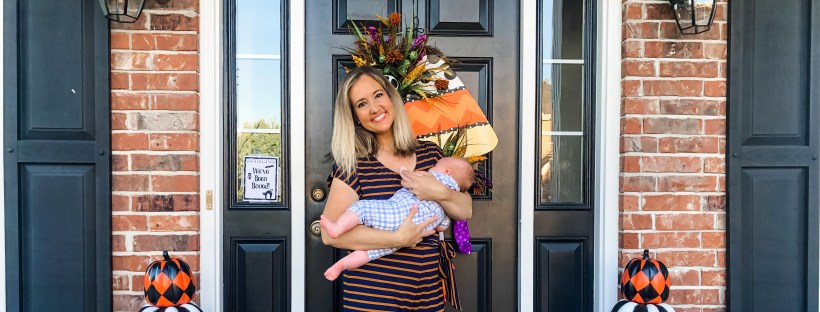
Snuggling with my son, Reid, while I did my prep in 2019.

Dr. Charabaty understands what a challenge this can be and has fantastic advice for IBD moms on prep and procedure days:

  • Tell yourself you are doing the right thing taking care of your health, to stay well for you and for your kids.
  • Explain to the kids why mommy is a bit tired today, why she is not sharing their food and why she is going to the bathroom a lot.
  • Enlist help!! Have someone you trust, and who the kids know well, to keep them company and look after them while you are prepping the day before and on the day of the procedure. You need a responsible adult who is fully awake and alert to be with the kids and keep them safe during these days.
  • If your child is old enough to understand, have them play an active and fun role in this prep, for example reminding you to drink fluid during the day from a special cup they chose for you.
  • Hug your children often in between trips to the bathroom, to keep you going.
  • Give yourself plenty of rest after the procedure so you can be fully present to your children the next day.
  • Skip co-sleeping the first night after the procedure, as you might not wake up as usual in the night.

In the days leading up to my scope, I put myself on a self-imposed liquid diet 3-4 days ahead of time to ease the prep. It’s hard enough when I’m not trying to nourish a little person, along with myself. Anyone who has breastfed a child knows how hungry it can make you. My GI told me that despite only having liquids I would not need to supplement with formula. At the same time, she suggested I drink Ensure Clear Protein, which will not affect the prep and will help it. To combat dehydration, she reminded me to drink plenty of water up until two hours before the procedure.

“Breastfeeding women lose an average of 25 ounces of fluid a day through their milk. During the colonoscopy prep, make sure you drink plenty of fluid to keep the prep going and the milk flowing! Consider breastfeeding or pumping just before leaving for the procedure and as soon as you are recover and are awake after the procedure, to minimize discomfort of full breasts and minimize disruption in the usual breastfeeding/pumping schedule and optimize the volume of milk recovered,” explained Dr. Charabaty.

If nursing gets to be too much while I’m in the thick of my prep, I plan to tap into my freezer supply of milk so that my mom or husband can feed the baby while I’m holed up in the bathroom. By being proactive and thinking of these moments ahead of time, it’s one less thing to worry about and stress over.

Is Pump and Dumping Necessary?

Since we all know what colonoscopy prep makes us do, my initial thought was that I would need to pump and dump so my son wasn’t pooping up a storm along with me. I envisioned myself on the toilet with my pump nearby…talk about a living hell! Luckily, my GI said there’s no need to pump and dump with the prep or with the procedure since my care team uses Propofol and Dr. Charabaty agrees.

“Preps like Miralax, Golytely, Moviprep, Fleet phosphosoda, and Dulcolax, are not absorbed from the gut and do not enter the breastmilk; so, no need to pump and dump with preps, save every drop of this precious liquid! There are older recommendations to pump and dump the milk 4 hours after receiving anesthesia; however, review of the data show that most drugs used for anesthesia (midazolam, fentanyl, propofol, ketamine) do not cross into the breastmilk or if they do, the concentration for the drug in the breast milk is too low to affect the baby.”

Click here to lead the latest recommendations from the Association of Anesthetists that supports this guidance.

What about prep for MRE’s and CT scans?

“Radiological contrast agents used in CT and MRI are safe during breastfeeding, but be cautious with Technetium containing contrast that is used for nuclear medicine procedures. Some recommend pumping and dumping for 12 hours; other recommend pumping for 72 hours. Store the milk and only give it to the baby after it has been stored for 72 hours.”

The bottom line

“You can continue to breastfeed baby as usual following the colonoscopy (or endoscopy), as soon as you have recovered from anesthesia, and you are awake enough to hold the baby! Talk to the anesthesiologist before and after the procedure for advice, in case different or unusual medications were needed during the procedure. If you feel tired or sleepy, let someone else handle the feeding. Kudos for taking care of both your GI health and baby’s health!”

As an IBD mom having this intel is extremely comforting and puts my mind and heart at ease as I prepare for another colonoscopy, this time with another little one in tow.

Another one bites the dust: My latest colonoscopy tips

Save the date, it’s time for your annual colonoscopy! Ugh. From the moment I schedule my scope I make a mental note and the dread and anguish looms over as the day of the procedure grows near. It’s so much more than a procedure to me though. The entire process—from getting the prep, to taking the prep, to getting prepped at the hospital is a painful reminder of my reality. I have Crohn’s disease. A day, not even an hour, usually passes where I don’t think about my chronic illness—but this is a stark reminder that I’m different. Different from other people my age. Different from all the “healthies” in the world.

For me, downing the magnesium citrate is physically painful. The moment I smell it. The moment the disgusting liquid touches my lip, the hair on my arms stands up and I instantly start to dry heave. Then, I remember I have 20 ounces to get down, plus 64 ounces of Miralax mixed with Gatorade…all within a few hours. It’s overwhelming and daunting. 4C27B95A-9514-472E-84F2-70A78A8AC020

If you’ve had a colonoscopy, you get it. The prep is the worst, the procedure is easy. When you live with IBD, the worry about what can be discovered weighs heavily on you. This time around—along with the prep, I had some additional “obstacles”. This time—I was home with my rambunctious (but oh so sweet) 2-year-old and my 6-month-old, while going more than 72 hours on clear liquids. Along with being an IBD mom, I’m breastfeeding. That in and of itself is exhausting and zaps your energy. Nothing like burning 500 calories while you’re not eating!

As patients, each experience throughout our journey impacts us in a unique way and toughens our skin a bit. Each test, each poke and prod, each surgery, desensitizes us. Every person is different, no journey is the same.

But, I want to share a few helpful “work arounds” I used this time.

  1. GUMMY BEARS!! IMG_5276Boys and girls, this is a game changer. Gummy bears are considered a clear liquid because they liquify upon digestion, much like Jello. In the days leading up, you can eat all the colors, but 24 hours before your scope stay away from any red, orange or purple as those colors are not allowed during prep. I used gummy bears to chase the magnesium citrate, two bears for every sip! It was also a nice treat and it felt good to actually chew something after only having liquids for days.
  1. 72-hour liquid diet. This is aggressive, it’s not easy. But, it can be done. I impose this on myself and for years have seen what a difference it makes with my prep. Much less to pass, and if you aren’t able to drink all your prep—less chance of needing to redo the scope.
  1. Daydream about that first meal, eyes on the prize. There’s nothing quite like that first morsel of food you get to eat after your colonoscopy. Use this as a reward and something to look forward to. IMG_5286Look up menus and decide where you want to treat yo’self. Along with that first meal, I try and plan something fun to do. This time around my husband and I went shopping after breakfast and then we went out to dinner and to a light show at the Botanical Gardens (where we got engaged!). Knowing I had that to look forward to, helped me a great deal!
  1. Lean on your village. It’s nearly impossible to go through this process alone. My husband took my toddler out for dinner this week so I wouldn’t need to see them eating or smell food. (Greatly appreciated). My mom flew in from Chicago to take care of my kids the moment I started prep and so that my husband could take me to the procedure. I shared my experience on Instagram and connected with hundreds of people publicly and through private messages. People shared their “tricks”, offered words of encouragement and made me feel empowered. IMG_0913My compassionate little 2-year-old even held my glass of prep with me and didn’t want to leave my side when I went to the bathroom. (lucky him!)
  1. Rather than lemon lime Gatorade, check out the Cherry Frost flavor! I learned this from a virtual friend. The mixture of the Miralax is SO much better this way. Much more palatable and I tolerated it much better. It allows you to enjoy a “red” flavor, without drinking something that is red in color.
  1. If you’re breastfeeding, get ready to pump and dump and supplement if you don’t have a stash in the freezer. The day of the prep, I pumped and dumped and then 24 hours after the procedure you need to do the same, so the anesthesia is out of your system. IMG_5214In the days leading up, my GI recommended I drink whole milk or chocolate milk to get some protein for the baby. (I chose not to do this because my stomach can be sensitive to dairy.) I made sure Sophia got a couple bottles of formula each day, since my breastmilk was probably lacking it’s normal nutrients.
  1. Wear a robe or a dress on prep day. It’s much easier to make a mad dash and not have to pull your pants or shorts on and off every time. I wore a casual summer dress that didn’t press on my stomach or slow me down in the bathroom.

The play-by-play of how this colonoscopy experience measured up to others

Overall, I handled the prep much better than normal. I was able to get about 90% of it down without a problem. I slept four hours and was on the toilet from 2:15-3:30 a.m. At 3:30 a.m. I tried to take the remaining 10 ounces of magnesium citrate. This is where things started going downhill.

Up until this point, I hadn’t shed a tear or vomited. This was a first for me! As soon as I held my nose and started pacing in the darkness of my kitchen as I tried to get it down, I puked in my kitchen sink and started crying. I felt miserable. Exhausted. Nauseous. Weak. I was ready to wave the white flag and just be done with it. When I puked again, I decided I couldn’t take anymore. I was nervous about being cleaned out, but physically and emotionally I had checked out.

As the nurses prepped me for the procedure, I told them about my bad veins and horrible IV experiences. (At one point, during a hospitalization for an abscess the size of a tennis ball, it took 4 people, EIGHT tries to get my IV)…ever since, I have slight PTSD about getting IVs. The nurse grabbed a vein finder and decided to go through my hand. She tried getting four tubes of blood drawn through my IV, but it was making me too weak, it burned, and the blood wasn’t flowing, so they waited to draw labs until after my colonoscopy.

A9483E68-0059-4CA4-94C8-B37217FBF6FDIt’s in these moments where I pause and reflect with positive internal self-talk. I think about family members and friends who inspire me. I pray to God for a smooth procedure and good results. I try and breathe and relax the best I can.
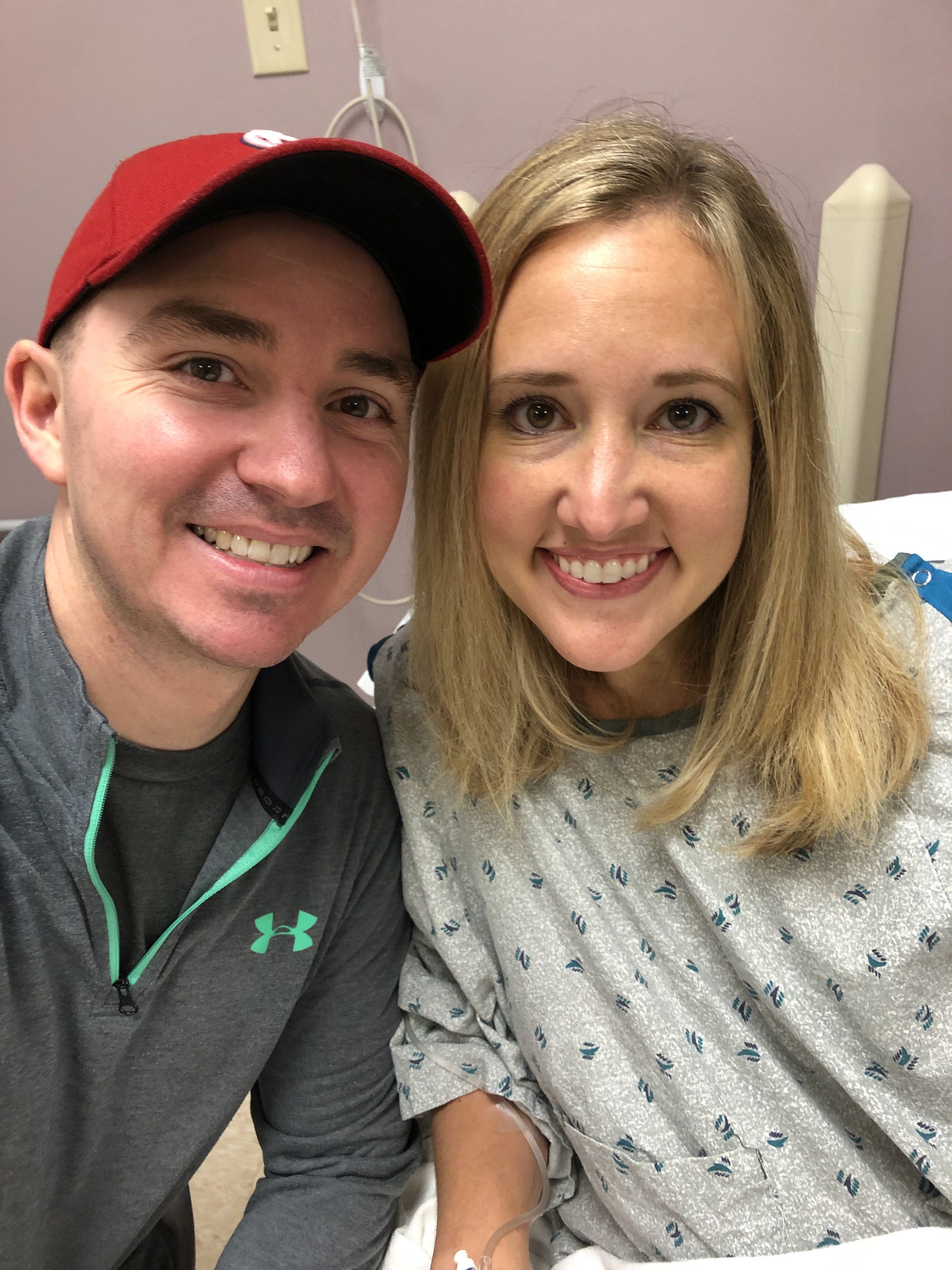
I was worried about whether I was cleaned out enough. My GI rated my prep a “9” on the Boston Bowel Preparation Scale (BBPS). It’s the scale used to judge the quality of bowel cleanliness and replaces subjective terms such as “excellent”, “good” and “fair”. Three segments of the colon are looked at for this, with the highest rating being a 3. I was pretty pumped to get a 9 this time around, despite throwing up the last 10 ounces of mag citrate! Now, in the future, I’m not going to beat myself up the morning of if I can’t get it down.

Drum roll please…The Results!

Honestly, I could not ask for better results. My ileum and entire colon looked “normal”, no specimens were collected, and I am in mucosal remission. Hearing you’re in remission is amazing, and something I don’t take for granted. I take that word with a grain of salt though. To me, remission is fleeting. It can be robbed from you quickly. I was once told I was in remission after a colonoscopy and then less than a week later, I was hospitalized with a bowel obstruction.

IMG_5282Rather than rely so heavily on achieving remission, focus more on how you feel each day. Are you having more “feel good” days than symptomatic days? Are you able to function and complete tasks personally and professionally without your health getting in the way?

I am sensitive to the fact that many people in the IBD family won’t ever be told they are in remission. It took nine years for me to ever hear that word uttered out of a GI’s mouth. So, trust me, I get it. Don’t beat yourself up over this. Trust in how you feel. You know your body best.