Kids are more intuitive than we tend to give them credit for. They are always watching us and even before they’re able to speak in sentences they have an innate sense of empathy and understanding. As an IBD mom of three, whose kids are almost 7, 5, and 2.5, I’ve started to think more lately about how to explain my Crohn’s disease to them in a way that will educate them, without scaring them. It can be a difficult balance.
I know my older two know mama gives herself shots, often needs to run to the bathroom, and gets “tummy aches” but I haven’t yet dropped the term “Crohn’s” or “disease” to them quite yet. It can be hard to explain and sometimes when I start trying to share more, I feel like it’s still going over their heads. Their concerned eyes when I’m in pain and how they watch me do my Humira injections is a reminder to me that they are aware something is going on. As we potty train my youngest, he commends himself for going on the potty by saying he’s “just like mama” …ah, what a great analogy!
This week on Lights, Camera, Crohn’s hear from several IBD parents about how they transparently communicate their experiences with Crohn’s disease and ulcerative colitis. It can be a fine line educating and being open, while also trying not to overwhelm and scare kids. I’ve found it extremely helpful tapping into the community and gaining input from others and I hope you do, too!
Helpful Guidelines for Navigating the conversation with your kids
Choose the right time. Pick a time when you won’t be interrupted and can focus on the conversation. Ensure it’s a moment when you and your children are feeling calm, at ease, and open to discussion. My recommendation as an IBD mom would be to have this conversation on a “feel good” day—rather than when you’re flaring or in the hospital.
Prepare yourself. Decide in advance how much detail you want to share based on your child’s age and maturity level. IBD is complicated, be ready for a range of emotions including sadness, fear, and even anger.
Use age-appropriate language. Explain your IBD in a way that is understandable to your child. Avoid using confusing or technical terms. For younger kids, it might be helpful to compare your illness to something they already understand.
Be honest but reassuring. You can be transparent and truthful, but also reassure them about all you do to manage and control your IBD. Empathize with the aspects of your daily life that won’t change, to provide them with a sense of stability and comfort.
Focus on practical impacts. Explain how your IBD might affect your daily routine or activities with them in a straightforward way. Use examples such as—“Mommy’s Crohn’s can be unpredictable, I may say we’re going to the park, but then I don’t feel well so we have a movie date and snuggle instead and plan to go to the park another day.”
Encourage questions. Allow your children to ask questions and express their feelings and know this will be an ongoing conversation throughout life. Go into the conversation without expectations. It’s ok to admit if you don’t have all the answers. You can explore some of the questions together.
Provide continuous support. Let your kids know that it’s okay to have and express their feelings about your IBD. Offer them ongoing support and reassurance. Let them know they can always come to you with questions or concerns at any time.
Seek support when needed. Consider enlisting the help of a therapist or a counselor, especially if you or your children are struggling to cope. Joining support groups and tapping into the online patient community and connecting with fellow IBD families in similar situations can be beneficial.
Keep the conversation going. Check in with your children regularly about your IBD and how you’re feeling. Be casual about it. Share when you see an opportunity to teach or calm fears that your kids may be internalizing.
Highlight the positives. While acknowledging the challenges, also focus on the positive aspects, such as the strength of your family unit or the support you have from friends and community. I always tell my kids when I’m doing my injection that mommy is strong, and we can all do hard things.
By approaching the conversation with honesty, sensitivity, and openness, you can help your children understand and cope with your chronic illness in a healthy way.
My 2-year-old trying to make me smile during a rough day in the bathroom.
IBD as a family disease
There’s a common saying in our community that IBD is a family disease, in that whether you have Crohn’s or ulcerative colitis or not, if someone in your nuclear family has it, the disease impacts your living experience in some way.
Emily and her husband have IBD and so do their three daughters, so discussions about IBD are frequent in their home since it’s a living reality for all five of them. She tells me the conversations tend to fall in one of the following categories:
1) Explanations of IBD details, procedures, surgeries, or diet needs for a member (or members) of the family.
2) Discussions to calm anxieties in one child about the presentation of IBD in themselves or in another family member.
She says the second category tends to be the more challenging conversations, by far.
“In the first category, we tend to stick to factual, age-appropriate explanations. For example, when our five-year-old needed to know about scopes and surgeries, we explained that a specific family member has “belly problems” and the doctor is helping by taking pictures of their belly and fixing the parts that were causing trouble,” explained Emily.
As the girls have gotten older, Emily says they add details about how the doctors do different procedures – always led by their child’s level of interest and desire for the knowledge.
“We are always honest about pain or discomfort related to medical procedures. Many things are NOT painful, and we want them to trust us that something does not hurt if we tell them. This has served us well. When surgery was needed for one daughter, we discussed how she would be sore afterwards, but we had ways to help the pain until it would subside. This was undoubtedly a challenging time for us, but our daughter did amazing,” Emily said.
As Emily’s girls have gotten older, as a preteen and teen, they understand more about their parents,’ and their own, IBD. They have lived through surgeries and many medical procedures in their family. Emily says now the more challenging conversations have started, related to knowing the possibilities around IBD.
“For example, I had a colon perforation following a routine monitoring scope for my IBD. It was a rare event that we are all warned about prior to a colonoscopy. It resulted in a more significant repair surgery and several days in the hospital. My daughters are old enough to realize that they also have scopes regularly and we had to have some discussions about the chance that the same thing could happen to them. It was challenging for our family for a few rounds of scopes!”
Emily says they addressed this topic mostly by focusing on the “helpers” as the iconic Mr. Rogers would! Yes, bad things can happen, but she reminded her daughters that they are so lucky to have doctors and medical professionals to “fix” these problems. She reminds them that they are lucky to have family and friends to help when they are not feeling well. She also talks about how they are lucky to have each other – who understand the ups and downs of this disease.
“This narrative has gotten our family through many challenges! I talk with my oldest daughter much more now about the details of her IBD. She is a teen and has had more than her fair share of IBD troubles. She has watched me deal with my challenges too. We are open with each other about the negative parts, and our frustrations having to deal with IBD. It is a double-edged sword to have her growing up! On the one hand – I hate that she is old enough to really understand the negatives. But she is also turning into an amazing young woman who is one of my closest confidants with this disease. We understand each other’s highs and lows like most cannot. We supported each other in challenging times and celebrate together for each win!”
Sari says she bought a couple of children’s books that feature a caregiver with chronic illness.
“One of them is titled ‘Some days’…it’s about a mom with multiple sclerosis, but it works for IBD, too. It goes over how some days are more exciting and others are simpler more restful days. If there are other kids’ books people have found, I’d love to hear about them!”
Kate also has a book by someone with Crohn’s, but says they’ve also always been very honest and open about it with her son.
“I always worried he would tell people too much, but I’ve found he’s incredibly respectful and it has made me feel less shame in my body because I talk to him so positively about it. Especially the perianal disease, which has been really hard to talk about with people. My son is six and understands my immune system attacks my digestive tract. We also have a puzzle of the body we have played with for years and he knows the colon, intestines, rectum, etc. because of that.”
Becca says one of her favorite memories as an IBD mom is when her daughter was learning body parts and said, “Mommy and I have vulvas, Daddy has a penis, Daddy and I have butts, and mommy has a bag!” She also often asks to see her “cut” on my belly (c-section scar), but I constantly remind her that she shares her “cut” with a lot of intestine.”
Becca also says for the longest time her daughter thought that EVERY mom gets an ostomy bag when they’ve had a baby.
“She didn’t realize I had mine for four years before she was born!”
As an IBD Dad, Brandon said he stumbled upon a video series when his son was around age five that provided a solid explanation. At the time his son had a broken arm.
“The video explained people have booboos you can’t see. I explained that I had what the girl in the video has. Nowadays, I show both my boys’ photos from my colonoscopies.”
You can watch the video Brandon showed his son here.
Here are additional books about chronic illness that others have recommended:
Saturday, October 7th, 2023, the largest mass murder of the Jewish people since the Holocaust unfolded before our eyes in Israel. As of Tuesday night (October 17th) at least 1,400 people have died and 3,400 others have been injured in Israel. The rape, barbaric torture, kidnapping, and killing of Israeli civilians—including, children, the elderly, and infants is an atrocity, opening a wound that has never fully closed. This terrorist attack is unfathomable and unjustifiable. Sadly, this tragedy has been met with denials and rationalizations. People all over the world have paraded in the streets, many celebrating the darkest day in history for the Jewish people.
This week on Lights, Camera, Crohn’s a somber look at what it’s like to be Jewish right now and living with inflammatory bowel disease (IBD). You’ll hear firsthand accounts and perspectives from more than 30 Jews with Crohn’s and ulcerative colitis from around the world, along with Dr. Nathaniel A. Cohen, a gastroenterologist who specializes in IBD and works at a hospital in Tel Aviv, Israel.
Nicholas Kristoff, a New York Times reporter, shared a quote that I want to reiterate:
“If we owe a moral responsibility to Israeli children, then we owe the same moral responsibility to Palestinian children. Their lives have equal weight. If you care about human life only in Israel or only in Gaza, then you don’t actually care about human life.”
As I write this, the Health Ministry in Gaza says that since October 7th at least 3,000 Palestinians have died and more than 12,500 have been injured. As these numbers continue to rise at an alarming rate and as we sit in the comfort of our homes in the United States and watch on in disbelief at the devastation and destruction from afar, it’s important to hold space and prayer for all the innocent lives being impacted right now.
Prevalence of IBD in the Jewish community
Before we get into the heartfelt and painful accounts from the Jewish IBD community, it’s important to look at the history of prevalence of IBD in this group of people. Through my advocacy, I’ve been blessed to get to know and work alongside countless incredible Jewish IBD advocates—both patients and caregivers. Most of the people I know with IBD are Jewish. The only people I knew with IBD prior to my Crohn’s disease diagnosis in 2005 were family friends and neighbors, who are Jewish. This tragedy hits the IBD community right at the heart.
Those of Ashkenazi Jewish decent develop IBD, at higher-than-average rates. Genetics are just one suspected cause of IBD. It’s estimated more than 10 million people in the world have Crohn’s disease or ulcerative colitis.
An article by the Jewish Digest reports, “It now seems that Ashkenazi Jews are approximately four times more likely to develop Crohn’s disease or ulcerative colitis than non-Jews living in the same country. This means of course that the vast majority of individuals with IBD in the world are not Jewish but that the Jewish population is disproportionately affected.”
An article from the Jerusalem Post states, “The prevalence of such problems among Jews perhaps lies behind the well-known Yiddish expression, “Gezunt dir in pupik” (good health to your belly button), which was a common way for European Ashkenazi Jews to wish one another robust health.”
Professor Gilaad Kaplan of the Division of Gastroenterology at the University of Calgary’s department of medicine explains, “Research has found more than 200 genetic variants that make an individual more likely to develop IBD, and many of these genes are common in Ashkenazi Jews.”
In April 2023, a study shared by scientists from Cedars-Sinai and 5 other medical centers investigated the genetics of 18,745 individuals, including 5,685 Ashkenazi Jewish people. Researchers created a catalog of genetic variants to help clinicians screen and identify patients with increased risk of Crohn’s disease.
According to a Cedars- Sinai article, “They found 10 variations of the NOD2 and LRRK2 exomes that are associated with increased risk for Crohn’s and are more likely to occur among Ashkenazi Jews. The study suggests that this difference in genetics may predispose the Ashkenazi population to a higher risk of Crohn’s disease compared to non-Jewish people.”
Variations in the genetic material of an individual can be passed down and cause genetic diseases in future generations.
In the Cedars-Sinai article, Dr. Dermot McGovern, MD, PhD goes on to say, “These increased genetic risk factors seen in Ashkenazi populations appear to be rooted in a history of migrations, catastrophic reductions in population, and then re-population from a small number of surviving founder families over many centuries.”
Professor Kaplan highlighted that over the past 20 years, IBD has become more of a “global disease with rapidly increasing incidence in regions like Asia and Latin America where it was rarely diagnosed a generation ago.”
He went on to say, “IBD is a modern disease of modern times that is associated with industrialization and Westernization of society. The globalization of IBD suggests that genetics lay down the foundation of developing the disease, but environment builds the disease.” IBD occurs in all races and ethnicities.
Dr. Nathaniel A. Cohen, MD, is a gastroenterologist in Israel who specializes in IBD at Tel Aviv Medical Center. He says this is an exceptionally difficult time for patients with IBD throughout Israel.
“Obviously those in the southern areas have been severely impacted, some were in the communities so viciously attacked by Hamas terrorists and lost family members and witnessed the horrors. Those patients face challenges of access to care as they had to leave their community and move further north,” explained Dr. Cohen. “However, other patients across the country have also been affected. Israel is a small country with very close-knit communities and there is not one person who doesn’t know someone murdered, missing, or held hostage. Israel is so small that when I talk about southern cities and villages (where the terrorist attacks occurred) they are only around 30 miles away from where I am currently sitting in Tel Aviv.”
Dr Cohen says that in addition to the terrorist attacks on October 7th, Israel has been faced with “incessant rocket fire from Gaza and the need to go in bomb shelters through the day” ever since, even in central Israel. In addition, many have been called up for reserve duty or have loved ones called up.
“This severe stress has resulted in a significant uptick in IBD symptoms. I am a medical advisor on an IBD patient support application and many more patients than usual have been sending questions regarding increased symptoms. Also, at our IBD clinic in Tel Aviv Medical Center all our physicians have received countless emails from patients experiencing flares or at least worsening bowel symptoms,” said Dr. Cohen.
He went on to say this is a very trying time for people with IBD.
“Patients with IBD as always need to be assessed by a medical professional if they have a flare of symptoms to rule out infection and perform fecal calprotectin to distinguish symptoms resulting directly from stress and those related to their inflammation. Most GI specialists are still working and available for consultations, so it’s important for patients to reach out and get the help they need,” he said.
Dr. Cohen tells me multiple mental health support services have been set up throughout Israel – mainly virtually – to provide mental health support to those affected.
“I also recommend online mindfulness videos or apps and trying (as hard as it may be) to maintain some sort of routine, exercise if possible and yoga (which can be done online and at home) to my patients. Diet is also a vital component. Many patients will stress eat as well as eat food that may worsen disease activity – fried food, snacks, etc. – so I try to advise them on eating as healthy of a diet as possible, despite the times. Volunteering right now is also important, as it gives a sense of purpose and takes the mind off the difficult situation, we are all facing. Unfortunately, there is no easy solution during this most difficult of periods.”
Dr. Cohen says that in Israel they are fortunate to have a very strong public health system—despite the strains due to the war.
“Most GIs are still working normally and are readily available for consultations. There are concerns for patients directly affected by the terrorist attacks in the southern cities and villages, however the country’s health maintenance organizations are nationally distributed, so if a patient needs to move to a different area all their health records are readily available, and most shouldn’t find it difficult to access their medications. Our hospitals, at least in central Israel, are still performing all routine surgeries and as far as I know we are not delaying elective surgeries yet, so this hasn’t been as much of an issue, and we have the capacity to accept all patients from the south who may need care.”
I asked Dr. Cohen to paint a picture for those of us who are not in Israel about what it’s like to be there right now.
“During the Hamas terrorist attack, Israel and the Jewish people suffered the most significant loss of life in a single day since the Holocaust. I want to emphasize that this attack was against civilians – entire families including children, mothers, fathers, and grandparents were tortured, raped, and massacred. Young people at a music festival, celebrating peace, were massacred. We have close to 200 civilians (children, women, men, and elderly) currently held hostage in Gaza. Every single Israeli was affected. Almost every Jew around the world was affected. The Jewish population around the world is only around 16 million people – so for most of us this is exceptionally personal. At the beginning shock and horror took hold of the country, we felt helpless but very quickly the Israeli resilience has shone through, and the entire country has come together as one to defend our right to live in our homeland. The political divide that was present before 10/7 has largely disappeared and we’re united in the face of this evil.”
Dr. Cohen says he would like non-Jews to remember that Israel is the beacon of freedom in the Middle East.
“We are the only liberal democracy in the region and the only country in the region who truly shares the ideals so cherished by Americans and the western world. Israel is a diverse country where ALL citizens regardless of religion, race, ethnicity, sexual orientation, or political inclination live free and with equal opportunity. The largest group of Arabs who are part of the LGBTQ+ community live in the cities of Haifa and Tel Aviv. Israel places the value of human life above all others and, despite what the news will show, does everything in its power to protect the lives of innocent civilians.”
He says the best way to show support is to continue to stand up to terrorism.
“Share the horrors of what Israeli’s suffered on Saturday October 7th and defend and voice support for Israel’s obligation to defend her people and rid the world of Hamas just like the world did with the Nazis, Al-Qaeda, ISIS, and countless other groups whose aim was genocide and enforcing radical ideology upon others. It’s also important to remember that Jewish communities in the US and around the globe will be suffering emotionally and will also be threatened by radical groups abroad who support the violent hatred Hamas embodies. Please think about your Jewish friends, check in on them and make sure they are OK.”
Dr. Cohen would like to thank the global IBD community for the endless messages and support that he and his colleagues have received.
The Jewish community is reeling: What IBD patients and caregivers want you to know
The Hamas terror attack has highlighted the growing global threat to all Jewish communities. Antisemitism is extremely real and prevalent. This isn’t something to be taken casually or something to ignore or tune out because you don’t feel as though it impacts you.
Here’s anonymous input shared with me by members of our IBD community:
This American Israeli Jew with ulcerative colitis lives in Israel and is studying medicine to become a physician. She says her symptoms worsened after she got home from sheltering in a basement.
“I had a difficult time in the bathroom. My thoughts were: I could die being on the toilet, how would I run to shelter if I’m having another episode in the restroom, I need to bring all the toilet paper I just brought down to our apartment building basement. Because of the architectural layout of the basement, the bathroom is connected and shared by two “apartments” (essentially rooms), so anyone who has to enter the secure room, needs to go through the restroom. It’s just a mess. I’m hoping there won’t be a need to bunker down for awhile. I’m still going to the hospital as a med student to learn and help even though school is technically canceled. I don’t think I will go into a flare. After the shock of the events, I’ve decided I’m staying mentally strong. I’m not letting the enemy win.”
“My Crohn’s symptoms have flared more in the last five days than the last five years combined. It’s totally barbaric and no exaggeration to say it makes me feel physically sick. Four of our family friends were taken hostage, including 13- and 15-year-old girls and their parents, after terrorists broke into their home. My cousin was at the music festival in the desert where they shot 250 Israelis. He miraculously managed to survive, but witnessed so many of his friends being killed, abducted, and other atrocities too barbaric for words.”
“The horrific attacks on Israeli civilians by Hamas has left me heartbroken. My husband is a veteran of the IDF (Israel Defense Forces), and we have many friends living in Israel. The fear of their safety, the hesitance of non-Jewish friends to immediately condemn the heinous acts, and the uncertainty of the repercussions for Jews around the world, has put an enormous amount of stress on me. I feel a weight on my heart like never before and this most certainly is affecting my IBD. I’ve had more symptoms, which I attribute to lack of sleep and increased stress.”
“Although I don’t have anyone personally close living in Israel, I do know people from my prior Birthright trip, as well as some Israelis that are in St. Louis currently, but have lost close friends or family in the recent events and that is heartbreaking. It’s hard to be bombarded by the news constantly with images and videos of the attacks, and yet seeing so few non-Jewish friends posting about it.”
“I just saw my colorectal surgeon and I asked how he’s been affected. His sister-in-law’s cousin was killed. Age 21. So sad.”
“My 13-year-old daughter was diagnosed with Crohn’s a little over two years ago. She has been well managed with Remicade (now she takes the biosimilar Avsola). She woke up in the middle of the night with pain (rare) on Sunday (Oct. 8) night. We shield our kids from the worst of this nightmare, but we have open conversations, and the news is on occasionally. She is worried about my family in Israel. I wouldn’t know for sure if the IBD symptoms and her worry are related…but she rarely has pain…and before this her pain didn’t wake her up.”
“I am Jewish. My mom’s side is Israeli, I have relatives who live in Israel. This is an unfathomable crisis and it’s hard to describe the pain I am feeling for my community. I am feeling the physical manifestations of the grief I am feeling. I’m nauseous and have little appetite. I’m trying my best to limit my news and social media intake, but it’s hard to forget everything that is going on. There’s a fear for being Jewish and Israeli even here in the United States. But also, I feel deeply for those living in Israel dealing with this firsthand who have IBD and other chronic illnesses. My heart goes out to them.”
“It’s a real struggle. Many of us have family who live in Israel and are in the army, and some are on the front lines. I live in Pittsburgh, and we are coming up on the 5th anniversary of the Tree of Life shooting. That synagogue is within walking distance of our house. I had personal connections with many who lost their lives. I haven’t been able to concentrate on my own advocacy work. It’s been super hard.”
“My family is Jewish, and my husband is an IDF veteran. This week has been terrible. I’m angry and disheartened that even many of my close non-Jewish friends have been silent.”
“Non-stop crying over here. I’m a little grateful that I had a scope today so that I could have a long break from my phone.”
“I’m a mess. I was supposed to travel to Israel in two weeks, which is now cancelled for obvious reasons. My 22-year-old nephew just moved there for school 2 months ago. Many friends there are in bunkers…it’s just a horrible situation.”
“I’ve had no energy, I’m sad, sickened, nervous, and not doing very good at hydrating and eating.”
“I was feeling so amazing and symptom free from my Rinvoq, and then after the attack on October 7th, I saw a big increase in symptoms. I feel sad and scared. I’m so worried. And honestly, now I’m starting to feel angry at the alarming lack of response from most people and organizations. My colleague’s brother’s unit was called up and they don’t have enough supplies. The antisemitism is the most hurtful and scary.”
“As someone with IBD and Jewish roots, it’s been especially heartbreaking to read about the destruction of human life—innocent babies and children at that. Huge WTF. I’ve been on autopilot and subconsciously worried about my own child. Can’t say I noticed an uptick in gastro symptoms since the news. Prayers help to ease my mind.”
Omer Wenkert is 22 years old and was also at the music festival and hostage video was released of him. Omer has ulcerative colitis, and his family is concerned he’s not receiving his medication. Hamas denied an appeal to hand over medications for chronic illness patients.
The struggle of coping with the deeply emotional and physical pain
“My family was supposed to travel to Israel for two weeks on Sunday, October 8th. I feel lucky to be safe, but also deeply saddened by the acts of violence against Jews/Israelis and guilty for being safe when my family and friends are not. I work in healthcare, and I know Israel needs medical volunteers, but with my ulcerative colitis, I feel like I couldn’t go. I just started a new medication and am coming out of a flare, so how do I know that the stress of practicing medicine in a foreign country where there is war wouldn’t make my symptoms even worse? I can’t take care of others if I am sick. In a perfect world, I would go to Israel and volunteer to help the injured, but my IBD holds me back from that.”
“While my UC remains in remission, I’ve noticed my anxiety heightened. I avoided a public event for Israel because it was advertised on social media, and I was concerned about anti-Semitic violence that could occur with people knowing when and where a large group of Jews were gathering. It’s a scary and difficult time to be a Jewish person, even more with IBD. Thinking about what could happen for the people being held captive going without essential medications or medical care. Being scared to wear a Star of David necklace for fear of anti-Semitic threats…the list goes on.”
“Generational trauma is ingrained in our DNAs as Jews; we instinctively feel the defense to protect ourselves and our community due to the Holocaust and other occurrences in history. If we don’t defend ourselves, who will? That is what is scary. It’s also frightening that in 2023, there are videos of individuals waving flags that appear to be in advocacy for Palestine, but they chant “GAS THE JEWS” and other profanities. For those who did not grow up knowing what we went through, they disregard the truth. The ironic thing is Jewish people have the backs of other humans; we care for our community of fellow humans, regardless of whether people are Jewish. Even in tragedy as family and loved ones have suffered the most tragic things, they still help others in need. They don’t stay in hiding grieving; they help the community. It’s in our values and in our religion to do good for others while giving space for grief.”
“It’s affected me so much seeing people I know with missing family members and friends, uncertain if they’ve been murdered. I’ve been checking in with my Israeli friends every day. My stomach is acting up and is not feeling good these days. I’m coping with it by sharing how I feel. It’s true when they say, “your Jewish friends are not ok.” There’s a lot of fear and uncertainty going on. I had to cancel a flight that I had on Friday 10/13 because there was word going around that something was going to happen in our country to those who are Jewish.”
“I feel numb. I’ve seen an uptick in symptoms. The grief is heavy, and it hurts my stomach. It’s so hard. I don’t know what to say except this is our worst nightmare. I lived in Israel in 2007 for study abroad. Part of that country is my home. We have friends stuck there in bomb shelters unable to get flights back to America. I’ve been nauseous for days and having to take anti-diarrheal medication multiple times a day from the stress. Knowing people are stuck there amplifies the stress immensely.”
“I am Jewish, and I have Crohn’s. I’m so concerned about my possible physical reaction to my emotional reaction that I’ve been concerned about fully engaging in the news of what’s happening.”
“I am coping as best as I can. I make sure to work out and eat healthy to help with anxiety. Thankfully, I haven’t had any symptoms, this month marks 25 years since my ulcerative colitis diagnosis. I would like my non-Jewish friends to check in. Thankfully, I’ve seen some positive posts on social media. I am proud to be Jewish, but scared of what is going on.”
“I’m Jewish and have Crohn’s and my stomach has been a mess this last week and I didn’t put two and two together!!”
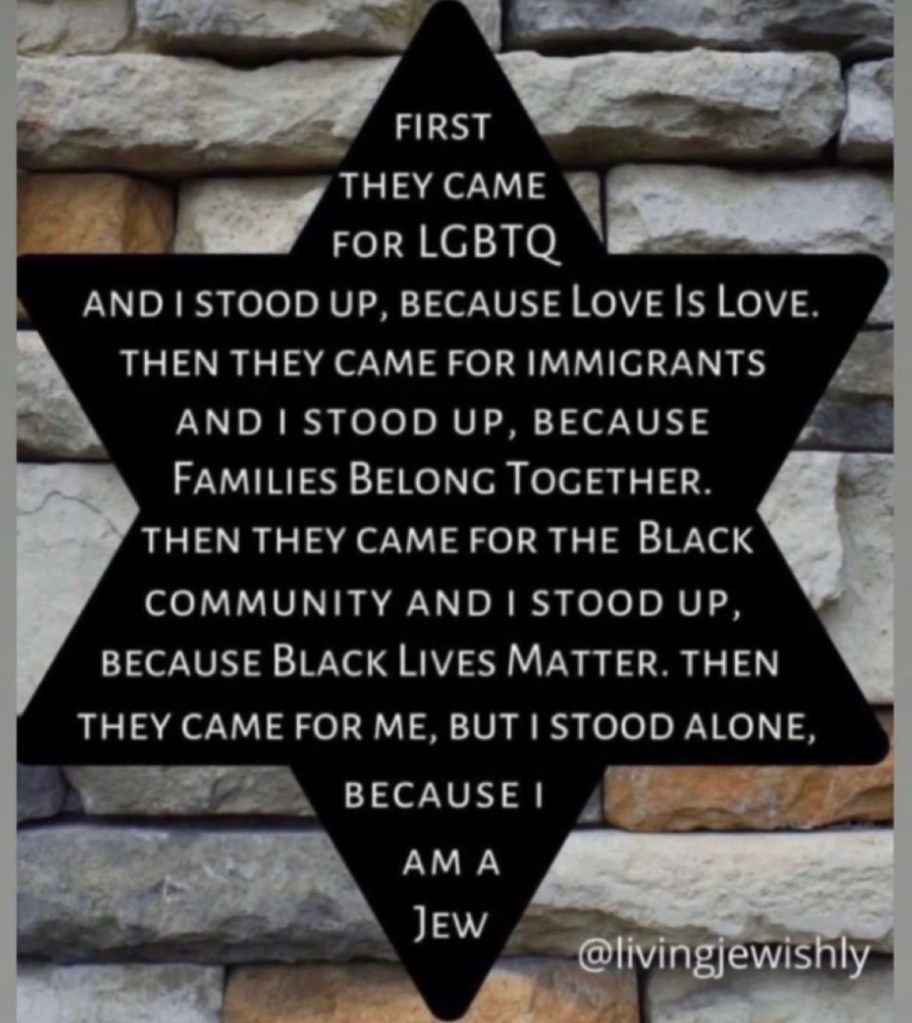
“I find it extremely sad that condemning Hamas and supporting Israel/Jews has become a political and taboo subject. I see a lot of “Free Palestine” and “Israel caused this by occupying Gaza” which breaks my heart. This is about a terrorist organization that is hungry for Jewish blood. The fact that this isn’t unanimously condemned doesn’t make sense to me. Of course, no one wants civilians on either side to be hurt. But Hamas did this. They use all their money to make rockets and bombs and tunnels. They could have made Gaza better for their people, but they don’t. They never will. I also don’t understand how organizations like Black Lives Matter can come out and say they stand with Palestine. It seems to me that whenever Israel has to defend itself, more people turn on Israel and Jews.”
“I am not coping. I find myself completely distracted when I’m with my son or when working with patients (I work in healthcare). My mind wanders, wondering about all the civilians impacted…about the state of our world and how it impacts our humanity here in the United States. My heart aches for the babies, older adults, and parents lost. My symptoms are absolutely worse! I can’t sleep, and I tend to flare worse with less sleep. I crave foods that are triggering. The overall anxiety and stress makes my gut hurt and sends me to the bathroom more often. It’s disruptive to my life routines for sure.”
“I’m choosing to surround myself with Jews and like-minded people. If I was at work, and hearing other people talk, maybe I would have worse symptoms.”
“I am a long time Crohnie and lifetime Jew. I appreciate this article and know it comes from a good place. Right now, we are not doing good at all. I’d be happy to circle back to this convo, but right now, we are terrified. There is no coping with these horrors. I feel too overwhelmed to have a coherent conversation and I’m sure others do, too.”
What does the Jewish community want the rest of the world to know?
There are reoccurring sentiments and heartache from the Jewish community about the silence around the terrorist attack from non-Jews. Take yourself back to the major social justice issues in recent years and think about what your online community posted and how they were there in solidarity with others—compared to the last 10 days.
“Check in with us, we’re not doing OK. It would be awesome to just see how we’re doing truly…and just letting us speak our truth without judgement, defense, or justification of something other than our truth. Acknowledge us. See us and fight against anything that brutally harms humans in general. Be a helper. See how you can help anyone whose been impacted by terrorism.”
“The most important thing our non-Jewish friends and family can do is to reach out to express solidarity with the victims and to unequivocally condemn antisemitic attacks. As a Jew and a mother, I’m deeply affected by the murders of innocent Israelis and Palestinians, especially the children. Regardless of anyone’s view of the broader conflict, I think we can all agree that the actions of Hamas cannot be condoned or ignored.”
“I’ve shared a couple of Instagram Stories saying, “Check in on your Jewish friends”, we are struggling in the wake of this massacre and have received responses attempting to justify the brutal murders, rape of teenage girls at the festival, and beheading of people in their homes…making it about ‘complex politics’. Standing up for human rights and against terrorism needs no ifs, ands, or buts.”
“It’s been extremely eye-opening watching who posts and how they post and the deafening silence from those who should know better and don’t hesitate to post on other issues.”
“I have zero family on my dad’s side because they all died in the Holocaust. I constantly wonder how that happened. How everyone just stood by and let it happen. And now, it just feels like that all over again. Silence.”
Dumisani Washington, Founder, CEO of Institute for Black Solidarity with Israel, and author of “Zionism & the Black Church, tweeted: “Imagine being a Jewish man or woman living outside of Israel, especially in the Western world (US, UK, Canada), and seeing hundreds of thousands of people—of various ethnicities and around the world—cheering the slaughter of your people in the Jewish homeland. Imagine trying to figure out where the safest place would be for you and your family. Now, multiply that by 1,000 and you may get a small glimpse of what our Jewish brothers and sisters are experiencing right now.”
“I can’t begin to thank you enough for bringing awareness to the brutal massacre in Israel. The silence of celebrities and organizations is deafening and feels so isolating. It is not about politics. It’s about right and wrong. There were barbarian Hamas terrorists who in ONE day brutally killed at least 1,400 Israeli civilians (children, elderly, moms, and dads) and hundreds are missing or being held hostage by these Hamas monsters. Jewish people were beheaded, raped, their bodies were paraded by Hamas, kids saw their parents get shot at point blank in their homes, people were gassed, and burned alive. This is the deadliest day since the Holocaust. We need everyone to speak out right now.”
“Can you imagine if after 9/11 people were silent? Or worse, people were in the streets rallying behind Hamas? This is what’s happening right now. It’s sickening. We are grieving so hard. My heart is in a million pieces and I’m crying every hour. Everything else feels so trivial right now. Thankfully my Crohn’s is in remission, and I haven’t had any new symptoms from the stress, at least not yet.”
“I’m destroyed. It’s a nightmare that I want to wake up from. My son goes to a Jewish high school, and I want to keep him home. All we have done is help and stand up for people and now this.”
“Done being silent. Done hiding. DONE. It’s been a hard few days for my family, so it doesn’t take much to make me cry. I have been terrified to share about Judaism and Crohn’s. I’m not scared to share the content; I’m just scared to be Jewish right now. I’m just in disbelief because I was ready to quit on the IBD/ostomy community. I thought if anyone would get it, it would be this community.”
“I have five cousins serving in the IDF right now. I have one fighting on the border of Gaza. I have one extended family member being held captive in Gaza. I’ve only recently begun serving the ostomy/IBD community and felt so passionately about it and my heart is now in such a different place. I’ve had several (I can count on one hand) people say nice things to me, but they won’t speak up publicly themselves.”
“A simple text message means more than you can imagine. Something along the lines of “I’m so sorry to hear about the horrific terrorist attacks in Israel. Is your family safe? How are you coping?” Using social media to speak out against the atrocities committed by the Hamas terrorists and assuring us you stand with Israel means a lot, too!”
“Posting support publicly and checking in with Jewish friends and coworkers goes a long way.”
“There are only 16 million Jews in the whole world. There are billions of Muslims and many Muslim countries. Jews only have Israel. Land all over the world has been conquered. Why is it that Israel is the only land people cannot accept? Also, I’m surprised the Crohn’s and Colitis Foundation took five days to say anything publicly. Jews and IBD overlap. Everyone I know personally who has IBD is also Jewish. They should be supporting us; the silence is loud. As a Jewish woman with IBD I feel alone. Sometimes alone with my IBD, but right now, alone as a Jew who is scared for her people and her country.”
The Crohn’s and Colitis Foundation shared an email with subscribers on the evening of October 16th.
To quote part of the email, FoundationPresident Michael Osso shared, “I want to be clear that we unequivocally condemn the terrorist attacks carried out by Hamas. There can be no justification for such heinous acts, which have launched violence that is now consuming the region and continues to destroy increasing numbers of innocent lives in Israel and Gaza. We grieve for the families that are devastated by loss and hope for peace and the safe return of all hostages.”
The email goes on to say—“for all those committed to the mission of the Crohn’s and Colitis Foundation, this is a moment for us to hold firm the Foundation’s core values, and specifically for me, I am thinking of compassion and inclusion. This Foundation will always stand for respect of human life, and against hate of any kind, including anti-Semitism, Islamophobia, and any form of xenophobia or racism.”
If you are experiencing stress-related flares, or other mental health challenges the Foundation encourages you to contact the IBD Help Center by emailing info@crohnscolitisfoundation.org or calling 1-888-MYGUTPAIN.
Final Thoughts and Resources of Support for Innocent Israeli and Palestine citizens
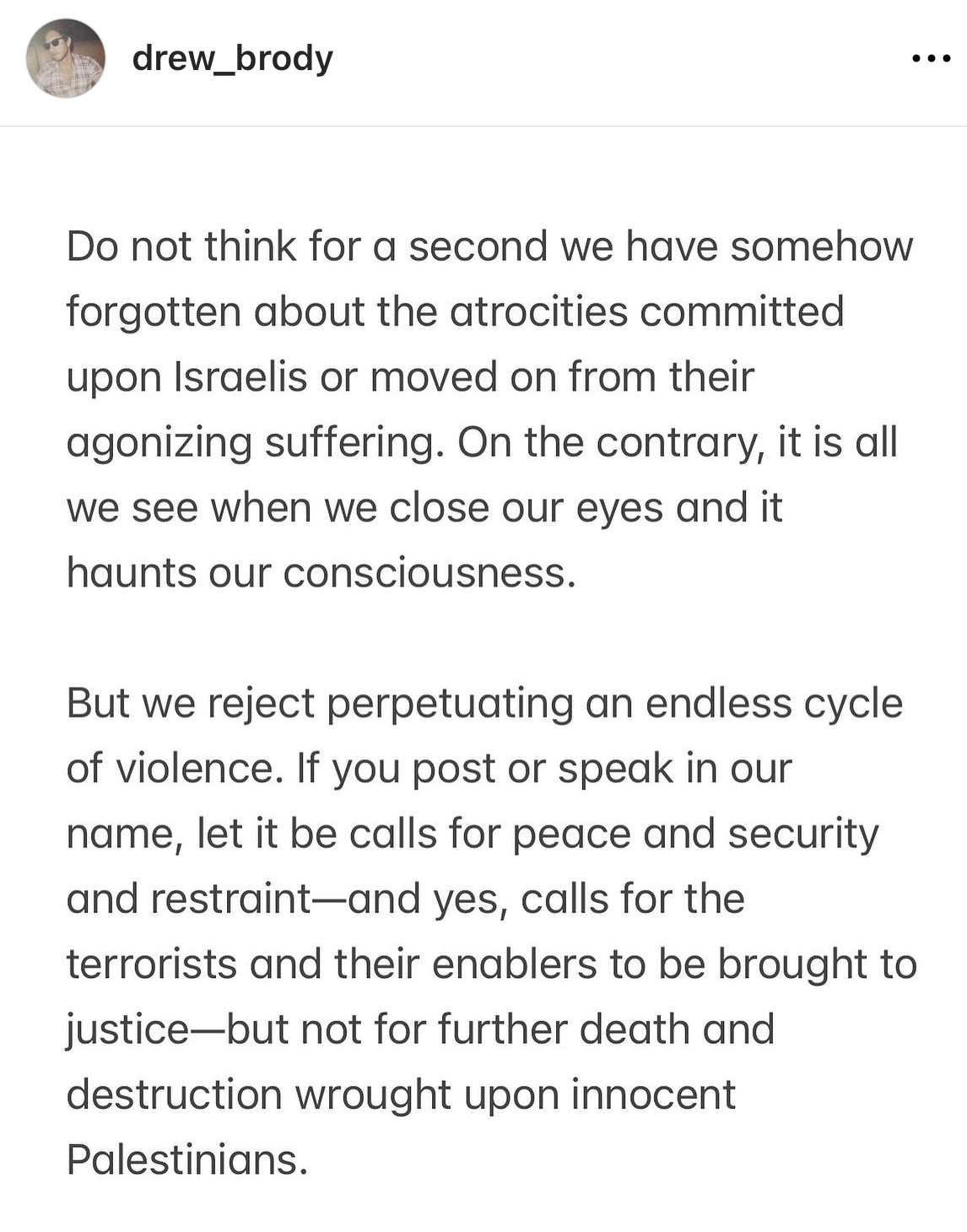
I want to make it clear that my wish and hope is for freedom and peace for ALL. My heart goes out to all the innocent and oppressed people in both Israel and in Gaza, and all over the world. There are countless victims here. Innocent lives that pay the ultimate price for crimes that have nothing to do with them. To quote a friend, “Supporting the Jewish people that I know, and love is not synonymous with supporting all of Israel’s policies. And it’s not synonymous with not caring about Palestinian civilian casualties as Israel attempts to stop terrorists.” My thoughts and hopes are for the safety and protection of all innocent civilians and for stability in the region as quickly as possible. I hope and I pray all IBD patients and caregivers—in Israel and Gaza—can stay well and stay safe in these soul-crushing times.
As a good friend of mine who is Jewish and has Crohn’s shared with me, “Hamas’ sole mission is to eradicate Jews, brutally and mercilessly while the whole world watches. By supporting Israel and Jews it does not mean that anyone is anti-Palestine or that we support the killing and mistreatment of any innocent human life. It just means we are anti-terrorist. We’re all anti-Hamas and anti-barbaric terrorism.”
Additional resources of support
Credit: Jay Shetty for compiling this list of resources
American Friends of Magen David Adom (Read Start of David): Supports Israel’s primary ambulance, blood services, and disaster-relief organization. Magen David Adom (MDA) provides medical care during crises and trains first responders. They play a crucial role in responding to emergencies in Israel and the region, including Gaza.
Alliance for Middle East Peace (ALMEP): The largest network of Palestinian and Israeli peace builders. ALMEP focuses on promoting peace and understanding between the two communities in the region.
CARE (Cooperative for Assistance and Relief Everywhere): A global humanitarian organization that provides emergency relief and works to fight global poverty. CARE’s work extends to providing assistance and support to vulnerable populations, including those affected in the Israel and Gaza region.
Doctors Without Borders:An international organization providing lifesaving medical humanitarian care worldwide. They respond to medical needs in conflict zones, offer mental health care, and address health crises.
Palestine Children’s Relief Fund (PCRF):A U.S.-based nonprofit sponsoring volunteer medical teams to treat sick and injured Palestinian children in the West Bank and Gaza. PCRF provides essential medical care and builds pediatric cancer departments to address the healthcare needs of children in the region.
United Hatzalah: The largest independent, non-profit, volunteer Emergency Medical Service (EMS) in Israel. Volunteers provide fast and free medical care 24/7, responding to emergencies across the country, including in Gaza.
UNRWRA: Provides assistance and protection for refugees, including those in the West Bank, Gaza, and surrounding areas. UNRWRA’s work is essential in supporting vulnerable refugee populations.
Please hold room and space in your heart for each innocent soul impacted by this.
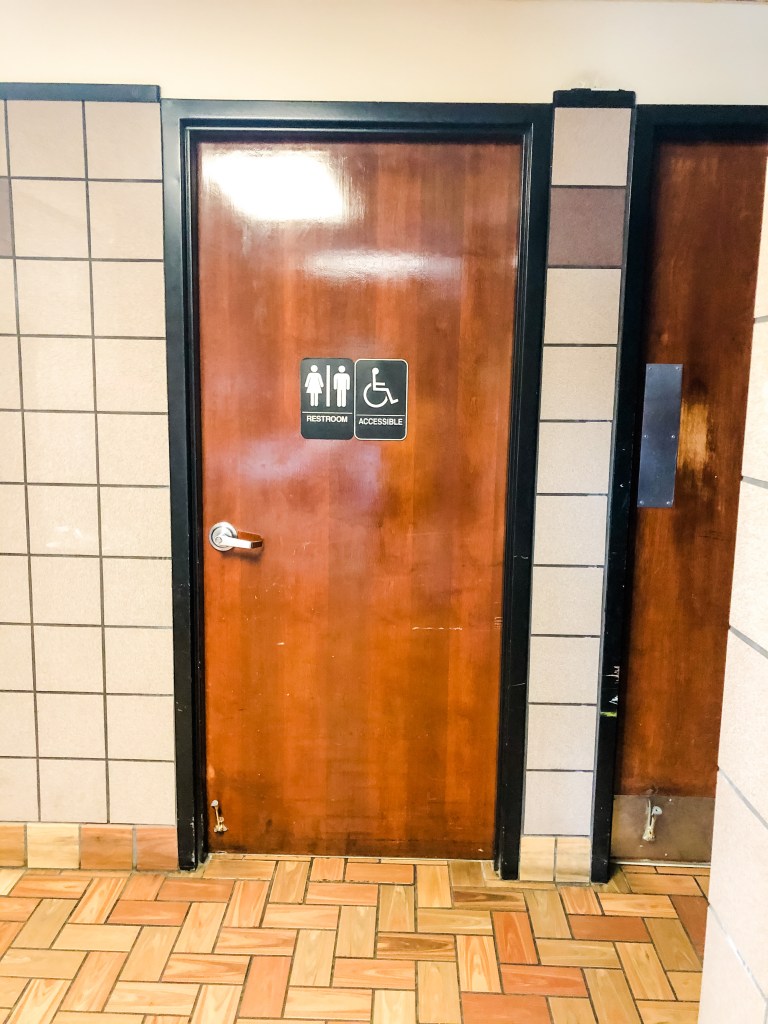
I paid for my groceries and casually pushed my cart full of food through the automatic door when I saw it. The bathroom where I experienced one of my scariest and most painful moments. The bathroom I had to run into after pulling over on my way home from work because I was in such debilitating pain, I couldn’t handle sitting upright in my car to make it the extra five minutes home. The bathroom where I lost all feeling in my arms and legs and where my fingers locked into painful contortions. I couldn’t even hold my phone to call my boyfriend (now husband) to tell him we needed to go to the hospital. The bathroom where I unknowingly happened to call my mom after accidentally hitting “Recent Calls” with my elbow. All she heard on the other line when she answered was me screaming. She didn’t know if I was getting raped, she didn’t know what the hell was going on and she was in a different state. God was watching out for me because she was able to call Bobby and let him know I needed help and I needed help fast.
He rushed to the grocery store and whisked me out of the bathroom and straight to the hospital where I found out I had a bowel obstruction.
I’ve been going to this same grocery store for nearly seven years. It’s been nearly six years since that dramatic experience occurred. But even now, five years into remission, I always go out the other doors because seeing that bathroom is a trigger. A trigger to one of my lowest points in my patient journey with Crohn’s disease. A trigger that caused my IBD to act up right in that moment this past week.
I was forced to go out of the grocery store that way as part of COVID-19 safety procedures to keep all incoming traffic through one set of doors and all outgoing traffic to another.
Coping with psychological triggers
When those of us in the IBD community hear the word “trigger”, food usually comes to mind. We casually say “oh that’s a trigger food for me”, but we often don’t pay much attention to the physical triggers in our lives that can exacerbate our symptoms—such as locations like that grocery store bathroom, relationships with certain friends and family members, the pressure of being enough and doing enough in comparison to our peers, the list goes on.
I interviewed Dr. Tiffany Taft, PsyD, MIS, a Research Assistant Professor at Northwestern University Feinberg School of Medicine, and a fellow IBD warrior to get some clarity on this subject and to learn more about what steps we can make right now to protect our mental health and prepare for the unknown.
NH: As chronic illness patients–how can we best navigate triggers that instigate a stress response? (Other than avoidance)
Dr. Taft: “While avoidance feels like the safest option when it comes to situations that trigger our stress response, it simply kicks the can down the road in terms of the effects these situations have on our bodies. People living with chronic illness may collect multiple situations that trigger the stress response – doctor’s offices, hospitals, certain tests or treatments, making avoidance very risky if it means not managing the illness and staying healthy.
Try the “Exposure Hierarchy” exercise: Dr. Taft recommends making a list of activities or situations that are stressful, ranking them from the least stressful to the most stressful and picking 10 things. Rate those 10 things from 10 to 100 (100 being the worst). After making the list, she has patients start with number 10 and practice that task several times over the course of a week.
Before that, though, she teaches relaxation strategies such as deep breathing and grounding to help when the anxiety goes up. She says, “With repeated exposures to the feared situations and working through the anxiety, each time we do activity 10 again, it will feel easier and confidence grows. Once the patient is ready, they repeat with 20, 30, etc. until we get to the dreaded 100 which will actually feel less scary because of all the other work we did before.”
**NOTE** If you feel you have symptoms of Post-Traumatic Stress Disorder (PTSD) which include vivid nightmares, flashbacks, and feeling on high alert most of the time, you should seek treatment with a trauma therapist. The good news is research on treatments for PTSD show they are just as effective when delivered via tele-medicine.
NH: Can you explain (in layman’s terms) what goes on when we’re “triggered”?
Dr. Taft: “Triggered is setting off our body’s fight-flight-freeze response, and results in a cascade of physical sensations and emotions. The most common ones are muscle tension, sweating, shallow breathing, and heart racing. Unfortunately, this response can also trigger our guts to start acting up because of the brain-gut connection. It’s a completely normal process but when you have IBD it can trigger symptoms. Your thoughts may be all over the place and littered with “what if’s” and “I can’ts”. Your mind may revisit the worst aspects of past experiences or come up with even more catastrophic possibilities in the future.”
NH: As people with IBD–I know many of us are nervous about flaring and needing to be hospitalized all alone during this pandemic, while being at greater risk for getting COVID. Do you have any advice on how to cope/mentally deal with that worry/concern?
Dr. Taft: “Facing a flare and hospitalization was stressful in the “before times” so facing this during COVID19 is an extra level of stress. While we have video chat, it does not replace the comfort of physical closeness and touch we would get from supports who could be in the hospital with us. The good news is hospitals have figured out COVID quite well and the odds of contracting it while hospitalized for IBD are lower than they were at the start of the pandemic.”
If you’re facing hospitalization, think about your resilience in these circumstances. There were probably times you felt like you couldn’t handle it, or it was never going to end or get better, but here you are today reading these words. You made it through. It may not have been pretty, it was probably incredibly hard. Anxiety has a great ability to negate our memories of how much we’ve navigated in the past.
Feeling anxious? Do this: Write down the ways you coped before, what worked and what maybe didn’t. Evaluate your thoughts about being hospitalized. Are they accurate? Are they helpful? What are some alternatives that could help you feel less anxious? If that doesn’t work, sit with the anxiety, and try some deep breathing to calm your nervous system. The sensations will likely pass and then you can retry evaluating your thinking when you aren’t feeling so keyed up.
NH: What advice do you have for people during these already complicated and challenging times when it comes to managing mental health?
Dr. Taft: “This is truly a unique time in that we are all in this COVID19 boat together. We all came into the pandemic with our own life challenges, and those probably haven’t gone away and even may have been made worse. We’re coping with a lot of information, new rules every other day, grim statistics, and people bickering over who’s right or wrong. I’ve told every patient I see to turn off the news. Get out of the comments on social media when people are arguing the same points over and over.”
Steps you can take in your day-to-day: Dr. Taft advises not to spend more than 15 minutes a day on the news, so you can stay informed but not get into the weeds. Take social media breaks, especially if your feed is full of the same tired arguments. Focus your attention on meaningful activities that align with your values. Those are what will bring you some stress relief. And those are unique to you, so no list on the internet of how to cope with COVID is going to solve everything. Sometimes these lists make us feel worse because we’re not doing most of the recommendations. Be as kind to yourself as you would be to your best friend or a beloved family member. Nobody has it figured out right now even though some people like to say they do.







 lights camera crohn's