At 14, Crohn’s Made Her Question Motherhood. At 22, She’s Studying Why.

For women living with Crohn’s disease or ulcerative colitis, the question of whether to have children can carry a weight that goes far beyond the usual conversations about fertility and family planning.

Will my disease be controlled enough to have a healthy pregnancy? What happens if I flare while I’m pregnant? Will my medication affect my baby? What if I’m too sick to care for a child? What if breastfeeding means making another difficult medication decision? And the question that can be hardest to articulate: Will I be able to experience motherhood without IBD taking over the entire experience?

For Grace Hubbel, those questions aren’t simply academic. They are personal.

Diagnosed with Crohn’s disease at 14, Grace is now 22 and studying sociomedical sciences at the State University of New York at Geneseo. Her own experience with IBD and the stories she has heard from other women, led her to pursue an IRB-approved research study examining “The Impact of IBD on Decisions in Maternity and Emotional Wellbeing in Women.”

This week on Lights, Camera, Crohn’s a look at how her personal experience as a young woman with IBD inspired this incredible research and how you can get involved as a citizen scientist. Grace’s goal through her study, “The Impact of IBD on Decisions in Maternity and Emotional Wellbeing in Women” is to explore an area of IBD research that she believes has been overlooked: not simply what happens to a woman’s body during pregnancy, but what it feels like to make decisions about motherhood while living with an unpredictable chronic illness.

A Crohn’s diagnosis at 14

Grace grew up watching her older brother struggle with Crohn’s disease. He was diagnosed when he was starting college and nearly lost his life before his first surgery. When Grace began experiencing symptoms of her own at 14, she wasn’t completely surprised.

Her disease quickly became severe. She lost weight rapidly, her menstrual cycle stopped, and painful sores and ulcers made it difficult to swallow. She remembers feeling exhausted and unlike herself.

“I crawled into my mother’s bed once and told her it felt like I was disappearing with how I was losing pounds by the week,” Grace recalls.
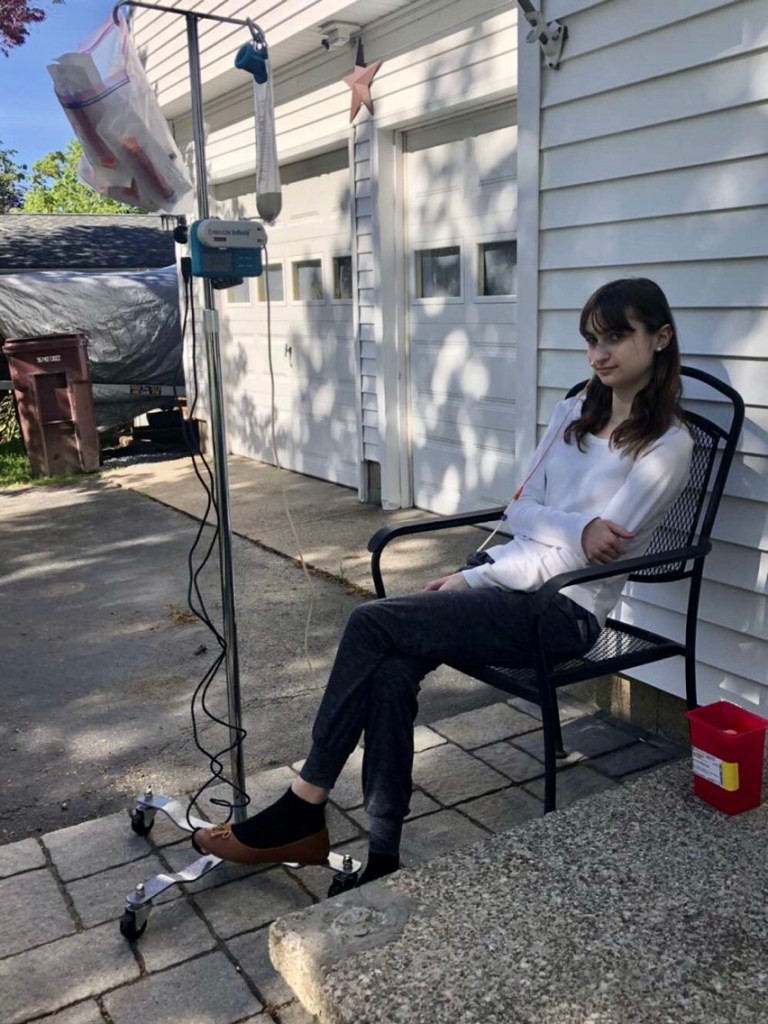
At an age when many teenagers are focused on school, friends and figuring out who they are, Grace was learning a different vocabulary: tests, treatments, infusions, injections, and surgery.

“I was so young, I felt so different from my peers around me,” she says. “I spoke fluent in healthcare, in tests, I was forced to grow up so fast.”

Her Crohn’s journey has included steroids, infusions, injections, tests, a feeding tube, and surgery. At 22, Grace says she is still chasing total mucosal remission and continues to deal with hidden inflammation.

“Will I be able to become a mom someday?”

And almost immediately after her diagnosis, another question entered Grace’s mind.

Would she ever be able to become a mom?

Grace says motherhood was on her mind within months of being diagnosed.

Part of that fear came from watching someone she knew with Crohn’s experience a life-threatening postpartum flare and be unable to have more children. That story stayed with her and illustrates one of the most difficult aspects of IBD whether you’re a parent or not: uncertainty.
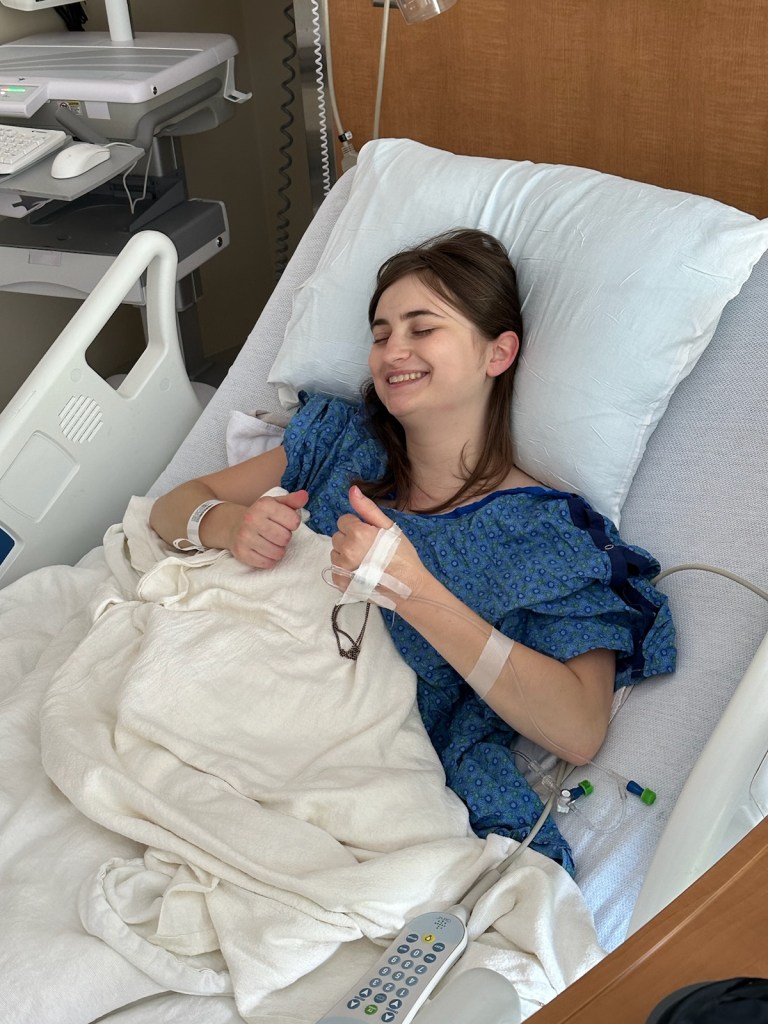
“The monstrous part about IBD is its uncertainty,” Grace says. “It never ceases to amaze me how for some individuals a round of medicine will get their body into remission, and another person will have unrelenting inflammation for years and years.”

For women with IBD, that uncertainty can intersect with some of life’s biggest decisions.

Grace knows this firsthand. Throughout various stages of her disease, she has wondered what a flare would look like during pregnancy or while caring for a young child.

What if severe diarrhea caused her to lose weight and made it difficult to get enough nutrients for a baby? What if medication affected her child’s immune system? What about breastfeeding and medication exposure?

Today, Grace takes Stelara, and she says she thinks about the fact that it can pass through breast milk. She has always dreamed of breastfeeding a baby but wonders how she would weigh that desire against the medical considerations.

And increasingly, another concern has emerged: the emotional experience of pregnancy itself.

“I worry most of all about having to work extra hard as a high-risk pregnancy and that I’d be obsessive about it all,” she says, “living outside of the special moments and experiences because of viewing it all through a clinical lens.”

That sentence captures something that statistics and clinical guidelines can’t always convey.

A pregnancy with IBD isn’t just a series of medical decisions. It can also be an emotional balancing act between wanting to enjoy a deeply meaningful life experience and being unable to completely turn off the part of your brain that is constantly monitoring your disease.

Seeing a gap in IBD research

As Grace learned more about IBD, she found comfort in understanding the disease from both scientific and sociological perspectives. She connected with other patients online and found women with IBD who had navigated motherhood and became role models for her.

That interest eventually led her to major in sociomedical sciences.

When it came time to develop an independent research project, she knew immediately that she wanted to study IBD and women’s health.

That project eventually grew into her current IRB-approved study. Grace noticed that while there is substantial scientific literature examining Crohn’s disease and ulcerative colitis during pregnancy and childbirth, there is far less research examining the qualitative experience of women living through motherhood with IBD.

In other words, researchers have studied many of the physical and medical questions. Grace wants to better understand the why behind women’s decisions, experiences, and emotions.

“This told me something was missing,” she says.

And the missing piece matters.

IBD is commonly diagnosed during reproductive years, meaning many women are forced to make decisions about fertility, pregnancy, breastfeeding, and family size while simultaneously navigating an unpredictable disease.

Could uncertainty itself be affecting women emotionally?

One of the findings that initially caught Grace’s attention was that women with IBD commonly report higher rates of psychological distress than men with IBD.

There are several explanations, but Grace wondered whether another factor deserved more attention.

Could the uncertainty surrounding fertility and motherhood contribute to that emotional burden?

“Could any of it have to do with how uncertain it can be for women to navigate a motherhood journey with an unpredictable illness such as IBD?” she asks.

That question became central to her research.

Rather than focusing solely on conception and pregnancy, Grace wants to understand the entire motherhood journey:

  • What does it mean to parent while living with IBD?
  • How do mothers explain their disease to their children?
  • Does becoming a parent change the way women cope with their illness?
  • How do women make decisions about breastfeeding or having additional children?
  • And perhaps most importantly, how do those decisions make women feel?

“These are the questions I want to explore,” Grace says.

Motherhood doesn’t end at delivery

One of the most compelling aspects of Grace’s research is her focus on what happens after pregnancy.

So much of the conversation around IBD and reproductive health centers on conception and pregnancy. But motherhood is a lifelong experience and IBD doesn’t disappear once a baby is born.

Grace says some of the women she has heard from have described waiting for their doctors to give them the “go-ahead” before trying to conceive.

Others have described delaying or avoiding medical care when they were very sick because they didn’t want to leave their children or frighten them.

But the stories aren’t exclusively difficult.

Grace says she has also heard about positive experiences, including mothers who have noticed their children developing deep empathy toward other people because they grew up with a mother living with IBD.

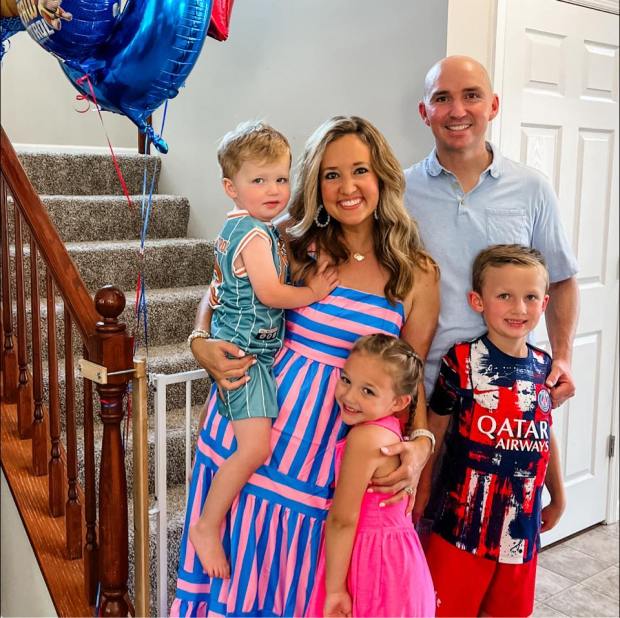
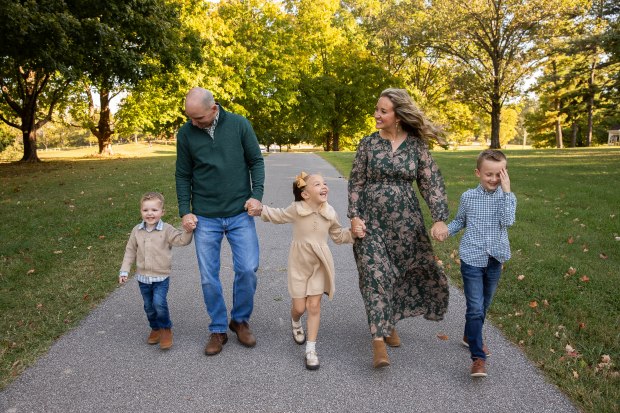
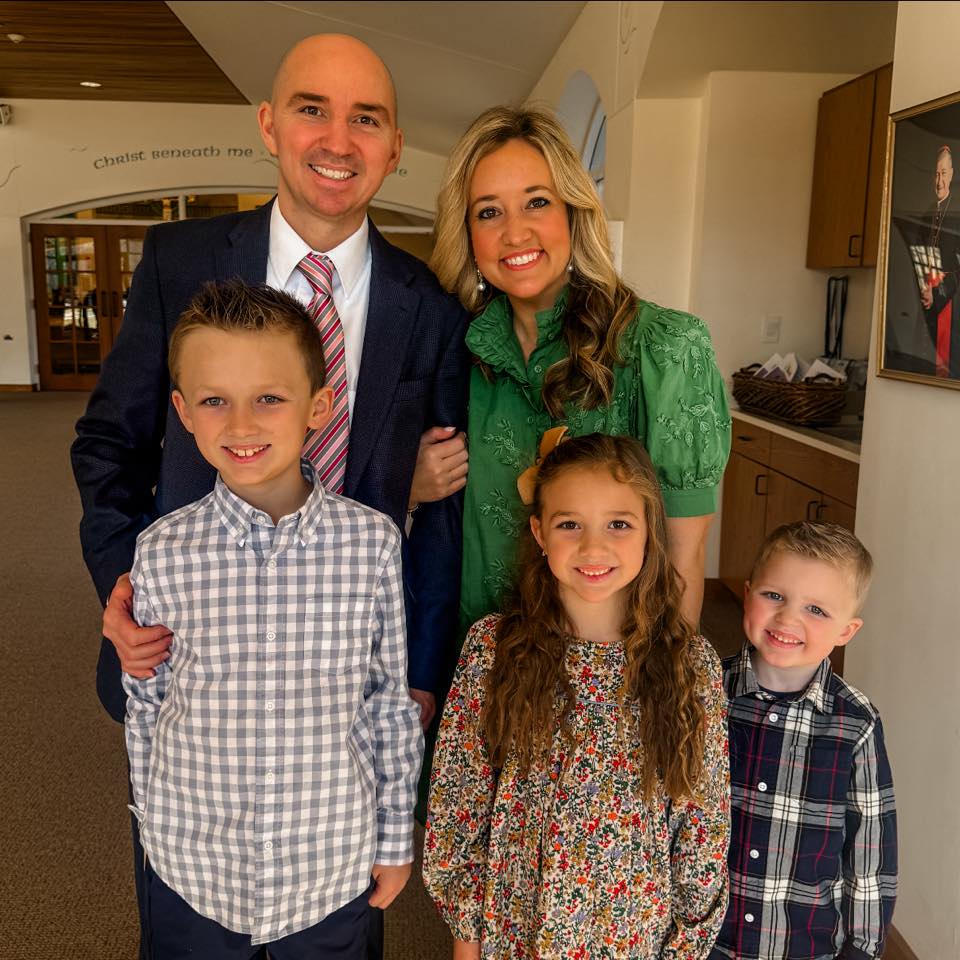
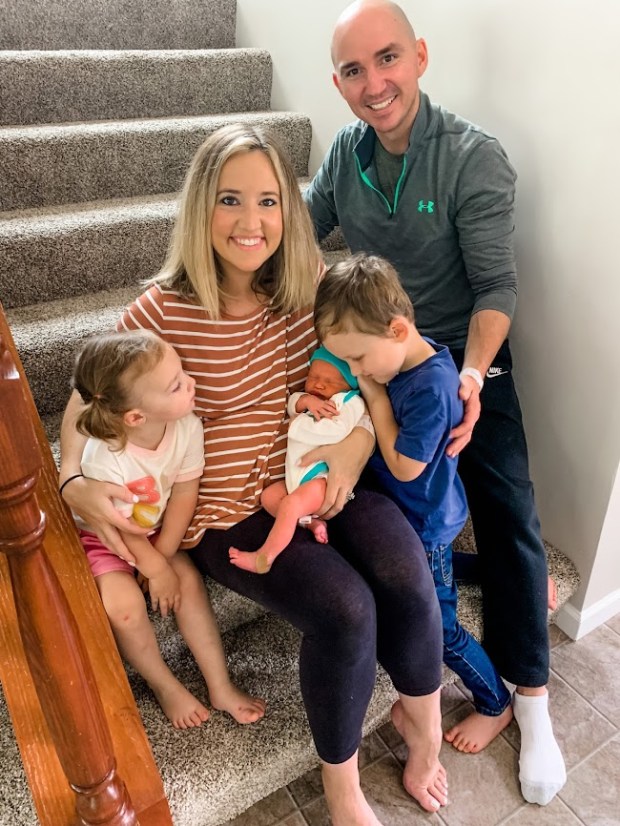
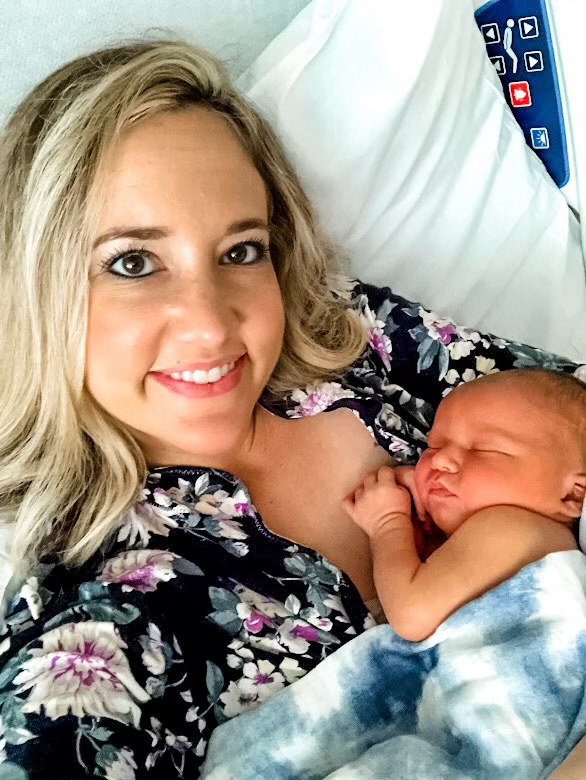
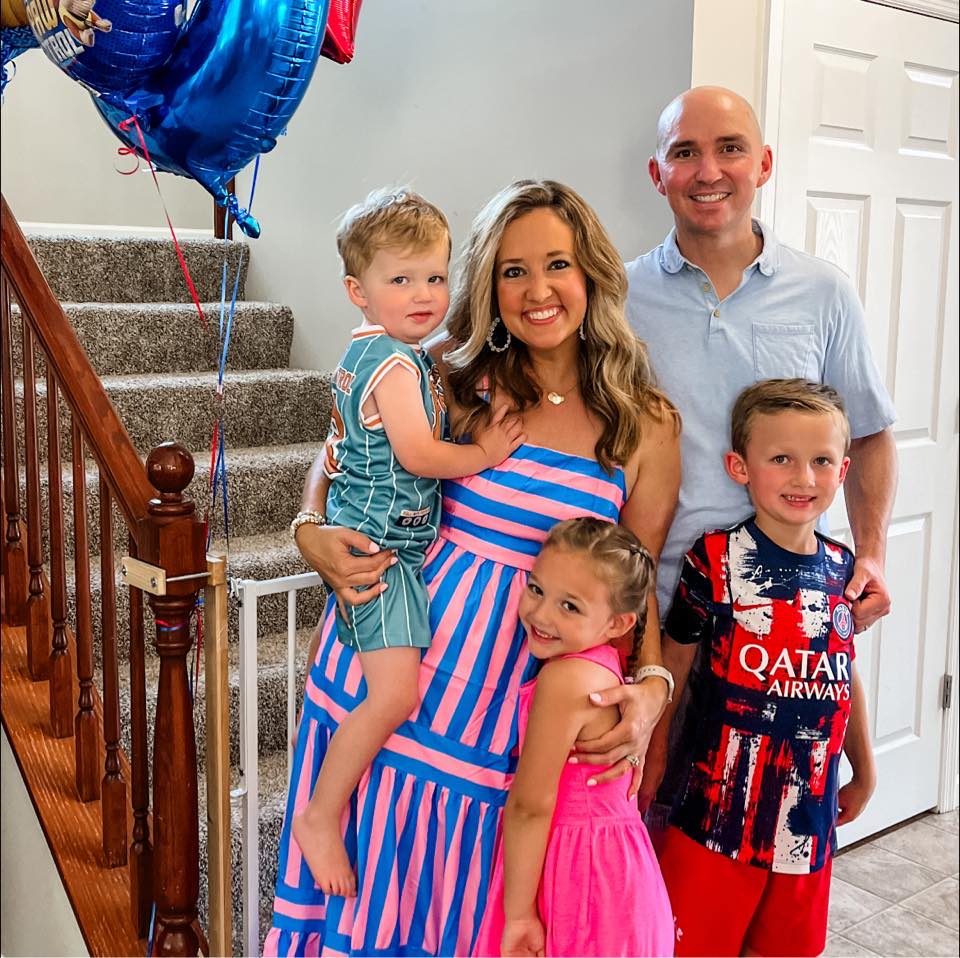
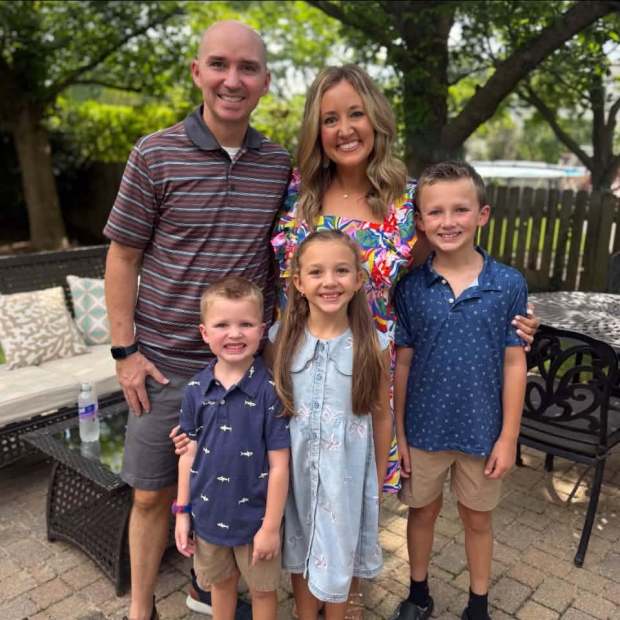
That is an important reminder: IBD can shape motherhood in challenging ways, but it can also shape families into beautiful ones. As an IBD mom of three kids (ages 9, 7, and 5) I can’t attest to this. Motherhood was the best decision I ever made and my kids are my constant motivation to push through, stay on top of managing my Crohn’s so I’m well for not only myself, but for them, and reminding me all my body is capable of despite my disease.
The decisions women make behind the scenes

One theme Grace has found particularly interesting is the way IBD can influence the timing of family planning. Some women wait for disease stability or medical approval before trying to conceive. Others make decisions about seeking medical care based on the needs of their children. These aren’t necessarily decisions that show up in a medical chart.

They’re the quiet calculations happening in the background of everyday life. And that’s exactly what Grace hopes her research will capture.

The study is designed to explore the experiences and emotional impacts behind these decisions, not simply whether a woman became pregnant or whether she experienced a flare. Because as we know, two women can have similar diagnoses and vastly different emotional experiences.

What Grace wants doctors to talk about earlier

Grace believes the conversation about fertility and family-building should begin much earlier in a woman’s IBD journey. She would like gastroenterologists to routinely ask young women at diagnosis whether they envision having children someday.

“I think it’s so important to get the conversation started and have it routine to discuss it,” she says.

Starting the conversation early can open the door to resources, questions, and appropriate reproductive counseling long before a woman is ready to have a baby. Grace also believes healthcare providers need to be honest about uncertainty.

“We need to be comfortable acknowledging what we don’t know,” she says, particularly when it comes to questions about the long-term effects of medications on children.

She also wants to see stronger communication between gastroenterologists and OB-GYNs.

She has heard women describe being confused about which physician to rely on during pregnancy and postpartum or receiving contradictory recommendations from their doctors.

“Greater communication between OB-GYN physicians, maternal fetal medicine doctors, and gastroenterologists on the topic of IBD and pregnancy is called for,” Grace says.

For patients, that kind of collaboration can mean the difference between feeling like they’re navigating pregnancy alone and feeling like they have a team.

Grace hopes her research changes the conversation

Grace hopes her research will expand how the IBD community thinks about women’s health. The physical side of IBD is important. But emotional wellbeing matters, too.
She points to the connection between psychological health and IBD outcomes, noting that emotional distress can influence disease activity. Her research suggests that the emotional stress of navigating motherhood alongside IBD may be one contributor to the psychological burden reported by women with the disease.

Her long-term goal is to highlight the need for more reproductive counseling and pregnancy programs specifically designed for women with IBD. Because women shouldn’t have to piece together this information on their own. And they shouldn’t have to wait until they’re ready to conceive to start asking questions.

“You will survive some of your biggest fears”

The most powerful part of Grace’s story isn’t the researcher speaking about the gaps in the literature. It’s the 14-year-old girl underneath it all.

If Grace could sit down with herself on the day she was diagnosed, she wouldn’t promise that IBD would become easy. Instead, she would tell her younger self that the disease would shape who she became and that some of that impact would become a source of purpose.

Her experiences would fuel her interest in healthcare and disability advocacy. She would meet healthcare workers who saw through her knowledgeable exterior and recognized the anxiety underneath. She would survive some of the things she feared most. And she would eventually find a partner who would make motherhood feel possible. But she’d also tell herself something many young people with chronic illness need to hear:

You don’t have to control everything.

“I’d tell her to enjoy being a young woman and let go of trying to control so much,” Grace says.

That’s easier said than done when your body has taught you from an early age that anything can change without warning. But that’s also why her message to other young women with IBD is so meaningful.

To the young woman with IBD dreaming about motherhood

Grace doesn’t know exactly what the future holds for her. She still has questions. She still has fears. She still lives with an unpredictable disease. But she isn’t letting uncertainty erase the possibility of motherhood. Her message to other young women with IBD is simple:

“Advocate for yourself and ask questions.”

She encourages women to establish an OB-GYN early and start talking about what pregnancy could look like in the future, even if motherhood is years away. And she wants women to know that they don’t have to abandon the dream simply because IBD may make the path more complicated.

“The reality is, it might be a little more sad and scary to manage,” Grace says. “But from what I’ve learned so far: no women have regretted the choice to pursue their dream, even if it looks different from what they expected.”

For a 22-year-old researcher who has spent much of her life learning to live with Crohn’s disease, Grace is asking a question that deserves far more attention:

What happens when we stop looking at motherhood with IBD solely through a medical lens and start listening to the women living it?

Her research is an important step toward answering it.

Interested in participating in Grace’s research?

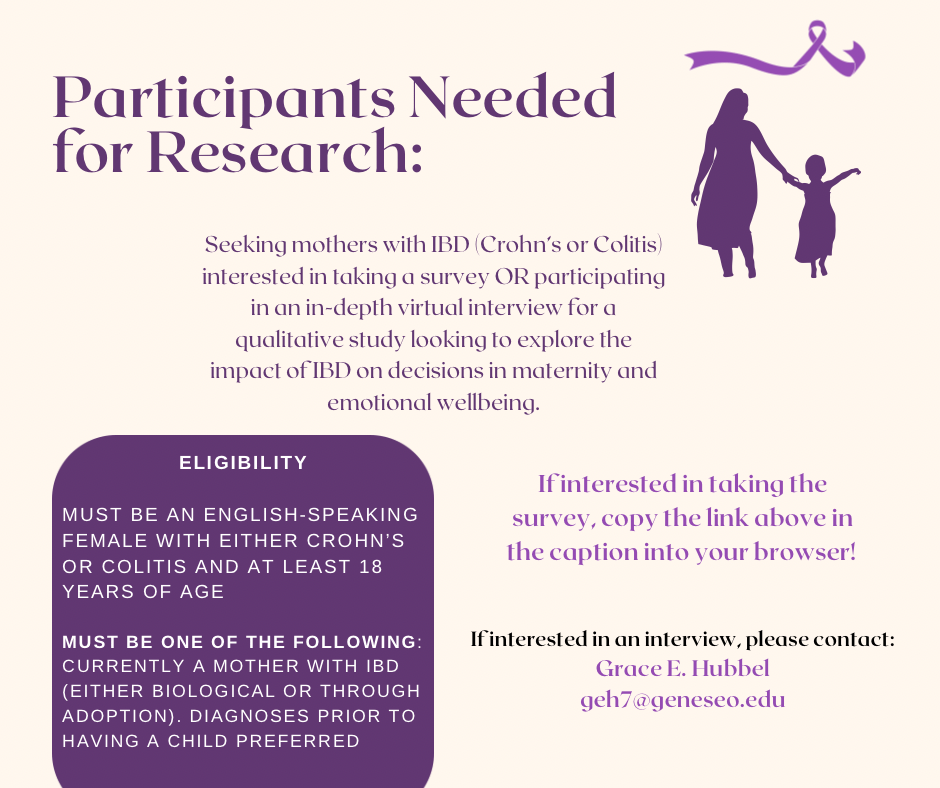
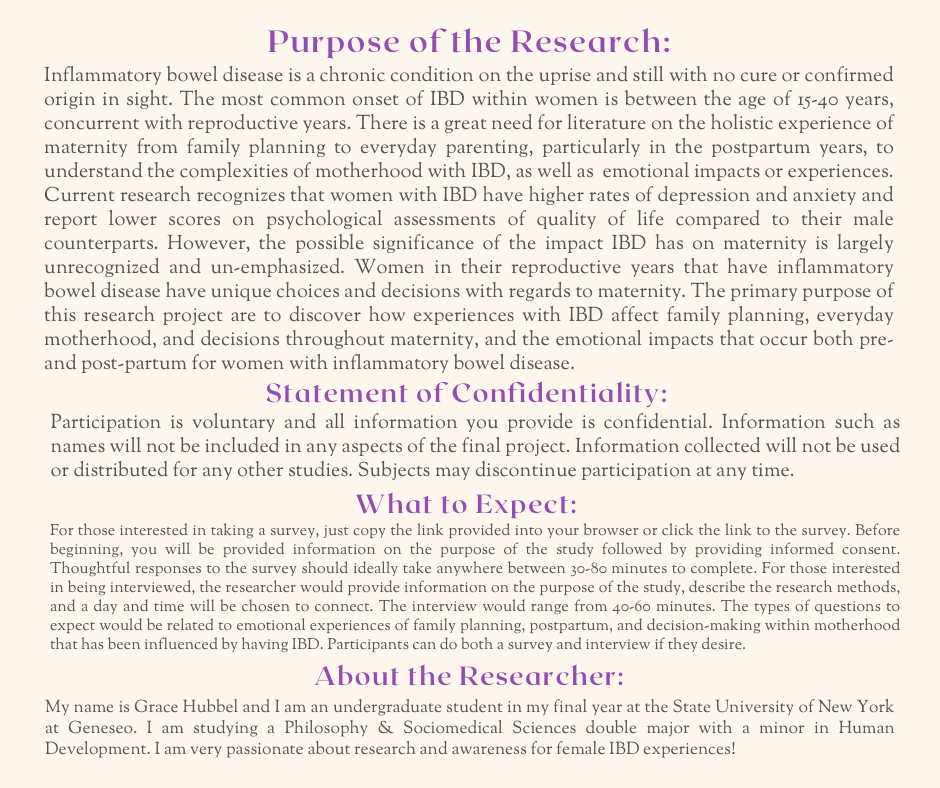
Grace is currently seeking women with IBD who are at least 18 years old, English-speaking, and currently mothers living with Crohn’s disease or ulcerative colitis, either biologically or through adoption. A diagnosis before having a child is preferred.

Participants can complete an anonymous survey or contact Grace for a virtual interview. Participation is voluntary, and information provided will be kept confidential.

Join the study here!

What I Wish Every Current and Future IBD Mom Knew

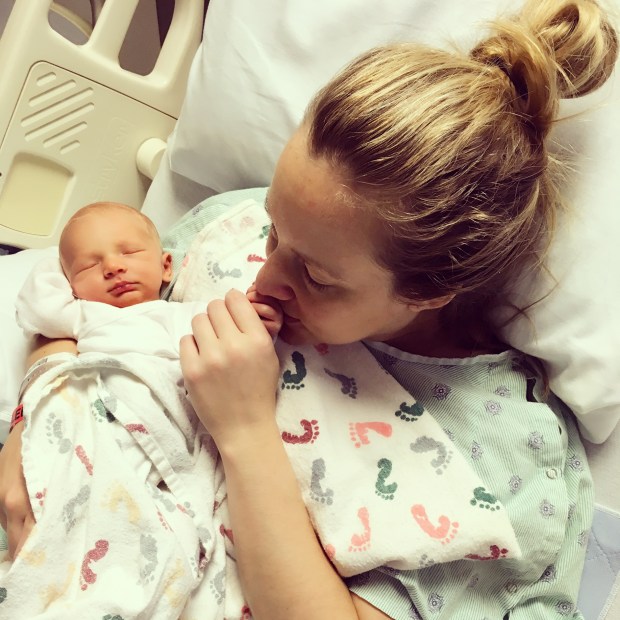
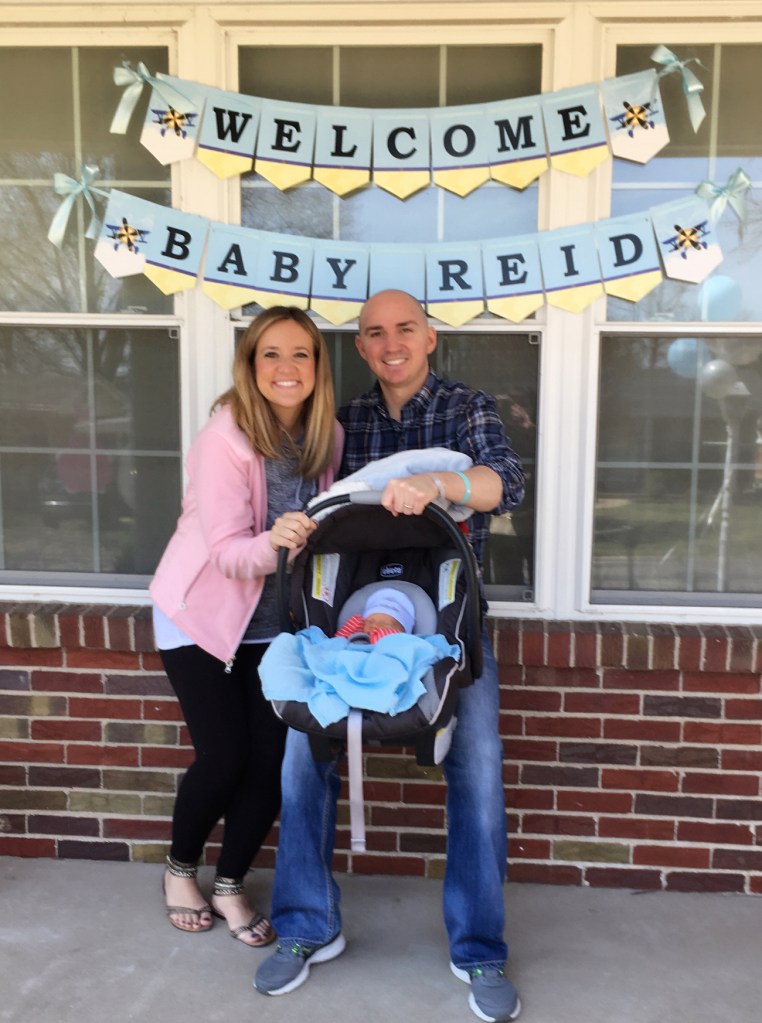
This month marks nine years since I became a mom.

Nine years since my life split into a clear before and after.
Before motherhood.
Before learning how much my heart could stretch.
Before realizing I could love someone so fiercely while still carrying a body that has never felt predictable or safe since my Crohn’s diagnosis in 2005.

I entered motherhood already shaped by chronic illness. Crohn’s disease had been part of my identity for years before I ever held a positive pregnancy test in my hands. I knew what it meant to live with uncertainty. I knew how to navigate flares, fatigue, medications, and fear. What I didn’t know was how those experiences would transform me into an entirely new version of myself—an IBD mom. When I got pregnant, I only knew of one woman, my cousin’s wife, who has Crohn’s, and stayed on her biologic throughout her four pregnancies.

This week on Lights, Camera, Crohn’s a reflection on my patient journey and what it felt like to go through family planning, pregnancy, and motherhood as a woman with IBD and what I want others to know.

When I Was “Just” the Patient

For a long time, my world revolved around survival. Appointments. Side effects. Lab work. Scopes. Injections. Recovery days. Canceled plans. Hospitalizations. Weaning off steroids. Learning how to read my body’s subtle warning signs. Learning when to push and when to rest.

Crohn’s taught me resilience long before I knew I would need it in motherhood. But it also taught me hyper-awareness. A constant scanning of my body for what might go wrong next. A relationship with fear that felt both protective and exhausting. As time passed, I learned to listen to how my body was speaking to me through symptoms.

When I imagined becoming a mom, that fear came with me. I had bowel resection surgery two months after getting engaged, I was planning a wedding, and for the first time after a decade of living with Crohn’s I had FINALLY heard the word “remission” for the first time. My fiancé (now husband) and I knew once we got married 10 months later, that we would need to capitalize on that remission and hopefully start our family while we knew I was well enough to do so. Despite being in remission, I still had many questions and thoughts racing through my mind:

Would I be healthy enough?
Would my medication be safe?
Would I flare during pregnancy or postpartum?
Would my disease rob me of moments I dreamed about?
Would I be hospitalized and away from my child?

…the list went on. If you’re an IBD mom or one day aspire to become one, you know the questions we all face.

I wanted to become a mom more than anything, but I carried quiet doubts about whether my body was capable of sustaining not just a pregnancy, but a lifetime of caregiving.

Becoming a Mom with Crohn’s

The day I became a mom everything shifted. Not because my Crohn’s disappeared. Not because my health suddenly became perfect. But because my why expanded.

Suddenly, my body was no longer just something I endured. It was the home my child lived in.
The vehicle through which I would show up, nurture, protect, and love. That realization changed the way I approached my overall health as a mom with IBD. My pregnancy with Reid gave me a renewed sense of love and appreciation for my body.

Taking my medication wasn’t just about me anymore.
Advocating at appointments wasn’t just self-preservation.
Resting wasn’t weakness.
Prioritizing sleep wasn’t indulgent.

It was parenting. I began to see caring for myself as an extension of caring for my child. That mental shift — from “patient” to “patient who is also a mother” — was subtle but seismic. Rather than waiting until I was too weak to even walk through the emergency doors by myself, I started to alert my care team within days of recognizing that my Crohn’s seemed a bit “off” so that we could nip any issue that arose in the bud.

Learning to Mother Through Difficult Days

Motherhood with Crohn’s is not picture-perfect. But regardless of your health status, there is no such thing as perfect when it comes to being a mom. You must remind yourself of this and give yourself grace.

There are days I have shown up with heating pads tucked under sweatshirts.
Days I’ve read stories from the bathroom floor.
Days I’ve powered through school drop-offs on pure adrenaline and grit.  Days I’ve shown up to PTO meetings and coached soccer on pain medication.
Days I’ve cried because I felt like I was failing at both having a chronic illness and being a mom.

I’ve been in “remission” since 2015, the entire time I’ve been a mom, which I’m eternally grateful for, but just because I’ve been in remission does not mean I don’t face countless struggles with this disease. That’s something I wish people would understand. IBD is a chronic illness, just because someone is in remission doesn’t mean they are free of pain, stress, and more.

I’ve had to learn that good motherhood doesn’t require constant physical perfection. Some seasons look like big adventures and energy. Others look like quiet cuddles, movie days, and choosing rest over outings.

Both count.

My children are being raised by someone who understands empathy, flexibility, and listening to their body. That matters. You’ll notice as a parent with chronic illness how quickly your little ones develop empathy. It’s next level. And so beautiful. You don’t even have to teach it, it’s innate in them because of their daily reality.

Raising a Child Who Understands Illness and Compassion

One of the unexpected gifts of being an IBD mom is watching compassion take root early.

My three children know that bodies work differently.
That medicine helps people live.
That rest is sometimes necessary.
That we don’t judge what we can’t see. They’ve learned that strength isn’t always loud.

Sometimes strength looks like getting up anyway.
Sometimes it looks like asking for help.
Sometimes it looks like choosing yourself.

Those lessons feel just as important as anything in a textbook.

How Motherhood Changed My Relationship with My Body

Before becoming a mom, there were times my body felt like the enemy.

The source of pain.
The reason plans fell apart.
The thing holding me back.

Motherhood complicated that narrative.

This body carried three children.
This body nourished three children.
This body continues to show up, even when it’s tired, inflamed, or aching.

It isn’t perfect.
But it is more than capable.

I still have hard days. But honestly, I have a lot more amazing days. I never take a feel-good day for granted.
Even after more than two decades of living with Crohn’s, there are still moments where I fantasize about what it would be like to just be a healthy person and not have the burden of my disease.

But I also hold more gratitude now. A grounded, honest one. My three children are my greatest motivation to push through and be my healthiest self.

From Surviving to Advocating

Becoming a mom didn’t quiet my voice.

It amplified it. Ironically, this blog, Lights, Camera, Crohn’s, launched July 23rd, 2016… I found out TWO days later I was pregnant with my oldest son, Reid. So, this blog truly captures every moment of pregnancy, family planning, and motherhood from the perspective of someone who learned as I went.

I advocate not only for myself now, but for a future where my children grow up in a world that understands chronic illness better than the one I grew up in.

I speak out because I want fewer people to feel dismissed.
I share stories because I want fewer people to feel alone.
I push for better care because I want better options for the current and the next generation.

I want couples to feel empowered by their decision to have a family, however that may look for them.

I hope women feel comforted by all the constant research going on to address what’s safe and effective as they bring life into this world. I participated in IBD pregnancy studies with all three of my kids, my youngest who turns five in July will be followed through the PIANO study until age 18!

Motherhood turned my survival into purpose.

Nine Years In: Who I Am Now

I am still a patient.
I am still navigating Crohn’s.
I still face uncertainty at times, but through a much different lens.

I am also a mom of nearly a decade.

A mom who has learned how to hold fear and hope at the same time.
A mom who knows that love is not measured in energy levels.
A mom who shows up imperfectly, consistently, and wholeheartedly.

I didn’t become a mother despite Crohn’s.

I became a mother with Crohn’s.

And over the past nine years, I’ve learned that those two identities can coexist, not in conflict, but in strength. I swear I blinked and somehow my sweet Reid, my baby, is nearly double digits. I don’t think there will ever be a time in my lifetime that I don’t stare at all of my children in awe of their existence, I’m sure if you’re a parent you feel the same way. It’s a miracle they are here, healthy, and thriving. So much of why I share my family so openly is to show how my children, who were all exposed in utero to Humira, are doing so beautifully in school, sports, and socially.

To the IBD Moms (and Future Moms) Reading This

You are not broken.
You are not behind.
You are not failing.

You are doing one of the hardest jobs in the world while managing one of the hardest diseases. That deserves recognition.

Later this month, my Reid is nine.

Nine years of learning.
Nine years of adapting.
Nine years of loving fiercely in a body that isn’t always kind.

And I wouldn’t trade this evolution for anything.

IBD Pregnancy Studies

Global Consensus on IBD and Pregnancy

PIANO (Pregnancy in IBD and Neonatal Outcomes) Study

WIsDoM Study: A Study Focused on Female Fertility and Pregnancy

MotherToBaby

My Key Takeaways from the FDA Workshop: “Evaluating Immunosuppressive Effects of In Utero Exposure to Drugs and Biologic Products”

More than 4 million babies are born in the United States each year, many to mothers who live with chronic illness. Historically, pregnant women are excluded from research, consequently there is limited to no safety data at the time of drug approval. Enormous gaps remain regarding the clinical impact of exposure to biologics and medications when so much is at stake for both mom and baby. July 11-12th the Food and Drug Administration (FDA) hosted a public workshop entitled, “Evaluating Immunosuppressive Effects of In Utero Exposure to Drug and Biologic Products.”

As a patient leader in the IBD community and mom of three children who were all exposed to anti-TNF medication in pregnancy, I was invited to provide the patient voice during this two-day discussion. I spoke on three different panels to share my perspective. This week on Lights, Camera, Crohn’s I’ll share what I learned and what I heard from top researchers and doctors at the workshop. The key overall message—healthy moms lead to healthy babies and a healthy society. Healthy meaning—having disease well-controlled in pregnancy so flares don’t lead to adverse outcomes for both mom and baby.

Pregnant women and lack of research

Often due to ethics, pregnant women have been omitted from research and clinical trials. The absence of human involvement in pharmacology studies can lead to uncertainty about what is deemed “low risk” and “safe” to the fetus, and the impact medications have on the placenta. Women who become pregnant must drop out of clinical studies, even if the drug class has known safety or is deemed low risk (anti-TNF, IL-23s).

According to study entitled, “Medication use during pregnancy with a particular focus on prescription drugs”, Pregnant women report taking an average of 2.6 medications at any time during pregnancy. Medication use may expose the fetus and infant to the medication through placental transfer.

It’s clear that reducing or stopping medications can put mothers at risk for flares, which in turn can lead to adverse effects in pregnancy. With my own children, I stayed on Humira until 39 weeks with my oldest (who is now 7), and 37 weeks with my other two children (who are now 5 and 3). All three of my children were a part of pregnancy studies (MotherToBaby and PIANO). My youngest will be followed until age 18! My oldest was followed through kindergarten. The current recommendation, globally (which has changed since I had my children) is to keep women on biologics throughout the entire pregnancy.

One of the key areas of discussion is whether animal data from research ever tells us the whole story about the safety and efficacy of medications—the answer is no. There is no substitute for a human placenta, but the challenge and dilemma are what can be done to get this human data. Approaching clinical trials in pregnant women is challenging and takes time to develop. Currently, animals are the best tool we have for educated guesses.

The benefit vs. risk discussion for Mom and Baby

Oftentimes decision making with chronic illness is a risk versus benefit thought process, whether you are pregnant or plan to carry a baby in the future or not. During the FDA workshop, there was an incredible presentation that really resonated with me about the multiple decisions women have to make for both themselves and their unborn children. The discussion highlighted the complexity and why it’s not a black and white decision. These series of decisions are nested in each other and revolve around the decision maker (Mom/Dad) and medical providers.

Key considerations we deal with as IBD moms:

Continue or discontinue medication?

Should we breastfeed on medication?

Should we give an attenuated live vaccine as scheduled or delay?

When making these decisions it’s imperative that patients feel heard and that communication take place between the parents and medical providers (gastroenterologist, maternal fetal medicine, and OBGYN). Knowledge is power and educating yourself going into these conversations and before and during pregnancy can make you feel more empowered in your decisions.

The power of the placenta

There were placentalogists at the workshop—yes, those exist!! And it was amazing to learn how dynamic the placenta is and how it changes throughout pregnancy. The placenta is not just a conduit, its function changes across gestation and with fetal sex and medical condition. It serves as the endocrine function, lungs, pituitary, drug processing center, neuro connections, and growth factors for the baby…to name a few.

For instance, according to this study, there are differing levels of placental chemokines and cytokines and even reduction of placental antibody transfer in male placentas.

Once the placenta is impacted it effects the fetus. There was also discussion about how Inflammatory Bowel Disease impacts placenta—and the possibility of looking at the placenta of an IBD women at delivery to compare them to women without the disease. Even when a woman has well-controlled disease or is in remission, it’s believed our placentas may appear differently at delivery due to the inflammatory nature of our disease. I joked during on one of the speaking panels that I would have gladly given all my placentas to research upon delivery! It’s  win-win for researchers and patients alike to do so.

Medication safety in pregnancy

There was also discussion about the importance of developing medications that are safer in pregnancy, much like children’s medications are created with a different formulation.

Prednisone causes minimal fetal exposure. Solumedrol at infusions is fine, and it’s ok to breastfeed on steroids, but high dose daily oral steroid can cause cleft palate and cleft lip.

Azathioprine has also been found to have no impact on breastfeeding, babies born to moms on Azathioprine have normal development and they do not have increased susceptibility to infection.

A graph outlined a study that looked at 107 pregnant women with IBD on Infliximab/Adalimumab:

Detectable anti-TNF levels after birth:

3 months of age—94%

6 months of age—23%

9 months of age—7%

12 months of age—3%

This illustrates why babies exposed to anti-TNF after believed to be immunocompromised until 6 months of age.

Vaccine response and impact of immunosuppressive medications

It is believed that women on immunomodulating medication who get the TDAP vaccination in pregnancy have the same immune response as healthy controls and that the baby receives the same benefits.

The recommendation for Rotavirus (which is the only live vaccine given the first 6 months of a baby’s life), is now to give this vaccine to babies. This updated guidance also applies even when babies are exposed to anti-TNF or immunosuppressive medications in pregnancy.

There’s no difference in vaccine response for babies across different biologics.

Limiting the burden on mom and baby in pregnancy and postpartum studies

Once babies are born and they are part of research studies to measure how their exposure in utero impacts or does not impact their future health, there’s often a burden on the mother about following up. As an IBD mom myself, I wasn’t big on having my babies get blood draws for medical studies—but that data is paramount in helping further that research. And knowing what I know now, I wish I would have been more willing to do so.

So how can studies ease this burden and stress on families?

This can be done by having well-trained phlebotomists who have experience working with children and using techniques to optimize venipuncture success to limit discomfort and pain. By timing blood draws for research at the same time of doctor’s appointments, it reduces the number of needle sticks and blood draws.

Dr. Mahadevan’s Presentation at the workshop

One of my favorite presentations was given by Dr. Uma Mahadevan. She is the key investigator of the PIANO (Pregnancy Inflammatory bowel disease and Neonatal Outcomes), and a well-respected gastroenterologist at UCSF. PIANO started in 2007 and looks at the safety of IBD medications on the pregnancy and short-and-long term outcomes of children. My youngest son is part of PIANO. We participated throughout pregnancy, provided cord blood from delivery, as well as blood draws. I just submitted his 3-year forms online.

I recorded Dr. Mahadevan’s presentation and have transcribed everything she said below so you could hear her expertise firsthand:

“Women of childbearing age—women of reproductive potential are not given JAK inhibitors—even though it may be the most effective medication for them. This is a result of fear—that maybe they’ll get pregnant and maybe there will be some harm. Medications with well-established safety records like anti-TNFs are discontinued in pregnancy now—68% of women who go off their anti-TNF did so from the advice for their rheumatologist, so these are the doctors telling them to do this.

What’s the importance of treating immune mediated disease in pregnancy?

Disease activity is the biggest driver of adverse outcomes in pregnancy. Women with IBD compared to general population have an increased risk of spontaneous abortion, pre-term birth, small for gestational age, hypertensive disorders of pregnancy including preeclampsia , post-partum hemorrhage, and 44% rate of C-section, most of them elective out of fear of disease.

Stopping the biologic which again is out of fear—you’re on a biologic, it’s stopped in pregnancy, still is in many rheumatology and psoriasis cases, less so with IBD, but when you stop it…reducing or stopping leads to an increase of disease flare.

Many of my colleagues who are rheumatologists say “oh many with rheumatoid arthritis get better in pregnancy…there is not a single study that shows that. In fact, this study from The National Inpatient Samples shows women with rheumatoid arthritis were more likely to develop complications of pregnancy both during pregnancy, but also in post-partum and in their neonates.

The American College of Rheumatology conditionally recommended continuing anti-TNF during pregnancy despite the available safety data and the voting panel agreed that if the patient’s disease is under control these medicines can be discontinued. This is happening now.

In this article from a prospective registry from Sweden and Denmark that looked at 1700 patients with RA, there was increase in pre-term birth and small for gestational age in RA compared to the general population and that odds ratio increased to three-fold with active disease.

So, there is data that it increases harm in not just IBD but RA as well. We know there’s a strong role for inflammation in pregnancy and in pregnancy outcomes. So, the significant increase in pregnancy and neonatal complications is closely linked to disease activity and inflammation and stopping these low-risk meds and steroid sparing therapies lead to increased suffering for the mother, and post-partum flares and worst outcomes for the infant.

Healthy mother=Healthy Baby

So, what are some of the study designs and limitations-these have been brought up before. Pregnant women are not included in clinical trials. There’s unmeasured confounding in uncontrolled studies. Disease activity impacts the decision to continue or discontinue therapy. It’s not random. The choice of therapy is not random it is linked to their disease severity and what they have.

If you have a series of 100 patients or 1000 patients or 10,000 patients, you may not pick up the signal. The types of studies that are used for the most part are large data sets, so birds eye view and the highest quality study are large population studies from countries in Scandinavia usually where they have longitudinal assessment, parent-child linkage, and a good assessment of diagnosis in pregnancy outcomes. However, these are limited by a fair assessment of medication because they can only measure prescription and not whether the patient is actually taking the medicine. At a very poor assessment of disease activity and very granular data.

People are more likely to report a complication than a healthy pregnancy—incomplete info.

Let me tell you about PIANO—this is a prospective national registry of pregnant women with IBD started in 2007. PIANO divides people into four groups:

  • The unexposed—which could include people on steroids, 5 ASAS, antibiotics.
  • Thiopurines: Azathioprine, 6-mercaptop, urine
  • Biologics: Infliximab, Adalimumab, Certolizumab, Natalizumab
  • Combination Therapy: Azathioprine + Biologic

We define exposure as anytime within 3 months of conception through pregnancy. We compare the offspring of women exposed to a medication to offspring of women with IBD who have not been exposed. We looked at multiple different outcomes including pregnancy and neonatal outcomes , we administered questionnaires each trimester of pregnancy, three times in the first year of birth and then annually and we continue to follow these patients out to age 18.

So, here’s some of the data that has been published:

Corticosteroids –I often hear from providers, “oh I’ll just stop their medication and if they flare, we’ll give them steroids.” This actually leads to increase rates of pre-term birth, low birth weight, and NICU admission. Of course, the use of steroids is mostly tied to disease activity. It’s hard to separate the two. But the whole point is that you don’t want disease activity, you don’t want steroid use, you want them to be on a steroid sparring effective therapy.

The primary results of PIANO were published in 2021 in Gastro. We looked at 1,400 IBD pregnancies, 379 were not on drugs, 242 were on thiopurine, 642 were on biologics (Primarily anti-TNF), and 227 were on both biologic and thiopurines so about 1,000 biologic exposed pregnancies. We found no increase in birth defects, spontaneous abortion, preterm birth, low birth weight, or infections in the first year of life. We saw an increase in spontaneous abortion with disease activity and we used the Ages and Stages questionnaires to look at developmental milestones and saw no reduction.

We measured placental transfer and we measured maternal and cord blood for inflammation on day of birth. The highest transfer was with infliximab—the lowest was certolizumab, which doesn’t have the FC portion. Vedolizumab had a lower level in the infant than the mother. When this data first came out the first reaction was – “oh we should stop the biologic early”…so in Europe they have more of a glass is half empty look at medications in pregnancy…US tends to be glass is half full. So, they decided to stop at 22 weeks and that was in their official guidance. And it was not until 2 years ago that that was changed to match US recommendations because their own data showed an increase in disease activity and worse outcomes with doing that.

The concern was if you have this placental transfer, if you have therapeutic drug levels in the infant for several months after birth, do they have higher rates of infection? And we showed in PIANO there is no increase in infection at 4 months of age and at 1 year and we looked at if infection rates were relative to the level of drug in the infant at the time of birth, and there was no association to drug level at birth and recent infection.

So based on that now, we don’t stop the biologic at all during pregnancy, we continue it throughout. A systematic review and meta-analysis looking at 8,000 women with IBD who were exposed to biologics showed no increase in infant infections, antibiotic—- showing that biologics do not cause harm.

This data from Antoine Meyer who uses a French patient sample looked at women on anti-TNF and thiopurines and showed no increase in the risk of early life malignancy in children.

We ask about infection—we ask about immune suppression—we ask about malignancy and so far in these 3700 thiopurines and 3400 anti-TNFs from 3 years of age going out to 11 years of age, no increase. Very reassuring data.

PIANO looks at developmental milestones—out to 12 months and up to 4 years—shows no decline, we actually showed patients on TNF had statistically superior developmental milestones in every category compared to the national average and even within PIANO—not to say that TNF’s make your kid smarter…but the whole idea of controlling inflammation is what allows these kids to lay down their neural pathways.

What about the newer biologics?

Ustekinumab and Vedolizumab—again showing no increase in harm for both pregnancy and infant outcomes.

Antoine Meyer again from the French database looked at 398 vedolizumab pregnancies, 464 Ustekinumab pregnancies…again, no increase in harm for all these important outcomes.

It’s not just congenital malformations, what else can happen with these medications?

We’re working with Susan Fisher who is a placental scientist at UCSF, a question was raised about Vedolizumab inhibits alpha 4 beta 7, which can inhibit MAdCAM, which is involved in the process of plasmatation—so if you inhibit MAdCAM are you going to have issues in plasmatation. This was just a pilot study. The first one here the patient also had pulmonary hypertension—this is a normal placental at birth…you can see how this looks distinctly abnormal. The second patient was born 39 weeks, mother was completely healthy with her UC had no other issues during pregnancy. Compared to normal placenta…so are there other things we are missing here?

We are conducting a larger study now with multiple biologics the question is it’s not the Vedolizumab is my hypothesis, it’s more a result of inflammation, having IBD…but it will be interesting to see what these placentas look like when we finish. But maybe this is why these patients have higher rates of preeclampsia, higher rates of hypertensive disorders in pregnancy, and preterm birth. It may be related to the impact of inflammation on the placenta.

Small molecules—I feel very comfortable when a new biologic comes out to continue in pregnancy, I feel reassured by the minimal to lack of transfer in the first 14-16 weeks of gestation, with small molecules—they will transfer and Tofacitinib showed teratogenicity at super therapeutic doses, Upadacitinib showed teratogenicity at the doses we use in humans at 30 mg daily—so that does raise concern. There is now some data, again from clinical programs—no increase in birth defects, in pregnancy loss.

Same for –in press—looking at Upadacitinib …128 maternal exposed pregnancies, 80 of which were in clinical trials…similar rates of live births, spontaneous abortion, compared to what is expected.

What about breastmilk? In PIANO, we do collect samples and found the amount of transfer was really miniscule. But all biologics had transfer—we found no increase rates of infection or impact on developmental milestones with patients who were breastfed while the mother was on an immunomodulator.

We talked about vaccines—if these patients had detectable level of biologics—the first 6 months of life will they have normal response to vaccines? We looked at Tetanus — and found the rates of response were similar to infants of mothers who were not exposed to biologics…that was reassuring. We had 40 inadvertent Rotavirus exposures in our TNF babies, they did just fine. This has also been shown in European data as well. And I want to make sure you are all aware of the study from Lancet looking at Rotavirus vaccine—this was a prospective study looking at infants exposed to biologics, they gave 168 biologic exposed infants Rotavirus vaccine—can only be given the first 3-4 months of life, after 6 months it’s not given—so if you say no in the first 6 months, baby never gets it. They found no harm—at this point, we are letting patients on TNF get Rotavirus vaccine, you can argue the US and most areas because of herd immunity, Rotavirus may not be that important, but in other parts of the world it is—and it’s fine to give to patients exposed.

BCG vaccine is different—especially in an anti-TNF exposed baby, it does have a higher rate of TB, having to do with mechanism. There was one death in a European study given vaccine at 1 month of age. BCG can be given after 6 months of age. So Rotavirus is fine within 6 months, but BCG is still recommended after 6 months.

MMR in high-risk populations can be given at 6 months—why did the Europeans, Asians, and Americans have such different guidelines? This May (2024) we all got together for the Global Consensus Conference to create one standard for pregnant women globally and to help spread the word.

Our recommendations are to continue 5ASA, continue sulfasalazine, continue steroids when necessary, stop methotrexate, and continue thiopurine, continue anti-TNF therapy. The US and Europe agree we will not be stopping TNF early, we will continue it on schedule. We’ll continue vedolizumab and ustekinumabon on schedule, and it’s ok to start these medications in the middle of pregnancy.

Biosimilars have equal safety as originator. The Europeans didn’t understand why we wanted to include this, but this is a common question that comes up in the US. We consider biosimilars safety to be equal to the originator drug.

IL-23 therapies… even though not well studied, we feel based on mechanism they can be continued.

Small molecules should be discontinued—but particularly for the JAKS though, unless there is no effective alternative, they can stay on them. I have had patients where they have to stay on Tofacitinib and Upadacitinib because there was nothing else that worked for them.

Inactive vaccines should be given on schedule. we suggest live rotavirus can be given to children exposed to anti-TNF and recommend BCG be avoided in the first six months.

Final thoughts

A recording of this two-day FDA workshop will be available online in the next two weeks. I will share the link as soon as it becomes available. on my Instagram (natalieannhayden). There were fantastic discussions and as an IBD mom who has gone through pregnancies while on a biologic I am grateful for the consideration and the research that’s going on to help couples feel more confident and at ease about bringing life into this world while juggling complicated health conditions. The conversations and presentations at the workshop were extremely complex, I did my best to translate the information, so the patient community has a better grasp of where we stand about IBD pregnancy research.

If you have IBD and are planning to be a mom or if you are currently pregnant, please consider joining the PIANO study and being a part of this life-changing research for our community.

Navigating IBD & Pregnancy: Difficulty deciphering aches and pains

Pregnancy is a magical miracle. You witness the creation of life within yourself and see your body transform in ways you never knew possible. When you live with a chronic illness like Crohn’s disease and experience a pregnancy, there are added layers. A layer of worry. A layer of concern. A layer of wonder. When you have a chronic illness that can flare up at any given moment—it’s one thing to have the ticking time bomb feeling when it’s just you…it’s entirely different when you have a family to care for and a baby in your belly.

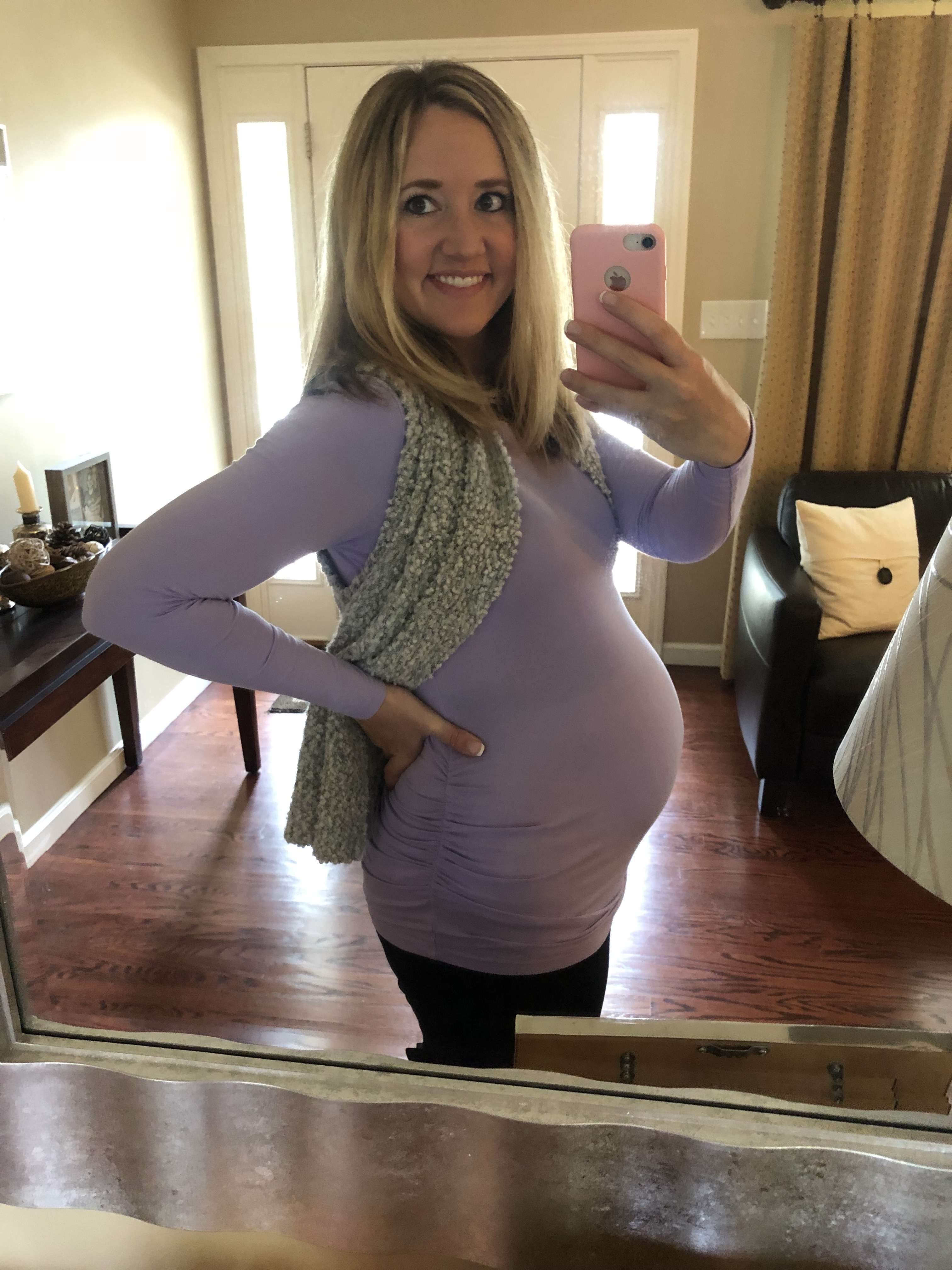
IMG_3453This Friday, I’ll be 27 weeks complete with my baby girl. My January due date is quickly approaching. Time is going both fast and slow. For the most part, my Crohn’s has behaved itself. But, there have been multiple times where I can’t seem to decipher if what I’m feeling is related to pregnancy aches and pains or my IBD. The burning and gnawing feeling in my abdomen often feels so reminiscent of the beginning of a bowel obstruction that I can’t help but fear the worst.

With my son, Reid, I was lucky enough to never have a contraction, never dilate or efface and went into my scheduled c-section without having any pain. This time around, I’m not so sure things will go as smoothly. How are we supposed to determine the difference between round ligament pain and Crohn’s? What about a contraction and Crohn’s? So many IBD mamas who have gone through a flare and labor say the pain is very similar, if not worse than delivering a child. Yeah. Take that in for a second.

Even after more than 13 years of living with Crohn’s, I feel like a fish out of water at times with this pregnancy. It’s as if I’m relearning my body and the relationship I have with IBD all over again. IMG_3451It’s difficult because every single pregnancy is different and so is every single person’s IBD. My OB tells me that with a contraction the pain will come and go, and I’ll be able to see a pattern and time it, whereas Crohn’s pain will be constant.

I’ve noticed a few times in the last week that the pain will exacerbate if I eat something while my abdomen is burning. To me—that would be more Crohn’s, than pregnancy. I know I can’t be the only chronic illness mom who feels challenged by pregnancy symptoms and disease symptoms.

All of this is happening now, then there’s the looming fear of the all too common postpartum flare. I was nervous after my firstborn and have luckily stayed out of the hospital his entire life (he’s 18 months!), but this time could be different. You just never know when the disease is going to rear its ugly head.

IMG_3452My advice to myself and to all of you who may be dealing with these same fears and thoughts is to listen to your body. Be mindful of when you hurt, why you may be in pain and how often it’s taking place. Don’t turn a blind eye to your aches and don’t feel like a bother to your GI or OB. Reach out to your healthcare team and alert them when you have a concern, so they are aware of what’s going on. This is not a time to internalize your pain. This is a time to be vocal, be your own best advocate and start being the strong IBD mama that you are for your unborn child.
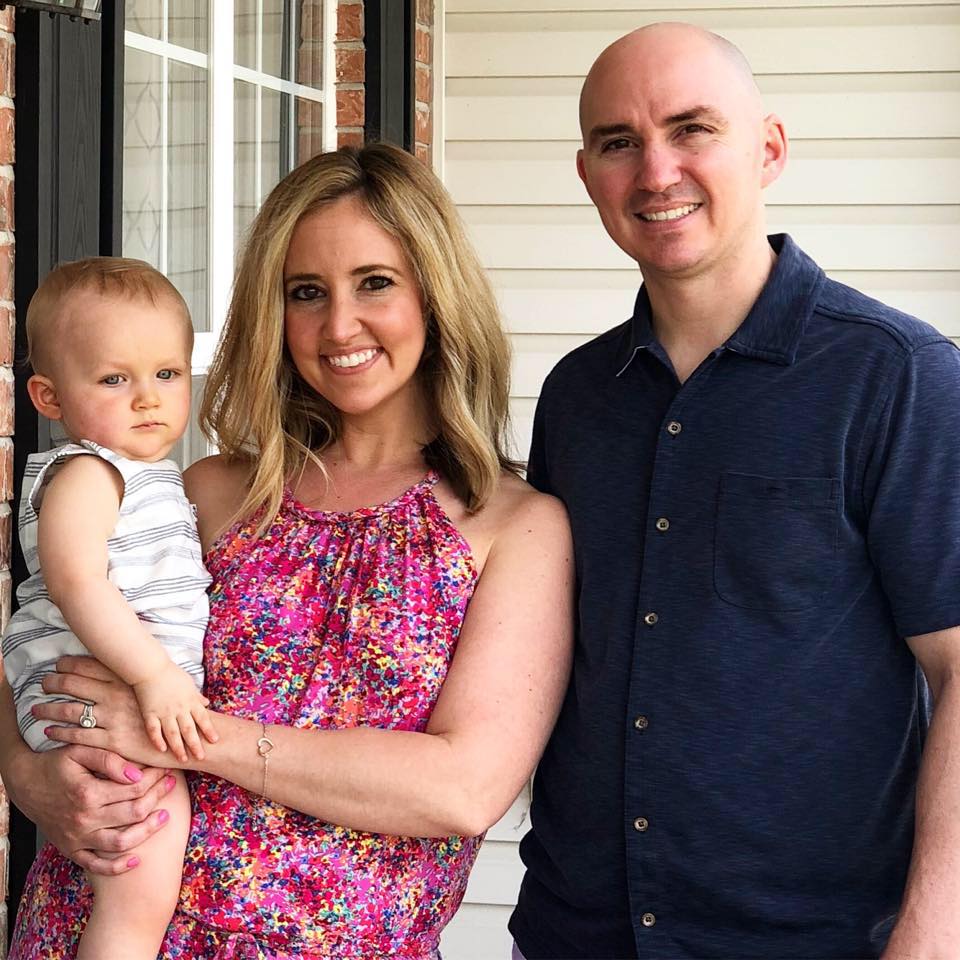
The story behind the announcement: Celebrating our rainbow baby

On Mother’s Day we received the best news. I woke up, took a pregnancy test and found out our little rainbow baby had arrived. Two months prior, I endured a miscarriage. It’s something I don’t talk about often, but something that still stings.

blog photo

Mother’s Day 2018-the day we found out we were pregnant.

Ironically, I would have been 13 weeks on Mother’s Day. We had planned to make the news public on that day. God had a different plan for our family and brought in new life that day instead. Each time I say “baby number 2” I hesitate, since it’s actually baby number 3.

For me, miscarriage was worrisome, because I didn’t want the stress or grief to throw my Crohn’s out of control. I didn’t want to jeopardize my health for the next pregnancy or for my family. I hesitated in whether to share about this experience, but know my words will help to shed light on something so many women go through, often in silence. As a chronic illness mom of a 15 month old son, I not only want to share the happy times, but also let you know my days are not all sunshine and rainbows. If you are reading this and yearning for a baby, know my heart is with you. If you’re concerned about your body that’s stricken with a chronic illness creating life, you are not alone. When you see a pregnancy announcement on social media, understand there may be a backstory you are unaware of. announcement

Pregnancy while battling Crohn’s disease, or any illness for that matter, is a constant state of unknowns. You never know if your body is going to fail you or how your medications are going to impact your unborn child. It’s a heavy weight to hold. The symptoms of pregnancy coupled with Crohn’s symptoms are a lot to handle, especially while chasing a toddler around. The fatigue is amplified ten fold. The benefit of pregnancy symptoms is that there is an end in sight, you know you’re feeling poorly for the best reason possible. It’s so much different than chronic illness, which is never-ending.

The key for me is staying proactive with my health. Recognizing when I need to slow down. When I need to lean heavily on my husband for help and trusting that my son will be “ok” if we spend a low key day at home. I find since I’ve brought a life into this world before, I am more confident in my body and what it’s capable of. I’ve witnessed that despite taking a biologic my entire first pregnancy, my son is the picture of health. It’s my hope that’s the case for our baby girl who is due in January.

As women and as mothers, there is so much to consider when going into a pregnancy and starting a family. My hope is that you don’t allow your chronic illness to rob you of your dreams, if this is what you aspire to have in your life. I use a healthcare team approach and seek care from a regular OB, high-risk OB and my gastroenterologist. blogbabyEveryone works together to watch me, the baby and the pregnancy every step of the way. We get an ultrasound once a month! I see that as a perk!

I’m so excited for what’s ahead for my family and hope and pray the second and third trimesters go smoothly and are flare-free. Thank you for all the support, well wishes and kind words. I share my story because I want to touch lives. I want to show that motherhood is possible, despite illness and that you too can find your rainbow.