
When I was 21, in the matter of one week I received an IBD diagnosis and had my heart broken. My boyfriend from college who had previously treated me like a queen, never visited me in the hospital and broke up with me the day I returned home.
I’ll always remember walking into my parent’s bedroom and telling my mom about the break-up. My body frail. My arms battered with bright purple bruises up and down. The weight of a lifelong disease and 22 pills a day hitting me head-on with every emotion possible. My mom’s response, “Well, you’re not perfect in his eyes anymore.”
From that point forward, I worried about the invisible Scarlet Letter of my illness and how it would impact my love life.
Would a man ever be able to love me, for all of me? Crohn’s and all?
You are not a burden.
The recent advice column shared in the New York Times entitled, “Is it Ok to Dump Him Because of His Medical Condition,” plays into every fear and every worry IBD patients grapple with. While Crohn’s and ulcerative colitis can happen at any age, people are more frequently diagnosed between the ages of 15 and 35. Finding out you have a chronic disease with no cure in those youthful years of life—often prior to finding a life partner or starting a career path, is incredibly overwhelming. The fear of the future and what is to come with your hopes and dreams is nearly debilitating at times.
So, it’s pretty freaking ironic when the author of “The Ethicist” who considers “readers’ ethical quandaries” responds back to this question about breaking up with someone because they have Crohn’s by saying:
“Committing to this person may be committing to a life as a caregiver”… and… “You don’t owe it to anyone to accept that burden.”
You are not a burden.
 Referring to people with any chronic illness or disabilities in this way is not only hurtful, but extremely ableist. You can’t assume everyone with IBD is going to need a caregiver in a partner. If the author had any idea about how Crohn’s manifests, he would know that the disease is a rollercoaster…oftentimes years of being able to manage, followed by hardships, setbacks, and flares and back again.
As a 36-year-old married woman and mom of two, I have referred to my husband as a caregiver, but he’s more so my source of support and someone who sees me for much more than my disease. He would never think of me as a burden. He would never have considered breaking up with me because life could get complicated with my disease. He sees my disease as a part of who I am, but recognizes I am so much more. 
You are not a burden.
To the 25-year-old single girl with ulcerative colitis reading this. To the parent of the child with IBD worried about whether their little one will ever find love as an adult. To the guy being talked about in the NYT article who most likely was broken up with—believe this:
You will meet people who turn a cheek once they find out you have IBD or suddenly show disinterest. It sucks in the moment. It feels like you’re getting punched in the gut. But use that pain to recognize that type of person isn’t meant to be your person. Take that heartbreak and use it to your advantage. Set you bar high. Settle for no one. Use your disease to shed light on people’s true colors. Who is going to be there when the going gets tough? Who lifts you up when you’re too weak to stand on your own? Who sees strength in your vulnerability with your health and the way you take on life? 
You are not a burden.
I’ve had Crohn’s for 15 years (next month!). Last night I needed to take a pain pill to quiet the gnawing pain in my abdomen. This morning I had to make a fast dash to the bathroom multiple times in front of my husband and in-laws while my kids needed tending to. I apologized for needing to go to the bathroom so many times. Even as a veteran patient who’s four years into marriage with a man who loves me unconditionally, the words of that damn article rang out in my mind. I felt the guilt and wonder creep in….am I a burden?!
No matter how long you have IBD, no matter how well you have it managed, there are still moments where you feel less than your peers. There are still moments you can’t keep up. There are still moments if you wonder whether you are enough.
Just remind yourself…and I promise to do the same…YOU ARE NOT A BURDEN. And shame on you New York Times…as a journalist, I expect more. And so do your readers.




 She offers up some invaluable advice about freelancing and educating yourself about opportunities that are right at your fingertips.


 Now more than ever, we’re being labeled as the “sickly”, the “disposable”, the “weak”, the list goes on. COVID-19 is not JUST about the elderly and immunocompromised, this is about everyone. As patients we have a unique perspective and understanding about the struggles we face daily and what it’s like to go through this challenging time. Connect with fellow patients online who get your reality, your emotion, and the whirlwind of going up against this invisible bogeyman. To refrain from social media, you can download awesome free apps like Gali Health and IBD Healthline, with helpful articles, community conversations, and chats by patients, for patients.








 Also, surround your workspace with all that you may need during the day. Computer, chargers, phone, etc. I like to also put candles or fresh flowers near my workspace – they smell great and elevate my mood. With spring finally here, go outside and pick a few flowers and put them in a mason jar. Anything that makes you smile and motivates you.
 It’s extremely important to incorporate self-care into your routine right now. There’s so much uncertainty and doom/gloom in the news. Make sure you are taking time to appreciate yourself, your team, and your family, while keeping your health as a top a priority.
 Right before COVID-19 started wreaking havoc in the States. Before Guy was born, Suzy’s biggest fear was a postpartum flare. After the birth of her second oldest daughter, Alice, she had the worst Crohn’s flare of her life and was hospitalized.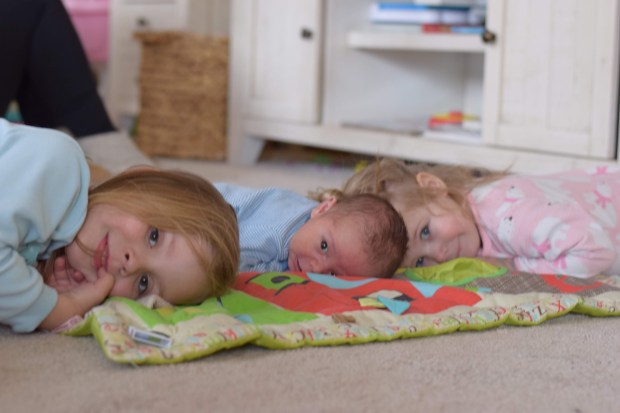
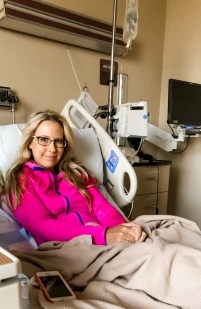 Unfortunately, when I was put on prednisone last summer, I developed extremely high eye pressures. I was diagnosed as “Glaucoma suspect” at 40 years old, meaning I have some risk of the disease, but no proven damage (yet), so my eyes are monitored often.
 As a woman and a mom of three who has battled Crohn’s since 2008, I believe if it’s your dream to have children, or a family, you should most definitely pursue that. Consult with your GI and OB doctors prior to getting pregnant, and make sure you’re in remission. Pregnancy can be challenging, but if you’re also flaring, it’s that much harder.




 lights camera crohn's