
You can think of us as ‘bosom buddies’—IBD moms trying to navigate life with chronic illness as we take care of our families. Both of us battle Crohn’s. Both of us are on Humira. Both of us are bloggers and passionate chronic illness advocates. For Gutsy Girl blogger, Stacy Ransom, one of her main missions was to breastfeed her son. As a mom who chose to formula feed my son and who is currently breastfeeding my 12-week-old daughter, trust me—I get the guilt, I get the struggles, I am completely of the mindset that ‘fed is best’. The same can be said for our guest blogger, Stacy. This week she shares her insight on breastfeeding with IBD and offers up five helpful tips for navigating nursing. 
Breastfeeding is a touchy subject. I’ve purposefully avoided discussing my experience for fear of offending others, because it seems that regardless of the stance you take, someone always gets upset. I’d like to start with abundant clarity that above all, fed is best and there is zero shaming here for mothers, regardless of the path they choose.
I was diagnosed with Crohn’s Disease in 2015 and spent years doubting my body’s ability to do anything right. When I became pregnant with my son in 2017, I wanted to do everything possible to prevent future gut issues for him.
We don’t know the cause of Inflammatory Bowel Disease, but some studies suggest it may start with a bacterial imbalance in the gut, and several studies have shown that people with IBD were less likely to have been breastfed as infants. Furthermore, a study in Denmark showed that breastfed babies developed certain types of healthy bacteria in their digestive tract, which non-breastfed babies were lacking. A healthy amount of beneficial gut bacteria can promote a healthy immune system which fends off different diseases.
When I became pregnant with my son, I opted to deliver via cesarean due to my IBD, but I knew this would shift his first gut community. I read all the studies and learned all the digestive benefits of breastfeeding, so I wanted to do everything I could to set us up for breastfeeding success. My Crohn’s specialist also said she had noticed a decrease in postpartum flares among her patients who breastfed. I was really committed to giving this my best effort.
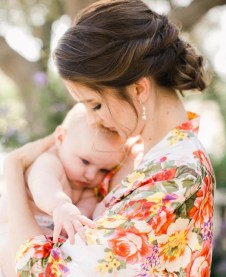 It wasn’t easy, but I’m so glad I stuck with it. We lasted 16-months until he self-weaned and he has a very healthy immune system so far, despite the cesarean and me being on Humira. Best of all? I didn’t have a postpartum flare, which my doctor attributed to the combination of staying on my medications, following my diet plan and breastfeeding.
I know not everyone has a positive nursing experience, but I’ve received countless messages from new mothers with issues that can easily be either resolved or prevented entirely. If you’re an expectant mother with IBD and think you want to try breastfeeding, here are some of my best tips for getting started:
- Gather your supplies early. I stocked our fridge with easy, healthy, nursing-friendly snacks. I also made “nursing stations” in key areas around the house including a water bottle, snacks and lanolin cream. I bought a few very loose, button-down shirts to allow for easy nursing access and air flow throughout the day. I also got a few soft nursing bras in a full cup size bigger than my normal size (depending on your “normal” you may opt for two cup sizes bigger), and machine-washable, cotton nursing pads. They stick less than the disposable ones and cause less irritation, in my experience.
- Find a Lactation Consultant. I can’t stress this enough. No matter how many YouTube videos you watch, nothing can compare to a real expert standing with you and guiding you through. Most hospitals will provide at least one consult before you are discharged. If yours does not, contact your local La Leche Foundation for support. Don’t listen to people who tell you it will just “come naturally,” because you BOTH are learning and the right latch from the beginning makes a world of difference! Some pain is normal in the beginning, but if it’s unbearable or if you start to bleed, something is wrong, and you should have a professional adjust your latch or check your baby for a lip or tongue tie.
- Start off strong. Allow your newborn to latch as much
 as possible, especially in the first 24 hours, and provide plenty of skin-to-skin. After a c-section, the last thing I wanted to do was constantly get in and out of bed to pick up a newborn. Instead, I just spent my days with my son nestled on my chest so we could both sleep, heal, bond and get my milk flowing.
 - Stay positive. Stress won’t help either one of you (and it certainly don’t help your IBD). Relax and take deep breaths as your infant latches. Your milk may take a few days to fully come in, and it may take several weeks to get in a good rhythm. If you feel your supply is “low,” don’t panic. You are likely still producing enough to sustain your infant, as they don’t need much in the beginning. Continue to latch as much as possible (at least every two hours), and don’t supplement with formula unless your doctor advises you to. With that being said…
- Trust your doctor. You and your baby will have regular check-ups to ensure he/she is gaining the appropriate weight. If they’re not despite your best efforts, it’s 100% okay to supplement. Fed is best and no one wins if your baby is hungry and you’re stressed. Trust your doctor in terms of gauging when to keep trying and when to supplement.
Above all, try to remember that while this is a totally natural experience, sometimes (especially for those with chronic illness) things don’t work like they’re “naturally” supposed to.  Cut yourself some slack. Becoming a mother is stressful, but if you are feeling overwhelmed, talk to someone. Postpartum depression and anxiety are very real and as a mother with chronic illness, you may be more prone to those feelings. Seek out help from your spouse/partner, enlist nearby family/friends for support, and keep in close contact with your doctor to manage your symptoms.
And if nursing doesn’t work out for you, be kind to yourself. Your baby will still grow up to be healthy and loved, and that’s all that really matters.
Check out Stacy’s blog: https://gutsy-girlblog.com/
Connect with her on Instagram: @gutsygirlblog


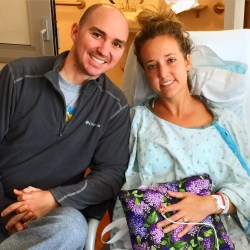 When you’re in the thick of a flare and when feel good days feel far from ever being a possibility, try and remember how fleeting these moments are.
 today he’s a rumbustious, adorable, little ball of energy. Sure, we age, too—but we also mature mentally when it comes to our illness. What felt like the biggest obstacle and scare of our life, evolves into something that is a part of who we are, an identity that while not ideal, helps to define us.
 But I can promise you, that as life goes on and as the years since that moment of diagnosis get further and further in the rear view mirror, you will find a comfort in this identity.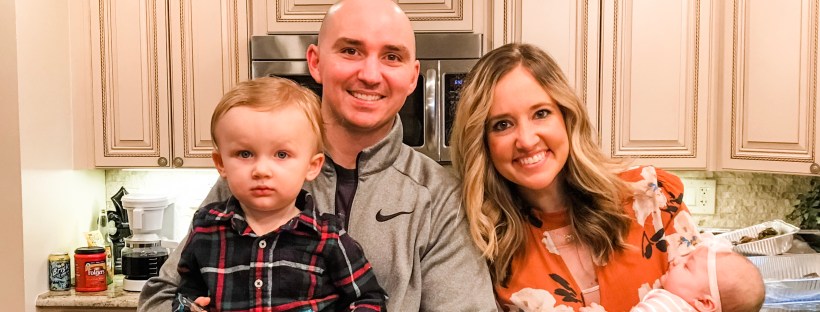


 I’m here to tell you that you are. I truly believe my vulnerability with my Crohn’s and how I deal with flare ups is a big part of why my husband fell in love with me. Chronic illness isn’t pretty. It forces you to see the world without rose-colored glasses. It makes you realize the importance of your health and how quickly it can be taken away from you.
 Caregiving looks and means different things to everyone. It’s not just about being a caregiver in the hospital or at a nursing home. It’s taking care of the one(s) you love on a typical day at home. It can be something as simple as rubbing your back or taking care of the kids while you’re stuck in the bathroom. It can be dishing you out ice cream after you give yourself an injection. Or holding your hand on a walk outside following a hospitalization. It’s those caregiving moments in particular that remind me constantly of the everlasting love I’ve found and make me 100 percent positive we will make it through, for the rest of my life.
 If you’re someone dealing with a disability/disease—don’t allow Dr. Phil’s ridiculously inaccurate comments make you think you aren’t worthy of love, because you are and always will be.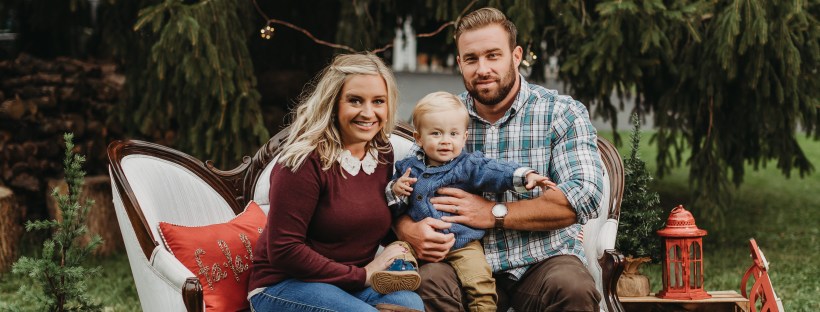
 I’ve had my fair share of surprises and obstacles with Crohn’s disease. My patient journey includes numerous surgeries, multiple doctor appointments a week, sitting in hospitals getting Remicade infusions, switching up medications to tame a flare and my all-time favorite, hospitalizations for days at a time. Please note the sarcasm in that last sentence.
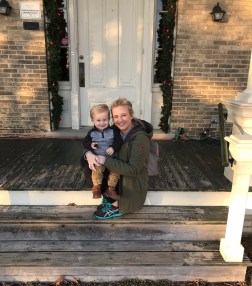 When the pain presented, I tried everything I could to avoid the trip. I just wanted to stay home and live my life with a newborn, enjoy the snuggles and oddly enough the 3 am feedings. Then, the time came when I couldn’t even get through a feeding without needing to set him down so I could run to the bathroom. I knew it was time.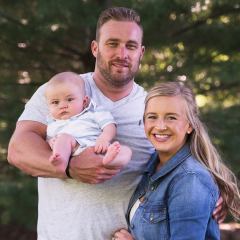


 One of the most helpful pieces of the toolkit is the


 Ziyad shares how his experience taking on Crohn’s inspired his decision to become a radiographer and show fellow patients they are much more than just a number. I’ll let him take it away…
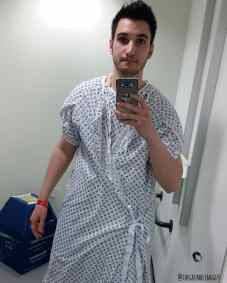 I was afraid of what people might say, what they might think of me or if they might start treating me differently – I didn’t want to be anything other than the supposedly ‘healthy’ 17-year-old with a ‘normal’ life. As a result, I spent twelve years living with Crohn’s in silence. I was embarrassed, because let’s face it, talking about your bowel habits isn’t the most glamorous topic.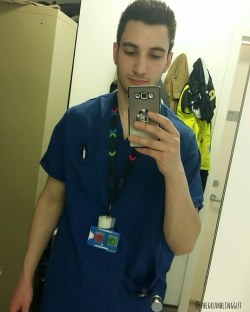
 It can be easy to fall into the ‘conveyor belt’ motion of one in, one out, to try and manage the workload. But it is in these busy moments, where taking a few extra seconds to ask a patient who looks upset, scared or frustrated if they’re OK, that can make all the difference.
 It’s not easy to be in constant battle with your body. It’s a challenge to feel pain often. It’s exhausting to always have a worry and a wonder in the back of your mind about how you’re going to navigate and overcome the next hurdle or setback thrown your way. This is why self-love is so important.
 Since being diagnosed, this body of mine has still served me well. I managed to work full-time and live out my dream of working in television for the first ten years I had Crohn’s. I trained for and ran in 5ks, 10ks, 15ks and a half-marathon. I felt completely healthy and on top of the world on my wedding day (didn’t have one bathroom break!). My body was a safe haven for my children throughout pregnancy and allowed me to bring a healthy son and daughter into this world.
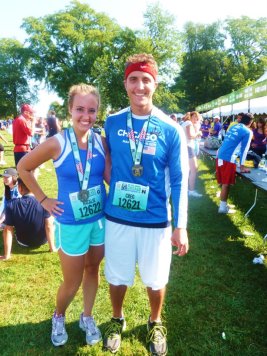 It’s when I felt invincible if only for a moment, whether it was crossing the finish line or holding my babies on my chest for the first time. It’s the victories along the way that help me push through on the difficult days and through the flares. Because while those times push me to the brink of breaking, I tell myself there’s only one option—and that’s to bounce back.
 Pat yourself on the back for all the steps you’ve taken to rise up. Smile through the tears with the confidence in knowing you will get through this—one day, sometimes one hour at a time.
 Family planning is exciting, nerve-wracking, and daunting. Couple those emotions with battling inflammatory bowel disease (IBD) and the experience can be downright overwhelming. The tide is changing though when it comes to pregnancy and IBD, thanks to the
 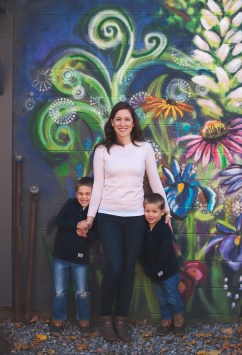 With two sons, ages six and three, she felt even more in the dark during her preconception discussions and pregnancies.
 “The IBD Parenthood Project is a huge win for the IBD community. This resource is paving the way for how we work together with our clinical team. This is a proud moment for the IBD family. We’re showing the health community how to work collaboratively with patients,” explained Jessica. “I never want women to feel alone in the process. This initiative empowers IBD women and their support systems, and makes the experience of bringing a life into this world a whole lot more enjoyable and a lot less worrisome.”
 Upon delivering both of my babies, I felt symptoms start to creep back into my life less than a week after they were born. I too would include an MFM specialist in the future, if I were to have another child.
 My daughter is 4 weeks old today and has been exclusively breastfed. I’m by no means writing this as an expert or to point any fingers. I am completely of the mindset that ‘fed is best’. No judgement here, ladies.
 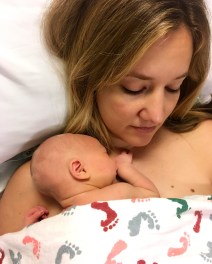 I was worried about the lack of long-term studies on my biologic drug (Humira) and I was concerned about the risk of having a postpartum flare that would land me in the hospital and interrupt my ability to feed him. Being a new mom, I was worried the stress that comes along with breastfeeding could cause me to flare. I ended up breastfeeding him the first three days in the hospital, so that he could receive the colostrum. After that—he was given formula until he turned one. It’s a decision I was confident in, but that tugs at my heartstrings at times, especially now as I breastfeed his sister.
 According to
  That way—the baby did not receive a burst of the immune-suppressant drug through the placenta, the day she was entering the world and I would be at lower risk of developing an infection as well. Timing your biologic medication is key and a conversation you’ll want to have with your care team so it can be tailored to your pregnancy and your personal journey.


 When it comes to breastfeeding as IBD moms, whether a child is going to latch or if our milk supply is going to be sufficient, tends to be the least of our worries. Our chronic health condition, plus the medications so many of us are dependent on to treat them—adds another layer of stress. In the end, you need to do what you feel comfortable with, what works for your body and for your family. Always know you are not alone in your struggles. Celebrate the parenting wins and accomplishments along the way—no matter how big or small. Lean on your support system—especially fellow breastfeeding mamas who can answer your questions and calm your fears. I can’t tell you how long I’ll continue my breastfeeding journey. For now—all I can do is take it one day at a time. What I can tell you—is how rewarding it is to see what my body is capable of, despite my disease and how amazing it feels to know I’m nourishing my little girl and providing her with a healthy start.


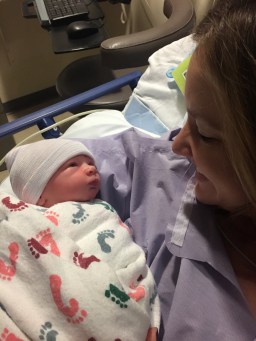
 It was a brisk January morning. Tears filled my eyes as I was overcome with emotion. Our rainbow baby is here, safe and sound. Another pregnancy behind me, a pregnancy that silenced my Crohn’s disease and provided sweet reprieve from my chronic illness. It was time to take Sophia home and start our life as a family of four.
 Each time I have a procedure or deal with painful symptoms, I see their faces, I say their names in my head, and it brings me a sense of calm. My goal when Reid was born, was to stay out of the hospital until he could walk, luckily that’s been the case. He’ll be two in March. Now, I have that same goal following the arrival of my daughter.
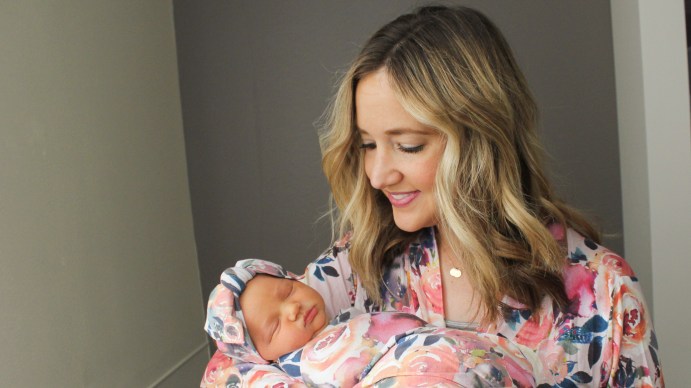 Motherhood and IBD can be a difficult and challenging balance. Some days the fatigue and symptoms are so debilitating you feel like you’re falling short. At the same time, the days where you’re feeling well, remind you that you are so much more than your disease. Just because you have a chronic illness, doesn’t mean you are robbed of experiencing the beauty of life and what it feels like to have your very own family.
 It all starts with recognizing where you are in your patient journey and then determining when your symptoms and body are in the best shape to get pregnant. While everyone’s disease experience is different—the worries, concerns and fears associated with parenting and chronic illness are often the same. Always know you are never alone. Communicating these feelings with those around you, makes all the difference. Lean on our patient community and all those who’ve lived your reality.
 When Sophia Shea entered the world January 14, 2019, our family received a wonderful gift. Between our son Reid and our baby girl, we could not be more blessed. My chronic illness has given me such an appreciation for health and for life in general. With the pregnancies behind me, I often reflect on where I started back at age 21 in 2005. At that time, in my eyes, I was Natalie and I had Crohn’s disease. There was no telling what my future would hold. Now, nearly 14 years later, at age 35, I’m so much more. I’m a mom to two under two. I’m a wife. I’m a daughter. I’m a sister. I’m an aunt. I’m a friend. And I also have Crohn’s.
 lights camera crohn's