Everything You Need to Know about Pelvic Floor Therapy and IBD

Chances are you’ve heard of Pelvic Floor Therapy but may not know what this entails or why so many people in the IBD community are talking about it. Individuals with IBD can have persistent symptoms of fecal incontinence, constipation, rectal discomfort, and diarrhea, despite having their IBD in remission with medical therapy. These persistent and often debilitating symptoms can have a major impact on your wellbeing and quality of life.

This week on Lights, Camera, Crohn’s we hear from two gastroenterologists from Mayo Clinic along with several IBD warriors who provide insight, helpful guidance, and information about pelvic floor therapy.

What exactly is Pelvic Floor Therapy?

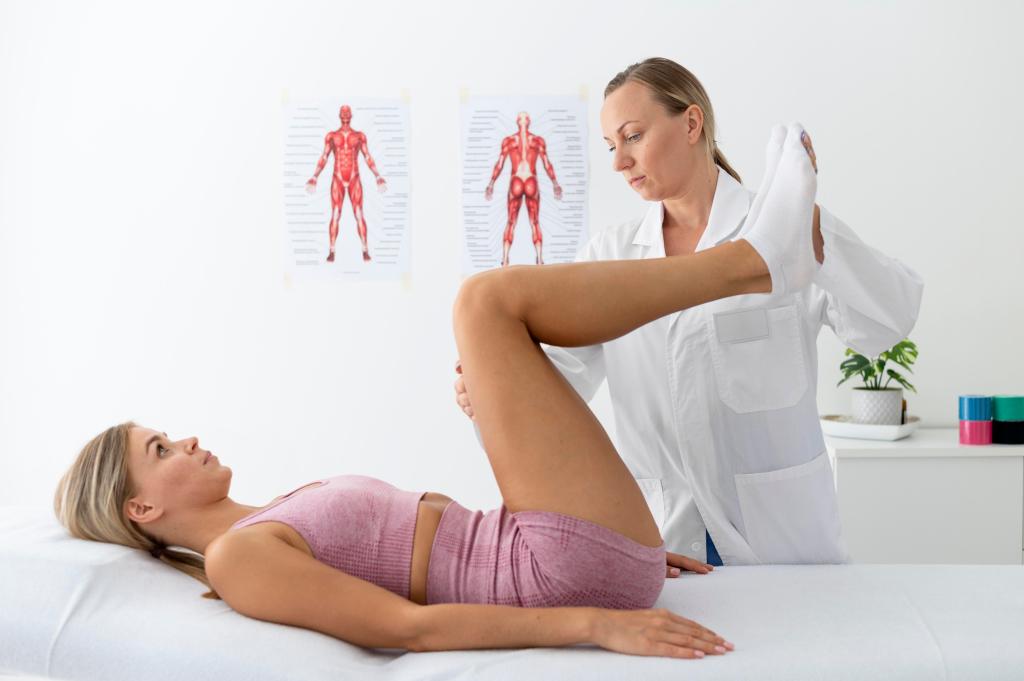
Pelvic floor therapy is a treatment program performed by pelvic floor therapists to retrain the pelvic floor muscles to address underlying issues such as constipation, fecal incontinence, or urgency. Many patients with IBD in remission may develop pelvic floor dysfunction which is usually diagnosed from a digital rectal examination in combination with an anorectal manometry test.

“During an anorectal manometry, a small catheter with sensor probes and a balloon is placed into the rectum and is connected by a wire to the computer. During the test you are lying on your side and asked to perform maneuvers to determine how your pelvic floor muscles work. At the end of the test, they inflate a balloon in the rectum to help evaluate for sensation and then ask you to simulate having a bowel movement by pushing the balloon out,” explained Dr. Katie Dunleavy, MB BCh BAO, Gastroenterology Fellow, Mayo Clinic.

Based on normal values for your age and gender, you may be diagnosed with a pelvic floor dysfunction. Dr. Dunleavy went on to say that in IBD, there is less research on the benefits of pelvic floor therapy.

“But we have seen benefit in up to 80% for patients in remission who continue to have symptoms of constipation, urgency, or incontinence once active inflammation is fully ruled out. Similarly, some patients with IBD undergo total proctocolectomy with ileal pouch anal anastomosis (IPAA) may also benefit from pelvic floor therapy if they have issues emptying their pouch,” said Dr. Dunleavy.

Additionally, those with IBD who’ve had pelvic floor surgeries might experience sexual dysfunction and this type of therapy directed towards relaxation of the pelvic floor can lead to a better sexual experience.

Pelvic Floor Dysfunction does not discriminate across genders

Any person can develop pelvic floor dysfunction and may benefit from treatment with pelvic floor therapy in the right setting.

“While most studies describe pelvic floor in females, I believe individuals from all genders deserve evaluation of their pelvic floor the recommendation for pelvic floor therapy. Furthermore, individuals of a transgender experience, might undergo gender affirming surgery that impacts their pelvic floor muscles, and would benefit from pelvic floor therapy,” said Dr. Victor Chedid, M.D., M.S., Gastroenterologist at Mayo Clinic.

Dr. Dunleavy says, “As many as 50% of people with chronic constipation have pelvic floor dysfunction, which means there is impaired relaxation and coordination of the pelvic floor and abdominal muscles during evacuation. Some common symptoms include straining with hard bowel movements, a feeling of incomplete evacuation, pain with intercourse, or urinary symptoms.”

Certain risk factors make it more likely for men or women to develop pelvic floor dysfunction, this includes instrumented vaginal deliveries, chronic constipation with straining, prior surgery, prolapse, and age. It is important for men and women to discuss symptoms with their doctor to ensure they get the appropriate testing and treatment.

Apprehensive about getting looked at?

It is important for people diagnosed with pelvic floor dysfunction to seek out a qualified pelvic floor therapist who is specialized in GI and evacuation disorders. These are generally physical therapists or occupational therapists who complete extra training in pelvic floor therapy.

“You should find a therapist you trust and will feel comfortable with during your therapy sessions. The therapists who work in this area are fantastic and work diligently to explain what they will be doing. My patients tell me that the relief they feel from therapy well exceeds the apprehension they had prior to starting sessions,” said Dr. Dunleavy.

It’s important for patients to feel comfortable talking with health care providers and addressing concerns they may have on this topic. Dr. Chedid typically discusses the benefits of pelvic floor therapy with patients during clinic visits as a beneficial treatment option that does not require surgery. He provides patients with exercises and techniques to do at home that will have a major impact on general wellbeing and health.

“Individuals with IBD experience significant “negative” experience with the bathroom and with defecation that can be quite traumatizing, and therefore when they get in remission, they still have a negative association with the bathroom and might have “fear of defecation” despite being in remission. I equate that to “PTSD of the pelvic floor”, which is not a medical term, but an analogy I use. Therefore, pelvic floor therapy is essential to reverse this negative experience with the bathroom and make their bathroom experience a healthier and satisfying experience. Almost all patients who I describe this to get it right away and understand the importance of pelvic floor therapy,” said Dr. Chedid.

He adds that it’s imperative health care providers communicate with patients and ensure that the therapy session will be a safe space with at rained physical therapist who is trained in empathetic and trauma informed care. This is essential in putting a person’s mind at ease, as many patients might have experienced sexual trauma in their lifetime that makes pelvic floor therapy triggering for them.

The impact of Pelvic Floor Therapy post operatively and after IBD pregnancy

If you’ve had a total proctocolectomy and an ileal pouch anal anastomosis (IPAA), you might experience non-relaxing pelvic floor dysfunction or pouch evacuation disorder. This is similar to the rectal evacuation disorder in individuals with pouches.

“Typically, this is identified by history, physical exam, pouchoscopy, anorectal manometry and dynamic imaging of pouch evacuation. Additionally, someone who has had any form of trauma to the pelvic floor, including Perianal Crohn’s disease or surgeries for Perianal abscesses or fistulas or lacerations due to vaginal deliveries after pregnancy, these patient might experience rectal evacuation disorders after recovering and healing. In the proper patient, if identified by history, physical exam and the right testing, these patients will benefit from pelvic floor therapy,” said Dr. Chedid.

At the same time, there isn’t a lot of research on pelvic floor therapy in the post-operative state or following pregnancy in patients with IBD.
“There have been several attempts to find normal values for patients with IPAA who have undergone colectomy to help diagnose pouch related pelvic floor dysfunction. We generally recommend patients wait until the anastomosis following surgery is completely healed prior to having an evaluation with a balloon to ensure no complications. Similarly, patients who have recently undergone delivery from pregnancy will likely require time to heal. I would discuss this with your doctor to have more personalized information,” advised Dr. Dunleavy.

If your GI recommends pelvic floor therapy for your personal symptoms and struggles the overall response is tremendous.

“Recommending pelvic floor therapy to everybody, without identifying the right patient who would benefit from it is not typically beneficial. Therefore, in the right patient, pelvic floor therapy is extremely effective,” said Dr. Chedid.

What IBD patients have to say

Stacey has ulcerative colitis and went from having an ostomy to becoming a j-poucher. She’s a big proponent of Pelvic Floor Therapy. After her 3-step surgery to j-pouch in 2021, she knew she needed at least an evaluation from a pelvic floor physical therapist (PFPT) after urination became a challenge and inserting tampons became impossible during her takedown recovery.

“My surgeon wouldn’t write me a referral, citing that the anorectal manometry tests prior to surgery were all normal. My GI doctor didn’t want to go against the clinical judgement of my surgeon, so I couldn’t get one from her either, and finally I received a referral from my OB/GYN after explaining that penetrative sex was impossible (and felt unsafe to me) to even attempt,” Stacey explained.

These delays resulted in 5 months of significant pelvic pain that she felt ill-equipped and under-supported to handle, and this time could’ve been saved if she had gone into surgery with a referral to see PFPT from the get-go, even if she didn’t need to use the referral; it would’ve been nice to have.

“It’s so wild to me that orthopedic surgery has extensive PT rehabilitation protocols, and yet I was met with such resistance to gain access to the professionals who could help support my muscular recovery, even after such extensive GI surgeries,” she said.

During Stacey’s initial encounter with the PFPT, she spent the majority of the visit trying to gain a strong understanding of her entire pelvic and holistic health history, everything from sexual health to physicality to surgery, and all the in-between.

“She asked for consent prior to any invasive exams and explained them in thorough detail, reminding me that I was in control and could always choose to stop an exam if I felt unsafe. She continued to breathe with me during the exams and communicated her findings in real-time, which made me feel at ease. At the conclusion of our visit, I was told that I was experiencing hypertonic pelvic floor dysfunction from a decade of clenching for dear life trying to make it to the bathroom with mod-severe UC, even before my surgeries. The tightness of the muscles, coupled with three extensive pelvic surgeries, contributed to the pain and issues I was experiencing,” said Stacey.

During the visits with the PFPT, Stacey discovered she had no awareness of her pelvic floor muscles whatsoever. She could not distinguish the relaxation of the muscles from the contraction, and the entire area felt numb to her, like it was a holy, empty space. She says this made the exercises challenging to understand initially. She was prescribed specific exercises, not Kegels, including strategies to gain awareness of supportive muscle groups so she could begin to engage with this part of her body and start to heal.

“What I did not expect, however, was for this experience to be as enlightening and empowering as it was. Slowly but surely, the little life things showed me that they’re the big life things: being able to fully urinate in under 20 minutes, FINALLY being able to use tampons again- these were MASSIVELY important to my quality of life, and they became possible through the help and support of a PFPT and my adherence to their prescribed exercise regimen. I even realized one day while holding one of my exercise poses that I could feel the muscles DEEP in my abdomen! They felt heavy, full of pressure, as if they fired on to greet me, and then suddenly… I could feel them gently, slowly, RELEASE. I cried tears of relief realizing that I had been fearful of reconnecting with these muscle groups, and it really was safe and okay to be in my body.”

Stacey says she had NO idea these muscles existed, yet here they were. Had they been here all along?! She says she numbed them out from years of associating the deepest parts of her with pain from UC; and that her brain was protecting her. I truly wonder. All she knows is the day that she could FEEL her body experience relaxation and safety with FULL awareness of these pelvic muscles is the day that she knew that healing from these surgeries was going to be possible.

After one year of PFPT, Stacey “graduated,” not free of pain, but with the tools to know how to live within the ebbs and flows of pain. She tells me she still relies on the tools and bodily awareness that she gained through the experience.

Jessie was diagnosed with Crohn’s disease when she was 15 years old and after more than 22 surgeries later, at the age of 38, she says she completely underestimated how much her pelvic floor was affected over the years by the inflammation, surgeries, and her pregnancy.

“I was “guarding” badly (a response to pain) and so weak. I was having bladder issues, pelvic pain, rectal pain and so much more. After 2 years of being consistent going to pelvic floor therapy and doing the exercises I can say I’m about 85% better. I can’t say enough how much of a HUGE difference pelvic floor therapy made in my life and my IBD journey. My therapist explained it to me like this “you don’t have orthopedic surgery on your knee, wrist, ankle, spine, etc. and not get prescribed physical therapy. Same with an injury. It’s just standard procedure. But, for some reason, even though your pelvic floor consists of tons of muscles, ligaments, tendons, bone, etc. the same process is not considered – but IT SHOULD BE!” Your pelvic floor needs to be rehabbed after any injury, strain, surgery, etc. just like any other muscle/tendon/ligament/bone in your body,” explained Jessie.

Claire started PFPT because all imaging and tests showed that while her inflammation is under control, she still experiences extreme pain.

“I was tested, and they found I have dyssynergic defecation. This was caused by my chronic pain due to long-lasting fissures as well as chronic constipation. I’m grateful my GI thought to have me tested for this, as many don’t make that connection since the symptoms are so similar to Crohn’s. During PT, I have learned that my muscles do not relax and are constantly tense, so we work on trying to get them relaxed in order to successfully pass bowel movements. Like all other PT, one downside is that it is a lengthy process and takes up a lot of time. I have a one-hour appointment every week for 12 weeks and an hour or two of exercises and stretches on my own every day.”

She says she’s started to notice improvements and found ways to make her pain more bearable, though it’s something she will have to continue working on for a long time.

Tiffany has accessed pelvic floor therapy for herself and having previously been a physio and a fellow Crohnie, she recommends people speak with their doctors because it can make a world of difference, especially after surgery, hospitalization, or a flare.

“The neural connection we have to our trunk and pelvic muscles can be re-trained and strengthened, allowing less pain, and for me an improved sense of control over urgent bowel movements.”

Preslie was diagnosed with Crohn’s in June 2016, and after two years of battling severe symptoms, she had a colonoscopy that showed she was in remission. It may sound like lovely news, except Preslie was still living with a ton of pain, so her and her care team started digging for answers.

“This led to an Endometriosis diagnosis in August 2018. That was great news, except I STILL was not getting relief, and started having severe burning anytime I urinated, but always tested negative for UTIs. I went to a male urologist who told me I was just constipated, which was not the case. After well over a year of extremely painful sex, constant pain, and burning when I peed, I went to a urogynecologist who talked with me for less than 10 minutes and had the diagnosis: Interstitial Cystitis and Levator Ani Syndrome. I finally felt heard. I started pelvic floor therapy shortly after and immediately felt relief.”

Rocio says pelvic floor therapy was recommended to her by a home health physical therapist who was treating her for neuromuscular issues after bowel resection surgery for her Crohn’s in 2020.

“During my resection recovery, I was struggling tremendously with constipation, which was unfortunately always my issue with my IBD. Although uncommon, it’s been my reality for the last 20-plus years. The reason I share this is because I wish someone would have recommended pelvic floor therapy to me over all those years.”

She began seeing a pelvic floor therapist in January 2021 and completed two years of treatment. During that time, Rocio says she learned a lot about the intricacies of all the muscles, the nerves, the internal blood flow, and so much more. Because of two fistulotomies and a stricturplastly, she has numerous anatomical issues which prevent her from having normal bowel movements.

“Pelvic PT changed that completely and I have normal/formed BM’s every single day, without any signs of constipation and without any straining. I’ve learned ways in which I can help relax and release the pelvic floor should I face issues in the future.”

Separately, Rocio has learned how beneficial pelvic floor therapy is for many IBD patients post-operatively, including the ileal resection she had. Her therapist worked on her abdomen significantly during appointments to prevent adhesions and scar tissue. She says there are so many benefits to pelvic floor therapy that it does make her wonder why more IBD health care providers aren’t encouraging patients to pursue care.

Annie started pelvic floor therapy two weeks ago. She was referred based on suspected interstitial cystitis, not her IBD. She was shocked to learn during her first appointment that treatment was for all conditions that involve urgency of any kind.

“The game changer was the pelvic exam itself, I never realized what my PT noticed right away, which is that my first layer of pelvic muscles are unnaturally sensitive. This is massively helpful for IBD and IC, but the most validating part was having a lifetime of excruciating intercourse and painful pap smears and knowing the reason. My PT told me this is not how my life has to be. After just two weeks of exercising my pelvic muscles with a vaginal wand and daily targeted yoga, my urgency, both with my Crohn’s and IC, has gotten so much more manageable. I started this journey running to the restroom every 30 minutes (even at night), now I feel like I’m starting to get my life back.”

Jasmine says pelvic floor therapy helped her a ton following j-pouch surgery.

“I truly believe it should be integrated into post-op care plans, I had to seek it out and ask for it.”

Amy says that while she doesn’t have experience yet with PFPT, she has a complicated Crohn’s history for the past 25-plus years. Now that she’s over 40 and has had three vaginal births, she recently asked her doctor about pelvic floor therapy.

“Because of all the IBD women sharing their journey with this on the Internet, it inspired me to look into therapy for myself. In my first request, the response was that it might be a fantastic idea, but to wait and see. My next visit is in a couple of weeks and I’m looking forward to utilizing this article to share and take with me to help me advocate for myself.”

A look at the insurance piece

Yes, pelvic floor therapy can be covered by insurance, but it can vary based on the type of insurance. It is also important to ask about coverage for biofeedback therapy which is an essential part of the therapy based on prior research studies. Many insurance companies will need proof of diagnosis using an anorectal manometry with balloon expulsion test or defecating proctogram.

“If the proper indication based on testing is identified with the referral to pelvic floor therapy with a script written by someone’s GI provider, then typically insurance should cover it,” said Dr. Chedid.

Closing thoughts on Pelvic Floor Therapy and IBD

It is important to discuss with your doctor if pelvic floor therapy is right for you. Once patients with pelvic floor dysfunction have these basic tools, they can begin retraining the pelvic floor muscles with biofeedback. Biofeedback provides auditory and visual feedback to help retrain the pelvic floor and relax the anal sphincter. Biofeedback training is the treatment of choice for medically refractory pelvic floor constipation, with some studies showing improvement in more than 70 percent of patients. Patients also learn to identify internal sensations associated with relaxation and long-term skills and exercises for use at home.
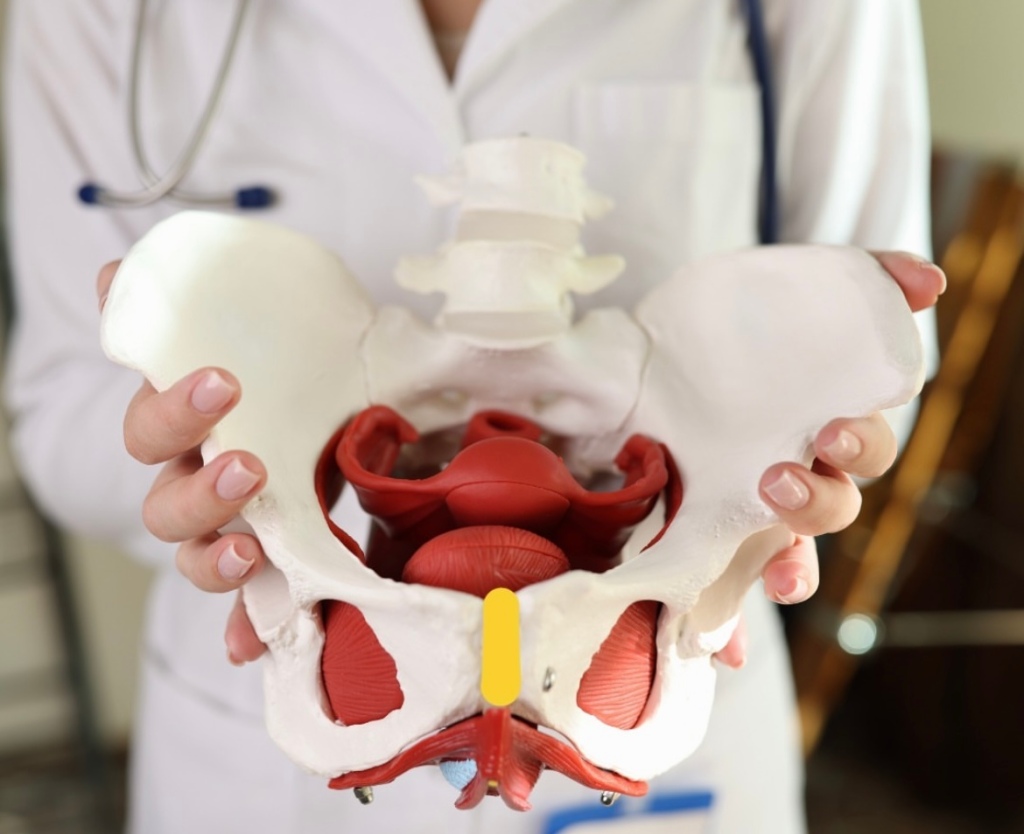
At Mayo Clinic patients have had more than 70% response at 3 months following initiation of pelvic floor therapy. The response usually takes weeks to months to see a clinical difference and requires patients to practice their exercises and biofeedback at home.

“Although many centers are familiar with retraining techniques to improve pelvic floor dysfunction, few have the multidisciplinary expertise to teach patients with constipation how to appropriately coordinate abdominal and pelvic floor muscles during defecation, and how to use bowel management techniques, along with behavior modification, to relieve symptoms. Because pelvic floor dysfunction can be associated with psychological, sexual, or physical abuse and other life stressors, psychological counseling is often included in the evaluation process,” said Dr. Dunleavy.

If you have chronic pain, you may also need to see a physician to have these issues addressed prior to starting pelvic floor therapy.

Key takeaways from fellow IBD patients

  • PTs are an excellent resource, but just like getting an IBD-ologist is superior to a general GI doctor, PFPTs are an even stronger resource, ESPECIALLY in the context of chronic GI disease where so many of our deepest muscles are constantly working on our behalf.
  • You can always say “no thanks!” You don’t need to agree to any sort of exams or exercises that you’re not ready for, and a compassionate PFPT will empower you to make decisions and communicate in alignment with your body’s needs. 
  • ANYONE can benefit from PFPT: any age, any gender. 
  • Normalizing pain and discomfort is a survival instinct, but it’s not necessarily serving you for the GOOD life- it’s okay to get evaluated if you’re concerned about sexual pain or dysfunction, pain with periods, or if you also have IBD and simply want to be sure that you’re supporting your pelvic and spinal muscles the best you can so that you can, especially in the bathroom!
  • YOU get to decide! Having an evaluation may be all you have the capacity for, and that’s okay! You can return for a plan of attack later, or you can wait until you have the capacity to dive in head-first! There’s no one right way.
  • If you decide while talking to a PFPT before they do ANY manual evaluations that something doesn’t feel right- YOU GET TO CHOOSE, and you can always, always say, “nevermind”. Advocating for your body is always progression in your healing journey, every single time.
  • SPEAK UP! It’s RIDICULOUS that patients have to ask and ask and ask for the bare minimum, but if it helps your quality of life and it’s within your capacity- it’s certainly worth it. 
  • A big deterrent for patients can be cost, but the investment is worth it, if you can swing it. You would be surprised how much every system of your body is so connected and feeds off one another!

Helpful resources to check out

  • Find a Pelvic Floor Therapist Close to Home
    • Utilize the “Section on Women’s Health” or the “Herman & Wallace” websites. Both these groups train therapists who specialize in pelvic floor disorders. 
    • The Section on Women’s Health (SOWH) website has a “PT Locator” tab. You can enter search criteria including your geographic location (e.g., zip code) and specialty (e.g., constipation) to identify a therapist closer to home.
    • The Herman & Wallace website has a “Resources” tab under which you will find a “Practitioner Directory.”  Use the map features to locate a therapist near you.
    • The therapists who work with pelvic floor disorders may be in Gastroenterology, Urology, Gynecology, Physical Medicine, and/or Women’s Health, etc. You may be able to find someone through your local physicians or contacts.

For those in Canada, check out the Canadian Physiotherapy Association. It has a “Find a Physiotherapist” tab which allows you to connect with the sites of participating provinces/territories. By specifying a “Women’s Health” therapist or equivalent, you may find someone who specializes in the field of incontinence, pelvic pain, constipation, etc. 

The benefit of pelvic floor therapy also involved patient education, relaxation exercises, diaphragmatic breathing, and correction of maladaptive toileting behaviors. Some studies have shown improvement in quality of life relating to symptoms, and mental health.

Biofeedback in patients with ileoanal pouch dysfunction: A specialist centre experience

AGA Clinical Practice Update on Functional Gastrointestinal Symptoms in Patients with Inflammatory Bowel Disease: Expert Review

Nonrelaxing Pelvic Floor Dysfunction Is an Underestimated Complication of Ileal Pouch-Anal Anastomosis

Gut-Directed Pelvic Floor Behavioral Treatment for Fecal Incontinence and Constipation in Patients with Inflammatory Bowel Disease

Pelvic floor behavioral treatment for fecal incontinence and constipation in quiescent inflammatory bowel disease

Pelvic floor dysfunction in inflammatory bowel disease

The Patient Experience: Reflections on IBD and Body Image

One of the worst aspects of life with IBD (in my opinion) are the side effects of the devil’s tic tacs aka steroids and what they do to your outward appearance. It’s a shock to the system to go from looking malnourished and thin to having a moon face and an insatiable appetite coupled with irritability, the shakes, acne, and insomnia. The weight fluctuations patients endure throughout their journey is a rollercoaster of unexpected twists and turns. Our bodies transform from being thin and sickly to healthy and in remission with weight we’re not used to. While IBD is called an “invisible” illness, our outward appearances take a hit more often than most might think. Those around us often compliment us when we’re “skinny” and stay silent when we’re a normal weight—this is detrimental because there is SO much more than meets the eye.

These photos are three months apart. Pre-diagnosis and on 22 pills a day (60 mg of prednisone).

This week on Lights, Camera, Crohn’s we peel back the layers of complexity regarding body image and self-esteem with IBD. Hear the candid commentary and often heartbreaking reality from 27 patients and caregivers.

The steroid struggle

I always know that after 3 weeks of prednisone my face and looks change dramatically. I went from someone with aspirations to work in TV news, on camera every day, to not letting my mom take pictures of me. I started in the TV business as a producer and once I was off prednisone and well managed, I got promoted to an on-air role, talk about messing with your head. I used to dread being a morning show anchor and returning to the news desk after being out for weeks. Nobody knew I had IBD or what my health struggles were, but they could see something was up. The calls to the newsroom and the comments were mortifying. I used to chew gum all day long while on prednisone to try and curb my appetite. My former GI told me to be careful doing that because the ingredient Sorbitol can cause stomach upset and diarrhea.

Katie: “The moon face with prednisone really did a number on my body image. I was in seventh grade and the kids and teachers would ask me what happened and why my face was like that. My school nurse, after I was out for two weeks because of a flare, came up to me and said, “Glad to see you, but honey, you look like crap.” I was in middle school when this happened, so I always just associated having Crohn’s with being ugly and that has been a long and hard battle. When you’re relapsing and you lose a lot of weight, people tell you that you look great, but when you’re healthy and in remission and you’ve gained weight back, people stop commenting about how good you look.”

Katie’s awful experience as a middle schooler inspired her to go into education. She is now a high school teacher. She says half the reason she went into teaching was to make sure students who have chronic illnesses, or who were absent, had someone who could empathize with them and just try to make sure that the experience never happens to anyone.

Danielle: “Prednisone destroyed my body image. When you look in the mirror and don’t recognize yourself, it’s really an emotional experience. In so many ways, prednisone is amazing, it got me out of my flare, but it turns my face into a swollen balloon. I can’t look at pictures of myself during that time. I am always so self-conscious when I’m on prednisone and feel like everyone can see it. IBD does many things, one of which is controls how you look which is a difficult part of the disease. I just got married and am in a minor flare and I delayed starting budesonide because I didn’t want to risk any moon face.”

Ross: “For me, what’s had the biggest negative impact is the side effects of steroid use, specifically back acne. This developed the first time I took steroids for my Crohn’s six years ago and it still has never gone away. It has had such a negative impact on my body image even though it’s not something anyone would really see. It has stopped me from taking my shirt off during summer months in public, or I’m self-conscious of having my top off at the gym changing room or even around friends or anyone I was dating. It’s something that I would almost always be conscious of these last six years. Even now, when it’s not too active, the scars and pigmentation and redness would stop me from taking my shirt off or make me very self-conscious around other people. I don’t think it will ever go away. It used to get me so down when I was already struggling with flare ups, etc.”

Laura: “Long-term steroid use was the most damaging for me. I was unrecognizable to myself and to others. I never found much support for those body changes and the mental health impact from ‘roids.”

Chanel: “I have struggled much more with weight gain from steroids and other medications than I ever have with the weight loss that is oftentimes common in IBD. Many informational graphics and articles out there about IBD always mention weight loss, but never the issue with weight gain. I’ve always had an unhealthy relationship with my body image because of the constant weight fluctuations due to medication.”

The fluctuations from being thin to gaining weight

I’ll never forget back in 2012 noticing that I was getting thinner and thinner by not eating any differently or increasing my physical activity. I was a morning news anchor at the time in Springfield, IL and I remember weighing myself each morning and seeing 1-2 pounds drop off each day…for weeks. At the time I wasn’t very well informed about IBD and didn’t realize that was a sign I was flaring. I was in my late twenties and gearing up for a trip to the Dominican for a childhood friend’s wedding. To be honest, I was happy, and I liked how my sickly body looked.

Fast forward to 2015, I was engaged and had bowel resection surgery. I had never weighed more than 127 pounds in my life and had dropped to the teens when I was unwell. My first post-op appointment with a new GI I gained seven pounds, and I wasn’t happy about it. My GI said, “this is what happens when you’re healthy and finally absorbing nutrients.” When you’re planning a wedding, healthy weight gain hits a bit differently.

Ever since then, I’ve been in remission and I’m so grateful for that, but my weight has been something I think about now—not only because of my IBD being in check, but after having three kids. My self-confidence and how I feel about my reflection in the mirror has taken a blow as the years have gone on.

Madison: “ When I was in a severe flare in 2020 after being diagnosed, I dropped 20 pounds unintentionally. I was normally around 127 pounds and during my worst flare I was down to 107 pounds. It was absolutely horrifying. I was devastated. I remember going to American Eagle to buy shorts in a 00 size because none of my clothes fit me. I felt sick and looked sick, which made everything 10 times worse. Not being able to eat food and constantly running to the bathroom in pain led me to be malnourished. I remember being at my GI appointment when we were trying to figure out a treatment plan and my nurse said after taking my blood pressure, “Madison are you eating?” I started to cry to her and said “everything hurts me. I can’t eat.”

While Madison was growing up, she always thought being thin was attractive. After being so severely sick, she now personally affiliates being thin with being sick.

“Being on prednisone to help was both a blessing and a curse as it helped get my flare under control, but also led to unwanted weight gain in my face, which makes me super self-conscious, especially in pictures. I know that side effects are temporary, but it can really hurt someone’s self-esteem.”

Fast forward to now—three years later, Madison is on a treatment plan that works for her and she’s proud of her body. She says she looks forward to being weighed at the doctor and at infusions appointments just to see a healthy weight.

“Weight and IBD is very fluid, and I constantly remind myself to give my body grace. When you’re losing weight on top of being sick, it can be detrimental to your mental health. You look in the mirror and see someone you don’t recognize.”

Ashley: “I’ve kept three different sized sets of clothes with my ulcerative colitis. My normal size, a smaller size for when I’m extremely sick, and a larger size for when I’m on prednisone. I’ve always been super self-conscious about my body size because a lot of time it’s out of my control. I also feel self-conscious when I’m so sick and lose weight and people comment about how good I look. I’ve felt guilty because I didn’t work out to “earn” that body. Then, I’ve felt frustrated because it made me mad that to look a certain way that got me compliments, I had to be extremely sick and unhealthy. Now, I have a permanent ileostomy. I am more confident in my body than I have ever been. I think that’s mainly because I’m so healthy now and I have more control over my body and life.”

Danielle: “So many things come to mind. I was 14 when I was diagnosed, and while I was sick prior to being diagnosed, I was judged for being too thin and accused of being anorexic or bulimic. Then upon diagnosis, I gained 30 pounds in 2 weeks from prednisone. At 14 years old, I was swollen and chubby and self-conscious. Since being diagnosed, I haven’t struggled with being “too thin” again, but with weight gain from prednisone and other medications. I’ve been told far too many times that “anyone can lose weight by eating right and exercising” but it’s not that easy with a chronic condition. Some mornings, I’m so fatigued and achy, I can’t get out of bed, and it takes my energy to get ready for work. My diet is extremely limited as I had a bowel resection and I’m allergic to dairy products. So, I live off protein and carbs which are not ideal for weight loss or even maintenance.”

Amber: “I have been on Stelara and have reached remission, but the thing people don’t talk about is after being in constant flares, you have no idea how much weight you might gain because of not flaring. It is a great thing and I’m so happy to be in remission, but now I must learn how to work on the nutrition aspect of it all. To be honest, all these years of being sick, I never had to worry about weight gain. I had to worry how much weight loss affected me and most people do more posting about that. Not the up sides of remission, but also what we do now to get onto a new lifestyle change. We have to learn a whole new way of nourishing our bodies.”

Stephanie: “I have found that when I’m flaring at my worst, I lose weight from not being able to eat and my body not retaining anything that I eat. I get so many compliments about the weight loss, but it breaks my heart because I might look good to others, but I’m at my sickest.”

Jennifer: “It’s crazy to know how jarring it can be to see your weight fluctuate so much so fast. Diagnosed with UC about a year ago and went through a huge flare, lost like 35 pounds. I hated looking at my body because I was under 100 pounds as an adult woman. Fast forward to now and I’m back to my “normal” weight, but still have issues with how my body looks as weight came back. It’s softer and less toned than before. I’m sure it’ll get back to the place where I was, but what if it doesn’t? Our bodies can go through so much and I’m thankful for its resilience, but the mental toll the fluctuations can be a lot to try and manage and reflect on as we navigate this journey.”

Louise: “I’m newly diagnosed and dealing with my second flare. I worry about the impact it has on me mentally because I am happier with my body when I’m very ill, and unhappy with it when I’m on steroids and feeling better. It can’t be good for us. Negative comments (from my mother!) when my face gets chubby on steroids and compliments from people when I’m not eating and very unwell are difficult to process. I get angry when they compliment me on how well I look just because I’m skinny, because I feel like it minimizes how bad things are and how unwell I am. I also like it because I like being slimmer. It is so messed up! When I get my appetite back, I try to fight the cravings and then binge and then feel awful for it. I have never been this way pre-IBD. I was always fit and healthy and in control of my relationship with food. There’s also a weird part of me that wants to look thinner because it’s an invisible illness, I want people to see how unwell I’ve been, so they don’t think I’m lying.”

Louise said it felt good to let it all out and that she’s never said any of this. Coping with big health issues comes first, but this annoys her during quiet moments. Her sentiments ring true for so many of us.

Myisha: “I struggle with body image a lot. I’m naturally 127 pounds, but with prednisone I got to 210 pounds and no longer recognized the person I was staring at in the mirror. I cried for weeks unable to recognize myself. I still cry now and I’m down to 139. My clothes still don’t fit, and I still have clothes that are a size 12-14 because I know that prednisone is an ongoing possibility and that I might get back to that size if I have a bad flare.”

Jessie: “The constant weight fluctuations have always made me self-conscious. It messes with your head too because when you lose weight from a flare, people say “oh my gosh you’re so skinny you look great, what did you do?”…but then when you gain weight (from medications not from becoming healthier) no one comments and you’re just self-conscious about it.”

Celia: “Before I was diagnosed, I was happy with losing weight. I was 13 and hated my body. I remember I had my diagnostic colonoscopy and the day after I took a picture of my stomach, it was as flat as it’s ever been. I felt good about how I looked, but keep in mind I was barely 100 pounds and 5’5’. I felt awful and I was tired all the time. As I started Humira and was gaining weight, I missed my old (very unhealthy) body. I constantly am reminded by loved ones that this weight gain is good. I just returned to the weight I was pre-symptoms almost 4 years later and I feel good overall! I still struggle with how I look and have developed a connection between food, weight gain and loss, and pain from Crohn’s that I still need to work on, but I’m doing my best. As a 17-year-old, we all tend to struggle with how we look, and I need to remember all my body has been through and done for me.”

Kindra: “Along with IBD, I also have Primary sclerosing cholangitis (PSC), so when I flare or I’m unwell, I lose weight and I can’t do anything to keep it on. I will eat all day long and you can count my ribs and see all my chest bones sticking out. I get compliments from people who don’t know me well about how thin I am/how they wished they could eat like me, and I never quite know what to say. When I am healthy and can gain weight and I have to shop for bigger clothes, I get a complex thanks to years of the American media diet culture.”

Leah: “I feel like weight gain after a flare has been challenging. All the body yo-yo and knowing the weight coming back on is so healthy and just what your body needs, but I believe it can be tough at times.”

Kelly: “I’m scared to go below a certain weight in fears of having a flare, but on the backside, I feel unattractive for my partner and fight with self-image.”

Bloating is a bitch

Even in remission, bloating is one of my main IBD symptoms. I often tell my husband, friends, and family, “you can physically see my pain right now. Feel how hard my stomach is. I look like I’m 5 months pregnant.” The reaction is always one of shock, raised eyebrows, and a bit of sympathy. Because of this I usually wear elastic waistbands or dresses. You’ll rarely ever see me wearing pants or shorts with a button. When I used to work in corporate America, my Crohn’s was out of control, and I would repeatedly have to unbutton my pants in the board room and lean back in my chair during meetings with co-workers. It was humiliating, but I always tried to make light of it. It’s amazing how we can wake up with a flat stomach and have a distended belly that truly looks like there’s a pregnancy going on by dinner.

Courtney: “Being emaciated from poor nutrient absorption, but bloated from gas and inflammation at the same time can lead to a confusing relationship with food. I don’t think it’s quite the same psychology as an eating disorder, but when eating causes you pain, or makes you literally change your pant size pre and post meal, it can be easy to want to postpone meals if you have plans, eat little in social situations, and can create an unhealthy relationship with food. Food is not the enemy, it’s a necessity—it’s all about finding the proper treatment and lifestyle to manage your IBD.”

Courtney adds that living with an ostomy is a huge adjustment with major impacts on how you perceive your body and appearance.

“My first ostomy was such a shock to the system. It feels almost surreal to see a piece of your intestine outside your body. If you have no control over output timing, which can leave you feeling broken and helpless during bag changes. It wasn’t until my second ostomy that I was able to recognize and be grateful for the benefits it affords me. I now live a healthy, active, pain-free life and couldn’t be more grateful.”

Patti: “My everyday bloated belly is like a giant dark cloud that blankets my self-image. I really try to embrace the rest of my healthy body and be grateful that I’m able to leave the house and do some functional activities and can sometimes hide my ugly belly if I’m completely emptied out, but my typical mantra is that I look disgusting because of my belly. I know this is negative thinking and messes with my mental health, but after dealing with Crohn’s for the past 51 years, I’m not sure I can ever stop that thinking.”

Alyson: “Bloat makes a girl feel AWFUL. Add in intestinal dysmotility with Crohn’s and I literally start the week at a size 8 and end in a size 10. Then we just switch to those wide leg pants with the elastic. Prior to my diagnosis, I never had to unbutton pants before or after eating. Now, it’s the first move the second we get in the car to leave because, ouch. It really makes you feel cute.”

Alannah: “For me weight fluctuation is my biggest struggle. One week I’m slim with minimal bloating then the next I’m bigger and bloating more. My partner has always struggled with confidence with his stoma due to weight gain even though he’s perfect as he is. He will never go without a top off ever.”

Naima: “Bloating is the worst. I am getting married in three weeks and I’m so worried about being bloated or gassy or having a minor flare. It’s hard to feel pretty when you can’t control how your body is feeling. Some days I feel strong and look lean—other times I hate how I look.”

Post surgery swelling, scars, and ostomies

Sabrina: “I’ve struggled with my body image after being diagnosed and going through three surgeries in a matter of two years. Seeing myself with a bag was hard and the changes that came with post-surgery swelling, scars, and fluid buildup. Body image and my new body will always be something I struggle being comfortable with.”

Mark: “I’ve had Crohn’s for more than 37 years and in that time multiple operations. I have many scars, but they are a part of my life and badges of honor in my constant battle with this disease. My IBD has thrown everything at me including short bowel syndrome, liver failure, osteoporosis, broken vertebrae, septicemia, lymphoma, coma, hepatic encephalopathy, and the list keeps growing. When I see my scars, it reminds me to keep fighting. Crohn’s will not win or stop me from living a full life. If someone asks me about them, I don’t hide. I tell them it’s battle scars. Body image is important to me, and it reflects how strong I am, and no one can take that away. I’ve worked all my life and traveled the world. This year (one year after coming out of a coma) I’ve been on a Pole-to-Pole journey.”

Martin says body image is both how you feel and how you look to others, as well as yourself in the mirror. In his early days post-diagnosis, as a young adult starting a career, he felt anxious and angry, but looked normal.

Post surgery and with time came the additional stress of looking and behaving differently and additional comorbidities that accompany IBD. This included dental and bone issues. I was hugely lucky to have found my lifetime soul mate before my Crohn’s became active, illness and surgery haven’t changed anything for us. I have been various shades of ill with Crohn’s all my adult life and it hasn’t helped self-love, including self-image on any level. I survived and thrived because of my family’s support and very little real-world commentary on my body from others, although I sometimes preempt this by joking about looking like Homer Simpson these days. I now face further life changing surgery and I worry about the impact of my quality of life on my family. I no longer care about how others see me.”

From a caregiver perspective

Cindy: “My daughter is so deeply at war with her body, and I know thanks to chronic illness it’s so much more complex than simple teenage-girl-in-the-age-of-Insta feelings of “I don’t like my shoulders” or “I should watch my calories” (both of which are things she thinks). It is rooted in a real fear of and discomfort with her body and what it puts her through. She has so many years to live in her body and I wish more than anything I could give her peace with it…the same relative peace and confidence I have always had with my body. I just can’t relate.”

Keyla and her teenage son have IBD: “The struggle is real. Not only do we have a condition that there is stigma about, then we have constant weight issues, scars, bruising, and so much more that leaves us with body image issues. Our bodies have been through enough and done so much for us. Let’s care for it, nourish it, nurture it, and be kind to it.”

Taking on body image one day at a time

Focus on strength and resilience. Recognize your ability to navigate through challenges and adapt to changing circumstances. Once you’ve been through the flare and recovery process once, you know what to expect. Find comfort in knowing you’ve done this before and know most of the unpleasant side effects are temporary.

Seek support. Surround yourself with a strong support system of family, friends, or support groups who understand and empathize with your experiences. Sharing your thoughts, concerns, and emotions with others who have similar experiences (hello online IBD fam!) can help you feel heard and supported. Surround yourself with people and media that promote positive body image and self-acceptance. Be selective in the content you consume, ensuring it supports a healthy perspective and challenges unrealistic beauty standards.

Educate yourself. Learn more about IBD and its impact on the body. Understanding the reasons behind changes in your body and recognizing that they are a result of the disease, not a reflection of your worth, can assist in developing a more positive body image.

Practice self-care. Engage in activities that promote self-care and boost your self-confidence. This can include hobbies, exercise, meditation, or anything that brings you joy and helps you connect with your body in a positive way. Oftentimes our fatigue can hinder what type of daily activity we feel capable of, take everything in stride and don’t overdo. Start with a 10-minute walk and build up from there. The fresh air and simple movement will do wonders.

Focus on what your body can do. Shift the focus from how your body looks to what it can do. Appreciate the functionality of your body, such as its ability to heal, fight illness, and carry you through daily activities.

Reece was diagnosed with Crohn’s disease in 2014. Since then, he’s endured countless surgeries, flares, and setbacks, but chooses to focus on the beauty his life still bestows despite the challenges.

“I’m a shell of my former self, but I am okay with it. I’m grateful for my life. I have people who love me and care for me. When I look in the mirror, I see a fighter. All of the marks and scars are just evidence of my battles. It was not easy to get here, but here I am. I will never be the person I was before Crohn’s, but my disease has taught me so much about myself and life.”

Communicate with your healthcare team. Discuss any concerns or insecurities related to body image with your healthcare team. They can provide guidance and offer resources to support you in addressing these concerns. Therapy may help you cope with these struggles and provide helpful tools for living with the uncertainties and challenges.

Remember, your worth is not defined by the physical changes caused by IBD. Surround yourself with positivity, celebrate your strengths, and prioritize self-care to foster a positive body image and improve overall well-being. Most importantly, after reading this I hope you feel seen and realize that your struggles and insecurities are not unique to you.

There’s not a magic bullet for helping us cope with these insecurities, I know it can be a daily challenge. I truly believe we are our own toughest critics. If family members or friends compliment you when you’re unintentionally thin, respond by saying it’s because your IBD is out of whack. Speak up and inform those who have no idea what’s going on in your mind, with your body, when you look in the mirror, get on a scale, or have to think about how your outfit choice could impact your physical symptoms every day…it’s a lot. You are beautiful. You are strong. You are capable. There’s no one like you in the world. Your body, no matter the size, is working overtime with IBD, please take a moment to show yourself and it, some love.

Celebrating 7 Years of Lights, Camera, Crohn’s: Content Tips from a Journalist Turned Advocate

Lights, Camera, Crohn’s: An Unobstructed View is officially SEVEN years old! If you told me when I started blogging what a labor of love this website would become for me, I never would have been able to imagine what it would become for my life, for the IBD community, and for patient advocacy efforts. I went into blogging blindly. I had no clue how to format the site, but I knew the types of stories I wanted to share and the messages from patients that I wanted to get across.

As a seasoned journalist who spent nearly a decade as a TV news anchor, reporter, and producer, I’ve used my love for storytelling to try my best to be the voice I so desperately needed to hear upon diagnosis, through my professional life, finding love, family planning, pregnancy, motherhood and beyond. It’s been quite the ride these last seven years. My first article went live July 23, 2016, on the 11th anniversary of my Crohn’s disease diagnosis. I found out I was pregnant with my now six-year-old, two days later. The first six years of Lights, Camera, Crohn’s (and 3 kids later), I shared a new article every single Monday.

Through these seven years, Lights, Camera, Crohn’s has been viewed half a MILLION times, by more than 320,000 people around the world. On this site alone, I’ve shared 368 articles, which does not account for the countless other IBD articles I’ve created for other websites. As I reflect on this milestone, I’m proud of what I’ve accomplished thus far, but know there’s much more work to be done.

This week I want to give you a behind-the-scenes look at how my storytelling process comes to life—I often get asked “how do you become a patient advocate?” and “how do you start blogging?” I hope this advice inspires you to take the plunge, as there are endless seats at the proverbial advocacy table and your voice, your story, your valid experiences, deserve to be heard.

Choosing What’s Newsworthy

It can be overwhelming trying to come up with content that is new and fresh for your blog and social media. I’ve found it extremely beneficial to have an editorial calendar that helps guide the stories that I share. My editorial calendar is in my email in the draft folder. I simply list out the dates (articles have always been shared on Mondays on Lights, Camera, Crohn’s…so I list out all the Mondays for the next 3-4 months). This serves as a reminder of my game plan and when I need to do outreach for the stories.

As a journalist you’re taught and it’s almost innate in some ways to always be on the lookout for a story. I’m always keeping my eye out for tweets and posts on Instagram, conversations in real life, experiences that happen to me when I see my GI or get a scope, that I think will resonate with our community. I think about the pain points I’ve felt along the way and the advice I wish I had when I was struggling in certain moments. I think about the questions I’ve had along the way when Google was scaring the bejesus out of me, and I just wanted real life advice from someone who understood my reality. Think about what uncertainty, questions, concerns you’ve had and what you want to learn more about and then go after the story.

Writing for the Reader

Everyone has a unique writing style, but one of the most common “mistakes” I tend to see with blogging is when writers go on and on and on about their own experience. The articles sound more like a diary entry—and if that’s what you’re going for, great—but usually, you’re wanting to draw readers in. To do this, I use my own experience as a foundation—a sentence or two in the intro and then the rest of the article is written to and for the reader. Try to write your blog articles like a news story. Use sub heads, get reliable sources, attribute studies, share credible information. Give readers in the chronic illness community news they can use. Empower others on their patient journeys so they learn something by checking out your content. Let others see that they are not alone in what they are going through and that you get where they are coming from. By including the expertise of medical professionals, it helps your articles really come to life and allows you to build a rapport and a reputation with the GI community. It’s always incredible to hear when a GI shares Lights, Camera, Crohn’s with their patients.

If you’re unsure how to reach a GI who is not your doctor, I advise going on Twitter and sending doctors a DM asking if they’d be interested in providing input for an article you’re working on. 9 out of 10 times you’ll get a yes. As we all know, doctors are busy, so try and give them a longer lead time to respond to interview questions. I like to include a headshot when I quote a doctor, so I have them send you one.

My Patient Experience articles have become one of my favorite parts of Lights, Camera, Crohn’s—these articles are a major labor of love. I interview 10-20 patients, along with physicians, and spend upwards of 20+ hours out of the goodness of my heart to create a resource that a patient and caregiver can have at their fingertips when they’re trying to make major decisions about how they choose to manage their disease. Topics range from biologics to infertility or life with an ostomy. Rinvoq is coming up next, folks…I just need a breather since I finished writing Skyrizi earlier this month. By crowdsourcing and sharing the good, the bad, and the ugly I’ve been able to provide a complete look at the reality patients face and provide background that shows more than just my experience.

The Art of Interviewing

Whether you’re interviewing a fellow patient or a healthcare professional, the same process goes a long way. Try thinking about the main points of the article and the flow before you write the questions. You almost must think backwards. I do all my interviews over email—for multiple reasons. The number one reason, is that as a mom of a 6-year-old, 4-year-old, and 2-year-old, I don’t get many breaks and trying to conduct an interview over the phone or Zoom and capturing the true essence of what someone is saying is nearly impossible. I also prefer email because it gives people a chance to articulate their responses and enables me to accurately share their quote—word for word, without paraphrasing. I rarely give interviews over the phone, as I like fellow writers/editors/journalists to have what I’m saying verbatim.

When I send the interview email for Lights, Camera, Crohn’s, I provide a deadline in bold and then list the questions. I always ask for a high-level explanation of a person’s patient journey so I have an understanding of what they’ve been through and so I can paint a clear picture for the reader. Try to never ask “yes” or “no” questions—you want people to give good explanations and descriptions.

An example of email outreach to a pediatric gastroenterologist for an article I worked on.

Often the most important question you can ask if “Anything you’d like to add?”—in TV, podcasts, you name it, this is when people let loose a little bit and can provide you with key nuggets of information.

Once I receive the interview responses, I open up Word, and take all the content and start compiling what’s going to be a quote and what’s going to be a part of my wording/storytelling. Then, much like journalists do in TV news, I write the story around the quotes.

Have a Copy Editor (aka family member/friend review your content)

It’s always helpful to have an extra set of eyes on your articles before you share them. Since the day I launched Lights, Camera, Crohn’s, my mom has been my “copy editor.” I email her a draft of the article along with an explanation of what I’m hoping to get across and then she goes through each article with a fine-tooth comb and provides edits and feedback. If I get too fired up about something, she may politely advise I take a certain line of the story out or re-think how I word a sentence. She’s been my voice of reason through this entire process and as my mom, she’s my biggest cheerleader in not just life with Crohn’s, but everything. As a nurse of more than 40+ years, she’s also well versed in medical situations, as well as grammar.

Be Vulnerable and Transparent

Despite how many people advocate for IBD, Crohn’s and ulcerative colitis still have stigmas. It can be daunting to put your words down on paper and share them with the world. I spent the first decade of my disease just telling close family members and friends. What I’ve found since blogging and being a vocal patient advocate, is that by being open, you open yourself up to endless support and camaraderie. There is such strength that comes from saying you’re not ok or need help. Tell it like it is and don’t sugarcoat your story. At the time same, one of the main pillars of my advocacy has to always been to be transparent, while also positive.

Back in the day when I was diagnosed, and those first 10 years when I was living in silence, most of the content I read was pretty doomsday. While I understand and empathize with the pain and horror Crohn’s can cause in one’s life, I’ve tried to never sit in that sadness for long. If anything, IBD has given me perspective and clarity about the fact that IBD doesn’t have to destroy your life or who you are. Yes, it can create major complications, unpredictable setbacks, and hurdles, but those detours don’t have to rob you of what you hope to accomplish or become. While it’s important to be real, I find it just as important to provide hope and inspiration for those who wonder what their futures may hold.

Keep on Swimming

Due to social media algorithms and the lack of engagement many of us see online, it can feel disappointing at times when you put all this effort into an article or a blog and feel like you’re talking or reaching no one. I’ve been there countless times. Don’t let the “likes” or the follows deter you. Know that your words and your stories just need to get into the hands of one person who needs them, and that makes all the effort, time, and energy worth it. Your articles have legs—meaning that once you post them, continue to post, and share for months and years to come because these “evergreen” articles are always timely and necessary. Try to collaborate with others when you can. If news outlets reach out for a quote or if a health website asks for your input, give it—and then ask for your blog to be a part of how you’re attributed in the quote. If you see someone’s Instagram story referring to an article topic you’ve covered, grab the link and send it their way over DM.

If you feel like you’re in a rut or if you’re having a tough time creating content—don’t force it. Ask your followers what topics they’d like you to cover. Use the timing of the year to help come up with stories (for example, navigating diet around the holidays or back to school time and being an IBD teacher). Support the content of fellow advocates—comment and share articles that intrigue you and help others get their words out and the same will be done for you. Rather than seeing advocacy as a competition, view others as your ally—we’re all doing this to help others, spread awareness, drive research, and together we can truly amplify the patient voice—one article at a time.

There’s no telling what Lights, Camera, Crohn’s will look like seven years from now, but I don’t plan to stop storytelling anytime soon. Thanks for all your kind words, for telling me when my stories have touched your life or helped you make a tough decision, and for being there for me when I need support. If you’d ever like to collaborate with me to share your story or if you have a topic you’d like me to write about—please don’t hesitate to reach out.

Here’s to another seven years of breaking stigmas, spreading awareness, and making everyone in the IBD community feel seen.

XO,
Natalie

Concluding a 5-year Mother To Baby IBD Study: The Latest Results

I remember the first phone call when I was pregnant with my oldest as a soon-to-be IBD mom. A researcher from Mother to Baby called me when I was newly pregnant and leaving work—I sat in my car in a parking lot, as she asked me several questions about my health, well-being, medication, and pregnancy thus far. That was Fall of 2016. Fast forward to now—and my oldest, Reid, just graduated from kindergarten. When I was diagnosed with Crohn’s disease at age 21 in 2005, one of my biggest fears was whether my chronic illness was going to rob me of motherhood. Back then, I was nowhere near ready to settle down, but the worry was always in the back of my mind.

When my husband and I got married in June 2016 and I was 10 months into surgical remission, we knew we needed to capitalize on my IBD finally being under control. Luckily, we got pregnant one month after getting married. Shortly thereafter, I started researching pregnancy studies for IBD moms. Lights, Camera, Crohn’s launched two days before I received a positive pregnancy test. I was fresh into my advocacy and had never been pregnant before. I didn’t have a community of IBD moms to lean on for questions or support as I navigated the unknown.

I came across information about Mother to Baby online and ended up being a part of their pregnancy studies for my first two children. The studies were different, but I had such a positive experience with Reid, that I decided to participate again with my daughter, Sophia. Reid’s study was a 5-year look at how Humira impacts babies in utero through kindergarten. When I was initially pregnant with him, this felt light years away. And here we are. Over the course of his pregnancy and until November 2022, I completed surveys, did phone interviews, had an in-person meeting with a doctor who came to my home and looked him over in front of me for any health anomalies, and most recently did an in-person cognitive neurobehavioral assessment at a nearby hotel with researchers.

We just got the results. While it’s rewarding to participate in IBD studies and interesting to learn, there’s always a part of you that worries about the findings and if mom guilt will ensue. It’s been reassuring and comforting to see my healthy kids, who were exposed to Humira in utero through the 3rd trimester, thrive and excel with milestones and in school.

The findings of the study

In November 2022, Reid and I met up at a nearby hotel with two researchers who provided neurodevelopmental behavioral evaluations for both of us. Reid’s assessment used a series of questions, games, and puzzles to help researchers determine his development of language ability, memory skills, and problem-solving abilities. The tests were selected to provide an evaluation of general mental ability and to describe specific abilities in areas of verbal knowledge and reasoning and visual-perceptual reasoning and organization. The tests were intense, I was proud of him for how he handled himself during the process.

Reid and I waiting to do our assessment with research administrators

According to Mother To Baby, “this battery of tests is best suited to examine the similarities and differences among groups of children. While it was not adapted for Reid’s individual characteristics, it can highlight general strengths and weaknesses in a child’s cognitive profile and indicate potential concerns when present.”

Behavioral Observations: “Reid was personable and interacted with both administrators on his arrival. He had a very positive attitude toward testing and quickly became comfortable with administration. He was engaged and attentive to the materials, listened attentively to the examiner and provided effortful responses even as questions became more difficult. Reid demonstrated good cooperation and attitude by following instructions and requiring minimal to no redirection from the administrators of his mother. He was focused and friendly for the full duration of testing.”

Summary of Assessment Results: “Tests were administered in a single testing session with one short break. The Wechsler Preschool and Primary Scale of Intelligence (WPPSI-IV) was selected to provide an evaluation of Reid’s general mental ability and to describe specific abilities in areas of verbal knowledge and reasoning and visual-perceptual reasoning and organization. This battery of tests is best suited to examine the similarities and differences in ability among similarly aged groups of children. While it was not adapted for Reid’s individual characteristics, it can highlight general strengths and weaknesses as well as potential concerns when present.”

The intelligence test was comprised of 10 subtests which measured a variety of verbal and nonverbal skills. Reid achieved a composite score in the average range. In the working memory category and spatial working memory, Reid performed in the high average range, which required him to remember and identify pictures that had previously been shown to him. On tasks that measured visual-spatial abilities, Reid scored below average. These tasks required him to synthesize visual stimuli to recreate block design.

“Reid was highly focused while processing visual stimuli. Overall, Reid is a bright and enthusiastic child. He was a pleasure to work with.”

Along with Reid’s assessment, I was also interviewed and performed tasks with an examiner on the other side of the room. I was assessed in the adjustment and life context. Tests included the Center for Epidemiological Studies Depression Scale and Parent Stress Index. My scores were within normal limits and my general mental ability also scored in the average range. Not gonna lie, the testing was challenging!

Reflecting on my experience

As an IBD mom of a 6-year-old, 4-year-old, and 22-month-old, who participated in pregnancy research during each of my pregnancies, I can’t begin to tell you how incredibly rewarding it is to know that your personal experience is helping to drive the future of care for women in our community who have hopes of one day being a mother. Sure, it takes a little bit of time and effort, but the data and research to show the safety and efficacy of medications while pregnant and breastfeeding is so needed. It’s comforting to know Reid is right where he needs to be cognitively and healthy physically, despite my high-risk pregnancy and exposure to Humira until 39 weeks gestation. We need more women to willingly step up to the plate and share their journeys to help guide the future of IBD motherhood and show all that’s possible despite our disease.

Opportunities to participate in research

Many people need to take medication during pregnancy to manage and treat their IBD. Yet, according to the Mother To Baby website, fewer than 10% of medications have enough information to determine their safety for use in pregnancy.

Do you have Crohn’s disease? Are you currently pregnant? If you answered “yes” to both questions, you may be able to help Mother To Baby advance the knowledge of how managing IBD in pregnancy impacts a developing baby. Click here to learn about how you can impact the health of future families by joining the Crohn’s Disease and Pregnancy Study.

Safety Labs and IBD: How often are blood tests necessary?

July marks 15 years since I started my journey taking a biologic injection to manage and treat my Crohn’s disease. Since that time, I’ve had routine “safety labs” every 3-6 months, depending on my gastroenterologist. You may be familiar with safety labs, or you may wonder what I’m talking about. I’ve been seeing my current GI for almost 8 years, and she’s adamant that I get labs every 3 months to make sure my disease is closely monitored. If I fail to get labs every 3 months, per her orders, my prescription for Humira is unable to be filled by my specialty pharmacy.

I ran a poll on Instagram and asked, “If you are on a biologic, do you get safety labs every 3 months?” Of the 175 people who responded, 41% said “yes”, 36% said “no”, and 23% had no idea what safety labs are. This week on Lights, Camera, Crohn’s we take a closer look at the reasoning and purpose behind safety labs, and we hear from esteemed and world-renowned gastroenterologists Dr. David Rubin, MD, Section Chief of Gastroenterology, Hepatology, and Nutrition at the University of Chicago Medicine and Dr. Miguel Regueiro, MD, Chair, Digestive Disease and Surgery Institute, Professor in the Department of Medicine, Cleveland Clinic.

What is a safety lab?

Safety labs are to ensure that patients are not developing a complication from a medication that they may not feel. 

“For example, kidney or liver function tests that may show an abnormality before a patient has damage to those organs, or problems. Or a white blood count that lowers in a patient on certain immunosuppressive therapy – something they may not “feel” until the immune system gets low enough to develop an infection,” explained Dr. Regueiro. 

The periodicity of labs for “safety” are often taken from the clinical trial designs, rather than the likelihood that something is going to change within that period of time.

“Routine labs while on therapies for IBD is important and patients can and should keep track and ask for them at least twice a year for most of our therapies. For many of these, there are gaps in our understanding whether the interval (every 3 months for example) is the right one or makes a difference. We certainly know it takes time for patients to do this and costs money too. Some of my colleagues withhold refills as a safeguard to make sure patients get their labs. This may be more punitive than necessary, but it is one way to make sure this is getting done,” said Dr. Rubin.

When I get my labs done every 3 months the following blood tests are ordered by my GI:

  • CBC w/Auto Differential
  • Hepatic Function Panel (Liver Panel)
  • Vitamin D 25 Hydroxy (I am deficient, so we keep a close eye on this)

If there is concern about inflammation or anemia, then my GI also adds:

  • Sedimentation Rate, automated
  • High Sensitivity CRP
  • Iron Profile with IBC + Ferritin
  • In the past, if there’s concern about my response to Humira we do a “trough level” to see if I’ve built up antibodies to my therapy and to measure how much medication remains in my body right before I am scheduled to do another injection.

It’s important to know, since I started seeing my GI two months after my bowel resection surgery in 2015, I have been in remission. So, the concern about inflammation and needing to take fecal calprotectin tests has been few and far between. When we were in the middle of the pandemic, rather than an annual colonoscopy, my doctor had me do a fecal calprotectin test at home to limit my risk of being exposed to germs in a hospital setting while my disease was well-managed.

“We recommend certain labs on patients taking IBD medications. Each medication will require a different safety lab monitoring strategy. Some brief examples, for mesalamine, checking kidney function tests within a couple of months of starting a medication and then once or twice a year. For thiopurines (6MP and Imuran) and methotrexate more frequent blood work initially, e.g., complete blood count and liver function tests weekly to every other week in the first two months after starting and then every few months thereafter,” said Dr. Regueiro.

Safety labs as a disease monitoring strategy

Generally, safety labs are done for medical health reasons to make sure that everything is ok while taking the medication. 

“Safety labs are “driven” by the physician or provider caring for the patient. The insurance company may require certain labs before starting or continuing a medication. For example, a tuberculosis (blood) test before starting an anti-TNF medication and then yearly while a patient is on the medication. Otherwise, the insurance company usually does not require safety labs for medication approval or continuation. Each case is different, and each insurance company is different,” said Dr. Regueiro.

“More important than pharma-drive lab recommendations—is that every patient should have a customized strategy to monitor their disease stability to detect relapses before there are clinical consequences. This is my new take home message for most of my lectures- in addition to “treating to a target” we must have “disease monitoring” as something that every patient has as part of their care,” said Dr. Rubin.

Chronic diseases like IBD tend to “drift away from control”, so it is good to keep an eye on things and this enables proactive preventive care.

Getting my safety labs in the thick of the pandemic

“For low-risk patients, that might be once a year, but for those who are on advanced therapies (biologics and the novel targeted small molecules), they likely need this approach more frequently. It is true that “knowledge is power,” and knowing that the disease has activated enables much better care,” explained Dr Rubin.  

Disease monitoring may involve blood or stool markers (calprotectin) or depending on where you live, intestinal ultrasound. Colonoscopy or CT scan/MRI is also recommended. Dr. Rubin tells me the key is identifying what is appropriately benchmarked and reliable and which approach is feasible and makes the most sense for the patient.

Why the onus is often on us

As you can imagine, 3 months comes quickly. If you’re like me, I see my GI in clinic two times a year (every 6 months). When I was pregnant, she would see me in the office every 3 months. Given that I see her twice a year, that checks off two of my four lab visits. As an IBD mom juggling life with three young kids, time can often slip away. I’ve found I must alert my nurse and GI about when and where they need to submit lab orders so I can take care of them the other two times a year at a Quest or LabCorp nearby. In the past there have been a few times where I’ve dropped the ball.

Coordinating life with chronic illness can truly feel like a full-time job. Just this week I spent an hour on the phone with my specialty pharmacy trying to organize my next shipment because there was an issue with my patient savings card. At the time, all three of my kids were running around like little banshees, yelling, and making it hard for me to hear the phone representatives. At one point, I had to lock myself in my laundry room. These aren’t calls that can wait. Patients need their medication; we can’t just hang up and re-visit the snafu at another time because it can mean we receive our biologic shipment late. This is one small example—of a behind-the-scenes look at life with IBD as a mom.

While getting labs four times a year may not seem like a lot, it does involve planning, time, and coordination for patients. My kids have joined me countless times in the stroller as I get labs done. Then, reading the results on the Patient Portal and seeing certain results too low or too high can cause anxiety and added stress. It’s a never-ending cycle.

Talking with your care team

If you’re only getting labs done once or twice a year, it may be worth having a conversation with your GI about the reasoning why and what you feel most comfortable with. Your care is not a one-way street. If you feel like you need a more hands-on approach, talk about this with your doctor. In talking with fellow IBD patients, many who are on infusions every 8 weeks, tell me they get labs every 16 weeks.

If you’re only getting labs done once a year, Dr. Regueiro says you don’t necessarily need to be alarmed.

“For a patient who has been on a medication like mesalamine or a TNF inhibitor for a long time, in remission, and doing well without prior lab test abnormality, once per year lab testing may be ok. However, a patient on Imuran or 6MP may need lab testing more frequently.”

As a veteran patient, who was diagnosed with Crohn’s nearly 18 years ago, safety labs have become part of how I manage my IBD. While annoying at times, these labs also give me a sense of relief. One final recommendation I have—don’t try and get labs done before or after your colonoscopy—I’ve tried this twice to try and kill two birds with one stone, and with being so dehydrated, it was not a pleasant experience. Being closely monitored through safety labs takes away much of the stress and worry that can come because of being on a biologic, and the possible side effects that can happen now and into the future.

A special thank you to Dr. David Rubin and Dr. Miguel Regueiro who took the time to offer their expertise for this article on the heels of Digestive Disease Week (a HUGE conference they both actively participate and present at). Having their insight on topics like this that matter to patients means so much.

NSAIDS and IBD: Are they really a no-go?

When was the last time you popped an aspirin or an Aleve for body aches, abdominal pain, or a headache? Chances are, if you have IBD, you’ve been told to refrain from doing so. People with Crohn’s disease and ulcerative colitis are told to stick to acetaminophen, or Tylenol, as it’s gentler on the stomach and not known to cause ulcers or aggravate IBD. While we’re still not supposed to take NSAIDs all the time, research is going on about whether it’s ok to take on an “as needed” or “short term” basis and if they truly put IBD patients at risk for a flare.

I ran a poll on Instagram asking those with IBD if they take NSAIDs. Of the 350 responses, 68% said no, 14% said yes, and 18% said only short term.

After my bowel resection surgery and three c-sections I was told short term NSAIDs were “safe” to help manage pain postoperatively. In full transparency, over the last year or so I’ve dealt with back pain that comes and goes and have felt the need to take NSAIDs on several occasions, but in the back of mind I know I probably shouldn’t be. I try and limit how often, and only took Tylenol for nearly 17 years. But, when the pain gets to be a bit much and I have to manage life with three little ones, sometimes I feel like I have no other choice. There’s been more and more talk lately about NSAIDs and IBD, so I wanted to take a deep dive and share what I’ve learned.

Dr. Shirley Cohen-Mekelburg, M.D., M.S., gastroenterologist and research scientist at University of Michigan and Director of the Inflammatory Bowel Disease Program at Ann Arbor VA Healthcare System, recently conducted a study that looked into how NSAIDs impact the IBD population. She says the best research questions come from clinical experience and this is a topic that comes up quite a bit from patients.

“We have been discussing the question of whether NSAIDs cause IBD flares for years, and there is no strong evidence directing us to conclude that NSAIDs definitely cause flares, nor that they are safe for use in IBD. As opioid use and abuse continues to rise, it is becoming more and more important to consider our non-opioid analgesic options. Ultimately, the idea for this study came about from discussions between the co-investigators on this study as to the clinical implications of this work, and the methods we have available to further investigate this important research question,” she said.

What the study found about NSAIDs and IBD

The study findings were not necessarily surprising.

“It is very difficult to study the impact of NSAIDs on IBD flares because prospective comparative studies are difficult to conduct for an over-the-counter medication such as NSAIDs, which is widely available to patients in various forms. Therefore, to demonstrate equipoise and justify the need for further safety and effectiveness work, we leveraged a large national database of patients with IBD.”

Dr. Cohen-Mekelburg and her team used a multimethod approach to understand the associations between NSAIDs and IBD flares.

“First, we looked at a traditional statistical method for examining associations between an exposure (i.e., NSAIDs) and an outcome (i.e., IBD flare). We then used more advanced techniques to demonstrate that this observed association may potentially be due to bias rather than a true association. These biases are well-established and important to consider when conducting observational research.”

It’s important to note that just because there’s conversation, interest, and research going on about NSAIDs and IBD, doesn’t necessarily mean there’s a change in clinical practice or current recommendations.

“This moreso inspires us to question our current knowledge in order to justify that further work is necessary to establish the safety of NSAIDs in IBD, and specifically, for what patients and in which contexts,” she said.

Why not taking NSAIDs as a patient isn’t necessarily clear-cut

Dr. Cohen-Mekelburg wants patients to know there is “no universal recommendation” for the “best way” to take NSAIDs if you have IBD, which is why many patients get mixed messages from clinicians and their peers. 

“In practice, we see that some patients take NSAIDs routinely without any adverse effects, and others may take NSAIDs for a short period of time with serious adverse effects. Ultimately, more research is necessary to better understand the safety and effectiveness of NSAIDs for IBD-related pain control.”

Just as IBD presents uniquely in each of us, our response to NSAIDs and what is safe or harmful needs to be further studied.

Dr. Cohen-Mekelburg says, “COX-2 inhibitors are NSAIDs that are more selective in their mechanism of action and are thought to carry a lower risk of gastrointestinal bleeding. However, they may carry a higher risk of other adverse effects, such as cardiac problems. Some clinicians have questioned whether these selective COX-2 inhibitors may be “safer” in IBD, but this is not known based on current evidence.”

Ultimately, the goal of Dr. Cohen-Mekelburg’s study was to bring attention to the topic of NSAIDS in IBD and to inform future work to better answer these important questions that both patients and clinicians need to improve IBD care and pain management.

Aspirin and IBD pregnancies

As an IBD mom of 3—ages 6, 4, and 20 months I recently learned that it’s recommended for women with Crohn’s or ulcerative colitis to take a baby aspirin during pregnancy. I was pretty shocked by this. Dr. Uma Mahadevan, M.D., Director, Colitis and Crohn’s Disease Center at UCSF, and Chair of IBDParenthoodProject.org, recommends all pregnant women with IBD start around week 12 of gestation. For those who don’t know, Dr. Mahadevan is at the forefront of the latest research and guidance when it comes to IBD and pregnancy research with the PIANO study (Pregnancy Inflammatory Bowel Disease and Neonatal Outcomes).

“Women with immune mediated disease, like IBD, are at higher risk of pre-eclampsia and related disorders (gestational hypertension). Going on baby aspirin has been shown to reduce that risk. The original trial was done in Europe with 162 mg, but in the U.S., we use 81 mg,” said Dr. Mahadevan.

She says this conversation is started with women during pre-conception counseling.

“Prior to these discussions, many of my patients were surprised and always checked with us. I tell them to take the baby aspirin with food and let us know if disease flares. Anecdotally they have all done well with respect to IBD.  As an FYI, aspirin can increase calprotectin, so that’s something to keep in mind if you are monitoring that,” said Dr. Mahadevan.

The idea NSAIDS trigger IBD flares is controversial. Are patients taking NSAIDS because they have a flare or did the medication trigger a flare? Dr. Mahadevan says it does seem that short term (a few times a month for headaches, menstrual cramps) is low risk for triggering a flare.

In summary, if you ask most GI’s, they will tell you that a “short course” (5 times a month or less) of NSAIDS when you have IBD is “ok”. If your symptoms worsen or do not resolve, then it’s time to communicate with your care team and possibly get some lab work to get to the bottom of what’s going on. When I was in pelvic floor therapy last year, my therapist recommended T-Relief Arnica +12 Cream. It’s a game-changer for me and alleviates pain in minutes. I rub a little on sore joints and my lower back and lay on the heating pad and don’t feel the need to take any medication. Tylenol Arthritis also helps with joint pain.

The jury is still out about whether NSAIDs exacerbate Crohn’s and ulcerative colitis, and further studies are needed. For general aches and pains, most GI’s recommend taking acetaminophen instead of NSAIDs if you have IBD. Have the conversation with your care team and be open and honest about how you are managing your pain whether it’s related to IBD, extraintestinal manifestations, or a completely different ailment.

Colonoscopy Tips: My advice for you as a veteran Crohnie

It’s safe to say every prep for a colonoscopy is a shit show. The show just looks a bit different each time. I completed another annual colonoscopy this past Friday, and the process still keeps me on my toes, even after more than 17 years of living with Crohn’s disease. As those of us with IBD know, it’s so much more than the prep. It’s the anxiety of wondering if our disease is active. It’s the worry about whether our IBD is going to act up and be triggered by the ungodly amount of laxative we are ingesting in one sitting. It’s the fear of going through more trauma getting an IV and dealing with nurses and a care team we’re unfamiliar with. It’s resenting the fact that you’re a young person needing a colonoscopy…and the list goes on.

I did my second-ever pill prep (SUTAB) this time. I find swallowing 24 pills to be easier than guzzling anything that tastes unpleasant. There was a bit of a monkey wrench in my game plan this time around, when my gastroenterologist’s nurse informed me over the Patient Portal that magnesium citrate saline is recalled. Because of that, my doctor created an additional prep to make up for that. For some reason, the 24 pills deemed worthy for the rest of society to take to get cleaned out isn’t good enough. I received instructions two weeks prior to my scope that quite frankly scared the bejesus out of me.

Along with the 24 SUTAB pills and 96-plus ounces of water, patients are expected to:

  • Take 1,500 to 1,600 mg of magnesium citrate pills, twice (This adds 12 pills to the prep, and they are horse pills)
  • 30 ml of Milk of Magnesia
  • Two enemas…yes, you read this correctly.

…the moment I received this news, my chest tightened, and I started to freak out. Regardless of the prep you choose (you’re “allowed to choose any one you like:”) …this is also “required”. Knowing this ahead of time made my mind race and I kept going back and forth about whether I was going to put myself through it or be my own advocate and go a bit rogue. It’s a bit daunting when the instructions are in CAPS and there’s the threat of needing to do everything over again.

Here’s what I did for my prep

It’s easy to talk a big game and say “there’s no way I’m doing this” …but at the same time, there’s a worry that looms that if you don’t, you may need to do another scope because you aren’t cleaned out enough. I’ve always been a bit of a rule follower, so it tends to take a lot for me to go against the grain.

I always do a self-imposed liquid diet to give me some buffer in case I encounter issues with the prep. My last meal is generally the Sunday night before a Friday scope. I allowed myself some crackers on Monday night, but other than that, I was strictly liquids all week. It’s brutal, but it always pays off in the end.

I bought magnesium citrate pills, the SUTAB pills, and the fleet enemas. I didn’t bother getting the Milk of Magnesia.

I took the first 1,500 mg (6 pills) of magnesium citrate, starting at noon the day before my 11:30 am colonoscopy. To me, it was a lot easier doing the pills than having to drink an entire bottle of magnesium citrate, which immediately causes me to vomit. I then timed out the 12 SUTAB pills, by setting a timer on my phone. I took one every 2-3 minutes. All you do is take the pills with 16 ounces of water and then follow that with drinking 16 ounces of water two more times over a couple of hours. I was “done” with my prep by 4 pm the day before my scope and wasn’t running to the bathroom too much.

I went to bed and set my alarm for 5 a.m. with the intention of doing the other 12 SUTAB pills + the additional 6 magnesium citrate. At this point, I was still on the fence about whether I would try an enema.

I walked downstairs in my dark house as my family slept and turned on a few lights so I could lay all the pills out on the kitchen counter. It was just me—all these enormous pills—and my thoughts. I got the 12 SUTAB down and after about 30 minutes I started feeling ill. I ran to the bathroom and vomited quite a bit…at the end I puked up bright red blood. It was petrifying. I screamed for my husband while I was on my hands and knees on the bathroom floor at 6 am. He ran down the stairs and could see how much anguish I was in. I immediately called my mom who is a nurse and she told me not to take anymore pills and that my prep was done.

My mom, who lives out of town, has been with me for every single prep since diagnosis, but this time around, she wasn’t since it’s so close to the holidays. Not having her by my side added a bit to the stress. I asked her if I should do the enema and had some choice words. She told me not to do it. I agreed. Hospitals are running low on enemas right now, so the instructions said to “bring an enema to the hospital in case you need it.”

Speaking up prior to the procedure

My scope wasn’t until 11:30 a.m., unfortunately it was very busy at the hospital, so I didn’t get mine until 1:15 p.m. When you haven’t eaten in nearly a week and your head is pounding from dehydration, every minute feels like an eternity. When the nurse finally got me from the waiting room, we got to the endoscopy suite and while I was still in my street clothes, she asked me if I had my enema with me. I froze in my tracks. I told her I forgot it on my counter (I purposefully forgot it on my counter) …and I proceeded to go into an explanation about how ridiculous it is to expect this of patients, how unnecessary and over the top it is and that I refuse to do it. She asked me if I did the enema earlier in the morning, I said no. To my surprise, she completely empathized with me and said she couldn’t agree more that it’s making all their procedures run late, that no other GI’s require it, and that she knows after 17 years with Crohn’s I know what I’m doing. She was whispering in cahoots with me, and it felt SO good to feel validated and heard.

When I told her I had difficult veins, rather than rolling her eyes or downplaying my fears, she listened and was so kind. She took a close look at all the options and ended up choosing a vein in my right hand. She got me with the first stick and immediately all my anxiety around the IV went away.

I informed my GI and anesthesiologist that I had vomited blood while doing the prep. They let me know that was from throwing up and it caused the capillaries in my esophagus and stomach to break and bleed. Because of that I was told prior to my procedure that in the event there was blood down below, an endoscopy would also need to be performed. Luckily that was not the case! I was given an antacid in my IV to help resolve any possible issues. I made the mistake this time of not taking my prescribed Zofran to prevent nausea. If you have a history of vomiting with prep, I highly recommend getting a script and taking this 30 minutes prior to starting your prep. In the moment, I was already taking so many pills I didn’t feel like adding one to the mix, but I wish I had.

The colonoscopy results

When I woke up from that amazing propofol nap I was thrilled when my GI gleefully walked into the recovery room with a huge smile on her face and told me that my small bowel and colon were “pristine”, that everything looked gorgeous, and that I was still in remission. The discharge notes state there is “normal mucosa in the entire examined colon” and that my “end-to-side ileo-colonic anastomosis” (where my small intestine was reattached to my large intestine from my bowel resection surgery in 2015) is characterized by “healthy appearing mucosa”. No biopsies were taken and the “quality of the bowel preparation was excellent”.

Remission is a complicated term and one I don’t take lightly. I reached surgical remission in 2015, after a decade of ups and downs. While I’m so grateful to continue the 7-year-streak of remission, I’m aware that tomorrow things can change. All any of us can do is focus on the right now and try not to dwell on what could be or what can happen. Remission is just a word—I didn’t do anything to deserve it, no one does. So much emphasis can be placed on being in remission, and I get that it can feel like a big deal—but IBD, whether you’re in “remission” or not is unpredictable, so there’s no sense in thinking you’re in the clear or invincible just because you’re told you’ve reached it. Remission does not mean you are completely free of symptoms.

My tips for going through a colonoscopy

  • Schedule your scope during an early time slot. Not only does this allow you to eat a lot sooner, but you’re also more likely to be taken right on schedule and not face any delays. For my 11:30 a.m. scope, I wasn’t at a restaurant until 3 p.m. I will say as an IBD mom, the 11:30 a.m. time was ideal in the fact I was able to get my two older kids ready for school and drop offs had already taken place before my husband and I left for the hospital.
  • Arrange childcare as you’re scheduling your scope. It’s challenging as an IBD mom or dad to have to worry about who is going to take care of your kids during procedures. Get the available dates for your colonoscopy and figure out childcare as you’re scheduling so there’s one less moving piece to deal with. My mother-in-law watched our kids from 9:30 a.m.-4:30 p.m. and it was comforting to know I had nothing to worry about while my husband and I were away.
  • Add in some buffer with a liquid diet for a few days. I’m not saying you need to go crazy with the liquid diet, but even doing one extra day of liquids will really ease your prep when it comes to what you need to pass. It also gives you a bit of leverage if things don’t go as planned when you’re trying to get it all down.
  • Listen to your body and do what you’re comfortable with. While there are guidelines and recommendations if you are vomiting, feeling sick, struggling to make it through the prep, just do what you can. Don’t push yourself to the brink of putting your health at risk. The SUTAB pills specifically say “Do not take other laxatives” … so how is a patient supposed to feel when their GI tells them to do a laundry list of additional laxatives?! The general population does the prep, without any add-ons. We should be able to do the same. I had to chuckle when I was told my prep was excellent, when I went off the grid and did what I felt was best. Before my procedure I smiled at my doctor and told her I did my best…and that’s all they can ask for.
  • Get labs ahead of time. The past few years my care team has tried to save me a trip to the lab and tried to get lab work through my IV. Each time, it’s been a nightmare. Last year the nurse in recovery stuck me 8 times and I was so dehydrated she never got any blood. She was unkind and rough and left me in tears. That was it for me. This year, I did labs the Monday before my scope. Having that checked off my ever-growing patient to-do list eased my anxiety and the nurse who did my IV said because she didn’t need to get labs through my IV, the needle could be a lot smaller—score!
  • Count the pills. I noticed this time I was given one extra SUTAB pill in my prescription bottle. I triple counted to make sure. There should be 24, total. Make sure not to take any extra.
  • Be cognizant of the time of year you get your scope. Get tests and procedures done prior to the end of the year when you’ve most likely reached your deductible, so you save money. I have a bone scan scheduled this week as well, crossing everything off the list when it’s covered.
  • Always remember gummy bears are a liquid. I share this year after year but so many people still seem unaware that this is the case. The day prior to a scope you need to steer clear of red and purple gummy bears, but you can eat gummy bears throughout a liquid diet and the day before your scope. The ability to chew something and have something sweet is a gamechanger. It’s a great way to chase prep that doesn’t taste good, too. This time around my sweet daughter took it upon herself to take all the red gummy bears from the bag so I wouldn’t accidently eat one…she made a pile of red gummy bears and proceeded to eat all of them.
  • Check about patient savings options. SUTAB is a bit pricier than other preps, you can save by going to http://www.sutab.com and printing off a coupon that brings the cost down to $40 with most insurances. Look into this regardless of what prep you do to make sure you’re not overpaying.
  • Feel empowered in what you’ve endured. Going through colonoscopies with IBD is not for the faint of heart. Chances are you have your own routine and know what works for you. Stick to it and speak up if something doesn’t sit right with you. Plan that post- scope meal ahead of time and reward yourself afterwards. You’ve been through a lot and deserve to recover and rest.

Til next year…

Why My Self-Injection Has Become a Family Affair

This post is sponsored by Smart Sharps Bin. All opinions expressed are my own and do not necessarily reflect the position of HealthBeacon plc or Hamilton Beach Brands, Inc.

I started doing my self-injection more than 14 years ago, long before I became an IBD mom. I went from being a single 20-something alone in my apartment mustering up the strength… to having a family around me while I receive my medication. The experience has changed greatly and so has my perspective.

There are many reasons why I have chosen not to hide my injections from my three children. Crohn’s disease impacts more than just the person who lives with it, it’s a family disease. Even though my children are ages five, three, and 16 months, there’s a deep level of understanding and empathy that starts from a very young age. My disease is part of me. I always try to be transparent about my health and well-being. I have never said “I have a disease” since my children wouldn’t understand that, but I try to explain that sometimes my “tummy” hurts and that “Mommy’s shot keeps me healthy, safe, and strong.” 

My process for self-injecting every other Monday

Once dinner is over, I pull my injection out of the fridge and let it warm up on the counter, out of the reach of my kids. I’ve always preferred to do my shot at night so I can rest afterwards and have a sweet treat like ice cream as a reward after. After about 30 minutes to an hour, I head over to the couch, and my children hover around me. They watch as I wipe the alcohol swab counterclockwise and oftentimes help me hold the ice pack on my thigh for five minutes. Then, once it’s time to pull the top and bottom off the injection and get down to business, I let them know they need to give me some space and not to move or make any jerking motions. I pause. Smile sweetly at them and start my countdown, slowly and calmly…one one thousand…two one thousand…all the way to 10. They smile back at me and bounce around when I have finished self-injecting. They immediately want to see if I’m bleeding and want to make sure I’m not in pain and don’t need a band aid. I bounce up off the couch and act like it’s just another part of our bedtime routine. 

Since we’ve been doing this “process” for as long as they can remember, it’s part of our family, and part of what it’s like for me as an IBD mom. My kids are my greatest cheerleaders and my reason “why” for everything I do in life. 

The sweetest distraction

I find it empowering to look into their innocent eyes and joyful faces while I self-inject, it’s the best distraction. I used to stare at a focal point on the wall, a photo of someone who inspires me, or a show on the television, but looking at my kids—my greatest motivation to push through the difficult moments—is the best medicine, literally and figuratively. I make a point to smile at them and never show signs of weakness, so they see that I’m ok and doing something positive for myself. This has become a lot easier since the formula for Humira changed and is no longer painful. I used to really struggle to smile when the medication burned the first year and a half of my oldest son’s life.

When my injection used to be painful, my son would see through my smiles. He would often hold a toy and pretend to give himself his own injection. After I was done doing my shot, he would come up and kiss my thigh and say he loved me. At this point he wasn’t even two years old—kids of IBD parents just “get it,” their empathy and understanding of health is incredibly unique and special. 

How that strength carries over into my children’s’ lives

Since my kids see me self-injecting every other Monday, they’ve become quite desensitized when it’s time for their own vaccinations at the pediatrician. When my older two children get their flu shots, they take them like champs. The nurses always laugh that they’re braver than some teenagers. When my kids smile and tell me they’re strong like me when I do my shot it’s bittersweet. While I wish they didn’t have to see me self-inject, it’s building their character and understanding of health in a beautiful way. 

Overcoming the self-injection scaries

This article is sponsored by Health Beacon. All thoughts and opinions shared are my own.

When I think back about the scariest moments I’ve experienced since my Crohn’s disease diagnosis more than 17 years ago, doing self-injections and the loading dose process tops the list. To go from being someone who didn’t rely on a biologic medication to function and treat my chronic illness, to mustering up the strength to inflict pain on myself, it took getting used to, to say the least.

I’ll never forget what it was like when I was first told I would need to choose between a self-injection and an infusion while lying in a hospital bed with a hardcore flare. It felt like trying to pick the lesser of two evils at the time. I chose self-injection for privacy reasons because at the time I was a television news anchor and hadn’t shared that I had inflammatory bowel disease (IBD) publicly. I also have terrible veins and the thought of having to get IVs and be hooked up for hours to a medication seemed less convenient and like more of a reminder that I was unwell. During that hospital visit it took 8 tries to start my IV, so the trauma of that helped guide my choice to do injections instead.

Going the self-injection route

When I started my biologic in 2008, there were only two medications on the market to manage and treat Crohn’s disease – Humira and Remicade. The injection (I was prescribed) at the time had a reputation for being painful and the loading dose involved four injections, back-to-back in one sitting. When my mom and I walked into my gastroenterologist’s office so the nurse could instruct me on how to give myself shots, I was shaking like a leaf. In the moment I wasn’t sure how I was going to muster up the strength not knowing how it would feel. My palms felt sweaty holding the foreign injector pen in my hand. I wasn’t sure how badly it was going to hurt. I was fearful of the side effects and what the heavy-duty medication was going to make me feel like. I wanted the nurse to do the first injection for me, and she wouldn’t. In the moment that made me upset, but now I am so grateful she put the onus and trust on me. I’ve never had anyone do my injections but myself.

I pressed the button and instantly felt the liquid fire pain shoot into my leg. I couldn’t believe I was expected to do that three more times. But I did. When the appointment was over, my mom and I hugged in the hallway. I felt like I had been through battle. It was terrible. Knowing that I had to do another two injections in two weeks loomed over me. Unfortunately, my initial loading dose made me very sick. As my body got acclimated to the medication, I felt weak and could barely walk up 13 stairs to my apartment. I had to miss work and social functions as my body got used to medicine.

Going through another round of loading doses

Fast forward to 2015. I had bowel resection surgery that involved the removal of 18 inches of my small intestine, appendix, and Meckel’s diverticulum. My care team had me go off my medication for three months—prior to surgery and after. Because of that, I had to do another loading dose and re-start the process. Even though I was already more than 8 years into doing the same injection, when my GI told me I would need to do another loading dose, my mind immediately raced back to 2008 and what I went through. I was so emotional I had to call into work sick that day. Luckily, this time around was a lot less scary, and I had more confidence in the process and knew exactly what to expect. I didn’t have any side effects after this loading dose, and I was back on track to my normal injection routine.

The shift to “pain-free” injections

The first couple years I did my injection, I would count down the days until the next one was due with dread and worry. I spent more than a decade on the painful version of the medication. In 2018, the formula for the medication was changed for patients in the United States, taking out the sting and making the gauge of the needle smaller. The loading dose now “only” involves two injections versus the four.

The “pain-free” version of the medication has completely changed my patient experience for the better. I no longer dread my shot. The process feels simple and nearly effortless. Even though I’ve been lucky to be afforded the opportunity and access to this version of the medication, I can still remember how it used to feel. The anxiety and emotions the injection would cause, and what I dealt with for 10 years of my life every other Monday.

Self-injection through pregnancy and motherhood

I am an IBD mom with three young children. Ages 5, 3, and 15 months. When I was first pregnant in 2016, it took a lot of guts and felt like an emotional rollercoaster injecting a biologic knowing there was a life growing inside of me. As the weeks turned to months and my belly got bigger and bigger it became more emotional feeling kicks and movement in my stomach while I was pressing the button to give myself the shot. Until my son was 1.5 years old, he witnessed how upset the injection would make me at times and would hug me and watch with empathetic eyes from a very young age.

When I tried the pain-free injection in 2018, I shot a video the first time I experienced it. This time around, I was pregnant with my second child. You can watch the emotional video here. As I express in the video, it was lifechanging to know that throughout future pregnancies and through motherhood, my children wouldn’t ever see their mom crying or scared while doing injections anymore. Now, when I do my shots, I have a big smile on my face and my children see their mom through a much different lens.

Keeping your eye on the prize

Whether you are gearing up for your loading dose or a veteran self-injector, it’s an experience that can be hard to put into words unless it’s your reality. It’s normal to grieve and be upset about your situation. Try to breathe. Go to your happy place. Get a focal point to focus on and know that you are doing all you can to help keep your disease under control and live the fullest life possible. Short term pain, long term gain in every sense of the word. Being scared no matter where you are in your patient journey is understandable, but like all pain and fearful experiences, they too shall pass.

Click here to learn more tips about self-injecting.

Hey Daily Mail—The Chronic Illness Community Deserves Better

In case you missed it—there’s a ridiculous article by the Daily Mail floating around entitled “Addicted to being sad: Teenage girls with invisible illnesses – known as “Spoonies” – post TikToks of themselves crying or in a hospital bed to generate thousands of likes – as experts raise concerns over internet-induced wave of mass anxiety”. The article was shared September 7th, 2022, and written by a “senior journalist” named Emma James.

The article discusses how teenage girls and young women post upsetting footage and commentary on social media about their “invisible illnesses” to gain attention and “likes” and bashes “Spoonies” for giving people a behind-the-scenes look at the reality of their chronic condition. Hold UP. As someone who has lived with Crohn’s disease for more than 17 years, who is patient advocate, and works tirelessly to empower and educate others about life with inflammatory bowel disease, by candidly sharing on social media and through my blog, I find it incredibly disheartening and worrisome that a story of this nature is in circulation.

The ableist mentally shines bright

How disappointing that a “news outlet” takes the time to belittle people who are battling debilitating and unpredictable illnesses and sharing their struggles not for attention, but for support and camaraderie. Unless you have a chronic illness, you don’t have the slightest clue about what it’s like to wake up each day and not know what the next hour is going to bring. Unless you have a chronic illness, you can’t begin to imagine the stress, worry, and anxiety that comes along with diseases that limit us and often set us up for failure when it comes to trying to keep up with the rest of society. Unless you have a chronic illness, you have no idea how isolating and overwhelming it can be to be young and unhealthy, different than your peers, while fearing what your future is going to hold. Unless you have a chronic illness, you can’t fathom what it’s like to juggle multiple specialists, appointments, medications, insurance, specialty pharmacies, and screening tests… just to survive. It’s imperative those with invisible chronic illnesses share their stories and show others that what they are going through.

Articles like this are extremely damaging and triggering to those who suffer in silence, the newly diagnosed, and furthers the fear of what could happen if you decide to come out of the “proverbial closet” publicly and share about your health struggles.

Patient communities NEED you to share

When I was diagnosed with Crohn’s disease at age 21 in July 2005, Facebook hadn’t even been out for a year. No one was going on social media and sharing they had a disease. I felt like I was on a desert island, all alone with a diagnosis that flipped my world as I knew it upside down. As an aspiring TV journalist, two months out of college graduation, I had no idea how I was going to function and follow my dreams. Nobody wants a chronic illness diagnosis. Nobody asks for this. Nobody wants to suffer so they can have “likes” and attention on social media, trust me. Never in my life have I seen people encouraging others to lie to their doctors about getting the diagnosis that they want.

With diseases like inflammatory bowel disease, this is not something you can fake. A diagnosis is received after scopes, scans, and labs, reflect that this is in fact the case. You don’t just walk into a doctor’s office and say you aren’t feeling well and exaggerate abdominal pain. It’s not a competition of who is “sickest,” people are sharing what they are going through for a variety of reasons. When someone is in a hospital bed, they may share for support, advice, and prayers. When someone is gearing up for a colonoscopy, they may share so they can get tips for easing the prep or coping with the worry of the unknown. When someone is pregnant and flaring, they may share to hear from other IBD moms who have been there before. The examples are endless. Patients are not haphazardly concocting up social media content and lies about their medical struggles to see who is going to get more attention. This is not “attention” people want.

By claiming we share for attention it goes against everything we stand for and belittles the lifechanging work patient advocates are doing to support and comfort their peers. As a patient advocate myself, I do so much behind the scenes “work” to guide those in the IBD community and help them every step of the way. It’s about helping others from the bottom of your heart and being the voice you needed to hear upon diagnosis and through milestones in life. It’s genuinely finding connections with those who are not just strangers on the internet, but quickly become your closest confidantes and resources. Since coming out and sharing I had Crohn’s disease in 2015, I went from having family and friends who didn’t have Crohn’s offering me support, to an army of thousands of members in the IBD family I can rely on who “get it” and are available right at my fingertips. THIS IS PRICELESS.
Sorry not sorry for the “upsetting content”

The article states “thousands of teens are banding together on social media as part of the movement” to support the Spoon theory. Imagine what it’s like to be living this reality versus just having to view a post on social media. Can you pause and put yourself in the hospital bed or on the operating table or on the couch about to do a painful injection and think about the pain and suffering those with chronic illness are forced to endure just to survive like the rest of society? It’s privileged to lash out against those who are doing all they can to show others what their lives consist of rather than bottling everything up—THAT is damaging, THAT is not healthy. Must be nice to have the privilege to keep scrolling and living your healthy life and only see a few seconds on your screen.
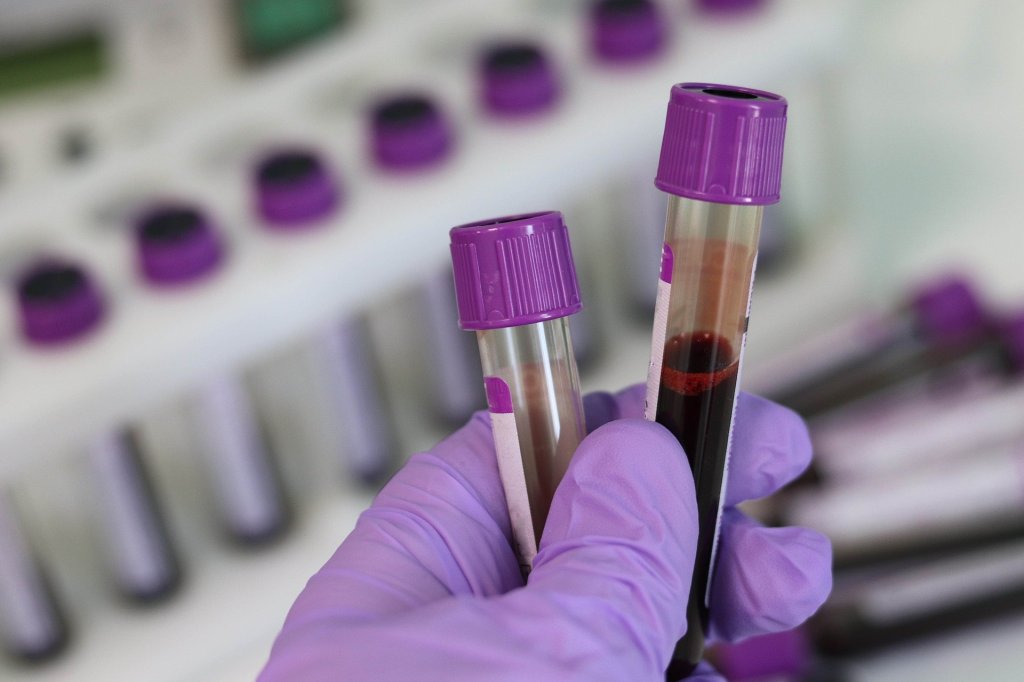
Should chronic illness patients be smiling as they’re suffering in hospital beds? Is it not normal to be crying when you’re worried and scared and can’t help but get emotional with all that’s on your shoulders? No one is complaining. It’s the stark reality. It’s heavy. It’s no surprise that more than 30% of people with IBD also deal with mental health issues and anxiety because life with the disease is so heavy.

It’s not about the money

Can we all pause and laugh about the fact the article claims those with chronic illness post on social media for the money. Hilarious. Get a grip. Even as a well-established and trusted “health influencer” within the IBD community, when companies reach out to me, it’s often to try products, not get a paycheck. When I am paid for my advocacy work it’s working diligently like your job as a journalist to write articles, create social media copy, and educate others about what my life is like with Crohn’s. I get compensated like any other human for using my skills and expertise, along with my precious time and energy, to sit on advisory boards and offer input and perspective for marketing and awareness campaigns. My job is not to be a patient, my “job” is to take what I’ve learned and use it to make a difference and help others.

This is not for show. Digging up past medical trauma and flare ups is not enjoyable. If businesses and pharmaceutical companies want to collaborate with chronic illness patients, they should be paying us for our invaluable intel and understanding. The article states patients have adopted “victim mentalities” …wow…and “communities of grievances” … when medical professionals are out of line or treat patients without respect, you better believe your ass they should be called out. How is change going to happen and life for chronic illness patients going to improve if we sit quietly. Be loud, my friends. Don’t allow articles like this to stop you from sharing. We NEED your valid experiences. You deserve to be heard. You matter. Even though the rest of society may be rolling their eyes or trying to stop us, they won’t, and they can’t.

I don’t want to go back to 2005 when I was all alone in my struggles with Crohn’s disease. I want to stay in 2022 when I can post whatever I want, whenever I want about my trials and triumphs as a woman, mother, and wife with Crohn’s disease and not fear judgement. Sometimes I’m thriving, sometimes I’m struggling. It’s vital that those with chronic illness continue to honestly share their stories on social media to provide clarity, education, and connection to those who relate wholeheartedly.

So, dear Emma, from one journalist to another, please start sharing stories that matter—don’t go after stories for attention or follow the adage, “it bleeds, it leads.” Seems like you are the one going after the likes. You should know better.

Sign the Petition

There has been outrage in the chronic illness community about this article—many feeling triggered and upset by the accusations and the claims made about Spoonies. An online petition has been created to have this Daily Mail article taken down—you can sign the petition by clicking here.