There’s no black and white approach when it comes to managing and treating inflammatory bowel disease. Newsflash—you don’t need to choose between medication and diet (nutrition). You can do both! This week on Lights, Camera, Crohn’s, we hear from registered dietitian and ulcerative colitis warrior, Ashley Hurst, about how her personal patient journey inspired her to look into targeted strategies for improving quality of life with IBD.
Ashley was diagnosed with ulcerative colitis at age 24, but she remembers symptoms starting when she was 7 years old. She lacked support for a long time, so her symptoms became her “normal” reality. When she was in college, she sought help for two years before she finally was able to get a diagnosis.
“I went to several doctors who dismissed my concerns thinking the bleeding was just fissures or hemorrhoids. It wasn’t until I was in a nutrition class in college, that I realized it might be something more. I remember reading about Crohn’s and ulcerative colitis and feeling like I was reading about all my symptoms.”
Finally, the fourth doctor she went to diagnosed her with IBD. She experienced a gamut of emotions ranging from relief to disbelief. More than anything, her diagnosis was a huge financial burden. At the time, she was working 2-3 jobs without health insurance. She couldn’t afford medication or even a colonoscopy bill.
“Since I couldn’t afford medications, I relied on nutrition and my own protocol. Once I was more financially stable, and had health insurance, I was able to start mesalamine rectal enemas and oral tablets, while sticking to my nutrition plan.
A preference for finding the balance between diet and medication
“Nutrition and medication have been lifesaving for me at times and I’ve found I prefer doing a bit of both (and so does my gut!). When choosing what route to go for IBD, often we feel a sense of guilt around taking medications. However, it’s important to remember that with whatever treatment route we go, we must weigh the risks versus the benefits.”
An uncontrolled flare is a risk and can impact our quality of life significantly. If you aren’t comfortable with medications your doctor has recommended, you can always ask what other options are available. It’s important to feel good about whatever treatment route you are taking and remember it’s your body, and your choice—just be prepared to face the consequences of active disease and hospitalization if you attempt to go against medical advice and take matters into your own hands. There is a fine balance distinguishing what triggers you and how best your disease is controlled.
The story behind The Crohn’s and Colitis Dietitians
When Ashley initially worked as a registered dietitian, she didn’t specialize in IBD. But as the years went by, she realized Crohn’s and Colitis patients were her favorite people to work with.
“I felt drawn to supporting IBD patients like myself and saw what a need there was for IBD specialized dietitians. Four years ago, I lost my cousin and close friend who had Crohn’s, and he left a lasting impact on me that further increased my desire to make a greater impact in the Crohn’s & Colitis community. He inspired me to be open about my diagnosis and get more connected with others who have IBD.”
Once Ashley decided to specialize in IBD, she quickly discovered how fulfilling it was to do work that has a lasting impact. Ashley says many people seek their support for IBD nutrition, but often feel like they need to choose one or the other.
“Most IBD research studies on both dietary strategies and targeted supplementation for IBD look at participants that are also on medications. Research continues to show that a combined approach using both medications and nutrition is the best path and can help increase chances of remission. It can be tempting to try and experiment by doing one thing at a time to see what works. However, there is currently no one cure for IBD, so treatments typically do involve a multi-faceted approach.”
As business started booming, rather than create a wait list, she brought on three other dietitians. Ashley and her team specialize in providing medical nutrition therapy for Crohn’s and Colitis patients, but also tackle SIBO, acid reflux, allergies, EOE, and much more. All four of the dietitians on the team have IBD, so they understand the patient perspective and the urgency to reach relief.
“As a team, we’ve had the privilege of working with hundreds of patients with digestive challenges, and we have witnessed the remarkable transformations that are possible. We are passionate about helping people not only find relief but make peace with food again.”
Like a fish out of water concerning diet
Many of the people with IBD who Ashley speaks with express that they were dismissed when asking their provider for a dietitian referral.
“The most common thing I hear is- “I Googled what to eat for IBD and Google left me with what NOT to eat for IBD and I feel even more confused with all the conflicting information!” It’s true, the internet is filled with conflicting information on this topic. This leaves people feeling afraid of food and often only eating just a few “safe foods”. Oftentimes these self-imposed food restrictions are unnecessary and lead to malnutrition, loss, low microbiome diversity, poor gut health, and ironically more symptoms!”
This is where Ashley and her team come in. They help those with IBD sort through all the nonsense and get to what really matters most and what works on an individualized basis.
“We are interested in supporting IBD patients, not just while they work with us, but for the long haul! We equip our patients with tools to learn so that they feel confident navigating nutrition even after they leave. We also offer a variety of free and low-cost educational resources on our website and Instagram for those people who just need a next step.”
How to know if you’re truly “healing” your IBD with food
The first question Ashley asks fellow patients she consults with is—is your nutritional approach working? The only way to know is to confirm through colonoscopy and inflammatory lab or stool markers.
“Symptoms alone are not always a great indicator of how our IBD is doing. It is important to monitor your IBD even if you are feeling better to make sure your disease is not progressing.”
Medication is not the “easy way out” and is not a sign of failure
Ashley and her team work with many IBD patients who are on biologics and utilize nutrition as a complementary approach to allow their medications to work better.
“Medications often lower certain nutrients, so one way you can support yourself long term is to check for deficiencies regularly. Some nutrients like zinc and vitamin D we need to regulate inflammation and help support our digestive tract lining. Ensuring they are at appropriate levels can help prevent flares. Vitamin D especially tends to get low with inflammation and is correlated with flare frequency and severity.”
Many patients avoid fiber because they fear it will trigger symptoms. Personally, I remember the first decade of living with Crohn’s, I was told I couldn’t have more than 5 mg of fiber per serving, which I now know is not the case.
“Understanding nutrition can help with expanding your diet. Research shows the importance of fiber for IBD for inflammation reduction, preventing flares and also complications. However, fiber is the most common thing IBD patients avoid. There are many ways you can approach expanding your diet without triggering symptoms and working with an IBD dietitian can help you navigate this better.”
The Roadmap of Nutrition
On average, Crohn’s and Colitis Dietitians helps clients reduce their IBD symptoms by 50-75%. Most report that their other big takeaways are improved energy and feeling more at peace with their food choices.
“We help you achieve this through working with people in a group setting and one-on-one. With one-on-one work we see people for a total of 6 months. It starts off with an intake session where we get to know your goals and your whole story with IBD and outside of IBD. After this session we put together a customized treatment plan that is your roadmap forward.”
The process includes dietary guidance (what to prioritize in the diet) and often targeted supplementation recommendations too. After this session, Ashley and her team see people each month in sessions to monitor progress and troubleshoot anything that comes up.
“We also offer access to us through chat throughout the whole 6 months for any questions that come up. We offer customized meal planning and video modules designed to help you.”
IBD is not your fault. It’s important to remember you didn’t sign up for this and you shouldn’t have to carry the weight of it alone.
“It can be incredibly helpful to have a team around you to support you through flares and the ups and downs of IBD. An IBD focused dietitian can help you navigate what to eat, treat nutrient deficiencies, sort through best options for targeted supplementation and help you reduce IBD symptoms.”
Outsource your stress. It’s overwhelming to juggle all the proverbial IBD balls in the air.
“Having a support team alleviates stress. It’s calming to know you don’t have to think through every decision and worry by yourself. It helps to have someone to lean on and takes the weight off your shoulders.
Don’t base your journey off what works for others. Just because you see someone proclaim their success by treating their IBD with food, doesn’t mean you’ll have the same experience. Before making any rash moves with your treatment plan, it’s imperative you communicate with your care team and get medically guided advice vs. following what you see someone post on Instagram. Same goes for medications—just because one person has had a great response on a biologic, does not mean you’ll have the same response.
Here are what some patients have to say about their experience:
“I’m so glad I started this program. I had to stop biologics due to developing antibodies and have been off biologics for over six months and since starting with the Crohn’s and Colitis Dietitians, I feel better than when I was on them. I only wish I found this program earlier.” -A.T.
“During the 6 months I was with Crohn’s and Colitis Dietitians- my symptoms of diarrhea and urgency reduced significantly, I have more energy and my inflammation decreased from over 100 to 38 (fecal calprotectin). Even my doctor was surprised and curious about what I had been doing with my nutrition!” -S
Whether you are a parent or not it’s heartbreaking to imagine how it would feel if you found out your child (no matter their age) was diagnosed with a chronic illness like inflammatory bowel disease. Of the more than six million people in the world diagnosed with Crohn’s and ulcerative colitis, approximately 25% of patients are diagnosed during childhood and adolescence, most of which are going through puberty. Impaired growth, pubertal delay, and low bone density are all common in children and teens with IBD. They can occur at diagnosis or at any time during a patient’s IBD journey.
As an IBD mom of three, who was not diagnosed until I was 21 years old, I personally don’t have the experience or perspective to share what it’s like to grow up with IBD or have a child diagnosed with it, so I tapped into several caregivers in our community, along with four leading pediatric gastroenterologists for input.
My hope is this article will serve as a helpful resource as you navigate the challenging waters of puberty with your loved one. Teen years are difficult enough without a chronic disease, taking a close look at how this impacts a young adult physically, emotionally, and mentally is something that deserves much more attention than a blog article.
Concerns from patients and caregivers
Before we get into the medical input, I want to share some of the messages I received this week from young patients and their caregivers so you can see firsthand how complicated this period of life is for everyone involved.
“I’m 14 years old. I was diagnosed with Crohn’s when I was 12, which marked an influential time in my life. It can be hard to cope with being diagnosed and having a chronic illness at that age. That year leading to my Bar Mitzvah, a cultural rights of passage from boyhood to manhood, was really challenging for me. At a time when changes are going on and puberty takes its course, learning to trust your body and that it is working is key. Rather than trusting my body, I had a lot trust issues. If my body could turn itself to work against me in my GI system, what’s to say it wouldn’t turn on me other ways? I am especially worried about my reproductive system. Since I was a little boy, I always knew I wanted to be a father when I grew up. Having kids and being a family man has always been my highest purpose in life. Since my Crohn’s diagnosis, I’ve felt anxious and worried about whether my Crohn’s or my body will stop me from fulfilling that dream.”
“I often worry about whether my son’s hormones will put him into a flare and wonder what the best way to approach the school about his Crohn’s is.”
“My biggest puberty concern is delayed growth or slowed growth and flares. I’ve heard a lot about puberty hormones really causing issues. Is there truth to this?”
“Will my almost 15-year-old son start puberty once his treatment kicks in or will he always look like a 12-year-old child?”
“My 15-year-old lost more than 15 pounds in the last year, we’ve checked all kinds of things, but can’t figure it out. He’s on renflexis (generic Remicade) and his colonoscopy came back clean. He gets full easily and deals with chronic constipation. I hope his IBD doesn’t stunt his growth.”
“The anxiety of managing IBD while combining that with the developmentally normal anxieties of the adolescent years can result in mental health issues that are hard to pinpoint. Body image issues that are normal as their bodies change, mixing with body image and food-related issues associated with IBD (good foods and bad foods, overly focusing on diet, etc.) which can lead into worrisome territory like disordered eating and worse. As children separate from their parents more with each passing year (which is normal), it becomes harder to monitor IBD symptoms and disease progression as a parent. As someone who has always been in the driver’s seat about IBD, this is a scary shift and I worry some symptoms will go unnoticed and become exacerbated.”
“That puberty will stop growth—growth has been severely impacted by Crohn’s before diagnosis and it did—hitting puberty early meant growth stopped and she only reached 4’9”/4’10”. Her periods also add to existing fatigue levels.”
“I worry about medication not working like it used to due to so much change in the body. I also worry about how she may feel about her image comparing herself to others at that age with so many scars or if she ever needs to have an ostomy bag. I worry her IBD will affect her cycles or make them more painful.”
“That my son will go into a flare requiring heavy intervention that goes far beyond our comfort zone, but we’ll feel trapped so he’s able to grow at the right time.”
“My 13-year-old son was diagnosed with Crohn’s a little over a year ago. He is doing ok now and on Humira bi-weekly. I’m mostly concerned about his growth, as he is small for his age. He has gained about 20 pounds in the last year, but he was malnourished as COVID made it difficult to get his diagnosis. Hoping he stays on track and continues growing and that his growth potential isn’t adversely affected by his IBD.”
“As a kid who went through being on high dose steroids while going through puberty, bless my mother!”
“Delayed puberty is a big thing. Also, how, and when is it appropriate to start transitioning responsibly for ultimate transfer of care. Mental health is often a concern for adolescents (anxiety/depression).”
“Flares. Many parents report puberty as being a challenging time for IBD. Imagine all the normal teen/puberty hormonal issues and then add IBD (and I say this as a lucky parent with our teens). I think every parent that makes it out alive should get a very long vacation. The #1 thing I hear from parents of kids with IBD is: “my heart breaks every single day”. Whether in remission or not, the disease is a persistent and heavy burden on patients and families. With all the noise, it’s important not to lose sight of this fact.”
“I was diagnosed with ulcerative colitis at age 13 and it all happened very quickly. I was in eighth grade – my body changed almost immediately after being put on prednisone. Being an early developer, puberty was a challenge for me. I didn’t look like most other girls in my grade. So when I started getting really bad acne and a swollen (moon) face from the meds, it was the icing on the cake. I remember ninth grade consisted of me coming home from school and crying to my mom because I felt what was happening to me was unfair. I’d have to excuse myself during classes to use the bathroom, so everyone knew what was happening. I was mortified. And although I was an “early bloomer”, I can’t help but wonder if I would have grown a bit more if I hadn’t been diagnosed, put on prednisone off and on for the first 3 years, or started on biologic treatment. There’s always the questions and mystery of what IBD has potentially taken away from me. But living with IBD also resulted in me growing up pretty quickly. I was able to navigate the healthcare system by the time I graduated from high school. I learned to talk about my body and my health – things that I don’t believe my peers could articulate by that time. So it came with some benefits – or at least things that I have been able to turn into positives. My experiences have made me a stronger person. And I’m thankful for that.”
Impaired Growth: Why it happens and what to watch out for
According to Dr. Sabina Ali, MD, Associate Clinical Professor, Director of IBD program, UCSF Benioff Children’s Hospitals, the most common extraintestinal manifestation of IBD in children is impaired growth, particularly in Crohn’s disease and that’s also what she hears from patients and their families when it comes to their greatest concern.
“Growth is a dynamic marker of overall health in children and adolescents, which occurs in 10-30% of cases. Short stature and failure to grow can precede IBD symptoms. It is important to monitor nutrition and growth closely and as this can lead to delayed puberty. Make sure the child is routinely getting height, weight and BMI measured. Growth impairment is more common in males than females with Crohn’s disease. It’s important to get disease in remission.”
Dr. Ali went on to explain that growth issues are more frequently seen in children who have never been in remission or for those who have dealt with flare ups in the pre-pubertal period.
“Pubertal delay may potentially decrease bone mineralization and affect quality of life in children who realize that their sexual maturation is different from their peers.”
Dr. Jonathan D. Moses,Assistant Professor of Pediatrics, Director, Pediatric Inflammatory Bowel Disease Program, UH Rainbow Babies and Children’s Hospital, agrees that remission is essential as a first step to ensure normal bone growth and pubertal development. Most of the time the concerns we hear about puberty and IBD is at the initial diagnosis when parents will note that young women have not started their menstrual cycle yet at the expected age or young men have not started their “growth spurt” yet.
“Growth is a key element of children diagnosed prior to puberty. Our goal is to provide the therapy that will allow them to be in continuous remission and achieve their final adult height and avoid any pubertal delays. If there are any concerns with this, we typically place a referral to the pediatric endocrinologist to help co-manage this.”
According to this University of California San Francisco study, boys are three times more likely than girls to deal with one of the conditions most devastating effects: the failure to grow normally. Researchers were surprised by this finding because the study also found girls had a more severe disease course than boys.
Dr. Ali says that a novel finding is that a high proportion of patients with ulcerative colitis exhibited continued growth, suggesting delayed skeletal maturation is also frequent in ulcerative colitis, contrary to common assumptions. For patients exhibiting continued growth, median final adult height was greater in males with ulcerative colitis than males with Crohn’s disease but did not differ significantly in females with ulcerative colitis, compared with females with Crohn’s disease. This finding supports the growing body of literature that statural growth impairment is more common in males than females with Crohn’s disease.”
Dr. Hilary Michel, MD, Assistant Professor of Clinical Pediatrics, Nationwide Children’s Hospital, explains the importance of monitoring pediatric GI patients’ weight, height, and pubertal development over time. She says measuring weight and height and asking about pubertal development helps make sure each patient is tracking along their growth curves and developing at an appropriate rate.
“In addition to monitoring IBD symptoms and checking labs, stool tests, and scopes, monitoring growth and pubertal development is another way to make sure we are treating IBD inflammation completely. If a patient is not going through normal stages of puberty, or is going through puberty more slowly than expected, it’s a hint that we should check on their IBD disease control! And if their disease is in control, then we need to think of other causes for delayed puberty and get them in to see the right experts to help.”
Dr. Sandra Kim, MD, Associate Professor of Pediatrics, Director, Inflammatory Bowel Disease Center, UPMC Children’s Hospital of Pittsburgh, says along with monitoring growth and nutritional status, it’s important to keep a close eye on emotional state and quality of life.
“It’s important children understand their disease, and for families and the care team to understand where the child is not only medically, but psychologically and developmentally. As a pediatric gastroenterologist, who focuses on the care of children and teens living with IBD, I know I have a unique relationship and responsibility as I watch “my kids” grow up.”
Dr. Kim says, “We see growth impairment in children and teens with Crohn’s much more so than with ulcerative colitis, especially with extensive involvement of the small intestine. Active inflammation in the small intestine can impact an individual’s ability to absorb nutrients. IBD also impacts appetite and can lead to inadequate nutrition.”
According to Dr. Kim, studies have shown up to 80% of children (males>females) have some degree of both weight and growth impairment when their Crohn’s is not controlled. While studies do vary in the range affected, it’s clearly a significant issue.
Medication and the pubescent years
In general all pediatric gastroenterologists try to limit and shorten the exposure of steroids in children.
Dr. Ali says, “Recent inception cohort studies in pediatric IBD have highlighted baseline phenotyping of patients to predict the severity of their disease course and help identify who will benefit the most from early biologic treatment. Biologic therapies have improved outcomes in pediatric IBD, including achieving mucosal healing as well as improved growth and pubertal development.”
Prior to this, the goals of treatment in Crohn’s disease were focused on controlling symptoms, enhancing quality of life, minimizing complications to prevent surgery, and restoring growth in pediatric patients. Evidence has shown that mucosal healing is associated with sustained corticosteroid-free clinical remission, reduced hospitalization, and lower surgery rates. According to Dr. Ali, biologics are the most effective in inducing and maintaining mucosal healing in this patient population.
Dr. Moses explains how biologics are decided upon with young patients.
“The age of the patient, in the context of the biologic era, does not seem to play a significant role at our center. If a child, regardless of age, needs a biologic medication, then we will typically proceed with this after shared decision making with the family. As a rule, for all ages, we work very hard to limit steroid exposure, both by planning out their maintenance therapy right away or using exclusive enteral nutrition (EEN) to induce remission in our patient with Crohn’s disease.”
Dr. Michel says it’s important to get IBD under control quickly since the window to achieve the goal of remission is so small.
“Because of this, growth and pubertal delay can be reasons to start a biologic as first line treatment. If steroids are used, they should be short-term (induction therapy only) to prevent negative impacts on growth and bone health. These patients may also be great candidates for exclusive enteral nutrition to treat their IBD, as it can help heal inflammation and address malnutrition without the side effects of steroids. Involving an experienced dietitian is key!”
While research has shown that disease activity may fluctuate with hormonal shifts (like those that happen with puberty, pregnancy, and even menopause), Dr. Michel says she is not aware of any specific data to connect loss of response to therapy because of puberty.
Puberty gets delayed
For pediatric patients in whom remission has never been achieved or for those who have frequent relapses, puberty is often delayed.
“The endocrine-hormonal mechanisms responsible for pubertal delay associated with inflammatory disease are incompletely understood. It is thought to be due to effect by both nutrition and inflammation,” said Dr. Ali.
Delayed puberty or delayed linear growth can be presenting signs of IBD to help clinicians make the diagnosis.
“Once these pre-teens achieve remission, they will begin to progress through puberty again and have improvement in their bone density, if it was low at baseline,” says Dr. Moses.
Dr Michel says, “The best way to ensure normal growth, weight gain, and pubertal development is to make sure their mucosa is healed. It’s also important we address low weight or malnutrition. If we’ve confirmed that IBD inflammation is resolved (through labs, stool tests like calprotectin, and scopes), and that patients are getting the nutrition they need, and we’re still seeing delayed puberty or slow growth or weight gain, this may prompt a referral to an endocrinologist, adolescent medicine doctor, or gynecologist to look for other causes of these problems.”
By adequately treating IBD and achieving mucosal healing, kids have the best chance to grow and develop normally and have healthy bones.
“Inflammation affects hormones important in growth and pubertal development, and delayed pubertal development is closely tied with poor bone health,” explained Dr. Michel. “Active inflammation can also worsen malnutrition and lead to low weight, which can delay puberty. These variables are often closely related; for example, a patient with active IBD may not feel well enough to eat regularly and lose weight or be malnourished. Or they may eat well but not be able to absorb the nutrients from their food. Or they may lose nutrients through stool or vomiting. So, treating inflammation and treating malnutrition are KEY to optimizing outcomes for kids and teens with IBD.”
Causes for the delay in puberty and decreased bone density can be multifactorial.
“Things we consider include nutritional deficiencies (not absorbing enough and/or not getting enough into your body), and the impact of inflammation (though pro-inflammatory cytokines – the “chemicals” produced by activated white blood cells – on sex hormone production, as well as growth hormone),” said Dr. Kim. “Other factors that can specifically impact bone density – decreased physical activity which leads to decreased muscle mass.”
When determining a course of therapy, a child’s quality of life and the impact of active IBD must be taken into consideration.
Dr. Kim explains, “Steroids have a great deal of side effects: external appearance (“moon” facies), psychological (can exacerbate underlying anxiety and depression; can impact sleep), bone health (decrease bone density and increasing risk of fractures), impact on wound healing, increased risk if long term on the GI tract (i.e. perforation), increased blood sugar (hyperglycemia), high blood pressure.”
What’s the deal with birth control and IBD?
Each pediatric gastroenterologist featured in this piece says they have heard from both patients and parents about oral contraceptives aggravating IBD. Dr. Ali says oral contraceptives are consistently linked to an increased risk of IBD.
Dr. Michel says since menstruating is a normal part of development for female patients, active inflammation, low weight, and malnutrition, can all play a role in delaying the onset of it. If a patient is flaring, they might have irregular periods or stop getting their period for some time. Once the problem is addressed—inflammation controlled, normal weight achieved, and malnutrition treated, menses typically resumes. IBD symptoms can also be exacerbated during menses for some women.
When it comes to choosing to go on birth control, and what birth control to choose, Dr. Michel advises patients and parents to be clear about their goals and weigh the risks and benefits.
“Goals for starting birth control can include regulating heavy periods or bad cramps, preventing pregnancy, improving premenstrual symptoms (mood, headache, fatigue), or even managing acne. There are some data about birth control pills increasing the risk of developing IBD, but research is conflicting about whether they increase the risk of flare. I would encourage any patient who is interested in starting birth control to talk with her gastroenterologist about what options might be best for her. An adolescent medicine doctor or gynecologist can also be extremely helpful to have these conversations, weigh pros and cons, and help young women and their families make informed decisions.”
Dr. Kim is no stranger to hearing concerns about the impact of oral contraceptives. She says it’s tough to determine whether birth control specifically aggravates disease.
“Women who have increased diarrhea and cramping around their cycles may have improvement in these symptoms when on birth control. Currently, there is not enough data to suggest birth control directly leads to aggravation of underlying IBD. However, there are other issues to consider when a young woman chooses the type of birth control. There is increased risk of venous thromboembolism (increased risk of forming blood clots) in individuals with IBD. There also is an increased risk for clots associated with combination oral contraceptives whether a young woman has IBD or not. Therefore, a woman who has IBD and goes on oral contraceptives not only has a higher risk of forming significant blood clots, but with more significant consequences from this.”
Dr. Kim’s recommendation? Avoid oral contraceptives with an estrogen component, if possible. Depo-Provera is an alternative, but you need to be aware that it can impact bone density. She says IUDs are safe and highly effective
How best to support young patients
Support groups: Discuss concerns regarding how a patient is coping with the IBD team. A social worker or psychologist on the IBD team can be a great resource.
Psychosocial assessments
Care coordination
Supportive counseling
Connection to resources
“As a pediatric gastroenterologist, my contribution is to manage their therapy as best I can to achieve remission. After that, we rely on our multidisciplinary team to address the psychosocial aspect of the disease and how this affects them at this stage in life,” said Dr. Moses. “Finally, we encourage the families to get involved with the Crohn’s and Colitis Foundation and attend Camp Oasis, if possible, to meet other children their age who also have IBD. This builds up their social support network in a way that can be life changing for them.”
Dr. Michel says, “I try to normalize their feelings, and reassure them that with effective treatment and achieving remission, we are working toward them reaching their full potential. I also think it’s a great time to involve experts like psychologists and child life specialists to help work through these concerns. Parents will often also ask about future fertility (kids and teens usually aren’t thinking of this yet)! It’s always a huge relief for families to learn that we expect normal fertility for our young folks with IBD and that the best way to ensure this is to get good control of disease.”
She advises parents to acknowledge how challenging it can be to go through puberty with IBD.
“Any feelings they’re feeling – frustration, anger, sadness – are ok. Then, I would encourage parents and patients to share these emotional and physical struggles with their healthcare team. Many centers have fantastic psychologists, social workers, and child life specialists that can help young people understand their disease, explore their emotions, and develop healthy coping skills that will serve them now and into adulthood. There are also fantastic resources online through ImproveCareNow and the Crohn’s and Colitis Foundation,” said Dr. Michel.
Dr. Kim advises parents and patients not to be afraid to ask pediatric gastroenterologists and their healthcare team for help.
“I really believe it takes a collective effort to support our children and teens. We are living in an unprecedented time with the COVID 19 pandemic (which has led to social isolation and new stressors with school, peers, and family dynamics),” she said. “Seeking our behavioral health resources (psychology, psychiatry, counseling, social work) is NEVER a sign of weakness – quite the opposite. One thing I would love to see: elimination of any perceived stigma when addressing issues around mental health. It is so crucial to address stress, anxiety, and depression. Besides the obvious impact on quality of life, we know that anxiety and depression can negatively impact an individual’s IBD itself. For the parents out there, I tell them they must check their own guilt at the door. The parents did NOT do anything to cause their child to develop IBD. I always say that you can be mad at the disease but never at themselves.”
Connect with these physicians on Twitter:
Dr. Sabina Ali: @sabpeds
Dr. Hilary Michel: @hilarymichel
Dr. Jonathan Moses: @JonathanMoses77
Dr. Sandra Kim: @SCKimCHP
Let this piece serve as a conversation starter as you discuss your child’s health with their care team. Ask the questions. Get empowered by learning and educating yourself more. As chronic illness patients and parents, it’s a constant learning curve—with each setback and triumph we gain newfound understanding and perspective. Stay tuned for an upcoming article on Lights, Camera, Crohn’s with guidance regarding making the transition from pediatrics to adult doctors.
As the weeks of war go by in Ukraine, our IBD patient advocate extraordinaire, Elena Skotskova, continues to do all she can to ensure those with Crohn’s disease and ulcerative colitis are feeling supported in the face of the unknown. Elena and I have become pen pals of sorts over email. A world away. Our worlds so different. But our understanding of what it’s like to live with IBD very much the same. Here’s Elena’s latest update sent April 13th, 2022. She remains about 30 minutes outside of Kyiv at her mother in law’s home.
Dear Natalie! Now we are engaged in the distribution of humanitarian aid, which came to us from Dr. Falk (a German pharmaceutical company). I want to share with you the information about helping Ukrainian patients with IBD. Ever since we received the medicine from Dr. Falk we did a great job: 1. We sent medicines to 12 hospitals in different cities of Ukraine, where patients with IBD are treated; 2. We have collected more than 400 applications from patients who currently do not have the opportunity to go to their doctor. 3. We have sent more than 200 packages of medicines to patients throughout Ukraine who do not have access to a doctor 4. There are still about 200 parcels left to send, and I think we can do it before the end of the week.
We have received a large number of letters of thanks from patients who have received medications. We tried to ensure that all patients had enough treatment for at least two months. Earlier we received two parcels from our Greek friends, which were sent via Poland. Everything that was in those parcels (medical food, colostomy bags, medicines, etc.) we distributed to patients and hospitals.
On Monday, April 11, we got a big package from Estonia with colostomy bags and stoma care products. We also send colostomy bags to patients who need it.
I have a lot of work now, and I am constantly in touch with patients. We have a lot of requests from patients from different parts of Ukraine. Particular pain is the regions that are occupied by Russia. It is impossible to deliver medicines there, it is impossible to help patients. I hope that someday they will be able to get out through humanitarian corridors, and then they will receive medical assistance.
This is Galina, our volunteer, a doctor who herself sent more than 300 packages of medicines to patients. She lives in Lviv, where humanitarian aid comes from Europe. This charming lady herself takes heavy boxes, sorts them, forms packages, and sends them out to patients. She does this at night 🙂 And during the day she treats people. I am very grateful to her, she is an irreplaceable person in our team.
I also wanted to share information with you we set up on our “Full Life” site that gives people around the world the ability to make donations using credit cards. You can do it from the link https://www.gofulllife.com.ua/donate/ Scroll down and click the: “Help the project” (Допомогти проекту) button. Once there, you will be directed to choose a currency. (USD or EUR, depending on which currency the credit card supports) and write the sum.
A pre-war photo of Elena and her friend and fellow volunteer, Alexandra.
The money raised will be used to buy medical nutrition for children with IBD and to buy medicine for IBD patients who have lost their jobs and incomes.
My husband and I are going to go to Kyiv on Saturday (April 16). We need to meet the humanitarian cargo from Lviv. And also, I need to deal with colostomy bags that came from Estonia and send them to patients.
Many people are already returning to Kyiv, I hope that my hairdresser will also come back and cut my hair 🙂 During the war, it is a great happiness for us just to get a haircut or get medicine. We have such small military joys.
The week before my oldest son, Reid, was born I penned him a letter entitled, “A letter to my unborn son, from your mom with Crohn’s disease.” When I wrote that article, I was 38 weeks pregnant. As a first-time mom, living with Crohn’s disease, I had a mix of excitement, anxiety, and fear about taking the plunge into parenting. Tomorrow (March 29th) Reid turns five. Now as I reflect on my experience of living as an IBD mom for half a decade, I want to share what I’ve learned along the way with you and write him another letter to mark this milestone.
Dear Reid,
Where do I begin? Five years ago, you changed my life in the most beautiful, exciting, challenging, and everchanging way possible. You made me a mom. After more than 11 years of fighting Crohn’s disease and constantly feeling at war with my body, I was able to nurture you, help you grow full-term with a flawless pregnancy, and bring you safely into this world. I feel like I blinked, but I also feel like I’ve known you my whole life.
We’ve been through a lot together, little buddy. As a stay-at-home mom I’ve been by your side through everything. I’ve witnessed every moment of you growing up and I feel eternally grateful for that opportunity. Before you were born, I used to pray that I wouldn’t be hospitalized with a flare up until you could walk. I imagined you as a toddler walking into my hospital room. I feared what it would be like to spend countless days away from you, Facetiming with a smile through the tears or trying to recover from surgery with a little one depending on me at home.
But those fears never became realized. We’ve made it five years, flare up free, baby boy. That’s not to say I haven’t had painful days, procedures, and worries along the way. But you’ve been my greatest motivation since you came into this world. You’ve patiently sat day after day on the bathroom floor when mommy’s tummy wasn’t feeling well. You’ve comforted me on the couch when I don’t have the energy to go outside. You’ve cheered me on as I drank colonoscopy prep each year. You’ve handed me candy and told me it was medicine to make me feel better. You’ve attended countless doctor appointments and lab draws. You’ve snuggled me when you know I’m unwell. You’ve sat next to me with a toy pretending to do an injection alongside me on Monday nights, staring at my face to see if I was hurting. You’ve taken your own shots at the pediatrician like a champ because you’re so desensitized.
You constantly see me through a lens I’ve never been seen through before. I catch you watching my facial expressions. I know when you’re worried about me. I melt when you randomly ask me how my tummy is feeling and if I’m feeling happy, but also feel a sense of sadness that you even need to have that thought cross your mind. You are an empath with a heart of gold. While I wish you didn’t need to witness and experience these difficult moments and I try my best to shield you from my struggles, I know in my heart, and I’ve witnessed firsthand how my disease has shaped and continues to shape our family in positive ways.
As you gear up for kindergarten this fall, I will miss our days…even the long ones! You’ve been a constant in my life since the moment I held you for the first time. Your personality as a baby seemed quiet and shy, boy did you have me and everyone else fooled! You’re so silly, so smart, so thoughtful, so outgoing. You’ve given me a run for my money more times than I can count, but I love that you are so steadfast in knowing what you want and sharing that openly with me.
As an IBD mom I find myself looking at you, and at your sister and brother, on the daily wondering and worrying deep down if one day you’ll get my disease. Every night we say our same prayer, the same prayer I’ve said to you all your life, hugging and rocking back and forth.
“Dear God, keep my baby healthy, safe, and strong. Guide him and protect him. Let him continue to be a light for everyone he meets. I love you forever and ever and ever, I love you forever and ever. I love you forever and ever and ever, I love you forever and ever.”
When I pray for *healthy*, I mean no IBD…but you don’t know that yet. You are a picture of health in every sense of the word. Someday when you’re older you’ll know what I’ve been up against my entire adult life, but my hope is that it will inspire and empower you to be strong through the unpredictable peaks and valleys life will throw your way.
I still haven’t explained fully to you that I have Crohn’s disease. I’m not sure it’s necessary to even say “disease” to you. As you grow up, I’ll tell you more. But for now, I don’t want you to worry or wonder. I hope we get another five years hospital visit-free.
Thank you for showing me all that’s possible and for making me a mom. Five years of loving you, guiding you, and watching you thrive has been magical. When I was pregnant with you there was a Florida Georgia Line song called “H.O.L.Y.” that always made me cry thinking of you—because of the line, “you’re the healing hands where it used to hurt.” The other day I was driving home from the grocery store and that song came on the radio. I hadn’t heard it in years. Instant tears. Instant gratitude.
I love you, Reid Robert. I wish I could bottle up your laughter and littleness. I find myself really staring at you lately in awe that we’re at this point already. You are everything I ever dreamed of and more than I ever hoped for. Thank you for being the sweetest motivation and distraction and for being wise beyond your years. I am so so proud of you. I appreciate you reminding me without knowing it that I am so much more than my disease.
With mask mandates ending for most states across the country and the CDC once again changing its guidance about masking, it’s a cause for concern for many who are immunocompromised or considered higher risk for Covid-19. As an immunocompromised mom of three kids under age 5, I feel a bit uneasy about the shift in measures, even though I had Covid-19 in January. I contacted my GI this week to ask her opinion on the mask mandates lifting and navigating this time as an IBD mom. She didn’t hesitate for a second and told me to keep masking—not only for myself but because of my kids. She herself hasn’t stopped masking in public and doesn’t plan to anytime soon.
I polled my followers on Twitter and Instagram by asking: “Do you still wear a mask in public, indoor spaces?” Nearly 500 people responded. On Instagram, 69% responded “yes” to still wearing masks and 31% responded “no”. On Twitter, 88% responded “yes” and 12% responded “no”.
This led me to dig a bit deeper and hear what several top gastroenterologists who specialize in inflammatory bowel disease had to say on this controversial and politicized issue.
Dr. Aline Charabaty, MD, Assistant Clinical Director of the GI Division at Johns Hopkins School of Medicine, and the Director of the Inflammatory Bowel Diseases Center at Johns Hopkins-Sibley Memorial Hospital, offered several fantastic analogies for the IBD community. The one that really hit home to me was talking about family planning and remission in Crohn’s and ulcerative colitis. If you are flaring and want to start a family, the rule of thumb is to be off steroids for at least six months to ensure disease activity is calm. We JUST got through the rampant spike in omicron cases last month. In her opinion, going maskless this soon after that highly contagious variant is premature. She believes we need to wait longer to make sure we are out of the woods and that conditions need to be more stable for a longer period of time. Until then, she recommends those who are more susceptible in the IBD community continue to mask as an extra safety net.
“We are not out of the pandemic. Sure, there are less deaths and fewer severe cases, but people are still getting sick. We saw this happen when we let our guard down and delta hit…then omicron. When you are driving, you wear a seatbelt, follow the speed limit, try not to tailgate, and follow the rules of the road. These are all precautions to drive safely to your destination and avoid an accident. You don’t just do one thing to prevent a car accident. With Covid, we got the vaccines, we’re wearing masks, we’re limiting exposure to large crowds, and measuring risk versus benefit for each of our decisions. It’s not a pick and choose situation of how to keep ourselves and others out of harm’s way.”
Dr. Charabaty went on to say why get sick with something when we really don’t know the long-term effects. We already see Covid can cause a higher risk of depression, heart disease, and autoimmune issues.
“Wearing a mask is such a simple measure. If it adds a benefit, I don’t see why people are saying no to this. This virus can really change your body. Why not add another layer of protection to prevent illness? There are no downsides to wearing a mask, so why not wear it? When you are out and about there are people with weakened immune systems, cancer patients, organ transplant recipients, people on multiple IBD medications…why put these people at risk of infection? The more Covid is transmitted, the higher the risk of mutation, which will cause yet another spike. Each variant has been a result of people letting their guard down to soon with their decision making.”
Dr. Neilanjan Nandi, MD, FACP, Associate Professor of Clinical Medicine, Gastroenterology, Penn Medicine, agrees that while case numbers going down is reassuring, that we are not out of the woods yet. To him, a mask is a sign of empathy for others.
“It’s not about us…whether it’s a caregiver or a family member or friend, this shouldn’t be looked at as an encroachment on our freedom, but rather about showing respect for those around us. The best thing we can do is mask up. Wearing a mask in public, indoor spaces is a smart move because you don’t know the immunization status or exposures of people you don’t know. If you are planning to see family or friends and know people’s vaccination status or if they’ve recently had Covid, you might feel more comfortable not wearing a mask.”
Pre-pandemic photo-May 2019 with Dr. Nandi at Digestive Disease Week in San Diego.
Dr. Nandi reiterated the fact that we’ve learned over the course of the last two years that most of our IBD medications don’t cause an increased risk and may even be protective. While this is reassuring, if you are on 20 mg of prednisone or higher, he highly recommends you mask up as you are more susceptible to illness.
Dr. Uma Mahadevan, MD, Professor of Medicine, and Director of the UCSF Colitis and Crohn’s Disease Center, says every region of the country is different and that your location should be taken into account.
“In the Bay Area we have a high vaccination rate and a low hospitalization rate. You also have to consider the patient’s personal risk and risk aversion.”
Here’s what Dr. Mahadevan tells her patients.
Follow local guidelines for masking
If you are vaccinated and boosted and are in a low-risk area with no mask mandate, its ok to not mask, particularly outdoors. Indoors in crowded shopping areas, etc., I would still consider masking. However, again, low risk patient in a low-risk region, it’s ok not to mask.
For high-risk patients on steroids, double biologics, severely active disease, etc. I still recommend masking.
Dr. Miguel Regueiro, MD, Chair, Digestive Disease and Surgery Institute, Chair, Department of Gastroenterology, Hepatology & Nutrition, Cleveland Clinic, is hopeful we’re headed to what we see with influenza. While of course flu can still be serious and deadly, with enough people vaccinated and exposed to Covid, we can have herd immunity.
“We’re all learning as we go and there’s a lot of “grey” with nothing very “black or white.” For now, I am recommending IBD patients continue to mask. For those who are immunocompromised, wear a mask in indoor spaces, especially crowded spaces such as airports. In outdoor spaces, it is less clear, but masks are probably a good idea when social distancing is not possible.”
Pre-pandemic photo-May 2019 with Dr. Regueiro at Digestive Disease Week in San Diego
Dr. Peter Higgins, MD, Ph.D., M.Sc., Director of the IBD Program at the University of Michigan, says if a person is unvaccinated, masks are a must. He encourages you to talk with your doctor about Evusheld, a monoclonal antibody against Covid-19 for immunocompromised people and those who cannot be vaccinated for medical reasons.
“If the county you live in is below 10 cases per 100,000 people (CDC is saying 200/100,000 for the non-immunosuppressed), then you can consider not wearing a mask. But admittedly, this is an arbitrary number and 200 cases for every 100,000 people seems too high for the immunocompromised population. Especially if you are around kids, the elderly, or those who have not been able to be vaccinated, showing solidarity and wearing a mask is highly recommended.”
He explained that eating indoors with good ventilation is OK, but that is it hard to prove unless you have a CO2 monitor that can show a consistent CO2 ppm (parts per million) < 650. To give you an idea, Las Vegas casinos have good ventilation systems in place to keep restaurants free of smoke and those measure between 400-450 ppm. Dr. Higgins still recommends people do a rapid test within 12 hours of gathering with friends and family. He adds that as we learn more about long Covid and new variants guidance may once again shift.
Dr. Harry J. Thomas, MD,Austin Gastroenterology in Texas, also recommends patient who are immunocompromised (especially those on anti-TNF’s, prednisone, and other immunosuppressants) to mask up.
“I empathize with people who are worried about being judged by others and I recommend that they share — if they feel comfortable — that they (or their family member) have a chronic disease that places them at higher risk. I do feel that abandoning masks right now is premature, especially here in Texas as well as in other parts of the country with lower vaccination rates. I’m not sure if/when there will be another spike, but we still have about 2,000 COVID deaths each day which is really tragic and indicates that the pandemic is far from over.
My personal take
Personally, my husband and I still wear masks in public, indoor spaces. Our children who are in preschool are one of the few who are still wearing masks at their school. While I understand each person has the right to make their own personal decision for themselves and for their families, it’s disheartening and honestly disappointing to see the lack of care for others who are not fortunate to have the luxury of being healthy. I can’t tell you when I’ll feel safe enough to go into a grocery store or the mall without a mask on, it’s going to take time and assurance from my care team that I’m not making a rash decision that could put myself, my family, or even strangers at risk. It’s complicated. I get it.
My daughter at preschool this week. Still masked up.
When you’ve lived with a chronic illness like Crohn’s disease for nearly 17 years and been on immunosuppressive drugs ever since, your perspective shifts. You quickly realize you are not invincible. You recognize and empathize with those who have health struggles and depend on the greater good to make sound decisions. It’s a small act of kindness for the sake of health and safety. Talk with your care team about navigating this new normal. Don’t base your judgements on social media, the news, or your political beliefs. This is an ever-evolving discussion. It’s been a long two years. We’re all tired. But that doesn’t mean apathy is the answer. You may not care, but you are making a statement to those who are vulnerable when you go maskless indoors.
It’s ok to be unsure. It’s normal not to want to be judged or feel your kids will be outcasts if they’re the only ones at school masking. It’s understandable to feel a bit lost about what is best. But if a mask makes you feel comfortable, safer, healthier, you do you. Know that the medical community and so many others stand in solidarity with you.
When Marquis Ellison met and began dating his wife, Tasheia, in 1999, they were juniors in high school. The couple tied the knot 13 years ago. One year into marriage, Marquis started to experience weight loss, fatigue, anemia, abdominal pain, stomach cramps, and loss of appetite. He dropped to 100 pounds! They were on an anniversary trip to Los Angeles when his symptoms started to become unbearable. After the trip, Marquis was diagnosed with Crohn’s disease. He was 26 years old.
“Upon being diagnosed, I felt a sigh of relief in knowing what the condition was and starting on the right medications. I owned it and decided to beat it by how I live, educate and inspire others.”
Tasheia has been by Marquis’ side every step of the way. Every colonoscopy. Every flare. Every doctor appointment. He thanks God every day for a wife who truly exemplifies what it means to be a partner in sickness and in health.
Focusing on faith and family
Marquis keeps busy as a husband, father, and personal trainer. He gives all the credit to God.
“Faith is the cornerstone of who I am and why I have the outlook I have with Crohn’s. If God wants to completely heal me, I know He can. But if not, I know He’ll give me the strength to endure and I’m at ease with that. There’s always a greater good for what we go through and if my journey living with Crohn’s disease can inspire and encourage others, all praise to the Most High!”
Since becoming a father three years ago, Marquis says his faith and his son are his “why” …why he’s so enthusiastic about doing all he can to take care of his body and controlling what he can.
“Being a dad is the greatest gift and blessing. Knowing this little person is your responsibility. I want my son to see that while I have IBD, I don’t let it stop me and set the example he can follow when faced with life’s unpredictability. My son witnessed me running the marathon cheering me on at mile 22 and the finish line. When we got back home, he wanted to wear my medal. I asked him if he wanted to run a marathon in which he replied, ‘yes’. That was a great feeling knowing I’ve inspired my son despite my condition.”
Shout out to IBD men
When you hear about people’s IBD journeys, it’s more common to hear from women, even though Crohn’s disease and ulcerative colitis impact genders equally. Marquis wants men to recognize they are not alone and to speak up and tell their stories.
“Your story matters. Your voice matters. Speaking about your health and opening up doesn’t make you any less of a man, it only enhances it.”
As a Black man, the lack of representation, and health disparities, span far and wide. Marquis wants you to know you are not alone in your struggles.
“Our voices matter. The more we advocate, the more we’ll show that Black and Brown communities are affected with IBD and should be represented more often. I’m proud to be an ambassador with Color of Crohn’s and Chronic Illness (COCCI), where we’re working to bridge the gap and lack of representation.”
Running for a reason
Marquis recently completed the New York City Marathon in November. He says it was the toughest and most victorious accomplishment he’s ever experienced. His race shirt read, “Mr. Crohn’s Fighter” to represent all IBD warriors and show that you can still do remarkable things, despite your disease. Life with IBD is a marathon, not a sprint. That mentality prepared Marquis for the race.
“Living with IBD is unpredictable. The unpredictability of a flare up or foods not agreeing with you always feels like something is looming. When running, you never know how the course or weather will be. You can train hills or in the rain, but you may still face adversity you didn’t prepare for. With running and with Crohn’s disease, it’s all about mindset and the ability to adapt and repeatedly overcome. Focus on your current reality and not on what hasn’t happened or what could happen.”
He’s currently training to run the New York City Half March 20th, 2022.
Focusing on what you can control
Marquis manages his IBD through fitness, nutrition, mindset, and by taking Cimzia, a monthly self-injection. He’s all about controlling what you can and not succumbing to your circumstances.
“Life is 20% of what happens to you and 80% of how you respond to it. I choose to focus on the 80% by controlling what I can. I always say, I have Crohn’s disease, it doesn’t have me. IBD may try and take me down, but it will never knock me out.”
Living with an unpredictable and often debilitating chronic illness like IBD can be overwhelming. Being confident in the care team who leads the charge in managing your disease is incredibly important. Life with IBD is a marathon, not a sprint. The variables and challenges change with each year. You need a team of doctors who listen, advocate for you, see you as more than just a number, and guide you with personalized care.
This week on Lights, Camera, Crohn’s, we look at the steps you can take to ensure you’re in good hands and feel comfortable with the specialists in your arsenal. Much like a support system, having a care team of medical professionals who genuinely care for the IBD community makes all the difference in how you’re able to cope and make the best decisions for your health through all the peaks, valleys, and lows.
When you meet your GI by chance
Since I was diagnosed with Crohn’s disease in July 2005, I’ve had two chance encounters in the hospital with gastroenterologists (GIs) who ended up being my doctors for years after our initial meetings. The first time—when I was diagnosed in my hometown (Chicago suburbs), I hit it off immediately with the GI who was given my case. He ended up being my doctor for a decade.
Prior to moving to St. Louis in 2014, I was hospitalized with a bowel obstruction. My GI was 5 hours away, so I had to rely on a stranger to guide my care locally. The GI who looked after me in the hospital had a wonderful bedside manner and as much as I didn’t want to switch medical providers, I knew I would need to find a GI in Missouri. That GI looked after me for about three years, until I had my third bowel obstruction in 15 months, even after switching to weekly Humira injections.
At that point, one of his partners called my hospital room and spoke to the fact that I kept having hospitalizations for the same issue, but no changes were being made. He ordered an MRE (Magnetic resonance enterography) to find the underlying cause of the issue and see if bowel resection surgery was on the table. When the results came through, this doctor CALLED my hospital room, and casually told me I needed at least 10 inches of my small intestine removed. My actual GI never followed up. Never reached out. Never followed up with me after my surgery that ended up involving the removal of 18 inches of my small intestine, my appendix, and my Meckel’s diverticulum.
I knew after that surgery it was time for me to advocate for my care and get a different GI. I desperately needed to make a change. While it’s not easy to break-up with a doctor and it can be hard to navigate the medical provider landscape in a new city, I knew it was necessary. You must stop worrying about hurting someone else’s feelings and put your health—both physical and mental, first.
How I switched to a different GI
Whether you’ve recently moved to a new state or know in your heart it’s time to make a change. It’s important you feel empowered as you switch your specialists. When I had my post-op appointment with the colorectal surgeon, I asked him which GIs he would recommend. He gave me two names. I then reached out to my local Crohn’s and Colitis Chapter and while they couldn’t give me names of specific providers, they connected me with fellow patients who could offer up advice. I went to lunch with a few ladies with IBD and I was given the same name. That GI has been my doctor ever since (November 2015).
Since that time, I’ve been in deep remission. My GI is extremely proactive and aggressive with her approach. She leaves no stones unturned. She calls me directly if I write her and the nurses a question on the Patient Portal. I’ve had three healthy pregnancies and three healthy babies. She’s helped me navigate so much of the unknown and listens to my questions. She knows I’m a patient advocate who follows the research and stays on top of my health and rather than talk down to me, she takes what I have to say into consideration, always.
Discovering what matters most to you
Everyone has a different preference when it comes to the personality and approach of their doctors. Some prefer a gentle bedside manner. Others want no fluff and a direct, business-like approach. Some like a little mix of both. Think about what matters most to you. I’m a bit of a softie and bedside manner matters a lot to me.
Try and think of it this way—at your worst, when you’re hospitalized, what kind of doctor do you want leading the charge, walking into your hospital room, and guiding your care? If your GI is intimidating, lacks empathy, and is cold, it could add insult to injury and make your already dreadful experience that much worse. On the flipside, having a straight shooter who tells you like it is and doesn’t sugarcoat what’s going on can also be beneficial. Envision who you want by your bedside as you fight a flare and go from there.
There are GIs who do not specialize in IBD, so when you are seeking a new one, try and make sure their focus and expertise is Crohn’s disease/ulcerative colitis.
Navigating Medical PTSD with new care providers
Medical PTSD is real. Oftentimes due to the nature of IBD we are put into vulnerable positions because of where our disease presents. You may be asked at a research hospital if medical students can watch. You may feel uncomfortable or uneasy starting fresh with someone new. This is all normal and justified. Each time you have to re-tell your medical history you are forced to re-live your trauma. A friend of mine in the IBD community recently told me that her therapist advises her to write out your medical history.
This way you simply hand over a document to your care team that lays out your full story without any key details missing and without having to talk about memories and experiences that can be harmful to your mental health and well-being. Along with bringing a printout version, it can be helpful to upload the document to the Patient Portal. This takes the pressure off you to give a high-level explanation of your IBD journey and allows you to focus on the right now. The right now being the questions you have presently and what issues you want to tackle. Say goodbye to the elevator speech that tends not to include the nitty gritty.
Do your homework prior to the appointment by writing down your questions ahead of time. You can either have pen and paper handy to write down notes, ask the doctor if you can voice record the appointment so you have the details, or type the notes right into your phone.
Building your dream team
With IBD we all know a care team is made up of more than gastroenterologist. It can be helpful to ask your GI who they recommend within their hospital system so that all the records are readily available. By following up with a recommendation from your GI, you know the other specialist is someone they respect and someone who they would have effective means of communication with.
Trust word of mouth—but also trust your gut. If a medical provider feels dismissive, rushed, or like they aren’t listening to you, move on to the next. You are in the driver’s seat to build your team. Depending on where you live—I know it can be tricky and complicated to find accessible care and leading IBDologists. It may mean you have to drive a couple of hours every few months to receive the type of care your IBD demands. Ideally, your GI will be local so that when a flare up requires hospitalization you can go to the hospital and know who will lead your care. But not everyone is afforded that luxury. While I was finding my GI in St. Louis, I would contact my GI in the Chicago suburbs and keep him aware of what was happening. He provided me advice every step of the way and I’ll always remember how he called me from his cell phone the night before my bowel resection and assured me the surgery would be a “fresh start”. He was right.
While IBD is often out of our control, building your care team and finding specialists who do all they can to help improve your quality of life, understand your individual disease process, and constantly look to do more than status-quo, will give you the confidence you need when symptoms start to go awry or when you need to make major medical decisions about medication, surgery, and beyond.
Imagine having a laundry list of medical conditions, along with your IBD. For many, it’s a stark reality. In a poll I recently conducted on Instagram, 64% of our patient community responded that they live with multiple chronic illnesses. This week—we hear from several women about what it’s like to juggle IBD and more.
As someone with Crohn’s disease I learned a lot by interviewing others and hearing about their personal struggles and triumphs as they face the unknown. Whether it’s trying to pinpoint which symptoms pertain to which illness a person is living with to coordinating a care team and living through a nearly 2-year pandemic that has shed light on how the world perceives our community—it’s heavy. It can be discouraging and it’s a lot. At the same time, finally getting answers gives some people hope and a feeling of relief.
As Brooke Abbott so eloquently puts it—it can be a domino effect. She started experiencing IBD symptoms when she was 18, she was diagnosed with ulcerative colitis in 2008 at age 24. Brooke also has IBS-D, Psoriasis, Ankylosing Spondylitis, trigeminal neuralgia, erythema nodosum, and asthma. Being a mom of color with multiple conditions in a world where patients are also “othered” has not been an easy journey. Finding a care team was a challenge for Brooke. She experienced unconscious bias, sexism, and racism when she was newly diagnosed. Not to mention irregular healthcare coverage.
“It reminds me of babysitting multiple children. The one screaming and crying got my initial attention. Once they were settled, I’d move on to the next child that needed my immediate attention. It’s a balancing act and I try to be as flexible with myself and give myself as much grace as possible. A breakthrough flare of one can ignite the flare of the another. Being diagnosed wasn’t the gut punch. It’s the days when my life is paused to cater to another illness after I just finished catering to another.”
Natasha Weinstein was diagnosed with Crohn’s disease in 2004 when she was only 11. Since then, she’s been diagnosed with IBS, Fibromyalgia, Arthritis, Migraines, Asthma, Carpal Tunnel syndrome, Tarsal Tunnel syndrome, Dermatagraphism, Vertigo, Ehlers Danlos Syndrome, Endometriosis, Pelvic Floor Dysfunction, Depression, Anxiety, OCD, and multiple vitamin deficiencies. She says juggling all these health conditions feels like a full-time job that she can never escape.
“It feels like my body is constantly falling apart. I feel like I live at the doctor, but I am grateful to be where I am today. I have an incredible job, a supportive family and understanding friends. My medically complex health has taught me resilience and strength, despite the frustrating and emotionally breaking days. Being chronically ill gives you a unique perspective on life. Add in MULTIPLE conditions and it’s a whole new ball game.”
Rocio Castrillon has been living with Crohn’s disease for 18 years. She also has Anemia, Asthma, Cataracts, Fibromyalgia, Glaucoma, Hypothyroidism, Uterine Fibroids, and Uveitis.
“Having multiple conditions is complicated particularly if one affects the other. I have learned to manage my conditions as best as possible, but my greatest fear is the flare of one of them at any given time, so I feel like I’m always waiting for something to happen. It’s extremely challenging to manage multiple providers, conditions, and medications. And they are all invisible illnesses. So, no one can “see” what I’m going through even though I may be suffering tremendously. That’s one of the hardest things for me…living a life full of chronic disease(s) in silence.”
Sarah Holleman was diagnosed with Crohn’s disease and Antiphospholipid Antibody Syndrome (APS) in 2018. It is also called Lupus Anticoagulant, but you don’t have to have Lupus to get it (although many people with Lupus get APS). Sarah went from being a healthy 28-year-old to having two chronic illnesses and seeing four specialists on a regular basis.
“It is utterly exhausting. Dealing with insurance, waiting rooms and doctors’ appointments is all-consuming. I had a healthy baby boy in May 2021, but going through a pregnancy with two chronic illnesses was challenging. My GI monitored my IBD symptoms, which fortunately stayed in remission. For APS, I had to switch from my oral medications to twice daily self-injections until the last few weeks when it went to three times a day.”
Trying to find balance
Laura Steiner was diagnosed with ulcerative colitis in 2012, she also has IBS, Asthma, hidradenitis suppurativa, IBS, and a few other inflammatory skin conditions.
“It can be confusing and frustrating balancing all of the different symptoms and having all doctors on board with everything. It also sometimes limits the available treatment options because for example, Inflectra that I am on for my UC is also used to treat HS, but since I’m already on it there is not much more the dermatologist can offer me for relief. UC is the only condition that tends to really interfere with work, so that is my #1 priority to manage, the rest I can deal with and manage.”
Meredith Ditty was diagnosed with Crohn’s disease at age 20 in 2011, she later found out she also has Primary Schlerosing Cholangitis (PSC), a liver disease that people with IBD develop. She also has Anemia, Gilbert’s Syndrome, Psoriasis, and Ovarian Cysts.
“I was so young, other people were living a normal life and I was stuck dealing with all of this. Thankfully, I had a great support system and had emotional, physical, and financial help, to get me where I am today.”
Emily Adams has Crohn’s disease and Lupus. She became symptomatic with both in 2020 at 26 years old. Her IBD has been flaring since July 2020. As you can imagine, being diagnosed during the pandemic made the process extra stressful and worrisome. Emily has been hospitalized five times in the last two years without visitors.
“Before I was diagnosed with Crohn’s and Lupus, I was very healthy. I was training to run my third half marathon and I was in my third year of teaching 5th grade science. Since getting sick I have had to stop working and I’m now on disability and I had to move in with my sister, as living alone was too difficult for me. My life went from complete independence to needing my family every day for help. Honestly, getting sick has made me more patient, empathetic, and kind. I’ve had a lot of time to think and reflect because my life is a lot slower these days. I appreciate the small things because now the small things are the big things.”
Alyssa Pinkham was diagnosed with Crohn’s disease in 2020 and was recently diagnosed with Gastroparesis and GERD. She’s dealt with anxiety issues and learning disabilities for more than a decade. She often struggles with knowing which condition is causing her abdominal pain. Alyssa credits coming to the realization that she was experiencing additional health issues to the friends she’s made through the online chronic illness community.
“It is difficult to navigate multiple chronic illnesses of the digestive system. They oftentimes have overlapping symptoms and if one condition is doing poorly, usually the others are doing poorly as well. It is also difficult having multiple gastroenterologists for the different conditions. In my case, they are on opposite sides of the state. It’s a challenge for the gastroenterologists to communicate their specific treatment plans with one another and with me so that they can provide an effective treatment plan that will put my Crohn’s and gastroparesis in remission. The lack of communication is frustrating and exacerbates my anxiety. When my anxiety isn’t being controlled it sets off my Crohn’s and gastroparesis conditions, which leads to more anxiety. It’s a vicious cycle.”
Katie S. was diagnosed with Crohn’s disease in 2011, she was 21. Then, in 2015, she was diagnosed with nodular scleritis, an inflammatory condition that impacts the white outer coating of the eye. If left untreated, it can cause vision loss.
“It’s hard having two chronic health conditions and continues to be a challenge. I started therapy about a year ago. I wish I started sooner. Talking with someone has helped me. I struggle with feeling like my body is broken. I feel like I’m letting myself (and others) down because I’m sick more times than not. The book, “This Too Shall Last: Finding Grace When Suffering Lingers” by K. J. Ramsey was helpful to me. She writes about how our culture treats suffering like a problem to fix and the shame that comes with that all through a Christian point of view. It brought me comfort, understanding, and even some more acceptance for what I’m living right now. I would highly recommend checking it out.”
Feeling unsupported through the pandemic
Ableism existed long before the pandemic, but it seems that unfortunate mentality and attitude has been exacerbated since the start of these unsettling times.
Rocio explained, “While there have been many accommodations that have been made during the pandemic for the general public (i.e., curbside pickup, free delivery, etc.) I wish this had been the option for us long ago. Working from home is yet another dynamic that has allowed everyone to have the flexibility that many of us with chronic diseases need on a daily basis. It has become acceptable and more of a norm now, yet any previous requests for similar accommodations for us have always been denied or frowned upon. I’ve truly seen who supports and cares about others and who is selfish and out for themselves.”
Mo Lynn was diagnosed with Crohn’s disease in October 2019, when she was 23 years old. She also has Polycystic ovarian syndrome (PCOS), endometriosis, and non-alcoholic fatty liver disease (NAFLD).
“The world, the workplace, and the US health care system are not built for people like me. Throughout the pandemic, it’s been made clear to me that a lot of people find the deaths of people like me with chronic illnesses or disabilities as inevitable and meaningless. Never mind the value I bring to my family, my friends, and society. There will always be people who think that the lives of the chronically ill /disabled are meaningless.”
Katie says, “I choose to believe that most people are good and kind, doing the best they know how to do at the time. But it’s hard, really hard–especially for the chronically ill right now. I don’t want covid. I don’t want mild covid. I don’t want severe covid. I don’t want to give covid to someone else. I don’t want long covid. I know what it’s like to be sick for days, months, and years. When I personally know people who are choosing not to get vaccinated, it hurts. It makes me feel like they don’t care about me. When I see people not wearing a mask, or their nose hanging out, it makes me feel like they don’t care about me or the health of their community. So, my perspective on the world around me: we need to do better. We need to be better.”
Brooke says looking through social media at peoples’ selfishness and carelessness has made her sad and frustrated with the evolution of humanity.
“We talk a lot about community and inclusivity on our platforms, but when it’s time to perform action to ensure that all are safe and healthy, we fail to do so if it feels inconvenient for us. Watching people fail their neighbors by simply wearing a mask, stopping the spread of this highly contagious virus is just heartbreaking. It’s also frustrating to watch people waste their health by risking it for a party, or a concert or a bar night.”
Rapid Fire Chronic Illness Tips
Having chronic illness equates to a lot of trial and error. From finding your care team to what works best to manage your health—be patient as you find what helps you get your disease(s) under control and recognize that what works for one person won’t necessarily work for you.
Seek therapy and don’t look back. When you are constantly at battle with your body and worrying about the what if, it can be overwhelming and all-consuming. Give yourself permission to take time to put your mental well-being first.
Keep your GI as the team lead or quarterback of your care. Let them guide the decision-making and set the stage for your care plan. Build your care team around your GI.
Rather than focusing on remission, focus on the thing that is ailing you the most and heal that. Once that is settled, move on to the next thing.
Try to let go of the guilt and shift your mindset about how your caregivers are sacrificing for you. Instead, think about their genuine care and concern for you despite your illness. They show up day after day because of their unconditional love for you.
See all your doctors in the same network so they’re able to share reports and test results easily. Making information accessible to your care team takes the burden off your shoulders to play telephone and relay information back and forth.
If you’re being dismissed or feeling unheard by your care team, remember you aren’t married to them. Find a new team. The time and effort are worth it. Ask for referrals.
If friendships and relationships feel toxic to you, let them go. Use your medical misfortunes to your advantage. You have an innate superpower to see peoples’ true colors—if they genuinely care, if it’s a relationship of convenience or actual care, and you see who shows up and who disappears to the background.
If you’re tired of being sick and tired, please know you are not alone in feeling this way. There will be days when managing multiple health conditions are extra tough. Anger, frustration, and sadness are all normal and justified. When you live with multiple health conditions—or even *just* IBD it’s like a daily game of Jenga. One wrong move, one decision, can inadvertently cause the tower to come crashing down. It’s a fragile balancing act that comes with its fair share of setbacks and challenges but also provides a unique perspective and appreciation for life and taking on each day without taking anything for granted.
Coordinating medication through specialty pharmacies is somewhat of an artform for chronic illness patients. Unless you deal with managing this monthly, you may be unaware of the endless time and energy that goes into making sure all the ducks are in a row to keep everything on schedule with your gastroenterologist, insurance, and pharmacy.
A few weeks back, I received a letter in the mail explaining that beginning January 1, 2022, my Humira would be handled through a different specialty pharmacy. As soon as I saw the letter my first gut reaction was that I was being switched to a biosimilar. Upon further reading, I learned that Alliance RX Walgreens, my specialty pharmacy, will now be Accredo (through Express Scripts).
Letter I received from my previous specialty pharmacy.
What now?
As a patient who has been on Humira since July 2008, this is the fifth time I have had to switch specialty pharmacies. Previously, it was because I switched employers and had different insurance. This time around my husband’s insurance switched specialty pharmacies. And even though this is far from my first rodeo—as a person who depends on a biologic every 2 weeks, I worry about a lapse in my medication, so I’m being proactive by communicating the change with my care team.
The letter stating the change said everything for my Humira would automatically be switched over, as long as there were refills remaining. I wasn’t sure if I had refills.
Communicating with your care team
With the New Year holiday being this past week, I went ahead and wrote my GI on the Patient Portal. Here’s the correspondence so you see how it all played out from the back end (no pun intended!)
Hi Dr. G and team,
Wanted to give you a heads up that I received a letter that beginning Jan. 1 my specialty pharmacy that I go through for my Humira prescription will switch from Alliance RX Walgreens to Accredo (Express Scripts).
The letter states that my prescription will transfer automatically as long as I had refills on file with Alliance. I just wanted to make sure that was the case and that there was nothing we needed to do on our end to ensure a smooth transfer.
My next Humira injection is Monday, Jan 10–so I’ll be scheduling a delivery next week.
Thanks!
Natalie
Good morning, Natalie,
I updated your chart (removed Alliance Rx and put in Accredo) as your specialty pharmacy. I did send in a new prescription for your Humira to Accredo this morning that way they would have it. It does look like your prior authorization previously expired. I have notified Lori so that she is aware that a new auth may be required. I did want to verify with you that your insurance coverage will remain the same going into the new year?
Thank you for the heads up, we always appreciate it.
Thanks SO much. Yes, my insurance coverage is the same (has not changed). Appreciate your follow up!
Natalie
You’re very welcome. That sounds great, I have notified Lori so that she is aware that your insurance will remain the same, that way she can work on that new prior auth if it’s needed.
Perfect, thanks so much! Do you know if Accredo will contact me next week to schedule delivery or if I contact them the first go-around?
Natalie,
I would suggest contacting them. Lori is aware that we will likely need a new prior auth but you contacting them to schedule delivery will also initiate that process (if needed).
Will do– that’s helpful to know. I’ll plan to call them on Monday to get the ball rolling. Thanks for all your help, have a Happy New Year!
When someone receives medication from a specialty pharmacy know they are on the phone coordinating delivery every month, making sure prior authorizations, insurance, and drug savings cards are all in check. It’s like a never-ending homework assignment that’s constantly looming. Many specialty pharmacies have apps to help “simplify” the process for patients, but I’ve found that the times I’ve tried to use apps in the past, I still receive a phone call about ordering my Humira and never know if my online order even went through. Call me “old school” but I still prefer to order my medication over the phone each month for the past 13-plus years. Find what works best for you and stick with it!
As you can see, it’s helpful to have a care team that responds promptly on the Patient Portal and helps you navigate the ins and outs of ordering your biologic. Rather than being unsure and worried about when and how I’ll receive my next Humira delivery, I now feel confident that it will be a seamless transition. I highly recommend grabbing the reins and checking so you don’t end up in a situation where you’re scrambling to get your medicine on time. Being proactive saves everyone involved a lot of headaches.
Tis the season for reflecting on the year past and all we’ve experienced and endured—both the beautiful moments, the hardships, and even the mundane. As an IBD mom, 2021 was a big year for my family. We moved to our forever home in June when I was 35 weeks pregnant with our third child and welcomed Connor to our family in July. While there aren’t many milestones more amazing in life, they also come with their fair share of stress. I don’t know about you, but stress often triggers my Crohn’s. It goes without saying the holiday season alone can be complicated to navigate with chronic illness, especially in the middle of an ongoing pandemic.
My best advice—listen to your body. If you feel like you’re being stretched thin and your symptoms are trying to speak to you, take time to listen. While chronic illness is always inconvenient when it’s flaring, ignoring an issue that is presenting only delays the inevitable and could set you up for an even bigger setback. I hope this week between Christmas and the New Year that you take time for YOU. Breathe. Relax. Reset. It’s something I struggle with and hope to improve on in 2022, so I’m right there with you!
COVID Every Where You Turn
I don’t know about you, but the pandemic has been creeping closer to my doorstep with each day that passes. Close friends had Christmas plans canceled. IBD friends near and far are sick with COVID right now. My family on both sides have dealt with being exposed, also re-shaping how our holidays ended up this year. I hosted Christmas for the first time in my life! Only 10 people (including my fam of 5), but hey, you gotta start somewhere! And moving forward, I think I’m going to host the holiday from now on!
On a serious note, these are troubling times. Almost two years in and it feels like we’re in a dark, never-ending tunnel, with no light. But, just like life with IBD, try not to allow the looming darkness to dull the beauty that still resides around you. I found myself crying happy tears many times on Christmas day. Despite the ongoing burden and hardship of the pandemic, I felt incredible amounts of gratitude for my family and getting to be a mom to three children. Seeing Christmas through their eyes was beyond magical and feeling well the entire day was the cherry on top.
As much as we’re all “over” the pandemic, it’s not a time to throw caution to the wind as we gear up for 2022. Stay vigilant. Use your voice. Speak up if you’re not comfortable, rather than being a people-pleaser. Set boundaries and don’t feel like you need to explain yourself to anyone. Think about the risk vs. the benefits, just as you do when making decisions about your body with IBD. Have ongoing dialogue with your care team and the doctors who treat you rather than from acquaintances on social media who have no medical background whatsoever.
Spread Holiday Cheer, Not COVID
I’ll leave you with my family’s Christmas card and a thank you for following our journey, offering support, love, and prayers along the way. The IBD family is so special to me. I honestly don’t know how I went the first 10 years of my disease without connecting with our community. Since I started sharing my story and opening myself up for support, taking on Crohn’s feels a lot less overwhelming. You inspire me to write, to share, to collaborate, and to do all I can to make a difference. Once you’re a journalist, you’re always a journalist…and I find it so rewarding to be a trusted resource in our community for insight about diagnosis to career, to finding love, having babies, being a mom, you name it. Thank you for listening and for reading. Excited to see what 2022 has in store!






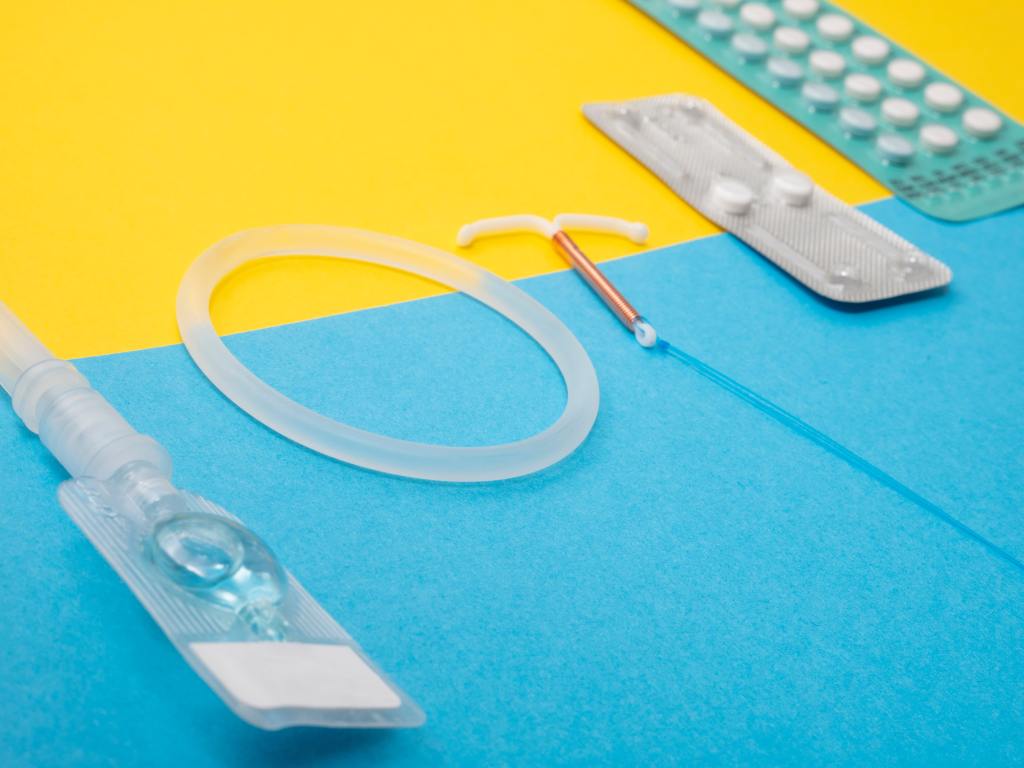

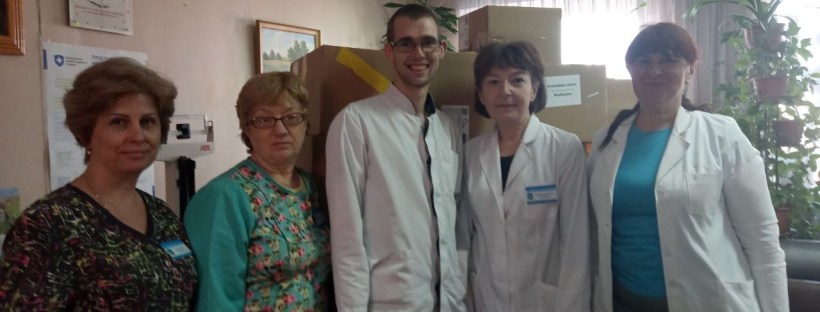

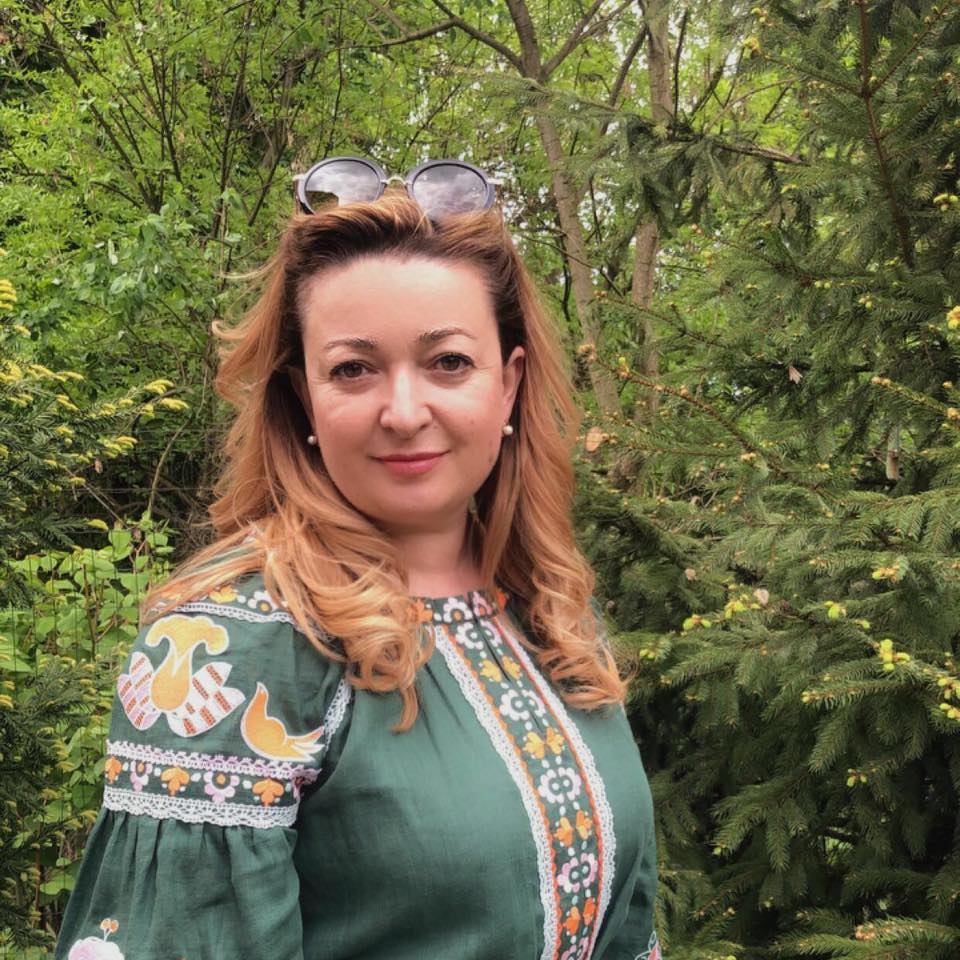


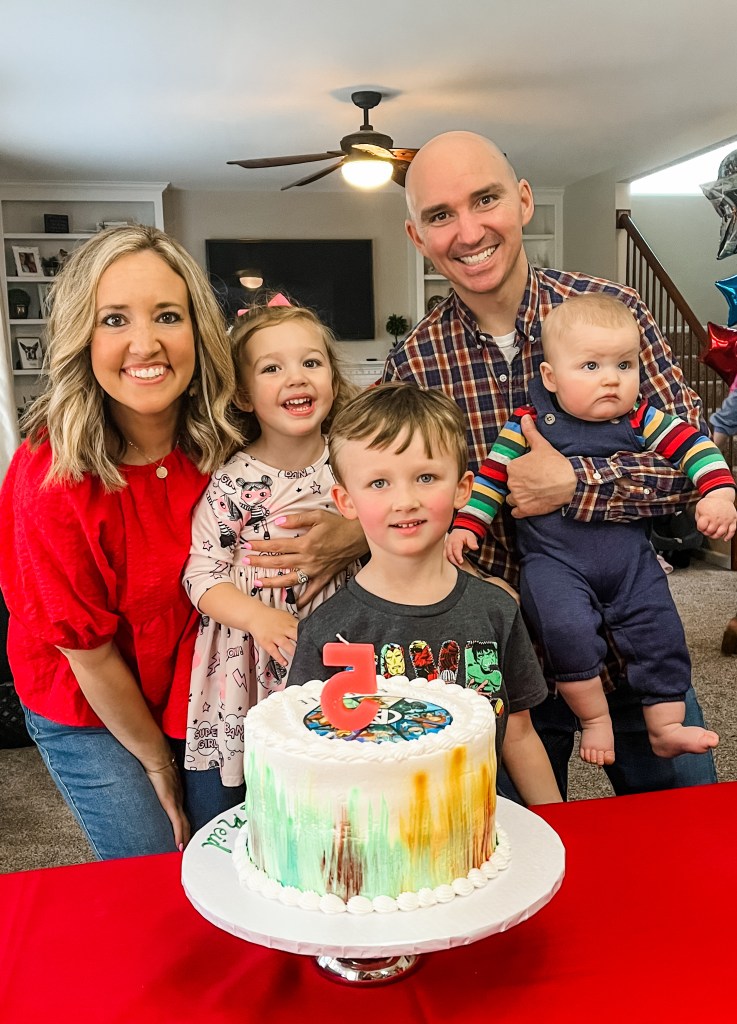





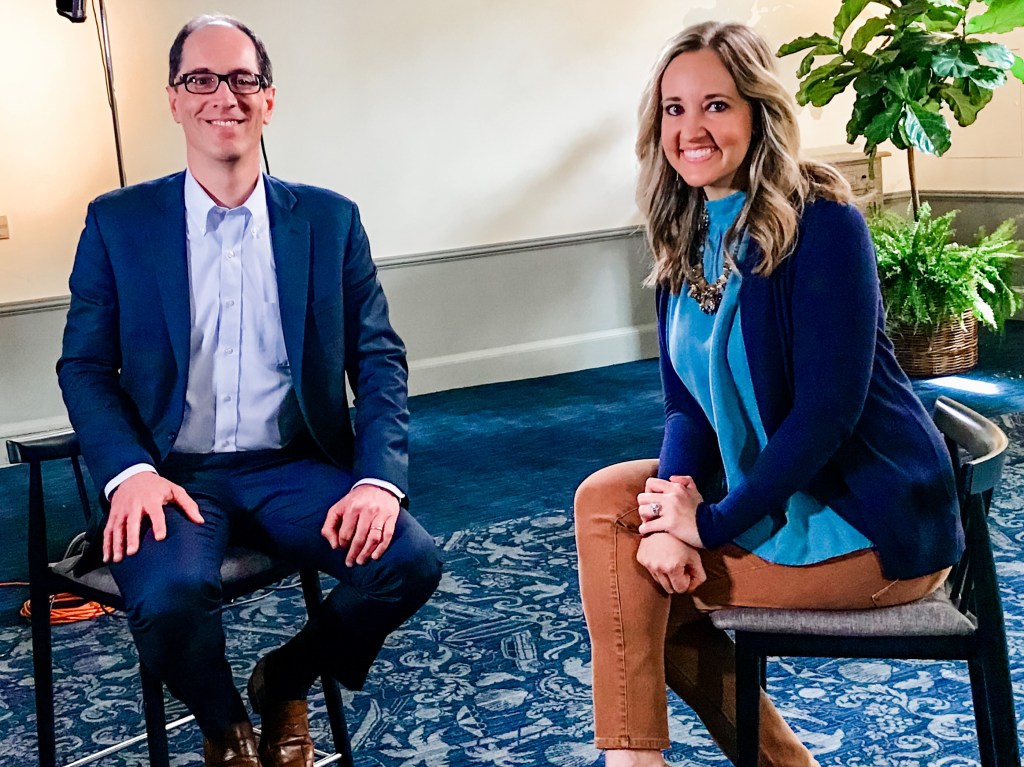





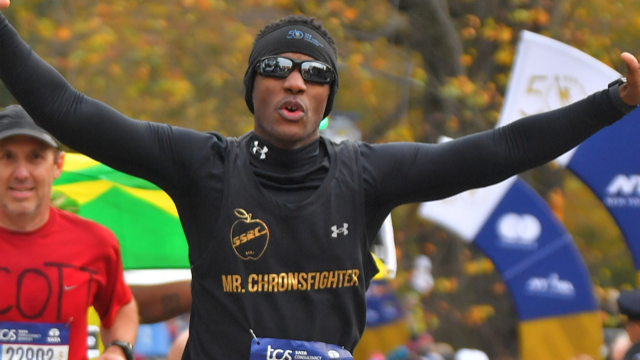














 lights camera crohn's