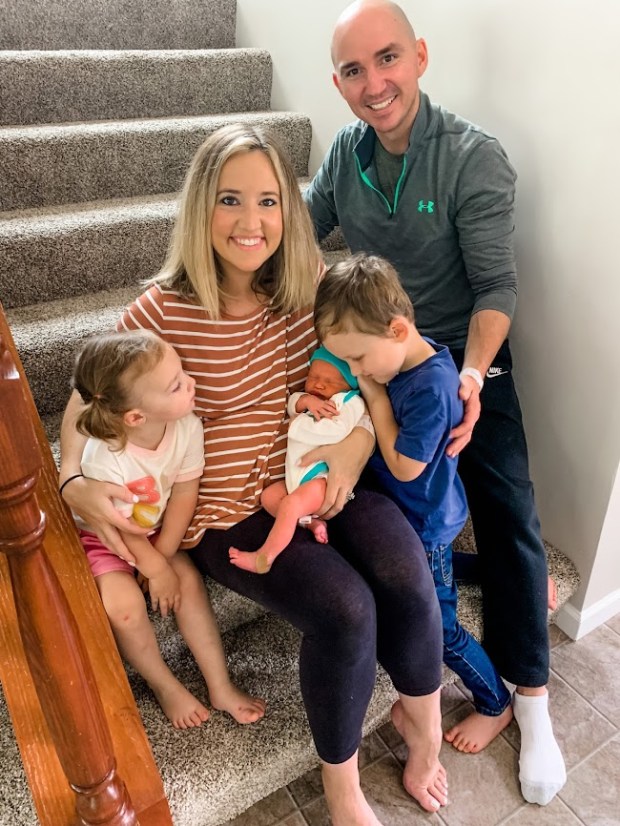
Inside IBD Pregnancy with a GI Psychologist: What Patients Need to Know

Finding out you’re pregnant can be one of the most profound moments of one’s life; and, if you’re living with Crohn’s disease or ulcerative colitis, that moment is almost immediately followed by a flood of questions that others don’t have to think about. Will my IBD flare? Is my medication safe? What does this mean for my pregnancy? Can I even do this?

The answer to that last question is yes, absolutely, yes. But it takes a team, a plan, and attention to more than just your GI symptoms. As an IBD mom of three, I’ve been in your shoes and know how it feels to bring a life into this world with so many unknowns.

This week on Lights, Camera, Crohn’s we hear from Licensed Clinical Psychologist, Dr. Antonia Repollet, who specializes in gut-brain health at GI Psychology. Dr. Repollet is a fellow Crohnie and a mother. She works with people navigating exactly this intersection every day. She shares what she wants every person with Inflammatory Bowel Disease (IBD) to know about pregnancy: the medical side, the emotional side, and the parts that often get left out of the conversation entirely.

Your Gut Is Already Under Pressure

Pregnancy is a full-body experience. Hormonal shifts in progesterone, estrogen, and cortisol affect mood and energy, and they directly shape how the gut functions. Progesterone relaxes smooth muscle, slowing the movement of food through the digestive tract (Alqudah et al., 2022). Estrogen influences gut permeability and the composition of the gut microbiome (Chen et al., 2025). Cortisol, the body’s primary stress hormone, can heighten GI sensitivity and drive inflammation (Cherpak, 2019). Together, these hormonal changes can increase bloating, reflux, and constipation even in people without IBD. Add a growing uterus physically displacing digestive organs, and it’s no wonder the gut feels unsettled!

Whether you’re a first-time mom-to-be or someone who has had several children, we know how complicated it can feel to navigate these changes in your body on top of IBD. It’s not unusual to feel a bit overwhelmed.

“For someone with Crohn’s or ulcerative colitis, these changes land on an already-sensitive system, and the hormonal picture matters more than people often realize. Hormones are among the key messengers of the gut-brain axis, the two-way communication highway between the digestive tract and the nervous system,” explain Dr. Repollet. “During pregnancy, when hormone levels are shifting, this axis is working overtime, and stress often amplifies this further. For example, anxiety about your health, your pregnancy, your body, your medications: all of it feeds back into the gut through hormonal and neurological pathways, and the gut sends it right back to the brain. Thus, pregnancy can disrupt this loop.”

Why Remission Before Conception Matters

Here’s something important: research consistently shows that the best predictor of IBD staying stable during pregnancy is whether disease was well-controlled at the time of conception (Abhyankar, 2013). Studies have found that approximately 66% of IBD patients who conceive during active disease experience continuing or worsening symptoms throughout pregnancy (Hashash & Kane, 2015).

Dr. Repollet says, “Remission going in doesn’t guarantee smooth sailing, but it does dramatically improve the odds for both the pregnant person and the developing fetus.”

Looking back, I’m grateful for the timing of my bowel resection surgery when I was engaged, because it put me into surgical remission, and helped prep my body for pregnancy after I got married. Prior to surgery, I had never heard the word “remission” from my gastroenterologist. With IBD pregnancies, this is where the “rule of thirds” comes in. One third of women experience an improvement of IBD symptoms, one third stay the same, and one third see an uptick.

Active disease during pregnancy is associated with increased risks of miscarriage, preterm birth, low birth weight, and other complications (Boyd et al., 2015). This is why the conversation with your gastroenterologist needs to happen before you start trying to conceive, not after a positive pregnancy test.

The Medication Questions

Please don’t stop without talking to your doctors!

“One of the most common things I hear from IBD patients considering pregnancy is some version of: “I thought I should stop my medication just to be safe.” The instinct makes complete sense, because you want to protect your pregnancy. But stopping IBD medication without medical guidance can put you and your fetus at greater risk by triggering a flare,” Dr. Repollet advises.

Many IBD medications, including biologics like infliximab, adalimumab, and certolizumab, are considered safe during pregnancy and are recommended to maintain remission (Mahadevan et al., 2019; Peifer, 2024). Some, like methotrexate, do need to be stopped well before conception, and this applies regardless of which reproductive organs you have (Peifer, 2024). This is important for both partners, as medication safety around conception is a conversation for anyone planning to conceive, regardless of gender. Your GI and obstetrician (OB) should be making these decisions together, with your input.

Build Your Team Before You Need Them

A whole-person approach to pregnancy with IBD means your care team should include more than just your GI and OB. Depending on your history, you may also benefit from a maternal-fetal medicine specialist (an OB with advanced training in high-risk pregnancies), a dietitian who understands IBD and prenatal nutrition, a lactation consultant familiar with chronic illness, and a mental health provider who specializes in the gut-brain connection. According to findings from the Global Consensus on IBD and Pregnancy, all IBD pregnancies are deemed “high risk.”

Dr. Repollet tells me the last one matters more than people realize.

The Part That Doesn’t Get Talked About Enough: Your Mental Health

People with IBD are two to three times more likely to experience anxiety and depression than people without (Neuendorf et al., 2016). Rates of anxiety in IBD hover around 32%, and depression around 25% (Barberio et al., 2021). These numbers don’t go down during pregnancy. If anything, the uncertainty, the body changes, the fear of flares, and the weight of managing a chronic illness while growing a new life can make them go up.

“And here’s what’s easy to overlook: your emotional state is not separate from your physical symptoms. Stress releases hormones that increase inflammation. Anxiety heightens gut sensitivity. When you’re scared that every cramp might be a flare, that fear itself can worsen symptoms. The mind and the gut are in constant conversation,” says Dr. Repollet.

This is why mental health support isn’t a “nice to have” treatment during pregnancy with IBD and should be part of the medical plan.

Evidence-based approaches like Cognitive Behavioral Therapy (CBT) for GI conditions (CBT for GI) (Gracie et al., 2017) and gut-directed hypnotherapy (Keefer et al., 2013) have been shown to reduce GI symptoms, lower flare frequency, and improve quality of life in IBD patients. These approaches are safe during pregnancy, non-pharmacological, and can be genuinely life-changing for anyone who feels like they’re white-knuckling through their pregnancy.

A Story That Might Sound Familiar

“One of my patients (I’ll call her “Alex”) was 12 weeks pregnant and living with Crohn’s. Inflammation was well-controlled, but daily abdominal cramping and pain, diarrhea, and racing thoughts about whether symptoms were affecting the pregnancy had taken over. The response from providers (e.g., “It’s just pregnancy hormones.”) left Alex feeling dismissed and alone.”

With gut-brain therapy, Alex learned to track symptom patterns, practice diaphragmatic breathing, and use clinical hypnosis to interrupt the anticipatory anxiety that was amplifying physical symptoms.

Dr. Repollet says, “Over eight weeks, symptoms decreased, sleep improved, and (maybe most importantly) there was a renewed trust in the body’s signals. Feeling prepared going into delivery and postpartum was something Alex hadn’t expected to feel, but did. This is a reminder that emotional care is physical care. They are not separate things.”

What to Watch For and When to Reach Out

Consider seeking mental health support if you are:

  • Struggling to eat or sleep due to GI symptoms or anxiety
  • Experiencing GI symptoms that feel emotionally overwhelming, are hard to separate from anxiety, or seem to worsen with stress
  • Experiencing distress (whether related to your IBD, your pregnancy, or both) that is interfering with daily life
  • Having fears about flares, delivery, or being a high-risk patient that feel consuming
  • Dealing with resurfacing trauma from prior pregnancy loss, difficult medical experiences, or a complicated diagnosis journey
  • Simply wanting a space to process this enormous thing you are navigating

Please know that you don’t have to be in crisis to deserve support.

The Postpartum Chapter

Pregnancy often gets most of the attention, but postpartum is its own significant transition for people with IBD.

“Hormonal shifts after delivery, sleep disruption, feeding decisions in the context of your medication regimen, and the emotional adjustment to new parenthood can all influence disease activity. Having a plan for the postpartum period, including who on your care team you’ll check in with and how, should be part of a complete prenatal plan,” explains Dr. Repollet.

I remember during all my pregnancies how fearful I was about how I would feel after delivery. By staying on my medication (Humira), it helped keep symptoms at bay not only during my pregnancies, but also after my scheduled c-sections. I required a short burst of steroids after my second child was born, but luckily never experienced a full-blown flare.

It can be easy to place all your focus on your baby but be mindful of how your body is speaking to you through symptoms so you can communicate this directly to your care team, before you’re dealing with an acute flare. Trust that by sharing what you’re going through you’re doing what is not only best for yourself, but what’s best for your family.

You Deserve Coordinated, Whole-Person Care

Pregnancy with Crohn’s or ulcerative colitis is possible. Many people do it every year with the right support, effective communication between providers, and attention to both the physical and emotional layers of what they are carrying.

“At GI Psychology, we specialize in helping people with IBD and other GI conditions navigate exactly these kinds of life transitions. Our clinicians are trained in gut-brain therapies including CBT-GI and gut-directed hypnotherapy, and we work via telehealth across all 50 states + Washington D.C., so support is accessible wherever you are. We also offer an 8-week virtual IBD Psychotherapy Group for adults living with Crohn’s and ulcerative colitis, designed to provide evidence-based tools alongside community with people who truly get it,” says Dr. Repollet.

If you’re planning for pregnancy, currently pregnant, or navigating the postpartum period with IBD, you don’t have to figure it out alone.

Learn More About GI Psychology:

Participate in IBD Pregnancy Research

References

Abhyankar, A., Ham, M., & Moss, A. C. (2013). Meta-analysis: the impact of disease activity at conception on disease activity during pregnancy in patients with inflammatory bowel disease. Alimentary pharmacology & therapeutics, 38(5), 460–466.

Alqudah, M., Al-Shboul, O., Al Dwairi, A., Al-U´Datt, D. G., & Alqudah, A. (2022). Progesterone inhibitory role on gastrointestinal motility. Physiological research, 71(2), 193–198.

Barberio, B., Zamani, M., Black, C. J., Savarino, E. V., & Ford, A. C. (2021). Prevalence of symptoms of anxiety and depression in patients with inflammatory bowel disease: a systematic review and meta-analysis. The lancet. Gastroenterology & hepatology, 6(5), 359–370.

Boyd, H. A., Basit, S., Harpsøe, M. C., Wohlfahrt, J., & Jess, T. (2015). Inflammatory bowel disease and risk of adverse pregnancy outcomes. PloS One, 10(6), e0129567.

Chen, M., Wang, J., Yang, Y., He, Y., & Li, L. (2025). The interplay of estrogen, gut microbiome, and bone immunity in osteoporosis. Cell communication and signaling : CCS, 23(1), 516.

Cherpak C. E. (2019). Mindful Eating: A Review Of How The Stress-Digestion-Mindfulness Triad May Modulate And Improve Gastrointestinal And Digestive Function. Integrative medicine (Encinitas, Calif.), 18(4), 48–53.

Gracie, D. J., Irvine, A. J., Sood, R., Mikocka-Walus, A., Hamlin, P. J., & Ford, A. C. (2017). Effect of psychological therapy on disease activity, psychological comorbidity, and quality of life in inflammatory bowel disease: a systematic review and meta-analysis. The Lancet Gastroenterology & Hepatology, 2(3), 189–199.

Hashash, J. G., & Kane, S. (2015). Pregnancy and inflammatory bowel disease. Gastroenterology & Hepatology, 11(2), 96–102.

Keefer, L., Taft, T. H., Kiebles, J. L., Martinovich, Z., Barrett, T. A., & Palsson, O. S. (2013). Gut-directed hypnotherapy significantly augments clinical remission in quiescent ulcerative colitis. Alimentary Pharmacology & Therapeutics, 38(7), 761–771.

Mahadevan, U., Robinson, C., Bernasko, N., Boland, B., Chambers, C., Dubinsky, M., … & Kane, S. (2019). Inflammatory bowel disease in pregnancy clinical care pathway: A report from the American Gastroenterological Association IBD Parenthood Project Working Group. Gastroenterology, 156(5), 1508–1524.

Neuendorf, R., Harding, A., Stello, N., Hanes, D., & Wahbeh, H. (2016). Depression and anxiety in patients with Inflammatory Bowel Disease: A systematic review. Journal of Psychosomatic Research, 87, 70–80.

Peifer, R. (2024, January 26). IBD and pregnancy: What you need to know. Crohn’s & Colitis Foundation. https://www.crohnscolitisfoundation.org/blog/ibd-and-pregnancy-what-you-need-to-know

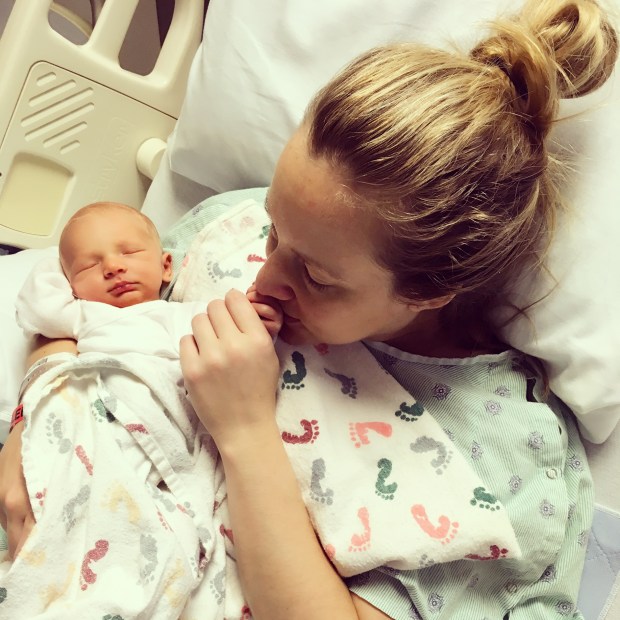
What I Wish Every Current and Future IBD Mom Knew

This month marks nine years since I became a mom.

Nine years since my life split into a clear before and after.
Before motherhood.
Before learning how much my heart could stretch.
Before realizing I could love someone so fiercely while still carrying a body that has never felt predictable or safe since my Crohn’s diagnosis in 2005.

I entered motherhood already shaped by chronic illness. Crohn’s disease had been part of my identity for years before I ever held a positive pregnancy test in my hands. I knew what it meant to live with uncertainty. I knew how to navigate flares, fatigue, medications, and fear. What I didn’t know was how those experiences would transform me into an entirely new version of myself—an IBD mom. When I got pregnant, I only knew of one woman, my cousin’s wife, who has Crohn’s, and stayed on her biologic throughout her four pregnancies.

This week on Lights, Camera, Crohn’s a reflection on my patient journey and what it felt like to go through family planning, pregnancy, and motherhood as a woman with IBD and what I want others to know.

When I Was “Just” the Patient

For a long time, my world revolved around survival. Appointments. Side effects. Lab work. Scopes. Injections. Recovery days. Canceled plans. Hospitalizations. Weaning off steroids. Learning how to read my body’s subtle warning signs. Learning when to push and when to rest.

Crohn’s taught me resilience long before I knew I would need it in motherhood. But it also taught me hyper-awareness. A constant scanning of my body for what might go wrong next. A relationship with fear that felt both protective and exhausting. As time passed, I learned to listen to how my body was speaking to me through symptoms.

When I imagined becoming a mom, that fear came with me. I had bowel resection surgery two months after getting engaged, I was planning a wedding, and for the first time after a decade of living with Crohn’s I had FINALLY heard the word “remission” for the first time. My fiancé (now husband) and I knew once we got married 10 months later, that we would need to capitalize on that remission and hopefully start our family while we knew I was well enough to do so. Despite being in remission, I still had many questions and thoughts racing through my mind:

Would I be healthy enough?
Would my medication be safe?
Would I flare during pregnancy or postpartum?
Would my disease rob me of moments I dreamed about?
Would I be hospitalized and away from my child?

…the list went on. If you’re an IBD mom or one day aspire to become one, you know the questions we all face.

I wanted to become a mom more than anything, but I carried quiet doubts about whether my body was capable of sustaining not just a pregnancy, but a lifetime of caregiving.

Becoming a Mom with Crohn’s

The day I became a mom everything shifted. Not because my Crohn’s disappeared. Not because my health suddenly became perfect. But because my why expanded.

Suddenly, my body was no longer just something I endured. It was the home my child lived in.
The vehicle through which I would show up, nurture, protect, and love. That realization changed the way I approached my overall health as a mom with IBD. My pregnancy with Reid gave me a renewed sense of love and appreciation for my body.

Taking my medication wasn’t just about me anymore.
Advocating at appointments wasn’t just self-preservation.
Resting wasn’t weakness.
Prioritizing sleep wasn’t indulgent.

It was parenting. I began to see caring for myself as an extension of caring for my child. That mental shift — from “patient” to “patient who is also a mother” — was subtle but seismic. Rather than waiting until I was too weak to even walk through the emergency doors by myself, I started to alert my care team within days of recognizing that my Crohn’s seemed a bit “off” so that we could nip any issue that arose in the bud.

Learning to Mother Through Difficult Days

Motherhood with Crohn’s is not picture-perfect. But regardless of your health status, there is no such thing as perfect when it comes to being a mom. You must remind yourself of this and give yourself grace.

There are days I have shown up with heating pads tucked under sweatshirts.
Days I’ve read stories from the bathroom floor.
Days I’ve powered through school drop-offs on pure adrenaline and grit.  Days I’ve shown up to PTO meetings and coached soccer on pain medication.
Days I’ve cried because I felt like I was failing at both having a chronic illness and being a mom.

I’ve been in “remission” since 2015, the entire time I’ve been a mom, which I’m eternally grateful for, but just because I’ve been in remission does not mean I don’t face countless struggles with this disease. That’s something I wish people would understand. IBD is a chronic illness, just because someone is in remission doesn’t mean they are free of pain, stress, and more.

I’ve had to learn that good motherhood doesn’t require constant physical perfection. Some seasons look like big adventures and energy. Others look like quiet cuddles, movie days, and choosing rest over outings.

Both count.

My children are being raised by someone who understands empathy, flexibility, and listening to their body. That matters. You’ll notice as a parent with chronic illness how quickly your little ones develop empathy. It’s next level. And so beautiful. You don’t even have to teach it, it’s innate in them because of their daily reality.

Raising a Child Who Understands Illness and Compassion

One of the unexpected gifts of being an IBD mom is watching compassion take root early.

My three children know that bodies work differently.
That medicine helps people live.
That rest is sometimes necessary.
That we don’t judge what we can’t see. They’ve learned that strength isn’t always loud.

Sometimes strength looks like getting up anyway.
Sometimes it looks like asking for help.
Sometimes it looks like choosing yourself.

Those lessons feel just as important as anything in a textbook.

How Motherhood Changed My Relationship with My Body

Before becoming a mom, there were times my body felt like the enemy.

The source of pain.
The reason plans fell apart.
The thing holding me back.

Motherhood complicated that narrative.

This body carried three children.
This body nourished three children.
This body continues to show up, even when it’s tired, inflamed, or aching.

It isn’t perfect.
But it is more than capable.

I still have hard days. But honestly, I have a lot more amazing days. I never take a feel-good day for granted.
Even after more than two decades of living with Crohn’s, there are still moments where I fantasize about what it would be like to just be a healthy person and not have the burden of my disease.

But I also hold more gratitude now. A grounded, honest one. My three children are my greatest motivation to push through and be my healthiest self.

From Surviving to Advocating

Becoming a mom didn’t quiet my voice.

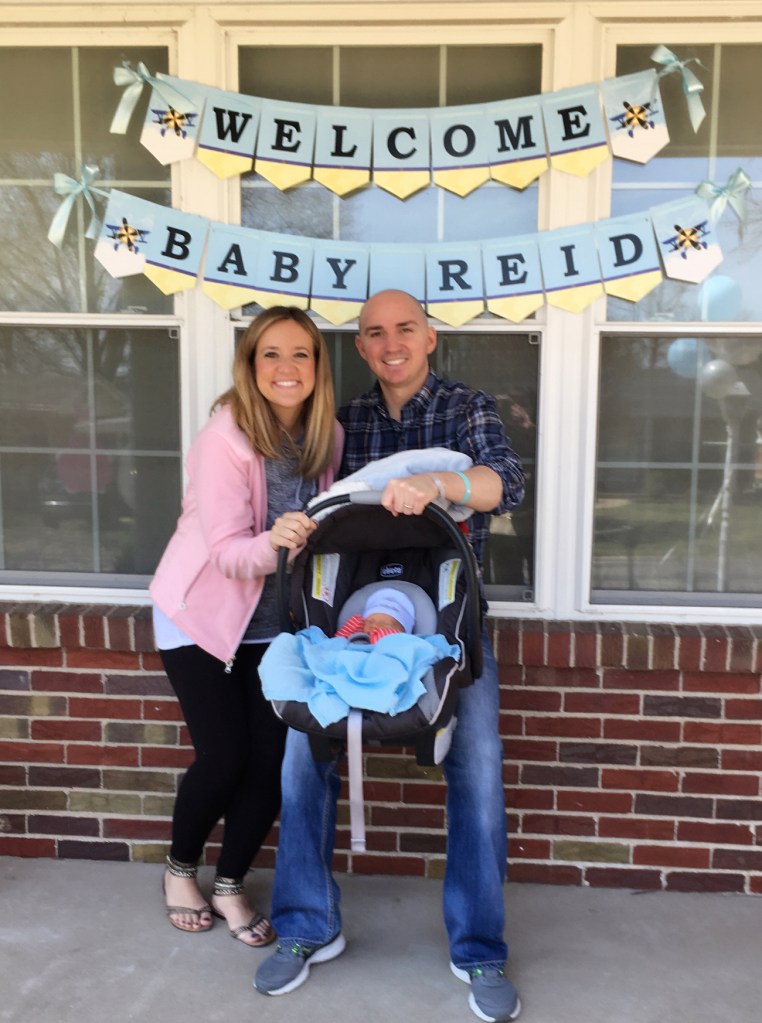
It amplified it. Ironically, this blog, Lights, Camera, Crohn’s, launched July 23rd, 2016… I found out TWO days later I was pregnant with my oldest son, Reid. So, this blog truly captures every moment of pregnancy, family planning, and motherhood from the perspective of someone who learned as I went.

I advocate not only for myself now, but for a future where my children grow up in a world that understands chronic illness better than the one I grew up in.

I speak out because I want fewer people to feel dismissed.
I share stories because I want fewer people to feel alone.
I push for better care because I want better options for the current and the next generation.

I want couples to feel empowered by their decision to have a family, however that may look for them.

I hope women feel comforted by all the constant research going on to address what’s safe and effective as they bring life into this world. I participated in IBD pregnancy studies with all three of my kids, my youngest who turns five in July will be followed through the PIANO study until age 18!

Motherhood turned my survival into purpose.

Nine Years In: Who I Am Now

I am still a patient.
I am still navigating Crohn’s.
I still face uncertainty at times, but through a much different lens.

I am also a mom of nearly a decade.

A mom who has learned how to hold fear and hope at the same time.
A mom who knows that love is not measured in energy levels.
A mom who shows up imperfectly, consistently, and wholeheartedly.

I didn’t become a mother despite Crohn’s.

I became a mother with Crohn’s.

And over the past nine years, I’ve learned that those two identities can coexist, not in conflict, but in strength. I swear I blinked and somehow my sweet Reid, my baby, is nearly double digits. I don’t think there will ever be a time in my lifetime that I don’t stare at all of my children in awe of their existence, I’m sure if you’re a parent you feel the same way. It’s a miracle they are here, healthy, and thriving. So much of why I share my family so openly is to show how my children, who were all exposed in utero to Humira, are doing so beautifully in school, sports, and socially.

To the IBD Moms (and Future Moms) Reading This

You are not broken.
You are not behind.
You are not failing.

You are doing one of the hardest jobs in the world while managing one of the hardest diseases. That deserves recognition.

Later this month, my Reid is nine.

Nine years of learning.
Nine years of adapting.
Nine years of loving fiercely in a body that isn’t always kind.

And I wouldn’t trade this evolution for anything.

IBD Pregnancy Studies

Global Consensus on IBD and Pregnancy

PIANO (Pregnancy in IBD and Neonatal Outcomes) Study

WIsDoM Study: A Study Focused on Female Fertility and Pregnancy

MotherToBaby

When Science Meets Story: The Patient Voice in the Global Consensus on IBD and Pregnancy

It is an exciting and transformative time for the IBD community when it comes to family planning and pregnancy. For years, patients and providers faced uncertainty and conflicting guidance about everything from fertility to medication safety. Now, with the publication of the Global Consensus on IBD and Pregnancy, we finally have a unified, evidence-based roadmap created by leading experts worldwide.

This groundbreaking research, jointly published across multiple top journals, is more than just a collection of data—it’s a lifeline for patients, caregivers, and clinicians seeking clarity and confidence. And for the first time, that guidance comes to life through a series of 12 videos now available online. As the sole U.S. Patient Ambassador and Group Lead for patient advocates worldwide, I was honored to contribute not only to this historic project, but also to share my own journey in the video series—bringing the patient perspective directly into the global conversation.

Grateful for Dr. Uma Mahadevan and the entire team for their incredible work on the Global Consensus.

Check out the video series

Following the release of the research from the 2025 Global Consensus Conference on IBD, a series of 12 videos were also published on the PIANO (Pregnancy in IBD and Neonatal Outcomes website), featuring experts speaking on best practices, emerging data, and consensus statements.

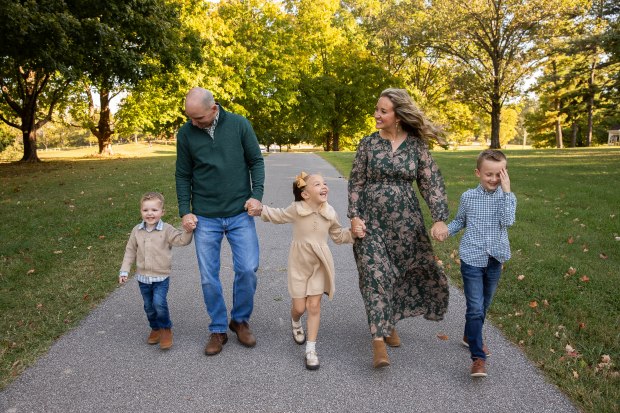
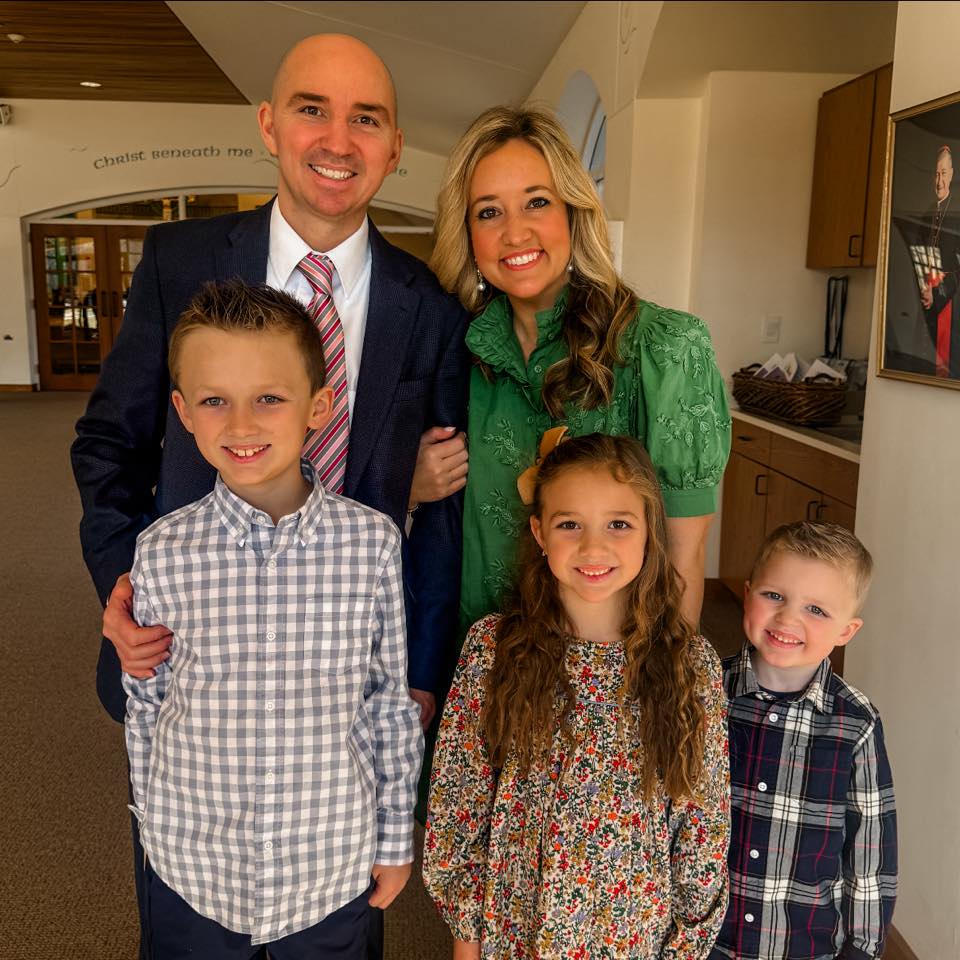
Among those 12, my Patient Perspective video is unique. It’s the only video in the lineup where you hear firsthand experience from an IBD mom. During my unscripted 18-minute video, I share openly about the tough decisions I faced personally, the hopes and worries I encountered while bringing babies into this world, and what I want fellow patients and doctors to know. As an IBD mom of three kids (now ages 8, 6, and 4) who were all exposed in utero to Humira, I have a unique perspective to share.

I know what it’s like when you’re 32 weeks pregnant and have to do a biologic injection while you see your baby’s foot kicking at your belly. I know how stressful it is when you don’t know if you’re going to flare while pregnant or shortly thereafter. I know how complicated and overwhelming it can feel when you’re juggling a chronic illness along with pregnancy and motherhood.

Having a patient video placed alongside expert commentaries is a statement: our lived experience is essential to understanding how guidelines work in the real world. I hope my words leave you feeling seen and empowered.

The 12 published videos cover the following topics:

  • Adverse Outcomes of Pregnancy in IBD
  • Fertility and IBD
  • Fetal and Neonatal Adverse Events in IBD
  • IBD Medications During Pregnancy
  • IBD Medications During Breastfeeding
  • Immunizations for Infants of Mothers with IBD
  • IBD Medication During Breastfeeding
  • Key Findings and Recommendations
  • Management of IBD During Pregnancy
  • Maternal Factors in IBD
  • Preconception Counseling and Contraception for Patients with IBD
  • The Patient Perspective

Why These Videos Matter

Each video is a piece of a bigger puzzle. Together they tell a story about where we are now, where we need to go, and how patients can be—and must be—central to that journey.

Bridging gaps between patient, clinician, and researcher. These videos are designed not just for patients, but for caregivers, physicians, policy makers, and anyone interested in improving IBD care. Seeing things through the patient lens can spark better communication, more empathic care, and guidelines that address what matters most.

Empowerment through shared experience. Whether it’s coping with symptoms, navigating treatment decisions, or facing uncertainty, this research will make you feel more confident in every decision you make along the way. Rather than feeling like there’s an overwhelming amount of gray area, you can see the roadmap of decision-making created from the Consensus that will help you each step of the way.

How to Watch & What To Do Next

  1. Watch the videos: Listen firsthand and educate yourself. An educated patient is an empowered patient. It’s one thing to read a published medical study, it’s especially helpful to see these videos and watch the research come to life.
  2. Join the conversation: Use these videos as conversation starters, take what you learned into clinic visits, have conversations with your partner/family/friends, or on social media. When you’re talking about family planning, make sure your GI and Maternal Fetal Medicine doctors are aware of the Global Consensus on IBD and Pregnancy to ensure they are up-to-date on the very latest research.
  3. Join the PIANO study. This is a great way to become a citizen scientist and use your journey to motherhood as a way to pave the way for others. I participated in PIANO with my youngest child, and he will continue to be “followed” until age 18. It does my heart good to know we’re helping bridge the gaps in understanding so women with IBD now and in the future can feel more comfortable about staying on medication in pregnancy and during breastfeeding.

Too often, patient voices are an afterthought or an add-on. Being featured as an integral voice, not a sidebar, is a powerful shift. The fact the Global Consensus Conference team made such a point to incorporate patients like myself who are IBD moms, from around the world, goes to show just how inclusive and comprehensive this research is.

Final Thoughts

Living with IBD means navigating uncertainty, physical challenges, and emotional strength, but it also means being part of a community that continues to push boundaries in care. These videos highlight not only the science and data, but the lived realities that bring those numbers to life. Patient voices don’t just complement medical expertise, they help shape the future of care. By placing my perspective alongside global experts, the Consensus reminds us that guidelines are most powerful when they reflect both evidence and experience.

As an IBD mom, I think about what this progress means for my three children and for the next generation of families impacted by this disease. I volunteer my time and energy for these projects because they are at the heart of my patient advocacy and genuinely matter so much to me. The inclusion of patient voices today paves the way for a future where no one feels alone in their decisions about pregnancy and IBD. Together—patients, clinicians, and researchers are building a roadmap that will make the journey clearer, safer, and more hopeful for those who come after us.