A New Study Suggests Crohn’s Disease May Be Detectable Years Before Symptoms Begin

New research published in Clinical Gastroenterology and Hepatology offers a glimpse into what Crohn’s disease may look like before it officially begins and the findings could have major implications for how we understand, monitor, and potentially prevent the disease in the future. As an IBD mom of three kids ages 8, 7, and 4, research like this always feels a bit bittersweet. While I’m grateful for the strides in research, I’m apprehensive about the burden and grief I would feel if I was able to know if my children would one day receive the same diagnosis.

As someone diagnosed with Crohn’s at age 21, I’m grateful for my two decades of blissful, perfect health. Had I known a complicated chronic illness would one day riddle my body, I’m not sure how I would have coped and dealt with that news.

This week on Lights, Camera, Crohn’s a look at what the latest research discovered, the complicated emotions IBD parents may feel, and what the future may hold for us all as a community.

Why This Matters: Crohn’s May Start Long Before Diagnosis

The study found that certain immune responses in the blood, specifically elevated IgG antibodies targeting a conserved region of bacterial flagellin (a protein found on gut bacteria) were present years before people were diagnosed with Crohn’s disease. In other words, the immune system appeared to be reacting to gut bacteria long before symptoms like abdominal pain, diarrhea, or weight loss ever showed up.

This study followed 381 first-degree relatives of Crohn’s patients, 77 of whom went on to develop the disease. Among them, 28 (more than a third) had elevated antibody responses.

One of the most important takeaways from this research is the timing. Most Crohn’s biomarkers are identified after the disease is active. This study, however, suggests that immune dysregulation may begin well in advance of clinical disease. This supports the idea that Crohn’s develops gradually rather than suddenly.

That distinction matters. If Crohn’s truly has a long preclinical phase, it opens the door to earlier monitoring and potentially earlier intervention, especially for people who are already at higher risk, such as first-degree relatives of those living with Crohn’s disease. A first degree relative is a parent, child, or sibling.

According to the Crohn’s and Colitis Foundation, 36% of children born to two parents with IBD will develop the condition at some point during their life. The risk is substantially less when only one parent has IBD, with The National Human Genome Research Institute sharing there’s a 7-9% chance.

A Potential Blood Test for Risk, Not Diagnosis (Yet)

It’s important to be clear: this is not a diagnostic test and it’s not something patients can request from their doctor today. But it does raise the possibility that, one day, blood-based immune markers could help identify those who are more likely to develop Crohn’s before symptoms begin.

For families affected by IBD, this kind of risk stratification could be meaningful. Instead of waiting years for symptoms to escalate, or for damage to occur, high-risk individuals might one day be monitored more closely or offered early preventive strategies. As an IBD mom, I feel as though I would struggle with knowing whether this was something I wanted to dig deep for, while also not wanting to get in the way of stopping disease progression. It’s not a black and white situation by any means. If these types of blood tests are available when my kids are teenagers, and I were to get results that broke my heart, I’d feel obligated to be transparent and share—would I really want my kids, who have witnessed me living with Crohn’s their whole lives, to know this would one day be part of their own story? It stresses me out just trying to imagine it.

What This Could Mean for Prevention Research

Another compelling aspect of the study is that the immune response was directed at a conserved portion of bacterial flagellin. This means it’s shared across many gut bacteria. That finding has sparked discussion about whether future therapies or vaccines could target these immune pathways in people who are high risk for Crohn’s.

While prevention remains a long-term goal rather than a current reality, this research reflects a broader shift in IBD science: moving upstream to understand why Crohn’s starts, not just how to treat it once it’s already established, and as an IBD mom I am certainly grateful for that.

What This Doesn’t Mean (Yet)

As exciting as this research could be, it’s not a crystal ball. Not everyone with these immune markers will develop Crohn’s, and many people with Crohn’s were never tested years before diagnosis. Larger studies are still needed to validate these findings across diverse populations and to determine how predictive these markers truly are.

For now, this study adds another piece to the puzzle, one that reinforces what many patients already know intuitively: Crohn’s disease doesn’t start the day you’re diagnosed.

The Bigger Picture

Our community often experiences years of delayed diagnosis, misattributed symptoms, and unanswered questions, so research like this matters. It shifts the narrative from “why didn’t we catch this sooner?” to “how early can we understand and intervene?”

While we’re not there yet, this study represents an important step toward a future where Crohn’s disease is identified earlier, monitored more thoughtfully, and one day possibly prevented altogether.

For parents living with IBD, research like this can carry an added emotional burden. The idea that Crohn’s disease may be detectable years before symptoms begin can stir complicated feelings, especially for those who worry about whether they’ve passed on a genetic risk to their children. Some parents may want every possible tool to protect their child’s future health, while others may find the thought of early testing anxiety-provoking or guilt-inducing. There’s no right or wrong response. I get it and struggle with how I’d handle this, too. Living with IBD already requires navigating uncertainty, and this research underscores how deeply personal decisions about risk, knowledge, and monitoring can be for families. As science moves forward, it will be just as important to support parents emotionally as it is to advance early detection tools.

Additional Research

Crohn’s Disease May Be Detectable Years Before Symptoms

Familial and ethnic risk in inflammatory bowel disease – PMC

Targeting Disease Prediction and Prevention: The New Frontier in IBD

Deciphering the different phases of preclinical inflammatory bowel disease | Nature Reviews Gastroenterology & Hepatology

The GEM Project – The GEM Project – Crohn’s and Colitis Canada

Navigating IBD: A Journey of Resilience, Advocacy, and Hope

An Inflammatory Bowel Disease (IBD) diagnosis often comes with a heavy toll, not only on the body but also on the mind and spirit. For patient leader and three-time author Stephanie A. Wynn, her journey through IBD (like many of us) has been one of pain, perseverance, and advocacy. 

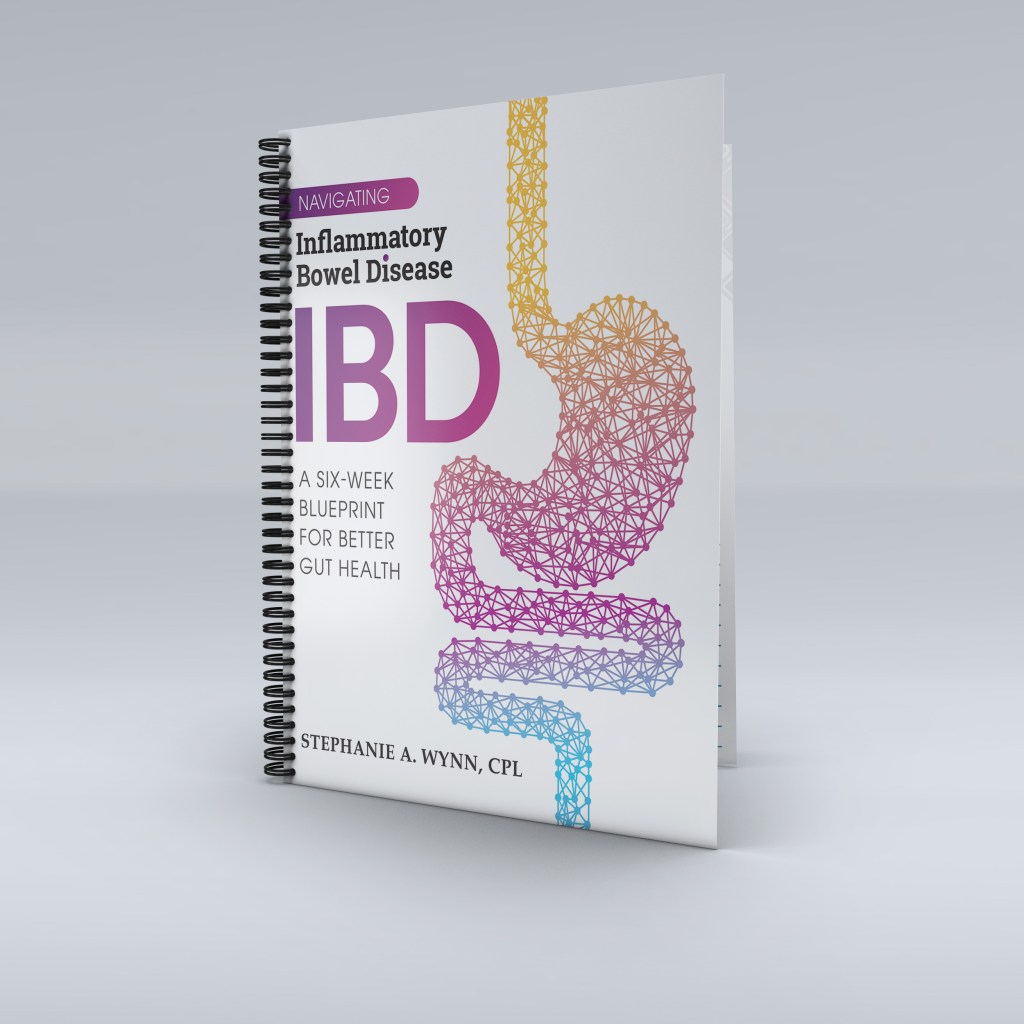
This week on Lights, Camera, Crohn’s a look at what inspired Stephanie to write, “Navigating Inflammatory Bowel Disease – A Six-Week Blueprint for Better Gut Health” and what she hopes our community takes away from her latest book.

The Inspiration Behind the Book

Reflecting on her personal story, Stephanie recalls a heartbreaking experience that would unknowingly be tied to her IBD diagnosis years later. “Fifteen years ago, I lost my daughter, Jameson. At the time, I had no idea that Crohn’s Disease had anything to do with it. I wasn’t even diagnosed yet,” she shares. For years, her symptoms were not properly understood by doctors, which only added to the emotional and physical turmoil. It wasn’t until her sixth diagnosis that medical professionals finally connected the dots.

Through this painful experience, Stephanie realized the vital need for advocacy and support for those suffering in silence. This realization sparked her passion for helping others who may be overlooked or misdiagnosed. “I advocate for the women who are told their pain is normal. I advocate for the patients dismissed by doctors because their symptoms don’t fit the textbook definition,” Stephanie explains.

This journey led to the creation of Navigating Inflammatory Bowel Disease (IBD): A Six-Week Blueprint for Better Gut Health. This book is more than just a personal account; it’s a powerful resource for those living with IBD and their caregivers. Stephanie wrote the book she wished she had when she was first diagnosed — a roadmap that offers not only practical advice but also emotional support.

A Glimpse Inside the Writing Process

As a three-time author, Stephanie approaches writing as a deeply empathetic process. She listens carefully to the stories and concerns of the IBD community. “Before I write, I ask: What are people struggling with the most? What’s missing from the resources currently available? How can I make complex medical and lifestyle topics easier to digest?” she says.

Each chapter of Navigating Inflammatory Bowel Disease (IBD) is designed to address the real-life struggles of patients and caregivers. The book offers practical advice on managing symptoms, self-advocating in medical spaces, and embracing resilience, making it a comprehensive guide to living well with IBD.

What Stephanie Hopes Readers Take Away

The central focus of this book is to give patients confidence. Confidence in managing their health, advocating for themselves in medical spaces, and maintaining hope for a fulfilling life despite the challenges of IBD. The six-week blueprint includes:

  • Actionable steps to manage life with Crohn’s Disease or Ulcerative Colitis
  • Reflection prompts to help patients process their journey
  • Guidance on managing symptoms, diet, and mental health
  • Tools for improving communication with doctors and loved ones

Stephanie emphasizes that no one should have to face IBD alone. “This book is about helping people find their voice, take control of their health, and live their lives with confidence.”

Amplifying Underrepresented Voices

Another key aspect of Stephanie’s work is ensuring that underrepresented communities are included in the conversation about IBD. She is especially passionate about advocating for Black, Brown, and marginalized patients who often face additional barriers to diagnosis, treatment, and support.

“Minorities and underrepresented communities have been overlooked in conversations about IBD,” she says. “The lack of awareness, delayed diagnoses, and disparities in treatment access are real barriers. Through my work as an IBD Patient Navigator® and Certified Patient Leader, I ensure that these communities feel seen, heard, and supported.” Stephanie is determined to elevate voices that are often ignored and make sure that health equity becomes a priority for all.

Why This Book Means So Much

For Stephanie, Navigating Inflammatory Bowel Disease is not just a book — it’s a mission. It is the culmination of her own struggles, triumphs, and desire to make a difference. “This book isn’t just a project, it’s my story, my advocacy, my purpose,” she shares. It’s the blueprint she desperately needed when she first began her journey with IBD, and now it’s available for others to guide them through the maze of treatments, lifestyle adjustments, and emotional challenges that come with this chronic illness.

She hopes her story serves as a beacon of hope for anyone who feels lost or overwhelmed by their diagnosis. “No one should have to figure out Crohn’s Disease or Ulcerative Colitis alone,” Stephanie says.

Final Thoughts

Stephanie’s message is clear: IBD may shape our lives, but it doesn’t have to define us—which I love! Navigating Inflammatory Bowel Disease (IBD): A Six-Week Blueprint for Better Gut Health is not just a guide for managing symptoms, it’s a testament to the power of resilience, hope, and community. With this book, Stephanie aims to spark a movement towards better gut health, stronger patient advocacy, and a future where no one navigates IBD alone.

Whether you are newly diagnosed, a caregiver, or someone who has lived with IBD for years, this book is for you. As a fellow patient advocate and leader, I’m so proud of Stephanie for going after her dreams and making this latest resource a reality for our community. Together, we can turn pain into purpose and ensure that no one fights this battle in silence.

Click here to order your copy of Navigating Inflammatory Bowel Disease.

Let’s keep the conversation going.

Connect with Stephanie on Instagram and LinkedIn and share your IBD story.

Learn more about the Stephanie A. Wynn Foundation, Inc., which is dedicated to eliminating healthcare and financial disparities in underserved African American and marginalized communities.

Navigating Health Trends with IBD: Why Caution is Key

For those living with Inflammatory Bowel Disease (IBD), the pursuit of better health often extends beyond medications and doctor visits. As someone who has lived with Crohn’s for more than 19 years, I’m aware that lifestyle plays a significant role in how we manage our disease. That being said—many people are drawn to popular health trends that promise improved digestion, immune support, and overall wellness. Everywhere we look we see posts on social media promising the next best thing for us. However, some of these trends, though appealing, may pose risks for those with sensitive digestive systems and compromised immune systems. This week on Lights, Camera, Crohn’s, we look at why it’s important to be wary of popular remedies and hear advice from Dr. Neilanjan Nandi, MD, FACG, AGAF, FACP, a well-respected gastroenterologist from Penn Medicine who specializes in Crohn’s disease and ulcerative colitis.

Holistic practices in the IBD community and beyond

There’s a lot of talk about holistic practices in the IBD community (Raw Milk, Amra/Bovine Colostrum, Digestive Enzymes, Athletic Greens, Homemade Kombucha)–the list goes on… while people may have “success” stories or swear by the benefits, it’s important to talk with your healthcare provider first.

“For patients on immunosuppressants, I would caution against consuming raw milk due to the concern for lack of pasteurization. There are often significant heavy bacterial loads and infectious organisms that may behave poorly in a patient’s digestive system and cause infections and subsequent flares too. Fermented products are certainly not contraindicated but I would caution patients in overdoing ‘too much’ and taking many different types of fermented products as it may cause excess gas,” says Dr. Nandi.

DeBalko Photo

He recommends people with IBD stick with one option and it if provides benefit then you can consider continuing.

“However, if a person sees no benefit after 6 weeks, then stop or change. Supplements like Athletic Greens may help patients get in more nutrients and fiber than they otherwise would, but this might also reflect that a patient is not getting enough nutritional balance, so they are favoring this product to achieve that need. Instead, I would rather encourage patients to work with a dietitian who can provide them with more insight and a balanced nutrition plan where they can get their vitamins and minerals in a whole food package rather than a processed formula. Also, there is no data to support that the product provides benefit in IBD and may be a costly option too,” he says.

Why the IBD community needs to be a bit more skeptical

Many supplements lack benefit and/or evidence to provide healing or relief. Many may be minimal risk and possible benefit but this risk to benefit ratio is quite low for the majority of such supplements.

“The greatest risk to the IBD patient is more financial as they are often costly and IBD patients generally have more than enough bills to manage. The other reason for concern is that some supplements may have a small risk for hepatotoxicity or other rare adverse events that may not be predictable. While herbal teas and plant-based products may appear safe, I always recommend informing your personal physician if starting a supplement and they can decide if a conservative approach to monitoring may be more appropriate,” explains Dr. Nandi.

A closer look at the “trends”

  • Raw Milk—While this is nutrient rich it doesn’t come without its risks. Unpasteurized milk has natural nutrients, probiotics, and enzymes that are believed to aid digestion and immunity. However, the lack of pasteurization also means that harmful bacteria like E. coli, Salmonella, and Listeria can be present, posing significant risks. For those with IBD, it’s common for us to have an immune system that is already compromised or a gut lining that is inflamed or damaged. This puts us at greater risk for bacterial infections. An infection from contaminated raw milk can lead to severe gastrointestinal symptoms, including diarrhea, cramping, and even serious complications that can exacerbate IBD flare-ups. While raw milk may seem appealing for its benefits, its risks far outweigh potential gains for those with IBD. Pasteurized milk or dairy alternatives are much safer options.
  • Bovine Colostrum—This is the first milk produced by cows after giving birth, it’s rich in antibodies, growth factors, and immune-boosting nutrients. It’s marketed as a supplement that can heal the gut, reduce inflammation, and improve immunity. Some studies suggest that colostrum may benefit those with gastrointestinal issues by promoting gut repair and reducing intestinal permeability. However, research on its effectiveness for IBD is limited, and not all individuals with Crohn’s or ulcerative colitis may respond well. There’s also the potential for allergic reactions, especially for those who are sensitive to dairy. Additionally, its effects on a highly inflamed or damaged gut are not well understood. While bovine colostrum shows potential for gut health, more research is needed to confirm its safety and efficacy in people with IBD. Always consult with a healthcare provider before adding it to your routine.
  • Digestive Enzymes—These are often recommended to support digestion, especially for those with conditions that impair enzyme production. They can help break down food, alleviate bloating, and promote nutrient absorption. For some people with IBD, especially those with enzyme deficiencies or malabsorption issues, these supplements may provide relief. However, not all enzyme formulations are created equal, and taking the wrong type or dose can lead to side effects like diarrhea, cramping, or worsen digestive symptoms. In addition, over-reliance on these supplements can mask underlying issues that need medical treatment. Digestive enzymes may offer benefits for those with IBD, but they should be used under the guidance of a healthcare professional to ensure they are appropriate for your specific needs.
  • Athletic Greens—This is a popular green superfood supplement packed with vitamins, minerals, probiotics, and other nutrients. It’s marketed to boost energy, support digestion, and fill nutrient gaps. While this may seem like a convenient way to enhance your diet, those with IBD should be cautious. First, the high fiber content and presence of various herbal extracts may not agree with everyone. Some ingredients could irritate the gut or trigger symptoms in sensitive individuals. Additionally, people with IBD often have individualized nutrient needs, and a one-size-fits-all supplement may not address these properly. For example, certain vitamins and minerals may be needed in specific dosages, which Athletic Greens may not provide. While Athletic Greens can seem like an easy nutritional boost, people with IBD should be cautious due to its fiber and herbal content, and instead, focus on personalized nutrition guided by a healthcare provider.
  • Homemade Kombucha—This is a fermented tea that’s often praised for its probiotic components, which are beneficial to support gut health. Many people with digestive issues turn to kombucha for its potential to improve digestion and balance gut bacteria. However, homemade kombucha can be unpredictable, with variable levels of fermentation and alcohol content. For those with IBD, who often have a more sensitive gut environment, kombucha’s acidity and potential for bacterial overgrowth or contamination can worsen symptoms like bloating, diarrhea, and cramping. There is also a risk of introducing harmful pathogens during the fermentation process if not done carefully. Store-bought kombucha from a reliable source is a safer option, but even then, it should be consumed in moderation by those with IBD.

Not all health influencers are created alike

When you feel desperate to try something that could improve your quality of life, you may be willing to do whatever it takes to feel better. But please remember that not all health influencers and people on social media are created alike and many have an agenda or profit motive.

“I have often found that the most ‘popular’ products are being promoted by influencers who participate in affiliate marketing and receive a financial incentive if their followers purchase with their referral code. One should always be weary of this and question the intent behind this approach. When in doubt, ask your doctor about the product and always do your own research, if possible,” Dr. Nandi advises.

What to know before you try

Gastroenterologists are trained to look for medication interactions and understand how to conduct literature searches in publication databases that are not always accessible to the public.

“Physicians are more up to date than most online influencers and can at least provide clinical support should a complication occur because of the supplement. The widespread use of electronic medical records for patients to converse with their medical team through secure messaging also provides patients an opportunity to ‘cut and paste’ weblinks to potential therapies and/or supplements to their physicians. This way the clinician can review the same page and provide a prompt medical opinion,” he says.

A look at the future

Dr. Nandi says some exciting supplements are on the market now. One in particular is called Qing Dai, which may be helpful in ulcerative colitis shown in small placebo-controlled studies. The pharmaceutical industry is elucidating this pathway, too.

“More data is required to study the effect in large scale trials. Even this exciting supplement may benefit from laboratory and clinical supervision to ensure patient safety,” says Dr. Nandi.

With the growing popularity of wellness trends, it’s easy to be tempted by promises of better health and healing. However, for those with IBD, not all health trends are created equal, and some may pose significant risks to gut health. It’s always crucial to approach new supplements or diets with caution, especially when you’re managing a complex condition like IBD.

I personally get approached all the time to try a new or different supplement and I’m always hesitant to rock the boat or put something into my body that I don’t know much about. Just as we are forced to advocate for ourselves in the healthcare system, we also need to be cognizant that unfortunately not everyone has our best interest in mind when it comes to making a profit from our pain. Just like diet and medication—there is not a one size fits all approach to wrangle IBD. Just because your healthy friend who added raw milk into her diet swears by the benefits, doesn’t mean it’s right for you. People may genuinely be trying to help you but stay informed and be cautious. This especially goes for newly diagnosed patients and caregivers who may be grabbing at straws trying to improve the reality of life with IBD.

Before trying any new health trend, it’s important to consult with your healthcare team, including your gastroenterologist and IBD nutritionist, to ensure the approach is safe and appropriate for your specific health needs. What works for the general population may not necessarily be beneficial—or even safe—for those living with IBD.

The Gut-Brain Connection: Understanding Its Role in Inflammatory Bowel Disease

Ever have a feeling in your gut that says you can trust someone or to make a certain decision? Get diarrhea or constipation when you’re under a lot of stress or anxiety? Your gut is so sensitive and smart scientists call it your “second brain! The human body is a complex ecosystem, with various systems interconnecting in intricate ways. One of the most fascinating of these connections is between the gut and the brain, often referred to as the “gut-brain axis.” This communication network plays a crucial role in maintaining our overall health, influencing everything from mood and cognition to immune function and digestive health. Emerging research indicates that the gut-brain axis may significantly influence the development and progression of IBD. The big question being—how?

This week on Lights, Camera, Crohn’s a look into how the Gut-Brain Axis works and what this means for the future of IBD treatment and care. Whether it’s stress, people pleasing, avoiding emotions, or anxiety—there are many triggers aside from food.

The Gut-Brain Axis: A Two-Way Street

Before we get started, it’s helpful to understand what the gut-brain axis involves and the multiple pathways it impacts, including the nervous system, the endocrine system, and the immune system. The primary components of this axis are:

  • The Enteric Nervous System (ENS): Think of this as how it feels when you get “butterflies in your stomach”. The ENS is a vast network of neurons (nerve cells that send messages all over your body to allow you to do everything from breathing to talking, eating, walking, and thinking) embedded in the walls of the gastrointestinal tract. It operates independently of the central nervous system but communicates with it via the vagus nerve, which runs from the brainstem to the abdomen.
  • Neurotransmitters and Hormones: The gut produces and responds to various neurotransmitters and hormones, including serotonin, dopamine, and cortisol. These chemicals are crucial for regulating mood, stress responses, and digestive functions.
  • The Microbiome: Trillions of microorganisms reside in the gut, forming a complex and dynamic community known as the microbiome. These microbes play a critical role in digestion, immune modulation, and even the production of neurotransmitters.

The Gut-Brain Connection and IBD

Chronic inflammation in IBD can affect the enteric nervous system, leading to alterations in gut motility and sensitivity. Those of us with IBD often experience abdominal pain, cramping, and changes in bowel habits, which are partly mediated by the nervous system. Conversely, stress and psychological factors can exacerbate IBD symptoms. Stress activates the hypothalamic-pituitary-adrenal (HPA) axis, leading to the release of cortisol and other stress hormones, which can, in turn, promote inflammation in the gut.

The Role of the Microbiome

The gut microbiome is crucial in maintaining intestinal health and regulating immune responses. For those with IBD, the composition and diversity of our gut microbiomes are often disrupted, a condition known as dysbiosis. Dysbiosis can contribute to the chronic inflammation seen in IBD by impairing the gut barrier function and promoting an overactive immune response. Interestingly, the microbiome also communicates with the brain through the production of metabolites and neurotransmitters, which influences mood and cognitive function.

You can optimize your gut microbiome with diet by eating:

  • Green leafy vegetables (broccoli, kale, Brussel sprouts, asparagus, spinach, garlic, etc.).
  • Healthy fats (extra virgin olive oil, sesame oil, coconut oil, nuts, seeds)
  • Protein (eggs, fish, grass-fed meats)
  • Low sugar fruits (avocado, bell peppers, cucumber, tomato, zucchini, limes, and lemons)

*Before altering your diet or incorporating foods that could trigger disease activity, please talk with your care team and discuss this further with a registered dietitian who specializes in IBD.

Psychological Factors and IBD

IBD is often associated with psychological conditions such as anxiety and depression. According to the Crohn’s and Colitis Foundation,  we’re two to three times more likely to deal with anxiety and depression than the general population. These mental health issues can both contribute to and result from the physical symptoms of IBD. For instance, chronic pain and discomfort can lead to increased stress and anxiety, while anxiety and depression can exacerbate gut inflammation and symptom severity. It’s a vicious cycle that can often feel out of our control.

Therapeutic Implications

Understanding the gut-brain connection opens new avenues for the way we treat IBD. Traditional treatments focus on reducing inflammation and managing symptoms through medications and lifestyle changes. However, addressing the gut-brain axis could provide additional therapeutic benefits. Some potential approaches include:

  • Probiotics and Prebiotics: These can help restore a healthy balance in the gut microbiome, potentially reducing inflammation and improving gut health. Talk with GI about their thoughts on this, as each provider has their own opinion.
  • Psychological Interventions: Cognitive-behavioral therapy (CBT), mindfulness-based stress reduction (MBSR), and other stress-management techniques can help manage the psychological aspects of IBD, potentially reducing symptom severity. Tools such as breath work and gut-directed hypnotherapy can help to improve GI systems, while improving your mood and decreasing stress. This works by softening the body’s stress response, inhibiting the secretion of cortisol, decreasing inflammation, and supporting the immune system.
  • Dietary Modifications: Certain diets, such as the low-FODMAP diet, can help manage symptoms by reducing gut irritation and inflammation. Personalized nutrition plans based on an individual’s microbiome composition are also being explored. Connecting with a registered IBD dietitian can provide you with a personalized plan geared to where you’re at on your patient journey—this will differ if you’re recovering from surgery, pregnant, flaring, the list goes on. Diet is not a one size fits approach, it’s unique to you. Before you start eliminating entire food groups and putting difficult limitations on yourself, talk with a professional.
  • Pharmacological Treatments: Medications that target the gut-brain axis, such as those that modulate neurotransmitter levels, are being investigated for their potential to treat both the psychological and physiological aspects of IBD.

Final thoughts

Our gut and brain are in constant contact through nerves and chemical signals, and taking care of our mental health and our gut health goes hand in hand. The relationship between our gut and brain is a fascinating and complex one that significantly influences our overall health, playing a pivotal role in everything from mood and cognition to immune response and digestive health. For those of us living with IBD, understanding and addressing this connection can provide new insights into the management and treatment of our disease.

As research continues to uncover the complexities of the gut-brain axis, we move closer to a holistic approach to IBD care that considers the intricate interplay between mind and body. Know that there are psychologists who specialize in gastrointestinal illnesses as well as dietitians who do as well. By adding specialists like this to your care team, you’ll be better equipped to manage the unpredictability of life with Crohn’s and ulcerative colitis.

Additional Resources

The Gut-Brain Axis in Inflammatory Bowel Disease—Current and Future Perspectives – PMC (nih.gov)

Researching IBD and mental health through the gut microbiome – UChicago Medicine

The influence of the brain–gut axis in inflammatory bowel disease and possible implications for treatment – The Lancet Gastroenterology & Hepatology

The Gut-Brain Connection — Does It Go Beyond Butterflies? | Live Healthy | MU Health Care

Brain structure and function changes in inflammatory bowel disease – ScienceDirect

Crohn’s disease, gut health, and mental health: What’s the link? (medicalnewstoday.com)

Brain-gut connection explains why integrative treatments can help relieve digestive ailments – Harvard Health

Liquid diets: How to thrive and what to avoid

When you battle inflammatory bowel disease, chances are there will be several times throughout your journey where you are limited to only drinking liquids—whether it’s preparing for an upcoming procedure or needing to rest your bowel during a flare-up. It can be extremely dreadful to function in a workplace or in a social situation, when you’re limited to drinking liquids or sipping on some broth.

meandamandaWhen I was a news anchor in Springfield, Illinois, I used to interview and participate in cooking segments with a registered dietitian named Amanda Figge. She is extremely passionate and well-versed about nutrition and health and practices what she preaches in her daily life.

“Nutrition holds the key to the difference between going on or off certain medications, improving your performance and strength at the gym, raising energy levels, and reducing pain and inflammation, to name a few. There is no one-size-fits-all approach to healthy eating,” Amanda explains.

One of Amanda’s recent posts on social media really peaked my interest. She included a photo of Ensure. If you have IBD, chances are you’ve relied on these at some point. I know I have. In her post, Amanda wrote:ensure

“Ensure is one of the worst “nutritional” beverages to supplement in the diet. Yes, I fully understand the body just needs to receive nutrients in any way, shape or form it can. But when longevity and health are a prime concern, QUALITY should be a priority. As you can see, Ensure provides an assortment of vitamins and minerals, but in order to get those nutrients, you have to consume a bottle chalk-full of chemicals and high-inflammatory agents.”

She went on to say:

“Sugar is the third ingredient. Corn maltodextrin is a highly processed refined carbohydrate. Soy protein should be avoided. Artificial flavors/sweeteners are no way to treat the body nicely. You’re basically consuming a multi-vitamin that was covered in sugar, lit with a cigarette and left in the middle of a freeway during rush hour traffic.”

Whew. Intense. If you’re like me—and have depended on these meal supplement drinks when you’re in the hospital, fighting a flare at home or struggling to eat—those words probably struck a chord with you, too. Amanda’s focus is to heal the body with whole foods and eliminating potential sources of inflammation. Inflammation is the immune system’s first response to an acute or chronic condition. Chronic inflammation can be caused by cancer and its treatments, autoimmune disorders such as fibromyalgia and Crohn’s, metabolic complications such as diabetes and even neurological conditions like depression.

“While I believe it’s important for all people to practice low inflammatory eating habits (focusing on a whole foods diet and limiting processed foods, chemicals and added sugars), it is especially important for individuals experiencing chronic inflammation to adopt these protocols. Ensure is often provided to those undergoing chemotherapy or recovering from a bowel flare-up. While it may be appropriate for some, creating a homemade nutritional supplement can have far less chemicals and more immune-boosting benefits,” says Amanda.

If you’re put on a liquid diet to calm your bowel and to heal, avoid lactose, gluten, sugar-substitutes and soy. Making homemade shakes allows you to have complete control of the nutrients you are putting into your body. Here are two of Amanda’s favorite smoothie recipes:

 Creamy Chocolate Banana Smoothie

  • 1 scoop of chocolate whey protein isolate (lactose-free and naturally sweetened)
  • ½ frozen banana
  • ½ small avocado
  • 1 spoonful of peanut butter or almond butter
  • Handful of ice cubes
  • Unsweetened almond milk (1/2 cup- 1 cup)

Blend all ingredients in food processor or mixer. Using less almond milk will make the smoothie extra rich and thick.

Berry Bliss Smoothie

  • 1 scoop vanilla whey protein isolate (lactose-free and naturally sweetened)
  • ½ -1 cup frozen blueberries
  • ½ frozen banana
  • 1-2 handfuls of spinach
  • Unsweetened almond milk (1/2 cup- 1 cup)

Blend all ingredients in food processor or mixer. Using less almond milk will make the smoothie extra rich and thick. IMG_5890

Another option instead of whey protein isolate would be collagen peptides. These specific amino acids can additionally help support proper gut function and strengthen immunity. L-glutamine powder is an additional supplement Amanda recommends that promotes gut healing. This powder can easily be added to smoothies and beverages.

I don’t know about you, but the next time I’m on a liquid diet, I’m going to take Amanda’s advice to heart. While we may not have control of our well-being with Crohn’s and ulcerative colitis, this knowledge and background enables us to grab the reins and give our body the best shot to heal, in a healthy way.