A Rare Case, A Powerful Message: One IBD Mom’s Battle with Vitamin K Deficiency During Pregnancy

When you live with Inflammatory Bowel Disease (IBD), you become an expert in knowing life can throw you curveballs at any given moment. Those curveballs are especially worrisome and scary during pregnancy and after you become a mom.

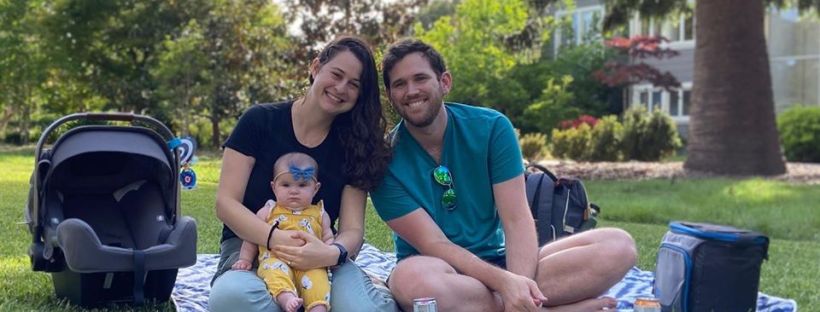
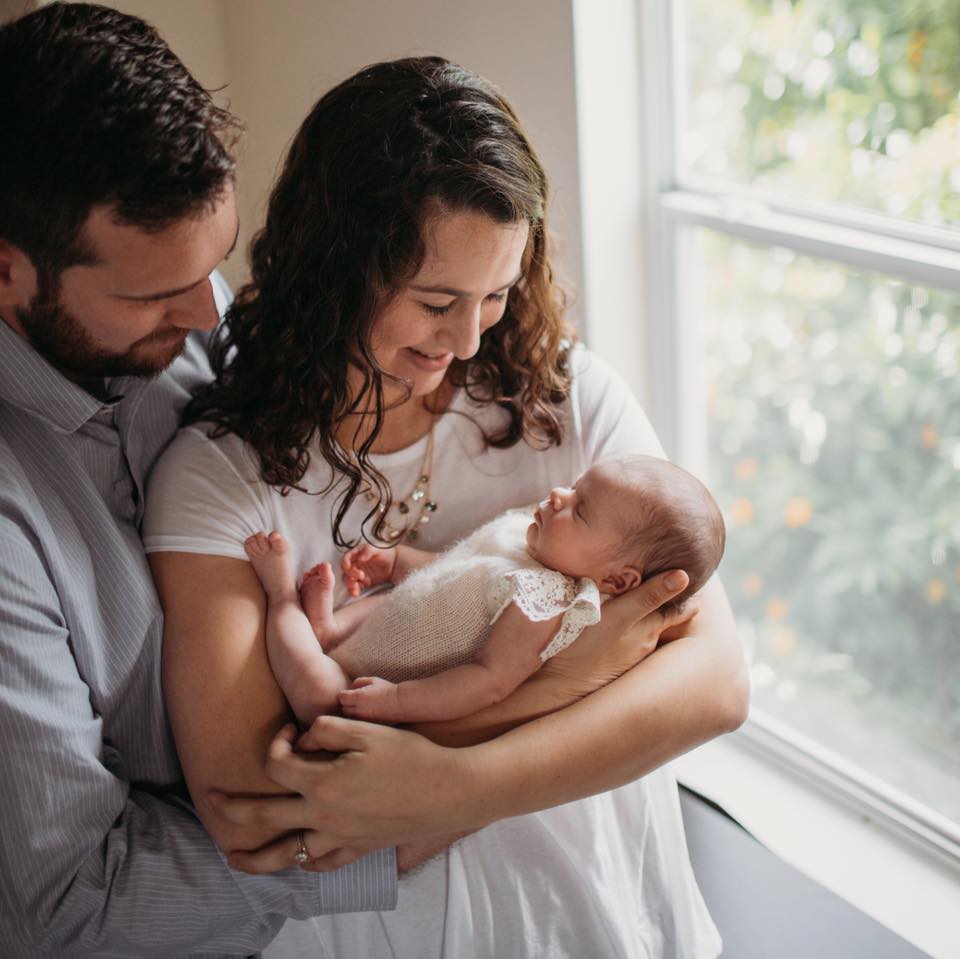
For one IBD mom who wishes to remain anonymous, that curveball came in the form of a rare and dangerous vitamin K deficiency that caused life-threatening complications for both her and her newborn son after delivery. Now, two years later, a published medical case study based on their experience is helping raise awareness of this rare issue, offering hope that future pregnancies in the IBD community might benefit from earlier detection and intervention.

Diagnosed Young, Navigating the Unknown

This mom was diagnosed with Crohn’s disease at age 13, and now at 34, she’s lived with IBD for more than 20 years. Her journey has included numerous medications, including a long stretch on Humira, which she remained on during her pregnancy, and four partial small bowel resections. She’s also undergone several exams under anesthesia due to complications like abscesses and fistulas.

Thankfully, during her pregnancy, her Crohn’s was well-controlled with no active disease, making the post-delivery complications much more shocking.

A Sudden Turn After Delivery

After giving birth to her son (we’ll call him “B”), what should have been a joyful moment quickly turned traumatic.

She spent 16 days in the hospital, including three in the ICU, while her newborn faced a 23-day NICU stay. The cause? A severe, undiagnosed vitamin K deficiency, which led to hemorrhaging in both mom and baby. The medical team was blindsided—none of them expected this.

Understanding Vitamin K Deficiency & IBD

Let’s get one important thing straight first. This situation is not about skipping the vitamin K shot that newborns typically receive. The mom explains:

“It’s imperative that newborns receive a vitamin K shot after they are born to prevent vitamin K deficiency bleeding. The American Academy of Pediatrics recommends that all newborns receive a single dose of vitamin K, because babies are naturally born with very little in their bodies. In our case, my son did get the shot—but because I was unknowingly severely deficient in vitamin K during pregnancy, his vitamin K levels in utero were dangerously low, leading to a brain hemorrhage before he was even born. The bleeding he experienced was similar to what some babies experience when they don’t receive the shot, but in our case, it happened earlier—and was not caused by withholding care. In fact, he needed far more vitamin K after birth to restore safe blood clotting levels.”

This vital distinction can prevent confusion and reinforce just how important that standard vitamin K shot is for all newborns.

What She Wants Other IBD Moms to Know

“Knowing what I know now,” she says, “I want fellow IBD women to understand a few key things about vitamin K deficiency during pregnancy:”

This is rare. Most pregnant people with IBD will never encounter this issue. “I hope that offers peace of mind. But as we all know, knowledge is power—especially when you live with IBD.”

If you’ve had bowel resections or are deficient in other fat-soluble vitamins (like A, D, or E), consider bringing this case study to your GI and OB/Maternal Fetal Medicine (MFM) doctors. Ask about checking vitamin K levels, as well as PT/INR and PTT, which monitor blood clotting.

You can develop a deficiency during pregnancy even if you’ve never had one before. “Outside of pregnancy, I had no clotting issues. But between my history of resections and my baby’s increasing demand for nutrients, my levels dropped—and no one knew.”

Looking Back: What She Wishes Had Been Done

“If we had been monitoring my vitamin K levels, PT/INR, and PTT throughout my pregnancy, we likely would have seen early warning signs,” she says. “These aren’t standard tests, but I hope someday they will be for IBD moms with similar risk factors.”

A Silver Lining in the Study

Despite the trauma, having their experience turned into a published medical case study brought a sense of closure.

“When they told us they wanted to publish it, I felt incredibly validated. This wasn’t just something we lived through—it’s now out in the world to potentially save lives. That’s the best-case scenario for us.”

The comprehensive care team—consisting of her OB, MFM, GI, hematologist, and PCP—remained closely connected throughout the experience. After both mother and baby were stabilized, Ohio State’s hematology team and Nationwide Children’s Hospital worked together to identify the deficiency as the root cause for both patients.

“They didn’t miss anything—they acted on the knowledge they had at the time, and when things went south, they sprang into action. I’ll always be grateful for that.”

“B” Today: A Story of Resilience

Despite a traumatic start, B is now a thriving, happy, and a miraculously healthy two-year-old.

“We were so worried about long-term impacts due to the hemorrhage in his brain, but he is now meeting and exceeding all his developmental milestones. He doesn’t need any additional support. It’s truly a miracle.”

His early care included close monitoring from neurology and the Early Development Clinic at Nationwide Children’s Hospital, along with early intervention specialists. Today, all those appointments are in the rearview mirror.

What About Future Pregnancies?

The reality is that this situation may recur if she decides to grow her family.

“My doctors believe I’d face similar risks, so we would monitor everything very closely: vitamin K levels, PT/INR, PTT and I’d likely receive IV vitamin K infusions throughout pregnancy to stay ahead of any deficiencies.”

Lifting the Tide for Others

After two decades of managing Crohn’s, she knows how isolating chronic illness can be.

“It’s hard. It’s lonely. It’s easy to feel invisible. But finding others who share their stories and who get it has been a game-changer for me. That’s why I’m sharing this now. Even if this specific challenge never affects you (and I truly hope it doesn’t), I hope you feel a sense of solidarity. A rising tide lifts all ships and if sharing our story lifts someone else’s experience just a little, it’s worth every word.”

If you’d like to contact this IBD Mom don’t hesitate to reach out to me, and I will connect you. It’s stories like this that help to pave the way for future families.

Planning for a Family with IBD: Essential Guidance and the Latest Recommendations

When you live with a disease like Crohn’s or ulcerative colitis, family planning takes thought and special consideration. The first-ever Global Consensus Conference on Pregnancy and IBD was held during Digestive Disease Week (May 2024) and part of the discussion focused on the latest recommendations for pre-conception counseling and family planning. This week on Lights, Camera, Crohn’s hear from Dr. Uma Mahadevan who co-chaired the conference, along with Dr. Christopher Robinson, a maternal fetal medicine specialist. As an IBD mom of three kids and the patient lead for the United States on this initiative, I’m excited to start sharing the latest guidance for our community.

The latest recommendations for IBD women

  • Couples should get pre-conception counseling.
  • Remission prior to conception for at least 3-6 months with objective evidence of remission.
  • All women with IBD should be followed as high-risk pregnancies (however that monitoring works in each country)
  • Pregnant women should take low dose aspirin daily by 12-16 weeks gestation to avoid preterm pre-eclampsia.

These recommendations were voted on and determined by more than 50 medical providers and IBD patient advocates from around the world. They are the gold standard, and the hope is that the recommendations help clear up the gray area and bring clarity to couples who are planning to grow their family and wanting to conceive.

“Our goal was to have a universal guideline that was the same worldwide. This would reduce confusion and avoid the default of just not giving women appropriate therapy. The Consensus really tried to advise what we, as pregnancy in IBD experts, do with our patients, so that women everywhere can have the same high level of care,” said Dr. Mahadevan.

Considerations for women prior to conception

Dr. Mahadevan says when a woman starts medication, she generally tells her whether it is a compatible with pregnancy or not.

I also tell them when they are ready to consider conception to meet with me first. So generally – the education and family planning discussions should start before you are even ready to consider pregnancy. For couples, they should give their GI a 6-month window ideally to make sure there is remission, a chance to optimize medication, and get any testing done that is needed.”

Personally, I had bowel resection surgery in August 2015 while I was engaged. We knew our wedding was in June 2016, and following the surgery I reached remission for the first time in a decade, so timing was of the essence. I told my GI at a post-op appointment in November 2015 that we were planning to start trying for a baby right after our wedding. Knowing that, she put me on a prescription prenatal and folic acid to start prepping my body for pregnancy, I also had a colonoscopy the month prior to my wedding to confirm I was in remission.

Recovering in the hospital after my bowel resection surgery, with hopes of one day being a mom.

Dr. Mahadevan recommends patients start 1 mg of folic acid daily when she learns they are considering conception.

“The prenatal with iron can be bothersome to some patients so I wait for the OB to start that. I check Vitamin D, B12, and iron labs to make sure those are all good.”

Dr. Christopher Robinson, MD, MSCR, Charleston Maternal Fetal Medicine says preconception care is an excellent way to plan out a pregnancy path.

He went on to say, “We recognize that the best outcomes are achieved when preconception care is employed prior to conception for optimization of disease management. This is especially true of IBD where there can be a number of misconceptions about safety of medications and goals for nutrition and surveillance of the pregnancy. Thus, I would recommend preconception counseling and establishing a care plan with Maternal Fetal Medicine early in pregnancy (first trimester).”

What does pre-conception counseling entail

Preconception counseling can be extensive. You should expect to go through an entire healthcare maintenance checklist of the following:

  • Checking labs—vitamin levels, sometimes drug levels
  • Updating vaccines
  • Cancer screenings—pap smear, colonoscopy if appropriate
  • Ensuring the patient is in remission which may require a colonoscopy, intestinal ultrasound or other imaging
  • Making sure medications are compatible with pregnancy
  • Reviewing prior pregnancy and if there were complications
  • Discussing mode of delivery, referring to a Maternal Fetal Medicine doctor prior to pregnancy if prior complications or if a woman is extremely high risk (for example, prior blood clots), has an ostomy, or if there is evidence of malnutrition or difficulty with weight gain.
  • Discuss starting aspirin at week 12 and set up a visit schedule with your GI, as you’ll generally see them once per trimester.

I had four pregnancies—three healthy, full-term babies and one miscarriage. As soon as I found out I was pregnant I alerted my GI. From there I set up an appointment with my “regular” OB for the initial ultrasound at 8-10 weeks, and then moving forward I had monthly ultrasounds with a maternal fetal medicine doctor, appointments with my GI each trimester, and the regularly scheduled in-office visits with my OB. Even though I had flawless pregnancies each time (aside from the baby I lost around 7 weeks), I was considered “high risk” because of my history of Crohn’s disease and prior surgery.

I had three scheduled c-sections, not because I had perianal Crohn’s, but because my care team allowed me to decide what I felt most comfortable given my health history. If I could do it all over again, I’d do it all the same. I appreciated the extra surveillance for my children and for me, healed beautifully after each abdominal surgery, and was grateful that by staying on Humira until 39 weeks with my first child and 37 weeks with my younger children, I maintained my remission throughout pregnancy and after.

Dr. Robinson said while each pregnancy has specific needs, in general he also follows pregnancy with serial growth checks every 4 weeks across pregnancy (following the targeted anatomic scan).

“It is possible, if a patient has longstanding, well controlled disease, and an optimum prior pregnancy outcome history, to check a 32- and 36-week ultrasound for growth. However, in the first pregnancy, I agree with serial growth scans.”

What remission before pregnancy really looks like

Remission is often a difficult word to define when it comes to living with IBD. As Dr. Mahadevan tells me, “Not everyone can achieve complete remission.” So, what are doctors looking for and what should your target be?

“We are looking to give moms-to-be the best chance at conceiving, keeping the pregnancy, and having a health pregnancy. I like to see normal labs, normal calprotectin, normal colonoscopy, and imaging without visible inflammation. Not everyone can achieve this, but that is the ideal three to six months prior to conception,” explained Dr. Mahadevan.

“IBD has both genetic and autoimmune underlying components that can interfere with development of the placenta and affect maternal nutrition across pregnancy. In these cases, optimization of disease management can improve care and reduce risk for both mother and fetus. The goal of interventions is to reduce the risk for mother and infant through coordinated care with GI, MFM and OB/Gyn in pregnancy,” said Dr. Robinson.

Stay tuned to Lights, Camera, Crohn’s next week when the latest recommendations for IBD medication in pregnancy and lactation is disclosed. A full manuscript with all the recommendations and guidance is in the works, with hopes of the information being publicly available by the end of this year. I’ll be working on the companion piece for the manuscript dedicated specifically to the patient community.

Serving as the Glue to Keep My Care Together: Advice from an IBD mom

For as long as Danielle Fries can remember, Crohn’s disease has been part of her story. Even though she was officially diagnosed with IBD at age 13, she had stomach issues since infancy. Over the last 16 years, she has tried medications, diet adjustments, holistic treatment options, and therapy to reach a happy balance and remission. This week she shares her experience of flaring during pregnancy and how she managed to bring her baby girl into this world and take care of herself at the same time.

When I found out I was expecting, my GI health was stable. I was only taking Lialda and my most recent colonoscopy showed minimal signs of disease, which left me feeling confident. After my first OB appointment, I was referred to MFM (maternal and fetal medicine) for a consult solely because I had Crohn’s and the pregnancy is considered high risk when you have IBD. The MFM specialist took my history, let me ask more than enough questions, and ultimately decided I was on track for a healthy pregnancy. We parted ways feeling confident that my disease was under control and I should return in the third trimester for one more consult to confirm all was well.

My Crohn’s disease had different plans

I struggled early on with morning sickness but something about those stomach pains felt different. As a Crohn’s patient for more than a decade, it can be easy to tell when something is off. By 12 weeks, it was very evident that these symptoms – cramping, nausea, burning, bleeding, the works – were more than just morning sickness. I was on my way to a full-blown flare and my little one growing inside me was stuck for the ride.

My first feeling was fear. I was terrified enough about becoming a mom, but now that my Crohn’s complicated the pregnancy, my mind started racing. Would the baby be able to grow properly? Would the baby end up with complications? Would I make my baby sick? Will my baby end up with Crohn’s like me? The anxiety and unknown of the situation felt beyond overwhelming and I knew I needed to find the right support system to make me feel somewhat in control of all the chaos.

IMG-3947

29 weeks pregnant with baby Nora

Turning to my most trusted fellow IBD warrior, my mom

My mom was my first source of reason. She could understand and relate to what I was going through more than anyone since she too has Crohn’s. She got diagnosed while pregnant and flaring with me! While her Crohn’s has never been as severe as mine, it really helped to find someone who related to the fears and uncertainty I was experiencing and made it through with a positive outcome.

I was extremely fortunate to find a group of specialists to help bring some answers and clarity to my journey. The entire pregnancy I was in close contact with both my OB and the MFM. The MFM was honest in her lack of understanding of how Crohn’s disease can fully affect the pregnancy and referred me to a GI she trusted. My new GI doctor became my confidant, my champion, my source of calm in the pregnancy. She specialized in the intersection of women’s health and Crohn’s disease, with a specific interest in pregnant women. Finding a GI doctor who I trusted to lead me with a care plan for both my Crohn’s and my baby’s development was the greatest sense of relief I felt since the day I found out I was expecting.

Struggles in the Second Trimester

As I entered the second trimester, I struggled to gain weight and it became apparent that my baby was suffering from intrauterine growth restriction (IUGR). My doctor’s visits became more frequent, the tests (non-stress tests, growth ultrasounds, blood flow ultrasounds) increased and I found myself at the doctor 3-5 times a week. As the visits and tests increase, so did my constant questions, fears, and uncertainties. Never ever be afraid to ask questions – you are the one on the journey and deserve to understand what is going on!

IMG-3948

Final date night at 37.5 weeks

I quickly learned that while I was lucky enough to have three doctors in my court supporting myself and my baby, I still had to be my own advocate. Each doctor had their own niche of where they could help, and I had to serve as the glue to keep my care as one seamless plan. I trusted all the doctors, but wish they could have just had a conference call titled “What the heck to do with Danielle Fries and baby?” rather than leave me playing telephone in the middle. But I learned to be the squeaky wheel to advocate for my health and my baby’s health and not fall through the cracks.

An early induction

After many weeks of testing, deliberation, questions, and my baby’s decreasing growth, my doctors and I decided as a team that an early induction was the best course of action. The OB and MFM felt confident that my baby would grow better on the outside than on the inside and the GI doctor wanted to be able to get my health back in control. I trusted my doctors and asked way too many questions, but felt more confident with a plan of action.

My trust in my care team paid off. Baby Nora was born teeny at 38 weeks and measured in at the 3rd percentile. She spent a few days in the NICU while she gained her strength and learned to breathe on her own. Now that teeny nugget is 6 months old and weighing in at the 90th percentile! I complain daily about how heavy she has gotten and that carrying my baby is more work than going to the gym, but I feel so fortunate. Every single roll (and trust me, they are endless) is a reminder that this girl and I were cared for by the best team of doctors who were by our side every step of the way and gave us both our health. Just after giving birth, I started a new treatment regimen of Stelara shots every 4 weeks and I finally feel like I have my Crohn’s disease back under control.

image2

Three lessons from one IBD mom to another

  1. Find doctors/care team you trust. You will be talking to them a lot and you need to feel comfortable asking anything.
  2. It is okay to be scared. The unknown is scary and add in the hormones, and it’s a recipe for more! But as much as you may be afraid, you can and will do it and your baby will be okay too!
  3. Be willing to adapt. Whether it’s your timeline for getting pregnant, your birth plan, your own treatment regimen, testing, doctors visit frequency, something is bound to change. I really did not want to be induced (I had heard horror stories of 4 days in labor), but ultimately all my doctors agreed that was the best option for me the baby. And things worked out fine (better than I ever expected!) DANIELLE