
Community and chronic illness can be thought of as a beautiful tapestry. Our lives and experiences, while unique, become intertwined, and once we recognize we don’t have to embark on the isolating journey alone, we are forever changed. We are so much stronger together. Johnson & Johnson’s published White Paper developed through IBD Social Circle entitled, “The Power of Community in Inflammatory Bowel Disease: Coming Together to Reduce physical and psychosocial impacts” highlights key touchpoints of the patient and caregiver experience and shows the ripple effect of Inflammatory Bowel Disease and how complexity and intricacies of Crohn’s and ulcerative colitis reach far beyond the gut. IBD impacts our careers, our relationships, our identities, our mental and emotional health, and it often dictates how our life stories unfold.


This week on Lights, Camera, Crohn’s, I’ll walk you through the valuable insights from the white paper and show what the research uncovered when it comes to stigma, mental health, online communities, and more. You’ll hear heartfelt reactions from IBD patients and caregivers about the findings and hear what two leading gastroenterologists have to say about the research.
Leaning on the lifeline of community
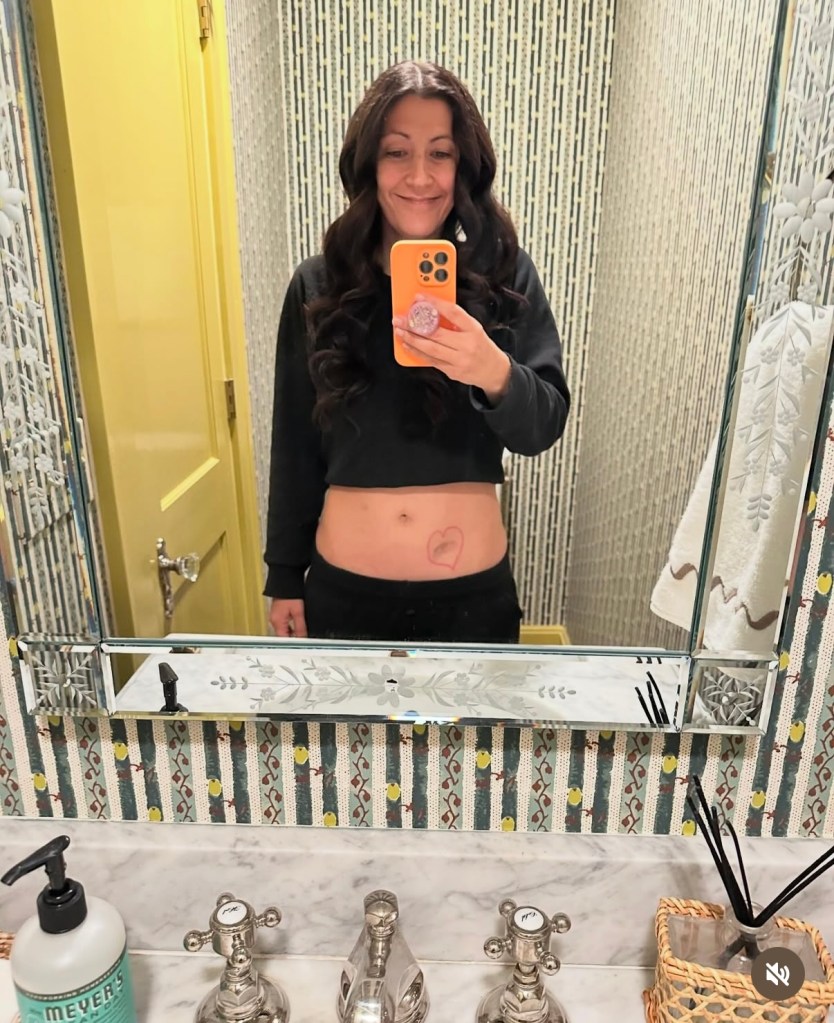
Jessie Magaro was diagnosed with IBD when she was 15 years old. Her reaction to the white paper speaks volumes.

“I was almost in tears reading this research. When I was first diagnosed as a child, there was no readily accessible community to lean on. It was isolating, depressing, and incredibly lonely. But when my disease returned in adulthood after years of remission, I realized the world had changed,” she recalls. “Suddenly, there was visibility. People sharing their stories openly online, entire communities forming on social media. For the first time, I could connect with others who were like-minded and like-bodied, people who understood my fears, my choices, and my fight.”
That connection wasn’t just comforting; it was lifesaving. It became essential to Jessie’s mental health and gave her the strength to make the hard, necessary decisions about her body and her health that helped her survive.
The white paper digs deep into how and why patients and caregivers crave additional information and resources within the IBD community. According to the survey, “Nearly all people with IBD (95%) are looking for IBD information and resources beyond what their physician provides or discusses with them.” The survey found:
- 42% of people with IBD have participated in online IBD support groups
- 37% have engaged with social media forums or group chats on platforms like Facebook and Reddit
- 28% have followed influencers who share their IBD journey on social media platforms.
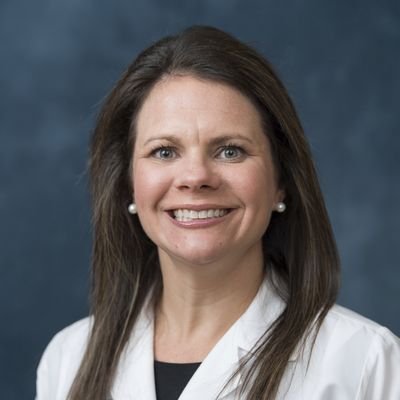
Dr. Jami A. Kinnucan, MD, is an IBD specialist at the Mayo Clinic Florida. She says, “This research is profoundly impactful for the IBD community, as it highlights many of the challenges that patients experience but often do not share with friends, family, or even their healthcare team. It opens the door for important conversations within the IBD community and reinforces the need for clinicians to explore the broader effects of disease beyond physical symptoms.”
The pediatric caregiver perspective
Cindy Hancock’s daughter was diagnosed with Crohn’s at age eight, she tells me if there can be a “best” part of being an IBD caregiver, it is “absolutely the online community she’s been so grateful to find and learn from.”

As a result of how heavily her and her daughter have leaned on and benefited from the support of others who “get” the reality of life with IBD, Cindy was not surprised by the findings of this white paper that highlight the power of community.
“The courage to seek out a second opinion, and bring info shared by the second-opinion gastroenterologist to our established gastroenterologist? CHECK. Information about how to interpret iron blood work that helped me advocate for transformational care for my daughter, CHECK. Learning what intestinal ultrasound is, and why it presents an amazing opportunity for IBD care and joining forces with other patients to informally advocate for its increased usage in the U.S., CHECK. Anecdotes about drug interactions via lived experiences of other people with IBD, CHECK. Recommendations about favorite heating pads, CHECK. Learning from another Crohnie that gummy bears who aren’t red or purple are part of a colonoscopy prep diet, CHECK!! I could go on and on all day!” says Cindy.
She feels fortunate that her daughter has a good team of physicians, and they always seek their opinions first of course. But Cindy feels the tidbits they’ve gleaned from the IBD community online are what have transformed her daughter’s quality of life with Crohn’s. “The impact is incalculable.”
Cindy credits patient advocates for helping guide healthcare decisions, saying “the IBD community is akin to a warm blanket. We very rarely interact with people in the “real” world who live with IBD, but every day we get to interact virtually with people just like us who understand this life… and that sense of community is priceless.”
Bridget Brown’s daughter was diagnosed with Crohn’s two years ago when she was eight. She says, “Humans are built for connection—but when you’re handed a diagnosis that isn’t widely understood, it can feel incredibly isolating. Most families reach an IBD diagnosis after some really dark, confusing months and years. The IBD community brings the light back in.”
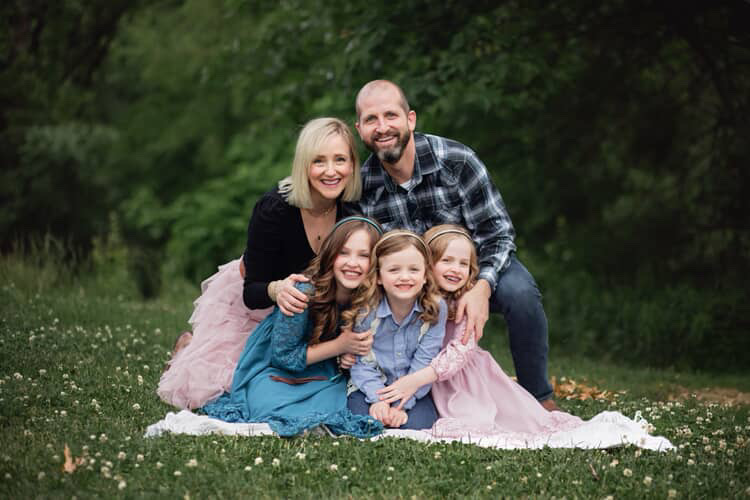
She says as a parent, hearing other people’s stories and experiences is everything.
“I don’t know what it feels like to live inside my daughter’s body, but the insight gathered from the online IBD community helps me support her better. There’s real strength in shared stories, and there is nothing more valuable than being heard from someone who truly gets it.”
Dr. Hilary Michel, MD is a pediatric gastroenterologist at Nationwide Children’s Hospital in Ohio. She says in reading this white paper she could not help but think about how the concepts also apply to children and adolescents with IBD.

“In addition to physical symptoms, youth with IBD are also at increased risk for anxiety and depression and school absenteeism. In a period of life characterized by marked changes in development, independence, and relationships, the diagnosis of a chronic disease like IBD can be incredibly impactful,” says Dr. Michel. “Access to the IBD community for education and support is likely to be equally as important to young people with IBD and already exists in formats including in person and online groups, advocacy efforts, and camps, such as Camp Oasis. Just knowing they are not alone with IBD is so powerful. Additional attention should be paid to privacy and safety concerns when developing interventions for young people.”
Dr. Michel also feels support for parents and caregivers of youth with IBD is essential.

“Parents are at risk for missed work themselves and experience immense guilt and stress related to caring for their child. Connecting with other parents who have “been there,” sharing tips and tricks to navigate their journey, or simply having a listening ear can go so far in allowing parents to feel supported.”
The Power of the IBD Social Circle: A Veteran’s Perspective
Suzy Burnett is an IBD mom of three and blogger at Crohnie Mommy was diagnosed with Crohn’s in 2008. She says when the white paper was published, she read, and re-read, the IBD Social Circle’s latest report.

“The first reading left me stunned by the raw reality encapsulated in the statistics. The second reading became a series of nods: “Yes, that’s me,” I found myself thinking with every single finding. I found the white paper to be fascinating, maddening, raw, and often heartbreaking. Mostly, because I have personally walked down, or known someone in the IBD community who has walked down, every single path described. Simply put, this report is SPOT ON.”
Suzy says her own patient experience deeply resonated with the segment that focused on the critical role our community plays in every aspect of life with IBD: from the shock of diagnosis and the struggle with relationships to the relentless search for answers and navigating new medications.
The Birth of a Community
“When I was first diagnosed, Crohn’s disease was relatively unknown. The internet was not the wealth of knowledge it is today,” explains Suzy. “I was handed a packet of paper, told there was no cure, and left to grapple with denial, depression, and severe flares for years.”
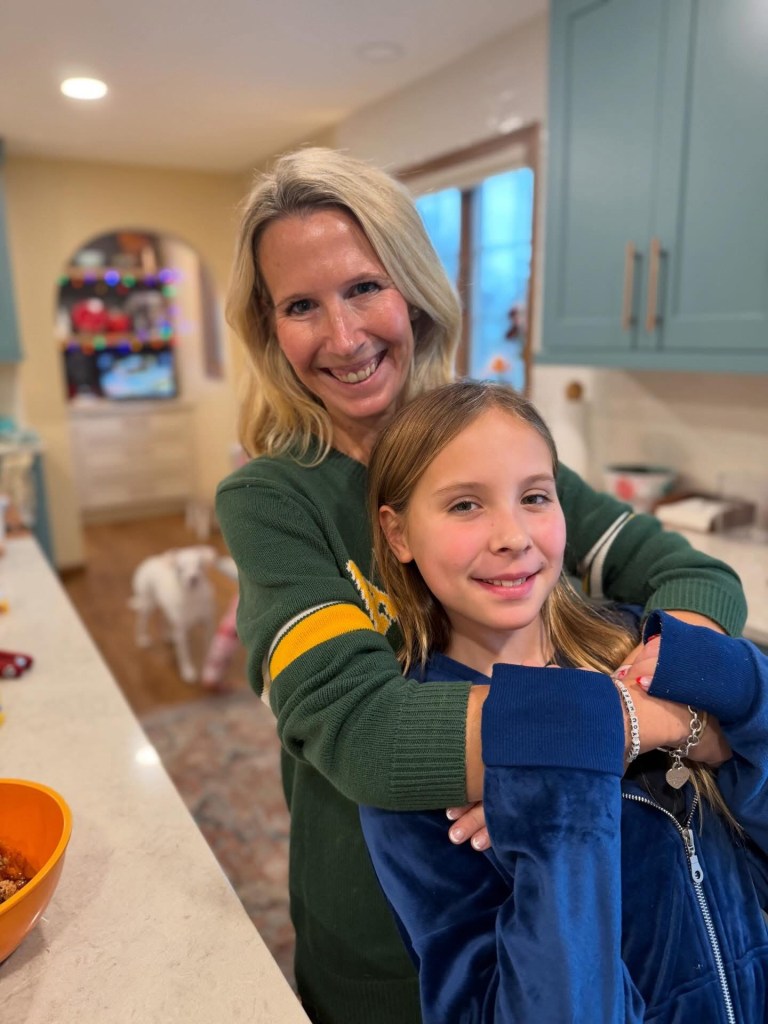
As Suzy grappled with her disease and the years ticked on by, she felt as though the IBD community was born.
“Or we all simply started emerging from the woodwork, bloggers, patient advocates, and a growing number of patients sharing their stories. It felt as if we made an invisible pact: to stick together, stay strong, and fight for each other. It felt like a window of hope opened: I found others. Others like me.””
Suzy says the research done in this report should be shared with every newly diagnosed patient and every “old veteran”.

“We are IBD warriors, and this white paper embodies that truth to the core. It is an invaluable resource for all who suffer from IBD, as well as for the caregivers and family members who stand by their side.”
Recognizing the importance of treating the whole self
Katie Connelly has lived with Crohn’s disease for more than 20 years. She says hearing that patients are afraid to share their emotional burdens with their HCPs is defeating and eye-opening.
“As someone who is lucky enough to have one of those GI specialists who sees me as a whole person, it is imperative that I let her know how I am feeling about my quality of life. It helps her gauge where I am both physically and emotionally with the treatments I am on,” she shares. “With the mind/gut connection being such a real thing, it needs to be instilled in every HCP’s practice to inquire on how their patients feel in life. The responsibility cannot always fall to the patient to disclose everything.”
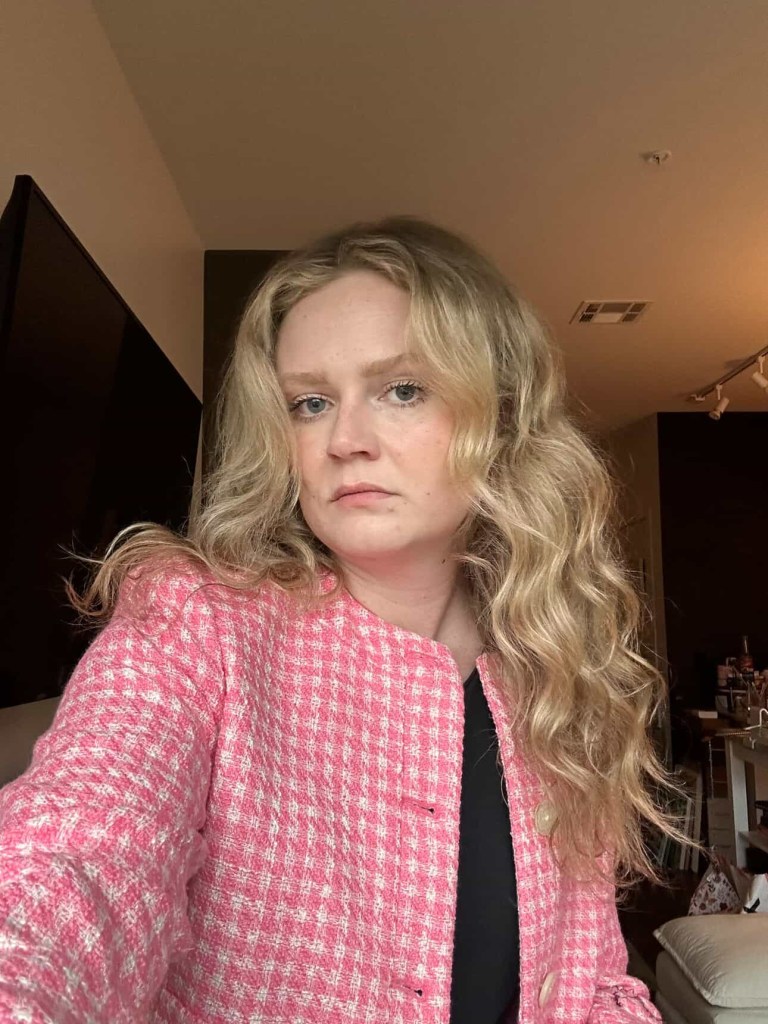
As a woman living with perianal fistulizing Crohn’s disease, Katie knows firsthand how isolating and complicated the patient journey can be. She credits the patient community for helping her cope and get educated about the questions she has had about intimacy and sexual dysfunction.
“I have had fistula for six years now and have both dated and ended up married while living with them. It has been far from easy, and there is a lack of understanding and communication around it. I hope to start bringing up my own sexual experiences and helpful tips through my own community, Badass with a Bad Ass in hopes to help lower those numbers. I just want us all to feel less isolated in this.”
Being wary of misinformation shared online and in person
Kelly Dwyer says she’s benefited from both in person and online IBD communities over the many, many years of living with her disease. While she’s grateful for community support, she believes misinformation is one of the greatest threats to IBD patients.
“When I attended my first support group after I was diagnosed, I found a community of people who were anti-biologic and unsupportive of many questions I had about treatments and medical care for IBDers. I was so dismayed to see that they were the only in-person support community in one of the US’s largest metropolitan areas, and promoting non-science backed theories of IBD care,” recalls Kelly. “Commitment to strict content moderation and upholding science-backed information is one of the reasons that support communities affiliated with national IBD organizations are an essential part of IBD care and connection.”

While she agrees the online community is beneficial, she also wants patients and caregivers to always have their guard up and be aware of the misinformation and opportunists who go after vulnerable IBDers by attempting to spread fake cures and push “snake-oil” treatment to a make a quick buck.
“As with many chronic illness communities, the newly diagnosed are uniquely susceptible to bad actors because of the desperation and grief that comes with being diagnosed with this incurable, devastating disease,” says Kelly.
While she believes many patient advocates seek to promote accurate and data-driven information, such as advocates like Tina Aswani-Omprakash and Brooke Abbott Abron who are cited in this study, Kelly wants to warn others that just as many others are publicly sharing their support for dangerous treatments, unregulated supplements, and potentially harmful lifestyle and diet choices.
“National organizations, physicians, patient advocates, and support communities like IBD Social Circle are doing their best to create easily accessible, data-driven, and science-backed resources for education for IBDers at all levels of managing their disease, and from diverse cultural and racial backgrounds. Making sure these resources speak loudly and spread far online will be a vital step to combatting the harms of misinformation. We all need to do as much as we can to educate and inoculate fellow IBDers against the dangers of anti-science rhetoric,” advises Kelly.
The financial trade-off and workplace woes with IBD
Ian Goldstein has lived with Crohn’s since 16 years old. The white paper’s discussion on disclosing diagnosis in the workplace and requesting accommodations hit home for him.

“I was fearful of mentioning my disease on job interviews and at work because I did not know if my co-workers would view me differently, if they would think I was less equipped for my role or more expendable. For a long time, I had to get weekly iron infusions, and I don’t know if my employer didn’t like that I worked remotely because of this, says Ian.
The white paper highlights a 2024 survey from the Crohn’s & Colitis Foundation that found more than 40% of people with IBD have made significant financial trade-offs to afford their healthcare, including giving up vacations or major household purchases, increasing credit card debt, and cutting back on essential items such as food, clothing, and basic household items.
“YES! 1000% YES. If I ever take a vacation, it is a weekend trip upstate because I need to make sure I have money set aside to afford my one thousand dollar a month health insurance premium in addition to the deductible and copay costs. If healthcare didn’t cost so much, my life would look quite different,” says Ian.
Everything from career impact to diet resonated with Ian. The focus in the research on foods and beverages that are staples for most but may be on the list of foods people with IBD should avoid (such as fried or greasy foods, spicy foods, sugar-sweetened drinks, and whole-fat dairy). Ian believes it’s important that people understand that it is not just the “unhealthy” or “junk” foods that can exacerbate symptoms.
“For 10 years I avoided vegetables and nuts completely because they put me at risk of having a bowel obstruction. The same foods that would make me healthy could also send me to hospital,” explains Ian.
Falling back on community for overall well-being and treatment decisions
The white paper highlights that, through IBD community engagement and support, patients have reported positive impacts on:
Physical well-being and treatment decisions
- 39% reported that it has helped them identify ways to make improvements in their physical health and well-being
- 39% learned how to improve their ability to communicate with their HCPs
- 39% became more informed about IBD treatment options, including different treatment options they did not know about before
- 32% learned how to better advocate for themselves with their HCPs
Ian couldn’t agree more, “Community has been a game changer for me. Because of two friends I met from social media, I learned about an amazing surgeon in New York who did an outstanding job with me in 2025, and I haven’t felt this good in years.”
He puts on comedy shows in New York centered around healthcare and because of one show called, “The Autoimmune Saloon,” Ian crossed paths with an audience member who mentioned Intestinal Ultrasound. “No doctor had ever mentioned it to me, but this random audience member did. Because of her, I’m able to get this test, which is much less invasive and informative when it comes to my Crohn’s. This is how community makes an impact: we teach others what we know, things that doctors may never think to tell us.”

Facing the music and fighting the stigma across all races and cultures
According to the white paper, up to 84% of adults with IBD feel that there is perceived disease-related stigma against them, which results in social stereotypes making them seem unreliable or antisocial.
IBD has historically affected White populations at a higher prevalence than other groups; however, the research shows the incidence of IBD is increasing in all races and ethnicities across the US, including in people who are Black, Hispanic, Latino, and East or Southeast Asian. Research also suggests that Black, Asian, and Hispanic individuals with IBD may have a higher incidence of more severe disease.
Kimberly Hooks says, as a Black woman living with IBD, she knows exactly what it feels like to be dismissed, overlooked, and told that her symptoms didn’t fit the picture.

“I was diagnosed late, and even after that, there were delays in getting the medication I truly needed for my severe Ulcerative Colitis. That delay cost me my colon. My story isn’t unique; it reflects what so many Black and Brown patients experience when our pain is minimized or our symptoms aren’t taken seriously,” Kimberly shares. “That’s why this research matters so much. It confirms what we’ve been living. IBD does not discriminate, and our communities are being affected at rapidly increasing rates. This is why I advocate, because visibility saves lives, and every person deserves to be heard, believed, and treated with quality care.”
Kimberly went on to say how incredibly grateful she is for the IBD Social Circle creating a safe space for patient voices and grounding this work in real lived experiences.
“Partnering with advocates to highlight our real stories and pairing those stories with research exploring the physical and psychosocial factors impacting patient care is powerful. It shows the benefits of community and how connection can support people with IBD in every part of their disease management. This kind of work gives me hope. When patients and community come together, we don’t just raise awareness, we help shape a better, more equitable future for everyone living with IBD,” she says.
Acknowledging the struggles IBD can present in motherhood and beyond
As a patient leader and an IBD mom of two small kids, Michelle Pickens appreciates the white paper for a multitude of reasons, especially the notion that we can appear “fine” even while we’re struggling. She also valued the discussion around the wide range of symptoms patients face and how this variability can delay diagnosis and access to support.
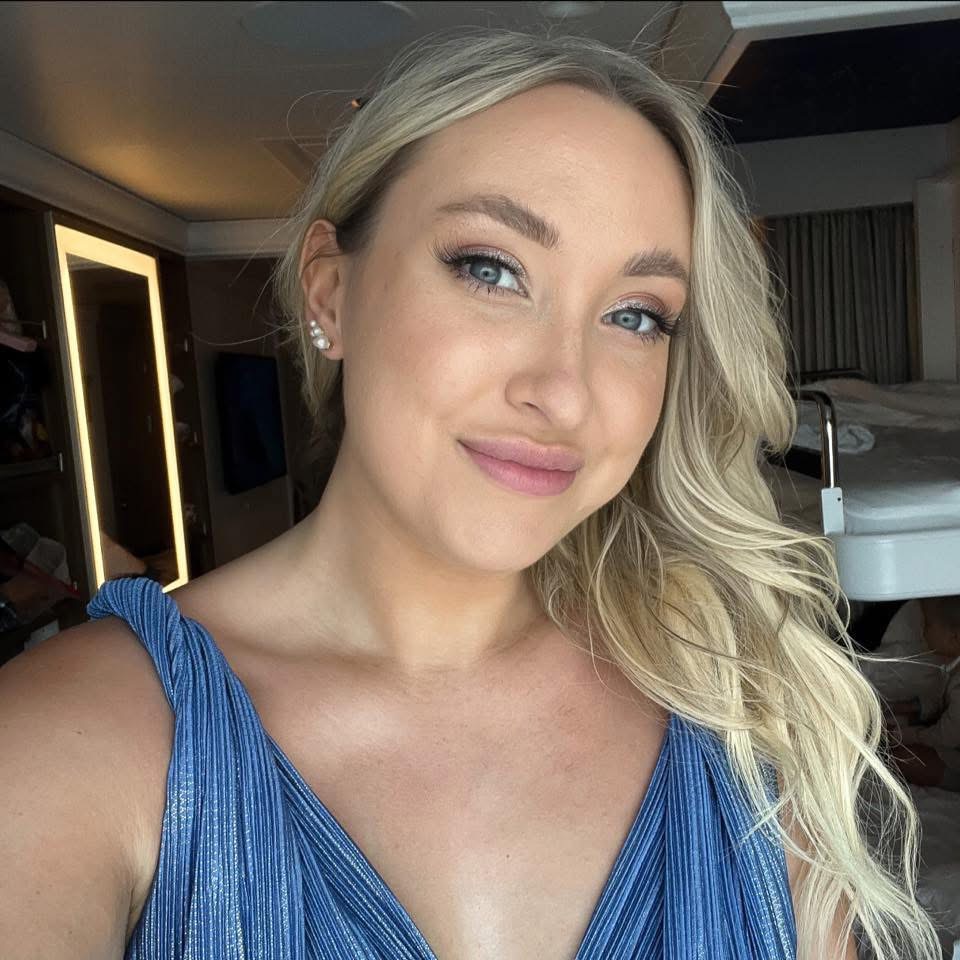
“That “in-between” period—when someone is sick but unsure where they fit or where to turn—is incredibly challenging. You experience symptoms consistent with IBD, yet you don’t quite feel part of that community without a formal diagnosis,” Michelle explains.
The section of the white paper on remission really resonated with Michelle. There is often an expectation that once you begin treatment, you will immediately feel better, but that is not always the case. She says it’s important to acknowledge the need for community support when clinical measures indicate remission, but physical symptoms persist.
“I was glad to see the impact on the family unit addressed, especially in areas such as domestic responsibilities and parenting. These are areas where I personally struggle at times. In the workplace, accommodations can be requested to help manage IBD symptoms, but parenting offers no such structure,” Michelle shares. “As a mother, it can be difficult to find someone who can step in and keep things running the way you would, so the responsibilities often fall back on you, even when you’re unwell. This contributes to significant “mom guilt,” and while mom communities exist, the parenting experiences of those without chronic illness differ greatly from my own.”

Addressing mental health struggles
The white paper reveals that more than half (52%) of people with IBD consider the impact of IBD on their mental well-being as negative. Other research studies have shown that individuals also experience depression and anxiety—with as many as 40% and 30%, respectively, experiencing these comorbidities, even while in remission.
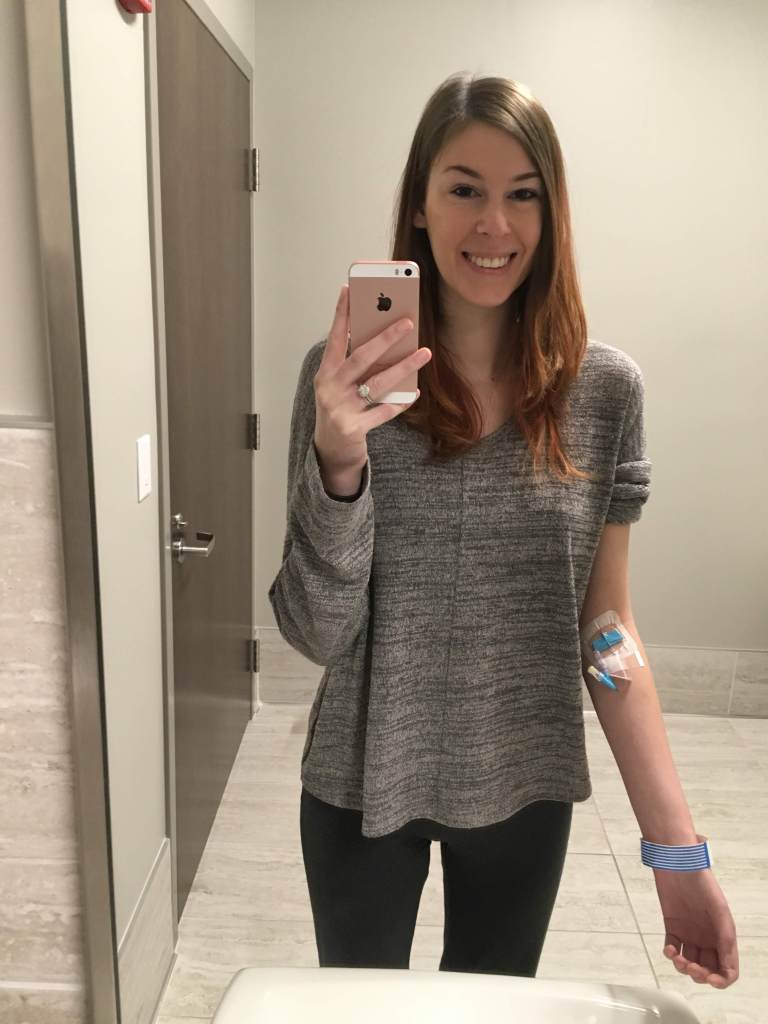
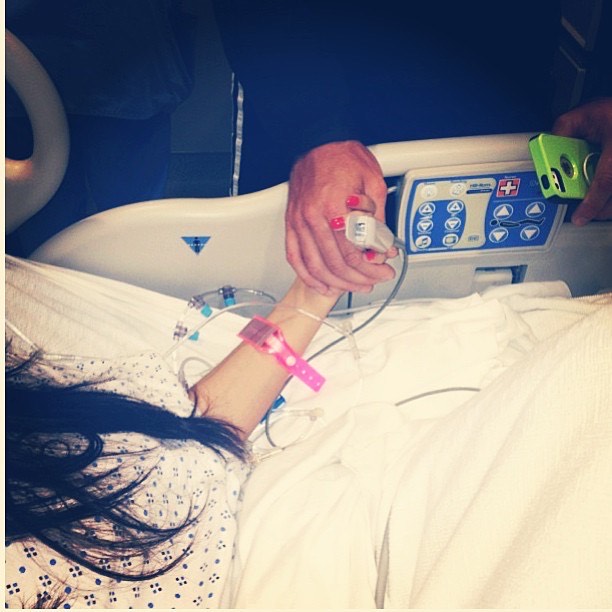
The body image issues that stem from IBD such as weight loss, hair loss, steroid-related weight gain, ostomy bags, fistula, and other extraintestinal manifestations make life feel like a minefield. We are constantly up against the unpredictable nature of living with a disease that can rear its ugly head at any given moment. We are constantly forced to pivot and make decisions that often have a direct impact on our overall body image. I remember when I was in college (prior to my Crohn’s diagnosis) that I loved being on camera, working in TV news. Fast forward to five months post-graduation and three months post-diagnosis, and I was mortified anytime anyone tried to take a picture of me. Looking in a mirror was a stark reminder of what I was now and what I used to be.

Please know that if you struggle with this, you are not alone. As the white paper notes, “as many as 75% of women and 50% of men experience body image issues because of their IBD.”
Final thoughts
This white paper is a gift to the IBD community. As someone who was diagnosed with Crohn’s in 2005, I would have given anything to have a resource like this at my fingertips to validate my struggles and recognize my fears. We are at a pivotal point in patient advocacy and leadership where we can help shape the future of what it means to live with IBD and thrive despite the dark days.
Dr. Matthew Ciorba, MD, a gastroenterologist at Wash U in St. Louis says, “This work offers patient-identified, doctor-approved insight. It brings together perspectives that clinicians alone often cannot fully grasp. The document fills a unique niche in the IBD space. It bridges the lived experience of patients with the expertise of leading clinician advocates. There is truly nothing else quite like it.”

Our community, everyone from patients to caregivers, and medical providers, is so unique. For many of us, these connections and friendships (whether online or in person) have helped us to reclaim a sense of purpose within our disease journeys. My hope is that medical providers and GI psychologists use this research to empower and educate the community by providing this incredible research to patients and caregivers.
Check out the Executive Summary of the White Paper























 lights camera crohn's