“So, You Have an Ostomy”: The Complexity of Coping —Part 1

When you think of ostomy, what comes to mind? As someone whose had Crohn’s for more than 15 years, but never been an ostomate, it’s something that has loomed over my head since diagnosis. I’ve always wondered if I would ultimately end up with a bag and what that would mean for my life. I know I’m not alone in those worries and curiosities. Which is why I’m kicking off a 4-part series on Lights, Camera, Crohn’s— “So, You Have An Ostomy.” Over the course of these articles you will hear from more than 20 ostomates from around the world.

Today—we’ll focus on what it’s like to find out you need an ostomy, the complexity of coping, and adjusting to your new normal.

What it’s like to wake up from ostomy surgery

Blake Halpern, 39, of Texas, was diagnosed with ulcerative colitis in November 2004. By April 2005 he had a temporary ileostomy. After four weeks of being hospitalized on full bowel rest, it was determined he would need his colon removed. Blake says he was so worn out and emotionally drained, he felt like a shell of his former self. He was anxious to have the surgery and get his life back on track.

 “The ostomy is so shocking. It seems like something out of a Sci-Fi movie.  My small intestine poking through my abdomen emptying my waste into a bag?? That’s crazy. But it gave me some semblance of my life back. I was able to get out of the hospital, slowly start eating again and reclaiming my life.”

Alison Rothbaum, 41, of Ohio, was diagnosed with Crohn’s disease in 1994 at age 15. She says prior to her ostomy surgery, she went into a very dark mind space that she wasn’t prepared for.
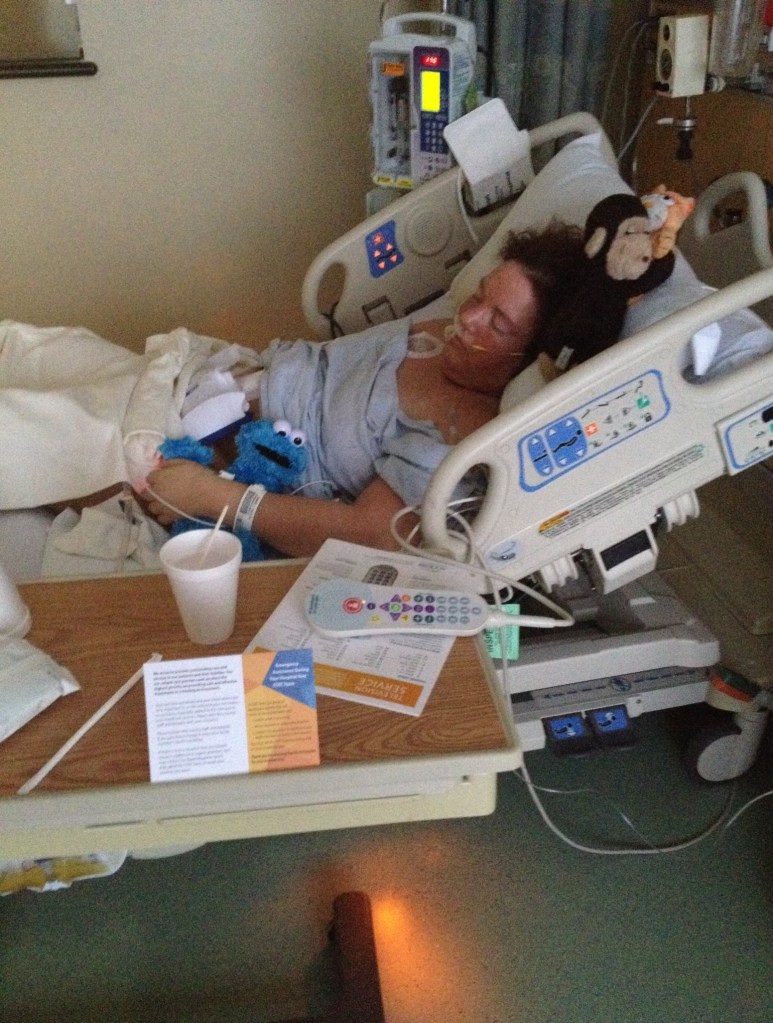
“I woke without a pivotal organ. I woke with a new prosthetic device attached to me. I ached in my belly and in my heart. I needed to mourn the loss of the organ. It’s hard to describe unless you’ve experienced it. I refused to look at myself from the top to bottom in the bathroom mirror for a week. I didn’t want to see what the new body looked like, even though I had already begun to learn how to change my ostomy while lying in my bed.”

For Tina Aswani Omprakash, 36, of New York, needing an ostomy struck a major chord for not only her, but her family. She recalls how her dad hated his ostomy while he was alive and used to rip it off when he was in a coma in the hospital. Because of that, her mom had a significant amount of PTSD from his experiences and was against Tina receiving one. Her cultural society also told her that no one would marry her or accept her if she was an ostomate.
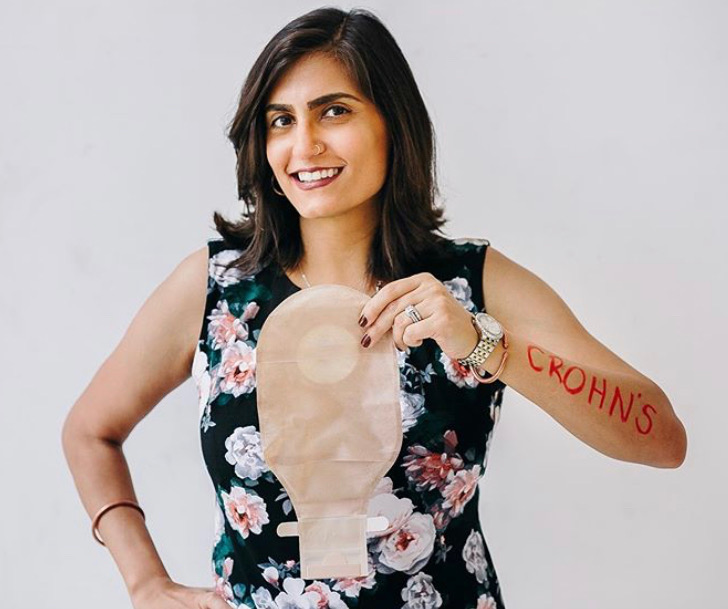
“I held off for as long as I could, but I started thinking that an ostomy wouldn’t be as bad as everyone was saying. I knew I needed to listen to my heart and to my doctors. My gut feeling (as flawed as my gut may be) was right. My ostomy had become my baby so to speak and I grieved for months if not years for the life it had given be back. Don’t let society sway your thinking. Seek counseling and ask all the questions you can to your surgeon and Wound, Ostomy, and Continence Nurse (WOCN) before the operation so you can feel a bit more at ease.”

Tina recommends connecting with fellow ostomate online over social media and through blogs. She says an ostomy doesn’t have to be a life sentence, but rather a life-saving force.

Adjusting to the new normal

Renee Welch, 34, of Toronto, Ontario was diagnosed with Crohn’s when she was nine years old. Getting an ostomy was a life or death decision for her. She knew the life she was currently living wasn’t what she was destined for and ultimately the choice was out of her hands.

“The hardest part of having an ostomy was recovery. It’s a long process that is not progressive. Mine took three months until I was able to feel like myself and even after that my energy was not the same until six months down the road. Recovery is something you can try to mentally prepare for, but you never know.”

Natasha Weinstein, 28, of Connecticut was diagnosed with Crohn’s at age 11. She can still remember feeling that tug on her skin and not knowing if the bag was going to randomly fall off. Eight years later, she’s still impressed with how strong the adhesive is! One of her main struggles was adjusting to her new self-image.

“No longer would I have a “flat” right side when I looked in the mirror, in fact I was always going to have this device protruding and as a college student and a young adult that’s a lot to adjust to.”

Payge Duerre, 21, of Iowa, was diagnosed with ulcerative colitis in 2003 at age 5. Her advice—not to think of your entire life as the first couple months after surgery.

“The first couple months can be shitty. More pain, more recovery, less muscle, new foods, new clothes. The entirety of ostomate life is not like that. My first three months post op were spent relearning life. But now I’m two years post op. I’ve already re-taught my body, but I’m always constantly learning new tips or tricks from other ostomates to make life easy.”

Advice for those who need an ostomy

Ashley Clark, 27, of British Columbia, was diagnosed with Crohn’s when she was 19. Her main piece of advice, “If you’re at a point where you are contemplating ostomy surgery, get it sooner rather than later. Waiting until getting my ostomy was a matter of life or death is one of my biggest regrets. It took me so much longer to recover because I let myself get so sick before I would agree to it. Looking back, I think, wow my life is so much better now, if only I had known it would be and agreed sooner.”
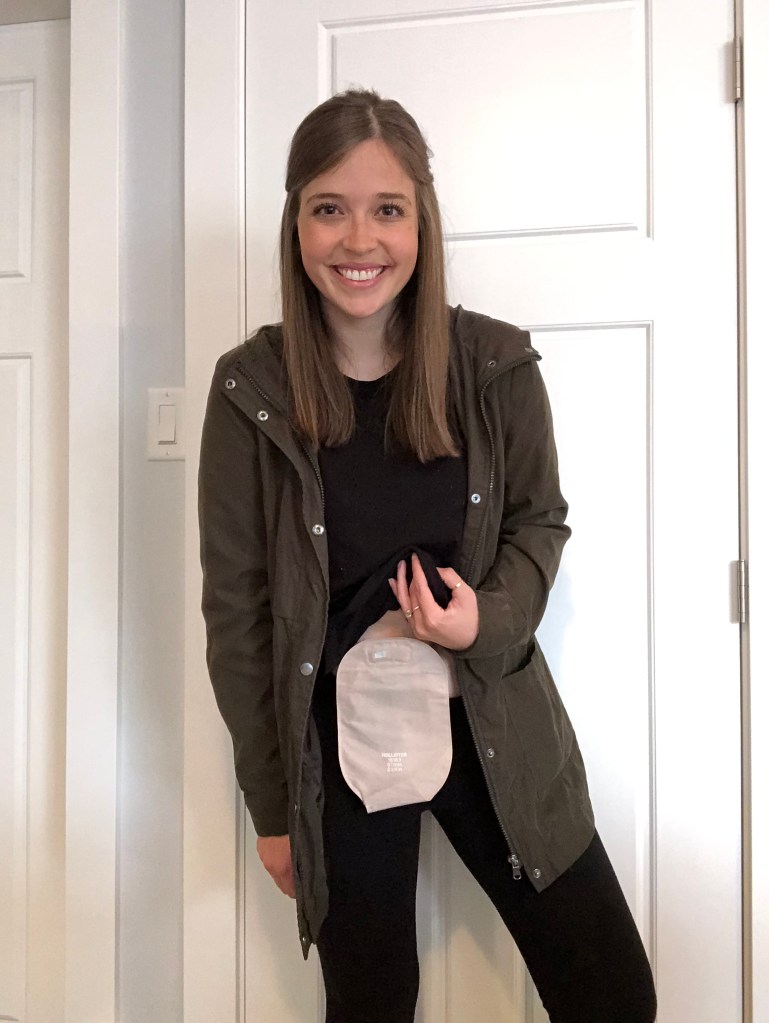
Tionna Forchion, 32, of New Jersey, was diagnosed with Crohn’s when she was 13 years old. She ended up getting an emergency colostomy after a bowel obstruction, so she wasn’t able to mentally prepare for the everything that came her way. Tionna says she was angry at first and cried for days, but as time passed so did her acceptance for how having a bag saved her life.

“My advice for anyone on the verge of getting a bag or needing one is that there is life after getting an ostomy. So many times, people say they don’t want a bag because they assume there will be so many things they can no longer do and that is so false. You can still travel, swim, go to college, have kids, get married and do everything a person without a bag can do.”

Gaylyn Henderson, 36, of Atlanta, Georgia, was diagnosed with Crohn’s at age 14 and has a permanent ileostomy. She says at times with chronic illness you can’t help but wonder if there is anyone out there who really understands what you’re going through, but that there is.
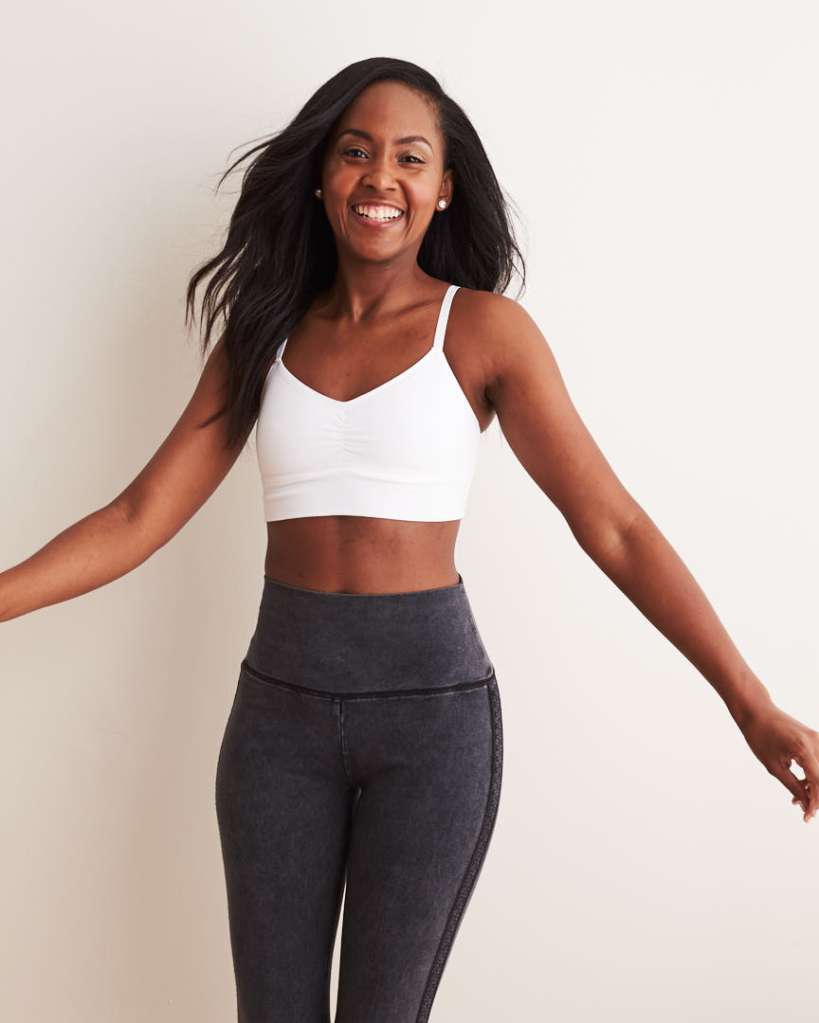
“You need to meet them, and you need to seek them out to know that what you are feeling is not unusual. The feelings you have are very real and it’s not out of the ordinary to be feeling that way. You are not crazy, your life is. There is an importance to building a fellowship of those that can relate to what you are going through. It is imperative to know you are not alone. You may not go through the exact same circumstances, you may not have the same diagnosis, but chances are you have similar experiences and can relate more than you realize. You need to know that what you are going through you will get through.”

Stay tuned for Part 2 of “So, You Have An Ostomy…”, Wednesday (September 23rd) we’ll cover diet recommendations, how to pack when you’re traveling, and how best to change your bag.
Ignorance is not bliss: Get health screenings outside of your IBD

It’s often said managing IBD is like having a full-time job. Along with the regular visits to the gastroenterologist, all the blood draws, scopes and scans, we also have to juggle taking and ordering medication (dealing with insurance!), listening to the symptoms our body is speaking to us throughout the day, knowing when we need to slow down…and the list goes on.

One aspect of taking care of our overall health that is often not discussed is the importance of staying on top of all the other preventative health checks—seeing the dentist two times a year, getting a vision screening, having a well-woman visit, and getting a full body skin check by a dermatologist, to name a few. pexels-karolina-grabowska-4386466

As we all continue to navigate the choppy waters of this pandemic, being proactive with medical care has been a bit more challenging. Appointments may have been canceled or delayed. The stress of going somewhere for an in-person appointment may seem risky to you, but it’s imperative we all stay on top of our most important job of all—staying as healthy as possible. Because even if your Crohn’s is in remission, your disease, and the medication you take to treat it, can put you at greater risk for other health issues.
Did you know?

According to the American College of Obstetricians and Gynecologists, women with IBD, especially those on immunosuppressants may be at increased risk for cervical dysplasia and abnormal pap smears. Meaning, we’re at a greater risk for abnormal growth of cells on the surface of our cervix that could potentially lead to cervical cancer. Get those pap smears! I visited my OB-GYN and had my well-woman visit a few days ago.

The same goes for seeing a dermatologist. Those of us on immunomodulators or immunosuppressive therapies may have an increased probability of developing malignancy, including non-melanoma skin cancer. I went to the dermatologist this past week for a full body screening. I had a small atypical mole removed from my back that I wasn’t even aware of. Even though atypical moles are not always skin cancer, having these types of moles can be a risk factor for one day developing melanoma. I’ll admit, I haven’t been the best about staying on top of this aspect of disease management. The last time I had been to a dermatologist was 2005, because I was dealing with acne from the prednisone I was taking.

Although medications that manage Crohn’s and ulcerative colitis are the most significant contributor when it comes to our risk of skin cancer, it’s believed having IBD alone can also lead to an increased risk of melanoma.

It’s recommended by the National Cancer Institute, that people with chronic illness be extra vigilant about sun protection. My dermatologist recommends wearing an SPF of at least 30 and having a yearly surveillance of my skin done.

Some researchers believe our faulty immune systems fail to detect cancerous tumors in our bodies and that the increased inflammation can make us more susceptible to certain cancers.

Dental, vision, and IBD

IBD can also make your dental health bite. Studies show people with IBD are at an increased risk of getting cavities and oral infections. While it’s not completely clear why this is, it’s believed our immune systems along with steroid-based drugs and even the acidity of our mouths, can cause our teeth to be weakened. dentist-4275389_1920

As someone who was forced (haha, by my mom!) to get braces, twice, I have always taken great care of my teeth. But, when I was pregnant with my son Reid, I did develop an abscess on my gum over my molars that luckily went away after he was born. It was unclear at the time if this was more pregnancy or IBD related. I know the thought of going to the dentist seems daunting since it’s such an invasive appointment where you can’t wear a mask while you’re in the chair, but when I went in for my cleaning last month, I felt completely at ease by all the safety protocols in place.

Whether you’re blind as a bat like me, and always get an annual vision screening to update your prescription and order contacts or if you have perfect vision, it’s important to get your eyes checked. Between 4-10% of people with IBD experience issues with their eyes because of their disease activity. Problems with your eyes can be a sign of a flare. During my visit with my ophthalmologist last month I was impressed by all the measures taken to ensure patient safety.

Take time to take care of you

Trust me, I get that life is busy and these times are scary. But, you’re doing yourself a huge disservice if you don’t take advantage of the preventative medical care that is available so you can be proactive should an issue outside of your IBD arise. While telehealth is great to take advantage of when you can, for many of these appointments, you do need to be in person. If you’re worried about this, you can ease your fears by calling the office prior to your appointment to learn about what measures the office takes to protect patients. Whenever I start an appointment I always let the person taking care of me know that I have Crohn’s disease and I’m immunocompromised because of the medication I take.IMG-7443

I don’t particularly enjoy any of these appointments, but I always leave with peace of mind that I’m doing everything I can to be vigilant and healthy not only for myself, but for my family. I often find I get more anxious for these “other” appointments than I do seeing my GI, because I feel much more confident about how I manage my Crohn’s and the way my disease process manifests. Don’t do all the work to keep your IBD in check and forget about the rest of you.

I’m typing this article with a band-aid on my back and a slight burning sensation in my shoulder from the biopsy, with the hope that my experience implores you to make an appointment and get all your ducks in a row when it comes to all your “other” appointments. Yes, I know it’s a lot, but ignorance is not bliss when it comes to your overall well-being.

Self-care isn’t selfish: Using my birthday as a re-set button

One of my friends recently said I need to start doing more for me, that once I fill my own cup that energy and that fulfillment will spill onto others, without making me feel depleted and like I’m constantly in survival mode. As an IBD mom of two, who has lived with Crohn’s for more than 15 years, these challenging times we’re living in have forced us all to pause and refocus on what’s important and what we need to do to get by.

IMG-7105

Today is my 37th birthday. Sounds a lot older than I feel, but chronic illness has a way of forcing you to grow up and mature well beyond your years. Between the pandemic, mom life, and my advocacy work, there hasn’t been much time for a breather. I feel as though I’ve been coasting for awhile. Coasting through the day to day. Coasting through remission. Coasting just to make it through.

I don’t want to coast anymore

If you’re feeling the same, please follow my lead and that of others, who have recognized they’re ready to do more to improve their quality of life.

I want to stop being such a “yes” person.

I want to stop making excuses.

I want to stop waking up when my kids call out for me and instead start my day with a cup of coffee outside on the patio or a workout, followed by a shower, while the house is calm and quiet.

I want to stop not asking for help.

I want to stop staying up so late binge watching TV or scrolling through my phone.

I want to stop going months on end without a night out with my husband (we’re going on a date tonight for the first time in over six months!) IMG-7109

I want to stop working seven days a week and being at everyone’s beckon call and instead set aside days where I’m offline and able to live in the moment.

I want to start prioritizing my health, my well-being, my marriage, my friendships, who I am outside of being a mom and a person with chronic illness, because while that’s a lot of me—it’s not all of me.

Finding the ‘Joie de vivre’

Let’s face it, this coronavirus nightmare isn’t ending anytime soon. Much like a chronic illness diagnosis—there is no end in sight. We all rise to that challenge day after day, and don’t think twice. I fear if I don’t start spending more time for myself, I may put my remission in jeopardy and that scares me, big time, because when you’re a mom and a wife, your flares impact a lot more than just you. IMG-5066 (1)

I look at this 37th year with a lot of hope and a lot of possibility. I’m eternally grateful for the life I have and the family and friends I have around me, near and far. Recognizing there’s a need for change is similar to the importance of being proactive in managing your illness and doing all the things you can to set yourself up for success—whether it’s seeing countless specialists for medical care and preventative screenings, taking medication, getting blood draws and scopes, etc.…I look at this form of self-care as just as important in managing my Crohn’s and giving myself the best shot of staying out of the hospital and flare-free. IMG-6382

Cheers to the next 365 days and beyond! Thank you for following my journey and for your support through the years. This blog is like one of my babies and being able to speak to you through it is one of the most cathartic aspects of my patient journey. If you’re feeling like you’re in a bit of a rut or a funk, remember self-care is not selfish. Now I just need to practice what I preach.

Healing Holistically: 7 Helpful Tips from a Nutritionist with Crohn’s

When you’re diagnosed with IBD as a teenager, it’s safe to say, your disease plays a big role in your future. Brittany Duffy is a 24-year-old from Canada who is already a decade into her journey with Crohn’s disease. Her diagnosis inspired her to become a Registered Holistic Nutritionist.

This past March, Brittany had bowel resection surgery that also involved the removal of her appendix. She is currently medication free and choosing to support her body naturally through diet, stress management, and supplements. Surgery

Before we dig into this week’s article—I want to preface this by saying medication is not a failure. While diet and lifestyle alone work for some with IBD, it certainly doesn’t work for most. As someone who has been on medication for 15-plus years, I understand what it’s like to aspire to be med-free, but not be able to successfully make the transition without putting your health at risk. Please don’t go off your medication without first consulting with your gastroenterologist and care team. At the same time, even if you are on medication, your body, overall health, and well-being can benefit immensely by living a “clean” lifestyle.

When Brittany was first diagnosed in October 2010, she was put on Humira, which worked well to stop her flares. Unfortunately, the medication caused a host of other issues. She experienced anemia, muscle and joint pain, depression, anxiety, disrupted sleep-wake cycle, dry skin, brittle nails, hair loss, constant constipation, and uncomfortable abdominal pains. Sunny day

“I am so inspired by other IBD warriors, it reminds me that I’m not alone and to be grateful for the health I have. So many others have it much worse, so each day that is a good day I embrace and make the most of it,” said Brittany. “We never know when a flare will strike. There are tactics in my toolbox I have now to reduce gut inflammation, and I am passionate about sharing this information with others.”

7 tips for managing IBD holistically

  1. Stress management: It’s critical to manage your stress levels, because when the body is in a constant state of stress, simple functions like digestion, absorption, and elimination cannot occur, resulting as nutrient deficiencies, constipation, diarrhea, low energy, and whole-body inflammation. Stress turns off digestion and can trigger uncomfortable digestive symptoms, like gas and bloating, heart burn, acid reflux, constipation, or diarrhea. When we are stressed it can increase inflammation and reduce the chance of reaching remission. Some stress management practices include deep breathing when feeling overwhelmed, yoga or gentle movement, getting outside and being with nature, and also self-care (one activity a day that makes you calm – music, reading, calling a friend, journaling, physical exercise.)
  1. Choose local, fresh, quality foods: Fresh is best. If it doesn’t come from Mother Nature and you don’t understand the ingredient list, the body won’t either. The body recognizes real foods versus processed and boxed items. There are also beneficial enzymes, fiber, and antioxidants in fresh food that helps reduce inflammation and IBD flares.
  2. Avoid antibiotic and hormone fed meat, dairy, and eggs: Antibiotics and added hormones in our food can disrupt our gut bacteria balance and allow harmful bacteria to thrive, which may contribute to IBD symptoms and poor nutrient absorption. Our good bacteria help digest food and increases nutrient absorption, but if our gut bacteria balance has more harmful than good bacteria, our gut health will become affected.
  3. Practice mindful eating: Eating when rushed or in a hurry can delay digestion and may create symptoms of gas and bloating, diarrhea, or constipation. IBD often creates limited food choices due to food sensitivities or trigger foods, bowel blockages, scar tissue, high fiber foods, raw nuts and seeds or fruits and vegetables. If we create a stress-free eating environment it may help reduce digestive stress and allow our body’s a chance to break down “safe” foods easier, while also reducing the risk of triggering a flare or an inflamed gut. A stress-free eating environment includes sitting down while eating, away from stress and distractions, try to enjoy the food you’re eating, become of aware of how you feel while eating, and find pleasure in food. Take a few breaths and put utensils down in between bites to allow yourself time to eat. Eating should be an enjoyable routine, not something we rush through.
  1. Focus on anti-inflammatory foods that may help reduce IBD flares:

Healthy fats: avocado, hummus, coconut oil, coconut yogurt/milk, raw nut butter

Lean proteins: wild caught fish, chicken, turkey

Digestible fiber: sautéed spinach, carrots, zucchini, bell peppers, soaked or ground nuts and seeds, pineapple, strawberries, bananas, mango

Herbs and spices: cinnamon, cardamom, turmeric, fenugreek

Tea: ginger, peppermint, green, lemon, chamomile

  1. Understand Food combining: Certain foods digest at different rates, which may result as sugar and protein fermentation in the gut. Uncomfortable symptoms like gas, bloating, heart burn, constipation, diarrhea, and feeling tired can result when there is a compromised digestive system and poor food combinations. Try to eat foods that will digest the quickest first, like fruit, to avoid protein and fat fermentation in the gut. Try to avoid proteins and sugary/starchy carbohydrates together. Proteins and fats are okay with vegetables, but should be eaten separately from grains. The purpose of food combining is to improve healthy nutrient absorption and reduce bacterial overgrowths in the gut by reducing a food source, the sugars. Food combining does not have to be practiced several times a day, but it can help long term to reduce digestive stress, and improve overall gut health.
  2. Eat “Alive” foods: Quality probiotics, fermented food (raw and unpasteurized) like sauerkraut, kimchi, tempeh, coconut yogurt/kefir. These contain beneficial bacteria that supports healthy digestion, nutrient absorption, energy, and may help reduce inflammation.

Summer

Now that Brittany is not on medication, she meets annually with her GI specialist to get blood work done once or twice a year. She also has a colonoscopy every three years. Her next scope is scheduled for October. If she recognizes any changes to her health, she contacts her physician or requests blood work. Since Brittany shifted her focus on diet, supplements, and lifestyle, she has improved nutrient absorption and reduced the inflammation in her body.

You can connect with Brittany Duffy, RHN on Instagram and Facebook: @digestionwithbrittany.


Digging in the Archives: Emails I wrote following my Crohn’s diagnosis in 2005

When I started my blog, Lights, Camera, Crohn’s, four years ago, my main mission was to be the voice I desperately needed to hear upon diagnosis. As I reflect on my 15 year diagnosis anniversary, I thought it may be helpful to give you a behind the scenes look at some of my email archives from 2005…days after finding out I had Crohn’s disease. I’ve never shown these to anyone (other than the recipients, of course!)…but my hope is that in sharing private feelings, you’ll be able to see how my perspective about life with IBD has shifted and evolved since I was a 21-year-old girl feeling up against the wall with nowhere to turn.

7E5116AD-B985-4874-93C0-812987927578

Photos taken in May 2005 (prior to diagnosis) and September 2005 (while on 60 mg of prednisone).

This article is dedicated to the newly diagnosed. We’ve all been in your shoes. What you’re thinking. What you’re feeling. What you’re struggling with. We get it. It’s not fair to compare where you are in coping to someone like me who has been dealing with Crohn’s for 15 years and been in remission for nearly five.

Here are snippets from my emails to friends. Reading the pain in my words and re-living this difficult time can be a trigger, but reflecting and seeing how far I’ve come is also incredibly empowering.

“I’m having a really hard time with this, harder than I ever could have imagined or dreamed…and I’m having a hard time trying to act like everything is great on the exterior. I feel like I’m on the brink of a breakdown…the drugs are getting to me so much. I woke up with visible shakes this morning and have been shaking all day. My moods aren’t me. I feel like I am a different person and that as much as I want to be the old Natalie, it’s just so hard to wake up smiling and happy. I’m getting tired of my family constantly asking me if I’m doing ok and feeling ok and everyone staring at me while I eat…I just feel like a pity case to so many people. I feel so alone in all this. I’m trying to be upbeat…and I know that it is going to take time to get acclimated to the lifestyle changes and everything, but right now I’m just having a difficult time figuring out who I am and where I’m supposed to be in life. The insomnia has left me up every night just thinking and wondering what the future holds and if I am ever going to feel normal again.”

“I try so hard to be strong and tough about this and it just all stays bottled up and I just started crying and am having a hard time stopping. It’s just so hard. I look at pictures and think back to even graduation time and it just freaks me out that I went from living a carefree, healthy life…to this. I know it is something that I will always have and that I have to get used to it…but it’s hard for me to handle at times. I don’t mean to complain or worry you or anything, I just feel as though I need to get out some of this frustration before I go to bed. I’m scared of getting sick again and having to go in the hospital sometime again…and I just feel like I can’t go a day without a thinking about all the what ifs. You know I analyze so much…haha…it’s like a living nightmare!”

“I’m sorry if I talk about this too much. I’m sure it isn’t the most appealing or attractive thing to have to hear from your gf…but sometimes it becomes a little overbearing on me…and I can’t hide my fears when it does. I mean I refuse to let this change who I am and the life I will lead, it’s just at times it seems so much bigger than me, and so much larger than life. I know I have been complaining a lot about my puffy cheeks and stuff…and I know that prob gets old…I just get so self-conscious about it…and it just sucks that I have exactly 2 more months left on the steroid. As my dosage gets lower and lower the side effects should stop and start to go away…I’ll believe it when I see it!  I guess it’s just scary to me to see the effects of a drug that are helping me on the inside and hurting me on the outside. I just want to look the same to you as I did the last time you saw me.”

“What I won’t ever apologize for is this summer, because I was going through a living hell, and I saw which friends were there for me and which weren’t. I was ridiculously ill from June 5th-my bday (August 24) and you were angry with me for not keeping in touch. I couldn’t even stand to get myself a glass of water for weeks and was hospitalized for days. I never heard anything from you. I know that people handle those types of situations differently… but that was the hardest thing I’ve ever gone through in my life, and I really needed a strong support system. Battling with a disease and feeling like I completely lost myself has made me have to be a little selfish these past few months. I’m just coming to grips with it all now and thank God I’m feeling well…but it is still an adjustment and has given me a complete different perspective on life.”

You guys. I’m sitting here crying. I’m that girl. I wrote those words. That was 15 years ago and thinking about that time still feels like a knife in my chest. Even though this disease has enabled me to gain so much gratitude and perspective, it still robbed me of a lot. It still hurts…sometimes more emotionally than physically these days since I’m in remission. These diagnosis anniversaries stir up a lot of memories. While I choose to think of it as a time to celebrate another year of taking this disease on with all the strength I can muster, it’s also a time that takes me back to some of the most challenging and difficult moments in my life.

IMG-5353

I colored this in my hospital bed after being diagnosed with Crohn’s.

I wish I could hug that girl and tell her it was going to be alright. The career, the love, the family…it would all happen. If you’re in that difficult space right now coming to terms with your newfound identity following diagnosis or getting over a flare up, please know this disease ebbs and flows. It’s not a constant. The good and the bad moments are fleeting, but your resilience and your confidence in coping becomes so much a part of who you are, it’s hard to recognize who you were before.

The Chronically Honest: The Inspiration Behind the Illustrations

She’s the person behind the artwork that has helped connect thousands of chronic illness patients on Instagram. I’m talking about a 20-year-old woman named Julia who created “The Chronically Honest” in hopes of making others feel less alone. Diagnosed in November 2019 after struggling with symptoms for three years, Julia is coming to grips with her battle against IBD in the middle of a global pandemic.

The first in her family to take this disease on, her experiences thus far have felt a bit isolating. As a college student, she often feels out of place amongst her peers.

Image (2)

“When I was first diagnosed I really searched for something, whether it be art, or blogs that portrayed all the feelings I was experiencing and let me know that it was okay to feel them,” says Julia. “I was met with countless stories of positivity and turning a bad situation into a good new perspective on life. While I definitely appreciate that and know positivity is vital when dealing with IBD I was searching for something that showed struggle and depicted the crappy side of living with this disease (pun intended)!”

Striving to dig beneath the surface

With The Chronically Honest, Julia strives to show both the ups and the down of living with IBD. She hopes that by showing the struggles, she can make fellow patients feel better understood. Image

“My inspiration to create my illustrations often comes from struggles or triumphs I’m experiencing in the moment. If I am not doing well and have had a bad day, I will create an illustration that reflects that, and vice versa. However, I also get inspiration from others. If I am scrolling through my Instagram feed and see a quote that really resonates with me and my experience and I think it could help others, I will make an illustration based off that.”

Creating art to cope

“My art honestly helps me cope with my IBD more than I could ever imagine. It’s the best distraction and it’s a wonderful outlet for exploring and sharing my feelings. Often when I’m super sick or have to stay home because I’m symptomatic, I will channel my frustration and sadness into making art.”

Julia’s artwork can take her anywhere from five minutes to multiple hours. Some of her biggest fears lie in finding love, becoming a mom one day, and ultimately needing surgery. All aspects of living with IBD that many of us can relate to. Image (1)

The Chronically Honest is as beneficial to Julia as it is the rest of us. Her artwork exemplifies what so many of us feel throughout the rollercoaster ride that is life with IBD. As a 36-year-old, who has lived with Crohn’s for 15 years, I’m constantly amazed and inspired by the work Julia is doing to not only help herself, but others. Her art is raw and genuine—it will speak to you. You will feel seen. You will feel heard. If you don’t already, be sure to give The Chronically Honest a “follow” on Instagram.  She says if you want a custom illustration, you can send her a direct message!


Serving as the Glue to Keep My Care Together: Advice from an IBD mom

For as long as Danielle Fries can remember, Crohn’s disease has been part of her story. Even though she was officially diagnosed with IBD at age 13, she had stomach issues since infancy. Over the last 16 years, she has tried medications, diet adjustments, holistic treatment options, and therapy to reach a happy balance and remission. This week she shares her experience of flaring during pregnancy and how she managed to bring her baby girl into this world and take care of herself at the same time.

When I found out I was expecting, my GI health was stable. I was only taking Lialda and my most recent colonoscopy showed minimal signs of disease, which left me feeling confident. After my first OB appointment, I was referred to MFM (maternal and fetal medicine) for a consult solely because I had Crohn’s and the pregnancy is considered high risk when you have IBD. The MFM specialist took my history, let me ask more than enough questions, and ultimately decided I was on track for a healthy pregnancy. We parted ways feeling confident that my disease was under control and I should return in the third trimester for one more consult to confirm all was well.

My Crohn’s disease had different plans

I struggled early on with morning sickness but something about those stomach pains felt different. As a Crohn’s patient for more than a decade, it can be easy to tell when something is off. By 12 weeks, it was very evident that these symptoms – cramping, nausea, burning, bleeding, the works – were more than just morning sickness. I was on my way to a full-blown flare and my little one growing inside me was stuck for the ride.

My first feeling was fear. I was terrified enough about becoming a mom, but now that my Crohn’s complicated the pregnancy, my mind started racing. Would the baby be able to grow properly? Would the baby end up with complications? Would I make my baby sick? Will my baby end up with Crohn’s like me? The anxiety and unknown of the situation felt beyond overwhelming and I knew I needed to find the right support system to make me feel somewhat in control of all the chaos.

IMG-3947

29 weeks pregnant with baby Nora

Turning to my most trusted fellow IBD warrior, my mom

My mom was my first source of reason. She could understand and relate to what I was going through more than anyone since she too has Crohn’s. She got diagnosed while pregnant and flaring with me! While her Crohn’s has never been as severe as mine, it really helped to find someone who related to the fears and uncertainty I was experiencing and made it through with a positive outcome.

I was extremely fortunate to find a group of specialists to help bring some answers and clarity to my journey. The entire pregnancy I was in close contact with both my OB and the MFM. The MFM was honest in her lack of understanding of how Crohn’s disease can fully affect the pregnancy and referred me to a GI she trusted. My new GI doctor became my confidant, my champion, my source of calm in the pregnancy. She specialized in the intersection of women’s health and Crohn’s disease, with a specific interest in pregnant women. Finding a GI doctor who I trusted to lead me with a care plan for both my Crohn’s and my baby’s development was the greatest sense of relief I felt since the day I found out I was expecting.

Struggles in the Second Trimester

As I entered the second trimester, I struggled to gain weight and it became apparent that my baby was suffering from intrauterine growth restriction (IUGR). My doctor’s visits became more frequent, the tests (non-stress tests, growth ultrasounds, blood flow ultrasounds) increased and I found myself at the doctor 3-5 times a week. As the visits and tests increase, so did my constant questions, fears, and uncertainties. Never ever be afraid to ask questions – you are the one on the journey and deserve to understand what is going on!

IMG-3948

Final date night at 37.5 weeks

I quickly learned that while I was lucky enough to have three doctors in my court supporting myself and my baby, I still had to be my own advocate. Each doctor had their own niche of where they could help, and I had to serve as the glue to keep my care as one seamless plan. I trusted all the doctors, but wish they could have just had a conference call titled “What the heck to do with Danielle Fries and baby?” rather than leave me playing telephone in the middle. But I learned to be the squeaky wheel to advocate for my health and my baby’s health and not fall through the cracks.

An early induction

After many weeks of testing, deliberation, questions, and my baby’s decreasing growth, my doctors and I decided as a team that an early induction was the best course of action. The OB and MFM felt confident that my baby would grow better on the outside than on the inside and the GI doctor wanted to be able to get my health back in control. I trusted my doctors and asked way too many questions, but felt more confident with a plan of action.

My trust in my care team paid off. Baby Nora was born teeny at 38 weeks and measured in at the 3rd percentile. She spent a few days in the NICU while she gained her strength and learned to breathe on her own. Now that teeny nugget is 6 months old and weighing in at the 90th percentile! I complain daily about how heavy she has gotten and that carrying my baby is more work than going to the gym, but I feel so fortunate. Every single roll (and trust me, they are endless) is a reminder that this girl and I were cared for by the best team of doctors who were by our side every step of the way and gave us both our health. Just after giving birth, I started a new treatment regimen of Stelara shots every 4 weeks and I finally feel like I have my Crohn’s disease back under control.

image2

Three lessons from one IBD mom to another

  1. Find doctors/care team you trust. You will be talking to them a lot and you need to feel comfortable asking anything.
  2. It is okay to be scared. The unknown is scary and add in the hormones, and it’s a recipe for more! But as much as you may be afraid, you can and will do it and your baby will be okay too!
  3. Be willing to adapt. Whether it’s your timeline for getting pregnant, your birth plan, your own treatment regimen, testing, doctors visit frequency, something is bound to change. I really did not want to be induced (I had heard horror stories of 4 days in labor), but ultimately all my doctors agreed that was the best option for me the baby. And things worked out fine (better than I ever expected!) DANIELLE


Four IBD Physicians Talk COVID: What You Need to Know

Since the words “quarantine”, “self-distancing”, and “COVID-19” became a regular part of our vocabulary three months ago, there have been many fears, and a lot of gray areas for everyone, especially chronic illness patients on immunosuppressive therapies. I had a chance to connect with well-respected and prominent physician voices in the IBD community to get to the bottom of what we need to be doing right now, and how to best handle the days and months ahead.

One of the most common questions—who is at most risk in the IBD population for getting COVID-19? You may be surprised at the findings and discourse.

“We have been reassured that with the exception of steroids, patients with IBD are not at increased risk for bad outcomes with COVID. The risks are similar to the rest of the population,” explained Dr. David Rubin, MD, Professor and Chief of GI, The University of Chicago Medicine. “Older age, co-morbid conditions like obesity, diabetes or other medical problems, and smoking cigarettes put patients at increased risk.” COVIDarticle

Every study and case series has demonstrated NO increased risk for infection, COVID, or bad outcomes with biological therapies. This includes the work of the international registry (COVIDIBD.org and now published in Gastroenterology), the mixed immune patients of all kinds reported from NYU in the New England Journal of Medicine, and other series from Italy and China.

“We have good data now that IBD patients, even those on immunosuppressive therapies are not at increased risk of COVID. However, getting sick with COVID might mean holding off IBD meds, which could potentially trigger a flare,” said Dr. Aline Charabaty, MD, Associate Professor of Medicine, Clinical Director of the GI Division, Director of the Center for IBD, John Hopkins School of Medicine at Sibley Memorial Hospital in Washington D.C.

Don’t let your guard down

Dr. Charabaty advises everyone to continue to exercise common sense and be cautious for the upcoming months, otherwise we are at a risk of a second wave of COVID-19.

“Follow responsible physical distancing: avoid unnecessary travel, work from home if possible, and minimize outings in crowded places. Continue to wear a mask, wash hands/use disinfectant, in other words continue to follow COVID-19 precautions when out, or if you have to go to work.  The risk of exposure depends on the incidence of COVID-19 in an area, but also feeling overconfident in an area of low incidence can lead to unnecessary exposure,” she added. coronavirus-4937226_1280

Dr. Peter Higgins, MD, PhD, M.Sc., Director of IBD program, University of Michigan, recommends patients on steroids continue to stay home and avoid outside contact, but for patients not on steroids, the outdoors with a mask, away from crowds, can be therapeutic.

“The hard part is knowing when there will be crowds of people, and avoiding dense gatherings,” Dr. Higgins said. “Having open space and good airflow seems to be protective. Being in close quarters, especially with folks who are breathing hard (exercise, singing) seems to increase risk.”

Small Gatherings with friends and family (less than 10 people)

Dr Charabaty recommends the following:

  • Before gathering with family, make sure no one has had recent symptoms or exposure to someone who has tested positive.
  • When indoors with family staying 6 feet apart isn’t always feasible, wash your hands frequently and wear a mask if sitting close.
  • The idea is to share fun family moments, but remain cautious and protect yourself and loved ones.

“I would limit the number for gathering based on how much space you are entertaining in. Certainly, the more people there are, the more limited the physical space per individual there is to share,” said Dr. Neilanjan Nandi, MD, FACP, Associate Professor of Clinical Medicine, Penn Presbyterian Medical Center. “With that in mind, I would ask people to not invite more people than they can physically safely distance themselves from. If we’re too close, we spread the virus. If we have distance, then we decrease the odds.”

Luckily, the summer months are perfect for outdoor festivities and gatherings with friends and family. Being indoors in close quarters is taking a calculated risk. It’s hard to know if everyone at a gathering is uninfected without a lot more testing or strict quarantine from every visitor beforehand.

Outdoor patio seating, should you, or shouldn’t you?

The waters get a bit murky here. The consensus is to get takeout and find a picnic spot far from others or to eat at home.

Dr. Charabaty says she tells patients and her family to avoid or limit outdoor dining. She explains, “It’s difficult for people handling and serving food to follow hand washing and social distancing when service is busy. I see many restaurant workers wearing gloves, and touching many different services, which gives a false sense of security. It’s not the cooked food that is an issue, it’s more the handling of the plates, glasses, and silverware.” Outdoor dining

Be mindful of how far tables are spaced out and call ahead to see what measures the restaurant is taking before you go.

Health pundits have pointed out that bathrooms are a point of contact for any infection to be transmitted. This is something to keep in mind, especially for those of us with IBD, who may need to frequent the bathroom more than most. “Hand dryers may aerosolize, and toilet flushes can create microscopic fecal plumes,” says Dr. Nandi. “Notably, coronavirus is present in stool at magnitudes lower than respiratory droplets, so their impact on developing clinically relevant disease is unknown. It is restaurant goers who are coughing and sneezing and then using the bathroom that may cause more concern. If you need to use the bathroom while out, use paper towels and close the toilet lid when flushing.”

Navigating everything from medical appointments to hair cuts

“I understand people wanting to go to hair salon; if you need to , and no one in your house can cut or color your hair, call ahead to make an appointment to minimize wait and exposure, and pick a day and time that are not busy,” said Dr. Charabaty. “If your visit to the physician is routine, you can discuss with your physician how soon you need to be seen. If it’s a sick appointment or a follow-up that you already needed to delay, then again, wear your mask, remove it only when needed; and wash your hands often.”

Before You Go: Ask medical offices and salons what precautions they are taking:

  • Does the office call patients ahead of time to check if they have symptoms suspicious of COVID?
  • What measures are being taken in waiting rooms?
  • Is everyone required to wear a mask?
  • Ideally you want to see lots of free, no-questions-asked testing in your local community/county to monitor COVID rates
  • A low level of new cases (less than 3 per week) in your local county
  • Lots of serious precautions taken, including possibly outdoor haircuts (common during 1918 flu pandemic), fans to increase airflow, and glove, gown, mask, and face shields on stylist/dentist/eye doctor to protect them as well as you. Recent exposures in Missouri reinforce this.

The future of telehealth

“I expect telehealth will continue- our estimate is that about 30-40% of routine visits may be virtual which is great, but this needs some careful reflection,” explained Dr. Rubin. “We need some thoughts and plans for better home monitoring and some additional guardrails to know when in person visits are needed and when providers or patients should request them. We don’t want to make mistakes and let patients slip through the cracks of virtual visits without physical examinations and adequate disease and therapy monitoring.”

The return to work

Ways to minimize exposure in the workplace and the questions to ask:

  • What measures is your employer taking to ensure responsible physical distancing?
  • Are employees required to wear a mask?
  • If working outside the home, leave clothes and shoes in the garage or the basement. Strip down and scrub down right when you get home.
  • If spouse has symptoms or if they’ve traveled to a high-risk area, they should quarantine.
  • Ask your boss if you can continue to work from home or increase the frequency of doing so to limit your exposure. Provide a note from your GI to Human Resources that explains why you are immunocompromised.
  • Monitor yourself or your spouse closely for fever, symptoms (including both respiratory and GI symptoms) and if possible, pulse oximetry to measure blood oxygen levels (a decrease is worrisome).

Dr. Higgins explains there are “high and low” risks work environments. High risk involves a crowded open space office full of cubicles, working in an ER/ICU/healthcare, assembly line/meatpacking plant, air travel, frequent contact with large numbers of people (bus driver). Lower risk jobs involve outdoor work, low density office spaces with closed doors/good airflow, and solo car travel. photo-1531493731235-b5c309dca387

“When it comes to spouse related travel, I would have them again speak with their employer about the necessity and yield of the trip. Much of what we can do currently can be done via teleconferencing,” said Dr. Nandi. “While the personal touch is always preferred, today’s times do necessitate that we be conservative and protect ourselves and our families. If travel is necessary, the spouse testing upon return is a good idea. If not possible, then conservatively a self-quarantine would be recommended. Of course, this presents marked strain on the functionality of any family. this emphasizes the need for greater and better testing capability.”

Remain cautious, don’t get too comfortable

Even with states re-opening, it’s on us to remain cautious and minimize unnecessary exposure while being able to provide for our families. We all have cabin fever going on, but we are all responsible to prevent a second wave of COVID by avoiding being complaisant.

“While it is reassuring to know that in general our patients with IBD do as well as the general population (or possibly better), it is prudent to continue our caution until we get to an R0 of <1.0 (meaning one infected person infects less than one additional person) by ongoing efforts to flatten the curve and/or a vaccine,” says Dr. Rubin. coronavirus-line-art-5019475_1280

This too shall pass

“It is sad and frustrating that this pandemic has occurred in our society, but I view it as a unique opportunity to get better connected: first with one’s self ; second with our immediate family and friends and third, with our natural environment,” said Dr. Nandi. “In my opinion, our Western society’s luxuries can often prevent us from enjoying the simplest pleasures in life. Thus, I take this time as an opportunity to spend quality time with my family, read more books, try new recipes, and workout more regularly. Because, I know in time, this too shall pass – and the opportunity that it presents will disappear as well.”


Activism is a marathon: How to sustain momentum, while keeping IBD in check

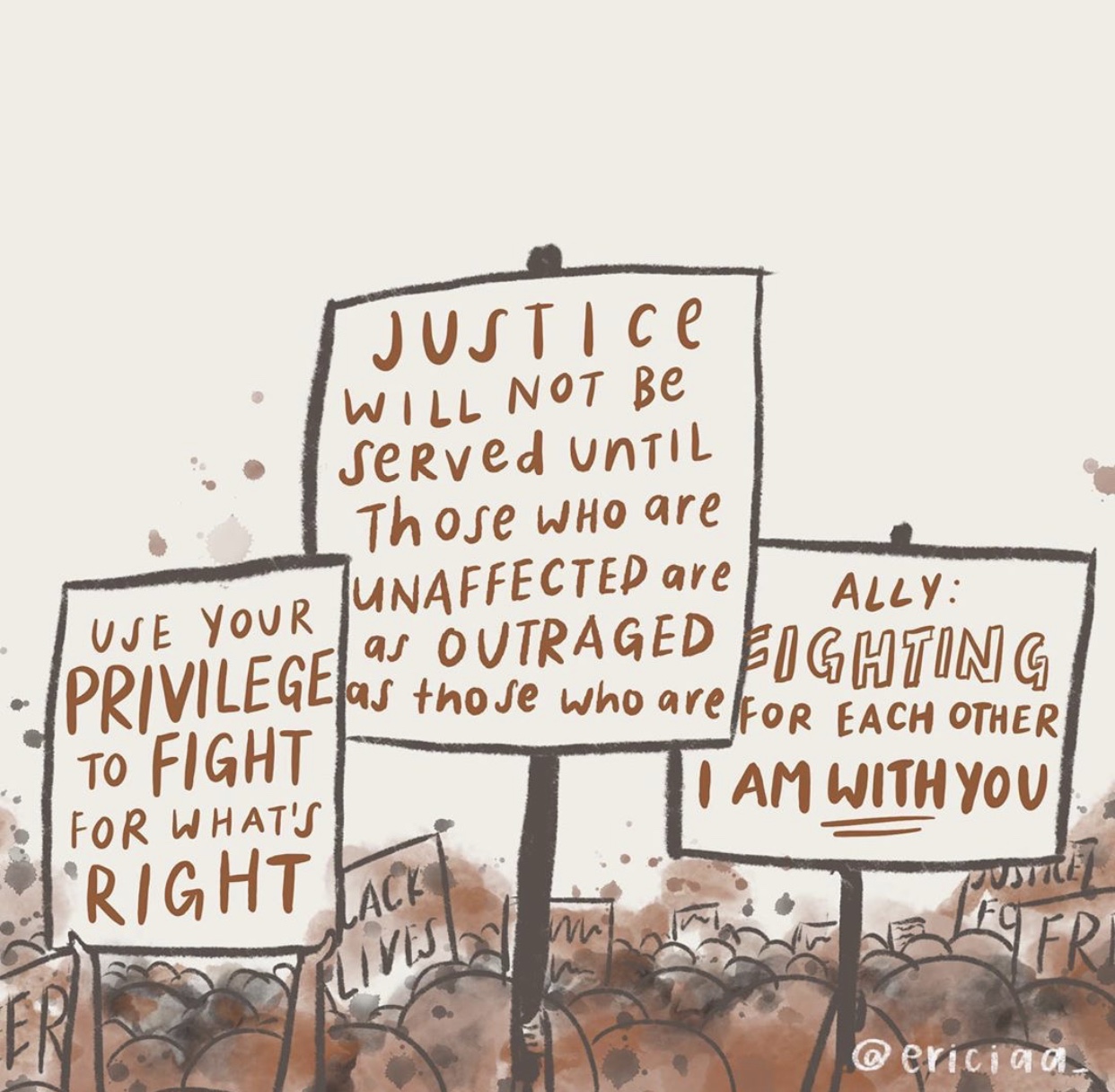
Our current reality and the actions, decisions, and efforts we are making are a marathon and not a sprint. Much like life with chronic illness, anti-racism is something that will be an uphill battle day in and day out. You don’t receive an IBD diagnosis and educate yourself and manage your disease for two weeks and think the work is done. You are forced to evolve, learn, see the world through a different lens, while adapting to a new normal.

IMG-2683

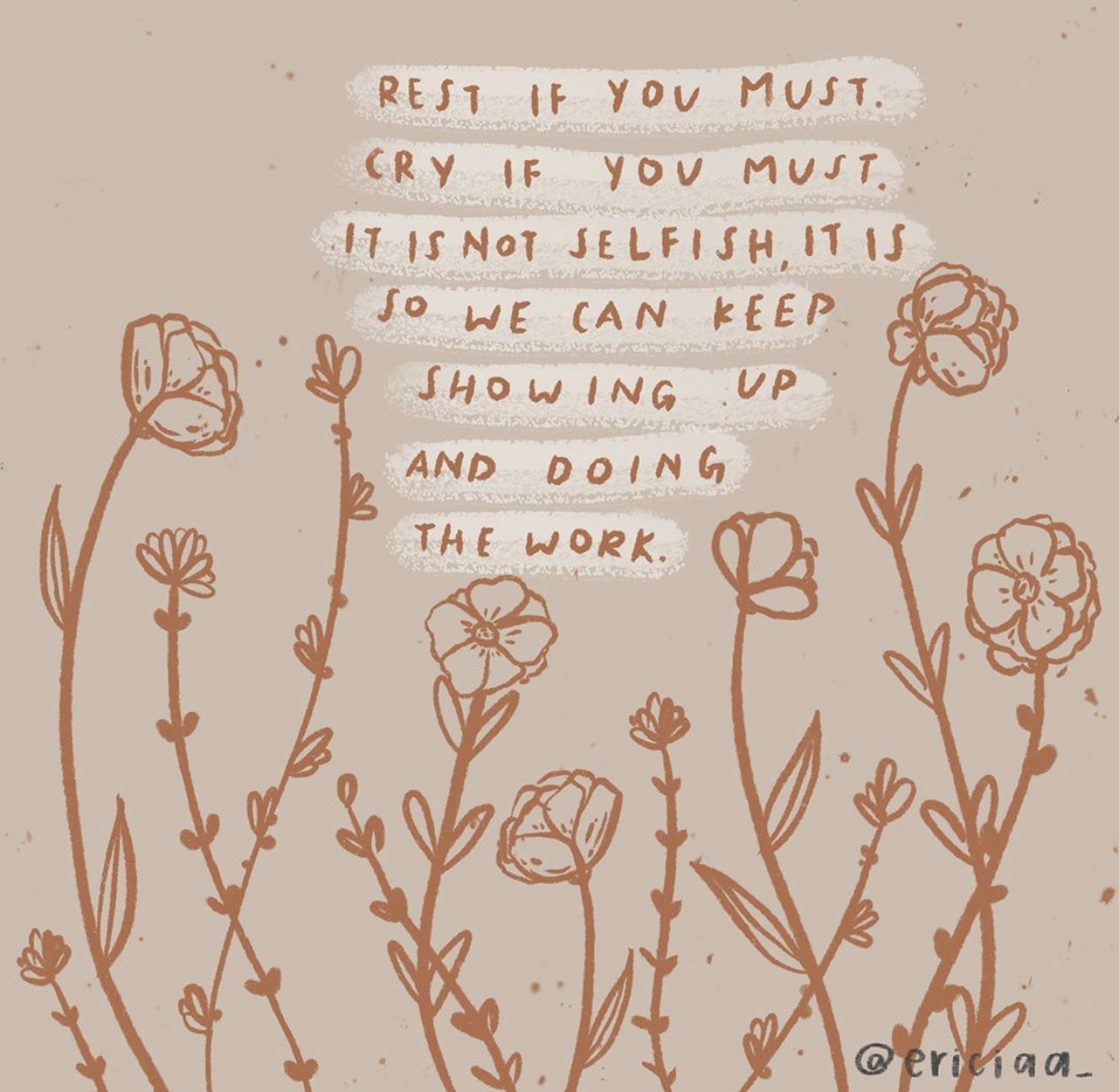
Created by @Ericiaa_ on Instagram

The racism that is a part of this country is not going to be eradicated by two weeks of social media posts and protests. But, each genuine and heartfelt decision from here on out has the power to make a huge change. By speaking up and not standing down. By recognizing your own privilege. By standing arm in arm with your peers who have suffered in silence for far too long.

Dealing with the overwhelming fatigue

Fatigue is heavy when you battle Crohn’s and ulcerative colitis, regardless of the current climate in the world. When you couple months of COVID-19 with visibly seeing the divide in our country and all the work that needs to be done, it’s overwhelming. Don’t burn yourself out, don’t feel like you aren’t able to keep up, don’t compare yourself to others.

In recent weeks, I’ve seen countless IBD patients apologizing for sharing their health struggles. I’ve seen people in hospital beds saying sorry for needing support as they head into surgery, start a biologic, or come to terms with their diagnosis. I’ve heard from people feeling guilty for needing a break from social media because the stress and worry is a trigger for their illness.

Chronic illness doesn’t take a break. Chronic illness thrives in conditions when we stop managing it and don’t make our health a priority. Chronic illness doesn’t care if there’s a pandemic going on around the world or a Black Lives Matter protest in your city that you want to be a part of.IMG-2685

It’s ok if you need to focus on you and your IBD. It’s uncomfortable seeing how divisive this world can be and the hurt so many of our friends and family face just for the color of their skin. If you’re like me, it’s made me question and rethink how I’ve navigated race all my life. I have black friends from high school that I just started having race conversations with NOW. I am 36.

Eddie

Friends since 2000. Just talked about race this week.

I have black peers in the IBD community who bring tears to my eyes with their pleas for support and great admiration for them using their voices and platforms to make a change and a paint a clearer picture for the rest of us.

I’ve started changing what I choose to watch on Netflix. We’ve watched “Dear White People” and “13th” after putting our kids to bed this week. We tuned in for the Sesame Street Town Hall on CNN about racism, even though our children are young. It’s never too early to start the important conversations with your family. I’ve started researching books with black protagonists for my kids that also discuss racism, after looking through their bookcase and realizing we only have two books with black characters.

Here are some recommendations I’ve received:

“A Boy Like You”

“Love”

“The Skin You Live In”

“The Day You Begin”

“The Snowy Day”

“Good Morning Superman”

Netflix cartoon: “Motown Magic”

Don’t burn yourself out

At the same time, we all, including myself, have a lot of work to do. This momentum, this energy, and this dedication is going to be challenging to sustain. We don’t want to burn out. We can’t put our IBD on the back burner. It’s up to us to realize when we need time to focus on our health and when we can use our voice and our heart to make a difference.

IMG-2686

Created by The Chronically Honest, on Instagram

If you’re feeling more symptomatic from the stress of these eye-opening and challenging days, give yourself permission to take a break from social media and the news. Your health and well-being come first, and you don’t need to feel guilty for that. If you are desperately wanting to participate in protests but worry because you’re immunocompromised and in danger of getting COVID-19, that’s understandable. Your work and your effort can be done safely at home.

You can be an ally. You can be a friend. You can be a patient. That priority list can be fluid and ever-changing. Take care of others, but always remember to take care of yourself.

IBD does not just look like me

Like most people, the events of the past week have left me feeling upset, angry, frustrated, helpless, and at a loss for words. As a white woman I recognize my privilege and the need for change. I recognize that I can’t begin to imagine what it’s like to walk in the shoes of a black man, woman, or child.

As an IBD advocate I understand that Crohn’s disease and ulcerative colitis do not discriminate. These diseases don’t care what color, race, ethnicity, or gender you are. Oftentimes though, the lists for blogs, advocates to check out, interviews, or accolades, tend to feature people like me. When I scroll through these lists and see all white advocates it makes me uncomfortable. IBD looks like meWhen I’m part of a photo grid holding up a sign alongside fellow advocates…and it’s a bunch of white girls, it makes me feel out of touch.
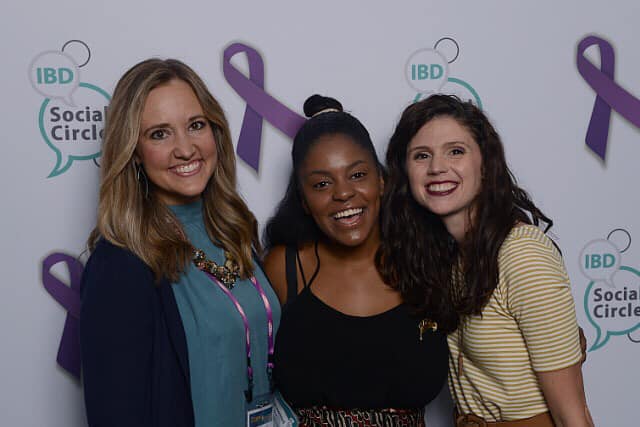
Over the years, I’ve heard from black patients who are friends of mine, who have dealt with delayed diagnoses because of mistrust from physicians. I’ve heard of black patients being looked at as opioid-seekers, despite rarely going to the ER for their symptoms. IMG_8619

I want to make sure you know and are familiar with some ROCKSTAR female advocates who do a phenomenal job of being a voice for not only the IBD community, but the black community. Here are their names and their Instagram handles.

Brooke Abbott                @crazycreolemama and @IBDmoms

Shawn Bethea                 @shawnbethea_ and @crohnsandstuff

Gaylyn Henderson         @gutlessandglamorous and @gaylyn14

Myisha King                     @gameofcrohnsandchronicillness

Sonya Goins                     @sonya_goins

Melodie Blackwell          @melodienblackwell

Shermel Maddox            @shermel2

Chelsey Leanne               @chelseyleannibd

We’ve all had people in our lives try and understand what it’s like to live with IBD when they don’t have it. Through my nearly 15 years with Crohn’s, I’ve experienced the instant connection that occurs when you meet someone online or in person who understands your reality. ShawnThere’s a level of empathy and understanding that makes you feel like you are home.

In this instance, I’m not going to try and act like I fully grasp or understand what it’s like to be black with IBD. It’s important for our community to have role models who look like themselves to connect with, learn from, and admire. Especially the newly diagnosed and pediatric patients. IMG-2348

IBD is not black and white. IBD is all of us. Holding hands through this. Lifting one another up. Doing better at loving and accepting others. Making an effort to be anti-racism each and every day. Teaching our children to see the world and others with a different understanding. This is on us. We must be better.

IBD does not just look like me.

From one IBD mom to another…here are some resources to check out:

Children’s books to support conversations on race

Your Kids Aren’t Too Young to Talk About Race: Resource Roundup

Anti-racism Resources for White People

An Anti-racist Reading list (for adults)

Anti-Racism Activism Resources, Education, Stories, Books, and More

Wondering how you can make a meaningful impact? Tune in for a Facebook Live Tuesday, June 2 at 6 pm CT on the CrohnsandStuff Facebook page.

IMG-2352