Colonoscopy Prep Hacks You’ll Actually Want to Try: Tips from the IBD Community

Whether you’ve experienced one colonoscopy or 20, you know the process is far from enjoyable. This past week while scrolling through Instagram I came across a story an IBD caregiver posted as her young daughter prepped for her scope. During the video she explained how her husband rolls dice, and whatever number it lands on is how many sips their daughter has to take of prep. I was amazed at this brilliant trick to ease the struggle of getting the prep down, and it inspired me to dig a little deeper and ask the IBD community what their “tips and tricks” are.

This week on Lights, Camera, Crohn’s read firsthand advice from caregivers and patients of all ages. My hope is that you find comfort and maybe even a new idea or two to make your next prep a little less stressful.

Firsthand advice for pediatric IBD caregivers

Mara’s daughter has IBD and has already been through eight colonoscopies in just five years. She says the dice game was a huge success for their family the first time around:

“She was at the perfect age for a little competition as motivation with a reward at the end for the winner…of course she always won. It was honestly so easy to prep her I was shocked.”

However, being NPO (derived from the Latin saying ‘nil per os’ or nothing by mouth/no food or drink) after midnight was NOT easy.

“There were lots of tears and anger directed at us. We bought her a special blanket and stuffed animal, which helped diffuse some of that anger.”

As many caregivers know, every prep is different. Mara recalls their second scope being much more difficult, requiring hospitalization and an NG tube after her daughter couldn’t keep the prep down. Now, they focus on giving their daughter as much autonomy as possible, letting her choose flavors, snacks, and activities.

“On prep days or days, she must be NPO, dad and I also follow that diet. It gives her a sense of belonging and that we are struggling right alongside her. We’ve done it for all eight scopes, and we will continue to do it if she needs us to.”

Over time, Mara says they let their daughter lead as much as they can. They give her a “yes” day.

“Whatever she wants (within reason) to eat or drink. Gummy bears, sure. Popsicles, sure. Want to try to mix three different Gatorades? Why not? She wants to watch TV while she preps or play hockey, absolutely.”

Emily’s Family
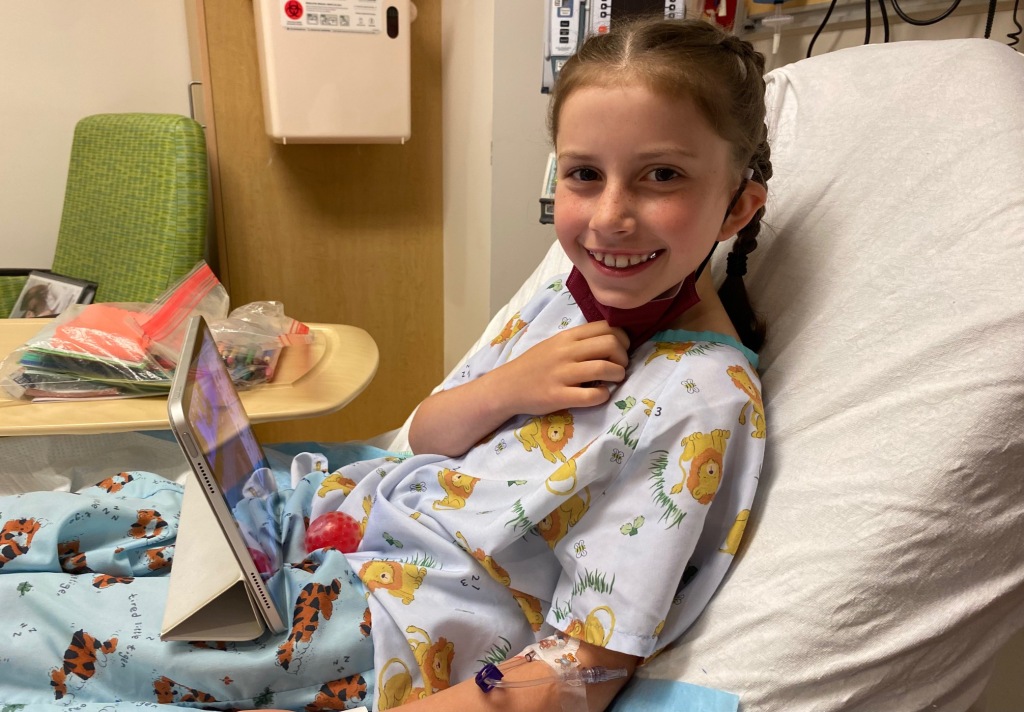
Emily has three daughters with IBD (now ages 9, 12, and 15) who’ve been doing preps for over a decade. Their youngest had to prep for a scope when she was only 21 months old. Their top tips include:
  • Only prepare 8oz of the drinking mixture at a time. With MiraLAX prep, we let them pick a new flavor to mix each 8oz.
  • Think outside the box with the liquids for MiraLAX! One preferred water once! (With other electrolyte drinks that day.) One daughter does her whole prep with tea and chicken broth. (Add MiraLAX after the liquid is warmed.)
  • Use distraction!! This is our biggest piece of advice. We surprise the girls with a new activity the day of prep. They know there will be something fun to do – just not what it is. We have gotten Lego sets, multi-step craft projects, etc. We pick something that we can partition up and give them one part at a time in celebration for ounces drunk!
  • Keep them active. We have found that the girls tolerate the large amounts of liquids better if they get up and get moving! In the warmer months, they go walk laps around the driveway between cups of the prep.
  • Pick the “fun” liquids together ahead of prep day. Since they normally cannot have juice or soda, they pick out a few drinks that they are excited to have. This helps them to drink more, once the MiraLAX prep is complete.
  •  I set timers for myself for the day of prep for every 10 mins or so. Just to check in on their drinking. It’s easy to lose track of time and accidentally go 30 mins (or more!) without drinking.
  • Pack a bag of supplies for the scope day. We always take extra clothes and baby wipes for any accidents. Games/books/crafts are great to keep the girls distracted during the wait before their procedure time. We take some water/light snacks for afterwards. (Check with your providers to see what/when your child can eat afterwards.) Chapstick is always requested by mine now too.
  • Remember that you can speak up and (nicely!) ask for what your child needs to make them comfortable. For example, at our hospital, the kids usually get their IV’s after they are sedated with some gases through their breathing mask. This is great to avoid needle anxiety for many kids. However, mine have taken a dislike to the masks and the smell of the gas. Since they get regular med infusions, they prefer to get their IV’s back in the holding area and then use the IV for their sedation to sleep. While not the normal procedure, the anesthesiologists and nurses have kindly worked with us to do it the way my kids prefer.

Cindy’s Perspective
Cindy, mom to a teenage daughter with Crohn’s disease, says scheduling scopes early in the day is key. Even if you have a teen who likes to sleep in, sleeping in is worth nothing if you already feel like crud due to the prep. She emphasizes advocating during IV placement and following your gut as a caregiver:

“A parent’s intuition of how much is too much comes into play, and you’ve got to listen to that voice. Tell the nurse you (parent and child) did your best to complete as much of the prep as possible. If you can’t finish it to a T, they can still make it work. They know they are working with a child. If they are having trouble placing an IV, advocate for your kid. Give them two tries and then request another person to try. We’re still traumatized from watching them work for 10 minutes to get an IV into my dehydrated and scared 9-year-old, and I think that trauma will live with us both forever.”

She also believes in being honest with your child without over-preparing. Start the conversations when it’s time, but don’t talk about it for days or even hours beforehand.

“This is not going to be fun, and it won’t feel good. But I know you can do it and we are going to do it together because I will be beside you every step of the way. Here are the steps we will take and outline them in age-appropriate detail. Let’s think about how amazing this is going to be once it’s done! This is our focus for the next 24 hours… that moment when it’s done… that will be the best! As soon as you are done at XYZ time tomorrow, we can celebrate and go back to normal life, and you can eat whatever you want.”
Additional feedback for pediatric patients

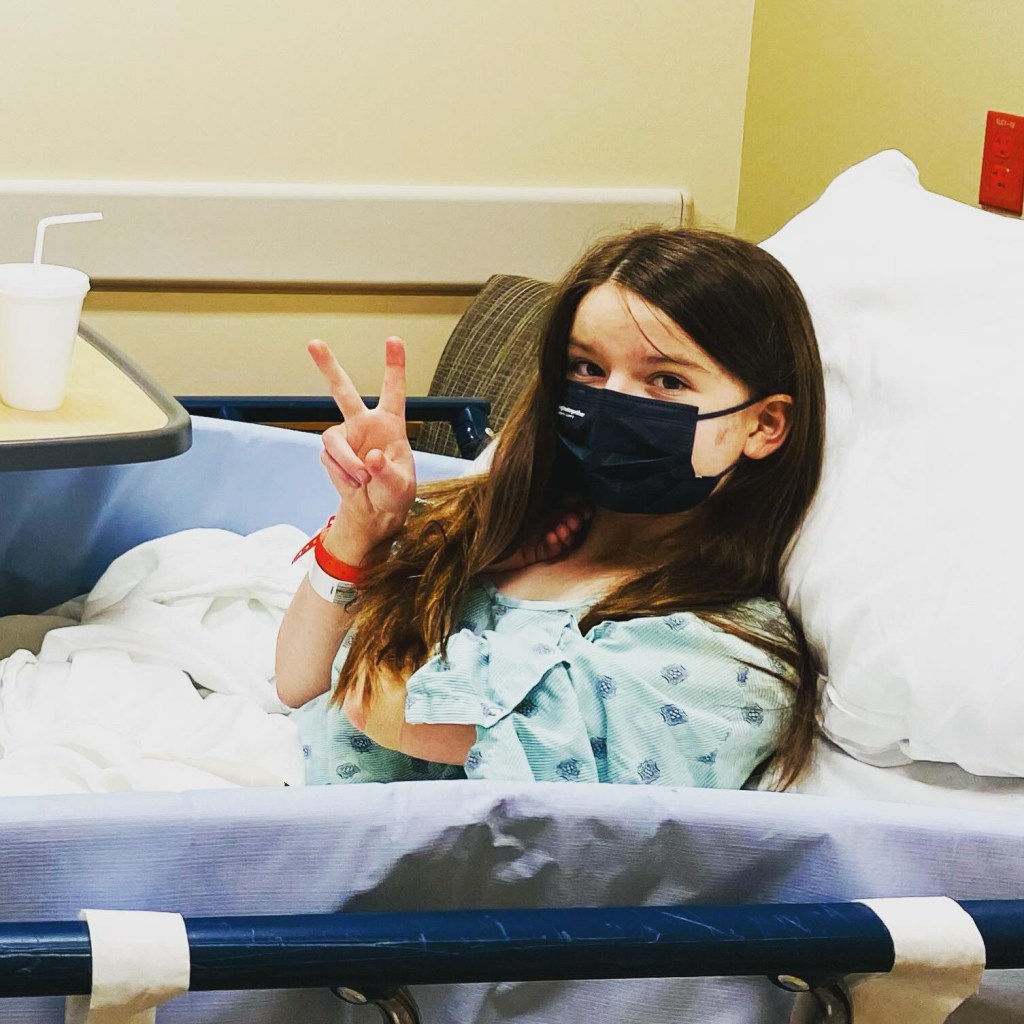
“For pediatric prep, popsicles are necessary. Blue popsicles allow kids to “poop blue,” which many like. The Gatorade with the MiraLAX is the easiest for them to get down. We tried magnesium citrate once and it was a disaster. Gatorade is where it’s at. Also, we make it a party. Popsicle party. Jokes and TV while pooping. Anything to keep the mood light.”

“Turn the ordeal into a scavenger hunt by completing parts of the prep with small stickers to earn up to something whether it be completing a picture or something to distract when prep is working.”

“My daughter’s first prep at home didn’t go well, but prep while in-patient thru NG tube really worked.”

“If the hospital or your GI team has a Child Life specialist, they can send prep books to families ahead of time so they can help prepare kids for what to expect the day of the procedure.”

“Bribes! Lots of bribes! New toys or games. Legos keep little ones busy. Family doesn’t eat in front of them. Lots of snuggles. Clear your schedule to spend time with them. For young kids, put all food out of reach or lock the pantry so a hungry little one doesn’t get into something they can’t have and make you have to cancel the procedure, which is always my fear!”

“I have a prep approved Starbucks order—Mango Dragonfruit refresher, Venti, no ice, no Dragonfruit fruit inclusions, peach juice blend, in my personal cup … I like to line up cups so I can visually see how much is left and removing one feels like an accomplishment. A seasonal suggestion is using an advent calendar and dividing prep by 24 and opening one door after each one…just make sure the prizes are not food!”

“Arts and craft activities and projects can be a good distraction. Recently gave a sensory art bin to a VEO-IBD patient through their first scope as a kid it helped me to have new things to do.”

“My mom fasted with me when I was doing the prep as a kid! My tips now as a mom myself are to make Jello without Red 40. Ramen seasoning dissolved in water tasted way better than broth to me as a kid…I know that’s not good for you. I would make it a fun and relaxing day, so your kiddo is distracted. I would recommend not watching TV or YouTube because there are so many advertisements for food everywhere and it didn’t help distract me much. I advise having a movie marathon instead!”
“We didn’t eat out much when I was a kid, so eating out with my parents only was a big treat for me to look forward to after starving the day before! Back in the day, GIs used to do a combination of drinkable prep and suppositories for pediatric patients, and I’m glad my mom did the suppositories for me because it was not something else you had to drink. Ask pediatric GIs about low consumption prep so your child doesn’t throw up.”

“When I was a pediatric patient, my mom took me to the store to pick out different drinks for the mix, Jello flavors, etc.… which would make it fun picking it out myself and this also gave me a sense of control in a very out my control situation. My mom always fasted with me, which I appreciated not feeling alone in it. I was also able to pick the restaurant to go to after for something to look forward to!”

“Have your child drink their prep in a fun container., a Disney theme with a silly straw. For adults, use a wine glass or fun mug. Cheers!”

“My 12-year-old just had their first colonoscopy. As a Crohn’s patient myself, I have done one every other year for 25 years and it was hard to watch him go through it. He was tougher than me. The hardest part was him not eating! He had to do a full two days of clears only—per our doctor’s recommendation. That’s my hack as an adult, too. I start taking a Dulcolax dose and not eating a day or two earlier than recommended. You only have to drink the drink until it’s clear in the toilet. The milder/longer prep is easier on me and saves me drinking half the magnesium citrate drink.”

“My daughter couldn’t get any of the prep down at age 16 and by this summer, at age 19, she felt ready. This time we tried over the counter prep of MiraLAX and Dulcolax. The doctor said if she did it this way, she would need to fast for 48 hours instead of 24. She was fine with that. She started taking a couple of Dulcolax tablets at 5 pm the night before. Then, we put half a bottle of MiraLAX into Sprite. She drank a cup every 10 minutes until it was gone. We did the same thing a few hours later. She was clear before going to bed at night. It was easy and stress-free for her.”

“My parents would set me up with my iPad for movies, a desk chair, and a blanket in the bathroom so I could go back and forth from the toilet easier.”

“Make MiraLAX with white grape juice instead of Gatorade! Drink with a fun straw so you can put it on the back of your tongue and taste less. Put on headphones with loud music to distract your sense from the taste so you can drink the prep faster.”

“I confirmed with my child’s GI that colorless cotton candy is a clear liquid! Obviously in moderation, but this could be super helpful for kids and adults who need a different texture than liquid or gelatin.”

Prep Hacks for Adult Patients

Our IBD family had plenty of creative hacks for adults, too:

“The MiraLAX + Dulcolax prep hands down!! I’ve tried them all, and it’s tasteless and easiest.”

“Lemonheads or lemon jolly ranchers RIGHT after you get done drinking a dose!”

“Gummy bears and lifesavers! I love having stuff to chew. I also had pickle juice shooters, which gave me some salty/sour taste to balance all the sweet stuff. I also keep my schedule open for the remainder of the day and allow myself to relax.”

“I put my Suprep in the fridge (even though it says not to) and it makes it SUBSTANTIALLY easier to drink (and doesn’t seem to make it less effective in any way). I also buy myself a new book to read or save a special TV show episode, so I have something to look forward to when I’m drinking prep at 2 in the morning. Colonoscopies are miserable and until they figure out how to make them a nicer experience, it’s great to team together to gather the best tips.”

“Clear Gummy Bears!! This keeps it fun for all ages! Here’s a recipe!

“Drinking chicken broth throughout the day. This gives energy and takes away the bad taste of the prep drink. As a kid, my sister used to make a colonoscopy prep kit. Every 8 oz. I drank; there would be a little gift or activity to do. For example, after the first 8 oz., I got a nice bottle to drink the rest from. The next thing was a Lego kit or a paint by number.”

“I begin my prep four hours ahead of their suggested time, so I can sleep through the entire night. Getting up in the middle of the night, especially for children to complete round two of the prep is just borderline inhumane. What a nightmare. The catch is waking up and hydrating with enough water before the anesthesia cut-off which requires not to drink anything 2 hours before the procedure.”

“Wet wipes and diaper cream are super helpful!”

“A lot more MiraLAX than the prescription prep. And gummy bears (except red ones) are a gamechanger. They let you feel like you’re eating, but they liquify in your gut.”

“Rotate flavors and get some protein through broths. Have broth, then 2 hours later do Jello or change the texture and taste, then 2 hours later do broth and rotate.”

“Strain chicken noodle soup to just have the clear broth, it has more sodium.”

“Avoid eating vegetables/fruits/seeds three days before. Taking preps that you can take with a glass of water and then drink two liters of tea or water.”

“My son, Andrew, has autism and Crohn’s disease. When he has to do colonoscopy prep, he likes to listen to Disney music and use a timer. Andrew is almost 30 years old and has been having to do colonoscopies since he was 17. This past year, for the first time, he did the pill prep and loved it. He used a timer to tell him when to take the next pill. Andrew told me he will never go back to liquid prep. Pill prep was so much easier for him, especially with his sensory issues.”

“Take notes on all preps you’ve been assigned and take notes and photos of what it felt like. I found one that was less painful for me, and I always request it. I also alternate sips out of a straw with apple juice. I drink the prep in my kitchen, near a bathroom, and watch TikTok’s while drinking to distract myself.”

“I only eat soft foods 2-3 days before, make sure to hydrate, and follow the instructions they give about not eating things like seeds or nuts a week before.”

“Have a bidet and diaper cream ready.”

“Desitin, Gatorade that is the Frost Glacier Cherry flavor (not red) frozen or really cold to help me stay hydrated.”

“Make freezer pops out of the Gatorade prep mix.”

“For me—finding fun drinks, whether a tea at Starbucks or stocking up at the grocery store, really makes it feel less horrible. I started this as a teenager. I make a list of movies or shows I want to binge. If you’re comfortable with it, have a friend there to distract you—at 15 years old, my boyfriend stayed with me all day for my surgery prep which was the same as a colonoscopy and we watched movies and he distracted me/made me laugh and at times I forgot what was going on!.”

“Savory liquids to balance out the sweet!”

“Mix the prep with Crystal Light Lemonade—instead of the lemon mix the pharmacy provides. Drink the prep through a straw and suck on hard candy (e.g., Werther’s Originals) in between doses to get rid of the taste and have something to look forward to.”

“Take SUTAB (pill prep) and Zofran and then fall asleep. Your bowels will wake you up and you’ll avoid the nausea but start the pooping process. I do the same for the morning dose! If you vomit, at this point it’s fine, just hopefully after the nap and pills are digested!”

“Gummy bears/worms!”

“Pill prep has been a gamechanger for me!”

“Extending the clear liquid diet an extra half day or full day helps a ton with prep.”

“You have to have a movie downloaded on a device that you can have in the bathroom and a pillow for the toilet seat for your back. I’m a fan of disposable diapers because after the first several poopy poops, you get to the drizzle stage and then it’s annoying to have to get up every two seconds towards the end. They also come in handy when you’re sleeping and when you’re traveling to the procedure.

“Before I have a colonoscopy I write down positive affirmations and thoughts and there is like a Table of Contents that’s like “When you’re sad” or “When you need a good laugh” and it really helps me though the ups and downs, although it may sound silly. I choose what to drink and I always have my good luck drink which is blue Gatorade.”

“Use nuun electrolyte drink instead of Gatorade!”

“My personal hacks are to follow what you know works for you. I followed the timings of when to take what from the last instructions and it wasn’t the cleanest prep. I should have listened to my gut and started doing that earlier. I resort to drinking Ensure Plus instead of just relying on broth and soft foods to keep me feeling full. It’s helped me SO much. I know not everyone can tolerate it or like it, but when I was on a liquid diet about a year ago for two months, I only had Ensure Plus. I got used to it. It’s now a lifesaver, especially if I’m traveling or on the road and not sure what food I will have access to. It helps to start the diet a bit earlier, so mash and fish instead of just toast and pasta.”

“I mix apple juice with my Suprep! I also always buy bone broth or stock because the protein per cup is higher. I like the Zoup brand because there’s 3 or 4 gram of protein per cup. I also get the College Inn brand bone broth which has up to 10 grams of protein per cup.”

“Gummy bears!! Just not the red or purple ones. Just being able to chew something helps! Progresso Chicken Soup. Use a metal strainer to strain out all the solids and then sip the broth. It’s thicker and has more flavor than regular stock and it’s just more satisfying.”

“Remind yourself “this is only temporary.” Having loved ones supporting also helps to distract a little, which makes it easier to get through. Focusing solely on drinking cup after cup can seem very overwhelming.”

“Start a low residue diet a few days early even before your doc says to. Mix prep with Sprite. Have hard candies or gum to chew on while doing prep. Use a measuring cup or something to lines to indicate how much to drink.”

“I really love the Trader Joes less sugar lemonade mix with water for my prep. I chugged and it was so delicious! Also, ice pops like the good pop brand were yummy.”

“Gummy bears! Making ice cubes out of juice and chewing on the ice.”

“Make sure it’s cold! Drink with a straw, chew Juicy Fruit gym in between drinks, this helps cut the saltiness. Do two-step prep if your practitioner allows it (half the night before and the other half in the morning). Ask if you can use one of the lower volume prep or the MiraLAX and Gatorade prep.”

“For the MiraLAX prep I use two different flavors so I can alternate when I get sick of one.”

“Mix the prep early and put it in the fridge. Have music and TV on to help distract yourself.”

“While most people say to drink it cold, I prefer my prep at room temperature so I can chug it faster.”

“Always lots of ice and drinking thru a straw. Big gulps. Have a station in the bathroom with a laptop streaming Netflix. I also got a Bidet before my last one!”

“Gummy bears! I buy the Haribo ones and don’t eat the red ones. My favorite prep hack thus far. It’s great getting to chew something when everything else is liquid.”

“Lots of mint tea when the cold chills kick in a few hours before you have to go in for the procedure.”

“Use a Pedialyte jug and ensure it is very cold and drink the prep with a straw. The slower you drink, the worse it is. I always chug it super-fast through a straw and it gives me 10-15 minutes between each cup. Have lots of other drinks that you don’t normally consume to make it fun and have lots of juice, Jello, soda, and popsicles on hand!”

“I’ve turned prep days into self-care days. I binge shows, nap, relax, and try to take care of myself.”

“I like to alternate between sweet/cold beverages and salty/warm soups when I am trying to stay hydrated before starting prep. Sprite/popsicles/lemon ice and then chicken broth.”

“I chase my prep by sucking on approved colored Lifesavers. They truly are a lifesaver for me. I could never do it without them.”

“I recommend the pill prep instead of liquid prep if you’re neurodivergent or have issues with taste and textures. Maybe keep a backup on MiraLAX and Gatorade or juice in case you can’t tolerate the liquid prep. If you know you get nauseated, take prescription anti-nausea medication like Zofran before you begin the prep. I like Squatty Potty and having wipes to dab and pat my skin. A Peri Bottle can be useful. If you’re prone to hemorrhoids or know you have vascular issues like pelvic congestion syndrome, apply hemorrhoid cream in advance. Keep Zinc Oxide handy if it starts to burn or feel raw. Get into comfortable clothes that’s easy to get in and out of in the bathroom. I personally use a heating pad and Bentyl for intestine cramping. I usually make sure I’m scheduled first thing in the morning, and I ask for extra IV fluids.”

The Takeaway

Colonoscopy prep is a universal challenge in the IBD community, whether you’re a child facing your first scope or an adult whose been through dozens. But as the stories above reveal, there are countless ways to make it less daunting through creativity, distraction, teamwork, and sometimes sheer humor.

I personally start a full liquid diet 4-5 days before my scope to ease the actual prep. I make sure I have Zofran on hand to manage my nausea (I always vomit, regardless), and I prefer the SUTAB pill prep. I’ve done multiple preps since being diagnosed with Crohn’s disease in 2005, and my last three preps, SUTAB pills have been the “most tolerable.” While MiraLAX/Dulcolax is popular, I never enjoyed having to drink such a large volume of liquid. Having gummy bears on hand is also a necessity for me! My husband always takes the day off work, and we go out to breakfast and spend the day together afterwards as a reward for all I went through.

If you’re gearing up for a prep, remember you’re not alone. Thousands of IBD patients and caregivers are walking this same path and learning tricks along the way. Find what works for you (or your child), advocate for needs, and give yourself grace. And once it’s done? Celebrate that victory meal and the relief of getting through another milestone in your IBD journey.

A Rare Case, A Powerful Message: One IBD Mom’s Battle with Vitamin K Deficiency During Pregnancy

When you live with Inflammatory Bowel Disease (IBD), you become an expert in knowing life can throw you curveballs at any given moment. Those curveballs are especially worrisome and scary during pregnancy and after you become a mom.

For one IBD mom who wishes to remain anonymous, that curveball came in the form of a rare and dangerous vitamin K deficiency that caused life-threatening complications for both her and her newborn son after delivery. Now, two years later, a published medical case study based on their experience is helping raise awareness of this rare issue, offering hope that future pregnancies in the IBD community might benefit from earlier detection and intervention.

Diagnosed Young, Navigating the Unknown

This mom was diagnosed with Crohn’s disease at age 13, and now at 34, she’s lived with IBD for more than 20 years. Her journey has included numerous medications, including a long stretch on Humira, which she remained on during her pregnancy, and four partial small bowel resections. She’s also undergone several exams under anesthesia due to complications like abscesses and fistulas.

Thankfully, during her pregnancy, her Crohn’s was well-controlled with no active disease, making the post-delivery complications much more shocking.

A Sudden Turn After Delivery

After giving birth to her son (we’ll call him “B”), what should have been a joyful moment quickly turned traumatic.

She spent 16 days in the hospital, including three in the ICU, while her newborn faced a 23-day NICU stay. The cause? A severe, undiagnosed vitamin K deficiency, which led to hemorrhaging in both mom and baby. The medical team was blindsided—none of them expected this.

Understanding Vitamin K Deficiency & IBD

Let’s get one important thing straight first. This situation is not about skipping the vitamin K shot that newborns typically receive. The mom explains:

“It’s imperative that newborns receive a vitamin K shot after they are born to prevent vitamin K deficiency bleeding. The American Academy of Pediatrics recommends that all newborns receive a single dose of vitamin K, because babies are naturally born with very little in their bodies. In our case, my son did get the shot—but because I was unknowingly severely deficient in vitamin K during pregnancy, his vitamin K levels in utero were dangerously low, leading to a brain hemorrhage before he was even born. The bleeding he experienced was similar to what some babies experience when they don’t receive the shot, but in our case, it happened earlier—and was not caused by withholding care. In fact, he needed far more vitamin K after birth to restore safe blood clotting levels.”

This vital distinction can prevent confusion and reinforce just how important that standard vitamin K shot is for all newborns.

What She Wants Other IBD Moms to Know

“Knowing what I know now,” she says, “I want fellow IBD women to understand a few key things about vitamin K deficiency during pregnancy:”

This is rare. Most pregnant people with IBD will never encounter this issue. “I hope that offers peace of mind. But as we all know, knowledge is power—especially when you live with IBD.”

If you’ve had bowel resections or are deficient in other fat-soluble vitamins (like A, D, or E), consider bringing this case study to your GI and OB/Maternal Fetal Medicine (MFM) doctors. Ask about checking vitamin K levels, as well as PT/INR and PTT, which monitor blood clotting.

You can develop a deficiency during pregnancy even if you’ve never had one before. “Outside of pregnancy, I had no clotting issues. But between my history of resections and my baby’s increasing demand for nutrients, my levels dropped—and no one knew.”

Looking Back: What She Wishes Had Been Done

“If we had been monitoring my vitamin K levels, PT/INR, and PTT throughout my pregnancy, we likely would have seen early warning signs,” she says. “These aren’t standard tests, but I hope someday they will be for IBD moms with similar risk factors.”

A Silver Lining in the Study

Despite the trauma, having their experience turned into a published medical case study brought a sense of closure.

“When they told us they wanted to publish it, I felt incredibly validated. This wasn’t just something we lived through—it’s now out in the world to potentially save lives. That’s the best-case scenario for us.”

The comprehensive care team—consisting of her OB, MFM, GI, hematologist, and PCP—remained closely connected throughout the experience. After both mother and baby were stabilized, Ohio State’s hematology team and Nationwide Children’s Hospital worked together to identify the deficiency as the root cause for both patients.

“They didn’t miss anything—they acted on the knowledge they had at the time, and when things went south, they sprang into action. I’ll always be grateful for that.”

“B” Today: A Story of Resilience

Despite a traumatic start, B is now a thriving, happy, and a miraculously healthy two-year-old.

“We were so worried about long-term impacts due to the hemorrhage in his brain, but he is now meeting and exceeding all his developmental milestones. He doesn’t need any additional support. It’s truly a miracle.”

His early care included close monitoring from neurology and the Early Development Clinic at Nationwide Children’s Hospital, along with early intervention specialists. Today, all those appointments are in the rearview mirror.

What About Future Pregnancies?

The reality is that this situation may recur if she decides to grow her family.

“My doctors believe I’d face similar risks, so we would monitor everything very closely: vitamin K levels, PT/INR, PTT and I’d likely receive IV vitamin K infusions throughout pregnancy to stay ahead of any deficiencies.”

Lifting the Tide for Others

After two decades of managing Crohn’s, she knows how isolating chronic illness can be.

“It’s hard. It’s lonely. It’s easy to feel invisible. But finding others who share their stories and who get it has been a game-changer for me. That’s why I’m sharing this now. Even if this specific challenge never affects you (and I truly hope it doesn’t), I hope you feel a sense of solidarity. A rising tide lifts all ships and if sharing our story lifts someone else’s experience just a little, it’s worth every word.”

If you’d like to contact this IBD Mom don’t hesitate to reach out to me, and I will connect you. It’s stories like this that help to pave the way for future families.

Magnesium Deficiency in IBD Patients and the Role of Natural Support

When you’re living with a chronic illness like Crohn’s disease or ulcerative colitis, it’s easy to become hyper-aware of every medication, every symptom, and every nutrient—or lack thereof. One essential mineral that often flies under the radar is magnesium.

Magnesium supports nerve function, hormone balance and how we respond to stress, so when levels drop, the nervous system can become overly reactive. For those with Inflammatory Bowel Disease (IBD), these symptoms can be even more noticeable because our bodies often struggles to absorb and retain magnesium properly.

According to Hollie King, Founder of Sweet Bee Organics, this humble mineral could be one of the most powerful tools in the IBD toolkit. This week on Lights, Camera, Crohn’s Hollie explains why magnesium matters so much for people in our community.

While I was working on this article, I did an Instagram poll asking the IBD community if they take a magnesium supplement. Of the 245 people who responded, 34% said “yes”, 29% said “no”, and 37% replied “should I be?”

The power of Magnesium

“Magnesium is one of those quiet powerhouses in the body,” Hollie explains. “It’s often overlooked, but absolutely essential. It plays a role in over 300 biochemical reactions, helping muscles relax, supporting proper nerve function, balancing hormones, and aiding energy production.”

When magnesium levels drop, your body knows it—but it doesn’t always scream it out loud. Instead, it whispers. Symptoms like anxiety, poor sleep, muscle cramps, low energy, and even restless legs may emerge. But there are subtler signs too: eye twitching, heart palpitations, tingling sensations, and a hypersensitivity to noise or stress.

For those with IBD, particularly Crohn’s disease, magnesium deficiency can be even more pronounced. “When the gut is inflamed or damaged, it struggles to absorb nutrients properly,” Hollie shares. “And magnesium is one of the first to drop.”

The Magnesium–IBD Connection

Recent research, like the article “Magnesium—A Potential Key Player in Inflammatory Bowel Diseases? published in the Journal of Inflammation Research, highlights the strong link between magnesium deficiency and IBD. But knowing you’re deficient and being able to do something about it are two very different things, especially if your gut can’t absorb it well.

That’s where Sweet Bee Organics comes in. Rather than relying on supplements taken by mouth, Hollie and her team focus on transdermal support—a method that completely bypasses the digestive system.

“Our Sweet Sleep Magnesium Butter delivers highly absorbable magnesium chloride directly through the skin,” Hollie says. “You simply massage it into your chest, feet, lower back, or even your tummy before bed. It’s not just about topping up magnesium—it’s about calming the nervous system, supporting sleep, and helping the body reset.”

The Sweet Sleep Magnesium Butter isn’t just effective—it’s a best-seller across the U.S. and U.K. for a reason. “We’re obsessed with packing as much magnesium as possible into our balm,” says Hollie. “It’s not easy, but we’re committed to delivering a product that works—and works quickly.”

For people with Crohn’s or ulcerative colitis, the benefits of restoring magnesium levels can be profound. Balanced magnesium supports better digestion, improves sleep, reduces muscle tension, steadies mood swings, and even eases PMS symptoms. You sleep better. You feel calmer. Your energy becomes more stable, and your muscles feel less tight or twitchy.For IBD patients in particular, it can help calm inflammation and improve nutrient absorption—essential steps in managing the day-to-day symptoms of the disease.

“It’s not a magic fix, but it’s one of those foundational nutrients that helps everything else work better. The biggest thing people notice? They just feel more like themselves again,” Hollie explains.

Hollie’s Health Journey

This mission is deeply personal for Hollie, who was diagnosed with aggressive cervical cancer and had to completely reimagine how she cared for her body. “Magnesium became an important part of my healing journey. It wasn’t just about sleep or stress—it was about helping my body heal, rebuild, and feel safe again.”

Screenshot

Hollie happens to be my husband’s first cousin—and witnessing her health transformation and all she’s accomplished since her cancer diagnosis has been awe-inspiring. We’re not only family, but friends and I admire her and the genuine work she’s doing. We’ve wanted to collaborate for awhile and when Hollie saw the recent published medical study regarding magnesium and IBD we knew this was the perfect opportunity.

Hollie and I took our kids trick or treating this past Halloween when she was back in the States

Her empathy extends to the IBD community. “For anyone living with IBD, I truly see you. I know how exhausting it can be to manage symptoms, juggle treatments, and wonder if your body is even absorbing what it needs. That’s why I created Sweet Bee. Magnesium might seem like a small thing, but sometimes the smallest shifts are the ones that change everything.”

How is Magnesium Measured—and Why the Standard Test Might Miss the Mark

Many of us assume a blood test will tell the full story, but Hollie points out that traditional serum magnesium tests only measure about 1% of the magnesium in your body.

At my clinic visit with my GI last week, my doctor included magnesium in my lab work and the results were within range, but he also told me there would be no harm in using the transdermal magnesium discussed in this article.

For people with IBD, especially those experiencing persistent symptoms, your GI may suggest testing beyond the standard serum magnesium draw or even recommend supplementation based on symptoms alone. This may be something you want to bring up during your next clinic visit or over the Patient Portal.

How to Naturally Raise Your Magnesium

While supplements are helpful, diet is still key. Magnesium-rich foods include:

  • Pumpkin and chia seeds
  • Almonds, cashews, and peanuts
  • Beans and legumes
  • Spinach, broccoli, and potatoes with skin
  • Whole grains like oats and brown rice
  • Avocados, bananas, raisins
  • Milk, yogurt, and soy milk
  • Salmon, halibut, chicken, beef
  • Fortified cereals

That said, people with IBD often can’t rely solely on food due to absorption challenges. This is where topical support like Sweet Bee’s magnesium products truly shine.

Can You Take Magnesium with Crohn’s or Colitis?

Yes, but with care. Magnesium—especially in forms like citrate—can cause loose stools, which is problematic for IBD patients. That’s why topical magnesium is often a safer, more effective choice.

Always consult with your gastroenterologist before starting new supplements, especially if you’re in an active IBD flare, dealing with kidney disease or if you’re concerned about the medication(s) you are on.

Final Thoughts

In the landscape of IBD care, it’s easy to feel overwhelmed. But as Hollie reminds us, simple, natural tools—when thoughtfully applied—can offer real relief. Whether you’re struggling to sleep, feel calm, or just want to feel like yourself again, magnesium might be what your body’s been craving.

“You deserve to feel strong, rested, and well in your body. Replenishing magnesium levels in a gentle, non-irritating way can make a real difference in how you feel, both physically and emotionally,” Hollie says. “And we’re here to support that every step of the way.”

Learn More About Sweet Bee Organics

To explore Sweet Sleep Magnesium Butter and other clean wellness products created with love and integrity, click here. Use code NATALIE15 for 15% off sitewide.

Sweet Sleep was recently spotlighted on The View Co-Host’s Favorite Things for Mother’s Day. Check out the segment here.

Additional resources:

Can You Take Magnesium With Crohn’s or Colitis? | MyCrohnsAndColitisTeam

IBD and Magnesium | InflammatoryBowelDisease.net

Magnesium for ulcerative colitis: Benefits and more

Does Magnesium Provide a Protective Effect in Crohn’s Disease Remission? A Systematic Review of the Literature

Malnutrition in Ulcerative Colitis: 6 Common Vitamin and Mineral Deficiencies

What can magnesium do for you and how much do you need? – Harvard Health

Disclaimer: This article was not sponsored, but the content is for informational purposes only and does not replace professional medical advice. Always consult your healthcare provider before starting any new supplement.

Out of Network, In This Together: Chronic Illness, Humor, and Healthcare Reform Through Cartoons and Community

What do you get when you mix chronic illness, dark humor, artistic storytelling, and a deeply broken healthcare system?

You get The Out-of-Network Network — a sharp, satirical, and heart-achingly relatable newsletter born from the experiences of patients who’ve seen (and survived) the absurdities of the American healthcare system firsthand.

Founded by Ian Goldstein, a Crohn’s disease patient and comedy writer, and Amanda Lehr, a writer navigating ankylosing spondylitis (AS) and mast cell activation syndrome (MCAS), OONN is more than a newsletter. It’s a lifeline. A laugh. A community. And most importantly — it’s a call to action, cloaked in clever cartoons and short, punchy stories that make you feel less alone in the madness of it all.

Meet the Founders

Amanda Lehr may not have Crohn’s, but as she puts it:

“I’m a fellow member of the ‘My Body is an Autoimmune Fight Club’ community.”

She’s lived with ankylosing spondylitis since her teens and recently received a diagnosis for MCAS — a condition that turns everyday encounters into allergic warzones.

“Being in my body is like trying to live in the booby-trapped Home Alone house: if there’s not a real intruder around, I’m the one getting hit by swinging paint cans and having my head set on fire.”

For Ian Goldstein, Crohn’s has been a two-decade battle, from bowel resections and obstructions to navigating biologics like Humira, Skyrizi, and Rinvoq. His life revolves around the proximity to hospitals, navigating insurance loopholes, and, like many chronic illness patients, learning to laugh at the chaos.

“I find so much humor in the world of healthcare. Not in the pain we patients deal with. But in the absurdity of interactions and situations that doctors, insurance companies, and people ignorant to our plights bring.”

How Out-of-Network Network Was Born

It all started with what Amanda and Ian lovingly refer to as “The Luigi Incident.”

A moment of internet virality around a meme, combined with a groundswell of people sharing stories about healthcare trauma… it lit a spark. They saw an opportunity to make something lasting.

“Knowing how fast the news cycle moves, we didn’t want this conversation to get lost in the shuffle,” Amanda shared.

So, they built OONN: A weekly Substack newsletter that pairs short healthcare horror stories with custom illustrations — funny, heart-wrenching, eye-opening, and artfully absurd.

“The situations we face aren’t inherently funny,” Ian says. “But how incompetence plays out — lazy doctors, power-hungry insurers, $70,000 hospital bills for inedible food — that’s darkly hilarious.”

Community Through Cartoons

Some of Ian’s favorite entries include:

Amanda, meanwhile, loves the diversity in voice and style across their contributors.

“As a writer, I enjoy collaborating with such distinct voices and artistic styles. As a human, I’m moved by how we all come together around this common belief: healthcare should not be a luxury product.”

The Common Denominator

So, what’s the throughline in the stories they receive?

“It’s a combination of incoherence, incompetence, and institutional hostility,” Amanda explains. “Sick and disabled people end up spending hours fixing mistakes that could bankrupt them.”

“People are crushed by sky-high bills and red tape,” Ian adds. “And those burdens pile onto lives already made difficult by chronic illness.”

More Than Just a Newsletter

For both Ian and Amanda, OONN is as therapeutic as it is informative.

“The first word that comes to mind is catharsis,” Ian says. “Reading someone else’s story — and laughing through it — tells me I’m not alone, and I’ll get through it.”

Amanda agrees, “It’s not better medicine than my biologics, but it’s still pretty damn good.”

Want to Share Your Story?

The Out-of-Network Network is always looking for contributors — writers and illustrators alike. If you’ve got a healthcare horror story, a cartoon-worthy insurance mishap, or just want to laugh (and cry) with the community, you can email Ian: ianscottgoldstein@gmail.com or Amanda: amanda.lehr@yahoo.com.

Final Advice from the Frontlines

Ian shares one last nugget of wisdom — a survival tip for navigating healthcare:

“Record everything. Record your doctor when they give you results. Record your call with your health insurance. Just make sure you’re legally allowed to. It helps you remember things, and it protects you if you need proof later.”

You’re Not Alone

Whether you’re battling Crohn’s, AS, MCAS, or just trying to make sense of a $3,000 copay for a basic test, Out-of-Network Network reminds us that laughter really is the best medicine (after your biologic infusion, of course). And that in this broken, bureaucratic mess of a system, solidarity and storytelling might just help us all stay sane, one cartoon at a time.

You can also subscribe to their weekly newsletter on Substack and follow them on Instagram: @out_of_network_network, @iangoldsteinyes, and @amandamlehr.

Hope in Action: How Montana’s HB 544 is Transforming Care for Children with IBD

When House Bill 544 passed the Montana Legislature and was signed into law May 1, 2025, it marked more than just a policy victory—it became a symbol of hope and action for families affected by Inflammatory Bowel Disease (IBD), especially those navigating the challenges of very early onset (VEO) IBD.

In the latest article on Lights, Camera, Crohn’s, we hear from the Founder and Executive Director of VEO Guardians, Rachel Markovich. She is not only a caregiver, but a passionate advocate behind the bill. Rachel shares the impact this is expected to have on families, the journey to getting the bill passed, and her hopes for this to set a precedent for the rest of the country.

What is House Bill 544, and why does it matter?

HB 544 is a transformative piece of legislation designed to eliminate two of the biggest hurdles families face when managing IBD: access to timely treatment and the threat of retroactive insurance denials.

The bill ensures that when a medical provider can present two efficacy studies showing a biologic treatment works in children of a comparable age, insurance companies must approve the request. This provision reduces dangerous delays in treatment— a common and deeply frustrating barrier for caregivers and physicians alike. Click here to see the news coverage.

The second part of the bill protects all Montanans by prohibiting insurers from denying coverage retroactively after a medication has already been approved. In the unpredictable world of chronic illness, this gives families something they often lack: peace of mind.

How did this caregiver become involved?

For Rachel as a mom of a son with VEO-IBD, this fight is personal.

“My son was diagnosed with VEO IBD at just 22 months old,” she shared. “Thankfully, his health has stabilized, and that gift gave me the time and perspective to help others.”

What began as outreach soon turned into a movement. With the support of VEO Guardians and a network of dedicated advocates, she testified in Helena and worked tirelessly to humanize the legislation. “It was an emotional and transformative journey—one built on compassion and resolve. It’s not just about celebrating a win—it’s about raising awareness for what this means for families across the state.”

The mission of VEO-Guardians was previously featured on Lights, Camera, Crohn’s, you can check out that article here.

Kim Longcake is an Advanced Nurse Practitioner in Montana. She says, “It is such an honor to be a part of this amazing organization. I am proud of the work we have done to protect access to care for Montana children and grateful to have a resource for families in their greatest time of need.”

Will this bill inspire similar legislation across the country?

Yes—and momentum is building.

“We’ve been in touch with national organizations like the EveryLife Foundation and the Crohn’s & Colitis Foundation. They’re excited about what we’ve accomplished here in Montana, and we’re developing a strategy to help other states follow suit.”

For those interested in bringing similar legislation to their own communities, the message from Rachel is clear: “We’re here, and we’re ready to help.”

How can people get involved, especially if they don’t live in Montana?

“Stay connected with us,” she urged. VEO Guardians regularly shares updates, advocacy tools, and family stories through their social media channels and newsletter.

Anyone can reach out directly for guidance, support, or to get involved in expanding the model elsewhere. “We want to help others navigate this path.”

What has VEO Guardians accomplished so far?

The organization recently helped a family avoid a $6,200 charge when a job loss disrupted their child’s insurance—ensuring timely infusion treatment. They’ve signed a reimbursement agreement with Community Medical and are working to secure similar partnerships with Montana’s two other major hospitals.

They’ve also welcomed a new board member with expertise in family counseling and plan to launch free counseling services and 504 plan support on their website soon. And for children newly diagnosed with IBD, a teddy bear delivery program is already in motion.

“Every step we take is rooted in our mission to support, uplift, and empower the IBD community.”

Final Thoughts

“In the darkest moments, we often find the strength to shine the brightest,” she said. “This bill is proof of what compassion and community can accomplish. To anyone facing this diagnosis—you’re not alone. There is a path forward, and we’re walking it together.”

Rachel tells me local gastroenterologists in Montana whom she’s spoken with are thrilled the bill has been signed because it removes the red tape and allows doctors to do what they do best—treat their patients. It’s a win for everyone.

“It fills me with pride, gratitude, and hope,” Rachel said. “What once felt like a long shot is now a new reality for countless families. I know it will ease the road for many who follow.”

To stay up to date or get involved, follow VEO Guardians on Facebook and Instagram, or visit their website to sign up for their newsletter.

From Pediatric Patient to College Student: Taylor’s Journey with Crohn’s

When most kids were running around their middle schools full of energy and excitement, Taylor Gautney was quietly fighting an invisible battle. In sixth grade, while his classmates joined extracurriculars and laughed through lunch breaks, Taylor was barely making it through the day. Many afternoons were spent passed out on the couch after going the entire day without eating. One day, after skipping lunch again, he collapsed on his way back to class. That moment changed everything.

At first, doctors suspected celiac disease. He was placed on a gluten-free diet after an initial endoscopy, but nothing improved. For years, the mystery lingered—until a more thorough examination revealed the real culprit: Crohn’s disease. A new diagnosis, a new treatment—Humira—and a new outlook on life began to take shape.

Now in remission and attending Arizona State University (ASU), Taylor has transformed his story from one of struggles to one of strength. But it wasn’t always easy. This week on Lights, Camera, Crohn’s a firsthand look at what it was like to be diagnosed with IBD at such a young age and how his first year of college went living across the country from his family.

“Just Keep Fighting”

Looking back, Taylor wishes he could tell his younger self one thing: “Just keep fighting and enjoying the positives in life.” Being diagnosed with a chronic illness at age 11 felt like a devastating detour. He admits that it changed the way he viewed the world and himself. “I started to think of every aspect of life as negative,” he recalls. But over time, Taylor learned to embrace small joys, and most importantly, to appreciate the unwavering support of his family.

Taylor’s mom, Anna, says, “It’s crucial to advocate for your child and speak up for them if medications are not working. It is also important to showcase to your child that you are in this with them, help them find a community, such as the Crohn’s and Colitis Foundation. This way, they can meet people who have what they have and formulate a sense of belonging.”

Holding On Through the Hard Days

Taylor wants young people diagnosed with IBD to know that while the patient experience is incredibly challenging—often filled with procedures and surgery, flare days, and quiet battles with your own body, it doesn’t define who you are. “People can’t see the diagnosis from the outside, they see your personality and exterior self,” he says. “Just be yourself, let people come to you and support you, especially during a rough time like an IBD diagnosis.”

The Power of Family

Taylor credits his parents for being the steady foundation beneath his feet throughout the rollercoaster of diagnoses and treatments. “My mom has been my rock,” he says. She’s been by his side at almost every appointment and has researched tirelessly to understand Crohn’s. Taylor’s dad always makes time to show Taylor the world with family trips and unshakable support. “They have given everything to me and made my life so much easier after the diagnosis.”

Life at ASU with IBD

Taylor’s transition to college life came with its own set of hurdles, including logistical nightmares like getting his medication delivered to campus. But he’s found his rhythm. “It’s definitely not as hard as I thought it would be,” he says. One surprising blessing? His roommate. “He also had a medical condition that required shots, pills, and daily maintenance,” Taylor says. Their shared experiences helped them form an instant bond, even leading to grocery trips for IBD-friendly dorm snacks.

Taylor’s professors and friends have also shown deep compassion. He remembers an English professor who read about his condition in a personal essay and went out of her way to learn more about Crohn’s. “She made me feel really special and seen,” he says. His friends check in on him, make sure he’s got his injections, and understand when he needs to sit out from social events. “I thank my friends at ASU for their understanding and empathy.”

A Voice for the Voiceless

Studying sports journalism, Taylor dreams of becoming a play-by-play broadcaster for Major League Baseball—ideally for the Atlanta Braves. But his passion extends beyond sports. He wants to use his voice to make an impact and tell meaningful stories. One of the most pivotal moments in his life came when he was asked to be the Pediatric Honored Hero for the Crohn’s & Colitis Foundation’s Birmingham walk. “That one event gave me confidence to speak in public and really sparked my love for communication,” he says.

Now connected with the Arizona-New Mexico chapter of the Foundation, Taylor is committed to giving back. His mission? To reach kids and teens who are newly diagnosed and remind them they are not alone.

Final thoughts

Taylor and I connected after he was doing research for a college project and reached out to interview me about my patient experience and advocacy work. During our initial Zoom interview, I was so blown away by his positive attitude and how he takes on life with IBD. I asked him during the call if I could have the honor of sharing his story. While there are male patient advocates—we need more who are willing to share their story.

Taylor is wise beyond his years, so articulate, genuine, and kind. The sky is truly the limit when it comes to his future. If anything, living with Crohn’s disease since age 11 has helped show him all he’s capable of despite his disease.

You can connect with Taylor by following him on Instagram: @t.gautney or by emailing him: tgautney@asu.edu.

The Patient Experience: IBD and PCOS—Is there a connection?

Polycystic Ovary Syndrome (PCOS) and Inflammatory Bowel Disease (IBD) are two conditions that can significantly affect a woman’s health, but many may not realize that there is a potential connection between the two. While they are distinct in their nature, the relationship between PCOS and IBD may be more intricate than previously thought. Living with both makes for a complicated patient journey and is not talked about enough.

This week on Lights, Camera, Crohn’s we look at these conditions, how they influence one another, and hear from several women in the chronic illness community who experience both.

What is Polycystic Ovary Syndrome (PCOS)?

If you’re reading this, chances are you are aware of what IBD is, but PCOS may be more of a mystery to you. PCOS is a hormonal disorder that affects the ovaries, typically during the reproductive years. It’s characterized by irregular periods, excess androgen levels (leading to symptoms like acne, excessive hair growth on parts of the body where hair is normally minimal, scalp thinning), and the presence of multiple small cysts in the ovaries. PCOS is linked to insulin resistance, obesity, and an increased risk of developing type 2 diabetes, heart disease, and endometrial cancer and impacts 1 in 10 women who are childbearing age.

The precise cause of PCOS is still not fully understood, but genetic factors and lifestyle choices (such as diet and exercise) play a significant role.

The Shared Link: Inflammation

Both PCOS and IBD are associated with chronic inflammation. This is a key factor that may connect the two conditions.

Chronic Low-Grade Inflammation in PCOS

Research has shown that women with PCOS often have increased levels of inflammatory markers, such as C-reactive protein (CRP). This chronic low-grade inflammation can affect the entire body and is linked to metabolic dysfunctions like insulin resistance and obesity, both of which are common in PCOS. Inflammation in PCOS can also exacerbate other symptoms, such as ovarian dysfunction and difficulty managing weight.

Inflammation in IBD

On the other hand, IBD is fundamentally a disease of chronic inflammation. The immune system mistakenly attacks the lining of the digestive tract, leading to the symptoms of Crohn’s disease or ulcerative colitis. This ongoing inflammation can lead to gut permeability issues, nutritional deficiencies, and an altered gut microbiome. The inflammatory process in IBD is often more severe and widespread than in PCOS, but the principle of chronic, low-grade inflammation links the two conditions.

How Might Inflammation Link IBD and PCOS?

Though PCOS primarily affects the reproductive system and IBD affects the gastrointestinal system, both conditions share inflammation as a common underlying feature. Inflammation in one part of the body can exacerbate the other condition, making both difficult to manage at one time.

Here are a few ways in which inflammation might connect these two diseases:

Gut Microbiome Imbalance: Both IBD and PCOS have been shown to be influenced by imbalances in the gut microbiome. In IBD, the gut bacteria are disrupted, contributing to inflammation and disease progression. Emerging research suggests that women with PCOS also exhibit gut dysbiosis, which could worsen the inflammatory profile in the body. This imbalance may be a link that exacerbates both conditions, potentially influencing the development and progression of each.

Immune System Dysfunction: Both PCOS and IBD involve immune system dysfunction. In PCOS, the immune system may not properly regulate inflammation, contributing to insulin resistance and ovarian dysfunction. Similarly, in IBD, the immune system is dysregulated, resulting in chronic inflammation in the GI tract. A common immune pathway may contribute to the co-occurrence of these conditions in some individuals.

Hormonal Imbalances: Inflammation in PCOS can lead to hormonal imbalances that impact not only the reproductive system but also other systems in the body. Conversely, chronic inflammation in IBD may affect hormone levels, potentially exacerbating PCOS symptoms. For example, inflammatory cytokines may interfere with the normal balance of estrogen and progesterone, further complicating reproductive health.

Metabolic Dysfunction: Both PCOS and IBD are associated with metabolic issues, such as insulin resistance. Insulin resistance often goes hand-in-hand with chronic low-grade inflammation in both conditions, and this can make the management of both diseases more challenging. Insulin resistance can worsen inflammation, and inflammation can increase the likelihood of developing insulin resistance, creating a vicious cycle.

Medication Overlap: Some medications used to treat IBD, such as corticosteroids, can also exacerbate symptoms of PCOS, especially in terms of weight gain, insulin resistance, and hormonal imbalance. Conversely, treatments for PCOS, such as oral contraceptives and anti-androgen drugs, may have side effects that impact gut health, potentially influencing the course of IBD.

Managing the Dual Diagnosis

For those dealing with both PCOS and IBD, managing these two conditions simultaneously can be a delicate balancing act. Treatment plans need to address both the hormonal imbalances of PCOS and the inflammatory components of IBD.

Anti-inflammatory Diet: A diet rich in anti-inflammatory foods, such as fruits, vegetables, whole grains, and omega-3 fatty acids, may help reduce inflammation in both the gut and the reproductive system. A diet low in processed foods and sugar can also improve insulin sensitivity, which is crucial for managing PCOS.

Probiotics and Gut Health: Since both PCOS and IBD involve gut health disturbances, introducing probiotics or focusing on gut-healing strategies could help improve the balance of beneficial bacteria and reduce overall inflammation. However, the use of probiotics should be carefully monitored in IBD patients, as some may have adverse reactions during flare-ups. This is a conversation to have with your GI, as there are many differing opinions.

Medications and Monitoring: Medications for IBD (such as anti-inflammatory drugs or immunosuppressants) should be balanced with treatments for PCOS. A healthcare provider may consider the impact of one treatment on the other, as certain drugs could worsen either condition.

Physical Activity and Stress Management: Exercise can help with both insulin sensitivity and inflammation. Regular physical activity helps control weight and can reduce inflammatory markers in the body. Additionally, managing stress through mindfulness or relaxation techniques can also reduce inflammation and improve overall well-being.

The Patient Experience: Read Firsthand Accounts from Women with IBD and PCOS

When researching articles, one of my favorite parts of the writing process is to connect with patients who live the reality of the subject matter. Having the patient voice—people who are willing to share their firsthand experience to help others is priceless. Here is what women with both IBD and PCOS shared with me:

Kayla: “I am curious how many women with IBD also have PCOS because both my sister and I have it. I am getting put on Letrozole in a few weeks to helpfully get me to ovulate. I also have super high AMH which makes sense if I have PCOS, but it’s extremely high so I assume that also means a lot of eggs which also is the same for my sister. It’s crazy because my sister and I have led quite different lifestyles, but our health conditions have been nearly identical! I’m hoping to join the PIANO study soon after this round of medications.”

Sam: “Both PCOS and IBD affect my body and cause inflammation. It can be really tiring to deal with both. Also, there isn’t a cure for either one. Getting pregnant with both was interesting. I had to be in remission with my Crohn’s and then deal with trying to get pregnant which was difficult because of my PCOS. Family planning is extremely stressful with both conditions. I will say that an IUD and being on a GLP1 and infliximab infusions have helped keep my inflammation under control. I also feel like both are invisible diseases and people just dismiss them.”

Stephanie: “I was diagnosed with PCOS after coming off birth control for the first time in six years when I was 22. I was diagnosed with ulcerative colitis at age 26, nine months after having my first child. I never had any symptoms of uc prior to pregnancy and childbirth. My doctors say there is no correlation between both, but something that has been super interesting to me and my husband is the weight aspect…as you know with IBD there are many periods of time when you’re either using the bathroom 10+ times a day or even afraid to eat because of unknown outcomes, which causes many IBD patients to be underweight. But I’m the opposite. I gain weight during those periods and have a very hard time keeping the weight off with both diagnoses, which I chalk up to the PCOS causing insulin resistance (PCOS is often referred to as diabetes of the ovaries)…even though my labs don’t always show insulin resistance. It’s been extremely hard finding doctors who talk about other ways to help my PCOS without birth control.”

Stephanie also takes Metformin. She says both diagnoses come with their own challenges, but the PCOS diagnosis causes her more frustration since most of the suggestions are just to “lose weight” or take hormones to mask the symptoms of the disease. She is excited to see where the research on this topic and learn more about how the co-morbidities coincide between both diseases.

Jami: “I have IBD, diagnosed after four years of struggling through university (both my twin sister and I have Crohn’s disease). I had a major flare in 2015 and after a year of struggling I had surgery to remove my colon. I have an ileostomy and have had every surgery for Crohn’s since. Rectum removed. Stoma repairs, hernia repairs, fistulas, abscesses. I surprisingly got pregnant easily with my first daughter in 2019 after testing to ensure my surgeries did not disrupt my ability to conceive, but in 2021 I started to struggle to conceive and found out I had PCOS. I went to a fertility clinic to help to conceive my second child, and did not need IVF. Instead, I was given hormones and injections to help me ovulate properly and then I was on progesterone to help maintain the pregnancy for three months. If I’m being honest, I feel the C-vid vaccine screwed with my hormones. I don’t regret getting the vaccine as I’m immunocompromised from my biologic, but it was after the vaccines that my hormones were messed up and I started to have pain with my menstrual cycles (terrible cramping and awful breast pain before and during…which I never had before).”

Lindsey: “Crohn’s and PCOS here! I didn’t get diagnosed with PCOS until 2024 after trying to conceive for a couple of years. My only symptom is irregular cycles and multiple follicles on ultrasounds, so the diagnosis came as a shock to me.”

Gabby: “Living with Crohn’s is already a full-time job, but being diagnosed with PCOS added another complex layer. Both conditions affect my hormones, digestion, and inflammation—and often, managing one feels like it’s aggravating the other. PCOS makes it harder to control symptoms during Crohn’s flare-ups, and vice versa. I’ve learned to be incredible mindful of my diet, avoiding gluten and inflammatory foods to reduce triggers for both conditions. As a Latinx woman, one of the most frustrating things has been finding a way to manage my symptoms without feelings like I have to give up the foods that connect me to my culture. Traditional Cuban and Dominican dishes are rarely considered in medical diets or nutrition plans, and I’ve often felt overlooked in conversations about what’s “safe” to eat. But even with careful planning it’s not always enough.”

Gabby went on to say one of her biggest ongoing challenges is keeping her hormones balanced, especially during periods of high stress, something that often happens during a Crohn’s flare. She says stress tends to amplify both conditions, causing a domino effect of symptoms that can be physically and emotionally draining. Some days, she feels like she’s chasing balance that’s always out of reach.

Maddie: “My uc diagnosis came December 2012 when I was 14, wasn’t 8th grade such a fun year! I was put on mesalamine for the uc and birth control and spironolactone for my PCOS and didn’t have a second thought about either for 8.5 years, until I was 22 and my uc flared in June 2021. After the flare settled in July 2023, I stopped birth control a couple of months later to prepare to try to conceive after the six-month clearance. Stopping HBC didn’t impact my UC at all thankfully, which was a worry. We started TTC in April 2024 expecting it to take a while due to PCOS, but with a regular cycle, we conceived on the third cycle of trying in June 2024. We experienced a missed miscarriage where the baby stopped growing at 8 weeks, but we found out when I was supposed to be 10 weeks. After the miscarriage and D&C, I had a flare that lasted 4 months plus a 3-month waiting period before trying to conceive again.”

Maddie is thankful she was able to manage the flare with a course of budesonide. She did not need to switch maintenance medications.

“PCOS and uc are intertwined in this TTC journey, as PCOS unfortunately carries a higher miscarriage risk. Now that we know my body likely responds to loss and perhaps a full-term postpartum as well with a flare, it makes it much scarier of the risks of repeated losses and flares, and the worries of those make me worried about pregnancy-safe drug options, as well as the dangers of repeated/chronic inflammation on future health and cancer risks, and the worries of never being able to have a live birth or our ideal family size.”

Jenny: “Advocating for yourself is the first step towards healing, regardless of an individual’s situation. For years, I was told my Crohn’s disease and symptoms of PCOS were unrelated. It was a journey of perseverance towards confirming a diagnosis of PCOS and validation that the two are related. Trust your intuition, speak up, and never settle for answers that don’t feel right. Sometimes, the right doctors are the ones who truly listen—don’t be afraid to change your path until you find the care you deserve.

Jenny says it wasn’t until she had a female GI and a female gynecologist that she felt heard and understood. She says making that shift was pivotal in how she lived, improved her confidence, and her understanding of self-advocacy.

Final Thoughts

The relationship between IBD and PCOS is complex, but there are notable overlaps, especially in terms of chronic inflammation, immune system dysfunction, and metabolic disturbances. People with both conditions may face unique challenges, but understanding these shared pathways can help tailor treatments that address the root causes of inflammation and hormonal imbalances. Collaboration between healthcare providers across different specialties, such as gynecology, gastroenterology, and endocrinology, is essential to ensure comprehensive care for individuals managing both IBD and PCOS.

By recognizing these connections, we can better manage these conditions and improve the quality of life for those affected. While research appears to be limited regarding IBD and PCOS, there seemed to be a lot more discussion regarding Irritable Bowel Syndrome (IBS) and PCOS. I hope this article makes you feel seen, less alone, and empowered to discuss any health challenges that you may be experiencing but unsure of.

New Website for IBD Community Educates Women on Family Planning

There’s breaking news in the IBD community—and I can’t wait to share it with you! I’m thrilled to announce the launch of a groundbreaking new website dedicated to empowering women with Inflammatory Bowel Disease (IBD) by providing them with the critical information they need about family planning, pregnancy, and postpartum. This resource is a direct follow-up from the recent Global Consensus Conference on IBD and Pregnancy, which brought together a world-renowned group of scholars, physicians, and patient advocates from around the globe to review all available science, share information, experiences, and insights in the hopes of offering helpful recommendations designed specifically for women with IBD.

This week on Lights, Camera, Crohn’s a look at the website which launched today (March 4, 2025) and what this means for the patient community, along with sentiments from the one and only Dr. Uma Mahadevan.

Empowering Women with Accurate, Consistent Information

Women with IBD often struggle with overwhelming misinformation and confusion when it comes to family planning and pregnancy. I can speak from firsthand experience as an IBD mom of three kids ages 7 and under. Up until recently, there have been a great deal of gray areas that make family planning extra stressful for those with Crohn’s disease or ulcerative colitis.

From varying recommendations by different healthcare providers to conflicting advice from different countries, the lack of a consistent message leaves many women uncertain and fearful about the health of both themselves and their pregnancies.

Dr. Uma Mahadevan, the Chair of the Global Consensus Conference and the primary investigator of the Pregnancy in IBD and Neonatal Outcomes (PIANO) study, highlights this issue, Women with IBD suffer from so much misinformation and fear. Recommendations vary from provider to provider and country to country. That is why the Global Consensus brought together GI’s, teratologists, pharmacists, surgeons, etc., from around the world to come up with one guidance document for all patients to have a consistent message.”

The new website, which is translated in six different languages, aims to deliver just that—a unified, trusted source of guidance for women with IBD. With contributions from a multidisciplinary team of experts, the website consolidates the latest, evidence-based advice to help women navigate their pregnancy journey with confidence.

As the Patient Ambassador for the United States, I had a chance to see the work that went into this remarkable resource, and I must admit seeing the site brought tears to my eyes. I can’t tell you how fortunate we are to have this information and scientific research available. Our community has needed this for so many years—and now, the patient experience of navigating pregnancy with IBD will be transformed in the best way.

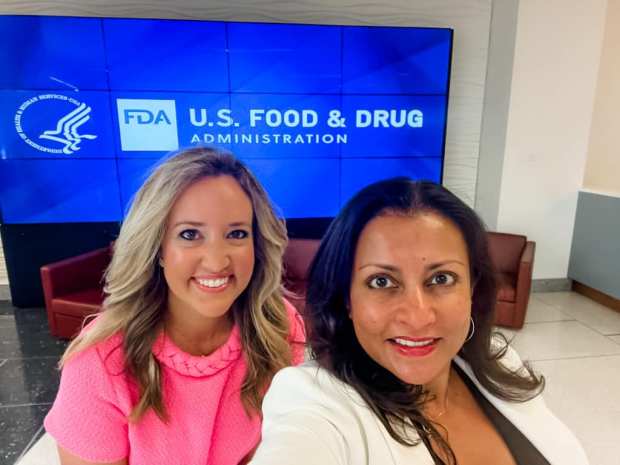
Visited the FDA with Dr. Mahadevan in July 2024 to share the latest guidance from the Global Consensus Conference.

Addressing the Fear of Stopping Medications

One of the most significant concerns among women with IBD during pregnancy is the fear of medication use. Dr. Mahadevan points out that the absence of consistent advice can lead to a dangerous default, “When there is no consistent message, often the fear default is to stop the meds, which can be harmful to the pregnancy – both mother and child.”

The website’s primary goal is to ensure that women understand the importance of continuing essential medications where necessary and how to work with their healthcare providers to safely manage their IBD during pregnancy. The risks of stopping treatment without proper guidance can negatively impact both the mother’s health and the health of the baby, so providing accurate, clear information is crucial.

As a woman on Humira since 2008, I remember how scared I felt about continuing my medication throughout my pregnancies, but I trusted my medical providers (gastroenterologist, maternal fetal medicine, and OB) and had flawless, symptom-free pregnancies because my disease was so well managed. Yes, it’s emotional when you’re 35 weeks pregnant and feel the baby kick as you’re about to inject medication into your body, but I always told myself that by keeping myself healthy, I was protecting my babies. I also found great comfort in participating in the PIANO study with my youngest and MotherToBaby pregnancy studies with my other two children.

Providing Confidence and Joy for Women

Dr. Mahadevan hopes this website and these materials will give women the confidence to move forward with their pregnancy with joy, not fear, and the strength to resist the misinformation.

The resources on the website are designed to reassure women that pregnancy with IBD is possible, and they can be proactive in ensuring their health and the health of their baby. With expert advice, personalized care options, and up-to-date research, the website offers a beacon of support for women navigating this journey.

What Inspires Dr. Mahadevan’s Work in IBD and Family Planning?

Dr. Mahadevan’s dedication to research in IBD and family planning is rooted in both her professional expertise and personal experience. As a leader in this field, she is driven by the desire to make a tangible difference in the lives of women facing IBD-related challenges. “The science around pregnancy is fascinating, and there are always so many new questions to study. However, the most important thing is that I personally know how hard it is to have a family, and I want to do what I can to help other women complete their families, as there is no greater joy!”

Her compassion and commitment to helping women with IBD fulfill their family dreams are at the heart of this new platform, which seeks to bring scientific clarity and emotional support to those who need it most.

A Call to Action for Women with IBD

The launch of this website marks a major step forward in supporting women with IBD who are considering family planning or navigating pregnancy. It is a space where women can find reliable information, connect with healthcare professionals, and feel empowered to make informed decisions that prioritize both their well-being and the well-being of their future children.

If you or someone you know is living with IBD and considering pregnancy, this website is a must-visit. Please help me in spreading the word so patients across the world are aware of the information available right at our fingertips. Together, we can break down the barriers of fear and misinformation, helping women move forward with confidence, joy, and support.

Visit pianostudy.org/GCC_video/ today to access the resources, expert advice, and community support you need to make informed decisions about your pregnancy with IBD.

Be a Part of PIANO

The PIANO Study is a powerful opportunity for women to get involved in this groundbreaking research that could help shape the future of healthcare for women living with IBD. By participating in this study, you can make a direct impact on understanding the unique experiences and challenges that women with IBD face.

Being part of this research gives you a voice in advancing medical science and contributing to discoveries that could improve the lives of countless women in the future. This is your chance to be a part of something bigger than yourself, to make a difference for others who share your experiences, and to support the next generation of women living with IBD. Together, we can pave the way for a healthier, more informed future. I’m so grateful that my youngest child is a part of PIANO and that we’re contributing to the amazing research that is going on.

Join the PIANO study today.

Empowering Teens: A Guide to Scholarships for College-Bound Students with Inflammatory Bowel Disease

Millions of people worldwide live with IBD. For teenagers with Crohn’s disease or ulcerative colitis, the challenges are multi-faceted—not only must they manage their health, but they also face the pressures of academic life, dealing with physical and emotional challenges their peers can’t relate to, and the daunting costs of higher education. Thankfully, several scholarship programs exist to support students dealing with IBD, offering financial assistance, and fostering a sense of community and empowerment.

This week on Lights, Camera, Crohn’s a look at what scholarships are available and tips for applying. This story idea was inspired by a caregiver who sent me a direct message on Instagram asking if her teenage daughter could be awarded a scholarship for going above and beyond scholastically despite having IBD. I wasn’t aware of what is available—and in working on this article I did my research as though I was a teen/caregiver looking up scholarships geared towards those with IBD.

Why IBD Scholarships Matter

Teens with IBD often navigate difficult symptoms, frequent medical appointments, and hospitalizations. Despite these challenges, many young people with IBD excel academically, participate in extracurricular activities, and remain determined to pursue higher education. Scholarships tailored to their needs can ease the financial burden of college tuition and provide a sense of validation for their hard work and resilience.

In addition to financial relief, these scholarships can help build a sense of camaraderie among students with similar experiences. IBD scholarships are a powerful way for these teens to connect, share their stories, and feel supported and empowered in their journey toward college and beyond.

Notable Scholarships for Teens with IBD

Abbvie Immunology Scholarship: The AbbVie Immunology Scholarship aims to reduce the financial burden for students impacted by inflammatory diseases. It is awarded to 45 students. Recipients pursuing an associate degree will receive a $5,000 scholarship. Those pursuing a bachelor’s or master’s degree/PhD will receive a $15,000 scholarship.

The Salix Gastrointestinal Health Scholarship Award: Ten scholarships to 10 outstanding students living with gastrointestinal (GI) diseases and disorders who are pursuing their higher education goals. The 2025-2026 application period opened February 10, 2025, and the end date to apply is May 5, 2025.

Patient Advocate Foundation – Scholarship” In 2000, PAF established the Scholarship for Survivors program to honor these individuals by offering educational scholarships to students who have suffered (or are suffering) from cancer or a chronic illness. The deadline for submissions is March 7, 2025.

180 Medical Scholarship Program: The 180 Medical Scholarship Program is open to full-time college students living with specific medical conditions, including spinal cord injuries, spina bifida, transverse myelitis, neurogenic bladder, or an ostomy (ileostomy, colostomy, and/or urostomy). They offer seven $1,000 college scholarships annually to seven recipients. Accepting applications through June 1, 2025. Recipients are announced in August.

AAHD Frederick J. Krause Scholarship on Health and Disability: Awarded annually to deserving students with a disability who are pursuing undergraduate/graduate studies in an accredited university and who are pursuing studies related to health and disability. Scholarships are generally $1,000.

Buckfire & Buckfire, P.C. Disability Scholarship Program: The Disability Scholarship was established in 2014 as part of the law firm’s commitment to helping students with disabilities or injuries who need financial assistance for educational purposes. The scholarship awards $1,000 to one student. The deadline to apply is October 1, 2025.

Defining the Disability Scholarship: The attorneys at the Berkowitz Hanna Malpractice and Injury Lawyers offer a $1,000 scholarship to help a student overcome a disability. Students define what disability means to them and explain how disability has been part of their life. Applications are not being accepted right now but stay tuned for 2025.

Lawrence Madeiros Scholarship: The Larence Madeiros Scholarship Fund was formed to provide awareness of chronic disorders to the public and to stimulate, foster, and encourage interest, awareness, and activism at the state and national level with reference to the fight against chronic disorders. The scholarship is awarded to high school seniors living with a chronic disorder and continuing their education at a college or university. The deadline for applying is May 1, 2025.

Overcoming Disability Scholarship: The Law Offices of Coats & Todd Overcoming Disability Scholarship awards $2,500 scholarships twice a year to college students who are managing a disability while attending school. To qualify, students must have a physical or psychological disability that affects their ability to work. The deadline for applying is March 26, 2025. Their team can be reached at: scholarships@coatsandtoddlaw.com

IBD Connects Scholarship Program: To support the educational aspirations of students impacted by IBD, IBD Connect awards two annual scholarships, each valued at $1,000, to eligible applicants enrolled in a U.S. college, university, or trade/vocational school for the upcoming academic year. The application program opens March 1, 2025, and ends May 31, 2025. For any questions regarding the Scholarship Program, email Lisa Fournier: lisafournier@ibdconnectinc.org.

It’s important to note there may be other IBD-related scholarships available, this list reflects what I discovered upon researching this article.

Additional Scholarship Resources

Beyond disease-specific scholarships, many general scholarships and grants are available to students with disabilities or health conditions. Websites like Scholarships.com, Niche, and Unigo allow users to search for scholarships based on specific needs, including chronic illness or disabilities.

To search for more scholarships that you may qualify for, visit the U.S. Department of Education’s Federal Student Aid website and the U.S. Department of Labor’s free scholarship search database. You can search for scholarships based on the state you live in, your degree program, and your future goals.

Additionally, some universities even offer their own scholarships for students with disabilities, including those affected by IBD. It’s always a good idea to contact the admissions or financial aid office of the school you’re interested in to inquire about any opportunities.

Tips for Applying for IBD Scholarships

  • Start Early: Many scholarships have early deadlines, so it’s important to start the application process well in advance of the due dates.
  • Tell Your Story: Your personal experience with IBD is what sets you apart. Be honest and heartfelt in your essays, sharing how IBD has shaped you as a person and student.
  • Gather Documents: Be prepared to provide documentation of your diagnosis, along with transcripts and letters of recommendation.
  • Stay Organized: Keep track of all deadlines, required documents, and any special instructions for each scholarship.

Final thoughts

For teens living with IBD, pursuing a college education can be a difficult but achievable goal. Scholarships specifically designed for students with IBD can alleviate financial stress, validate personal resilience, and provide a network of support. I was “lucky” in the respect that I was not diagnosed with Crohn’s disease until two months after college graduation, so I did not have to navigate these challenges while furthering my education and moving away from home. Along with scholarships, it’s important for caregivers and students with IBD to communicate the need for accommodations on the college campus—this can range from having a bathroom in or near your dorm room to having extra time to complete assignments. Click here to read another Lights, Camera, Crohn’s article that digs deeper into this topic.

As more awareness is raised about the challenges of IBD, opportunities for scholarships and grants continue to grow, ensuring that students with IBD can thrive academically without being held back by their condition.

Additional Resources

Taking IBD to School | Crohn’s & Colitis Foundation

Disability Support Services | Crohn’s & Colitis Foundation

10 Tips for Dealing with IBD in College – Managing IBD at School | Michigan Medicine

Starting College with Ulcerative Colitis

College Students with Inflammatory Bowel Disease: A Qualitative Study of Challenges Associated with College Transition and Self-Care – PMC

A Guide for How to Thrive in College With Crohn’s Disease

Navigating College with IBD – IBD Connect

How to Handle College if You have Crohn’s or UC

College and IBD Handbook – ImproveCareNow

Back to school tips

Preparing for College Life with Crohn’s Disease

Can Dual Targeted Therapy Help Your IBD?

Crohn’s disease and ulcerative colitis often require medication to keep inflammation under control, but in some rare circumstances, just one medication isn’t enough. Research shows only 40 percent of people with IBD achieve remission within one year of taking a single drug. Dual Targeted Therapy (DTT) involves using two different types of treatments at the same time to achieve better disease control. This disease management plan comes to play when single-drug therapy does not adequately control symptoms or when a more aggressive treatment is needed.

This week on Lights, Camera, Crohn’s we hear from esteemed gastroenterologist Dr. Laura Targownik along with several IBD warriors who have utilized DTT to help manage their IBD.

IBD Dual-Targeted Therapy Options

There are several ways healthcare professionals can help manage IBD with dual therapy.

Biologics and Immunomodulators

More commonly, combining a biologic therapy such as infliximab (Remicade), adalimumab (Humira), or vedolizumab (Entyvio) along with an immunomodulator like azathioprine, 6-mercaptopurine, methotrexate. The purpose of this is to enhance the effectiveness and potentially lower the risk of developing antibodies against biologic drugs.

Biologics and Small Molecule Inhibitors

A newer approach involves combining a biologic with a small molecule inhibitor like tofacitinib (Xeljanz) or upadacitinib (Rinvoq). This can target different pathways of the immune response, potentially offering a more comprehensive approach to suppressing inflammation. This can be used in refractory cases and should only be prescribed by an expert IBD physician.

In patients who do not respond to single biologic therapy, there is growing interest in using two biologic agents targeting different inflammatory pathways. However, this approach is not yet widely supported as healthcare providers weigh side effects risks and this is considered experimental.

Dr. Laura Targownik, MD, MSHS, FRCPC, Mount Sinai Hospital (Toronto), Departmental Division Director (Gastroenterology and Hepatology), University of Toronto gives a case study for when she would consider using two biologics for example: in a person with fistulizing Crohn’s disease, whose fistulas have responded well to biologic therapy, she would consider adding another biologic if they’re still experiencing inflammation in the intestinal lining. Dr. Targownik says medications such as vedolizumab (Entyvio) or an IL-23 such as risankizumab (Skyrizi), mirikizumab (Omvoh), and guselkumab (Tremfya) could help to bring IBD under control.

“As a gastroenterologist, I don’t want to discontinue the anti-TNF because I fear their fistulas will worsen, so it makes more sense for me to add in a well-tolerated biologic like vedolizumab or an IL-23 to try to bring the luminal disease under control,” said Dr. Targownik.

She went on to say that patients support the idea of combining therapy with different mechanisms of action if the safety profile makes sense. Most patients who are in a position where dual therapy would be considered are open to do what it takes to get their disease under control.

Corticosteroids and Other Immunosuppressants

This is not strictly speaking dual therapy because corticosteroids are always used short-term. But prednisone in conjunction with other immunosuppressants can quickly reduce inflammation while waiting for the slower effects of immunomodulators or biologics to set in.

A Look at DTT and IBD Research 

Dr. Targownik says the VEGA and EXPLORER clinical trials shed light on the potential benefits of combining biologics.

The VEGA trials looked at the benefit of combining an anti-TNF (golimumab) and an IL=23 inhibitor (guselkumab) to induce remission in people with moderate-to-severe UC.

“The combination of golimumab and guselkumab outperformed monotherapy, with a 15 percent increase in the likelihood of clinical remission and a 20 percent gain in endoscopic response. Patients then received an additional six months of either golimumab or guselkumab monotherapy,” says Dr. Targownik and the group on the dual treatment had higher rates of improvement and remission.

This suggests that the deep remission obtained early through DTT might have a sustained effect, even if you step down to monotherapy.

“The EXPLORER-CD study was an open label trial looking at high-risk patients early in the course of disease,” says Dr. Targownik. They received a triple combination with adalimumab, vedolizumab, and methotrexate for six weeks. By the end of the study, 55 percent were in clinical remission, and 35 percent were in endoscopic remission. As there was no comparison arm, it is not clear whether these rates are higher than what would be expected.”

Consequently, the use of tumor necrosis factor (infliximab , adalimumab, etanercept, and golimumab) in combination with newer agents which target interleukin (IL)-12 and IL-23 (ustekinumab, UST), a4b7-integrin (vedolizumab, VDZ) or a4-integrin (natalizumab), has become an increasing area of interest in patients with disease that is not responding to treatment.  

According to a systematic review looking at the efficacy and safety of DTT, “There is an urgent need to optimize treatments for patients” so that they have a better chance of remission, which unfortunately remains unachievable for a large number of people living with aggressive IBD. More research is needed to evaluate what the optimal drug combinations are, as well as dose and frequency to limit the burden of side effects.

The DUET trials are looking at people with Crohn’s disease and ulcerative colitis, much like the VEGA study, to compare the effectiveness of golimumab + guselkumab versus either drug alone. Interestingly, in this study, golimumab and guselkumab are combined in a single medication, so even though there are two active ingredients, it is delivered like a single drug. 

“If we limit our discussion to combinations of modern advanced therapies, the combination of an anti-TNF and either vedolizumab or an IL-23 holds the most promise,” Dr. Targownik says. ”The other combination that we are seeing more is combining a JAK-inhibitor with an anti-TNF for people with acute severe UC, where the JAK-inhibitor is used in addition or in place of a corticosteroid trial.” 

Personal Experiences on DTT

I’ve lived with Crohn’s since 2005 and luckily have been on the same biologic since 2008. I ran an Instagram poll that asked, “Have you been on dual-targeted therapy for your IBD?” Of the 320 people who responded, 40 percent said “Yes”, and 60 percent said no. Here are some scenarios they share:

Candyce has managed her Crohn’s with infliximab (Inflectra) and azathioprine since 2020. A 10-day hospital stay led her to dual treatment therapy after she received the recommendation from both her rheumatologist and her gastroenterologist. “My GI wanted to try to wean me off the azathioprine in 2022 after a clear colonoscopy, and I flared to the point of her wanting to hospitalize me,” she says. “But I managed to gain remission with prednisone and getting back on azathioprine, along with increasing my Inflectra dose to every six weeks instead of every eight.”

Risankizumab wasn’t doing the trick on its own to control Brad’s IBD, so his GI added 28 days of Rinvoq as an alternative to prednisone. He says, “This really worked wonders. Being on both risankizumab and Rinvoq put me into biochemical remission in less than 60 days.”

Samantha’s daughter, Eloise, was on tofacitinib and vedolizumab prior to her colectomy.She shares that more families are talking about dual therapy options. “The major issue is getting these medications approved from insurance, especially for pediatric patients. Our doctor was able to get us samples of Xeljanz from a local adult gastroenterologist because insurance would not approve it.” 

Kate currently takes vedolizumab and upadacitinib to manage her IBD. Previously, many biologics failed her and vedolizumab was the only one that worked, but it did not address her perianal disease. “The Rinvoq is beginning to work,” she says. “However, I will say it caused awful acne (which I’m now on medication for). I’m not out of the woods yet, but I am functioning again, and I can tell that two medications are working on what needs to be healed.”

Courtney has been on Remicade and Azathioprine since 2020, prior to that she was on Humira and Azathioprine. She says, “I had no reservations because I was sick and willing to accept any option that might bring relief. My doctor explained to me that Azathioprine helps prevent antibodies to biologics. Regular blood tests monitor for more serious concerns.”

Along with her Remicade infusions, Lauren takes methotrexate orally each week.I don’t love it to be honest. I feel much more fatigued  and nauseous with methotrexate added into the regimen.”

Initially, Danielle was put on azathioprine when she was on Remicade to prevent antibody formation and to help keep trough levels high. She explains, “When Remicade wasn’t working and I switched to Stelara, we decided to keep the azathioprine on since it didn’t give me any noticeable side effects. I have had some liver abnormalities with the azathioprine. So, I’ve had to have blood work and even an MRI of my liver to make sure everything is ok (it is). Now that I’m in remission with Stelara, my doctor gave me the choice of coming off the azathioprine, but I wanted to keep it on because I haven’t been in remission so long.”

Cait receives infliximab infusions, and she takes azathioprine simultaneously. “So far, I’ve noticed a massive difference in the healing of my perianal Crohn’s.”

Katie manages her IBD with Skyrizi and methotrexate. She says the combination makes her fearful at times. “I feel like it is a lot for my body to handle, and I have never been able to tell if that is a true feeling or something that stems from the thought of it. I also want to get off methotrexate within the next year or two to prepare my body for pregnancy. But this combo has provided me with full remission and the best I have felt in years.”

Final Thoughts to Consider Before Trying DTT

It’s important to discuss whether DTT could be for you with your specialized IBD care team as DTT comes with its fair share of risks and considerations. Combining medications can increase the risk of adverse effects, including serious infections due to greater immune suppression. Also, getting dual therapies approved through insurance can be complicated, making the cost and accessibility an issue for patients. 

“It is challenging to get coverage for patients to use more than one advanced therapy at a time,” Dr. Targownik says, but not impossible. “Often if a patient has another autoimmune disease, I can get one medication approved for the IBD, and then the other for the other autoimmune disease like rheumatoid arthritis.” 

The Takeaway

The effectiveness of combination strategies in IBD has been demonstrated in various studies, but these decisions need to be made on a case-by-case basis, considering your personal disease severity, response to previous treatments, and overall health status. If you are struggling with getting your IBD under better control with one therapy alone, speak to your IBD physician about other options.