In 2016, Nick Zecchino was living the dream. After years of relentless dedication, he signed a Division I football scholarship to the University of Connecticut. For a young athlete who had poured his heart, body, and soul into the sport he loved, it was validation that every sacrifice had been worth it.
“I was on top of the world,” Nick recalls. “It was the proudest day of my life to that point. Then, one month later my health started to decline out of nowhere. It was scary, there were a lot of questions and uncertainties with what my future was going to hold.”
This week on Lights, Camera, Crohn’s a look at Nick’s remarkable journey and his comeback story both on and off the football field that left me in awe.
When a Dream Collides with a Diagnosis
Like many of us, Nick’s health issues blindsided him out of nowhere. He lost his appetite. Crushing fatigue set in. Blood appeared consistently in his stool, and his bowel movements increased dramatically. In March 2016, a colonoscopy confirmed what he had never even heard of before: ulcerative colitis.
At first, Nick assumed it would be manageable. Get it under control. Heal up. Be ready for UConn by June.
“I didn’t know the long road ahead,” he says.
Weeks turned into months, and instead of improving, his symptoms worsened. During his senior year of high school, Nick missed most of his baseball season due to a constant flare. Maintaining weight and building muscle, which are essential for a college football player, became nearly impossible. By April, the fear crept in: What if this costs me football?
Playing Through the Unthinkable at UConn
Nick arrived on campus determined to push through. But ulcerative colitis never truly loosened its grip.
From the first game of his freshman season to the last, his health declined sharply. Between September and November alone, during his first college football season, Nick lost more than 50 pounds! By the final game, he weighed just 145 pounds and looked visibly ill. He used the bathroom 20 to 25 times a day, often passing only blood and mucus.
“There really wasn’t any managing it at that point,” Nick says. “I just had to deal with it and the consequences.”
He tried to hide his illness from coaches and teammates, unwilling to show vulnerability or weakness. He timed bathroom breaks to the last possible minute before kickoff, rushed off at halftime, and avoided eating on game days altogether. Even then, the urgency never stopped.
Years of Medications and No Relief
Nick’s treatment history reads like a roadmap of severe disease. After initially trying mesalamine and Lialda, his doctors escalated to stronger therapies as his condition worsened. Over time, he was on Remicade, Humira, Entyvio, 6-MP, prednisone, and antibiotics like Cipro. He even tried multiple biologics still in clinical trials for ulcerative colitis.
Nothing worked to wrangle his IBD under control.
At one point, doctors administered the maximum dose of Remicade possible, at the shortest interval allowed. It still wasn’t enough.
A Turning Point
Eventually, Nick’s dad made the hardest call of his life.
“My dad picked me up from UConn because I couldn’t go on like that anymore.”
A few days later, they were sitting in a doctor office at Mount Sinai in New York with Dr. Arthur Kornbluth, an IBD specialist who would change the course of Nick’s life.
“Going to Mount Sinai saved my life,” Nick says simply.
Dr. Kornbluth tried everything. Every possible medical “trick in the book” to try and get Nick into clinical remission. But despite his efforts, Nick couldn’t achieve lasting remission. Finally, they faced the reality neither wanted to confront: surgery.
“It was terrifying,” Nick admits. “But it was the only way I could get my life back and maybe still have a chance to play football again after my future was put on hold for over two years. Making the decision to go to Mount Sinai and get surgery completely changed the trajectory of my life. It will always be one of the best decisions I’ve ever made.”
Three Surgeries. One Unbreakable Goal.
Nick had a total colectomy (which removed his entire colon and gave him a temporary colostomy bag, followed by Takedown surgery and a J-pouch). After the three surgeries in six months, Nick finally began to feel like himself again. In January 2019, he returned to the gym for the first time.
He was weak. Deconditioned. A shell of the athlete he once was. But his motivation never wavered.
“Football was my one and only motivation,” he says. “I spent nights in the hospital bed thinking about how I could get back on the field.”
By June 2019, Nick arrived at Purdue University. At this point, he was not just healthier, but also confident that his dream was no longer out of reach.
A Second Chance at Everything
Walking onto Purdue’s campus felt surreal. Nick felt like a freshman again, even though he wasn’t. In many ways, it was a new life.
“I was just so grateful,” he says. “I had a completely different outlook than anyone else my age.”
When game day arrived, the nerves hit harder than they ever had before. But the moment he took his first snap, they vanished.
“I felt like myself again,” Nick says. “It was one of the best feelings in the world.”
From that point forward, confidence replaced fear. He had already survived more than most people ever would.
Life After UC—and Living Medication-Free
During his four years at Purdue, Nick dealt with recurring pouchitis every couple of months. Antibiotics like Cipro helped, but he grew tired of relying on medication.
Determined to find another way, Nick dove into research on gut health, inflammation, and natural support. Supplements like L-glutamine made a noticeable difference. Eventually, the pouchitis stopped coming back.
One day, his dad noticed the growing lineup of supplements on the kitchen counter.
“If this works so well for you,” his dad asked, “why not create something that could help other people too?”
That conversation sparked the creation of Carna Nutrition and its flagship product, GUT R3BU1LD—a gut health formula inspired by Nick’s own journey.
The name Carna comes from Roman mythology: the goddess of health, vitality, and protection of the internal organs, while helping with digestion.
“I created the full spectrum formula of our product with the help of a health & wellness professional that has been in the industry for 25+ years,” explains Nick. “We also used the access to the manufacturers’ scientists that they have in-house to help us understand the way that the pharmaceutical grade and clinically studied dosages of the ingredients that we have in the product all work together synergistically in a beneficial way for every major gut healing pathway during digestive stress.”
“He Was on His Death Bed. It’s Incredible What He Did.”
Nick’s comeback left a lasting impression on everyone who witnessed it, including his football coaches.
Former UConn head coach and Purdue defensive coordinator and linebackers coach, Bob Diaco, recalls:
“I remember watching him and trying to figure out how to stop it. My wife hadn’t seen him for a few months, and she was distraught. He was on his death bed for real. It was bad. It’s incredible what he did.”
“He’s the kind of kid that makes you better,” Diaco continued. “He’s been the underdog at every turn. He always comes out on top. He’s always making an impact on the people around him in a positive way.”
A Message to His Younger Self and to Young Athletes Today
If Nick could speak to his 2016 self, he knows exactly what he’d say:
“Your journey isn’t going to look anything like you imagine, but it’s going to be the most rewarding path for you. Trust it.”
And for young athletes with IBD who are scared their diagnosis might end their dreams?
“Your diagnosis is not the end of your story,” Nick says. “You’re allowed to struggle. You’re allowed to take time to heal. But don’t lose hope. Most of the battle is mental. Stay strong, stay supported, and keep chasing your dreams.”
Nick’s story is a reminder that even when IBD takes everything, it doesn’t get the final word. Sometimes, it forges something stronger than before. Whether you’re a young person living with IBD or a caregiver worried about what the future will hold for your child, I hope Nick’s incredible story of resilience serves as inspiration to show all that’s possible despite the difficult diagnosis of IBD. I found it interesting that Nick wouldn’t trade all he’s endured to be where he is today, as I always say the same. As time passes and hindsight is 20/20 so many of us experience a transformation that shapes who we are today, all because of the struggles that took us to get here.
Nothing prepares you to hear that your child has Inflammatory Bowel Disease. For many, it’s the first time ever learning about what the weight of those words even means. Not only is a chronic illness at a young age an incredibly heavy burden to bear, it can feel isolating to not only the patient but the caregiver. This inspired The University of Chicago to launch the IBD Kids Club in February 2024. This week on Lights, Camera, Crohn’s learn more about how you can connect with others living your reality and find community, regardless of where you live.
Recognizing the need
Dr. Amelia Kellar, MD, MSc, FRCPC, Assistant Professor of Pediatrics, Director, Pediatric Intestinal Ultrasound University of Chicago Medicine/Comer Children’s Hospital says one of the most common concerns she hears from patients and their families is that they don’t know anyone else with IBD or where to go for support.
“I always refer my patients to Crohn’s and Colitis Foundation, but this also inspired me to create a community for these kiddos more locally…a place where they could authentically meet one another both virtually and in person, and know they are not alone.”
Dr. Kellar wants her patients to see kids who are older than them doing all the things they aspire to do and have examples of adults who are living and thriving with IBD. So far, the feedback has been extremely positive—families are grateful to meet one another where there’s no need to explain and there’s comfort in shared experiences.
Get connected to the IBD Kids Club
The group meets virtually every 2nd Tuesday of the month on Zoom at 6 pm CT. Dr. Kellar says it is tough to find a time that works for everyone, but she’s found the dinner hour allows for kids and parents to join together and chat. The next meeting is Tuesday, December 10th.
“I feel very fortunate as I have a great team of GI docs, nurses, dieticians and psychologists that join for different sessions and I co-lead with one of our adult IBD nurses who is also a counselor at Camp Oasis and openly talks to the group about her diagnosis of UC and journey through J-pouch surgery,” says Dr. Kellar.
When she started the group, Dr. Kellar polled participants for what they would like the group to be, whether they wanted to simply chat with one another and offer support, whether they wanted some guest speakers on topics or in person events… and they indicated they wanted a mix, so they have had some support/chat sessions, some guest speakers, and a live cooking class with their IBD dietician. There has not been an in-person event yet. I let Dr. Kellar know in the months ahead I would love to join one of the calls, meet the families, and share experiences.
Everyone is welcome
Dr. Kellar is looking to get the word out—and wants all pediatric IBD warriors and their caregivers to know they are welcome to join.
“I want this group to be open to everyone—regardless of where you live or where you receive care. I want the IBD community to know they are not alone. We talk a lot about how every single person in the world has something that is challenging and that they may or may not choose to share with others and you would never know when you see someone at school, work, on the street, what challenges they might be facing. At the same time, finding people who have faced or are facing similar challenges can offer a unique support system. Our hope is that this group unites children and families with IBD and fosters connections, friendships, and support so no one ever feels alone with their challenges,” says Dr. Kellar.
When you’re diagnosed with Crohn’s disease or ulcerative colitis it’s a lot to process. When I started this blog in 2016 and after living with Crohn’s for nearly 19 years, my focus has always been to be the voice I needed to hear upon diagnosis and what it was like to experience young adulthood with a chronic illness. As a 21-year-old, fresh out of college, I had to navigate my career, finding love, and becoming a mom with IBD on my own. The first decade I wasn’t publicly sharing my story and didn’t know there was a patient community to tap into online for support.
The first week I started experiencing Crohn’s symptoms-March 2005, Senior Spring Break in the Bahamas
Often as the years go by and we get beyond the initial shock of hearing the news and what this means for our lives, we tend to forget the challenges we faced to gain our footing. This week on Lights, Camera, Crohn’s I share some tokens of knowledge I’ve gained along the way that I hope will help you on your own journey, no matter where you find yourself at this moment.
Healing—physically, mentally, and emotionally is not linear. We all experience IBD uniquely—some people’s disease course is milder, others have it severe. We all cope differently with knowing and living with a chronic illness. Give yourself grace in the difficult moments. It’s ok to feel resentment or anger. It’s understandable to wonder at times “why me.” It’s “normal” to feel scared and anxious whether you’re a few weeks or a few decades in. Sometimes it’s taking things one hour at a time, other times it’s taking them one day at a time. Because of how quickly a flare up can strike, I try to live in the now and not worry about tomorrow.
You didn’t have control of getting your chronic illness, but you can control how you react and choose to heal from it. It’s easy to feel like you may be to blame if your health takes a turn for the worse. But understand this is not your fault. The unpredictability of IBD makes it feel like we’re often in the passenger seat and spiraling in circles, but this disease cannot control how you react, respond, and choose to heal from it. No matter what, you’re in control of the healing process. Whether it’s finding support through fellow patients and caregivers or through professional therapy, you won’t look back and you’ll be setting yourself up to take this on to the best of your ability.
There is no comparison game. Since the majority of people are diagnosed with IBD in their teens and into their 30s, it can be easy to try and measure your timeline and accomplishments to that of your peers who do not have chronic illness. It can also be tempting to look at people in the patient community who seem to have the world by the tail, when you’re struggling to get out of bed each day. This isn’t a competition of the sickest or a ploy to see who can smile through the pain and get more done. The only person you need to answer to, is who you see looking back in the mirror. You determine what you’re capable of and what you want in life. Your roadmap is yours and you’re right where you’re meant to be.
You set the benchmark for what’s possible. Your IBD is part of you, but it’s not your entire identity. Remember that even patient advocates are posting somewhat of a highlight reel. Even those who are working, in love, and parenting are dealing with their own struggles, too. My best advice would be to think about what you hope for in life (don’t even think of your IBD as part of the equation) and go after it. Yes, your health may cause some detours and roadblocks, but you won’t find your way unless you try.
No one knows your body better than you. I don’t care how many letters someone has after their name, they aren’t living in your body and experiencing what you feel each moment of every day. Be vocal when you need to be. Communicate as much as you can with your care team and paint the clearest picture of your reality. If you keep parts of your struggles to yourself or dumb down the severity of your day-to-day life, the only person you’re hurting is yourself. Learn about nutritional bloodwork and advocate for yourself to be tested for a full iron panel with Ferritin and Vitamin D. Get labs every 3-4 months so you can keep a finger on the pulse of what’s going on with your body. If you feel like your provider is being lackadaisical, don’t hesitate to get a second opinion. Take ownership of your health and find a provider who in your darkest moments you would feel most comfortable by your bedside in the hospital.
Make sure your GI specializes in IBD. There are gastroenterologists and there are gastroenterologists who specialize in Crohn’s and ulcerative colitis. Once you’re diagnosed with IBD, it’s imperative you try to find a GI who is an IBDologist. This can be tricky if you live in a rural area, it may mean you need to travel several hours to find a provider who fits the bill. If you move or are unsure of a good GI to check out, it’s helpful to reach out to your local Crohn’s and Colitis Foundation chapter and often they can help point you in the right direction.
Diet and stress levels matter. Read that again. Any doctor who tells you diet, and stress doesn’t impact your disease process is wrong. There are incredible registered dietitians throughout the US who specialize in IBD, and many of them have IBD themselves! Before you start restricting yourself or your child, make an appointment—most provide virtual options and this will help you get educated on what works best for you. What is a trigger for one person, isn’t necessarily a trigger for another. There isn’t a one-size-fits-all diet or else we would all do it.
Emotions will strike when you least expect them. Even almost 19 years in, I’ll sometimes break down and cry when I think about my Crohn’s or how it makes me feel. Just because you become a veteran patient doesn’t necessarily mean you fully ever heal from the hurt life with a chronic illness causes. It’s ok to have these moments where you may feel like you’re allowing your disease to control your emotions, you’re not. You’re human. It’s healthy to feel frustrated and to get emotional about what your life is like because you have IBD.
You’ve endured more than you give yourself credit for. As chronic illness patients we go through so much that often we don’t even bat an eye over experiences that would be extremely painful or stressful to the average person. Think about what a bad ass you are and how that carries over into each and everything you do in life. If you’re newly diagnosed you will get there—but even those initial weeks and months, you’re enduring more than the people who have their IBD under control and have a good handle on their body. No matter how many surgeries, scopes, scans, and IVs I’ve had, I always get a little teary eyed because it brings me back to 21-year-old me and then all the trauma that comes along with living with Crohn’s for 19 years. While those tears are sad, they also come from the strength of reflecting on what I’ve gone through to bring me to now.
Stay in tune with how your body is speaking to you through symptoms, do not ignore them. It can be challenging to communicate what you’re feeling to someone who does not have IBD. I get that. But by protecting loved ones, friends, and doctors from what you’re experiencing you’re preventing them from stepping in before it’s too late and before you know it your flare has gotten out of control and requires hospitalization. I used to be that person all the time. I would always internalize the pain, silently fighting through each day, doing anything possible to stay out of the hospital until the symptoms were simply unavoidable and required medical intervention. One hospitalization always sticks out in my mind. It was May 2009. I was a 25-year-old morning news anchor in Wisconsin. I was solo producing a 2-hour morning show dealing with horrible abdominal pain that kept making me throw up in the garbage can next to my desk in the newsroom as I struggled to put together the show. Finally, I couldn’t take it anymore and I had to call my co-anchor, who rushed me to the hospital. I was released from the ER hours later after my parents had driven from Chicago in the middle of the night only to return to the hospital that afternoon and have my dad carry me in his arms through the automatic doors. I was finally admitted and given the medical intervention I needed. Take it from me, you’re creating even more of an uphill climb for yourself if you don’t start speaking up when you initially notice something is awry.
The worst moments are just that, moments. When you hit your breaking point, when the pain seems overwhelming, and you can’t see the forest through the trees try to breathe. Go to your happy place. Recognize this is one day, one moment, I always tell myself “This too shall pass.” Go to your happy place mentally. Do mindfulness exercises. Shut out the outside world and focus on your breath. Detach from your body as best you can. Think of people who inspire you and bring you joy. Everything is fleeting. Each flare, each recovery, each prep, procedure, and surgery…it has a start and a finish. One day it will be a memory you talk about.
Pay attention to who is there when you when are quiet and when you’re going through the thick of it. IBD is too big to deal with alone. Lean on people you can trust, who you genuinely feel safe sharing your health woes with. This will be fewer people than you’d ever imagine. Be prepared to realize that many of the people you thought would be front and center to support you will be non-existent. It’s fine to mourn those friendships or relationships, but don’t waste your time or energy on them. Your disease will give you the ability to see who loves you and who wants to be present in not only the good times, but the bad. You can’t change people. Hold on tightly to the people who show up consistently, expecting nothing in return. Those are your people.
Emmanuel Acho shared a reel on Instagram recently that really hit home for me and caused me to reflect a bit on the people in my life and their roles. In the video he explains that friendship is like a house. You have your window, door, and floor friends. Window friends are outside looking in, they don’t know what’s going on in your house. They don’t have intimate access to what’s going on in your life. You can only let so many people into your house. Door friends come in and out of your life depending on the season. When life gets too hard or when your world turns cold, they might exit. Your friends might not be equipped for that season. Floor friends—aren’t going anywhere. You might track mud, but they will last regardless of the season. They are there to catch your tears and hear your fears. Remember—a house has more windows than it has doors and more doors than it does floors…if it has one good floor, you’re set.
Just because you need medication does not mean you’re taking the easy way out. I’ve been where you are. I remember lying helpless in a hospital bed and what it felt like to be told I needed to “break out the big guns” and start a biologic medication back in 2008 when there were only two options on the market for those with IBD. In that moment, we all naturally want to learn about side effects and what this could possibly mean for the long term. But please try and focus on the actual risk versus the benefit. As someone who has been on Humira since July 2008, I’m so grateful for my medication for allowing me to live a full life, bring babies into this world, and be a present, able-bodied, and active mom. It’s not all medicine, or all diet and lifestyle, often for many of us who have moderate to severe IBD we need a mix of both, and that’s ok. You can still thrive and be healthy, despite being on a medication with a black box label.
You are not a burden, and you deserve love. Any romantic partner who makes you feel less than, isn’t present when you need them most, or doesn’t show any empathy or interest in your daily reality isn’t going to stand the test of time. Use your IBD to your advantage to see your partner’s true colors. Be honest and upfront when you start dating and if you ever feel like you need to defend their actions or make excuses consider that a major red flag. Dating and marrying a person with a chronic illness isn’t for everyone, and that’s fine—but when it comes to people like you and me, we need a partner who is willing to take the challenge on beside us every step of the way. Find someone who you feel comfortable communicating openly with, who sees you for more than your disease.
IBD is not a battle to be “won” or “lost.” One of my pet peeves with any health condition or disease is when people say “so and so lost their battle”…they didn’t lose shit. Diseases are not a game. Oftentimes reaching remission is due to luck, disease severity, or surgery. I spent a decade of my life with active disease and have been in remission (thanks to surgery) for almost nine years. I don’t give myself credit for that, I’m not “winning.” It’s because of my efforts to stay diligent with my biologic, vitamins, safety labs, daily decisions, and check-ins with multiple specialists, but I also don’t think I’m at this point because of something special I’m doing compared to someone else. We’re all dealt a different hand of cards in life. Your IBD isn’t a win or lose situation—you’ll celebrate big victories and small ones, too, your disease can rob you at times, it’s a never-ending exchange and game of back and forth. You are not less than because you are flaring. You are not lazy for taking medication or failing because you struggle to follow a strict, regimented diet that may or may not help you. Once you stop thinking of everything as a “fight” it takes a bit of the stress, anger, and onus off your shoulders. IBD is a chronic illness, until there’s a cure, we’re in this situation until the day we die…that’s simply too long to be “fighting” anything.
Get ready to be extra proactive with your health. Due to the nature of our IBD and the medications many of us take, we are at greater risk for additional health problems. It’s important to get annual skin checks at the dermatologist. Make sure whether you have good vision or not that you’re seeing an eye doctor. Get cleanings at the dentist at least every six months. If you’re a female, make sure you get your well woman visits. We are greater risk for cervical cancer because many biologics don’t allow our bodies to fight off HPV, this may mean annual Pap smears. We’re also at an increased risk for breast cancer, so don’t delay your mammogram. Get a bone scan every 3-4 years, get one as close to diagnosis as you can so you have a baseline. Your GI may say it’s not necessary, it is. Steroids put us at risk for osteopenia and osteoporosis from an early age, this may mean you need to see a bone health doctor (yes, those exist). Those of us with IBD are at greater risk for pelvic pain, it can be helpful to see a Pelvic Floor Therapist who addresses those unique needs.
Faith can give you added strength and comfort. I understand faith is very individualized and looks different for each of us, but I can tell you as someone who is Greek Orthodox who has always been a faithful and prayerful person that I rely on my faith to guide me through my IBD each and every day. There’s a sense of comfort and hope that comes with believing God is watching over you through the good, the bad, and everywhere in between. When you’re diagnosed or flaring, it can test your faith. Hold on tightly to what you believe and lean on that (however it looks for you). I truly believe God gives his toughest lessons to his greatest teachers. One of my biggest fears as an IBD mom of 3 is that one of my children will get my disease one day. Each night before bed, I always pray with them and say, “keep my babies healthy, safe, and strong.”
My why. My motivation to push through each and every day.
Family planning takes time and effort. Just because you have IBD does not mean you can’t be a biological mom or dad one day. The journey will look a bit different, but this disease does not necessarily need to rob you of the experience if that’s what you want in your life. Communicate these desires with your GI so they can help prep your body for a baby. This can mean starting a prenatal vitamin and folic acid several months before trying. I had a colonoscopy before every pregnancy so that I could be given the ‘green light’ by my GI that we were cleared to try for a baby. When I was pregnant, my care was overseen by my OB, a maternal fetal medicine OB (high risk), and my GI. Unless you have perianal disease, you can have a vaginal birth, but oftentimes this is a discussion left to you and your care team. I personally chose to have 3 scheduled c-sections, because while I don’t have perianal Crohn’s, I didn’t want to risk tearing or causing a fistula to form. I would make the same choice if I had to do it all over again. I also stayed on my biologic through conception, pregnancy, and breastfeeding. These are all personal choices but there are many, many research studies available that show the safety and efficacy of doing so. If you feel you could have internal scarring due to past surgeries that could hinder your fertility, check in with a fertility specialist and have them help you investigate if there could be issues.
Educate yourself on insurance, prior authorizations, specialty pharmacies, and Pharmacy Benefit Managers (PBMS). Unfortunately, with IBD we are forced to do so much behind-the-scenes work to simply receive treatment and medication. You will waste countless hours and endless energy on the phone as these people give you the run around. Nobody ever seems to want to take ownership. Work with your gastroenterologist if you are denied a medication so they can write an appeal letter to insurance and go to bat for you. Stay on top of everything, don’t worry about annoying anybody. You gotta hustle. You gotta be frank and assertive. It’s not about hurting feelings; it’s about making sure people are doing their jobs and ensuring your course of treatment doesn’t get delayed because someone fumbles some paperwork. Our medications are time sensitive. Light a fire under people’s ass if you’re not getting responses you deserve. One of my friends on social media posted this over the weekend, “Managing specialty medications in January is an annual slap in the face to chronically ill people.” It sure is. This week will mark the first time I’ve ever received my injections late in the mail, due to a misstep in my GI office that I had to follow up on for over a week. Be extra proactive at the start of each year. Make sure your GI informs you about all the patient savings programs available, these can help you not only emotionally, but also financially.
You get the final say. No one but you gets to say what you do with your body. If a doctor wants you to do an enema before a scope and you don’t want to, don’t. If you don’t feel comfortable with taking a certain medication and your care provider keeps pushing it, they can’t physically make you pop a pill, take an injection, or receive an infusion. You must do your research, educate yourself every day, feel empowered by all you know and be ready to deal with the ramifications if you go against the grain or determine you want to try something differently. There’s not one “right” way to live with IBD. Be honest with your provider. Don’t say you’re taking a medication and then not take it, that’s not helping anyone or anything. Be a compliant patient, but an educated and empowered one at the same time. Measure all the risks and benefits and what your hopes and dreams are for your present life and for your future. Don’t ever feel like someone else can or should dictate what path your journey takes. Just because one biologic is a magic bullet for one person doesn’t mean it will be for you. You never fail treatments, they fail you. If a provider says “oh, you failed Remicade” … please correct them. “No, Remicade failed me.”
I write this as a 40-year-old mom of three—ages 6, 5, and 2.5 years old, married for almost 8 years, who has been on a biologic since 2008, who was diagnosed at age 21 in 2005. So much has changed for the better regarding the patient experience since that time. My perspective has come a long way. I used to be right where you are, so many are living your current reality. Instagram is the bread and butter for the patient community, that’s where you’ll find the most patients and caregivers transparently sharing. Follow the accounts, send a DM, comment on reels and posts, get engaged. Never hestitate to connect and reach out to me–natalieannhayden. Educate yourself through lived experiences and people who have paved the way for you, rather than Google. You don’t need to recreate the wheel, but this is your experience and your story. You get the final word on how you want each chapter to play out. Know each time you fall you will bounce back and that there’s a massive community of support here to catch you and cheer you on every step of the way as you rise once again.
This article is sponsored by Atticus. All thoughts and opinions are my own.
Navigating federal disability like Social Security Disability Insurance or Supplemental Security Income with inflammatory bowel disease (IBD) can be complicated and overwhelming. Those with chronic illness in the United States face roadblocks when it comes to being on the receiving end of benefits. Did you know 80% of people are denied the first time they apply for federal disability benefits and an astounding 90% are denied during the next stage of appeal?!
This week on Lights, Camera, Crohn’s we hear from Sarah Ashmore, an attorney at Atticus who has Crohn’s disease. The firm’s core mission is to “tear down barriers between people in crisis and the aid they need.” The social safety nets that exist are quite difficult to access. Atticus strives to help people in the IBD community and beyond get the assistance they deserve.
Juggling a flare and disability benefits
Since being diagnosed with Crohn’s disease in 2005, luckily, I’ve only needed to utilize short term disability through my former employer after my small bowel resection. In the moment, surgery recovery and dealing with Human Resources unexpectedly from my hospital bed was stressful. I went from speaking at an all-employee event to blacking out from abdominal pain in the bathroom and going to the hospital. When I left my work office in July 2015, little did I know I would not be healthy enough to return for more than two months.
At the time, I was completely naïve to short term and long-term disability benefits and how to get the support I needed to fully recover from surgery and maintain my position at work, while receiving a portion of my salary. I was like a fish out of water, learning as I went. I received my benefits and didn’t have issues, but that’s often not the case. Luckily, I’ve never needed to explore this further, so I did not need to utilize Atticus’ services.
Sarah’s experience
Sarah was diagnosed with Crohn’s disease in 2019 after dealing with symptoms for a year that left her feeling weak and powerless.
“At the end of that year, my symptoms were so severe that I had to take short-term leave from my job and move in with my family to help take care of me: I was so sick that I couldn’t wash my dishes,” she said.
Sarah applied for short-term disability while awaiting her official diagnosis. Thankfully, once she received her IBD diagnosis and was put on medication, she was able to return to her old lifestyle and work.
“I think one of the biggest roadblocks is that applying for benefits requires organization, persistence, and patience and trying to access them on your own while dealing with the types of symptoms from an illness or injury that make it difficult for you to work can be extremely hard. I needed that support from my family and friends while I was applying for short-term disability and, for many people, applying for Social Security Disability Insurance (SSDI) is a harder and longer process.”
What makes someone eligible for disability?
There are multiple options and they get confusing fast! You may wonder Which Benefits Do I Qualify For? Both short-term and long-term disability are often private insurance policies, while SSDI and SSI are provided by the government.
Short-term disability, like what Sarah and I accessed, is generally private disability insurance that you purchased or was provided by your employer before you became disabled. It normally lasts 3-6 months and pays a percentage of your salary. There are also five states that offer short-term disability separately from private short-term disability. Long-term disability is very similar to private short-term disability, but it often pays a smaller percentage of your salary and, of course, lasts longer than private short-term disability.
Social Security Disability Insurance and Social Security Income are both federal programs and, really, where Atticus can help.
“Both Social Security Disability Insurance (SSDI) and Social Security Income (SSI) are federal programs designed for people with a diagnosed medical condition that will prevent them from working for at least 12 months. The technical eligibility (such as how much money you make or your age) is different for each program, as is what a beneficiary gets. The medical eligibility for both programs is the same: you must have a diagnosed medical condition that will keep you from working (although you can do some limited work) for at least a year,” explained Sarah.
The rules around eligibility are quite intricate and there are exceptions, if you are struggling to work due to your chronic condition or disability, make sure to talk to a lawyer about your specific situation to see if you’re eligible for coverage.
For SSDI a person should generally be making less than $1,350.00/month at a job, be younger than 66, and have worked about five of the last ten years. If you are awarded benefits, you get Medicare and up to $3,300.00/month depending on your work history.
For SSI, a person should generally be receiving less than $841.00/month from any source of income and have less than $2,000.00 in assets (not counting things like your home) if you are single. The income and asset limits are a bit higher for married couples. If a person is granted SSI, they get Medicaid and up to $841.00/month depending on your sources of income.
You can apply for both programs at the same time, and, in some cases, a beneficiary can be on both programs at the same time.
“While there are general rules for eligibility, the evaluation is involved and there are exceptions to the rules, so please reach out to us at Atticus to determine your eligibility because we can offer individualized advice based on the specifics of your situation,” Sarah said.
Dealing with the disability denial and when to seek counsel
Getting an initial denial does not mean that you won’t get benefits or that you have a bad disability case. Don’t let this stop you from going through the process. If you get a denial, Sarah tells me you should request reconsideration within 60 days. This is when it’s optimal to get legal counsel involved. The lawyers at Atticus can walk you through the next steps in detail and get you connected with someone who can help you.
“Ideally, legal counsel would not be necessary for getting disability benefits but, unfortunately, many people do need it. Although having a lawyer can be helpful at any stage of the process, if you are at the hearing stage, you are three times more likely to get benefits if you have an attorney or legal representative with you. Good lawyers will have the experience to understand what the Social Security Administration is looking for when determining whether to grant benefits: they should understand what documents you will need and what questions you will need to answer to help your application,” she said.
Why Atticus is completely free to clients
All SSDI and SSI attorneys and legal representatives get paid on contingency, so they only get paid if they win their client’s case. If they don’t win, the attorneys (and Atticus) get nothing. The federal government actually sets how much an SSDI/SSI attorney can get paid so it is the same across the board: 25% of only the first check that someone gets from the Social Security Administration should they win their case, capped at $7,200.
“Atticus gets paid by the attorneys that we refer a case to the same way the attorneys get paid by the Social Security Administration. If the attorney or legal representative wins, we get 25% of whatever the attorney got from SSA. That is never passed on to the client (so the amount of money taken out of the client’s first check is always the same). Getting paid this way allows us to provide free advice and resources to folks we speak with whether or not they are eligible, want an attorney, or end up using our services,” Sarah explained.
Click here to connect directly with an attorney at Atticus.
Coming to grips with the emotional struggle of realizing you need help
The stress of life and career can make this entire ordeal feel endless. As we all know it can be humbling to have to express how sick you are to those who often don’t understand the severity and complexity of IBD. There’s no need to suffer. There’s no need to be a martyr. Recognize when you need to wave the white flag and realize needing disability, whether SSDI, SSI, or short term does not make you less than your co-workers or peers.
Much like myself, Sarah and I don’t consider our Crohn’s a “disability” per se, but we did know that we could not work or live the way we were when we needed support.
“It’s a common theme we hear a lot from our clients. Especially if they don’t identify with the term ‘disability;’ or if someone feels like they are taking a government hand out after spending years working hard to make it on their own. SSDI is forced insurance designed for people who can’t work due to an injury or illness. Most workers have been paying into it every time they get FICA taxes taken out of their paycheck. It is designed to be there when you need it. If you would feel comfortable using private insurance, you should feel comfortable using SSDI. Asking for help can be hard but doing it can be so good for you in the long run,” she said.
Demystify the process of applying for disability benefits
Atticus’ goal is to get as many eligible people connected with federal disability benefits (SSDI and SSI) as they can.
“We function as the equivalent of a patient navigator for anyone in the disability application process. We are like a primary care physician, but for legal issues: someone will often come to us and say something like “I have this medical condition or had this injury; I can’t work anymore, and I am not sure what to do next,” Sarah said.
When someone calls Atticus for assistance, they will speak with an intake specialist who can help determine what benefits they are eligible for and recommend next steps.
If you want to continue the application process on your own, Atticus can provide resources and input on next steps for applying (for example, letting folks know they should get specialist care and then call back or apply).
“We give out our Guide to Applying for SSI to folks doing their initial SSI application. If they are not eligible, we can often point them in the right direction for other resources they may be looking for (for example, help with housing or signing up with Medicaid).”
If you are eligible and want legal help for the process, Atticus connects you with a legal representative or attorney who they think would be a good fit based on the specifics of their case, such as: location, case stage, medical condition, etc.
“We only work with attorneys that we have hand-picked and vetted. Those attorneys and legal representatives don’t pay to join our network or sign up for a membership with us; we thoroughly vet every lawyer and representative we work with and form relationships with only those we trust and respect,” Sarah explained.
Testimonials from IBD warriors
Jeremiah: “I have been dealing with IBD for 13 months. Atticus was able to help me with my legal issues while I was too sick to fight for my own rights. I was able to receive the best representation while becoming healthy again. They fought for me and today I am receiving SSI and disability for my condition. These programs are dedicated to people like us, who are suffering. Now I do not have to fear the future or what I will do when I flare again. I’m able to focus on my health and live my life. I urge anyone to ask for help, it’s out there. Atticus is one phone call or e-mail away.”
Joni: “I was diagnosed with Crohn’s almost 2 years ago, but lived with IBD for years not knowing what it was. Treatment is not 100% as I still tend to get flare ups that usually put me in a hospital, missing work. With that and other health issues, I decided to apply for SSD, being denied twice, I reached out to Atticus to get legal help/representation. I emailed them and within an hour they reached out. By the end of the day, I had an attorney representing me. They’ve been a great and fast help! Very professional!”
When it comes to the biologic, Humira (adalimumab), I am somewhat of an OG. I’ve taken Humira to manage and treat my Crohn’s disease since July 2008. We go wayyy back. Since my first loading dose 14 years ago, I’ve had hospitalizations, had bowel resection surgery, gotten engaged and married, traveled, worked full time, had three children, breastfed, been a stay-at-home mom…the list goes on. I’ll never forget how overwhelming it felt when I was lying in a hospital bed with an abscess the size of a tennis ball in my small intestine and when my GI at the time told me “It was time to break out the big guns.” The big guns being biologics.
My mom and I were upset. We were frantic. We were Googling. We were fearful of what this would mean for my childbearing years. I couldn’t fathom the thought of giving myself injections or getting infusions. My world came to a standstill. In that moment, I would have given anything to have a resource like this. An article that outlines patient experiences across the board. The good, the bad, the ugly. I write these articles, so you feel empowered and educated when you take the plunge or when you are forced to switch medications because another biologic fails you. I write these articles, so you feel confident in making informed choices and realize that the “big guns” are oftentimes necessary and not as scary as they sound.
As you read this article and others like it, please remember these are individual experiences. Just because one person had a terrible response or reaction doesn’t mean you will. Just because I haven’t had any side effects and have been able to stay on Humira for more than 14 years, doesn’t mean the same will be the case for you. Use these experiences to level your expectations and have a better grasp of what it’s like to be someone with IBD on a biologic drug and make an informed choice with your gastroenterologist.
If you haven’t done so already, be sure to check out previous Patient Experience articles I’ve shared on Lights, Camera, Crohn’s about:
For those who are “new” to Humira, those who are preparing to do their loading dose, or those who aren’t familiar with the drug—in the United States a new and MUCH improved Citrate-free formula came to market for pediatrics and adults in late summer/early fall 2018. I did my first Citrate-free or as many of us call them, “pain free” injection in September 2018 while pregnant with my second child. If you’ve been on Humira for a long time like me or tried it prior to that time, you know how painful the injections used to be and how much easier they are now. It’s a gamechanger. The loading dose used to be four injections—all in the same sitting that felt like liquid fire were going through your leg or abdomen. Fast forward to 2018, not only is the needle gauge smaller, but the formula no longer stings. Click here to watch the video of me experiencing Citrate-free Humira for the first time while pregnant.
I went from dreading my injections (even a decade in) to doing injections on my couch and smiling ear to ear while my kids watch me because I feel next to nothing. This is important context for this article. Some of the experiences you will hear will be from people who never had a chance to experience Citrate-free Humira, and others who say the shot is “easy” to do most likely started or were switched over to the pain-free version. This change in the formula has been an incredible win for anyone on Humira in the United States. The loading dose not only won’t hurt but is only two injections now versus the original four. The challenge is getting used to the mechanics of doing a self-injection and getting into the right headspace each time you’re due for a dose. Regardless of whether it hurts or not, you are still injecting a heavy-duty medication, which suppresses your immune system, into your body. I’m often asked if I get “sicker” being immunocompromised and being a mom of little ones—my answer to that is no. I am mindful of washing my hands and not eating or drinking off anyone. My GI has me do “safety labs” every three months to monitor my bloodwork, along with an annual colonoscopy.
Debbie: “I was on Humira for four years. I responded well at first and liked the ease of doing injections myself. The Citrate-free version was much better and less painful than the original version. I unfortunately ended up developing antibodies and have been switched to Stelara. I didn’t have any side effects with Humira other than some itchiness at the injection site. Ice helped a lot with that.”
Melanie: “After a reaction to Remicade, I was so anxious to try another biologic. This was in 2009 and Humira hurt so much. I had a massive panic attack trying to do the loading dose of the original version. I was 19 at the time. I couldn’t continue with it. Now, I’m on Cimzia, but had to take a mental health break from biologics for a few years.”
Brad: “I started Humira back in March of this year. It’s been a complete gamechanger for me. Humira has me in clinical remission as of my last colonoscopy. I don’t have much reaction to it. Sometimes, the injection can hurt a little bit, but usually not at all. I’m shocked at how easy it’s been. I was originally very nervous about starting an injectable.”
Jenn: “Humira was traumatizing. It took well over a year for me to self-inject without stressing and crying beforehand as the injection hurt so much. While it did provide relief from symptoms for a while, the reaction I ended up getting was significant, and impacted my ability to live normally. So not only had my Crohn’s symptoms returned, but they were also joined by additional symptoms caused from a reaction I was having to the medication. I will never not be a proponent of taking meds as they do help, but I will also never forget the experiences I lived due to them.”
Natasha: “I was in the pediatric trials for Humira. I don’t remember it doing much, but almost 15 years later, I’m still traumatized by the trigger mechanism and feel the phantom pains in my legs from doing them for so long. Anytime a new medication it brought up and it’s a shot, I ask if there are self-administered options vs the auto injector. The PTSD is bad.”
**It should be noted Humira can be administered with an auto-injector pen (where you press down on a button and there’s a clicking sound) or with a syringe where you draw up the medication. I have only used the auto-injector and prefer the ease of it, but it’s all personal preference and what you are comfortable with.**
A mixed bag of experiences
Sofia is now on Stelara after having surgery to remove some of her bowel. When she thinks back to her time on Humira, it’s not a pleasant memory.
“I experienced all the normal flare up symptoms while taking Humira and gained a lot of weight. I just remember my self-esteem plummeted as well as my hopes for remission.”
Kathy: “I was on Remicade, but I’ve been on Humira now for five years and have had great results with minimal side effects.”
Kaitlyn: “I have been on Humira for a few months to treat my Crohn’s disease and Hidradenitis Supprativa and it has been life-changing. My Crohn’s is in microbial remission, and I no longer have to get weekly, painful steroid injections for my HS.”
Jessica: “I’ve been on Humira for four years and my last colonoscopy showed there was mucosal healing and no active Crohn’s. I inject every 14 days and it has gotten easier, especially when I inject and tell myself that it is healing my body. Then, I don’t feel the shot. I’m very thankful for it!”
Myisha was on Humira for a year and then had a major allergic reaction.
“The last injection I gave myself, my face, lips, and mouth swelled up and I got lightheaded. My husband immediately called my GI and I had to be given an EPI pen along with 4 Benadryl intravenously after being rushed to the emergency room. I experienced hypersensitivity anaphylaxis and angioneurotic edema.”
Keyla: “When I was on Humira, it made me lose my hair. I felt terrible on it, and I never noticed much improvement with my IBD.”
Danielle has struggled to find a biologic that manages her disease. Both Humira and Entyvio failed her. She’s now on Stelara.
“I was on Humira for three months in 2021. It worked amazing right off the bat, then suddenly I had no response whatsoever. The injections were quite traumatic for me as I had one injection needle fall apart as I was giving the injection.”
Sarah: “Humira has improved my life and helped manage my Crohn’s symptoms and allowed me to eat a wider variety of foods then when on previous medications. However, there have been some compromises on my part. I’ve dealt with some bad injection site reactions that have caused me to have to take allergy medication prior to administering it to help manage the reaction. I’ve also experienced severe sinus congestion and uveitis that I did not have prior to taking Humira. I’ve lost some sense of smell due to how bad my congestion can get, and I can’t touch or rub my eyes without risking a flare up of uveitis. Overall, I would say that it has been worth taking Humira. I’ve learned to manage my side effects and have gotten over my fear or self-injection.”
Catie: “My experience with Humira was good at the beginning. The medicine helped me achieve remission. The injections were always so painful no matter what tricks I tried. I ended up getting drug-induced lupus from Humira, so I went off the drug. The drug-induced lupus took more than a year to recover from—it was awful.”
Hayley: “I was on Humira for a year and was doing great on it, practically in remission. Unfortunately, I developed psoriasis (which I’ve been told is a rare allergic reaction to the drug itself). My sister who has Crohn’s was also on Humira and had the same reaction. I wish I could’ve stayed on it longer because it was easy and helped me so much, but unfortunately, I had to come off it. It was my first biologic and gave me a lot of hope!”
Krista: “I was on Humira for about 6 months. It was working great—other than extremely painful injector pen that I dreaded using every month. I started to develop scaly patches on my legs, back, stomach, and scalp. My hair started falling out where the scaly patches came up on my scalp. My dermatologist thought I had biologic-induced psoriasis, so I stopped taking it. My biopsies came back negative for psoriasis, but I still ended up switching medications.”
Melissa: “I was on Humira in the past. It didn’t work for me and caused me so many issues. My body itched so badly while on it. I would scratch sores on my body from it. My joints ached all the time. And on top of it, my ulcerative colitis got worse while on it.”
Adriana: “I was on Humira for a year. I did weekly injections, but they wanted to increase my dosage to two injections. For me, it didn’t work (as with a lot of drugs I was on), but out of all of them, it worked best at making me feel better. I don’t remember having too many side effects from Humira besides slight bruising around the injection site, but definitely worth a try!”
Ellie: “I started Humira in 2019 after a four-month bout with steroids. I went into remission a month later after only two injections. I have remained in remission ever since.”
Dana: “I was on Humira for around 2 years. It put me into remission, and I was doing very well, but then I started to have Crohn’s symptoms. My doctor thought about increasing the frequency of my dosage, but my blood levels were adequate, and she didn’t want them to become too elevated with an increase in dosage. I also developed severe psoriasis on my scalp as a side effect. I ended up flaring and having to stop Humira to try something else.”
Jessica: “Humira has been great for me! Really no side effects. I did have to increase my dose to weekly because I metabolize medication too quickly.”
Phil: “I had a small bowel resection in 2004 and after a 10-year remission, my Crohn’s became active again. I was put on Humira, and it was amazing for about 7 years with a few side effects, biggest one being hypersensitivity to the sun. I miss being on Humira because it also helped my joint pain and psoriasis.”
Stacey: “Humira was my final effort to save my large intestine and felt pretty good on it! Aside from horrid cystic bacne, which isn’t listed as a documented side effect (but I swear there was an association there!), I had no side effects, and I felt great on Humira! It gave me a quality of life! I was on Humira when I made the hard choice to have a total colectomy, and the disease had spread since my scope four months prior. Goes to show that symptoms don’t always correlate with inflammation. But I’m grateful for my experience and the opportunity to safely take Humira.”
Pregnancy and motherhood with Humira
As an IBD mom of three, I stayed on Humira until 39 weeks pregnant with my oldest, and 37 weeks with my second and third child. I had scheduled c-sections with all three, so I was able to coordinate my injection schedule with my GI ahead of time. I breastfed my second child for about 6 months and supplemented and just finished exclusively breastfeeding my 14-month-old—all while on Humira. I have three, perfectly healthy children and had flawless, Crohn’s-free pregnancies. I also did not experience post-partum flares and I credit that to the fact I stayed on my medication and picked it right back up the day we brought the babies home from the hospital.
Check out these helpful resources for pregnancy and biologics and have long-term research that shows the safety and efficacy of staying on Humira through the entire family planning process, pregnancy, and beyond:
Dani: “My experience with Humira has been wonderful. I’ve been taking Humira for two years. The nurse ambassadors are so nice and helpful. I was nervous about the injections, but they really are so easy and don’t hurt. Humira has helped me to feel the best I’ve felt since my Crohn’s diagnosis 4.5 years ago. I stayed on Humira through my pregnancy, and I had no Crohn’s related issues during or after. It’s been a life-changer. Most days, I almost forget I have a chronic illness. I’m praying things stay like this, at least until we have another child.”
Stephanie: “I have been on Humira since 2016. I was diagnosed with ulcerative colitis postpartum after my first baby in 2015 and was incredibly sick. I had multiple blood transfusions, tons of steroids, etc. I had some reactions to Humira when I started taking it (skin rashes and almost withdrawal-like symptoms) before the two weeks was over, which almost presented itself like lupus, so I was put on weekly injections and have been doing that ever since. After I was put on Humira, it was a lifesaver. I felt the best I had in forever. Since having my second child in 2019, it’s been more up and down. At my next colonoscopy, we will look to see if I have inflammation still and if I do, I will go off Humira (which is so scary to me) and try something new.”
Katie: “I have been on Humira for 7 months. I was completely terrified to be on Humira, but I was so sick, and knew I needed to do something for not only myself, but my husband and my kids. Humira has gotten me back to the point of feeling back to my normal self. The only side effect I noticed for the first few injections is I would feel absolutely exhausted that next night. It’s super quick and I get on with life as usual!”
Sarah: “I have been on Humira for a little over a year now. I was on it while pregnant with my son. It was an easy process. But now that I’m 4 months postpartum, I am experiencing some weird side effects. My liver levels are elevated, and I am getting symptoms back. My GI and rheumatologist are thinking of moving me to once a week or adding another medication. I am fearful they will switch me off or add things and I won’t be able to breastfeed any longer. Humira has been wonderful, and I am just nervous my body has begun to build antibodies against it.”
Cece: “I have struggled with my ulcerative colitis symptoms on and off since I was 19. At 36 years old, after trying 3 years to get pregnant, I had a colonoscopy that revealed active inflammation. That was what finally pushed me to get on Humira. My symptoms settled down and luckily, I’ve been in remission and feeling great ulcerative colitis-wise through IVF, pregnancy, and breastfeeding.”
The Pediatric patient point of view
Emily is a 13-year-old who has been on Humira for three years. She says Humira has done a lot to help her get Crohn’s under control.
“Doing injections myself has helped. It feels better to “be in control” of giving yourself the shot. I’ve been having less stomach pains and less joint pains from Humira. My joint pain and stomach aches used to be really bad. I used to cry myself asleep at night because how bad the pain was for both my joints and stomach. Now that rarely happens. Yes, I still get joint pains, but not to the point where I start crying. I get a little tired after the shot, but it helps me a lot. So many positives.”
Celia is 15-years-old and started Humira in October 2021. About two months after her initial loading dose, she started to notice less bowel movements, but still had urgency and abdominal cramping. Her GI decided to increase her dose to 80 mg since her inflammation markers were elevated and she was flaring. (Typically, we are put on 40 mg injections, twice a month).
“I feel better! I still have my bad days and have had minor issues. I’m hopeful that this will be the medicine to get me into remission! On the mental side of things, I have struggled with injection anxiety. I have never been afraid of needles, and I’m still not, but I overthink every injection. That has been my greatest struggle on Humira, but I’m hopeful over time I’ll overcome it!”
Cindy’s 8-year-old daughter is on Humira. She says the various worries and challenges all give way in the end to gratitude.
“Humira is saving my daughter’s life and giving her a tremendous quality of life. Thirty years ago, an 8-year-old would have had such a different trajectory my she is experiencing and hopefully will continue to have. I love science.”
Struggles with access to Humira
Regardless of the biologic you are on, dealing with insurance, prior authorizations, and specialty pharmacies can make access to drugs like Humira a challenge. AbbVie (the maker of Humira) offers several programs to help streamline the process and take some of the burden off patients.
Once you enroll in Humira Complete, you are connected with a Nurse Ambassador who will speak with you directly (and even do in-person visits) to help you gain confidence and understanding about everything from administering your medication to any side effects you may be dealing with. Humira Complete offers a Patient Savings Card and Prescription rebates, and offers injection training through videos, an App to help you stay on track, and 24/7 availability should you need to reach someone. The phone number for Humira Complete is 1-800-4HUMIRA (1-800-448-6472).
Even though Humira Complete exists and has helped me many times, there are still many patients dealing with access issues or completely unaware of the fact that the programs and savings are available:
Emily: “I have been on Humira since October of last year and it has been both great and horrible for me. Remicade stopped working for me after 5 years and Humira was able to help calm down the flare I had been experiencing. I learned with time that at home injections weren’t something to fear. Humira is very convenient. Humira came with large bills and a battle with insurance and Accredo pharmacy. Every month, unnecessary stress had been added to my already full college schedule. In between classes I found myself calling multiple people to make sure my medication was going to arrive on time and that it didn’t cost me $4,000 each time. I’ve had issues almost every single time I refill my medicine. It almost makes me want to switch medicine just so I don’t have to deal with it, which is unfortunate because the medicine itself helps me.”
Sydney: “I just came off Humira. It worked great until it didn’t anymore. The formula changed a few years ago, which made it a lot more tolerable, but for a very tiny human, the auto injector caused some atrocious bruises. I ended up having to use syringes because of the bruising. It was a fight with insurance almost every time I needed a re-fill. The medication was good, but the stress trying to get it was almost not worth it. I only reached remission for about a year on it and then my body figured it out.”
Sam: “I have been on Humira for five years. I would say the issues aren’t the drug itself. Insurance companies make it so hard to get access. Ordering my medication from a specialty pharmacy is the worst.”
Christie: “I have been on Humira for three years after being diagnosed with ulcerative colitis in early 2019. The decision to begin taking Humira was a tough one, but I wanted to try anything to reach remission. While I have had a few insurance hiccups here and there, my experience with Humira has been great. I am enrolled in the Humira Complete Program, where I can track my injections and a nurse ambassador calls me once a month to check in. The resources AbbVie offers are incredibly helpful. Overall, I credit Humira for getting me into symptomatic and endoscopic remission.”
Final thoughts
All in all, you must always weigh the risks versus the benefits when determining a treatment plan with your physician, regardless of the medication. I personally have not dealt with side effects and have relied on Humira to help me maintain my remission and feel my best so I can be present for my family. What started out as a shocking change in my life, is now just part of my routine. Be patient with yourself and whether the injection hurts or not, reward yourself after. I usually enjoy some ice cream while watching reality TV. Giving yourself an injection isn’t easy, treat yourself to something for being a compliant patient who is doing all you can to help treat an unpredictable and complicated disease. And most importantly, remember you are not alone in your fears, your struggles, and your worries.
When you think of a marathon runner what words come to mind? Grit, resilience, drive, focus, strength…the list goes on. Michelle Ladonne, 34, of Massachusetts, isn’t your typical long-distance runner. Not only was she diagnosed with Crohn’s disease in 2010, but she’s also managed to participate in 59 marathons in 35 states and 3 continents. Yeah. You read that correctly. Incredible, isn’t it?!
Like many of us, Michelle is the first person in her family to be diagnosed with IBD. When she was told she had Crohn’s, she frantically started Googling from her hospital bed. All she remembers hearing the doctor saying are “lifelong” and “no known cure”. She was certain she’d been handed a death sentence. Her life, at age 23, flashed before her eyes.
Going the distance
As time passed, Michelle learned how to listen to her body better. She says she’s become better at determining whether pain is a “routine Crohn’s symptom” or an acute issue that needs immediate medical attention. Finding the balance of when to push through and when to rest has enabled her to feel more in control of her life and her disease.
“I used to think that the ideal was to never let Crohn’s hold me back from reaching my dreams, or to not let Crohn’s become an excuse. But the reality is that I live with a chronic condition, and despite all the determination and effort in the world, sometimes Crohn’s wins, and I need to be ok with backing off, resting, and focusing on my health,” Michelle explains.
She admits—she doesn’t always listen to her body. She’s ran some races while in the middle of a flare or not long after a hospital discharge.
“I think with experience – both with running and managing Crohn’s symptoms – I’ve learned when I can push through the symptoms, or when I will make things worse if I don’t back off. I try to listen to my body and accept that sometimes not running is the safest and healthiest choice – whether that means skipping a training day, missing a race, or twice coming to that realization mid-race and walking off the course.”
A team effort between care team and patient
Michelle recalls her experience running in the 2018 Berlin Marathon while in the middle of a Crohn’s flare, about a month after being hospitalized. She says her GI was not overly excited about the idea of her traveling out of the country to run a full marathon.
“My abdominal pain wasn’t well controlled, and I was underweight after having been on a liquid diet for several weeks. But my GI knew how important it was to me and supported me. I started the race knowing that if I didn’t feel well, I could slow down or walk, and worst case, I would stop. I started at a conservative pace and focused on hydrating and tuning into how my body felt. I remember seeing my friend cheering at mile 16, and I ran into her arms and exclaimed, “I am doing it! I’m going to finish this!”
Crossing that finish line felt like the biggest victory for Michelle. Right after finishing the race, she texted her GI doctor a photo wearing a medal and thanked him for his support. True to form, Michelle’s GI reminded her that beer is a clear liquid, and since she was in Germany, she should have one to celebrate!
Persevering through Crohn’s and running
Michelle says having the mindset to persevere through life with Crohn’s and running marathons is similar. She says there’s an adage in marathon running, “when your legs can’t run anymore, run with your heart.”
“Miles 20-26.2 of a marathon bring some of the most brutal pain and physical exhaustion imaginable. At that point, you learn to trust that you are strong enough, tough enough, and brave enough to keep moving forward. You learn to push on when you feel like giving up, because forward is the only option,” says Michelle.
During a recent 22-day hospitalization, she was in more pain than ever before. COVID visitor restrictions left her feeling lonely, anxious, and afraid. She had to draw upon that same reserve of mental strength as at mile 20 of the marathon. She was physically and mentally spent but knew that digging deep and pushing forward was the only option.
“Just like in running marathons, I had to trust in my experience; I had overcome other challenging situations when I wasn’t sure that I could, and this was just one more challenge that I would eventually overcome.”
Michelle’s advice for fellow IBD runners
Figure out how nutrition factors into your running – specifically what you eat and drink before you run. It can be different for everyone. Some of it is trial and error. If running a shorter distance, Michelle doesn’t eat 2-3 hours prior. For longer distances, fueling becomes more important, so she’ll eat something soft and “safe”, like white toast with peanut butter and honey.
Plan your route in advance and evaluate the bathroom options. For longer runs, particularly if you are flaring, try to be strategic about running in locations with bathrooms. Think about local parks, gas stations or fast-food places (support those businesses after your run!). In a pinch, construction porta-potties work, too.
Don’t perseverate on the bad runs. You’ll have them – the days where everything hurts, you are exhausted, and it’s just a miserable kind of slog. Choose to celebrate the victory of having made it out the door. Know that just like Crohn’s, the bad days happen, but so do the really good ones, and that’s what makes it all worthwhile.
Not allowing Crohn’s to keep her on the sidelines
Michelle is grateful she’s able to run, and do what she loves, despite her disease. She knows not everyone with IBD is able to be physically active. While Crohn’s has sidelined her at times, it’s never completely robbed her of her passion or changed her focus. On the difficult days, Crohn’s has made her even more appreciative of running and the gift that it is to her.
“On the days when I don’t feel like running – it’s too cold, too hot, too rainy – I remind myself that I don’t “have” to run, but I “get” to run. Not everyone is so lucky, and I don’t take that for granted. Having Crohn’s, it is easy for me to think of my body as somehow broken or defective. Running has helped me to appreciate that my body is capable of some amazing things. Running has taught me to focus less on what my body looks like (the weight fluctuations of flares and steroids can be tough!) and more on what my body is capable of.”
Taking steps to control fatigue
Even though Michelle clearly has magnificent endurance and strength, it doesn’t mean she isn’t familiar with fatigue and that makes even the most basic daily tasks feel insurmountable. If she’s feeling that overwhelming sense of fatigue, she’ll skip a run or lay on the couch with a heating pad and watch Netflix like the rest of us. At the same time, she says it’s important to distinguish between physical fatigue and just not feeling motivated to go for a run. She tries not to let her Crohn’s become an easy out during the long Massachusetts winters, or in the pouring pain, or even after a long day of work.
She currently takes 6MP and is on Entyvio every six weeks to manage her IBD.
Running goals now and in the future
Since 2016, Michelle has been focused on running a marathon in each of the 50 states. COVID put a hold on that goal, but she hopes to get back to traveling soon so she can cross the finish lines in every state.
“During COVID, since I couldn’t travel, I started focusing on running every street in the towns south of Boston. So far, I’ve finished 11 towns and over 4,000 streets. I have enjoyed exploring so many interesting places close to home and seeing all the history in southeastern Massachusetts. I am toying with a goal of running all the streets in Boston – I think that may need to happen!”
Michelle has also been checking off all the Marathon Majors—New York, Chicago, Boston, and Berlin.
She underwent a hemicolectomy—the removal of a portion of her large and small intestines in March 2021 and was readmitted two weeks after surgery with blood clots in her abdomen. At that point, she was diagnosed with a clotting disorder, in addition to endometriosis in her bowel. After 22 days in the hospital, and six weeks off from running so she could heal, she’s started to slowly build her mileage back up as she regains her strength. Michelle ran a 5K a few weeks ago and is running a half marathon later this month. Her main goal—to run the London Marathon in October, and potentially a few other fall marathons. Once she finishes London—she’s planning a trip to Tokyo to complete the Majors.
Michelle enjoys sharing her patient journey—the ups and downs, the blood, sweat, and tears, and everything in between, in hopes her experiences might help others feel less alone and to know that anything is possible. From weeks in the hospital to completing a 100-mile ultramarathon, she’s done it all, all while living with Crohn’s disease.
This article is sponsored by Nori Health. All thoughts and opinions shared are my own.
When Roeland Pater was diagnosed with Crohn’s disease nearly 20 years ago at age 19 there was a lot he didn’t realize and a lot he tried to ignore. He felt like he was on cruise control the first few years after surgery led him to remission. A few years later, his IBD took a turn and so did his perspective on his health.
“I started to realize that everything I did in life was impacting my disease. Suddenly, I couldn’t do whatever I wanted when I wanted. I became cautious of my actions and decisions. I tried to get a better grasp of how my IBD was impacting my life by receiving personalized care, but I was struggling trying to find a way to do that,” explained Roeland, Founder of Nori Health.
He noticed that during his medical treatment, he experienced a lack of support and education between hospital appointments, with little to no focus on quality of life or emphasis on how he was living day-to-day. Like many with IBD, this left Roeland feeling frustrated, misunderstood, and like there was no hope in controlling his condition.
The inspiration behind Nori Health
As a professional in the tech industry, this caused a proverbial light bulb to go off in Roeland’s head. He identified this massive gap in IBD care and decided to dedicate his life to solving the problem, with the goal of helping others. He recognized the need for a digital solution to help people like himself better manage and control their disease through daily behaviors. This is how the concept and mission for Nori Health was created. The company received an investment two years ago, which drove the concept into a real product and an app.
“Research shows that people living with a chronic inflammatory disease typically experience a 30% lower quality of life when compared to healthy individuals. Closing this gap is our mission. We believe this can be done by improving the understanding of the disease and its triggers through education and disease management. We aim to give patients in our program a sense of control over their disease management,” said Roeland.
How the Nori Health app works
The Nori Health app offers an 8-week program for IBD patients, guided by Nori, a digital coach. Through regular conversations (text-based—like WhatsApp) with Nori you receive personalized insights on factors that are proven to impact quality of life, and symptoms like pain and fatigue. These tips can be saved to your personal dashboard, and you can implement them into your daily routine, helping to keep your IBD under control.
“Most apps on the market are focused on a tracking model. This puts a lot of responsibility in the hands of the patient to monitor their daily activities and to discover patterns that might trigger symptoms. We changed this model around to best support the patients. Nori guides the patients through their health journey, with personalized, evidence-based factors. Nori provides the user with actionable tips that can be saved in the app, which can then be easily implemented into daily routines and lead to significant change,” said Roeland.
You can think of Nori as an artificial intelligence chat coach. You will work together to discover the lifestyle factors that impact how you feel and learn about simple changes you can make to gain more control of your disease. The end goal? To have less pain, more energy, and less strain on your mental health. Changes include everything from forming a new hydration routine, to talking to others about your condition, to reaching a point of acceptance of living with a chronic disease.
Main areas of focus include:
Stress
Hydration
Exercise
Diet
Mental Health
Pain
Low Energy
Sleep
“We would like to emphasize the importance of finishing the 8-week program. Just like taking a full course of antibiotics, the true benefit from the app comes from completing the entire course of the program,” said Roeland.
The app is not currently open to the public, but I’m excited to offer 100 of my Lights, Camera, Crohn’s readers direct early access!
Getting started:
Download the Nori Health app for iPhone here and Android access here.
During registration use access code TEST212 for free access to the full program.
As you are given free access to the app, you will be asked to provide feedback on your progress (this is in-app, and anonymous). The Nori Health team will reach out to you by email to collect feedback about your experience as well.
Hopes for the future
Nori Health is deeply rooted in recognizing the power of community. The program was not only developed by an IBD patient but created thanks to the input of more than 600 patients in England, Netherlands, Belgium, France, and beyond. By participating in this initial launch, you can continue to provide valued feedback and guidance so that the team at Nori Health can make the appropriate tweaks and further understand unmet needs. So far, the feedback has been overwhelmingly positive and has shown that patients can be supported throughout their patient journey—whether they are newly diagnosed or a veteran patient.
“We’ve seen an average of 34% improvement in daily management (diet, stress, and exercising on a daily basis) with people who completed the 8-week program,” said Roeland. “Half of the participants whose social lives were compromised due to symptoms, started to reconnect with friends and loved ones. These are the types of improvements and shifts we had aspired to see happen when we created the app.”
By working with patients like himself, Roeland says these valuable insights have changed Nori Health’s focus and influenced them to go much deeper into the factors that improve quality of life.
Starting a biologic or switching to a new one after a drug fails you is a stark reality for many with IBD. I personally have been on the same biologic since July 2008. Lucky for me, my body hasn’t built up antibodies and it’s served me well in managing and treating my Crohn’s disease. Recently, a woman with Crohn’s disease private messaged me on Instagram. She’s been on Humira (adalimumab) since 2006, but she’s no longer responding to it. Her gastroenterologist has advised she start Entyvio (vedolizumab).
Like anyone who deals with a drug failing them, she’s reached a level of comfort giving herself injections and knowing the ins and outs of the medication she receives. Now, 15 years later, she feels a bit like a fish out of water trying to navigate a new biologic and all the unknowns that come along with that transition, especially because she hopes to start a family in the next year.
After hearing from her and wanting to help, I went out on a limb and shared the following on my Instastory—to try and comfort her as she embarks on this new chapter in her treatment. “Hey IBD fam! Let me know if you’re on Entyvio and what your experience on it has been thus far. Looking to get info for someone who has been on Humira since 2006 and is making the switch after losing response to it. Appreciate your help and insight.”
The overwhelming response from the community
Several people wrote me directly about their experience with Entyvio—everything from tips and tricks to minimize side effects to how Entyvio has improved their quality of life or been detrimental to it. The response truly blew me away. We all know, IBD presents uniquely in each of us. So, one person’s experience with a biologic (or anything for that matter in treating Crohn’s or ulcerative colitis) must be taken with a grain of salt. At the same time, there’s a sense of camaraderie in connecting with those who use or have experienced your same therapy.
Since I’ve never been on Entyvio, I learned a lot in the process…and wanted to share my findings from these direct message discussions with you. Entyvio is known for its low side effect profile, as it specifically targets the gut. My hope is that this will help alleviate people’s concerns and help educate the community, should Entyvio be offered up as a possible treatment plan presently or in the future for you. (NOTE: I am writing this on my own accord—with NO affiliation or guidance to pharma). This is strictly created from IBD patient experience.
Infusion: Dosing schedule + timing
Generally, the recommended dosage is a 30-minute intravenous infusion, every 8 weeks. Depending on a patient’s response, this can shift to every 6 weeks or even every 4.
“Been on Entyvio since it was approved by the FDA. It has been very helpful since it targets the gut. I am on supplemental IBD meds, but I like that it’s a fast infusion and has given me my life back. It’s the longest I’ve ever been on a biologic, too.”
“It’s about an hour total to get the IV, wait for the med to be mixed, and have the infusion. I am noticeably tired the day of the infusion, but then bounce back quickly by day two. No other side effects at all. Entyvio has been a lifesaver for me!”
While some people saw improvement after the loading doses, Entyvio is known to react slower than other biologics. While most of us are used to biologics taking 2-3 months to work their magic, several people stated their GI warned them ahead of time that Entyvio could take 8 months to a year to be fully effective.
Side effects: The consensus among those who responded
Headaches/Dehydration/Fatigue
“I take Tylenol and Benadryl at every infusion because I found when I didn’t, I ended up with really bad headaches. I seem to feel better if I exercise for a little bit after my infusion, like walk 20 minutes or do 20 minutes on a bike. Real slow and easy. I often feel tired that day and maybe the next day, but after that I’m pretty much golden.”
“A lot of people get headaches after the infusion—they think from dehydration, so it’s helpful to ask for an extra bag of saline fluids during the infusion.”
“My friend and I both get tired after our Entyvio infusions. We both need a good nap after and then we feel fine. Hydrating the day before, during, and right after the infusion helps a ton.”
Hair Loss/Growth
“I lost a LOT of my hair while on this and had to take a large amount of prednisone for almost a year to get back on track because this medication. Please do research on this one! I did not do much and read a lot of people lost almost all their hair. Thankfully, mine grew back while I was pregnant. It was a big bummer! I’m on Stelara now and it works just as well as Humira did for me before my response to it also declined.”
“Been on Entyvio about 2.5 years and it’s the only drug to get me into remission! Was on infliximab (Remicade) before and became allergic and lost response. Minimal side effects with the Entyvio as well! If anything, I just noticed my hair doesn’t really grow the same.”
Navigating infusions and life
While the shorter infusion time is a plus, nothing beats the convenience of an at-home injection. At the same time, several patients shared the benefit of setting up an at-home infusion, so that’s something to look into versus going into a medical facility to receive your medication.
“I have ulcerative colitis and I’ve been on Entyvio for almost a year now. It’s the first biologic I’ve been on and it has helped a little, but it hasn’t been able to heal my rectum at all. I’m in a teen support group and one of the group leaders has had the same experience. After the starter doses, I was on every 8 weeks, but my drug levels were too low, so we switched to every 6 weeks and that didn’t do anything either. Since my symptoms were increasing, I was moved to every 4 weeks as of November. I honestly wish I were on Humira or another at home injectable only because I’m 18 and want to have a normal life that isn’t tied to needing to be home or to go the hospital every month, but it is what it is. The infusions don’t take long, but I do come home and sleep for the rest of the day. I started a pediatric clinical trial about a month ago since the Entyvio isn’t doing enough, but I still have to stay on the Entyvio.”
Pregnancy and Breastfeeding
For guidance on pregnancy and breastfeeding in regards to Entyvio, you can find helpful information at the IBD Parenthood Project and through the PIANO registry study. You can also connect with IBD Moms and Mamas Facing Forward, social media communities comprised of women living your reality.
Prior to planning to conceive, it’s always a good idea to communicate your family planning goals and dreams with your care team. Let your GI and OB know that you’re hoping to get pregnant 6-plus months ahead of time, so they are clear on what your expectations are. That way, you can put your best care plan in place, especially as it comes to staying on top of managing your IBD while you bring a life into the world.
“It was the first biologic that actually showed healing on my colonoscopy. I was on Entyvio my whole pregnancy, and now I’m breastfeeding on it.”
“I have been on all biologics and have had the best response to Entyvio. It put me into a 3.5-year remission (my only remission ever) and allowed me to have my son. Unfortunately, it does not target perianal Crohn’s, so I have had issues over the last few years. After trying Stelara, I had to go back to Entyvio because it’s the only drug that treats my luminal Crohn’s. It really is an amazing drug. No side effects for me, and my immune system is stronger than it has ever been—on the other drugs, I caught a million colds and would get bronchitis and pneumonia several times a year. Since being on Entyvio, I think I’ve gotten a cold a year (maybe?!), it’s a dream!”
“I have been on Entyvio for about two years now and it has been lifechanging. In terms of my ulcerative colitis, it has been day and night, and it has even gotten me into remission! I do feel really tired after my infusion and a little bit into the next day, but since I only get them every 8 weeks, that is a side effect I am more than willing to take on! I was on Entyvio for my entire second pregnancy and that was a breeze compared to my first.”
Be a proactive patient
Like many biologics and prescription drugs, there is a patient savings program available that you’ll want to check out. Learn more about Entyvio Connecthere.
Helpful Entyvio-Focused Facebook Communities
Several of the people who responded shared they’ve had positive experiences and found support in Facebook groups geared for those specifically on Entyvio. Check them out:
Thanks to everyone who went out of their way to share their experience and help a fellow IBD warrior in need. Having this type of intel is good as gold and extremely beneficial in empowering patients as they make drug and treatment choices.
Motherhood is so much more than a word—it’s an expectation and an identity. It’s a right of passage many girls dream of when they think about their future and what their family will look like. But family planning, pregnancy, and motherhood are far from a given, especially for those with chronic illness. As an IBD mom of two with one on the way, I’ve recognized that while my story and my experience may comfort and guide others—it’s only that, one story. I fully understand I am extremely lucky not to have the struggle of infertility or physical limitations to hold me back from having children, despite my Crohn’s.
This week kicks off IBD Motherhood Unplugged, an ongoing series that will be shared periodically in the months and years ahead on Lights, Camera, Crohn’s. The series will feature guest posts from women with Crohn’s and ulcerative colitis who may not physically be able to carry a child, who battle infertility, who grow their family through adoption and surrogacy, who have children following loss—the list goes on and on. Ultimately, I want everyone to feel seen, heard, and understood. There’s not one cookie cutter approach to becoming a mom or having a family.
The first article is by my dear friend and fellow patient advocate and thought leader Tina Aswani Omprakash. Tina is a 37-year-old woman in New York, living with perianal, fistulizing Crohn’s Disease. She’s endured more than 20 surgeries and lives with a permanent ileostomy. Since she was a child, she thought she could put off motherhood and did so through many years of virulent disease. At one point, as a young adult, she needed to go on a disability and be taken care of by her mom. When she got married to the love of her life, Anand, nearly 11 years ago, the questions started.
“Being of South Asian descent, the nosy, busybody aunties at weddings and cultural events would always find ways to jeer and sneer at the fact that I hadn’t had a child yet. And after I started Stelara 5.5 years ago and tasted remission for the very first time in a decade, I too began to wonder: is it time for me to consider my own child?”
I’ll let Tina take it away and explain her struggles with family planning and finding out pregnancy wasn’t in the cards. Her heartfelt words and openness about feeling excluded from being an IBD mom, shed light on an important topic and aspect of our illness that is often not discussed or talked about. We hope in sharing this—if you are going through the same situation, struggles, or worries, that you know you are not alone.
Genetic counseling, surrogacy, and reproductive endocrinologists, oh my
In April 2016, I went to see a reproductive endocrinologist, who did a transvaginal ultrasound. Based on his medical expertise, he thought he could retrieve maybe three of my eggs, which was incredible news given everything I had been through surgically. He had proposed 2-3 rounds of IVF for hormone stimulation and egg retrieval but there was no guarantee that the eggs retrieved would be viable to be combined with my husband’s sperm. He didn’t think carrying the baby was a good option for me given all the scarring from surgery and fistulae. Moreover, fertility is often affected by j-pouch surgery and later excision. As such, he offered me the option of surrogacy and asked me to seek genetic counseling due to the hereditary nature of my Crohn’s Disease.
Anand and I went through months of genetic counseling, an expensive process that didn’t lend to any substantial findings. Crohn’s, as many doctors have explained to me, is spread out over several genes and one gene cannot be targeted necessarily as a form of gene therapy. That left us both stumped as his family has a history of an autoimmune condition called ankylosing spondylitis and I have various skin and bowel autoimmune conditions on my side of the family.
During this time, we also looked into the surrogacy process. Since the reproductive endocrinologist recommended that I not consider a pregnancy myself given all the surgeries, fistulae, and pelvic cysts I’ve had, we obliged. But considering all the legal and surrogacy fees, we were looking at $100,000 for one surrogate pregnancy (at least), which was an extraordinary sum of money for us. So, we decided to table having a child for the time being and think over adoption, another expensive proposition.
Tick, tock, tick, tock…
Two years passed and we came to realize that there is no easy solution. During that time, the IBD Parenthood Project shared excellent knowledge for women with IBD to conceive and carry a pregnancy to term safely. And I thought, let me ask my GI doctor now about his thoughts. Unfortunately, he reiterated the same thoughts as the reproductive endocrinologist shared: for someone with my surgical and fistula history and aggressive family history of Crohn’s disease, it may be best not to try. He also said the risk of me using hormones for egg retrieval would risk a blood clot in a patient with my history.
Part of me was still in denial that motherhood may never be a possibility. Within weeks of my conversation with my GI doctor, I was diagnosed with mild endometriosis by a premier OB/GYN surgeon in NYC. I asked him, “What do my options for pregnancy and fertility look like now?” And he said very openly and honestly, “Bleak at best. Let’s say you do carry the pregnancy and don’t lose the baby, Tina, will I have to cut through bowel and scar tissue to get to your baby?” After a brief pause, he said, “I would recommend adoption if having a child is something you really want to consider.”
While, on one hand, I genuinely appreciated his honesty, on the other hand, the statement, “cut through bowel and scar tissue to get to your baby” seared through my mind for months after and has left its mark even today. I needed to hear it; I needed my bubble to pop. But the statement no doubt cuts and ravages every minutiae of my being as a woman. Not having the privilege to choose to have a baby was suddenly taken from me in that one fell swoop and it left my head spinning.
Losing Motherhood to Crohn’s Disease
My God-given right as a woman was taken from me in that instant. As if having six fistulae and Crohn’s wreaking havoc on my pelvis and reproductive system wasn’t enough, let’s take Tina down another notch. Let’s take away her right to choose to have a child.
Even though voluntary childlessness is always a choice, now I didn’t even have that choice. Childlessness was thrust upon me like a stab wound in the back. All I was left with were unaffordable options of surrogacy or adoption.
So why not adoption? It’s simply too expensive and I do wonder about whether I’ll be able to even take care of the child given my constant roller coaster of health issues and medical appointments. Hiring full-time help seems out of reach, too.
Include Women Who Aren’t Mothers
That day with the endometriosis surgeon was nearly three years ago. And I’ve done a lot of work in therapy to process much of it. But I can’t say I don’t feel left out every time I see a mom scolding her child or complaining about her child(ren)’s mischievousness because I, like many other women with chronic illnesses, will never be able to experience the joys and sorrows of motherhood.
As happy as I am for my friends with children, there is a deep void I’m reminded of every time someone else gets pregnant, hosts a baby shower, or sends along amazingly cute photos of their child(ren). I will never be able to have that, no, but I wish I could still be included in the mommy paradigm as a cool aunt or as a godmother. But I’m often not, and that makes me feel sad and excluded.
Dealing with the Cultural Aspects
In American culture, it’s hard enough as it is to be a woman of my age without a child, but in Indian culture, you’re really considered a pariah of sorts. I’m often asked the question of when I will bear a child now that Anand and I have been married for so many years. I usually find ways to dodge those questions by changing the subject or by simply saying, “whenever the time is right.” It’s not a conversation I want to be having with acquaintances nor do I want to be fodder for gossip.
But when it comes to my close friends saying, “Tina, gosh, you would have made an amazing mother, you have so much good to impart on to the world,” it feels good and bad all at once. I’m flattered that someone would think I could do a fine job as a mother but saddened by the fact that I will never know that for myself.
Becoming a Mother Hen
Alas, today in 2021, I continue to focus on my advocacy work and my graduate program, in attempts to focus my attention elsewhere. And in the words of my therapist, “if I cannot be a mother to a child, I can at least be a mother hen to my IBD community, helping to educate and guide patients of underserved populations who would otherwise feel bewildered.” I take a lot of solace in that and recognize that I wasn’t supposed to be here today with all the near-death experiences I’ve had with my brand of Crohn’s disease. All I can express is my gratitude for being alive today, for being able to do this work, and for being able to be a mother hen in my own way to my community.
To my fellow IBD women & chronic illness warriors: please know you are not alone. Please know it’s okay to be sad, angry, and terrified. Many of us are struggling deeply with the idea of motherhood as our clocks keep ticking. Do your research, learn what your options are and make the best decision with your specialist(s) regarding conception and pregnancy. And if having a child is not in the cards, that’s okay too. Never forget (and I need this reminder too) – not having a child doesn’t make you less of a woman.
Before the dating world was about swiping right or left, I met my husband online. It’s something I was a little embarrassed about sharing for a long time, especially while being a morning news anchor. The year was 2013, while online dating was becoming more common, it was still a little taboo. At the time, my Crohn’s disease was a secret from the public. Much like the backstory of my health, I wanted to keep my love story under wraps much of the same way.
So, when I signed up for eHarmony on a whim after attending my co-anchor’s wedding, rather than putting my location as Springfield, IL (where I lived and did the news), I told a little white lie on my profile and said I lived in St. Louis. I know, I know…a little shady! But hear me out. I chose to do this to disguise my identity and vowed to myself that I’d be upfront and honest with whoever I spoke with about where I lived from the initial conversation. I also told myself I’d hold off on sharing that I had Crohn’s until I met someone worth my time and deserving of my energy. It wasn’t something I would share over email or on the phone prior to meeting.
Finding Love in Three Days
I was on eHarmony three days before I met Bobby. Yes, three days. I feel incredibly fortunate that after years of dating and not finding the right person that all it took was a couple emails and some phone calls. As soon as Bobby and I started talking I gave him an “out” and said I understood if he wasn’t interested in long distance (90 miles apart), but he said he didn’t care and wanted to meet me. He drove to Springfield on a Wednesday after his workday and took me to dinner. Little did we know that would be our last first date.
From there he visited me the following week and we went out for Mexican. Two dates in, I didn’t feel ready to disclose I had IBD. But as the days turned to weeks and I started feeling closer to him, I knew it was something I had to get off my chest.
Disclosing to My Boyfriend (now husband) That I Have Crohn’s
On our third date (almost a month of talking/hanging out) we went to a boathouse and had lunch outside on a gorgeous St. Louis August afternoon. I was nervous, but at this point in my patient journey (8 years in) I felt confident about my IBD elevator speech. After the appetizer arrived, I let him know I had Crohn’s disease. I explained what it was, how it had affected me, the medication I was on, but more so than what I was saying, I was paying more attention to his verbal and non-verbal cues. I had been with guys in the past who ghosted me in times of major health emergencies. I had been made to feel like my chronic illness was a joke or an excuse. And I wasn’t going to put up with any of that bs again or be made to feel like a burden.
Photo taken after I told Bobby I had Crohn’s.
In that moment, Bobby made me feel comfortable and he didn’t seem phased by what I had shared. Not in a dismissive way, but in a way that made me feel like just with the distance, my disease wasn’t reason enough in his eyes to explore other options.
Advice for Navigating Online Dating with IBD
Don’t make your IBD the headline on your profile. While your IBD is a big part of who you are, it’s not your whole identity. It’s not necessary to include you have a chronic illness on your dating profile unless you feel so inclined. Personally, I wouldn’t give someone the privilege of knowing that side of you unless you feel they are worthy. At the same time, if you have an ostomy and you prefer to share photos of yourself like that on your profile—more power to you!
The cliff notes version of your health story will do. When you decide to share that you have IBD with your partner, don’t be doomsday. Don’t go on…and on…and on…about how debilitating and horrible it’s been and how miserable you are. Give a high-level elevator speech that “dumbs it down” a bit. You don’t need to downplay how hard it is but allow your partner to take some initiative and educate themselves and ask questions when they have them. How you share and present your illness to someone who may have never heard of IBD will have a lasting impact.
Don’t settle. Trust your gut. If a partner is making you feel uneasy or unhappy, don’t make excuses for them. Read between the lines on a person’s dating profile—see if you think their personality traits and interests will compliment you and your needs. Not everyone is nurturing and empathetic. If you see red flags that your partner lacks in those areas, think about whether it’s going to be a healthy relationship for you to be a part of.
No need to be shy! When we’re battling our health, often the thought of being vulnerable and open with a stranger can seem overwhelming. IBD is complicated and the stress of a new love interest can make us feel a bit out of control. But it can also be an exciting, sweet distraction from health challenges. Love gives a sense of normalcy. Just because you have IBD doesn’t make you unworthy of deserving love. Think about the type of partner you want holding your hand as you battle a flare from a hospital bed.
Love doesn’t need to stop because of the pandemic. I’m an old married woman now (ha), going on eight years since I was on eHarmony and matched with Bobby, but I wouldn’t have it any other way. There are so many sites and apps these days, I don’t even know all it entails. Gone are the days of only eHarmony, Match, and Plenty of Fish. 😊 If you’re feeling lonely and isolated like so many of us during this pandemic, and you’re single with IBD, don’t feel like you have to press pause on finding a connection or your person.
What IBD’ers Have to Say About Finding Their Match
Erica: “My husband and I met on Coffee Meets Bagel in 2017. We texted three weeks before meeting. I told him I had Crohn’s after texting a couple of weeks before we met. I had to reschedule our first date because of a health issue and didn’t want him to think it was because of him. I also felt like he should know what he was getting into.”
Michelle: “I met my husband in 2015 when Hinge came out! I was having a flare and threw up on our first date! I met him when I was going through getting diagnosed and he was so supportive through it all.”
Christine: “Disclose early on! I disclosed at about two months of dating with my fiancé and I felt like things could go further. I think it’s something the other person should be aware of. Not everyone is ready for that you need to know that you will be supported through that journey! We connected through Facebook! Sounds crazy, but here we are!”
Sarah: “Dating/meeting people is so hard nowadays and then throw in a chronic illness and it doesn’t make things easier! Personally, I prefer to be up front about my UC because if the person is going to like me or if this is going to work out, they are going to have to be on board with my UC, too! Whether I like it or not, it’s a part of who I am.”
Ryann: “I met my husband in 2017 and I told him on our second date. Our friend set us up and she had already shared that I had IBD with him. Previously, I had told other guys on our first or second date. One guy came back and apologized for being so weak and not contacting me again after that date. I didn’t reply, more because I didn’t blame him, but also because I found him to be incredibly dull! This was back in the beginning days of Tinder!”
Natasha: “I like to share early (in or around the first date) about my health so I don’t develop an attachment if they aren’t comfortable with chronic illness. Usually, it leads to a good conversation either way. Recently, I shared about my Crohn’s over text message and the guy was very inquisitive and only wanted to learn more, about me and about Crohn’s! I also have a pic of me with my ostomy in my dating app profile. It’s subtle, but if you know it’s there or know what an ostomy is, you’ll know immediately what I have.”
Payge: “My Tinder profile pictures had me with my bag and my current boyfriend googled what it was before he messaged me. He told me when he knew what it was, he instantly thought ‘I want to take care of this girl’…that’s how it went for me!”
Allison: “You don’t have to share any more than you’re comfortable with—if you want to disclose in your profile, great! If you wait until date number five, that’s okay, too! There are no hard fast rules for when or how you should share your story with someone. It’s YOUR story and every situation is different. Anyone who responds negatively or acts as if your illness will be a burden is NOT worth your time. The right person won’t care. Remember—nobody is perfect. Your vulnerability might allow the other person to share something they’re also trying to figure out the right time for. I’ve been online dating for five years now, met my current boyfriend on Hinge in September.”


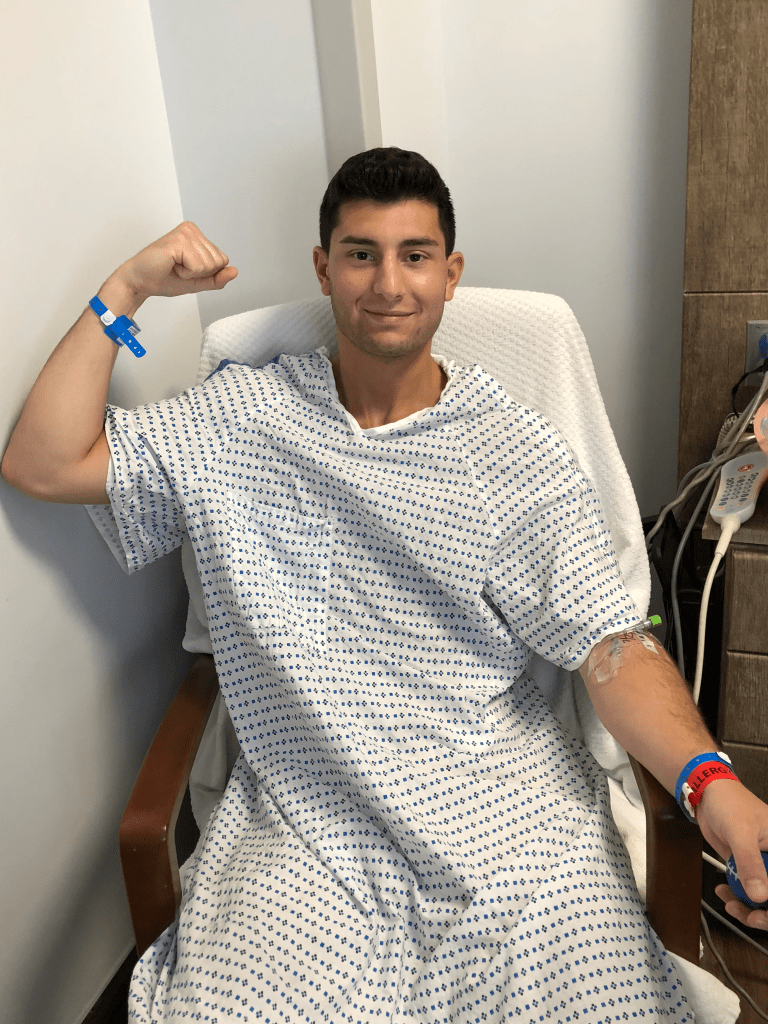

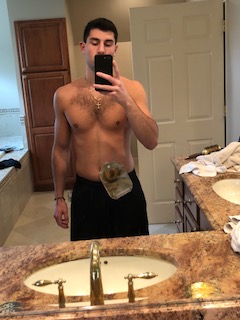
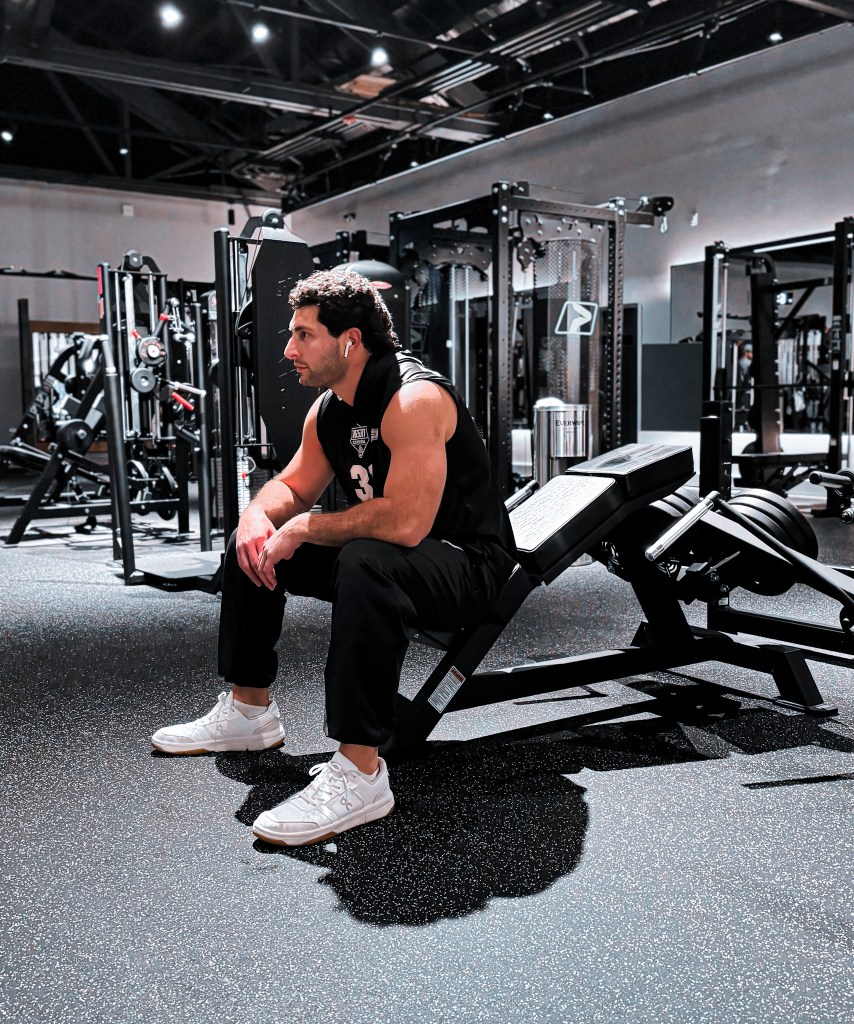

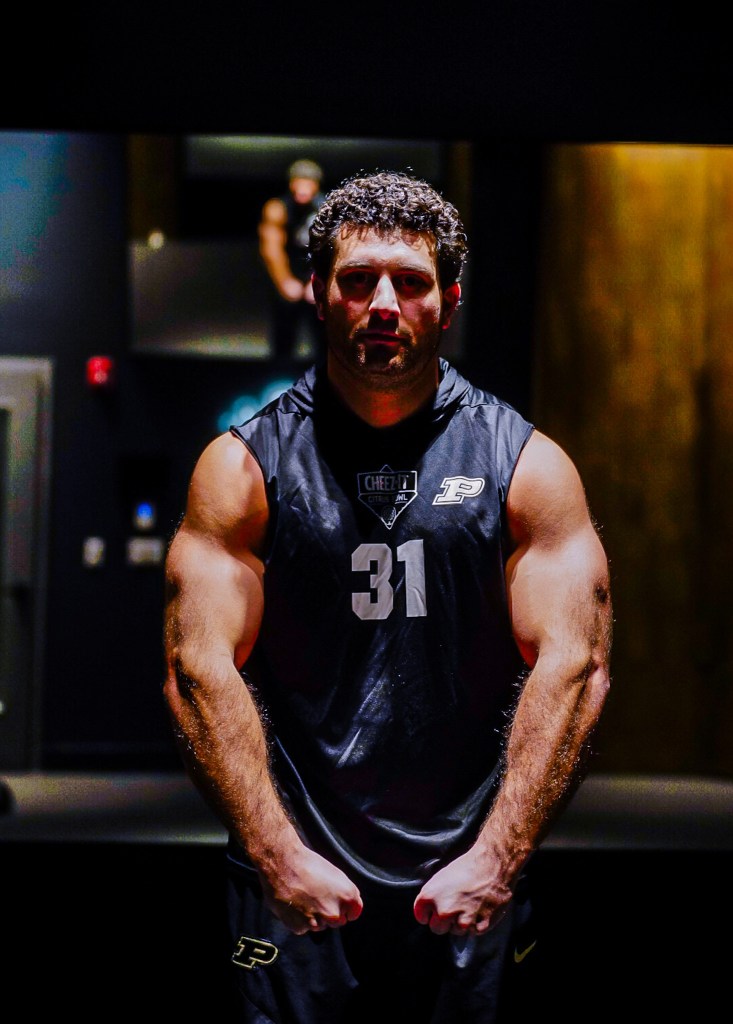
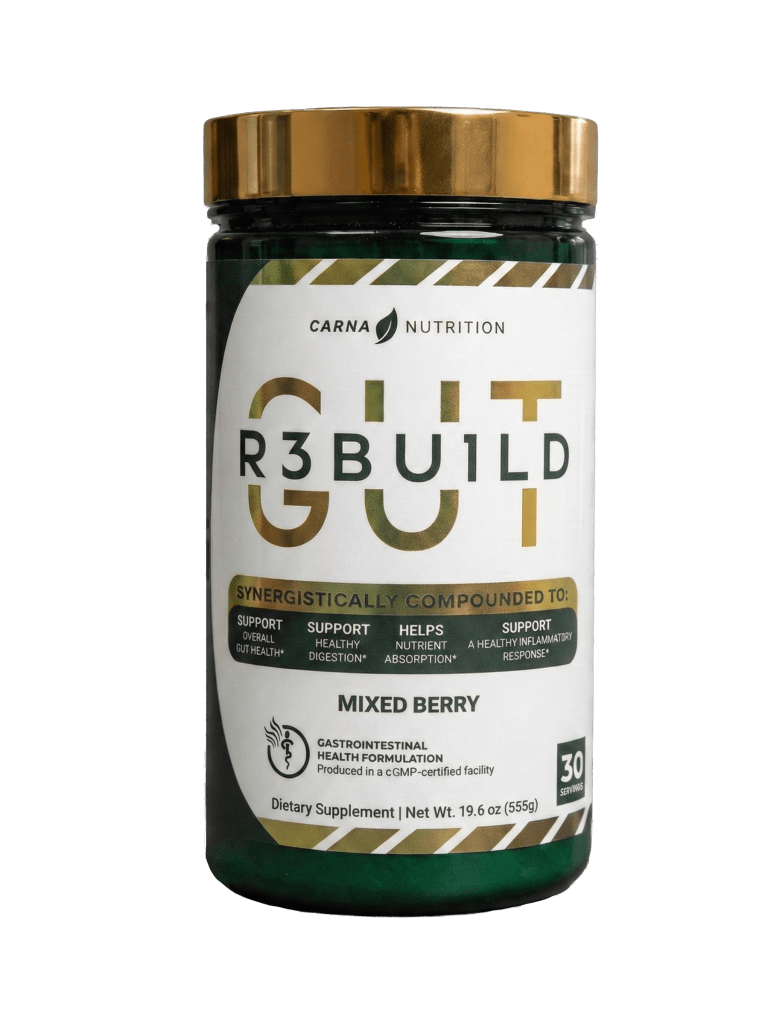


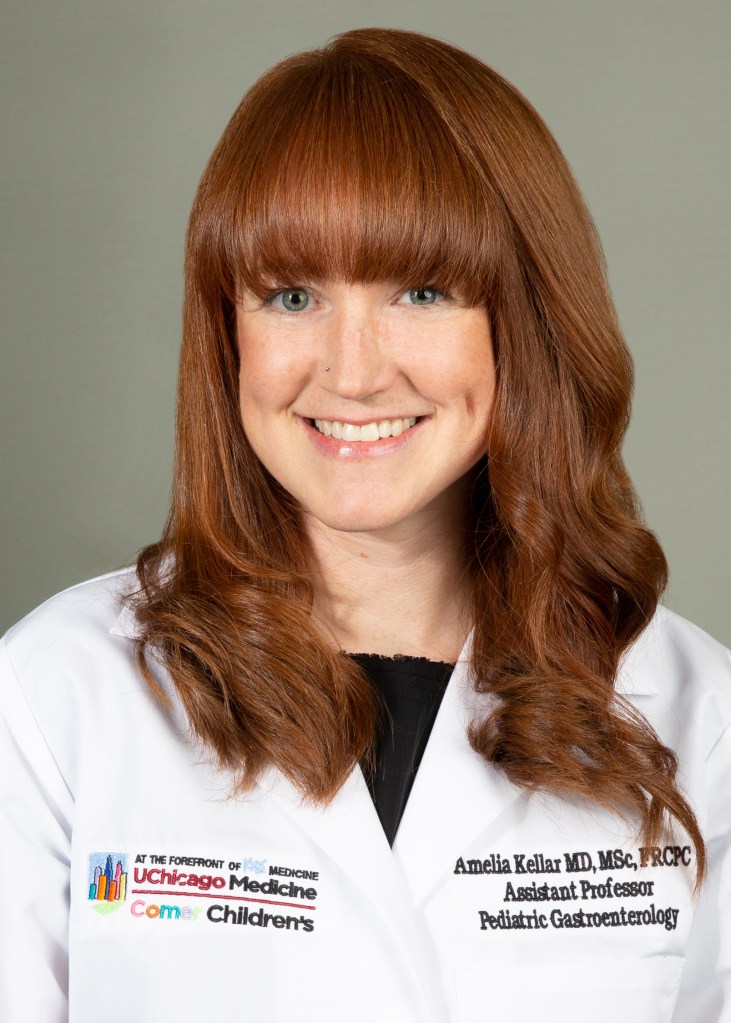



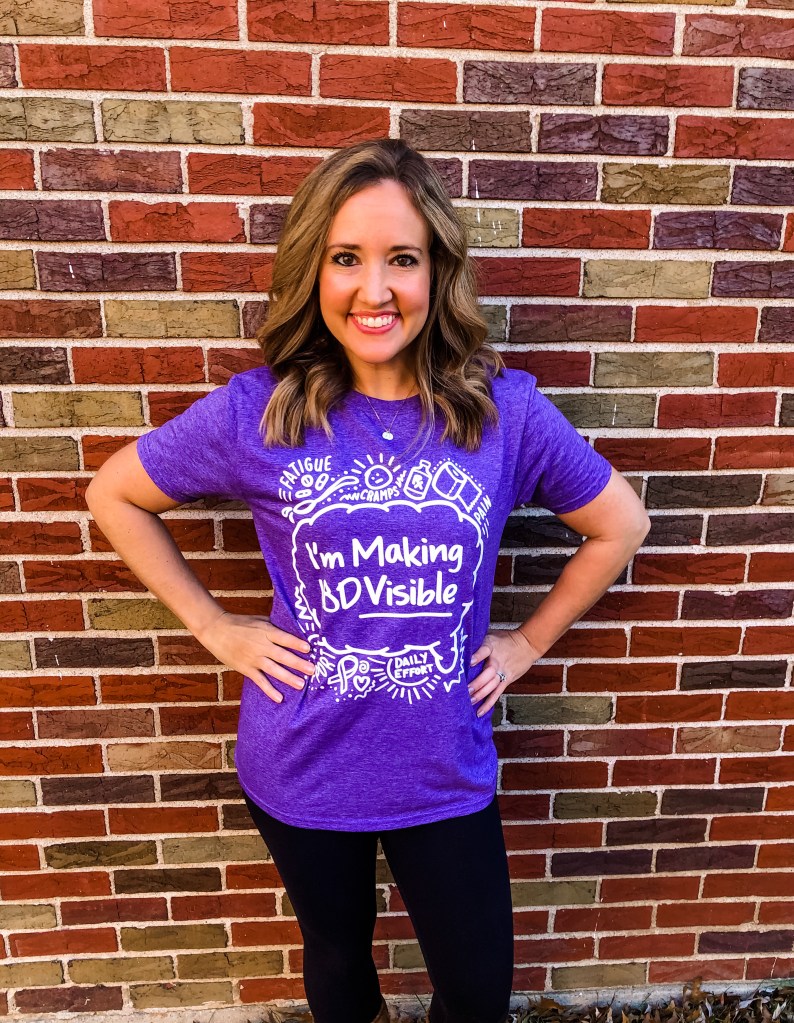

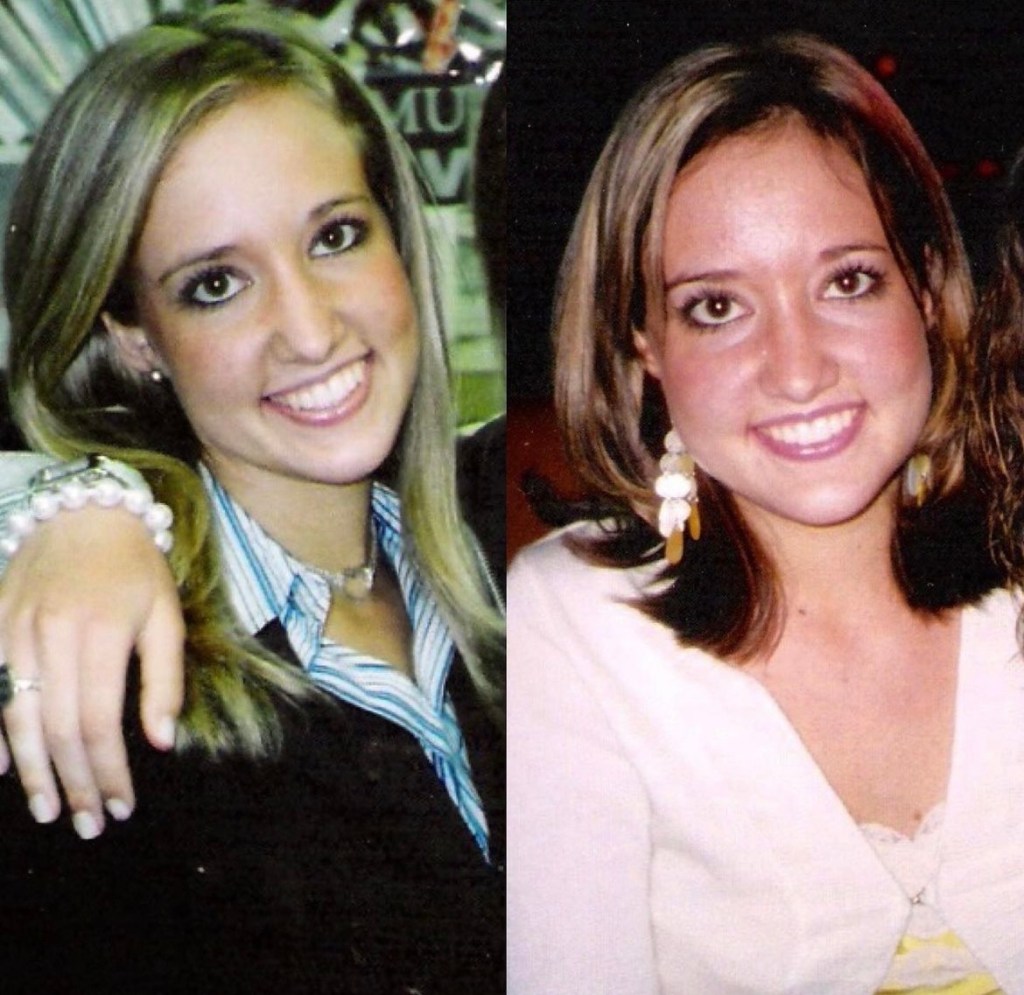










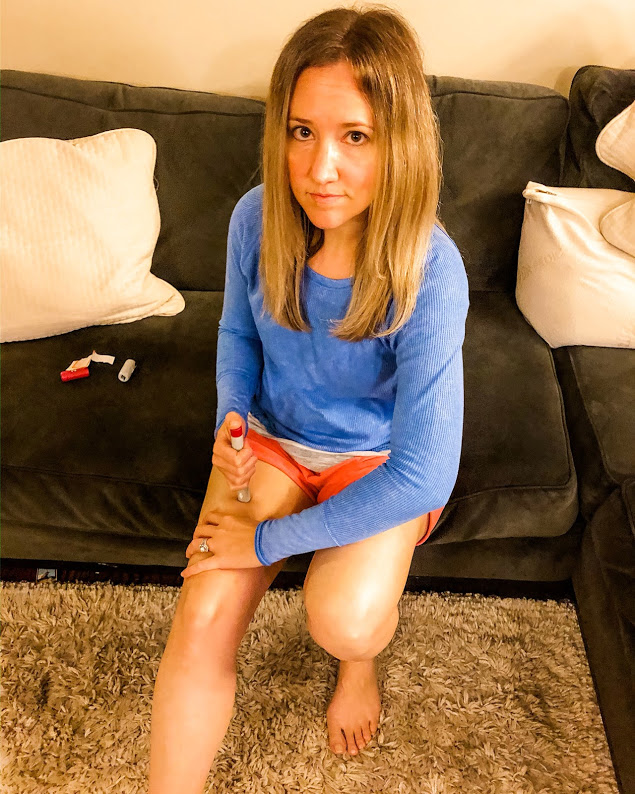







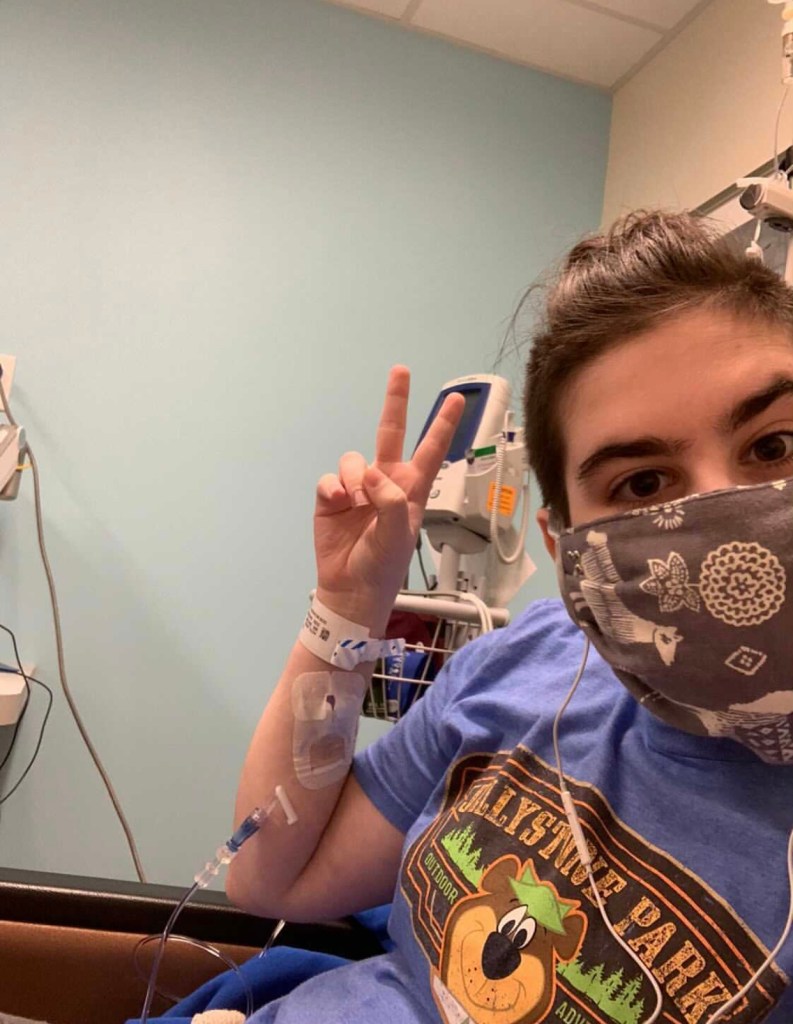
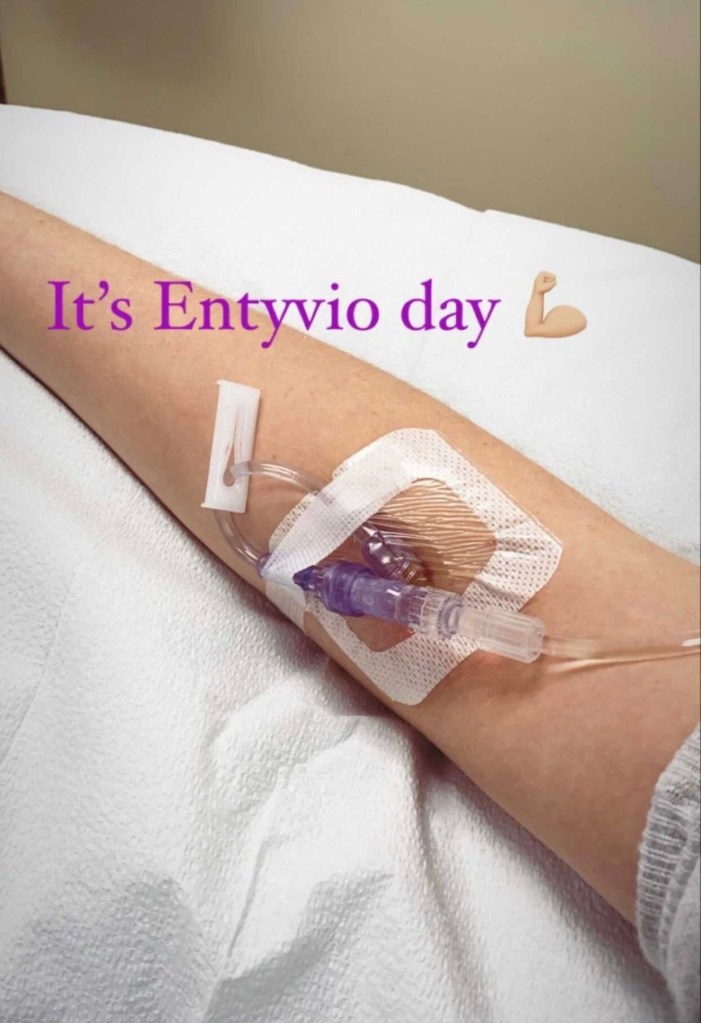






 lights camera crohn's