
Nutrition and IBD. Just saying those two words together makes me feel like I’m running through a rabbit hole, unsure where to turn….and I’ve lived with Crohn’s disease for more than 14 years. Everywhere you look, you see people claiming to “heal their gut” through diet alone, while sharing diet hacks that “cure” IBD, when in fact there is no cure.
Unfortunately, my first experience with a dietitian, days after my diagnosis, was not a positive one. She came into my hospital room and was very doomsday and black and white about what my future held. The conversation led me to believe I would never eat raw fruit or veggies, salads were out, and fried foods were always a no-no. I was told I could have white bread, white pasta, cooked veggies, and plain chicken from that day forward. Hearing this made grappling with the diagnosis much more difficult.
My experience is hopefully not a typical one for those in the IBD community. Dietitians can be and are key players in our overall care teams. They help guide our nutrition and lead us on a path to better health. Chances are if you or someone you love has IBD you’ve come across the laundry list of IBD-friendly diets (SCD, anti-inflammatory, paleo, etc.). If you’ve found a diet that works for you, that’s great—but it can be extremely dangerous and damaging to use your own personal experience to sway others, especially if you preach to go off all medication and focus on diet alone.
Just as IBD manifests uniquely in every person, trigger foods vary, too.  This week—I interview Therezia AlChoufete, a Registered Dietitian Nutritionist (RDN) who specializes in Gastrointestinal Diseases, to set the record straight about this area of disease management. Therezia completed her Bachelor of Science in Neuroscience and her Master of Science in Nutrition and Dietetics from the University of Pittsburgh.
NH: What role does diet/nutrition play in treating IBD?
TA: “A huge role – symptom management is very helpful to improve quality of life for patients with IBD, and many patients have difficulty understanding what they should or should not eat. A Registered Dietitian Nutritionist can help to identify trigger foods and other factors that may be affecting digestion & GI symptoms, nutrition for ostomy management, modifications to diet before and after surgery, recipe modifications to improve GI tolerance, and much more depending on each patient’s medical history.”
NH: When you’re given a patient with IBD, what type of information do you share in those appointments?
TA: “I see my patients in an outpatient setting – this allows me to review the patient’s goals, assess their nutrition status, and determine an individualized plan with every patient. Information can vary depending on each patient’s unique history, goals, and food tolerance.”
NH: Each person’s body responds differently to specific foods, everyone has different triggers, how do you create a plan that is tailored to everyone, rather than saying “all people with IBD need to stay away from XX”?
TA: “There is definitely no one-diet-fits-all approach for IBD. I typically review the patient’s food history, their unique food tolerances, and provide a plan according to each person’s goals and disease status. I try my best to avoid food restriction and liberalize the diet as tolerated by each patient.” 
NH: What are the most common questions and concerns you hear from patients?
TA: “A very common question is what food/supplements can I eat to fix my symptoms – unfortunately, there is not a simple answer. But this leaves us some room to discuss food triggers in more detail and review ways to achieve a well-balanced diet.”
NH: Why is working with a nutritionist so critical for those with IBD?
TA: “Registered Dietitian Nutritionists are food and nutrition experts. We use science-based evidence to provide recommendations that are specific to each person’s medical history. This may include review of micronutrient deficiencies, hydration status, fluid build-up (sometimes following use of steroids), medication side effects, risks of malnutrition (which can occur in all body sizes), supplement questions, and so much more. An RDN can provide individualized medical nutrition therapy to minimize GI symptoms and optimize gut health in conjunction with medical plans provided by gastroenterologists.”
NH: What type of difference do you hope to make in a person’s patient journey?
TA: “My hope is to help patients liberalize their diet and improve their quality of life. It is very important to me to help patients realize that they have a team of professionals that can help them manage their IBD. I enjoy working with a team of clinicians to target medical, behavioral, and nutritional health concerns to optimize care for each individual.”
NH: What advice do you have for patients who are in the middle of a flare up?
TA: “Communication with your Gastroenterologist is very important if you feel like you are having flare-like symptoms in order to receive proper treatment. Sometimes, foods that are typically tolerated during times of remission are not tolerated during a flare, and an RDN can help you determine a softer diet that is easier to digest based on your individual needs.”
NH: The term “healing the gut with food” is commonly heard within the IBD community. What’s your belief on that vs. using diet as a combination therapy with medication?
TA: “Unfortunately, diet cannot cure IBD. It can improve some symptoms, but it is so important to work with your doctor to receive proper medical treatment for the disease, follow up with a dietitian to optimize your diet, and address any behavioral health management with your therapist or psychiatrist.”
Connect with Therezia here:
Twitter: @AppetiteOfMind
Instagram: @appetite_of_mind
Additional Resources:
Crohn’s and Colitis Foundation: https://www.crohnscolitisfoundation.org/diet-and-nutrition
International Foundation for Gastrointestinal Disorders: https://www.iffgd.org/other-disorders/inflammatory-bowel-disease.html
United Ostomy Associations of America: https://www.iffgd.org/other-disorders/inflammatory-bowel-disease.html
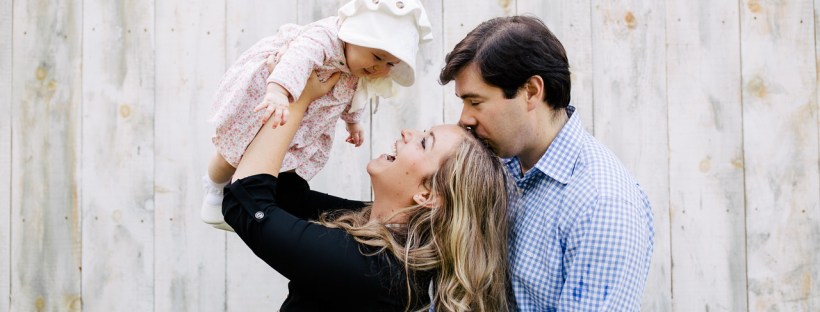
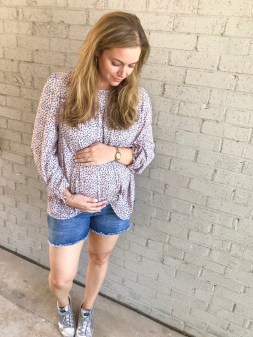 I specifically was interested in featuring Hope because she’s pregnant with baby #2!
 complications, the doctors I saw were pretty sure I would have difficulty conceiving; however, I am so thankful that God has given me grace in that aspect of my life. I will say that my first pregnancy was a bit of an “oops”, BUT my body was in 100% remission and I believe that greatly contributed to my success. This time around—knowing that I wanted to get pregnant, I made appointments with my GI and had blood-work, a colonoscopy, and wound up having to have an MRI to rule out any potential flare up. Thankfully, I was flare free and my doctor gave us the “ok” to try and conceive. I attribute much of our success to my remission. A healthy mom has a much greater chance of conceiving successfully in terms of Crohn’s Disease.”
 It definitely does, BUT I try to live my life with as much positivity as I can and a lot of laughter. I’ve found that Crohn’s has matured me far beyond my age in years and that has helped me navigate the endless responsibilities that come with being a young wife and a young mother. I never take health for granted and I am thankful every day for the opportunity to raise my child(ren) free of feeling sick. I get fatigued faster than the average person due to Crohn’s, but I am so used to it, it’s my normal. Also, have you ever met a mom who is full of endless energy?! Nope.”
 We must surrender to Christ and let him lead us through the highs and the lows. If you aren’t a person of faith, my prayer for you is that you find peace in either the waiting of becoming a mom or peace in the journey of motherhood. It is not easy at all, but it is so worth it, and I pray for every woman who might be struggling to carry a baby because of this disease. It truly breaks my heart to think about that suffering. When I was pregnant with Evie, I joined a study called the PIANO study which stands for Pregnancy and Neonatal Outcomes in Women with Inflammatory Bowel Disease. I answered questions during pregnancy and at birth I brought in a lab kit where we sent off blood from me, from Evie, and from my umbilical cord, to study if any of my medications got to my baby. There was no trace of Cimzia in Evie’s blood or the umbilical cord which was wonderful and a big part of why I take Cimzia, as it does not pass the placenta. But, I mention this study to share my passion to help all women with IBD reach their dream of motherhood. I crave more information about this disease specifically for those moms struggling. Know that you’re not alone and you have many people rooting for you and your future babies!”
 Evie was born, my blog kind of fizzled and after awhile I was missing that creative outlet. My sister was pregnant with her second at the time and we decided to join forces and it was so much fun for us! Recently, my sister has taken a step back from blogging and is pursuing different passion and focusing solely on her family, so the blog has evolved again into an outlet for me. I am an extrovert and love talking with new people/sharing recipes/getting advice/looking at the newest trends/home decor/etc. so blogging just seems like a good fit for my personality. I am a stay at home mommy first and foremost, but the blog has allowed me to have something else that’s just mine and just for me.”
 lights camera crohn's