Nine years since my life split into a clear before and after. Before motherhood. Before learning how much my heart could stretch. Before realizing I could love someone so fiercely while still carrying a body that has never felt predictable or safe since my Crohn’s diagnosis in 2005.
I entered motherhood already shaped by chronic illness. Crohn’s disease had been part of my identity for years before I ever held a positive pregnancy test in my hands. I knew what it meant to live with uncertainty. I knew how to navigate flares, fatigue, medications, and fear. What I didn’t know was how those experiences would transform me into an entirely new version of myself—an IBD mom. When I got pregnant, I only knew of one woman, my cousin’s wife, who has Crohn’s, and stayed on her biologic throughout her four pregnancies.
This week on Lights, Camera, Crohn’s a reflection on my patient journey and what it felt like to go through family planning, pregnancy, and motherhood as a woman with IBD and what I want others to know.
When I Was “Just” the Patient
For a long time, my world revolved around survival. Appointments. Side effects. Lab work. Scopes. Injections. Recovery days. Canceled plans. Hospitalizations. Weaning off steroids. Learning how to read my body’s subtle warning signs. Learning when to push and when to rest.
Crohn’s taught me resilience long before I knew I would need it in motherhood. But it also taught me hyper-awareness. A constant scanning of my body for what might go wrong next. A relationship with fear that felt both protective and exhausting. As time passed, I learned to listen to how my body was speaking to me through symptoms.
When I imagined becoming a mom, that fear came with me. I had bowel resection surgery two months after getting engaged, I was planning a wedding, and for the first time after a decade of living with Crohn’s I had FINALLY heard the word “remission” for the first time. My fiancé (now husband) and I knew once we got married 10 months later, that we would need to capitalize on that remission and hopefully start our family while we knew I was well enough to do so. Despite being in remission, I still had many questions and thoughts racing through my mind:
Would I be healthy enough? Would my medication be safe? Would I flare during pregnancy or postpartum? Would my disease rob me of moments I dreamed about? Would I be hospitalized and away from my child?
…the list went on. If you’re an IBD mom or one day aspire to become one, you know the questions we all face.
I wanted to become a mom more than anything, but I carried quiet doubts about whether my body was capable of sustaining not just a pregnancy, but a lifetime of caregiving.
Becoming a Mom with Crohn’s
The day I became a mom everything shifted. Not because my Crohn’s disappeared. Not because my health suddenly became perfect. But because my why expanded.
Suddenly, my body was no longer just something I endured. It was the home my child lived in. The vehicle through which I would show up, nurture, protect, and love. That realization changed the way I approached my overall health as a mom with IBD. My pregnancy with Reid gave me a renewed sense of love and appreciation for my body.
Taking my medication wasn’t just about me anymore. Advocating at appointments wasn’t just self-preservation. Resting wasn’t weakness. Prioritizing sleep wasn’t indulgent.
It was parenting. I began to see caring for myself as an extension of caring for my child. That mental shift — from “patient” to “patient who is also a mother” — was subtle but seismic. Rather than waiting until I was too weak to even walk through the emergency doors by myself, I started to alert my care team within days of recognizing that my Crohn’s seemed a bit “off” so that we could nip any issue that arose in the bud.
Learning to Mother Through Difficult Days
Motherhood with Crohn’s is not picture-perfect. But regardless of your health status, there is no such thing as perfect when it comes to being a mom. You must remind yourself of this and give yourself grace.
There are days I have shown up with heating pads tucked under sweatshirts. Days I’ve read stories from the bathroom floor. Days I’ve powered through school drop-offs on pure adrenaline and grit. Days I’ve shown up to PTO meetings and coached soccer on pain medication. Days I’ve cried because I felt like I was failing at both having a chronic illness and being a mom.
I’ve been in “remission” since 2015, the entire time I’ve been a mom, which I’m eternally grateful for, but just because I’ve been in remission does not mean I don’t face countless struggles with this disease. That’s something I wish people would understand. IBD is a chronic illness, just because someone is in remission doesn’t mean they are free of pain, stress, and more.
I’ve had to learn that good motherhood doesn’t require constant physical perfection. Some seasons look like big adventures and energy. Others look like quiet cuddles, movie days, and choosing rest over outings.
Both count.
My children are being raised by someone who understands empathy, flexibility, and listening to their body. That matters. You’ll notice as a parent with chronic illness how quickly your little ones develop empathy. It’s next level. And so beautiful. You don’t even have to teach it, it’s innate in them because of their daily reality.
Raising a Child Who Understands Illness and Compassion
One of the unexpected gifts of being an IBD mom is watching compassion take root early.
My three children know that bodies work differently. That medicine helps people live. That rest is sometimes necessary. That we don’t judge what we can’t see. They’ve learned that strength isn’t always loud.
Sometimes strength looks like getting up anyway. Sometimes it looks like asking for help. Sometimes it looks like choosing yourself.
Those lessons feel just as important as anything in a textbook.
How Motherhood Changed My Relationship with My Body
Before becoming a mom, there were times my body felt like the enemy.
The source of pain. The reason plans fell apart. The thing holding me back.
Motherhood complicated that narrative.
This body carried three children. This body nourished three children. This body continues to show up, even when it’s tired, inflamed, or aching.
It isn’t perfect. But it is more than capable.
I still have hard days. But honestly, I have a lot more amazing days. I never take a feel-good day for granted. Even after more than two decades of living with Crohn’s, there are still moments where I fantasize about what it would be like to just be a healthy person and not have the burden of my disease.
But I also hold more gratitude now. A grounded, honest one. My three children are my greatest motivation to push through and be my healthiest self.
From Surviving to Advocating
Becoming a mom didn’t quiet my voice.
It amplified it. Ironically, this blog, Lights, Camera, Crohn’s, launched July 23rd, 2016… I found out TWO days later I was pregnant with my oldest son, Reid. So, this blog truly captures every moment of pregnancy, family planning, and motherhood from the perspective of someone who learned as I went.
I advocate not only for myself now, but for a future where my children grow up in a world that understands chronic illness better than the one I grew up in.
I speak out because I want fewer people to feel dismissed. I share stories because I want fewer people to feel alone. I push for better care because I want better options for the current and the next generation.
I want couples to feel empowered by their decision to have a family, however that may look for them.
I hope women feel comforted by all the constant research going on to address what’s safe and effective as they bring life into this world. I participated in IBD pregnancy studies with all three of my kids, my youngest who turns five in July will be followed through the PIANO study until age 18!
Motherhood turned my survival into purpose.
Nine Years In: Who I Am Now
I am still a patient. I am still navigating Crohn’s. I still face uncertainty at times, but through a much different lens.
I am also a mom of nearly a decade.
A mom who has learned how to hold fear and hope at the same time. A mom who knows that love is not measured in energy levels. A mom who shows up imperfectly, consistently, and wholeheartedly.
I didn’t become a mother despite Crohn’s.
I became a mother with Crohn’s.
And over the past nine years, I’ve learned that those two identities can coexist, not in conflict, but in strength. I swear I blinked and somehow my sweet Reid, my baby, is nearly double digits. I don’t think there will ever be a time in my lifetime that I don’t stare at all of my children in awe of their existence, I’m sure if you’re a parent you feel the same way. It’s a miracle they are here, healthy, and thriving. So much of why I share my family so openly is to show how my children, who were all exposed in utero to Humira, are doing so beautifully in school, sports, and socially.
To the IBD Moms (and Future Moms) Reading This
You are not broken. You are not behind. You are not failing.
You are doing one of the hardest jobs in the world while managing one of the hardest diseases. That deserves recognition.
Later this month, my Reid is nine.
Nine years of learning. Nine years of adapting. Nine years of loving fiercely in a body that isn’t always kind.
New research published in Clinical Gastroenterology and Hepatology offers a glimpse into what Crohn’s disease may look like before it officially begins and the findings could have major implications for how we understand, monitor, and potentially prevent the disease in the future. As an IBD mom of three kids ages 8, 7, and 4, research like this always feels a bit bittersweet. While I’m grateful for the strides in research, I’m apprehensive about the burden and grief I would feel if I was able to know if my children would one day receive the same diagnosis.
As someone diagnosed with Crohn’s at age 21, I’m grateful for my two decades of blissful, perfect health. Had I known a complicated chronic illness would one day riddle my body, I’m not sure how I would have coped and dealt with that news.
This week on Lights, Camera, Crohn’s a look at what the latest research discovered, the complicated emotions IBD parents may feel, and what the future may hold for us all as a community.
Why This Matters: Crohn’s May Start Long Before Diagnosis
The study found that certain immune responses in the blood, specifically elevated IgG antibodies targeting a conserved region of bacterial flagellin (a protein found on gut bacteria) were present years before people were diagnosed with Crohn’s disease. In other words, the immune system appeared to be reacting to gut bacteria long before symptoms like abdominal pain, diarrhea, or weight loss ever showed up.
This study followed 381 first-degree relatives of Crohn’s patients, 77 of whom went on to develop the disease. Among them, 28 (more than a third) had elevated antibody responses.
One of the most important takeaways from this research is the timing. Most Crohn’s biomarkers are identified after the disease is active. This study, however, suggests that immune dysregulation may begin well in advance of clinical disease. This supports the idea that Crohn’s develops gradually rather than suddenly.
That distinction matters. If Crohn’s truly has a long preclinical phase, it opens the door to earlier monitoring and potentially earlier intervention, especially for people who are already at higher risk, such as first-degree relatives of those living with Crohn’s disease. A first degree relative is a parent, child, or sibling.
According to the Crohn’s and Colitis Foundation, 36% of children born to two parents with IBD will develop the condition at some point during their life. The risk is substantially less when only one parent has IBD, with The National Human Genome Research Institute sharing there’s a 7-9% chance.
A Potential Blood Test for Risk, Not Diagnosis (Yet)
It’s important to be clear: this is not a diagnostic test and it’s not something patients can request from their doctor today. But it does raise the possibility that, one day, blood-based immune markers could help identify those who are more likely to develop Crohn’s before symptoms begin.
For families affected by IBD, this kind of risk stratification could be meaningful. Instead of waiting years for symptoms to escalate, or for damage to occur, high-risk individuals might one day be monitored more closely or offered early preventive strategies. As an IBD mom, I feel as though I would struggle with knowing whether this was something I wanted to dig deep for, while also not wanting to get in the way of stopping disease progression. It’s not a black and white situation by any means. If these types of blood tests are available when my kids are teenagers, and I were to get results that broke my heart, I’d feel obligated to be transparent and share—would I really want my kids, who have witnessed me living with Crohn’s their whole lives, to know this would one day be part of their own story? It stresses me out just trying to imagine it.
What This Could Mean for Prevention Research
Another compelling aspect of the study is that the immune response was directed at a conserved portion of bacterial flagellin. This means it’s shared across many gut bacteria. That finding has sparked discussion about whether future therapies or vaccines could target these immune pathways in people who are high risk for Crohn’s.
While prevention remains a long-term goal rather than a current reality, this research reflects a broader shift in IBD science: moving upstream to understand why Crohn’s starts, not just how to treat it once it’s already established, and as an IBD mom I am certainly grateful for that.
What This Doesn’t Mean (Yet)
As exciting as this research could be, it’s not a crystal ball. Not everyone with these immune markers will develop Crohn’s, and many people with Crohn’s were never tested years before diagnosis. Larger studies are still needed to validate these findings across diverse populations and to determine how predictive these markers truly are.
For now, this study adds another piece to the puzzle, one that reinforces what many patients already know intuitively: Crohn’s disease doesn’t start the day you’re diagnosed.
The Bigger Picture
Our community often experiences years of delayed diagnosis, misattributed symptoms, and unanswered questions, so research like this matters. It shifts the narrative from “why didn’t we catch this sooner?” to “how early can we understand and intervene?”
While we’re not there yet, this study represents an important step toward a future where Crohn’s disease is identified earlier, monitored more thoughtfully, and one day possibly prevented altogether.
For parents living with IBD, research like this can carry an added emotional burden. The idea that Crohn’s disease may be detectable years before symptoms begin can stir complicated feelings, especially for those who worry about whether they’ve passed on a genetic risk to their children. Some parents may want every possible tool to protect their child’s future health, while others may find the thought of early testing anxiety-provoking or guilt-inducing. There’s no right or wrong response. I get it and struggle with how I’d handle this, too. Living with IBD already requires navigating uncertainty, and this research underscores how deeply personal decisions about risk, knowledge, and monitoring can be for families. As science moves forward, it will be just as important to support parents emotionally as it is to advance early detection tools.
When you live with Inflammatory Bowel Disease (IBD), you become an expert in knowing life can throw you curveballs at any given moment. Those curveballs are especially worrisome and scary during pregnancy and after you become a mom.
For one IBD mom who wishes to remain anonymous, that curveball came in the form of a rare and dangerous vitamin K deficiency that caused life-threatening complications for both her and her newborn son after delivery. Now, two years later, a published medical case study based on their experience is helping raise awareness of this rare issue, offering hope that future pregnancies in the IBD community might benefit from earlier detection and intervention.
Diagnosed Young, Navigating the Unknown
This mom was diagnosed with Crohn’s disease at age 13, and now at 34, she’s lived with IBD for more than 20 years. Her journey has included numerous medications, including a long stretch on Humira, which she remained on during her pregnancy, and four partial small bowel resections. She’s also undergone several exams under anesthesia due to complications like abscesses and fistulas.
Thankfully, during her pregnancy, her Crohn’s was well-controlled with no active disease, making the post-delivery complications much more shocking.
A Sudden Turn After Delivery
After giving birth to her son (we’ll call him “B”), what should have been a joyful moment quickly turned traumatic.
She spent 16 days in the hospital, including three in the ICU, while her newborn faced a 23-day NICU stay. The cause? A severe, undiagnosed vitamin K deficiency, which led to hemorrhaging in both mom and baby. The medical team was blindsided—none of them expected this.
Understanding Vitamin K Deficiency & IBD
Let’s get one important thing straight first. This situation is not about skipping the vitamin K shot that newborns typically receive. The mom explains:
“It’s imperative that newborns receive a vitamin K shot after they are born to prevent vitamin K deficiency bleeding. The American Academy of Pediatrics recommends that all newborns receive a single dose of vitamin K, because babies are naturally born with very little in their bodies. In our case, my son did get the shot—but because I was unknowingly severely deficient in vitamin K during pregnancy, his vitamin K levels in utero were dangerously low, leading to a brain hemorrhage before he was even born. The bleeding he experienced was similar to what some babies experience when they don’t receive the shot, but in our case, it happened earlier—and was not caused by withholding care. In fact, he needed far more vitamin K after birth to restore safe blood clotting levels.”
This vital distinction can prevent confusion and reinforce just how important that standard vitamin K shot is for all newborns.
What She Wants Other IBD Moms to Know
“Knowing what I know now,” she says, “I want fellow IBD women to understand a few key things about vitamin K deficiency during pregnancy:”
This is rare. Most pregnant people with IBD will never encounter this issue. “I hope that offers peace of mind. But as we all know, knowledge is power—especially when you live with IBD.”
If you’ve had bowel resections or are deficient in other fat-soluble vitamins (like A, D, or E), consider bringing this case study to your GI and OB/Maternal Fetal Medicine (MFM) doctors. Ask about checking vitamin K levels, as well as PT/INR and PTT, which monitor blood clotting.
You can develop a deficiency during pregnancy even if you’ve never had one before. “Outside of pregnancy, I had no clotting issues. But between my history of resections and my baby’s increasing demand for nutrients, my levels dropped—and no one knew.”
Looking Back: What She Wishes Had Been Done
“If we had been monitoring my vitamin K levels, PT/INR, and PTT throughout my pregnancy, we likely would have seen early warning signs,” she says. “These aren’t standard tests, but I hope someday they will be for IBD moms with similar risk factors.”
A Silver Lining in the Study
Despite the trauma, having their experience turned into a published medical case study brought a sense of closure.
“When they told us they wanted to publish it, I felt incredibly validated. This wasn’t just something we lived through—it’s now out in the world to potentially save lives. That’s the best-case scenario for us.”
The comprehensive care team—consisting of her OB, MFM, GI, hematologist, and PCP—remained closely connected throughout the experience. After both mother and baby were stabilized, Ohio State’s hematology team and Nationwide Children’s Hospital worked together to identify the deficiency as the root cause for both patients.
“They didn’t miss anything—they acted on the knowledge they had at the time, and when things went south, they sprang into action. I’ll always be grateful for that.”
“B” Today: A Story of Resilience
Despite a traumatic start, B is now a thriving, happy, and a miraculously healthy two-year-old.
“We were so worried about long-term impacts due to the hemorrhage in his brain, but he is now meeting and exceeding all his developmental milestones. He doesn’t need any additional support. It’s truly a miracle.”
His early care included close monitoring from neurology and the Early Development Clinic at Nationwide Children’s Hospital, along with early intervention specialists. Today, all those appointments are in the rearview mirror.
What About Future Pregnancies?
The reality is that this situation may recur if she decides to grow her family.
“My doctors believe I’d face similar risks, so we would monitor everything very closely: vitamin K levels, PT/INR, PTT and I’d likely receive IV vitamin K infusions throughout pregnancy to stay ahead of any deficiencies.”
Lifting the Tide for Others
After two decades of managing Crohn’s, she knows how isolating chronic illness can be.
“It’s hard. It’s lonely. It’s easy to feel invisible. But finding others who share their stories and who get it has been a game-changer for me. That’s why I’m sharing this now. Even if this specific challenge never affects you (and I truly hope it doesn’t), I hope you feel a sense of solidarity. A rising tide lifts all ships and if sharing our story lifts someone else’s experience just a little, it’s worth every word.”
If you’d like to contact this IBD Mom don’t hesitate to reach out to me, and I will connect you. It’s stories like this that help to pave the way for future families.
When House Bill 544 passed the Montana Legislature and was signed into law May 1, 2025, it marked more than just a policy victory—it became a symbol of hope and action for families affected by Inflammatory Bowel Disease (IBD), especially those navigating the challenges of very early onset (VEO) IBD.
In the latest article on Lights, Camera, Crohn’s, we hear from the Founder and Executive Director of VEO Guardians, Rachel Markovich. She is not only a caregiver, but a passionate advocate behind the bill. Rachel shares the impact this is expected to have on families, the journey to getting the bill passed, and her hopes for this to set a precedent for the rest of the country.
What is House Bill 544, and why does it matter?
HB 544 is a transformative piece of legislation designed to eliminate two of the biggest hurdles families face when managing IBD: access to timely treatment and the threat of retroactive insurance denials.
The bill ensures that when a medical provider can present two efficacy studies showing a biologic treatment works in children of a comparable age, insurance companies must approve the request. This provision reduces dangerous delays in treatment— a common and deeply frustrating barrier for caregivers and physicians alike. Click here to see the news coverage.
The second part of the bill protects all Montanans by prohibiting insurers from denying coverage retroactively after a medication has already been approved. In the unpredictable world of chronic illness, this gives families something they often lack: peace of mind.
How did this caregiver become involved?
For Rachel as a mom of a son with VEO-IBD, this fight is personal.
“My son was diagnosed with VEO IBD at just 22 months old,” she shared. “Thankfully, his health has stabilized, and that gift gave me the time and perspective to help others.”
What began as outreach soon turned into a movement. With the support of VEO Guardians and a network of dedicated advocates, she testified in Helena and worked tirelessly to humanize the legislation. “It was an emotional and transformative journey—one built on compassion and resolve. It’s not just about celebrating a win—it’s about raising awareness for what this means for families across the state.”
The mission of VEO-Guardians was previously featured on Lights, Camera, Crohn’s, you can check out that article here.
Kim Longcake is an Advanced Nurse Practitioner in Montana. She says, “It is such an honor to be a part of this amazing organization. I am proud of the work we have done to protect access to care for Montana children and grateful to have a resource for families in their greatest time of need.”
Will this bill inspire similar legislation across the country?
Yes—and momentum is building.
“We’ve been in touch with national organizations like the EveryLife Foundation and the Crohn’s & Colitis Foundation. They’re excited about what we’ve accomplished here in Montana, and we’re developing a strategy to help other states follow suit.”
For those interested in bringing similar legislation to their own communities, the message from Rachel is clear: “We’re here, and we’re ready to help.”
How can people get involved, especially if they don’t live in Montana?
“Stay connected with us,” she urged. VEO Guardians regularly shares updates, advocacy tools, and family stories through their social media channels and newsletter.
Anyone can reach out directly for guidance, support, or to get involved in expanding the model elsewhere. “We want to help others navigate this path.”
What has VEO Guardians accomplished so far?
The organization recently helped a family avoid a $6,200 charge when a job loss disrupted their child’s insurance—ensuring timely infusion treatment. They’ve signed a reimbursement agreement with Community Medical and are working to secure similar partnerships with Montana’s two other major hospitals.
They’ve also welcomed a new board member with expertise in family counseling and plan to launch free counseling services and 504 plan support on their website soon. And for children newly diagnosed with IBD, a teddy bear delivery program is already in motion.
“Every step we take is rooted in our mission to support, uplift, and empower the IBD community.”
Final Thoughts
“In the darkest moments, we often find the strength to shine the brightest,” she said. “This bill is proof of what compassion and community can accomplish. To anyone facing this diagnosis—you’re not alone. There is a path forward, and we’re walking it together.”
Rachel tells me local gastroenterologists in Montana whom she’s spoken with are thrilled the bill has been signed because it removes the red tape and allows doctors to do what they do best—treat their patients. It’s a win for everyone.
“It fills me with pride, gratitude, and hope,” Rachel said. “What once felt like a long shot is now a new reality for countless families. I know it will ease the road for many who follow.”
To stay up to date or get involved, follow VEO Guardians on Facebook and Instagram, or visit their website to sign up for their newsletter.
Getting a colonoscopy when you have Inflammatory Bowel Disease (IBD) carries a distinct set of challenges and trauma compared to the average person receiving a colon cancer screening scope. I underwent my 10th colonoscopy this past week as part of my Crohn’s disease surveillance and heard the word “trauma” on multiple occasions.
I received the following public comment on an Instagram post following my colonoscopy, “You seem to have trauma around colonoscopy prep. I get it, but I don’t. Childbirth is traumatic but colonoscopy prep is not. It sucks, but really not traumatic. The flu sucks, strep throat sucks, why is this so hard for people?”
…to which I responded, “Do you have IBD?”…radio silence.
*Side note—none of my 3 child births were even close to traumatic, they were all joyous, uneventful, and happy occasions. But I digress.*
I had a wonderful nurse get me ready for my scope and give my IV, I let her know I have terrible veins and that I’m a tough stick. Once the IV was started she said that it appeared I have trauma around IVs…which I said was correct. While I appreciated her recognizing this it also felt a little bit judgy. During a prior hospitalization it took EIGHT tries to get an IV started. These difficult medical experiences cause trauma. It should not come as a surprise to anyone dealing with an IBD patient that what may seem run of the mill to an average person is not the same for us. I have to tell myself not to roll my eyes when a 70-year-old tells me how “easy” and uncomplicated their colonoscopy was. Happy for them…but their experience is much different than mine.
My most recent colonoscopy experience inspired me to dig a bit deeper and help to articulate why it’s hurtful and not helpful when you try and compare a “healthy” person’s experience getting a scope compared to someone diagnosed with IBD.
Oftentimes we receive confirmation of our IBD diagnosis after a colonoscopy. The results of a colonoscopy can significantly impact treatment plans, which may heighten stress. The fear of bad news—such as disease progression or the discovery of dysplasia—can weigh heavily. We not only have to rule out colon cancer (due to our elevated risk), we also have the weighted worry about hearing we could have active disease and inflammation going on. If that’s the case we may need to stop our current treatment, start a new treatment, need surgery, etc.
Unlike the average person who may not need a scope until age 45 and then not for another 7-10 years after, we know we may need to go through the ordeal multiple times a year, annually, or every other year starting whenever we’re diagnosed (as a child/in our 20s). The frequency of needing to go through prep and the procedure is astronomical compared to the typical person and when you’re way younger than 45 and have to go through a scope it builds resentment against your body, something our healthy peers and caregivers can’t truly grasp unless they’ve lived it. The cumulative stress of repeated procedures can lead to heightened anxiety and emotional exhaustion.
Our digestion is different from yours. Prep can induce abdominal pain, nausea, vomiting, and bloating that mirrors flare symptoms to us and this in and of itself can feel traumatic. People with IBD frequently experience inflamed, ulcerated, or narrowed sections of the gastrointestinal tract. During a colonoscopy, these areas may be more sensitive, leading to increased pain and discomfort compared to individuals without the condition. The bowel preparation process—which involves consuming large amounts of laxatives to clear the colon—can be especially grueling for those with IBD. It may exacerbate symptoms like diarrhea, cramping, and dehydration, making the days leading up to the procedure particularly difficult.
Many of us take the prep a step further and start a liquid diet days before the actual prep to try and “ease” the process. I personally put myself on a full liquid diet 4-5 days prior to my scopes and then a clear liquid the day before. This takes a great deal of willpower, especially as an IBD mom making school lunches and meals for my kids, while not being able to eat any of it. Caring for a family while running on fumes is not for the faint of heart. It’s a challenge to have the energy to function while feeling hangry. Understand that we might feel irritable, fatigued, or anxious during the preparation and recovery process. Provide a judgment-free space for us to express our feelings. I’m not one of those people who feels comfortable eating a light breakfast the day before a scope, because I fear not being cleaned out enough and having to go through the experience again sooner than I need or want to.
How to Be Supportive
Acknowledge Their Experience: Validate their feelings and recognize that colonoscopies are more than a simple procedure for someone with IBD. Avoid dismissive comments like “It’s just routine.”
Offer Practical Help:
Assist with transportation to and from the procedure. Offer to babysit if the person has kids or needs help at home with childcare.
Help prepare supplies for the bowel prep process, such as clear liquids, electrolyte solutions, and soft toilet paper.
Offer to stay with them during recovery if needed.
My husband always makes a point to take our kids out to dinner or try and not eat in front of me while I’m prepping, this makes a world of difference. We also always go out for a big breakfast or lunch date immediately following the procedure.
Provide Distractions. During the prep period, suggest activities to keep their mind off the discomfort, such as watching movies, playing games, or listening to calming music.
Encourage Communication with Healthcare Providers. If they’re particularly anxious or in pain, encourage them to discuss these concerns with their doctor. Sedation options or anti-anxiety medications might help make the procedure more tolerable. I always make sure I have Zofran on hand to take prior to my prep to help with nausea. I still always vomit at least once, but it does help.
Respect Their Privacy: Everyone copes differently. Some people may want to talk about their experience and post about it on social media, while others may prefer to keep it private. Follow their lead and respect their boundaries.
Final thoughts
Colonoscopies are a critical tool in managing IBD and being proactive about colon cancer screening, but they can be uniquely challenging for those living with Crohn’s or ulcerative colitis. By understanding the physical and emotional toll of these procedures, friends and family can provide better support and help ease the burden.
My ask for friends, family members, and medical professionals with patients or loved ones who have IBD and are undergoing or gone through a colonoscopy is to refrain from comparing your own experience with us. Show compassion. Be kind. Remember that colonoscopies carry a sense of trauma for many of us, and for good reason. We are not weak. We are not complainers. If you lived our reality and been through what we have, I guarantee it wouldn’t feel like a walk in the park. Not many 41-year-olds I know have had 10 colonoscopies. With patience, empathy, and practical assistance, you can make a difficult experience a little more manageable for someone with IBD.
When you live with a disease like Crohn’s or ulcerative colitis, family planning takes thought and special consideration. The first-ever Global Consensus Conference on Pregnancy and IBD was held during Digestive Disease Week (May 2024) and part of the discussion focused on the latest recommendations for pre-conception counseling and family planning. This week on Lights, Camera, Crohn’s hear from Dr. Uma Mahadevan who co-chaired the conference, along with Dr. Christopher Robinson, a maternal fetal medicine specialist. As an IBD mom of three kids and the patient lead for the United States on this initiative, I’m excited to start sharing the latest guidance for our community.
The latest recommendations for IBD women
Couples should get pre-conception counseling.
Remission prior to conception for at least 3-6 months with objective evidence of remission.
All women with IBD should be followed as high-risk pregnancies (however that monitoring works in each country)
Pregnant women should take low dose aspirin daily by 12-16 weeks gestation to avoid preterm pre-eclampsia.
These recommendations were voted on and determined by more than 50 medical providers and IBD patient advocates from around the world. They are the gold standard, and the hope is that the recommendations help clear up the gray area and bring clarity to couples who are planning to grow their family and wanting to conceive.
“Our goal was to have a universal guideline that was the same worldwide. This would reduce confusion and avoid the default of just not giving women appropriate therapy. The Consensus really tried to advise what we, as pregnancy in IBD experts, do with our patients, so that women everywhere can have the same high level of care,” said Dr. Mahadevan.
Considerations for women prior to conception
Dr. Mahadevan says when a woman starts medication, she generally tells her whether it is a compatible with pregnancy or not.
“I also tell them when they are ready to consider conception to meet with me first. So generally – the education and family planning discussions should start before you are even ready to consider pregnancy. For couples, they should give their GI a 6-month window ideally to make sure there is remission, a chance to optimize medication, and get any testing done that is needed.”
Personally, I had bowel resection surgery in August 2015 while I was engaged. We knew our wedding was in June 2016, and following the surgery I reached remission for the first time in a decade, so timing was of the essence. I told my GI at a post-op appointment in November 2015 that we were planning to start trying for a baby right after our wedding. Knowing that, she put me on a prescription prenatal and folic acid to start prepping my body for pregnancy, I also had a colonoscopy the month prior to my wedding to confirm I was in remission.
Recovering in the hospital after my bowel resection surgery, with hopes of one day being a mom.
Dr. Mahadevan recommends patients start 1 mg of folic acid daily when she learns they are considering conception.
“The prenatal with iron can be bothersome to some patients so I wait for the OB to start that. I check Vitamin D, B12, and iron labs to make sure those are all good.”
Dr. Christopher Robinson, MD, MSCR, Charleston Maternal Fetal Medicine says preconception care is an excellent way to plan out a pregnancy path.
He went on to say, “We recognize that the best outcomes are achieved when preconception care is employed prior to conception for optimization of disease management. This is especially true of IBD where there can be a number of misconceptions about safety of medications and goals for nutrition and surveillance of the pregnancy. Thus, I would recommend preconception counseling and establishing a care plan with Maternal Fetal Medicine early in pregnancy (first trimester).”
What does pre-conception counseling entail
Preconception counseling can be extensive. You should expect to go through an entire healthcare maintenance checklist of the following:
Checking labs—vitamin levels, sometimes drug levels
Updating vaccines
Cancer screenings—pap smear, colonoscopy if appropriate
Ensuring the patient is in remission which may require a colonoscopy, intestinal ultrasound or other imaging
Making sure medications are compatible with pregnancy
Reviewing prior pregnancy and if there were complications
Discussing mode of delivery, referring to a Maternal Fetal Medicine doctor prior to pregnancy if prior complications or if a woman is extremely high risk (for example, prior blood clots), has an ostomy, or if there is evidence of malnutrition or difficulty with weight gain.
Discuss starting aspirin at week 12 and set up a visit schedule with your GI, as you’ll generally see them once per trimester.
I had four pregnancies—three healthy, full-term babies and one miscarriage. As soon as I found out I was pregnant I alerted my GI. From there I set up an appointment with my “regular” OB for the initial ultrasound at 8-10 weeks, and then moving forward I had monthly ultrasounds with a maternal fetal medicine doctor, appointments with my GI each trimester, and the regularly scheduled in-office visits with my OB. Even though I had flawless pregnancies each time (aside from the baby I lost around 7 weeks), I was considered “high risk” because of my history of Crohn’s disease and prior surgery.
I had three scheduled c-sections, not because I had perianal Crohn’s, but because my care team allowed me to decide what I felt most comfortable given my health history. If I could do it all over again, I’d do it all the same. I appreciated the extra surveillance for my children and for me, healed beautifully after each abdominal surgery, and was grateful that by staying on Humira until 39 weeks with my first child and 37 weeks with my younger children, I maintained my remission throughout pregnancy and after.
Dr. Robinson said while each pregnancy has specific needs, in general he also follows pregnancy with serial growth checks every 4 weeks across pregnancy (following the targeted anatomic scan).
“It is possible, if a patient has longstanding, well controlled disease, and an optimum prior pregnancy outcome history, to check a 32- and 36-week ultrasound for growth. However, in the first pregnancy, I agree with serial growth scans.”
What remission before pregnancy really looks like
Remission is often a difficult word to define when it comes to living with IBD. As Dr. Mahadevan tells me, “Not everyone can achieve complete remission.” So, what are doctors looking for and what should your target be?
“We are looking to give moms-to-be the best chance at conceiving, keeping the pregnancy, and having a health pregnancy. I like to see normal labs, normal calprotectin, normal colonoscopy, and imaging without visible inflammation. Not everyone can achieve this, but that is the ideal three to six months prior to conception,” explained Dr. Mahadevan.
“IBD has both genetic and autoimmune underlying components that can interfere with development of the placenta and affect maternal nutrition across pregnancy. In these cases, optimization of disease management can improve care and reduce risk for both mother and fetus. The goal of interventions is to reduce the risk for mother and infant through coordinated care with GI, MFM and OB/Gyn in pregnancy,” said Dr. Robinson.
Stay tuned to Lights, Camera, Crohn’s next week when the latest recommendations for IBD medication in pregnancy and lactation is disclosed. A full manuscript with all the recommendations and guidance is in the works, with hopes of the information being publicly available by the end of this year. I’ll be working on the companion piece for the manuscript dedicated specifically to the patient community.
This post is sponsored by Smart Sharps Bin. All opinions expressed are my own and do not necessarily reflect the position of HealthBeacon plc or Hamilton Beach Brands, Inc.
I started doing my self-injection more than 14 years ago, long before I became an IBD mom. I went from being a single 20-something alone in my apartment mustering up the strength… to having a family around me while I receive my medication. The experience has changed greatly and so has my perspective.
There are many reasons why I have chosen not to hide my injections from my three children. Crohn’s disease impacts more than just the person who lives with it, it’s a family disease. Even though my children are ages five, three, and 16 months, there’s a deep level of understanding and empathy that starts from a very young age. My disease is part of me. I always try to be transparent about my health and well-being. I have never said “I have a disease” since my children wouldn’t understand that, but I try to explain that sometimes my “tummy” hurts and that “Mommy’s shot keeps me healthy, safe, and strong.”
My process for self-injecting every other Monday
Once dinner is over, I pull my injection out of the fridge and let it warm up on the counter, out of the reach of my kids. I’ve always preferred to do my shot at night so I can rest afterwards and have a sweet treat like ice cream as a reward after. After about 30 minutes to an hour, I head over to the couch, and my children hover around me. They watch as I wipe the alcohol swab counterclockwise and oftentimes help me hold the ice pack on my thigh for five minutes. Then, once it’s time to pull the top and bottom off the injection and get down to business, I let them know they need to give me some space and not to move or make any jerking motions. I pause. Smile sweetly at them and start my countdown, slowly and calmly…one one thousand…two one thousand…all the way to 10. They smile back at me and bounce around when I have finished self-injecting. They immediately want to see if I’m bleeding and want to make sure I’m not in pain and don’t need a band aid. I bounce up off the couch and act like it’s just another part of our bedtime routine.
Since we’ve been doing this “process” for as long as they can remember, it’s part of our family, and part of what it’s like for me as an IBD mom. My kids are my greatest cheerleaders and my reason “why” for everything I do in life.
The sweetest distraction
I find it empowering to look into their innocent eyes and joyful faces while I self-inject, it’s the best distraction. I used to stare at a focal point on the wall, a photo of someone who inspires me, or a show on the television, but looking at my kids—my greatest motivation to push through the difficult moments—is the best medicine, literally and figuratively. I make a point to smile at them and never show signs of weakness, so they see that I’m ok and doing something positive for myself. This has become a lot easier since the formula for Humira changed and is no longer painful. I used to really struggle to smile when the medication burned the first year and a half of my oldest son’s life.
When my injection used to be painful, my son would see through my smiles. He would often hold a toy and pretend to give himself his own injection. After I was done doing my shot, he would come up and kiss my thigh and say he loved me. At this point he wasn’t even two years old—kids of IBD parents just “get it,” their empathy and understanding of health is incredibly unique and special.
How that strength carries over into my children’s’ lives
Since my kids see me self-injecting every other Monday, they’ve become quite desensitized when it’s time for their own vaccinations at the pediatrician. When my older two children get their flu shots, they take them like champs. The nurses always laugh that they’re braver than some teenagers. When my kids smile and tell me they’re strong like me when I do my shot it’s bittersweet. While I wish they didn’t have to see me self-inject, it’s building their character and understanding of health in a beautiful way.
When the Pregnancy Inflammatory Bowel Disease and Neonatal Outcomes (PIANO) study first launched in 2007 the main goal was to understand the safety of anti-TNF biologics like Humira and Remicade, and thiopurines for women throughout pregnancy and postpartum. As an IBD mom of three, I was able to participate with my youngest who is nearly 16 months old. The experience was something I am extremely grateful for. This incredible research for our community that is going on daily, helps guide decision making for treatment, while easing our fears as we embark on motherhood while managing IBD.
PIANO 2.0 is now underway and this week on Lights, Camera, Crohn’s I share everything you need to know about the updates to the ongoing research project, how you can participate, what the findings have shown thus far, and the goals for the future. Esteemed gastroenterologist, Dr. Uma Mahadevan, continues to lead the charge and help pave the way by sharing discoveries and findings.
“With new funding from the Helmsley Charitable Trust, we are really able to transform PIANO and try to reach a broader group of patients and answer more challenging questions. These questions include the safety of small molecules (tofacitinib, upadacitinib, ozanimod) and the newer biologics (ustekinumab, vedolizumab, risankizumab) as well as expand into studying the placenta and the impact of IBD, the response to COVID vaccine in pregnant IBD patients, and following children out to 18 years of age to look at long term safety and outcomes. The more you know, the more questions that come up.”
What’s new with PIANO
All women with IBD who are pregnant in the United States are invited to enroll. Specific interest in enrolling women on newer biologics (Stelara, Skyrizi, Entyvio, biosimilars) and small molecules (Xeljanz, Rinvoq, Zeposia) even if it was within 3 months of your last menstrual period but not during pregnancy. PIANO 2.0 is also expanding to look at the safety of aspirin in pregnancy (to reduce the pre-eclampsia rate) and well as how IBD women heal after a c-section and vaginal delivery.
There are new and improved patient and site interaction updates as well. There’s now a patient portal that enables women to enter their data directly, a Twitter page (@PIANOIBD) for research findings and updates, and a website with outcome data right at your fingertips.
The medical sites participating have also expanded to include USC, University of Miami, and the University of Maryland. Dr. Mahadevan says they realized most patients in PIANO were Caucasian and of higher socioeconomic status.
“We know pregnancy outcomes differ by race and socioeconomic status and we need to understand if that also applied to IBD pregnancies – does it make those differences more extreme or is there no impact? By expanding to sites with a far more diverse population, we will be able to better answer those questions.”
As far as the Patient Portal, rather than filling out paperwork and participating in phone interviews, now women simply answer questionnaires on the portal when they enter the study, every trimester, after delivery, at months 4, 9, and 12 of baby’s life and then once a year thereafter. Thanks to the Patient Portal, women can enroll remotely across the United States and don’t have to be at an IBD Center to participate.
Pushing the research further
The overarching goal with PIANO 2.0 is to gather data points from newer biologics and biosimilars and look at the safety of small molecules. So far, 2,012 women with IBD have participated in PIANO. The hope is to have at least 150 newly pregnant women participate each year.
So grateful I was able to participate in the PIANO study during this pregnancy, with my youngest child, who is nearly 16 months.
“With biologics we generally feel they are all low risk as they won’t cross the placenta in the first trimester when the baby’s organs are forming. Small molecules, however, are more concerning as they will cross during that key period of organogenesis. However, for some women that is the only therapy that works, and they must make difficult decisions,” explained Dr. Mahadevan.
Once the baby is born, the research will look at if the child develops any infection issues, malignancies, neurological issues, and immune diseases like IBD. There are some questions about basic diet as well. Having long-term data and a fuller picture of the future for IBD moms is priceless. By participating we’re truly paving the way for IBD moms now and in the future.
Dr. Rishika Chugh recently shared a presentation at the American College of Gastroenterology conference that Dr. Mahadevan co-authored that looked at data on 47 women on Stelara (ustekinumab) and 66 on Entyvio (vedolizumab). Those women were compared to moms not on biologics/thiopurines and those on anti-TNF therapies.
“There was no increase in harm from being on Stelara or Entyvio compared to those groups. Interestingly, those on Stelara had lower rates of preterm birth and C section. Numerically, there were also less infections on Stelara though that was not statistically significant.”
Participate in a Townhall Discussion with Dr. Mahadevan: Starting a Family with IBD: What Men and Women with IBD Should Know about Conception and Pregnancy
Save the date for a discussion taking place Thursday, December 15 at 6:30 pm Pacific Time. Click here to register for the free event.
I’m excited to be serving as one of the IBD patient advisors on the project, alongside fellow IBD moms Jessica Caron, Brooke Abbott and Amber Tresca (from IBD moms). We’re looking forward to providing the patient perspective and helping to guide the conversation. Jess and I were on biologics in pregnancy and have previously participated in PIANO. I had the opportunity to participate in IBD research studies with all three of my kids and it’s extremely empowering to know you are helping to change the future of care for women in our community and providing women with the added support we need while navigating pregnancy and motherhood with a chronic illness.
This article is sponsored by Health Beacon. All thoughts and opinions shared are my own.
When I think back about the scariest moments I’ve experienced since my Crohn’s disease diagnosis more than 17 years ago, doing self-injections and the loading dose process tops the list. To go from being someone who didn’t rely on a biologic medication to function and treat my chronic illness, to mustering up the strength to inflict pain on myself, it took getting used to, to say the least.
I’ll never forget what it was like when I was first told I would need to choose between a self-injection and an infusion while lying in a hospital bed with a hardcore flare. It felt like trying to pick the lesser of two evils at the time. I chose self-injection for privacy reasons because at the time I was a television news anchor and hadn’t shared that I had inflammatory bowel disease (IBD) publicly. I also have terrible veins and the thought of having to get IVs and be hooked up for hours to a medication seemed less convenient and like more of a reminder that I was unwell. During that hospital visit it took 8 tries to start my IV, so the trauma of that helped guide my choice to do injections instead.
Going the self-injection route
When I started my biologic in 2008, there were only two medications on the market to manage and treat Crohn’s disease – Humira and Remicade. The injection (I was prescribed) at the time had a reputation for being painful and the loading dose involved four injections, back-to-back in one sitting. When my mom and I walked into my gastroenterologist’s office so the nurse could instruct me on how to give myself shots, I was shaking like a leaf. In the moment I wasn’t sure how I was going to muster up the strength not knowing how it would feel. My palms felt sweaty holding the foreign injector pen in my hand. I wasn’t sure how badly it was going to hurt. I was fearful of the side effects and what the heavy-duty medication was going to make me feel like. I wanted the nurse to do the first injection for me, and she wouldn’t. In the moment that made me upset, but now I am so grateful she put the onus and trust on me. I’ve never had anyone do my injections but myself.
I pressed the button and instantly felt the liquid fire pain shoot into my leg. I couldn’t believe I was expected to do that three more times. But I did. When the appointment was over, my mom and I hugged in the hallway. I felt like I had been through battle. It was terrible. Knowing that I had to do another two injections in two weeks loomed over me. Unfortunately, my initial loading dose made me very sick. As my body got acclimated to the medication, I felt weak and could barely walk up 13 stairs to my apartment. I had to miss work and social functions as my body got used to medicine.
Going through another round of loading doses
Fast forward to 2015. I had bowel resection surgery that involved the removal of 18 inches of my small intestine, appendix, and Meckel’s diverticulum. My care team had me go off my medication for three months—prior to surgery and after. Because of that, I had to do another loading dose and re-start the process. Even though I was already more than 8 years into doing the same injection, when my GI told me I would need to do another loading dose, my mind immediately raced back to 2008 and what I went through. I was so emotional I had to call into work sick that day. Luckily, this time around was a lot less scary, and I had more confidence in the process and knew exactly what to expect. I didn’t have any side effects after this loading dose, and I was back on track to my normal injection routine.
The shift to “pain-free” injections
The first couple years I did my injection, I would count down the days until the next one was due with dread and worry. I spent more than a decade on the painful version of the medication. In 2018, the formula for the medication was changed for patients in the United States, taking out the sting and making the gauge of the needle smaller. The loading dose now “only” involves two injections versus the four.
The “pain-free” version of the medication has completely changed my patient experience for the better. I no longer dread my shot. The process feels simple and nearly effortless. Even though I’ve been lucky to be afforded the opportunity and access to this version of the medication, I can still remember how it used to feel. The anxiety and emotions the injection would cause, and what I dealt with for 10 years of my life every other Monday.
Self-injection through pregnancy and motherhood
I am an IBD mom with three young children. Ages 5, 3, and 15 months. When I was first pregnant in 2016, it took a lot of guts and felt like an emotional rollercoaster injecting a biologic knowing there was a life growing inside of me. As the weeks turned to months and my belly got bigger and bigger it became more emotional feeling kicks and movement in my stomach while I was pressing the button to give myself the shot. Until my son was 1.5 years old, he witnessed how upset the injection would make me at times and would hug me and watch with empathetic eyes from a very young age.
When I tried the pain-free injection in 2018, I shot a video the first time I experienced it. This time around, I was pregnant with my second child. You can watch the emotional video here. As I express in the video, it was lifechanging to know that throughout future pregnancies and through motherhood, my children wouldn’t ever see their mom crying or scared while doing injections anymore. Now, when I do my shots, I have a big smile on my face and my children see their mom through a much different lens.
Keeping your eye on the prize
Whether you are gearing up for your loading dose or a veteran self-injector, it’s an experience that can be hard to put into words unless it’s your reality. It’s normal to grieve and be upset about your situation. Try to breathe. Go to your happy place. Get a focal point to focus on and know that you are doing all you can to help keep your disease under control and live the fullest life possible. Short term pain, long term gain in every sense of the word. Being scared no matter where you are in your patient journey is understandable, but like all pain and fearful experiences, they too shall pass.
Click here to learn more tips about self-injecting.
When it comes to the biologic, Humira (adalimumab), I am somewhat of an OG. I’ve taken Humira to manage and treat my Crohn’s disease since July 2008. We go wayyy back. Since my first loading dose 14 years ago, I’ve had hospitalizations, had bowel resection surgery, gotten engaged and married, traveled, worked full time, had three children, breastfed, been a stay-at-home mom…the list goes on. I’ll never forget how overwhelming it felt when I was lying in a hospital bed with an abscess the size of a tennis ball in my small intestine and when my GI at the time told me “It was time to break out the big guns.” The big guns being biologics.
My mom and I were upset. We were frantic. We were Googling. We were fearful of what this would mean for my childbearing years. I couldn’t fathom the thought of giving myself injections or getting infusions. My world came to a standstill. In that moment, I would have given anything to have a resource like this. An article that outlines patient experiences across the board. The good, the bad, the ugly. I write these articles, so you feel empowered and educated when you take the plunge or when you are forced to switch medications because another biologic fails you. I write these articles, so you feel confident in making informed choices and realize that the “big guns” are oftentimes necessary and not as scary as they sound.
As you read this article and others like it, please remember these are individual experiences. Just because one person had a terrible response or reaction doesn’t mean you will. Just because I haven’t had any side effects and have been able to stay on Humira for more than 14 years, doesn’t mean the same will be the case for you. Use these experiences to level your expectations and have a better grasp of what it’s like to be someone with IBD on a biologic drug and make an informed choice with your gastroenterologist.
If you haven’t done so already, be sure to check out previous Patient Experience articles I’ve shared on Lights, Camera, Crohn’s about:
For those who are “new” to Humira, those who are preparing to do their loading dose, or those who aren’t familiar with the drug—in the United States a new and MUCH improved Citrate-free formula came to market for pediatrics and adults in late summer/early fall 2018. I did my first Citrate-free or as many of us call them, “pain free” injection in September 2018 while pregnant with my second child. If you’ve been on Humira for a long time like me or tried it prior to that time, you know how painful the injections used to be and how much easier they are now. It’s a gamechanger. The loading dose used to be four injections—all in the same sitting that felt like liquid fire were going through your leg or abdomen. Fast forward to 2018, not only is the needle gauge smaller, but the formula no longer stings. Click here to watch the video of me experiencing Citrate-free Humira for the first time while pregnant.
I went from dreading my injections (even a decade in) to doing injections on my couch and smiling ear to ear while my kids watch me because I feel next to nothing. This is important context for this article. Some of the experiences you will hear will be from people who never had a chance to experience Citrate-free Humira, and others who say the shot is “easy” to do most likely started or were switched over to the pain-free version. This change in the formula has been an incredible win for anyone on Humira in the United States. The loading dose not only won’t hurt but is only two injections now versus the original four. The challenge is getting used to the mechanics of doing a self-injection and getting into the right headspace each time you’re due for a dose. Regardless of whether it hurts or not, you are still injecting a heavy-duty medication, which suppresses your immune system, into your body. I’m often asked if I get “sicker” being immunocompromised and being a mom of little ones—my answer to that is no. I am mindful of washing my hands and not eating or drinking off anyone. My GI has me do “safety labs” every three months to monitor my bloodwork, along with an annual colonoscopy.
Debbie: “I was on Humira for four years. I responded well at first and liked the ease of doing injections myself. The Citrate-free version was much better and less painful than the original version. I unfortunately ended up developing antibodies and have been switched to Stelara. I didn’t have any side effects with Humira other than some itchiness at the injection site. Ice helped a lot with that.”
Melanie: “After a reaction to Remicade, I was so anxious to try another biologic. This was in 2009 and Humira hurt so much. I had a massive panic attack trying to do the loading dose of the original version. I was 19 at the time. I couldn’t continue with it. Now, I’m on Cimzia, but had to take a mental health break from biologics for a few years.”
Brad: “I started Humira back in March of this year. It’s been a complete gamechanger for me. Humira has me in clinical remission as of my last colonoscopy. I don’t have much reaction to it. Sometimes, the injection can hurt a little bit, but usually not at all. I’m shocked at how easy it’s been. I was originally very nervous about starting an injectable.”
Jenn: “Humira was traumatizing. It took well over a year for me to self-inject without stressing and crying beforehand as the injection hurt so much. While it did provide relief from symptoms for a while, the reaction I ended up getting was significant, and impacted my ability to live normally. So not only had my Crohn’s symptoms returned, but they were also joined by additional symptoms caused from a reaction I was having to the medication. I will never not be a proponent of taking meds as they do help, but I will also never forget the experiences I lived due to them.”
Natasha: “I was in the pediatric trials for Humira. I don’t remember it doing much, but almost 15 years later, I’m still traumatized by the trigger mechanism and feel the phantom pains in my legs from doing them for so long. Anytime a new medication it brought up and it’s a shot, I ask if there are self-administered options vs the auto injector. The PTSD is bad.”
**It should be noted Humira can be administered with an auto-injector pen (where you press down on a button and there’s a clicking sound) or with a syringe where you draw up the medication. I have only used the auto-injector and prefer the ease of it, but it’s all personal preference and what you are comfortable with.**
A mixed bag of experiences
Sofia is now on Stelara after having surgery to remove some of her bowel. When she thinks back to her time on Humira, it’s not a pleasant memory.
“I experienced all the normal flare up symptoms while taking Humira and gained a lot of weight. I just remember my self-esteem plummeted as well as my hopes for remission.”
Kathy: “I was on Remicade, but I’ve been on Humira now for five years and have had great results with minimal side effects.”
Kaitlyn: “I have been on Humira for a few months to treat my Crohn’s disease and Hidradenitis Supprativa and it has been life-changing. My Crohn’s is in microbial remission, and I no longer have to get weekly, painful steroid injections for my HS.”
Jessica: “I’ve been on Humira for four years and my last colonoscopy showed there was mucosal healing and no active Crohn’s. I inject every 14 days and it has gotten easier, especially when I inject and tell myself that it is healing my body. Then, I don’t feel the shot. I’m very thankful for it!”
Myisha was on Humira for a year and then had a major allergic reaction.
“The last injection I gave myself, my face, lips, and mouth swelled up and I got lightheaded. My husband immediately called my GI and I had to be given an EPI pen along with 4 Benadryl intravenously after being rushed to the emergency room. I experienced hypersensitivity anaphylaxis and angioneurotic edema.”
Keyla: “When I was on Humira, it made me lose my hair. I felt terrible on it, and I never noticed much improvement with my IBD.”
Danielle has struggled to find a biologic that manages her disease. Both Humira and Entyvio failed her. She’s now on Stelara.
“I was on Humira for three months in 2021. It worked amazing right off the bat, then suddenly I had no response whatsoever. The injections were quite traumatic for me as I had one injection needle fall apart as I was giving the injection.”
Sarah: “Humira has improved my life and helped manage my Crohn’s symptoms and allowed me to eat a wider variety of foods then when on previous medications. However, there have been some compromises on my part. I’ve dealt with some bad injection site reactions that have caused me to have to take allergy medication prior to administering it to help manage the reaction. I’ve also experienced severe sinus congestion and uveitis that I did not have prior to taking Humira. I’ve lost some sense of smell due to how bad my congestion can get, and I can’t touch or rub my eyes without risking a flare up of uveitis. Overall, I would say that it has been worth taking Humira. I’ve learned to manage my side effects and have gotten over my fear or self-injection.”
Catie: “My experience with Humira was good at the beginning. The medicine helped me achieve remission. The injections were always so painful no matter what tricks I tried. I ended up getting drug-induced lupus from Humira, so I went off the drug. The drug-induced lupus took more than a year to recover from—it was awful.”
Hayley: “I was on Humira for a year and was doing great on it, practically in remission. Unfortunately, I developed psoriasis (which I’ve been told is a rare allergic reaction to the drug itself). My sister who has Crohn’s was also on Humira and had the same reaction. I wish I could’ve stayed on it longer because it was easy and helped me so much, but unfortunately, I had to come off it. It was my first biologic and gave me a lot of hope!”
Krista: “I was on Humira for about 6 months. It was working great—other than extremely painful injector pen that I dreaded using every month. I started to develop scaly patches on my legs, back, stomach, and scalp. My hair started falling out where the scaly patches came up on my scalp. My dermatologist thought I had biologic-induced psoriasis, so I stopped taking it. My biopsies came back negative for psoriasis, but I still ended up switching medications.”
Melissa: “I was on Humira in the past. It didn’t work for me and caused me so many issues. My body itched so badly while on it. I would scratch sores on my body from it. My joints ached all the time. And on top of it, my ulcerative colitis got worse while on it.”
Adriana: “I was on Humira for a year. I did weekly injections, but they wanted to increase my dosage to two injections. For me, it didn’t work (as with a lot of drugs I was on), but out of all of them, it worked best at making me feel better. I don’t remember having too many side effects from Humira besides slight bruising around the injection site, but definitely worth a try!”
Ellie: “I started Humira in 2019 after a four-month bout with steroids. I went into remission a month later after only two injections. I have remained in remission ever since.”
Dana: “I was on Humira for around 2 years. It put me into remission, and I was doing very well, but then I started to have Crohn’s symptoms. My doctor thought about increasing the frequency of my dosage, but my blood levels were adequate, and she didn’t want them to become too elevated with an increase in dosage. I also developed severe psoriasis on my scalp as a side effect. I ended up flaring and having to stop Humira to try something else.”
Jessica: “Humira has been great for me! Really no side effects. I did have to increase my dose to weekly because I metabolize medication too quickly.”
Phil: “I had a small bowel resection in 2004 and after a 10-year remission, my Crohn’s became active again. I was put on Humira, and it was amazing for about 7 years with a few side effects, biggest one being hypersensitivity to the sun. I miss being on Humira because it also helped my joint pain and psoriasis.”
Stacey: “Humira was my final effort to save my large intestine and felt pretty good on it! Aside from horrid cystic bacne, which isn’t listed as a documented side effect (but I swear there was an association there!), I had no side effects, and I felt great on Humira! It gave me a quality of life! I was on Humira when I made the hard choice to have a total colectomy, and the disease had spread since my scope four months prior. Goes to show that symptoms don’t always correlate with inflammation. But I’m grateful for my experience and the opportunity to safely take Humira.”
Pregnancy and motherhood with Humira
As an IBD mom of three, I stayed on Humira until 39 weeks pregnant with my oldest, and 37 weeks with my second and third child. I had scheduled c-sections with all three, so I was able to coordinate my injection schedule with my GI ahead of time. I breastfed my second child for about 6 months and supplemented and just finished exclusively breastfeeding my 14-month-old—all while on Humira. I have three, perfectly healthy children and had flawless, Crohn’s-free pregnancies. I also did not experience post-partum flares and I credit that to the fact I stayed on my medication and picked it right back up the day we brought the babies home from the hospital.
Check out these helpful resources for pregnancy and biologics and have long-term research that shows the safety and efficacy of staying on Humira through the entire family planning process, pregnancy, and beyond:
Dani: “My experience with Humira has been wonderful. I’ve been taking Humira for two years. The nurse ambassadors are so nice and helpful. I was nervous about the injections, but they really are so easy and don’t hurt. Humira has helped me to feel the best I’ve felt since my Crohn’s diagnosis 4.5 years ago. I stayed on Humira through my pregnancy, and I had no Crohn’s related issues during or after. It’s been a life-changer. Most days, I almost forget I have a chronic illness. I’m praying things stay like this, at least until we have another child.”
Stephanie: “I have been on Humira since 2016. I was diagnosed with ulcerative colitis postpartum after my first baby in 2015 and was incredibly sick. I had multiple blood transfusions, tons of steroids, etc. I had some reactions to Humira when I started taking it (skin rashes and almost withdrawal-like symptoms) before the two weeks was over, which almost presented itself like lupus, so I was put on weekly injections and have been doing that ever since. After I was put on Humira, it was a lifesaver. I felt the best I had in forever. Since having my second child in 2019, it’s been more up and down. At my next colonoscopy, we will look to see if I have inflammation still and if I do, I will go off Humira (which is so scary to me) and try something new.”
Katie: “I have been on Humira for 7 months. I was completely terrified to be on Humira, but I was so sick, and knew I needed to do something for not only myself, but my husband and my kids. Humira has gotten me back to the point of feeling back to my normal self. The only side effect I noticed for the first few injections is I would feel absolutely exhausted that next night. It’s super quick and I get on with life as usual!”
Sarah: “I have been on Humira for a little over a year now. I was on it while pregnant with my son. It was an easy process. But now that I’m 4 months postpartum, I am experiencing some weird side effects. My liver levels are elevated, and I am getting symptoms back. My GI and rheumatologist are thinking of moving me to once a week or adding another medication. I am fearful they will switch me off or add things and I won’t be able to breastfeed any longer. Humira has been wonderful, and I am just nervous my body has begun to build antibodies against it.”
Cece: “I have struggled with my ulcerative colitis symptoms on and off since I was 19. At 36 years old, after trying 3 years to get pregnant, I had a colonoscopy that revealed active inflammation. That was what finally pushed me to get on Humira. My symptoms settled down and luckily, I’ve been in remission and feeling great ulcerative colitis-wise through IVF, pregnancy, and breastfeeding.”
The Pediatric patient point of view
Emily is a 13-year-old who has been on Humira for three years. She says Humira has done a lot to help her get Crohn’s under control.
“Doing injections myself has helped. It feels better to “be in control” of giving yourself the shot. I’ve been having less stomach pains and less joint pains from Humira. My joint pain and stomach aches used to be really bad. I used to cry myself asleep at night because how bad the pain was for both my joints and stomach. Now that rarely happens. Yes, I still get joint pains, but not to the point where I start crying. I get a little tired after the shot, but it helps me a lot. So many positives.”
Celia is 15-years-old and started Humira in October 2021. About two months after her initial loading dose, she started to notice less bowel movements, but still had urgency and abdominal cramping. Her GI decided to increase her dose to 80 mg since her inflammation markers were elevated and she was flaring. (Typically, we are put on 40 mg injections, twice a month).
“I feel better! I still have my bad days and have had minor issues. I’m hopeful that this will be the medicine to get me into remission! On the mental side of things, I have struggled with injection anxiety. I have never been afraid of needles, and I’m still not, but I overthink every injection. That has been my greatest struggle on Humira, but I’m hopeful over time I’ll overcome it!”
Cindy’s 8-year-old daughter is on Humira. She says the various worries and challenges all give way in the end to gratitude.
“Humira is saving my daughter’s life and giving her a tremendous quality of life. Thirty years ago, an 8-year-old would have had such a different trajectory my she is experiencing and hopefully will continue to have. I love science.”
Struggles with access to Humira
Regardless of the biologic you are on, dealing with insurance, prior authorizations, and specialty pharmacies can make access to drugs like Humira a challenge. AbbVie (the maker of Humira) offers several programs to help streamline the process and take some of the burden off patients.
Once you enroll in Humira Complete, you are connected with a Nurse Ambassador who will speak with you directly (and even do in-person visits) to help you gain confidence and understanding about everything from administering your medication to any side effects you may be dealing with. Humira Complete offers a Patient Savings Card and Prescription rebates, and offers injection training through videos, an App to help you stay on track, and 24/7 availability should you need to reach someone. The phone number for Humira Complete is 1-800-4HUMIRA (1-800-448-6472).
Even though Humira Complete exists and has helped me many times, there are still many patients dealing with access issues or completely unaware of the fact that the programs and savings are available:
Emily: “I have been on Humira since October of last year and it has been both great and horrible for me. Remicade stopped working for me after 5 years and Humira was able to help calm down the flare I had been experiencing. I learned with time that at home injections weren’t something to fear. Humira is very convenient. Humira came with large bills and a battle with insurance and Accredo pharmacy. Every month, unnecessary stress had been added to my already full college schedule. In between classes I found myself calling multiple people to make sure my medication was going to arrive on time and that it didn’t cost me $4,000 each time. I’ve had issues almost every single time I refill my medicine. It almost makes me want to switch medicine just so I don’t have to deal with it, which is unfortunate because the medicine itself helps me.”
Sydney: “I just came off Humira. It worked great until it didn’t anymore. The formula changed a few years ago, which made it a lot more tolerable, but for a very tiny human, the auto injector caused some atrocious bruises. I ended up having to use syringes because of the bruising. It was a fight with insurance almost every time I needed a re-fill. The medication was good, but the stress trying to get it was almost not worth it. I only reached remission for about a year on it and then my body figured it out.”
Sam: “I have been on Humira for five years. I would say the issues aren’t the drug itself. Insurance companies make it so hard to get access. Ordering my medication from a specialty pharmacy is the worst.”
Christie: “I have been on Humira for three years after being diagnosed with ulcerative colitis in early 2019. The decision to begin taking Humira was a tough one, but I wanted to try anything to reach remission. While I have had a few insurance hiccups here and there, my experience with Humira has been great. I am enrolled in the Humira Complete Program, where I can track my injections and a nurse ambassador calls me once a month to check in. The resources AbbVie offers are incredibly helpful. Overall, I credit Humira for getting me into symptomatic and endoscopic remission.”
Final thoughts
All in all, you must always weigh the risks versus the benefits when determining a treatment plan with your physician, regardless of the medication. I personally have not dealt with side effects and have relied on Humira to help me maintain my remission and feel my best so I can be present for my family. What started out as a shocking change in my life, is now just part of my routine. Be patient with yourself and whether the injection hurts or not, reward yourself after. I usually enjoy some ice cream while watching reality TV. Giving yourself an injection isn’t easy, treat yourself to something for being a compliant patient who is doing all you can to help treat an unpredictable and complicated disease. And most importantly, remember you are not alone in your fears, your struggles, and your worries.

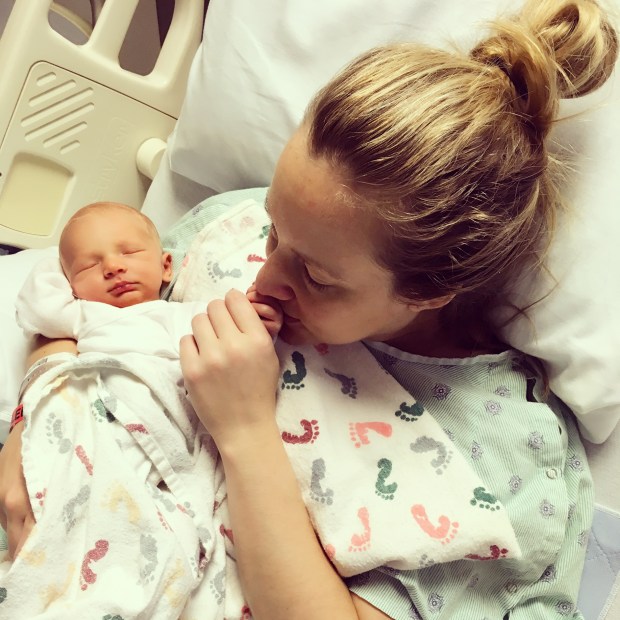

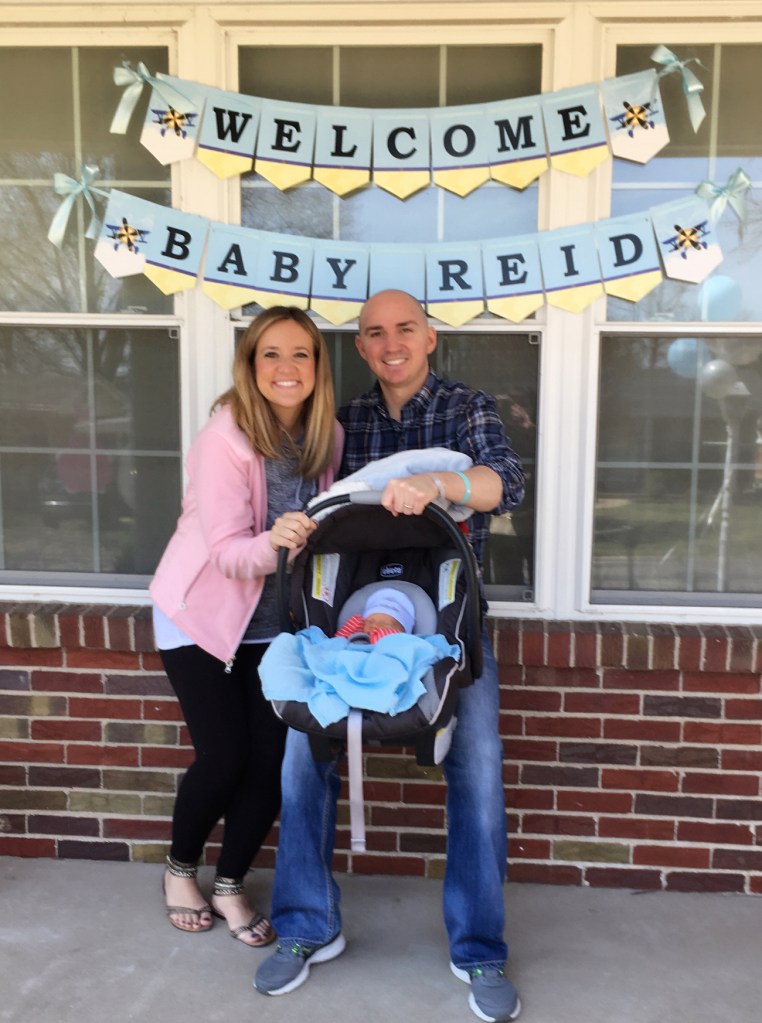
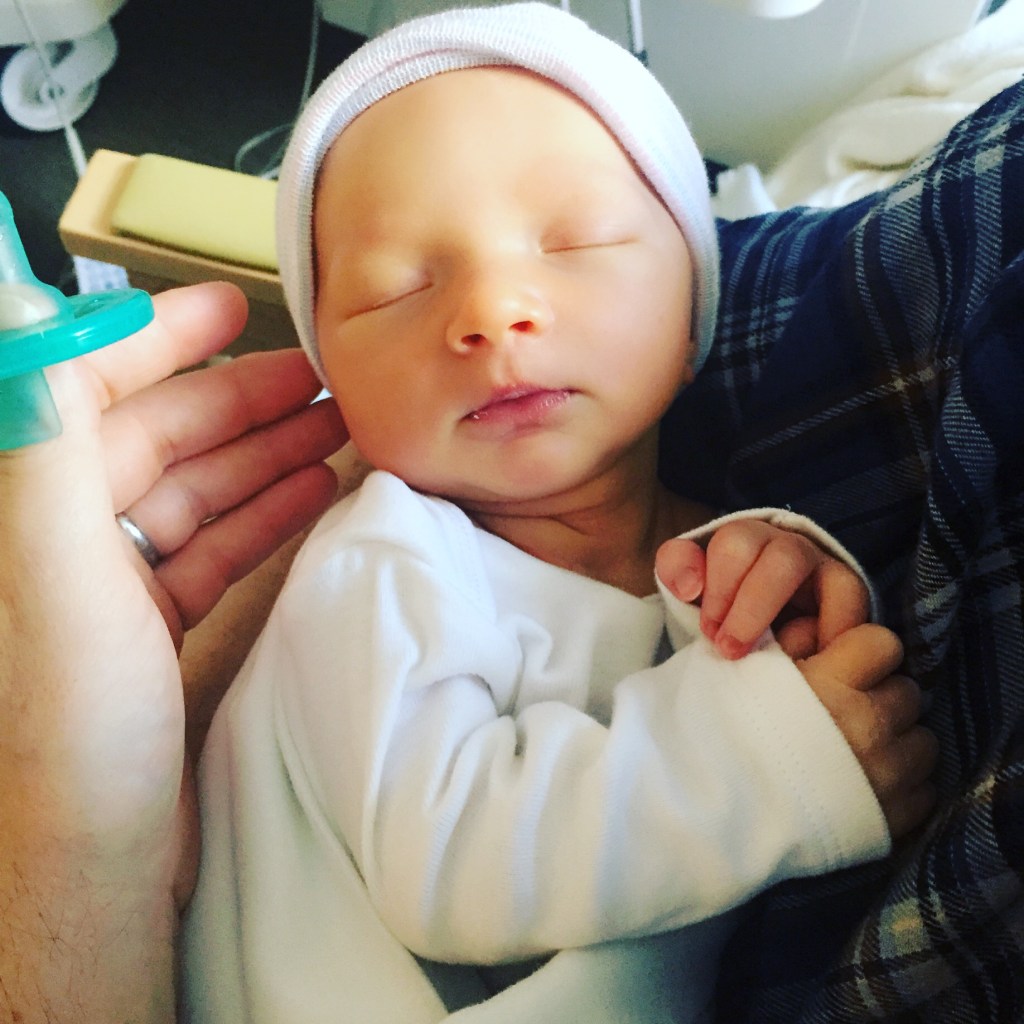
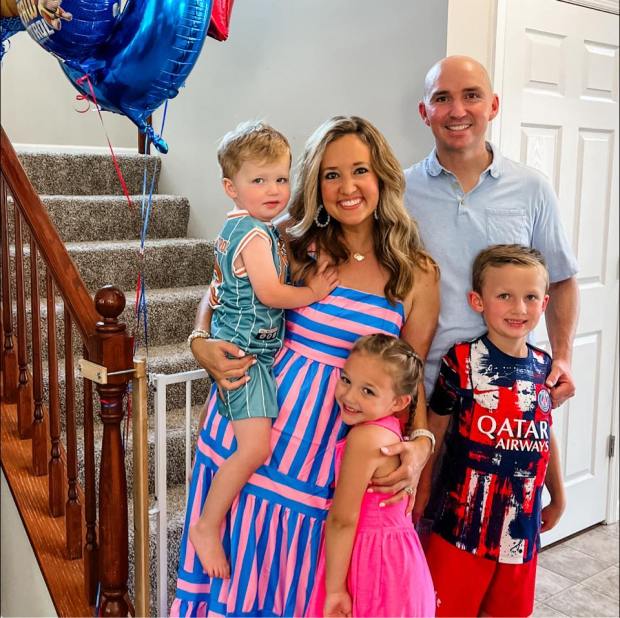
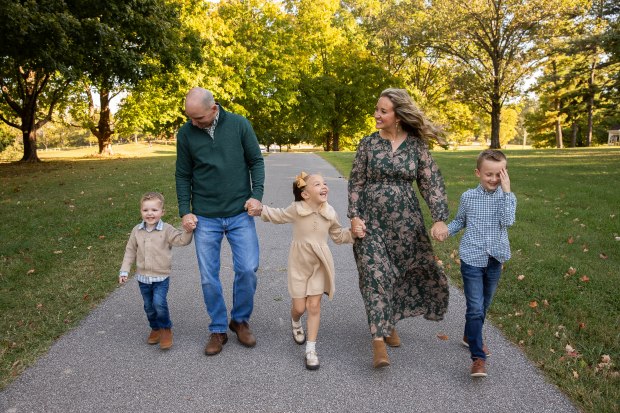

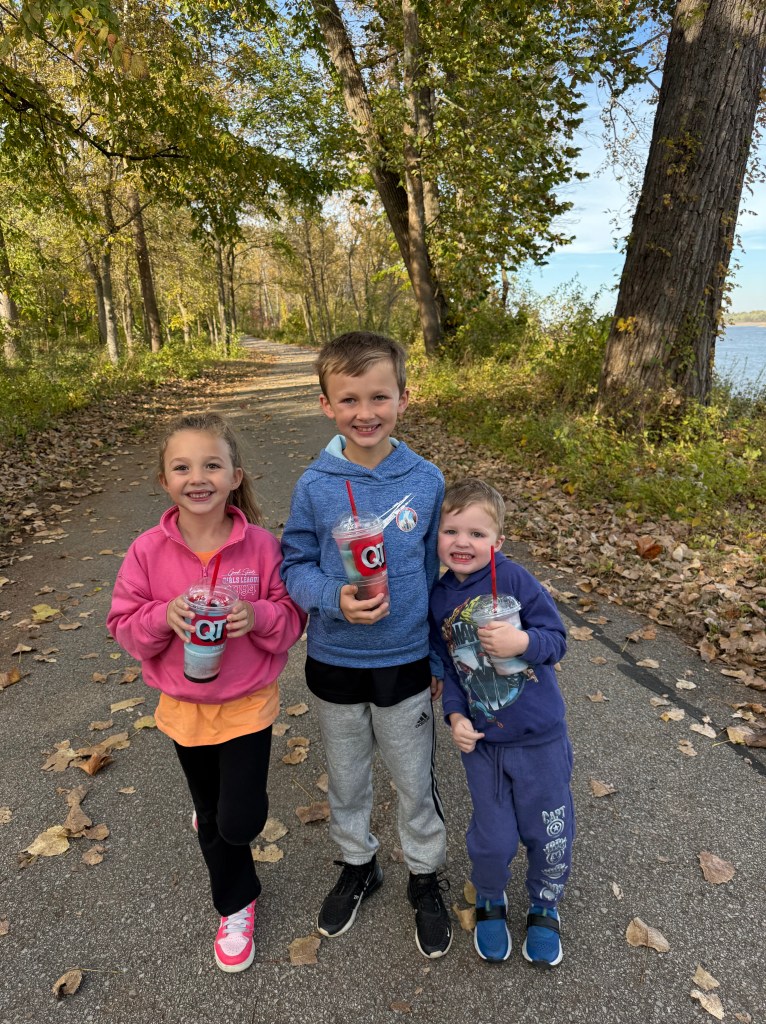
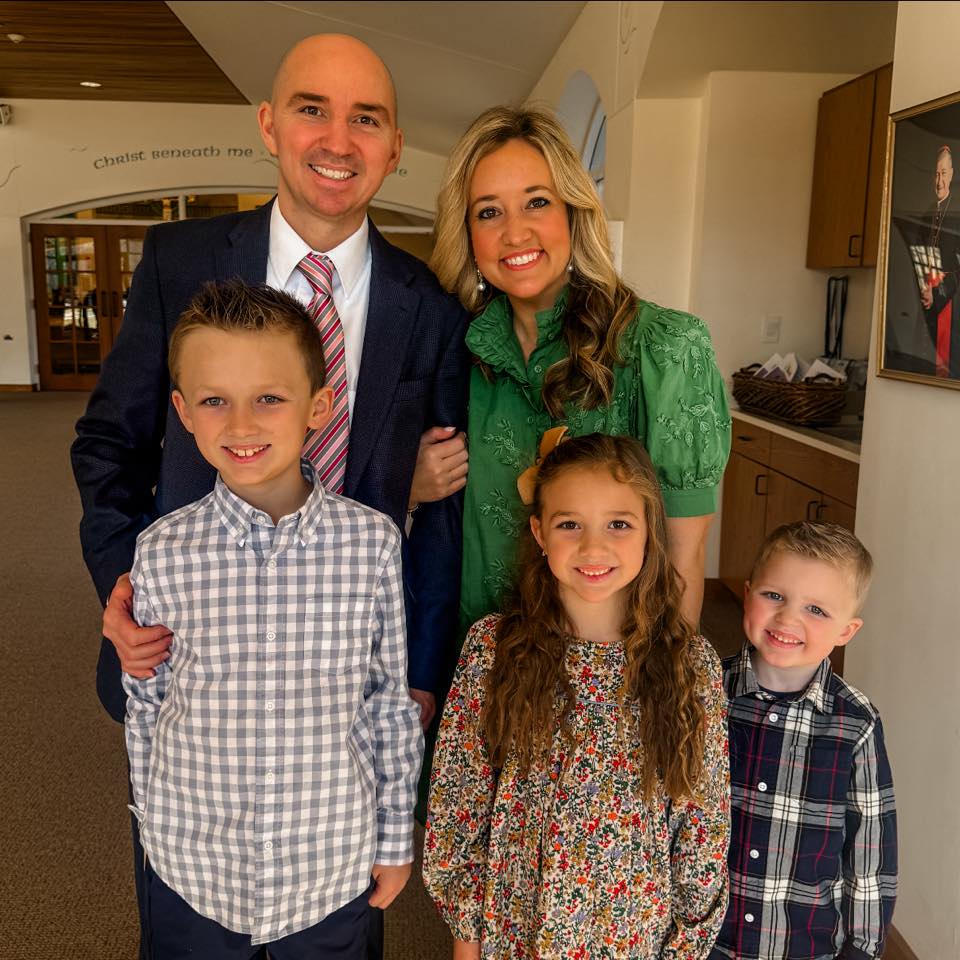
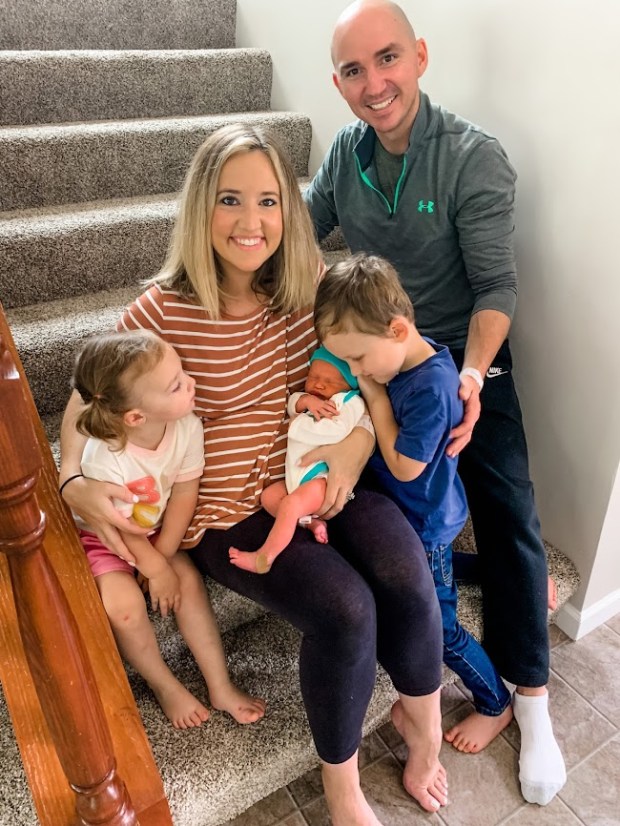

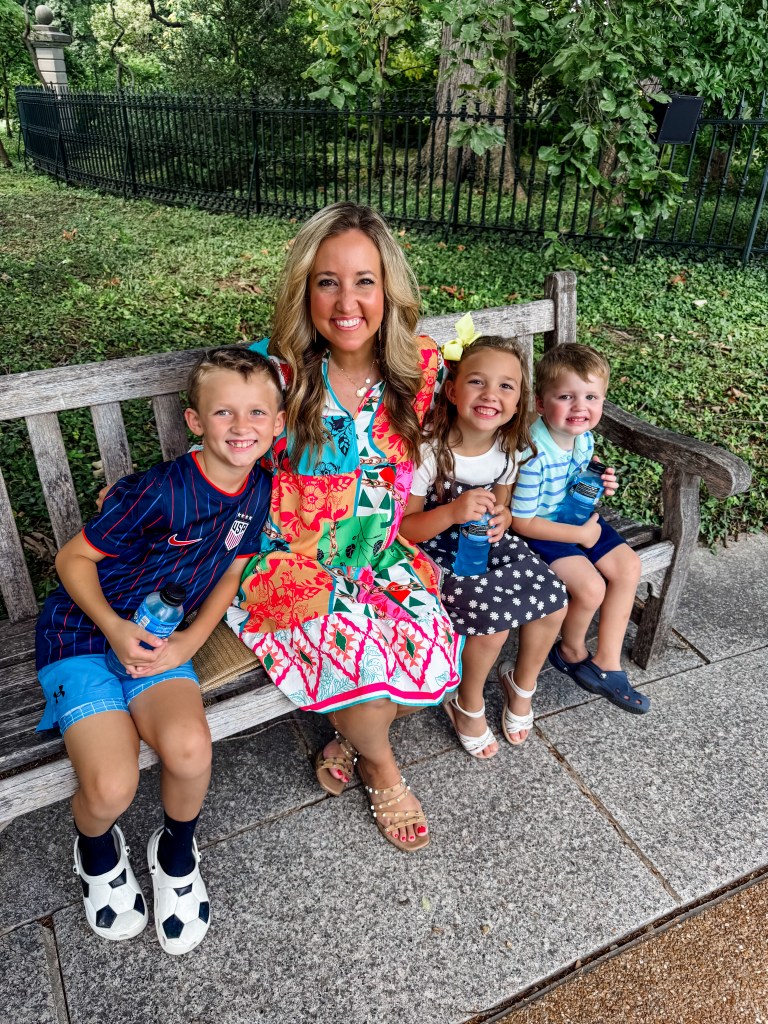
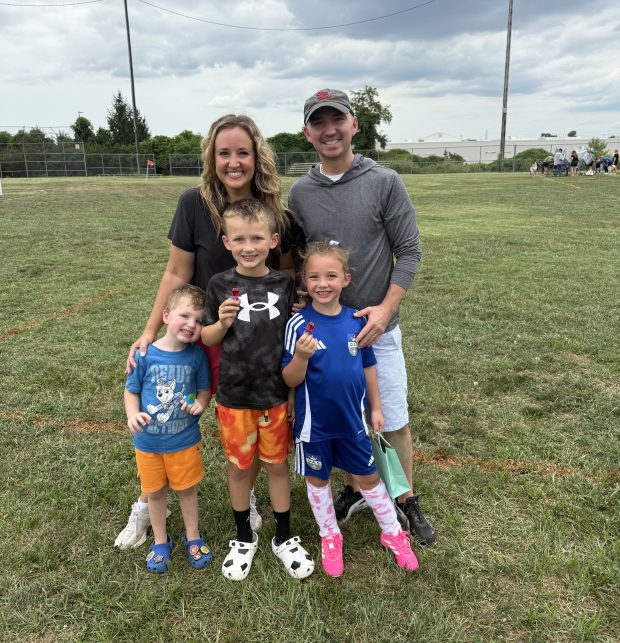

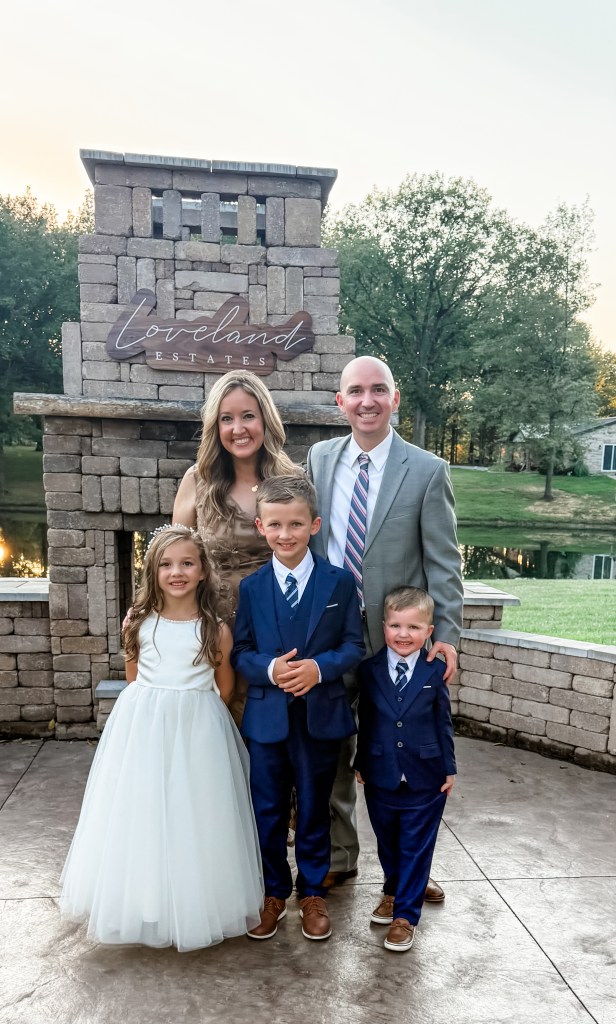







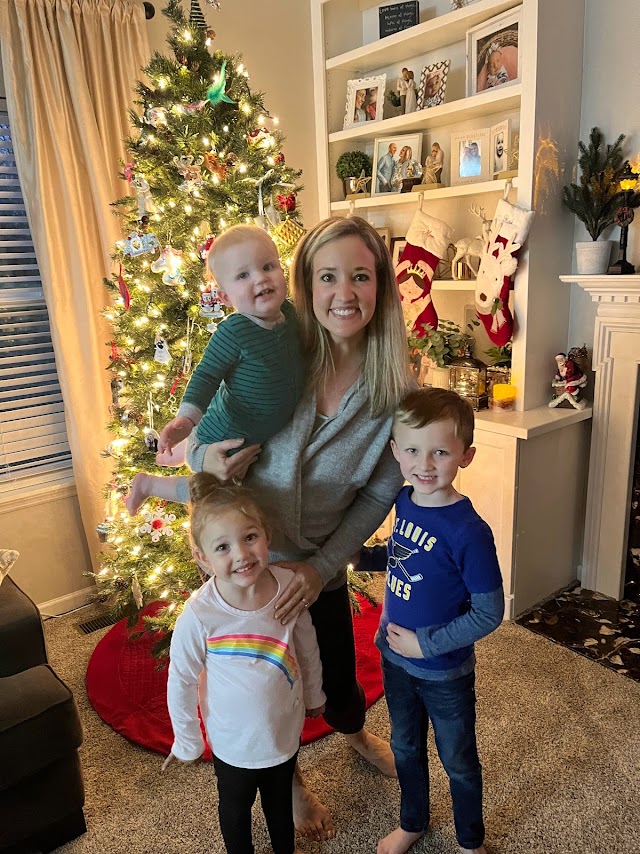


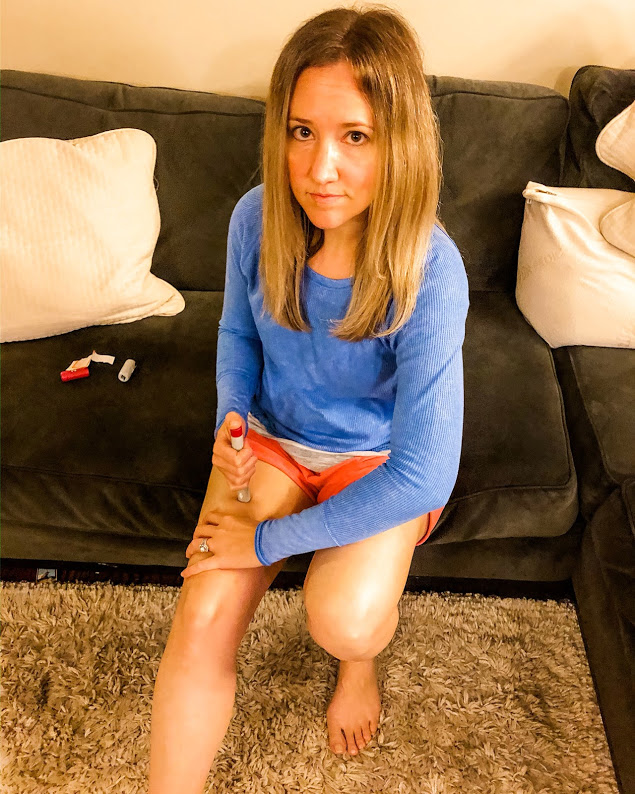





 lights camera crohn's