New research published in Clinical Gastroenterology and Hepatology offers a glimpse into what Crohn’s disease may look like before it officially begins and the findings could have major implications for how we understand, monitor, and potentially prevent the disease in the future. As an IBD mom of three kids ages 8, 7, and 4, research like this always feels a bit bittersweet. While I’m grateful for the strides in research, I’m apprehensive about the burden and grief I would feel if I was able to know if my children would one day receive the same diagnosis.
As someone diagnosed with Crohn’s at age 21, I’m grateful for my two decades of blissful, perfect health. Had I known a complicated chronic illness would one day riddle my body, I’m not sure how I would have coped and dealt with that news.
This week on Lights, Camera, Crohn’s a look at what the latest research discovered, the complicated emotions IBD parents may feel, and what the future may hold for us all as a community.
Why This Matters: Crohn’s May Start Long Before Diagnosis
The study found that certain immune responses in the blood, specifically elevated IgG antibodies targeting a conserved region of bacterial flagellin (a protein found on gut bacteria) were present years before people were diagnosed with Crohn’s disease. In other words, the immune system appeared to be reacting to gut bacteria long before symptoms like abdominal pain, diarrhea, or weight loss ever showed up.
This study followed 381 first-degree relatives of Crohn’s patients, 77 of whom went on to develop the disease. Among them, 28 (more than a third) had elevated antibody responses.
One of the most important takeaways from this research is the timing. Most Crohn’s biomarkers are identified after the disease is active. This study, however, suggests that immune dysregulation may begin well in advance of clinical disease. This supports the idea that Crohn’s develops gradually rather than suddenly.
That distinction matters. If Crohn’s truly has a long preclinical phase, it opens the door to earlier monitoring and potentially earlier intervention, especially for people who are already at higher risk, such as first-degree relatives of those living with Crohn’s disease. A first degree relative is a parent, child, or sibling.
According to the Crohn’s and Colitis Foundation, 36% of children born to two parents with IBD will develop the condition at some point during their life. The risk is substantially less when only one parent has IBD, with The National Human Genome Research Institute sharing there’s a 7-9% chance.
A Potential Blood Test for Risk, Not Diagnosis (Yet)
It’s important to be clear: this is not a diagnostic test and it’s not something patients can request from their doctor today. But it does raise the possibility that, one day, blood-based immune markers could help identify those who are more likely to develop Crohn’s before symptoms begin.
For families affected by IBD, this kind of risk stratification could be meaningful. Instead of waiting years for symptoms to escalate, or for damage to occur, high-risk individuals might one day be monitored more closely or offered early preventive strategies. As an IBD mom, I feel as though I would struggle with knowing whether this was something I wanted to dig deep for, while also not wanting to get in the way of stopping disease progression. It’s not a black and white situation by any means. If these types of blood tests are available when my kids are teenagers, and I were to get results that broke my heart, I’d feel obligated to be transparent and share—would I really want my kids, who have witnessed me living with Crohn’s their whole lives, to know this would one day be part of their own story? It stresses me out just trying to imagine it.
What This Could Mean for Prevention Research
Another compelling aspect of the study is that the immune response was directed at a conserved portion of bacterial flagellin. This means it’s shared across many gut bacteria. That finding has sparked discussion about whether future therapies or vaccines could target these immune pathways in people who are high risk for Crohn’s.
While prevention remains a long-term goal rather than a current reality, this research reflects a broader shift in IBD science: moving upstream to understand why Crohn’s starts, not just how to treat it once it’s already established, and as an IBD mom I am certainly grateful for that.
What This Doesn’t Mean (Yet)
As exciting as this research could be, it’s not a crystal ball. Not everyone with these immune markers will develop Crohn’s, and many people with Crohn’s were never tested years before diagnosis. Larger studies are still needed to validate these findings across diverse populations and to determine how predictive these markers truly are.
For now, this study adds another piece to the puzzle, one that reinforces what many patients already know intuitively: Crohn’s disease doesn’t start the day you’re diagnosed.
The Bigger Picture
Our community often experiences years of delayed diagnosis, misattributed symptoms, and unanswered questions, so research like this matters. It shifts the narrative from “why didn’t we catch this sooner?” to “how early can we understand and intervene?”
While we’re not there yet, this study represents an important step toward a future where Crohn’s disease is identified earlier, monitored more thoughtfully, and one day possibly prevented altogether.
For parents living with IBD, research like this can carry an added emotional burden. The idea that Crohn’s disease may be detectable years before symptoms begin can stir complicated feelings, especially for those who worry about whether they’ve passed on a genetic risk to their children. Some parents may want every possible tool to protect their child’s future health, while others may find the thought of early testing anxiety-provoking or guilt-inducing. There’s no right or wrong response. I get it and struggle with how I’d handle this, too. Living with IBD already requires navigating uncertainty, and this research underscores how deeply personal decisions about risk, knowledge, and monitoring can be for families. As science moves forward, it will be just as important to support parents emotionally as it is to advance early detection tools.
More than 4 million babies are born in the United States each year, many to mothers who live with chronic illness. Historically, pregnant women are excluded from research, consequently there is limited to no safety data at the time of drug approval. Enormous gaps remain regarding the clinical impact of exposure to biologics and medications when so much is at stake for both mom and baby. July 11-12th the Food and Drug Administration (FDA) hosted a public workshop entitled, “Evaluating Immunosuppressive Effects of In Utero Exposure to Drug and Biologic Products.”
As a patient leader in the IBD community and mom of three children who were all exposed to anti-TNF medication in pregnancy, I was invited to provide the patient voice during this two-day discussion. I spoke on three different panels to share my perspective. This week on Lights, Camera, Crohn’s I’ll share what I learned and what I heard from top researchers and doctors at the workshop. The key overall message—healthy moms lead to healthy babies and a healthy society. Healthy meaning—having disease well-controlled in pregnancy so flares don’t lead to adverse outcomes for both mom and baby.
Pregnant women and lack of research
Often due to ethics, pregnant women have been omitted from research and clinical trials. The absence of human involvement in pharmacology studies can lead to uncertainty about what is deemed “low risk” and “safe” to the fetus, and the impact medications have on the placenta. Women who become pregnant must drop out of clinical studies, even if the drug class has known safety or is deemed low risk (anti-TNF, IL-23s).
It’s clear that reducing or stopping medications can put mothers at risk for flares, which in turn can lead to adverse effects in pregnancy. With my own children, I stayed on Humira until 39 weeks with my oldest (who is now 7), and 37 weeks with my other two children (who are now 5 and 3). All three of my children were a part of pregnancy studies (MotherToBaby and PIANO). My youngest will be followed until age 18! My oldest was followed through kindergarten. The current recommendation, globally (which has changed since I had my children) is to keep women on biologics throughout the entire pregnancy.
One of the key areas of discussion is whether animal data from research ever tells us the whole story about the safety and efficacy of medications—the answer is no. There is no substitute for a human placenta, but the challenge and dilemma are what can be done to get this human data. Approaching clinical trials in pregnant women is challenging and takes time to develop. Currently, animals are the best tool we have for educated guesses.
The benefit vs. risk discussion for Mom and Baby
Oftentimes decision making with chronic illness is a risk versus benefit thought process, whether you are pregnant or plan to carry a baby in the future or not. During the FDA workshop, there was an incredible presentation that really resonated with me about the multiple decisions women have to make for both themselves and their unborn children. The discussion highlighted the complexity and why it’s not a black and white decision. These series of decisions are nested in each other and revolve around the decision maker (Mom/Dad) and medical providers.
Key considerations we deal with as IBD moms:
Continue or discontinue medication?
Should we breastfeed on medication?
Should we give an attenuated live vaccine as scheduled or delay?
When making these decisions it’s imperative that patients feel heard and that communication take place between the parents and medical providers (gastroenterologist, maternal fetal medicine, and OBGYN). Knowledge is power and educating yourself going into these conversations and before and during pregnancy can make you feel more empowered in your decisions.
The power of the placenta
There were placentalogists at the workshop—yes, those exist!! And it was amazing to learn how dynamic the placenta is and how it changes throughout pregnancy. The placenta is not just a conduit, its function changes across gestation and with fetal sex and medical condition. It serves as the endocrine function, lungs, pituitary, drug processing center, neuro connections, and growth factors for the baby…to name a few.
For instance, according to this study, there are differing levels of placental chemokines and cytokines and even reduction of placental antibody transfer in male placentas.
Once the placenta is impacted it effects the fetus. There was also discussion about how Inflammatory Bowel Disease impacts placenta—and the possibility of looking at the placenta of an IBD women at delivery to compare them to women without the disease. Even when a woman has well-controlled disease or is in remission, it’s believed our placentas may appear differently at delivery due to the inflammatory nature of our disease. I joked during on one of the speaking panels that I would have gladly given all my placentas to research upon delivery! It’s win-win for researchers and patients alike to do so.
Medication safety in pregnancy
There was also discussion about the importance of developing medications that are safer in pregnancy, much like children’s medications are created with a different formulation.
Prednisone causes minimal fetal exposure. Solumedrol at infusions is fine, and it’s ok to breastfeed on steroids, but high dose daily oral steroid can cause cleft palate and cleft lip.
Azathioprine has also been found to have no impact on breastfeeding, babies born to moms on Azathioprine have normal development and they do not have increased susceptibility to infection.
A graph outlined a study that looked at 107 pregnant women with IBD on Infliximab/Adalimumab:
Detectable anti-TNF levels after birth:
3 months of age—94%
6 months of age—23%
9 months of age—7%
12 months of age—3%
This illustrates why babies exposed to anti-TNF after believed to be immunocompromised until 6 months of age.
Vaccine response and impact of immunosuppressive medications
It is believed that women on immunomodulating medication who get the TDAP vaccination in pregnancy have the same immune response as healthy controls and that the baby receives the same benefits.
The recommendation for Rotavirus (which is the only live vaccine given the first 6 months of a baby’s life), is now to give this vaccine to babies. This updated guidance also applies even when babies are exposed to anti-TNF or immunosuppressive medications in pregnancy.
There’s no difference in vaccine response for babies across different biologics.
Limiting the burden on mom and baby in pregnancy and postpartum studies
Once babies are born and they are part of research studies to measure how their exposure in utero impacts or does not impact their future health, there’s often a burden on the mother about following up. As an IBD mom myself, I wasn’t big on having my babies get blood draws for medical studies—but that data is paramount in helping further that research. And knowing what I know now, I wish I would have been more willing to do so.
So how can studies ease this burden and stress on families?
This can be done by having well-trained phlebotomists who have experience working with children and using techniques to optimize venipuncture success to limit discomfort and pain. By timing blood draws for research at the same time of doctor’s appointments, it reduces the number of needle sticks and blood draws.
Dr. Mahadevan’s Presentation at the workshop
One of my favorite presentations was given by Dr. Uma Mahadevan. She is the key investigator of the PIANO (Pregnancy Inflammatory bowel disease and Neonatal Outcomes), and a well-respected gastroenterologist at UCSF. PIANO started in 2007 and looks at the safety of IBD medications on the pregnancy and short-and-long term outcomes of children. My youngest son is part of PIANO. We participated throughout pregnancy, provided cord blood from delivery, as well as blood draws. I just submitted his 3-year forms online.
I recorded Dr. Mahadevan’s presentation and have transcribed everything she said below so you could hear her expertise firsthand:
“Women of childbearing age—women of reproductive potential are not given JAK inhibitors—even though it may be the most effective medication for them. This is a result of fear—that maybe they’ll get pregnant and maybe there will be some harm. Medications with well-established safety records like anti-TNFs are discontinued in pregnancy now—68% of women who go off their anti-TNF did so from the advice for their rheumatologist, so these are the doctors telling them to do this.
What’s the importance of treating immune mediated disease in pregnancy?
Disease activity is the biggest driver of adverse outcomes in pregnancy. Women with IBD compared to general population have an increased risk of spontaneous abortion, pre-term birth, small for gestational age, hypertensive disorders of pregnancy including preeclampsia , post-partum hemorrhage, and 44% rate of C-section, most of them elective out of fear of disease.
Stopping the biologic which again is out of fear—you’re on a biologic, it’s stopped in pregnancy, still is in many rheumatology and psoriasis cases, less so with IBD, but when you stop it…reducing or stopping leads to an increase of disease flare.
Many of my colleagues who are rheumatologists say “oh many with rheumatoid arthritis get better in pregnancy…there is not a single study that shows that. In fact, this study from The National Inpatient Samples shows women with rheumatoid arthritis were more likely to develop complications of pregnancy both during pregnancy, but also in post-partum and in their neonates.
The American College of Rheumatology conditionally recommended continuing anti-TNF during pregnancy despite the available safety data and the voting panel agreed that if the patient’s disease is under control these medicines can be discontinued. This is happening now.
In this article from a prospective registry from Sweden and Denmark that looked at 1700 patients with RA, there was increase in pre-term birth and small for gestational age in RA compared to the general population and that odds ratio increased to three-fold with active disease.
So, there is data that it increases harm in not just IBD but RA as well. We know there’s a strong role for inflammation in pregnancy and in pregnancy outcomes. So, the significant increase in pregnancy and neonatal complications is closely linked to disease activity and inflammation and stopping these low-risk meds and steroid sparing therapies lead to increased suffering for the mother, and post-partum flares and worst outcomes for the infant.
Healthy mother=Healthy Baby
So, what are some of the study designs and limitations-these have been brought up before. Pregnant women are not included in clinical trials. There’s unmeasured confounding in uncontrolled studies. Disease activity impacts the decision to continue or discontinue therapy. It’s not random. The choice of therapy is not random it is linked to their disease severity and what they have.
If you have a series of 100 patients or 1000 patients or 10,000 patients, you may not pick up the signal. The types of studies that are used for the most part are large data sets, so birds eye view and the highest quality study are large population studies from countries in Scandinavia usually where they have longitudinal assessment, parent-child linkage, and a good assessment of diagnosis in pregnancy outcomes. However, these are limited by a fair assessment of medication because they can only measure prescription and not whether the patient is actually taking the medicine. At a very poor assessment of disease activity and very granular data.
People are more likely to report a complication than a healthy pregnancy—incomplete info.
Let me tell you about PIANO—this is a prospective national registry of pregnant women with IBD started in 2007. PIANO divides people into four groups:
The unexposed—which could include people on steroids, 5 ASAS, antibiotics.
We define exposure as anytime within 3 months of conception through pregnancy. We compare the offspring of women exposed to a medication to offspring of women with IBD who have not been exposed. We looked at multiple different outcomes including pregnancy and neonatal outcomes , we administered questionnaires each trimester of pregnancy, three times in the first year of birth and then annually and we continue to follow these patients out to age 18.
So, here’s some of the data that has been published:
Corticosteroids –I often hear from providers, “oh I’ll just stop their medication and if they flare, we’ll give them steroids.” This actually leads to increase rates of pre-term birth, low birth weight, and NICU admission. Of course, the use of steroids is mostly tied to disease activity. It’s hard to separate the two. But the whole point is that you don’t want disease activity, you don’t want steroid use, you want them to be on a steroid sparring effective therapy.
The primary results of PIANO were published in 2021 in Gastro. We looked at 1,400 IBD pregnancies, 379 were not on drugs, 242 were on thiopurine, 642 were on biologics (Primarily anti-TNF), and 227 were on both biologic and thiopurines so about 1,000 biologic exposed pregnancies. We found no increase in birth defects, spontaneous abortion, preterm birth, low birth weight, or infections in the first year of life. We saw an increase in spontaneous abortion with disease activity and we used the Ages and Stages questionnaires to look at developmental milestones and saw no reduction.
We measured placental transfer and we measured maternal and cord blood for inflammation on day of birth. The highest transfer was with infliximab—the lowest was certolizumab, which doesn’t have the FC portion. Vedolizumab had a lower level in the infant than the mother. When this data first came out the first reaction was – “oh we should stop the biologic early”…so in Europe they have more of a glass is half empty look at medications in pregnancy…US tends to be glass is half full. So, they decided to stop at 22 weeks and that was in their official guidance. And it was not until 2 years ago that that was changed to match US recommendations because their own data showed an increase in disease activity and worse outcomes with doing that.
The concern was if you have this placental transfer, if you have therapeutic drug levels in the infant for several months after birth, do they have higher rates of infection? And we showed in PIANO there is no increase in infection at 4 months of age and at 1 year and we looked at if infection rates were relative to the level of drug in the infant at the time of birth, and there was no association to drug level at birth and recent infection.
So based on that now, we don’t stop the biologic at all during pregnancy, we continue it throughout. A systematic review and meta-analysis looking at 8,000 women with IBD who were exposed to biologics showed no increase in infant infections, antibiotic—- showing that biologics do not cause harm.
This data from Antoine Meyer who uses a French patient sample looked at women on anti-TNF and thiopurines and showed no increase in the risk of early life malignancy in children.
We ask about infection—we ask about immune suppression—we ask about malignancy and so far in these 3700 thiopurines and 3400 anti-TNFs from 3 years of age going out to 11 years of age, no increase. Very reassuring data.
PIANO looks at developmental milestones—out to 12 months and up to 4 years—shows no decline, we actually showed patients on TNF had statistically superior developmental milestones in every category compared to the national average and even within PIANO—not to say that TNF’s make your kid smarter…but the whole idea of controlling inflammation is what allows these kids to lay down their neural pathways.
What about the newer biologics?
Ustekinumab and Vedolizumab—again showing no increase in harm for both pregnancy and infant outcomes.
Antoine Meyer again from the French database looked at 398 vedolizumab pregnancies, 464 Ustekinumab pregnancies…again, no increase in harm for all these important outcomes.
It’s not just congenital malformations, what else can happen with these medications?
We’re working with Susan Fisher who is a placental scientist at UCSF, a question was raised about Vedolizumab inhibits alpha 4 beta 7, which can inhibit MAdCAM, which is involved in the process of plasmatation—so if you inhibit MAdCAM are you going to have issues in plasmatation. This was just a pilot study. The first one here the patient also had pulmonary hypertension—this is a normal placental at birth…you can see how this looks distinctly abnormal. The second patient was born 39 weeks, mother was completely healthy with her UC had no other issues during pregnancy. Compared to normal placenta…so are there other things we are missing here?
We are conducting a larger study now with multiple biologics the question is it’s not the Vedolizumab is my hypothesis, it’s more a result of inflammation, having IBD…but it will be interesting to see what these placentas look like when we finish. But maybe this is why these patients have higher rates of preeclampsia, higher rates of hypertensive disorders in pregnancy, and preterm birth. It may be related to the impact of inflammation on the placenta.
Small molecules—I feel very comfortable when a new biologic comes out to continue in pregnancy, I feel reassured by the minimal to lack of transfer in the first 14-16 weeks of gestation, with small molecules—they will transfer and Tofacitinib showed teratogenicity at super therapeutic doses, Upadacitinib showed teratogenicity at the doses we use in humans at 30 mg daily—so that does raise concern. There is now some data, again from clinical programs—no increase in birth defects, in pregnancy loss.
Same for –in press—looking at Upadacitinib …128 maternal exposed pregnancies, 80 of which were in clinical trials…similar rates of live births, spontaneous abortion, compared to what is expected.
What about breastmilk? In PIANO, we do collect samples and found the amount of transfer was really miniscule. But all biologics had transfer—we found no increase rates of infection or impact on developmental milestones with patients who were breastfed while the mother was on an immunomodulator.
We talked about vaccines—if these patients had detectable level of biologics—the first 6 months of life will they have normal response to vaccines? We looked at Tetanus — and found the rates of response were similar to infants of mothers who were not exposed to biologics…that was reassuring. We had 40 inadvertent Rotavirus exposures in our TNF babies, they did just fine. This has also been shown in European data as well. And I want to make sure you are all aware of the study from Lancet looking at Rotavirus vaccine—this was a prospective study looking at infants exposed to biologics, they gave 168 biologic exposed infants Rotavirus vaccine—can only be given the first 3-4 months of life, after 6 months it’s not given—so if you say no in the first 6 months, baby never gets it. They found no harm—at this point, we are letting patients on TNF get Rotavirus vaccine, you can argue the US and most areas because of herd immunity, Rotavirus may not be that important, but in other parts of the world it is—and it’s fine to give to patients exposed.
BCG vaccine is different—especially in an anti-TNF exposed baby, it does have a higher rate of TB, having to do with mechanism. There was one death in a European study given vaccine at 1 month of age. BCG can be given after 6 months of age. So Rotavirus is fine within 6 months, but BCG is still recommended after 6 months.
MMR in high-risk populations can be given at 6 months—why did the Europeans, Asians, and Americans have such different guidelines? This May (2024) we all got together for the Global Consensus Conference to create one standard for pregnant women globally and to help spread the word.
Our recommendations are to continue 5ASA, continue sulfasalazine, continue steroids when necessary, stop methotrexate, and continue thiopurine, continue anti-TNF therapy. The US and Europe agree we will not be stopping TNF early, we will continue it on schedule. We’ll continue vedolizumab and ustekinumabon on schedule, and it’s ok to start these medications in the middle of pregnancy.
Biosimilars have equal safety as originator. The Europeans didn’t understand why we wanted to include this, but this is a common question that comes up in the US. We consider biosimilars safety to be equal to the originator drug.
IL-23 therapies… even though not well studied, we feel based on mechanism they can be continued.
Small molecules should be discontinued—but particularly for the JAKS though, unless there is no effective alternative, they can stay on them. I have had patients where they have to stay on Tofacitinib and Upadacitinib because there was nothing else that worked for them.
Inactive vaccines should be given on schedule. we suggest live rotavirus can be given to children exposed to anti-TNF and recommend BCG be avoided in the first six months.
Final thoughts
A recording of this two-day FDA workshop will be available online in the next two weeks. I will share the link as soon as it becomes available. on my Instagram (natalieannhayden). There were fantastic discussions and as an IBD mom who has gone through pregnancies while on a biologic I am grateful for the consideration and the research that’s going on to help couples feel more confident and at ease about bringing life into this world while juggling complicated health conditions. The conversations and presentations at the workshop were extremely complex, I did my best to translate the information, so the patient community has a better grasp of where we stand about IBD pregnancy research.
If you have IBD and are planning to be a mom or if you are currently pregnant, please consider joining the PIANO study and being a part of this life-changing research for our community.
Summer is officially here and while the sun and break from school and a routine is welcomed by many, the shift in schedules can be a struggle for parents with chronic illness. As a mom with Crohn’s disease with kids ages 7, 5, and almost 3, some days are easier than others on me. Even though I’ve been a stay-at-home mom and freelancer since my first child was born in March 2017, it’s a lot to juggle when every day can feel like Groundhog Day and when you get little to no breaks from mom or dad life. This week on Lights, Camera, Crohn’s some tips for navigating the summer months, when school is out and everyone is home, looking to be entertained and fed snacks around the clock.
Dealing with the unique challenges
Mom and Dad guilt can feel like it’s reaching epic proportions when you go on social media as a chronic illness parent and see all the daily adventures and trips other families are posting about. When fighting fatigue and coping with pain, making those efforts with kids can feel like an uphill battle. You want to be present and do all the things and make all the core memories, but it can be extremely difficult and exhausting physically and emotionally when you aren’t feeling well and trying to do it all in the heat of summer. The combination of managing a chronic illness and the increased demands of having children home from school can be overwhelming. However, with some careful planning and strategies, IBD parents can navigate the summer months more smoothly.
I try and remind myself that whether we have an adventure-filled day or a day at home playing in the backyard and having popsicles, my kids are having fun. It’s ok to have an “old-fashioned” summer, hanging out with the neighborhood kids and playing outside. Now that my youngest is about to turn 3 in July, I feel like I’m in a sweet spot this summer where I don’t need to lug the stroller and a diaper bag everywhere we go.
Tips for Managing IBD During Summer
Plan Ahead:
Summer Camps: Prior to summer and even during, I try and sign up my older two for camps and activities that I think they’ll enjoy. So far this summer, my kids have done soccer camps, volleyball camp, dance camp, and Vacation Bible School. Most of the camps are only 2-4 hours, but even having one child entertained helps ease the dynamic back at home. At the same time, I try not to overschedule camps, because it can be stressful to try and get everyone out of the house by 8 am and all the drop-offs and pick-ups can make some days stressful and overbooked. There’s a delicate balance!
Activities: Choose activities that align with your energy levels. Opt for outings that require less physical exertion or allow for breaks. Having a game plan ahead of time, and keeping it to yourself rather than getting your kids excited and then not being able to deliver on the promise is key.
Backup Plans: Have a backup plan for days when your symptoms are more severe. This could include indoor activities, quiet time, or arranging for help from friends or family.
Communicate with Your Children:
Honesty: Age-appropriate honesty about your condition can help children understand your limitations. Explain why you may need to rest or take breaks.
Involvement: Involve older children in planning activities and chores. This can lighten your load and teach them responsibility.
Create a Support System:
Family and Friends: Don’t hesitate to ask for help. Whether it’s babysitting, meal preparation, or just lending an ear, a support system is crucial. I find it a lot easier when I go on playdates with other moms and my kids can be entertained with their kids. Having downtime to talk with adults (or even be out of the house and in the same vicinity as other moms and dads) is a breath of fresh air. I’ve even see moms post about simply going for a drive to get everyone out of the house.
IBD Community: Connect with other IBD parents through support groups or online forums. There’s solidarity and understanding on social media and so many people living your reality. While summer is fun, it’s also a lot to get acclimated to when you are used to having children in school.
Utilize Resources:
Apps and Tools: Use health management apps to track symptoms, medication, and appointments. Parenting apps can help organize activities and chores. Chances are there are people in your town or city with accounts that highlight the best parks, pools, and activities to check out in the summer months. I follow a bunch of St. Louis parenting accounts and save or screenshot reels or posts so I have ideas of places I can take my kids that are “mom-approved”.
Professional Help: Don’t hesitate to consult your healthcare provider for advice on managing IBD during the summer. They may suggest adjustments to your treatment plan.
Prioritize Self-Care:
Rest: Make time for rest even amidst the chaos of summer activities. Create a schedule that includes downtime to help manage fatigue and reduce stress.
Diet: Stick to a diet that works for you. Avoid foods that trigger flare-ups, and keep healthy snacks readily available.
Hydration: Summer heat can exacerbate IBD symptoms. Drink plenty of water to stay hydrated. I never leave home without water for myself and my kids.
Stay on top of your health: Summer is not a break from doctor appointments, lab work, scans and scopes. Make sure you don’t let your IBD management go by the wayside. Unfortunately, we can never take a break or vacation from keeping tabs on our disease.
Activities and Coping Strategies
Indoor Activities:
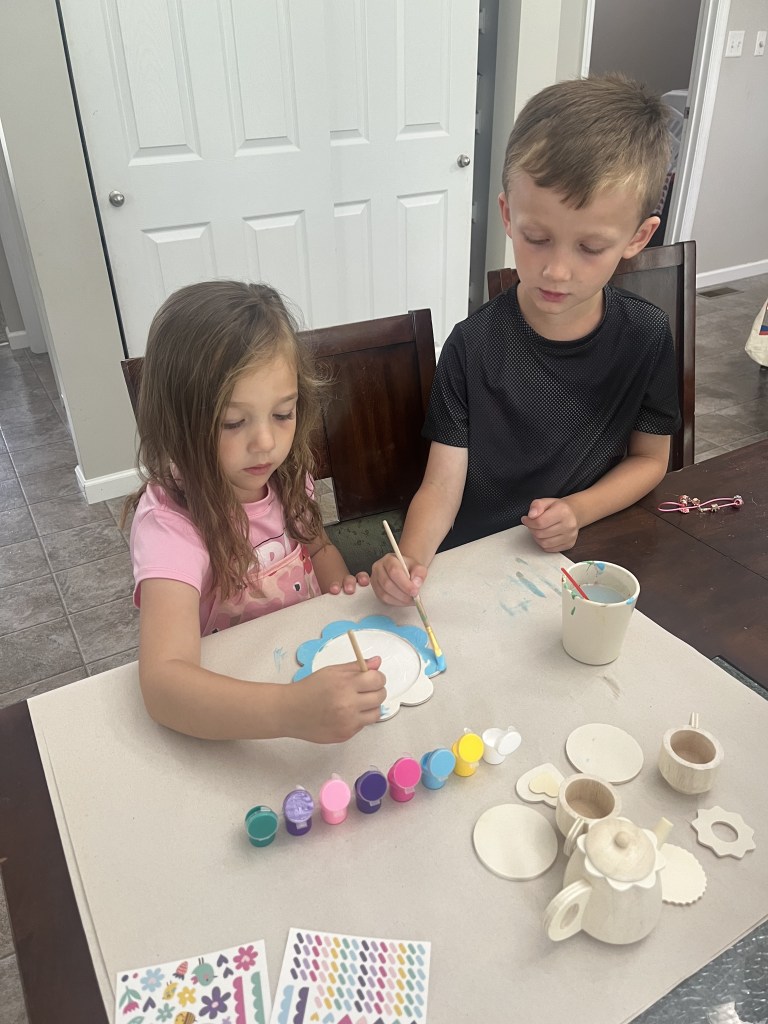
Crafts and Games: Keep a stash of craft supplies and board games for days when going out isn’t feasible. Some days it’s just too hot to go outside. Hitting up the DollarStore or Hobby Lobby can be helpful for picking up easy crafts when you’re in a pinch.
Reading and Movies: Create a cozy reading nook or have a movie marathon with your kids. It’s ok to have slow, snuggle days. I try not to beat myself up about screen time when I’m feeling overwhelmed or need a chance to breathe. A trip to the library with the kids is always a nice reprieve from the heat and then you can return home, snuggle and read together.
Outdoor Fun:
Parks and Beaches: Choose locations with amenities like bathrooms and shaded areas. Bring a comfortable chair or blanket to rest. I love packing lunches or picking up food on the way to the park and having a picnic with my kids. I also brought one of those trendy snack containers off Amazon with the different dividers for snacks, and that’s a great way to save on having to buy food while you’re out and about. Splash pads are also great so that kids can burn off energy and get refreshed, without you having to keep a close eye with them in a pool or having to get in yourself.
Mindfulness and Relaxation:
Yoga, Meditation, and walks: Incorporate gentle yoga or meditation into your routine. These practices can help manage stress and improve overall well-being. After dinner, when the temperatures begin to drop, it’s a great time to take a solo walk outside, if your partner can stay back with the kids or ask friends to join you. It’s nice to decompress and get steps in, without having to deal with the sweltering sun.
Quiet Time: Speaking of quiet time for you, establish a daily quiet time where everyone in the household engages in calm activities, giving you a chance to recharge. It’s difficult for me to find quiet time these days, but I try and decompress after bedtime at least.
Final thoughts
Managing IBD while parenting during the summer requires a blend of planning, self-care, and support. By prioritizing your health and setting realistic expectations, you can create a summer that is enjoyable for both you and your children. Remember, taking care of yourself is not only beneficial for you but also sets a positive example for your kids. In moments of high stress, where my kids are not getting along, I try and remind myself that someday I’ll look back on these times as the good old days.



















 lights camera crohn's