
This post is sponsored by the American Gastroenterological Association (AGA). I am a paid program Brand Influencer; this post is sponsored and includes my own personal experiences.
While bringing a child into this world is one of the greatest miracles one can witness, it also brings about a world of worry for women with Inflammatory Bowel Disease (IBD). From the moment family planning begins, throughout pregnancy, and during postpartum, when you live with Crohn’s disease or ulcerative colitis it can feel like you’re just constantly waiting and wondering when the other shoe is going to drop. The looming fear of a flare during pregnancy and once baby is here is valid, and it’s real.

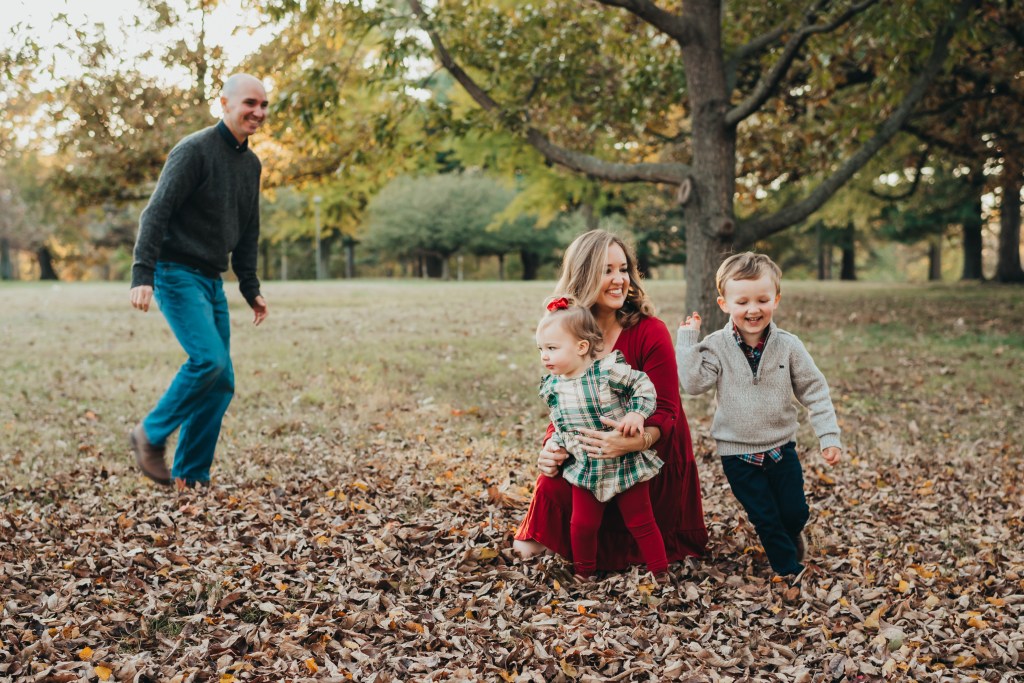
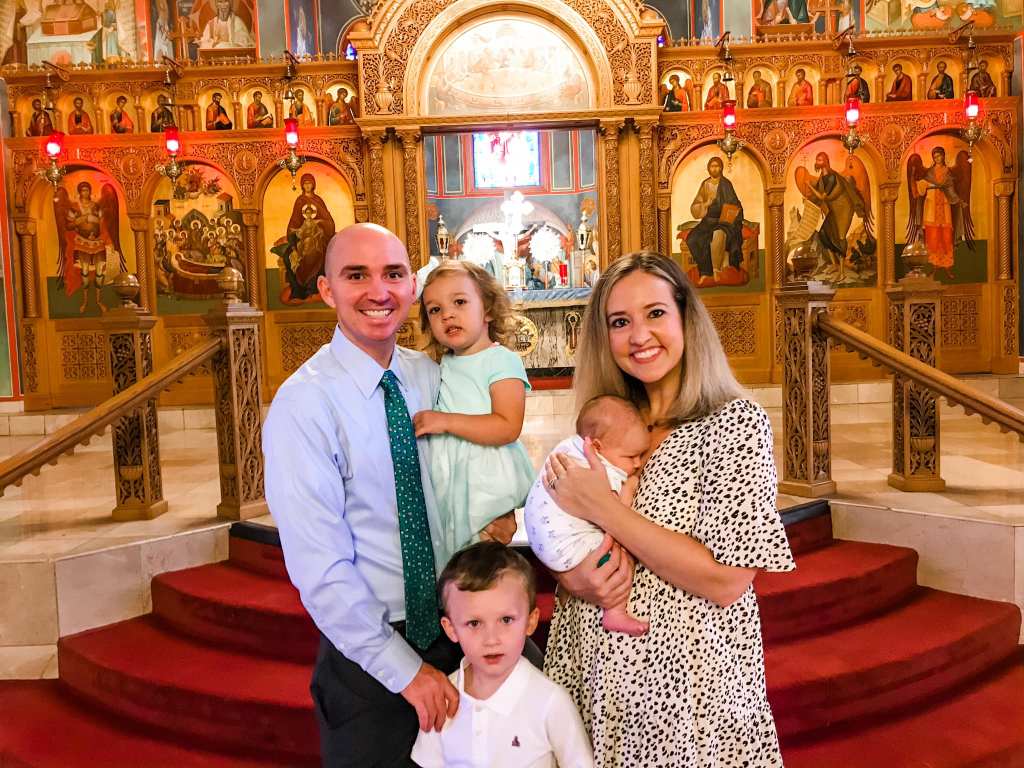
The unpredictability of IBD is amplified ten-fold when you have another life to care for and another life on the line. As a mom of three kids, ages four and under, who’s lived with Crohn’s disease for more than 16 years, flaring and being forced to leave my family to be hospitalized is something that’s always in the back of my mind. I know in my heart of hearts, it’s not a matter of if, but when. So how can we thrive through the unknown and not allow this fear to rob us of the joy of motherhood? The American Gastroenterological Association’s IBD Parenthood Project aims to serve as a resource every step of the way to help you feel less alone and more in control of your wellbeing.
Reading Between the Positive Pregnancy Lines
When you receive a positive pregnancy test, your world changes forever. It’s at this point that your IBD directly impacts another life. Prior to becoming a mom, I used to wait until the last possible moment to head to the emergency room. For one of many hospitalizations in my 20’s, I waited so long that my dad had to carry me as a grown woman through the hospital doors like a groom carries his bride. Fast forward to present day, and I’ve learned that it’s in my best interest to wave the proverbial white flag when I start experiencing symptoms that are sidelining me more than they should. The moment you relinquish control of your illness and see it less as an adversary and more as an ally, is the moment you won’t constantly feel pushed up against a wall. While it’s not easy to admit you are struggling, it’s empowering to know you’re being proactive and doing all you can to thrive.

When I write my gastroenterologist (GI) on the patient portal and express concerns about how I’m feeling, she calls me back and we come up with a game plan that makes the most sense. After I had my daughter, Sophia, I started feeling abdominal pain shortly after bringing her home. My GI knew I was breastfeeding and called me with safe options so that I could continue to do so. Because we nipped that minor flare in the bud, my remission was maintained, I didn’t land in the hospital, and I was able to be home and be present for my growing family.
I delivered my third baby, Connor, in July, and since then I’ve noticed an uptick in bathroom trips and abdominal pain. Since Connor is my last baby and I know I’ll never feel as well as I did when I was pregnant, it’s a bit more emotional for me. Luckily, with all three of my pregnancies, my Crohn’s was completely silent. I felt like a “normal” person. Knowing that it’s just me and my Crohn’s from this point forward hits differently. There have been countless days where I have been forced to keep a baby carrier in the bathroom, readily available, with space for my two older children to stand or play while I sit in anguish on the toilet wondering if this is it as I look with tear-filled eyes at my three healthy children before me. I won’t be surprised if I reach out to my GI in the days ahead for guidance, just to be cautious. I have a heightened awareness right now about the extra bathroom breaks and the gnawing pain that’s coming and going after I eat. Whether you are beginning the family planning process or postpartum, ongoing communication with your GI through all stages of having children is so important.

Addressing the Fears of IBD Women
The IBD Parenthood Project aims to address misperceptions about IBD and fears many women with IBD can experience through all phases of family planning (conception, pregnancy and after delivery).
Patients can find answers to common questions like:
- Can I get pregnant with IBD?
- Does IBD affect my fertility?
- Will I pass IBD on to my baby?
- Can I stay on medicine during pregnancy?
- What if I flare during pregnancy?
- Is it possible to have a vaginal delivery?
- Can I breastfeed while on medicine?
- Does my medicine change how I vaccinate my baby?
When it comes to the postpartum period, there’s a guide for postnatal care. The toolkit is a direct response to survey findings that reported women with IBD want more and better information about managing their disease. Being proactive and advocating for yourself throughout the pregnancy journey and as an IBD mom will not only make you feel empowered, but provide you with a sense of control, despite the unpredictability of your disease.

Thriving in the Face of the Unknown
Whether you were diagnosed with IBD prior to starting your family or after you delivered, Crohn’s and ulcerative colitis force us to wake up each day without knowing what the next hour will bring — all while raising children. Trust that your IBD will serve as a foundation for strength and that your kids will be your greatest motivators to push through and see the beauty that exists in your life despite your chronic illness. The IBD Parenthood Project is an exceptional tool that’s a reminder we are not alone in our worries, our dreams, and our struggles. I’m grateful our community has a resource that removes the gray area so many of us have encountered as IBD moms and helped be a light to lead us on our way to successful pregnancies, families, and motherhood journeys.





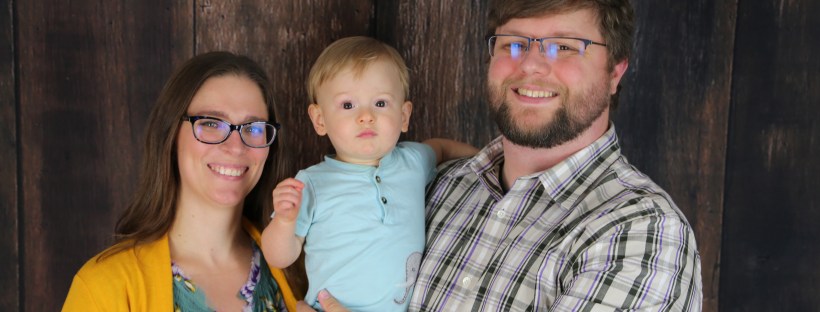
 Addy’s son, William, is now 13 months old. This week—she shares a guest post about her journey to bring him into this world and the challenges and victories she’s experienced as a new mom with IBD. I’ll let her take it away.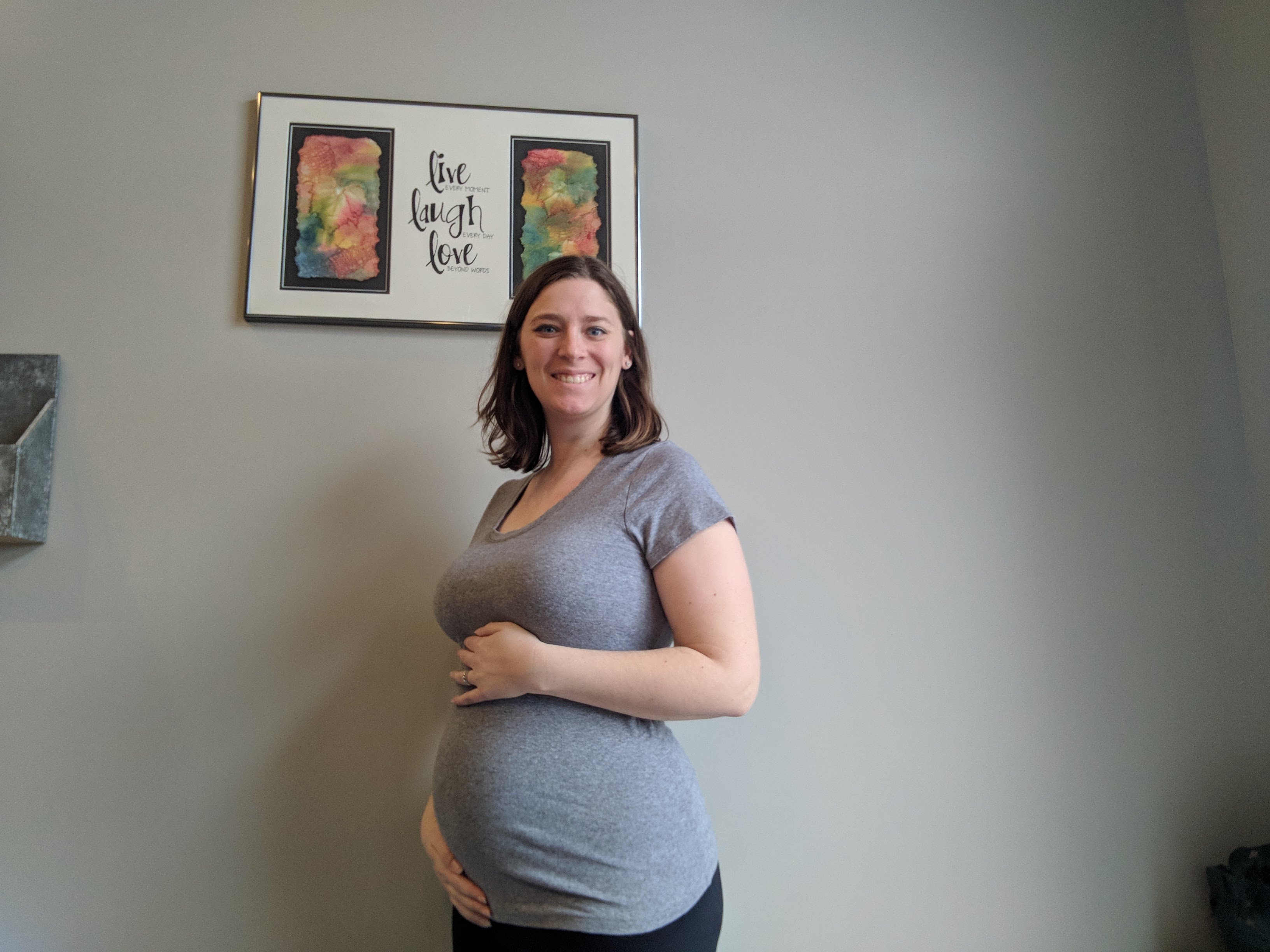
 After my second-high blood pressure reading that week, a nurse advised me to come into labor and delivery. When I arrived, I was diagnosed with gestational hypertension and started the induction process the next morning at 37 weeks.
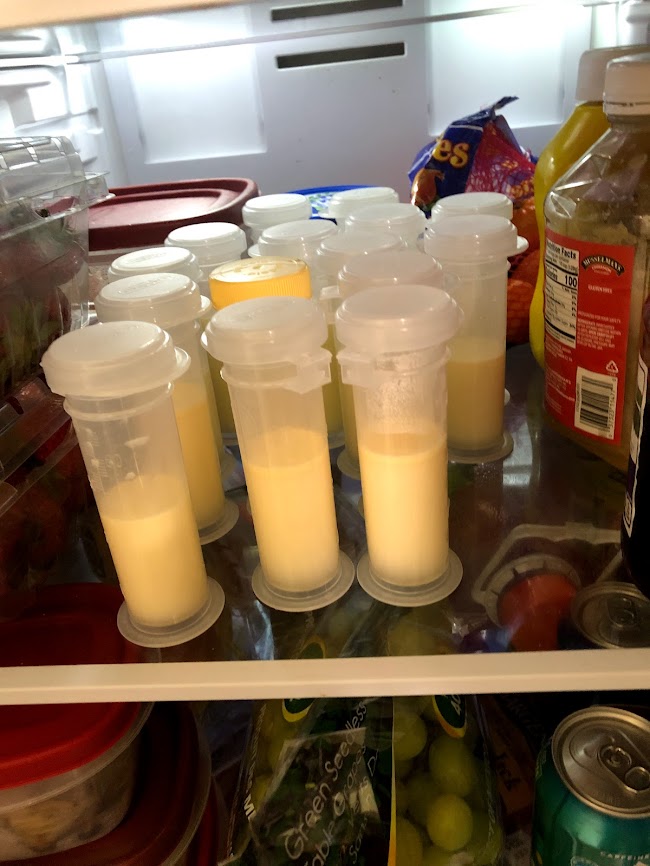
 When William was born, I was thrilled, and so fortunate, to have a successful early breastfeeding relationship with him. When I started flaring again, breastfeeding became a significant challenge. I’d be with William during a late-night feeding, get a few minutes in, then have to wake my husband to keep William safe while I quickly ran to the bathroom. Obviously, this made William more than a little upset to start eating only to be pulled away. I also became increasingly worried that he wasn’t getting the nutrition he needed from me because I wasn’t absorbing nutrients the way I needed to. I upped my supplements and kept close tabs on his weight but continued breastfeeding. At this point, I knew I needed to do something different with my medications. What I was doing clearly wasn’t working.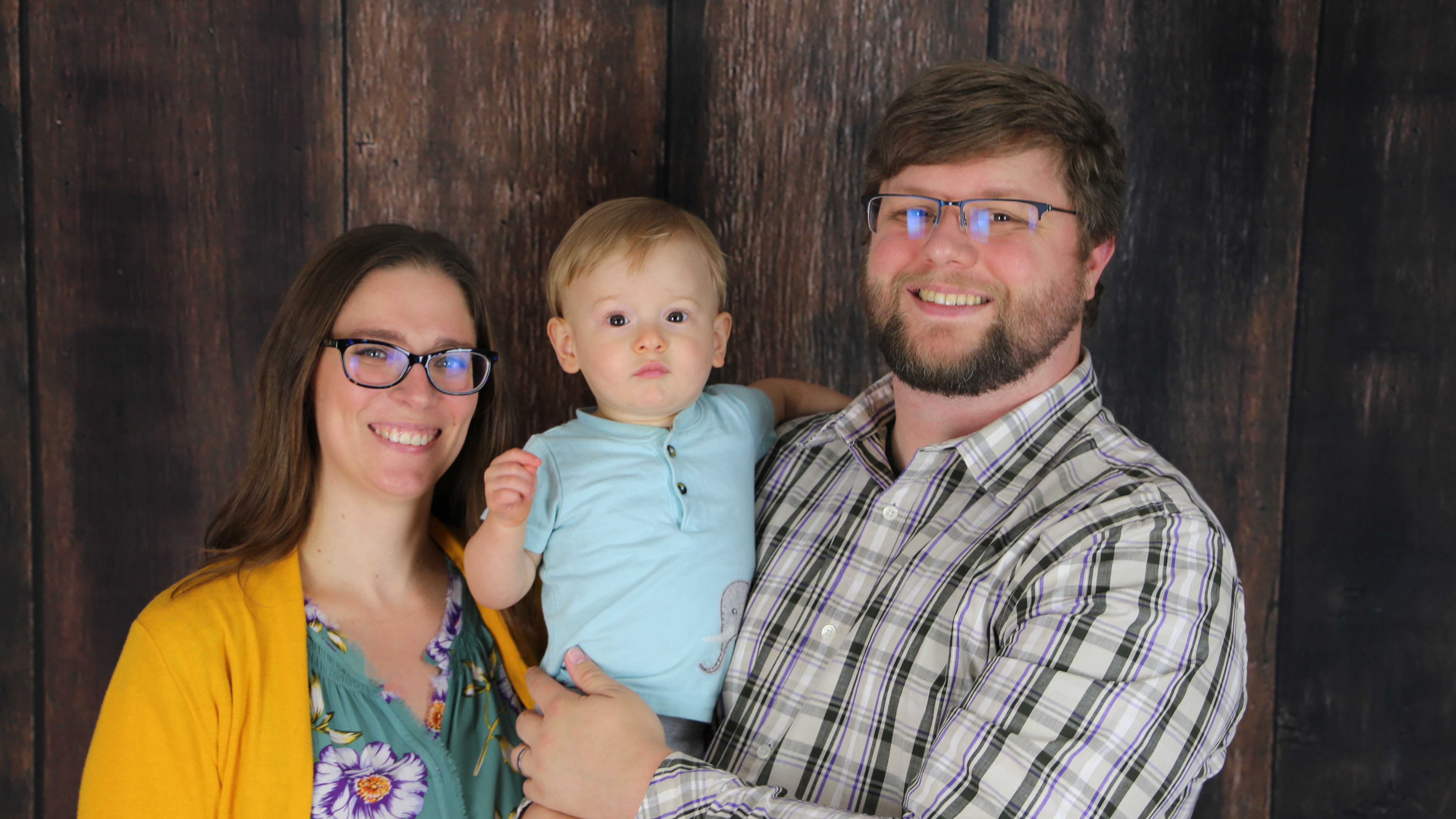


 One of the most helpful pieces of the toolkit is the


 Family planning is exciting, nerve-wracking, and daunting. Couple those emotions with battling inflammatory bowel disease (IBD) and the experience can be downright overwhelming. The tide is changing though when it comes to pregnancy and IBD, thanks to the
  With two sons, ages six and three, she felt even more in the dark during her preconception discussions and pregnancies.
 “The IBD Parenthood Project is a huge win for the IBD community. This resource is paving the way for how we work together with our clinical team. This is a proud moment for the IBD family. We’re showing the health community how to work collaboratively with patients,” explained Jessica. “I never want women to feel alone in the process. This initiative empowers IBD women and their support systems, and makes the experience of bringing a life into this world a whole lot more enjoyable and a lot less worrisome.”
 Upon delivering both of my babies, I felt symptoms start to creep back into my life less than a week after they were born. I too would include an MFM specialist in the future, if I were to have another child.
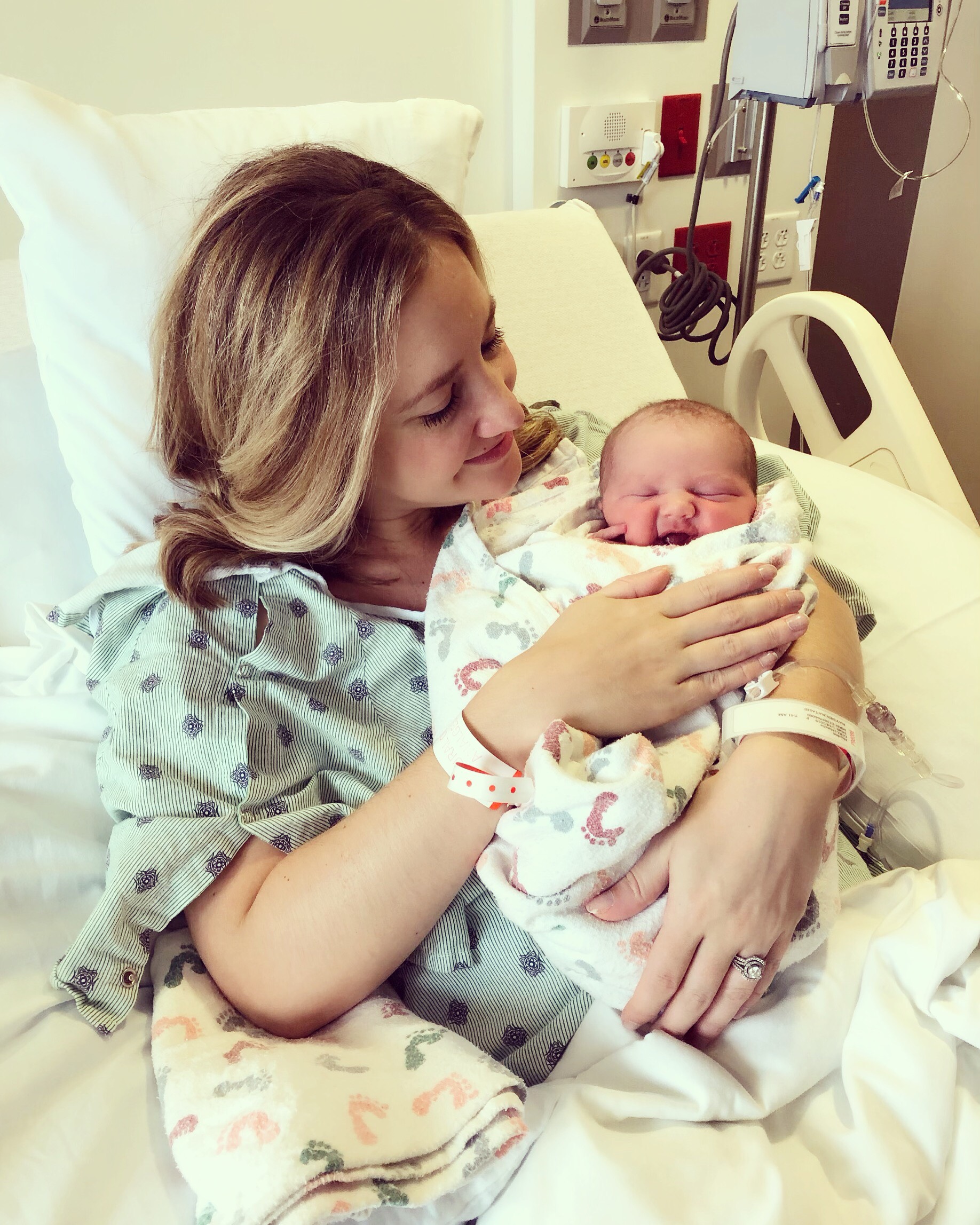 My daughter is 4 weeks old today and has been exclusively breastfed. I’m by no means writing this as an expert or to point any fingers. I am completely of the mindset that ‘fed is best’. No judgement here, ladies.
  I was worried about the lack of long-term studies on my biologic drug (Humira) and I was concerned about the risk of having a postpartum flare that would land me in the hospital and interrupt my ability to feed him. Being a new mom, I was worried the stress that comes along with breastfeeding could cause me to flare. I ended up breastfeeding him the first three days in the hospital, so that he could receive the colostrum. After that—he was given formula until he turned one. It’s a decision I was confident in, but that tugs at my heartstrings at times, especially now as I breastfeed his sister.
 According to
  That way—the baby did not receive a burst of the immune-suppressant drug through the placenta, the day she was entering the world and I would be at lower risk of developing an infection as well. Timing your biologic medication is key and a conversation you’ll want to have with your care team so it can be tailored to your pregnancy and your personal journey.


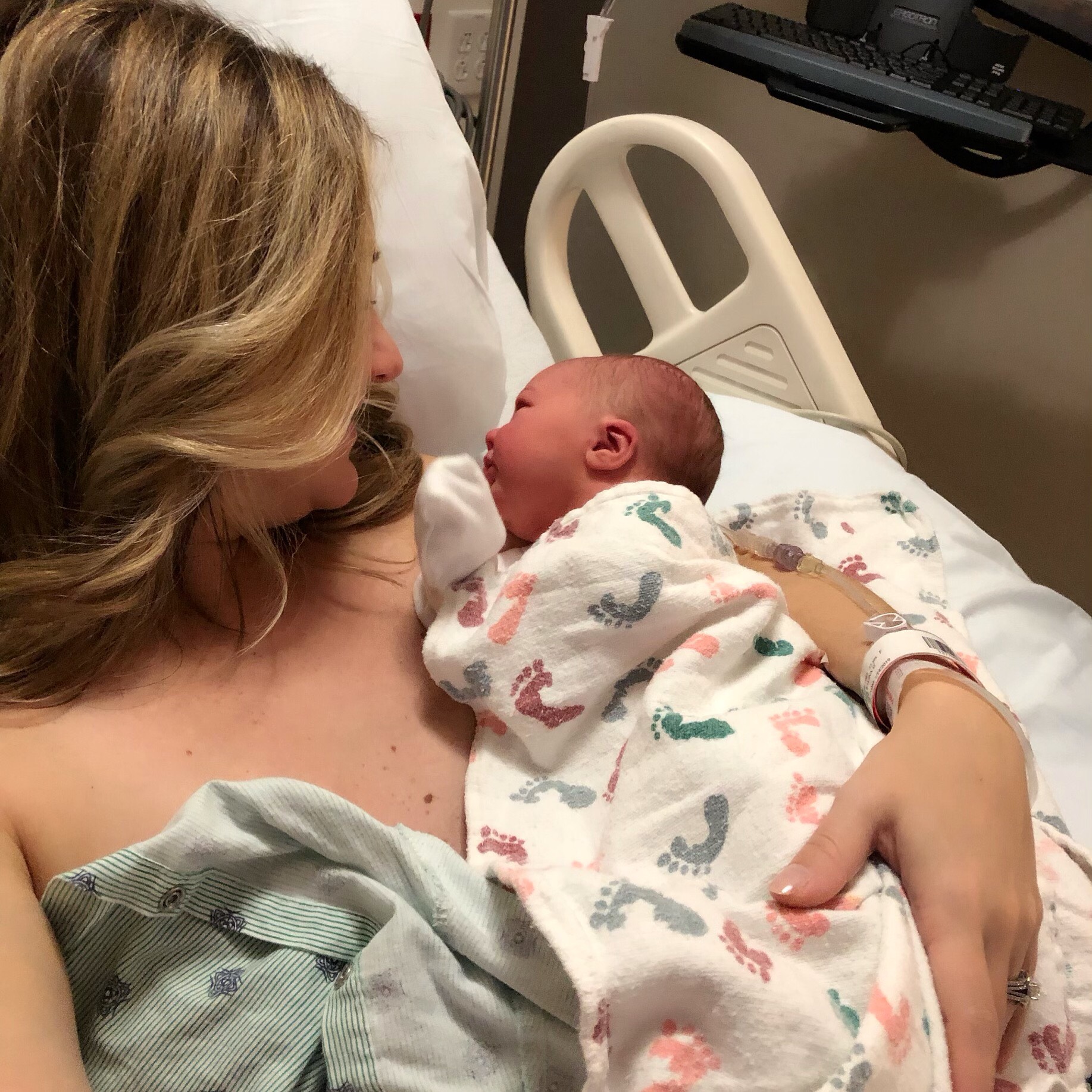 When it comes to breastfeeding as IBD moms, whether a child is going to latch or if our milk supply is going to be sufficient, tends to be the least of our worries. Our chronic health condition, plus the medications so many of us are dependent on to treat them—adds another layer of stress. In the end, you need to do what you feel comfortable with, what works for your body and for your family. Always know you are not alone in your struggles. Celebrate the parenting wins and accomplishments along the way—no matter how big or small. Lean on your support system—especially fellow breastfeeding mamas who can answer your questions and calm your fears. I can’t tell you how long I’ll continue my breastfeeding journey. For now—all I can do is take it one day at a time. What I can tell you—is how rewarding it is to see what my body is capable of, despite my disease and how amazing it feels to know I’m nourishing my little girl and providing her with a healthy start.

 lights camera crohn's