As the weeks of war go by in Ukraine, our IBD patient advocate extraordinaire, Elena Skotskova, continues to do all she can to ensure those with Crohn’s disease and ulcerative colitis are feeling supported in the face of the unknown. Elena and I have become pen pals of sorts over email. A world away. Our worlds so different. But our understanding of what it’s like to live with IBD very much the same. Here’s Elena’s latest update sent April 13th, 2022. She remains about 30 minutes outside of Kyiv at her mother in law’s home.
Dear Natalie! Now we are engaged in the distribution of humanitarian aid, which came to us from Dr. Falk (a German pharmaceutical company). I want to share with you the information about helping Ukrainian patients with IBD. Ever since we received the medicine from Dr. Falk we did a great job: 1. We sent medicines to 12 hospitals in different cities of Ukraine, where patients with IBD are treated; 2. We have collected more than 400 applications from patients who currently do not have the opportunity to go to their doctor. 3. We have sent more than 200 packages of medicines to patients throughout Ukraine who do not have access to a doctor 4. There are still about 200 parcels left to send, and I think we can do it before the end of the week.
We have received a large number of letters of thanks from patients who have received medications. We tried to ensure that all patients had enough treatment for at least two months. Earlier we received two parcels from our Greek friends, which were sent via Poland. Everything that was in those parcels (medical food, colostomy bags, medicines, etc.) we distributed to patients and hospitals.
On Monday, April 11, we got a big package from Estonia with colostomy bags and stoma care products. We also send colostomy bags to patients who need it.
I have a lot of work now, and I am constantly in touch with patients. We have a lot of requests from patients from different parts of Ukraine. Particular pain is the regions that are occupied by Russia. It is impossible to deliver medicines there, it is impossible to help patients. I hope that someday they will be able to get out through humanitarian corridors, and then they will receive medical assistance.
This is Galina, our volunteer, a doctor who herself sent more than 300 packages of medicines to patients. She lives in Lviv, where humanitarian aid comes from Europe. This charming lady herself takes heavy boxes, sorts them, forms packages, and sends them out to patients. She does this at night 🙂 And during the day she treats people. I am very grateful to her, she is an irreplaceable person in our team.
I also wanted to share information with you we set up on our “Full Life” site that gives people around the world the ability to make donations using credit cards. You can do it from the link https://www.gofulllife.com.ua/donate/ Scroll down and click the: “Help the project” (Допомогти проекту) button. Once there, you will be directed to choose a currency. (USD or EUR, depending on which currency the credit card supports) and write the sum.
A pre-war photo of Elena and her friend and fellow volunteer, Alexandra.
The money raised will be used to buy medical nutrition for children with IBD and to buy medicine for IBD patients who have lost their jobs and incomes.
My husband and I are going to go to Kyiv on Saturday (April 16). We need to meet the humanitarian cargo from Lviv. And also, I need to deal with colostomy bags that came from Estonia and send them to patients.
Many people are already returning to Kyiv, I hope that my hairdresser will also come back and cut my hair 🙂 During the war, it is a great happiness for us just to get a haircut or get medicine. We have such small military joys.
On the last day of 8th grade most kids are anxiously awaiting summer and moving onto high school, but for Candace Monacelli, that wasn’t the case. Instead, June 7th, 2007, she was diagnosed with Crohn’s disease at age 14.
As you can imagine, a lot has transpired since that monumental day. Candace now works as a morning meteorologist and reporter in Grand Rapids at WXMI-TV. She’s been at her current station for five years and has worked in the TV business for seven. This week she shares how Crohn’s has impacted her life but didn’t rob her of her hopes and dreams of working in TV news.
When it comes to going after your dreams and following your career aspirations, I see a lot of Candace in myself. We recently connected on Instagram and realized the parallels of our experience. Despite my Crohn’s diagnosis, I went on to work in TV news 3 months after finding out I had Crohn’s. I worked on morning shows for 7 years, she’s a morning meteorologist. We both do/did what we could to be the bubbly/happy on-air morning gals, while facing major battles and pain internally. We both encountered serious hospitalizations and bounced back to be on camera shortly thereafter. Being on steroids is hard enough…going on camera while on steroids and being judged by keyboard warriors and unkind strangers is a whole different story.
A walk down memory lane
“My family and I had never heard of Crohn’s disease before and knew nothing about it or what my life would look like moving forward. I was sick for months prior to my diagnosis. My parents and I learned along the way, but my mom was my right-hand lady at every doctor’s appointment trying to figure out my illness. My parents were just so happy to have a name and a cause to me being so sick, they just described it as my stomach not being normal and we would figure this all out together. Then, I was put on steroids which resulted in weight gain and being bullied.”
Aside from hurtful words from her peers and juggling life as a teen with doctor appointments and colonoscopies, Candace says her disease at the time was well-managed with 6mp. When she moved onto college, she dealt with the challenge of wanting to live life like a typical student. By the time she was ready to enter the real world she not only graduated from college but also onto biologics (Humira).
Life in the TV spotlight
While in high school Candace discovered she loved public speaking and visited a local television station—she was hooked. Since she was already a decade into her patient journey, she didn’t second guess going after her dream of working in TV news as a meteorologist and reporter.
“Everyone thinks of Crohn’s as a pooping disease and while it is so much more than that, it is still a factor of the disease. The hardest part of my job is the limited time or access to a bathroom. Either I am covering something in the field with no restroom nearby or I have two minutes during a commercial break to hurry to the bathroom and be ready to go on air again. There’s been some interesting behind the scenes moments, but luckily, I am open with my crew and choose to be lighthearted about the bathroom aspect.”
Over the years, Candace has learned how to read her body and know when she can’t push through or make it on air.
“When the light goes on, it’s showtime. No matter how I am feeling… there’s been many days where I feel terrible but must put on a smile because I look perfectly healthy and it’s my job to come off that way. Being in the public eye with IBD can be pretty taxing some days.”
Juggling surgeries, abscesses, and fistulas
Up until this story—Candace has not spoken openly about her struggles with abscesses and fistulas. As a public facing person, discussing this private and often taboo topic is something that takes a lot of guts to be open about.
“Abscesses and fistulas make you feel so broken and constantly worried that if someone finds out the truth, they will instantly think you are the dirtiest person on this Earth. My palms are sweating, and I feel like I could puke, knowing strangers will now know this about me. But I am sharing in hopes to help that one person that is feeling just as alone as I do somedays.”
Even after five surgeries, Candace still has problems with abscesses and fistulas and somedays are better than others with numerous new challenges in her life.
“Sitting for a long time is now my own personal Olympic sport because it’s painful some days. I used to consider myself a runner, but that is now off the table for me, and my bathroom breaks are different. It’s been a scary learning curve trying to figure out how to handle something so foreign, that is now very much a part of every aspect of my daily life.”
Candace joined specific Facebook groups for her condition, as she desperately searched for others going through the same reality. More than anything else her family and friends are really what get her through.
“Every single person close to me has helped me know I am not alone and helps me get through difficult days, whether it’s a simple ‘how are you feeling?’… or crying with me on the bathroom floor.”
Going back on air after surgery
The first surgery to treat her abscesses and fistulas was an emergency and was unexpected. Candace was back on air four days after being discharged from the hospital.
“It sounds just as crazy as it was, but I am a stubborn Italian and never let Crohn’s win, so I somehow went back to work. My parents and boyfriend (now husband) weren’t happy with me, but I insisted on returning to the job I love. I remember having to practice getting in the car and making sure I could handle driving around my neighborhood the day before, since I leave for work at 2 in the morning.”
Candace remembers waking up that day, knowing what she just went through, and what it felt like to go back on camera in front of thousands of people who had no clue what she was enduring.
“I remember talking to myself on the ride to work thinking “what are you doing Candace you are a mess.” That first day back was mentally very hard to smile and pretend I felt like a million dollars when I did not. No one wants to watch the “sick” meteorologist on air so I couldn’t be that girl. Behind the scenes was an interesting hot mess as I had to put a blanket down to lay on the floor to work or just take a break since I couldn’t sit – I had to lay down at work for a month or more after each surgery.”
Candace learned her lesson and she didn’t rush her recovery after more recent surgeries.
“I found that allowing myself to heal and rest is not letting Crohn’s win but doing what is best and needed for myself in that moment. The stubborn Italian in me still struggles with giving myself time and grace, so it’s a work in progress.”
Being an open book with viewers and the community
Candace’s viewers know she has Crohn’s disease. She decided to openly share her experience with IBD to spread awareness and help make a difference.
“If I can share my story and experiences to reach one person and make them not feel so alone, then it’s one thousand percent worth it to me. I’ve also covered and shared numerous stories of IBD warriors within my community and get media coverage for all the Crohn’s and Colitis foundation events every year. The more awareness the better and I am blessed with a perfect platform to help make that possible.”
Advice for fellow IBD warriors
Candace has this advice for anyone worried about their futures—whether it’s a parent with a child who has IBD, or someone diagnosed at an early age.
“Where there is a will, there’s a way. Everyone has a cross to carry in life and our cross just happens to be IBD. In a weird, twisted way, this disease makes you strong enough to conquer whatever you put your mind to. We see people with IBD be professional sports players and movie stars, to everyone in between, including little old me… every IBD warrior can do whatever they dream to be one day. We are warriors fighting a battle every day, whether it’s big or small. Even when you yourself or someone you care for is sick or having a tough day, we need to know better days will happen again – just like the weather it can’t always rain forever…. You will feel better one day.”
I asked Candace what she would tell her younger self if she could go back to when she was diagnosed in eighth grade. Here’s what she said:
“IBD will challenge you more than you can ever imagine but will also make you into the strong person you love. The life God gave you is tough, but it’s nothing he knew you couldn’t handle. It’s a battle you won’t ever lose. One day you will get everything you prayed for, even through everything Crohn’s throws your way.”
Candace is in remission in terms of her colon, but her rectum is still problematic and causing active disease. She gets Remicade infusions and avoids eating too much dairy, spicy foods, and salads. Candace drinks one cup of mushroom coffee most days and eats a mostly plant-based/Mediterranean diet.
Finding love with IBD
Candace met her husband on Match while working in her current TV market. She says they fell in love fast, and the rest is history!
“We moved in together, he proposed, and we had to postpone our wedding because of COVID. Now, we’re finally married and have a new house and a puppy. Life is good! My husband is the most loving and caring man helping me through all things Crohn’s. He is a saint straight from the heavens being right there by my side through everything. He has even spent one of his birthdays with me in the hospital for a surgery. He pushes me when I’m in a hole and feeling sorry for myself to help me realize my worth and remember that Crohn’s doesn’t completely define me.”
For those of us who live in the United States it’s been devastating to watch the news coverage coming out of Ukraine since the war began there February 24th. I was lucky enough to connect with an IBD warrior, mom, and patient advocate named Elena Sotskova in the midst the chaos. She’s been working tirelessly for years to bridge the gap for patients and show all that’s possible in life while living with Crohn’s disease and ulcerative colitis. We’ve been emailing back and forth. I pray each day, multiple times, for her safety and check in often to make sure her and her family are unharmed. When I see her name pop up in my email inbox it always comes with a big sigh of relief.
Today’s update is something many of us in the patient community have wondered and worried about—whether those with IBD are having access to their medications and ostomy supplies. Here’s the latest from Elena.
Dear Natalie! Thank you for not forgetting about me, for your care and prayers. We are quiet now. The Russians have retreated from Kyiv and the region and are gathering their forces in the east. A big fight is expected there.
Kyiv and the Kyiv region are still life-threatening. A lot of mines and shells. Our people are working 24/7 to clear the area. We cannot return home to Kyiv yet. 😦 Thank God our house is not destroyed, and someday we will be able to return there. But many people are not lucky, they now have no house, no apartment. Very large destruction in Kyiv region.
A lot of people died, many tortured and raped. Even children. You must have heard or read about our Bucha. This is such a horror that it’s even scary to think about. When I think about how many people have already died because of this war, I cry. I don’t understand why the Lord punishes us, Ukraine, our people like that. What have we done wrong?
A few days ago, my friend’s husband died in the war. He wasn’t even 40 years old! And there are thousands of such people. Most of all we want peace, and we want the Russians to leave our land. Forever and ever.
I try to work hard so as not to think about the horrors of war. I work 15 hours a day, then I just fall down and sleep. So, it’s easier for me. We received a large shipment of drugs from Dr. Falk (a German pharmaceutical company), 2 tons. Happy doctors and patients who unload them. Getting the necessary medicine is happiness for us now. Now I am engaged in distributing medicines to hospitals, and to patients, all over Ukraine.
Each patient who comes to me for medicines is a separate story and a separate pain. Someday I will write about it. During the week I heard hundreds of different stories, and they are all sad. I’m glad I can help them a little.
And I am glad that European friends are actively helping the IBD community. Yesterday Japan wrote to me and offered to help. The whole world is with us!
Stay in touch with you! Hugging you, Elena from Ukraine
Click here to read Part 1: The Humanitarian Disaster in Ukraine and What this Means for Those with IBD
Elena Sotskova is a financier who has lived with ulcerative colitis for 21 years, her friend, Artem, works in IT and has Crohn’s disease. Elena and Artem teamed up with several other IBD patients in 2018 to launch Full Life, an organization created to show those living with Crohn’s and ulcerative colitis are not alone in their struggles. They launched a website that features helpful articles for patients, they conduct “patient schools,” and connect with doctors in different regions of the country to offer additional guidance and support for patients.
“The biggest problem in Ukraine, is that we do not have treatment programs for patients with IBD. We do not have insurance to cover medicine, and all patients buy medicines at their own expense. As people across the world living with IBD know, these medications come with a hefty price tag, making it impossible for people to afford proper treatment. This forces many Ukrainian patients to refuse treatment and eventually become incapacitated. This was an issue before the war and even more so now,” explain Elena.
Therefore, one of the main tasks of Full Life is to collaborate with public authorities, such as Ministry of Health, and advocate for rights of patients while working diligently on programs for affordable and accessible treatment.
“We had made such progress for the IBD patient community prior to the war. But I’m afraid now the war has set us back and we have to start all over again.”
The inspiration behind Full Life
Elena tells me she was inspired to create Full Life because after living with ulcerative colitis for more than two decades she’s learned coping skills and how to manage her disease. She thinks about her younger self and the pediatric patients who feel isolated, panicked, and depressed in their journeys.
“My task as a mentor is to lead by example and show that you can live a full, enriched life with this disease. I love communicating with young patients and helping them see all that’s still possible for them to enjoy and achieve.”
Full Life also provides psychological and mentoring assistance to IBD patients in Ukraine.
During this pre-war protest, Artem’s sign read “No drugs = No future”
“Prior to the war and now—the main issue is continuation of treatment. We only have one way to get treatment covered and that is through participating in clinical trials. We have about 11,000 patients with IBD in Ukraine and one third of those patients participate in clinical trials so they can treat their disease. Because of the war, many clinical trials and centers for these programs came to a halt.”
Of all the biologic drugs to manage IBD utilized across the world, the only one available in Ukraine outside of a clinical trial is Entyvio.
How the war impacted Takeda (maker of Entyvio in Ukraine)
“Unfortunately, because of the war, Takeda pharmaceutical’s company was forced to close its warehouse in Kyiv, and patients who took Entyvio are left without treatment. I am in touch with Takeda representatives, and they promised to resolve the issue of access to treatment soon.”
I also reached out to Takeda here in the United States and was told by their media relations department that they are continuing to evaluate the situation closely and are making every effort to protect their colleagues in Ukraine along with continuing to supply patients in Ukraine and elsewhere in the region with their much-needed treatments. I went on to ask how that is possible with so many people fleeing their homes and becoming refugees.
“We know that many patients are displaced, and this is an extremely difficult time for patients, their loved ones, health care providers, and countless others. Access to medications can be an issue. We are working hard as a company to offer medications to those in need through the appropriate providers of care. We also want to make sure that patients have access to direct support. Since the conflict started, we have worked with stakeholders in the country to ensure the supply chain resumes. Those under the Patient Assistant Program for IBD treatment have received their medication in Ukraine. We have also set up a web page for displaced patients with relevant contact information per therapeutic area. We encourage patients and providers in Ukraine to reach us at https://takeda-help.com.ua/#/,” said Megan Ostower, Global External Communications, Takeda.
The challenge of logistics when it comes to drug access and delivery
Most patients from Ukraine rely on mesalamine (Salofalk, Pentasa, and Asacol). Elena has been on mesalamine since she was diagnosed.
Elena with her daughter early on in her patient journey
“It’s not cheap for me, but it’s the only way I can lead a normal life and keep my illness under control. Before the war, patients had access to mesalamine at local pharmacies or they could order it abroad. Now, most pharmacies in Ukraine are shut down and there’s a huge problem with logistics. It is impossible to deliver drugs from Europe. So now, it’s nearly impossible for us to even get mesalamine.”
“We are constantly in touch with Poland, Estonia, Italy, and Spain. Every country wants to help support Ukrainian patients. But Full Life does not have an account in foreign currency, only in UAH (Ukrainian currency). We never anticipated our country and people would be attacked and that there would be a war.”
I reached out to Bella Haaf is Deputy Director of the EFCCA.
She said, “Please be aware that the situation is very difficult out there. We are trying to support the patients associations as much as possible, but we are unfortunately faced with a lot of red tape. As a patient association, it is not legal for us to purchase IBD medication and ship it to our colleagues, which would be a simple solution. So, in the meantime, we are talking to the ministry levels, NGOs (non governmental associations), physicians, and pharmaceutical representatives. Unfortunately, we have experienced little progress. We had hoped to do a private collection of IBD medicines, but again this is legally not possible.”
Elena’s advice for IBD patients in Ukraine and refugees
Elena hopes all Ukrainian IBD patients fleeing the country bring their medical documents (even just a photo on your phone to prove diagnosis).
“To do this, patients need to state their diagnosis when they cross the border and advise medical professionals they need continuous treatment. If you couldn’t bring your medical documents, try and remember what doctors in Ukraine diagnosed you and prescribe your medicine. If there are problems with getting treatment in EU countries, contact Full Life and we will work to solve your issue through local patient agencies.”
For now, each day of destruction and heartbreak leaves the people of Ukraine feeling helpless, especially those with a chronic illness that requires daily management and care.
“I think now neither I nor other Ukrainian patients will be able to write a happy story. We all have the worst period of our lives right now, as our country is in war. We are now very upset and depressed. But we are glad that our American friends remember us and are worried.”
The pharmacy crisis
“What will happen next, I do not know. There are no pharmacies in the village where we live and work. The logistics from Kyiv are very difficult. No delivery companies work.” Today (March 31) Elena’s husband is headed to Kyiv to try and get her medication, which of course comes with many dangers and risks. I will share an update once one is available.
Elena tells me only about 30 percent of pharmacies remain open in Kyiv right now and that there is a “catastrophic shortage of pharmacists left” since so many fled the country.
“Now in those pharmacies that work, there are huge queues, and almost no drugs, because they cannot deliver for various reasons. If I stop taking my drug, I’m afraid it will soon be exacerbated disease. You know how stress affects our disease. This war has caused terrible stress and so many patients have it worse. There are areas in Ukraine where there is no medicine, no food, no water. For example, in Mariupol, we don’t even know if people are alive there. So many have died each day from shelling hunger, and disease. Who could have imagined this in our time?”
Using plastic bags as ostomy bags
Sadly, Elena says many of the patients she’s connected with through Full Life are no longer in touch.
“I don’t know if they are alive. For ostomy patients, they are left without their necessary means for hygiene. Some of my peers have been gluing small plastic bags around their stomas. I am currently talking with patients and taking note of all their needs. There is a doctor in Lviv who treats patients with IBD and that is where we are having all IBD humanitarian aid sent. The Patients’ Association in Poland is actively helping coordinate the delivery of medicines and hygiene products from Europe to Ukraine as well.”
Elena says she is constantly in contact with European Associations, and they all promise to help.
“I try to be in touch with our patients, I try to support them somehow, but it is difficult. The prospects are unclear, it is unclear when this war will end.”
Regardless, Elena works tirelessly to be a pillar of support for others, even as she worries about her own wellbeing. I feel fortunate to have connected with Elena in recent weeks. Her updates and perspective are a reminder of how far IBD treatment still needs to be come in other parts of the world and of the extreme challenges so many people with chronic health conditions are facing in this war.
“As for our progress in receiving humanitarian aid, we are currently waiting on a small package from Greece. The first of two. The second parcel should arrive later. Dr Falk (a pharma company) also donated Budenofalk and Salofalk to us. And on Friday (4/1), a German non-governmental organization plans to send more of these medicines to Ukraine.Our Ministry of Health sent a letter to the Polish Ministry of Health with a list of drugs that Ukrainian patients with IBD need. We are waiting for a reaction from the Polish side.”
The Full Life organization is a member of the Charitable Society “Patients of Ukraine” and they collect help for all patients and can be of support. Click here to see Facebook posts.
Stay tuned to Lights, Camera, Crohn’s for continued updates and keep Ukraine and its incredible people close in thought and prayer. Thank you to Elena for her openness and willingness to email me back and forth as she lives through these extreme challenges. We’ve built a friendship from afar and I’m grateful she’s sharing the IBD patient experience through war so the rest of us can have this unique understanding and perspective.
As she fears for her life each day and every night in her homeland of Ukraine, ElenaSotskova thinks back to when her body started going to war against ulcerative colitis. She was 21 years old. Now, as a 47-year-old IBD mom, she shares firsthand experience of what it’s like to live in absolute chaos and devastation while trying to manage a chronic illness like IBD. Every morning Elena and her family wake up at 6 a.m. to the sound of explosions and gunfire. Oftentimes the internet and electricity go in and out, with repair workers constantly having to restore power.
Before we get into the utter heartbreak and unthinkable sadness, here’s some background. This isn’t the first time Elena has had to run from her home to try and reach safety. Shortly after her ulcerative colitis diagnosis, she fled with her 3-month-old daughter to Kyiv from Crimea, to avoid an abusive husband. At the time, she had the equivalent of 25 U.S. dollars in her pocket. Prior to becoming a mom, Elena worked for one of the largest banks in Ukraine, so she was confident she’d be able to land back on her feet in no time and support herself and her daughter. The stress of the divorce and being forced to start anew exacerbated her IBD.
“My condition was worsened by constant diarrhea, bleeding, low hemoglobin, and as a result, constant fatigue. I tried not to pay attention to it as I needed to work and make money for myself and the baby. My ulcerative colitis limited what I could do and where I could go. I used to be unable to go for walks unless I know where the restrooms were. I always had spare clothes with me and wet wipes, in case I did not make it in time.”
Since then, Elena has managed her ulcerative colitis with Mesalamine, in large doses (6-8 grams per day).
“In Ukraine at that time there was no biological therapy, and even clinical studies of such therapy did not take place. All that was available to patients were hormones and mesalamine. In addition, in Ukraine there is no compulsory insurance medicine (until now), there are no state programs for the treatment of patients with ulcerative colitis and Crohn’s disease, so I and other patients must buy drugs with our own money. And they are, as you know, not cheap. Compared to the level of income in Ukraine, it is expensive.”
How love found its way
Elena says she was working to buy her medicine. It felt like a vicious, never-ending cycle. But Elena’s luck in the love department took an amazing turn.
“I was lucky, I met a wonderful man, named Leonid who has a son. Leonid later became my second husband. I immediately told him about my illness. He accepted me, my IBD, and my child. He wouldn’t turn away from me or be ashamed when I had an accident at an event or in a public place. He helped me and supported me. And as a result, I stopped being nervous about my ulcerative colitis. I stopped worrying, and after I became calmer, the disease slowly began to subside.”
Leonid also started to take care of all the costs associated with her IBD treatments. Elena credits him for reviving her medically and emotionally, allowing her to reach remission after chasing after it for years. She was able to travel comfortably away from home and see the world through a different lens.
Prior to the war with Russia, Elena had big plans for herself. She aspired to begin her MBA and travel to English-speaking countries.
When the explosions hit
“All plans collapsed at 4 a.m. on February 24, 2022. We woke up to the explosions, saw the message “The Russians are bombing Kyiv, the war has begun.” That was more than a month ago, but it seems like we’ve been living in this nightmare for ages.”
Elena’s daughter, Alina, had recently arrived in Poland to study, but she happened to be home in Ukraine with family when the war started. Prior to this happening her travel plans were to fly back on February 27th. Of course, that all changed.
“She was supposed to fly back to Warsaw on Sunday, but war broke out on Thursday. Immediately, air traffic over Ukraine stopped. And hell began. Kyiv was bombed from the very beginning, we sat in the bathroom during the air raid, went down to the basement or went to the shelter. We did not turn on the lights in the apartment and taped the windows with duct tape so that they would not be knocked out by the explosions. We walked the dog for 5-10 minutes, near the house, so that if the shelling started, we could quickly hide. We live in Kyiv on the 7th floor, and most of all I was afraid that a bomb would hit our house, and we would either be overwhelmed or burned in a fire.”
Elena says for days on end she sat with her husband and daughter in their apartment. Alina would constantly cry. They learned that evacuation trains were leaving Kyiv for western Ukraine. At this point, they decided to send Alina back to Poland.
Nights spent at the railway station
“The most terrible were the three days that Alina and I spent in the basement of the railway station in Kyiv. There is a curfew, you cannot go outside in the evening, in addition, it was dangerous to go outside, because they are constantly shelling. My daughter and I got to the train station and decided to wait here until she could take the train to safety. My husband and son stayed home with the dog.”
The trains to leave Ukraine were like something out of a horror movie. Instead of a train car fitting the usual four people, they were packed with 20-plus people. People were ready to stand for an entire day just to leave Kyiv.
“Alina could not get on the train that was going to Warsaw, and we stayed overnight at the station. At night, the air alarm did not cease, explosions were heard, we went to the shelter (basement) of the station, which for three days turned into a home for us. We tried to sleep on the floor, it was warm, but the main thing was that it was safe. Finally, on the second day, we managed to put Alina on the train to Lviv. She left, and I was standing on the platform crying and praying that the train on the way would not be shelled, and my daughter would reach Lviv intact.”
Elena had to stay alone at the train station for an additional night because of the curfew in Kyiv. She was afraid her IBD would start acting up from the overwhelming stress and worry and terrified she was going to be killed.
“My gut understood me, it “behaved quietly”, and did not give me cause for concern. During the 21 years of illness, I learned to negotiate with him. On the fourth day, when the curfew was lifted, I was finally able to return home, wash myself and clean myself up. And my daughter had already reached Poland and was safe. We thought that somehow, we could adapt to this situation. We had food, water, gas, electricity, and Internet. We thought that we could somehow live in Kyiv. But this turned out to be unrealistic, as soon as dusk came, the city was pierced by an air alarm, it turned on several times during the night.”
Deciding to leave Kyiv
Bombing began each morning between 3 and 4. Elena and her family stayed in their clothes and didn’t sleep. She would take her dog and lock herself in the bathroom while her husband and son were standing in the hallway where there were no windows.
“Then a cruise missile hit a television tower, close to our house. It was afternoon, her son had just gone out to the store for bread, and there was an explosion, a crash, a fire. People who were nearby were killed. My husband said that we needed to leave Kyiv, it was extremely dangerous.”
So that’s what they did. They left for Elena’s mother-in-law’s house who lives in a village outside of Kyiv. There are no military or infrastructure facilities there, so they are hopeful it will not be bombed. As you are reading this, Elena is still there.
“In the village it is calmer, the battles are 30-40 kilometers (20-30 miles) away, we constantly hear artillery shots, gunfire, explosions, and flying missiles. But there is no air raid alarm, which was so exhausting in Kyiv. It’s still impossible to sleep normally. We are afraid that we will be occupied, and we are not where there are active battles.”
Running out of IBD medicine
But, Elena now faces another major issue. She will run out of her IBD medication this week and there is no way to buy it or receive it. Since the war started, she’s heard from countless other patients in the same bind. Doctors have fled, there’s no place to safely receive treatment, and for those who are now refugees or without jobs, they struggle to afford their medications. Elena knew she had to do something.
“I began to write to the European Crohn’s and Colitis Association, manufacturers of drugs, everyone who I could, to find out how to help our patients. Poland and Estonia immediately responded. They understand if Ukraine does not resist, the war will go on, to Poland, and the Baltic countries may also suffer. Now we are in constant contact with our European colleagues and are waiting for humanitarian assistance from them. Packages from Greece are supposed to arrive any day now.”
While Elena’s ulcerative colitis is under control now, she’s been forced to reduce her daily medication dose by half to try and keep medication in her body for as long as she can. She’s starting to feel that reminiscent pain we all know too well when our intestines are making themselves known. The pain, bloating, and diarrhea have been more consistent for her, but she doesn’t feel she’s flaring yet.
“I’m very scared that if I go into a flare, there will be no one and no place to treat me. I am afraid that this war will drag on for a long time, and then it is impossible to predict the condition of either mine or our other Ukrainian patients.”
Her friend was able to find her mesalamine in Kyiv. She bought the medication, but it’s been a week now and the package has not arrived to Elena’s new address. Tomorrow (March 31), Elena’s husband will venture back to Kyiv to try and get Elena the medicine she relies on.
She tells me she no longer cries or has emotions and that every day feels like déjà vu. Sometimes she feels like a robot in an out of body experience. Elena says the Ukrainian people are steadfast, strong, and remain hopeful they will be victorious in the end.
Tomorrow on Lights, Camera, Crohn’s you’ll learn about Elena’s inspiring patient advocacy prior to the Russian invasion, how she co-founded an IBD organization to support the patient community, and how she’s working day and night right now to help the approximate 11,000 Ukrainians who live with IBD and are struggling to manage a disease while living through a war.
The week before my oldest son, Reid, was born I penned him a letter entitled, “A letter to my unborn son, from your mom with Crohn’s disease.” When I wrote that article, I was 38 weeks pregnant. As a first-time mom, living with Crohn’s disease, I had a mix of excitement, anxiety, and fear about taking the plunge into parenting. Tomorrow (March 29th) Reid turns five. Now as I reflect on my experience of living as an IBD mom for half a decade, I want to share what I’ve learned along the way with you and write him another letter to mark this milestone.
Dear Reid,
Where do I begin? Five years ago, you changed my life in the most beautiful, exciting, challenging, and everchanging way possible. You made me a mom. After more than 11 years of fighting Crohn’s disease and constantly feeling at war with my body, I was able to nurture you, help you grow full-term with a flawless pregnancy, and bring you safely into this world. I feel like I blinked, but I also feel like I’ve known you my whole life.
We’ve been through a lot together, little buddy. As a stay-at-home mom I’ve been by your side through everything. I’ve witnessed every moment of you growing up and I feel eternally grateful for that opportunity. Before you were born, I used to pray that I wouldn’t be hospitalized with a flare up until you could walk. I imagined you as a toddler walking into my hospital room. I feared what it would be like to spend countless days away from you, Facetiming with a smile through the tears or trying to recover from surgery with a little one depending on me at home.
But those fears never became realized. We’ve made it five years, flare up free, baby boy. That’s not to say I haven’t had painful days, procedures, and worries along the way. But you’ve been my greatest motivation since you came into this world. You’ve patiently sat day after day on the bathroom floor when mommy’s tummy wasn’t feeling well. You’ve comforted me on the couch when I don’t have the energy to go outside. You’ve cheered me on as I drank colonoscopy prep each year. You’ve handed me candy and told me it was medicine to make me feel better. You’ve attended countless doctor appointments and lab draws. You’ve snuggled me when you know I’m unwell. You’ve sat next to me with a toy pretending to do an injection alongside me on Monday nights, staring at my face to see if I was hurting. You’ve taken your own shots at the pediatrician like a champ because you’re so desensitized.
You constantly see me through a lens I’ve never been seen through before. I catch you watching my facial expressions. I know when you’re worried about me. I melt when you randomly ask me how my tummy is feeling and if I’m feeling happy, but also feel a sense of sadness that you even need to have that thought cross your mind. You are an empath with a heart of gold. While I wish you didn’t need to witness and experience these difficult moments and I try my best to shield you from my struggles, I know in my heart, and I’ve witnessed firsthand how my disease has shaped and continues to shape our family in positive ways.
As you gear up for kindergarten this fall, I will miss our days…even the long ones! You’ve been a constant in my life since the moment I held you for the first time. Your personality as a baby seemed quiet and shy, boy did you have me and everyone else fooled! You’re so silly, so smart, so thoughtful, so outgoing. You’ve given me a run for my money more times than I can count, but I love that you are so steadfast in knowing what you want and sharing that openly with me.
As an IBD mom I find myself looking at you, and at your sister and brother, on the daily wondering and worrying deep down if one day you’ll get my disease. Every night we say our same prayer, the same prayer I’ve said to you all your life, hugging and rocking back and forth.
“Dear God, keep my baby healthy, safe, and strong. Guide him and protect him. Let him continue to be a light for everyone he meets. I love you forever and ever and ever, I love you forever and ever. I love you forever and ever and ever, I love you forever and ever.”
When I pray for *healthy*, I mean no IBD…but you don’t know that yet. You are a picture of health in every sense of the word. Someday when you’re older you’ll know what I’ve been up against my entire adult life, but my hope is that it will inspire and empower you to be strong through the unpredictable peaks and valleys life will throw your way.
I still haven’t explained fully to you that I have Crohn’s disease. I’m not sure it’s necessary to even say “disease” to you. As you grow up, I’ll tell you more. But for now, I don’t want you to worry or wonder. I hope we get another five years hospital visit-free.
Thank you for showing me all that’s possible and for making me a mom. Five years of loving you, guiding you, and watching you thrive has been magical. When I was pregnant with you there was a Florida Georgia Line song called “H.O.L.Y.” that always made me cry thinking of you—because of the line, “you’re the healing hands where it used to hurt.” The other day I was driving home from the grocery store and that song came on the radio. I hadn’t heard it in years. Instant tears. Instant gratitude.
I love you, Reid Robert. I wish I could bottle up your laughter and littleness. I find myself really staring at you lately in awe that we’re at this point already. You are everything I ever dreamed of and more than I ever hoped for. Thank you for being the sweetest motivation and distraction and for being wise beyond your years. I am so so proud of you. I appreciate you reminding me without knowing it that I am so much more than my disease.
Did you know that at least one third of patients with Crohn’s disease experience a fistula during their patient journey? For those who don’t know, this complication happens when an abnormal passage develops between the bowel and nearby organs, such as the bladder, vagina, rectum, or skin. Fistulizing disease is complicated and unfortunately remains somewhat of a taboo topic of discussion.
This week on Lights, Camera, Crohn’s we hear from 36-year-old Lisa Mason who transparently shares her experience living with multiple abscesses and fistulas through the years. Diagnosed with ulcerative colitis at only 5 years old, and later diagnosed with Crohn’s disease, she has more than three decades of experience facing IBD head on. Lisa is passionate about showing others this topic is not off limits and something that needs to be discussed more often. My hope is this article will serve as a resource to educate, comfort, and inspire.
Dealing with IBD as a pediatric patient
“By the time I was 10, my only option was to have surgery to remove my entire large intestine. Having my colon removed entailed three surgeries, four hospital stays, a temporary ileostomy, doing school from the hospital, and re-learning how to use the bathroom after the ileostomy was reversed. I thought my disease was gone, but it turns out having your colon removed is NOT a cure.”
For nearly 20 years Lisa felt she functioned as a healthy person who went to the bathroom 10-15 times a day. She had pain and abdominal discomfort off and on and was used to getting up to use the bathroom three times during the night. She attributed all this to the fact she didn’t have a colon. Then, in 2013, her symptoms took a turn for the worse.
“I noticed a “bump” near my vagina. Soon there was a second bump. I started with my primary care doctor who diagnosed it as a Bartholin cyst. I went to an OBGYN, who said they couldn’t do anything. After a second OBGYN opinion, I was prescribed antibiotics, which didn’t do anything.”
Lisa met with eight doctors to try and find someone to help her. Lisa saw a GI doctor who ordered an MRI but couldn’t see a direct tunnel to her GI tract and told her the issue was not IBD-related. For almost four years she had pus and blood constantly draining from the new “holes” by her vagina and no matter how hard she tried, she couldn’t find a medical professional to diagnose her correctly.
“Between 2013 and 2016, I had these abscesses/fistulas with no diagnosis. I was very fortunate that the abscesses made their way to the surface of my skin.”
“In sickness and in health”
Lisa got married in August 2016 and the week after her wedding, her fistula “blew up” to a huge abscess.
“Finally, a new OBGYN doctor suggested I see a surgeon who specializes in OBGYN oncology. I had three abscesses removed through surgery. Within one week of the surgery, the abscesses came back. The surgeon said, “this has to be IBD-related.”
So, Lisa went to a new colorectal surgeon. Between 2016 and 2018, she continued to have abscesses and drainage and would take antibiotics as needed.
“Luckily, they mostly drained on their own. When they couldn’t drain, I would be at home in excruciating pain for a few days until they made their way to the surface of my skin. During this time, both my GI doctor and Colon and Rectal Specialist (CRS) thought “things aren’t bad enough” to start biologics. Surgery wasn’t really an option since the fistulas were so close to my vagina. And since they continued to drain, the risk of infection was lower.”
The battle to get started on a biologic
In late 2018, Lisa’s GI doctor began the steps to get her started on Remicade. After doing all the medical testing for the insurance company, her GI decided her symptoms weren’t significant enough to start biologics. A year later, the fistula grew to an abscess the size of a large marble, again.
“For about four days, I couldn’t move without being in a lot of pain. The GI doctor and insurance finally agreed it was time to start Remicade.”
In August 2020, Lisa developed an entirely new fistula (this time the fistula was on her butt cheek). After several rounds of Flagyl and Cipro, the infection wouldn’t subside. All the antibiotics caused a C. diff infection, creating even more challenging symptoms.
“Finally, when the fistula moved closer to the skin’s surface, my CRS opened the fistula during an office visit so it would drain. I am lucky that I avoided surgery to install a seton.”
When antibiotics don’t get the job done, the next step is often seton surgery. A seton is a procedure that involves a thin rubber surgical-grade drain that goes through the fistula tract so that the cord creates a loop that joins up outside the fistula. The hope is to prevent the formation of an abscess.
At this point the game plan was to start Humira, which failed her as well.
Onto the next…biologic
Lisa then started Stelara in October 2021 and so far, it is doing the trick.
“My latest fistula has never been better! It still gets a little inflamed, and I still wear gauze every day, but it has come a long way! My other fistulas are not active. I still have one fistula that is a direct open tunnel that stool leaks out of. That fistula will always be there, but it is not irritated or inflamed. I am still working with my doctor on symptom remission. I am currently on Budesonide to help with my symptoms, and that’s working. I hope to wean off Budesonide in the next month or so.”
As Lisa comes to grips with these struggles, she says past medical trauma haunts her. Every doctor’s appointment and every procedure takes her to an unhappy place. She brings her husband or her mom to every appointment and seeks help from a therapist, but still has a tough time coping.
As a scientist, Lisa has used her career expertise to improve her communication with her care team. She has a system for tracking her symptoms, sharing the trends, and writing down her questions.
“Advocating for yourself to your doctors takes practice. Over the years, I’ve learned to track all my symptoms from number of bowel movements, diet, menstrual cycle, stress levels, etc. I created a system that works for me. Before I go to the doctor, I write down a timeline showing trends in my symptoms. I write down all the details to show the big picture. I think this has helped me communicate more effectively with my doctors and has helped create a treatment plan that works for me.
For ideas on how to communicate with your doctor to better advocate for yourself, the Crohn’s and Colitis Foundation has a great resource page on “Partnering with Your Doctor.”
Worries and wants for the future
Despite having IBD for as long as she can remember, as she tries different biologics and forges ahead Lisa says she’s “re-learning” what it means to have a chronic illness.
“The hardest part is knowing that it’s possible I may not get to be a mom. I may not be able to have a baby because of possible scar tissues blocking fallopian tubes, having active Crohn’s, higher risks of miscarrying, a low AMH score (a fertility test that measures a woman’s ovarian reserve), past medical trauma, and my age. And if I can have a baby, I don’t know if I should. My body has been through so much already physically and mentally. Should I have a baby if I am going to be sick off and on my entire life? The thought of passing this disease on to my child is heart wrenching.”
While IBD has put a halt on Lisa’s family plans it hasn’t stopped her from completing seven half marathons and raising more than $30,000 for the Crohn’s and Colitis Foundation through Team Challenge!
“Besides meeting other people with similar issues, I learned to talk about this disease openly. For most of my life, I would only talk about IBD on a “need-to-know” basis. I am forever grateful for Team Challenge, but in all my experiences with the IBD community, fistulas are commonly experienced by patients, but aren’t talked about enough.”
For anyone struggling with fistulas or IBD, Lisa recommends connecting with others who may going through the same thing.
“With social media, we have more opportunities than ever before to connect with people with similar struggles. I also recommend connecting with IBD non-profits. For me, The Crohn’s and Colitis Foundation (CCF) has been an extremely valuable resource. Between Team Challenge, Take Steps, support groups, and educational seminars and resources, there is something for all patients and caregivers. Currently, I am serving on the Patient Advisory Taskforce for CCF, and it gives me hope for future treatments and a cure someday.”
When you are struggling with your IBD, be sure to rely on your support system, like your family, and know that things will get better. Look for the little things that bring you joy even when you are feeling sick. My go-to list includes sitting outside, spending time with my family and my pets, and writing down a gratitude list.
Despite the unexpected setbacks and flares through the years, Lisa is grateful for the full life she has been able to live. She has an amazing husband, a supportive family, a career she loves, and has had opportunities to camp, hike, and travel abroad multiple times. She’s even been to Africa on multiple occasions. Ironically, her husband had to have half of his colon removed from Hodgkin’s Lymphoma (he’s healthy now!), so between the two of them, they don’t have a full large intestine. Lisa says they take ‘No Colon, Still Rollin’ very seriously!
Lisa advises people to lean on their support system and know that things will get better. When she’s feeling unwell, she tries to do activities that bring her joy such as sitting outside, spending time with her family and pets, and writing a gratitude list.
Connect with Lisa
Lisa is part of a private Facebook group “Abscess/Fistula Support for Women” which she finds to be extremely helpful.
With mask mandates ending for most states across the country and the CDC once again changing its guidance about masking, it’s a cause for concern for many who are immunocompromised or considered higher risk for Covid-19. As an immunocompromised mom of three kids under age 5, I feel a bit uneasy about the shift in measures, even though I had Covid-19 in January. I contacted my GI this week to ask her opinion on the mask mandates lifting and navigating this time as an IBD mom. She didn’t hesitate for a second and told me to keep masking—not only for myself but because of my kids. She herself hasn’t stopped masking in public and doesn’t plan to anytime soon.
I polled my followers on Twitter and Instagram by asking: “Do you still wear a mask in public, indoor spaces?” Nearly 500 people responded. On Instagram, 69% responded “yes” to still wearing masks and 31% responded “no”. On Twitter, 88% responded “yes” and 12% responded “no”.
This led me to dig a bit deeper and hear what several top gastroenterologists who specialize in inflammatory bowel disease had to say on this controversial and politicized issue.
Dr. Aline Charabaty, MD, Assistant Clinical Director of the GI Division at Johns Hopkins School of Medicine, and the Director of the Inflammatory Bowel Diseases Center at Johns Hopkins-Sibley Memorial Hospital, offered several fantastic analogies for the IBD community. The one that really hit home to me was talking about family planning and remission in Crohn’s and ulcerative colitis. If you are flaring and want to start a family, the rule of thumb is to be off steroids for at least six months to ensure disease activity is calm. We JUST got through the rampant spike in omicron cases last month. In her opinion, going maskless this soon after that highly contagious variant is premature. She believes we need to wait longer to make sure we are out of the woods and that conditions need to be more stable for a longer period of time. Until then, she recommends those who are more susceptible in the IBD community continue to mask as an extra safety net.
“We are not out of the pandemic. Sure, there are less deaths and fewer severe cases, but people are still getting sick. We saw this happen when we let our guard down and delta hit…then omicron. When you are driving, you wear a seatbelt, follow the speed limit, try not to tailgate, and follow the rules of the road. These are all precautions to drive safely to your destination and avoid an accident. You don’t just do one thing to prevent a car accident. With Covid, we got the vaccines, we’re wearing masks, we’re limiting exposure to large crowds, and measuring risk versus benefit for each of our decisions. It’s not a pick and choose situation of how to keep ourselves and others out of harm’s way.”
Dr. Charabaty went on to say why get sick with something when we really don’t know the long-term effects. We already see Covid can cause a higher risk of depression, heart disease, and autoimmune issues.
“Wearing a mask is such a simple measure. If it adds a benefit, I don’t see why people are saying no to this. This virus can really change your body. Why not add another layer of protection to prevent illness? There are no downsides to wearing a mask, so why not wear it? When you are out and about there are people with weakened immune systems, cancer patients, organ transplant recipients, people on multiple IBD medications…why put these people at risk of infection? The more Covid is transmitted, the higher the risk of mutation, which will cause yet another spike. Each variant has been a result of people letting their guard down to soon with their decision making.”
Dr. Neilanjan Nandi, MD, FACP, Associate Professor of Clinical Medicine, Gastroenterology, Penn Medicine, agrees that while case numbers going down is reassuring, that we are not out of the woods yet. To him, a mask is a sign of empathy for others.
“It’s not about us…whether it’s a caregiver or a family member or friend, this shouldn’t be looked at as an encroachment on our freedom, but rather about showing respect for those around us. The best thing we can do is mask up. Wearing a mask in public, indoor spaces is a smart move because you don’t know the immunization status or exposures of people you don’t know. If you are planning to see family or friends and know people’s vaccination status or if they’ve recently had Covid, you might feel more comfortable not wearing a mask.”
Pre-pandemic photo-May 2019 with Dr. Nandi at Digestive Disease Week in San Diego.
Dr. Nandi reiterated the fact that we’ve learned over the course of the last two years that most of our IBD medications don’t cause an increased risk and may even be protective. While this is reassuring, if you are on 20 mg of prednisone or higher, he highly recommends you mask up as you are more susceptible to illness.
Dr. Uma Mahadevan, MD, Professor of Medicine, and Director of the UCSF Colitis and Crohn’s Disease Center, says every region of the country is different and that your location should be taken into account.
“In the Bay Area we have a high vaccination rate and a low hospitalization rate. You also have to consider the patient’s personal risk and risk aversion.”
Here’s what Dr. Mahadevan tells her patients.
Follow local guidelines for masking
If you are vaccinated and boosted and are in a low-risk area with no mask mandate, its ok to not mask, particularly outdoors. Indoors in crowded shopping areas, etc., I would still consider masking. However, again, low risk patient in a low-risk region, it’s ok not to mask.
For high-risk patients on steroids, double biologics, severely active disease, etc. I still recommend masking.
Dr. Miguel Regueiro, MD, Chair, Digestive Disease and Surgery Institute, Chair, Department of Gastroenterology, Hepatology & Nutrition, Cleveland Clinic, is hopeful we’re headed to what we see with influenza. While of course flu can still be serious and deadly, with enough people vaccinated and exposed to Covid, we can have herd immunity.
“We’re all learning as we go and there’s a lot of “grey” with nothing very “black or white.” For now, I am recommending IBD patients continue to mask. For those who are immunocompromised, wear a mask in indoor spaces, especially crowded spaces such as airports. In outdoor spaces, it is less clear, but masks are probably a good idea when social distancing is not possible.”
Pre-pandemic photo-May 2019 with Dr. Regueiro at Digestive Disease Week in San Diego
Dr. Peter Higgins, MD, Ph.D., M.Sc., Director of the IBD Program at the University of Michigan, says if a person is unvaccinated, masks are a must. He encourages you to talk with your doctor about Evusheld, a monoclonal antibody against Covid-19 for immunocompromised people and those who cannot be vaccinated for medical reasons.
“If the county you live in is below 10 cases per 100,000 people (CDC is saying 200/100,000 for the non-immunosuppressed), then you can consider not wearing a mask. But admittedly, this is an arbitrary number and 200 cases for every 100,000 people seems too high for the immunocompromised population. Especially if you are around kids, the elderly, or those who have not been able to be vaccinated, showing solidarity and wearing a mask is highly recommended.”
He explained that eating indoors with good ventilation is OK, but that is it hard to prove unless you have a CO2 monitor that can show a consistent CO2 ppm (parts per million) < 650. To give you an idea, Las Vegas casinos have good ventilation systems in place to keep restaurants free of smoke and those measure between 400-450 ppm. Dr. Higgins still recommends people do a rapid test within 12 hours of gathering with friends and family. He adds that as we learn more about long Covid and new variants guidance may once again shift.
Dr. Harry J. Thomas, MD,Austin Gastroenterology in Texas, also recommends patient who are immunocompromised (especially those on anti-TNF’s, prednisone, and other immunosuppressants) to mask up.
“I empathize with people who are worried about being judged by others and I recommend that they share — if they feel comfortable — that they (or their family member) have a chronic disease that places them at higher risk. I do feel that abandoning masks right now is premature, especially here in Texas as well as in other parts of the country with lower vaccination rates. I’m not sure if/when there will be another spike, but we still have about 2,000 COVID deaths each day which is really tragic and indicates that the pandemic is far from over.
My personal take
Personally, my husband and I still wear masks in public, indoor spaces. Our children who are in preschool are one of the few who are still wearing masks at their school. While I understand each person has the right to make their own personal decision for themselves and for their families, it’s disheartening and honestly disappointing to see the lack of care for others who are not fortunate to have the luxury of being healthy. I can’t tell you when I’ll feel safe enough to go into a grocery store or the mall without a mask on, it’s going to take time and assurance from my care team that I’m not making a rash decision that could put myself, my family, or even strangers at risk. It’s complicated. I get it.
My daughter at preschool this week. Still masked up.
When you’ve lived with a chronic illness like Crohn’s disease for nearly 17 years and been on immunosuppressive drugs ever since, your perspective shifts. You quickly realize you are not invincible. You recognize and empathize with those who have health struggles and depend on the greater good to make sound decisions. It’s a small act of kindness for the sake of health and safety. Talk with your care team about navigating this new normal. Don’t base your judgements on social media, the news, or your political beliefs. This is an ever-evolving discussion. It’s been a long two years. We’re all tired. But that doesn’t mean apathy is the answer. You may not care, but you are making a statement to those who are vulnerable when you go maskless indoors.
It’s ok to be unsure. It’s normal not to want to be judged or feel your kids will be outcasts if they’re the only ones at school masking. It’s understandable to feel a bit lost about what is best. But if a mask makes you feel comfortable, safer, healthier, you do you. Know that the medical community and so many others stand in solidarity with you.
When Marquis Ellison met and began dating his wife, Tasheia, in 1999, they were juniors in high school. The couple tied the knot 13 years ago. One year into marriage, Marquis started to experience weight loss, fatigue, anemia, abdominal pain, stomach cramps, and loss of appetite. He dropped to 100 pounds! They were on an anniversary trip to Los Angeles when his symptoms started to become unbearable. After the trip, Marquis was diagnosed with Crohn’s disease. He was 26 years old.
“Upon being diagnosed, I felt a sigh of relief in knowing what the condition was and starting on the right medications. I owned it and decided to beat it by how I live, educate and inspire others.”
Tasheia has been by Marquis’ side every step of the way. Every colonoscopy. Every flare. Every doctor appointment. He thanks God every day for a wife who truly exemplifies what it means to be a partner in sickness and in health.
Focusing on faith and family
Marquis keeps busy as a husband, father, and personal trainer. He gives all the credit to God.
“Faith is the cornerstone of who I am and why I have the outlook I have with Crohn’s. If God wants to completely heal me, I know He can. But if not, I know He’ll give me the strength to endure and I’m at ease with that. There’s always a greater good for what we go through and if my journey living with Crohn’s disease can inspire and encourage others, all praise to the Most High!”
Since becoming a father three years ago, Marquis says his faith and his son are his “why” …why he’s so enthusiastic about doing all he can to take care of his body and controlling what he can.
“Being a dad is the greatest gift and blessing. Knowing this little person is your responsibility. I want my son to see that while I have IBD, I don’t let it stop me and set the example he can follow when faced with life’s unpredictability. My son witnessed me running the marathon cheering me on at mile 22 and the finish line. When we got back home, he wanted to wear my medal. I asked him if he wanted to run a marathon in which he replied, ‘yes’. That was a great feeling knowing I’ve inspired my son despite my condition.”
Shout out to IBD men
When you hear about people’s IBD journeys, it’s more common to hear from women, even though Crohn’s disease and ulcerative colitis impact genders equally. Marquis wants men to recognize they are not alone and to speak up and tell their stories.
“Your story matters. Your voice matters. Speaking about your health and opening up doesn’t make you any less of a man, it only enhances it.”
As a Black man, the lack of representation, and health disparities, span far and wide. Marquis wants you to know you are not alone in your struggles.
“Our voices matter. The more we advocate, the more we’ll show that Black and Brown communities are affected with IBD and should be represented more often. I’m proud to be an ambassador with Color of Crohn’s and Chronic Illness (COCCI), where we’re working to bridge the gap and lack of representation.”
Running for a reason
Marquis recently completed the New York City Marathon in November. He says it was the toughest and most victorious accomplishment he’s ever experienced. His race shirt read, “Mr. Crohn’s Fighter” to represent all IBD warriors and show that you can still do remarkable things, despite your disease. Life with IBD is a marathon, not a sprint. That mentality prepared Marquis for the race.
“Living with IBD is unpredictable. The unpredictability of a flare up or foods not agreeing with you always feels like something is looming. When running, you never know how the course or weather will be. You can train hills or in the rain, but you may still face adversity you didn’t prepare for. With running and with Crohn’s disease, it’s all about mindset and the ability to adapt and repeatedly overcome. Focus on your current reality and not on what hasn’t happened or what could happen.”
He’s currently training to run the New York City Half March 20th, 2022.
Focusing on what you can control
Marquis manages his IBD through fitness, nutrition, mindset, and by taking Cimzia, a monthly self-injection. He’s all about controlling what you can and not succumbing to your circumstances.
“Life is 20% of what happens to you and 80% of how you respond to it. I choose to focus on the 80% by controlling what I can. I always say, I have Crohn’s disease, it doesn’t have me. IBD may try and take me down, but it will never knock me out.”
Ah, specialty pharmacies. Just hearing those two words probably makes you feel a certain way. I’ve been coordinating my Humira through mail-order shipments since July 2008. Nearly 14 years now. Since that time, I’ve dealt with several different pharmacies. Each job change or insurance shift has resulted in a specialty pharmacy update. Lucky for me, each transition has been seamless. Except for now. My husband’s company switched specialty pharmacy providers at the start of 2022. I went from using Alliance RX Walgreens to Accredo Express Scripts.
The first shipment went well, but my second month was a mess. I’ve ordered Humira monthly—163 times to be exact. This was the FIRST TIME I didn’t have my medication on time and had to do my injection late. This week on Lights, Camera, Crohn’s a look at the literal and proverbial headache countless chronic illness patients are forced to deal with month after month and my advice as a veteran Crohn’s patient for all specialty pharmacies moving forward.
Here’s how it all played out (This ordeal gave me a pounding headache)
I ordered my Humira over the phone like I always do, and I was told it would ship to me on Thursday, February 3 and arrive on my doorstep February 4. That day came and went. Radio silence. Crickets. No communication about a delay due to winter weather. Mind you, the roads were cleared, and the snow had stopped the day prior.
I called Express Scripts on Saturday, February 5th and spoke with 2 call representatives, or as they call themselves “patient care advocate representatives” …insert laugh. Both representatives were incredibly dismissive and told me conflicting information. The first told me the shipment went out FedEx on the 3rd…but that she didn’t have a tracking number. She insisted on giving me the number for FedEx so I could track down the shipment or go to a facility to pick it up. Um, no. I refused and told her she should be able to track it down for me and that this was not my responsibility. She told me I could talk with a pharmacist about my concerns about my temperature-controlled medication being out in the elements during the Midwest winter for five days.
She puts me on hold for 10-minute stretches, and finally after 3 times, I ask to speak to a manager. She tells me she has a manager on the line and that she’ll connect me through, but I end up on hold, again. Finally, she returns and tells me the supervisor can’t receive her call, so I tell her to just call me back directly.
While this is going on, I have another call going through on my husband’s phone in hopes of getting through to someone. That representative was even MORE dismissive. Did not apologize. Acted like I had an attitude and told me there was nothing she could do.
When the “Resolution Team Leader” called me back directly she informed me that shipments go through UPS, not FedEx. Wow. Good to know. Glad I didn’t waste more of my time trying to get through to a FedEx facility on a Saturday. She told me that unfortunately the soonest medication was able to be shipped to St. Louis through their Memphis UPS facility (I learned that’s where my Humira comes from) would be Monday, but most likely Tuesday (Feb. 8).
Here’s why this is so problematic
IBD patients and chronic illness “customers” of specialty pharmacies are on scheduled medications, in my case, a biologic. This isn’t something that you can just delay because ‘oh well, it’s sunny and 45 degrees, it will come in a few days’. Lucky for me, I’m in remission with my Crohn’s disease. What if I was flaring? What if this was a loading dose of the medication that I needed to receive? What if I was traveling and had planned to pack my injection with me? What if I had been off my medication to deliver a baby and needed to start it back up? What if I were pregnant and couldn’t chance missing a dose? There are so many complicated scenarios. This isn’t a pair of leggings I ordered off Amazon that can wait a few days. This is medication that controls a debilitating and unpredictable disease.
Here’s how Express Scripts and pharmacies can do better
Basic business etiquette with customers (aka your patients). Don’t belittle, diminish, or act like you could give two shits about the other person on the line. We are chronically ill people who are juggling a million balls in the air at once to function like the rest of society while managing our health. The last thing we want to do is waste our precious energy going back and forth on the phone and having to stress about getting the medication we depend on to function.
If there is inclement weather or a reason for medicine to be delayed, you should be sending text and email alerts. I was told by the Resolution Team Lead that I was only partially opted in for these—mind you, this was my second re-fill of medication with Express Scripts. The first time a patient sets up an order this should be discussed with a patient over the phone.
I’ve been receiving specialty pharmacy medication in the mail since 2008. This isn’t my first rodeo, but this is the first time I’ve ever had medication delayed. Mind you, I’ve lived in Minnesota, Wisconsin, Illinois, and Missouri this entire time and encountered snowstorms and blizzards each winter without delivery issues. The snow stopped here on a Thursday…but my medicine can’t come until a Tuesday through UPS? Mind-blowing.
Since I was not notified on this delay, I spent all day checking my front porch, anxiously awaiting the delivery so it wouldn’t sit out and freeze on my doorstep. If I wouldn’t have proactively followed up the day after my medication was to arrive, I would have had no way of knowing when my shipment was going to arrive or what happened.
The onus of this should not be on the patient. We’re paying THOUSANDS of dollars for medications. The burden of this should be on the specialty pharmacy who has the job of coordinating prescriptions and making sure they are shipped.
Talk with patient advocates from all disease areas to help you learn how to best communicate and coordinate care. This blog is free advice. If you want invaluable insight like this moving forward, be prepared to compensate patients to share their viewpoints that you wouldn’t otherwise have. Give us a seat at the table to inform you of the shortfalls and the wins so you know where the improvements can be made and where you are successful.
Be kind and understanding when doing these phone calls. Think about the patient who is person on the receiving end who is calling about medication with a laundry list of side effects. It adds salt into the wound when your experience coordinating medication shipments is so negative and unempathetic. We are not just numbers.
As patients our hands are tied. We must go through the specialty pharmacy allocated to us through our insurance. You have that going for you. Now you literally have one job… to do yours.
“Sincerely” want to help, yet never reached out as they claimed they would over tweets and direct message. That “empathy” is clearly all for show.
I tapped into the IBD community on Instagram and was blown away by the number of direct messages and comments from those who have struggled to get their critical medication through specialty pharmacies. This is unacceptable and eye-opening. Here are *some* of the stories.
“I will never use Express Scripts for my Humira, again. When I started it, I couldn’t walk or stand or do anything really because of my ankylosing spondylitis. They had the audacity to tell me I can expect my first shipment of medication in 1-2 months because there’s a lot of “processing involved.” They were acting like they were making the drug themselves. It had nothing to do with pre-certification. Everything was already processed and approved through insurance. Luckily, I was able to get my injections from a local specialty pharmacy the same day I called.”
“The number of issues I’ve had over the years with specialty pharmacies is ridiculous. My GI has an unlimited expiration/refills for my prescriptions, yet every year we must “renew” and it’s never at the start of the year. It’s always some random time when my shipment doesn’t go out as scheduled and the only reason, I find out is because I call and question the delay. They’re NEVER proactive. One of my most frustrating situations was a delayed delivery. It was supposed to arrive via UPS per tracking. The driver never showed. I called repeatedly and no one could tell me where the driver was. Eventually the next day I learned the driver left it in the truck and brought it back to the warehouse where I was told by the pharmacy to go and pick it up myself. Mind you it had already exceeded refrigeration time so there was no way it was safe for me to use. I then spent the next two days trying to get a new shipment processed.”
“From personal experience with Express Scripts and their specialty pharmacy Accredo, my Stelara is delayed every time. It’s gotten to the point that if they are going to make me late on it, I make them do same day delivery. They can make this happen if it’s not a holiday. Insist the medication gets delivered and don’t back down, demand for a private courier service.”
“I have to use CVS Specialty Pharmacy for Humira, they are absolute trash. I confirmed twice that my Humira would ship, and then it never arrived. I called and they took my insurance information, again, and told me it would take three days to process before I could re-order my medication. I waited and called again and then they told me my insurance had been denied. I was on the phone for six hours trying to figure out what was wrong. They finally re-shipped the medication only for it to be delayed by UPS and 8 injectable pens got too warm and had to be discarded…so I had to start again with another shipment! By the time I got the package, my dose was a week late.”
“I recently switched from my hospital’s special pharmacy to CVS Specialty Pharmacy due to my insurance changing and I didn’t get my Humira until 10 days after I was due for my injection. It was such a frustrating process and anxiety provoking.”
“Express Scripts issue with Humira. I spent 30 minutes trying to work out a $1,000 billing error on their part. After a half hour, they told me that they couldn’t fix billing issue the same day and that I would need to call back the following day and have the same conversation all over again.”
“Optium RX makes me cry at least once a year. Every year I try and beat the pre-authorization loopholes to get my medication on time and there’s always something new. Having to push my medication schedule is so defeating.”
“It’s a mess trying to work with a specialty pharmacy. I have never had a pleasant, easy experience with them. I’ve had four medications (IV and self-administered) sent to Accredo within Express Scripts over the last nine years. To this day, I have to spend at least an hour on the phone so they can run the co-pay assistance information…so for a bit, my co-pay was $2,000!”
“I have been on biologics for about a decade, and I think I could write a book about specialty pharmacy debacles. The latest being that as I was checking out on the phone, the rep commented on my insurance because it had my husband’s company (a popular brand). Thing is, he left the company 18 months ago and at that time I contact the pharmacy with my new insurance, went through the run around of changing insurance getting pre-authorizations, etc. They had been charging the old insurance the entire time. They attempted billing me $18,000 which I am still fighting. I’ve spent over 50 hours on the phone dealing with this and had many sleepless nights.”
“I went without my biologic for nine months because my insurance company through John Hopkins Hospital said I required prior authorization, when in fact I had prior authorization for the 277 refills that my prescription had. I had to advocate for myself to both my GI and primary care physician and they sent 378 pages of my medical records along with a 3-page email about my medication for it to be approved. To this day, I still have issues processing my orders.”
“At the end of the year, I received an email from Express Scripts that said Remicade would no longer be covered, and I would need to switch to the biosimilar, Inflectra. I called to confirm this, and no one could help me. I spent 8 hours over the next two weeks trying to determine if this was really the case. I had to call Blue Cross Blue Shield who then said I should speak to Express Scripts…who then transferred me to the Specialty Pharmacy, Accredo. I was then told by Accredo that I should talk to Blue Cross. It was the most frustrating thing. All I wanted to do was confirm if Remicade was not going to be covered and if it wasn’t what the cost of the biosimilar was going to be for me. Finally, a pharmacist assistant at the infusion center was able to help me.”
“My specialty pharmacy was late with my FIRST maintenance dose of Humira by 3 weeks. The pharmacy said they could only find the prior authorization for the loading doses and not the doses after. Then, my doctor sent me the copy of what they sent the first time, and my maintenance doses were clearly part of the prior auth. The pharmacy argued with me that my doctor didn’t fill it out correctly. They finally sent it, but accidentally sent it FedEx ground in July…and had to re-send it.”
“When I first switched to Humira, Express Scripts, said it wasn’t on their preferred list unless there was a good reason. I told the call rep I had gone into anaphylaxis. She said that I was going to need an actual reason or something serious. I told her I was going to need to speak with her manager because last I checked…not being able to breathe was serious.”
“My workplace changed insurance carriers and promised me that coverage would remain the same through Cigna and Caremark, with the specialty pharmacy being Accredo. Suddenly, I got a call that the Entyvio I take every 4 weeks is not covered at that frequency and also not covered at the Family Health Center where I’ve always received it. Naturally, I raised hell. Had to submit a new pre-certification which took almost 28 days to get approved, switched to a new private infusion center and abandoned my tried-and-true site, and spent more than 8 hours on the phone to do one simple thing: be able to receive the medicine I’ve taken for years. It’s unreal how insurance and specialty pharmacies just make decisions without considering the inconvenience and stress it puts on patients.”
“Specialty pharmacies are just an additional hurdle between a patient and their medicine. It’s like you’re playing a game of telephone and more players are added to the circle and increasing the odds of a miscommunication. When a problem arises you now have to make sure you smooth it out with health insurance, your doctor’s office, and your pharmacy. Oftentimes you don’t know where the problem arises in the first place because of all the finger pointing. I haven’t had a Remicade infusion since December 16th…even though I’m due every 4 weeks.”
“I had a specialty pharmacy send me my Stelara injections without ANY cold packs. Just in a cardboard box. I had not refilled it in 4 months because I was on Entyvio at the time so luckily, I wasn’t going to use it, but it was a mess. The company was so accusatory when I asked to return it until I told them there were no cold packs…shut them up real quick.”
“I called Accredo weeks ago to make sure my medication was going to arrive because my GI sent in a renewed script. I followed up daily the week I wanted to place the order, but they kept saying it was in processing and delayed. My prior authorization goes to 2024, my doctor did everything he could, yet Accredo still couldn’t tell me what the hold up was. I’m 33 weeks pregnant and I really don’t want to mess up the timing of my doses. Person after person says they have it handled, but it’s never the case. I feel like they just give the runaround to get you off the phone. It’s unbelievable how much time gets spent dealing with this. It feels like phone call roulette. It gives me serious anxiety every month.”
“When the new year started my specialty pharmacy would not accept my new Humira Savings Card. It took 10 phone calls and all parties, and it ended with an hour and a half call trying to get $5,000 reimbursed. The provider laughed when I asked then I had him call AbbVie and within 10 minutes the guy did a complete 180 and I was reimbursed. It’s scary to think what would happen if a patient didn’t fight back or speak up.”
“Your post about Express Scripts is triggering. My daughter, age 25, was diagnosed with UC at age 17. She is on our insurance a few more months. Express Scripts became our new online pharmacy a year ago. They’ve been horrific to deal with. She’s only on basic medications—mesalamine, Canasa suppositories and enemas. I dread the thought of what it might be like with them for more complex medications.”
…and there were SO many more messages that I received. Are you seeing a pattern here? This is ridiculous. It’s heartbreaking, frustrating, and sad. The incompetence and lack of care is comical. DO BETTER. I spoke with five different call reps/managers at Accredo and each time it was like I was calling for the first time. Take notes when you’re talking to patients/customers, so you don’t sound clueless on the other line and waste everyone’s time. You can at least pretend to care.
Advice for handling specialty pharmacy issues
Document, document, document! If you are having trouble with your specialty pharmacy, you should document each call and issue. Take note of the date, time, and describe what went down. Then, send a log of all the issues you’ve had to your employer and whoever oversees insurance so that they are aware. If HR gets enough complaints, they’ll look into a new pharmacy for employees.
Advocate for yourself and don’t back down. Be a thorn in their side. Tell them like it is and always ask to escalate the issue and speak to a manager. Get your GI involved and have them go to bat for you, too.
Check with your GI if you’re in a pinch. Oftentimes GI offices carry a couple of injections. You may be able to go and pick one up at the office if you need one. Always worth an ask if you’re in a tough position and don’t know when your medicine is going to arrive.
Contact the pharmaceutical company who makes your drug. One of my IBD friends manages a large practice in Boston. She advised me to contact the AbbVie Ambassador, which is a program available to patients for situations like this. They can overnight you a Humira pen to bridge the gap while companies like Express Scripts figure out their mess.
“The AbbVie ambassador program is a lifesaver for many of our patients when the specialty pharmacies fail! It is soooo frustrating. We see it all the time in our patients, and I’ve experienced it personally, too.”
Utilize social media. Having an issue with your specialty pharmacy? Head to social media (Twitter is best for this) and tag them publicly with your complaint.
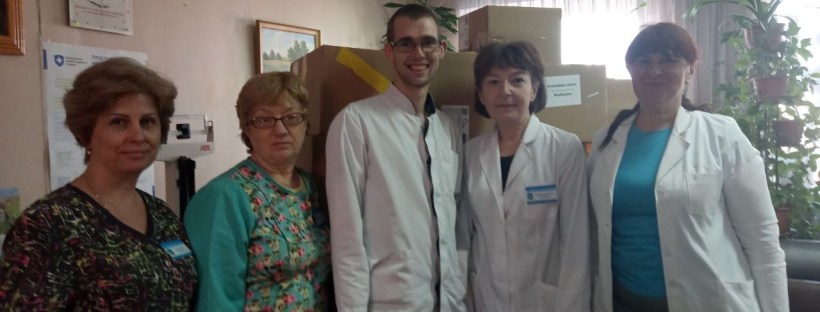









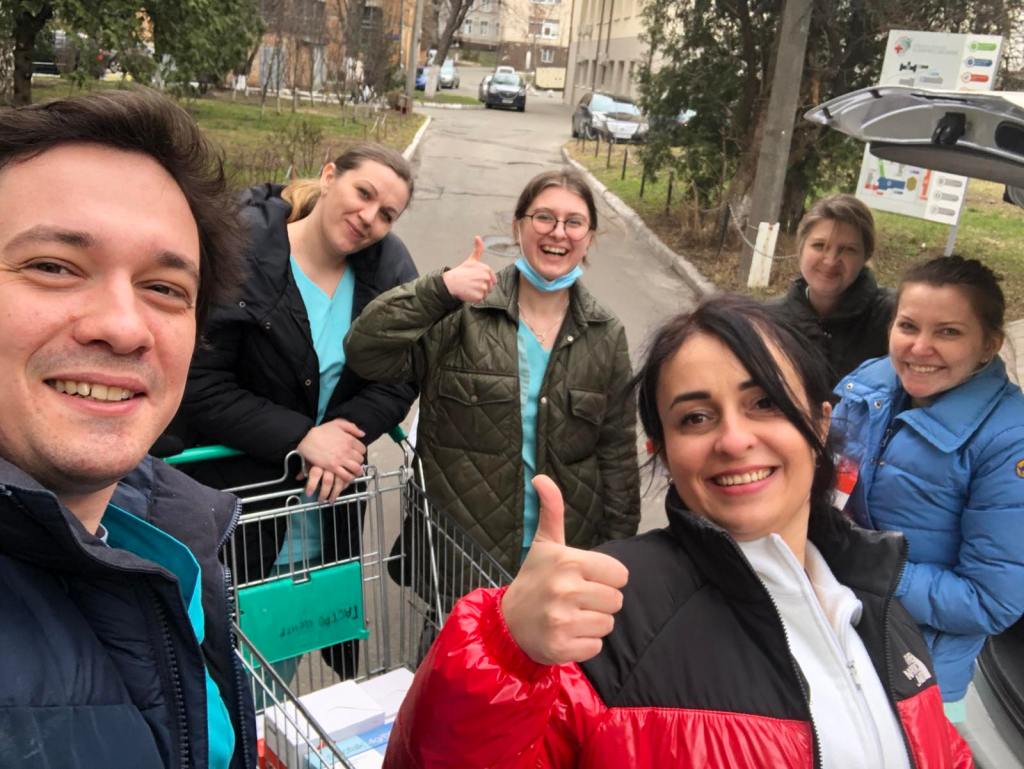
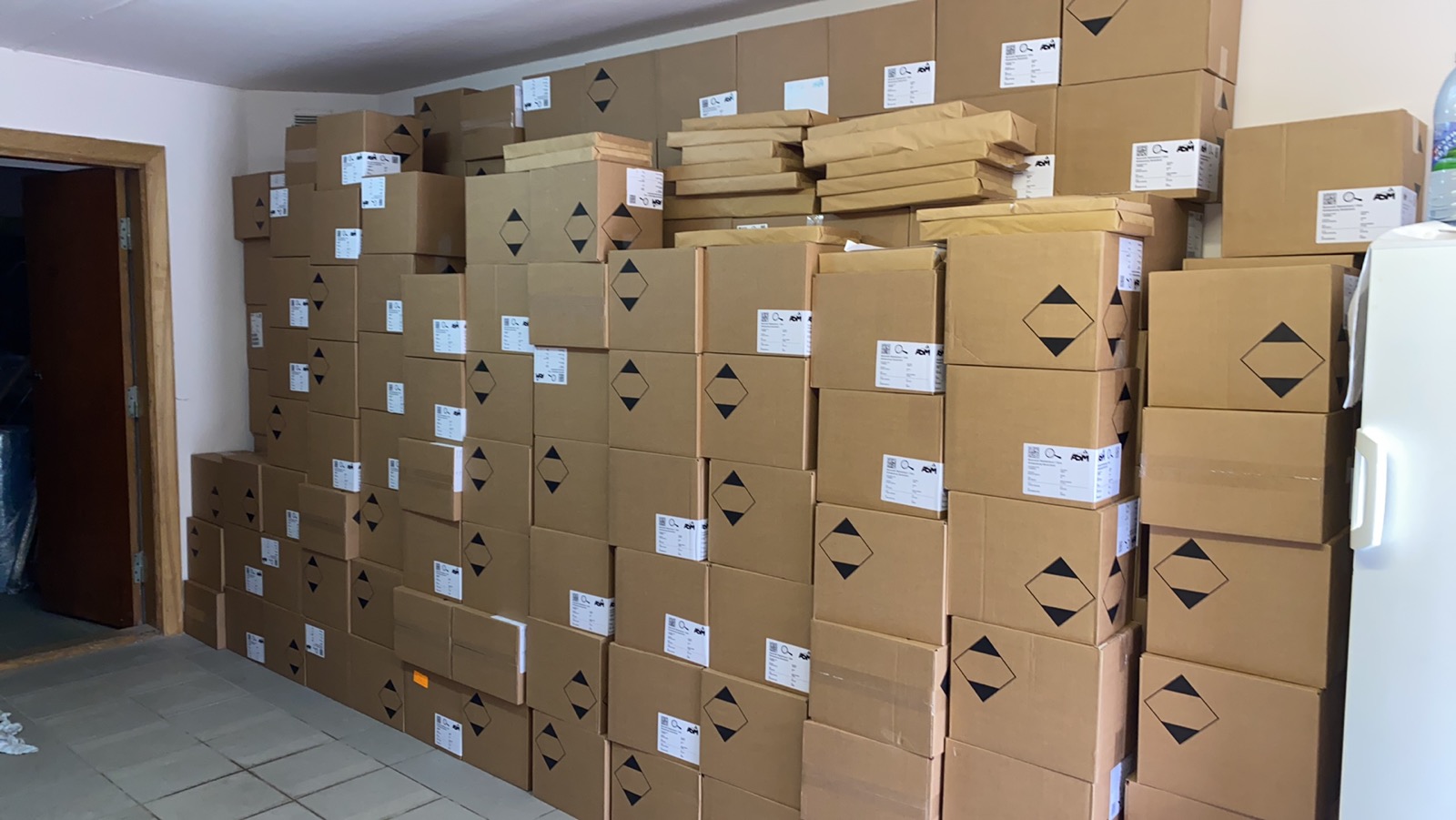


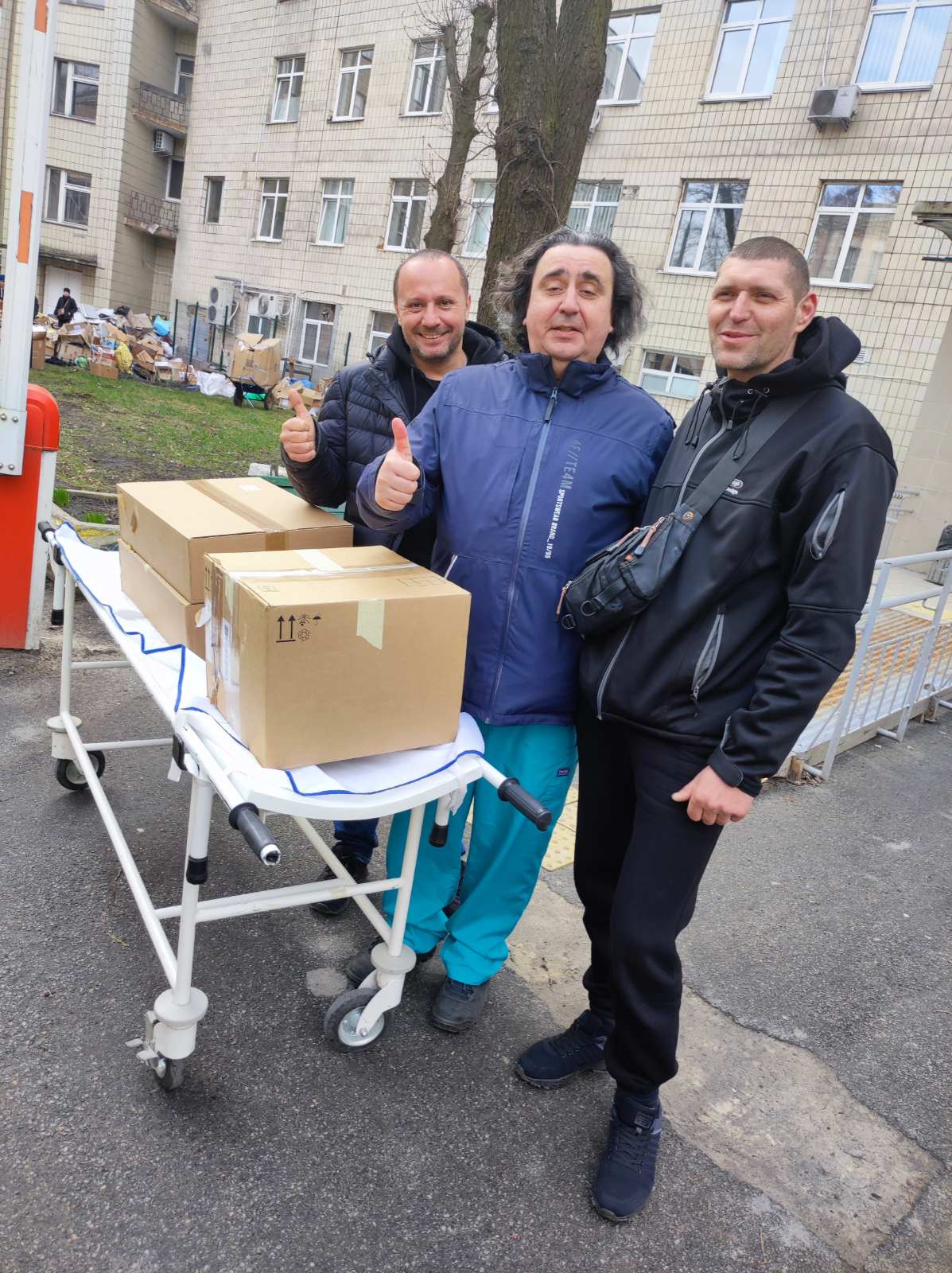

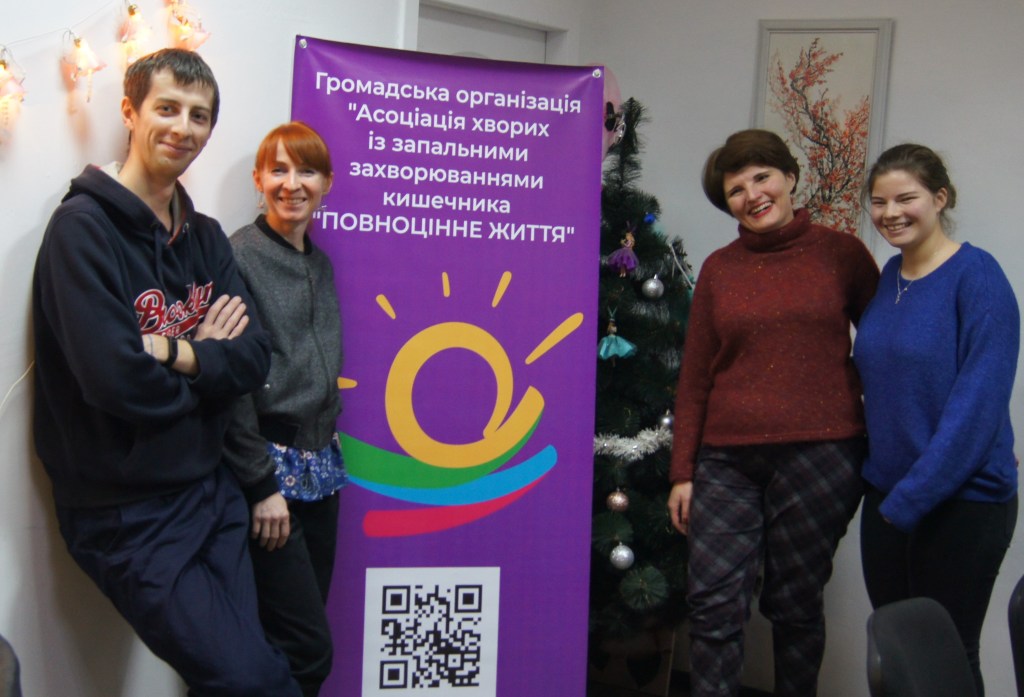




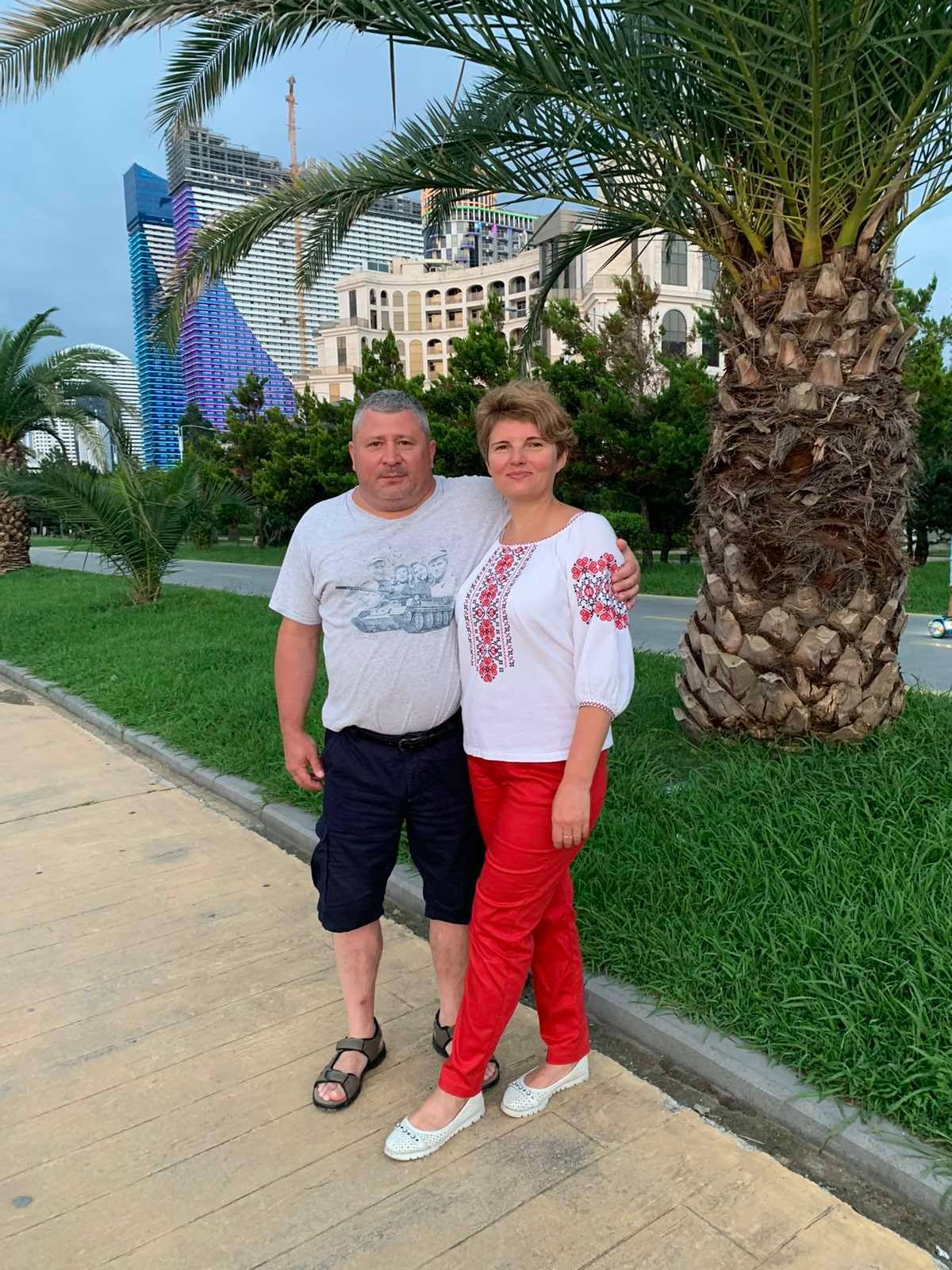


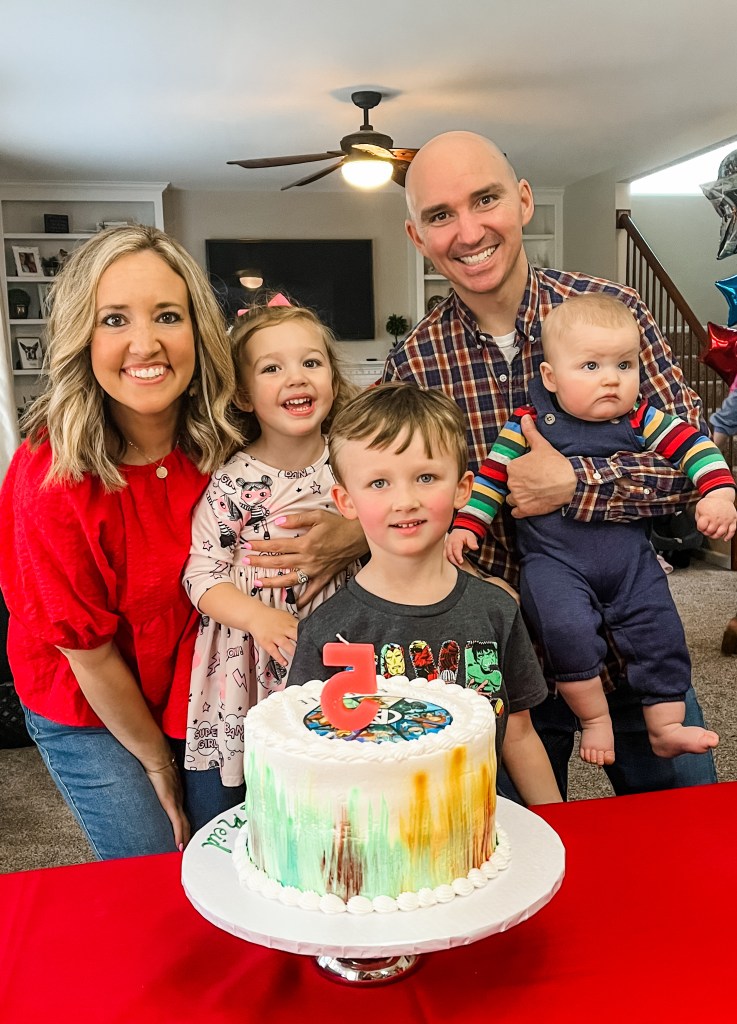
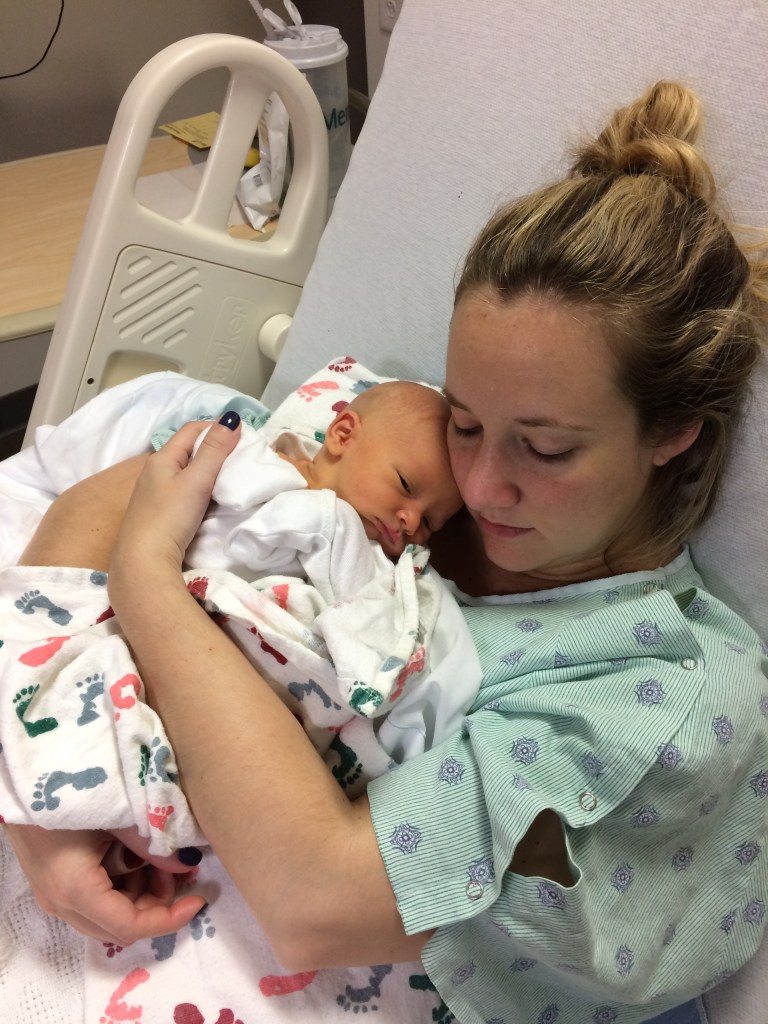
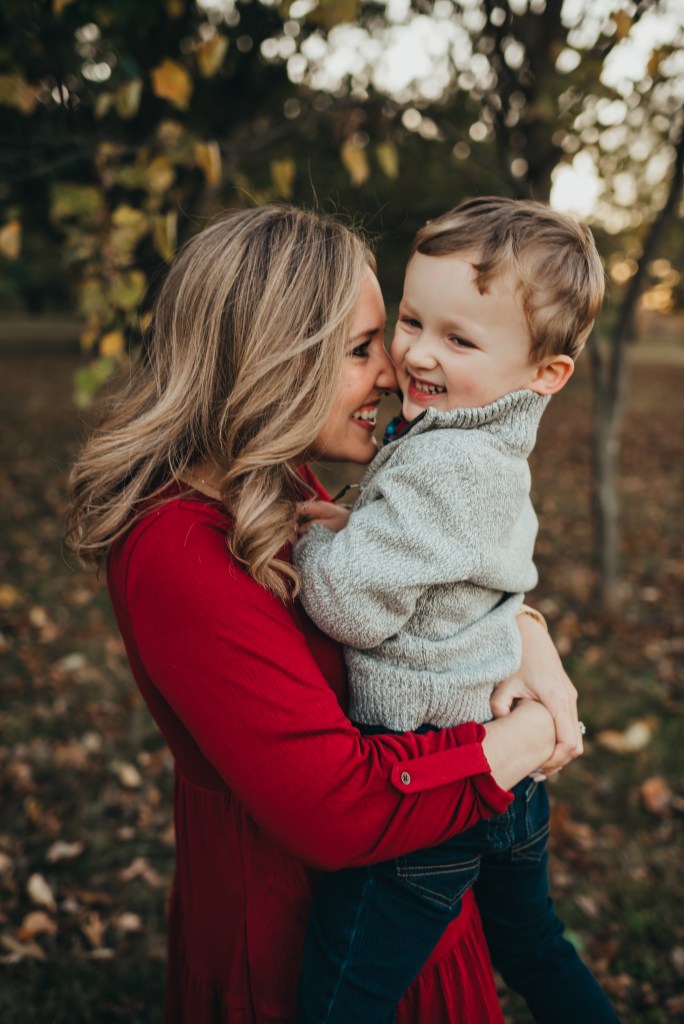


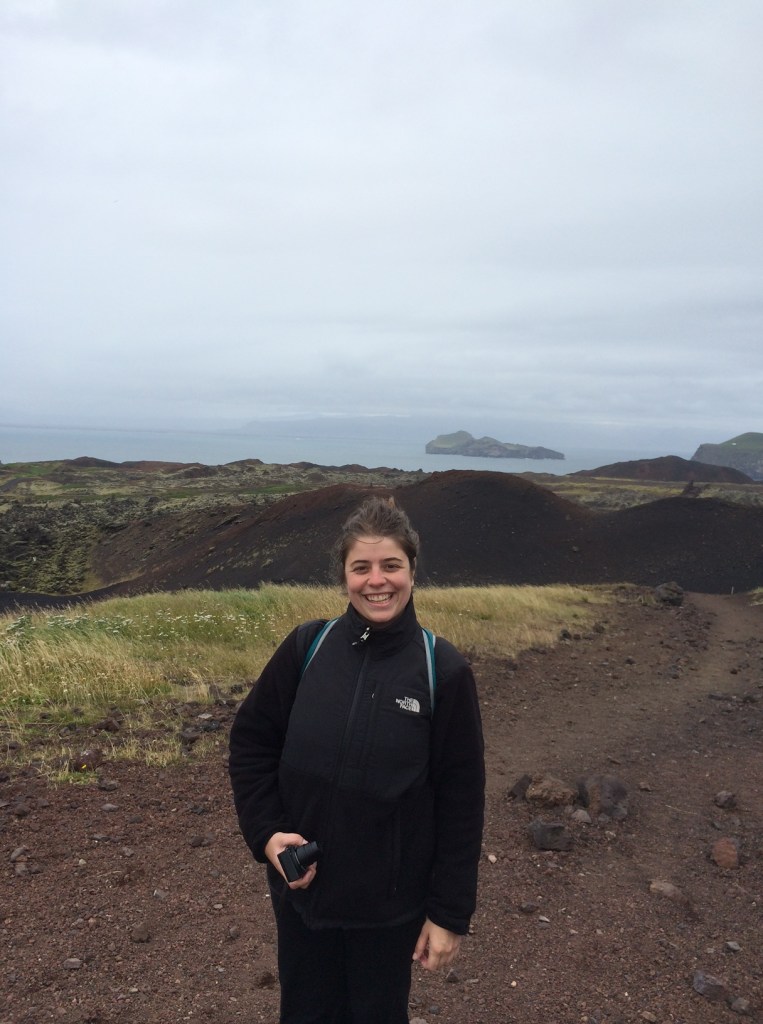


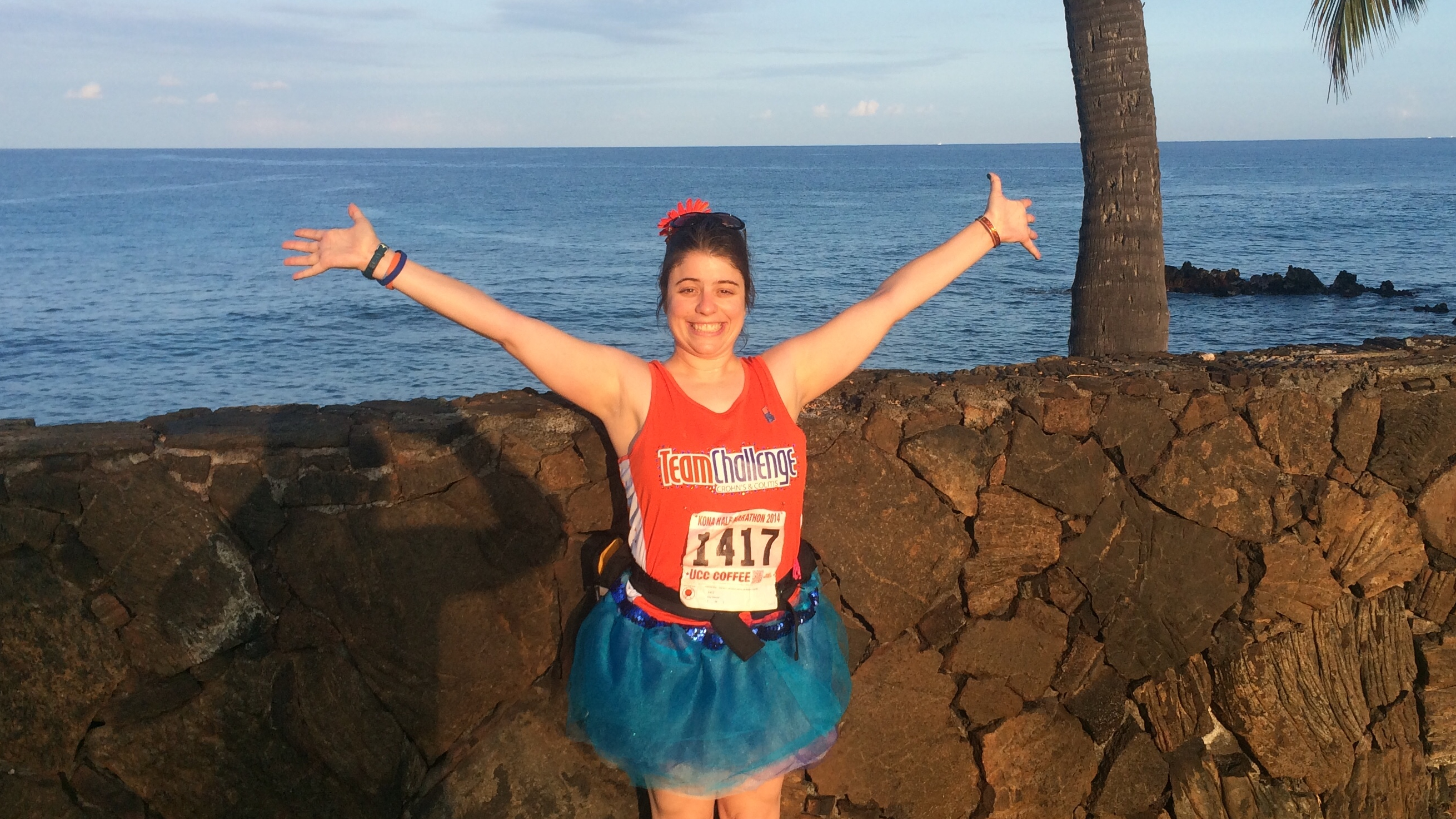












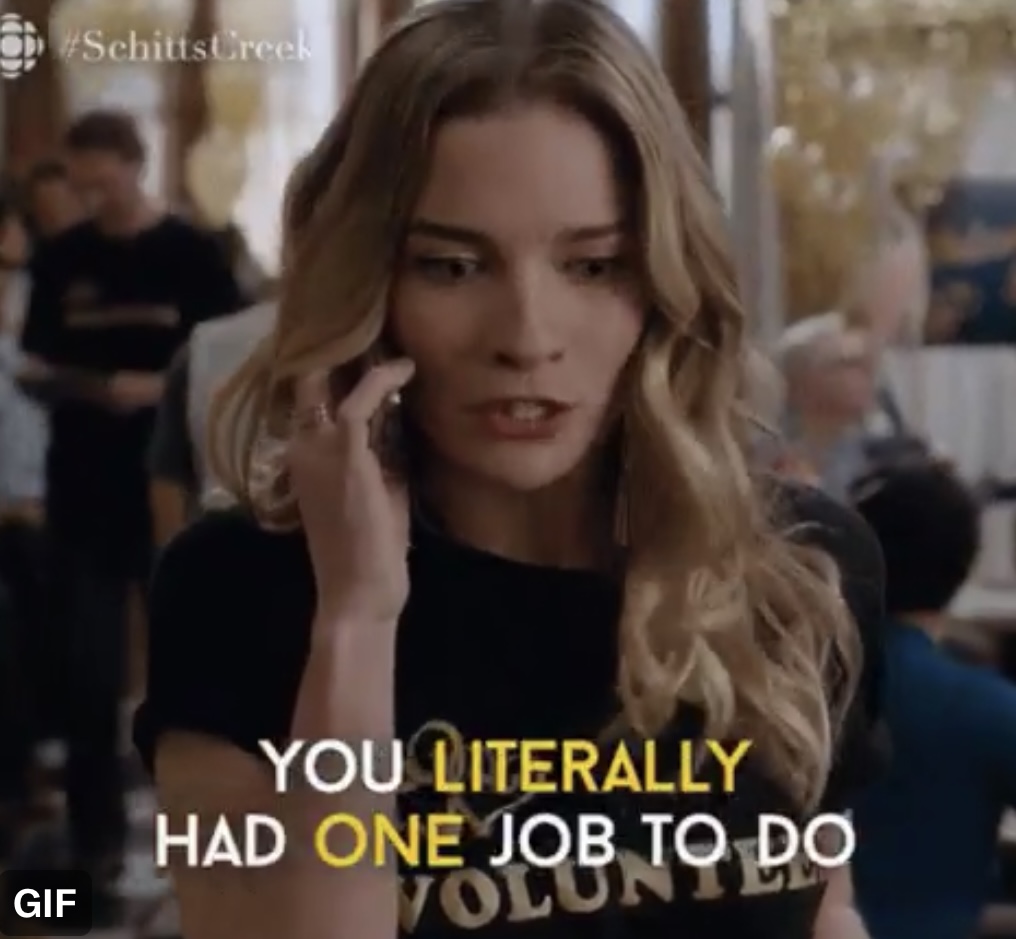


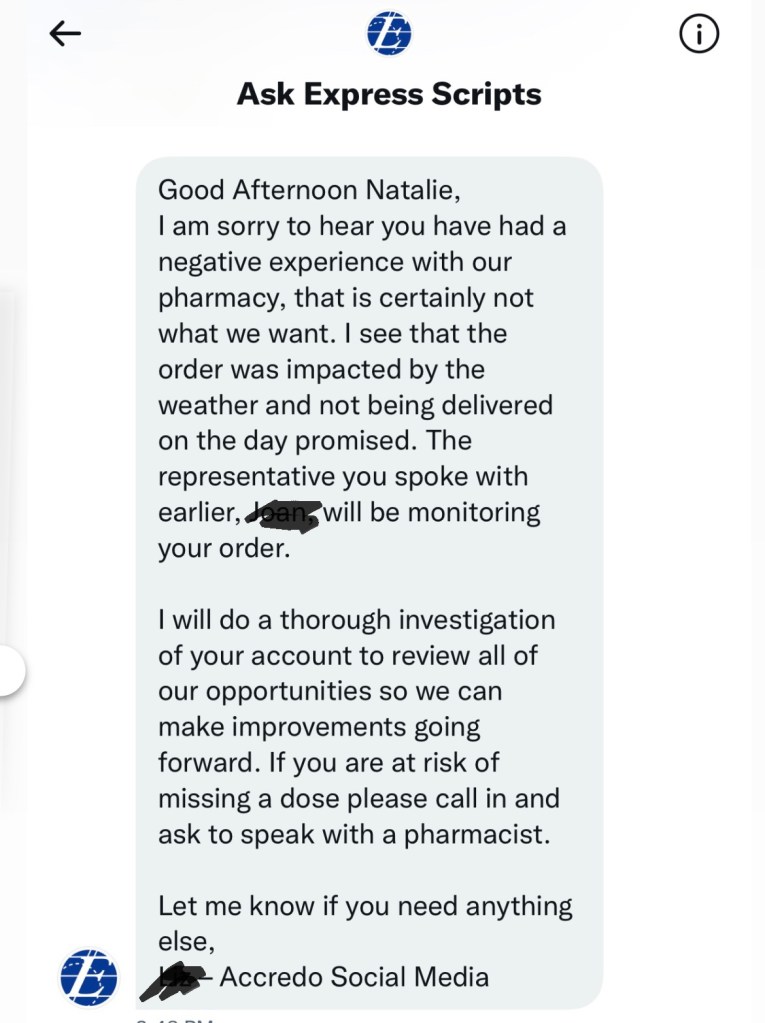

 lights camera crohn's