“So, You Have an Ostomy”: The Complexity of Coping —Part 1

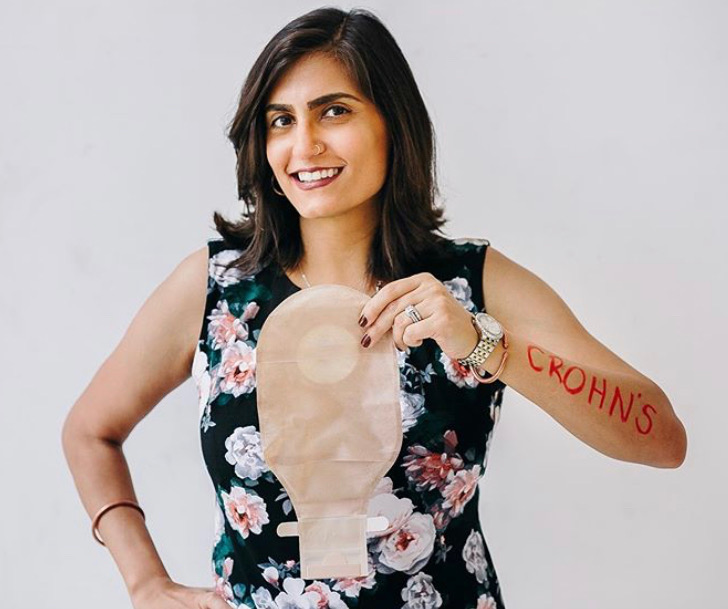
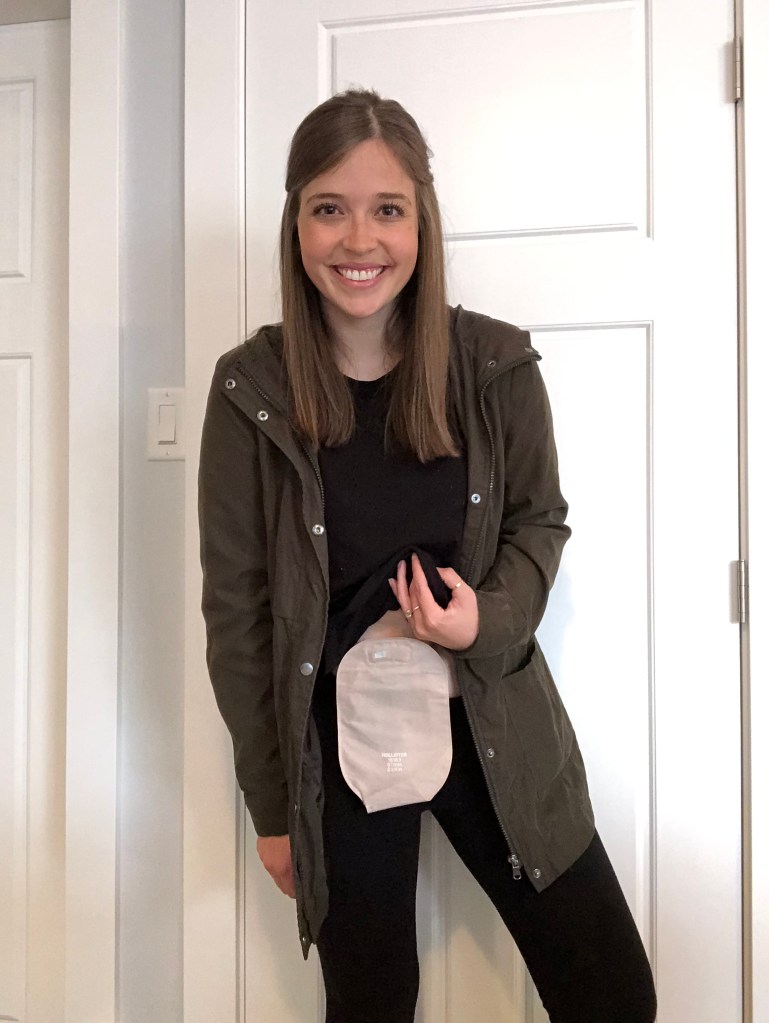
When you think of ostomy, what comes to mind? As someone whose had Crohn’s for more than 15 years, but never been an ostomate, it’s something that has loomed over my head since diagnosis. I’ve always wondered if I would ultimately end up with a bag and what that would mean for my life. I know I’m not alone in those worries and curiosities. Which is why I’m kicking off a 4-part series on Lights, Camera, Crohn’s— “So, You Have An Ostomy.” Over the course of these articles you will hear from more than 20 ostomates from around the world.

Today—we’ll focus on what it’s like to find out you need an ostomy, the complexity of coping, and adjusting to your new normal.

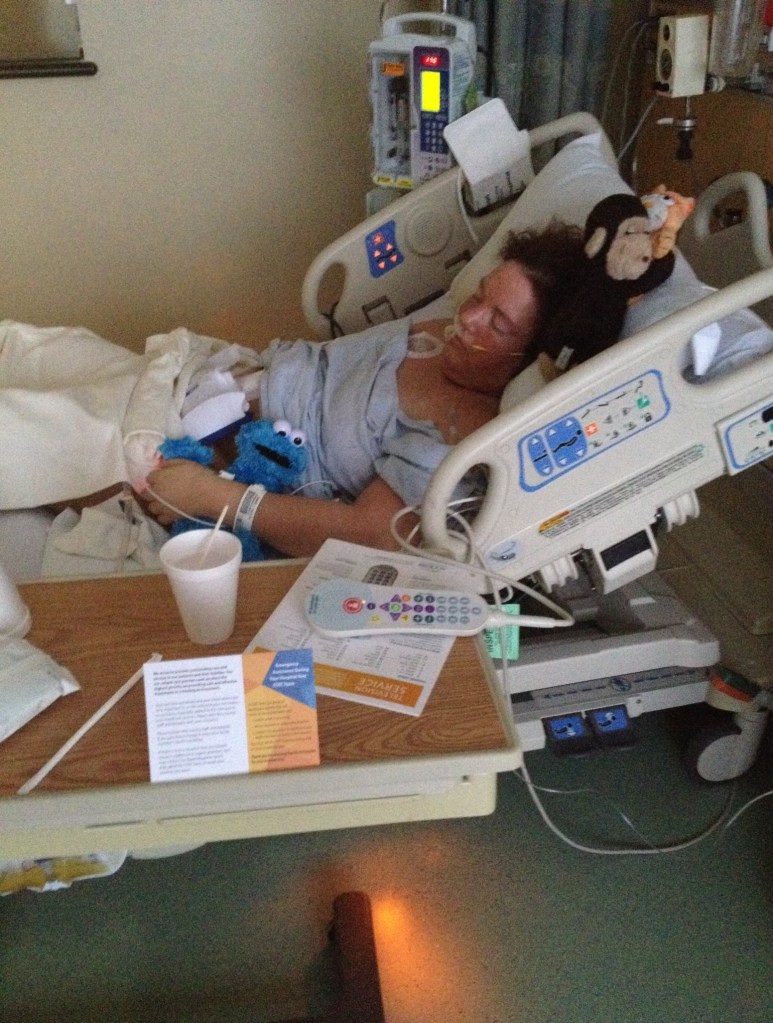
What it’s like to wake up from ostomy surgery

Blake Halpern, 39, of Texas, was diagnosed with ulcerative colitis in November 2004. By April 2005 he had a temporary ileostomy. After four weeks of being hospitalized on full bowel rest, it was determined he would need his colon removed. Blake says he was so worn out and emotionally drained, he felt like a shell of his former self. He was anxious to have the surgery and get his life back on track.

 “The ostomy is so shocking. It seems like something out of a Sci-Fi movie.  My small intestine poking through my abdomen emptying my waste into a bag?? That’s crazy. But it gave me some semblance of my life back. I was able to get out of the hospital, slowly start eating again and reclaiming my life.”

Alison Rothbaum, 41, of Ohio, was diagnosed with Crohn’s disease in 1994 at age 15. She says prior to her ostomy surgery, she went into a very dark mind space that she wasn’t prepared for.

“I woke without a pivotal organ. I woke with a new prosthetic device attached to me. I ached in my belly and in my heart. I needed to mourn the loss of the organ. It’s hard to describe unless you’ve experienced it. I refused to look at myself from the top to bottom in the bathroom mirror for a week. I didn’t want to see what the new body looked like, even though I had already begun to learn how to change my ostomy while lying in my bed.”

For Tina Aswani Omprakash, 36, of New York, needing an ostomy struck a major chord for not only her, but her family. She recalls how her dad hated his ostomy while he was alive and used to rip it off when he was in a coma in the hospital. Because of that, her mom had a significant amount of PTSD from his experiences and was against Tina receiving one. Her cultural society also told her that no one would marry her or accept her if she was an ostomate.

“I held off for as long as I could, but I started thinking that an ostomy wouldn’t be as bad as everyone was saying. I knew I needed to listen to my heart and to my doctors. My gut feeling (as flawed as my gut may be) was right. My ostomy had become my baby so to speak and I grieved for months if not years for the life it had given be back. Don’t let society sway your thinking. Seek counseling and ask all the questions you can to your surgeon and Wound, Ostomy, and Continence Nurse (WOCN) before the operation so you can feel a bit more at ease.”

Tina recommends connecting with fellow ostomate online over social media and through blogs. She says an ostomy doesn’t have to be a life sentence, but rather a life-saving force.

Adjusting to the new normal

Renee Welch, 34, of Toronto, Ontario was diagnosed with Crohn’s when she was nine years old. Getting an ostomy was a life or death decision for her. She knew the life she was currently living wasn’t what she was destined for and ultimately the choice was out of her hands.

“The hardest part of having an ostomy was recovery. It’s a long process that is not progressive. Mine took three months until I was able to feel like myself and even after that my energy was not the same until six months down the road. Recovery is something you can try to mentally prepare for, but you never know.”

Natasha Weinstein, 28, of Connecticut was diagnosed with Crohn’s at age 11. She can still remember feeling that tug on her skin and not knowing if the bag was going to randomly fall off. Eight years later, she’s still impressed with how strong the adhesive is! One of her main struggles was adjusting to her new self-image.

“No longer would I have a “flat” right side when I looked in the mirror, in fact I was always going to have this device protruding and as a college student and a young adult that’s a lot to adjust to.”

Payge Duerre, 21, of Iowa, was diagnosed with ulcerative colitis in 2003 at age 5. Her advice—not to think of your entire life as the first couple months after surgery.

“The first couple months can be shitty. More pain, more recovery, less muscle, new foods, new clothes. The entirety of ostomate life is not like that. My first three months post op were spent relearning life. But now I’m two years post op. I’ve already re-taught my body, but I’m always constantly learning new tips or tricks from other ostomates to make life easy.”

Advice for those who need an ostomy

Ashley Clark, 27, of British Columbia, was diagnosed with Crohn’s when she was 19. Her main piece of advice, “If you’re at a point where you are contemplating ostomy surgery, get it sooner rather than later. Waiting until getting my ostomy was a matter of life or death is one of my biggest regrets. It took me so much longer to recover because I let myself get so sick before I would agree to it. Looking back, I think, wow my life is so much better now, if only I had known it would be and agreed sooner.”

Tionna Forchion, 32, of New Jersey, was diagnosed with Crohn’s when she was 13 years old. She ended up getting an emergency colostomy after a bowel obstruction, so she wasn’t able to mentally prepare for the everything that came her way. Tionna says she was angry at first and cried for days, but as time passed so did her acceptance for how having a bag saved her life.

“My advice for anyone on the verge of getting a bag or needing one is that there is life after getting an ostomy. So many times, people say they don’t want a bag because they assume there will be so many things they can no longer do and that is so false. You can still travel, swim, go to college, have kids, get married and do everything a person without a bag can do.”

Gaylyn Henderson, 36, of Atlanta, Georgia, was diagnosed with Crohn’s at age 14 and has a permanent ileostomy. She says at times with chronic illness you can’t help but wonder if there is anyone out there who really understands what you’re going through, but that there is.

“You need to meet them, and you need to seek them out to know that what you are feeling is not unusual. The feelings you have are very real and it’s not out of the ordinary to be feeling that way. You are not crazy, your life is. There is an importance to building a fellowship of those that can relate to what you are going through. It is imperative to know you are not alone. You may not go through the exact same circumstances, you may not have the same diagnosis, but chances are you have similar experiences and can relate more than you realize. You need to know that what you are going through you will get through.”

Stay tuned for Part 2 of “So, You Have An Ostomy…”, Wednesday (September 23rd) we’ll cover diet recommendations, how to pack when you’re traveling, and how best to change your bag.

Navigating IBD and IVF During a Pandemic WITH A Toddler

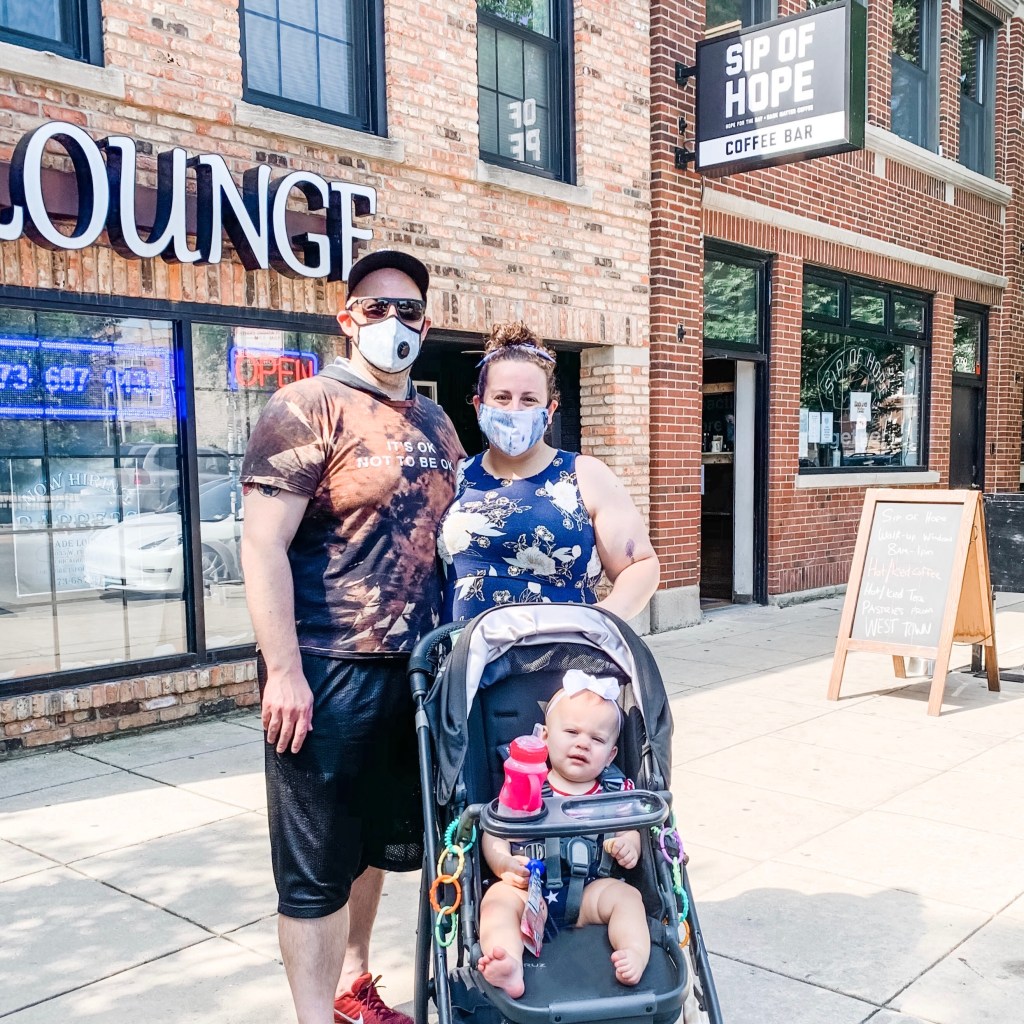
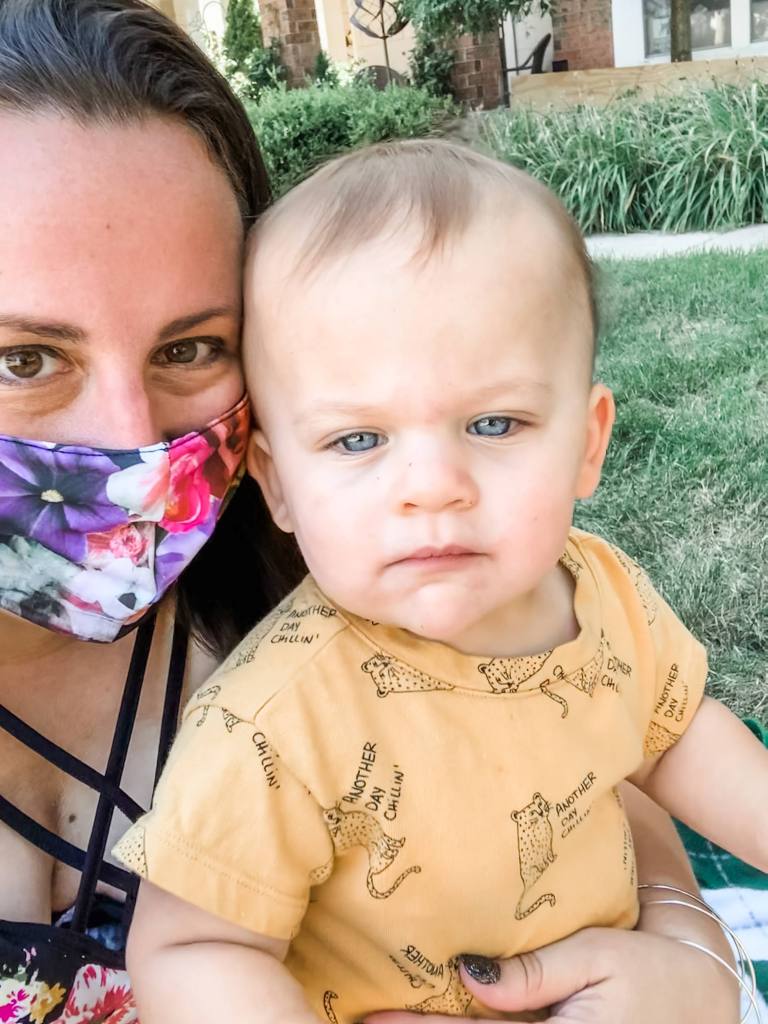
When I asked 34-year-old Amanda Osowski how she’s juggling Crohn’s disease, motherhood, and IVF during the pandemic, she said “with caution.” And rightfully so! These times are complicated and overwhelming for everyone. Add some chronic illnesses and trying to maintain your health, sanity, and emotions while doing all that and trying to get pregnant with a second child through IVF, and I’m amazed she found the time and energy to write this guest post! I’ll let her take it away.

Here we are, more than 7 months into a global pandemic, still wondering if and when life may “resume as normal”. To be honest, in my house, life has in some ways paused and in other ways accelerated since the March quarantines began. As an IBD patient on Remicade (an immunosuppressant medication to manage my Crohn’s disease), I have chosen from the beginning to adhere strictly to social distancing, mask wearing, unnecessary exposure and other risk reducing options. 

This also meant that my job, my income, and my ability to support others has transitioned from mainly in-person to entirely virtual. The silver lining of this is that I’m able to work with clients all over the world. Balancing that alongside parenthood, and IBD during a pandemic requires a good bit of patience, strategic thinking, and deliberate planning.  

Gearing up for Baby #2 Through IVF 

My husband and I were diagnosed with Unexplained Infertility in 2017 while trying to conceive our first child. After several failed treatments, we had one successful round of IVF in which I became pregnant with our daughter in the fall of 2018. As soon as she was born, we knew we wanted to have another baby close in age – both for our family planning goals and in hopes that I would be able to maintain my Crohn’s remission status long enough to complete another pregnancy. 

While we began trying naturally as soon as we were ready, we knew that the recommendation for fertility treatment was to wait until 12 months passed after delivering our daughter. I desperately hoped that we’d get lucky before then, and that we’d end up with natural conception, rather than going through the physical, emotional, and financial journey of another cycle of IVF. I also knew that I wanted another baby, and that would happen however it was meant to. 

How the pandemic has impacted fertility treatments

We were scheduled to begin fertility testing in March 2020, with treatment starting in April. As I’m sure you guessed, that was immediately halted with the closing of most fertility offices and the pausing of all new treatment cycles with the influx of COVID-19 cases and concerns. Having my treatment (and my timeline) be paused indefinitely with the continuing anxiety and stress of the pandemic caused my IBD symptoms to increase – something that then caused me more anxiety and stress about its impact on my IVF plan if and when I was able to reschedule treatment. 

After an exceptionally long few months, my doctor’s office re-connected with me about getting my appointments scheduled. My IBD while not flaring, was not perfectly calm either, and that’s such an important part to me about preparing for pregnancy, so we gave it a little more time. FINALLY, this month (September), I began the treatment protocol I should’ve started five months earlier. Our daughter Brooklyn just turned 16 months old.

Today you’ll find me managing IVF medication injections around business calls, my Remicade infusion schedule, chasing a toddler and being stuck inside my home around the clock. It’s HARD, and exhausting, but it’s the only way I know how to make my hopes come true. 

Tips for handling IBD + IVF

  1. Communication with your partner is critical. From parenting responsibilities to COVID-19 precautions to childcare to work stressors to fertility treatment planning and execution – there is an entire machine full of decisions and emotions that are part of every single day, and not being on the same page as your partner can have devastating effects. My recommendation: schedule time once a week on your calendar after bedtime to talk. Keep a list running during the week of things to add to the conversation. Ask all your questions to each other then, when you can focus and talk and connect. You’re a team, and it’s important in this season to work together. 
  1. Mental health is just as important as physical health. When managing IBD + ANYTHING, let alone motherhood, and a pandemic, and fertility treatment, taking time to check in with your mental health and care for yourself is imperative. Each of these things come with so many feelings, and burying them all will only make it harder to deal (& keep your IBD in check!) I personally recommend working with a counselor, taking time to journal or meditate or center yourself, and ensure you’re checking in with your own needs regularly. 

  1. Social Media Strategy – During the pandemic, I think we’ve all admitted to more screen time than usual. I know firsthand that the amount of pregnancy announcements, gender reveals, new baby births & seeing families with multiple kiddos can cause feelings of guilt, frustration, jealousy, anger, etc. Social media can make things feel extra difficult for those struggling to get pregnant, undergoing fertility treatments AND managing something like IBD. Here’s what I recommend. The beauty of social media is that we can choose what we do and don’t see while we scroll. This is a perfect time to click “hide” or “unfollow” on any hashtags or accounts that make you feel sad or icky. That’s not to say you don’t love your neighbor/friend/co-worker, but in my opinion you also don’t have to constantly watch their highlight reel. On the flipside, utilize social media to connect with your TRIBE. Whether that’s other IBD and IVF warriors, others struggling with infertility, etc – there’s so much more space for online communities now than there ever has been before. If you’re having difficulty finding and connecting with others, please DM me and I’m happy to make some suggestions! Also, please know that whatever you’re feeling during this experience and this season is so valid, and you’re not alone!  
  1. Give yourself grace. There will be days when you feel inadequate – as a parent, as a spouse, as a patient – these moments don’t define you. You’re juggling so much, it’s so important to know that you’re doing the best you can, even if that looks different than it used to or different than you’d like it to. 

If my story resonated with you, or you’d like to connect, please reach out! You can find me on Instagram personally as @amanda.osowski and professionally as @heartfeltbeginnings.  

Why this public bathroom triggers me: Tactics for coping with the mental health aspect of IBD

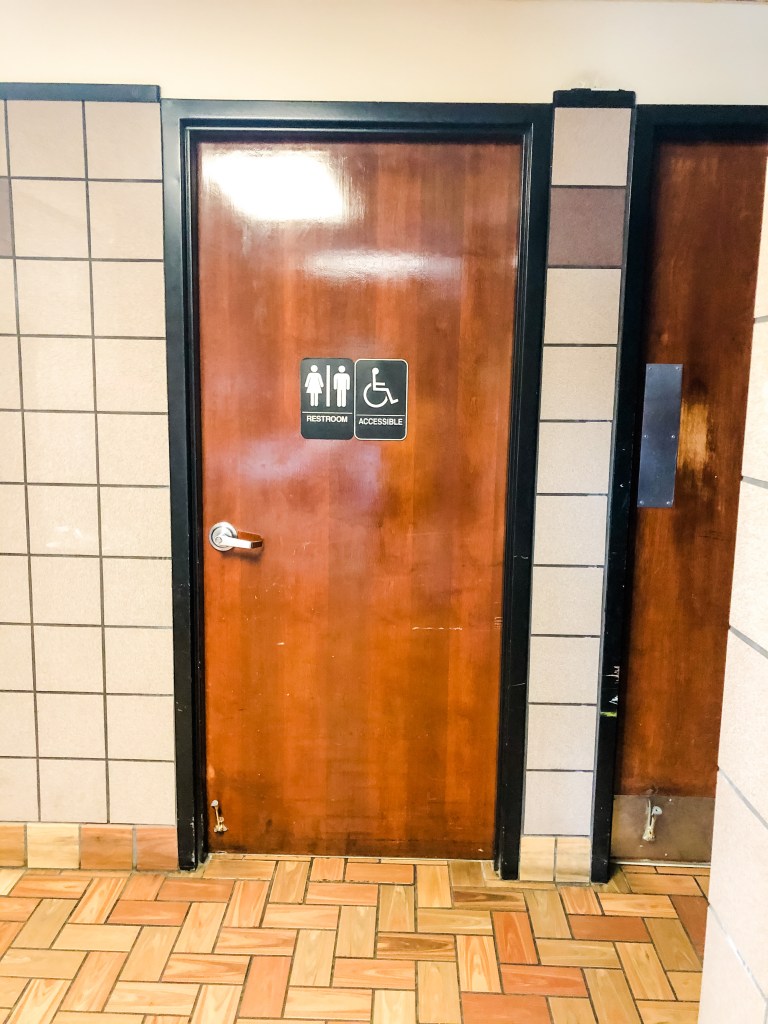
I paid for my groceries and casually pushed my cart full of food through the automatic door when I saw it. The bathroom where I experienced one of my scariest and most painful moments. The bathroom I had to run into after pulling over on my way home from work because I was in such debilitating pain, I couldn’t handle sitting upright in my car to make it the extra five minutes home. The bathroom where I lost all feeling in my arms and legs and where my fingers locked into painful contortions. I couldn’t even hold my phone to call my boyfriend (now husband) to tell him we needed to go to the hospital. The bathroom where I unknowingly happened to call my mom after accidentally hitting “Recent Calls” with my elbow. All she heard on the other line when she answered was me screaming. She didn’t know if I was getting raped, she didn’t know what the hell was going on and she was in a different state. God was watching out for me because she was able to call Bobby and let him know I needed help and I needed help fast.

He rushed to the grocery store and whisked me out of the bathroom and straight to the hospital where I found out I had a bowel obstruction.

I’ve been going to this same grocery store for nearly seven years. It’s been nearly six years since that dramatic experience occurred. But even now, five years into remission, I always go out the other doors because seeing that bathroom is a trigger. A trigger to one of my lowest points in my patient journey with Crohn’s disease. A trigger that caused my IBD to act up right in that moment this past week.

I was forced to go out of the grocery store that way as part of COVID-19 safety procedures to keep all incoming traffic through one set of doors and all outgoing traffic to another.

Coping with psychological triggers

When those of us in the IBD community hear the word “trigger”, food usually comes to mind. We casually say “oh that’s a trigger food for me”, but we often don’t pay much attention to the physical triggers in our lives that can exacerbate our symptoms—such as locations like that grocery store bathroom, relationships with certain friends and family members, the pressure of being enough and doing enough in comparison to our peers, the list goes on.

I interviewed Dr. Tiffany Taft, PsyD, MIS, a Research Assistant Professor at Northwestern University Feinberg School of Medicine, and a fellow IBD warrior to get some clarity on this subject and to learn more about what steps we can make right now to protect our mental health and prepare for the unknown.

NH: As chronic illness patients–how can we best navigate triggers that instigate a stress response? (Other than avoidance)

Dr. Taft: “While avoidance feels like the safest option when it comes to situations that trigger our stress response, it simply kicks the can down the road in terms of the effects these situations have on our bodies. People living with chronic illness may collect multiple situations that trigger the stress response – doctor’s offices, hospitals, certain tests or treatments, making avoidance very risky if it means not managing the illness and staying healthy.

Try the “Exposure Hierarchy” exercise: Dr. Taft recommends making a list of activities or situations that are stressful, ranking them from the least stressful to the most stressful and picking 10 things. Rate those 10 things from 10 to 100 (100 being the worst). After making the list, she has patients start with number 10 and practice that task several times over the course of a week.

Before that, though, she teaches relaxation strategies such as deep breathing and grounding to help when the anxiety goes up. She says, “With repeated exposures to the feared situations and working through the anxiety, each time we do activity 10 again, it will feel easier and confidence grows. Once the patient is ready, they repeat with 20, 30, etc. until we get to the dreaded 100 which will actually feel less scary because of all the other work we did before.”

**NOTE** If you feel you have symptoms of Post-Traumatic Stress Disorder (PTSD) which include vivid nightmares, flashbacks, and feeling on high alert most of the time, you should seek treatment with a trauma therapist. The good news is research on treatments for PTSD show they are just as effective when delivered via tele-medicine.

NH: Can you explain (in layman’s terms) what goes on when we’re “triggered”?

Dr. Taft: “Triggered is setting off our body’s fight-flight-freeze response, and results in a cascade of physical sensations and emotions. The most common ones are muscle tension, sweating, shallow breathing, and heart racing. Unfortunately, this response can also trigger our guts to start acting up because of the brain-gut connection. It’s a completely normal process but when you have IBD it can trigger symptoms. Your thoughts may be all over the place and littered with “what if’s” and “I can’ts”. Your mind may revisit the worst aspects of past experiences or come up with even more catastrophic possibilities in the future.”

NH: As people with IBD–I know many of us are nervous about flaring and needing to be hospitalized all alone during this pandemic, while being at greater risk for getting COVID. Do you have any advice on how to cope/mentally deal with that worry/concern?

Dr. Taft: “Facing a flare and hospitalization was stressful in the “before times” so facing this during COVID19 is an extra level of stress. While we have video chat, it does not replace the comfort of physical closeness and touch we would get from supports who could be in the hospital with us. The good news is hospitals have figured out COVID quite well and the odds of contracting it while hospitalized for IBD are lower than they were at the start of the pandemic.”

If you’re facing hospitalization, think about your resilience in these circumstances. There were probably times you felt like you couldn’t handle it, or it was never going to end or get better, but here you are today reading these words. You made it through. It may not have been pretty, it was probably incredibly hard. Anxiety has a great ability to negate our memories of how much we’ve navigated in the past.

Feeling anxious? Do this: Write down the ways you coped before, what worked and what maybe didn’t. Evaluate your thoughts about being hospitalized. Are they accurate? Are they helpful? What are some alternatives that could help you feel less anxious? If that doesn’t work, sit with the anxiety, and try some deep breathing to calm your nervous system. The sensations will likely pass and then you can retry evaluating your thinking when you aren’t feeling so keyed up.

NH: What advice do you have for people during these already complicated and challenging times when it comes to managing mental health?

Dr. Taft: “This is truly a unique time in that we are all in this COVID19 boat together. We all came into the pandemic with our own life challenges, and those probably haven’t gone away and even may have been made worse. We’re coping with a lot of information, new rules every other day, grim statistics, and people bickering over who’s right or wrong. I’ve told every patient I see to turn off the news. Get out of the comments on social media when people are arguing the same points over and over.”

Steps you can take in your day-to-day: Dr. Taft advises not to spend more than 15 minutes a day on the news, so you can stay informed but not get into the weeds. Take social media breaks, especially if your feed is full of the same tired arguments. Focus your attention on meaningful activities that align with your values. Those are what will bring you some stress relief. And those are unique to you, so no list on the internet of how to cope with COVID is going to solve everything. Sometimes these lists make us feel worse because we’re not doing most of the recommendations. Be as kind to yourself as you would be to your best friend or a beloved family member. Nobody has it figured out right now even though some people like to say they do.

Self-care isn’t selfish: Using my birthday as a re-set button

One of my friends recently said I need to start doing more for me, that once I fill my own cup that energy and that fulfillment will spill onto others, without making me feel depleted and like I’m constantly in survival mode. As an IBD mom of two, who has lived with Crohn’s for more than 15 years, these challenging times we’re living in have forced us all to pause and refocus on what’s important and what we need to do to get by.

IMG-7105

Today is my 37th birthday. Sounds a lot older than I feel, but chronic illness has a way of forcing you to grow up and mature well beyond your years. Between the pandemic, mom life, and my advocacy work, there hasn’t been much time for a breather. I feel as though I’ve been coasting for awhile. Coasting through the day to day. Coasting through remission. Coasting just to make it through.

I don’t want to coast anymore

If you’re feeling the same, please follow my lead and that of others, who have recognized they’re ready to do more to improve their quality of life.

I want to stop being such a “yes” person.

I want to stop making excuses.

I want to stop waking up when my kids call out for me and instead start my day with a cup of coffee outside on the patio or a workout, followed by a shower, while the house is calm and quiet.

I want to stop not asking for help.

I want to stop staying up so late binge watching TV or scrolling through my phone.

I want to stop going months on end without a night out with my husband (we’re going on a date tonight for the first time in over six months!) IMG-7109

I want to stop working seven days a week and being at everyone’s beckon call and instead set aside days where I’m offline and able to live in the moment.

I want to start prioritizing my health, my well-being, my marriage, my friendships, who I am outside of being a mom and a person with chronic illness, because while that’s a lot of me—it’s not all of me.

Finding the ‘Joie de vivre’

Let’s face it, this coronavirus nightmare isn’t ending anytime soon. Much like a chronic illness diagnosis—there is no end in sight. We all rise to that challenge day after day, and don’t think twice. I fear if I don’t start spending more time for myself, I may put my remission in jeopardy and that scares me, big time, because when you’re a mom and a wife, your flares impact a lot more than just you. IMG-5066 (1)

I look at this 37th year with a lot of hope and a lot of possibility. I’m eternally grateful for the life I have and the family and friends I have around me, near and far. Recognizing there’s a need for change is similar to the importance of being proactive in managing your illness and doing all the things you can to set yourself up for success—whether it’s seeing countless specialists for medical care and preventative screenings, taking medication, getting blood draws and scopes, etc.…I look at this form of self-care as just as important in managing my Crohn’s and giving myself the best shot of staying out of the hospital and flare-free. IMG-6382

Cheers to the next 365 days and beyond! Thank you for following my journey and for your support through the years. This blog is like one of my babies and being able to speak to you through it is one of the most cathartic aspects of my patient journey. If you’re feeling like you’re in a bit of a rut or a funk, remember self-care is not selfish. Now I just need to practice what I preach.

Finding your voice with Crohn’s: How music helps Anna Tope cope

Songwriting has been a coping outlet for 22-year-old Anna Tope, for as long as she can remember. When she was diagnosed with Crohn’s disease in June 2019, she worried if her aspirations of sharing music with the world would be silenced. COVID-19 hit during her final semester at York College of Pennsylvania. She looked forward to and worked hard for her senior recital all four years. The event was scheduled for March 13th, right when the world started to shut down. IMG_6972

Luckily, the music faculty were able to work things out and held the recital before campus had to be cleared out. Anna gave the best performance she ever had. The whole audience was on their feet, followed by a huge line of people waiting to greet her afterwards. The moment was a dream come true. Check out her recital performance here.

The song inspired by Crohn’s

“My favorite part was being able to end my recital with a song that I wrote about my Crohn’s Disease journey called “Renewed.” This is a song that has moved people to tears, and people have told me how much the song has impacted them, especially during the pandemic,” said Anna.

Anna wrote “Renewed” in January 2020, while sitting at a Barnes & Noble. Click here to listen to the song.

She says quarantine has enabled her to focus more on creating music and writing.

“My songwriting is essentially reflecting through some of the hardest times of my life, such as my illness/diagnosis, but also showing how my hardships have been so eye opening and influential,” says Anna.

Finding joy through the suffering

Anna’s main goal with her music is to bring joy and hope to those suffering from chronic illness. The unpredictability of Crohn’s often leaves Anna feeling worried about whether IBD is going to rob her of her musical dreams, but not only that—like many of us, she worries about her future. Two of her biggest fears are finding love and being able to have kids one day. Ann is incredibly grateful for her amazing support system and how her friends and family have rallied around her since diagnosis.image0 (1)

She wants to use her voice, energy, and the broken parts of her experience to bring comfort to those who feel alone.

“IBD has impacted me in so many ways. It’s turned my life upside down, but at the same time it’s given me even more of a passion to sing and to help others.”

Use quarantine to your advantage

Living with a chronic illness in the middle of the pandemic is complicated and challenging, but Anna hopes others use this time to explore their talents and see beyond their IBD. IMG_6121

“Go write some songs or poetry. If you want to learn an instrument, now is the time! Go write that book you’ve been wanting to start. Do whatever brings you a feeling of accomplishment, joy, and comfort.”

The success of Anna’s senior recital pushed her to continue writing. At a time when many of us feel tapped energy wise—mentally, physically, and emotionally, try and find what motivates you outside of your illness. And like Anna, you’ll see, while IBD may change the course of the path you’re on and re-direct you for a bit, just because you have Crohn’s, doesn’t mean you can’t follow your dreams.

Connect with Anna

Instagram: @myvoice.myjourney

Facebook: Anna Tope Music

Twitter: @annatope_

YouTube: Music and Covers


Living life unapologetically as a Black woman with Crohn’s disease

When Melodie Blackwell was initially diagnosed with Crohn’s disease in October 2018, she felt alone. Not because of how isolating IBD can be, but because she couldn’t find many people who were speaking about their journey from the perspective of what it’s like to be a Black or Brown woman in the IBD community. JPixStudio-8924 copy

When I looked for information from the IBD organizations, I felt like there was little to no one who looked like me. Sometimes, and history shows this, we can’t be unapologetic about being a person of color. We must tell our stories in a way that seems more digestible to White America. When I started sharing my journey, I wanted to reach those in the minority community from various walks of life who felt isolated or alone, to let them know they weren’t by themselves and there is a space where they belong. With my non-profit Color of Crohn’s and Chronic Illness (COCCI), I believe that’s what I have been able to do,” says Melodie. 

Dealing with feeling “uninvited”

As a wife, mom, entrepreneur, Black woman, and Crohn’s warrior; Melodie’s view of the IBD community has multiple perspectives. At this time, inclusion and diversity isn’t one that’s at the top of the list. “In order for any organization to be inclusive, they have to have to have a deeper understanding of a community. And when it comes to those who are in the Black community, most people don’t go where they don’t feel invited. Where does that thought process come from? Let’s talk about history and “whites only” venues, seating on the back of the bus, segregation ending less than 100 years ago, and the Tuskegee Experiment to name a few things. Many of us still have family members who can discuss all of the aforementioned like it happened yesterday.” IMG_4657

When it comes to Melodie’s thoughts on not feeling invited, “I am fine with that, because personally, I go where I am not invited. Not having an invitation doesn’t mean that I don’t belong. But as a culture, that’s not a resounding thought process. I know that that can seem odd, it’s a systemic issue. If you don’t know the culture, cultural differences, and historical oppression, you won’t understand that. There are some deeply rooted healthcare adversities – they live on today.”

Leading up to her diagnosis and even today, Melodie has dealt with ignorant physicians along the way. Her Crohn’s presented differently than most. It started with random body parts swelling. She had a doctor tell her she just needed to “squeeze those parts to help the blood flow”. She’s had doctors display their implicit bias and not listen…which resulted in abscesses bursting in her colon and emergency surgery.

Health equity isn’t given, it’s fought for

It’s the inequity that has inspired Melodie to go above and beyond and amplify her voice to show others they can do the same. She launched Color of Crohn’s and Chronic Illness (COCCI) to help lift people up and let them know they aren’t alone and they didn’t choose the challenges before them. She’s received countless messages from people embarrassed about their symptoms. Melodie is driven to show there’s no reason to feel ashamed about your IBD and she’s focused on creating a space that feels safe to get answers and receive help physically and mentally. IMG_1783

I want to empower people of color and beyond, to take control of their healthcare and not feel like they are a victim. I want them to have the resources that they need. I want COCCI to be readily available to help them find doctors, learn more about healthcare, provide a safe space to express their thoughts, help them advocate/lobby for their needs – I want health equity and to decrease the undeniable disparities in this community.”

Don’t be afraid to live

As an IBD mom and patient advocate, Melodie’s main advice is to live. IBD and chronic illness causes all of us to make changes and adjustments throughout the process, but we are still here, and we still can have full lives.

Some days will be tougher than others, but a mindset that says, “I choose Life” every single day, will change your life in the absolute best way,” says Melodie. “You set your limitations, and you determine your victories; don’t let IBD take that away from you.”

You can follow Melodie and COCCI on Instagram:

@melodienblackwell

@colorofcci

Check out her website


Digging in the Archives: Emails I wrote following my Crohn’s diagnosis in 2005

When I started my blog, Lights, Camera, Crohn’s, four years ago, my main mission was to be the voice I desperately needed to hear upon diagnosis. As I reflect on my 15 year diagnosis anniversary, I thought it may be helpful to give you a behind the scenes look at some of my email archives from 2005…days after finding out I had Crohn’s disease. I’ve never shown these to anyone (other than the recipients, of course!)…but my hope is that in sharing private feelings, you’ll be able to see how my perspective about life with IBD has shifted and evolved since I was a 21-year-old girl feeling up against the wall with nowhere to turn.

7E5116AD-B985-4874-93C0-812987927578

Photos taken in May 2005 (prior to diagnosis) and September 2005 (while on 60 mg of prednisone).

This article is dedicated to the newly diagnosed. We’ve all been in your shoes. What you’re thinking. What you’re feeling. What you’re struggling with. We get it. It’s not fair to compare where you are in coping to someone like me who has been dealing with Crohn’s for 15 years and been in remission for nearly five.

Here are snippets from my emails to friends. Reading the pain in my words and re-living this difficult time can be a trigger, but reflecting and seeing how far I’ve come is also incredibly empowering.

“I’m having a really hard time with this, harder than I ever could have imagined or dreamed…and I’m having a hard time trying to act like everything is great on the exterior. I feel like I’m on the brink of a breakdown…the drugs are getting to me so much. I woke up with visible shakes this morning and have been shaking all day. My moods aren’t me. I feel like I am a different person and that as much as I want to be the old Natalie, it’s just so hard to wake up smiling and happy. I’m getting tired of my family constantly asking me if I’m doing ok and feeling ok and everyone staring at me while I eat…I just feel like a pity case to so many people. I feel so alone in all this. I’m trying to be upbeat…and I know that it is going to take time to get acclimated to the lifestyle changes and everything, but right now I’m just having a difficult time figuring out who I am and where I’m supposed to be in life. The insomnia has left me up every night just thinking and wondering what the future holds and if I am ever going to feel normal again.”

“I try so hard to be strong and tough about this and it just all stays bottled up and I just started crying and am having a hard time stopping. It’s just so hard. I look at pictures and think back to even graduation time and it just freaks me out that I went from living a carefree, healthy life…to this. I know it is something that I will always have and that I have to get used to it…but it’s hard for me to handle at times. I don’t mean to complain or worry you or anything, I just feel as though I need to get out some of this frustration before I go to bed. I’m scared of getting sick again and having to go in the hospital sometime again…and I just feel like I can’t go a day without a thinking about all the what ifs. You know I analyze so much…haha…it’s like a living nightmare!”

“I’m sorry if I talk about this too much. I’m sure it isn’t the most appealing or attractive thing to have to hear from your gf…but sometimes it becomes a little overbearing on me…and I can’t hide my fears when it does. I mean I refuse to let this change who I am and the life I will lead, it’s just at times it seems so much bigger than me, and so much larger than life. I know I have been complaining a lot about my puffy cheeks and stuff…and I know that prob gets old…I just get so self-conscious about it…and it just sucks that I have exactly 2 more months left on the steroid. As my dosage gets lower and lower the side effects should stop and start to go away…I’ll believe it when I see it!  I guess it’s just scary to me to see the effects of a drug that are helping me on the inside and hurting me on the outside. I just want to look the same to you as I did the last time you saw me.”

“What I won’t ever apologize for is this summer, because I was going through a living hell, and I saw which friends were there for me and which weren’t. I was ridiculously ill from June 5th-my bday (August 24) and you were angry with me for not keeping in touch. I couldn’t even stand to get myself a glass of water for weeks and was hospitalized for days. I never heard anything from you. I know that people handle those types of situations differently… but that was the hardest thing I’ve ever gone through in my life, and I really needed a strong support system. Battling with a disease and feeling like I completely lost myself has made me have to be a little selfish these past few months. I’m just coming to grips with it all now and thank God I’m feeling well…but it is still an adjustment and has given me a complete different perspective on life.”

You guys. I’m sitting here crying. I’m that girl. I wrote those words. That was 15 years ago and thinking about that time still feels like a knife in my chest. Even though this disease has enabled me to gain so much gratitude and perspective, it still robbed me of a lot. It still hurts…sometimes more emotionally than physically these days since I’m in remission. These diagnosis anniversaries stir up a lot of memories. While I choose to think of it as a time to celebrate another year of taking this disease on with all the strength I can muster, it’s also a time that takes me back to some of the most challenging and difficult moments in my life.

IMG-5353

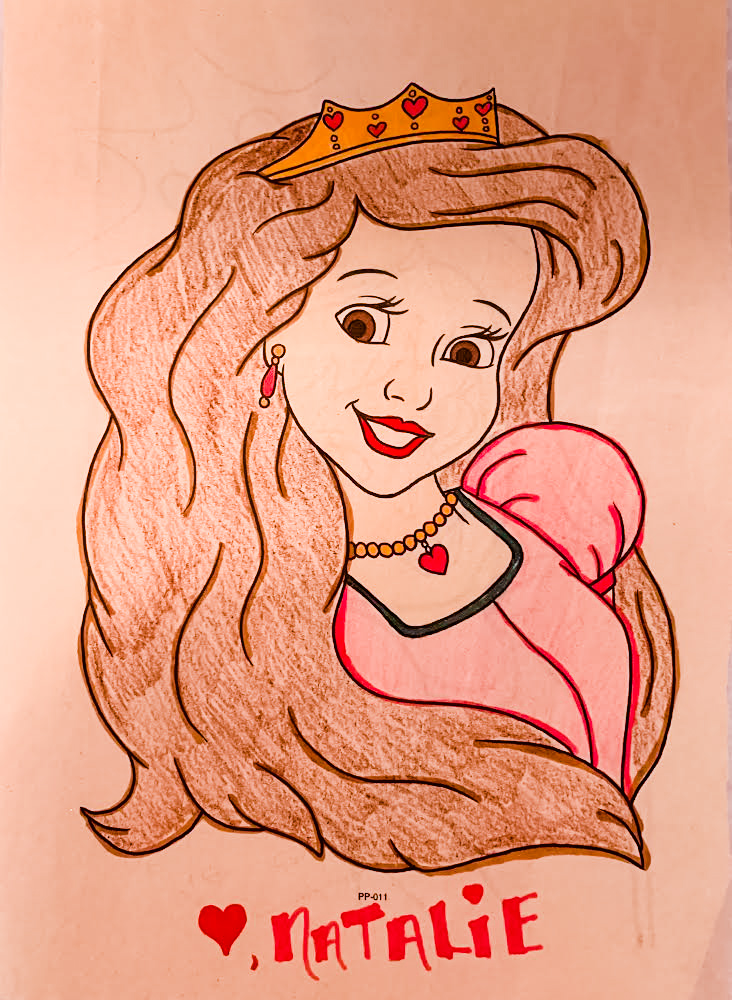
I colored this in my hospital bed after being diagnosed with Crohn’s.

I wish I could hug that girl and tell her it was going to be alright. The career, the love, the family…it would all happen. If you’re in that difficult space right now coming to terms with your newfound identity following diagnosis or getting over a flare up, please know this disease ebbs and flows. It’s not a constant. The good and the bad moments are fleeting, but your resilience and your confidence in coping becomes so much a part of who you are, it’s hard to recognize who you were before.

The Chronically Honest: The Inspiration Behind the Illustrations

She’s the person behind the artwork that has helped connect thousands of chronic illness patients on Instagram. I’m talking about a 20-year-old woman named Julia who created “The Chronically Honest” in hopes of making others feel less alone. Diagnosed in November 2019 after struggling with symptoms for three years, Julia is coming to grips with her battle against IBD in the middle of a global pandemic.

The first in her family to take this disease on, her experiences thus far have felt a bit isolating. As a college student, she often feels out of place amongst her peers.

Image (2)

“When I was first diagnosed I really searched for something, whether it be art, or blogs that portrayed all the feelings I was experiencing and let me know that it was okay to feel them,” says Julia. “I was met with countless stories of positivity and turning a bad situation into a good new perspective on life. While I definitely appreciate that and know positivity is vital when dealing with IBD I was searching for something that showed struggle and depicted the crappy side of living with this disease (pun intended)!”

Striving to dig beneath the surface

With The Chronically Honest, Julia strives to show both the ups and the down of living with IBD. She hopes that by showing the struggles, she can make fellow patients feel better understood. Image

“My inspiration to create my illustrations often comes from struggles or triumphs I’m experiencing in the moment. If I am not doing well and have had a bad day, I will create an illustration that reflects that, and vice versa. However, I also get inspiration from others. If I am scrolling through my Instagram feed and see a quote that really resonates with me and my experience and I think it could help others, I will make an illustration based off that.”

Creating art to cope

“My art honestly helps me cope with my IBD more than I could ever imagine. It’s the best distraction and it’s a wonderful outlet for exploring and sharing my feelings. Often when I’m super sick or have to stay home because I’m symptomatic, I will channel my frustration and sadness into making art.”

Julia’s artwork can take her anywhere from five minutes to multiple hours. Some of her biggest fears lie in finding love, becoming a mom one day, and ultimately needing surgery. All aspects of living with IBD that many of us can relate to. Image (1)

The Chronically Honest is as beneficial to Julia as it is the rest of us. Her artwork exemplifies what so many of us feel throughout the rollercoaster ride that is life with IBD. As a 36-year-old, who has lived with Crohn’s for 15 years, I’m constantly amazed and inspired by the work Julia is doing to not only help herself, but others. Her art is raw and genuine—it will speak to you. You will feel seen. You will feel heard. If you don’t already, be sure to give The Chronically Honest a “follow” on Instagram.  She says if you want a custom illustration, you can send her a direct message!


12 years on a biologic: What I’ve learned along the way

It’s been 12 years since I apprehensively went to my GI’s office with my mom, trembling in fear about the what ifs and worrying about the pain of the injection and how my body would respond. One dozen years ago I threw caution to the wind and knew I needed to take the leap. I trusted my physician. There was no other choice. I knew I needed more to control my Crohn’s. I realized my quality of life depended on it. My present life and my future deserved more. IMG-4785

I wish I could tell that frightened 24-year-old girl that a biologic would enable her to fulfill her dream of working full-time in television, that she would go years between hospitalizations, that she would meet the love of her life, travel out of the country, and have two healthy children…all while on a biologic.

This week—I share my 12 tips for navigating life on a biologic and what I wish I knew 12 years ago today.

  1. Needing medication is not a failure. Not everyone has the luxury of being able to “heal their gut” solely with food and that is ok. You are not less than because you need to be on a biologic. You are not giving up or taking the easy way out.
  2. Side effects are unique to each person. Just because one person responded beautifully to a biologic, doesn’t mean that you will. The same goes with horrible side effects. One person’s experience has nothing to do with yours. IBD is unique in each one of us. While some people get a “Humira hangover” and are in pain leading up to their injection, others like me, deal with no side effects whatsoever. Don’t base your experience off anyone but your own and remember to consider the benefit vs. the risk.
  3. Google is not your friend. Prior to starting a biologic or when you are on one, it does you no good to Google and read all the doomsday laundry lists of “what ifs” and horror stories. If you want to educate yourself and truly learn more, communicate with your physicians and connect with fellow IBD patients who understand your reality.
  4. The drug fails you; you don’t fail the drug. Time and time again, I see patients say… “I failed Remicade. I failed Stelara. I failed Entyvio. I failed Humira.” You did not fail anything. This is not a blame game and how your body responds to biologics is completely out of your hands. If a drug doesn’t help limit inflammation and control disease progression, it fails you and you move on to the next.
  5. Have a routine and be compliant. Life gets hectic and being on a biologic must become a part of your routine. It’s helpful to keep track on a calendar or to set up an alert on your phone. I’m old school and write R or L in my day planner…meaning “Right Leg” or “Left Leg”…you’d be surprised, you won’t remember which leg you last injected two weeks ago. I’ve done my Humira injections on Mondays since 2008. I’ve always liked that day of the week because it doesn’t interfere with the weekend and I get it out of the way. No one likes Mondays anyways. Biologics aren’t just something you skip or can forget like a daily multivitamin. For the drug to work you must be compliant and stay on schedule.
  6. You can get pregnant and breastfeed while on a biologic. The most common question I receive from women with IBD is “can I get pregnant on my biologic?” and “can I breastfeed?” …the answer to both of those is a resounding YES. To safely bring a baby into this world, the mama’s health must come first. You need to be a safe haven for your baby and keep your IBD well-managed. By going off your medication, you put yourself at much greater risk for flaring while pregnant and after you deliver. I was on Humira until 39 weeks with my son and 37 weeks with my daughter. To learn more about biologics and family planning check out the IBD Parenthood Project and IBD Moms. IMG_6037
  7. Communicate openly with your GI. Check trough levels every now and then, especially when you’re feeling symptomatic to see if your drug level is therapeutic, if your dose needs to be increased, or if you’ve built up antibodies and need to possibly start a different biologic.
  8. Think about your lifestyle if you’re having trouble deciding which biologic to try. Back when I started Humira in 2008, there were only two biologics for IBD on the market: Remicade and Humira. At the time, I was a morning news anchor and did not share my Crohn’s disease with the public—so choosing to do an injection in the comfort of my home vs. being in public getting an infusion was a no-brainer. Now as a mom of two, I’m grateful for that choice. You can’t beat the convenience of being able to do a 10 second injection on your couch. I have so many friends who spend hours upon hours getting an infusion—having the stress of lining up childcare and allocating that much time and resources to get my medication would be a struggle for me. Let alone needing to get an IV…I know I’m not alone when it comes to having bad veins! I understand you need to go with what your body responds best to and what your physician recommends for treatment…but if the decision rests on your shoulders, I would absolutely choose injection over infusion.

    IMG-4722

    Injections at home make chronic illness mom life a bit easier.

  9. Consider yourself “lucky” if you’re starting Humira now. The first 10+ years I was on Humira the injection was very painful. I know of people who had to take anti-anxiety meds just to feel comfortable receiving the injection. In 2018, the Citrate-free (pain free) version was released in the United States. Click here to watch my emotional experience doing an injection with the pain-free formula for the first time, while pregnant. This has been a game-changer for everyone on Humira, young and old. Self-injecting takes some getting used to, but it’s a hell of a lot easier now that you don’t have to deal with any pain. Chalk this up as a big win for the patient community—and if you haven’t made the switch to Citrate-free yet, make sure you do now!
  10. Drown out the Debbie Downers and the naysayers. You are going to come across friends and family who most likely have good intentions…but will question your decision to be on a biologic and offer useless, worrisome advice or stories of their friend’s friend who died from lymphoma or their boyfriend’s dad who had a bad reaction. I remember people questioning me about being on Humira when we were starting our family. We’re already worried enough, having to deal with the background noise can be the biggest pain of all.
  11. Be inspired by the possibilities. We’re all quick to expect the worse or struggle to imagine a life that doesn’t involve daily setbacks. Think of all the good that can come of this and the quality of life the medication can afford you with. Be patient with your body. Be patient with the drug. Be patient with yourself on this journey.
  12. Get preventative screenings. Stay on top of your appointments outside of your gastroenterologist. See your Ob-Gyn and get annual pap smears. See your dentist every six months. See a dermatologist and get an annual full body screening. Talk with your GI about getting “safety labs” every three months to keep a close eye on your results and make sure nothing is out of whack. See an eye doctor annually, even if you think you have perfect vision. Steroids can cause cataracts and IBD can cause inflammation around the eye. If your child has IBD, make sure to stay on top of pediatrician appointments. Being well-informed about all aspects of your health helps protect you from falling victim to any serious side effects.

BONUS: Reward yourself. Let’s face it. Giving yourself an injection or getting an infusion is not the most enjoyable experience. Think about how you can treat yourself when it’s over. Get some ice cream. Get a manicure. Order that cute pajama set online. Lord knows, you’ve earned it. If you struggle self-injecting, stare at a photo of a family member or friend that exudes strength and resilience, they will inspire you to be strong.

I’m not sure what the next 12 years will bring. Will Humira continue to be my go-to? Will there be a different treatment option? Only time will tell, but for now, I’m incredibly grateful that I’ve been able to stay on the same course of treatment for this long and I don’t plan on doing anything to rock the boat. My wish for you is that you’ll find a treatment that works its magic and shows you all that you’re capable of, despite your IBD.

Caregiving During COVID-19: How IBD has helped one couple navigate the unknown

Rebecca Kaplan was only 20 years old when she met Dan, the love of her life. It was move in day her junior year of college and as she recalls “this skinny guy knocked on my apartment door to ask for toilet paper”. Her family laughed it off – because who knocks on a random person’s door asking for toilet paper – little did they know how that chance encounter would change the course of both their lives. This week, Rebecca explains how her role of caregiver has evolved over the course of a decade and how it’s helped her cope with the pandemic.

Dan and I began dating four months after that initial toilet paper introduction. Two months later, he was diagnosed with Crohn’s disease, right while my mom was starting chemotherapy for Stage 4 Non-Hodgkin’s Lymphoma. As someone who has been plagued with crippling anxiety her whole life, you would have thought I would fold under the stress of two of the most important people in my life receiving life-altering diagnoses at the same time. But I didn’t– in fact, my anxiety motivated me to embrace the role of caregiver.

Dan’s first hospitalization and the colonoscopy that went wrong

We had been married less than a year, living 90 minutes away from our families and our full support system. RK 5His disease had gone unmonitored for years and his new doctor was performing a colonoscopy to see just how bad his IBD had gotten. We were unaware that he had developed a stricture that was so severe that when she pushed the scope through, it nicked the wall of his intestines, causing a perforation and bacteria to get into his bloodstream. Within 45 minutes of waking up from the procedure, he had spiked a 104-degree fever and kept telling me and the nurses he thought he was dying. I was TERRIFIED. But I also found myself motivated by the fear and the anxiety I felt.

Instead of going into a full-blown panic attack, I went into caregiver mode. I knew I needed to be Dan’s voice because he could not speak up for what he needed. It was my job to demand the best care he could get, advocate for his needs, and focus just on him.

While taking care of Dan in the hospital required most of my time and attention, I did notice that I could only do it to the best of my ability if I were also taking care of myself. We lived 45 minutes away from the hospital with a new puppy and no one to take care of him. So, while I wanted to spend 24/7 with him while he was inpatient, I knew that I couldn’t do it for my own sanity. So, I made sure I went home multiple times a day and created a separation between myself and the hospital so I could decompress, eat (SO IMPORTANT), and sleep (ALSO IMPORTANT). Being able to do that meant that I was able to be at the top of my game when he needed me the most. RK 3

It’s been almost 10 years since the series of hospitalizations that started with Dan’s perforation and ended with him having a bowel resection to remove the stricture. And in those 10 years, I’m so thankful that Dan’s health has improved greatly. He’s gained nearly 50 pounds, works full time, works out, plays softball with his dad and brother, and deals with me.

Coping with the COVID-19 Pandemic

With his health stable now, the biggest challenge we’ve been facing the past few months is coping during the COVID-19 pandemic. I have been coping with the pandemic much better than Dan. I jokingly say that I’ve been training for quarantine my whole life, since my obsessive-compulsive disorder has always had me washing my hands, avoiding sick people, and wanting to stay home more than going out. However, Dan does not do well with change – whether that be moving to a new apartment, being diagnosed with a chronic illness, starting a new job, or having life turned upside down by a pandemic. Going from working full-time in an office to being trapped at home, isolating to stay healthy, has been hard for him. His regular life and hobbies have been stripped away from him, and not being able to leave the house and go places has left him stir crazy and agitated. RK 2

Because of this, I’ve put my caregiver hat back on in a different way. I’m not caring for his active disease; rather I’m helping him cope with change and the accompanying stress. I encourage him to do things outside as much as possible, whether that’s taking the dogs on a walk, kicking the soccer ball in the backyard, or going on a hike. I also try and help him see the bigger picture – we’re staying home so that he and our high-risk relatives stay healthy. And I remind him that this is not forever – it will get better and we will get back to normal at some point.

Rebecca’s Top Three Tactics for Caregiving

  1. Make sure you are taking time for yourself – that means eating, sleeping, and doing things to relax and take a break from being a caregiver. This is so important to help you be fully present for your loved one.
  2. Don’t be afraid to ask for help. When Dan had his surgery, our house was a mess and I wasn’t prepared to come home from the hospital with him. So, my mom and sister went to our apartment one night and cleaned/straightened it up for us so I wouldn’t have to do it after spending all day at the hospital.
  3. Find your tribe who will support you as the caregiver. It’s so important to build your own support system separate from your loved one’s support system. Being a caregiver is hard and making sure you have people you can talk to and rely on is so important for your mental health.