This article was sponsored by SmartTab. All opinions and thoughts are my own.
The future of IBD care and treatment is constantly evolving and there’s a lot of hope on the horizon for the patient community. Think back to the moment your physician discussed starting a biologic for the first time and how daunting it was to imagine giving yourself an injection or getting an infusion for the rest of your life. It’s a heavy burden to bear for many reasons.
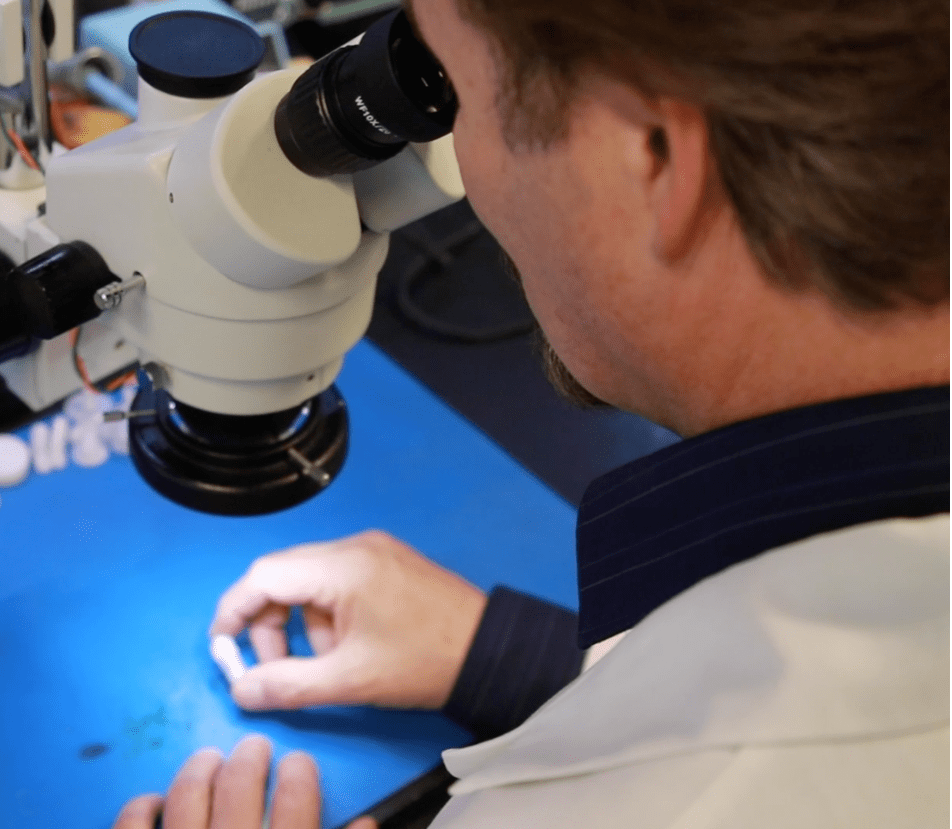
This is where SmartTab comes in. SmartTab is a digital medicine company focused on drug delivery and improving patient care, comfort, and compliance. Their main application, the InjectTab, would give people the option of using the current syringe or autoinjector used to give biologic medication or instead have a person swallow a capsule that would deliver the active ingredients to either the stomach or the small intestine. This initiative is making waves in a big way in both the patient, pharmaceutical, and technology industries. SmartTab was recently named a Tech Crunch Disrupt 2020 Top Pick.
As someone who has been giving myself injections for over 12 years, this is music to my ears. My next question was what this means for those on infusions.
Robert Niichel, Founder and CEO of SmartTab, says, “We will start with the biologics deployed through a syringe and needle and then move to biologic infusions. Imagine if you take that infusion dose and instead take a smaller dose of the same medication as an ingestible capsule once a day. You now have reduced the amount of drug to a daily amount, side effects would go down because you’re not having to process this entire bolus and keep in mind that some of these drugs, no matter what it is, when you have an infusion, whether it’s to treat Crohn’s or receive chemotherapy, your body has to process that out through the liver or the kidneys. It’s stressful on the metabolism and the organs. Our goal, is that one day, regardless of whether it’s an infusion or an injectable, that you’ll take those drugs via an InjectTab capsule.”
Keeping patients in mind every step of the way
SmartTab is determined to limit the anxiety associated with managing diseases like Crohn’s and ulcerative colitis. The diagnosis and living with a chronic illness can be challenging to cope with, no matter how many years you’ve had it. It’s exciting to think what the future will hold for the IBD family.
“If physicians could go to people and say, we are going to start you on a biologic, you will take one capsule, every week, that’s a lot less of a burden than finding out you need to give yourself injections or spend hours with an IV getting an infusion. Your compliance goes up, patient outcomes, go up. At the end of the day, we’re trying to figure things out so people can lead better and more comfortable lives,” said Robert.
Getting InjectTab FDA-approved
SmartTab has the technology of the capsule finalized and they are starting a pre-clinical animal study next month. The InjectTab will inject an active ingredient into the side of the stomach.
“We will then do blood draws to collect the different levels of the active ingredients. Once that is complete, we will move on to human clinical trials and then onto FDA clearance, meaning approval of a device. Once we have that clearance, then we can combine our InjectTab with other active ingredients. Then we would seek out strategic partners to combine a prescription drug with our InjectTab. We would then do human studies.”
A lot of the heavy lifting for the actual technology has been completed, now it’s all about the clinical studies. Robert says the good news is that they’re not working on getting a new drug approved, since existing biologics will be used with the InjectTab technology.
“We believe that five years from now, if you take a biologic, you will no longer need to be doing a self-injection, there will be more options than syringes or needles to get your medication. You could just take a capsule. Whether it’s once a day or once a week, it will be as easy as taking your vitamins and moving on with your day.”
The cost benefits of a capsule vs. an injector
Right now, autoinjectors are typically hundreds of dollars. The InjectTab will range from $10-$50 a capsule, so right away there’s a significant cost reduction per use.
Robert says SmartTab is really counting on the insurance companies to look at this and say they’ll reimburse for the technology to deploy the drug because now patients are compliant and have reduced office visits and disease progression that can lead to hospital stays and surgeries.
SmartTab is currently in talks with several pharmaceutical companies, because that is the path to commercialization and making InjectTab a game changing reality for patients. Initially, the capsule technology will be available in the United States and then Europe. InjectTab will be geared towards the adult population first.
Life with IBD can be a tough pill to swallow, but the future possibilities surrounding InjectTab may prove otherwise. As someone who has given myself injections for more than a dozen years, this type of technology blows my mind in the best way. When my GI walked into my hospital room in July 2008 while I was battling an abscess the size of a tennis ball in my small intestine and he told me I had two options—Humira or Remicade, I was devastated. I didn’t want to give myself injections and I didn’t want to sit with an IV in my arm and feel sickly. It was a lot to process then and is still not always easy now. Hats off to companies like SmartTab innovating and changing the landscape for the future of IBD and beyond. As a patient, it means the world to me to see the tireless work going on behind the scenes that will change the future for those living with Crohn’s disease, ulcerative colitis, and other conditions.
Interested in learning more about IBD innovations? Check out the virtual IBD Innovate: Product Development for Crohn’s and Colitis conference November 17-18. Register here.
Click here to learn more about Tech Crunch’s Top Picks for 2020.
When you’re a parent keeping your kid(s) entertained and engaged throughout the day is a constant challenge, especially as most of us continue to hunker down at home. When you’re an IBD parent, throw extended bathroom breaks, overwhelming fatigue, and debilitating pain into the mix. Keeping up with your kids, while making sure they’re safe and not getting too much screen time can sometimes feel like an insurmountable task. Just as it’s imperative we are proactive at managing our IBD, it’s also extremely beneficial to be proactive as parents. This is where busy boxes come in.
I first heard of this concept when I was pregnant with my daughter Sophia. My son wasn’t even two when she was born. I had intentions of breastfeeding (and I did), but between nursing and pumping, that’s hard to do when you have a busy toddler running around the house, while managing the day-to-day of life with a chronic illness.
What’s so great about busy boxes is that you can be creative, tailor them to your child’s age and interests, and do so without breaking the bank. As a mom of a 3.5-year-old and a 22-month-old, with winter approaching in the Midwest in the middle of a pandemic, I’m starting to update my busy boxes for the long months ahead. I started this past weekend. I went to the Dollar Store and got this haul for a mere $14.
All this for only $14!
Whether you’re at Target, Hobby Lobby, or on Amazon, you can pick up little activities as you go to continue to keep the content within the busy boxes fresh.
Creating your busy boxes
Sensory busy box: Hide farm animals, dinosaurs, or cars in rice, pasta, or kinetic sand.
Themed activities. My daughter loves Frozen, so I included stickers, puzzles, books, and trinkets. My son loves dinosaurs and sea creatures so I will keep that focus in mind as I update his busy boxes.
Letters/Words and Numbers/Counting: Include items that help your child learn the alphabet, recognize numbers, spell, learn opposites, matching and rhyming.
Shapes: Puzzles, felt designs of food and people, and paint-by-sticker books, you get the picture.
Storing your busy boxes
It’s best to keep busy boxes out of reach from your children so it’s something that’s not always accessible. That way, it feels like a fresh new activity. We keep our busy boxes stowed away in the kid’s bedroom closets (where they can’t reach them). As an IBD mom, I recommend keeping a box nearby the bathroom so if needed, your child can sit at your feet and be entertained with little to no effort on your part. Busy boxes also come in handy when you’re trying to cook dinner or having to be on a Zoom call for work. I knew it was time for me to update Reid’s busy boxes this week when I looked over during a Zoom call and he was jumping up and down on a bag of opened pretzels. Fun times! 🙂
Helpful busy box resources
Still looking for some inspiration? Pinterest is a great resource to check out ideas and to come up with activities for your little ones.
Here are some Instagram handles that provide helpful activities and guidance about educating and entertaining your child at home (no affiliations, just giving them a shout out) in hopes of helping you:
@busytoddler
@countingwithkids
@schoolathomeandbeyond
@simplybessy
@playdough2plato
@bestideasforkids
@happytoddlerplaytime
@dayswithgrey
@modernpreschool
@growingupyang
As we gear up for the winter months and this pandemic drags on, I hope you find this useful as an additional tool in your chronic illness parenting arsenal. I know it does my heart good to know I have something fun and engaging to share with my kids, especially on the days when my Crohn’s interferes with my plans or expectations for the day.
If you live with chronic illness, you may often find you sugarcoat your struggles. For 26-year-old Marissa Spratley of Maryland, this is nothing new. She battles Crohn’s disease, psoriatic arthritis, ankylosing spondylitis, and interstitial cystitis. She manages her conditions with Stelara and sulfasalazine. This week she openly shares what she wishes healthy people knew about life with IBD. I’ll let her take it away.
In the chronic illness community we all know how incredibly difficult it is to have Inflammatory Bowel Disease (IBD), or any other chronic illness. We know what it feels like to get hit with a wave of fatigue so hard you have to lay down immediately. We know what it feels like when our gut is on fire from something we ate. We know what it feels like to have nausea so badly all we can do is curl up in a ball on the bathroom floor and cry. We know these things, yet when we communicate with a healthy able-bodied person, we downplay our struggles and pain.
Why are we afraid to be honest about how much pain we’re in on a daily basis? Is it because we don’t want to make others feel bad for us? Is it because we don’t want to show weakness? Or maybe it’s because we feel like by explaining how much we suffer on a regular basis, people might know the truth about us. That even though we are incredibly resilient, we live a hard life. We struggle and we cry and we ache and there are days where we wish IBD didn’t exist at all.
The truth is, hell yeah we are strong. But we are also weak, and we are tired. We are exhausted from always having to be strong in the face of pain. We are sick of having to downplay our symptoms and our suffering to make the healthy, able-bodied people around us feel less uncomfortable. We are tired of saying, “I’m good,” when someone asks how we’re doing and we really want to say “I feel like death.”
So, in the spirit of honesty and opening up to the very ableist world around us about what it’s like to live with IBD, here are four things people with IBD wish healthy people knew.
There are days when it hurts just to breathe.
No, I am not being overdramatic. Yes, IBD affects more than just your gut. There are days when we wake up and everything about us aches. The way I describe it, is that I feel like I just got hit by a bus. My whole body aches deep in my bones, and it can take me an hour just to get out of bed and stand up straight. Those days are some of the hardest because on the outside we look perfectly normal. Please remember that not all illnesses are visible to the eye.
Good intent doesn’t always mean good impact.
We know you’re just trying to help when you make suggestions about things we could do to try to feel better. But the truth is, we know our bodies better than anyone else, and trust us when we say — if there was something we could do to make us feel better, we’d do it. When you comment about things we should try (like juicing or yoga or going paleo), it makes us feel like you think we aren’t doing enough to feel better. Our healing and health are our business, and while we know you care, if we want your help or advice, we’ll ask for it. We appreciate you understanding this.
Having a chronic illness is really hard on our mental health.
IBD is hard, period. Folks with chronic illnesses not only have to struggle with our physical health, but IBD also has a huge impact on our mental health. Being chronically ill makes you question a lot about yourself — Am I a burden to those around me? Am I worthy if I can’t work? Does my chronic illness make me hard to love? It also makes you question a lot about your worth — Am I lesser than because I can’t work as long as healthy people? Will employers not want to hire me? Do I bring enough to a relationship? These are all real questions I’ve asked myself at one time or another, and I can guarantee they are things other chronically ill folks have thought about as well. The way that IBD can affect your mental health is one of the most challenging parts of being chronically ill, because it is not talked about. So, what can you do to help us with our mental health? You can remind us we are inherently worthy, no matter how “productive” we are. You can remind us that you love us for who we are in our hearts, and not what we can do with our bodies. That means more to us than we can even put into words.
Ableism affects the chronically ill, too.
Many people with IBD and chronic illnesses struggle to claim themselves as disabled, and this is something I could go on a tangent about. But here’s what you need to know: IBD affects our bodies in ways that make us less able, or disabled. The truth is, in the able-bodied centric society we live in, we believe it is offensive to call someone disabled because it means they can’t do something. However, to the actual disabled folks in our community, it is not offensive at all. We own the fact that we can’t use non-handicapped restroom stalls or walk up stairs. We are not afraid to say that there are tasks we cannot do as chronically ill, disabled individuals. It is our ableist society who thinks the term disabled is offensive. It is the ableist mindset that believes by saying someone can’t do something, we are being hurtful. Because to the chronically ill and disabled community, we know that our disabilities do not affect our worth. We know that our health does not affect our worth. But now we need you to know that, too.
To all my IBD and chronic illness folks: I see you, and I hear you. I hope that the next time you have a conversation with someone and you want to be real about how much it truly sucks sometimes, you can send them this article.
To the healthy, able-bodied folks reading this article, thank you for showing up and reading to the end. I hope you learned something new about how to better support your loved ones with IBD or chronic illness.
Connect with Marissa on Instagram: @mindbodycrohns
Halloween is extra scary this year for all the wrong reasons. It’s especially challenging for children with IBD who are immunocompromised. This week on Lights, Camera, Crohn’s I share input and advice from several gastroenterologists about everything from trick-or-treating to flu season, along with the game plan four IBD families have in place for the holiday. Much like anything with this pandemic, we’re trying to do the best we can to live, while also staying safe.
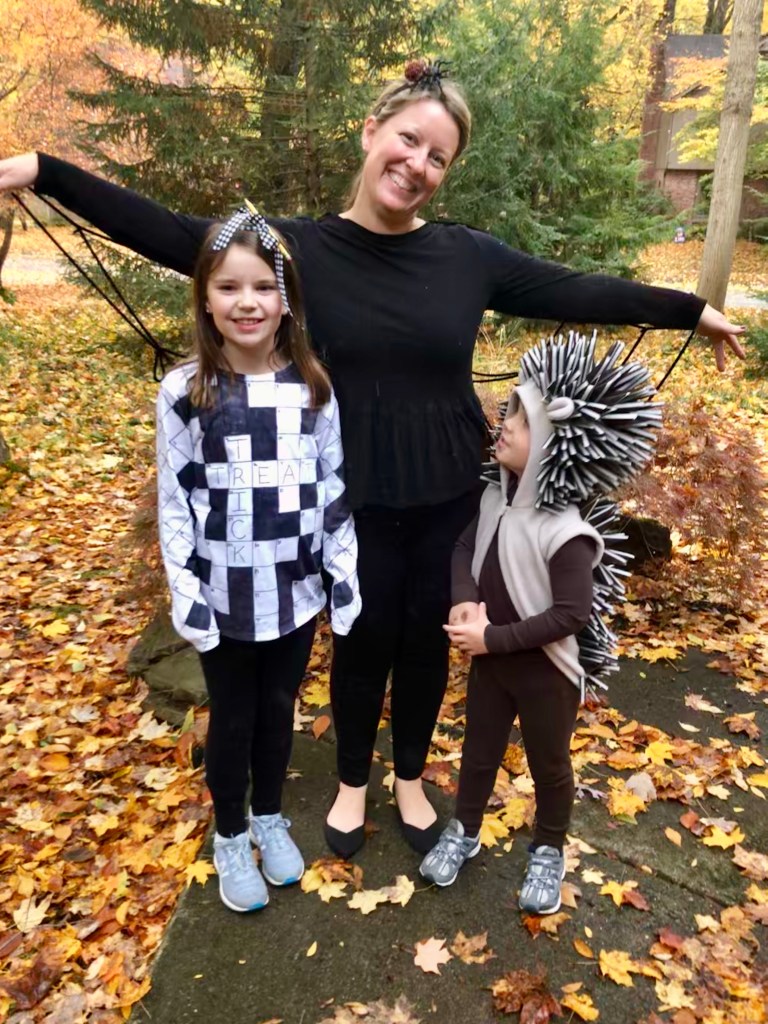
As an IBD mom myself, I’m still conflicted about how best to celebrate Halloween with my kids this year. We have their costumes, and the house is decorated festively, but I’m extremely hesitant to allow my 3.5-year-old son to get candy from strangers in the middle of a pandemic. Our game plan is to hang out with my sister-in-law’s family as we do every year. I’ve been inspired by how fellow IBD families are creatively adapting and making adjustments to celebrate. I think you will be, too.
Nicole’s daughter Addy is 15 and has Crohn’s disease. She’s on Humira. Nicole said her family already had a little “pow wow” to discuss Halloween and how it was going to be this year. They’ve decided to celebrate over the span of two days by doing the following:
Making Halloween Gingerbread houses
Decorating Halloween Cookies
Having a glow in the dark scavenger hunt (The lights in the house will be out, the kids will have glow sticks/flashlights and they will have to use clues to find their bags of Halloween décor. With the bags of décor, each child will create a mini haunted house in their bedroom and go “trick or treating” to the different bedrooms and experience their siblings’ haunted house.
On Halloween night Nicole is going to make a Halloween-themed dinner
The family will watch Blair Witch Project
Nicole says being immunocompromised through COVID has been incredibly challenging for her daughter. She says they are trying to balance everything so that Addy doesn’t fully resent her disease.
“She sees that her friends are hanging out together, not social distancing, and not getting sick. We have had many moments filled with tears and frustration and we are doing the best we can to try and offer social interactions in the safest ways. But, she is a teen…and the efforts are hardly enough. Halloween this year is something my kids are all excited about, but it’s the day-to-day stuff that is most challenging through the pandemic.”
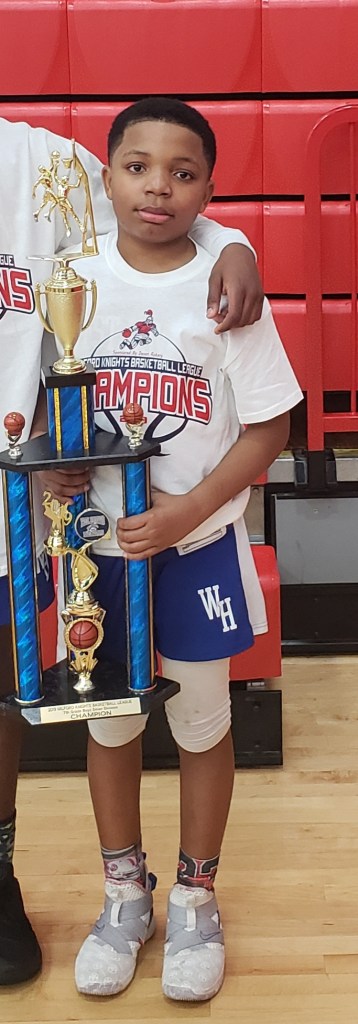
Ebony’s 14-year-old son, Jamar, is on Remicade infusions to manage his Crohn’s disease. Jamar was diagnosed with IBD when he was nine. He’s now a freshman in high school and attending school daily in-person for half a day with the hopes of making the basketball team.
“Even though Jamar is attending school, we decided as a family that we are not going to do anything for Halloween this year. We also plan to celebrate the holidays at home, to keep on the safe side. Since he was diagnosed with IBD and expressed sadness that he didn’t understand why he had to have this illness, I’ve explained to him that we’ll get through this together and that I’ll always support him—and that hasn’t changed through this pandemic,” said Ebony.
Paulina’s nine-year-old son, Grayson, also has Crohn’s. He’s on Pentasa, Entocort, and Omeprazole to manage it. She says her family plans to dress up in costumes as usual. Grayson is going to be Bowser from Super Mario Brothers. They have tickets for a drive through Halloween event at the community center by their home in California. Paulina says even though they have to stay in the car this year, Grayson and his sister are still excited to see all the decorations and participate in the scavenger hunt.
“We also plan on faux trick or treating, where we still go out and walk around our neighborhood and enjoy spotting cool decorations, BUT I will bring a bag of goodies and little prizes. For every few houses we walk by, they’ll get a surprise goodie put into their bag. Grayson will be able to go through his “loot” once we’re back home. I’m sure we’ll watch Nightmare Before Christmas (it’s a family favorite). Halloween falls on a Saturday and on a full moon…how could we possibly miss the nightly walk?”
Paulina says Grayson often feels frustrated when the topic of “being immunocompromised” comes up, but that he understands they are being overly cautious for his own health and that of others.
Cindy’s 10-year-old daughter, Jean, has Crohn’s disease and is on weekly Humira injections. She says Jean is in that interesting phase of childhood where she still kind of wants to go trick-or-treating, but also feels like she’s outgrowing it or too cool for that. This year, Jean is going to attend a small outdoor get-together on Halloween night with four classmates. It’s important to note—Jean has been attending 5th grade—in-person, five days a week since August.
“The kids will make s’mores and pizza and watch a spooky kid movie on an outdoor screen. Because she and her friends are in the same classroom “pod” and she spends more waking hours with these classmates than she does in our own home, we are accepting of her celebrating with them.”
Cindy says Jean’s friends and their families have been extremely accommodating to her immunocompromised status throughout the pandemic.
“When she has visited their homes or on limited occasions shared a carpool, these families have been careful to pursue a combination of exclusive outdoor time, mask-wearing, windows down on car rides, pre-packaged or restaurant carry-out snacks and meals, and having freshly cleaned bathrooms dedicated for guests’ use. Other parents proactively talk through risk mitigation and I couldn’t appreciate them more for their thoughtfulness. Immunocompromised or not, we all share similar concerns during COVID.”
Cindy went on to say she thinks Jean will trick-or-treat with her five-year-old brother at a few of their next door neighbors’ houses. They live in Indianapolis and trick-or-treating is “not recommended” by the county health department there, but she expects many of her neighbors will still be handing out candy.
“I also intend to hand out candy from our driveway, so long as trick or treaters or their parents are wearing face masks. This follows our family’s general approach on life during COVID: we are more concerned about “shared air” than we are about surfaces. We believe (and science indicates) surface infection can be largely addressed through handwashing. Because trick or treating can occur in outdoor spaces, we feel somewhat comfortable with that – balanced with the fact that while we are extremely concerned about COVID and have taken all precautions since March – we strive for an ounce of normalcy. There are enough parts of Jean’s life that are not typical due to living with Crohn’s Disease – whenever we can control any part of her life feeling “normal” we make every effort to do so. This was the case before COVID and will remain so afterward.”
Cindy says she reminds her daughter they are doing everything they can to protect her health, while also doing their best to ensure Jean can pursue all the parts of her life that bring her joy. It’s not an easy tightrope to walk, and as an adult with IBD, my hat truly goes off to parents trying to navigate these unforeseen times for their children.
What Gastroenterologists are recommending for Halloween and beyond
Dr Miguel Regueiro, M.D., Chair, Department of Gastroenterology, Hepatology, and Nutrition, at the Cleveland Clinic says he thinks it’s important for people to “live” and be with family and friends. He has a few tips and tricks (or treats!). (His joke, I can’t take credit!)
“For outside events or walking the neighborhood, this is probably the safest as we are learning that open air events are the least likely for transmission of COVID. At the same time, I would still practice wearing masks, social distancing, and practicing good handwashing. Avoid personal contact, shaking hands, hugging, etc.”
For those distributing candy, Dr. Regueiro says it would be prudent to wear gloves (nitrile gloves or similar) to avoid directly touching the candy. Out of abundance of caution, he said it would be reasonable to also wear gloves to unwrap the candy.
“Regarding trick or treating in malls or confined spaces, this would be less optimal than open air. Masks, social distancing, and hand hygiene is a must. Parties or gatherings in houses should follow the guidance of local health advice. Some parts of the country may have a much lower rate of COVID. Overall, though, I would avoid close gatherings in enclosed spaces, which means avoiding these parties, especially if immunocompromised.”
Dr. Regueiro wants to mention that the IBD Secure Registry is finding that IBD patients on immunosuppressive agents/biologics are NOT at increased risk of contracting COVID. He says while this news can be comforting, it may also be that those with IBD on these types of medications have been extra cautious.
“Everyone should get the flu shot. Getting influenza may mimic symptoms of COVID, and influenza is also a very serious virus. We think getting influenza and COVID could be even more dangerous. Getting plenty of sleep, staying well hydrated, eating healthy, and exercising are also important for the immune system and health. Don’t let yourself get run down.”
Dr. Anil Balani, M.D., Director, Inflammatory Bowel Disease Program for Capital Health Center for Digestive Health in New Jersey does not recommend indoor Halloween parties either, even if kids and parents are wearing masks (whether it’s part of the costume or a regular mask).
“With indoor settings it is hard to control the ventilation settings which could potentially increase the risk of airborne transmission, and furthermore many kids may find it difficult to breath indoors with a mask on.”
Dr. Balani says trick or treating, if it’s limited to outside, is probably ok. Although kids should wear masks when doing so.
“Children can trick or treat with their parents or siblings instead of a group of large friends, unless they are with a small group of friends that are in their “pods,” or groups of friends whose parents have been very careful with all COVID related precautions the entire time. Parents of immune compromised kids can also pick up the treats for the kids.”
Along with maintaining proper handwashing and social distancing precautions, Dr. Balani advises everyone to get the flu shot, unless there are medical contradictions. He recommends taking a healthy dose of vitamins including Vitamin C and zinc and continue to stay on top of all your IBD medical care to keep your disease managed and under control the best you can.
“The SECURE-IBD registry has shown us that people who are in the midst of an IBD flare are at high risk for complications from COVID should they contract the virus. On the other hand, if one is in remission, they are likely to have a better outcome from the virus, regardless of which IBD medical therapy they are on.”
When it comes to celebrating Halloween with his own family Dr. Balani and his wife have a few tricks up their sleeves. Instead of typical door to door trick or treating, they plan to set up an outdoor movie night with Halloween-themed movies, have an outdoor candy/treat hung similar to an Easter egg hunt with family and/or a close knit group of friends, host an outdoor pumpkin carving party, and have a backyard costume/glow dance party.
And don’t feel like you need to throw out your kids’ Halloween candy! Studies suggest that the SARS-COV2 virus may not be infectious on surfaces for too long. If there are doubts or concerns, Dr. Balani recommends leaving the candy out for a few days to allow any virus particles to die. Parents can also open the wrappers for their kids.
Dr. Maria Oliva-Hemker, M.D., Director, Division of Pediatric Gastroenterology, Hepatology, and Nutrition at Johns Hopkins suggests for families to look for other creative ways of celebrating Halloween this year, regardless of whether a child has IBD or not.
She recommends:
Virtual costume parties
Halloween movie or craft night
Making special Halloween-themed treats at home
Outdoor costume parades where physical distancing is possible
Checking to see if the local zoo or other outdoor venues in the area are sponsoring a safe, community event, following social distance guidelines.
“Those who hand out treats on Halloween will hopefully wear face coverings and model safe behaviors. If you are trick or treating, consider going to a smaller number of homes compared to past years,” said Dr. Oliva-Hemker.
Prior to making Halloween plans, Dr. Oliva-Hemker says families should be aware of the levels of COVID cases in their communities, as well as where their family members are coming from.
“For example, if they are coming in, or coming from a hot zone, they may want to consider holding a virtual event or be absolutely sure that they follow known guidelines for safety (masks, handwashing, physical distancing).”
She also says she can’t stress enough that this virus can be controlled in our society—other countries have been able to get a handle on things by people following public health guidelines.
“The virus does not know your political, religious or other affiliation—as a physician my hope is that our country pays more attention to what reputable scientists and public health experts are telling us. Taking care of this virus will also get the country back on track economically.”
Handling Halloween When You’re an Immunocompromised Parent
Mom (and dad!) guilt throughout this pandemic has reared its ugly head a few times especially if you live with a chronic illness and are immunocompromised. The last thing I want is for my kids to miss out on fun and experiences because of my health condition.
Dr. Harry Thomas, M.D., Austin Gastroenterology, says, “For parents with IBD, taking children trick-or-treating outdoors – while maintaining social distance, wearing face coverings, using hand sanitizer, and avoiding large gatherings – is, in my opinion, a reasonable option, provided they are not on steroids. However, I would recommend avoiding indoor gatherings, especially without masks, given the rising case numbers in many areas now.”
Along with receiving the flu shot, Dr. Thomas recommends IBD parents to talk with their IBD provider about the two pneumococcal (pneumonia) vaccines, Pneumovax and Prevnar 13.
Navigating the upcoming holiday season in November and December
Halloween is just the tip of the iceberg when it comes to the holiday season. There’s no doubt this will be an extremely hard time for us all.
“This is normally a time to celebrate with friends and family. But with the COVID pandemic, unfortunately things cannot be the same. This will be especially difficult for those of us living in the cooler climates where the tendency is to go indoors. For any potential indoor gatherings, it would be ideal to limit the number of people to allow safe social distancing. I would encourage families that are planning on staying together multiple days to consider getting tested for COVID before getting together,” said Dr. Balani.
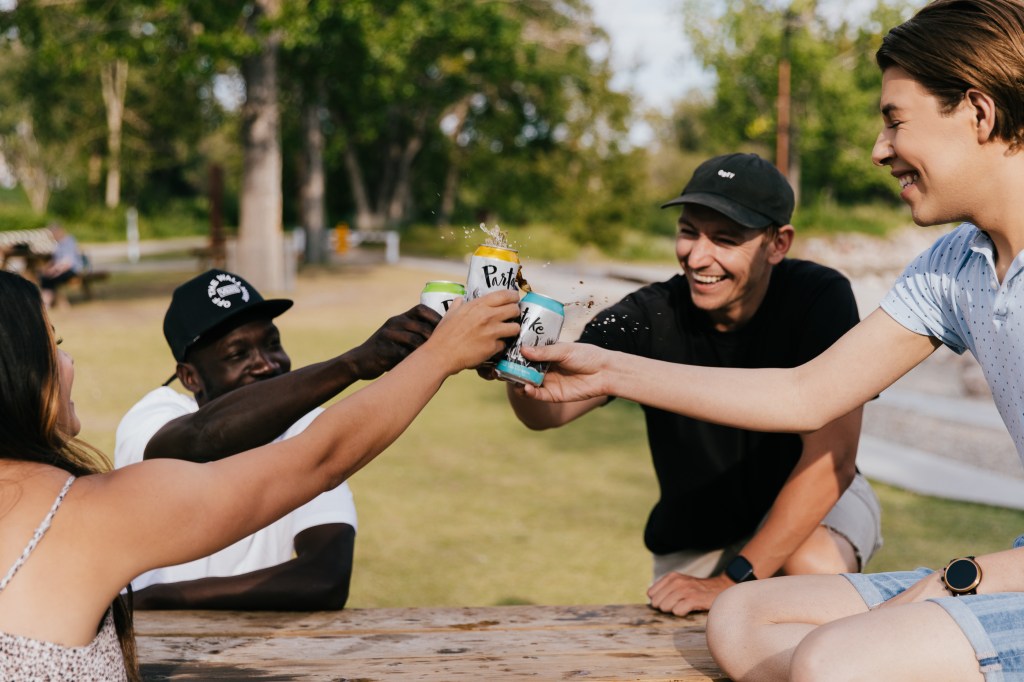
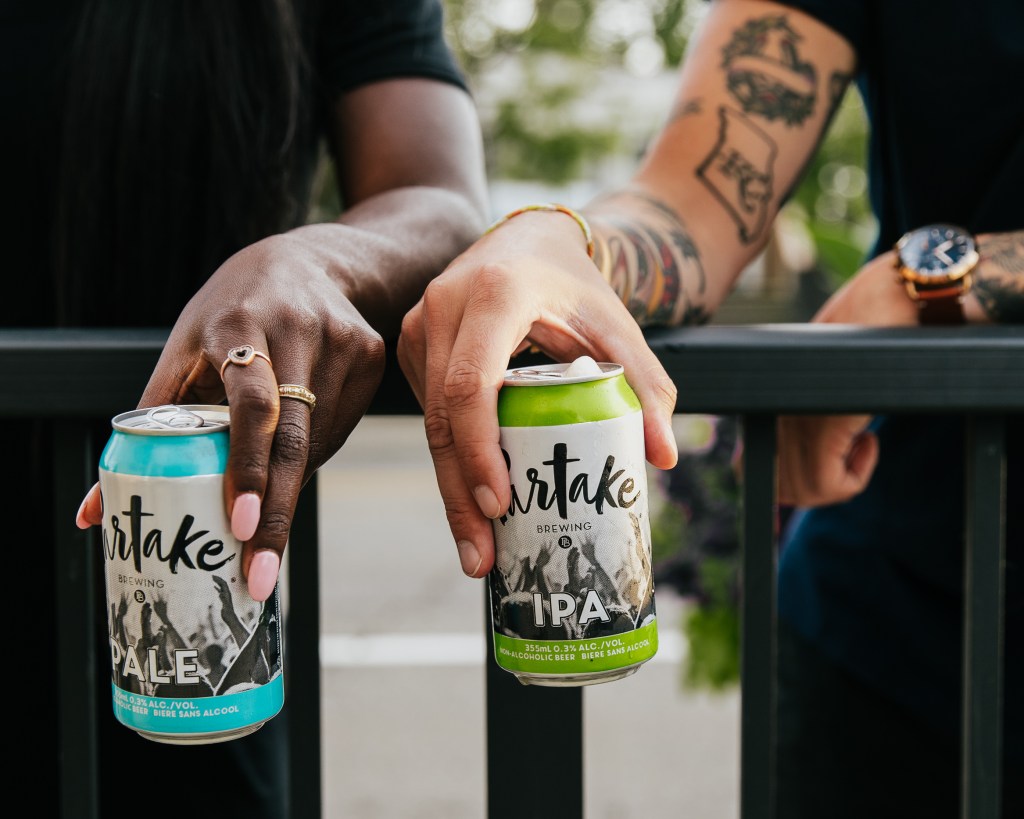
Ted Fleming of Calgarygave up alcohol more than a decade ago to keep his IBD symptoms and disease activity under control. He was diagnosed with Crohn’s disease in 2005, at age 25. Ted says he not only missed the taste of beer, but discovering new beers. Even more than that, he found he missed the social connection that comes with sharing a drink with a colleague after a hard day’s work, cracking a beer with the guys after hockey, and joining in to celebrate special occasions.
A friend suggested he try non-alcoholic beer. Ted says the problem is most tasted awful and there was almost nothing on the market in terms of variety. It was at that point Ted decided to launch Partake Brewing. His hope—to bring all things that make craft beer great to non-alcoholic beer drinkers including taste, variety, authenticity, creativity, and passion. Now 42, Ted, is a shining example of someone whose career path evolved because of and was inspired by his IBD.
I was intrigued by his patient journey and how he got to where he is today. Here’s his Lights, Camera, Crohn’s interview:
NH:How has your patient journey with Crohn’s disease the last 15-plus years helped you create a successful business?
TF: “The discipline around my own personal health has helped me as a business owner to set priorities and largely keep to those priorities. There are many distractions and potential paths to go down as an early stage business so planning and having the discipline to stick to the plan over the long-haul are critically important.”
NH:How do you manage your IBD (medication/lifestyle wise)?
TF: “Regular exercise, medication (Humira), dietary changes (limited red meat, no uncooked veggies, no alcohol), get enough sleep, and be social.”
NH:What advice do you have for those who are worried about finding a career path they’re passionate about while juggling their IBD?
TF: “I am fortunate to have had some long periods of remission, but early on I struggled and that impacted my journey to find a career that was rewarding in ways important to me. Being willing to try new things is a good way to test interests, but with IBD, we don’t always feel up to it… so knowing when to say no and being ok with that is a necessary skill that takes practice.”
NH: How do you navigate the stress associated with running a business and managing your Crohn’s?
TF: “Managing stress has been an important part of my journey and I find that when I do start to have trouble with my Crohn’s, stress is usually one of the triggers. We each manage stress differently so finding what works best for you is important and integrating regular stress relief and stress avoidance into your daily routine can pay huge dividends. Besides avoiding alcohol, I have adopted better sleeping habits, exercise regularly, plan to socialize directly with people, and largely refrain from using social media.”
NH: What type of feedback have you received from customers? Any IBD folks reach out and thank you for creating this?
TF: “We are so lucky to have some of the best fans in the world, our consumers are incredibly passionate about our beer and our mission. We get emails regularly from consumers from all walks of life who are grateful to have the opportunity to enjoy a great beer no matter what their reason for partaking. The IBD community has really rallied around us and I am incredibly grateful and humbled by their outpouring of support. It was this feedback, particularly in the early stages of the business, that helped us push through the inevitable challenges of running a startup and to this day gives us a powerful purpose.”
NH: What sets your non-alcoholic beer apart from the rest?
TF: “Partake Brewing’s beer is crafted with international award-winning recipes, is incredibly delicious, and is only 10-30 calories per can. Our beer is also brewed with four simple ingredients but is packed full of flavor. When I started Partake Brewing, I wanted to not only brew a great beer but I also wanted to bring a variety of great beers to the non-alcoholic market so anyone can Partake on their own terms.”
NH:How/where can people get their hands on Partake?
TF: “You can find Partake Brewing on shelves across Canada and the USA, but you can also have it delivered straight to your door from DrinkPartake.com. In Canada, you can find us at major retailers such as Safeway/Sobeys, Loblaws, Atlantic Superstore, Great Canadian Superstore, and the LCBO as well as many others. In the US, we are sold at Total Wine & More and select Whole Foods.”
I remember the first time I put glasses on in fourth grade and no longer saw the world unclearly. I can still recall the first time I wore contacts sophomore year of high school and experienced how crisp life is supposed to look. Prior to glasses and corrective lenses, I thought my vision was how everyone else saw. I recently came across a discussion on Twitter by Jessica Caron (ChronicallyJess) about how you would describe your IBD journey at the beginning—in one word. One woman, Emily Morgan (@EmMorgan27) replied with the word blurry.
That response got me thinking. It’s spot on for so many reasons. Take yourself back in time to the first week you were diagnosed with Crohn’s or ulcerative colitis and the clarity you’ve gained and continue to gain with each year that passes.
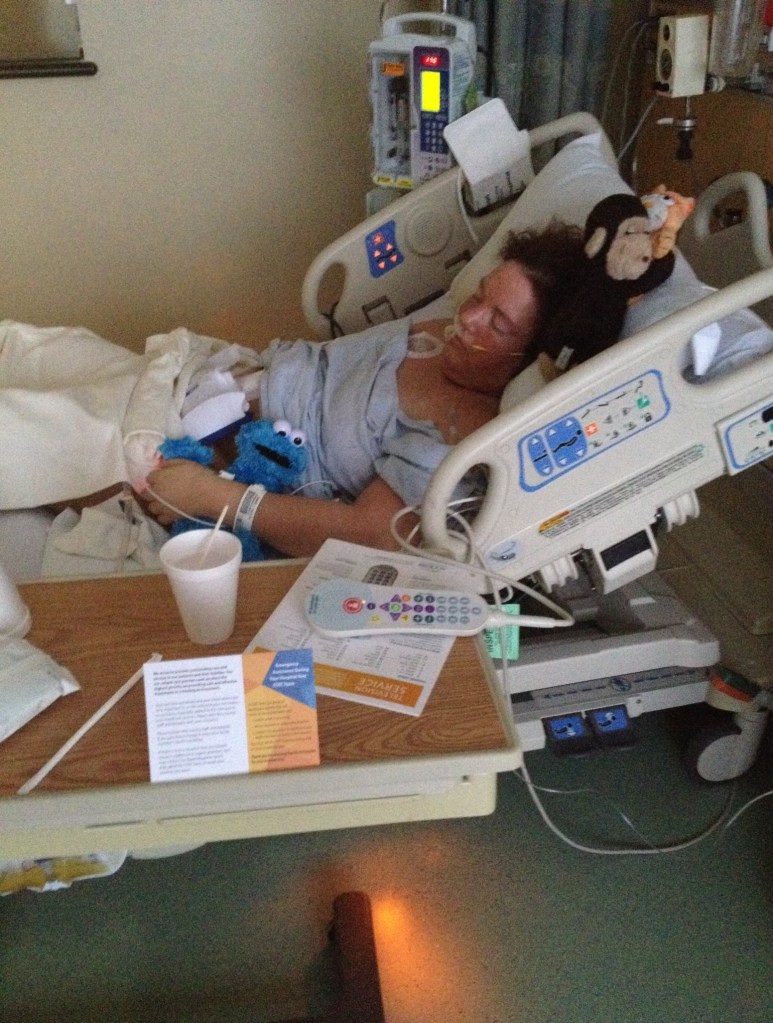
When I was diagnosed with Crohn’s in July 2005 at age 21, I remember sitting almost stoically in my hospital bed because I was so overwhelmed by not only what the next day or week would bring, but the next hour. All my plans, all my goals, all my dreams that were once crystal clear became incredibly hazy. The thought of thinking beyond that moment almost made me feel dizzy with dread.
What does this new world of chronic illness look like?
What would be possible with IBD? Who am I now? How has my identity shifted? Where do I go from here? What will my friends think? What will future employers think? What’s it like to be on medication for the rest of my life? Will anyone ever love me? The list goes on. The vision that I had the first 21 years of my life was forever tainted.
But as the years rolled by, I came to realize the rose-colored glasses I wore prior to diagnosis didn’t give me that clear of a reality about not only my own life, but those around me. Prior to Crohn’s I just expected everything to go my way. Prior to Crohn’s I felt invincible. Prior to Crohn’s I didn’t think twice about my health and what a gift it was.
Now life is anything but blurry
Looking back over the past 15 years, my vision of life with Crohn’s is anything but blurry. As I grew older and more mature, this disease of mine made me see the world clearer than I had ever before. The darkest days have led me to the brightest, shining moments. Nothing is taken for granted. Nothing is expected, but rather overly appreciated. This disease forced me to see the strength inside myself and the resilience that I never knew existed. This disease has demanded a lot out of me and still does, but it’s enabled me to discover a newfound gratitude for life’s simplicities and provided me with superhero strength vision of who is genuinely in my life, and who is not.
It’s gotten to the point where I don’t even know if I would have been the same adult if I never got Crohn’s. My IBD is not my identity, it’s only a part of who I am. Now I credit not only my contacts, but my Crohn’s, for improving my vision.
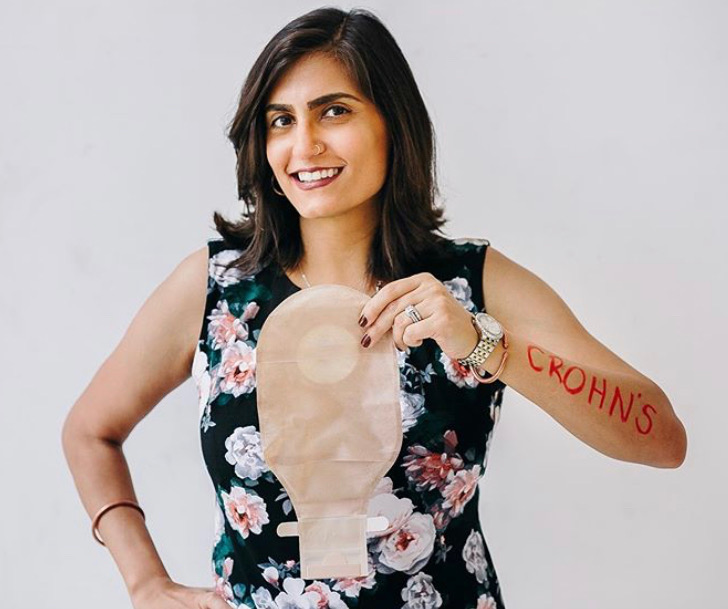
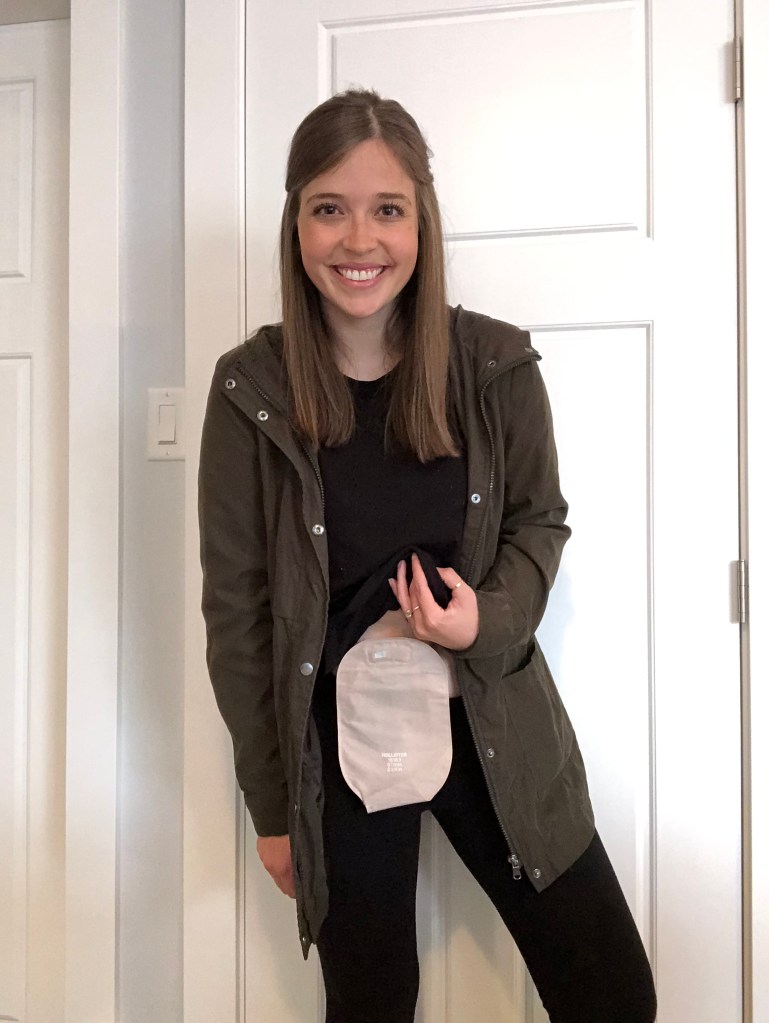
When you think of ostomy, what comes to mind? As someone whose had Crohn’s for more than 15 years, but never been an ostomate, it’s something that has loomed over my head since diagnosis. I’ve always wondered if I would ultimately end up with a bag and what that would mean for my life. I know I’m not alone in those worries and curiosities. Which is why I’m kicking off a 4-part series on Lights, Camera, Crohn’s— “So, You Have An Ostomy.” Over the course of these articles you will hear from more than 20 ostomates from around the world.
Today—we’ll focus on what it’s like to find out you need an ostomy, the complexity of coping, and adjusting to your new normal.
What it’s like to wake up from ostomy surgery
Blake Halpern, 39, of Texas, was diagnosed with ulcerative colitis in November 2004. By April 2005 he had a temporary ileostomy. After four weeks of being hospitalized on full bowel rest, it was determined he would need his colon removed. Blake says he was so worn out and emotionally drained, he felt like a shell of his former self. He was anxious to have the surgery and get his life back on track.
“The ostomy is so shocking. It seems like something out of a Sci-Fi movie. My small intestine poking through my abdomen emptying my waste into a bag?? That’s crazy. But it gave me some semblance of my life back. I was able to get out of the hospital, slowly start eating again and reclaiming my life.”
Alison Rothbaum, 41, of Ohio, was diagnosed with Crohn’s disease in 1994 at age 15. She says prior to her ostomy surgery, she went into a very dark mind space that she wasn’t prepared for.
“I woke without a pivotal organ. I woke with a new prosthetic device attached to me. I ached in my belly and in my heart. I needed to mourn the loss of the organ. It’s hard to describe unless you’ve experienced it. I refused to look at myself from the top to bottom in the bathroom mirror for a week. I didn’t want to see what the new body looked like, even though I had already begun to learn how to change my ostomy while lying in my bed.”
For Tina Aswani Omprakash, 36, of New York, needing an ostomy struck a major chord for not only her, but her family. She recalls how her dad hated his ostomy while he was alive and used to rip it off when he was in a coma in the hospital. Because of that, her mom had a significant amount of PTSD from his experiences and was against Tina receiving one. Her cultural society also told her that no one would marry her or accept her if she was an ostomate.
“I held off for as long as I could, but I started thinking that an ostomy wouldn’t be as bad as everyone was saying. I knew I needed to listen to my heart and to my doctors. My gut feeling (as flawed as my gut may be) was right. My ostomy had become my baby so to speak and I grieved for months if not years for the life it had given be back. Don’t let society sway your thinking. Seek counseling and ask all the questions you can to your surgeon and Wound, Ostomy, and Continence Nurse (WOCN) before the operation so you can feel a bit more at ease.”
Tina recommends connecting with fellow ostomate online over social media and through blogs. She says an ostomy doesn’t have to be a life sentence, but rather a life-saving force.
Adjusting to the new normal
Renee Welch, 34, of Toronto, Ontario was diagnosed with Crohn’s when she was nine years old. Getting an ostomy was a life or death decision for her. She knew the life she was currently living wasn’t what she was destined for and ultimately the choice was out of her hands.
“The hardest part of having an ostomy was recovery. It’s a long process that is not progressive. Mine took three months until I was able to feel like myself and even after that my energy was not the same until six months down the road. Recovery is something you can try to mentally prepare for, but you never know.”
Natasha Weinstein, 28, of Connecticut was diagnosed with Crohn’s at age 11. She can still remember feeling that tug on her skin and not knowing if the bag was going to randomly fall off. Eight years later, she’s still impressed with how strong the adhesive is! One of her main struggles was adjusting to her new self-image.
“No longer would I have a “flat” right side when I looked in the mirror, in fact I was always going to have this device protruding and as a college student and a young adult that’s a lot to adjust to.”
Payge Duerre, 21, of Iowa, was diagnosed with ulcerative colitis in 2003 at age 5. Her advice—not to think of your entire life as the first couple months after surgery.
“The first couple months can be shitty. More pain, more recovery, less muscle, new foods, new clothes. The entirety of ostomate life is not like that. My first three months post op were spent relearning life. But now I’m two years post op. I’ve already re-taught my body, but I’m always constantly learning new tips or tricks from other ostomates to make life easy.”
Advice for those who need an ostomy
Ashley Clark, 27, of British Columbia, was diagnosed with Crohn’s when she was 19. Her main piece of advice, “If you’re at a point where you are contemplating ostomy surgery, get it sooner rather than later. Waiting until getting my ostomy was a matter of life or death is one of my biggest regrets. It took me so much longer to recover because I let myself get so sick before I would agree to it. Looking back, I think, wow my life is so much better now, if only I had known it would be and agreed sooner.”
Tionna Forchion, 32, of New Jersey, was diagnosed with Crohn’s when she was 13 years old. She ended up getting an emergency colostomy after a bowel obstruction, so she wasn’t able to mentally prepare for the everything that came her way. Tionna says she was angry at first and cried for days, but as time passed so did her acceptance for how having a bag saved her life.
“My advice for anyone on the verge of getting a bag or needing one is that there is life after getting an ostomy. So many times, people say they don’t want a bag because they assume there will be so many things they can no longer do and that is so false. You can still travel, swim, go to college, have kids, get married and do everything a person without a bag can do.”
Gaylyn Henderson, 36, of Atlanta, Georgia, was diagnosed with Crohn’s at age 14 and has a permanent ileostomy. She says at times with chronic illness you can’t help but wonder if there is anyone out there who really understands what you’re going through, but that there is.
“You need to meet them, and you need to seek them out to know that what you are feeling is not unusual. The feelings you have are very real and it’s not out of the ordinary to be feeling that way. You are not crazy, your life is. There is an importance to building a fellowship of those that can relate to what you are going through. It is imperative to know you are not alone. You may not go through the exact same circumstances, you may not have the same diagnosis, but chances are you have similar experiences and can relate more than you realize. You need to know that what you are going through you will get through.”
Stay tuned for Part 2 of “So, You Have An Ostomy…”, Wednesday (September 23rd) we’ll cover diet recommendations, how to pack when you’re traveling, and how best to change your bag.
When I asked 34-year-old Amanda Osowski how she’s juggling Crohn’s disease, motherhood, and IVF during the pandemic, she said “with caution.” And rightfully so! These times are complicated and overwhelming for everyone. Add some chronic illnesses and trying to maintain your health, sanity, and emotions while doing all that and trying to get pregnant with a second child through IVF, and I’m amazed she found the time and energy to write this guest post! I’ll let her take it away.
Here we are, more than 7 months into a global pandemic, still wondering if and when life may “resume as normal”. To be honest, in my house, life has in some ways paused and in other ways accelerated since the March quarantines began. As an IBD patient on Remicade (an immunosuppressant medication to manage my Crohn’s disease), I have chosen from the beginning to adhere strictly to social distancing, mask wearing, unnecessary exposure and other risk reducing options.
This also meant that my job, my income, and my ability to support others has transitioned from mainly in-person to entirely virtual. The silver lining of this is that I’m able to work with clients all over the world. Balancing that alongside parenthood, and IBD during a pandemic requires a good bit of patience, strategic thinking, and deliberate planning.
Gearing up for Baby #2 Through IVF
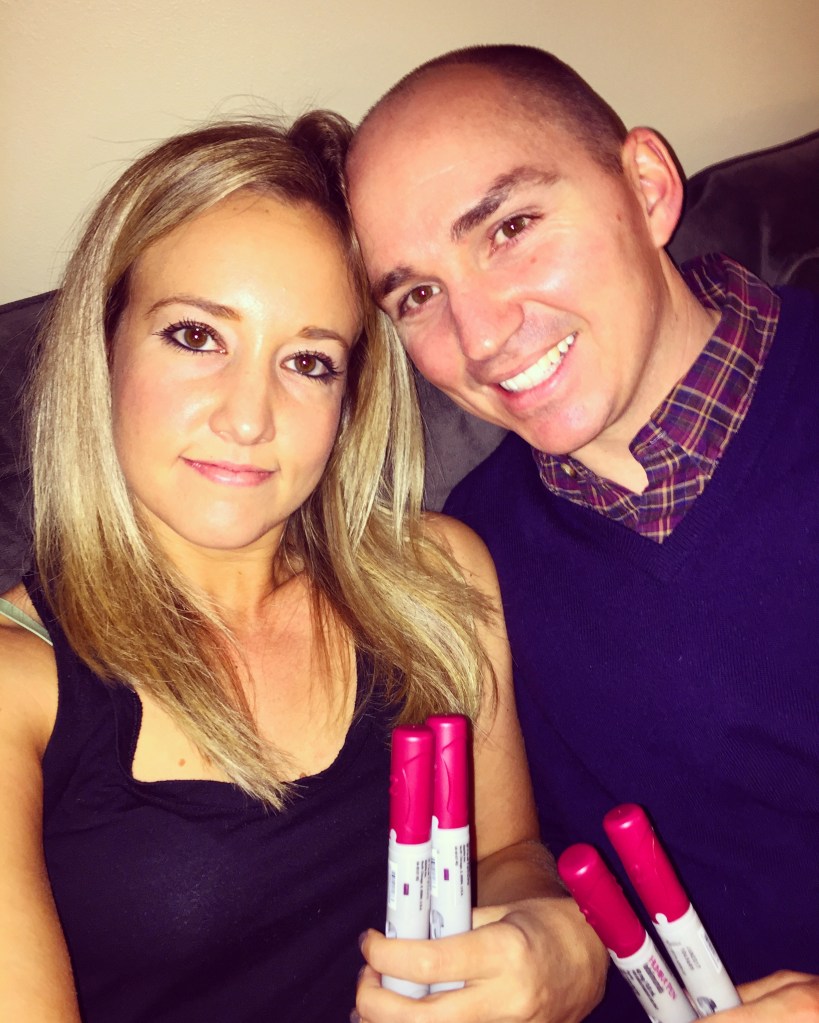
My husband and I were diagnosed with Unexplained Infertility in 2017 while trying to conceive our first child. After several failed treatments, we had one successful round of IVF in which I became pregnant with our daughter in the fall of 2018. As soon as she was born, we knew we wanted to have another baby close in age – both for our family planning goals and in hopes that I would be able to maintain my Crohn’s remission status long enough to complete another pregnancy.
While we began trying naturally as soon as we were ready, we knew that the recommendation for fertility treatment was to wait until 12 months passed after delivering our daughter. I desperately hoped that we’d get lucky before then, and that we’d end up with natural conception, rather than going through the physical, emotional, and financial journey of another cycle of IVF. I also knew that I wanted another baby, and that would happen however it was meant to.
How the pandemic has impacted fertility treatments
We were scheduled to begin fertility testing in March 2020, with treatment starting in April. As I’m sure you guessed, that was immediately halted with the closing of most fertility offices and the pausing of all new treatment cycles with the influx of COVID-19 cases and concerns. Having my treatment (and my timeline) be paused indefinitely with the continuing anxiety and stress of the pandemic caused my IBD symptoms to increase – something that then caused me more anxiety and stress about its impact on my IVF plan if and when I was able to reschedule treatment.
After an exceptionally long few months, my doctor’s office re-connected with me about getting my appointments scheduled. My IBD while not flaring, was not perfectly calm either, and that’s such an important part to me about preparing for pregnancy, so we gave it a little more time. FINALLY, this month (September), I began the treatment protocol I should’ve started five months earlier. Our daughter Brooklyn just turned 16 months old.
Today you’ll find me managing IVF medication injections around business calls, my Remicade infusion schedule, chasing a toddler and being stuck inside my home around the clock. It’s HARD, and exhausting, but it’s the only way I know how to make my hopes come true.
Tips for handling IBD + IVF
Communication with your partner is critical. From parenting responsibilities to COVID-19 precautions to childcare to work stressors to fertility treatment planning and execution – there is an entire machine full of decisions and emotions that are part of every single day, and not being on the same page as your partner can have devastating effects. My recommendation: schedule time once a week on your calendar after bedtime to talk. Keep a list running during the week of things to add to the conversation. Ask all your questions to each other then, when you can focus and talk and connect. You’re a team, and it’s important in this season to work together.
Mental health is just as important as physical health. When managing IBD + ANYTHING, let alone motherhood, and a pandemic, and fertility treatment, taking time to check in with your mental health and care for yourself is imperative. Each of these things come with so many feelings, and burying them all will only make it harder to deal (& keep your IBD in check!) I personally recommend working with a counselor, taking time to journal or meditate or center yourself, and ensure you’re checking in with your own needs regularly.
Social Media Strategy – During the pandemic, I think we’ve all admitted to more screen time than usual. I know firsthand that the amount of pregnancy announcements, gender reveals, new baby births & seeing families with multiple kiddos can cause feelings of guilt, frustration, jealousy, anger, etc. Social media can make things feel extra difficult for those struggling to get pregnant, undergoing fertility treatments AND managing something like IBD. Here’s what I recommend. The beauty of social media is that we can choose what we do and don’t see while we scroll. This is a perfect time to click “hide” or “unfollow” on any hashtags or accounts that make you feel sad or icky. That’s not to say you don’t love your neighbor/friend/co-worker, but in my opinion you also don’t have to constantly watch their highlight reel. On the flipside, utilize social media to connect with your TRIBE. Whether that’s other IBD and IVF warriors, others struggling with infertility, etc – there’s so much more space for online communities now than there ever has been before. If you’re having difficulty finding and connecting with others, please DM me and I’m happy to make some suggestions! Also, please know that whatever you’re feeling during this experience and this season is so valid, and you’re not alone!
Give yourself grace. There will be days when you feel inadequate – as a parent, as a spouse, as a patient – these moments don’t define you. You’re juggling so much, it’s so important to know that you’re doing the best you can, even if that looks different than it used to or different than you’d like it to.
If my story resonated with you, or you’d like to connect, please reach out! You can find me on Instagram personally as @amanda.osowski and professionally as @heartfeltbeginnings.
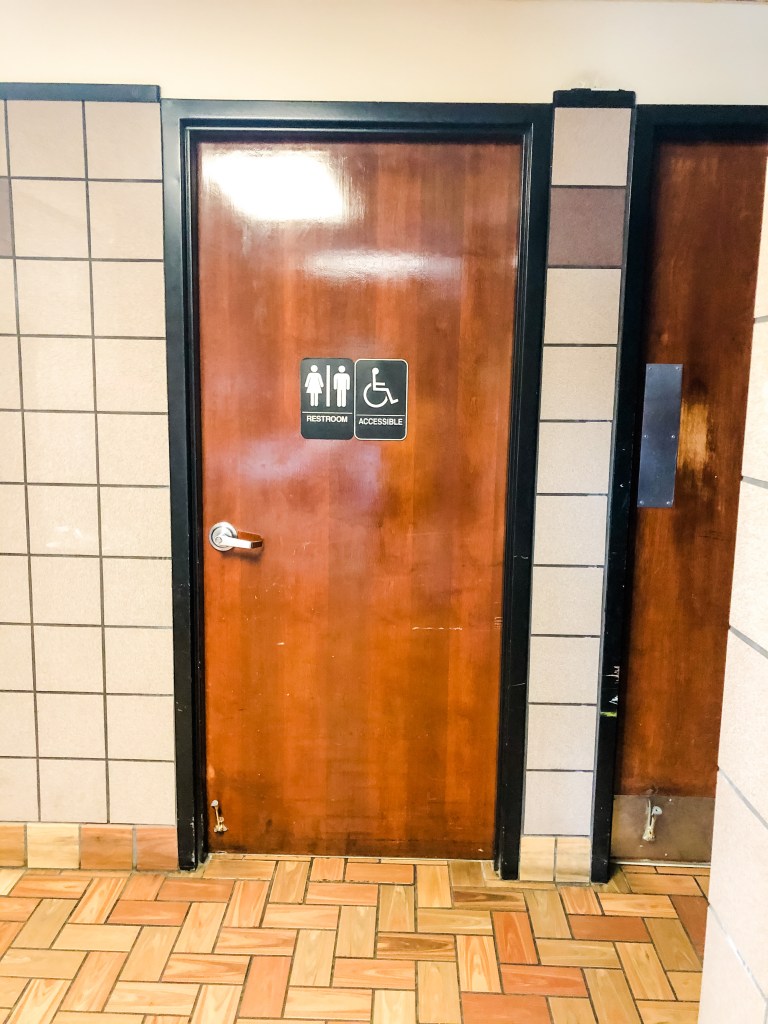
I paid for my groceries and casually pushed my cart full of food through the automatic door when I saw it. The bathroom where I experienced one of my scariest and most painful moments. The bathroom I had to run into after pulling over on my way home from work because I was in such debilitating pain, I couldn’t handle sitting upright in my car to make it the extra five minutes home. The bathroom where I lost all feeling in my arms and legs and where my fingers locked into painful contortions. I couldn’t even hold my phone to call my boyfriend (now husband) to tell him we needed to go to the hospital. The bathroom where I unknowingly happened to call my mom after accidentally hitting “Recent Calls” with my elbow. All she heard on the other line when she answered was me screaming. She didn’t know if I was getting raped, she didn’t know what the hell was going on and she was in a different state. God was watching out for me because she was able to call Bobby and let him know I needed help and I needed help fast.
He rushed to the grocery store and whisked me out of the bathroom and straight to the hospital where I found out I had a bowel obstruction.
I’ve been going to this same grocery store for nearly seven years. It’s been nearly six years since that dramatic experience occurred. But even now, five years into remission, I always go out the other doors because seeing that bathroom is a trigger. A trigger to one of my lowest points in my patient journey with Crohn’s disease. A trigger that caused my IBD to act up right in that moment this past week.
I was forced to go out of the grocery store that way as part of COVID-19 safety procedures to keep all incoming traffic through one set of doors and all outgoing traffic to another.
Coping with psychological triggers
When those of us in the IBD community hear the word “trigger”, food usually comes to mind. We casually say “oh that’s a trigger food for me”, but we often don’t pay much attention to the physical triggers in our lives that can exacerbate our symptoms—such as locations like that grocery store bathroom, relationships with certain friends and family members, the pressure of being enough and doing enough in comparison to our peers, the list goes on.
I interviewed Dr. Tiffany Taft, PsyD, MIS, a Research Assistant Professor at Northwestern University Feinberg School of Medicine, and a fellow IBD warrior to get some clarity on this subject and to learn more about what steps we can make right now to protect our mental health and prepare for the unknown.
NH: As chronic illness patients–how can we best navigate triggers that instigate a stress response? (Other than avoidance)
Dr. Taft: “While avoidance feels like the safest option when it comes to situations that trigger our stress response, it simply kicks the can down the road in terms of the effects these situations have on our bodies. People living with chronic illness may collect multiple situations that trigger the stress response – doctor’s offices, hospitals, certain tests or treatments, making avoidance very risky if it means not managing the illness and staying healthy.
Try the “Exposure Hierarchy” exercise: Dr. Taft recommends making a list of activities or situations that are stressful, ranking them from the least stressful to the most stressful and picking 10 things. Rate those 10 things from 10 to 100 (100 being the worst). After making the list, she has patients start with number 10 and practice that task several times over the course of a week.
Before that, though, she teaches relaxation strategies such as deep breathing and grounding to help when the anxiety goes up. She says, “With repeated exposures to the feared situations and working through the anxiety, each time we do activity 10 again, it will feel easier and confidence grows. Once the patient is ready, they repeat with 20, 30, etc. until we get to the dreaded 100 which will actually feel less scary because of all the other work we did before.”
**NOTE** If you feel you have symptoms of Post-Traumatic Stress Disorder (PTSD) which include vivid nightmares, flashbacks, and feeling on high alert most of the time, you should seek treatment with a trauma therapist. The good news is research on treatments for PTSD show they are just as effective when delivered via tele-medicine.
NH: Can you explain (in layman’s terms) what goes on when we’re “triggered”?
Dr. Taft: “Triggered is setting off our body’s fight-flight-freeze response, and results in a cascade of physical sensations and emotions. The most common ones are muscle tension, sweating, shallow breathing, and heart racing. Unfortunately, this response can also trigger our guts to start acting up because of the brain-gut connection. It’s a completely normal process but when you have IBD it can trigger symptoms. Your thoughts may be all over the place and littered with “what if’s” and “I can’ts”. Your mind may revisit the worst aspects of past experiences or come up with even more catastrophic possibilities in the future.”
NH: As people with IBD–I know many of us are nervous about flaring and needing to be hospitalized all alone during this pandemic, while being at greater risk for getting COVID. Do you have any advice on how to cope/mentally deal with that worry/concern?
Dr. Taft: “Facing a flare and hospitalization was stressful in the “before times” so facing this during COVID19 is an extra level of stress. While we have video chat, it does not replace the comfort of physical closeness and touch we would get from supports who could be in the hospital with us. The good news is hospitals have figured out COVID quite well and the odds of contracting it while hospitalized for IBD are lower than they were at the start of the pandemic.”
If you’re facing hospitalization, think about your resilience in these circumstances. There were probably times you felt like you couldn’t handle it, or it was never going to end or get better, but here you are today reading these words. You made it through. It may not have been pretty, it was probably incredibly hard. Anxiety has a great ability to negate our memories of how much we’ve navigated in the past.
Feeling anxious? Do this: Write down the ways you coped before, what worked and what maybe didn’t. Evaluate your thoughts about being hospitalized. Are they accurate? Are they helpful? What are some alternatives that could help you feel less anxious? If that doesn’t work, sit with the anxiety, and try some deep breathing to calm your nervous system. The sensations will likely pass and then you can retry evaluating your thinking when you aren’t feeling so keyed up.
NH: What advice do you have for people during these already complicated and challenging times when it comes to managing mental health?
Dr. Taft: “This is truly a unique time in that we are all in this COVID19 boat together. We all came into the pandemic with our own life challenges, and those probably haven’t gone away and even may have been made worse. We’re coping with a lot of information, new rules every other day, grim statistics, and people bickering over who’s right or wrong. I’ve told every patient I see to turn off the news. Get out of the comments on social media when people are arguing the same points over and over.”
Steps you can take in your day-to-day: Dr. Taft advises not to spend more than 15 minutes a day on the news, so you can stay informed but not get into the weeds. Take social media breaks, especially if your feed is full of the same tired arguments. Focus your attention on meaningful activities that align with your values. Those are what will bring you some stress relief. And those are unique to you, so no list on the internet of how to cope with COVID is going to solve everything. Sometimes these lists make us feel worse because we’re not doing most of the recommendations. Be as kind to yourself as you would be to your best friend or a beloved family member. Nobody has it figured out right now even though some people like to say they do.
One of my friends recently said I need to start doing more for me, that once I fill my own cup that energy and that fulfillment will spill onto others, without making me feel depleted and like I’m constantly in survival mode. As an IBD mom of two, who has lived with Crohn’s for more than 15 years, these challenging times we’re living in have forced us all to pause and refocus on what’s important and what we need to do to get by.
Today is my 37th birthday. Sounds a lot older than I feel, but chronic illness has a way of forcing you to grow up and mature well beyond your years. Between the pandemic, mom life, and my advocacy work, there hasn’t been much time for a breather. I feel as though I’ve been coasting for awhile. Coasting through the day to day. Coasting through remission. Coasting just to make it through.
I don’t want to coast anymore
If you’re feeling the same, please follow my lead and that of others, who have recognized they’re ready to do more to improve their quality of life.
I want to stop being such a “yes” person.
I want to stop making excuses.
I want to stop waking up when my kids call out for me and instead start my day with a cup of coffee outside on the patio or a workout, followed by a shower, while the house is calm and quiet.
I want to stop not asking for help.
I want to stop staying up so late binge watching TV or scrolling through my phone.
I want to stop going months on end without a night out with my husband (we’re going on a date tonight for the first time in over six months!)
I want to stop working seven days a week and being at everyone’s beckon call and instead set aside days where I’m offline and able to live in the moment.
I want to start prioritizing my health, my well-being, my marriage, my friendships, who I am outside of being a mom and a person with chronic illness, because while that’s a lot of me—it’s not all of me.
Finding the ‘Joie de vivre’
Let’s face it, this coronavirus nightmare isn’t ending anytime soon. Much like a chronic illness diagnosis—there is no end in sight. We all rise to that challenge day after day, and don’t think twice. I fear if I don’t start spending more time for myself, I may put my remission in jeopardy and that scares me, big time, because when you’re a mom and a wife, your flares impact a lot more than just you.
I look at this 37th year with a lot of hope and a lot of possibility. I’m eternally grateful for the life I have and the family and friends I have around me, near and far. Recognizing there’s a need for change is similar to the importance of being proactive in managing your illness and doing all the things you can to set yourself up for success—whether it’s seeing countless specialists for medical care and preventative screenings, taking medication, getting blood draws and scopes, etc.…I look at this form of self-care as just as important in managing my Crohn’s and giving myself the best shot of staying out of the hospital and flare-free.
Cheers to the next 365 days and beyond! Thank you for following my journey and for your support through the years. This blog is like one of my babies and being able to speak to you through it is one of the most cathartic aspects of my patient journey. If you’re feeling like you’re in a bit of a rut or a funk, remember self-care is not selfish. Now I just need to practice what I preach.






























 lights camera crohn's