
Our current reality and the actions, decisions, and efforts we are making are a marathon and not a sprint. Much like life with chronic illness, anti-racism is something that will be an uphill battle day in and day out. You don’t receive an IBD diagnosis and educate yourself and manage your disease for two weeks and think the work is done. You are forced to evolve, learn, see the world through a different lens, while adapting to a new normal.

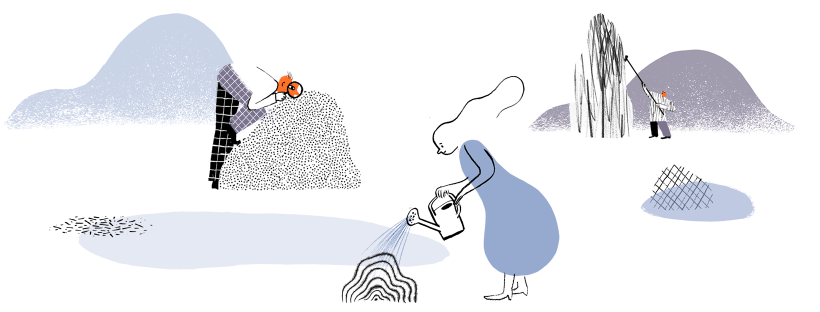
Created by @Ericiaa_ on Instagram
The racism that is a part of this country is not going to be eradicated by two weeks of social media posts and protests. But, each genuine and heartfelt decision from here on out has the power to make a huge change. By speaking up and not standing down. By recognizing your own privilege. By standing arm in arm with your peers who have suffered in silence for far too long.
Dealing with the overwhelming fatigue
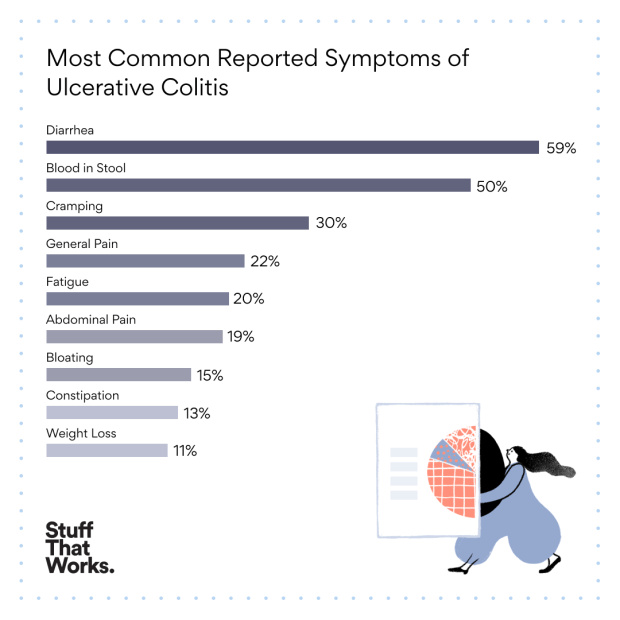
Fatigue is heavy when you battle Crohn’s and ulcerative colitis, regardless of the current climate in the world. When you couple months of COVID-19 with visibly seeing the divide in our country and all the work that needs to be done, it’s overwhelming. Don’t burn yourself out, don’t feel like you aren’t able to keep up, don’t compare yourself to others.
In recent weeks, I’ve seen countless IBD patients apologizing for sharing their health struggles. I’ve seen people in hospital beds saying sorry for needing support as they head into surgery, start a biologic, or come to terms with their diagnosis. I’ve heard from people feeling guilty for needing a break from social media because the stress and worry is a trigger for their illness.
Chronic illness doesn’t take a break. Chronic illness thrives in conditions when we stop managing it and don’t make our health a priority. Chronic illness doesn’t care if there’s a pandemic going on around the world or a Black Lives Matter protest in your city that you want to be a part of.
It’s ok if you need to focus on you and your IBD. It’s uncomfortable seeing how divisive this world can be and the hurt so many of our friends and family face just for the color of their skin. If you’re like me, it’s made me question and rethink how I’ve navigated race all my life. I have black friends from high school that I just started having race conversations with NOW. I am 36.

Friends since 2000. Just talked about race this week.
I have black peers in the IBD community who bring tears to my eyes with their pleas for support and great admiration for them using their voices and platforms to make a change and a paint a clearer picture for the rest of us.
I’ve started changing what I choose to watch on Netflix. We’ve watched “Dear White People” and “13th” after putting our kids to bed this week. We tuned in for the Sesame Street Town Hall on CNN about racism, even though our children are young. It’s never too early to start the important conversations with your family. I’ve started researching books with black protagonists for my kids that also discuss racism, after looking through their bookcase and realizing we only have two books with black characters.
Here are some recommendations I’ve received:
“A Boy Like You”
“Love”
“The Skin You Live In”
“The Day You Begin”
“The Snowy Day”
“Good Morning Superman”
Netflix cartoon: “Motown Magic”
Don’t burn yourself out
At the same time, we all, including myself, have a lot of work to do. This momentum, this energy, and this dedication is going to be challenging to sustain. We don’t want to burn out. We can’t put our IBD on the back burner. It’s up to us to realize when we need time to focus on our health and when we can use our voice and our heart to make a difference.

Created by The Chronically Honest, on Instagram
If you’re feeling more symptomatic from the stress of these eye-opening and challenging days, give yourself permission to take a break from social media and the news. Your health and well-being come first, and you don’t need to feel guilty for that. If you are desperately wanting to participate in protests but worry because you’re immunocompromised and in danger of getting COVID-19, that’s understandable. Your work and your effort can be done safely at home.
You can be an ally. You can be a friend. You can be a patient. That priority list can be fluid and ever-changing. Take care of others, but always remember to take care of yourself.
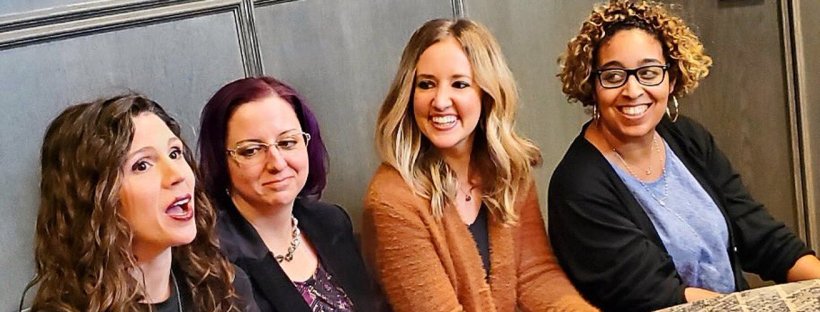
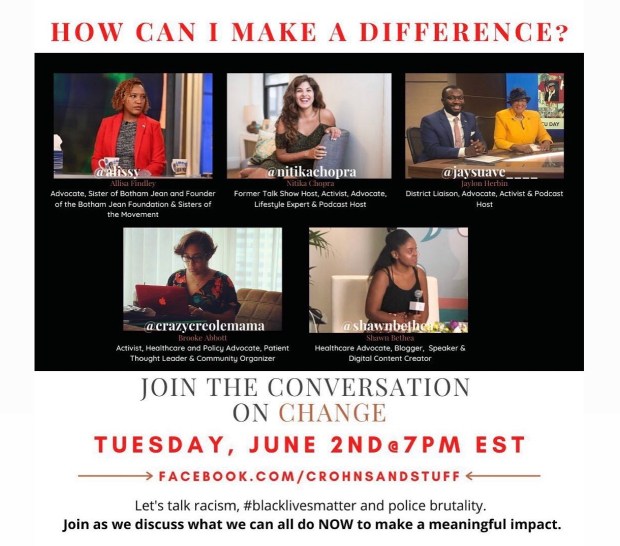
 When I’m part of a photo grid holding up a sign alongside fellow advocates…and it’s a bunch of white girls, it makes me feel out of touch.
 There’s a level of empathy and understanding that makes you feel like you are home.

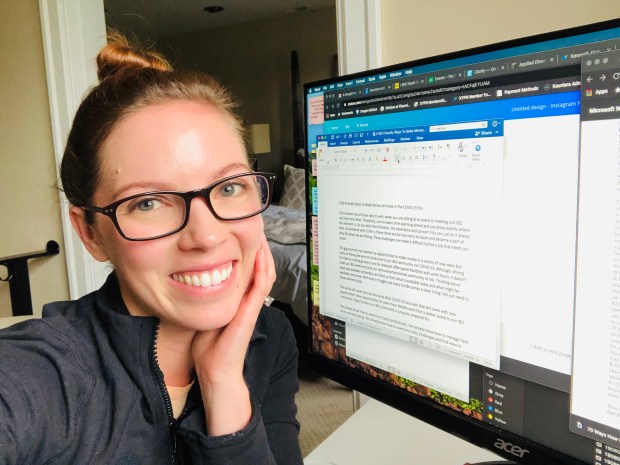 She offers up some invaluable advice about freelancing and educating yourself about opportunities that are right at your fingertips.


 Right before COVID-19 started wreaking havoc in the States. Before Guy was born, Suzy’s biggest fear was a postpartum flare. After the birth of her second oldest daughter, Alice, she had the worst Crohn’s flare of her life and was hospitalized.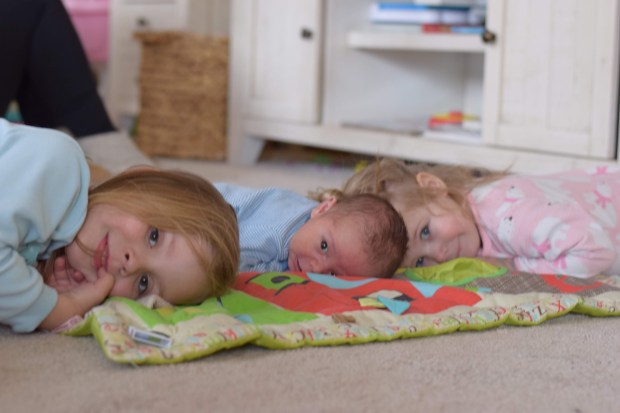
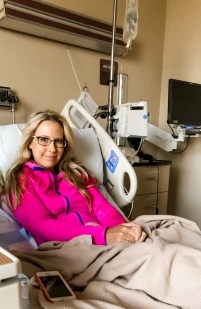 Unfortunately, when I was put on prednisone last summer, I developed extremely high eye pressures. I was diagnosed as “Glaucoma suspect” at 40 years old, meaning I have some risk of the disease, but no proven damage (yet), so my eyes are monitored often.
 As a woman and a mom of three who has battled Crohn’s since 2008, I believe if it’s your dream to have children, or a family, you should most definitely pursue that. Consult with your GI and OB doctors prior to getting pregnant, and make sure you’re in remission. Pregnancy can be challenging, but if you’re also flaring, it’s that much harder.




 Jadyn woke up with a fever and a slight cough. Given the craziness of the times we live in right now, they immediately called the COVID-19 hotline. Once the person on the other line heard about Jadyn’s health history and the fact she is immunocompromised, they agreed, Jadyn needed to be seen. In urgent care, Jadyn was tested for the flu, strep throat, and COVID-19. The Richt’s were told they would have a test result in five days, it’s been more than a week now, and still no result.
 I’ll allow Anna to take you back to the beginning, so you can have a better grasp of their ongoing journey and how it’s brought them to where they are today.
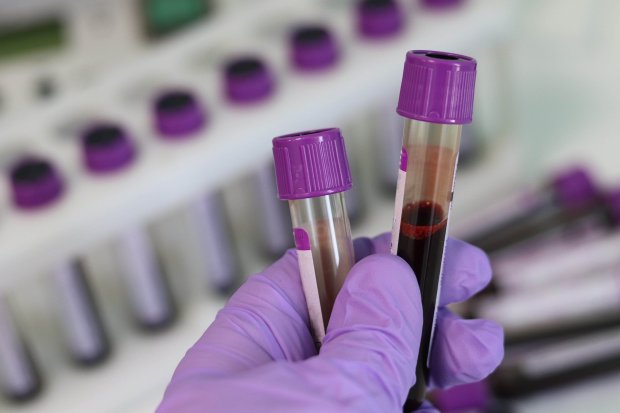
 The first couple years were nothing short of a dog fight. I remember sitting in my sister’s living room after an appointment when all of the sudden the doctor’s number popped up on my phone. She was calling to say that Jadyn’s lab results didn’t look good and we needed to head to the hospital right away.









 lights camera crohn's