Can Dual Targeted Therapy Help Your IBD?

Crohn’s disease and ulcerative colitis often require medication to keep inflammation under control, but in some rare circumstances, just one medication isn’t enough. Research shows only 40 percent of people with IBD achieve remission within one year of taking a single drug. Dual Targeted Therapy (DTT) involves using two different types of treatments at the same time to achieve better disease control. This disease management plan comes to play when single-drug therapy does not adequately control symptoms or when a more aggressive treatment is needed.

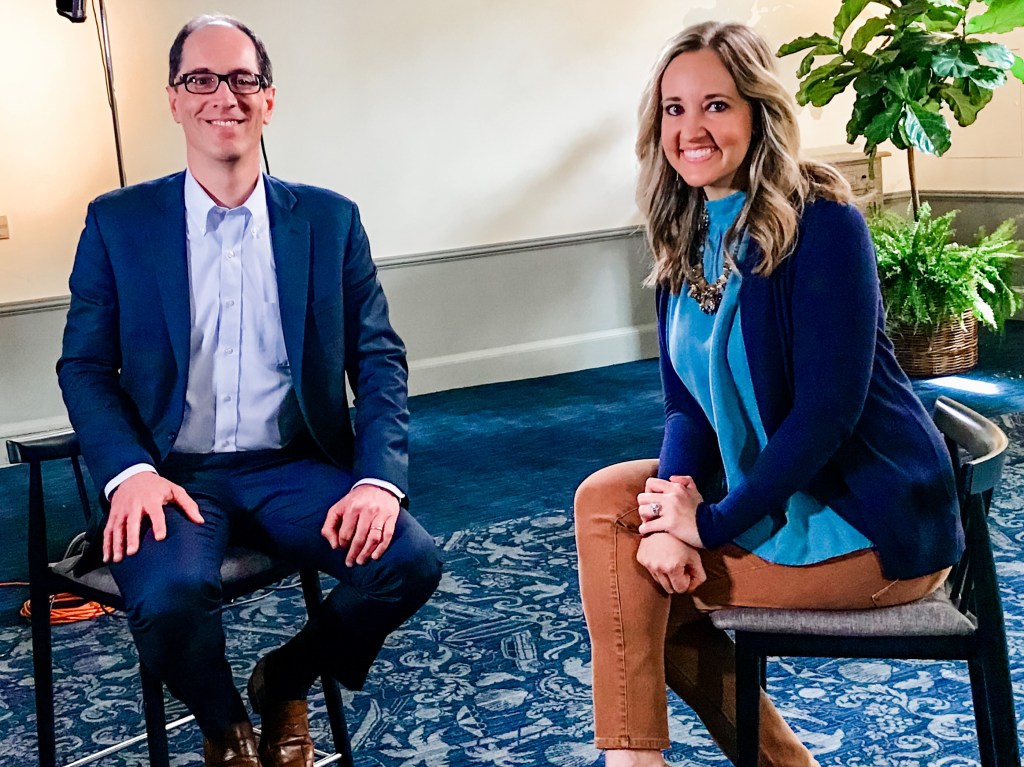
This week on Lights, Camera, Crohn’s we hear from esteemed gastroenterologist Dr. Laura Targownik along with several IBD warriors who have utilized DTT to help manage their IBD.

IBD Dual-Targeted Therapy Options

There are several ways healthcare professionals can help manage IBD with dual therapy.

Biologics and Immunomodulators

More commonly, combining a biologic therapy such as infliximab (Remicade), adalimumab (Humira), or vedolizumab (Entyvio) along with an immunomodulator like azathioprine, 6-mercaptopurine, methotrexate. The purpose of this is to enhance the effectiveness and potentially lower the risk of developing antibodies against biologic drugs.

Biologics and Small Molecule Inhibitors

A newer approach involves combining a biologic with a small molecule inhibitor like tofacitinib (Xeljanz) or upadacitinib (Rinvoq). This can target different pathways of the immune response, potentially offering a more comprehensive approach to suppressing inflammation. This can be used in refractory cases and should only be prescribed by an expert IBD physician.

In patients who do not respond to single biologic therapy, there is growing interest in using two biologic agents targeting different inflammatory pathways. However, this approach is not yet widely supported as healthcare providers weigh side effects risks and this is considered experimental.

Dr. Laura Targownik, MD, MSHS, FRCPC, Mount Sinai Hospital (Toronto), Departmental Division Director (Gastroenterology and Hepatology), University of Toronto gives a case study for when she would consider using two biologics for example: in a person with fistulizing Crohn’s disease, whose fistulas have responded well to biologic therapy, she would consider adding another biologic if they’re still experiencing inflammation in the intestinal lining. Dr. Targownik says medications such as vedolizumab (Entyvio) or an IL-23 such as risankizumab (Skyrizi), mirikizumab (Omvoh), and guselkumab (Tremfya) could help to bring IBD under control.

“As a gastroenterologist, I don’t want to discontinue the anti-TNF because I fear their fistulas will worsen, so it makes more sense for me to add in a well-tolerated biologic like vedolizumab or an IL-23 to try to bring the luminal disease under control,” said Dr. Targownik.

She went on to say that patients support the idea of combining therapy with different mechanisms of action if the safety profile makes sense. Most patients who are in a position where dual therapy would be considered are open to do what it takes to get their disease under control.

Corticosteroids and Other Immunosuppressants

This is not strictly speaking dual therapy because corticosteroids are always used short-term. But prednisone in conjunction with other immunosuppressants can quickly reduce inflammation while waiting for the slower effects of immunomodulators or biologics to set in.

A Look at DTT and IBD Research 

Dr. Targownik says the VEGA and EXPLORER clinical trials shed light on the potential benefits of combining biologics.

The VEGA trials looked at the benefit of combining an anti-TNF (golimumab) and an IL=23 inhibitor (guselkumab) to induce remission in people with moderate-to-severe UC.

“The combination of golimumab and guselkumab outperformed monotherapy, with a 15 percent increase in the likelihood of clinical remission and a 20 percent gain in endoscopic response. Patients then received an additional six months of either golimumab or guselkumab monotherapy,” says Dr. Targownik and the group on the dual treatment had higher rates of improvement and remission.

This suggests that the deep remission obtained early through DTT might have a sustained effect, even if you step down to monotherapy.

“The EXPLORER-CD study was an open label trial looking at high-risk patients early in the course of disease,” says Dr. Targownik. They received a triple combination with adalimumab, vedolizumab, and methotrexate for six weeks. By the end of the study, 55 percent were in clinical remission, and 35 percent were in endoscopic remission. As there was no comparison arm, it is not clear whether these rates are higher than what would be expected.”

Consequently, the use of tumor necrosis factor (infliximab , adalimumab, etanercept, and golimumab) in combination with newer agents which target interleukin (IL)-12 and IL-23 (ustekinumab, UST), a4b7-integrin (vedolizumab, VDZ) or a4-integrin (natalizumab), has become an increasing area of interest in patients with disease that is not responding to treatment.  

According to a systematic review looking at the efficacy and safety of DTT, “There is an urgent need to optimize treatments for patients” so that they have a better chance of remission, which unfortunately remains unachievable for a large number of people living with aggressive IBD. More research is needed to evaluate what the optimal drug combinations are, as well as dose and frequency to limit the burden of side effects.

The DUET trials are looking at people with Crohn’s disease and ulcerative colitis, much like the VEGA study, to compare the effectiveness of golimumab + guselkumab versus either drug alone. Interestingly, in this study, golimumab and guselkumab are combined in a single medication, so even though there are two active ingredients, it is delivered like a single drug. 

“If we limit our discussion to combinations of modern advanced therapies, the combination of an anti-TNF and either vedolizumab or an IL-23 holds the most promise,” Dr. Targownik says. ”The other combination that we are seeing more is combining a JAK-inhibitor with an anti-TNF for people with acute severe UC, where the JAK-inhibitor is used in addition or in place of a corticosteroid trial.” 

Personal Experiences on DTT

I’ve lived with Crohn’s since 2005 and luckily have been on the same biologic since 2008. I ran an Instagram poll that asked, “Have you been on dual-targeted therapy for your IBD?” Of the 320 people who responded, 40 percent said “Yes”, and 60 percent said no. Here are some scenarios they share:

Candyce has managed her Crohn’s with infliximab (Inflectra) and azathioprine since 2020. A 10-day hospital stay led her to dual treatment therapy after she received the recommendation from both her rheumatologist and her gastroenterologist. “My GI wanted to try to wean me off the azathioprine in 2022 after a clear colonoscopy, and I flared to the point of her wanting to hospitalize me,” she says. “But I managed to gain remission with prednisone and getting back on azathioprine, along with increasing my Inflectra dose to every six weeks instead of every eight.”

Risankizumab wasn’t doing the trick on its own to control Brad’s IBD, so his GI added 28 days of Rinvoq as an alternative to prednisone. He says, “This really worked wonders. Being on both risankizumab and Rinvoq put me into biochemical remission in less than 60 days.”

Samantha’s daughter, Eloise, was on tofacitinib and vedolizumab prior to her colectomy.She shares that more families are talking about dual therapy options. “The major issue is getting these medications approved from insurance, especially for pediatric patients. Our doctor was able to get us samples of Xeljanz from a local adult gastroenterologist because insurance would not approve it.” 

Kate currently takes vedolizumab and upadacitinib to manage her IBD. Previously, many biologics failed her and vedolizumab was the only one that worked, but it did not address her perianal disease. “The Rinvoq is beginning to work,” she says. “However, I will say it caused awful acne (which I’m now on medication for). I’m not out of the woods yet, but I am functioning again, and I can tell that two medications are working on what needs to be healed.”

Courtney has been on Remicade and Azathioprine since 2020, prior to that she was on Humira and Azathioprine. She says, “I had no reservations because I was sick and willing to accept any option that might bring relief. My doctor explained to me that Azathioprine helps prevent antibodies to biologics. Regular blood tests monitor for more serious concerns.”

Along with her Remicade infusions, Lauren takes methotrexate orally each week.I don’t love it to be honest. I feel much more fatigued  and nauseous with methotrexate added into the regimen.”

Initially, Danielle was put on azathioprine when she was on Remicade to prevent antibody formation and to help keep trough levels high. She explains, “When Remicade wasn’t working and I switched to Stelara, we decided to keep the azathioprine on since it didn’t give me any noticeable side effects. I have had some liver abnormalities with the azathioprine. So, I’ve had to have blood work and even an MRI of my liver to make sure everything is ok (it is). Now that I’m in remission with Stelara, my doctor gave me the choice of coming off the azathioprine, but I wanted to keep it on because I haven’t been in remission so long.”

Cait receives infliximab infusions, and she takes azathioprine simultaneously. “So far, I’ve noticed a massive difference in the healing of my perianal Crohn’s.”

Katie manages her IBD with Skyrizi and methotrexate. She says the combination makes her fearful at times. “I feel like it is a lot for my body to handle, and I have never been able to tell if that is a true feeling or something that stems from the thought of it. I also want to get off methotrexate within the next year or two to prepare my body for pregnancy. But this combo has provided me with full remission and the best I have felt in years.”

Final Thoughts to Consider Before Trying DTT

It’s important to discuss whether DTT could be for you with your specialized IBD care team as DTT comes with its fair share of risks and considerations. Combining medications can increase the risk of adverse effects, including serious infections due to greater immune suppression. Also, getting dual therapies approved through insurance can be complicated, making the cost and accessibility an issue for patients. 

“It is challenging to get coverage for patients to use more than one advanced therapy at a time,” Dr. Targownik says, but not impossible. “Often if a patient has another autoimmune disease, I can get one medication approved for the IBD, and then the other for the other autoimmune disease like rheumatoid arthritis.” 

The Takeaway

The effectiveness of combination strategies in IBD has been demonstrated in various studies, but these decisions need to be made on a case-by-case basis, considering your personal disease severity, response to previous treatments, and overall health status. If you are struggling with getting your IBD under better control with one therapy alone, speak to your IBD physician about other options.

Supplements to support your immune system with IBD—Yay or Nay?

It’s that time of year when sickness lurks around every corner. For those of us who are immunocompromised, run of the mill “regular people” sickness can hit us extra hard. Since the end of September, I’ve dealt with bronchitis for 5 weeks, followed by pink eye in both eyes, and I currently am dealing with a bacterial infection in my right eye. Being an IBD mom with young kids in preschool and elementary school brings extra germs into our house. While I’ve been under the weather, I keep second guessing what supplements are deemed “safe” and beneficial for me to take since I’m on a biologic. Even 18-plus years into the game, I still get confused about the gray area around supplements to help us improve or boost our immune systems and which we need to be careful of.

This week on Lights, Camera, Crohn’s we hear from three gastroenterologists who take a deep dive into this topic, along with a registered pediatric GI dietitian, and several people from the patient community. Before we get started, I want to preface this by saying this is a complex issue that is not black and white. Even after digging deep researching this topic—I’m still not completely clear on what’s best for myself.

There’s been conflicting beliefs on whether Elderberry is “smart” to take when you’re immunocompromised. I ran a poll on Instagram asking our community what they’ve been told. Of the 260 people who responded 72% said “This is a thing?!”, 21% of those polled said they were told to “Steer clear when on immunosuppressants”, and 7% of people were told by their provider that it’s “Safe and advised” to take Elderberry.

Let’s hear what patients have to say

Samantha: “I was advised not to boost my immune system. So, I focus on nourishing my body well when sick. I drink a lot of smoothies and fresh juice. I’d avoid Elderberry for sure. I take daily vitamins and get my levels checked regularly to make sure I’m getting enough of what I need. However, I have a kid in school who brings all those lovely germs home. I had a GI once explain it to me like this…my immune system is overactive; I have to take medication to weaken it, which brings it down to a “normal” range. If I try to “boost” it, I’m working against my medication.”

Cindy: “My mother-in-law purchased some Elderberry for my daughter with Crohn’s shortly after her diagnosis. “A woman at Whole Foods told me this could be good for her.” She meant well. Anyway, I understood that my daughter shouldn’t take Elderberry, after consulting with Dr. Google. I believe it was a reputable website that contraindicated Elderberry for patients on immune suppressing medications.”

Emily: “I have been told both—that Elderberry is safe and that it is not. My family doctor told me to avoid it and my GI nurse says that it’s ok sometimes when sick?! So confusing!”

Alyssa: “My husband has Crohn’s and is on Entyvio. He takes Elderberry if he has flu or cold symptoms, whereas I take it daily during the winter. Funny enough, I’m sick A LOT more than him!”

Jessie: “I’ve been told by some doctors not to take immune boosting supplements with biologics and others that it doesn’t matter, but I can’t find the concrete research/facts I need to be sure.”

Lindsey: “I find my symptoms flare when I have Elderberry!”

Rachel: “I’m always confused if I should be taking anything to “boost” my immune system when I’m on suppressive meds. I asked my provider years ago, but I didn’t really get a real answer. I’ve always thought it was good to take supplements to help my immune system, but then I get concerned about them counteracting my medication.”

Hermione: “I have been told it is a placebo effect by my immunologist.”

Kristen: “I read that you don’t want to boost your immune system since that’s the system you want suppressed and caused your disease in the first place.”

Bee: “I was told not to take things that will “boost” the immune system. In South Africa, it’s Echinacea. I was told not to take it. So, my approach has been to “indirectly boost” my immune system by taking vitamins and fresh fruit and vegetables as much as I can tolerate.”

Rocio: “I’ve had this conversation with providers, particularly when I had COVID. I was told NOT to take Elderberry because it has been shown to increase cytokine storm which is present in both COVID and IBD. From an IBD specific point of view, the anti-TNFs seem to calm that storm which is why some were used as COVID therapeutics. So, I wouldn’t say it’s because of being on immunosuppressants, but rather the disease itself.”

Julie: “I live on Elderberry but never asked my doctor, so I’m hoping it’s ok!”

Laura: “I’ve taken Elderberry for years on Remicade (also working as a nurse practitioner in pediatric primary care) and it has helped keep me well and my GI docs have never been opposed to me taking it. I do usually skip it the night before and after an infusion though.”

Jana: “I was told it could cause increased risk of cytokine storm for those with IBD in general, whether on immunosuppression or not.”

Heather: “My son’s GI said NO to Elderberry. We used to take it every winter, but once he was diagnosed with Crohn’s they said to stop using it. I always worry about this time of year and all the yucky stuff going around. My son takes the Liquid IV Vitamin C packets and puts those in his water. I don’t know if they help, but I feel better knowing he is taking something to maybe help give him a boost!”

Beth: “I’m so glad you’re covering this because there is so much confusion—should we try to boost our immunity or not? My personal experience is that I was taking it trying to boost my immunity before a busy event season when I needed to stay healthy. About three weeks later, I was wracking my brain trying to figure out what was flaring my Crohn’s because I’d been eating right, sleeping more, hydrating…and I think it was the Elderberry. In general, I have tried to shift my logic to “these are things that help keep me healthy” versus “how do I boost my immunity?”

Madison: “My first GI told me “No” if you’re on biologics. Not sure if that’s true, but I just trusted that guidance and still avoid it!”

Jess: “I was told to steer clear of Elderberry because of having IBD.”

Jaclyn: “I have asked so many times what I can take, and I’m always told there is basically nothing extra I can do. I have a 4-year-old and 5-month-old in daycare, so they are always bringing home sicknesses.”

Elderberry: To take or not to take?

After reading those firsthand experiences it’s clear—the patient population is unclear and hesitant about what is best when it comes to boosting immunity. While Elderberry has gained popularity for its potential immune-boosting properties, its safety for those of us with IBD is not well-established. Elderberry supplements are often promoted for their antiviral and immune-enhancing effects, primarily attributed to compounds like flavonoids and anthocyanins.

Before I became a patient advocate, I would take elderberry anytime I felt a sniffle or had a sore throat. I really felt like it made a positive difference. Fast forward a few years and I started hearing that Elderberry could interact with Humira and cause my immune system to become over-active, so I stopped taking it all together. To this day, I wonder about taking it—and I know many of you do, too!

There are a few considerations for those with IBD when it comes to Elderberry:

Sorbitol Content: Elderberry products, particularly some syrups and extracts, may contain sorbitol, a sugar alcohol. Sorbitol can have a laxative effect and may exacerbate symptoms for those with IBD, especially if you are sensitive to sugar alcohols.

Potential Interaction with Medications: Elderberry may interact with certain medications or treatments for IBD. Elderberry is believed to have immune-modulating properties. When taken with immunosuppressive medications like Humira or Remicade, there is a potential risk of enhancing the immunosuppressive effects, which might increase the susceptibility to infections. It’s important to discuss this with your healthcare provider to understand the potential implications.
Limited Research: There is limited research specifically addressing the safety and efficacy of Elderberry in individuals with IBD. The specific interactions can vary, and it’s essential you ensure there are no adverse effects or diminished efficacy of your prescribed medications.

The GI’s weigh in on the debate

Dr. Miguel Regueiro, M.D., Chief, Digestive Disease Institute, Cleveland Clinic, says that while he does not want to sound dismissive of supplements, that we lack good data to make claims for or against. Personally, he does not feel Elderberry is harmful, and does not have a problem with his patients taking it.

“I am not aware of good, randomized data to indicate true harm from Elderberry in immunosuppressive or immunomodulatory medications, even though there are warnings listed,” he said. “Theoretically, Elderberry will “stimulate” or “activate” the immune system and has been a popular supplement that some recommend for “cold/flu” or to prevent cold and flu.  If that theory is true, then potentially elderberry as an immune stimulant would offset or counteract an immunosuppressive.”

Without good, randomized safety data, it is difficult to make this strong claim one way or another. Given that Elderberry may or may not help with cold/flu, in an abundance of caution it would be reasonable to avoid in patients on immunosuppression. 

“My sense is that the dose of Elderberry is low enough that even with immunosuppression, there should not be a problem, but, again, without confirmatory evidence to say that Elderberry effectively “fights off” or “prevents” cold/flu, one could simply avoid it in patients who are immunosuppressed.”

Dr. Regueiro says the ideal health-related approach is to ensure that IBD patients are eating a whole food diet, avoiding processed/ultra processed foods, drinking plenty of water each day (1-2 liters), exercising regularly, and having good sleep hygiene.   

“Regarding additional supplements, based on a patient’s history and certain IBD meds, we recommend different supplements. For example, for patients who have been on steroids in the past, we recommend a bone densitometer for osteopenia (and osteoporosis). If bone mineralization is low, we recommend supplemental calcium and Vitamin D.  If a patient has had ileal (small bowel) surgery, we will check a vitamin B12 level and if it’s low, we recommend parenteral (subcutaneous) shots, as they will not be able to absorb oral B12.”

He went on to say that iron levels should be checked, as iron deficiency is common. If iron levels are low and a patient is anemic, parenteral (IV) form of iron is recommended, as oral iron can upset the stomach and even lead to more IBD symptoms.

“For patients with short bowel syndrome from extensive bowel surgery, they should be managed by a nutrition team who specializes in short gut as the evaluation of nutrients and  vitamins is more comprehensive and detailed. Finally, for most of our IBD pts who do not have any of the above vitamin deficiencies, as long as they’re eating a well-rounded, healthy diet, they need no other vitamins. However, I tell my patients that taking a once per day over the counter vitamin is generally safe and ensures all nutrients are covered.”

Dr. Yezaz Ghouri, M.D., Director of Inflammatory Bowel Disease Services, University of Missouri School of Medicine at Columbia, says elderberries seem to have high amounts of antioxidants.

“The main antioxidant seems to be a bioflavonoid called Anthocyanin. These give purple pigment in the berries and have powerful antioxidant properties. Antioxidants have an anti-inflammatory and anti-carcinogenic effect in the body. Patients with IBD have chronic ongoing inflammation and are at increased risk of developing colon cancer. Carcinogenesis refers to the conversion of normal tissues to cancer. In general, we recommend the use of berries in IBD patients, and these are a good source of minerals, vitamins, and healthy carbs. The Crohn’s and Colitis Foundation cautions the use of Elderberry in IBD patients due to concerns that this fruit increases production of certain types of chemicals in the body that can cause IBD type inflammation. One of these chemicals is called tumor necrosis factor (TNF), the same which is blocked by medications used to treat IBD.”

Immunosuppressive medications and antioxidants work hand in hand in preventing inflammation.

“But there have been some studies that showed the effect of Anthocyanins on a group of immunosuppressive medications used in IBD called anti-TNF alpha inhibitors (examples: infliximab, adalimumab, certolizumab, golimumab). There is inconclusive evidence in this matter and there are no large clinical human studies showing that use of Elderberry is linked with an effect on TNF alpha inhibitors ,” explained Dr. Ghouri. “Please consult with your GI specialist prior to their use. Taking Elderberry in moderation should be ok, but if one develops any signs of disease flare, then stop the use,” he said.

Dr. Ghouri agrees that it is “ok” for IBD patients to take Elderberry.

“Elderberry has very strong anti-inflammatory properties that may contribute towards preventing damage from chronic ongoing inflammation and free radical based tissue injury.” 

Dr. Ghouri recommends the following protocol for labs to indicate whether you need specific supplements/vitamins added to your regiment:

  • Checking Vitamin D levels at least once a year
  • Checking Vitamin B12, Folic acid and Iron (Ferritin) levels, if anemic
  • Specifically checking Vitamin B12 level once every 6 to 12 months in patients with Crohn’s disease involving the small bowel

Checking other mineral or vitamin levels may be patient dependent, please check with your GI specialist or PCP. There is a need for checking vitamin and mineral levels more frequently in patients who have lost most of their small bowel, due to Crohn’s disease. These individuals have a diagnosis of short-gut syndrome and sometimes require IV nutrition. These patients are at higher risk for developing all sorts of vitamin and rare mineral deficiencies. They need to be seen by a specialist with a background in managing such patients and require frequent blood testing for several minerals and vitamins.

The Pediatric Perspective

With young people often being the carriers of so many germs and being susceptible as school age kids—I wanted to hear from Dr. Michael Dolinger, M.D., MBA, Assistant Professor of Pediatrics, Associate Pediatric Gastroenterology Fellowship Program Director, Icahn School of Medicine at Mount Sinai.

“For any patient on immunosuppressive medications, it is important to have an open discussion with your treating gastroenterologist about Elderberry, specifically Sambucus nigra, which is used in most herbal supplements. This could stimulate the production of components of the immune system that cause inflammation, mainly cytokines and tumor necrosis factor,” explained Dr. Dolinger. “Many effective therapies target these cytokines or tumor necrosis factor to treat inflammatory bowel disease, as they are often elevated. There is no clear evidence to support this either way, but if you are on a therapy that targets tumor necrosis factor or cytokines for your inflammatory bowel disease, I would certainly have a discussion with your gastroenterologists to review the potential risks and benefits first.”

He went on to say that one of the largest issues with using supplements, particularly in children, is that they are not regulated by the Federal Drug Administration, and you have no way of knowing if what is on the label is in the supplement you would be giving your child.

“I always encourage parents who are thinking about giving supplements to children to assess if there have been any studies of this particular supplement in children or ongoing studies and if not, I urge them to use the same caution they have surrounding any therapy and that is to place safety at the forefront and not give unregulated supplements to children,” said Dr. Dolinger.

For children with IBD, a well-balanced diet with adequate calories for growth and development is the most important recommendation. Supporting supplementation with iron, vitamin D, vitamin B12, and calcium is needed when these levels are low.

Routine monitoring of vitamins and micronutrients is essential in the care of inflammatory bowel disease patients. For example, vitamin C deficiency often goes unrecognized. We see zinc or selenium deficiencies not uncommonly too. It is most important to have routine monitoring for vitamins and micronutrients at diagnosis and when doing well, at least yearly,” he said.

Erin Feldman, R.D., CSP is a pediatric dietitian. She looked up Elderberry on a database called NatMed. Here’s what she found:

“On the natural medicine database, under “interactions with drugs” immunosuppressants are listed and it states—theoretically, Elderberry might interfere with immunosuppressant therapy, due to its immunostimulant activity. Elderberry has immunostimulant activity, increasing the production of cytokines, including interleukin and tumor necrosis factor. On the patient handout it states that Elderberry might cause the immune system to become more active. This could increase symptoms of autoimmune diseases. If you have one of these conditions, it is best to avoid Elderberry.”

Supplements and Lifestyle Choices that may offer general immune support

If you plan to incorporate any supplements into your routine, please consult with your care team, preferably a gastroenterologist or a registered dietitian, who is familiar with IBD and how it manifests in our bodies. Here are some different supplements you may want to check out:

Probiotics: Probiotics are beneficial bacteria that can help maintain a healthy balance in the gut microbiome. Some studies suggest that certain probiotics may be helpful for individuals with IBD, but their effectiveness can vary. Different strains may have different effects, so it’s crucial to consult with a healthcare professional before using probiotics.

Vitamin D: Adequate levels of vitamin D are important for overall health and immune function. Many people with IBD may have lower levels of vitamin D. This can be determined by a simple blood test. I personally have been vitamin D deficient for years, so I’m prescribed 50,000 IU a week right now.

Omega-3 Fatty Acids: Omega-3 fatty acids, found in fish oil, flaxseed oil, and certain nuts and seeds, have anti-inflammatory properties. They may help support the immune system and reduce inflammation. Again, consult with your healthcare provider for appropriate dosages.

Zinc: Zinc is essential for immune function. Some people with IBD may have lower levels of zinc, so supplementation may be considered under the guidance of a healthcare professional.

Turmeric/Curcumin: Turmeric, and its active compound curcumin, have anti-inflammatory properties. Some studies suggest that curcumin may have potential benefits for those with IBD, but more research is needed. It’s essential to consult with a healthcare provider before using curcumin supplements.

Quercetin: Quercetin is a flavonoid with antioxidant and anti-inflammatory properties. It is found in various fruits and vegetables. Some studies suggest it may have potential benefits for individuals with IBD, but more research is needed.

Lifestyle Factors: Adequate sleep, stress management, and regular exercise are crucial for overall health and immune function. Ensure you are getting enough rest and engaging in stress-reducing activities.

Final Thoughts

Given the potential for interactions and the need to manage the delicate balance of the immune system in individuals with IBD, it is highly advisable to consult with your healthcare provider before adding Elderberry or any new supplement to your routine. A lot more research is needed in this field to better understand supplements and their effects on medications.

There is no clear evidence that immune boosting supplements such as elderberry produce cytokines and tumor necrosis factor to counteract medications, but there is also no strong evidence that they do not either. We don’t know the way in which supplements support or do not support individual immune systems in patients with inflammatory bowel disease on therapies that target the immune system.

Your healthcare provider may guide you on whether elderberry or other immune-supportive supplements are appropriate for you, and if so, what dosage is safe. Always follow their recommendations to ensure the best possible outcomes and to minimize the risk of complications.

Navigating new mask guidelines: What the IBD community needs to know

With mask mandates ending for most states across the country and the CDC once again changing its guidance about masking, it’s a cause for concern for many who are immunocompromised or considered higher risk for Covid-19. As an immunocompromised mom of three kids under age 5, I feel a bit uneasy about the shift in measures, even though I had Covid-19 in January. I contacted my GI this week to ask her opinion on the mask mandates lifting and navigating this time as an IBD mom. She didn’t hesitate for a second and told me to keep masking—not only for myself but because of my kids. She herself hasn’t stopped masking in public and doesn’t plan to anytime soon.

I polled my followers on Twitter and Instagram by asking: “Do you still wear a mask in public, indoor spaces?” Nearly 500 people responded. On Instagram, 69% responded “yes” to still wearing masks and 31% responded “no”. On Twitter, 88% responded “yes” and 12% responded “no”.

This led me to dig a bit deeper and hear what several top gastroenterologists who specialize in inflammatory bowel disease had to say on this controversial and politicized issue.

Dr. Aline Charabaty, MD, Assistant Clinical Director of the GI Division at Johns Hopkins School of Medicine, and the Director of the Inflammatory Bowel Diseases Center at Johns Hopkins-Sibley Memorial Hospital, offered several fantastic analogies for the IBD community. The one that really hit home to me was talking about family planning and remission in Crohn’s and ulcerative colitis. If you are flaring and want to start a family, the rule of thumb is to be off steroids for at least six months to ensure disease activity is calm. We JUST got through the rampant spike in omicron cases last month. In her opinion, going maskless this soon after that highly contagious variant is premature. She believes we need to wait longer to make sure we are out of the woods and that conditions need to be more stable for a longer period of time. Until then, she recommends those who are more susceptible in the IBD community continue to mask as an extra safety net.

“We are not out of the pandemic. Sure, there are less deaths and fewer severe cases, but people are still getting sick. We saw this happen when we let our guard down and delta hit…then omicron. When you are driving, you wear a seatbelt, follow the speed limit, try not to tailgate, and follow the rules of the road. These are all precautions to drive safely to your destination and avoid an accident. You don’t just do one thing to prevent a car accident. With Covid, we got the vaccines, we’re wearing masks, we’re limiting exposure to large crowds, and measuring risk versus benefit for each of our decisions. It’s not a pick and choose situation of how to keep ourselves and others out of harm’s way.”

Dr. Charabaty went on to say why get sick with something when we really don’t know the long-term effects. We already see Covid can cause a higher risk of depression, heart disease, and autoimmune issues.

“Wearing a mask is such a simple measure. If it adds a benefit, I don’t see why people are saying no to this. This virus can really change your body. Why not add another layer of protection to prevent illness? There are no downsides to wearing a mask, so why not wear it? When you are out and about there are people with weakened immune systems, cancer patients, organ transplant recipients, people on multiple IBD medications…why put these people at risk of infection? The more Covid is transmitted, the higher the risk of mutation, which will cause yet another spike. Each variant has been a result of people letting their guard down to soon with their decision making.”

Dr. Neilanjan Nandi, MD, FACP, Associate Professor of Clinical Medicine, Gastroenterology, Penn Medicine, agrees that while case numbers going down is reassuring, that we are not out of the woods yet. To him, a mask is a sign of empathy for others.

“It’s not about us…whether it’s a caregiver or a family member or friend, this shouldn’t be looked at as an encroachment on our freedom, but rather about showing respect for those around us. The best thing we can do is mask up. Wearing a mask in public, indoor spaces is a smart move because you don’t know the immunization status or exposures of people you don’t know. If you are planning to see family or friends and know people’s vaccination status or if they’ve recently had Covid, you might feel more comfortable not wearing a mask.”

Pre-pandemic photo-May 2019 with Dr. Nandi at Digestive Disease Week in San Diego.

Dr. Nandi reiterated the fact that we’ve learned over the course of the last two years that most of our IBD medications don’t cause an increased risk and may even be protective. While this is reassuring, if you are on 20 mg of prednisone or higher, he highly recommends you mask up as you are more susceptible to illness.

Dr. Uma Mahadevan, MD, Professor of Medicine, and Director of the UCSF Colitis and Crohn’s Disease Center, says every region of the country is different and that your location should be taken into account.

“In the Bay Area we have a high vaccination rate and a low hospitalization rate. You also have to consider the patient’s personal risk and risk aversion.”

Here’s what Dr. Mahadevan tells her patients.

  1. Follow local guidelines for masking
  1. If you are vaccinated and boosted and are in a low-risk area with no mask mandate, its ok to not mask, particularly outdoors. Indoors in crowded shopping areas, etc., I would still consider masking. However, again, low risk patient in a low-risk region, it’s ok not to mask.
  2. For high-risk patients on steroids, double biologics, severely active disease, etc. I still recommend masking.

Dr. Miguel Regueiro, MD, Chair, Digestive Disease and Surgery Institute, Chair, Department of Gastroenterology, Hepatology & Nutrition, Cleveland Clinic, is hopeful we’re headed to what we see with influenza. While of course flu can still be serious and deadly, with enough people vaccinated and exposed to Covid, we can have herd immunity.

“We’re all learning as we go and there’s a lot of “grey” with nothing very “black or white.”  For now, I am recommending IBD patients continue to mask. For those who are immunocompromised, wear a mask in indoor spaces, especially crowded spaces such as airports. In outdoor spaces, it is less clear, but masks are probably a good idea when social distancing is not possible.”

Pre-pandemic photo-May 2019 with Dr. Regueiro at Digestive Disease Week in San Diego

Dr. Peter Higgins, MD, Ph.D., M.Sc., Director of the IBD Program at the University of Michigan, says if a person is unvaccinated, masks are a must. He encourages you to talk with your doctor about Evusheld, a monoclonal antibody against Covid-19 for immunocompromised people and those who cannot be vaccinated for medical reasons.

“If the county you live in is below 10 cases per 100,000 people (CDC is saying 200/100,000 for the non-immunosuppressed), then you can consider not wearing a mask. But admittedly, this is an arbitrary number and 200 cases for every 100,000 people seems too high for the immunocompromised population. Especially if you are around kids, the elderly, or those who have not been able to be vaccinated, showing solidarity and wearing a mask is highly recommended.”

He explained that eating indoors with good ventilation is OK, but that is it hard to prove unless you have a CO2 monitor that can show a consistent CO2 ppm (parts per million) < 650. To give you an idea, Las Vegas casinos have good ventilation systems in place to keep restaurants free of smoke and those measure between 400-450 ppm. Dr. Higgins still recommends people do a rapid test within 12 hours of gathering with friends and family. He adds that as we learn more about long Covid and new variants guidance may once again shift.

Dr. Harry J. Thomas, MD,Austin Gastroenterology in Texas, also recommends patient who are immunocompromised (especially those on anti-TNF’s, prednisone, and other immunosuppressants) to mask up.

“I empathize with people who are worried about being judged by others and I recommend that they share — if they feel comfortable — that they (or their family member) have a chronic disease that places them at higher risk. I do feel that abandoning masks right now is premature, especially here in Texas as well as in other parts of the country with lower vaccination rates. I’m not sure if/when there will be another spike, but we still have about 2,000 COVID deaths each day which is really tragic and indicates that the pandemic is far from over.

My personal take

Personally, my husband and I still wear masks in public, indoor spaces. Our children who are in preschool are one of the few who are still wearing masks at their school. While I understand each person has the right to make their own personal decision for themselves and for their families, it’s disheartening and honestly disappointing to see the lack of care for others who are not fortunate to have the luxury of being healthy. I can’t tell you when I’ll feel safe enough to go into a grocery store or the mall without a mask on, it’s going to take time and assurance from my care team that I’m not making a rash decision that could put myself, my family, or even strangers at risk. It’s complicated. I get it.

My daughter at preschool this week. Still masked up.

When you’ve lived with a chronic illness like Crohn’s disease for nearly 17 years and been on immunosuppressive drugs ever since, your perspective shifts. You quickly realize you are not invincible. You recognize and empathize with those who have health struggles and depend on the greater good to make sound decisions. It’s a small act of kindness for the sake of health and safety. Talk with your care team about navigating this new normal. Don’t base your judgements on social media, the news, or your political beliefs. This is an ever-evolving discussion. It’s been a long two years. We’re all tired. But that doesn’t mean apathy is the answer. You may not care, but you are making a statement to those who are vulnerable when you go maskless indoors.

It’s ok to be unsure. It’s normal not to want to be judged or feel your kids will be outcasts if they’re the only ones at school masking. It’s understandable to feel a bit lost about what is best. But if a mask makes you feel comfortable, safer, healthier, you do you. Know that the medical community and so many others stand in solidarity with you.

IBD Motherhood Unplugged: I have Crohn’s and COVID

Well, after dodging the son of a bitch since March 2020 and doing all I could to stay well, I have COVID. My husband and I started with symptoms New Year’s Eve. Quite the way to welcome in 2022, let me tell ya. As an IBD mom of three little ones who is immunocompromised from my medication, I, like so many others have been worried about this since the moment the pandemic began. One of my greatest fears became my reality. My husband tested positive the day he was scheduled for his booster. I’m triple vaxxed (since late July!) and that still wasn’t enough to protect me. I do believe the vaccines lightened the load of the illness and I’m grateful we had them.

Like I do with all my blog articles and reporting, I prefer to be transparent and honest about my personal experience in hopes of helping others. I’ve been keeping track of my symptoms daily and monitoring how the illness has manifested in me since it began. In this article, I’ll also share how I was guided by my gastroenterologist and pediatrician in navigating this once my family was exposed and became positive. As of now, miraculously, all three of our children (ages 4 and under), have tested negative and appear healthy.

Discovering I was exposed

So many emotions ran through my mind. Fear. Dread. Anger. Frustration. Disbelief. Shame. Worry. I cried lots of tears. My youngest is not quite 6 months old. Like any parent, I have tried my best to shield him from all types of illness since he entered this world. More than myself I’ve been concerned about how his little body would handle COVID. My family of five was directly exposed for 44 hours straight. We all had the same exposure and the damage had been done. What was supposed to be a time to celebrate with loved ones over the holidays turned into a nightmare real fast. It’s been a waiting game. I’ve felt a lot of emotions since my symptoms creeped up the night we returned home.

Here’s how my COVID has played out:

Friday, December 31st—headache, brain fog

Saturday, January 1—headache, runny nose, fatigue, no appetite

Sunday, January 2—headache, runny nose in the morning only, a dry cough, a little difficulty breathing, no appetite

Monday, January 3—headache, runny nose in the morning only, bad cough with phlegm coming up, congestion, hoarse voice, no appetite

Tuesday, January 4—TESTED POSITIVE (no surprise there) Runny nose like a faucet in the morning only, migraine with auras, no appetite, bad cough with phlegm coming up, hoarse voice.

Wednesday, January 5—Runny nose in the morning only, headache, hoarse voice, same cough. Smell and taste lessened. All three kids tested negative through pediatrician.

Thursday, January 6—Less congested, subtle headache, hoarse voice, same cough, no appetite, fatigue, taste, and smell gone.

Friday, January 7—Can finally breathe through my nose, subtle headache, no taste or smell, no appetite, congestion.

Saturday, January 8—headache, no taste or smell, congestion.

Sunday, January 9—FINALLY no headache, feels like a head cold, no taste or smell. My voice is back to normal, feeling a lot more like myself.

Managing Crohn’s Through COVID

As someone who has lived with IBD for more than 16 years, feeling unwell and juggling unpredictable symptoms doesn’t feel like anything new. But, knowing how to keep the focus on managing my Crohn’s while having “normal people sickness” is often challenging, especially since COVID is so unique in how it presents differently in people and comes in waves. When my gastroenterologist learned I had tested positive she offered up the monoclonal antibody infusion or a 5-day course of Pfizer’s new over the counter pill, Paxlovid. Since I was unable to get tested until day five of symptoms and since my case was mild, I chose not to do either. Personally, the thought of sitting around all the germs in a hospital (even though I’m positive for COVID) didn’t sound appealing to me. There is just so much sickness going around right now. I felt more comfortable taking the illness on myself since it was not severe and have been taking Vitamin D, Vitamin C, Zinc, and my prescription prenatal and folic acid.

One big question many of us in the community have is what to do about biologic therapies when we test positive. I am on Humira, and my next injection is due today (January 10). I was exposed to COVID two days after doing my injection. My gastroenterologist told me I would be fine to stay on schedule since my symptoms were mild and since I did not have a fever. She went on to say that if I am not having pulmonary issues (which I’m not), that I should proceed with my scheduled injection.

Luckily, my Crohn’s felt non-existent the entire time I’ve been sick with COVID. It was almost like my body was solely focused on the upper respiratory issues. Oddly enough, and this may be TMI…but I always tell people in our community nothing is TMI… today (Sunday) I experienced a burning sensation in my abdomen for about 30 minutes, felt some nausea, and had several bathroom trips. It was almost as though the COVID was leaving my body, because the last 10 days I haven’t felt anything like this and now I feel a lot better.

Mom Life with COVID

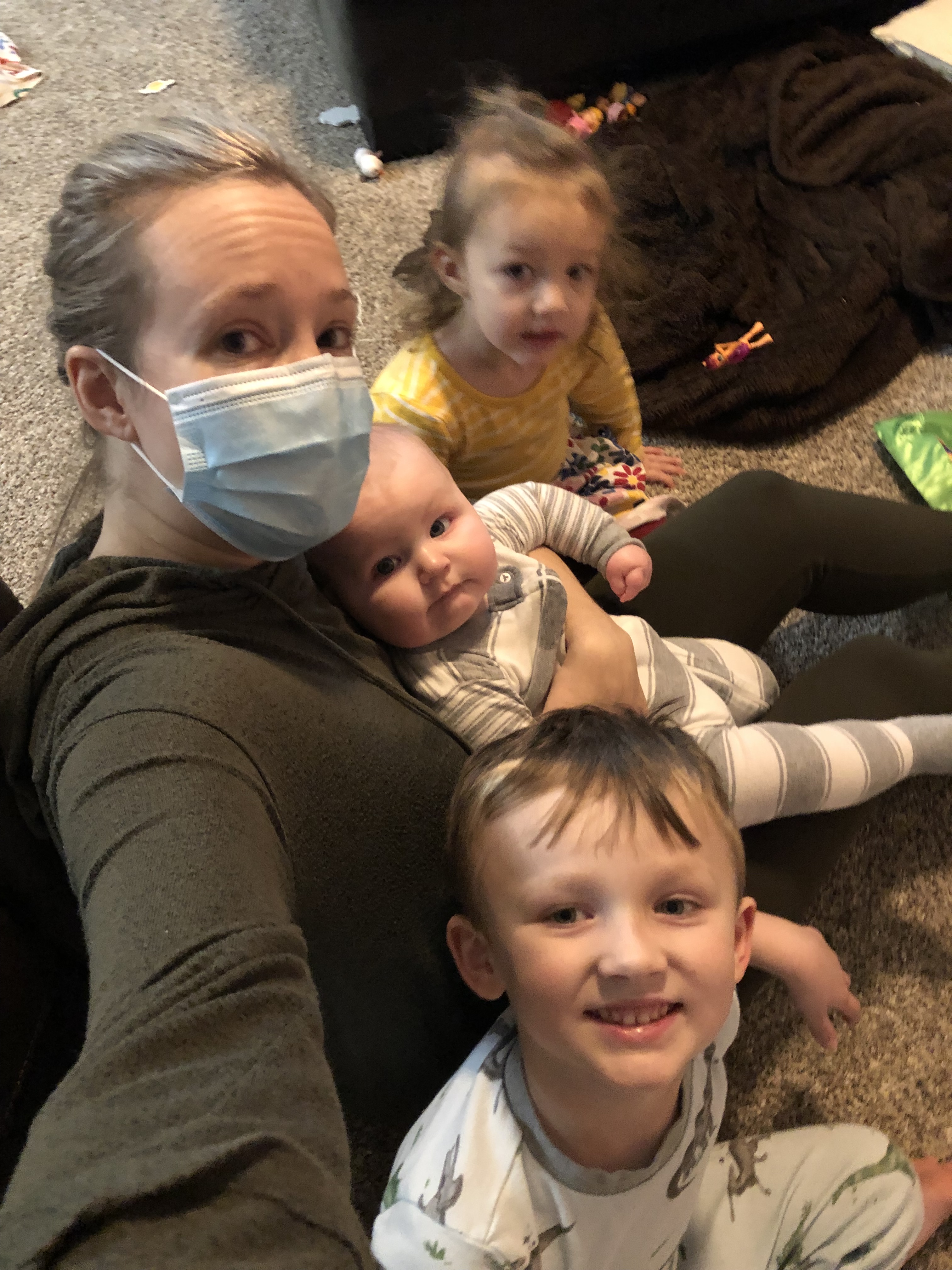
What’s really made this entire ordeal torturous for me is having to do my typical stay-at-home mom life with a 4.5-year-old, almost 3-year-old, and 5-month-old, while having COVID and Crohn’s disease. Unfortunately, even though my husband was symptomatic and positive he had to work from home, so it’s been me in the trenches, wearing a mask from 6 a.m. til the kids go to bed, and not getting a moment to rest or recuperate.

What anyone with a family and COVID can attest to is how challenging quarantine is when you can’t have your village of support help you with the little ones or get any type of childcare break. Typically, Reid goes to preschool three days a week and Sophia goes twice a week. Even though their school days are short, and I’m used to having everyone home, I’ve grown accustomed to a little bit of downtime with the baby. Between Christmas break and our quarantine, our entire family has been home since December 20th. Even through I’ve been sick and on the struggle bus, my day-to-day actions have not been able to change at all. To say I’m running on E is an understatement. Don’t beat yourself up over screen time and not being able to entertain your kids, it’s survival mode at its finest. As an IBD mom, the fatigue that comes with our illness is nothing new, the only saving grace with COVID is knowing there should be an endpoint. While long COVID exists of course, I’m not sure I’d be able to even tell the difference since I already live with chronic illness.

Breastfeeding with COVID

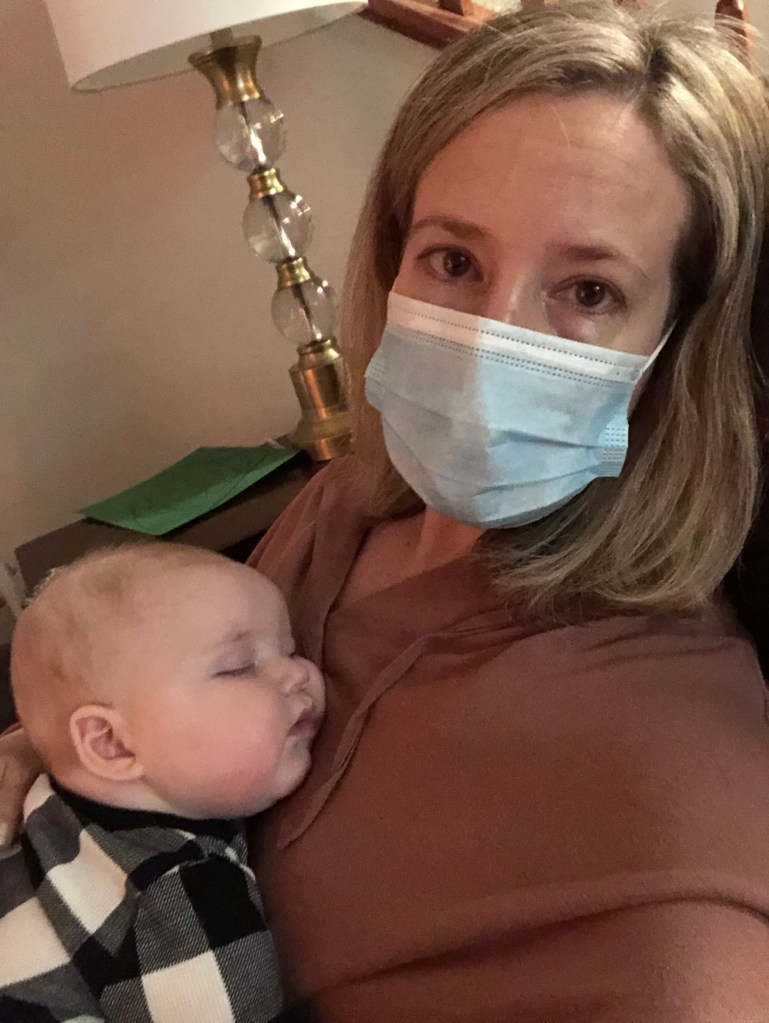
Ladies, I thought breastfeeding through colonoscopy prep and not eating for the days leading up was intense. This has been a whole different level of effort. To protect the baby, our pediatrician recommended my husband and I wear masks in our house. People complain about wearing a mask to get groceries. Try wearing it in your own home, morning-noon-and-night for 10 days, nursing a baby while your nose is running like a faucet, you feel unwell, and fear you’re going to pass along COVID to your small baby because you’re in such close proximity. At times I’ve felt on the brink of having an anxiety attack because the mask and my breathing made me feel like I was gasping for air while trying to feed him.

That being said, I’ve never felt more grateful or fortunate to be breastfeeding my son. It does my heart good to know he’s getting my antibodies in real-time as my body fights COVID. While breastmilk of infected mothers does not contain COVID-19, it contains antibodies against it.

I found promising articles and research about the benefits of COVID-positive moms continue to breastfeed their children:

Can Mother’s Milk Help Fight COVID? New Evidence Suggests ‘Yes’

Liquid Gold: How Breast Milk Could Pass Along COVID-19 Immunity

FAQ on COVID-19: Breastfeeding safety for mothers

Luckily, thus far, my baby hasn’t shown any symptoms and continues to thrive beautifully as we gear up for him turning 6 months this week. I’ve prayed hard over him daily and I’m hopeful I’m nourishing him and providing him with the best protection possible by nursing him through this pandemic.

Recommendations Moving Forward

As I write this it’s 9 pm on Sunday night. I’m much more at ease and honestly since I’ve been sick since New Year’s Eve, the entire start of 2022 has been a blur. I’m sitting on the couch, fire going, taking a deep breath, and trying to relax. Now that hindsight is 20/20 here’s what I wish I did before and what my recommendations are:

  • Order rapid tests proactively: Part of the reason we were exposed initially was because my loved ones could only get their hands on one test (which was negative). We made the trip home only to find out two days later that my dad had been positive the entire time. I ordered four tests on 12/30 and they just arrived yesterday. Prior to all this, my kids and I had never been tested. It’s much smarter to have tests ready to go at home so you aren’t scrambling and forced to make a judgment call that could put you in the line of fire.
  • Get 3-ply surgical masks for little ones: My kids have worn cloth masks up until all this, but when they return to school later this month, I plan to send them in surgical masks for added protection. I don’t expect my little ones to wear N95s. Not only are surgical masks more convenient than constantly having to wash them, if they lose their masks or misplace them in the wash, I don’t have to run around trying to find a mask that’s clean and ready to go as we are rushing out the door.
  • Connect with your care team when symptoms start: If you have a chronic illness and especially if you’re on heavy duty medications (like biologics) I can’t stress enough how important it is to stay in open communication with your care team so they are aware of the situation and can guide you through it. COVID is nothing to mess around with. It’s not *just a cold*, trust me. I spoke with my GI and my pediatrician almost daily this week through the patient portals.
  • Don’t take unnecessary risks and let your guard down: We are all exhausted from this nightmare, and I get how we all want to enjoy life and not live in fear. But one risky decision—something as simple as going out to dinner or seeing family that you miss, can end up with a great deal of sickness that you’ll quickly realize wasn’t worth it. Get vaccinated, get boosted. We’ve lost two family friends this week alone who were unvaccinated and died of COVID. It’s beyond heartbreaking.
  • If you lose your taste and smell like me, I’ve been told the sooner you start smell training the better: My friend recommended I order four essential oil scents off Amazon—Clove, Lemon, Eucalyptus, and Rose. They arrive to me on Wednesday. I have also been told by multiple people to eat Hot Tamales Candy and spicy, potent foods to get taste buds reactivated and to drink celery juice. Smelling perfume, cologne, garlic, dish detergent, and candles several times a day for 20-second increments is also a way to help bring it back.
  • Chart your symptoms each day: It’s helpful to keep track of your symptoms each day in the “Notes” section of your phone, otherwise it’s hard to remember what you’ve dealt with. It takes out the guesswork when talking with your doctors and helps you see how you’re improving or getting worse.
  • Disposable everything: We’ve been using plastic Red Solo Cups and writing our names on them, paper plates, paper towels, you name it. Get the germs out of your house and avoid using shared hand towels, toothpaste, etc. with those you live with.

Holiday Reflections: Thoughts from an IBD mom as we bid farewell to 2021

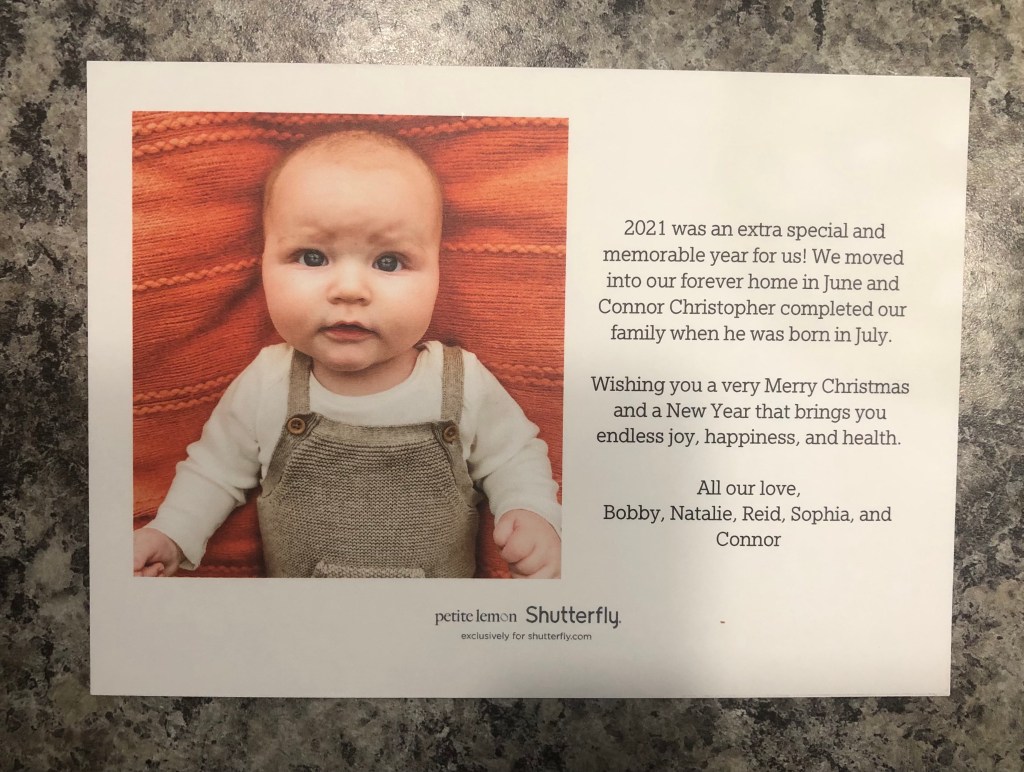
Tis the season for reflecting on the year past and all we’ve experienced and endured—both the beautiful moments, the hardships, and even the mundane. As an IBD mom, 2021 was a big year for my family. We moved to our forever home in June when I was 35 weeks pregnant with our third child and welcomed Connor to our family in July. While there aren’t many milestones more amazing in life, they also come with their fair share of stress. I don’t know about you, but stress often triggers my Crohn’s. It goes without saying the holiday season alone can be complicated to navigate with chronic illness, especially in the middle of an ongoing pandemic.

My best advice—listen to your body. If you feel like you’re being stretched thin and your symptoms are trying to speak to you, take time to listen. While chronic illness is always inconvenient when it’s flaring, ignoring an issue that is presenting only delays the inevitable and could set you up for an even bigger setback. I hope this week between Christmas and the New Year that you take time for YOU. Breathe. Relax. Reset. It’s something I struggle with and hope to improve on in 2022, so I’m right there with you!

COVID Every Where You Turn

I don’t know about you, but the pandemic has been creeping closer to my doorstep with each day that passes. Close friends had Christmas plans canceled. IBD friends near and far are sick with COVID right now. My family on both sides have dealt with being exposed, also re-shaping how our holidays ended up this year. I hosted Christmas for the first time in my life! Only 10 people (including my fam of 5), but hey, you gotta start somewhere! And moving forward, I think I’m going to host the holiday from now on!

On a serious note, these are troubling times. Almost two years in and it feels like we’re in a dark, never-ending tunnel, with no light. But, just like life with IBD, try not to allow the looming darkness to dull the beauty that still resides around you. I found myself crying happy tears many times on Christmas day. Despite the ongoing burden and hardship of the pandemic, I felt incredible amounts of gratitude for my family and getting to be a mom to three children. Seeing Christmas through their eyes was beyond magical and feeling well the entire day was the cherry on top.

As much as we’re all “over” the pandemic, it’s not a time to throw caution to the wind as we gear up for 2022. Stay vigilant. Use your voice. Speak up if you’re not comfortable, rather than being a people-pleaser. Set boundaries and don’t feel like you need to explain yourself to anyone. Think about the risk vs. the benefits, just as you do when making decisions about your body with IBD. Have ongoing dialogue with your care team and the doctors who treat you rather than from acquaintances on social media who have no medical background whatsoever.

Spread Holiday Cheer, Not COVID

I’ll leave you with my family’s Christmas card and a thank you for following our journey, offering support, love, and prayers along the way. The IBD family is so special to me. I honestly don’t know how I went the first 10 years of my disease without connecting with our community. Since I started sharing my story and opening myself up for support, taking on Crohn’s feels a lot less overwhelming. You inspire me to write, to share, to collaborate, and to do all I can to make a difference. Once you’re a journalist, you’re always a journalist…and I find it so rewarding to be a trusted resource in our community for insight about diagnosis to career, to finding love, having babies, being a mom, you name it. Thank you for listening and for reading. Excited to see what 2022 has in store!

Rolling up sleeves for a hopeful future: Immunocompromised healthcare workers with IBD share their vaccine experiences

Since the start of the pandemic, healthcare workers have carried the heaviest burden. Especially those who are immunocompromised while working in harm’s way. This week on Lights, Camera, Crohn’s you’ll hear from three healthcare workers with IBD who are immunocompromised and have received their first vaccine. It’s my hope that by hearing from these warriors firsthand that you’ll gain a sense of comfort, understanding, and perspective while also understanding the importance of debunking medical misinformation. Our IBD community is delicate and requires more expertise than simply listening to a family member or friend who “read something on the internet” or someone who has a cousin with Crohn’s (or now COVID).

Wearing several hats—IBD Mom and Relief Charge RN in COVID Unit

When Shermel Edwards-Maddox of Houston was diagnosed with Crohn’s disease in 2007 at age 24, little did she know that she’d one day lead the charge in a medical unit in the thick of a pandemic, while having two kids and a husband at home, while being on a biologic.

“It has been both physically, mentally, and emotionally draining. I imagine that every healthcare worker has been afraid however being immunocompromised has added an extra layer of fear. The emotional and mental exhaustion comes from the constant worry of “what if today is the day I catch COVID”? Every time I step onto the nursing unit, I’m aware that I could contract the virus. It’s very reminiscent of IBD and the worry of whether a flare is starting.”

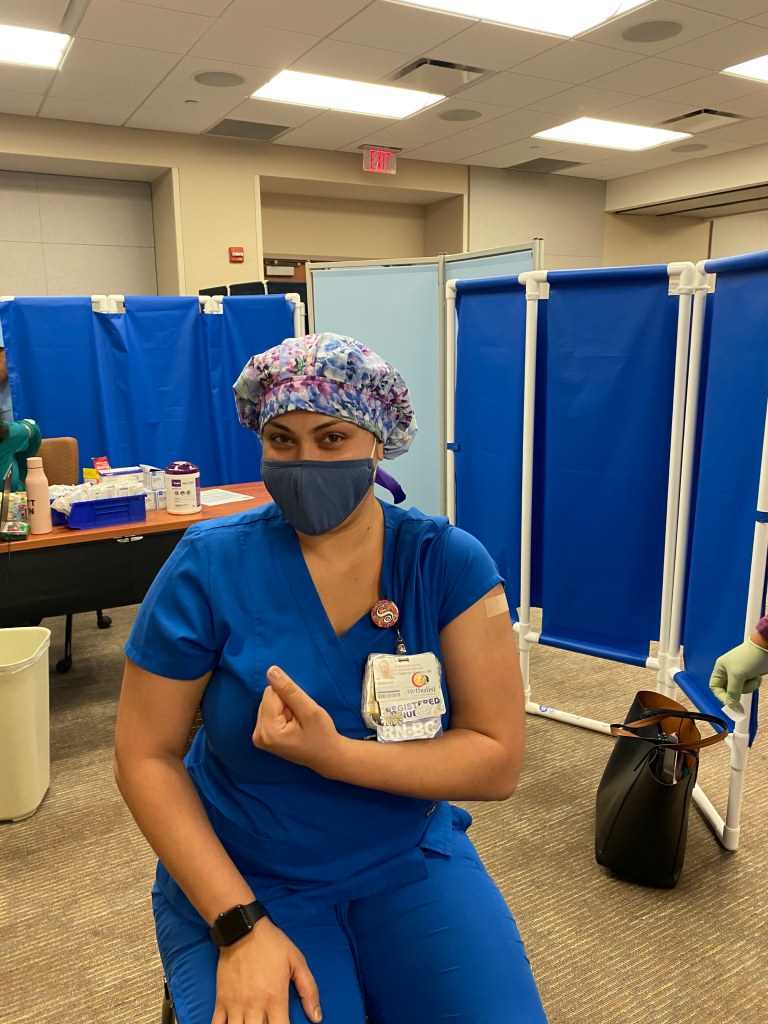
Like many other healthcare workers (and the general population for that matter!), she says the roll out of the vaccine provided her with a sense of relief, but also an understanding about the importance of educating the public about the importance of getting vaccinated. As a nurse, she has a solid understanding of how clinical trials work and knows that more than 70,000 people received the vaccine between the Pfizer and Moderna trials. She was especially excited to receive the vaccine after it was found to be 95% effective. Shermel feels blessed to receive “0.3ml of hope” in a syringe and says many in her shoes feel like they just received their “second wind” after months of being beyond exhausted.

“It was quite emotional. I shed several tears in the days leading up to the vaccine. Those tears were in amazement of how grateful I am to be getting a vaccine that could spare me from this horrible virus that takes the lives of so many. When it came time for getting the vaccine, I felt pure excitement!”

Shermel’s only side effect she experienced was a sore arm, which is expected with any type of vaccine.

The COVID vaccine allows Shermel to not only protect herself but her husband, children, patients, and the community. It makes her feel hopeful to know her daughter will get to see her kindergarten teacher’s face without a mask and that her son will be able to attend his school graduation, free of social distancing. 

From an Ostomy Reversal in March to working as a clinical researcher

Caroline Perry also happens to live in Houston and after battling Crohn’s since the age of eight in 2000, she had an elective ostomy reversal surgery March 4th just as the pandemic was unfolding in the States. She takes Entyvio AND Stelara and says that even though she’s on two biologics, her physician had explained to her that both drugs have a relatively good safety profile. While she wasn’t overly nervous about contracting the virus more than the next person, she has been nervous about how her body would react to it.

As a clinical researcher, her boss, happens to be her gastroenterologist. Having her care team readily available and working alongside people she knows and trusts on both a personal and professional level has helped her cope through the pandemic immensely.

Prior to receiving the vaccine in December (2020), Caroline admits she had some initial concerns and brought them up to her doctor, which is what she recommends everyone does.

“Many people are getting all their information from the internet or by word of mouth and are neglecting to listen to our experts—some even mistrusting them. My doctor gave me lots of evidence on why she believes the vaccine is safe and debunked a lot of my fears, which I found out were fairly common questions or misconceptions regarding the vaccine. I got the information I needed to make an informed decision, and once I had all the information, I was no longer worried about getting the vaccine! I am much more concerned about getting COVID than any potential side effect of its vaccine.”

Caroline says she was so excited to receive the vaccine, not only for herself, but for all the healthcare workers that were in the room with her.

“Sitting in that chair, it hit me. I was really experiencing a significant piece of history and I will never forget the feeling of palpable relief in that room. As healthcare workers, we have heard nothing but bad news for so long, and the vaccine is a beacon and glimmer of hope, at the end of a very long tunnel.”

Due to the pandemic, Caroline and her fiancé canceled their wedding for the time being, but finally feel like they can breathe a sigh of relief. Her fiancé won’t be eligible to receive the vaccine until the last round is available, so until then, she says they will continue to practice COVID precautions and keep up to date with the latest data surrounding the vaccine.

After receiving the vaccine, Caroline still received her Entyvio that afternoon! Her only side effect, like Shermel, a sore arm. As of now, she’s working on COVID research in addition to her usual IBD research. Caroline says this past week was her first time working in the COVID ICU for a new clinical trial, and she felt a lot safer thanks to having the first vaccine.

Juggling Women’s Health while being a mom of 3

Janice Eisleben, a Women’s Health Nurse Practitioner in St. Louis, was diagnosed with Crohn’s in October 2017 while pregnant with her third child. She was initially on Humira, but started Stelara a year ago. Janice happens to work at the OB office I go to, so I know her personally and have experienced her amazing care through my own pregnancies. We connected immediately once we both discovered years ago that we were IBD moms on biologics.

She recalls how scary the onset of the pandemic was, between the limited information and the looming unknown. As a patient with IBD, on a biologic, she wasn’t sure what that ultimately meant for her well-being. When she found out the vaccine was going to start being available to healthcare workers, Janice says she was elated.

“I feel like the vaccine finally offers some level of comfort to healthcare workers who have literally been giving everything they have to take care of patients. And this is not limited to nurses and doctors! The hospital cannot run without the respiratory therapists, housekeepers, and maintenance staff—these people are truly the unsung heroes of this pandemic.”

Janice said she did not have concerns or worries about the vaccine because she had been following the clinical trials from the early stages. She says the energy she felt just standing in line to receive her vaccine was something she’ll always remember and that everyone there was beyond ready to take this next step.

“It was incredibly emotional. I honestly teared up when I received the email inviting me to schedule my appointment. I was so excited that the night before I had trouble sleeping—kind of like a kiddo who can’t sleep the night before Santa comes. This vaccine means so much for us. It means that maybe sooner than later I will feel more comfortable with my kids going back to school and participating in activities. It means that we have less worry about me bringing this virus home from work to our household, and less worry about me getting a severe case of this virus.”

She says she can completely understand why someone would be skeptical of the vaccine, but she encourages everyone to avoid the “Google trap” and to please contact your physicians/care providers to discuss it further. For anyone with IBD, Janice advises you to specifically contact your gastroenterologist. If there is anyone those of us with Crohn’s and ulcerative colitis should trust, it should be our GI!

Janice’s only side effect was also a sore arm, though she does anticipate more symptoms (low grade fever, aches, fatigue) after the second dose, because this was well documented in the trials.

Helpful Resources to Educate Yourself About IBD + COVID Vaccine

About IBD: Podcast Interview with Dr. David Rubin: A Key Opinion Leader in IBD Helps Patients Understand What to Expect with Vaccination

Crohn’s and Colitis Foundation: COVID-19 Vaccines: What IBD Patients & Caregivers Need to Know

Halloween Happenings and IBD: Advice from GI’s and parents of pediatrics

Halloween is extra scary this year for all the wrong reasons. It’s especially challenging for children with IBD who are immunocompromised. This week on Lights, Camera, Crohn’s I share input and advice from several gastroenterologists about everything from trick-or-treating to flu season, along with the game plan four IBD families have in place for the holiday. Much like anything with this pandemic, we’re trying to do the best we can to live, while also staying safe.

As an IBD mom myself, I’m still conflicted about how best to celebrate Halloween with my kids this year. We have their costumes, and the house is decorated festively, but I’m extremely hesitant to allow my 3.5-year-old son to get candy from strangers in the middle of a pandemic. Our game plan is to hang out with my sister-in-law’s family as we do every year. I’ve been inspired by how fellow IBD families are creatively adapting and making adjustments to celebrate. I think you will be, too.

Nicole’s daughter Addy is 15 and has Crohn’s disease. She’s on Humira. Nicole said her family already had a little “pow wow” to discuss Halloween and how it was going to be this year. They’ve decided to celebrate over the span of two days by doing the following:

  • Making Halloween Gingerbread houses
  • Decorating Halloween Cookies
  • Having a glow in the dark scavenger hunt (The lights in the house will be out, the kids will have glow sticks/flashlights and they will have to use clues to find their bags of Halloween décor. With the bags of décor, each child will create a mini haunted house in their bedroom and go “trick or treating” to the different bedrooms and experience their siblings’ haunted house.
  • On Halloween night Nicole is going to make a Halloween-themed dinner
  • The family will watch Blair Witch Project

Nicole says being immunocompromised through COVID has been incredibly challenging for her daughter. She says they are trying to balance everything so that Addy doesn’t fully resent her disease.

“She sees that her friends are hanging out together, not social distancing, and not getting sick. We have had many moments filled with tears and frustration and we are doing the best we can to try and offer social interactions in the safest ways. But, she is a teen…and the efforts are hardly enough. Halloween this year is something my kids are all excited about, but it’s the day-to-day stuff that is most challenging through the pandemic.”

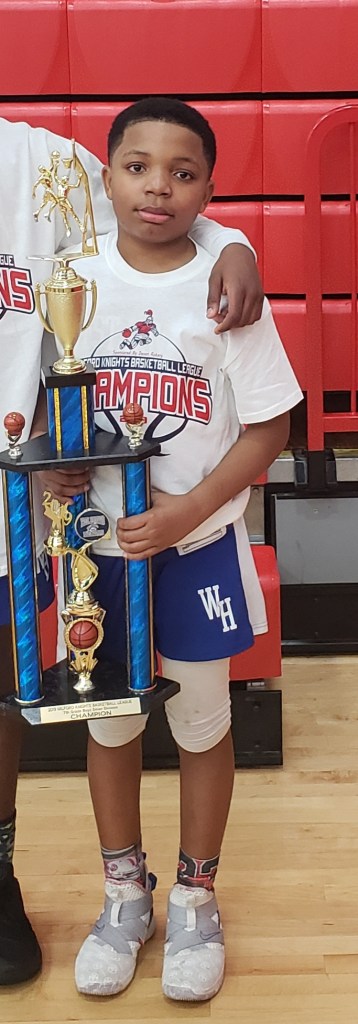
Ebony’s 14-year-old son, Jamar, is on Remicade infusions to manage his Crohn’s disease. Jamar was diagnosed with IBD when he was nine. He’s now a freshman in high school and attending school daily in-person for half a day with the hopes of making the basketball team.

“Even though Jamar is attending school, we decided as a family that we are not going to do anything for Halloween this year. We also plan to celebrate the holidays at home, to keep on the safe side. Since he was diagnosed with IBD and expressed sadness that he didn’t understand why he had to have this illness, I’ve explained to him that we’ll get through this together and that I’ll always support him—and that hasn’t changed through this pandemic,” said Ebony.

Paulina’s nine-year-old son, Grayson, also has Crohn’s. He’s on Pentasa, Entocort, and Omeprazole to manage it. She says her family plans to dress up in costumes as usual. Grayson is going to be Bowser from Super Mario Brothers. They have tickets for a drive through Halloween event at the community center by their home in California. Paulina says even though they have to stay in the car this year, Grayson and his sister are still excited to see all the decorations and participate in the scavenger hunt.

“We also plan on faux trick or treating, where we still go out and walk around our neighborhood and enjoy spotting cool decorations, BUT I will bring a bag of goodies and little prizes. For every few houses we walk by, they’ll get a surprise goodie put into their bag. Grayson will be able to go through his “loot” once we’re back home. I’m sure we’ll watch Nightmare Before Christmas (it’s a family favorite). Halloween falls on a Saturday and on a full moon…how could we possibly miss the nightly walk?”

Paulina says Grayson often feels frustrated when the topic of “being immunocompromised” comes up, but that he understands they are being overly cautious for his own health and that of others.

Cindy’s 10-year-old daughter, Jean, has Crohn’s disease and is on weekly Humira injections. She says Jean is in that interesting phase of childhood where she still kind of wants to go trick-or-treating, but also feels like she’s outgrowing it or too cool for that. This year, Jean is going to attend a small outdoor get-together on Halloween night with four classmates. It’s important to note—Jean has been attending 5th grade—in-person, five days a week since August.

“The kids will make s’mores and pizza and watch a spooky kid movie on an outdoor screen. Because she and her friends are in the same classroom “pod” and she spends more waking hours with these classmates than she does in our own home, we are accepting of her celebrating with them.”

Cindy says Jean’s friends and their families have been extremely accommodating to her immunocompromised status throughout the pandemic.

“When she has visited their homes or on limited occasions shared a carpool, these families have been careful to pursue a combination of exclusive outdoor time, mask-wearing, windows down on car rides, pre-packaged or restaurant carry-out snacks and meals, and having freshly cleaned bathrooms dedicated for guests’ use. Other parents proactively talk through risk mitigation and I couldn’t appreciate them more for their thoughtfulness. Immunocompromised or not, we all share similar concerns during COVID.”

Cindy went on to say she thinks Jean will trick-or-treat with her five-year-old brother at a few of their next door neighbors’ houses. They live in Indianapolis and trick-or-treating is “not recommended” by the county health department there, but she expects many of her neighbors will still be handing out candy.

“I also intend to hand out candy from our driveway, so long as trick or treaters or their parents are wearing face masks. This follows our family’s general approach on life during COVID: we are more concerned about “shared air” than we are about surfaces. We believe (and science indicates) surface infection can be largely addressed through handwashing. Because trick or treating can occur in outdoor spaces, we feel somewhat comfortable with that – balanced with the fact that while we are extremely concerned about COVID and have taken all precautions since March – we strive for an ounce of normalcy. There are enough parts of Jean’s life that are not typical due to living with Crohn’s Disease – whenever we can control any part of her life feeling “normal” we make every effort to do so. This was the case before COVID and will remain so afterward.”

Cindy says she reminds her daughter they are doing everything they can to protect her health, while also doing their best to ensure Jean can pursue all the parts of her life that bring her joy. It’s not an easy tightrope to walk, and as an adult with IBD, my hat truly goes off to parents trying to navigate these unforeseen times for their children.

What Gastroenterologists are recommending for Halloween and beyond

Dr Miguel Regueiro, M.D., Chair, Department of Gastroenterology, Hepatology, and Nutrition, at the Cleveland Clinic says he thinks it’s important for people to “live” and be with family and friends. He has a few tips and tricks (or treats!). (His joke, I can’t take credit!)

“For outside events or walking the neighborhood, this is probably the safest as we are learning that open air events are the least likely for transmission of COVID. At the same time, I would still practice wearing masks, social distancing, and practicing good handwashing. Avoid personal contact, shaking hands, hugging, etc.”

For those distributing candy, Dr. Regueiro says it would be prudent to wear gloves (nitrile gloves or similar) to avoid directly touching the candy. Out of abundance of caution, he said it would be reasonable to also wear gloves to unwrap the candy.

“Regarding trick or treating in malls or confined spaces, this would be less optimal than open air. Masks, social distancing, and hand hygiene is a must. Parties or gatherings in houses should follow the guidance of local health advice. Some parts of the country may have a much lower rate of COVID. Overall, though, I would avoid close gatherings in enclosed spaces, which means avoiding these parties, especially if immunocompromised.”

Dr. Regueiro wants to mention that the IBD Secure Registry is finding that IBD patients on immunosuppressive agents/biologics are NOT at increased risk of contracting COVID. He says while this news can be comforting, it may also be that those with IBD on these types of medications have been extra cautious.

“Everyone should get the flu shot. Getting influenza may mimic symptoms of COVID, and influenza is also a very serious virus. We think getting influenza and COVID could be even more dangerous. Getting plenty of sleep, staying well hydrated, eating healthy, and exercising are also important for the immune system and health. Don’t let yourself get run down.”

Dr. Anil Balani, M.D., Director, Inflammatory Bowel Disease Program for Capital Health Center for Digestive Health in New Jersey does not recommend indoor Halloween parties either, even if kids and parents are wearing masks (whether it’s part of the costume or a regular mask).

“With indoor settings it is hard to control the ventilation settings which could potentially increase the risk of airborne transmission, and furthermore many kids may find it difficult to breath indoors with a mask on.”

Dr. Balani says trick or treating, if it’s limited to outside, is probably ok. Although kids should wear masks when doing so.

“Children can trick or treat with their parents or siblings instead of a group of large friends, unless they are with a small group of friends that are in their “pods,” or groups of friends whose parents have been very careful with all COVID related precautions the entire time. Parents of immune compromised kids can also pick up the treats for the kids.”

Along with maintaining proper handwashing and social distancing precautions, Dr. Balani advises everyone to get the flu shot, unless there are medical contradictions. He recommends taking a healthy dose of vitamins including Vitamin C and zinc and continue to stay on top of all your IBD medical care to keep your disease managed and under control the best you can.

“The SECURE-IBD registry has shown us that people who are in the midst of an IBD flare are at high risk for complications from COVID should they contract the virus. On the other hand, if one is in remission, they are likely to have a better outcome from the virus, regardless of which IBD medical therapy they are on.”

When it comes to celebrating Halloween with his own family Dr. Balani and his wife have a few tricks up their sleeves. Instead of typical door to door trick or treating, they plan to set up an outdoor movie night with Halloween-themed movies, have an outdoor candy/treat hung similar to an Easter egg hunt with family and/or a close knit group of friends, host an outdoor pumpkin carving party, and have a backyard costume/glow dance party.

And don’t feel like you need to throw out your kids’ Halloween candy! Studies suggest that the SARS-COV2 virus may not be infectious on surfaces for too long. If there are doubts or concerns, Dr. Balani recommends leaving the candy out for a few days to allow any virus particles to die. Parents can also open the wrappers for their kids.

Dr. Maria Oliva-Hemker, M.D., Director, Division of Pediatric Gastroenterology, Hepatology, and Nutrition at Johns Hopkins suggests for families to look for other creative ways of celebrating Halloween this year, regardless of whether a child has IBD or not.

She recommends:

  • Virtual costume parties
  • Halloween movie or craft night
  • Making special Halloween-themed treats at home
  • Outdoor costume parades where physical distancing is possible
  • Checking to see if the local zoo or other outdoor venues in the area are sponsoring a safe, community event, following social distance guidelines.

“Those who hand out treats on Halloween will hopefully wear face coverings and model safe behaviors. If you are trick or treating, consider going to a smaller number of homes compared to past years,” said Dr. Oliva-Hemker.

Prior to making Halloween plans, Dr. Oliva-Hemker says families should be aware of the levels of COVID cases in their communities, as well as where their family members are coming from.

“For example, if they are coming in, or coming from a hot zone, they may want to consider holding a virtual event or be absolutely sure that they follow known guidelines for safety (masks, handwashing, physical distancing).”

She also says she can’t stress enough that this virus can be controlled in our society—other countries have been able to get a handle on things by people following public health guidelines.

“The virus does not know your political, religious or other affiliation—as a physician my hope is that our country pays more attention to what reputable scientists and public health experts are telling us. Taking care of this virus will also get the country back on track economically.”

Handling Halloween When You’re an Immunocompromised Parent

Mom (and dad!) guilt throughout this pandemic has reared its ugly head a few times especially if you live with a chronic illness and are immunocompromised. The last thing I want is for my kids to miss out on fun and experiences because of my health condition.

Dr. Harry Thomas, M.D., Austin Gastroenterology, says, “For parents with IBD, taking children trick-or-treating outdoors – while maintaining social distance, wearing face coverings, using hand sanitizer, and avoiding large gatherings – is, in my opinion, a reasonable option, provided they are not on steroids. However, I would recommend avoiding indoor gatherings, especially without masks, given the rising case numbers in many areas now.”

Along with receiving the flu shot, Dr. Thomas recommends IBD parents to talk with their IBD provider about the two pneumococcal (pneumonia) vaccines, Pneumovax and Prevnar 13.

Navigating the upcoming holiday season in November and December

Halloween is just the tip of the iceberg when it comes to the holiday season. There’s no doubt this will be an extremely hard time for us all.

“This is normally a time to celebrate with friends and family. But with the COVID pandemic, unfortunately things cannot be the same. This will be especially difficult for those of us living in the cooler climates where the tendency is to go indoors. For any potential indoor gatherings, it would be ideal to limit the number of people to allow safe social distancing. I would encourage families that are planning on staying together multiple days to consider getting tested for COVID before getting together,” said Dr. Balani. 

Four IBD Physicians Talk COVID: What You Need to Know

Since the words “quarantine”, “self-distancing”, and “COVID-19” became a regular part of our vocabulary three months ago, there have been many fears, and a lot of gray areas for everyone, especially chronic illness patients on immunosuppressive therapies. I had a chance to connect with well-respected and prominent physician voices in the IBD community to get to the bottom of what we need to be doing right now, and how to best handle the days and months ahead.

One of the most common questions—who is at most risk in the IBD population for getting COVID-19? You may be surprised at the findings and discourse.

“We have been reassured that with the exception of steroids, patients with IBD are not at increased risk for bad outcomes with COVID. The risks are similar to the rest of the population,” explained Dr. David Rubin, MD, Professor and Chief of GI, The University of Chicago Medicine. “Older age, co-morbid conditions like obesity, diabetes or other medical problems, and smoking cigarettes put patients at increased risk.” COVIDarticle

Every study and case series has demonstrated NO increased risk for infection, COVID, or bad outcomes with biological therapies. This includes the work of the international registry (COVIDIBD.org and now published in Gastroenterology), the mixed immune patients of all kinds reported from NYU in the New England Journal of Medicine, and other series from Italy and China.

“We have good data now that IBD patients, even those on immunosuppressive therapies are not at increased risk of COVID. However, getting sick with COVID might mean holding off IBD meds, which could potentially trigger a flare,” said Dr. Aline Charabaty, MD, Associate Professor of Medicine, Clinical Director of the GI Division, Director of the Center for IBD, John Hopkins School of Medicine at Sibley Memorial Hospital in Washington D.C.

Don’t let your guard down

Dr. Charabaty advises everyone to continue to exercise common sense and be cautious for the upcoming months, otherwise we are at a risk of a second wave of COVID-19.

“Follow responsible physical distancing: avoid unnecessary travel, work from home if possible, and minimize outings in crowded places. Continue to wear a mask, wash hands/use disinfectant, in other words continue to follow COVID-19 precautions when out, or if you have to go to work.  The risk of exposure depends on the incidence of COVID-19 in an area, but also feeling overconfident in an area of low incidence can lead to unnecessary exposure,” she added. coronavirus-4937226_1280

Dr. Peter Higgins, MD, PhD, M.Sc., Director of IBD program, University of Michigan, recommends patients on steroids continue to stay home and avoid outside contact, but for patients not on steroids, the outdoors with a mask, away from crowds, can be therapeutic.

“The hard part is knowing when there will be crowds of people, and avoiding dense gatherings,” Dr. Higgins said. “Having open space and good airflow seems to be protective. Being in close quarters, especially with folks who are breathing hard (exercise, singing) seems to increase risk.”

Small Gatherings with friends and family (less than 10 people)

Dr Charabaty recommends the following:

  • Before gathering with family, make sure no one has had recent symptoms or exposure to someone who has tested positive.
  • When indoors with family staying 6 feet apart isn’t always feasible, wash your hands frequently and wear a mask if sitting close.
  • The idea is to share fun family moments, but remain cautious and protect yourself and loved ones.

“I would limit the number for gathering based on how much space you are entertaining in. Certainly, the more people there are, the more limited the physical space per individual there is to share,” said Dr. Neilanjan Nandi, MD, FACP, Associate Professor of Clinical Medicine, Penn Presbyterian Medical Center. “With that in mind, I would ask people to not invite more people than they can physically safely distance themselves from. If we’re too close, we spread the virus. If we have distance, then we decrease the odds.”

Luckily, the summer months are perfect for outdoor festivities and gatherings with friends and family. Being indoors in close quarters is taking a calculated risk. It’s hard to know if everyone at a gathering is uninfected without a lot more testing or strict quarantine from every visitor beforehand.

Outdoor patio seating, should you, or shouldn’t you?

The waters get a bit murky here. The consensus is to get takeout and find a picnic spot far from others or to eat at home.

Dr. Charabaty says she tells patients and her family to avoid or limit outdoor dining. She explains, “It’s difficult for people handling and serving food to follow hand washing and social distancing when service is busy. I see many restaurant workers wearing gloves, and touching many different services, which gives a false sense of security. It’s not the cooked food that is an issue, it’s more the handling of the plates, glasses, and silverware.” Outdoor dining

Be mindful of how far tables are spaced out and call ahead to see what measures the restaurant is taking before you go.

Health pundits have pointed out that bathrooms are a point of contact for any infection to be transmitted. This is something to keep in mind, especially for those of us with IBD, who may need to frequent the bathroom more than most. “Hand dryers may aerosolize, and toilet flushes can create microscopic fecal plumes,” says Dr. Nandi. “Notably, coronavirus is present in stool at magnitudes lower than respiratory droplets, so their impact on developing clinically relevant disease is unknown. It is restaurant goers who are coughing and sneezing and then using the bathroom that may cause more concern. If you need to use the bathroom while out, use paper towels and close the toilet lid when flushing.”

Navigating everything from medical appointments to hair cuts

“I understand people wanting to go to hair salon; if you need to , and no one in your house can cut or color your hair, call ahead to make an appointment to minimize wait and exposure, and pick a day and time that are not busy,” said Dr. Charabaty. “If your visit to the physician is routine, you can discuss with your physician how soon you need to be seen. If it’s a sick appointment or a follow-up that you already needed to delay, then again, wear your mask, remove it only when needed; and wash your hands often.”

Before You Go: Ask medical offices and salons what precautions they are taking:

  • Does the office call patients ahead of time to check if they have symptoms suspicious of COVID?
  • What measures are being taken in waiting rooms?
  • Is everyone required to wear a mask?
  • Ideally you want to see lots of free, no-questions-asked testing in your local community/county to monitor COVID rates
  • A low level of new cases (less than 3 per week) in your local county
  • Lots of serious precautions taken, including possibly outdoor haircuts (common during 1918 flu pandemic), fans to increase airflow, and glove, gown, mask, and face shields on stylist/dentist/eye doctor to protect them as well as you. Recent exposures in Missouri reinforce this.

The future of telehealth

“I expect telehealth will continue- our estimate is that about 30-40% of routine visits may be virtual which is great, but this needs some careful reflection,” explained Dr. Rubin. “We need some thoughts and plans for better home monitoring and some additional guardrails to know when in person visits are needed and when providers or patients should request them. We don’t want to make mistakes and let patients slip through the cracks of virtual visits without physical examinations and adequate disease and therapy monitoring.”

The return to work

Ways to minimize exposure in the workplace and the questions to ask:

  • What measures is your employer taking to ensure responsible physical distancing?
  • Are employees required to wear a mask?
  • If working outside the home, leave clothes and shoes in the garage or the basement. Strip down and scrub down right when you get home.
  • If spouse has symptoms or if they’ve traveled to a high-risk area, they should quarantine.
  • Ask your boss if you can continue to work from home or increase the frequency of doing so to limit your exposure. Provide a note from your GI to Human Resources that explains why you are immunocompromised.
  • Monitor yourself or your spouse closely for fever, symptoms (including both respiratory and GI symptoms) and if possible, pulse oximetry to measure blood oxygen levels (a decrease is worrisome).

Dr. Higgins explains there are “high and low” risks work environments. High risk involves a crowded open space office full of cubicles, working in an ER/ICU/healthcare, assembly line/meatpacking plant, air travel, frequent contact with large numbers of people (bus driver). Lower risk jobs involve outdoor work, low density office spaces with closed doors/good airflow, and solo car travel. photo-1531493731235-b5c309dca387

“When it comes to spouse related travel, I would have them again speak with their employer about the necessity and yield of the trip. Much of what we can do currently can be done via teleconferencing,” said Dr. Nandi. “While the personal touch is always preferred, today’s times do necessitate that we be conservative and protect ourselves and our families. If travel is necessary, the spouse testing upon return is a good idea. If not possible, then conservatively a self-quarantine would be recommended. Of course, this presents marked strain on the functionality of any family. this emphasizes the need for greater and better testing capability.”

Remain cautious, don’t get too comfortable

Even with states re-opening, it’s on us to remain cautious and minimize unnecessary exposure while being able to provide for our families. We all have cabin fever going on, but we are all responsible to prevent a second wave of COVID by avoiding being complaisant.

“While it is reassuring to know that in general our patients with IBD do as well as the general population (or possibly better), it is prudent to continue our caution until we get to an R0 of <1.0 (meaning one infected person infects less than one additional person) by ongoing efforts to flatten the curve and/or a vaccine,” says Dr. Rubin. coronavirus-line-art-5019475_1280

This too shall pass

“It is sad and frustrating that this pandemic has occurred in our society, but I view it as a unique opportunity to get better connected: first with one’s self ; second with our immediate family and friends and third, with our natural environment,” said Dr. Nandi. “In my opinion, our Western society’s luxuries can often prevent us from enjoying the simplest pleasures in life. Thus, I take this time as an opportunity to spend quality time with my family, read more books, try new recipes, and workout more regularly. Because, I know in time, this too shall pass – and the opportunity that it presents will disappear as well.”


Crohn’s and COVID: Hear one IBD mom’s experience battling both

Imagine having a fever for 31 days along with debilitating fatigue, a scratchy throat, cough, and trouble breathing. That was the case for Jessica I., age 34, of St. Louis. She is a COVID survivor, a Crohn’s warrior on immunosuppressant medications, a wife, a mom to two little ones, and an attorney.

Hindsight is 20-20 and of course we know a bit more about COVID-19 now than we did when quarantine and chaos ensued in mid-March, but let me take you back to how this all went down for Jessica and her family. DSC00747

Her daughters, age 4 and 19 months go to the same preschool and daycare. Their last day was March 11th. Jessica received an email from the director of the school saying a record number of teachers and students were out with the flu and strep. Except later it was determined the sickness going around the school was COVID-19. Two teachers landed in the ICU and multiple kids and parents tested positive in her older daughter’s class.

How the symptoms presented

“The first change was extreme fatigue and a scratchy throat, almost like cotton balls were stuck in my throat. Two days later I started with a low-grade fever. I felt pretty lousy for three days—fever, chills, and aches,” says Jessica. “I had one day where I felt better (March 26), but the following day I felt worse than before with a much higher fever and I had a dry cough. I felt constriction in my chest with every breath I took.”

Jessica’s husband was proactive and had ordered the family a pulse ox back in February, so she was able to monitor her oxygenation throughout her illness. She never dipped below 92, but the chills, painful aches, headaches, and fever from 99-101 stayed with her for over a month.

Still not 100%

“Though I no longer have a fever, I still have good days and bad days. I still have chills, aches, and extreme fatigue. It’s way more manageable, but I’m definitely not 100%,” says Jessica. “Luckily, I did not have the smell and taste issues, but because I felt so awful, I’ve lost 25 pounds.” 20190921_161434

Jessica is grateful her Crohn’s disease has not caused her problems in recent weeks. Diagnosed at age 12, IBD has been a part of her life for as long as she can remember.

She had two bad flares during her second pregnancy and most recently an eight-month flare last year. When her Remicade infusion was due this month, her GI was adamant she stay on schedule since she no longer had a fever. Jessica was terrified about getting a biologic on the heels of having COVID-19, so she chose to extend her medication schedule by one week. Her worries were justified.

“In 2006, I got my Remicade when I had mono (hadn’t known at the time) and got encephalitis and had to be in a UK hospital in the ICU for a month. I lost my ability to talk. I almost died. My GI doctor knows of this history, but insisted that I needed my Remicade because of my history of getting flares the last few years.”

Despite her apprehension, Jessica trusted her long-time physician’s recommendations and stayed on her Remicade and Imuran.

Balancing motherhood while fighting COVID-19

The first 12 days, Jessica isolated herself from her family in her master bedroom. Her husband worked a full-time job from home, while taking care of both girls on his own. Once Jessica’s fever persisted after two weeks, they decided as a family to have her come out of isolation because the burden was nearly impossible for her husband to continue to take on. Igielnik-8

“We knew almost for sure that my children were asymptomatic and gave me COVID-19. The next two weeks anytime I was out of my room I wore a mask and gloves. I didn’t make any food. This was so hard because I was still extremely sick and was just supervising play and TV watching for my girls. To this day, my husband and I are still sleeping in different rooms and not hugging and I’m not going anywhere near his food.”

Jessica’s husband is an avid news consumer and was following everything that was happening in China. He started to stockpile food and wipes back in January. Friends thought he was overreacting. His grandparents are Holocaust survivors. Jessica credits his “alertness” to that.

What Jessica wants people to know

Even though Jessica was able to fight the illness without being hospitalized, she says if we weren’t in the middle of a pandemic, she would have gone to the hospital in “normal” times.

“Mild COVID isn’t mild COVID. What I had was considered mild and I was so sick for so long…and I’m still not feeling completely better. I think people would change their mind about the severity of this if they knew someone who had COVID-19 or they themselves experienced it.”

To this day, Jessica still has chest pain and backaches. Her care team believe she has inflammation in her lungs because she was sick for so long.


My family calls me “Sergeant COVID”: Navigating life while being high-risk, as the world reopens

I’m preparing to feel like the bad guy in the months ahead. My family has already jokingly called me “Sergeant COVID”.  As an IBD mom who is immunocompromised, the decisions I make as the world starts to reopen may step on some toes. I’ve always been one to struggle with confrontation and take it upon myself to be a people-pleaser, which isn’t always a good thing. But this. This is different. I know there will be times I need to speak up and say no.

While out on a walk with my family in our neighborhood this week, we approached a house with two moms sitting side by side, a play date was going down.

sophiawalk15months

Daily walks and getting fresh air help to keep us sane!

Several kids ran around the yard. An SUV parked next to the two moms with their thermoses. I turned to my husband when I spotted them and said, “well there’s a playdate.” He laughed and said, “Are you not going to allow Reid and Sophia to see anyone for a year?”

Well, that’s a good question my friends. Who knows what these next few months will bring, and as someone who is immunocompromised from my biologic medication, that may need to be the reality if things don’t make a drastic turnaround for the better as far as number of cases and deaths.

I want to be together with my friends and family as much as the next person

I also understand the risk associated with getting together with people who have not taken social distancing and quarantine as strictly as my family has. I haven’t stayed in my house and neighborhood since March 12th and only ventured to the grocery store and for bloodwork once, to throw those efforts out the window. I haven’t cooked every meal for my family and refrained from ordering take out for nothing.

baking

Trying lots of new recipes has been a great distraction.

The moment I let my guard down before I feel comfortable, the moment I put myself or my family at risk.

As someone who’s worried about sickness from germs and flare-ups for years, I see this pandemic through a different lens than many. Anyone in the IBD community who is on immunosuppressive medication has a different perspective. I’m already anxious about having to justify my decisions to stay home as life slowly starts getting back to a new normal for everyone. But until I feel safe, we’ll be taking all the precautions.

I wonder just as much as the next person in the chronic illness community how to navigate these difficult conversations with well-meaning and otherwise “healthy” friends and family. When I hear about people getting together indoors, going for walks with people outside their nuclear family, having people over for BBQs, even being essential workers (which I know can’t be helped)—I know the date I’ll see those friends and family just gets pushed further away.

When things calm down, the first people my kids and I will see indoors, will be my parents, who have practiced strict social distancing and haven’t ventured out for anything but groceries. If they were out and about and seeing others, that wouldn’t be the case.

We all need to do what we feel comfortable with and worry less about hurting someone’s feelings or getting a little backlash for our decisions. Luckily, my husband Bobby has been extremely understanding and supportive and backs me up on how I feel. IMG-1529

The best thing we can do is over-communicate. Talk openly about life as someone who is immunocompromised and what recommendations and parameters around social distancing your care team has shared with you. By talking about what your doctor has told you, it validates your worries and fears.

It’s ok to feel disappointed and frustrated. Not everyone has been or will take social distancing and quarantining as seriously as you do. Focus on what you can control—and that is your actions and that of your families. You are doing all that you can to stay safe, and that’s what matters. I’ve had moments where I was physically shaking and so overwhelmed by emotions throughout these past few weeks—because of the actions of others. You see it on social media—the families getting together with several people for Easter, and birthdays, and Mother’s Day. People taking trips on airplanes. Social distancing block parties where people are all standing super close to one another. It’s truly mind-boggling and hard not be judgmental from my vantage point. If you need to cut down on social media or cut ties temporarily with those who you believe are acting irresponsibility, do what you need to do for your mental health and well-being.

We had originally planned to drop off my mother-in-law’s Mother’s Day gifts on the front porch and stay in our car, but my in-laws set up patio furniture on opposite sides of their large patio and we were able to hang out outside 20+ feet apart to exchange presents. It was nice to finally see one another from afar vs. through a window.

Constantly keep your finger on the pulse of research. There are so many physicians in the IBD community truthfully working around the clock to bring patients like us the latest and newest information about COVID-19 as it relates to Crohn’s and ulcerative colitis. Educate yourself on factual, research-based information. Follow top GI doctors on Twitter. Stay in touch with your care team and don’t hesitate to ask questions. Tune in for Facebook Lives and Twitter Chats from IBD Social Circle, IBD Moms, and many other great groups.

Lean on the patient community. Prior to the pandemic, life with a chronic illness already made us feel a bit like outsiders. IMG-1409Now more than ever, we’re being labeled as the “sickly”, the “disposable”, the “weak”, the list goes on. COVID-19 is not JUST about the elderly and immunocompromised, this is about everyone. As patients we have a unique perspective and understanding about the struggles we face daily and what it’s like to go through this challenging time. Connect with fellow patients online who get your reality, your emotion, and the whirlwind of going up against this invisible bogeyman. To refrain from social media, you can download awesome free apps like Gali Health and IBD Healthline, with helpful articles, community conversations, and chats by patients, for patients.

Your FOMO is nothing new. Chances are throughout your patient journey you’ve had to miss out on plans or cancel last minute. Will it be hard when the whole family or your group of friends are getting together, and you tell them you won’t be joining for the big “post-quarantine” reunion? YES. Of course. At the same time, you’ll probably feel comforted not having to worry if so and so is asymptomatic and waiting on pins and needles for two weeks to see if you’re in the clear.

I look so forward to the day when my family and I can reunite with those we love and miss dearly. I just ask that people have understanding, patience, and empathy for those like myself, who will be very fearful to return to life as we used to know it…if that will ever be. Maybe put on the kid gloves and imagine walking in our shoes before you say something that you can never take back.