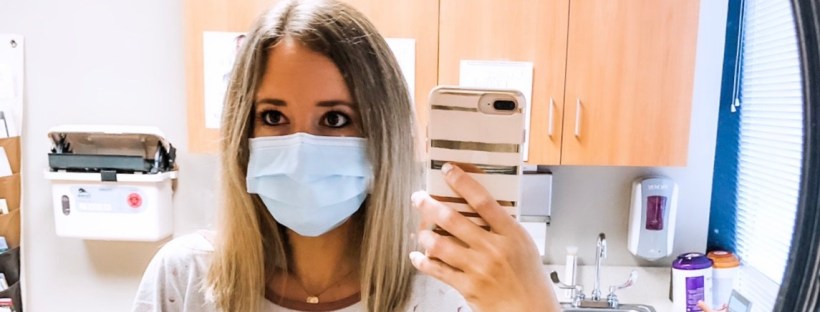
It’s often said managing IBD is like having a full-time job. Along with the regular visits to the gastroenterologist, all the blood draws, scopes and scans, we also have to juggle taking and ordering medication (dealing with insurance!), listening to the symptoms our body is speaking to us throughout the day, knowing when we need to slow down…and the list goes on.
One aspect of taking care of our overall health that is often not discussed is the importance of staying on top of all the other preventative health checks—seeing the dentist two times a year, getting a vision screening, having a well-woman visit, and getting a full body skin check by a dermatologist, to name a few. 
As we all continue to navigate the choppy waters of this pandemic, being proactive with medical care has been a bit more challenging. Appointments may have been canceled or delayed. The stress of going somewhere for an in-person appointment may seem risky to you, but it’s imperative we all stay on top of our most important job of all—staying as healthy as possible. Because even if your Crohn’s is in remission, your disease, and the medication you take to treat it, can put you at greater risk for other health issues.
Did you know?
According to the American College of Obstetricians and Gynecologists, women with IBD, especially those on immunosuppressants may be at increased risk for cervical dysplasia and abnormal pap smears. Meaning, we’re at a greater risk for abnormal growth of cells on the surface of our cervix that could potentially lead to cervical cancer. Get those pap smears! I visited my OB-GYN and had my well-woman visit a few days ago.
The same goes for seeing a dermatologist. Those of us on immunomodulators or immunosuppressive therapies may have an increased probability of developing malignancy, including non-melanoma skin cancer. I went to the dermatologist this past week for a full body screening. I had a small atypical mole removed from my back that I wasn’t even aware of. Even though atypical moles are not always skin cancer, having these types of moles can be a risk factor for one day developing melanoma. I’ll admit, I haven’t been the best about staying on top of this aspect of disease management. The last time I had been to a dermatologist was 2005, because I was dealing with acne from the prednisone I was taking.
Although medications that manage Crohn’s and ulcerative colitis are the most significant contributor when it comes to our risk of skin cancer, it’s believed having IBD alone can also lead to an increased risk of melanoma.
It’s recommended by the National Cancer Institute, that people with chronic illness be extra vigilant about sun protection. My dermatologist recommends wearing an SPF of at least 30 and having a yearly surveillance of my skin done.
Some researchers believe our faulty immune systems fail to detect cancerous tumors in our bodies and that the increased inflammation can make us more susceptible to certain cancers.
Dental, vision, and IBD
IBD can also make your dental health bite. Studies show people with IBD are at an increased risk of getting cavities and oral infections. While it’s not completely clear why this is, it’s believed our immune systems along with steroid-based drugs and even the acidity of our mouths, can cause our teeth to be weakened. 
As someone who was forced (haha, by my mom!) to get braces, twice, I have always taken great care of my teeth. But, when I was pregnant with my son Reid, I did develop an abscess on my gum over my molars that luckily went away after he was born. It was unclear at the time if this was more pregnancy or IBD related. I know the thought of going to the dentist seems daunting since it’s such an invasive appointment where you can’t wear a mask while you’re in the chair, but when I went in for my cleaning last month, I felt completely at ease by all the safety protocols in place.
Whether you’re blind as a bat like me, and always get an annual vision screening to update your prescription and order contacts or if you have perfect vision, it’s important to get your eyes checked. Between 4-10% of people with IBD experience issues with their eyes because of their disease activity. Problems with your eyes can be a sign of a flare. During my visit with my ophthalmologist last month I was impressed by all the measures taken to ensure patient safety.
Take time to take care of you
Trust me, I get that life is busy and these times are scary. But, you’re doing yourself a huge disservice if you don’t take advantage of the preventative medical care that is available so you can be proactive should an issue outside of your IBD arise. While telehealth is great to take advantage of when you can, for many of these appointments, you do need to be in person. If you’re worried about this, you can ease your fears by calling the office prior to your appointment to learn about what measures the office takes to protect patients. Whenever I start an appointment I always let the person taking care of me know that I have Crohn’s disease and I’m immunocompromised because of the medication I take.
I don’t particularly enjoy any of these appointments, but I always leave with peace of mind that I’m doing everything I can to be vigilant and healthy not only for myself, but for my family. I often find I get more anxious for these “other” appointments than I do seeing my GI, because I feel much more confident about how I manage my Crohn’s and the way my disease process manifests. Don’t do all the work to keep your IBD in check and forget about the rest of you.
I’m typing this article with a band-aid on my back and a slight burning sensation in my shoulder from the biopsy, with the hope that my experience implores you to make an appointment and get all your ducks in a row when it comes to all your “other” appointments. Yes, I know it’s a lot, but ignorance is not bliss when it comes to your overall well-being.





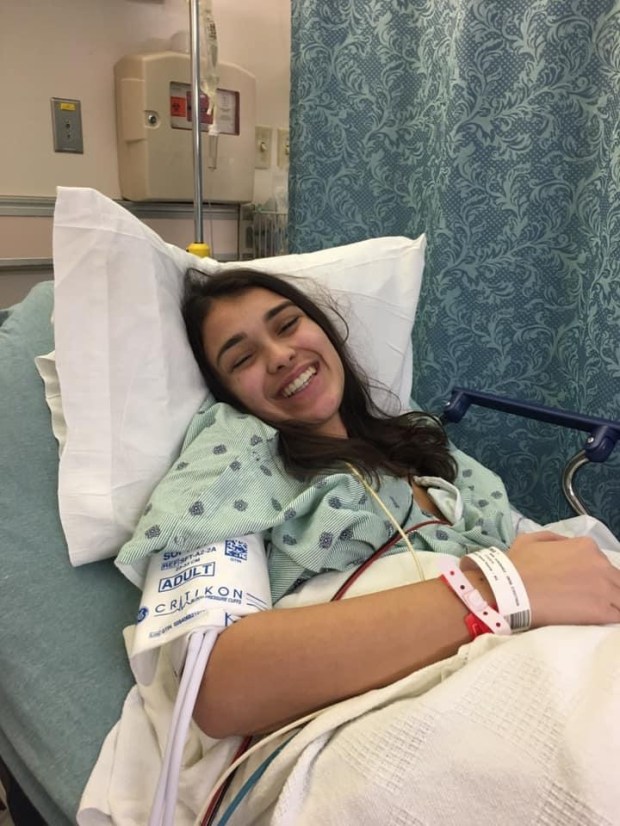


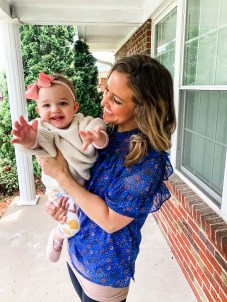
 Now more than ever, we’re being labeled as the “sickly”, the “disposable”, the “weak”, the list goes on. COVID-19 is not JUST about the elderly and immunocompromised, this is about everyone. As patients we have a unique perspective and understanding about the struggles we face daily and what it’s like to go through this challenging time. Connect with fellow patients online who get your reality, your emotion, and the whirlwind of going up against this invisible bogeyman. To refrain from social media, you can download awesome free apps like Gali Health and IBD Healthline, with helpful articles, community conversations, and chats by patients, for patients.


 It feels like a fiery pain inside my rib cage that travels all the way down my stomach. The gnawing makes me feel raw internally and externally. I put my glasses on and as I’m standing up and rocking my daughter in her nursery, I try to think of her warm little body as a heating pad.
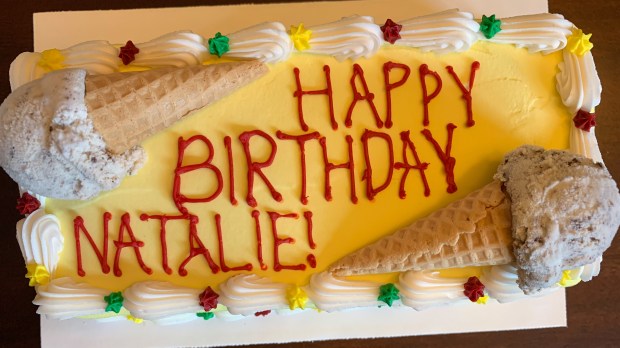
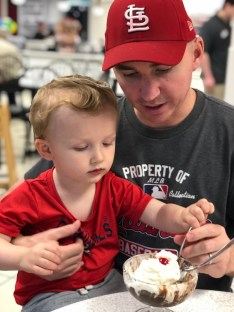 The fact that so many people without IBD are under the assumption that our pain and symptoms are self- imposed upsets me. We already beat ourselves up mentally as it is. My husband and I took our son for ice cream last night, so immediately I wonder if all of my pain is a result of the choice to have ice cream with my 2-year-old.


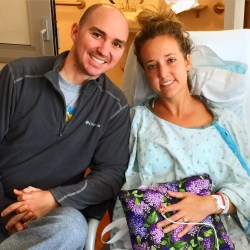 When you’re in the thick of a flare and when feel good days feel far from ever being a possibility, try and remember how fleeting these moments are.
 today he’s a rumbustious, adorable, little ball of energy. Sure, we age, too—but we also mature mentally when it comes to our illness. What felt like the biggest obstacle and scare of our life, evolves into something that is a part of who we are, an identity that while not ideal, helps to define us.
 But I can promise you, that as life goes on and as the years since that moment of diagnosis get further and further in the rear view mirror, you will find a comfort in this identity.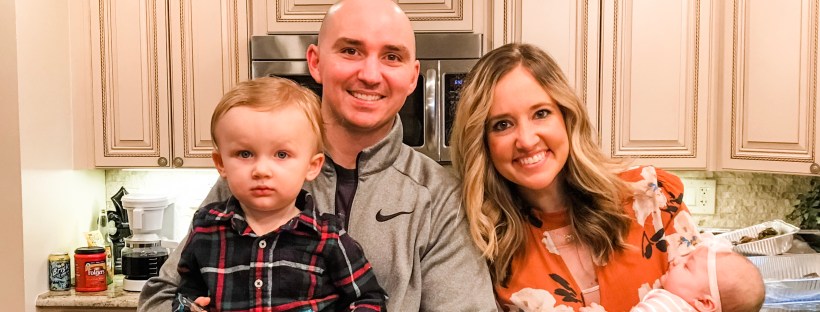

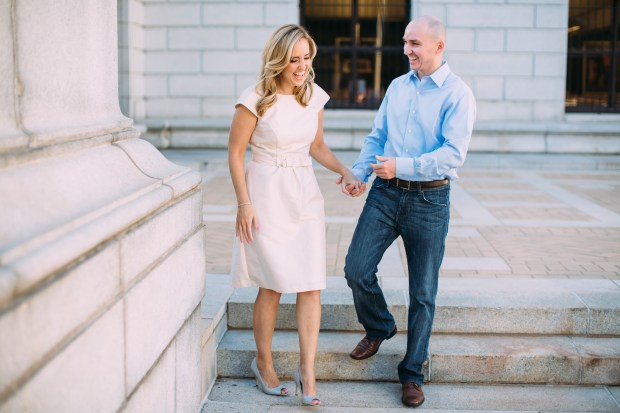
 I’m here to tell you that you are. I truly believe my vulnerability with my Crohn’s and how I deal with flare ups is a big part of why my husband fell in love with me. Chronic illness isn’t pretty. It forces you to see the world without rose-colored glasses. It makes you realize the importance of your health and how quickly it can be taken away from you.
 Caregiving looks and means different things to everyone. It’s not just about being a caregiver in the hospital or at a nursing home. It’s taking care of the one(s) you love on a typical day at home. It can be something as simple as rubbing your back or taking care of the kids while you’re stuck in the bathroom. It can be dishing you out ice cream after you give yourself an injection. Or holding your hand on a walk outside following a hospitalization. It’s those caregiving moments in particular that remind me constantly of the everlasting love I’ve found and make me 100 percent positive we will make it through, for the rest of my life.
 If you’re someone dealing with a disability/disease—don’t allow Dr. Phil’s ridiculously inaccurate comments make you think you aren’t worthy of love, because you are and always will be.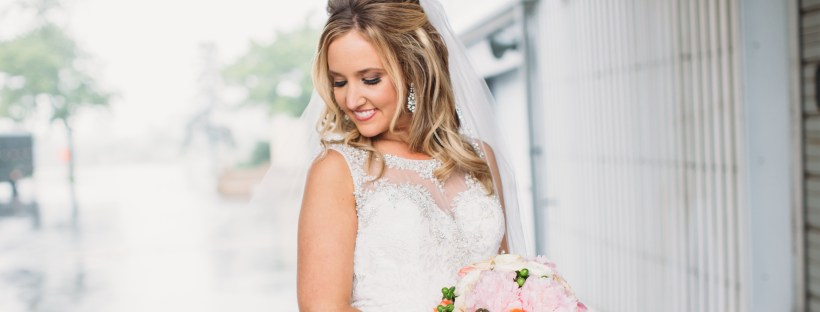
 It’s not easy to be in constant battle with your body. It’s a challenge to feel pain often. It’s exhausting to always have a worry and a wonder in the back of your mind about how you’re going to navigate and overcome the next hurdle or setback thrown your way. This is why self-love is so important.
 Since being diagnosed, this body of mine has still served me well. I managed to work full-time and live out my dream of working in television for the first ten years I had Crohn’s. I trained for and ran in 5ks, 10ks, 15ks and a half-marathon. I felt completely healthy and on top of the world on my wedding day (didn’t have one bathroom break!). My body was a safe haven for my children throughout pregnancy and allowed me to bring a healthy son and daughter into this world.
 It’s when I felt invincible if only for a moment, whether it was crossing the finish line or holding my babies on my chest for the first time. It’s the victories along the way that help me push through on the difficult days and through the flares. Because while those times push me to the brink of breaking, I tell myself there’s only one option—and that’s to bounce back.
 Pat yourself on the back for all the steps you’ve taken to rise up. Smile through the tears with the confidence in knowing you will get through this—one day, sometimes one hour at a time.
 My daughter is 4 weeks old today and has been exclusively breastfed. I’m by no means writing this as an expert or to point any fingers. I am completely of the mindset that ‘fed is best’. No judgement here, ladies.
  I was worried about the lack of long-term studies on my biologic drug (Humira) and I was concerned about the risk of having a postpartum flare that would land me in the hospital and interrupt my ability to feed him. Being a new mom, I was worried the stress that comes along with breastfeeding could cause me to flare. I ended up breastfeeding him the first three days in the hospital, so that he could receive the colostrum. After that—he was given formula until he turned one. It’s a decision I was confident in, but that tugs at my heartstrings at times, especially now as I breastfeed his sister.
 According to
 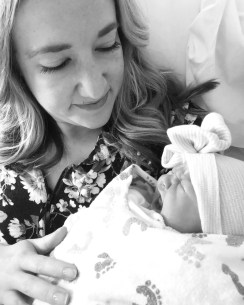 That way—the baby did not receive a burst of the immune-suppressant drug through the placenta, the day she was entering the world and I would be at lower risk of developing an infection as well. Timing your biologic medication is key and a conversation you’ll want to have with your care team so it can be tailored to your pregnancy and your personal journey.


 When it comes to breastfeeding as IBD moms, whether a child is going to latch or if our milk supply is going to be sufficient, tends to be the least of our worries. Our chronic health condition, plus the medications so many of us are dependent on to treat them—adds another layer of stress. In the end, you need to do what you feel comfortable with, what works for your body and for your family. Always know you are not alone in your struggles. Celebrate the parenting wins and accomplishments along the way—no matter how big or small. Lean on your support system—especially fellow breastfeeding mamas who can answer your questions and calm your fears. I can’t tell you how long I’ll continue my breastfeeding journey. For now—all I can do is take it one day at a time. What I can tell you—is how rewarding it is to see what my body is capable of, despite my disease and how amazing it feels to know I’m nourishing my little girl and providing her with a healthy start.


 It was a brisk January morning. Tears filled my eyes as I was overcome with emotion. Our rainbow baby is here, safe and sound. Another pregnancy behind me, a pregnancy that silenced my Crohn’s disease and provided sweet reprieve from my chronic illness. It was time to take Sophia home and start our life as a family of four.
 Each time I have a procedure or deal with painful symptoms, I see their faces, I say their names in my head, and it brings me a sense of calm. My goal when Reid was born, was to stay out of the hospital until he could walk, luckily that’s been the case. He’ll be two in March. Now, I have that same goal following the arrival of my daughter.
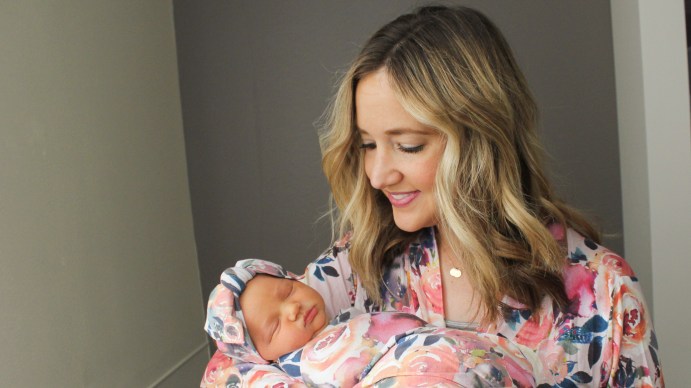 Motherhood and IBD can be a difficult and challenging balance. Some days the fatigue and symptoms are so debilitating you feel like you’re falling short. At the same time, the days where you’re feeling well, remind you that you are so much more than your disease. Just because you have a chronic illness, doesn’t mean you are robbed of experiencing the beauty of life and what it feels like to have your very own family.
 It all starts with recognizing where you are in your patient journey and then determining when your symptoms and body are in the best shape to get pregnant. While everyone’s disease experience is different—the worries, concerns and fears associated with parenting and chronic illness are often the same. Always know you are never alone. Communicating these feelings with those around you, makes all the difference. Lean on our patient community and all those who’ve lived your reality.
 When Sophia Shea entered the world January 14, 2019, our family received a wonderful gift. Between our son Reid and our baby girl, we could not be more blessed. My chronic illness has given me such an appreciation for health and for life in general. With the pregnancies behind me, I often reflect on where I started back at age 21 in 2005. At that time, in my eyes, I was Natalie and I had Crohn’s disease. There was no telling what my future would hold. Now, nearly 14 years later, at age 35, I’m so much more. I’m a mom to two under two. I’m a wife. I’m a daughter. I’m a sister. I’m an aunt. I’m a friend. And I also have Crohn’s.
 lights camera crohn's