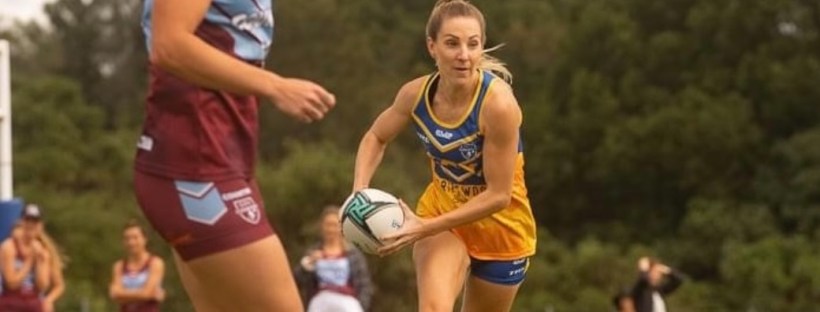
She’s an IBD mom who plays touch football and touch rugby in Australia (think rugby—for those in the United States, in touch rugby she kicks the ball). Diagnosed with Crohn’s disease five years ago, she’s thrilled to have reached remission. Bec Simson is a 33-year-old IBD warrior adamant about not letting anything stop her from pursuing what she hopes to achieve. Even though her disease has sidelined her through the years, motherhood and staying active through sports is a reminder of all she’s capable of.
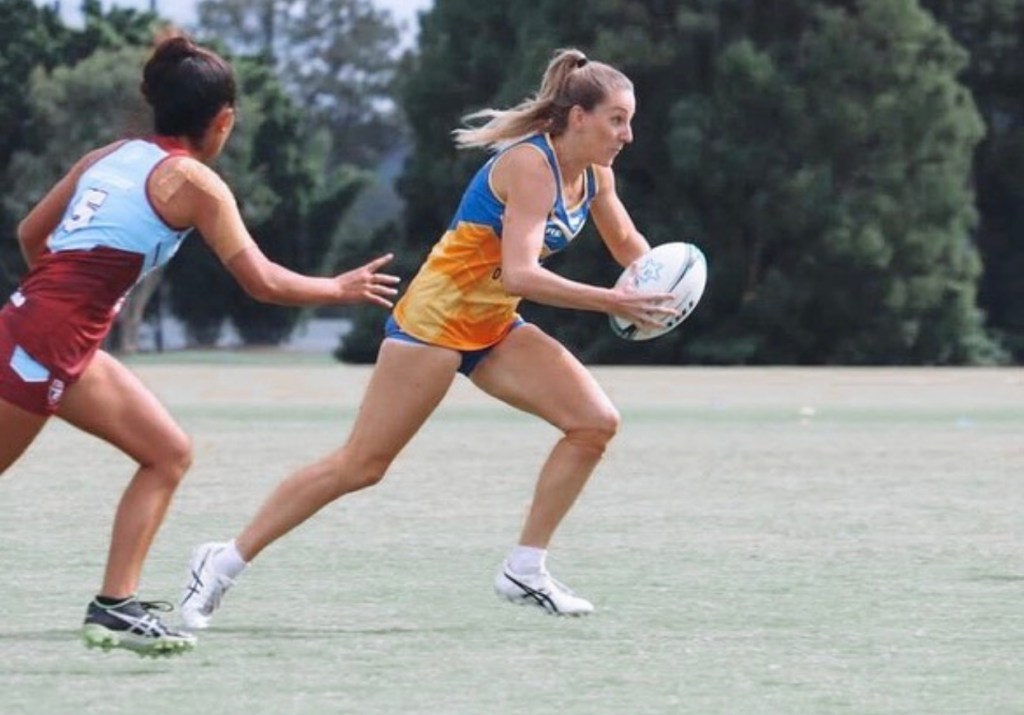
“Some weeks it can be hard to find the time and energy to exercise. I play touch football competitively and socially– it’s like rugby but without the tackling. I play three times a week and then on the weekends I like to do my own fitness to keep up my strength, speed, and agility. I enjoy playing touch football because I use it to catch up with my friends – seeing my mates gives me the motivation to get up off the couch and exercise.”
Getting up off the couch and having not only the motivation to move, but also the energy, can be especially challenging when you live with IBD. Bec’s biggest challenge is trying to juggle work as a teacher, her athletic commitments, and life with her son Jackson, while also trying to find time to rest in between.
“Being on immune suppressants and having a toddler who is almost 2.5 has been hard because he brings home many illnesses from daycare which I usually end up getting as well. Some days I am so rundown I just don’t have the energy to keep up with him, but I wouldn’t have it any other way. Jackson always knows how to make me smile.”

Reflecting on pregnancy with Crohn’s
Bec had a rough go of it with her pregnancy. Her Crohn’s flared multiple times throughout, resulting in three visits to the hospital due to severe vomiting and diarrhea. She was put on a course of steroids for each flare, which led to her son growing much faster and bigger than expected.
“Ultimately, I had to be induced two weeks early due to Jackson’s size. After 16 hours of labor, I had an emergency c-section. My incision from my c-section ended up bursting open while I was recovering in the hospital after delivery. An ultrasound showed my bowel was so inflamed, it had pushed through my internal stiches and formed a hernia that was sticking out of my stomach. I was rushed to emergency surgery that same day.”

Fast forward to present day and Bec is in remission. Her colonoscopy last month showed no signs of inflammation or ulcers. She credits this to Stelara (Ustekinumab), which she started this past October. So far, the biologic has helped control her disease and improve her quality of life.
Down the road, if she’s still in remission, Bec is hopeful she’ll be able to have another child.
The benefit of a supportive partner
Bec is grateful for her supportive partner, Nick, who happens to play in the AFL (Australian Football). Not only is he empathetic about her battle with Crohn’s, but serves as someone who keeps her accountable with her workouts and is also passionate about staying in shape.
“We motivate one another to complete work outs and then reward ourselves with food and drink later! When I was younger, I used to overdo my training and push my body to its limit. I became burnt out, rundown, sick, and injured. My main piece of advice for the IBD community is to listen to your body and don’t be afraid to stop and take a break. Rest is just as important as training.”

Managing IBD and competitive sports
Bec says her Crohn’s disease often makes her anxious while she’s on the field.
“I had our State of Origin for ‘Touch Rugby League’ which attracted quite an audience and it was also being live streamed for everyone to see. I was extremely anxious leading into that tournament because I was worried about pooping my pants in the middle of the game and it leaking through my bike pants! I took some Imodium before my game, so thankfully that didn’t happen! However, I felt like I couldn’t play to my potential because I wasn’t feeling my best.”

While she feels fortunate to be in remission, she’s also realistic. She knows the symptoms and flares could return at any moment—and that it’s not a matter of if, but when.
“Sometimes I can be hard on myself when it comes to sport, but I just try and remind myself that I’m a 33-year-old mum with a chronic illness and I am grateful I’m still able to run around the touch field at my age. I can’t change things out of my control, all I can do is just go out there and give it my best shot.”

Follow Bec’s journey on Instagram: becs_IBD_journey




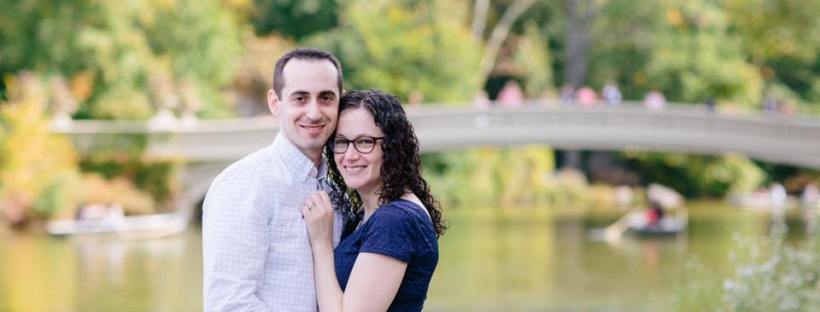
 His disease had gone unmonitored for years and his new doctor was performing a colonoscopy to see just how bad his IBD had gotten. We were unaware that he had developed a stricture that was so severe that when she pushed the scope through, it nicked the wall of his intestines, causing a perforation and bacteria to get into his bloodstream. Within 45 minutes of waking up from the procedure, he had spiked a 104-degree fever and kept telling me and the nurses he thought he was dying. I was TERRIFIED. But I also found myself motivated by the fear and the anxiety I felt.
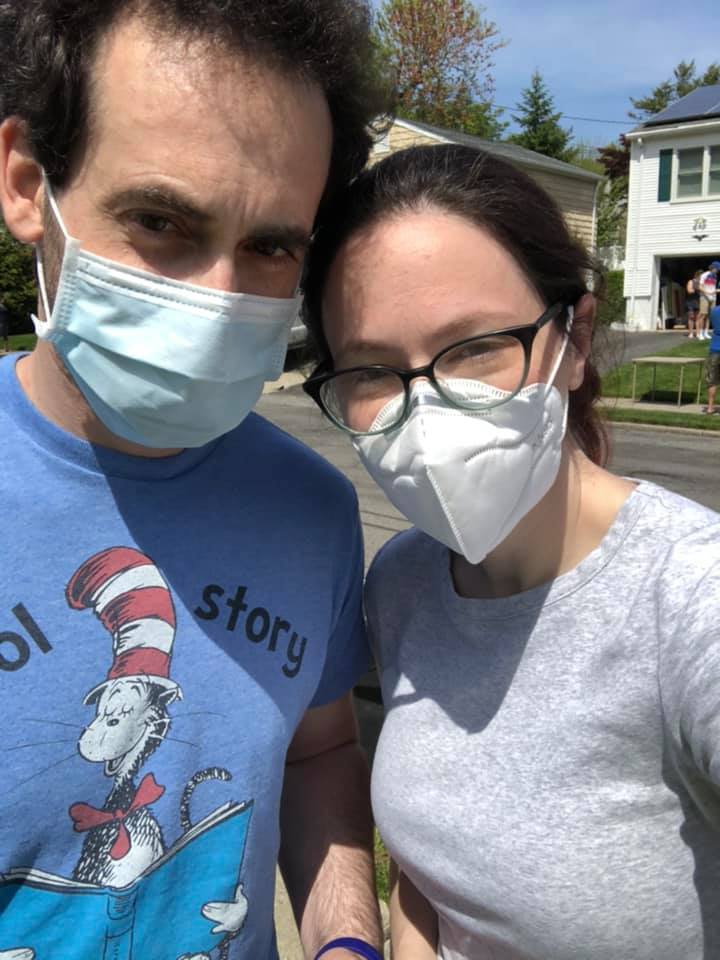

 Jadyn woke up with a fever and a slight cough. Given the craziness of the times we live in right now, they immediately called the COVID-19 hotline. Once the person on the other line heard about Jadyn’s health history and the fact she is immunocompromised, they agreed, Jadyn needed to be seen. In urgent care, Jadyn was tested for the flu, strep throat, and COVID-19. The Richt’s were told they would have a test result in five days, it’s been more than a week now, and still no result.
 I’ll allow Anna to take you back to the beginning, so you can have a better grasp of their ongoing journey and how it’s brought them to where they are today.
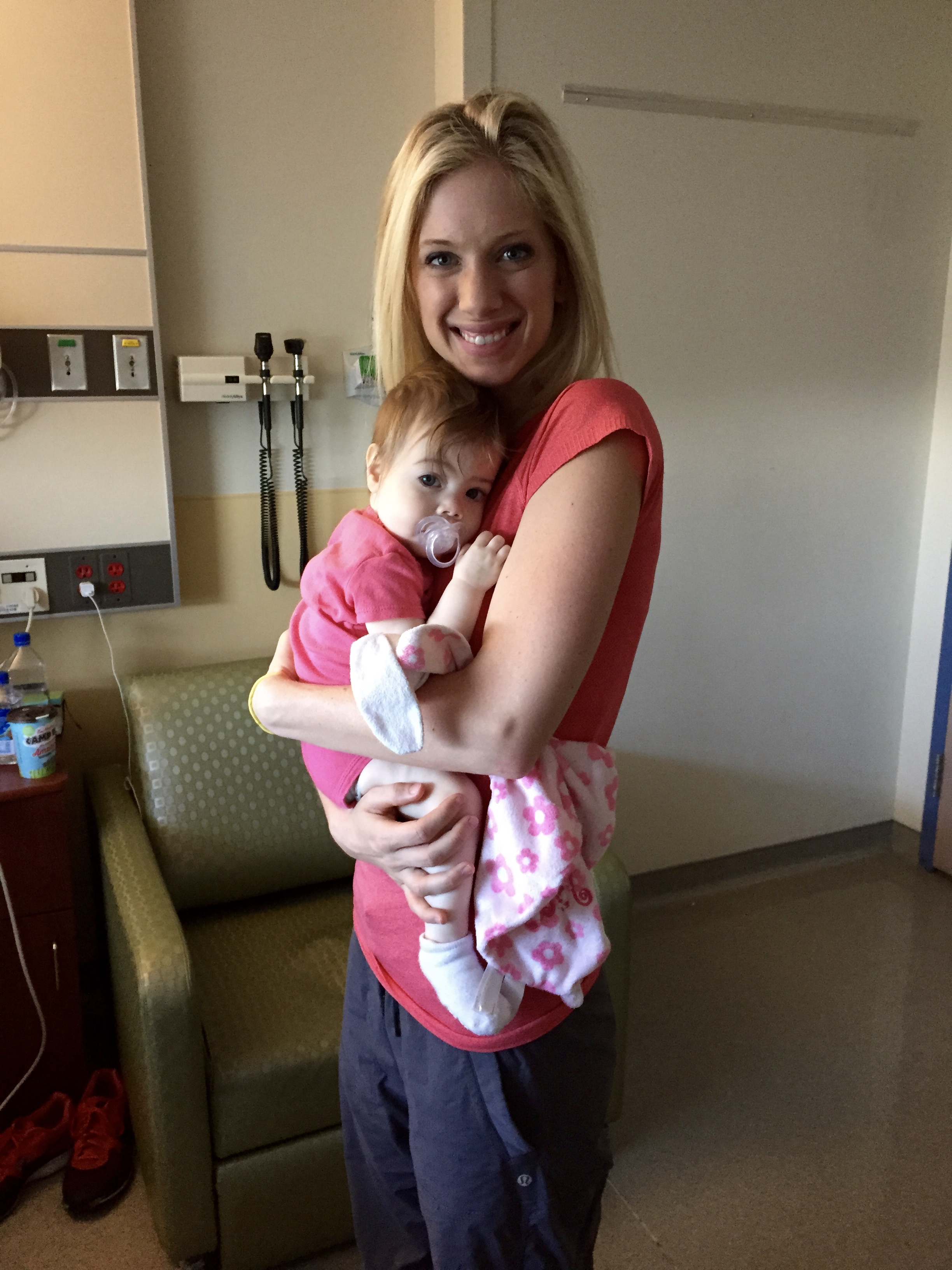 The first couple years were nothing short of a dog fight. I remember sitting in my sister’s living room after an appointment when all of the sudden the doctor’s number popped up on my phone. She was calling to say that Jadyn’s lab results didn’t look good and we needed to head to the hospital right away.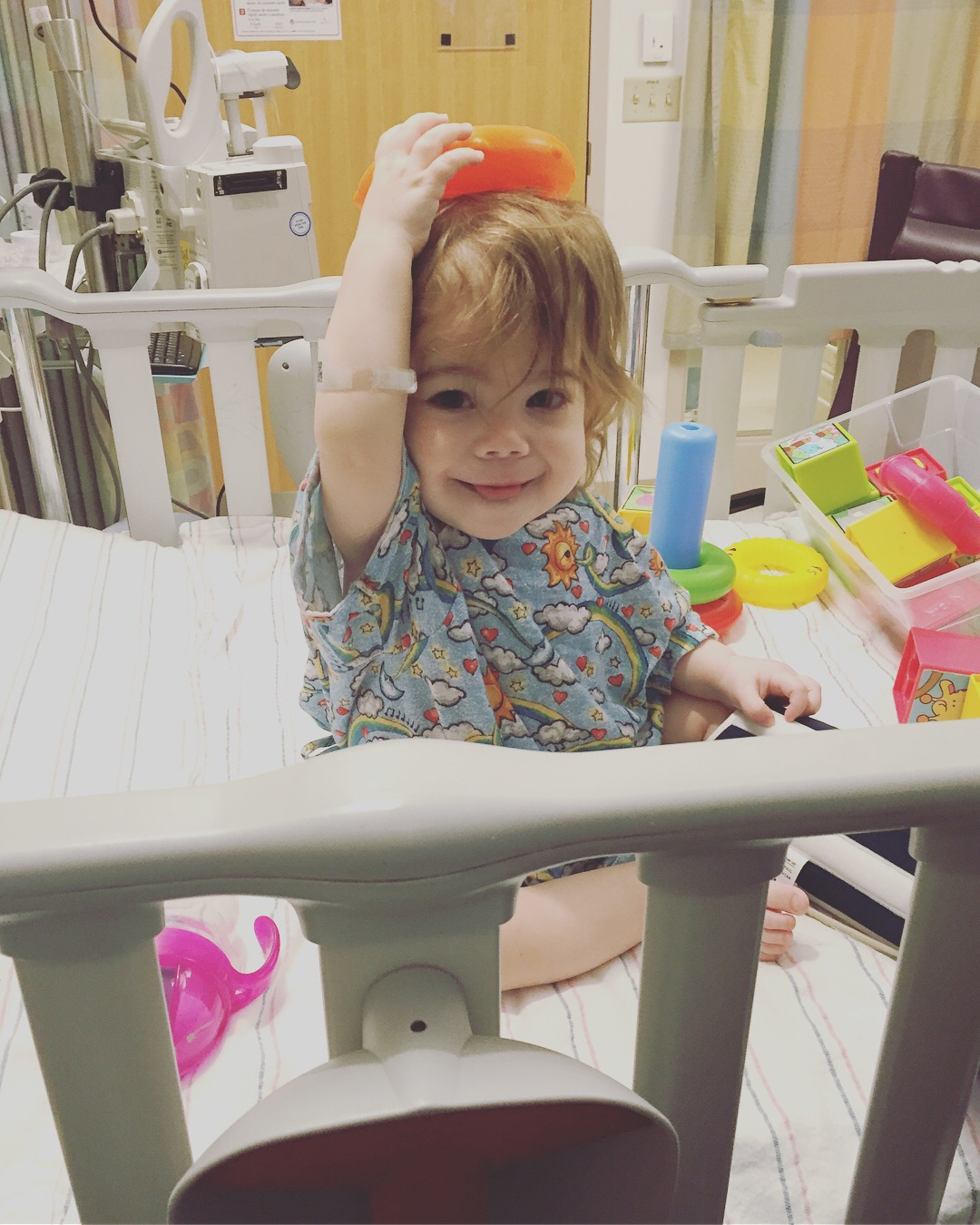



 of Maryland, never knew how much her strong faith would help her through the ups and downs of chronic illness. As a wife, mom of three, and an educator, Kolby shares a heartfelt, eye-opening piece that beautifully captures how faith correlates to the daily battles we face as people with IBD.
 I was as sick as I’d ever been in my life, and couldn’t figure out why I wasn’t getting better. In December 2019, I received confirmation that I had Crohn’s Disease. I was afraid. But through the wind and the waves, I heard Him say “Take heart; it is I. Do not be afraid.”
 Soon, though, Peter took his eyes off of Jesus and focused instead on the wind and the waves and began to sink. He cried out “Lord, save me!” (Matthew 14:30) and Jesus instantly reached out His hand to catch Peter. When He pulled Peter from the water Jesus simply asked “Why did you doubt?” They returned to the boat and the wind and waves cease.
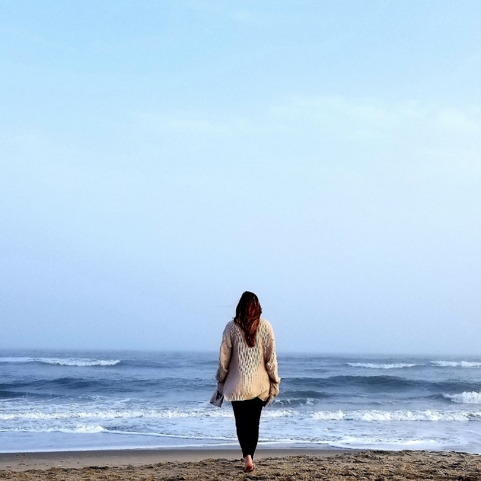 I found myself focusing on all the tests and doctor’s appointments I had to go to, and the infusions I’ll have to take for the rest of my life to maintain any sense of health I used to know. I focused on the unpredictability that is Crohn’s, and not on the predictable, steadfast love that can only be found in our Savior.
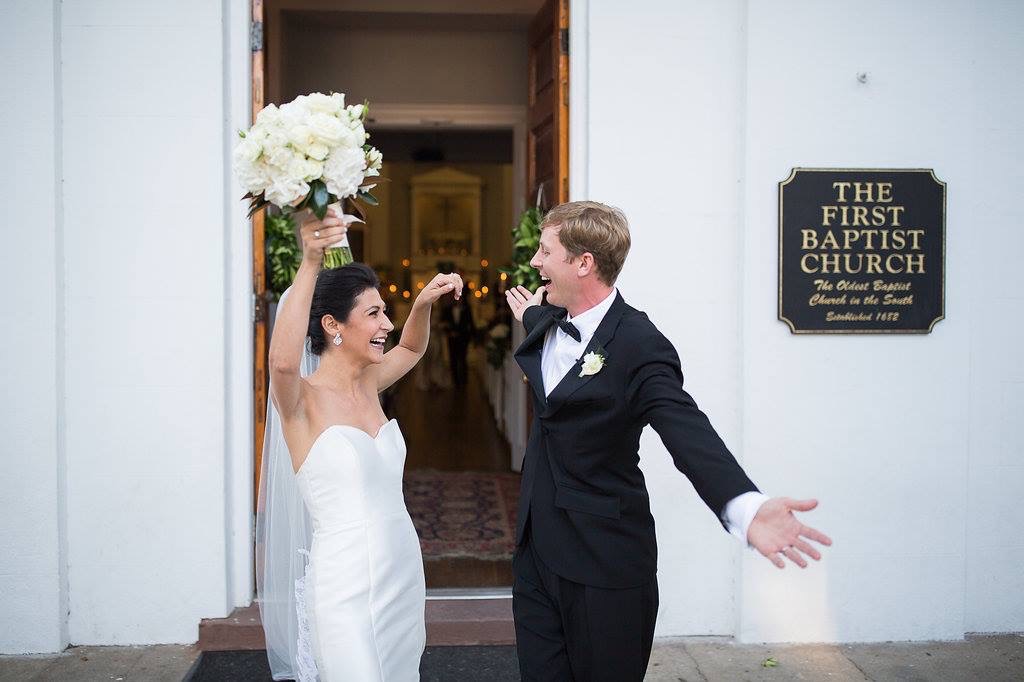
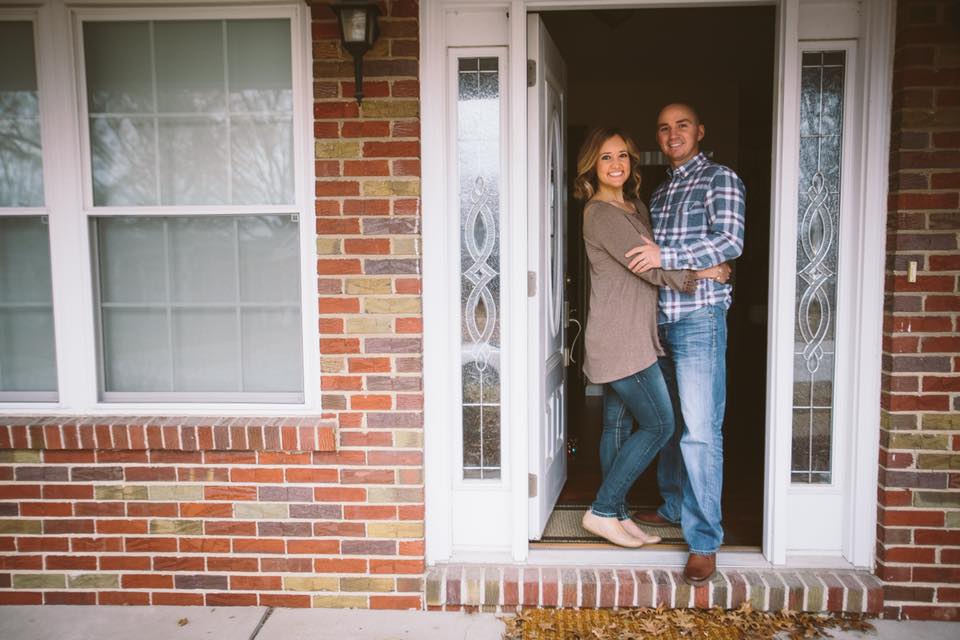 When you fall in love with IBD, there’s an extra layer of complexity, trust, dependency, and appreciation. There’s no telling what the next hour will bring. You need to be flexible. You need to be understanding that plans may not go as expected. You need to trust that when the next flare up strikes that you won’t be on your own and that your partner will be there every step of the way.
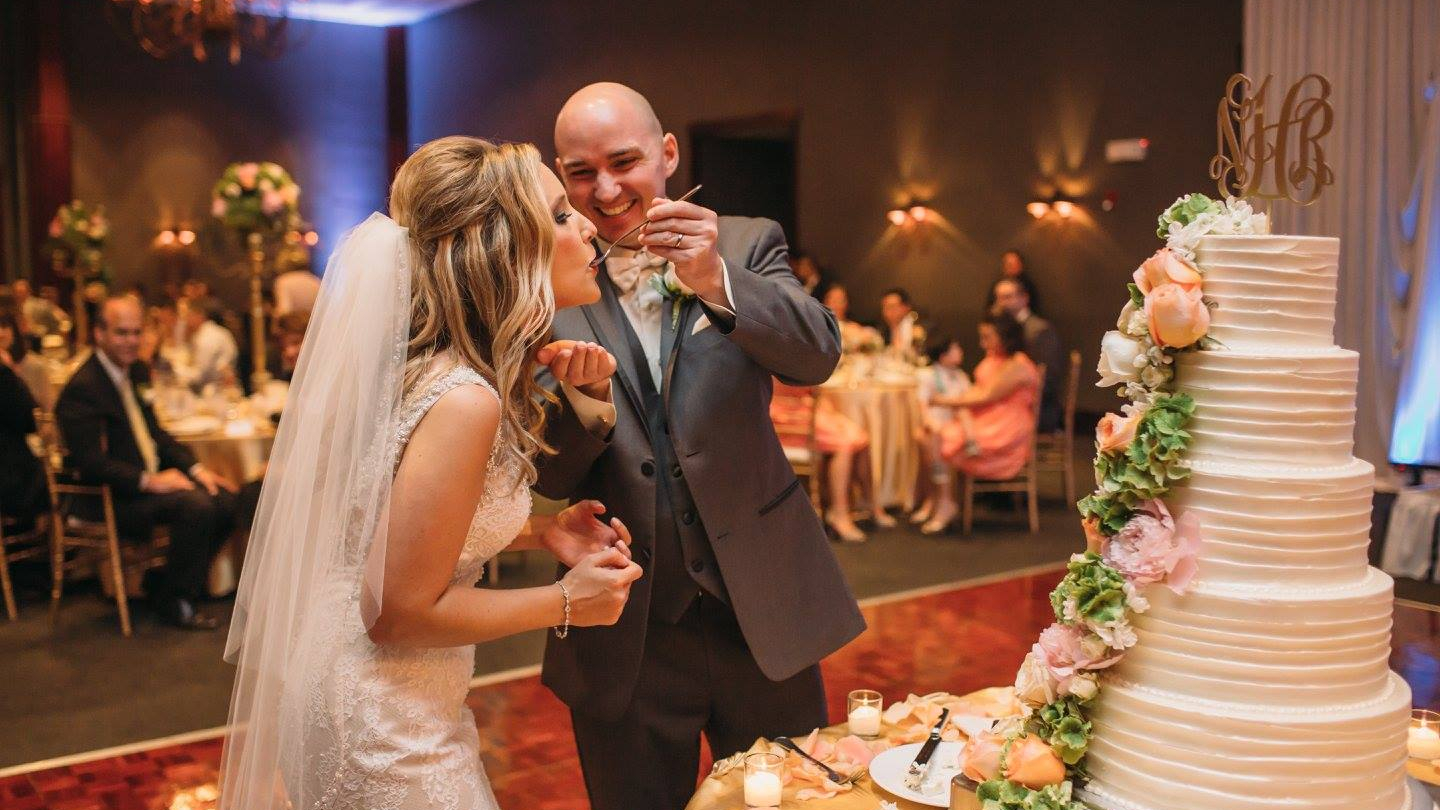 You need to believe that when the going gets tough you won’t be deserted; you won’t be made to feel as a burden. You need to trust that your partner sees you as much more than your disease.


 I developed a new manifestation of the disease I never had before: Perianal Crohn’s. Not a pleasant situation and one that is very difficult to treat/manage while pregnant. Things got so bad at one point, I had to have surgery to drain an abscess and place a seton to help a fistula heal. No one wants to have surgery pregnant. It was one of the scariest moments of my life. The first trimester was spent hoping and praying the baby would make it with all the turmoil going on in my abdomen. The second trimester was spent hoping and praying we could keep her in there long enough to be viable outside of the womb. The third trimester was spent in an unbearable amount of pain fighting the urge to take the prescribed pain pills and being so scared about how the increased biologics, steroids and other new drugs being introduced into my system might affect her.”
 With the newly manifested, aggressive, perianal disease, a vaginal birth was out of the question. I held on until 36 weeks and on New Year’s Eve of 2018 we welcomed our baby girl. We were so incredibly relieved she was ok, and the focus quickly shifted to how not ok mom was.”
 After talking to many medical professionals, we decided it was not safe for me to carry another child. We still don’t know if it was the IVF drugs/hormones that caused the flare going into pregnancy, or if hormones in general and my Crohn’s disease just don’t mix, but we’re not willing to put myself, or another baby at risk like that again.”
 I feel like we blinked and her first year passed by. That being said, having a baby and a two-year-old, while being a stay-at-home mom and freelancer, who happens to have Crohn’s disease, has its challenges.
 Through motherhood I’ve learned to soak everything in, because you blink, and another year or milestone goes by.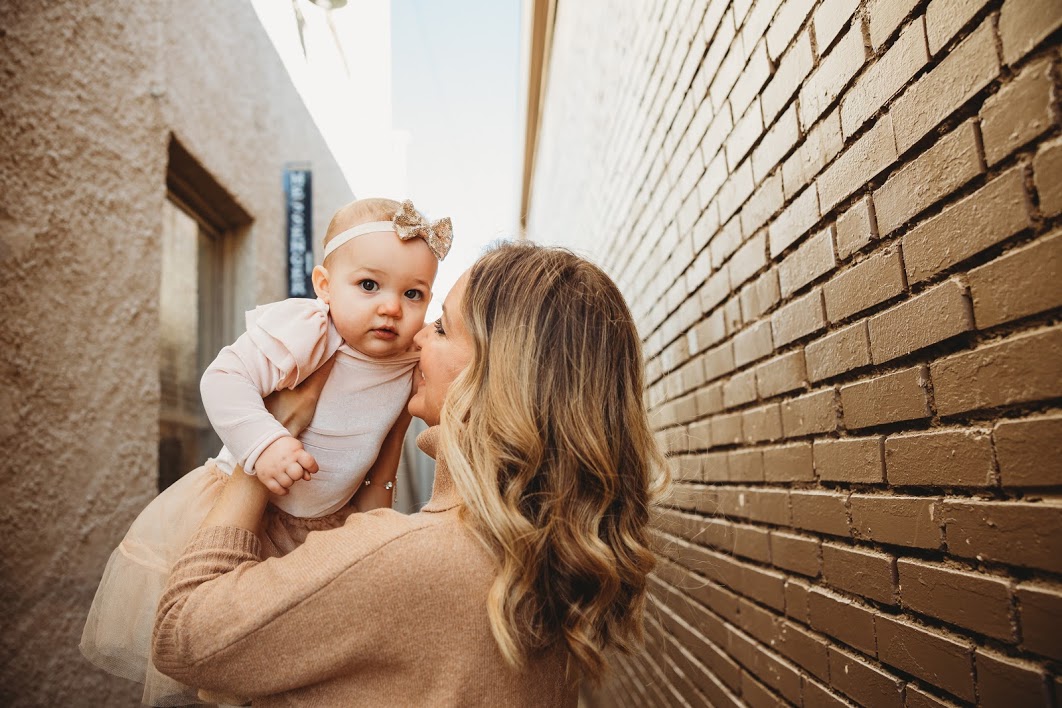

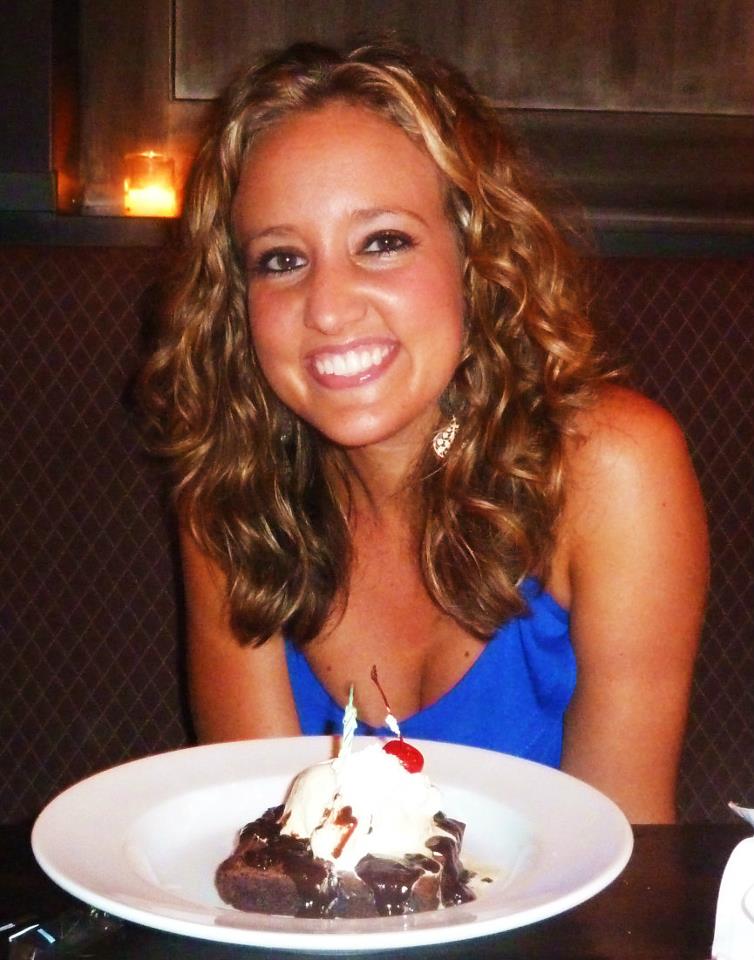
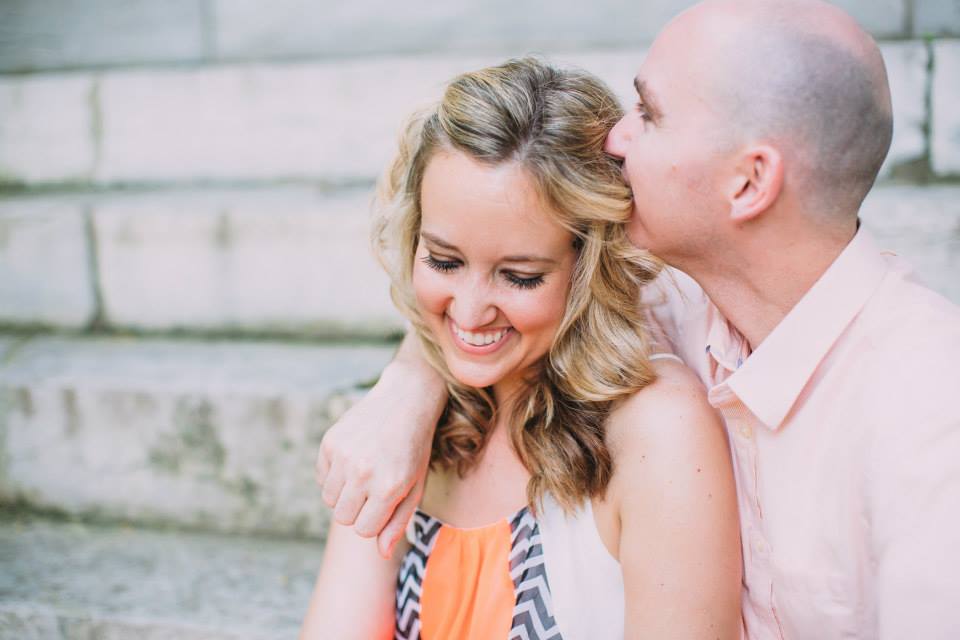
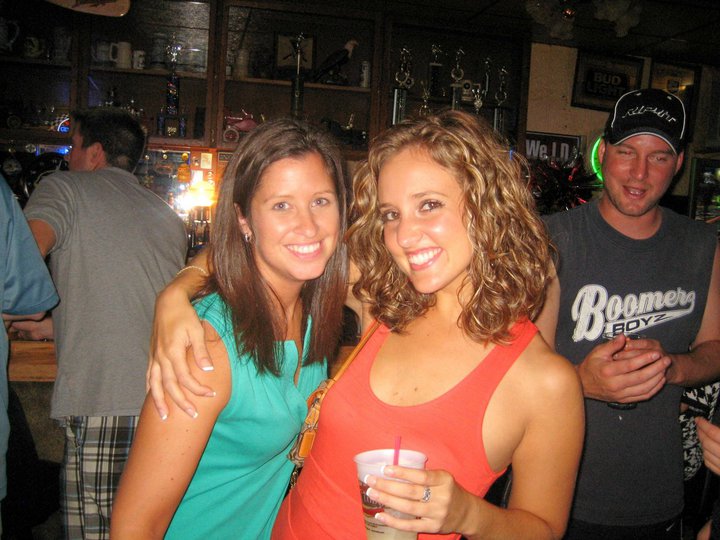
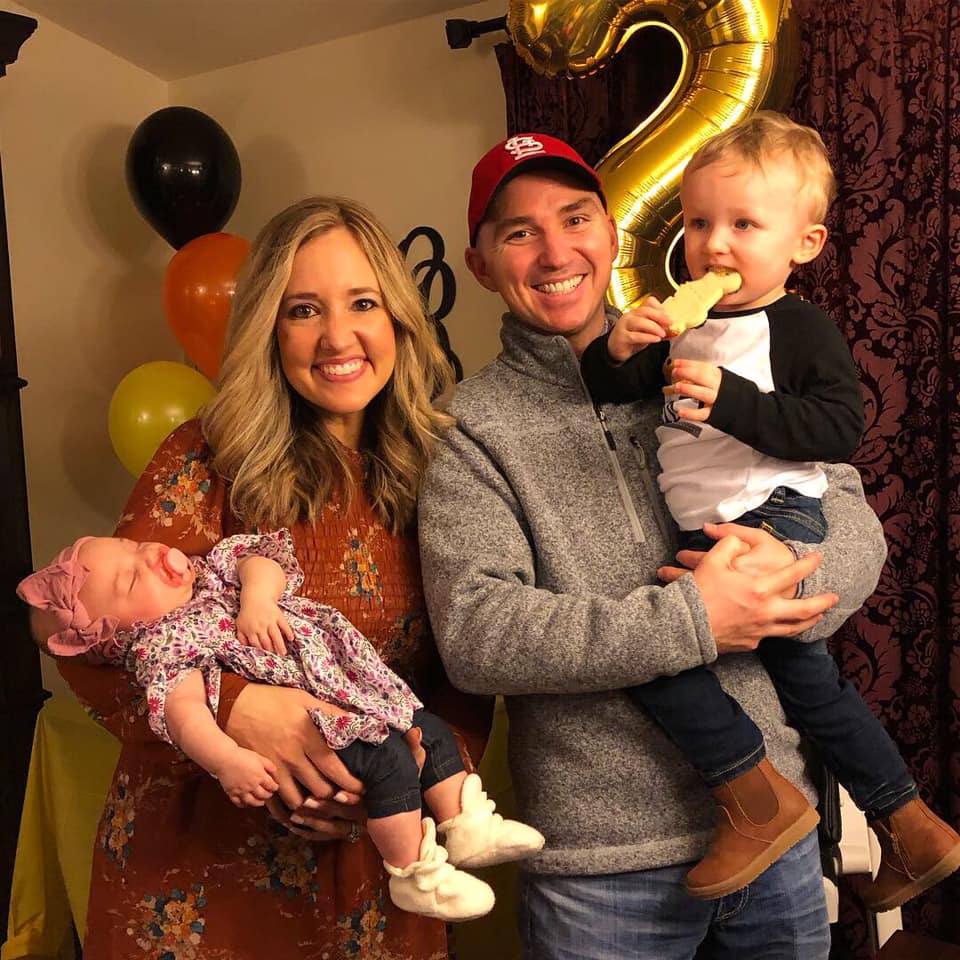 Fatigue from motherhood when you have a chronic illness can be mind-numbing and debilitating, but seeing your body create a life and then bring a baby into this world makes you feel a renewed sense of love for a body that you’ve been at odds with for years. IBD and motherhood has it’s worries and challenges, but at the end of the day, your children will be the greatest light in your life, and the most magical motivators of strength. There’s almost too much going on to worry about your own well-being, which is both a blessing and a curse!
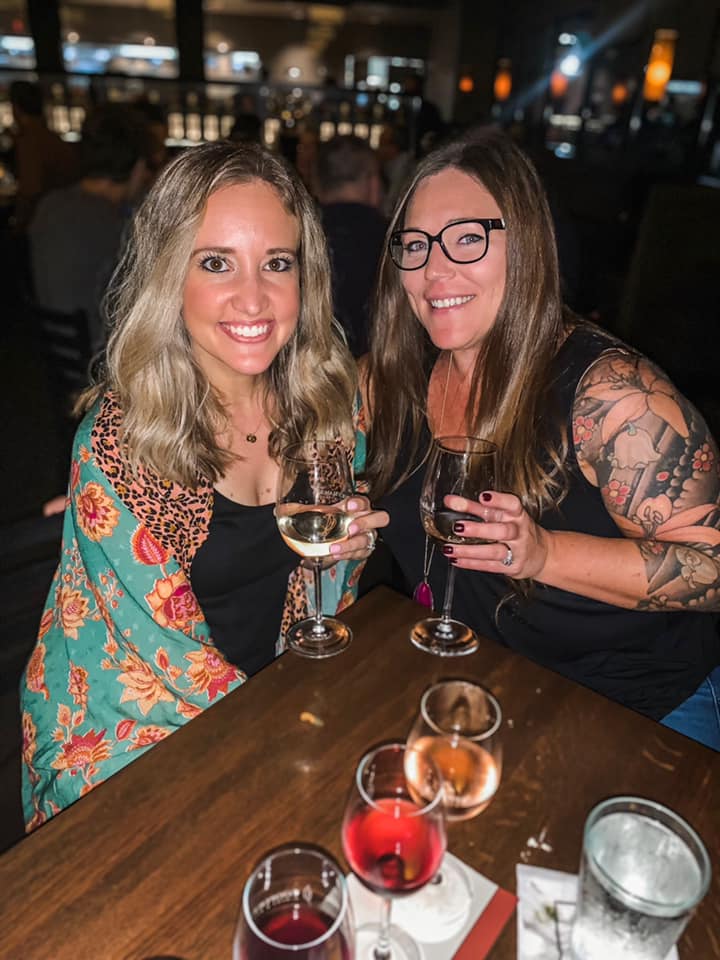 Gone are the days of going out at 11 pm, now I rarely go out and when I do, I’m usually home before 10. There’s no pressure to stay out until bar close or take a shot. My friends are all grown women, many of them are moms, our priorities have shifted. Adult conversation over brunch or a glass of wine and some sushi or tapas is refreshing and rejuvenating. I openly communicate about my disease when asked and don’t shy away from the conversation like I once did.
 If you’re reading this and you’re newly diagnosed, a teenager, a 20-something, trust me when I say that balancing life—all your obligations, your network of support, your job and what you’re meant to do with your life will find it’s way. Don’t beat yourself up by creating a timeline or a vision board that sets you up for failure. Don’t try and keep up with the Jones’. Don’t compare where you are in life to your peers. Because there is no comparison. When you have IBD you are being unfair to yourself if you try and be just like everyone else, because you’re not. And that’s ok. Use your experience as a patient to give you patience within yourself. Everyone faces struggles, everyone faces setbacks, but someday I promise you’ll look back and those very same struggles will be the reason you are strong, focused, driven, empathetic, and living the life you were meant to live.
 lights camera crohn's