
The theme of World IBD Day (which was yesterday, May 19) was to make the invisible, visible. Here’s my tribute to my fellow IBD warriors and their caregivers.
To the newly diagnosed…
To the person going through their first procedure whether it’s a CT scan or a colonoscopy…
To the parent of a child battling this disease…
To the person being wheeled in for their first surgery…
To the person taking their first steps out of the hospital bed while on the road to recovery…
To the person glancing at their incision for the first time…
To the person looking in the mirror and not recognizing the reflection looking back…
To the person on a liquid diet because it’s too painful to eat actual food…
To the person on a steroid feeling unattractive, irritable and high strung…
To the woman wondering if her body is strong enough to carry a baby…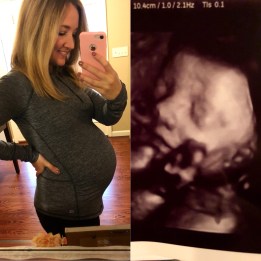
To the man who’s concerned about being able to be a source of strength for his family…
To the pregnant woman worried about flaring and how it will impact her unborn child…
To the person beginning a biologic or a new medication, who’s petrified of the laundry list of side effects…
To the person crying themselves to sleep because they feel alone in their struggles…
To the mom who feels like she’s waging a never-ending war against her fatigue…
To the teen wondering if they’ll be able to go to college…
To the college student embarrassed of going to the bathroom in the dorms…
 To the person nervous to open up in a relationship and disclose they have this disease…
To the person who had to get out of a relationship or was left because the support was lacking…
To the bride or the groom worried about having disease symptoms on their wedding day…
To the person shaking with fear in the parking lot of their doctor’s office, nervous to walk in and face the music…
To the person boarding an airplane nervous about symptoms and being around germs…
To the person who’s just been told another medication has failed them…
To the person lacking a genuine support system…
To the person who feels misunderstood, frustrated, and judged…
To the person sitting on the toilet contemplating whether a flare is starting to strike…
To the person in the passenger seat being rushed to the emergency room, yet again…
To the person getting their blood drawn staring at a focal point on the wall…
To the person who is constantly approached with the latest and greatest “fix”, “cure”, or way to “heal” …
 To the person worried about passing this dreadful disease onto their children…
To the person with the bad veins dealing with their eighth IV poke…
To the person who feels lost and misses who they were prior to being diagnosed…
To the person lying in the fetal position trying to get through this moment…
To the community who feels like home to me.
I see you. I hear you. I believe in you. I’m here for you. I love you.
We’ve all been these people. We all know this is the reality of life with IBD. It’s not easy. It’s scary. It can be overwhelming. The emotional pain can oftentimes be worse than the physical pain. Living with a chronic illness, no matter what your age or circumstance is tough. There’s no sugar coating it.
At the same time, I want you to whole-heartedly believe that while this disease can rob you of joy, it can also provide you with perspective, strength, empathy, understanding, gratitude, patience, and clarity. You my friends, are far from invisible.
I see you. I hear you. I believe in you. I’m here for you. I love you.
Thank you for helping me to see the light on the dark days, inspiring me when I need it most, and showing me that there’s much more to life than being a patient. I hope I do the same for you, always. Use your journey. Use your story. Use your setbacks. Use all that you are, to inform, educate, and implore others to want to better understand your reality. I promise, you won’t be disappointed.
XOXO-Natalie

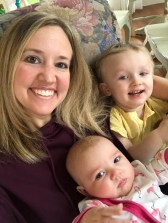 As a mom of a 2-year-old and an almost 4 month old, I’m in the thick of motherhood right now. While it’s an amazing season of life, it definitely has its challenges. A toddler, a baby, and a chronic illness. Ah, I’m exhausted just reading that myself! While it’s far from easy—I’ve found some ways to help embrace the ups and downs and everything in between.
 No one wants to be hospitalized or deal with pain. Give yourself the best chance for having feel good days and make your disease management a priority. If you feel symptoms presenting and you’re concerned, alert your GI immediately. Be proactive, nip each flare in the bud as best you can.
 Yes, I know. Self care. We hear it all the time. It’s something that’s constantly talked about, that seems unattainable. But try and do something each day for yourself, whether it’s taking a shower, eating a meal sitting down, going for a walk outdoors with your little one and keeping your phone on silent, reading a book before bed, you name it. Try and find the moments in your day when you can unplug and relax. Practice yoga and meditate during nap time instead of doing the dishes or laundry. You owe it to yourself!
 You were given this role and this family because you were meant to have it and you were destined to live this life.


 Find the people who lift you up. Trust in the bonds you create with those who are there for you because they want to be out of the goodness in their heart, not as an obligation. Hold on closely to the relationships that spark joy and don’t extinguish your flame. Lean on those who are willing to give you their hand to lift you up, even when you don’t ask for it.


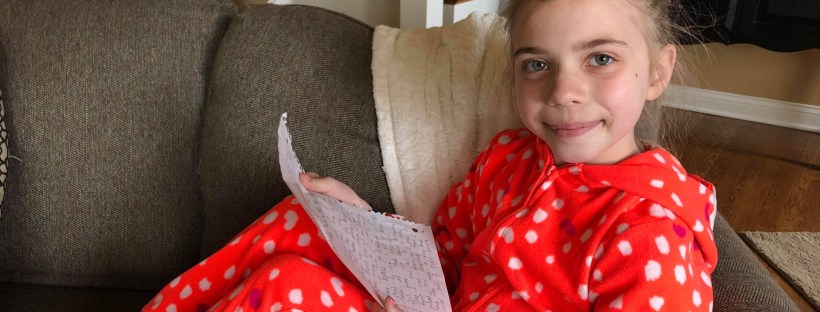
 Meet Emily. This past February she received her chronic illness diagnosis. Even though she’s brand new to IBD life, she’s taking all the pain and all the setbacks in stride.
 Her mom was able to reach out to fellow parents on Facebook about a pen pal program.
 From a parenting perspective, the pen pal group has introduced Michelle to other mamas going through the same fears and experiences. The connections have brought her peace of mind as she navigates these new waters with her daughter.
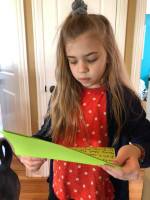 making new friends? Friends who understand and continually cheer you on, no matter how far they are. My hope is that Emily will make life long connections and that these letters will serve as a constant reminder that she is never alone.”

 studies suggest it may start with a bacterial imbalance in the gut, and several studies have shown that people with IBD were less likely to have been breastfed as infants. Furthermore, a study in Denmark showed that breastfed babies developed certain types of healthy bacteria in their digestive tract, which non-breastfed babies were lacking. A healthy amount of beneficial gut bacteria can promote a healthy immune system which fends off different diseases.
 It wasn’t easy, but I’m so glad I stuck with it. We lasted 16-months until he self-weaned and he has a very healthy immune system so far, despite the cesarean and me being on Humira. Best of all? I didn’t have a postpartum flare, which my doctor attributed to the combination of staying on my medications, following my diet plan and breastfeeding.
 as possible, especially in the first 24 hours, and provide plenty of skin-to-skin. After a c-section, the last thing I wanted to do was constantly get in and out of bed to pick up a newborn. Instead, I just spent my days with my son nestled on my chest so we could both sleep, heal, bond and get my milk flowing.
 Cut yourself some slack. Becoming a mother is stressful, but if you are feeling overwhelmed, talk to someone. Postpartum depression and anxiety are very real and as a mother with chronic illness, you may be more prone to those feelings. Seek out help from your spouse/partner, enlist nearby family/friends for support, and keep in close contact with your doctor to manage your symptoms.

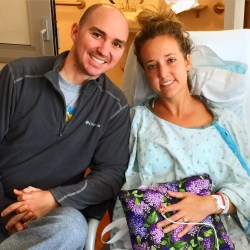 When you’re in the thick of a flare and when feel good days feel far from ever being a possibility, try and remember how fleeting these moments are.
 today he’s a rumbustious, adorable, little ball of energy. Sure, we age, too—but we also mature mentally when it comes to our illness. What felt like the biggest obstacle and scare of our life, evolves into something that is a part of who we are, an identity that while not ideal, helps to define us.
 But I can promise you, that as life goes on and as the years since that moment of diagnosis get further and further in the rear view mirror, you will find a comfort in this identity.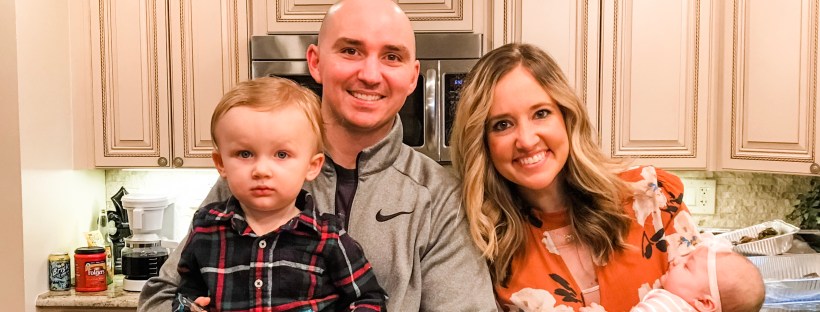


 I’m here to tell you that you are. I truly believe my vulnerability with my Crohn’s and how I deal with flare ups is a big part of why my husband fell in love with me. Chronic illness isn’t pretty. It forces you to see the world without rose-colored glasses. It makes you realize the importance of your health and how quickly it can be taken away from you.
 Caregiving looks and means different things to everyone. It’s not just about being a caregiver in the hospital or at a nursing home. It’s taking care of the one(s) you love on a typical day at home. It can be something as simple as rubbing your back or taking care of the kids while you’re stuck in the bathroom. It can be dishing you out ice cream after you give yourself an injection. Or holding your hand on a walk outside following a hospitalization. It’s those caregiving moments in particular that remind me constantly of the everlasting love I’ve found and make me 100 percent positive we will make it through, for the rest of my life.
 If you’re someone dealing with a disability/disease—don’t allow Dr. Phil’s ridiculously inaccurate comments make you think you aren’t worthy of love, because you are and always will be.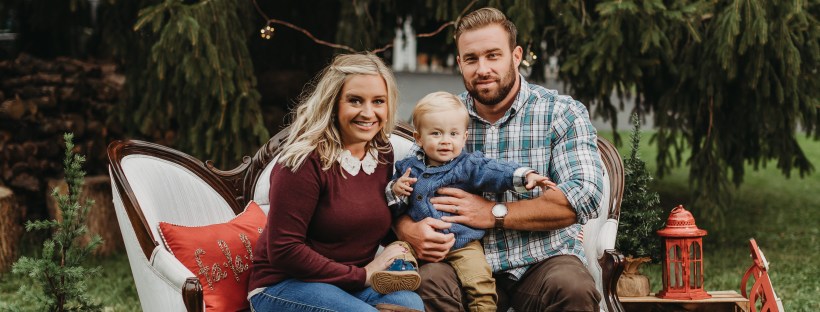
 I’ve had my fair share of surprises and obstacles with Crohn’s disease. My patient journey includes numerous surgeries, multiple doctor appointments a week, sitting in hospitals getting Remicade infusions, switching up medications to tame a flare and my all-time favorite, hospitalizations for days at a time. Please note the sarcasm in that last sentence.
 When the pain presented, I tried everything I could to avoid the trip. I just wanted to stay home and live my life with a newborn, enjoy the snuggles and oddly enough the 3 am feedings. Then, the time came when I couldn’t even get through a feeding without needing to set him down so I could run to the bathroom. I knew it was time.


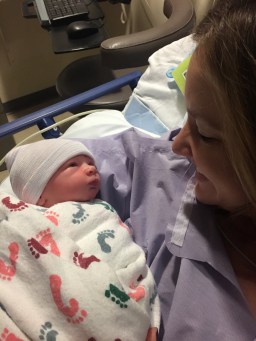 One of the most helpful pieces of the toolkit is the


 Ziyad shares how his experience taking on Crohn’s inspired his decision to become a radiographer and show fellow patients they are much more than just a number. I’ll let him take it away…
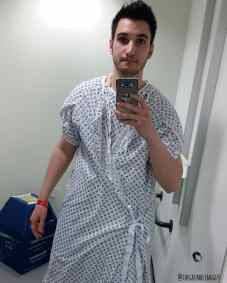 I was afraid of what people might say, what they might think of me or if they might start treating me differently – I didn’t want to be anything other than the supposedly ‘healthy’ 17-year-old with a ‘normal’ life. As a result, I spent twelve years living with Crohn’s in silence. I was embarrassed, because let’s face it, talking about your bowel habits isn’t the most glamorous topic.
 It can be easy to fall into the ‘conveyor belt’ motion of one in, one out, to try and manage the workload. But it is in these busy moments, where taking a few extra seconds to ask a patient who looks upset, scared or frustrated if they’re OK, that can make all the difference.
 lights camera crohn's