Words of Wisdom: What IBD Moms Wish They Could Tell Their Younger Selves

If you’re a young girl or woman diagnosed with a chronic illness, prior or during your “childbearing” years, chances are you or your parents may wonder what this means for your future family. When I was diagnosed with Crohn’s disease at age 21 in 2005, the thought of settling down and having kids was not on the radar but ever since I was a little girl I always aspired to be a mom. Fast forward to 2008, I was hospitalized for an abscess and taken off Mesalamine and put on a biologic injection (Humira). I can still picture the discussion with my GI. My mom sitting on the couch alongside the hospital window, looking at me wide-eyed, and us wondering if I’d ever be able to have children on my new medication. A medication I was told I’d be on for the rest of my life. I was 24. Back then there was nowhere near the research or guidance available like we have today.

August 2008-One month after starting Humira and on heavy duty steroids.

It was the first time I really began to question and worry about whether I’d physically be able to be a mom. As the flare ups, ER visits, hospitalizations, and tests persisted for years, I honestly didn’t have the energy to think about what my life would look like down the road, I only had the energy to focus on what was going on in that moment. I was not a patient advocate and looking back I was a bit naïve and uneducated about what it meant to have not reached remission.

When I met my husband in 2013, little did we know that for the next two years I would be at my sickest. What we did know—is that we both wanted kids one day. After my third bowel obstruction hospitalization in 15 months, I needed bowel resection surgery in August 2015, which FINALLY put me into surgical remission. Ironically, I was engaged to be married. Babies were on the brain. Since I lived a decade without remission, we knew we were going to have to try for a baby as soon as we got married, as remission can be fleeting. At 32 years old, I didn’t want to take any chances.

A lot has happened since we got married. We got pregnant a month after getting married. Lost our second baby around 7 weeks. And then had our rainbow baby in 2019 and our caboose of the family in 2021. If you’ve followed my advocacy and blog, you know I’m passionate about showing all that’s possible despite your IBD. I know each of our journeys is incredibly intricate and unique, each of us deals with our own set of challenges. But I also know that my younger self would have benefited immensely from seeing and hearing fellow women who’ve been there and done it and have families to show for it despite their chronic illness.

This week on Lights, Camera, Crohn’s we hear from several IBD moms—with kids ranging from newborn age to now adults—who offer amazing perspective that I hope will make you feel comfort in what the future could hold for you.

What IBD moms want you to know

Jennifer: “It’s 100000000 percent worth it! And be honest with your kids and spouse about how you are feeling and what you are going through. Of course, make it age appropriate, but they need to know the struggle.”

Liz: “Your kids will learn their limits and love on you when you need rest. It’s ok to go slow. Even if you flare after birth, you will come out of it.”

Amber: “I would tell a younger me that my body WAS capable of carrying and delivering healthy BIG (lol) babies. After struggling with fertility and then conceiving twins and carrying them full-term, I realized my body hadn’t failed me (how I think so many of us with IBD feel. Motherhood is possible for us and thank you Natalie for reminding us of that.”

“Find your people and be honest with them about how you are doing. Don’t ever feel bad asking for help. It truly takes a village to help.”

Brooke: “One day, you will be better. One day, you will coach little league and make the playoffs. One day, you will work on Capitol Hill. One day, you will live in another country. One day, you will be the best mom and you will thrive through IBD. You’re almost there!”

Jaime: “I would tell my younger self that fertility is not something you take for granted especially with a chronic inflammatory disease that can leave you prone to developing scar tissue. I’d also tell her that IBD may make life hard for awhile but with the right doctors, life will improve and the family you dreamed of having will happen.”

Jessica: “Motherhood is hard. It’s ever harder when you have an illness. It’s ok to rest when needed without feeling guilty.”

Kaitlyn: “Your kiddos are more resilient and adaptable than you think they are. I had a major flare about 7 months after my son was born. I put off being admitted to the hospital for weeks because I was so scared and felt guilty for leaving my baby and thinking he would feel abandoned without any way to explain to him that I was gone. He ended up having a blast with my husband for a week and I finally was able to achieve some sense of relief (slowly coming out of that flare, but there is a light at the end of the tunnel). Also, you’re not a bad mom for not being able to do the things you think you should be able to do (Spoiler Alert: Your baby doesn’t know other moms take their babies on long walks around the park and don’t have to drag you into every public bathroom you pass while running errands).”

Patti: “You only get one chance to raise your babies, so don’t sweat the small stuff. And frequently remind yourself (on the roughest days) that you really ARE doing the absolute best you can…and that is OKAY.”

Alyssa: “Sometimes you’ll be holding your baby on the toilet, but you’ll be okay, and your baby will be okay. The road will be tough, but so worth it. Some days the kids will watch more TV than you want, but you must take care of yourself too so you can be present for them. They’re resilient and will love you no matter what.”

Ally: “Rest when you can! Your body will most likely go into remission once pregnant so not need to get scared or nervous about it.”

Liv: “Make yourself and your health a priority. I went into a huge flare after having my first baby because I was SO focused on her and not eating properly or showering or taking care of me. Meal prep to make the mental load of eating easier! And ask for help!”

Patra: “Don’t be so hard on yourself when you feel the need to rest.”

Phoebe: “I would tell her to follow Natalie Hayden’s blog and IG account (haha)…seriously though, when I see you and other people share about their pregnancies and family life, it gave me hope to have my child. I would also tell my younger self it’s ok if you’re a mom with chronic illness! My younger self assumed I had to have a perfectly healthy body to have babies and raise babies.”

“Take care of yourself, even if it means asking your loved ones to look for signs of your anxiety and exhaustion that you may just be trying to push through or ignore.”

Jenni: “I would tell myself not to be so hard on myself. I would say don’t take on all the sick mom guilt. To let them watch movies and eat cereal without stressing about it when I wasn’t feeling well. I would also say…you don’t have to pretend to be brave all the time. It’s ok for them to see you cry or feel frustrated or be sick. They can handle it, and it is creating such strong, caring, empathetic humans!”

Courtney: “I would tell my younger self that I am enough for my kids and that they will be better people because of what they learn and see.”

Mallory: “Your children are strong, and they understand that it’s not your fault.”

Meg: “You did the right thing by staying on your meds through pregnancy and your baby is perfect.”

Kelly: “You are enough. Don’t feel like you’re not able to be as great of a mom as a healthy mom is.”

Ryann: “All you need is love. While I’m sure my son loves the active days when we’re doing lots of activities, he’ll be fine on the days that I’m laying down on the couch as long as I show him love.”

Rachel: “You’re stronger than you know, and everything will work out no matter what happens.”

Amanda: “Not to let fear of the “whatifs” cripple you.”

Brenda: “You will do great and be sure to find a selfless hands-on partner.”

Kristin: “Give yourself some grace. I didn’t get diagnosed or have any Crohn’s issues until my son was 15 months old. The symptoms came on like wildfire and it took a village to help until I figured it all out.”

Anna: “I want to jump in this convo as a 50 year old who wanted to be a mom, but due to the severity of my disease (diagnosed at 18), was told at 29 to have children by 35 due to being high risk and at 34, I was told not to carry due to complications and unfortunately adoption was not in my future as a single woman with severe illness no another option (freezing eggs, etc.) at that point in time. I feel like that is the MAIN thing Crohn’s stole from me! After many years of therapy, I cope with it very well now; however, I still from time to time mourn not being able to have children that aren’t four-legged…#dogmama!”

Courtney: “I would tell my younger self not to worry about having to use the bathroom urgently so much and that you’ll be carrying around diapers, wipes, and a little potty in your car for years. Your kids will also be able to relate to having accidents. I would all tell her that fertility declines a lot faster for people with chronic inflammation and to get your AMH levels checked early. Or think about freezing embryos if you want a big family in your mid to late thirties. Lastly, that breastfeeding won’t stop your kid from having IBD, so don’t worry about giving them formula.”

Ashley: “So, one time I posted on Reddit about how I have ulcerative colitis and didn’t know if I should have kids…I got a lot of responses. I got 56 that told me not to do it. How they were miserable. Or how their mom had it and they suffered as a kid. It was honestly traumatizing. And int that moment, I made the decision not to have kids.”

Tricia: “There will be some really tough days with your illness, and trying to take care of your kids, but you’ll get through this, and better days are ahead.”

Shannon: “Nap when the baby naps is legit. But also, when the baby is 12, you’re still going to need to take a nap. And that’s okay. It doesn’t make you less than because your body requires rest and reset. It is productive to take a nap if it’s necessary.”

Chanel: “That this chronic illness has a direct effect on pregnancy. Having this disease since 7 years old, no doctors ever thought it would be helpful to mention how important being in remission was before getting pregnant or trying for a baby until I was 26 years old and happened to nonchalantly mention to my doctor at the time that we were going to start trying.”

Jennifer: “Don’t worry! You will be blessed with two beautiful children and IBD will not define who you are and will not hold you back from anything!”

Stephanie: “Be easy on yourself and don’t put high expectations on yourself. It will all be worth it. Take it a day at a time and do what you need to do to feel better. Your kids will learn and be more empathetic and compassionate people for it.”

Bhavna: “It’s going to be hard. More emotionally than physically. You will even doubt whether you should have kids for fear of passing it on. I know eventually I did. My daughter now has an autoimmune condition. But despite all of this, you will make it through. Stronger. Resilient. Sometimes a tad sadder.”

Rosanne: “Kids are more resilient than you think. Motherhood is worth having to potentially miss a few things because of a flare or a difficult day. Your kids will understand and be stronger because of it.”

Pie: “Mum guilt will chew you up on the days that you can’t get out of bed. It’s okay, your little one will grow up to be empathetic and understanding of others.”

Amy: “I was completely well for the 8 years I was pregnant and breastfeeding my three boys. Almost a year after finishing feeding my youngest, I immediately went into a massive flare and have not managed to recover yet (10 months now). I felt betrayed all over again by my body, just at the time when I needed it to be strong. I would tell her that the most important thing is that you’re well, so that you can be the best version of yourself. Children are beautiful, they will take you exactly as you. Try to follow their lead. You are enough. They will forget at times you were absent due to resting, appointments, etc. But they will remember how hard you fought for your health. My middle school boy now seems to be suffering with gastro issues and it’s essential to me that I show him that I have the disease, it does not have me (enough though some days that doesn’t quite work out).”

Megan: “Some days are hard, but you can do it! You will be shocked at how much compassion it gives your children. They understand “mommy doesn’t feel well” at such an early age and really want to help take care of us. Vivi asks me daily, “Mommy, does your belly hurt today?” and says, “I’ll take care of you, Mommy.”

Kara: “Don’t forget to take care of you before it’s too late! You are doing your best and your children will only remember that later. My kids are 8 & 10 now, but when I was pregnant with my youngest, I went into a flare and refused to tell anyone or acknowledge it, thinking it would make me a bad/weak mom…so dumb right? By the time my youngest was 1, I was making an appointment for a temporary ileostomy bag. But my kids only remember the sweet stuff.”

Stephanie: “Simply, it’s possible! It was worried for so long that it wasn’t possible, especially once on a biologic and your Instagram page, Natalie, gave me so much hope! Now, less than 2 weeks from delivering my second baby (but my first pregnancy on a biologic).”

Marnie: “I would tell my kids your disease becomes part of your everyday routine, but it doesn’t define you.”

Crystal: “Make sure your baby learns to take a bottle in case you end up in the hospital with a flare.”

Leslie: “Don’t be scared to be on all the medication you need. You’ll get pregnant one day like you always dreamed.”

Keyla: “This journey will be hard but no matter what your little one becomes stronger through it with you.”

Christine: “Here I am celebrating my 47th birthday with my teenagers! One of the first questions I asked my doctor, according to my mom, was will I be able to have kids? That was when I was 23 years old. Here I am at 47, and they have seen me at my best, and unfortunately, my worst. They are truly the reason why I keep going and want to keep fighting at the worst of times.”

Amy: “Your journey might look different than others, but you can still have a family. Also, accept help when you need it.”

Robin: “My kiddos are 27 and 25 now and I was diagnosed when the 27-year-old was 2.5 and the 25-year-old was a baby. She turned one and took her first steps in the family visiting room at the hospital. So, I have the benefit of living with the fruits of my parenting labor. My IBD has taught me that life is precious. Each moment is precious. Because of this, I really tried to take advantage of life when I was feeling well. AND ALSO, I tended to push through when I wasn’t feeling well if something was important to my family, specifically my children. Your first instinct as a parent will be to protect your children from what you are going through – but it’s ok to be open about what you are experiencing in age-appropriate ways. There is no one perfect way to be a parent, much less be a parent with a chronic illness. Give yourself some GRACE. 

If dads, or aunts, or family friends, or grandparents are jumping in to chauffeur your kiddos and/or take them to do fun things that you can’t do – IT STILL COUNTS! Your kids are still getting to do the thing. Your kiddos will benefit from having other adults they know and trust in their lives. 

Parenting isn’t for the faint of heart. Connect with people that can share the burden. It’s ok to ask for help. I write this while remembering my mantra was “suck it up and figure it out” when they were little. Granted – I was a single parent for a lot of their young life, and I was fortunate to have a strong support system. Even with the support it was difficult to ask for help. SO, ASK FOR AND ACCEPT HELP.

I don’t know what kind of mom I would have been without IBD, but based on who my girls are now, I’m ok with the mom I was and am with IBD.”

Final Thoughts

Hearing this firsthand perspective from all these incredible IBD moms is so inspiring and comforting. It’s a reminder we are not alone in our struggles or our fears—and let’s face it, motherhood isn’t all sunshine and rainbows. But the beauty motherhood brings to our lives and the unbelievable love you feel for your children is the sunshine and the rainbows that makes it all worth it. When you’re an IBD mom, yes there’s a lot of internalized pain and worry. But there’s also so much motivation and joy found in looking into the eyes of your children and knowing that you are enough and will always be enough for them because you’re you.

There are times when their diapers and bathroom habits may set off alarm signals in your head. Don’t think I haven’t brought one of my kids to the ER because I was fearful, they had IBD…wasn’t that. There have been moments where I’ve been bent over making school lunches. There are times I’m on the couch with a heating pad during bedtime stories or in the bathroom mapping out my game plan of how life will go on if I’m hospitalized, and all the moving places I have to orchestrate if I’m out of commission. But SO much overshadows those moments.

As an IBD mom of three, my kids give me such purpose to celebrate each day and soak in each experience I’m blessed to share with them. They provide me with renewed faith in my body and all that I’m capable of. They remind me to laugh and not take life so seriously. When I’m in pain or going through prep for a scope or an uncomfortable procedure my thoughts float to their sweet faces and the incredible memories we’ve shared and it’s the best reprieve from my painful current reality.

When you’re a mom with chronic illness, sure the days can feel long and the years short…but you have a different level of gratitude for what may seem mundane to others. You will second guess yourself more than your children ever will. They are sponges, watching and soaking up their lived experience with you and without even doing anything you’re raising a children with innate empathy and compassion that you’ll see play out as they grow up—I’ve seen it for YEARS with my kids—and while I wish they weren’t the way they are because of my health, I also wouldn’t have it any other way. IBD is a family disease, it impacts way more than just the patient and know that if you choose to carry children, adopt children, or have babies through surrogacy, you are never a burden to your family. You are enough and always will be to your beautiful babies.

My family planning advice for you

My advice family planning

  • Have the discussion about your future 3-5 years out (if possible) so you can get a game plan in place. Something as simple as letting your provider know…”someday I hope to be a mom”…is sufficient. This sets the stage for what makes the most sense medication wise, targeting and tracking remission, planning scopes so you can get the ‘green light’ before conception, etc.
  • Do not try and conceive if you haven’t been in remission for at least 3-6 months. Sure, pregnancies are not always planned and can be a surprise but try not to get pregnant while you’re flaring or have active disease as that increases the likelihood of flaring during pregnancy and after delivery.
  • Once you find out you’re pregnant, alert your GI the same day as your OBGYN and get the ball rolling on finding a maternal fetal medicine (high risk OB) to be part of your care team.
  • Do not try and go rogue and go off all medications for pregnancy. Talk with your care team. Do the research so you can see firsthand about the safety and efficacy of most IBD meds in pregnancy and breastfeeding and be confident that by keeping yourself well and your disease controlled in pregnancy, you are helping you and your baby.
  • Check out the PIANO study and MotherToBaby research opportunities so you can help pave the way for future IBD moms and contribute to research. It’s so rewarding, and your voice and input makes a world of difference. My older two were part of MotherToBaby studies and my youngest is part of PIANO, he’s being “followed” until age 18!
  • Never hesitate to reach out to fellow women with IBD on social media who are moms and receive firsthand advice about their journey so you can feel a bit more at ease about yours.

Inaugural Autoimmune Summit just what the patient ordered

This post is sponsored by the Autoimmune Association. All thoughts and opinions shared are my own.

An educated patient is an empowered patient. Over the weekend the Autoimmune Association presented its Inaugural Autoimmune Summit that aimed to do just that. The virtual two-day event featured 23 educational sessions and more than 50 autoimmune experts including physicians, nurses, policy experts, and of course, patient advocates.

The Summit covered a wide variety of important topics that impact patients and caregivers who live with autoimmune conditions. I had the opportunity to moderate a panel discussion about fertility, family planning, and pregnancy alongside Dr. Marla Dubinsky, Chief of Pediatric Gastroenterology at Mount Sinai and Co-Director of the Susan and Leonard Feinstein Inflammatory Bowel Disease Clinical Center and Mariah Leach, a mom of three who lives with Rheumatoid Arthritis and Founder of Mamas Facing Forward. As an IBD mom of three chidren myself, I’m extremely passionate about sharing guidance and support for fellow women on this subject.

During the discussion, Dr. Dubinsky touched on many aspects of the journey to motherhood and beyond with IBD, but one comment she made resonated with me. She said the greatest gift a woman can give their child, is to stay on their medication, and allow their baby to thrive in an uninflamed environment. As someone who needed and depended on my biologic with all three of my pregnancies that comforted me greatly and really struck a chord.

Other topics of discussion during the Summit included tips and tricks for managing multiple specialists to clinical trials, health equity, advocating on Capitol Hill, and complementary medicine.

A dream come true

Lilly Stairs, Vice Chair of the Board of the Autoimmune Association and Summit Lead, lives with Crohn’s disease and arthritis. As a patient advocate, she understands the vital importance of providing those who live with chronic health conditions to share their voice and articulate their needs and struggles.

“It has been a dream of mine and the Autoimmune Association’s to plan an event that unites community members from across autoimmune conditions. Our patient odysseys share deeply rooted similarities. By coming together, we can accelerate autoimmune education, awareness, advocacy, treatment, and someday, cures.”

Goals of the Summit

The goals for the Summit were three-fold. Organizers and presenters like myself hope you walked away feeling connected to people across the patient community, while learning tangible tips for managing your autoimmune conditions. Lastly, the hope is that attendees and Summit participants feel energized and excited about what the bright future holds for those living with autoimmune diseases.

Lilly went on to say, “Events like the Autoimmune Summit are essential engagements for patients and caregivers to participate in. These events provide tools to navigate life with chronic illness and empower patients with the knowledge they need to be “CEO, secretary, and treasurer of your care” as Hetlena Johnson, Lupus Patient Advocate so eloquently stated in the Managing Multiple Autoimmune Conditions panel.”

Events like this are a reminder that we are not alone in our journeys. Even though chronic illness can be extremely isolating, events like the Autoimmune Summit offer the opportunity for connection that often feels like much needed chicken soup for the soul. The camaraderie that is possible even though Zoom has a lasting impact on helping to lift the burden and self-doubt many patients face.

From the Speakers

Tina Aswani Omprakesh participated in a panel on complementary medicine and autoimmunity. As an ostomate who juggles Crohn’s disease, Gastroparesis, and IBS, she knows firsthand how imperative it is to take on illness with multiple approaches.

“This is an important subject that’s often not discussed in the autoimmune space. The reality is that many patients are thinking about exploring it but don’t know how to navigate it in a way that can help complement their existing therapies. These conversations are essential to proliferate both credible information and sources of complementary therapies so patients can truly live their best lives possible.”

Molly Schreiber lives with Type 1 Diabetes, Rheumatoid Arthritis, and POTS. During the Summit, she spoke about what it’s like to manage multiple autoimmune conditions.

“Anytime I can share my story, my hope is that attendees feel less alone in their battle with chronic illness. We may have different health conditions, but our fight is often the same—pain management, medical providers who listen, and affordable medications we can easily obtain.”

Alisha Bridges is a patient advocate who lives with Psoriasis. She participated in a breakout session geared towards dermatology. She says having the chance to speak at the Autoimmune Summit was an honor.

“I hope my story helped viewers to better understand the unique challenges of living with psoriasis as a woman of color especially in the clinical trials sphere. These conversations are imperative to elicit change for better care of patients of all backgrounds.”

Curtain Call

It’s our hope attendees discovered tips for managing autoimmune disease from patient advocates like myself who understand your reality, while also learning about the latest research and future treatments on the horizon.

Did you miss tuning into the first-ever Autoimmune Summit? No worries! All the presentations were recorded and will be shared in the weeks ahead. I’ll be sure to share the Fertility, Family Planning, and Pregnancy discussion I was a part of on my social media channels as soon as the video becomes available.

Thank you to all who tuned in, to all who participated, to the organizers, like Lilly, and the generous sponsors who made this happen. It’s amazing to see what’s possible when patients have a proverbial seat at the table alongside medical professionals and digital health companies. Our voices matter and time and time again we’re being heard loud and clear.

Follow the Autoimmune Association on social media

Instagram: @autoimmune_diseases

Twitter: @AutoimmuneAssoc

Facebook: Autoimmune Association

IBD is Not Your Fault

You did nothing to cause your diagnosis or your disease. Read that again. It’s not your fault. No matter what you may see on social media or hear from friends or family, those of us with Inflammatory Bowel Disease did not live “incorrectly” or do anything damaging that “sparked” our chronic, autoimmune issues to come to life.

I was incredibly disheartened recently by a post on Instagram that in so many words claimed that bad habits in life led to a man’s Crohn’s disease. He made blanket statements about how medication and surgery are not necessary and that it just takes a long time and reflection to reverse the damage he caused on himself after years of smoking, binge drinking, etc. The post was not only on his own feed, but also shared by a community IBD page with more than 8,000 followers. After days of endless comments from those angered by his assertions and claims, the post was taken down and the patient “advocate” made his Instagram private, but the damage was already done.

Hold up—what’s with the blame game?!

You may wonder why patient advocates like me get their feathers ruffled by claims like this. I can tell you why. I, along with so many of my counterparts in the IBD community, work tirelessly to educate and inform not only those with Crohn’s and ulcerative colitis about the patient journey, but also caregivers and friends. When misinformation is disseminated it sets the clock back, bigtime. It further stigmatizes our illness, especially when the false statements are said by someone who lives with IBD. Not only does it hurt those grieving and trying to come to terms with their lifelong diagnosis, but it’s a direct attack on those diagnosed as pediatrics and those who did everything by the book (ate well, exercised, got lots of sleep, managed stress, etc.) and STILL got IBD.

If there was a magic bullet or diet that helped “cure” or manage all of us, we would do it. If there was a way to prevent IBD, people would do it. Crohn’s and ulcerative colitis aren’t like lung cancer, which is sometimes caused by smoking or diabetes which is sometimes caused by being overweight or liver disease which can be caused by excessive drinking. IBD is complicated and mysterious. There is not a behavior or habit that is associated with possibly “getting it” one day. The two known factors—hereditary and environmental—leave much to the imagination. I personally have no family history. I was a picture of health until the two months leading up to my Crohn’s diagnosis in July 2005. It felt as though a light switch went off and my world went from being healthy and able-bodied to being chronically ill.

You did nothing wrong

If you’re reading this and wondering what you did to cause your disease, the answer is nothing. If you’re reading this as a parent and feel as though you could have fed your child less processed food or breastfed them instead of giving formula or shouldn’t have had your child vaccinated, please stop believing that. I know we all want a reason. We all want answers and some clarity as to the why—but, at the end of the day, does it really matter? Focusing on the why doesn’t help us focus on the how. HOW are we going to get through this? HOW are we going to manage our disease and live a full life? HOW are we going to cope during flares and periods of remission? HOW are we going to navigate the unknown and thrive? HOW are we going to find the right treatment plan? HOW are we going to target our triggers and learn what to avoid? Focus on what you can tangibly do to improve your patient journey and less on the coulda, shoulda, woulda’s, because just like each case of IBD is unique, so is each back story.

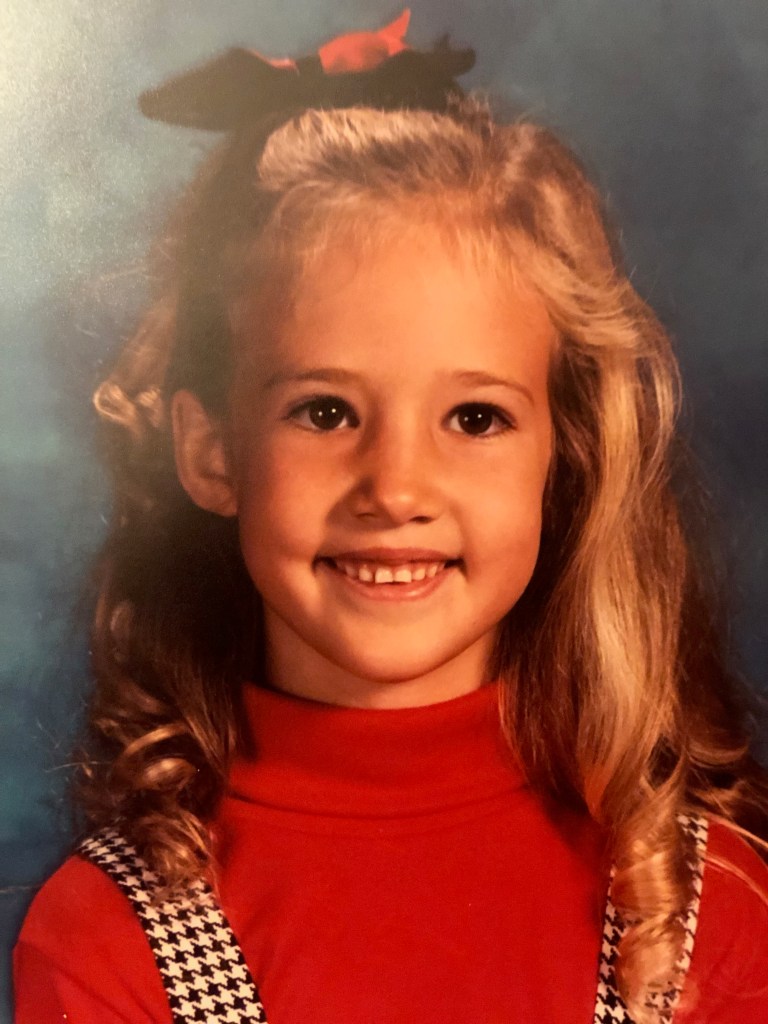
Here I am as a little girl. Long before being diagnosed at age 21. This little girl did nothing to deserve or cause Crohn’s disease.

Stop the finger pointing and the blame game. Stop making the medical community out to be the bad guys and the adversary. Stop acting as though those who depend on medication and need surgery failed in any way.

Start collaborating with your care team and finding physicians who listen and genuinely care about the approach you wish to take to manage and treat your disease, while also understanding that a holistic and “med-free” approach may not be feasible for your type of disease process. Start getting involved and educating yourself about how IBD manifests and the complicated nature of not only Crohn’s and ulcerative colitis, but also the extraintestinal manifestations and mental health aspect that are often not talked about. Even if you’re on medication or have had surgery you can still take whatever measures make you feel better in a complementary way. It’s not all black and white. There’s so much gray area. You can be on a biologic and still try any “elimination diet” you’d like. It’s just a matter of doing what works best for you, without pointing the finger or demeaning others in our community. Start connecting with those who live your reality and lift you up, rather than make you feel like you’re taking the easy way out.

This is 21-year-old me. There were moments where I felt very sick while on this Spring Break trip my senior year of college in March 2005. I attributed the abdominal pain to traveling and eating different food in the Bahamas. Little did I know four short months later I’d receive my Crohn’s diagnosis.

I know that if my 21-year-old self came across posts on social media claiming I caused my Crohn’s and that I could “heal my gut” on my own, I may have believed it. I can tell you nearly 16 years into this, I know without a doubt that is not the case. I am not a failure for taking medication, needing surgery, or trusting my physicians. I credit my 5.5 years of remission to being a compliant, proactive patient who believes in science, educating myself on the facts, and realizing that this disease is bigger than me and a constant learning process. I don’t need to know my why because I’ve done a damn good job of discovering my how’s and you can, too.

Finding your voice with Crohn’s: How music helps Anna Tope cope

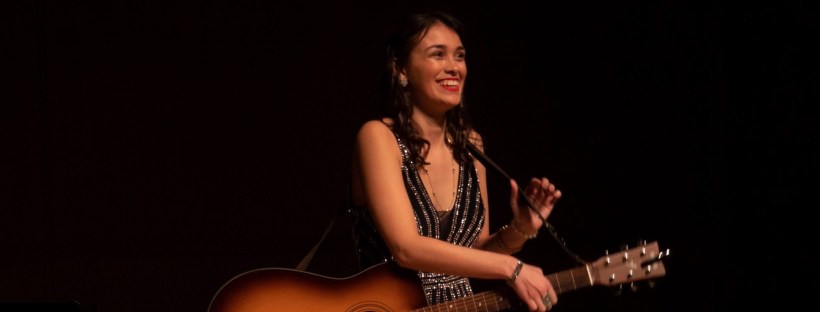
Songwriting has been a coping outlet for 22-year-old Anna Tope, for as long as she can remember. When she was diagnosed with Crohn’s disease in June 2019, she worried if her aspirations of sharing music with the world would be silenced. COVID-19 hit during her final semester at York College of Pennsylvania. She looked forward to and worked hard for her senior recital all four years. The event was scheduled for March 13th, right when the world started to shut down. IMG_6972

Luckily, the music faculty were able to work things out and held the recital before campus had to be cleared out. Anna gave the best performance she ever had. The whole audience was on their feet, followed by a huge line of people waiting to greet her afterwards. The moment was a dream come true. Check out her recital performance here.

The song inspired by Crohn’s

“My favorite part was being able to end my recital with a song that I wrote about my Crohn’s Disease journey called “Renewed.” This is a song that has moved people to tears, and people have told me how much the song has impacted them, especially during the pandemic,” said Anna.

Anna wrote “Renewed” in January 2020, while sitting at a Barnes & Noble. Click here to listen to the song.

She says quarantine has enabled her to focus more on creating music and writing.

“My songwriting is essentially reflecting through some of the hardest times of my life, such as my illness/diagnosis, but also showing how my hardships have been so eye opening and influential,” says Anna.

Finding joy through the suffering

Anna’s main goal with her music is to bring joy and hope to those suffering from chronic illness. The unpredictability of Crohn’s often leaves Anna feeling worried about whether IBD is going to rob her of her musical dreams, but not only that—like many of us, she worries about her future. Two of her biggest fears are finding love and being able to have kids one day. Ann is incredibly grateful for her amazing support system and how her friends and family have rallied around her since diagnosis.image0 (1)

She wants to use her voice, energy, and the broken parts of her experience to bring comfort to those who feel alone.

“IBD has impacted me in so many ways. It’s turned my life upside down, but at the same time it’s given me even more of a passion to sing and to help others.”

Use quarantine to your advantage

Living with a chronic illness in the middle of the pandemic is complicated and challenging, but Anna hopes others use this time to explore their talents and see beyond their IBD. IMG_6121

“Go write some songs or poetry. If you want to learn an instrument, now is the time! Go write that book you’ve been wanting to start. Do whatever brings you a feeling of accomplishment, joy, and comfort.”

The success of Anna’s senior recital pushed her to continue writing. At a time when many of us feel tapped energy wise—mentally, physically, and emotionally, try and find what motivates you outside of your illness. And like Anna, you’ll see, while IBD may change the course of the path you’re on and re-direct you for a bit, just because you have Crohn’s, doesn’t mean you can’t follow your dreams.

Connect with Anna

Instagram: @myvoice.myjourney

Facebook: Anna Tope Music

Twitter: @annatope_

YouTube: Music and Covers


IBD mom offers up 5 tips for productively working from home

Twenty years ago, Katy Love, was diagnosed with Crohn’s Disease. She was a sophomore in college. She could barely make it out of bed some days, due to the enormous amount of pain and overwhelming fatigue. After her diagnosis and subsequent surgeries, she wondered if she’d ever be able to have a “real job” – like many of us in the chronic illness community, she worried about how she would be able to work and manage her illness. Katy didn’t allow her diagnosis to prevent her from following her personal or professional dreams. Now as an IBD mom, running her own PR business from home, in the middle of a pandemic, she has some advice to share about being successful in the face of adversity. Boulder_Headshots_043

After graduating from college, I took a job at an interactive advertising agency. My dream job. Then, reality set in. I needed to ask for accommodations for my Crohn’s disease– I had to ask for a flexible schedule – one where I could work from home when needed.

I was elated when the agency agreed. Since then, I’ve been blessed to work with several teams (for other companies) that understood my illness and trusted me to work remotely when needed. As someone who has worked from home quite often during my career, due to a chronic illness, I’ve learned a few helpful best practices that have helped save me time… and my sanity.

Create a realistic routine and office hours. If you know you can’t start working until 9 a.m., due to family obligations, don’t start your work time until 9 a.m. Then, plan accordingly for your end time each day. Be sure to share your office hours with your family and colleagues. It’s important for everyone to know when you’re working. Also be patient with your new schedule. As with all new things, it will take some time to become a true routine. This is all new territory – working from home is a normal occurrence for me, however, having all my children and my spouse at home, while trying to work from home, is a new challenge.

Get Dressed. Every single day. I know this may sound silly, as you haven’t left the house in weeks. But I find this extremely important. It sets the tone for the day. When you look the part, you’re much more likely to feel the part. Plus, with all the Zoom calls, you want to look like you aren’t wearing yesterday’s PJs for the weekly team meeting.

Establish a defined workspace. You need an area where you know – this is my desk, my work zone. Your family members know that when you are there, you are working. Working from bed sounds delightful…I love my bed. However, it’s easy to be distracted if you’re not in a specific workspace. IMG_0846Also, surround your workspace with all that you may need during the day. Computer, chargers, phone, etc. I like to also put candles or fresh flowers near my workspace – they smell great and elevate my mood. With spring finally here, go outside and pick a few flowers and put them in a mason jar. Anything that makes you smile and motivates you.

Communication is KEY. I learned this early on in my career. Just because you’re not in physical sight of your team, and your employer, you want them to know you’re ON and working. The worst thing you can do is go dark. If they don’t see you, hear from you, it’s easy to assume you aren’t taking working from home seriously. So, over-communicate with your team during this time.

Take breaks throughout the day. When you’re setting up your new routine/office hours, schedule breaks into the day. Personally, I like to work out in the mornings. So, finding 30 minutes to hop on my bike sets my day up for success. In the afternoon, take a walk outside, or bake with your kids. Katy_Vince_Family_138It’s extremely important to incorporate self-care into your routine right now. There’s so much uncertainty and doom/gloom in the news. Make sure you are taking time to appreciate yourself, your team, and your family, while keeping your health as a top a priority.


Finding faith through the storm that is IBD

Prior to falling ill two years ago and finally receiving a Crohn’s disease diagnosis in December 2019, 33-year-old Kolby Noble, kolby5 of Maryland, never knew how much her strong faith would help her through the ups and downs of chronic illness. As a wife, mom of three, and an educator, Kolby shares a heartfelt, eye-opening piece that beautifully captures how faith correlates to the daily battles we face as people with IBD. 

Picture it. Jesus had left His disciples in their boat on the sea so that He could spend some time alone. It wasn’t long before a powerful storm developed. Jesus returns to the disciples, walking on the water through the wind and the waves, but they don’t recognize Him and are afraid. Jesus speaks to them, saying, “Take heart; it is I. Do not be afraid”. (Matthew 14:7) kolby

I’ve always been in awe of the ocean. As a child I used to play in the waves of the Atlantic or stare into its horizon and I always felt so small in comparison. I would often wonder how the same God that made the ocean, so vast and wide and deep, would create me, too. How could the same God who told the waves to dance along the shore love and know me so intimately? My life has been much like the ocean. Much of it has been beautiful and calm. But like the disciples and everyone else there have been storms, too. Somehow it’s always through the wind and the waves of those storms that I hear Jesus call to me.

It’s been two years since I first thought something was wrong with my health. For two years the wind and the waves have strengthened until, like the disciples, I found myself in the midst of a powerful storm. kolby4I was as sick as I’d ever been in my life, and couldn’t figure out why I wasn’t getting better. In December 2019, I received confirmation that I had Crohn’s Disease.  I was afraid. But through the wind and the waves, I heard Him say “Take heart; it is I. Do not be afraid.”

Back in the boat with Jesus that day was a man named Peter. Peter saw Jesus on the water and when Jesus called to Peter to step out of the boat and come to Him, Peter didn’t hesitate. In the midst of the storm Peter climbed out of the boat and started walking to his Savior. kolby3Soon, though, Peter took his eyes off of Jesus and focused instead on the wind and the waves and began to sink. He cried out “Lord, save me!” (Matthew 14:30) and Jesus instantly reached out His hand to catch Peter. When He pulled Peter from the water Jesus simply asked “Why did you doubt?” They returned to the boat and the wind and waves cease.
Much like Peter, I knew Jesus before the storm of Crohn’s Disease developed. I had witnessed His miracles in my life, just as Peter had before the storm arose on the sea that day. When I received my Crohn’s disease  diagnosis, I heard Jesus tell me not to be afraid. As I stepped out to meet Him in the storm for comfort it wasn’t long before I took my eyes off of Him and focused instead on the wind and the waves. It’s easy to focus on feeling sick, being in pain, being too exhausted to get up each day, or not having the energy to take care of your family. I was taking medication multiple times a day just to function, to somehow get through each work each day. kolby2 I found myself focusing on all the tests and doctor’s appointments I had to go to, and the infusions I’ll have to take for the rest of my life to maintain any sense of health I used to know. I focused on the unpredictability that is Crohn’s, and not on the predictable, steadfast love that can only be found in our Savior.
God doesn’t promise those that believe smooth seas or calm waters. He never says that life is going to be easy. He actually tells us just the opposite. Isaiah 43:2 says “When you go through deep waters, I will be with you.” What a comfort to know that in the midst of our storms we can look out and find a Savior. God knew before I ever took a breath I would have to fight this disease. He knew that it would be hard, and painful, and exhausting. But He loves me, and He is with me, and it’s because of Him that I can face the storm. You can, too.

If you have just been diagnosed with a form of IBD, I encourage you not to focus on the wind or the waves. Focus instead on a Savior who is ready to reach out and catch you when you start to sink. Don’t doubt His love for you. Don’t doubt that He will be with you through the storm. Instead, listen for the voice that says “Take heart, it is I; do not be afraid”. For mightier than the waves of the sea is His love for you. (Psalm 93:4)


Thrive with IBD: My latest podcast interview

Her name is Natalie. She was diagnosed with IBD at age 21. She has a blog. It may sound like I’m talking about myself, but I’m talking about a friend I’ve connected with online! Natalie Kelley (@plentyandwellwithnat) and I started following one another on Instagram several months back and came to realize how similar our patient journeys have been. Screen Shot 2019-12-28 at 1.36.32 PMShe has ulcerative colitis and I have Crohn’s. She is 24 and I’m 36. But, our lookout on life and our interest in bringing comfort and serving as a positive voice for the community is the same.

Being diagnosed at age 21 is a difficult time in life. You’re at a crossroads from being a kid to a young adult. You’re navigating the next chapter of life and looking to start your career. We relate on how IBD stopped us both in our tracks in that pivotal moment and how far we’ve both come since.

Natalie launched her podcast, Thrive with IBD, in 2017. Her hope is to end the stigma around chronic illness and show that you’re never alone in your struggles or experiences. As a wellness blogger and a holistic health coach, Natalie works tirelessly to educate others about navigating life, love, and everything in between, while living with IBD. Today (December 30th) you can check out her latest episode. She interviewed yours truly. When she asked me to be on her show, I was so honored, as I’ve admired her work from afar for a while.

We talked about what dating, marriage and being a mom is like with IBD. I am the first IBD mom she had on the show! Interestingly, Natalie’s mom was diagnosed with Crohn’s at age 16. DSC03601So not only does she have her own personal patient experience, but she’s been a part of a family unit who’s dealt with the ups and downs her whole life. It was emotional for me as an IBD mom, to hear firsthand from a 20-something about what it was like to not only grow up with a mom who has Crohn’s, but later be diagnosed with IBD herself.
Click here to check out the episode.

With nearly 40,000 Instagram followers, Natalie has quite the following. What always amazes me is how present and genuine she is. She responds to comments both publicly and privately, her content is well thought out and impactful.

“Each day I get to wake up and get to use my story to help other women with IBD. I get to connect with chronic illness warriors around the world. I get to use the pain and grief I’ve endured to help heal others’ pain and grief, even if just a little bit.”

Screen Shot 2019-12-28 at 1.37.22 PMIf you’re looking to follow someone who is sure to lift your spirits and make you feel empowered, she’s your girl. When I chatted with her on the phone, I told her how much I look up to her for her advocacy work, despite being 12 years older!
As we gear up for 2020, the start of a new decade, and a new year, it’s our hope that you focus on self-love and embrace who you are, despite your IBD. As Natalie says, “There are ebbs and flows in this journey of mine and I’ve learned to take them as they come. I’ve learned to soak up every second of the good moments and give myself grace during the hard ones. I’ve learned to stand up for myself, be my biggest advocate and put myself first.”

Natalie and I both say that if we were given the option to get rid of our IBD diagnosis that we wouldn’t. We both feel we were put on this path for a reason and that our diseases have shaped us into who we are today. I hope that if you’re reading this, and you’re newly diagnosed, knowing that brings you comfort and peace of mind. IBD is not your identity, it’s a part of you, but it’s not all of you. Natalie and I can assure you of that.


The steps one IBD mom and teacher takes to stay healthy, while being immune suppressed

Biologic drugs have the ability to give many of us in the IBD community a chance to live a much fuller, and well-rounded life. But there are trade-offs, especially when it comes to our immunity and the ability to fight off infections. As a mom of a 2-year-old and 6-month-old whose been on Humira for more than 11 years, I’m extremely cognizant of protecting my kids from sickness to not only protect them, but myself. I often feel as though people may think I’m over the top with worrying about illness in my household, but quite honestly, unless you or someone you love is immune compromised, it can be a difficult concept to grasp.

This week–a special feature from a Maryland elementary school teacher with indeterminate colitis. Meet Lisa Lacritz. lisaShe’s a 38-year-old wife and mom who juggles two autoimmune diseases. She also has Hashimoto’s disease. Since she started on Remicade in 2018 following her IBD diagnosis, she’s experienced the difficulty of  warding off illness while being an elementary school teacher and a mom to a young child.

“Shoes off, hands washed!”  My son knows the routine by heart. Every time we come into the house, shoes come off and hands get washed. I like to think that all of my years spent worrying about germs when I didn’t need to be, were fantastic training for when I actually needed to be concerned.

When I was diagnosed with IBD, I was hesitant to get on a biologic because of my fear of being immunosuppressed. I’m an elementary school teacher and when I started on Remicade infusions, my son was only six. I basically spend my day in a Petri dish. fullsizeoutput_269aDealing with the symptoms of IBD was more than enough–how on Earth would I be able to handle that plus avoid picking up viruses at school and in public?

Taking steps to be proactive 

After I got sick on the second day of school last fall, I decided that washing my hands frequently wasn’t going to cut it. I have always been a frequent hand washer, especially at school, but I needed more protection. At first, I was nervous about how others would perceive me. There were a lot of confused looks by coworkers and students when I would politely decline to use someone else’s pen. I started carrying a pen with me everywhere to ensure I wouldn’t have to use a communal pen. Now people know that I always have “my” pen with me and that I don’t share it with others.

Another thing I’m very careful about is touching door handles and knobs, especially the door to the main office. The main office is where you can find the school’s health room, where every sick kid passes through. I either wait for someone else to come and open the door, or I use a barrier such as a paper towel to open it and then wash my hands right away.

I never touch my face and I keep my phone in a plastic bag (quart size bags work great!) so that I keep school germs at school. Kids are definitely puzzled by that last one, but I explain that I need to keep germs away as much as possible, and if I need to touch my phone then my phone gets the germs on it so I protect it with a plastic bag.

Worrying less what others thought and making my needs a priority

fullsizeoutput_3800I really needed to stop caring about what others think and prioritize my health. One of the most surprising things to me was that people really don’t understand what immunosuppression means. Some people think I’m just a paranoid germaphobe even after I’ve explained that I’m immunosuppressed. They don’t understand that a simple cold for them, can mean days of sick leave for me due to a secondary infection. Or a fun day swimming in the bay can mean a bacterial infection for me that lasts for weeks and causes symptoms similar to a bad flare.
Yes, it is mentally exhausting to worry about immunosuppression on top of all the other things chronic illness brings. Plus being a teacher. Plus being a mom.

As much as I hate getting sick, the worst part for me is missing out on doing fun things with my son. IMG_0580Somehow my body knows when we have something fun planned and chooses those times to conk out on me. When I’m lying on the couch at home feeling sorry for myself while my husband and son are at a friend’s New Year’s Eve party or Memorial Day BBQ (both events I missed this year), I try to remind myself that Remicade is what allows me to lead a relatively normal life and be able to do things like go sledding with my son on a snow day and take him Trick or Treating. I couldn’t do those things when I was in a bad flare before treatment and definitely can appreciate them more now. I just make sure shoes come off and hands are washed right when we get home.


Why you shouldn’t put ‘self-heal’ and Crohn’s in the same sentence

This article was written earlier this month, while getting my hair done. 

I hear her cry. I glance at the clock that reads 4:55 a.m. I clutch my abdomen. The pain I went to bed with hours earlier is amplified. IMG_4409It feels like a fiery pain inside my rib cage that travels all the way down my stomach. The gnawing makes me feel raw internally and externally. I put my glasses on and as I’m standing up and rocking my daughter in her nursery, I try to think of her warm little body as a heating pad.
I wrestle with my thoughts about how to handle my pain. Last time I took pain medication I couldn’t breastfeed my daughter for 20 hours. I decide to take one 600 mg ibuprofen left over from my C-section recovery, with the understanding that as someone with IBD I shouldn’t be taking that. But I’m desperate. Desperate to get a reprieve from the pain and the inner monologue racing in my head as I lay back down. While at the same time, trying to keep my painful moans quiet so I don’t wake my husband.

I wake up and the pain is still there, but I have no choice but to take on the day. Thanks to my mom being in town, I’m able to head to the hair salon for a much needed hair cut and color. The stylist asks me questions and my Crohn’s comes up fairly quickly in the conversation. Her response—“one of my best friends has Crohn’s and she’s completely self-healed herself by eating very strictly”. She goes on to say her godmother has Crohn’s, too—and constantly posts pics on social media eating and drinking, so it’s no wonder she struggles, acting almost disgusted by her godmother’s lifestyle and patient journey.

I bite my tongue. The pain from the night before and the worries weighing heavily on my mind and heart are still fresh. Self-healing and Crohn’s, if only it were that easy, that simplistic. But I don’t have the energy to get into that discussion. IMG-3099The fact that so many people without IBD are under the assumption that our pain and symptoms are self- imposed upsets me. We already beat ourselves up mentally as it is. My husband and I took our son for ice cream last night, so immediately I wonder if all of my pain is a result of the choice to have ice cream with my 2-year-old.
As a mom who’s battled Crohn’s for nearly 14 years, the background noise and ignorant comments about IBD tend to bounce off me. I have thick skin, now. But, it’s worrisome at the same time. What if the girl getting her hair done wasn’t me? What if she was newly diagnosed and struggling? What if she chose to go off all medications and “self-heal” because someone cutting her hair told her it was possible? This is what we’re up against as patients. Everyone tries to relate and thinks they are offering “words of wisdom” or assurance, when really they’re just contributing to the hurt and feelings of being less than. IMG-4410

Luckily, I’m not that girl. But—if you’re reading this, know that your patient journey is unique to you. What works for one person, will not necessarily work for you. Needing medication to manage symptoms and keep your disease from progressing is not a sign of laziness or weakness. You need to take the steps necessary to improve your quality of life and overall health. Living with IBD is not black and white. There is so much gray area. Trust in your physician. Trust in the support available both online and in your community from fellow patients. Be patient in discovering what works for you, be flexible, and do what you need to do to self-heal.

10 Tips for Ensuring Your Significant Other Can Handle Your IBD For the Long Haul

This article is sponsored by Healthline. Thoughts and opinions are my own.

Dating is complicated. Dating can be stressful. Dating can force you to get out of your comfort zone.

IMG_1127

One of my first photos with my husband, Bobby.

When you live with a chronic illness, dating can be downright daunting. When should you bring up your IBD with a significant other? How can you navigate the ups and downs that come along with your illness? How can you reach a sense of comfort when you need to run to the bathroom or cancel plans?

There’s not only one correct answer to any of those questions. But, as a woman who was diagnosed at age 21, who is now 35 and married with kids, I’m happy to share what worked for me. I recently led a Live Chat on Healthline’s IBD app about this topic. The main areas of concern revolved around significant others failing to grasp the severity of the disease. It’s difficult to fault what can sound like shortcomings, but being a caretaker isn’t easy. Not everyone is cut out for it.

FullSizeRender (37)

Celebratory post- colonoscopy cheesecake!

And that is ok.

Here are my top 10 tips for educating significant others—whether it’s dating or marriage about what your experience as a patient is like.

  1. Bring your loved one along to doctor appointments.

Oftentimes, people have no clue how severe and debilitating IBD is. Let your partner hear it from the horse’s mouth (i.e. the doctor). By sitting in on appointments, not only is it a source of support for you, but a chance for them to ask questions, listen to the discussion, and hear about all that goes into managing your chronic illness.

  1. Have a social worker or counselor speak with you both so that you’re on the same page.

Oftentimes a loved one isn’t acting maliciously; they just don’t know how to cope with what life with IBD entails. Talking with a professional gives you a safe space and an even playing field to ‘air your dirty laundry’ and gather advice about actionable ways you can improve your relationship.

  1. Communicate when you’re in pain—don’t sugarcoat or downplay your symptoms.
    If you’re hurting, say it. IMG_7446If you’re struggling, tell them. The more you keep your mask on and your wall up, the more your partner will think you have everything under control and that your IBD isn’t much of a “big deal” in your life.
  2. If your feelings are hurt—articulate why. Resentment leads to stress and can activate symptoms. Be brutally honest and open. You can’t expect your lover to be a mind reader. By bottling up your frustration you may take out your anger in a big way, when an issue could be solved and nipped in the bud before it becomes bigger than it needs to be.
  1. Connect with fellow IBD patients on Healthline’s IBD app.

Whether it’s a live chat, reading articles, or matching up with fellow patients, Healthline’s new IBD app is a space where we all get you. We’ve all been there. We’re all standing ready. Ready to lift you up. Ready to answer your questions. Ready to listen to you vent and share advice. Advice that can make a major impact in your most personal and important relationships. Because at the end of the day, you want someone who loves you for all of you, and that includes your IBD.

  1. Share blog articles and social media posts from fellow IBD advocates that may be able to articulate what you’re going through.

Sometimes as patients, we’re going through so much but it can be difficult to put into words. While each person’s disease presents uniquely, chances are we’ve gone through similar experiences. If you read an article that resonates or see a post on social media that hits close to home for you—share it. This is an easy way to casually show the person you love that this is what you’re going through. A simple email with a link to an article—works wonders.

  1. If you want your person by your side at procedures and during hospitalizations, say it.

During the live chat, there was some discussion about fiancés and husbands not going to procedures or being by the bedside during the hospitalization. That a put a lot in perspective for me, as my husband has never left my side when I’ve been hospitalized (not even for an hour) and has gone to every colonoscopy.

Photo by J Elizabeth Photography www.jelizabethphotos.com

Photo cred: J. Elizabeth Photography

I’ve never had to ask. Bobby just does that because he wants to. If you want your significant other there, tell them. The disease is isolating enough, the last thing you need is to be lying alone in the middle of the night with your racing thoughts and the beeping machines.

  1. Be with someone who you can be vulnerable with.

IBD isn’t pretty. There are days where we’re cooped up in the bathroom. There are times we’re in the fetal position for hours. If you feel at ease at your worst with your person, that’s a good sign. Recognize how you feel when you’re at your lowest point and at your best. Pay attention to how they respond when the going gets tough.

  1. When the red flags are waving feverishly in front of your face, don’t be afraid to walk away.

Listen to your gut. You know deep down if you constantly feel like a second thought or if your partner repeatedly lets you down. If they make you feel guilty, less than, or put off by your patient experience, time to say buh-bye. Trust me, you will count your blessings in the future.

  1. Take them along to local Crohn’s and Colitis Foundation events. IMG_8059

By attending local events you’ll be able to connect face-to-face with fellow couples and families living your same reality. You’ll discover how much you have in common right away. This also enables your partner to have someone who “gets” what it’s like to be a caretaker. Set up a double date or a time to hang out outside of public events.