
Ever have a feeling in your gut that says you can trust someone or to make a certain decision? Get diarrhea or constipation when you’re under a lot of stress or anxiety? Your gut is so sensitive and smart scientists call it your “second brain! The human body is a complex ecosystem, with various systems interconnecting in intricate ways. One of the most fascinating of these connections is between the gut and the brain, often referred to as the “gut-brain axis.” This communication network plays a crucial role in maintaining our overall health, influencing everything from mood and cognition to immune function and digestive health. Emerging research indicates that the gut-brain axis may significantly influence the development and progression of IBD. The big question being—how?
This week on Lights, Camera, Crohn’s a look into how the Gut-Brain Axis works and what this means for the future of IBD treatment and care. Whether it’s stress, people pleasing, avoiding emotions, or anxiety—there are many triggers aside from food.
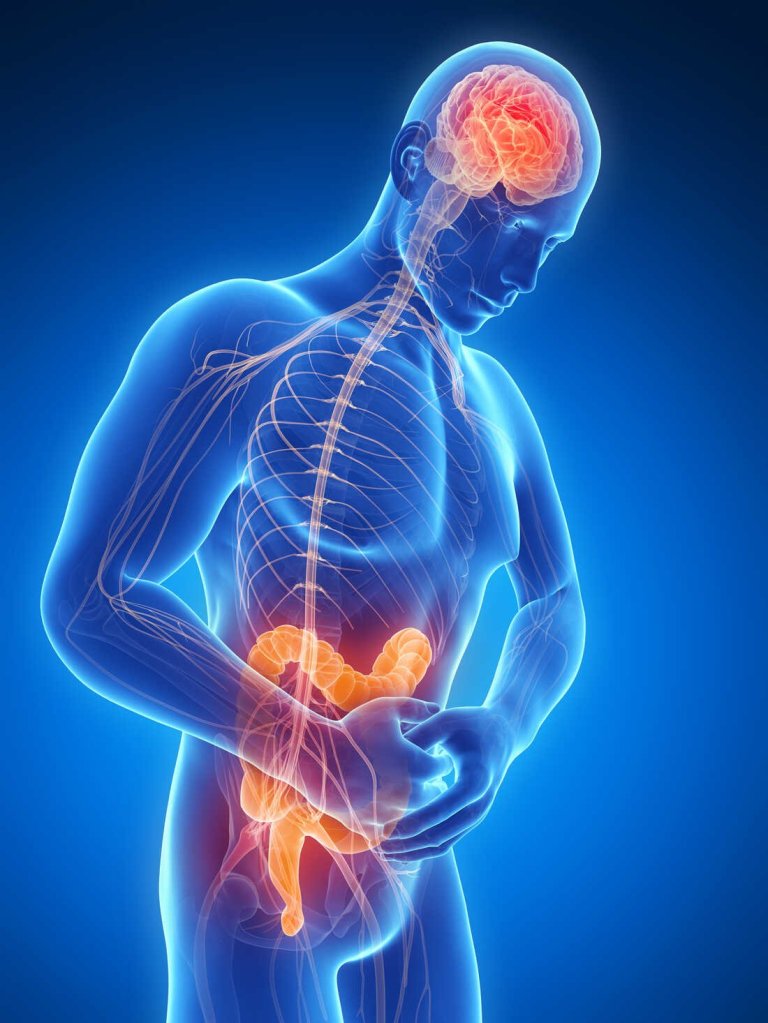
The Gut-Brain Axis: A Two-Way Street
Before we get started, it’s helpful to understand what the gut-brain axis involves and the multiple pathways it impacts, including the nervous system, the endocrine system, and the immune system. The primary components of this axis are:
- The Enteric Nervous System (ENS): Think of this as how it feels when you get “butterflies in your stomach”. The ENS is a vast network of neurons (nerve cells that send messages all over your body to allow you to do everything from breathing to talking, eating, walking, and thinking) embedded in the walls of the gastrointestinal tract. It operates independently of the central nervous system but communicates with it via the vagus nerve, which runs from the brainstem to the abdomen.
- Neurotransmitters and Hormones: The gut produces and responds to various neurotransmitters and hormones, including serotonin, dopamine, and cortisol. These chemicals are crucial for regulating mood, stress responses, and digestive functions.
- The Microbiome: Trillions of microorganisms reside in the gut, forming a complex and dynamic community known as the microbiome. These microbes play a critical role in digestion, immune modulation, and even the production of neurotransmitters.
The Gut-Brain Connection and IBD
Chronic inflammation in IBD can affect the enteric nervous system, leading to alterations in gut motility and sensitivity. Those of us with IBD often experience abdominal pain, cramping, and changes in bowel habits, which are partly mediated by the nervous system. Conversely, stress and psychological factors can exacerbate IBD symptoms. Stress activates the hypothalamic-pituitary-adrenal (HPA) axis, leading to the release of cortisol and other stress hormones, which can, in turn, promote inflammation in the gut.

The Role of the Microbiome
The gut microbiome is crucial in maintaining intestinal health and regulating immune responses. For those with IBD, the composition and diversity of our gut microbiomes are often disrupted, a condition known as dysbiosis. Dysbiosis can contribute to the chronic inflammation seen in IBD by impairing the gut barrier function and promoting an overactive immune response. Interestingly, the microbiome also communicates with the brain through the production of metabolites and neurotransmitters, which influences mood and cognitive function.
You can optimize your gut microbiome with diet by eating:
- Green leafy vegetables (broccoli, kale, Brussel sprouts, asparagus, spinach, garlic, etc.).
- Healthy fats (extra virgin olive oil, sesame oil, coconut oil, nuts, seeds)
- Protein (eggs, fish, grass-fed meats)
- Low sugar fruits (avocado, bell peppers, cucumber, tomato, zucchini, limes, and lemons)
*Before altering your diet or incorporating foods that could trigger disease activity, please talk with your care team and discuss this further with a registered dietitian who specializes in IBD.
Psychological Factors and IBD
IBD is often associated with psychological conditions such as anxiety and depression. According to the Crohn’s and Colitis Foundation, we’re two to three times more likely to deal with anxiety and depression than the general population. These mental health issues can both contribute to and result from the physical symptoms of IBD. For instance, chronic pain and discomfort can lead to increased stress and anxiety, while anxiety and depression can exacerbate gut inflammation and symptom severity. It’s a vicious cycle that can often feel out of our control.

Therapeutic Implications
Understanding the gut-brain connection opens new avenues for the way we treat IBD. Traditional treatments focus on reducing inflammation and managing symptoms through medications and lifestyle changes. However, addressing the gut-brain axis could provide additional therapeutic benefits. Some potential approaches include:
- Probiotics and Prebiotics: These can help restore a healthy balance in the gut microbiome, potentially reducing inflammation and improving gut health. Talk with GI about their thoughts on this, as each provider has their own opinion.
- Psychological Interventions: Cognitive-behavioral therapy (CBT), mindfulness-based stress reduction (MBSR), and other stress-management techniques can help manage the psychological aspects of IBD, potentially reducing symptom severity. Tools such as breath work and gut-directed hypnotherapy can help to improve GI systems, while improving your mood and decreasing stress. This works by softening the body’s stress response, inhibiting the secretion of cortisol, decreasing inflammation, and supporting the immune system.
- Dietary Modifications: Certain diets, such as the low-FODMAP diet, can help manage symptoms by reducing gut irritation and inflammation. Personalized nutrition plans based on an individual’s microbiome composition are also being explored. Connecting with a registered IBD dietitian can provide you with a personalized plan geared to where you’re at on your patient journey—this will differ if you’re recovering from surgery, pregnant, flaring, the list goes on. Diet is not a one size fits approach, it’s unique to you. Before you start eliminating entire food groups and putting difficult limitations on yourself, talk with a professional.
- Pharmacological Treatments: Medications that target the gut-brain axis, such as those that modulate neurotransmitter levels, are being investigated for their potential to treat both the psychological and physiological aspects of IBD.
Final thoughts
Our gut and brain are in constant contact through nerves and chemical signals, and taking care of our mental health and our gut health goes hand in hand. The relationship between our gut and brain is a fascinating and complex one that significantly influences our overall health, playing a pivotal role in everything from mood and cognition to immune response and digestive health. For those of us living with IBD, understanding and addressing this connection can provide new insights into the management and treatment of our disease.
As research continues to uncover the complexities of the gut-brain axis, we move closer to a holistic approach to IBD care that considers the intricate interplay between mind and body. Know that there are psychologists who specialize in gastrointestinal illnesses as well as dietitians who do as well. By adding specialists like this to your care team, you’ll be better equipped to manage the unpredictability of life with Crohn’s and ulcerative colitis.
Additional Resources
The Gut-Brain Axis in Inflammatory Bowel Disease—Current and Future Perspectives – PMC (nih.gov)
Researching IBD and mental health through the gut microbiome – UChicago Medicine
The Gut-Brain Connection — Does It Go Beyond Butterflies? | Live Healthy | MU Health Care
Brain structure and function changes in inflammatory bowel disease – ScienceDirect
Crohn’s disease, gut health, and mental health: What’s the link? (medicalnewstoday.com)







 lights camera crohn's