IBD and Adoption: Insight from a Crohn’s mom about the journey

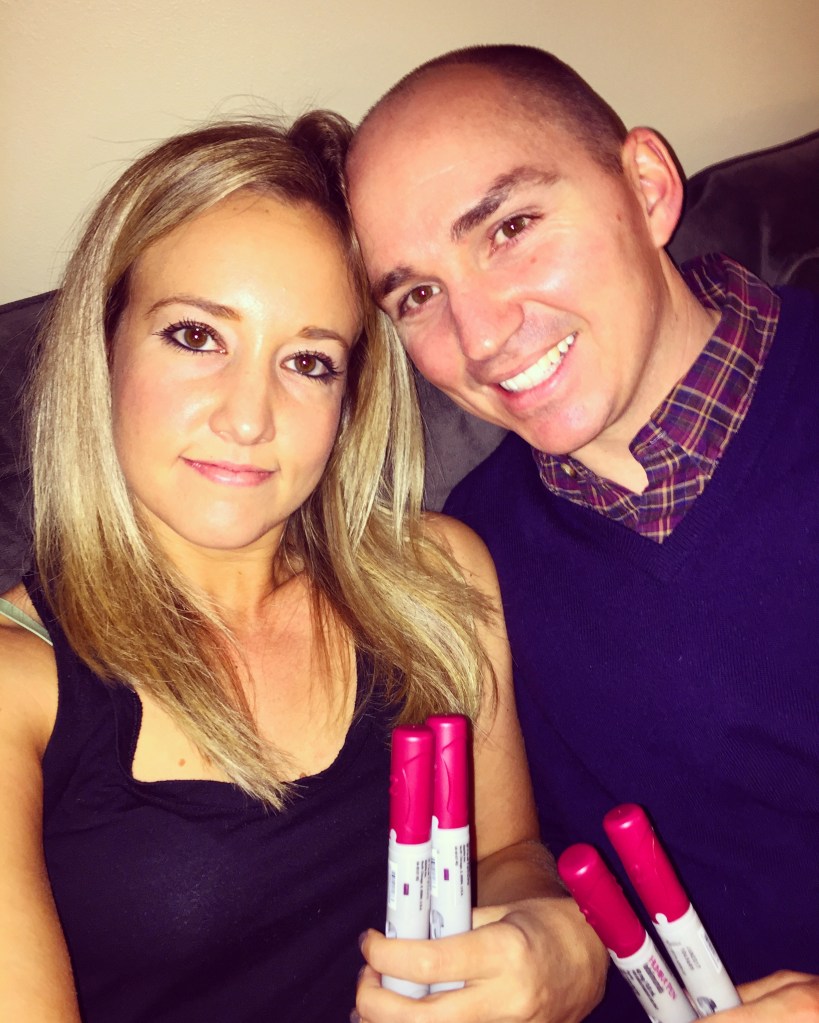
When you have IBD, the path to motherhood can look different for many. There is added stress about whether your body can create and sustain a new life successfully. There’s worries about flare ups and medications and how to stay well-managed while keeping the health of your unborn child in mind…just to name a few. For 30-year-old, Audrey Bolton, of North Carolina, adoption had been a calling in her life since high school when she stood at the airport and watched a family friend bring home their daughter from Guatemala.

She knew from that day forward, she would adopt one day. What she didn’t know is that she would be diagnosed with Crohn’s disease 10 months after getting married and struggle to conceive. This week on Lights, Camera, Crohn’s, Audrey shares her journey of becoming an IBD mom through adoption and what she wants others to know about the process.

NH: Many women with IBD fear their bodies are incapable of carrying a child/or are told they aren’t well enough. What would you like to say to them?

AB: “I would tell them that every journey to parenthood looks different, but at the end of the day, we are all moms. I think it depends on everyone’s situation and it’s a conversation they need to have with their doctor(s) and their spouse. For me, I was sick at the time my husband Crawford and I wanted to have a baby. I was not sick enough to where I wouldn’t be able to parent, but I do not think my body at that time could have been healthy enough to carry a child without problems. With that said, I’m nearing remission so I do still hope that one day we can have a biological child. If a person wants to be a mom, I fully believe that there are many different avenues a person can take to be a mother.”

NH: What are some of the struggles/challenges about adoptions that you wish other families knew?

AB: “Adoption comes from a place of brokenness, so while it is so beautiful that our son Camden made me a mother, it is not lost on me that his birth mother made a huge sacrifice that left a piece of her heart missing. It can be beautiful and heartbreaking at the same time.”

NH: Was the fact you had IBD ever an issue with adoption agencies?

AB: “Not at all! I love this question because I wasn’t sure what to expect when we started the process back in 2017. For all adoptions, you must complete a home study which includes health questionnaires, a physical, and several meetings with a social worker. In those meetings, we talked about my Crohn’s disease and how I was working with my doctor to treat it. If a person is well enough to parent and take care of a child, there are not any issues with having IBD and being eligible for adoption.”

NH: What are your tips for navigating the adoption journey with a partner/spouse?

AB: I could write a book on this one, but the truth is, Crawford has been my rock. He had no idea when he married me that I would be facing a chronic disease that would land me in the hospital multiple times a year for days on end. He has truly stuck by his vows “in sickness and in health.” I think the best tip I have for navigating Crohn’s with a partner/spouse is to communicate. Crawford knows when I’m not feeling well, the best thing for me is to rest and he makes it happen. He also is my voice of reason and tells me if I’m doing too much or if I need to say no to some obligations so that I can properly rest. Communication is key!

NH: What was it like when you first met your son Camden?

AB: “I always envisioned the moment we laid eyes on our son to be beautiful and the best moment of my life. When we arrived at the hospital, we had not slept in 24 hours and had driven straight through the night. We thought we would be meeting our son, but we were told he was being transferred to a Children’s hospital for further testing on his heart. He was hooked up to all kinds of wires and it was one of the scariest moments of my life. We only got to see him for about an hour before the ambulance came and took him to the Children’s hospital. It was whirlwind of a day, but God saw us through it and the next day, he passed all of his tests with flying colors and I was able to bond with my baby for the first time and have my “beautiful moment.”

NH: What’s been the most magical aspect of being an adoptive parent?

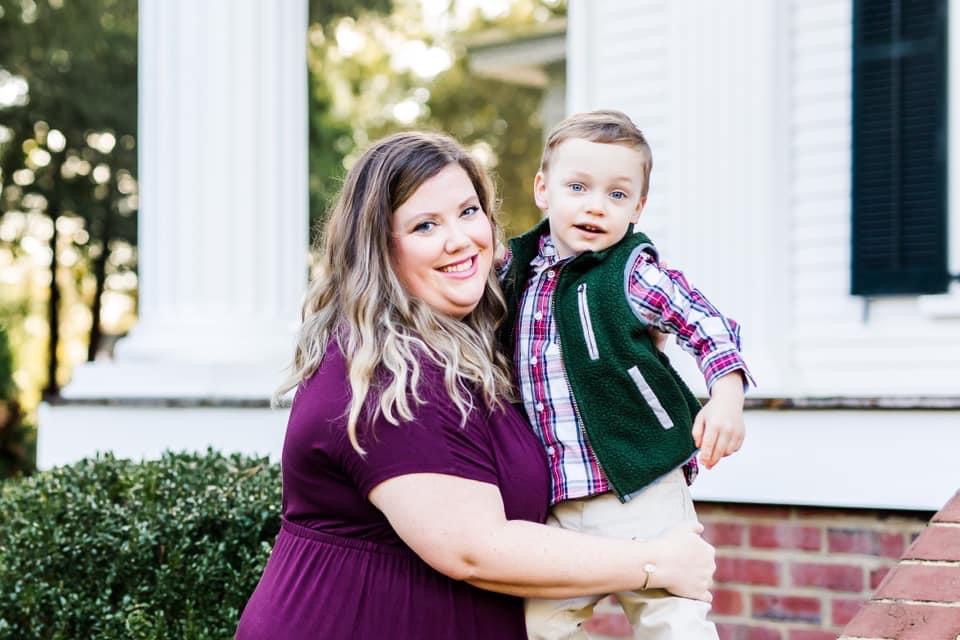
AB: “Most days, I forget that Camden is adopted. He looks just like Crawford and he’s been with us from his second day of life, so he belongs with us. Every now and then, I will have a moment and remember that he has another mom somewhere out in the world. I always say that she is my hero because she chose life for her baby boy and I would say that has been the most magical part for me. Knowing that I owe everything to a woman that I have never met. I pray that she has peace in knowing how loved he is on a daily basis.”

NH: If someone is on the fence about adoption–what would you tell them?

AB: “Pray, pray, and pray some more. If it is God’s will, he will give you that peace. I receive messages every day asking how the process works and people are scared about the cost. If it’s meant to be, don’t let the cost stop you! There are so many ways that it CAN be done.”

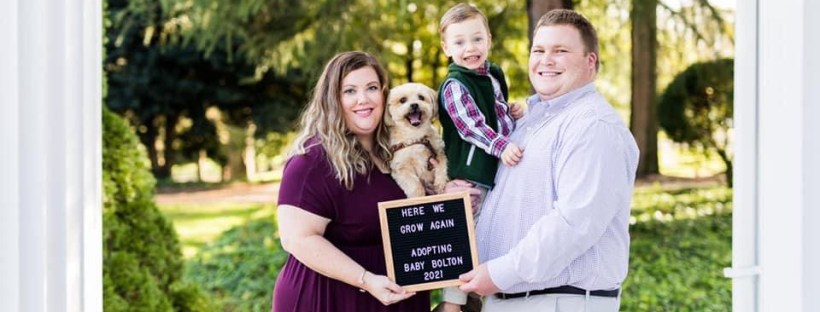
NH: You recently announced you’ll be adopting baby number two in 2021, you must be so excited! Did that process differ at all from Camden’s?

AB: “We are extremely excited. So far, it is the exact same because we are going through the same agency. I’m sure there will be some bumps along the way, but we are so excited to bring home baby #2.”

NH: How has already being an adoptive parent helped you through the experience this time around?

AB: “I know what to expect this time, so I am better prepared for the timeline and the traveling that is involved. With that said, our adoption with Camden was extremely quick. I was at work one minute, waiting for the phone call to meet a birth mom and the next I’m told that there is a baby waiting for us to come get him. There was no time to think or for anything to really go wrong. That makes me a little more nervous this time, as I know that it doesn’t normally happen that fast. I’m just praying that everything happens the way it should in the Lord’s timing.”
NH: How has faith played a role in how you navigate your IBD and motherhood?

AB: “I would be lying if I said I never questioned why God would allow a 25-year-old newlywed to be diagnosed with a chronic disease with no cure. It has been a tough journey, but I think God has shown me a glimpse of how strong I can be in tough situations and it ultimately prepared me to be a mother. Not long after we brought Camden home, I had a full circle moment one night while rocking him to sleep. I realized that Camden would not be in my life if it had not been for all the trials I faced with my health and months and years of seeing only one line on a pregnancy stick. While the journey was really difficult in the moment, it is the privilege of a lifetime to know God handpicked me to be Camden’s mother and that He was with me through all of the really low times.”

Connect with Audrey on Instagram: @audreyabolton

Click here to check out her blog.

The future of biologics and the changes coming down the pipe

This article was sponsored by SmartTab. All opinions and thoughts are my own.

The future of IBD care and treatment is constantly evolving and there’s a lot of hope on the horizon for the patient community. Think back to the moment your physician discussed starting a biologic for the first time and how daunting it was to imagine giving yourself an injection or getting an infusion for the rest of your life. It’s a heavy burden to bear for many reasons.

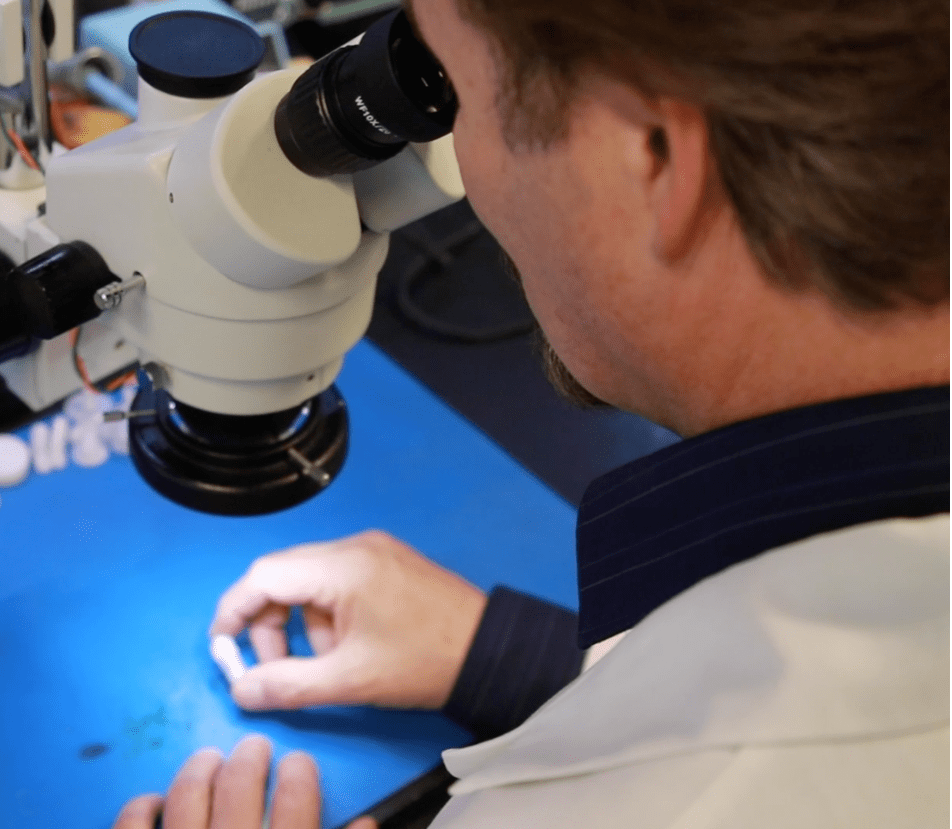
This is where SmartTab comes in. SmartTab is a digital medicine company focused on drug delivery and improving patient care, comfort, and compliance. Their main application, the InjectTab, would give people the option of using the current syringe or autoinjector used to give biologic medication or instead have a person swallow a capsule that would deliver the active ingredients to either the stomach or the small intestine. This initiative is making waves in a big way in both the patient, pharmaceutical, and technology industries. SmartTab was recently named a Tech Crunch Disrupt 2020 Top Pick.

This image has an empty alt attribute; its file name is picture1.png

As someone who has been giving myself injections for over 12 years, this is music to my ears. My next question was what this means for those on infusions.

Robert Niichel, Founder and CEO of SmartTab, says, “We will start with the biologics deployed through a syringe and needle and then move to biologic infusions. Imagine if you take that infusion dose and instead take a smaller dose of the same medication as an ingestible capsule once a day. You now have reduced the amount of drug to a daily amount, side effects would go down because you’re not having to process this entire bolus and keep in mind that some of these drugs, no matter what it is, when you have an infusion, whether it’s to treat Crohn’s or receive chemotherapy, your body has to process that out through the liver or the kidneys. It’s stressful on the metabolism and the organs. Our goal, is that one day, regardless of whether it’s an infusion or an injectable, that you’ll take those drugs via an InjectTab capsule.”

This image has an empty alt attribute; its file name is profile1.jpg

Keeping patients in mind every step of the way

SmartTab is determined to limit the anxiety associated with managing diseases like Crohn’s and ulcerative colitis. The diagnosis and living with a chronic illness can be challenging to cope with, no matter how many years you’ve had it. It’s exciting to think what the future will hold for the IBD family.

“If physicians could go to people and say, we are going to start you on a biologic, you will take one capsule, every week, that’s a lot less of a burden than finding out you need to give yourself injections or spend hours with an IV getting an infusion. Your compliance goes up, patient outcomes, go up. At the end of the day, we’re trying to figure things out so people can lead better and more comfortable lives,” said Robert.

Getting InjectTab FDA-approved

SmartTab has the technology of the capsule finalized and they are starting a pre-clinical animal study next month. The InjectTab will inject an active ingredient into the side of the stomach.

“We will then do blood draws to collect the different levels of the active ingredients. Once that is complete, we will move on to human clinical trials and then onto FDA clearance, meaning approval of a device. Once we have that clearance, then we can combine our InjectTab with other active ingredients. Then we would seek out strategic partners to combine a prescription drug with our InjectTab. We would then do human studies.”

A lot of the heavy lifting for the actual technology has been completed, now it’s all about the clinical studies. Robert says the good news is that they’re not working on getting a new drug approved, since existing biologics will be used with the InjectTab technology.

“We believe that five years from now, if you take a biologic, you will no longer need to be doing a self-injection, there will be more options than syringes or needles to get your medication. You could just take a capsule. Whether it’s once a day or once a week, it will be as easy as taking your vitamins and moving on with your day.”

The cost benefits of a capsule vs. an injector

Right now, autoinjectors are typically hundreds of dollars. The InjectTab will range from $10-$50 a capsule, so right away there’s a significant cost reduction per use.

Robert says SmartTab is really counting on the insurance companies to look at this and say they’ll reimburse for the technology to deploy the drug because now patients are compliant and have reduced office visits and disease progression that can lead to hospital stays and surgeries.

SmartTab is currently in talks with several pharmaceutical companies, because that is the path to commercialization and making InjectTab a game changing reality for patients. Initially, the capsule technology will be available in the United States and then Europe. InjectTab will be geared towards the adult population first.

Life with IBD can be a tough pill to swallow, but the future possibilities surrounding InjectTab may prove otherwise. As someone who has given myself injections for more than a dozen years, this type of technology blows my mind in the best way. When my GI walked into my hospital room in July 2008 while I was battling an abscess the size of a tennis ball in my small intestine and he told me I had two options—Humira or Remicade, I was devastated. I didn’t want to give myself injections and I didn’t want to sit with an IV in my arm and feel sickly. It was a lot to process then and is still not always easy now. Hats off to companies like SmartTab innovating and changing the landscape for the future of IBD and beyond. As a patient, it means the world to me to see the tireless work going on behind the scenes that will change the future for those living with Crohn’s disease, ulcerative colitis, and other conditions.

This image has an empty alt attribute; its file name is humira-loading-dose-day.jpg

Interested in learning more about IBD innovations? Check out the virtual IBD Innovate: Product Development for Crohn’s and Colitis conference November 17-18. Register here.

Click here to learn more about Tech Crunch’s Top Picks for 2020.

Check out my podcast interview about living life powerfully with Crohn’s disease and the future of IBD treatment.

Four Things People with IBD Wish Healthy People Knew

If you live with chronic illness, you may often find you sugarcoat your struggles. For 26-year-old Marissa Spratley of Maryland, this is nothing new. She battles Crohn’s disease, psoriatic arthritis, ankylosing spondylitis, and interstitial cystitis. She manages her conditions with Stelara and sulfasalazine. This week she openly shares what she wishes healthy people knew about life with IBD. I’ll let her take it away.

In the chronic illness community we all know how incredibly difficult it is to have Inflammatory Bowel Disease (IBD), or any other chronic illness. We know what it feels like to get hit with a wave of fatigue so hard you have to lay down immediately. We know what it feels like when our gut is on fire from something we ate. We know what it feels like to have nausea so badly all we can do is curl up in a ball on the bathroom floor and cry. We know these things, yet when we communicate with a healthy able-bodied person, we downplay our struggles and pain. 

Why are we afraid to be honest about how much pain we’re in on a daily basis? Is it because we don’t want to make others feel bad for us? Is it because we don’t want to show weakness? Or maybe it’s because we feel like by explaining how much we suffer on a regular basis, people might know the truth about us. That even though we are incredibly resilient, we live a hard life. We struggle and we cry and we ache and there are days where we wish IBD didn’t exist at all.

The truth is, hell yeah we are strong. But we are also weak, and we are tired. We are exhausted from always having to be strong in the face of pain. We are sick of having to downplay our symptoms and our suffering to make the healthy, able-bodied people around us feel less uncomfortable. We are tired of saying, “I’m good,” when someone asks how we’re doing and we really want to say “I feel like death.” 

So, in the spirit of honesty and opening up to the very ableist world around us about what it’s like to live with IBD, here are four things people with IBD wish healthy people knew.

  1. There are days when it hurts just to breathe. 

No, I am not being overdramatic. Yes, IBD affects more than just your gut. There are days when we wake up and everything about us aches. The way I describe it, is that I feel like I just got hit by a bus. My whole body aches deep in my bones, and it can take me an hour just to get out of bed and stand up straight. Those days are some of the hardest because on the outside we look perfectly normal. Please remember that not all illnesses are visible to the eye.

  1. Good intent doesn’t always mean good impact.

We know you’re just trying to help when you make suggestions about things we could do to try to feel better. But the truth is, we know our bodies better than anyone else, and trust us when we say — if there was something we could do to make us feel better, we’d do it. When you comment about things we should try (like juicing or yoga or going paleo), it makes us feel like you think we aren’t doing enough to feel better. Our healing and health are our business, and while we know you care, if we want your help or advice, we’ll ask for it. We appreciate you understanding this.

  1. Having a chronic illness is really hard on our mental health.

IBD is hard, period. Folks with chronic illnesses not only have to struggle with our physical health, but IBD also has a huge impact on our mental health. Being chronically ill makes you question a lot about yourself — Am I a burden to those around me? Am I worthy if I can’t work? Does my chronic illness make me hard to love? It also makes you question a lot about your worth — Am I lesser than because I can’t work as long as healthy people? Will employers not want to hire me? Do I bring enough to a relationship? These are all real questions I’ve asked myself at one time or another, and I can guarantee they are things other chronically ill folks have thought about as well. The way that IBD can affect your mental health is one of the most challenging parts of being chronically ill, because it is not talked about. So, what can you do to help us with our mental health? You can remind us we are inherently worthy, no matter how “productive” we are. You can remind us that you love us for who we are in our hearts, and not what we can do with our bodies. That means more to us than we can even put into words.

  1. Ableism affects the chronically ill, too.

Many people with IBD and chronic illnesses struggle to claim themselves as disabled, and this is something I could go on a tangent about. But here’s what you need to know: IBD affects our bodies in ways that make us less able, or disabled. The truth is, in the able-bodied centric society we live in, we believe it is offensive to call someone disabled because it means they can’t do something. However, to the actual disabled folks in our community, it is not offensive at all. We own the fact that we can’t use non-handicapped restroom stalls or walk up stairs. We are not afraid to say that there are tasks we cannot do as chronically ill, disabled individuals. It is our ableist society who thinks the term disabled is offensive. It is the ableist mindset that believes by saying someone can’t do something, we are being hurtful. Because to the chronically ill and disabled community, we know that our disabilities do not affect our worth. We know that our health does not affect our worth. But now we need you to know that, too.

To all my IBD and chronic illness folks: I see you, and I hear you. I hope that the next time you have a conversation with someone and you want to be real about how much it truly sucks sometimes, you can send them this article.

To the healthy, able-bodied folks reading this article, thank you for showing up and reading to the end. I hope you learned something new about how to better support your loved ones with IBD or chronic illness.

Connect with Marissa on Instagram: @mindbodycrohns

Putting the debate to rest: IBD fatigue isn’t your “normal” type of tired

I was putting away the dishes after dinner when I paused, exhaled, and said to my husband, “Whew. I just got a major wave of fatigue.” He said, “Yeah, I feel tired right now, too.” This isn’t the first time a healthy, able-bodied person has responded this way—and I know everyone with a chronic illness can relate. I kind of laughed and tried to explain why chronic illness fatigue wasn’t the same as feeling tired, but I was coming up short for words and having difficulty explaining the difference. My husband, Bobby, genuinely wanted to know why I thought my fatigue was different than his and how I knew it was. I said I used to be healthy. I used to not have a chronic illness. I know what tired felt like then and what fatigue feels like now.

Articulating pain with IBD and fatigue can be so challenging—even though it’s something that is so much a part of our day-to-day experience. Unless you live it and it’s your reality, it’s difficult to put the experience into words.

I called upon the IBD family on Twitter and Instagram to see how they describe their own personal fatigue. Here are some of the responses:

“Imagine your car being on empty and you put $5 worth of gas in the tank until you’re running on fumes. Then you put $5 worth of gas again, and you continue this process for months at a time…while sometimes running out of gas completely multiple times along the way.”

“Having to run a consistent marathon without stopping while carrying a toddler in the front and a backpack with a week’s worth of supplies on your back…in flats.”

“Mentally feeling like you have the energy to do simple tasks, but your body physically won’t let you. Knowing I need to walk 100 feet to get in my work building and having to give myself a pep talk to do it because I’m not sure I’ll make it without having to sit down.”

“You’re tired from being tired. You are just over everything and the day drags on and on. A nap doesn’t help because you “waste” your day, but the truth is you can’t even take a shower because the thought is way too much energy.”

“Like you’re walking with ankle and wrist weights on 24/7. There are days I feel like I’m walking through a fog so dense in my head I can touch it.”

“When I think of chronic fatigue for me it means faking being well. When getting out of bed or getting a shower is an accomplishment or needing to rest after taking a shower. No matter how much sleep you get you still wake up tired. Chronic illness fatigue is physical, mental, and emotional exhaustion.”

“Trying to motivate yourself when you’re fatigued and having brain fog is how I imagine swimming in syrup or molasses would be.”

“It’s the feeling of exhaustion, hopelessness, and loss. You’re beaten down from managing your condition and the various negative side effects that come with it on top of trying to function in whatever role you’re trying to play on a daily basis (for me: wife, mother, employee, and friend). It’s trying to make the most out of life but knowing you’re limited. It’s mourning the person you once were and want to be at that time. It’s physically, mentally, and emotionally draining.”

“I explained the fatigue to my students that just thinking about lifting my legs to walk or the mechanics of moving my limbs is exhausting…let alone the act of doing it. Everything feels heavy.”

 “Down to the bone, exhaustion in my core, something that is impossible to push through.”

“I like it’s like first trimester fatigue! But, with no end in sight and nothing hopeful to show for the symptoms like a baby!”

“Like your body is made of bricks. Your mind knows you need to get up and do something—change over the laundry, send an email, but your mind cannot make your body move.”

“Living in a constant state of exhaustion. No amount of sleep or rest seems to shake it.”

“For me…I would describe chronic illness fatigue as KNOWING your car has no more fuel and having to get out and push it home yourself.”

“Heaviness in my body. Just surviving, not thriving. Frustrating because I want to do more things but can’t always.”

“Being tired as soon as you wake up, until you go to bed. Never fully feeling rested. Planning naps throughout a day. Heavy eyes. Mood swing when beyond exhausted.”

“Like constantly living under 10x gravity.”

“Like someone pulled the plug out.”

“Like moving through the mud. It can also creep up on you when you least expect it, sort of like this year’s global pandemic—all encompassing and has no sympathy.”

“Like I’m wearing 100 pounds worth of sandbags that don’t go away even when I get lots of sleep.”

“Waking up and still being tired. No amount of coffee can fix this tired.”

Stop the comparison game

After reading these descriptions, my hope is that the next time you try and compare your fatigue or tiredness to someone with a chronic illness you pause and be selective of your words. Of course, everyone is entitled to be and feel tired, but it’s not an even playing field energy-wise when you’re a healthy, able-bodied person. Coffee, naps, and sleeping in help most of the population feel energized and re-charged, but fatigue with chronic illness is often untouchable. A full night’s rest can still leave you feeling exhausted. A coffee may have no impact. A nap may cause the fatigue to be even more pronounced. As an IBD mom, it can be frustrating to hear someone without a chronic illness try and diminish my personal struggles by equating them to theirs when there is truly no comparison.

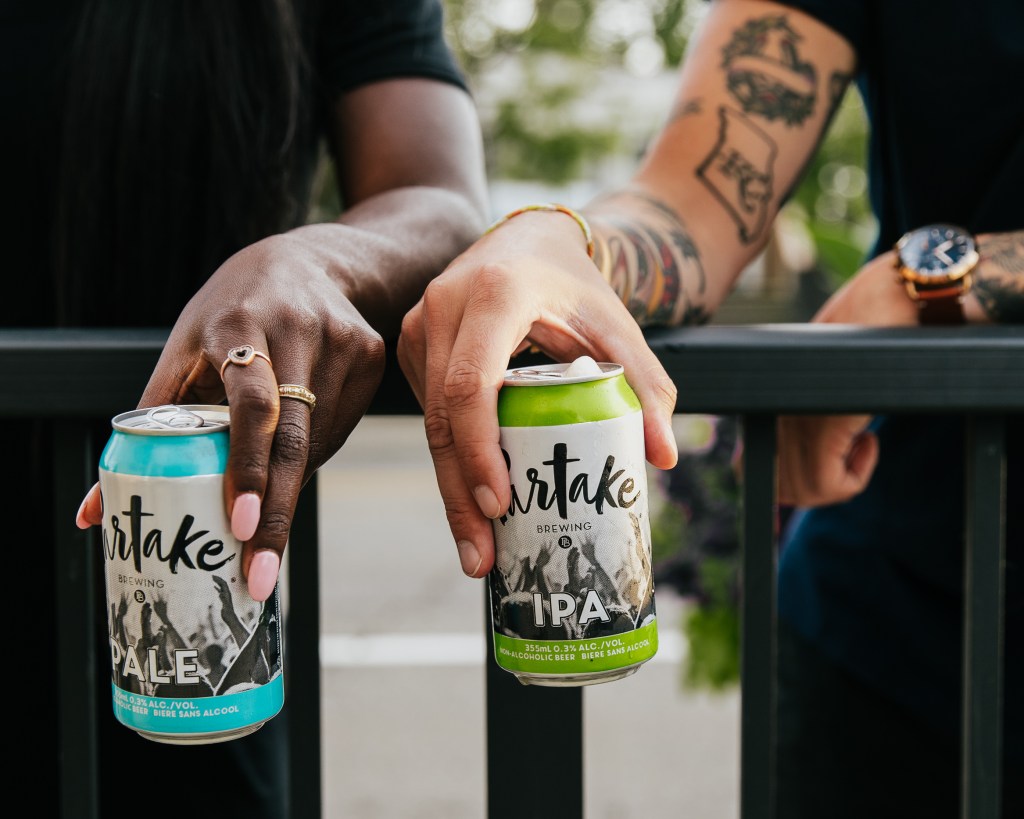
How Crohn’s Disease Inspired Ted Fleming to Create Partake Brewing

Ted Fleming of Calgary gave up alcohol more than a decade ago to keep his IBD symptoms and disease activity under control. He was diagnosed with Crohn’s disease in 2005, at age 25. Ted says he not only missed the taste of beer, but discovering new beers. Even more than that, he found he missed the social connection that comes with sharing a drink with a colleague after a hard day’s work, cracking a beer with the guys after hockey, and joining in to celebrate special occasions.

A friend suggested he try non-alcoholic beer. Ted says the problem is most tasted awful and there was almost nothing on the market in terms of variety. It was at that point Ted decided to launch Partake Brewing. His hope—to bring all things that make craft beer great to non-alcoholic beer drinkers including taste, variety, authenticity, creativity, and passion. Now 42, Ted, is a shining example of someone whose career path evolved because of and was inspired by his IBD.

I was intrigued by his patient journey and how he got to where he is today. Here’s his Lights, Camera, Crohn’s interview:

NH: How has your patient journey with Crohn’s disease the last 15-plus years helped you create a successful business?

TF: “The discipline around my own personal health has helped me as a business owner to set priorities and largely keep to those priorities. There are many distractions and potential paths to go down as an early stage business so planning and having the discipline to stick to the plan over the long-haul are critically important.”

NH: How do you manage your IBD (medication/lifestyle wise)?

TF: “Regular exercise, medication (Humira), dietary changes (limited red meat, no uncooked veggies, no alcohol), get enough sleep, and be social.”

NH: What advice do you have for those who are worried about finding a career path they’re passionate about while juggling their IBD?

TF: “I am fortunate to have had some long periods of remission, but early on I struggled and that impacted my journey to find a career that was rewarding in ways important to me. Being willing to try new things is a good way to test interests, but with IBD, we don’t always feel up to it… so knowing when to say no and being ok with that is a necessary skill that takes practice.”

NH: How do you navigate the stress associated with running a business and managing your Crohn’s?

TF: “Managing stress has been an important part of my journey and I find that when I do start to have trouble with my Crohn’s, stress is usually one of the triggers. We each manage stress differently so finding what works best for you is important and integrating regular stress relief and stress avoidance into your daily routine can pay huge dividends. Besides avoiding alcohol, I have adopted better sleeping habits, exercise regularly, plan to socialize directly with people, and largely refrain from using social media.”

NH: What type of feedback have you received from customers? Any IBD folks reach out and thank you for creating this?

TF: “We are so lucky to have some of the best fans in the world, our consumers are incredibly passionate about our beer and our mission. We get emails regularly from consumers from all walks of life who are grateful to have the opportunity to enjoy a great beer no matter what their reason for partaking. The IBD community has really rallied around us and I am incredibly grateful and humbled by their outpouring of support. It was this feedback, particularly in the early stages of the business, that helped us push through the inevitable challenges of running a startup and to this day gives us a powerful purpose.”

NH: What sets your non-alcoholic beer apart from the rest?

TF: “Partake Brewing’s beer is crafted with international award-winning recipes, is incredibly delicious, and is only 10-30 calories per can. Our beer is also brewed with four simple ingredients but is packed full of flavor. When I started Partake Brewing, I wanted to not only brew a great beer but I also wanted to bring a variety of great beers to the non-alcoholic market so anyone can Partake on their own terms.”

NH: How/where can people get their hands on Partake?

TF: “You can find Partake Brewing on shelves across Canada and the USA, but you can also have it delivered straight to your door from DrinkPartake.com. In Canada, you can find us at major retailers such as Safeway/Sobeys, Loblaws, Atlantic Superstore, Great Canadian Superstore, and the LCBO as well as many others. In the US, we are sold at Total Wine & More and select Whole Foods.”

Connect with Partake Brewing

Instagram: @partakebrewing

Facebook and Twitter: @DrinkPartake

Why this public bathroom triggers me: Tactics for coping with the mental health aspect of IBD

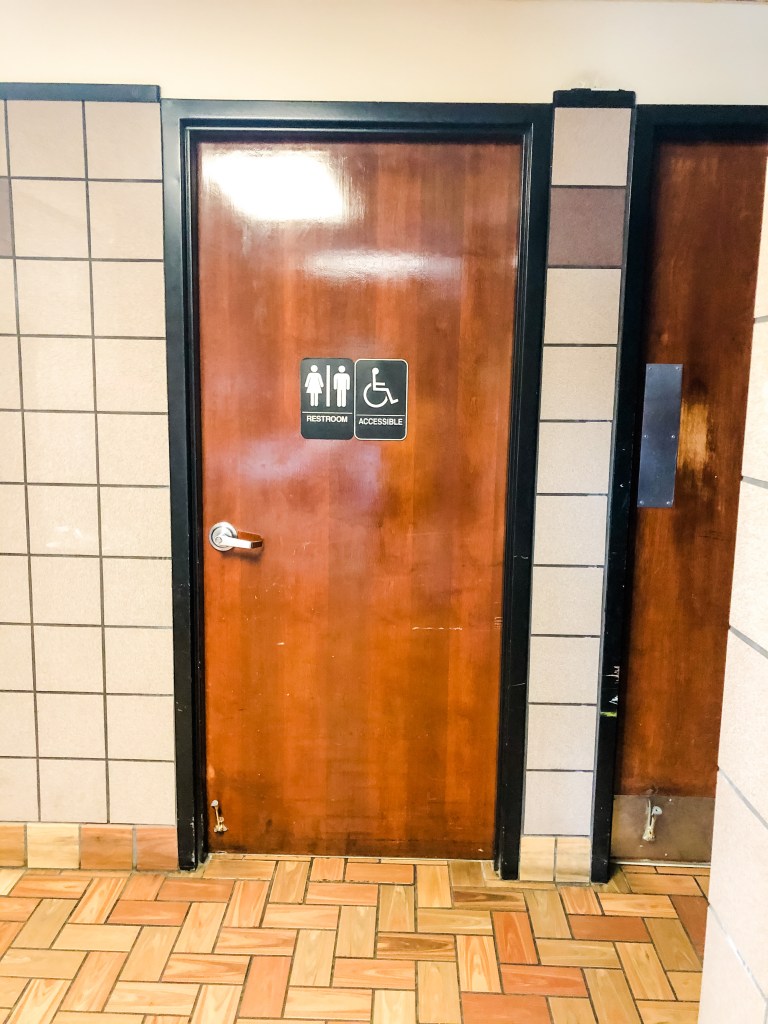
I paid for my groceries and casually pushed my cart full of food through the automatic door when I saw it. The bathroom where I experienced one of my scariest and most painful moments. The bathroom I had to run into after pulling over on my way home from work because I was in such debilitating pain, I couldn’t handle sitting upright in my car to make it the extra five minutes home. The bathroom where I lost all feeling in my arms and legs and where my fingers locked into painful contortions. I couldn’t even hold my phone to call my boyfriend (now husband) to tell him we needed to go to the hospital. The bathroom where I unknowingly happened to call my mom after accidentally hitting “Recent Calls” with my elbow. All she heard on the other line when she answered was me screaming. She didn’t know if I was getting raped, she didn’t know what the hell was going on and she was in a different state. God was watching out for me because she was able to call Bobby and let him know I needed help and I needed help fast.

He rushed to the grocery store and whisked me out of the bathroom and straight to the hospital where I found out I had a bowel obstruction.

I’ve been going to this same grocery store for nearly seven years. It’s been nearly six years since that dramatic experience occurred. But even now, five years into remission, I always go out the other doors because seeing that bathroom is a trigger. A trigger to one of my lowest points in my patient journey with Crohn’s disease. A trigger that caused my IBD to act up right in that moment this past week.

I was forced to go out of the grocery store that way as part of COVID-19 safety procedures to keep all incoming traffic through one set of doors and all outgoing traffic to another.

Coping with psychological triggers

When those of us in the IBD community hear the word “trigger”, food usually comes to mind. We casually say “oh that’s a trigger food for me”, but we often don’t pay much attention to the physical triggers in our lives that can exacerbate our symptoms—such as locations like that grocery store bathroom, relationships with certain friends and family members, the pressure of being enough and doing enough in comparison to our peers, the list goes on.

I interviewed Dr. Tiffany Taft, PsyD, MIS, a Research Assistant Professor at Northwestern University Feinberg School of Medicine, and a fellow IBD warrior to get some clarity on this subject and to learn more about what steps we can make right now to protect our mental health and prepare for the unknown.

NH: As chronic illness patients–how can we best navigate triggers that instigate a stress response? (Other than avoidance)

Dr. Taft: “While avoidance feels like the safest option when it comes to situations that trigger our stress response, it simply kicks the can down the road in terms of the effects these situations have on our bodies. People living with chronic illness may collect multiple situations that trigger the stress response – doctor’s offices, hospitals, certain tests or treatments, making avoidance very risky if it means not managing the illness and staying healthy.

Try the “Exposure Hierarchy” exercise: Dr. Taft recommends making a list of activities or situations that are stressful, ranking them from the least stressful to the most stressful and picking 10 things. Rate those 10 things from 10 to 100 (100 being the worst). After making the list, she has patients start with number 10 and practice that task several times over the course of a week.

Before that, though, she teaches relaxation strategies such as deep breathing and grounding to help when the anxiety goes up. She says, “With repeated exposures to the feared situations and working through the anxiety, each time we do activity 10 again, it will feel easier and confidence grows. Once the patient is ready, they repeat with 20, 30, etc. until we get to the dreaded 100 which will actually feel less scary because of all the other work we did before.”

**NOTE** If you feel you have symptoms of Post-Traumatic Stress Disorder (PTSD) which include vivid nightmares, flashbacks, and feeling on high alert most of the time, you should seek treatment with a trauma therapist. The good news is research on treatments for PTSD show they are just as effective when delivered via tele-medicine.

NH: Can you explain (in layman’s terms) what goes on when we’re “triggered”?

Dr. Taft: “Triggered is setting off our body’s fight-flight-freeze response, and results in a cascade of physical sensations and emotions. The most common ones are muscle tension, sweating, shallow breathing, and heart racing. Unfortunately, this response can also trigger our guts to start acting up because of the brain-gut connection. It’s a completely normal process but when you have IBD it can trigger symptoms. Your thoughts may be all over the place and littered with “what if’s” and “I can’ts”. Your mind may revisit the worst aspects of past experiences or come up with even more catastrophic possibilities in the future.”

NH: As people with IBD–I know many of us are nervous about flaring and needing to be hospitalized all alone during this pandemic, while being at greater risk for getting COVID. Do you have any advice on how to cope/mentally deal with that worry/concern?

Dr. Taft: “Facing a flare and hospitalization was stressful in the “before times” so facing this during COVID19 is an extra level of stress. While we have video chat, it does not replace the comfort of physical closeness and touch we would get from supports who could be in the hospital with us. The good news is hospitals have figured out COVID quite well and the odds of contracting it while hospitalized for IBD are lower than they were at the start of the pandemic.”

If you’re facing hospitalization, think about your resilience in these circumstances. There were probably times you felt like you couldn’t handle it, or it was never going to end or get better, but here you are today reading these words. You made it through. It may not have been pretty, it was probably incredibly hard. Anxiety has a great ability to negate our memories of how much we’ve navigated in the past.

Feeling anxious? Do this: Write down the ways you coped before, what worked and what maybe didn’t. Evaluate your thoughts about being hospitalized. Are they accurate? Are they helpful? What are some alternatives that could help you feel less anxious? If that doesn’t work, sit with the anxiety, and try some deep breathing to calm your nervous system. The sensations will likely pass and then you can retry evaluating your thinking when you aren’t feeling so keyed up.

NH: What advice do you have for people during these already complicated and challenging times when it comes to managing mental health?

Dr. Taft: “This is truly a unique time in that we are all in this COVID19 boat together. We all came into the pandemic with our own life challenges, and those probably haven’t gone away and even may have been made worse. We’re coping with a lot of information, new rules every other day, grim statistics, and people bickering over who’s right or wrong. I’ve told every patient I see to turn off the news. Get out of the comments on social media when people are arguing the same points over and over.”

Steps you can take in your day-to-day: Dr. Taft advises not to spend more than 15 minutes a day on the news, so you can stay informed but not get into the weeds. Take social media breaks, especially if your feed is full of the same tired arguments. Focus your attention on meaningful activities that align with your values. Those are what will bring you some stress relief. And those are unique to you, so no list on the internet of how to cope with COVID is going to solve everything. Sometimes these lists make us feel worse because we’re not doing most of the recommendations. Be as kind to yourself as you would be to your best friend or a beloved family member. Nobody has it figured out right now even though some people like to say they do.

Healing Holistically: 7 Helpful Tips from a Nutritionist with Crohn’s

When you’re diagnosed with IBD as a teenager, it’s safe to say, your disease plays a big role in your future. Brittany Duffy is a 24-year-old from Canada who is already a decade into her journey with Crohn’s disease. Her diagnosis inspired her to become a Registered Holistic Nutritionist.

This past March, Brittany had bowel resection surgery that also involved the removal of her appendix. She is currently medication free and choosing to support her body naturally through diet, stress management, and supplements. Surgery

Before we dig into this week’s article—I want to preface this by saying medication is not a failure. While diet and lifestyle alone work for some with IBD, it certainly doesn’t work for most. As someone who has been on medication for 15-plus years, I understand what it’s like to aspire to be med-free, but not be able to successfully make the transition without putting your health at risk. Please don’t go off your medication without first consulting with your gastroenterologist and care team. At the same time, even if you are on medication, your body, overall health, and well-being can benefit immensely by living a “clean” lifestyle.

When Brittany was first diagnosed in October 2010, she was put on Humira, which worked well to stop her flares. Unfortunately, the medication caused a host of other issues. She experienced anemia, muscle and joint pain, depression, anxiety, disrupted sleep-wake cycle, dry skin, brittle nails, hair loss, constant constipation, and uncomfortable abdominal pains. Sunny day

“I am so inspired by other IBD warriors, it reminds me that I’m not alone and to be grateful for the health I have. So many others have it much worse, so each day that is a good day I embrace and make the most of it,” said Brittany. “We never know when a flare will strike. There are tactics in my toolbox I have now to reduce gut inflammation, and I am passionate about sharing this information with others.”

7 tips for managing IBD holistically

  1. Stress management: It’s critical to manage your stress levels, because when the body is in a constant state of stress, simple functions like digestion, absorption, and elimination cannot occur, resulting as nutrient deficiencies, constipation, diarrhea, low energy, and whole-body inflammation. Stress turns off digestion and can trigger uncomfortable digestive symptoms, like gas and bloating, heart burn, acid reflux, constipation, or diarrhea. When we are stressed it can increase inflammation and reduce the chance of reaching remission. Some stress management practices include deep breathing when feeling overwhelmed, yoga or gentle movement, getting outside and being with nature, and also self-care (one activity a day that makes you calm – music, reading, calling a friend, journaling, physical exercise.)
  1. Choose local, fresh, quality foods: Fresh is best. If it doesn’t come from Mother Nature and you don’t understand the ingredient list, the body won’t either. The body recognizes real foods versus processed and boxed items. There are also beneficial enzymes, fiber, and antioxidants in fresh food that helps reduce inflammation and IBD flares.
  2. Avoid antibiotic and hormone fed meat, dairy, and eggs: Antibiotics and added hormones in our food can disrupt our gut bacteria balance and allow harmful bacteria to thrive, which may contribute to IBD symptoms and poor nutrient absorption. Our good bacteria help digest food and increases nutrient absorption, but if our gut bacteria balance has more harmful than good bacteria, our gut health will become affected.
  3. Practice mindful eating: Eating when rushed or in a hurry can delay digestion and may create symptoms of gas and bloating, diarrhea, or constipation. IBD often creates limited food choices due to food sensitivities or trigger foods, bowel blockages, scar tissue, high fiber foods, raw nuts and seeds or fruits and vegetables. If we create a stress-free eating environment it may help reduce digestive stress and allow our body’s a chance to break down “safe” foods easier, while also reducing the risk of triggering a flare or an inflamed gut. A stress-free eating environment includes sitting down while eating, away from stress and distractions, try to enjoy the food you’re eating, become of aware of how you feel while eating, and find pleasure in food. Take a few breaths and put utensils down in between bites to allow yourself time to eat. Eating should be an enjoyable routine, not something we rush through.
  1. Focus on anti-inflammatory foods that may help reduce IBD flares:

Healthy fats: avocado, hummus, coconut oil, coconut yogurt/milk, raw nut butter

Lean proteins: wild caught fish, chicken, turkey

Digestible fiber: sautéed spinach, carrots, zucchini, bell peppers, soaked or ground nuts and seeds, pineapple, strawberries, bananas, mango

Herbs and spices: cinnamon, cardamom, turmeric, fenugreek

Tea: ginger, peppermint, green, lemon, chamomile

  1. Understand Food combining: Certain foods digest at different rates, which may result as sugar and protein fermentation in the gut. Uncomfortable symptoms like gas, bloating, heart burn, constipation, diarrhea, and feeling tired can result when there is a compromised digestive system and poor food combinations. Try to eat foods that will digest the quickest first, like fruit, to avoid protein and fat fermentation in the gut. Try to avoid proteins and sugary/starchy carbohydrates together. Proteins and fats are okay with vegetables, but should be eaten separately from grains. The purpose of food combining is to improve healthy nutrient absorption and reduce bacterial overgrowths in the gut by reducing a food source, the sugars. Food combining does not have to be practiced several times a day, but it can help long term to reduce digestive stress, and improve overall gut health.
  2. Eat “Alive” foods: Quality probiotics, fermented food (raw and unpasteurized) like sauerkraut, kimchi, tempeh, coconut yogurt/kefir. These contain beneficial bacteria that supports healthy digestion, nutrient absorption, energy, and may help reduce inflammation.

Summer

Now that Brittany is not on medication, she meets annually with her GI specialist to get blood work done once or twice a year. She also has a colonoscopy every three years. Her next scope is scheduled for October. If she recognizes any changes to her health, she contacts her physician or requests blood work. Since Brittany shifted her focus on diet, supplements, and lifestyle, she has improved nutrient absorption and reduced the inflammation in her body.

You can connect with Brittany Duffy, RHN on Instagram and Facebook: @digestionwithbrittany.


Digging in the Archives: Emails I wrote following my Crohn’s diagnosis in 2005

When I started my blog, Lights, Camera, Crohn’s, four years ago, my main mission was to be the voice I desperately needed to hear upon diagnosis. As I reflect on my 15 year diagnosis anniversary, I thought it may be helpful to give you a behind the scenes look at some of my email archives from 2005…days after finding out I had Crohn’s disease. I’ve never shown these to anyone (other than the recipients, of course!)…but my hope is that in sharing private feelings, you’ll be able to see how my perspective about life with IBD has shifted and evolved since I was a 21-year-old girl feeling up against the wall with nowhere to turn.

7E5116AD-B985-4874-93C0-812987927578

Photos taken in May 2005 (prior to diagnosis) and September 2005 (while on 60 mg of prednisone).

This article is dedicated to the newly diagnosed. We’ve all been in your shoes. What you’re thinking. What you’re feeling. What you’re struggling with. We get it. It’s not fair to compare where you are in coping to someone like me who has been dealing with Crohn’s for 15 years and been in remission for nearly five.

Here are snippets from my emails to friends. Reading the pain in my words and re-living this difficult time can be a trigger, but reflecting and seeing how far I’ve come is also incredibly empowering.

“I’m having a really hard time with this, harder than I ever could have imagined or dreamed…and I’m having a hard time trying to act like everything is great on the exterior. I feel like I’m on the brink of a breakdown…the drugs are getting to me so much. I woke up with visible shakes this morning and have been shaking all day. My moods aren’t me. I feel like I am a different person and that as much as I want to be the old Natalie, it’s just so hard to wake up smiling and happy. I’m getting tired of my family constantly asking me if I’m doing ok and feeling ok and everyone staring at me while I eat…I just feel like a pity case to so many people. I feel so alone in all this. I’m trying to be upbeat…and I know that it is going to take time to get acclimated to the lifestyle changes and everything, but right now I’m just having a difficult time figuring out who I am and where I’m supposed to be in life. The insomnia has left me up every night just thinking and wondering what the future holds and if I am ever going to feel normal again.”

“I try so hard to be strong and tough about this and it just all stays bottled up and I just started crying and am having a hard time stopping. It’s just so hard. I look at pictures and think back to even graduation time and it just freaks me out that I went from living a carefree, healthy life…to this. I know it is something that I will always have and that I have to get used to it…but it’s hard for me to handle at times. I don’t mean to complain or worry you or anything, I just feel as though I need to get out some of this frustration before I go to bed. I’m scared of getting sick again and having to go in the hospital sometime again…and I just feel like I can’t go a day without a thinking about all the what ifs. You know I analyze so much…haha…it’s like a living nightmare!”

“I’m sorry if I talk about this too much. I’m sure it isn’t the most appealing or attractive thing to have to hear from your gf…but sometimes it becomes a little overbearing on me…and I can’t hide my fears when it does. I mean I refuse to let this change who I am and the life I will lead, it’s just at times it seems so much bigger than me, and so much larger than life. I know I have been complaining a lot about my puffy cheeks and stuff…and I know that prob gets old…I just get so self-conscious about it…and it just sucks that I have exactly 2 more months left on the steroid. As my dosage gets lower and lower the side effects should stop and start to go away…I’ll believe it when I see it!  I guess it’s just scary to me to see the effects of a drug that are helping me on the inside and hurting me on the outside. I just want to look the same to you as I did the last time you saw me.”

“What I won’t ever apologize for is this summer, because I was going through a living hell, and I saw which friends were there for me and which weren’t. I was ridiculously ill from June 5th-my bday (August 24) and you were angry with me for not keeping in touch. I couldn’t even stand to get myself a glass of water for weeks and was hospitalized for days. I never heard anything from you. I know that people handle those types of situations differently… but that was the hardest thing I’ve ever gone through in my life, and I really needed a strong support system. Battling with a disease and feeling like I completely lost myself has made me have to be a little selfish these past few months. I’m just coming to grips with it all now and thank God I’m feeling well…but it is still an adjustment and has given me a complete different perspective on life.”

You guys. I’m sitting here crying. I’m that girl. I wrote those words. That was 15 years ago and thinking about that time still feels like a knife in my chest. Even though this disease has enabled me to gain so much gratitude and perspective, it still robbed me of a lot. It still hurts…sometimes more emotionally than physically these days since I’m in remission. These diagnosis anniversaries stir up a lot of memories. While I choose to think of it as a time to celebrate another year of taking this disease on with all the strength I can muster, it’s also a time that takes me back to some of the most challenging and difficult moments in my life.

IMG-5353

I colored this in my hospital bed after being diagnosed with Crohn’s.

I wish I could hug that girl and tell her it was going to be alright. The career, the love, the family…it would all happen. If you’re in that difficult space right now coming to terms with your newfound identity following diagnosis or getting over a flare up, please know this disease ebbs and flows. It’s not a constant. The good and the bad moments are fleeting, but your resilience and your confidence in coping becomes so much a part of who you are, it’s hard to recognize who you were before.